The Best Races for Ranger in D&D 5e (Race Guide for Wilderness Warriors)

Rangers are among Dungeons & Dragons 5e's most capable trackers, hunters, and wilderness explorers. They combine weapons, useful spells, and survival skills to handle threats both in and out of combat. Choosing the right ancestry can support those strengths, whether you want a scout, archer, or animal companion.
This guide covers the best races for Ranger 5e and explains important differences between the original 2014 rules and revised 2024 rules.
What Makes the Ranger Unique? (Core Abilities Explained)
Rangers balance martial combat with nature-based magic. Older 5e games may use optional features from Tasha's Cauldron of Everything. Under the revised 2024 Ranger rules, Rangers gain spellcasting, Hunter's Mark, and Weapon Mastery at level 1. Your fighting style shapes which ancestry works best.
Key Stats for Rangers:
- Dexterity: Improves ranged and finesse weapon attacks, initiative, and Armor Class with suitable armor.
- Wisdom: Supports Ranger spellcasting and important skills such as Perception and Survival.
- Constitution: Helps you withstand damage and maintain concentration on spells.
Strength-based melee Rangers are possible, but Dexterity is usually the simpler choice for beginners.
What Makes a Good Ranger Race?
Look for traits that match how you plan to play: movement for repositioning, darkvision for night missions, stealth for scouting, or defensive abilities for close combat. One important rules change matters here: 2024 characters get ability score increases from backgrounds, not species. Earlier 5e races often list fixed bonuses. Check which character creation rules your Dungeon Master uses before comparing builds.
Top 5 Best Races for Ranger in 5e

1. Wood Elf
Why it's great: Wood Elves offer speed, useful senses, and abilities that suit a wilderness scout.
- 2014 rules: +2 Dexterity, +1 Wisdom, 35-foot speed, and Mask of the Wild for hiding in certain natural conditions.
- 2024 rules: 35-foot speed, Druidcraft, Longstrider at level 3, and Pass without Trace at level 5.
- Other benefits: Darkvision and Fey Ancestry help with exploration and resistance to charm effects.
Suggested build: A Hunter or Gloom Stalker who scouts ahead and attacks from a good position. Wood Elf is an especially easy starting point if you enjoy forests, tracking, and stealth. The 2024 version also brings helpful magic without using your normal Ranger spell choices.

2. Variant Human / Custom Lineage
Why it's great: These older options let you customize a Ranger early. The revised Human remains a flexible choice.
- 2014 Variant Human: +1 to two ability scores, an additional skill, and a feat at level 1.
- Tasha's Custom Lineage: +2 to one ability score, a feat, and a choice of darkvision or a skill proficiency.
- 2024 Human: Gains an extra Origin feat, one skill proficiency, and Heroic Inspiration after each long rest.
Suggested build: A versatile Beast Master, Hunter, or Fey Wanderer. In a 2014 game, an early feat such as Sharpshooter or Crossbow Expert can shape an archer. Under 2024 rules, those are not Origin feats, so choose from the available Origin options instead. Skilled is useful for a Ranger focused on exploration.

3. Shadar-kai Elf (MOTM)
Why it's great: Teleportation and defensive traits help a Ranger survive dangerous encounters.
- Blessing of the Raven Queen: Teleport up to 30 feet as a bonus action, with uses equal to your proficiency bonus per long rest.
- Added defense: From level 3, teleporting also grants resistance to all damage until the start of your next turn.
- Other traits: Darkvision, Fey Ancestry, and resistance to necrotic damage.
Suggested build: Gloom Stalker or Horizon Walker for ambushes or difficult terrain. Teleporting can get you out of a surrounded position without needing a clear walking route. The traits above come from Mordenkainen Presents: Monsters of the Multiverse, not the older Shadar-kai version.

4. Firbolg
Why it's great: Firbolgs offer magical utility, a brief escape tool, and a natural connection to wild places.
- Firbolg Magic: Provides Detect Magic and Disguise Self for investigating unusual places or moving unnoticed.
- Hidden Step: Lets you briefly turn invisible as a bonus action; the number of uses depends on the rules version.
- Speech of Beast and Leaf: Helps communicate simple ideas to animals and plants, without giving them human intelligence.
Suggested build: Beast Master or Swarmkeeper. A Firbolg makes sense as a forest guardian, animal caretaker, or traveler who solves problems without fighting. The older Volo's Guide to Monsters version has +2 Wisdom and +1 Strength; the Monsters of the Multiverse version uses flexible ability score increases.

5. Tabaxi
Why it's great: Tabaxi are excellent at moving between cover, climbing, and spotting trouble.
- Feline Agility: Doubles your speed for a turn; you must spend a turn without moving before using it again.
- Cat's Talent: Gives proficiency in Perception and Stealth.
- Climbing and sight: Climbing speed and darkvision help in ruins, caves, and forests.
Suggested build: Hunter or Swarmkeeper. A Tabaxi archer can climb toward a useful firing position or retreat from an enemy closing in. Remember that climbing does not automatically make every wall easy, and speed alone does not prevent opportunity attacks.
Honorable Mentions: Unique and Roleplay-Friendly Ranger Races
These alternatives can be just as useful when their features suit your campaign.
Kenku
- Mimicry: Imitate sounds or voices you have heard, which can help with distraction or investigation.
- Kenku Recall: The Monsters of the Multiverse version supports selected skill proficiencies and boosts certain skill checks. It does not grant darkvision.
Why it works: A Kenku Gloom Stalker can be an attentive urban tracker or a clever scout in a mystery-heavy adventure.
Ghostwise Halfling
- Silent Speech: Communicate telepathically with one creature within 30 feet, provided it understands a language.
- Legacy strengths: Dexterity and Wisdom bonuses, along with Halfling Lucky and Brave.
Why it works: Silent Speech is excellent for coordinating with allies during stealth missions. It does not automatically let you talk to ordinary animals. Ghostwise is an older option from Sword Coast Adventurer's Guide, so check availability with your DM.
Aarakocra
- Flight: The Monsters of the Multiverse version has a flying speed equal to walking speed, normally 30 feet, with armor restrictions.
- Other traits: Talons and Wind Caller provide additional options.
Why it works: Flight helps ranged Rangers cross gaps and survey terrain, but ceilings, weather, and enemy attacks still matter. The older Aarakocra has a different 50-foot flying speed. Ask your DM which version is allowed.
Custom Lineage and Tasha's Rules: Every Race Can Be a Ranger
In older 5e games, Tasha's Cauldron of Everything allows certain inherited ability score increases to be reassigned. The revised 2024 rules instead put those increases in your background. If you bring an older species into a 2024 game, the 2024 character creation guidance says to ignore its old ability score increases and use the ones from your background.
For a Dexterity Ranger, aim for a strong Dexterity score, solid Wisdom, and enough Constitution to stay on your feet. Your background must actually offer the scores you want to improve; not every background offers every ability.
Creative combinations include a mountain-traveling Goliath Ranger, a demon-hunting Tiefling Ranger, or a Gnome Beast Master who rides a suitable companion. These choices can be effective without needing a traditionally forest-themed character.
Choosing a Race for Roleplay and Theme
Think about the place your Ranger knows best and the reason they started traveling. A Wood Elf might protect an ancient forest. A Shadar-kai might track threats from the Shadowfell. A Firbolg might help settlements live safely beside dangerous wilderness. These are ideas, not limits.
Also think about your actual campaign. Darkvision is useful underground, but less important in a bright, open setting. A climbing speed can matter in city rooftops as much as trees. A teleporting Ranger may thrive in tight dungeons, while a flying Ranger needs space to take off.
Common Questions About Ranger Races
What is the best race for a beginner Ranger? Wood Elf is a straightforward choice thanks to speed, senses, and useful magic. Human is equally approachable if you want more freedom in choosing skills or feats.
Does race matter more than subclass? Usually not. Your subclass, ability scores, and choices in combat generally matter more than a small ancestry benefit. Pick features you will actually use.
Can a Ranger be good without darkvision? Yes. Torches, spells, allies, and careful planning can help. Even characters with darkvision may still face limits when seeing in total darkness.
Find the Ranger That Fits Your Adventure
The best races for Ranger 5e depend on your rules version and your playstyle. Wood Elf is great for scouting, Human offers flexibility, Shadar-kai brings mobility and defense, Firbolg supports clever exploration, and Tabaxi excels at quick repositioning. Choose the traits that make your Ranger enjoyable at your table.
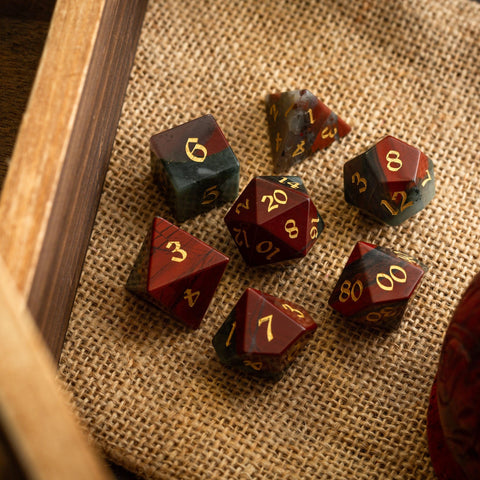
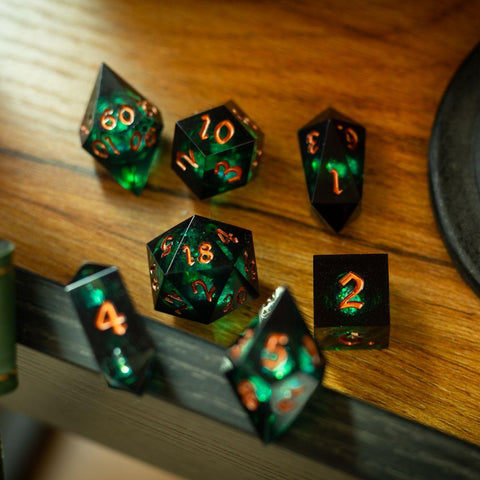
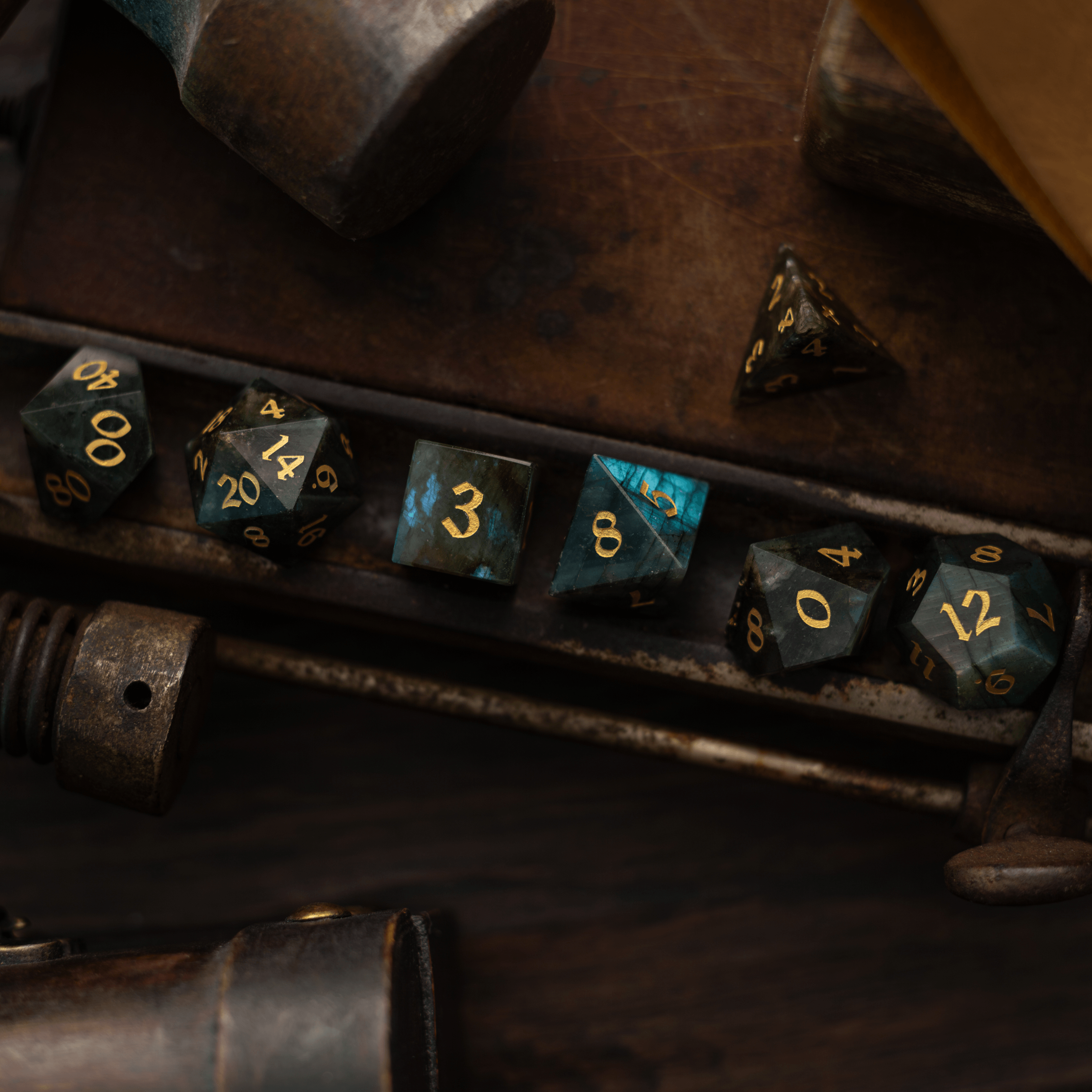
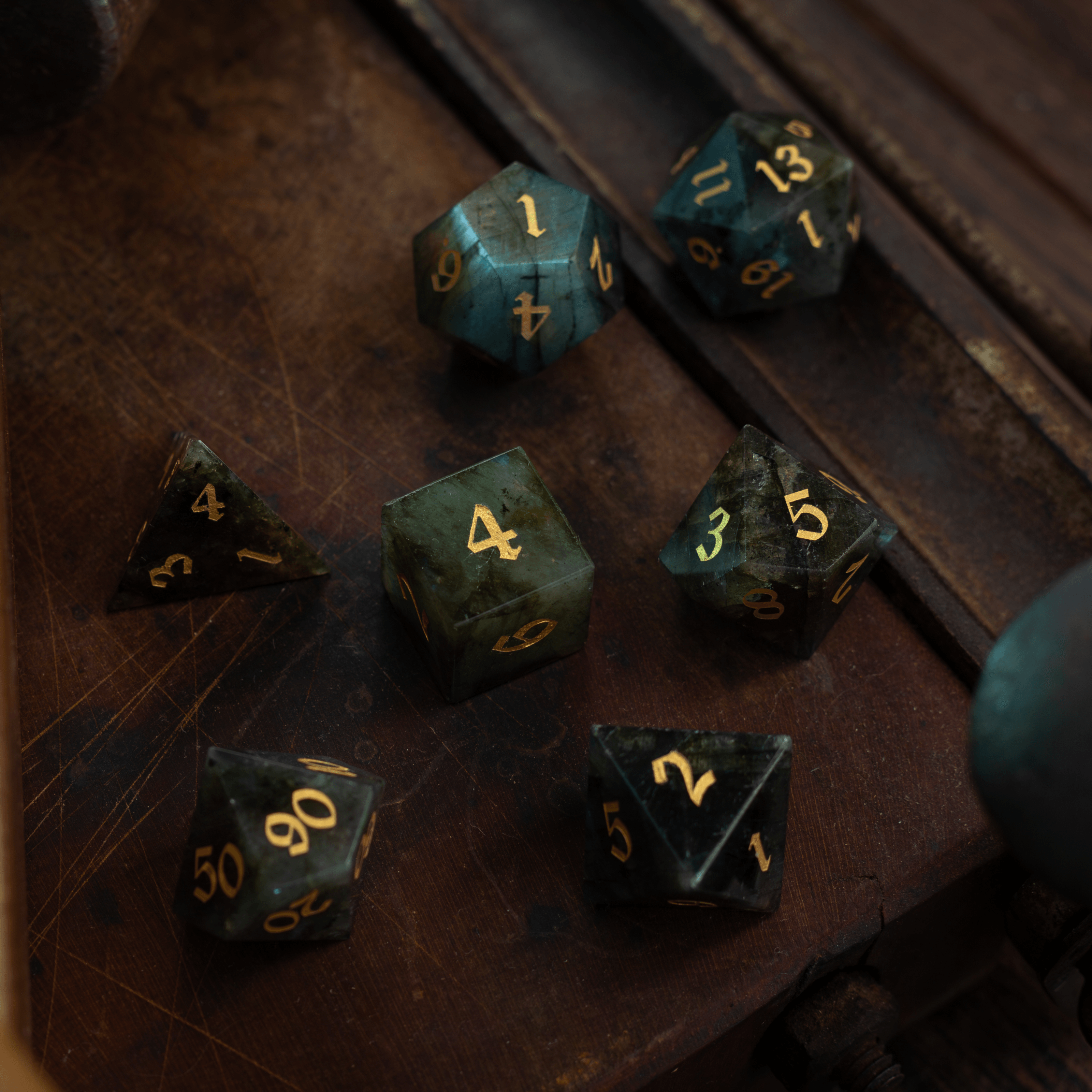
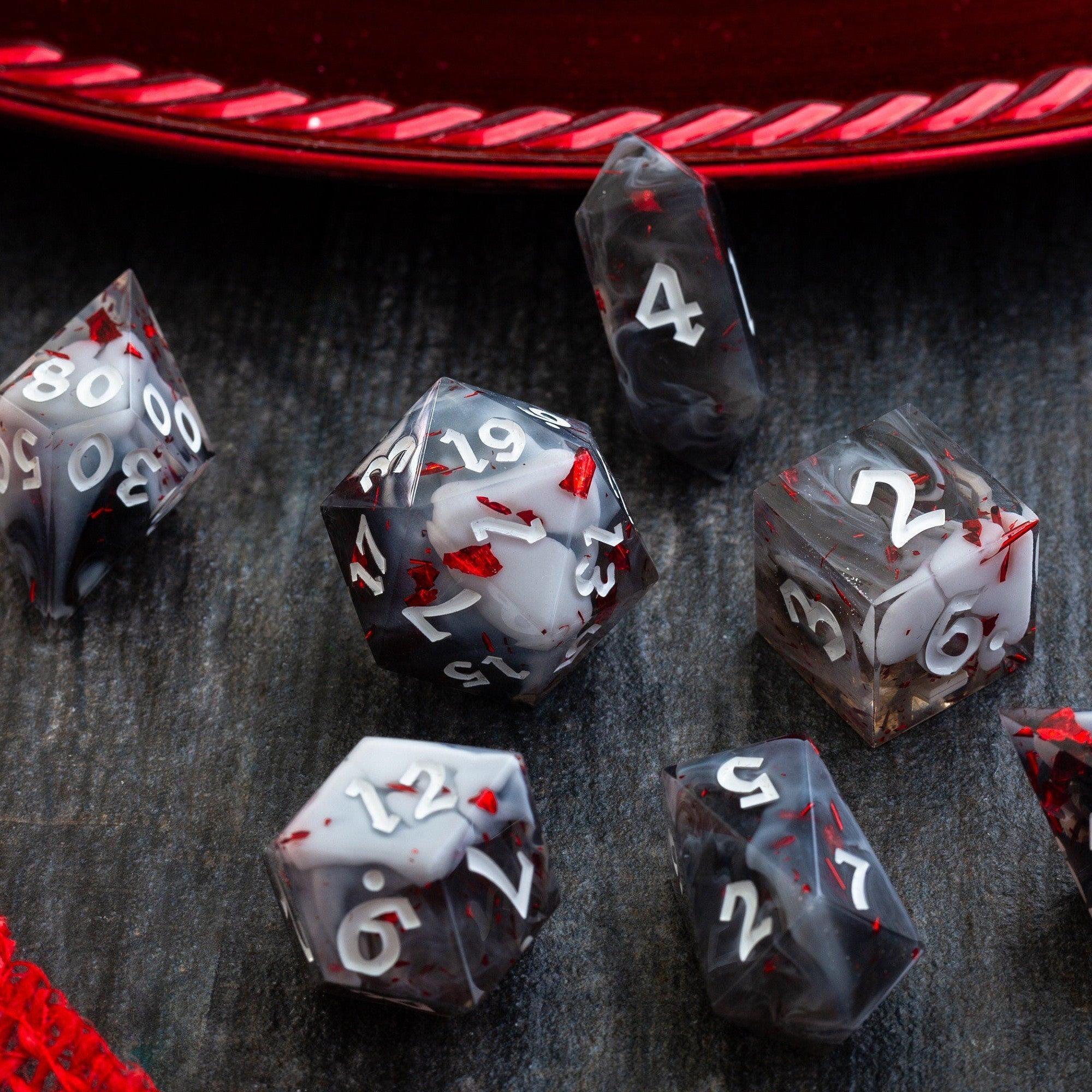
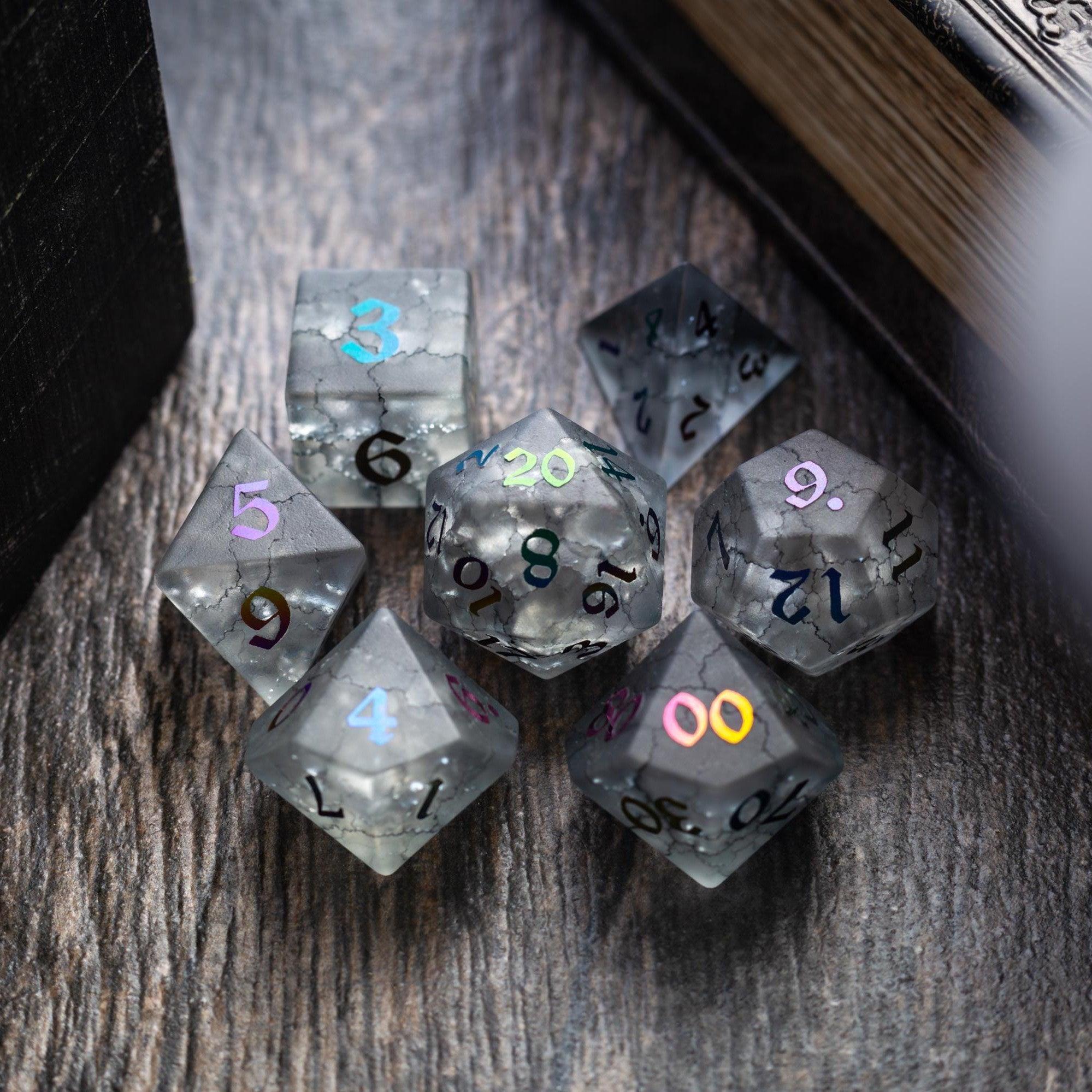
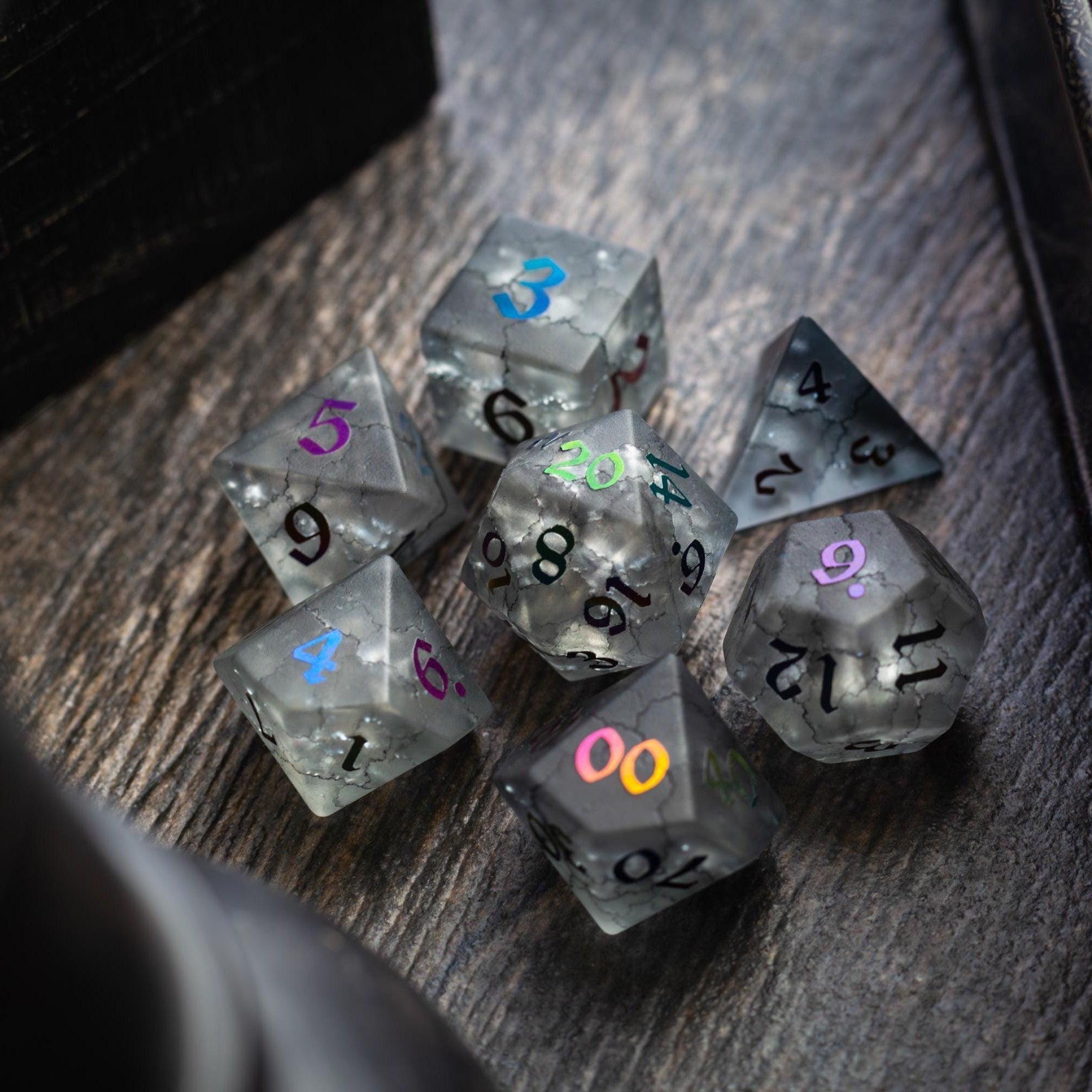
Want dice that match your character's theme? Browse Top Dice Sets for Rangers in D&D 5e for options inspired by wilderness adventures and Ranger builds.













Leave a comment
This site is protected by hCaptcha and the hCaptcha Privacy Policy and Terms of Service apply.