
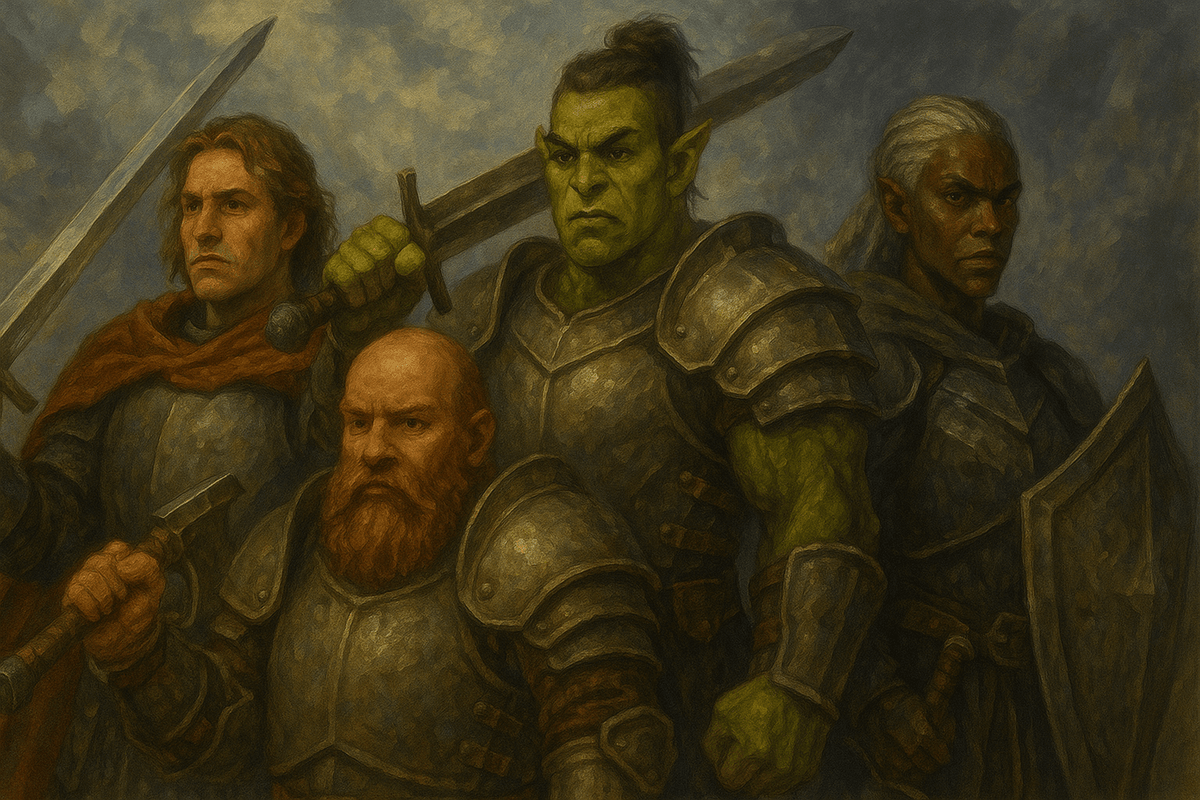
The Best Races for Fighter in D&D 5e (Race Guide for Martial Builds)

The Fighter remains one of the most flexible classes in Dungeons & Dragons. It can handle heavy armor, ranged weapons, sword-and-board defense, two-handed weapons, and many other combat styles. Under the current 2024 rules used in 2026, Fighters also gain Weapon Mastery at level 1, Action Surge at level 2, Extra Attack at level 5, and several tactical features that make weapon choice and positioning matter even more.
If you are searching for the best races for Fighter 5e, there is one important rules update to know first: current D&D uses the term species, and ability score increases now come from your background rather than your species. That means you no longer need to pick a species just because it gives +2 Strength or +2 Dexterity. Instead, choose species traits that support how you want your Fighter to survive, move, attack, or control the battlefield.
What Makes a Good Fighter Species?
A Fighter usually focuses on Strength or Dexterity as the main attack ability, with Constitution helping with Hit Points and durability. Intelligence can also matter for an Eldritch Knight or Psi Warrior. In the 2024 rules, your background handles your ability score increases. For example, the Soldier background supports Strength, Dexterity, and Constitution, making it an easy fit for many Fighter builds.
When comparing Fighter species, look for traits that give you one or more of the following:
- Durability: Extra Hit Points, damage resistance, or ways to avoid being dropped to 0 Hit Points.
- Mobility: Extra Speed, flight, or movement options that help you reach the right target.
- Action economy: Useful Bonus Actions or reactions that do not compete too heavily with your subclass features.
- Reliable attacks: Features that improve consistency, positioning, or the value of repeated weapon attacks.
- Battlefield utility: Traits that help with scouting, hiding, carrying, controlling space, or protecting allies.
Top 5 Best Species for Fighter in 2026

1. Goliath
Why it works: Goliaths are excellent for Fighters who want a strong mix of durability, mobility, and combat utility. Their Speed is 35 feet, and Giant Ancestry lets you choose a supernatural benefit tied to a type of giant. A Stone Giant ancestry, for example, can reduce incoming damage with a reaction, while Fire Giant ancestry can add extra fire damage after a successful attack.
At level 5, a Goliath can also use Large Form to become Large for 10 minutes, gaining extra Speed and Advantage on Strength checks. That can be useful for Fighters who grapple, shove, carry heavy gear, or simply want a larger physical presence on the battlefield.
Good fit: Battle Master, Champion, Rune Knight from older material, or almost any Strength-based Fighter.

2. Dwarf
Why it works: The current Dwarf is much more useful to a Fighter than the old Mountain Dwarf armor proficiency suggested. Fighters already receive broad armor and weapon training, so duplicated proficiencies were never the main attraction. The 2024 Dwarf instead gets Dwarven Toughness, which increases maximum Hit Points by 1 at every level, plus resistance to Poison damage and Advantage on saving throws to avoid or end the Poisoned condition.
Dwarves also have 120-foot Darkvision and can temporarily gain Tremorsense while touching stone. For a front-line Fighter who expects to take hits, those extra Hit Points remain useful for an entire campaign.
Good fit: Champion, Battle Master, or any defensive melee Fighter.
3. Orc
Why it works: Orc is the current core option that fills much of the durable martial role once associated with Half-Orc. Relentless Endurance lets you drop to 1 Hit Point instead of 0 once per Long Rest, which can keep a Fighter standing at a critical moment. Adrenaline Rush lets you Dash as a Bonus Action and grants Temporary Hit Points equal to your Proficiency Bonus. Its uses return on a Short or Long Rest.
That combination is especially useful when a melee Fighter needs to close distance without giving up the Attack action. Orcs also have 120-foot Darkvision, which is helpful in dungeons and night encounters.
Good fit: Great-weapon Fighters, Battle Masters, Champions, and mobile front-line builds.

4. Human
Why it works: The 2024 Human is still one of the most flexible choices for a Fighter, but it no longer works exactly like the old Variant Human. Humans gain proficiency in one skill, gain Heroic Inspiration after each Long Rest, and receive an additional Origin feat of their choice through the Versatile trait.
That extra Origin feat is useful because Fighters can be built in many directions. You can support initiative, durability, skills, or other early-game needs without locking the character into one weapon style.
Good fit: Any Fighter, especially players who want broad customization from level 1.
5. Dragonborn
Why it works: Dragonborn give Fighters an area attack and elemental resistance without requiring spellcasting. Their Breath Weapon can replace one attack when you take the Attack action, so it works more smoothly once Extra Attack comes online. At level 5, Draconic Flight can grant a Fly Speed equal to your Speed for 10 minutes once per Long Rest.
Flight can solve problems that a heavily armored melee Fighter normally struggles with, such as reaching enemies on ledges or dealing with flying creatures. Damage resistance also gives you a useful defensive benefit throughout the campaign.
Good fit: Strength Fighters, Eldritch Knights, or players who want a martial character with a little supernatural versatility.
What About Half-Orc, Bugbear, and Other Older Options?

Half-Orc is now a legacy option on D&D Beyond rather than a species in the 2024 Player's Handbook. If your table uses older character options, Half-Orc still offers Relentless Endurance and Savage Attacks, which can pair well with a weapon-focused Fighter. However, if you are building strictly from the current core rules, Orc is the closest modern choice.

Bugbear from Mordenkainen Presents: Monsters of the Multiverse remains an older expansion option rather than a 2024 Player's Handbook species. Long-Limbed increases your melee reach on your turn, and Surprise Attack can reward a Fighter who acts before an enemy early in combat. It can still be effective when your DM allows that source.
Current rules also explain how to use species from older books with a 2024 character. If an older species lists ability score increases, ignore those increases and use the adjustments from your background instead. This keeps older choices usable without bringing the old race-based ability score system into a current character.
Best Fighter Species by Playstyle
| Fighter Playstyle | Species to Consider | Main Benefit |
|---|---|---|
| Durable front liner | Dwarf or Orc | Extra staying power and defensive traits |
| Heavy melee attacker | Goliath or Orc | Mobility, durability, and physical combat features |
| Flexible all-rounder | Human | Extra Origin feat, skill, and Heroic Inspiration |
| Mobile or aerial Fighter | Dragonborn or Goliath | Flight or increased Speed |
| Legacy critical-hit build | Half-Orc | Savage Attacks and Relentless Endurance |
Choosing a Fighter Species for Roleplay
Combat traits matter, but your species should also fit the character you want to play. A Dwarf Fighter might be a tunnel guard who learned to fight in cramped stone corridors. A Goliath could come from a family that carries the supernatural mark of stone, fire, or storm giants. A Human might be a veteran who learned several styles from different instructors, while an Orc Fighter could be a relentless scout who closes ground faster than enemies expect.
Try starting with one question: What kind of warrior was this character before the campaign began? A former guard, caravan escort, arena fighter, monster hunter, or village defender can all lead to different equipment, skills, and personality choices even when the mechanical build is similar.
Which Fighter Species Should You Choose?
For current D&D rules, there is no single species you must choose to make a strong Fighter. Backgrounds now provide ability score increases, so species choice is mainly about traits and character identity. Goliath offers powerful physical options, Dwarf adds dependable durability, Orc combines mobility with survival, Human gives broad customization, and Dragonborn adds resistance, an area attack, and temporary flight.
If you are using legacy 2014 or expansion material, choices such as Half-Orc and Bugbear can still work when your table allows them. The important part is to build around your Fighter's job in the party and the rules your group is actually using.
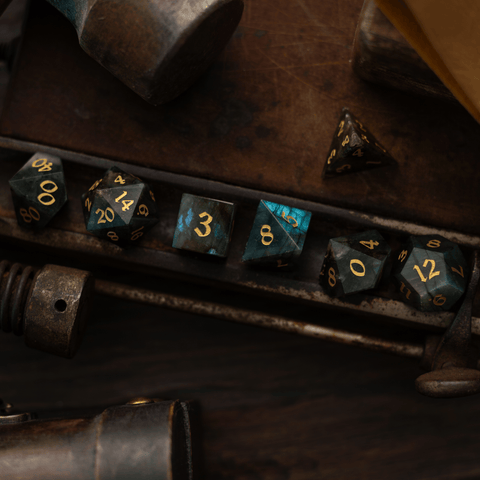
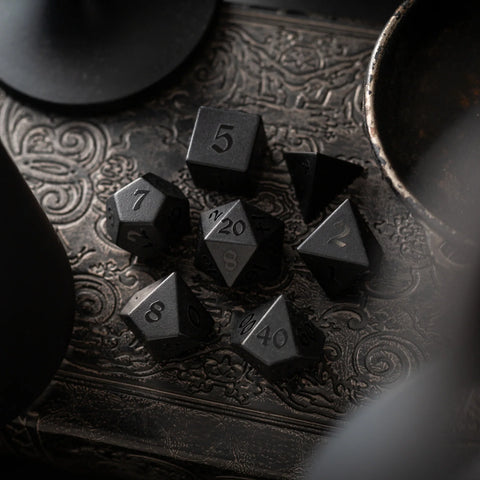
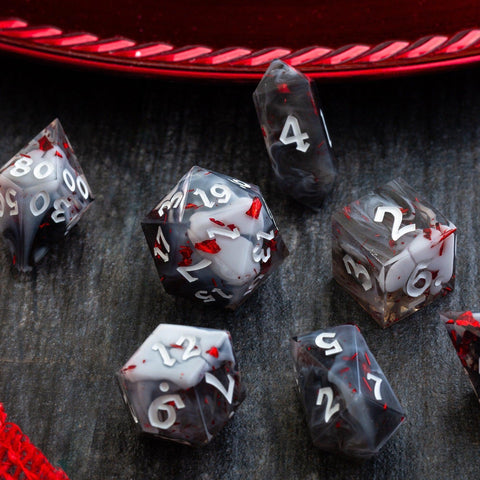
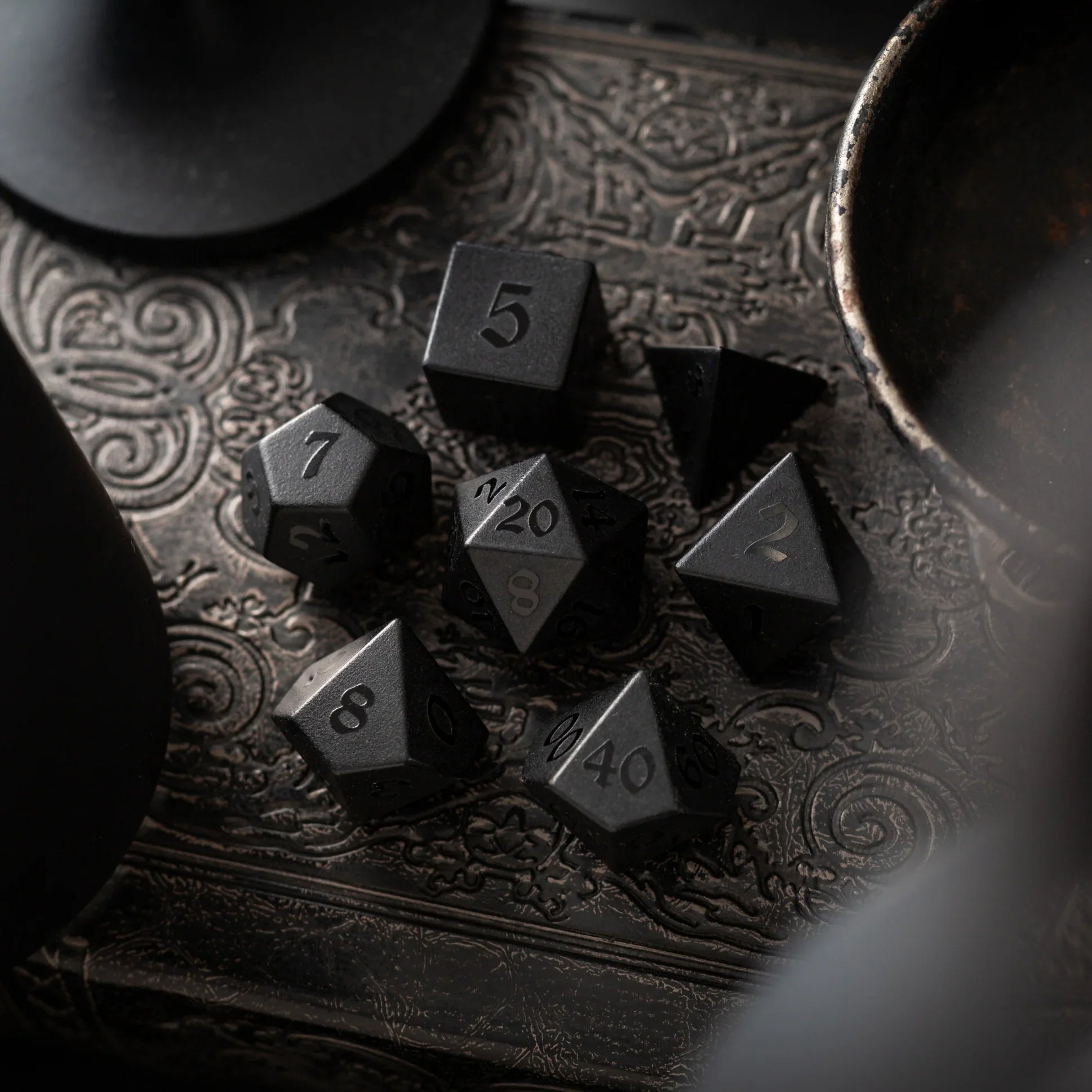
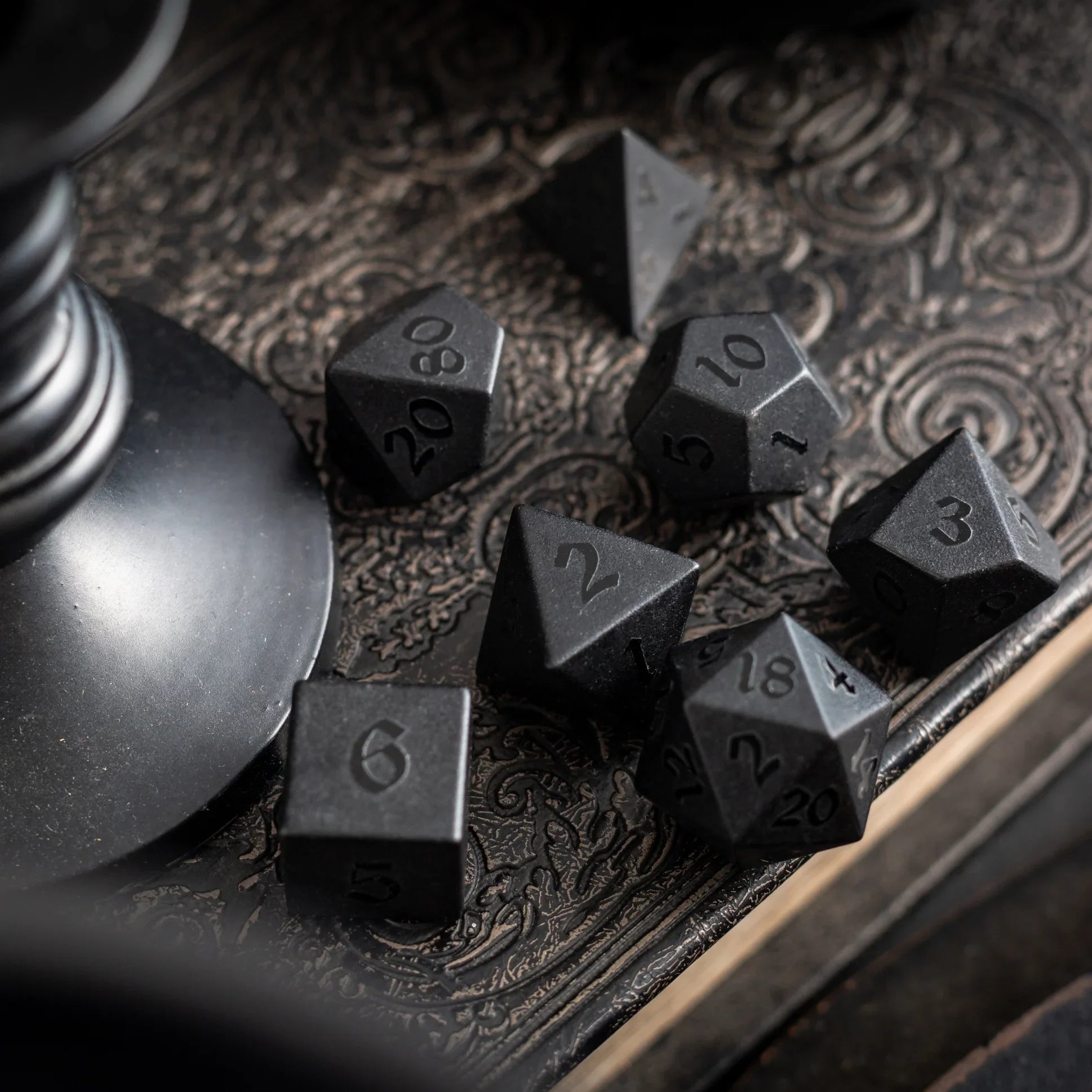
Looking to finish the character with a fitting set of dice? See our Top Dice Sets for Fighters in D&D 5e for more Fighter-themed options.















Leave a comment
This site is protected by hCaptcha and the hCaptcha Privacy Policy and Terms of Service apply.