

The Best Races for Cleric in D&D 5e (Race Guide for Divine Builds)

Clerics in Dungeons & Dragons 5e can heal wounded allies, protect their party, control the battlefield, and deal serious damage with divine magic. Choosing the right species helps determine whether your character becomes a durable frontline defender, a mobile support caster, or something in between. This guide covers the best races for Cleric 5e using the revised D&D rules in 2026.
Dwarf, Aasimar, Firbolg, Human, and Wood Elf are among the best species for Clerics because they offer useful defensive abilities, additional magic, movement, or character customization. However, the best choice depends on your Divine Domain and preferred playstyle.
Under the revised 2024 character creation rules, ability score increases come from your background rather than your species. This gives Clerics more freedom when choosing their ancestry without sacrificing Wisdom.
Understanding the Cleric Class (Core Abilities Explained)
Clerics are full spellcasters with access to healing, protective, offensive, and utility magic. At level 1, the revised Cleric chooses a Divine Order. Protector grants heavy armor training and martial weapon proficiency, while Thaumaturge provides an additional Cleric cantrip and improves certain Arcana and Religion checks.
You choose your Divine Domain at level 3. Your subclass helps determine whether you specialize in healing, dealing damage, protecting allies, or supporting the party through other abilities.
Key Stats for Clerics:
- Wisdom: Determines your Cleric spell attack bonus, spell save DC, and the effectiveness of many class abilities.
- Constitution: Improves your hit points and helps you maintain Concentration on spells such as Bless and Spirit Guardians.
- Strength: Useful for melee weapon attacks and meeting heavy armor Strength requirements.
- Dexterity: Helps with Initiative, Dexterity saving throws, and Armor Class when wearing appropriate armor.
What Makes a Good Cleric Race?
The best race choices for a Dungeons and Dragons Cleric offer abilities that complement your combat role. Extra durability helps frontline Clerics survive enemy attacks, while movement abilities make reaching injured allies easier. Additional spells can also provide useful options without consuming your Cleric spell slots.
Top 5 Best Races for Cleric in 5e

1. Dwarf (Hill Dwarf in Older Rules)
Why it’s great: Dwarves are dependable Clerics who can withstand dangerous encounters while keeping the rest of their party standing.
- Dwarven Toughness: Increases your maximum hit points by 1 at every character level.
- Dwarven Resilience: Provides resistance to Poison damage and Advantage on saving throws to avoid or end the Poisoned condition.
- Stonecunning: Temporarily grants Tremorsense when you are on or touching a stone surface.
- Darkvision: Allows you to see in darkness up to 120 feet.
Suggested build: A Life or War Domain Cleric who stays near the frontline. Additional hit points are particularly useful when maintaining Concentration on spells while surrounded by enemies.
The revised Dwarf species no longer separates Hill and Mountain Dwarves into mechanical subraces or grants fixed Constitution and Wisdom increases.

2. Aasimar
Why it’s great: Aasimar combine celestial powers, damage resistances, and emergency healing, making them an excellent match for divine spellcasters.
- Celestial Resistance: Provides resistance to Radiant and Necrotic damage.
- Healing Hands: Once per Long Rest, restore hit points using a number of d4s equal to your Proficiency Bonus.
- Light Bearer: Grants the Light cantrip.
- Celestial Revelation: Starting at level 3, temporarily transform to gain flight, frightening abilities, or an aura of damaging light.
Suggested build: A Life Cleric with an additional healing option or a Light Cleric specializing in radiant magic. Heavenly Wings can help you overcome battlefield obstacles and reach allies in difficult positions.
The older Fallen, Protector, and Scourge Aasimar are no longer separate choices under the revised rules. You select your Celestial Revelation option each time you transform.

3. Firbolg
Why it’s great: Firbolgs offer natural magic and defensive tricks that help Clerics explore, escape dangerous situations, and solve problems outside combat.
- Firbolg Magic: Grants access to Detect Magic and Disguise Self, with one free casting of each per Long Rest.
- Hidden Step: Briefly become Invisible as a Bonus Action, helping you reposition or avoid incoming attacks.
- Powerful Build: Increases your effective size when determining carrying and lifting capacity.
- Speech of Beast and Leaf: Allows limited communication with animals and plants.
Suggested build: A Nature or Peace Domain Cleric who protects others through magic, diplomacy, and careful positioning. Hidden Step is especially useful when enemies threaten your position, although attacking or dealing damage can end the effect early.
Firbolg appears in Mordenkainen Presents: Monsters of the Multiverse. Confirm that your Dungeon Master allows this source alongside the revised Cleric rules.

4. Human (Variant Human or Custom Lineage in Older Rules)
Why it’s great: Humans are flexible Clerics who benefit from additional character customization, making them suitable for nearly any Divine Domain.
- Versatile: Grants an additional Origin feat beyond the one provided by your background.
- Skillful: Provides proficiency in an additional skill of your choice.
- Resourceful: Grants Heroic Inspiration whenever you finish a Long Rest.
Suggested build: Choose Healer for better healing options, Tough for additional hit points, or Alert to improve Initiative. Humans work particularly well for beginners who want to customize their Cleric without managing complicated species abilities.
War Caster and Resilient are General feats requiring level 4 or higher, not starting Origin feats. Variant Human and Custom Lineage belong to older character creation options.

5. Wood Elf
Why it’s great: Wood Elves make mobile Clerics who can support companions, navigate wilderness environments, and reposition effectively during combat.
- Speed: Gain a walking speed of 35 feet instead of 30 feet.
- Wood Elf Magic: Learn Druidcraft, gain Longstrider at level 3, and Pass without Trace at level 5.
- Elven Traits: Benefit from Darkvision, Fey Ancestry, Keen Senses, and Trance.
Suggested build: A Trickery or Nature Domain Cleric who values stealth, exploration, and battlefield movement. Additional movement is particularly helpful when reaching allies who need immediate healing.
The revised Wood Elf uses lineage spells instead of the older Mask of the Wild feature.
Honorable Mentions: Unique and Flavorful Races
These additional races for Cleric in 5e are worth considering when building a character for a particular campaign setting or specialized party role.
Triton
- Amphibious: Breathe air and water and benefit from a swimming speed.
- Guardian of the Depths: Provides resistance to Cold damage.
- Control Air and Water: Grants additional ocean-themed magic.
Why it works: Triton is an excellent choice for a Tempest Cleric in nautical campaigns, underwater adventures, or stories involving sea deities.
Tortle
- Natural Armor: Provides a base Armor Class of 17 without wearing armor.
- Shell Defense: Grants additional protection while restricting movement and other actions.
- Hold Breath: Allows you to hold your breath for up to one hour.
Why it works: A Tortle Cleric can reach AC 19 with a standard shield while prioritizing Wisdom and Constitution. Tortles cannot wear conventional armor, and Dexterity does not increase their natural AC.
Kalashtar (Eberron)
- Mental Discipline: Provides resistance to Psychic damage.
- Mind Link: Allows telepathic communication.
- Dual Mind: The updated version grants Advantage on Wisdom and Charisma saving throws.
Why it works: Kalashtar suits Knowledge or Peace Clerics who value mental defenses and communication. Use the updated species from Eberron: Forge of the Artificer when playing with current Eberron options.
Custom Lineage and Tasha’s Rules: Cleric-Friendly Flexibility
Tasha’s Cauldron of Everything introduced flexible character origins. Under the revised rules, backgrounds determine ability score increases instead. This makes nearly every species a viable Cleric choice.
- Hermit: Supports Wisdom and Constitution while providing the Healer Origin feat.
- Farmer: Supports Strength, Constitution, and Wisdom while granting Tough.
- Guide: Supports Dexterity, Constitution, and Wisdom while granting Magic Initiate (Druid).
For Nature, Peace, Tempest, and other older subclasses, confirm compatibility and permitted sourcebooks with your DM. You can also consult the official D&D character origin rules when combining older and revised character options.
Beginner-friendly example: Dwarf Life Cleric
- Species: Dwarf
- Background: Hermit
- Starting ability scores: Strength 13, Dexterity 10, Constitution 15, Intelligence 8, Wisdom 17, Charisma 12, using point buy and background increases.
- Origin feat: Healer
- Divine Order: Protector
- Subclass: Life Domain at level 3.
- Recommended starting spells: Bless, Healing Word, Cure Wounds, and Guiding Bolt.
- Level 4 feat: War Caster, increasing Wisdom to 18 and improving Concentration saving throws.
This build offers dependable healing, strong defenses, and useful offensive magic without requiring complicated combat strategies.
Choosing a Race for Cleric Roleplay
Your species can shape your Cleric's history without deciding their beliefs. Consider who taught them to pray, what inspired their divine calling, and how their faith influences their decisions.
- A Dwarf Cleric might preserve the sacred traditions of an ancient forge.
- A Firbolg Cleric might protect a forest shrine and welcome lost travelers.
- A Tiefling Cleric might serve as a trusted healer, challenging assumptions about their ancestry.
When choosing the best races for Cleric 5e in 2026, consider your role within the party. Dwarves excel at durability, Aasimar offer celestial support, Firbolgs provide utility magic, Humans allow greater customization, and Wood Elves offer mobility. Prioritize Wisdom, maintain strong defenses, and choose a species that makes your character enjoyable to play.
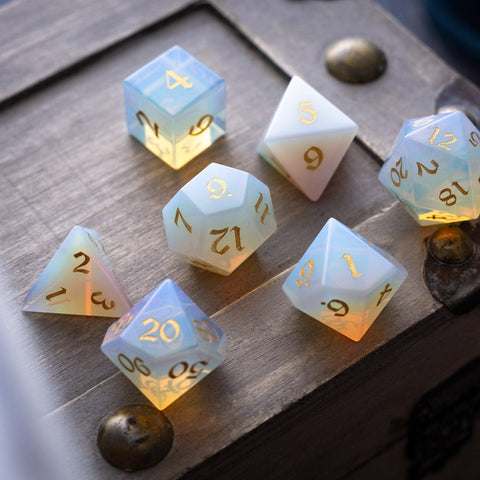
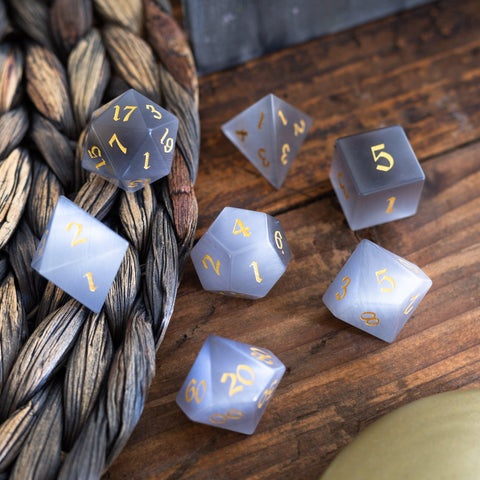
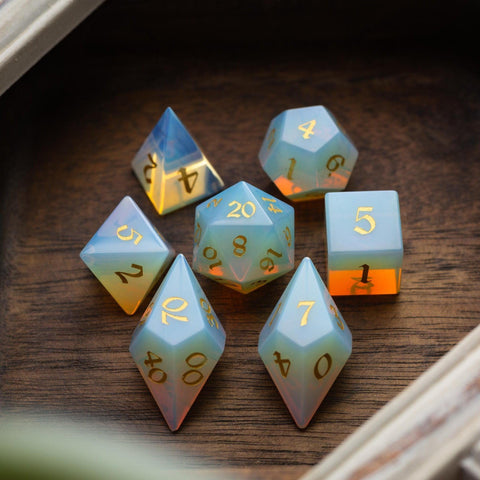
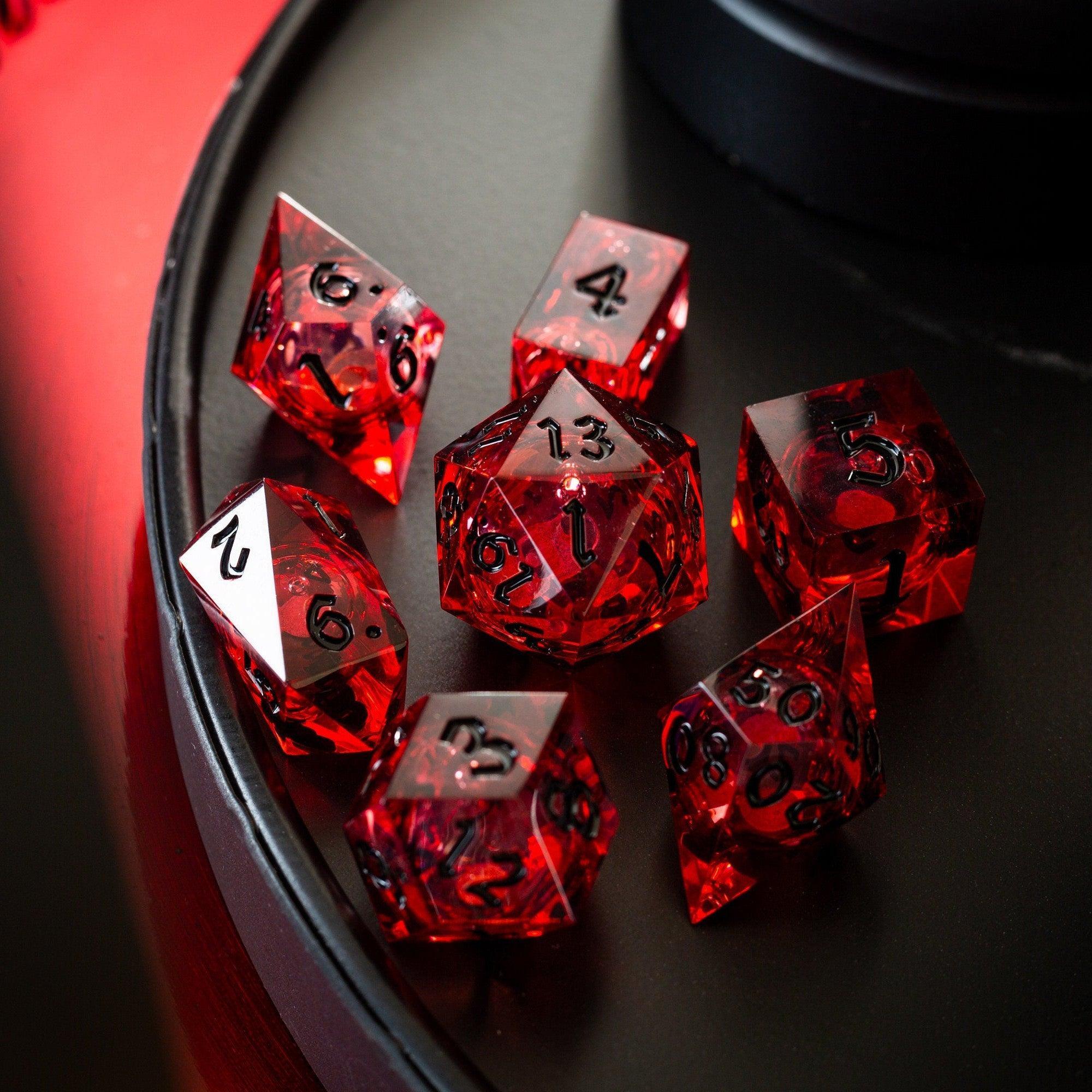
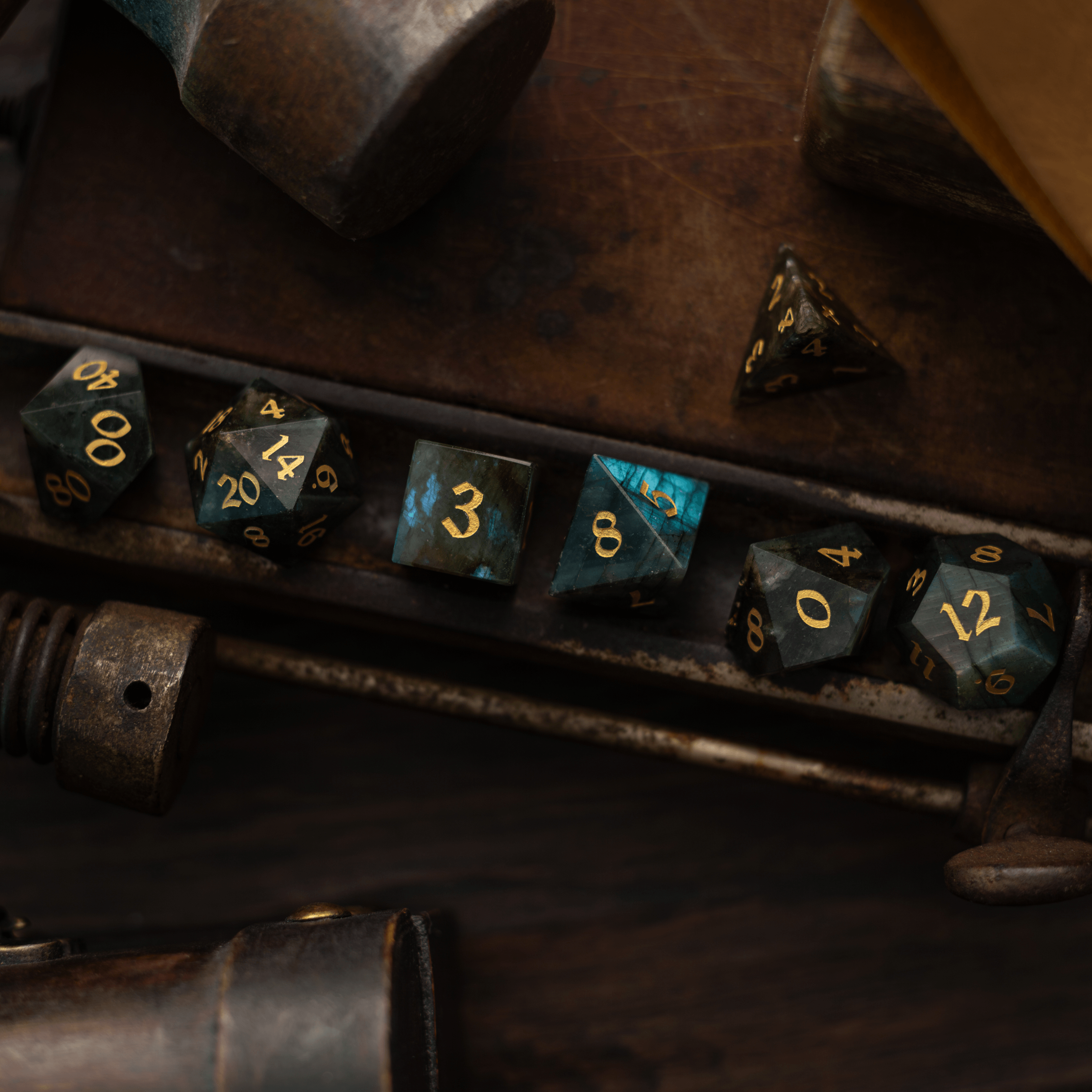
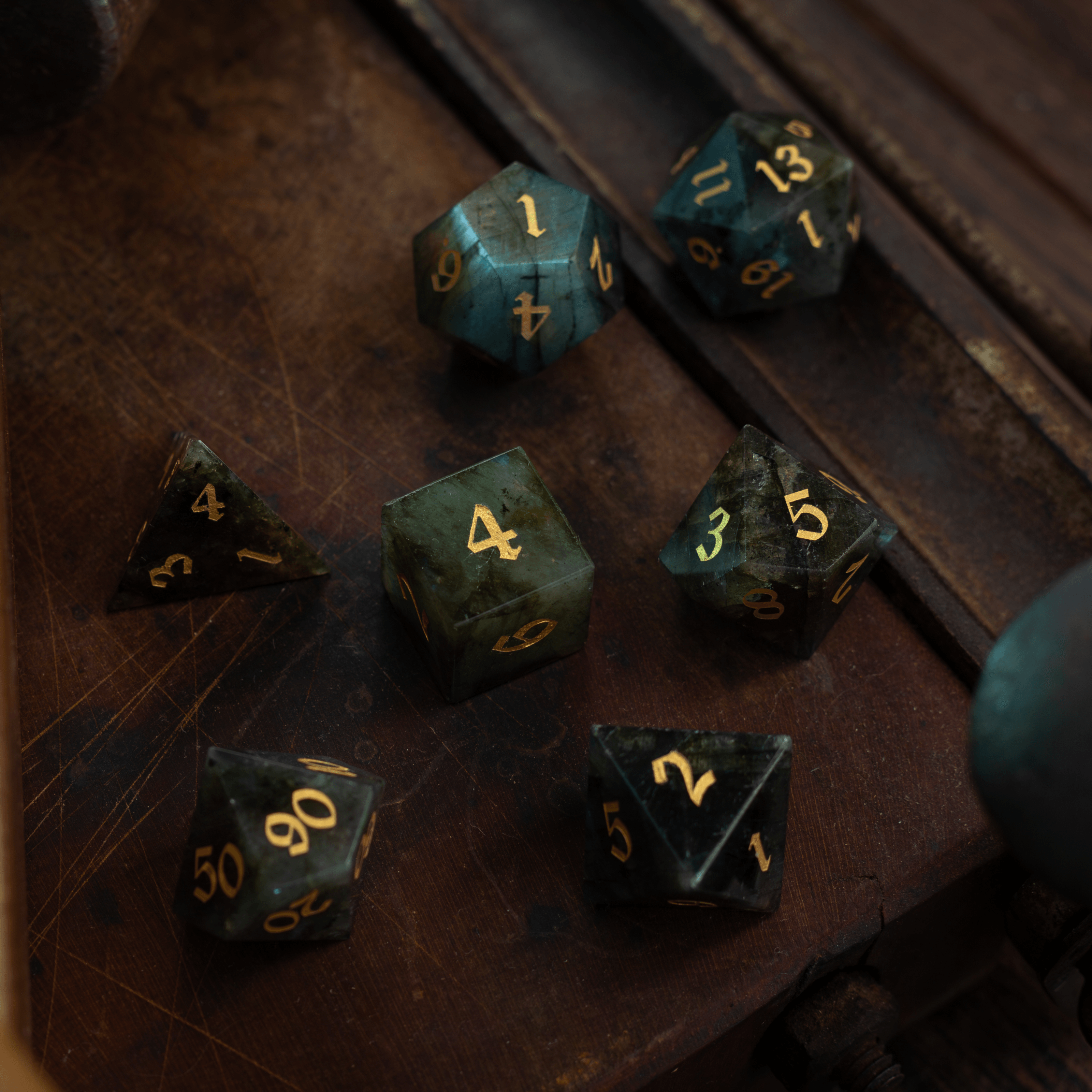
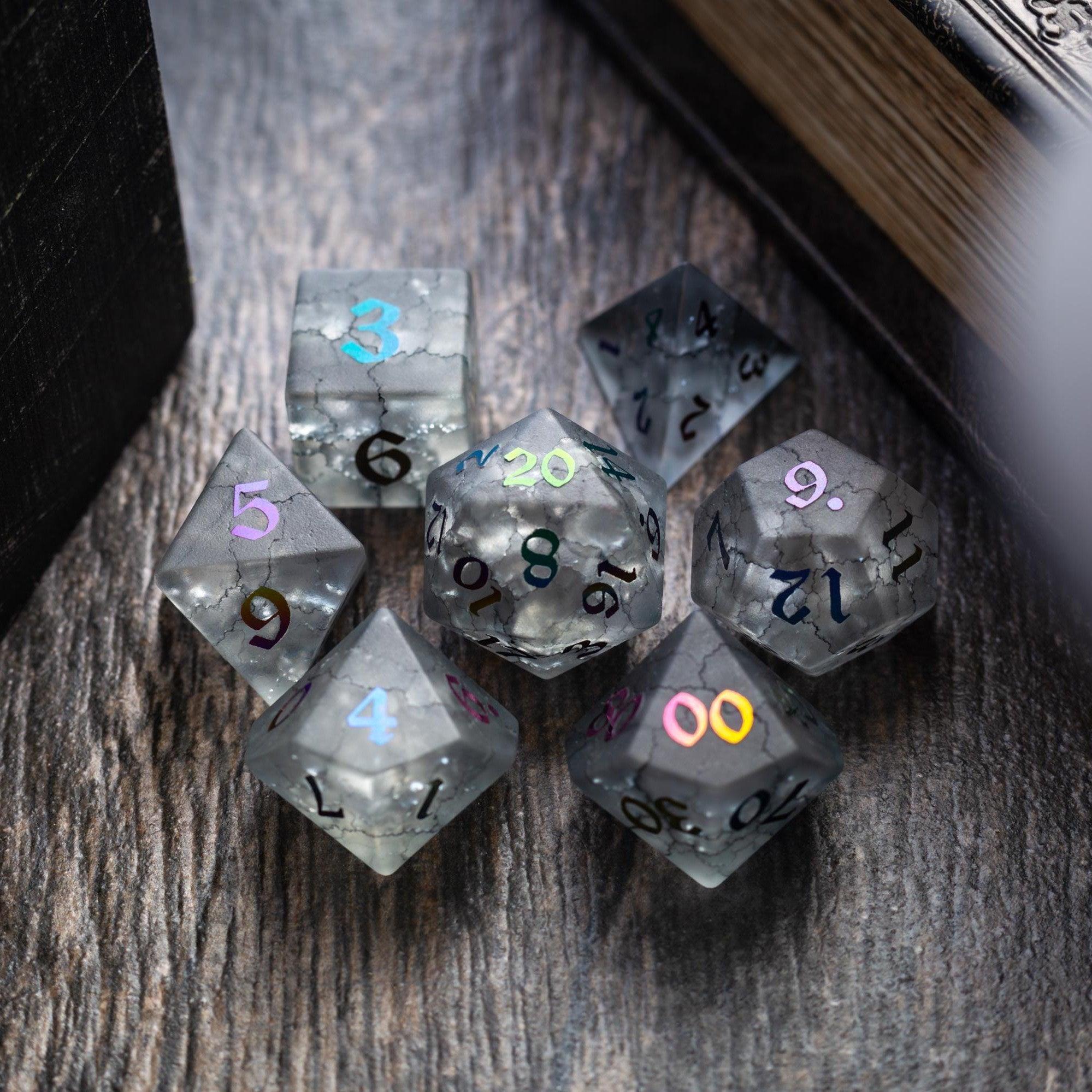
For another way to match your Cleric's theme to your character, see Top Dice Sets for Clerics in D&D 5e.













Leave a comment
This site is protected by hCaptcha and the hCaptcha Privacy Policy and Terms of Service apply.