
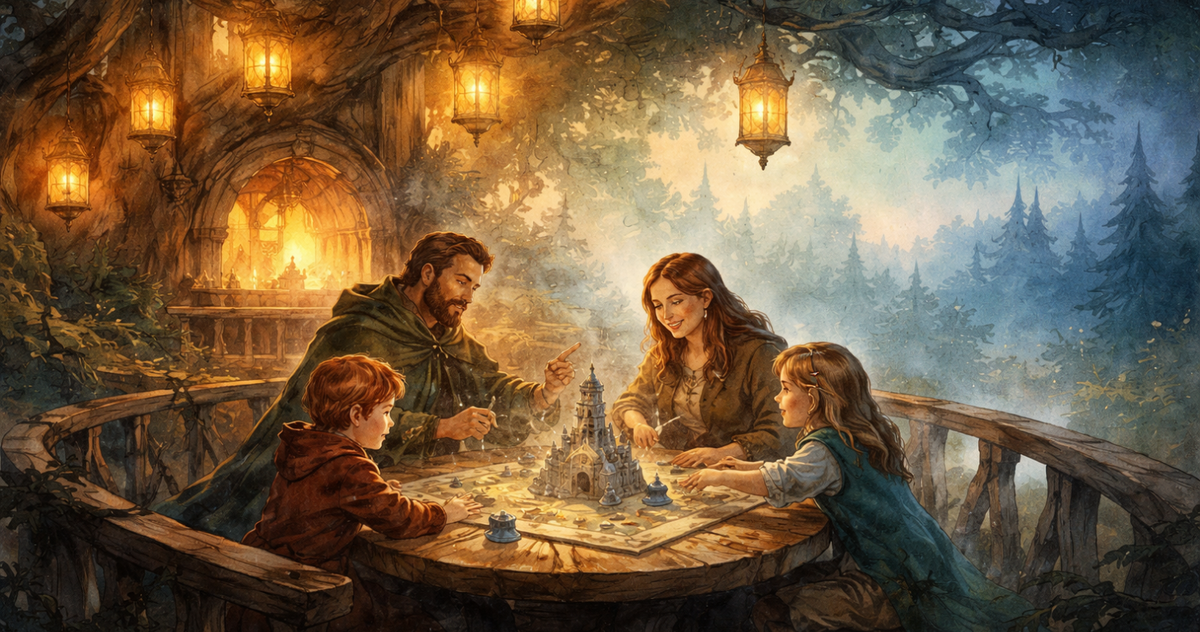
The Best Family Board Games for Epic Game Nights

Family game nights are at their best when everyone has something to do, the rules do not take all evening to explain, and the game gives people reasons to talk, laugh, plan, or compete. The best family board games do not all look the same. Some are quick card games, some are creative party games, and others offer deeper strategy for families that enjoy a longer challenge.
This guide covers reliable family game night picks for different ages, group sizes, and play styles. Whether your group likes building routes, trading resources, telling stories, or working together, the goal is the same: choose a game that fits the people around the table.
What Makes a Great Family Board Game?
A strong family board game should be easy enough to start without a long rules lecture but interesting enough that people want to play again. Before choosing a game, think about who is playing and how much time your group actually wants to spend at the table.
- Easy to learn: Clear rules help new players join without feeling lost.
- Interesting choices: A good family game gives players meaningful decisions without demanding expert-level strategy.
- Reasonable play time: Short games work well for younger players or busy evenings, while longer strategy games may suit teens and adults.
- Good player interaction: Trading, guessing, cooperation, drafting, and friendly competition can keep everyone involved.
- Replay value: Variable cards, changing boards, different player choices, or shifting goals help a game stay fresh.
Age recommendations on the box are useful starting points, but every family is different. A child who already plays hobby games may handle more complex rules, while an adult who rarely plays games may prefer something simple and social.
Best Family Board Games for Game Night
Ticket to Ride
Ticket to Ride is a strong choice for families that want strategy without a difficult learning curve. Players collect matching train cards and use them to claim railway routes between cities while trying to complete destination tickets. The basic goal is easy to understand, but players still have to decide which routes to take, when to block an opponent, and how long to hold cards before committing to the board.
CATAN
CATAN centers on resource collection, trading, road building, settlements, and cities. The social side is a major part of the experience because players often need to negotiate trades with one another. That makes it a good fit for families that enjoy conversation and friendly bargaining rather than silent, heads-down play.
Luck still matters because resource production depends on dice rolls, but players can improve their chances through placement, trading, and expansion. Families that dislike direct negotiation may prefer another game, while groups that enjoy deal-making can get a lot of replay value from it.
7 Wonders
7 Wonders is a card-drafting strategy game about developing an ancient city. Players choose cards for resources, science, military strength, commerce, and victory points, then pass the remaining cards along. Because players make many decisions at the same time, larger groups can stay involved without waiting through long turns.
Sushi Go!
Sushi Go! is one of the easiest games here to bring out for a quick family session. Players choose one card from a hand, reveal it, and pass the rest to the next player. Different sushi combinations score in different ways, so each round becomes a small puzzle about what to keep and what might come back around.
Its short play time and simple structure make it useful for younger players, casual groups, or as a warm-up before a longer board game.
Dixit
Dixit focuses on imagination rather than calculation. One player gives a clue inspired by an illustrated card, and the other players choose cards from their own hands that could also fit that clue. Everyone then tries to identify the storyteller's original card.
The fun comes from making a clue that is neither too obvious nor too confusing. Dixit is a good family game for groups that enjoy storytelling, visual creativity, and learning how other people think.
Cooperative and Strategy Favorites
Wingspan
Wingspan is a deeper option for families that enjoy engine-building and planning. Players attract birds to different habitats, gather food, lay eggs, and build combinations between cards. It is more complex than Sushi Go! or Ticket to Ride, so it is usually a better fit for older children, teens, and adults who are comfortable learning several connected systems.
The Crew: Mission Deep Sea
The Crew: Mission Deep Sea is a cooperative trick-taking card game. Instead of trying to beat one another, players must complete specific tasks as a team while following limits on communication. That creates tension because everyone may understand the goal but cannot simply explain every card in their hand.
This is a smart pick for families already familiar with traditional trick-taking games, or for groups that enjoy cooperation with a puzzle-like challenge.
Just One
Just One is a cooperative word-guessing game built around giving useful clues. Players write one-word hints to help a teammate guess a mystery word, but duplicate clues are removed before the guesser sees them. That simple rule creates funny moments because the most obvious clue may disappear completely.
How to Choose the Right Game for Your Family
The best game is not necessarily the most popular one. Match the choice to the group you actually have. If younger players lose interest during long turns, choose a fast card or party game. If your family likes planning and competition, Ticket to Ride, CATAN, or 7 Wonders may be a better fit. For creative groups, Dixit offers a different kind of challenge, while The Crew and Just One are useful when people would rather cooperate than compete.
It also helps to consider how many people usually attend game night. Some games feel best with a small group, while others become more lively with several players. Checking the player count and play time before buying can prevent a poor fit.
Adding Dice to Family Game Night
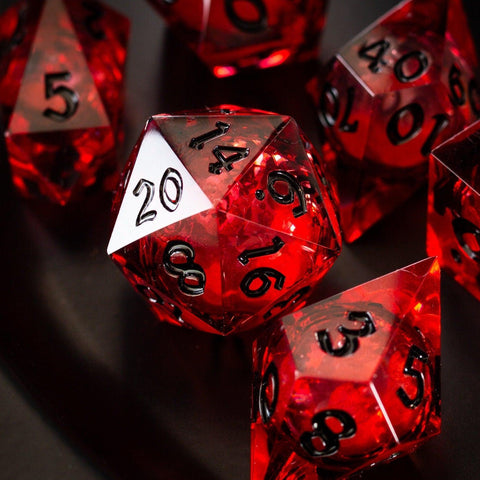
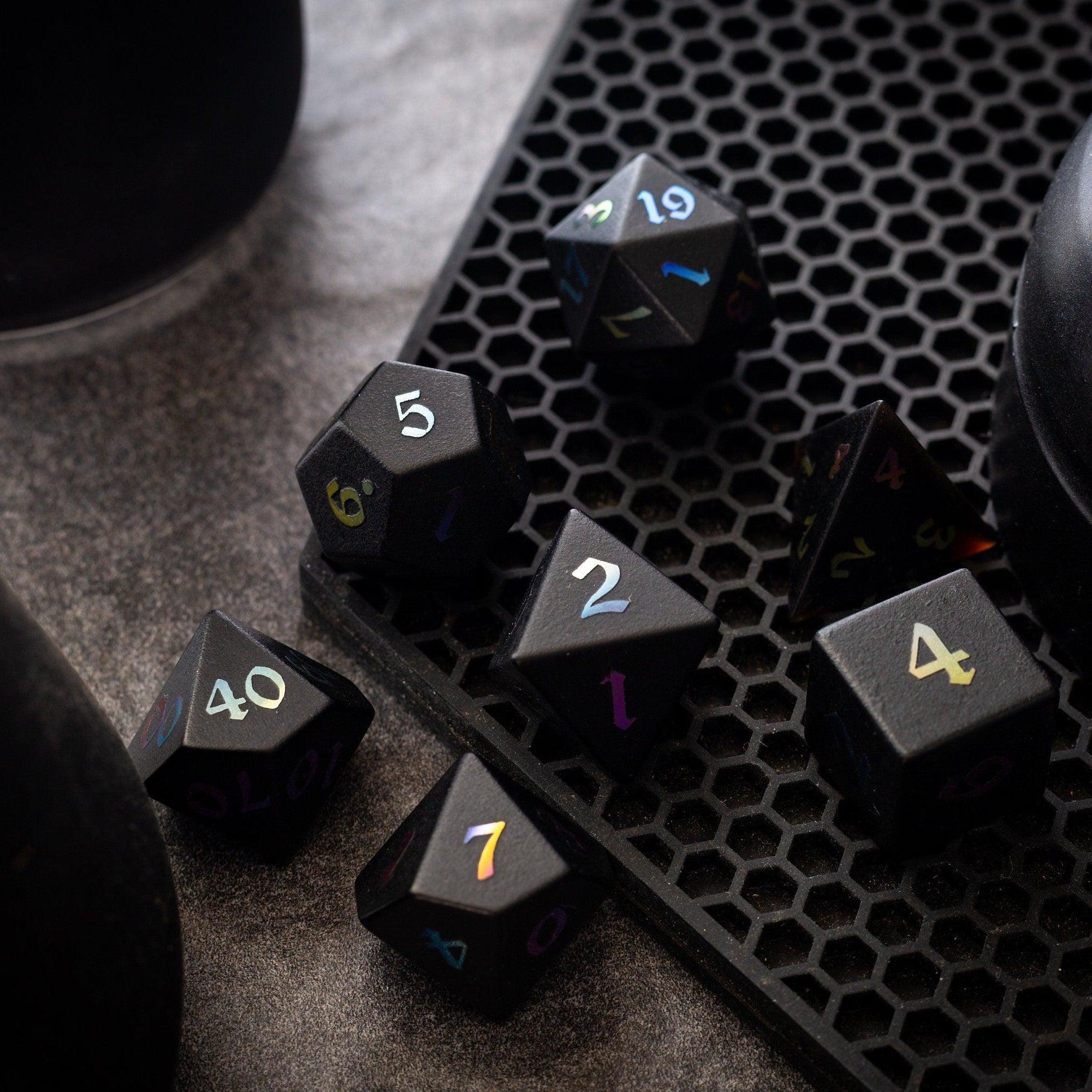
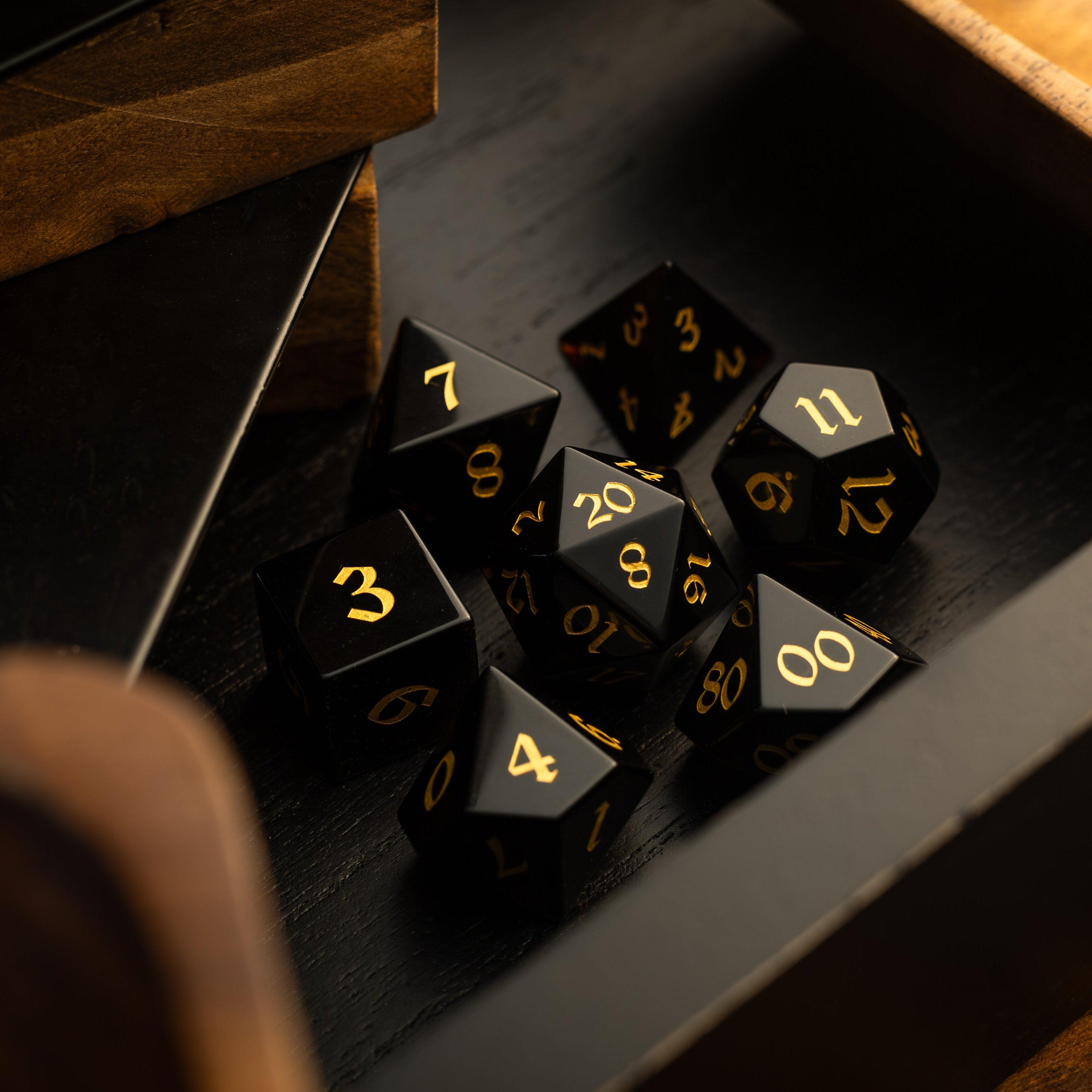
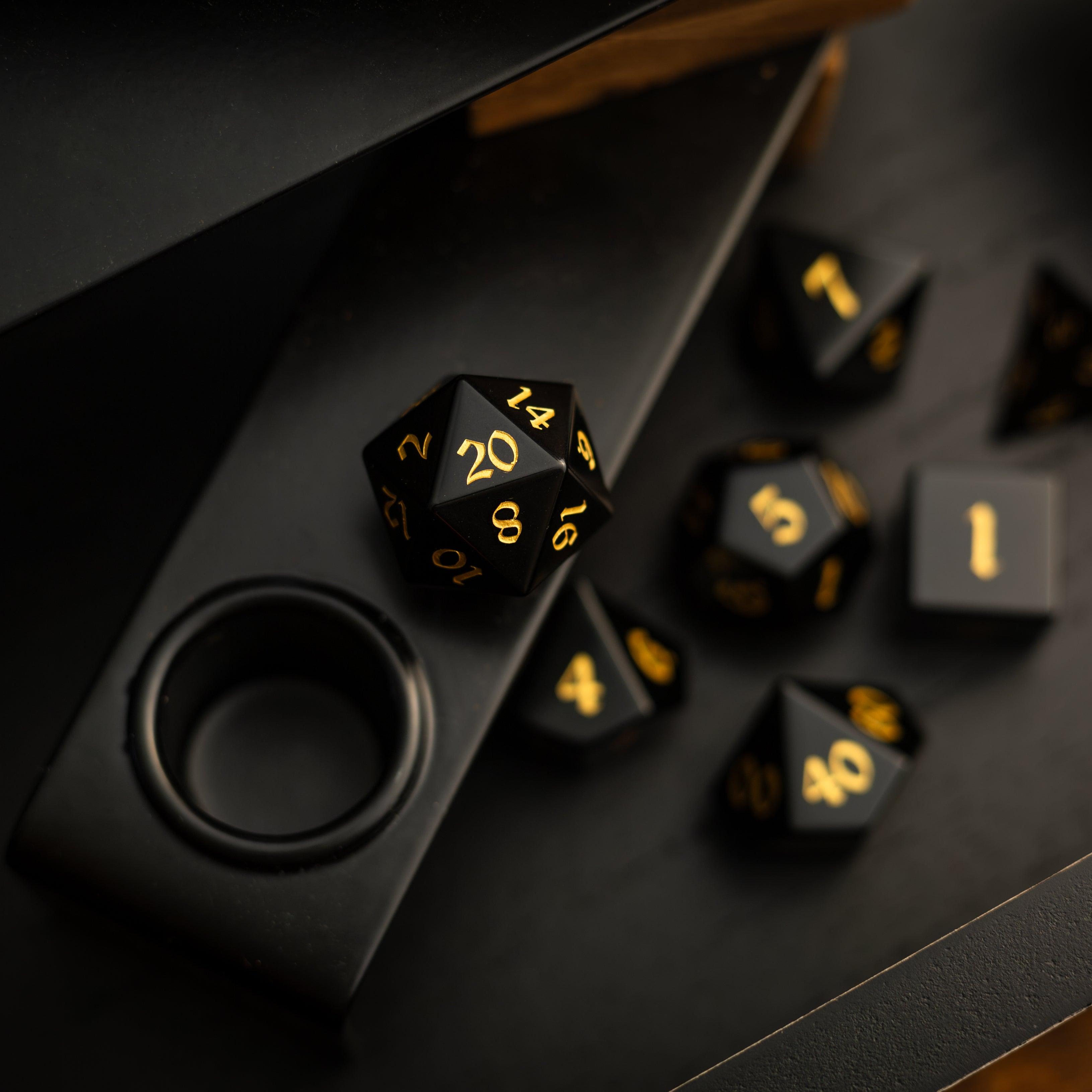
Many board games use their own required components, so replacement dice should only be used when they match the game's normal dice in size, shape, and function. Custom symbol dice should not be replaced with standard numbered dice unless the rules specifically allow it.
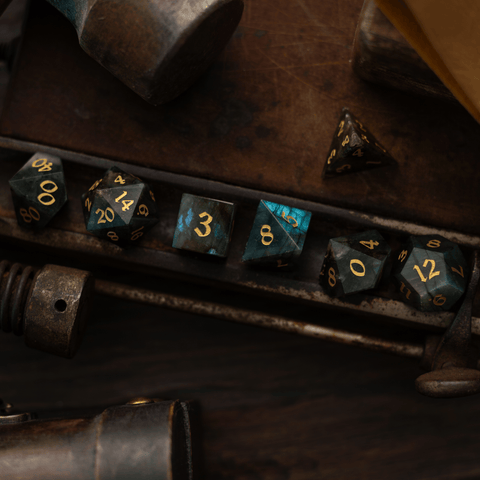
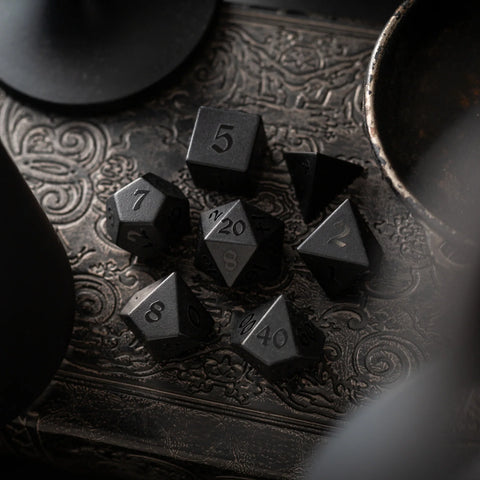
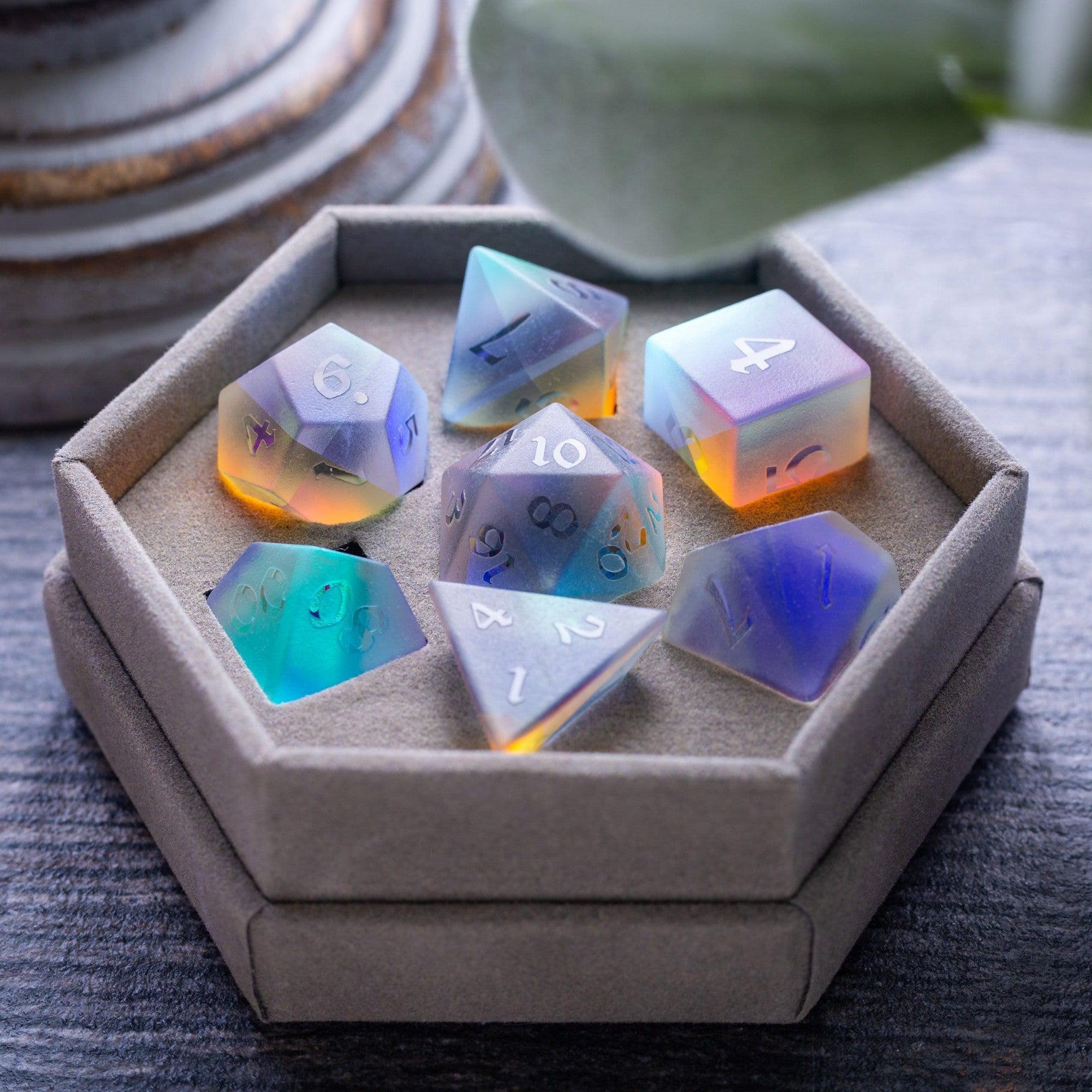
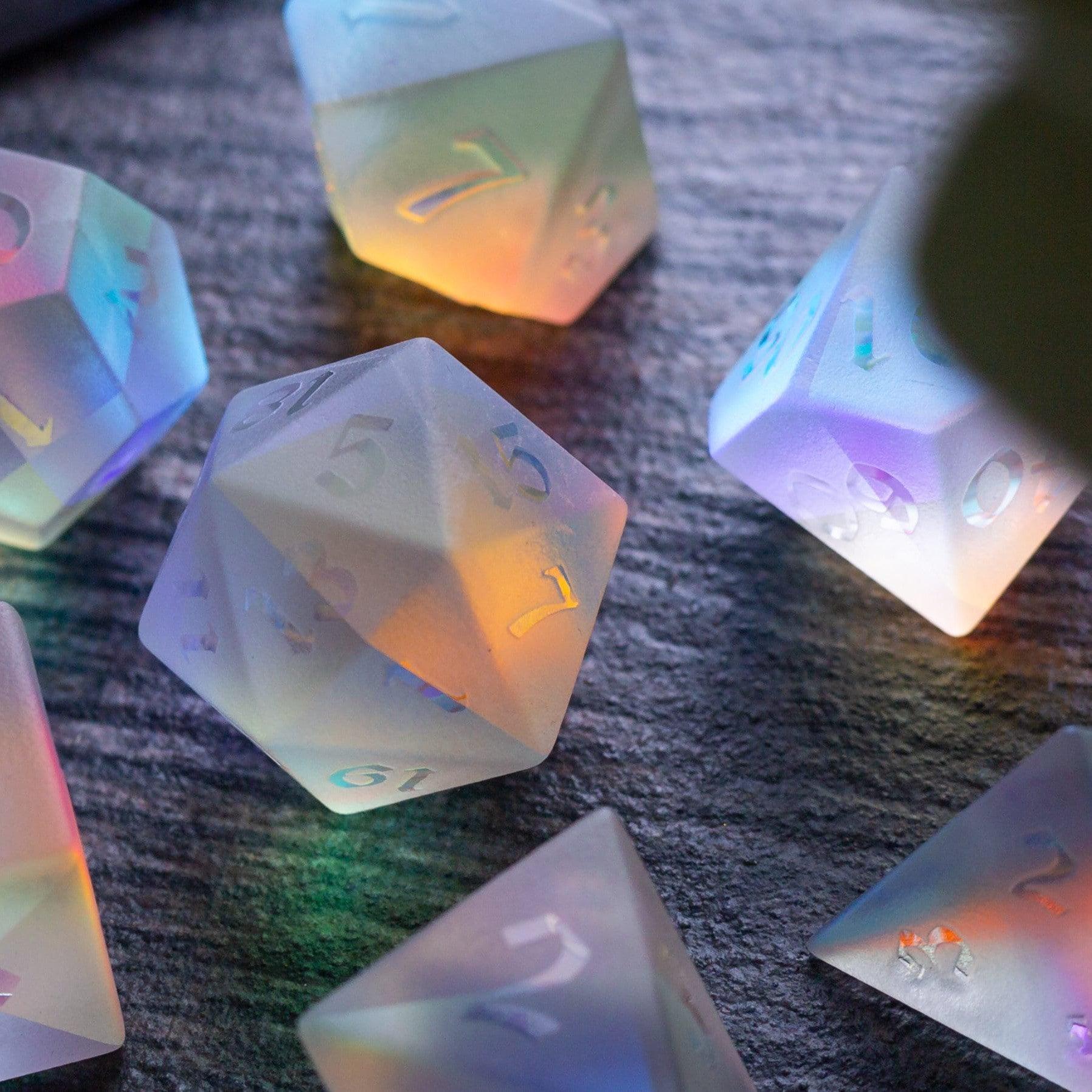
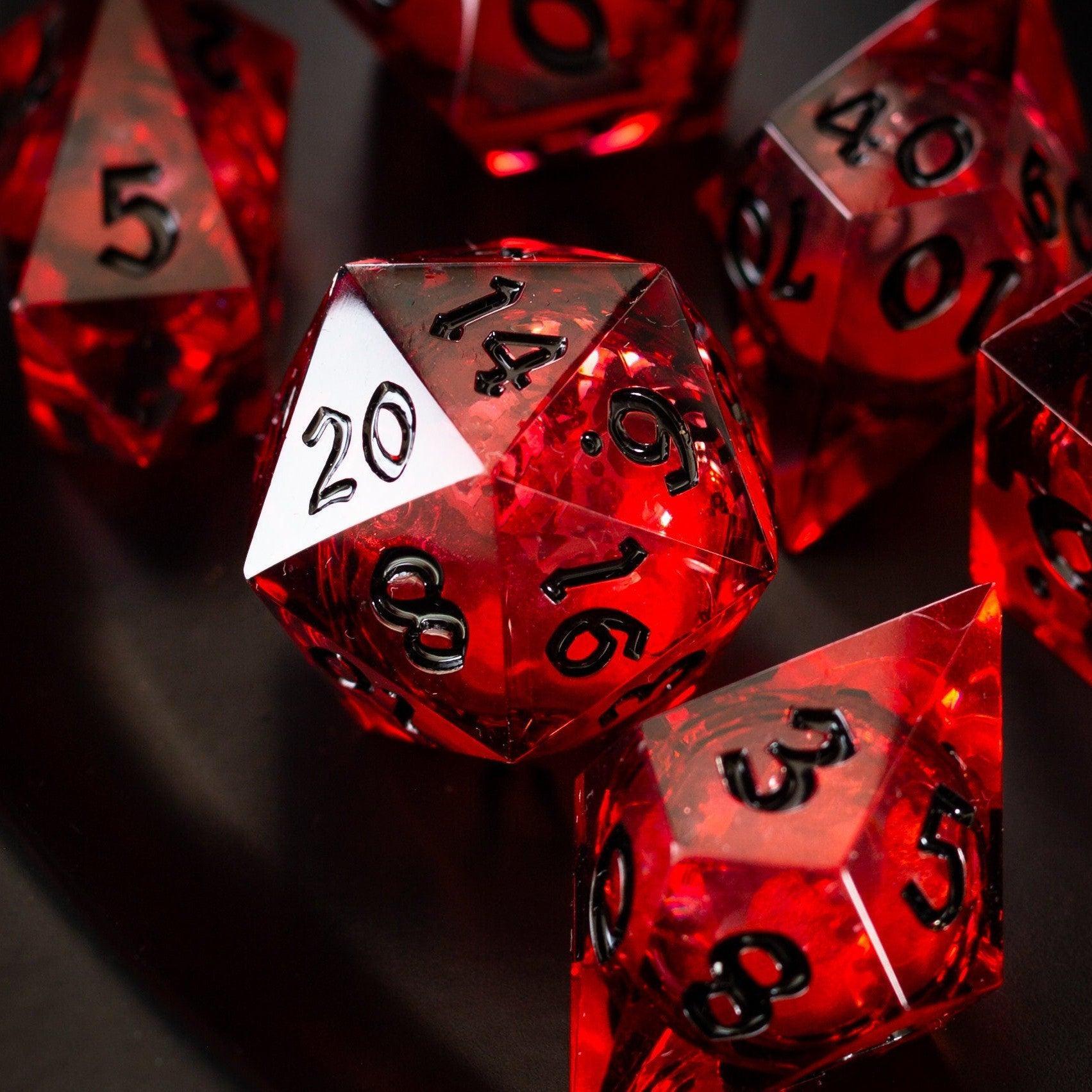
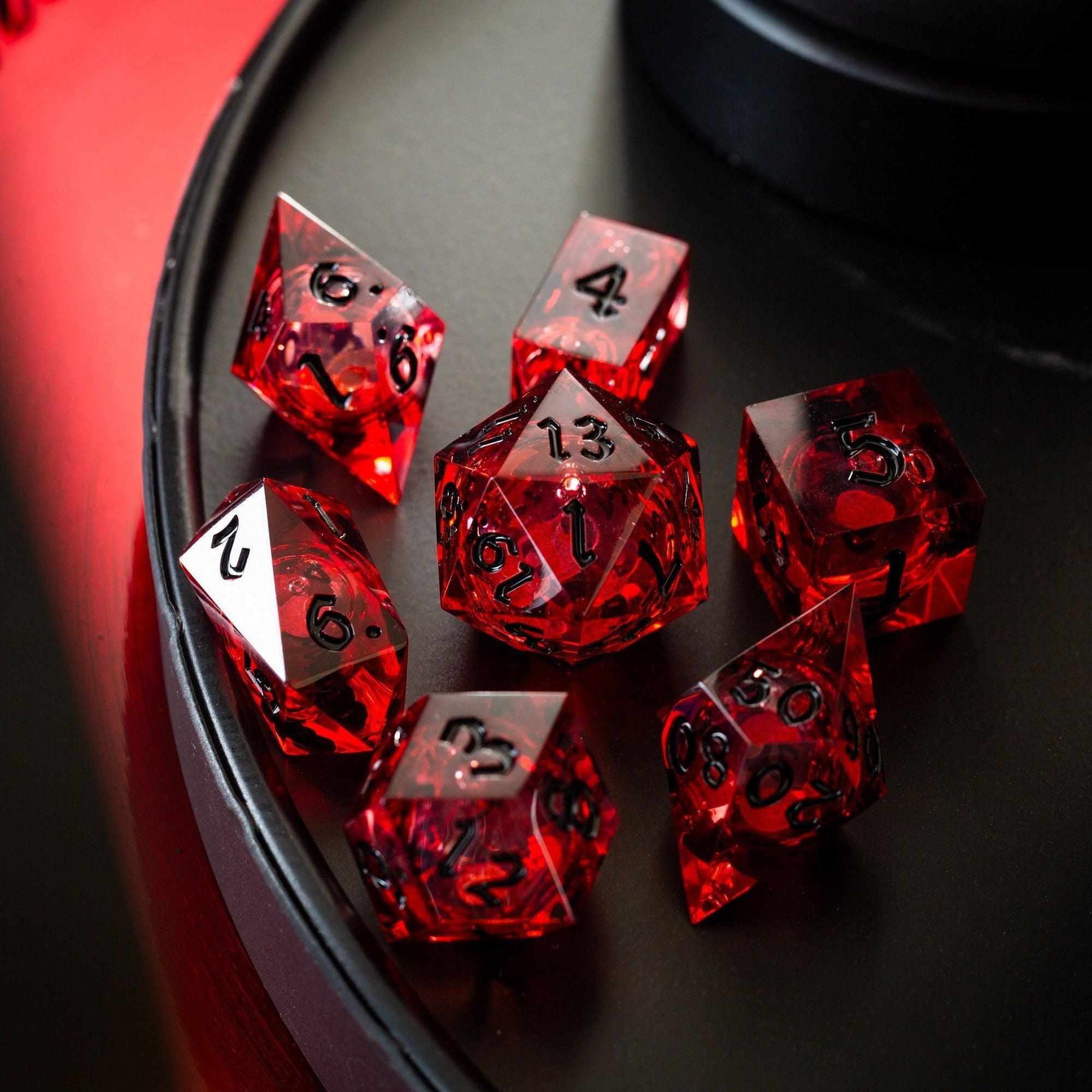
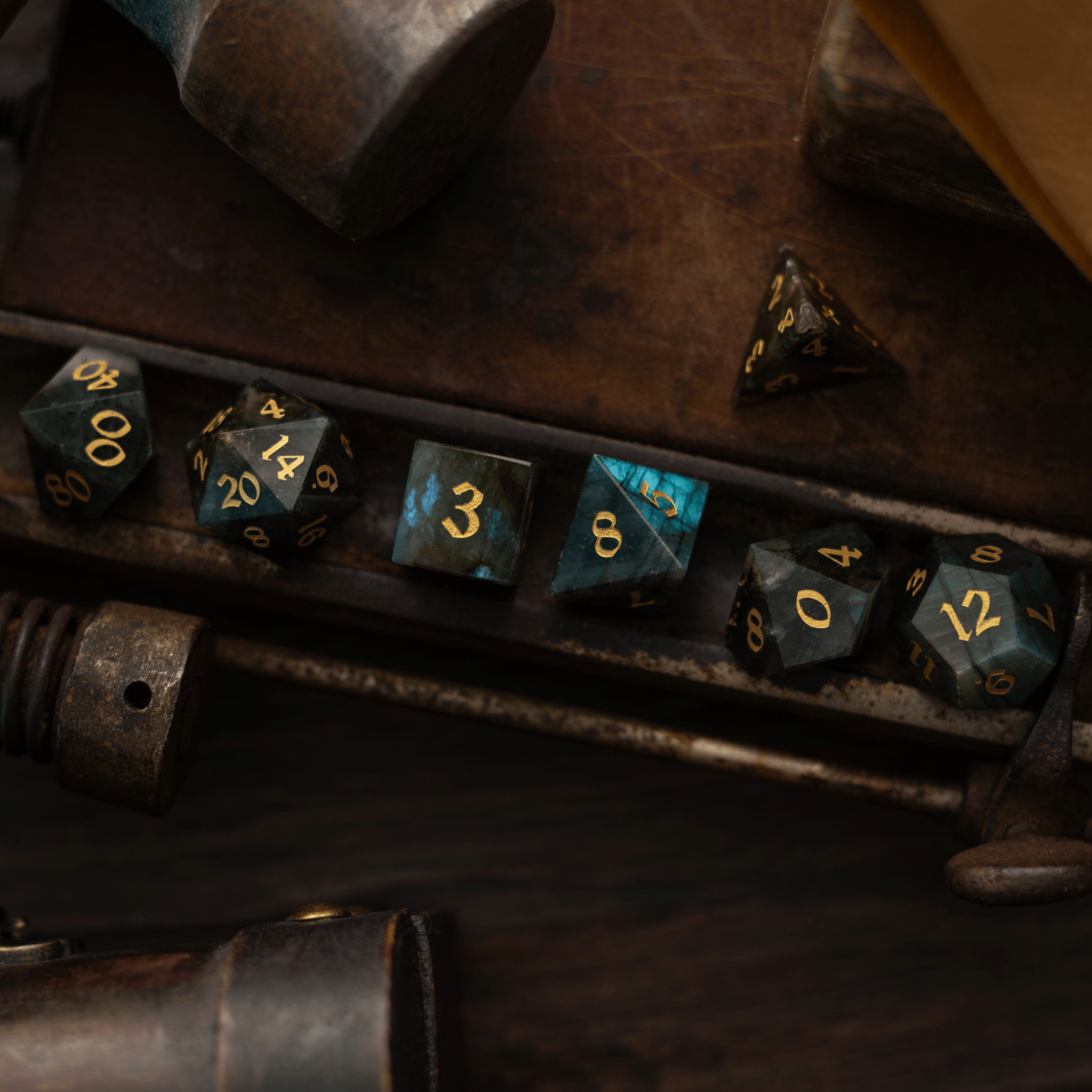
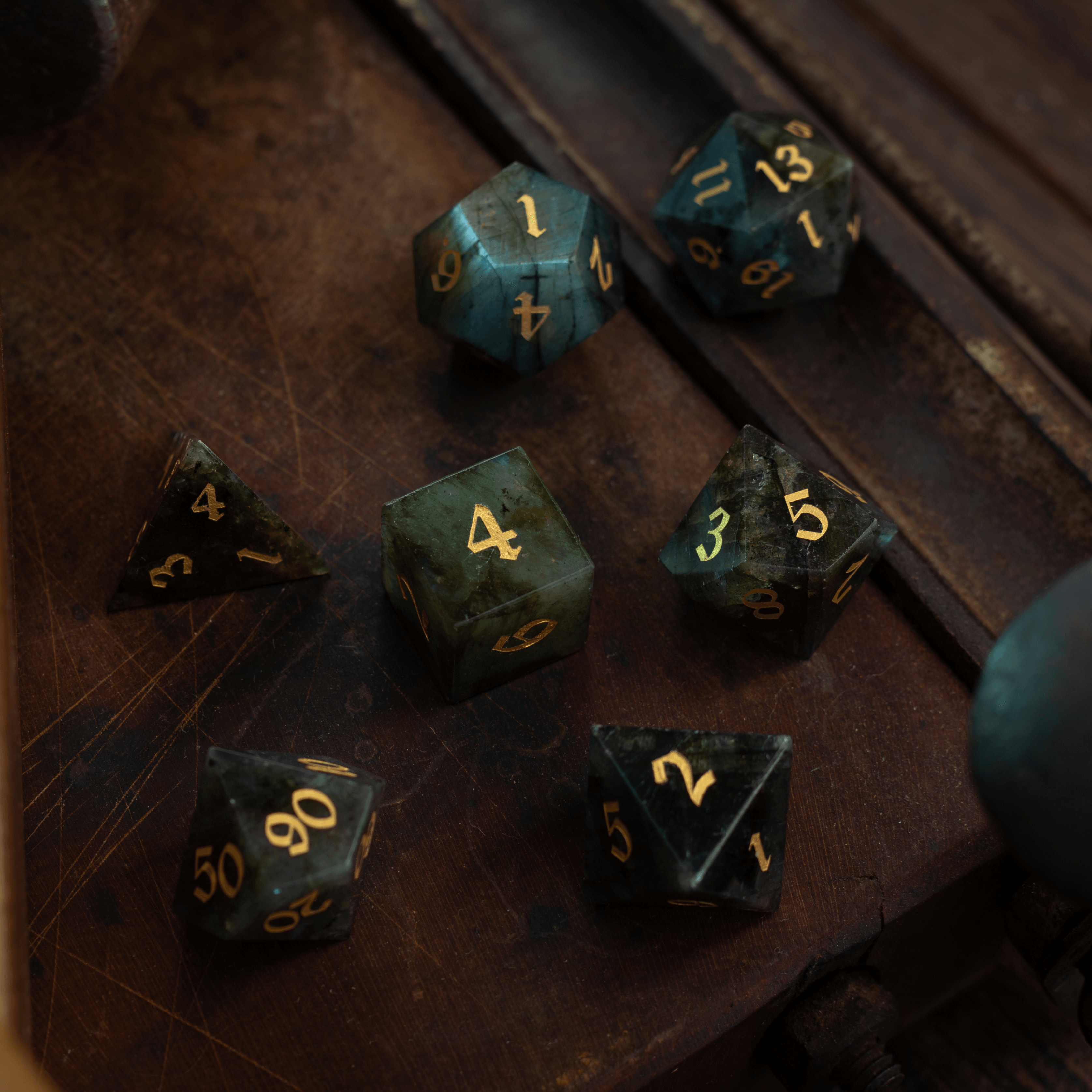
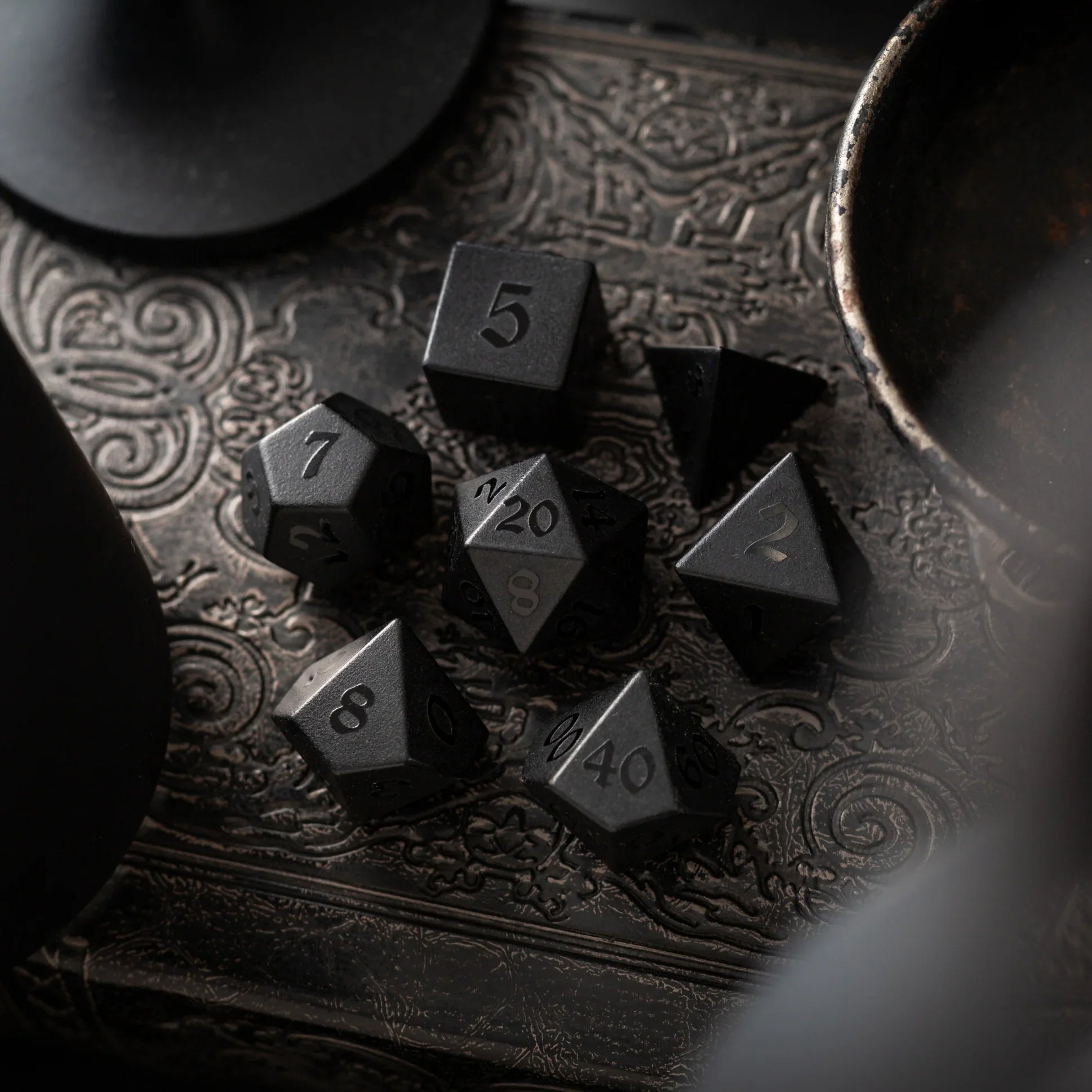
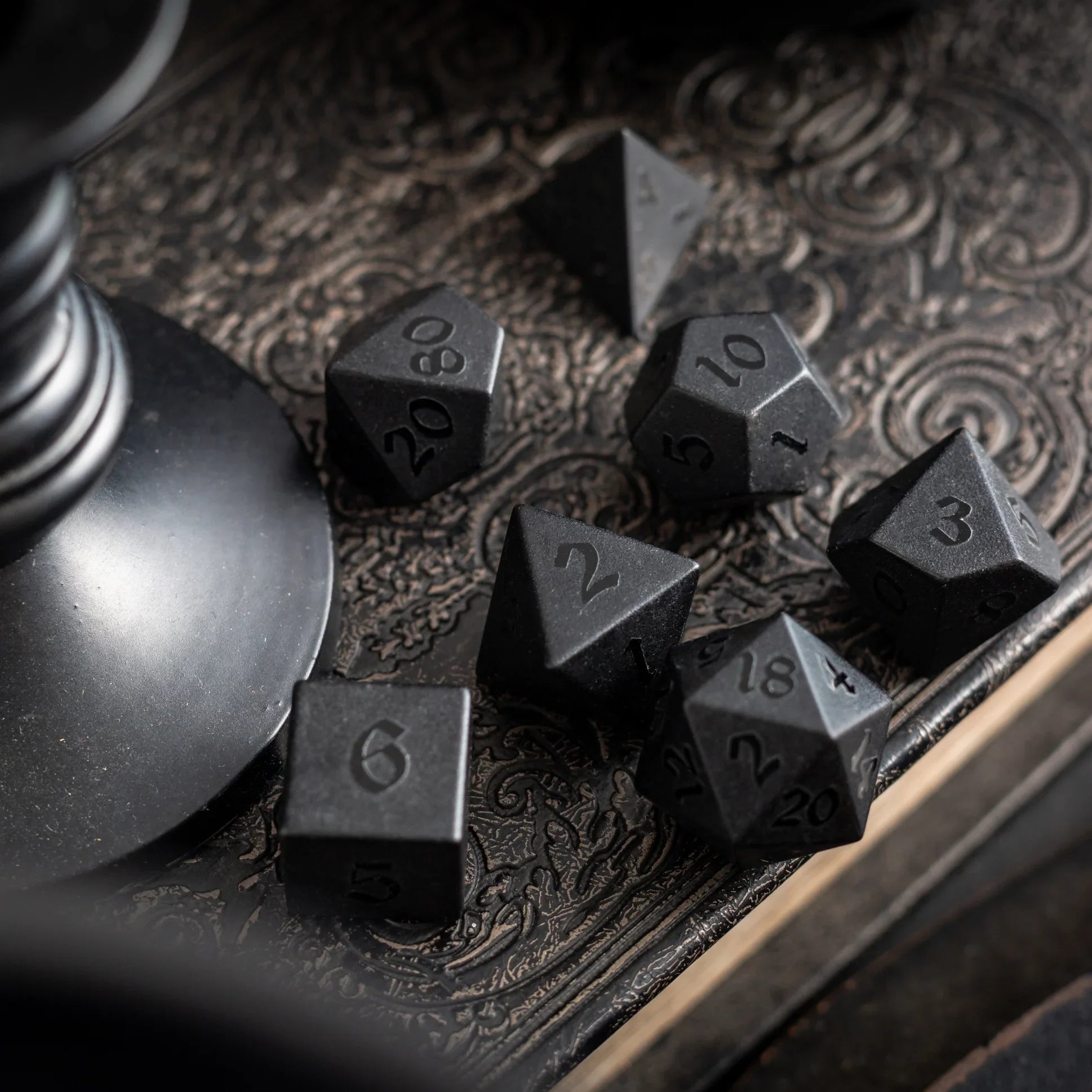
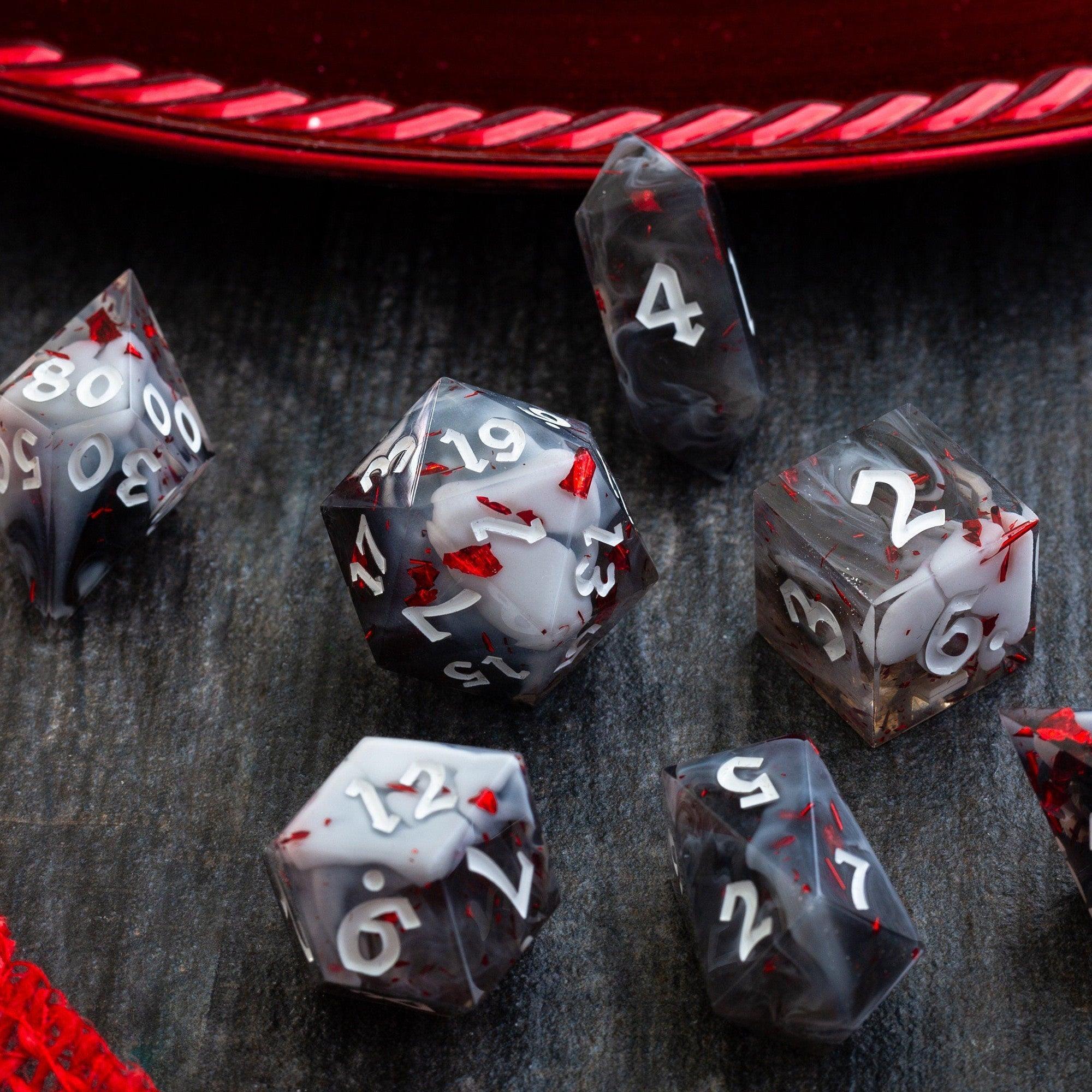
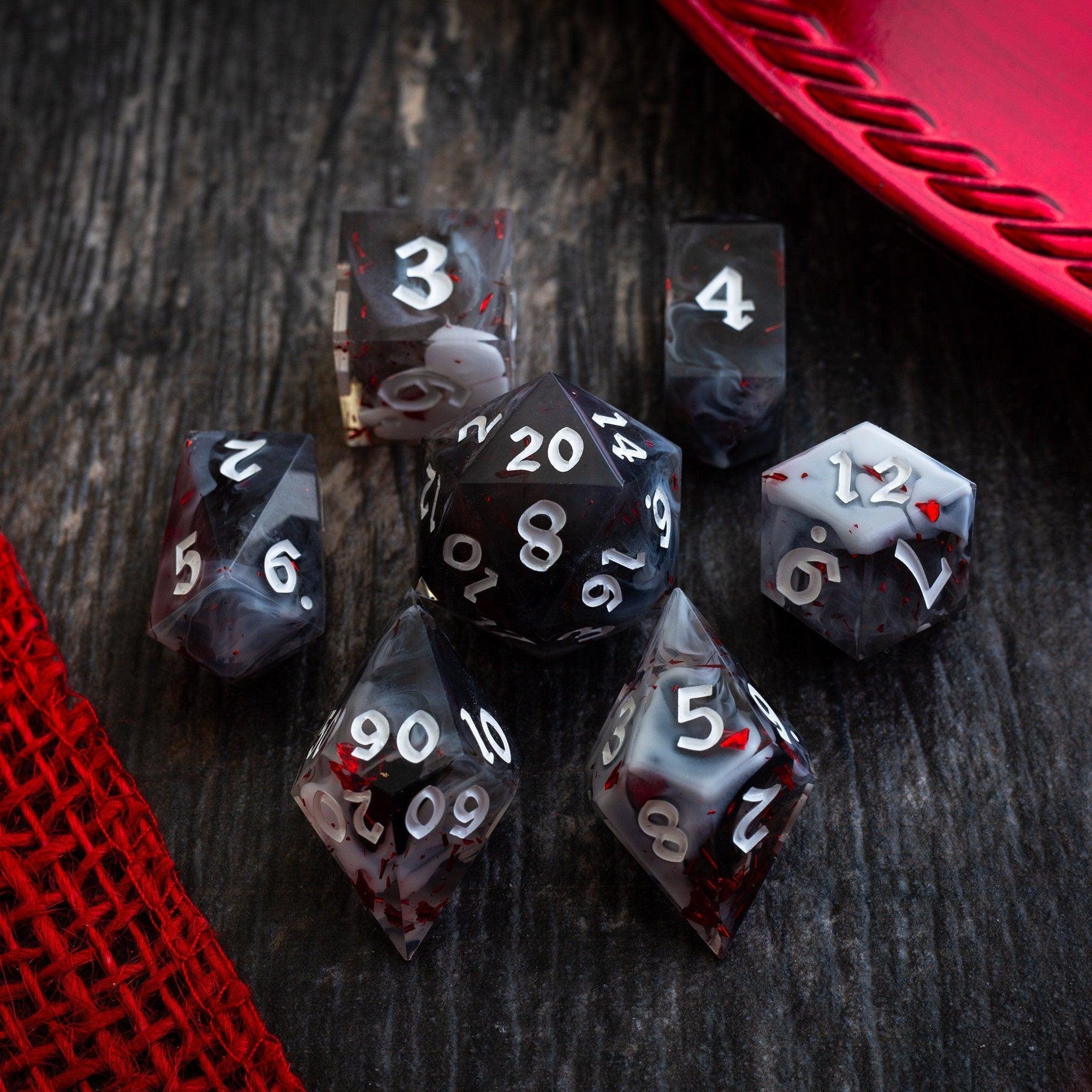
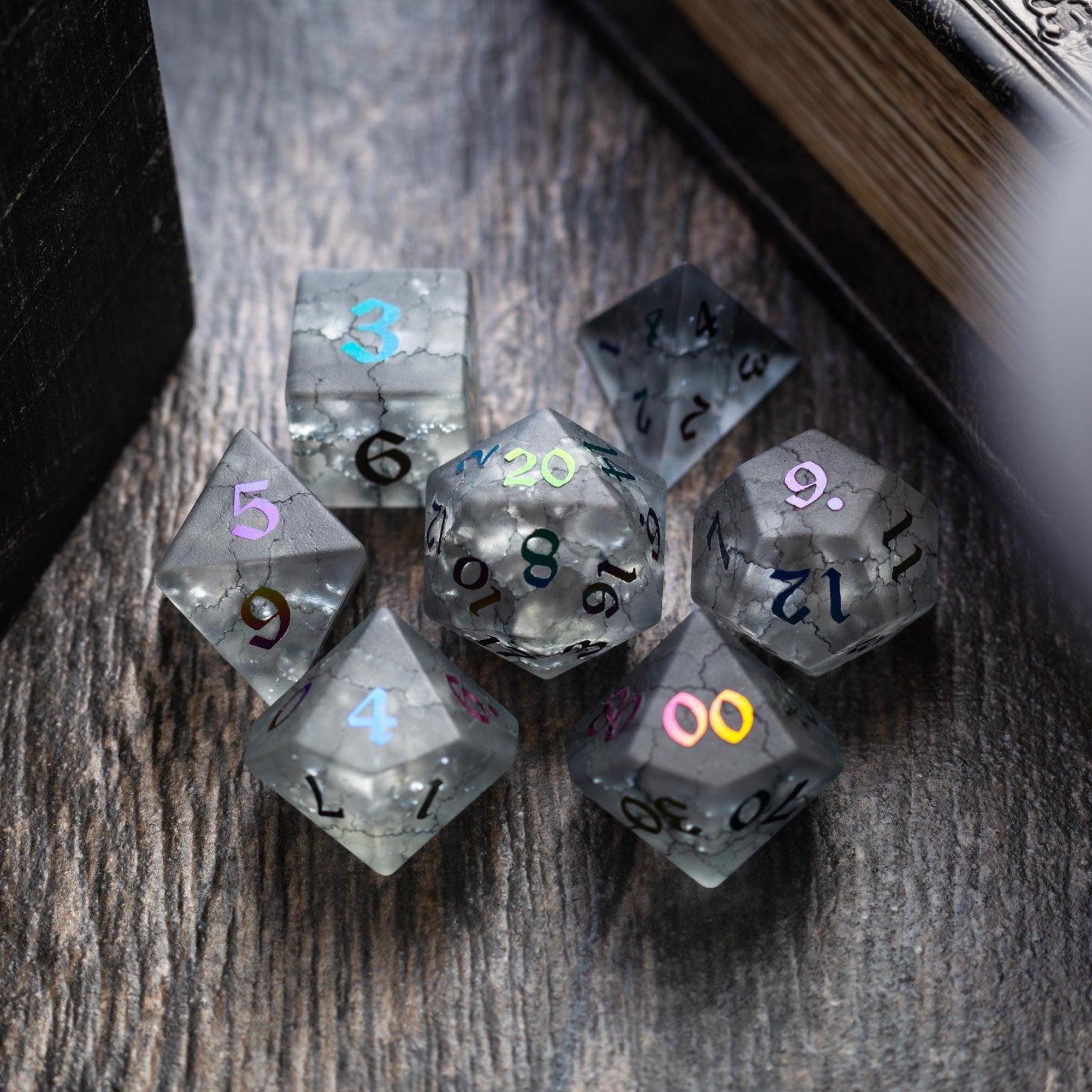
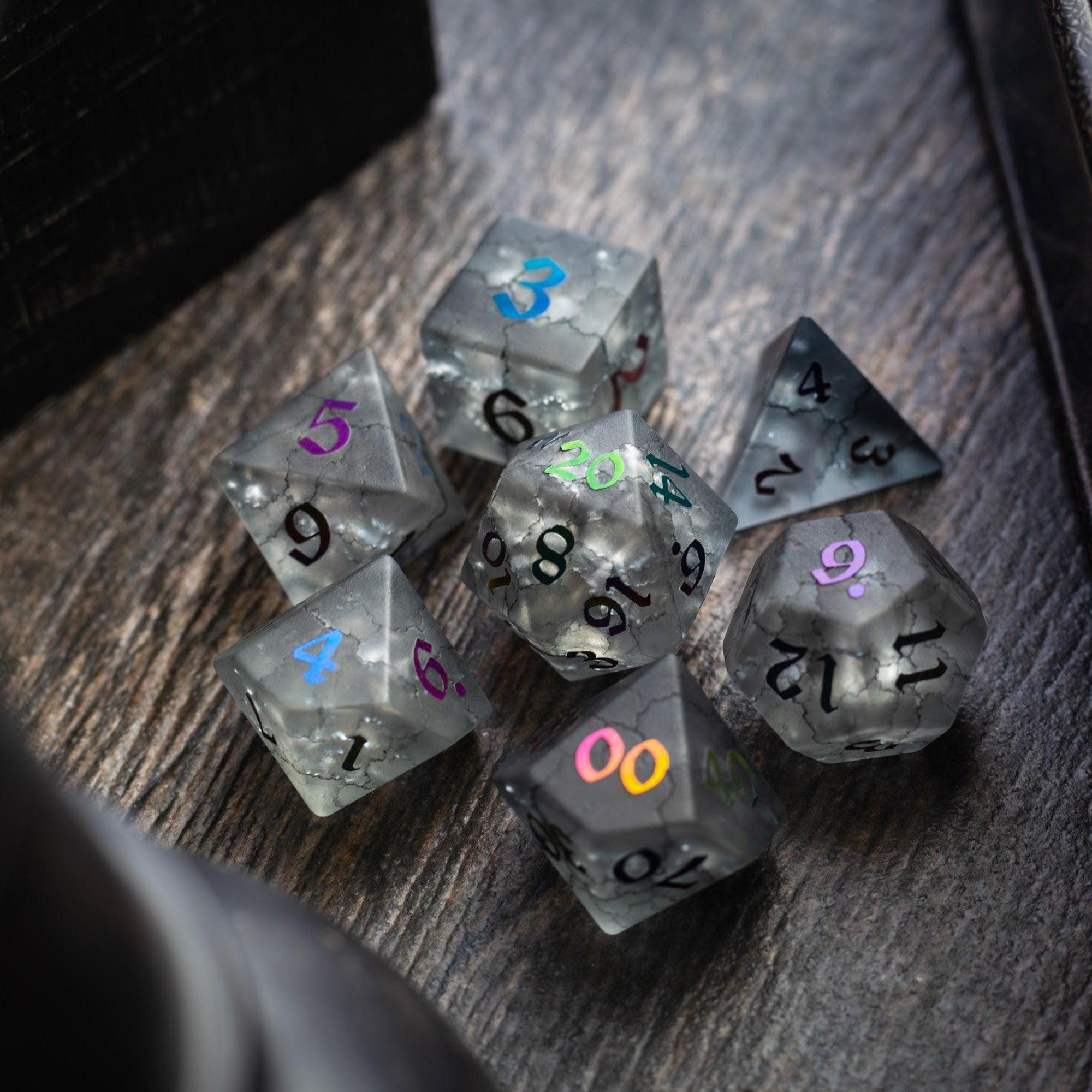
For games that use ordinary numbered dice, or for score tracking and side activities, a separate set can add variety to the table. DND dice are designed primarily for role-playing games, but individual dice can sometimes serve practical roles in other tabletop games when the rules call for the same die type.
- Resin Dice: Lightweight and available in many colors, resin dice are convenient for regular tabletop use.
- Gemstone Dice: Heavier and more delicate than standard plastic dice, gemstone sets are best rolled on a padded tray.
- Metal Dice: Their extra weight gives them a different feel, but a tray or mat is a good idea to protect the table surface.
Tips for a Smooth Family Game Night
- Teach the goal first: Explain how to win before going through smaller rules and exceptions.
- Pick the game before everyone arrives: This avoids spending half the evening debating what to play.
- Keep the first game relaxed: New players learn faster when experienced players explain choices instead of rushing them.
- Use snacks that stay away from components: Cards and boards last longer when greasy or sticky food is kept off the play area.
- Be careful with house rules: Small changes can be fun, but play the standard rules first so everyone understands how the game was designed to work.
Why Family Game Nights Are Worth Keeping
Board games give families a reason to sit around the same table and interact directly. A good game creates shared decisions, surprises, jokes, close calls, and stories that are easy to remember later. The point is not to find one perfect game for every household. It is to build a small rotation that fits different moods.
Keep a quick game such as Sushi Go! or Just One for busy nights, a creative option such as Dixit for relaxed gatherings, and a strategy game such as Ticket to Ride, CATAN, 7 Wonders, or Wingspan for evenings when everyone wants a deeper challenge. With the right mix, family game night becomes easier to start and much more likely to happen again.


Leave a comment
This site is protected by hCaptcha and the hCaptcha Privacy Policy and Terms of Service apply.