
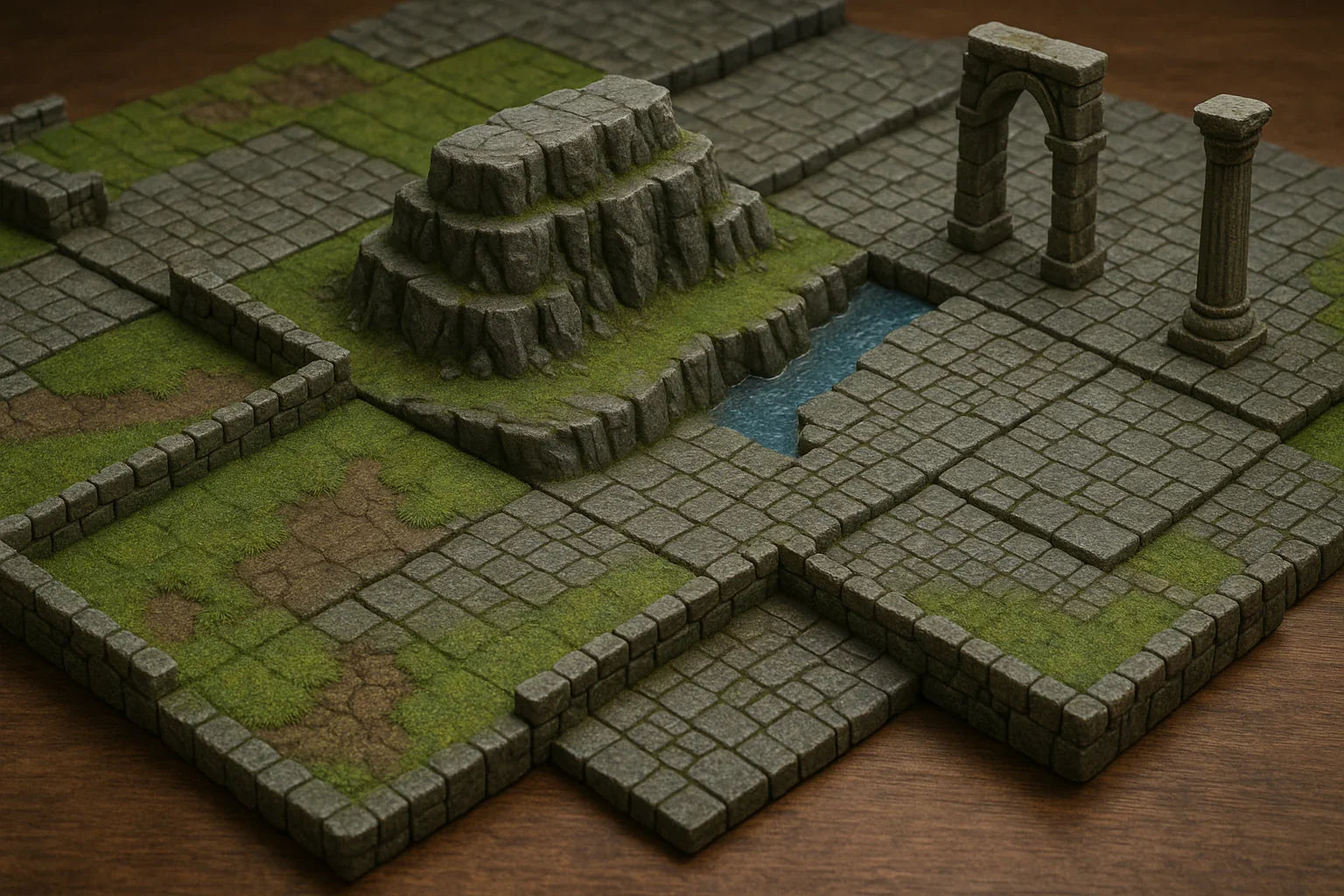
Terrain Tiles for Tabletop RPGs: Elevate Battle Maps
Terrain is one of the easiest ways to make an encounter feel alive. A stone bridge spanning a rushing river, a crumbling dungeon corridor, or a dense forest clearing can help players picture the scene before the first initiative roll. While a simple sketch on a dry erase map works perfectly well, terrain tiles for tabletop RPGs offer another option for groups who enjoy building immersive battlefields.
Unlike required game components such as character sheets or dice, terrain tiles are optional accessories. They do not change the rules of Dungeons & Dragons or other tabletop roleplaying games. Instead, they enhance visualization, encourage tactical decision making, and give Game Masters more ways to present memorable encounters.
Whether you enjoy quick dungeon crawls or sprawling wilderness adventures, modular terrain can help transform ordinary battle maps into exciting locations full of meaningful choices.
Why Terrain Tiles Improve Battle Maps and Player Immersion
Well-designed RPG terrain tiles add depth without making gameplay more complicated. Players can immediately understand where walls, doors, bridges, and obstacles are located, reducing confusion during combat.
Benefits include:
- Better visualization of the battlefield
- Clearer movement and positioning
- More tactical opportunities
- Faster communication between players and the Dungeon Master
- Greater immersion during exploration and combat
Instead of imagining where every obstacle sits, players can simply look at the map. This often leads to more creative strategies, whether someone climbs a ruined tower, takes cover behind fallen pillars, or blocks a narrow hallway to protect allies.
For Game Masters, adding three-dimensional D&D terrain can also make encounters easier to describe. A battlefield with elevation, difficult terrain, and environmental hazards naturally encourages players to think beyond simply attacking the nearest enemy.
If your table includes detailed scenery, a dice tray from Runic Dice helps keep rolls contained so they do not scatter across carefully arranged terrain.
Common Types of Terrain Tiles and Materials
Not every terrain system looks or functions the same way. Terrain tiles for tabletop RPGs are available in many styles, materials, and scales, giving players plenty of flexibility.
Cardboard Tiles
Cardboard remains one of the most affordable options.
Advantages include:
-
Lightweight
-
Easy to transport
-
Quick to set up
-
Printed artwork with minimal preparation
They work especially well for beginners who want attractive tabletop battle maps without investing in larger scenery collections.
Plastic Modular Terrain
Plastic tiles are durable and often feature locking connections that allow sections to stay together during play.
Many systems include:
-
Walls
-
Floors
-
Doors
-
Stairs
-
Bridges
-
Scatter terrain
These pieces can be rearranged into countless layouts, making them popular for dungeon adventures.
Foam Terrain
Foam terrain offers impressive visual detail while remaining lightweight.
It is commonly used for:
-
Hills
-
Cliffs
-
Castle walls
-
Caverns
-
Ruined buildings
Foam requires a little more care during storage, but many hobbyists appreciate its realistic appearance.
Resin Terrain
Resin pieces often feature highly detailed sculpting.
They are commonly used for:
-
Statues
-
Dungeon features
-
Altars
-
Furniture
-
Specialty encounter pieces
Because resin is heavier than cardboard or foam, these pieces usually stay in place during play.
3D Printed Terrain
The growing popularity of home 3D printers has expanded access to custom tabletop terrain.
Game Masters can create:
-
Unique dungeon layouts
-
Fantasy villages
-
Cavern systems
-
Wilderness features
-
Science fiction environments
Since different creators use different scales, always check compatibility before mixing sets.
Choosing Terrain That Fits Different Campaign Settings
No single terrain style fits every campaign. The best modular terrain depends on the adventures you enjoy running.
Classic Dungeons
Stone floors, corridors, doors, pillars, and traps remain staples of fantasy campaigns.
Useful additions include:
-
Secret passages
-
Treasure rooms
-
Prison cells
-
Crypts
-
Spiral staircases
Wilderness Adventures
Outdoor encounters benefit from varied terrain such as:
-
Forest paths
-
Rivers
-
Hills
-
Rock formations
-
Campsites
These elements encourage movement and create natural obstacles.
Cities and Towns
Urban encounters become more dynamic with:
-
Streets
-
Market stalls
-
Taverns
-
Rooftops
-
Bridges
-
Alleyways
Vertical movement often plays a much larger role in city encounters.
Swamps, Deserts, and Frozen Lands
Special environments help reinforce the mood of an adventure.
Examples include:
-
Marshes with difficult terrain
-
Sand dunes
-
Ice bridges
-
Snow covered ruins
-
Volcanic caverns
Because terrain systems vary in material, compatibility, complexity, and scale, many Game Masters gradually build collections that support several different campaign themes rather than relying on a single style.
Terrain Tile Comparison
| Terrain Material | Durability | Setup Time | Portability | Ideal Use Case |
|---|---|---|---|---|
| Cardboard | Moderate | Very Fast | Excellent | Beginner campaigns, convention play |
| Plastic | High | Fast | Good | Modular dungeons and repeatable layouts |
| Foam | Moderate | Moderate | Good | Large landscapes and scenic encounters |
| Resin | High | Moderate | Moderate | Detailed encounter pieces and landmarks |
| 3D Printed | Varies by material | Moderate | Good | Custom adventures and unique environments |
Each option supports engaging battle maps, but none is universally better than another. The right choice depends on budget, storage space, preferred campaign style, and how often you expect to rebuild encounters.
Tips for Building Dynamic and Tactical Battle Maps
Interesting encounters are shaped by meaningful decisions rather than large collections of scenery.
Consider adding features that encourage movement instead of keeping everyone in one place.
Mix Open and Confined Areas
A battlefield becomes more engaging when players can choose different approaches.
Examples include:
-
Narrow hallways leading into open chambers
-
Bridges crossing dangerous hazards
-
Courtyards surrounded by ruins
-
Multiple entrances
Include Elevation
Height changes create tactical opportunities.
Try using:
-
Balconies
-
Watchtowers
-
Hills
-
Staircases
-
Cliffs
Characters who gain higher ground often find creative ways to approach combat.
Add Interactive Terrain
Encourage players to interact with the environment.
Ideas include:
-
Falling chandeliers
-
Collapsing bridges
-
Opening gates
-
Magical portals
-
Ancient statues
These features often become memorable highlights of a session.
Leave Space for Gameplay
Avoid filling every square with scenery.
Players still need room to move miniatures, measure distances, and reach dice comfortably. A compact dice tower from Runic Dice can help keep rolls controlled without knocking over carefully placed dungeon terrain.
Condition rings are also useful when multiple creatures occupy detailed battlefields, making it easier to track ongoing effects without cluttering the map.
Organizing, Storing, and Maintaining Terrain Collections
Even modest terrain collections benefit from organization.
Helpful storage ideas include:
-
Stackable plastic containers
-
Drawer organizers
-
Foam-lined storage boxes
-
Labelled storage bins
-
Adjustable hobby cases
Organize pieces by category rather than individual encounter.
For example:
-
Dungeon walls
-
Floors
-
Doors
-
Furniture
-
Outdoor scenery
-
Water features
-
Scatter terrain
Keeping similar pieces together speeds up encounter preparation and cleanup.
Clean terrain occasionally using a soft cloth or gentle brush to remove dust. Foam pieces should be handled carefully, while resin and plastic terrain generally tolerate regular use well.
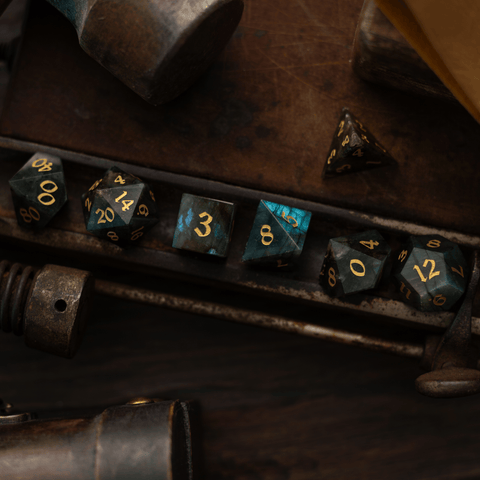
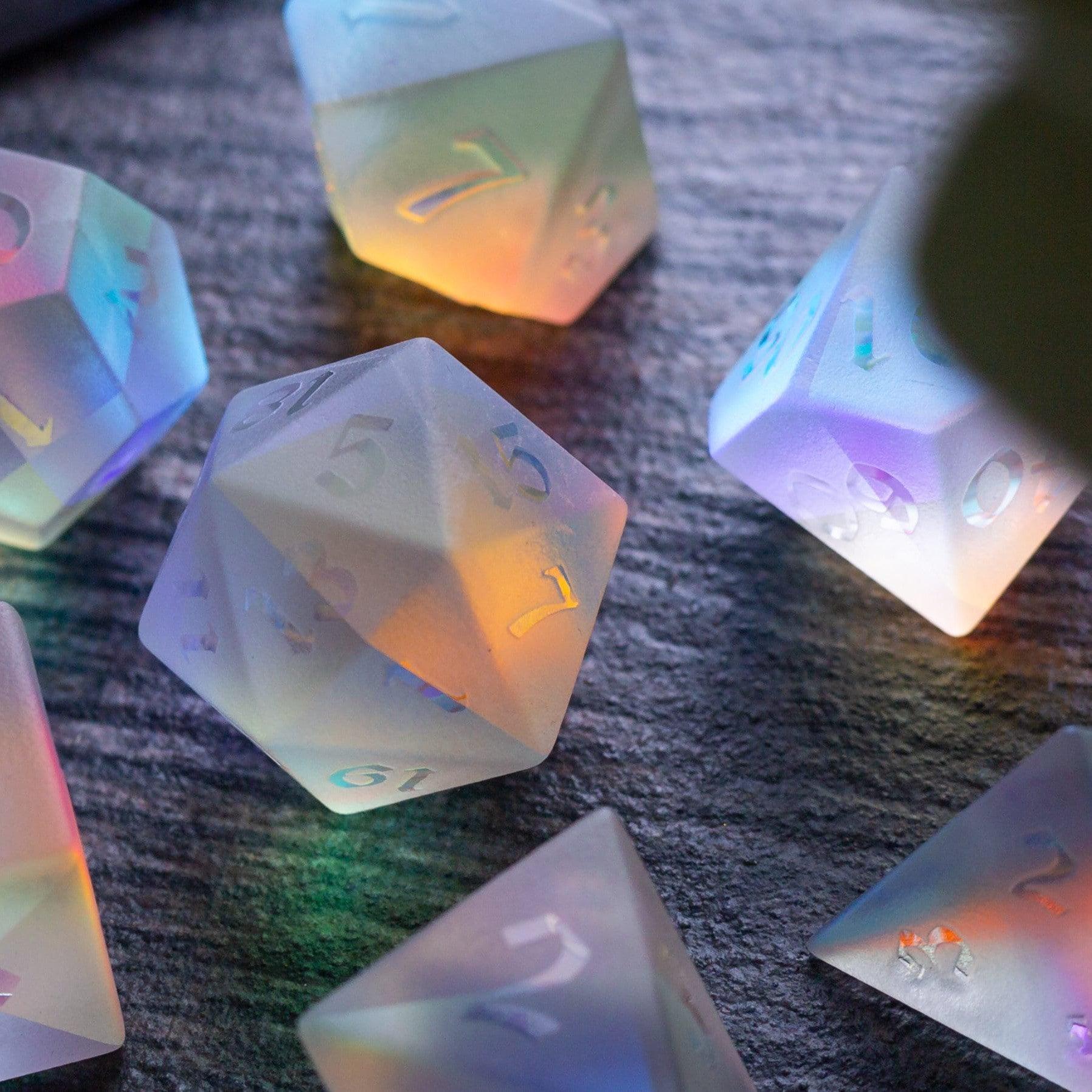
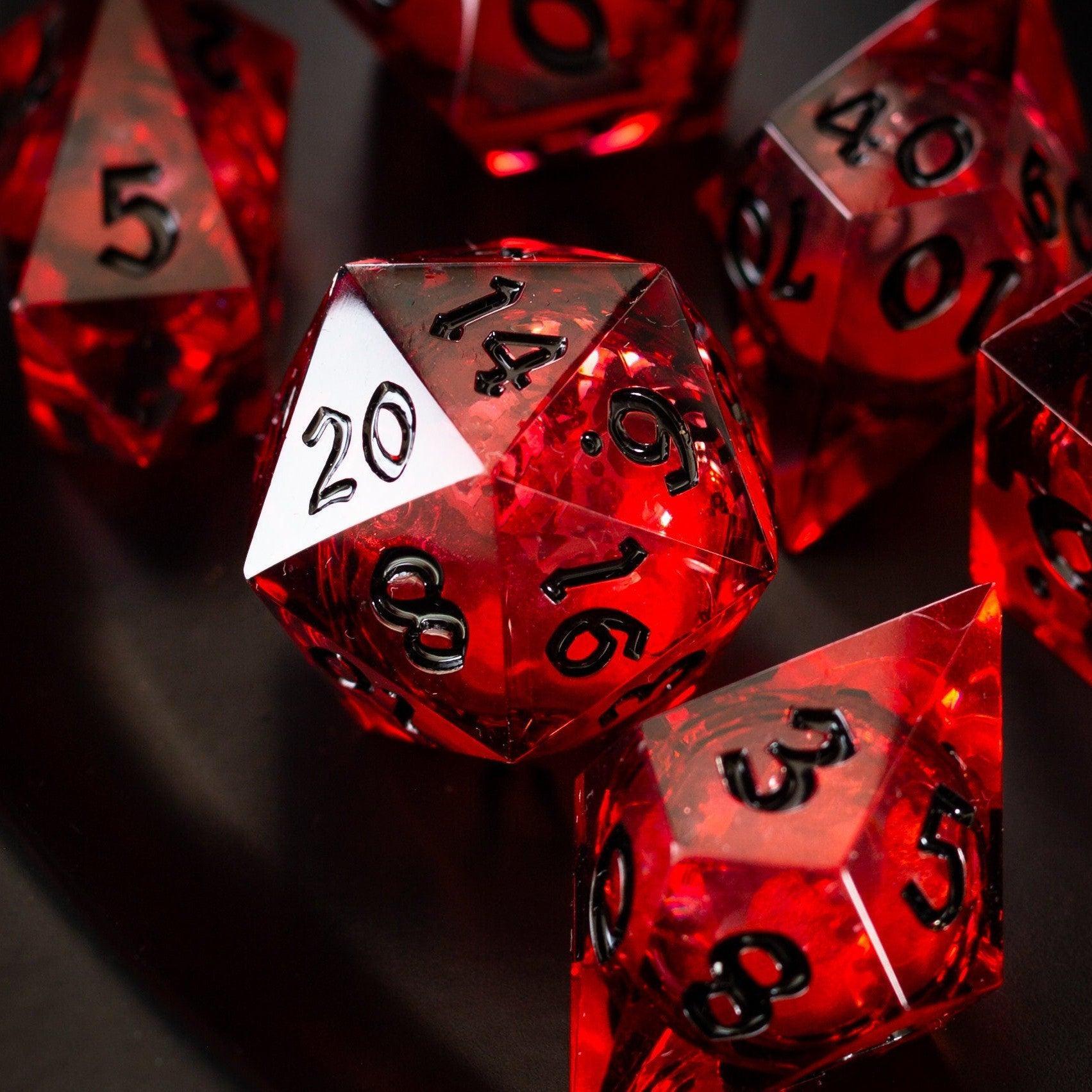
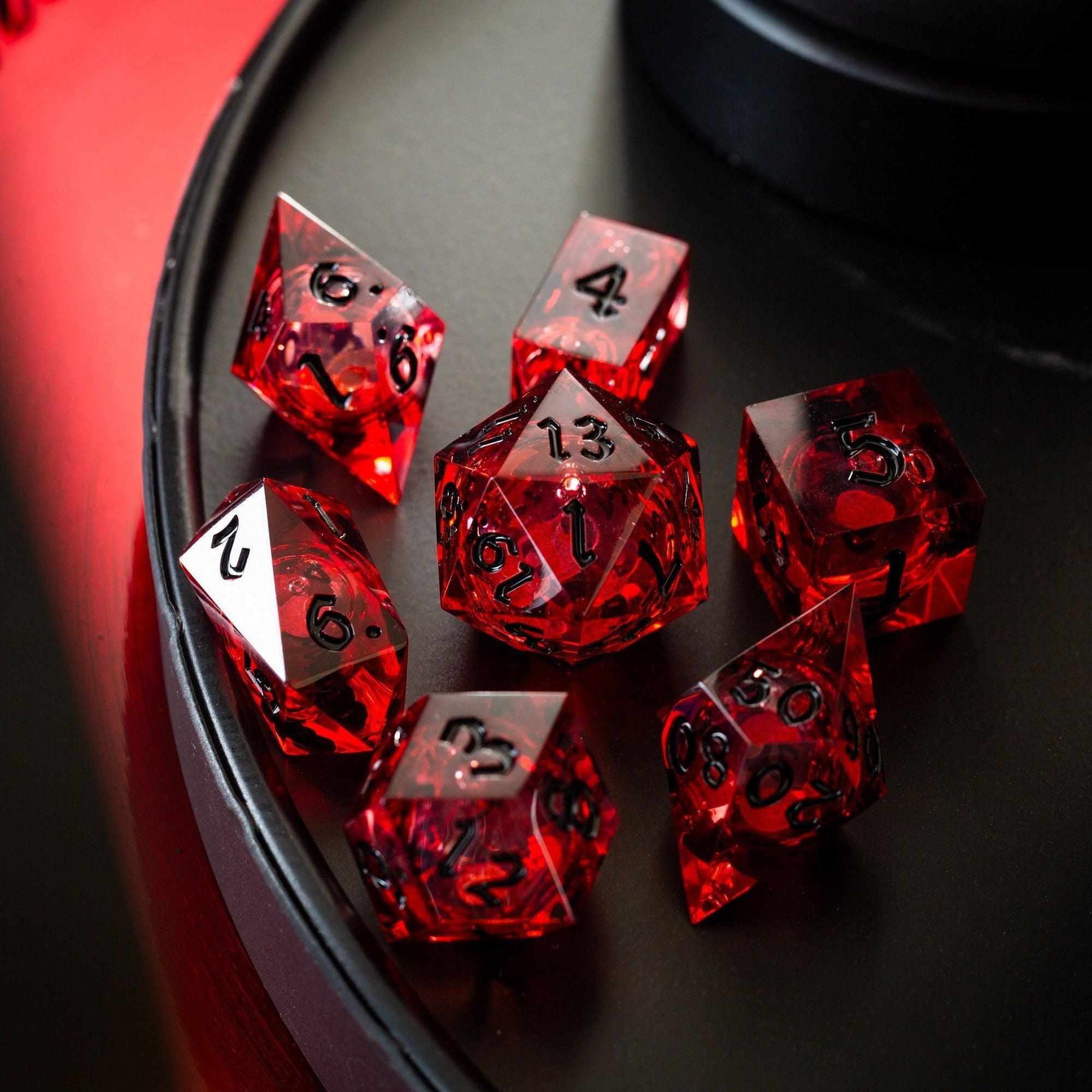
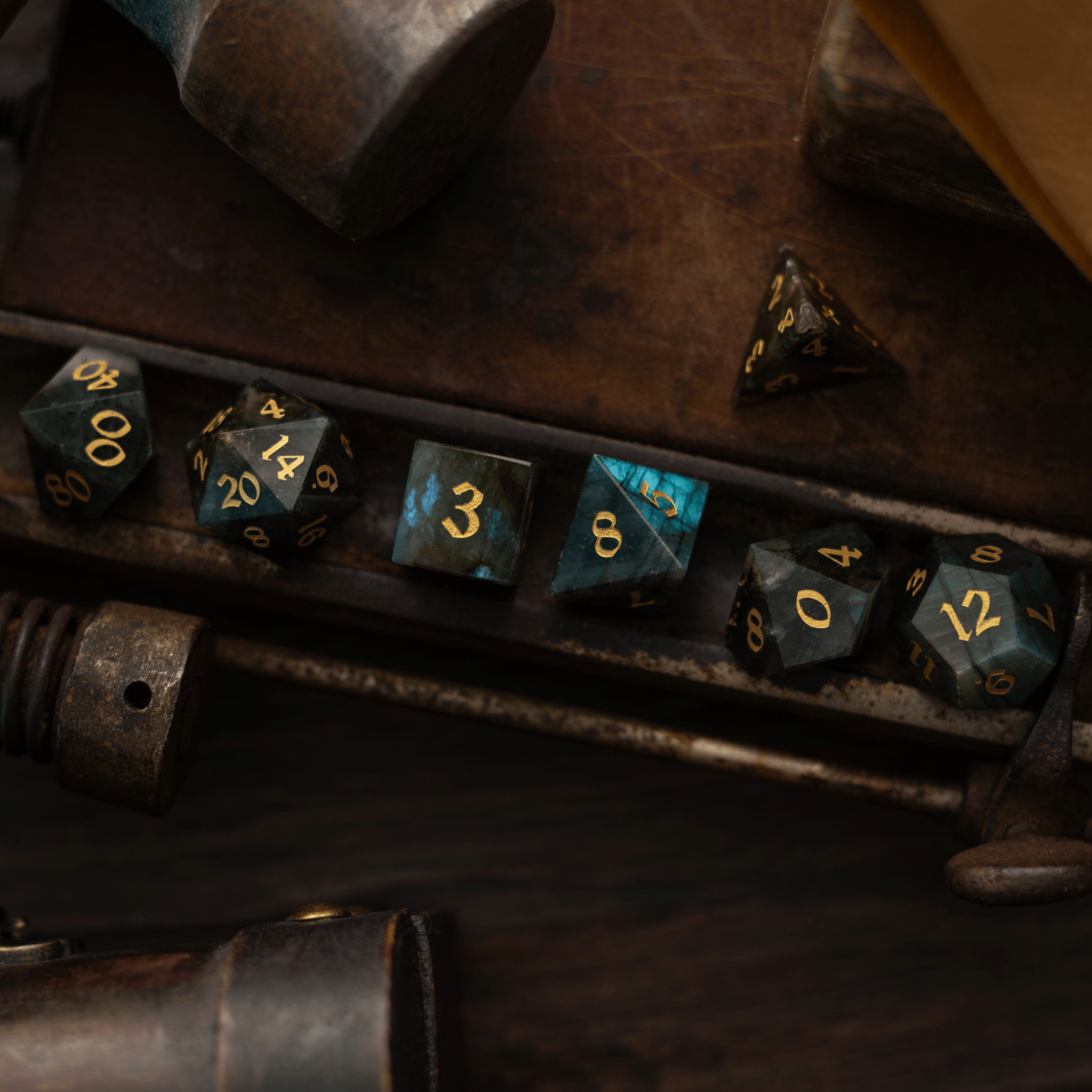
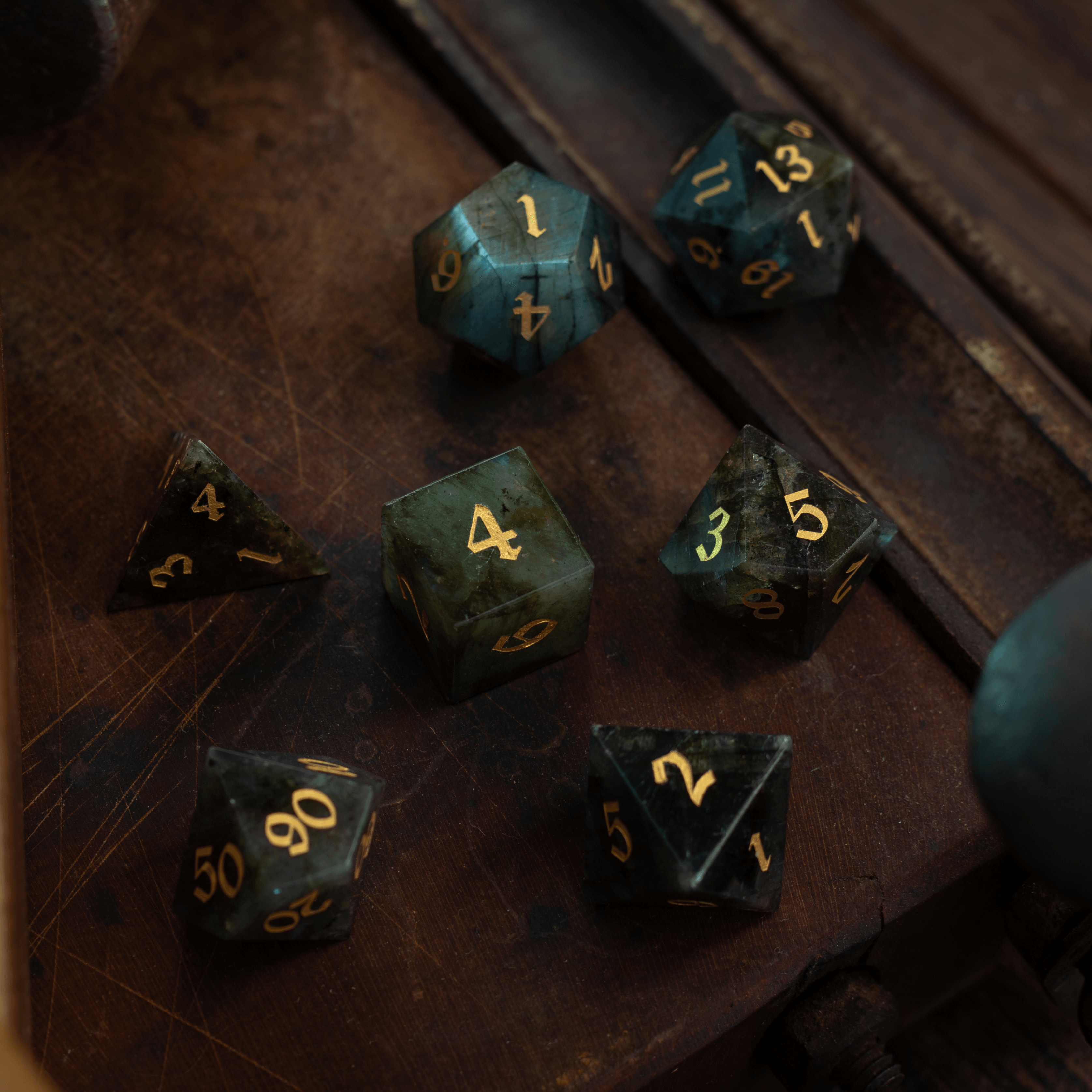
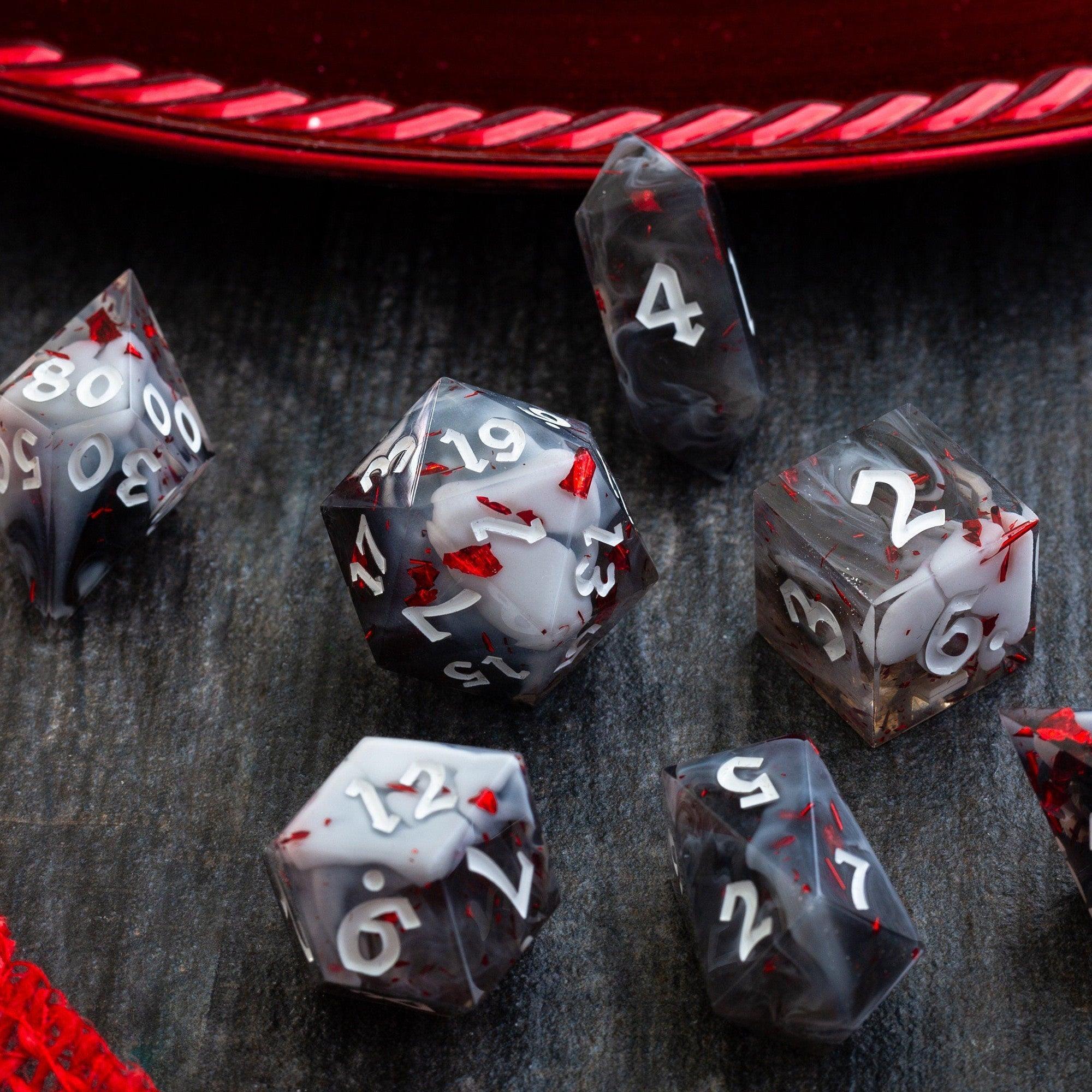
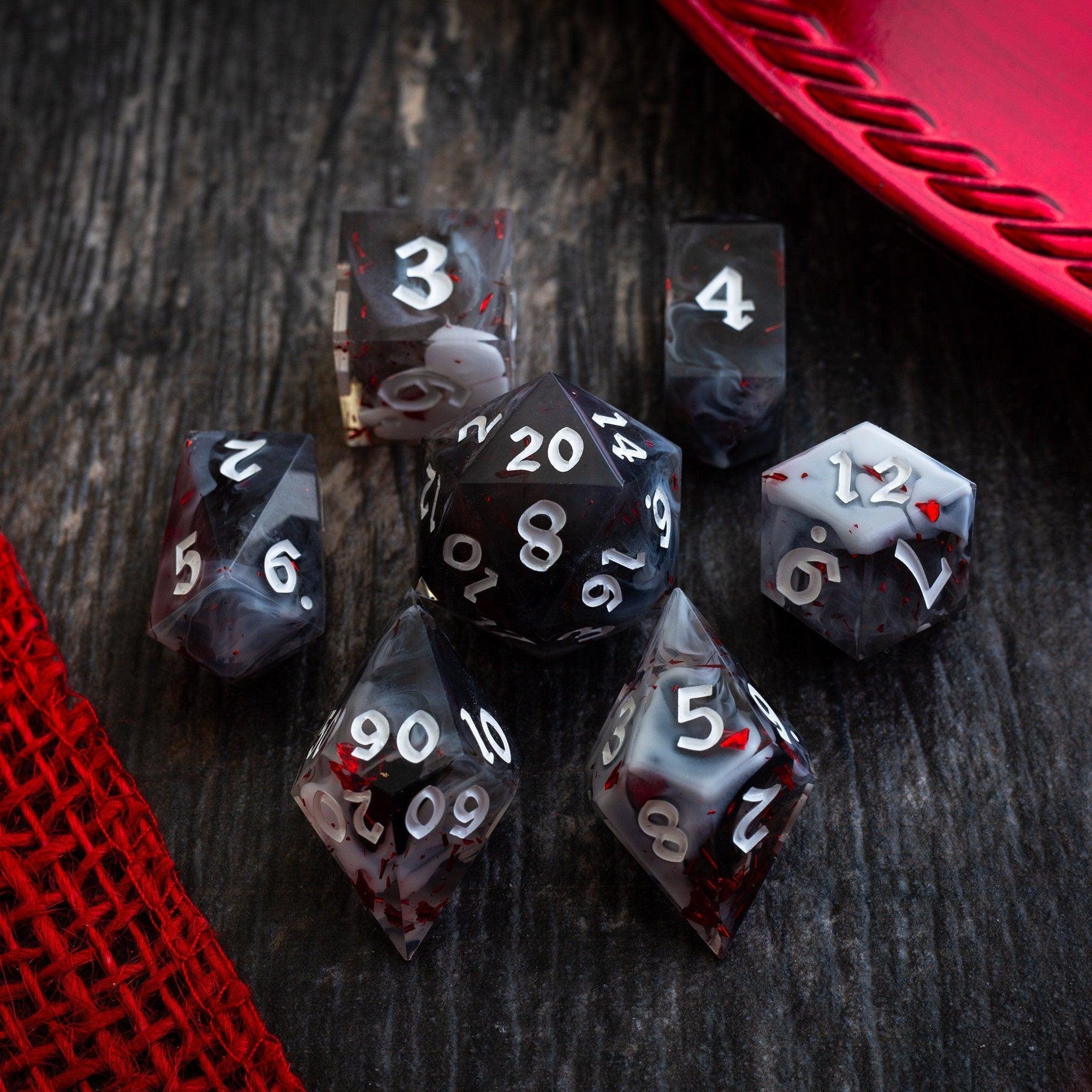
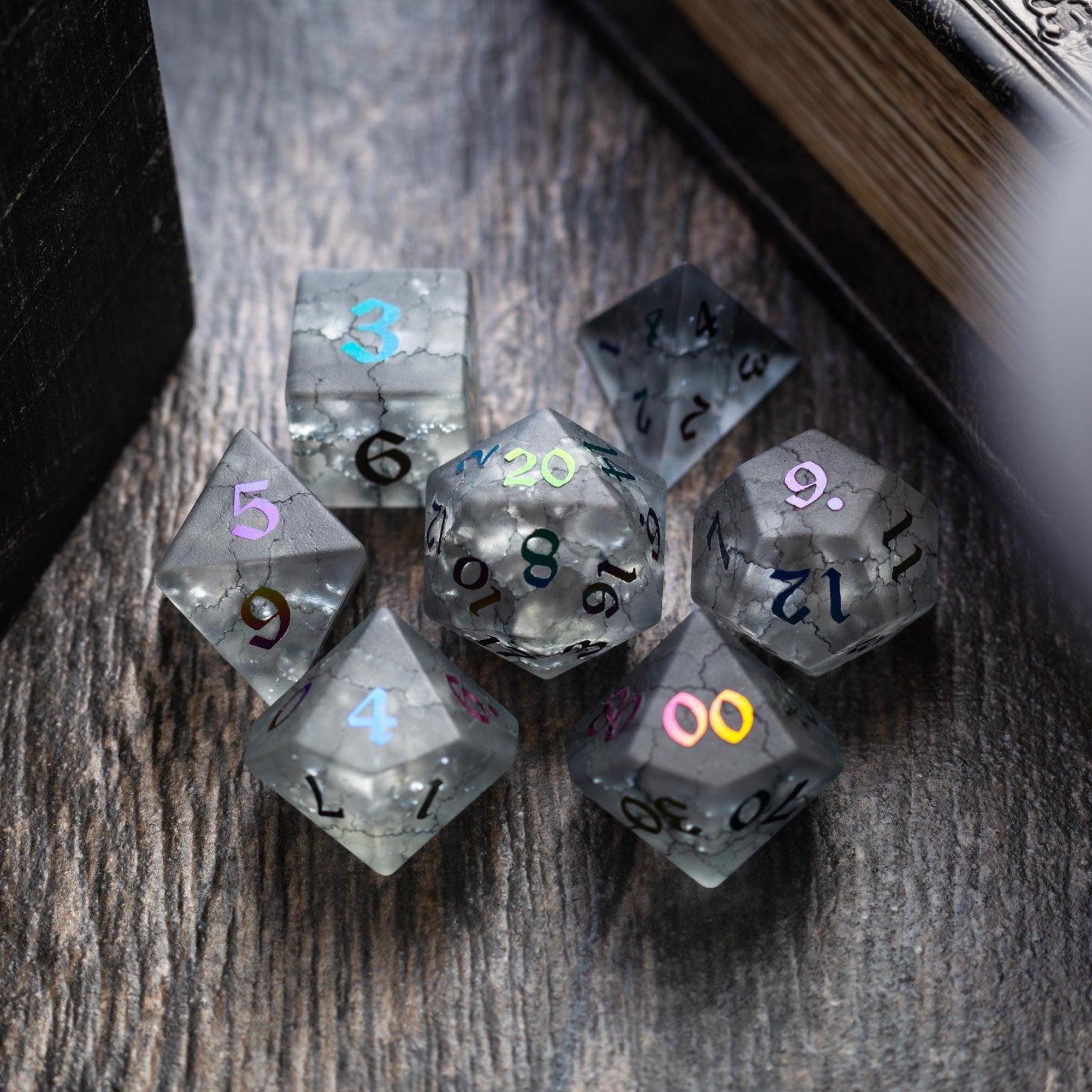
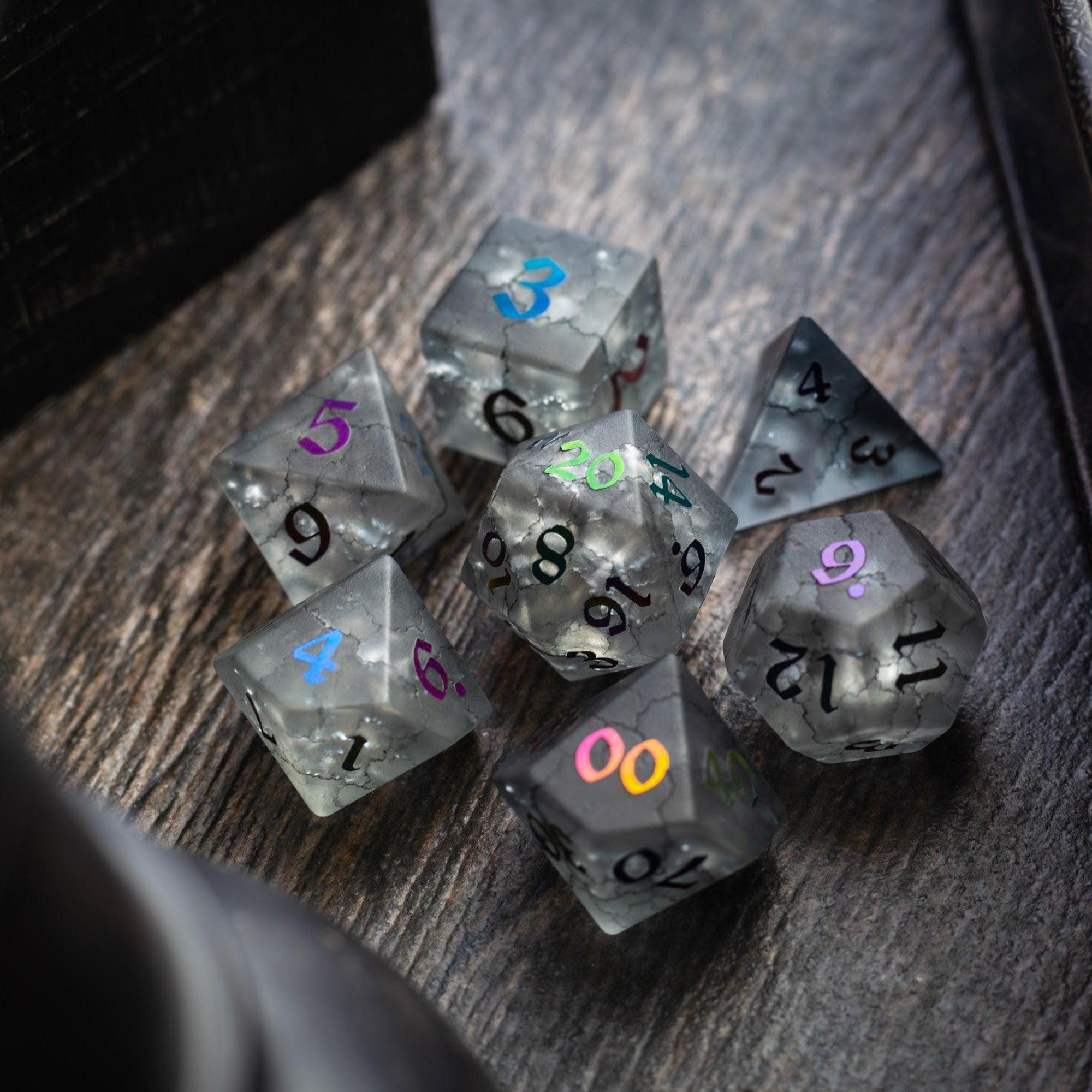
Premium gemstone, resin, or metal dice can add to the atmosphere of dramatic encounters, but storing them separately from terrain helps protect both collections between game nights.
Common Mistakes When Using Terrain Tiles
Building immersive battlefields does not require massive collections or complicated layouts.
Avoid these common pitfalls:
-
Making every encounter overly detailed
-
Forgetting enough room for miniatures
-
Using terrain that blocks player visibility
-
Mixing incompatible scales without checking measurements
-
Spending excessive preparation time on minor encounters
-
Building maps that limit player creativity
-
Assuming expensive terrain automatically improves gameplay
Remember that engaging storytelling always matters more than elaborate scenery. Terrain supports the adventure, but it does not replace imaginative descriptions or meaningful player choices.
Quick Terrain Planning Checklist
Before your next session, ask yourself:
-
Does the terrain match the adventure setting?
-
Are movement paths easy to understand?
-
Is there enough open space for miniatures?
-
Does the battlefield include interesting tactical features?
-
Are elevation and cover represented clearly?
-
Can players interact with parts of the environment?
-
Are terrain pieces organized for quick setup?
-
Will accessories like condition rings, dice trays, or dice towers help keep the table organized?
Every memorable adventure begins with a setting that sparks the imagination. Whether your group explores forgotten catacombs, winds through enchanted forests, or defends a bustling city gate, terrain tiles for tabletop RPGs provide another way to bring those stories to life. They are entirely optional, yet they can make tactical decisions easier to visualize, encourage creative problem solving, and give every encounter a stronger sense of place. Start with a handful of versatile pieces, experiment with different layouts, and let each new battlefield grow alongside your campaign. Over time, your collection can become another storytelling tool that helps every session feel fresh, immersive, and uniquely your own.










Leave a comment
This site is protected by hCaptcha and the hCaptcha Privacy Policy and Terms of Service apply.