Monster Stat Blocks and Templates Essential Guide for GMs
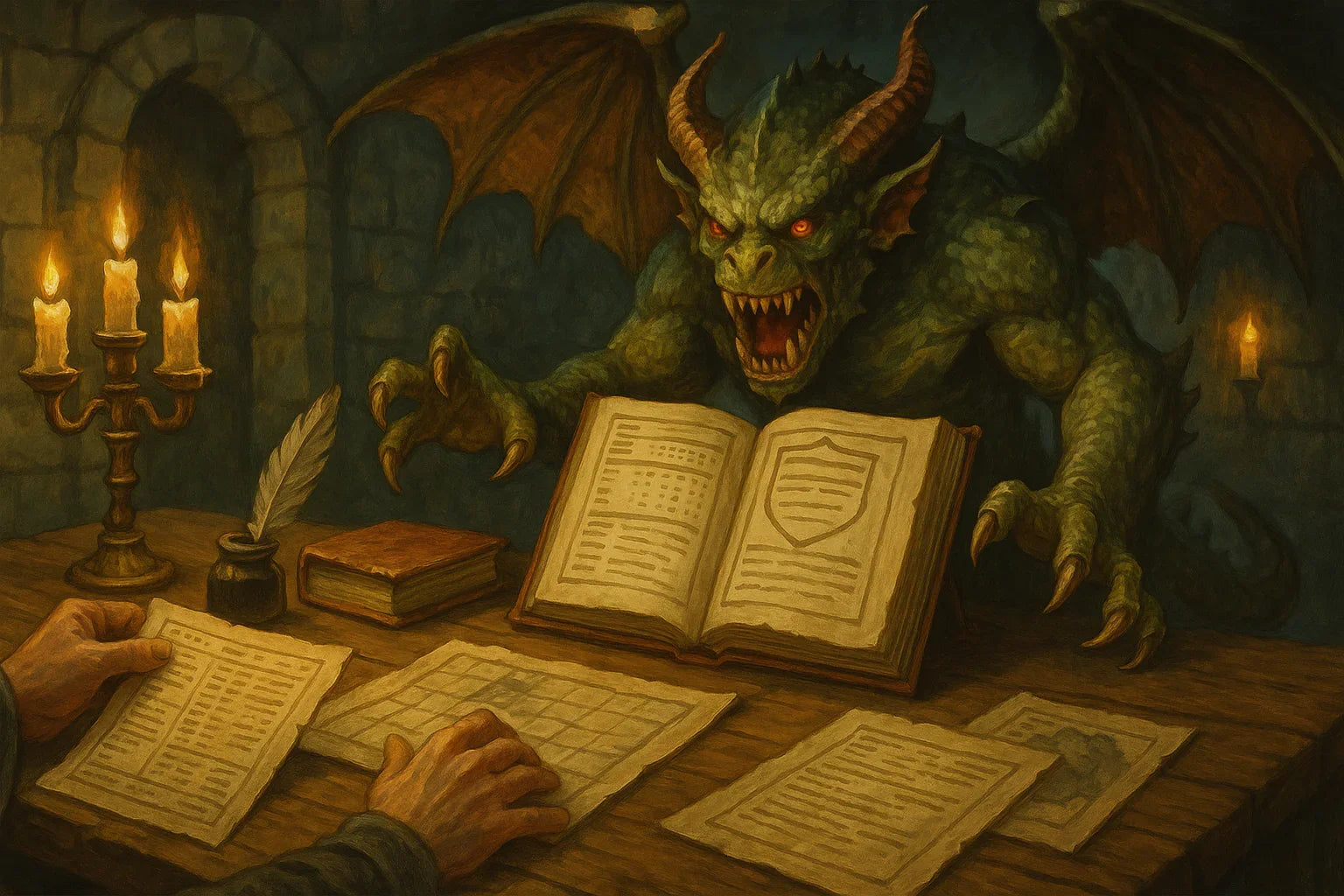
When a session heats up, clear monster stat blocks and templates make every ruling faster and kinder to the flow of play. In the first minutes of prep, a well-structured stat block reduces decision fatigue, prevents rules lookups, and helps you keep the spotlight on the players. This article focuses on the main keyword, monster stat blocks and templates, and shows gentle, practical ways to organize information so you can stay calm and confident behind the screen.
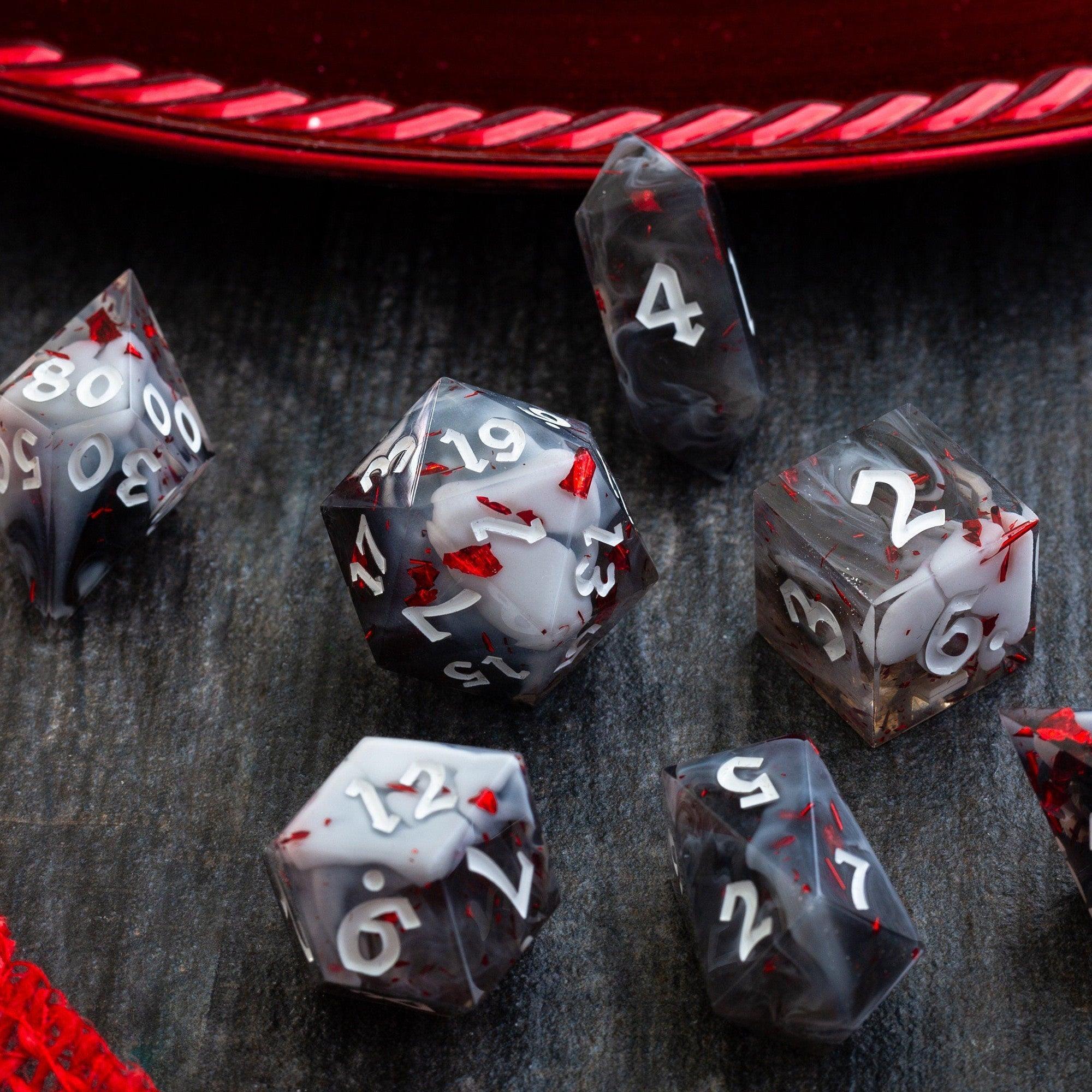
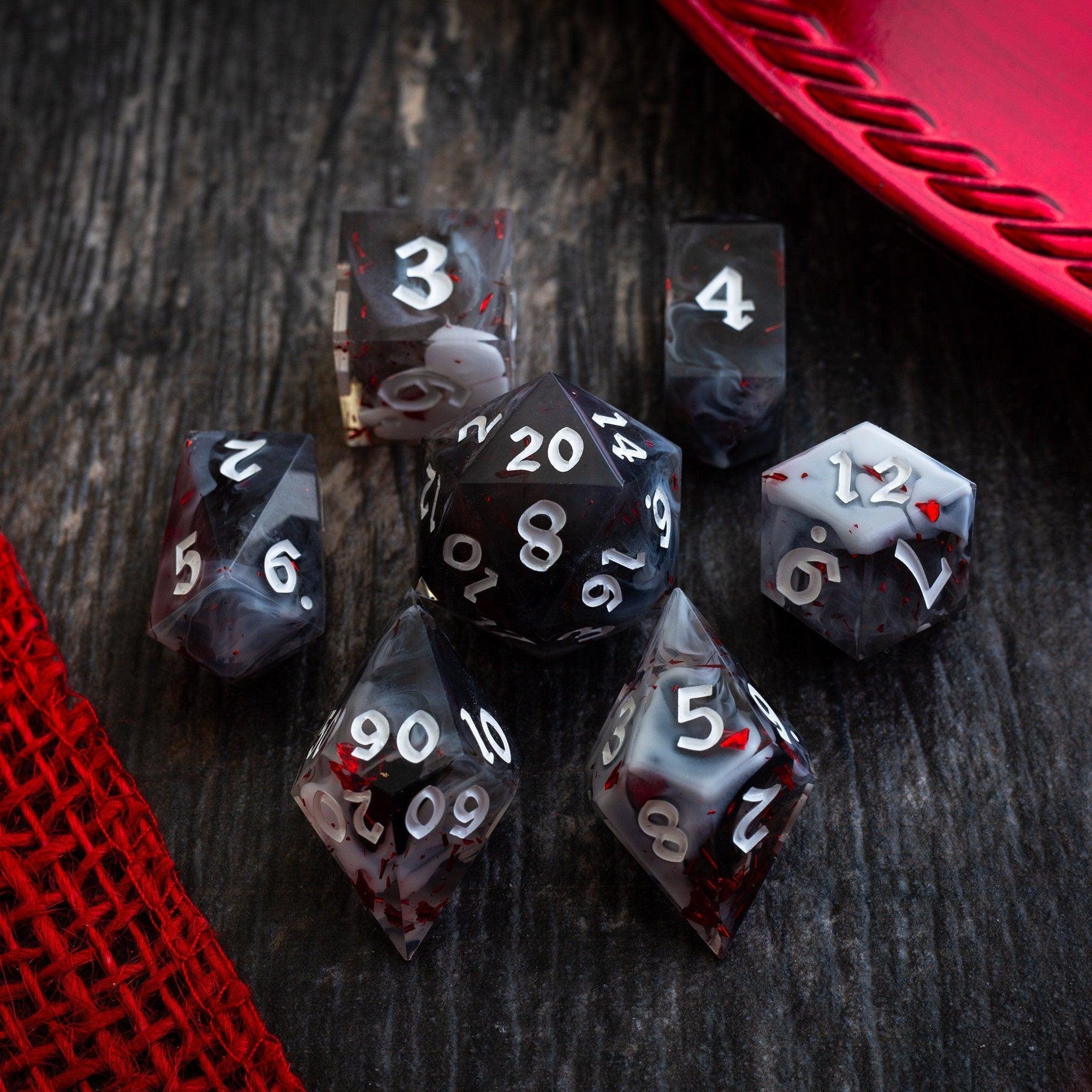
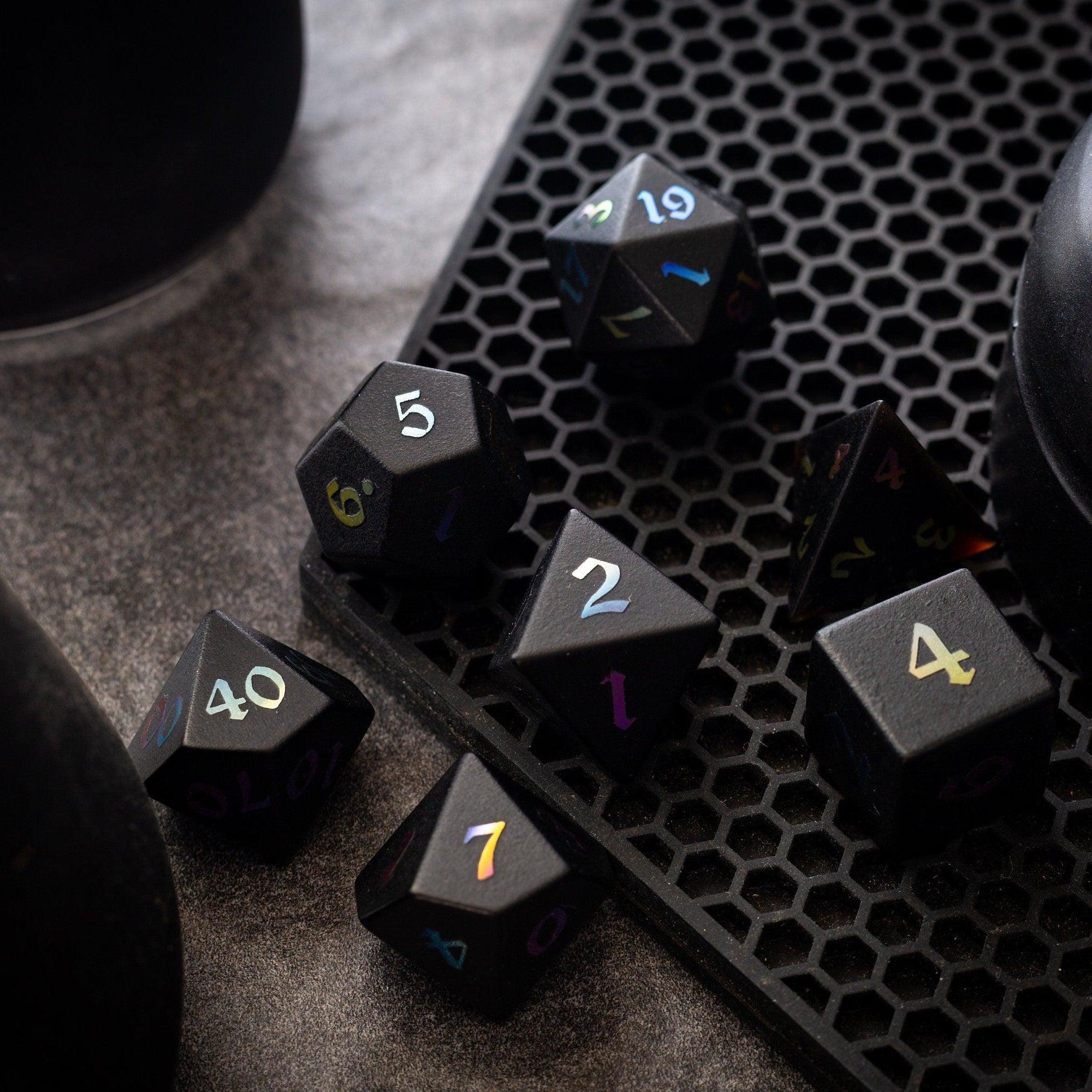
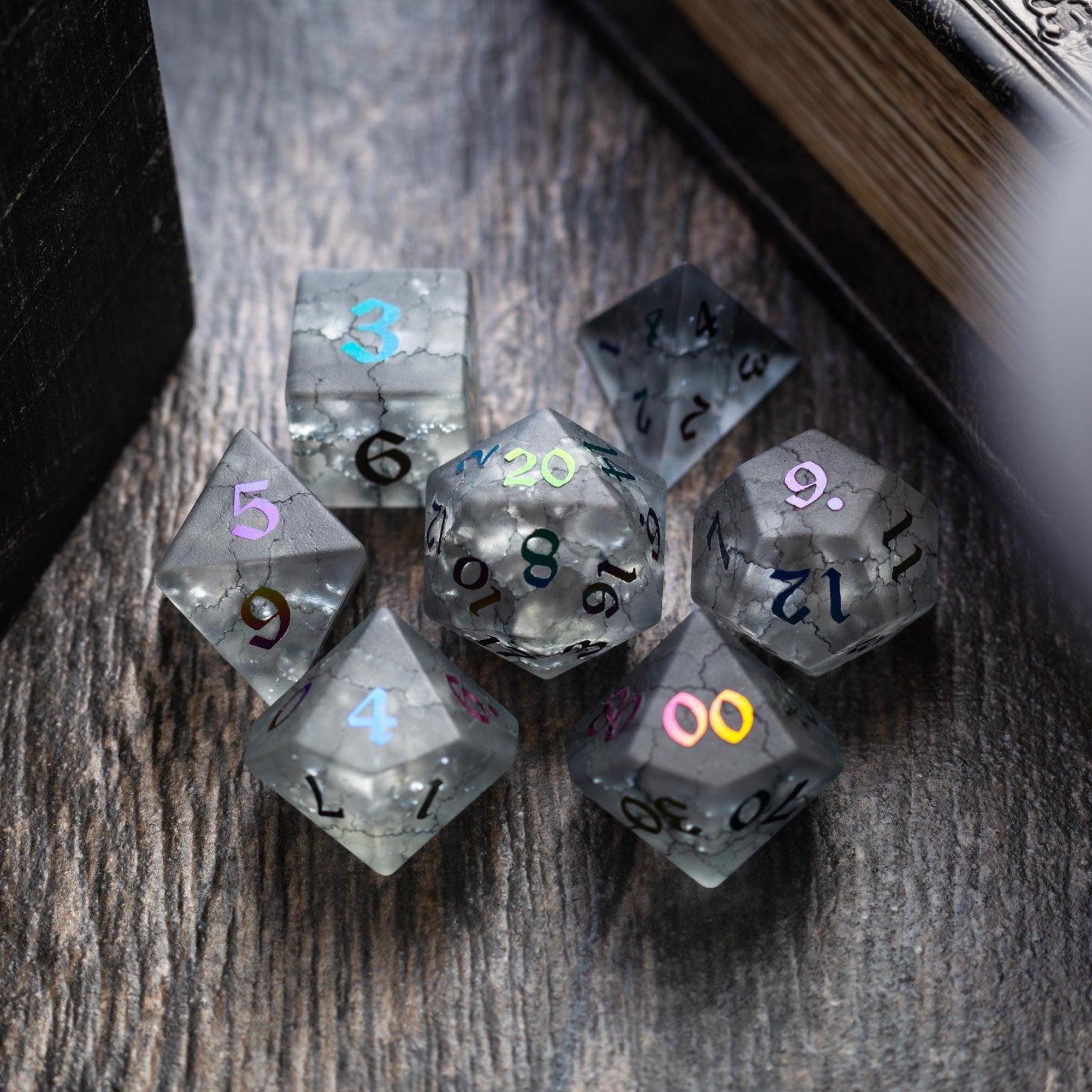
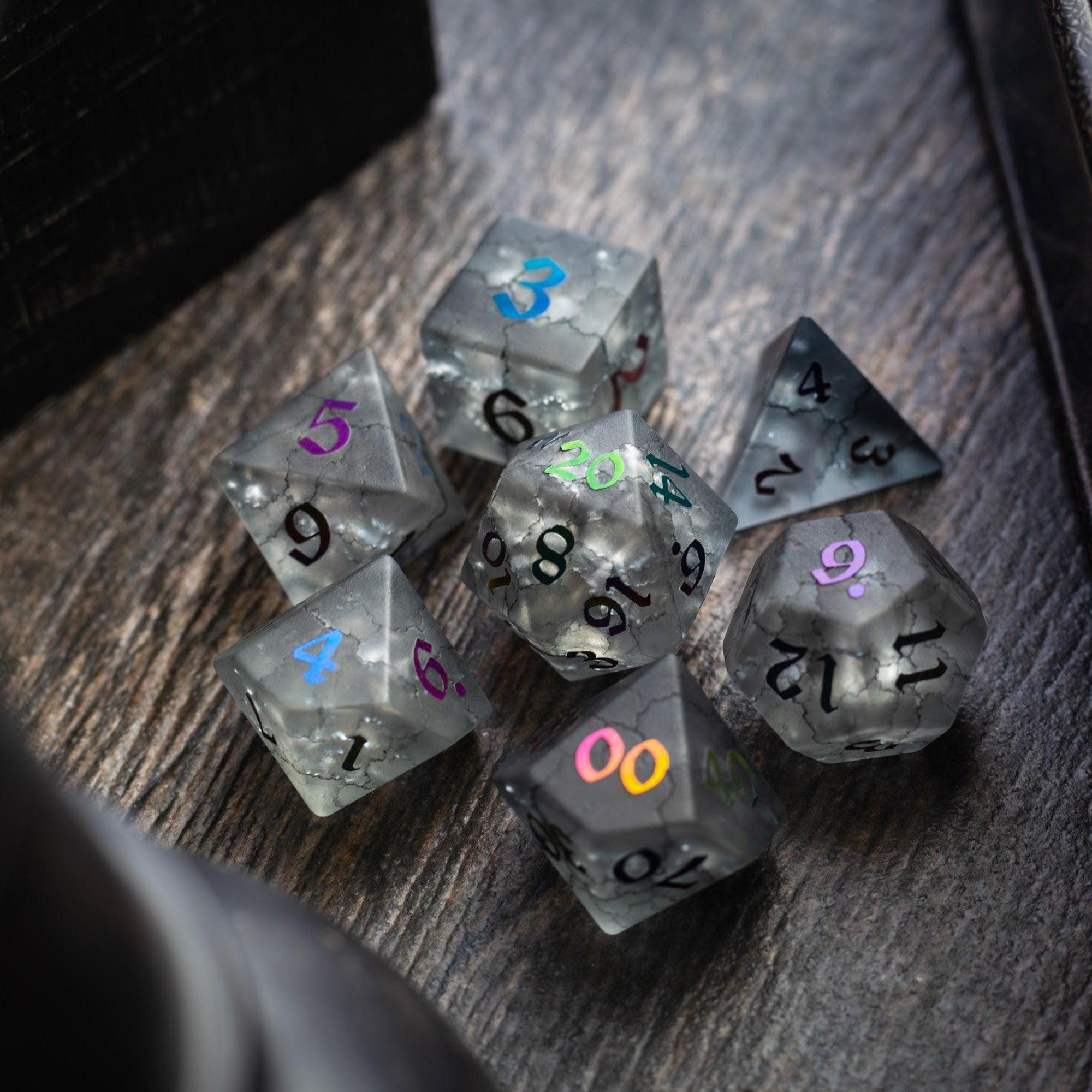
You will find a concise overview of creature stat blocks and templates, learn how monster stat cards and templates keep turns brisk, and see a step-by-step method for building or customizing entries. If you enjoy tactile tools, an organized kit can be helpful; many GMs keep a tidy tray, a few reference cards, and favorite dice. If you want a neat upgrade to your table, you might browse Dice collections to match your campaign mood.
Pros and cons of monster stat blocks and templates
- Pro: Speed at the table. Clear headers, consistent shorthand, and boxed actions reduce scanning time. You say what happens and move on, which supports fair pacing.
- Pro: Reliable balance. Using creature templates and challenge benchmarks gives you predictable damage and defenses, making outcomes feel earned.
- Pro: Reuse and scale. Modular monster stat cards and templates let you reskin foes for new biomes or tiers without redoing the math.
- Pro: Accessibility. Condensed, readable text allows you to track conditions, legendary actions, and resistances with less stress.
- Con: Risk of over-detail. Too many niche traits slow reading. Aim for a few signature features and keep the rest simple.
- Con: System drift. When you homebrew a lot, it is easy to deviate from expected math. Light check-ins keep things consistent.
- Con: Prep time. The first few builds may take longer. Reusable frameworks reduce this over time.
Step-by-step practical guide to monster stat blocks and templates
Step 1: Define the encounter goal and creature role
Begin with your intent. Is this creature a skirmisher, a brute, a controller, or a support threat? Clarifying the role guides every part of the stat block. Write a one-sentence goal, such as “Delay the party at a bridge using reach and forced movement.” This short note helps you avoid feature creep and keep the design humane for play. If you plan to reuse, note a few environmental variants (cavern, swamp, city rooftops) that a single template can cover.
Step 2: Choose a base template or challenge benchmark
Pick a published baseline for difficulty. Many GMs use system norms or community guidelines to set hit points, attack bonuses, save DCs, and damage per round. If you prefer a grounded start, choose a nearby challenge level and adjust. This simple anchor keeps your monster stats within expected ranges. You can keep a few base creature templates for humanoids, beasts, and constructs to streamline future builds.
Step 3: Draft core monster stats
List essential numbers before flavor: armor class or primary defense, hit points, movement modes, senses, and typical damage. Add key saves or resistances only if they matter to the intended role. For a nimble skirmisher, you might favor mobility and accuracy. For a brute, choose higher hit points and reliable damage. Keeping these choices tidy prevents bloated blocks and supports readable monster stat blocks and templates.
Step 4: Add signature traits, actions, and reactions
Choose one to three signature traits that align with the role. For example, a controller might have a short push or restrain effect, while a guardian might impose disadvantage on attacks against an ally. Convert the role into clear actions: a basic attack, a situational tool, and a tactical action such as a dash, shove, or clouded retreat. Reactions should be rare and memorable. If you enjoy moveable parts on the table, keeping a small stack of monster stat cards and templates can make these abilities quick to reference.
Step 5: Tune damage, defenses, and pacing
Check expected damage per round and durability against your benchmark. Consider action economy: a lone boss may need legendary actions or minions; a group fight might need fewer status effects. Confirm that resistances do not create hard locks for common party builds. A gentle practice is to include one soft counter and one soft vulnerability to invite creative play. If you are exploring how to create monster stat blocks and templates for D&D 5e or other systems, a simple spreadsheet or index card can keep these checks light and friendly.
Step 6: Format with creature stat blocks and templates
Readable formatting reduces delays. Use short headers like “Traits,” “Actions,” “Reactions,” and “Tactics.” Keep each ability within two lines when possible. Bold the action names and keep the math upfront. You can store a reusable template that includes spaces for role, tactics, morale, and environmental notes. Many GMs appreciate printed cards for table use; compact monster stat cards and templates fit nicely into a small organizer alongside favorite dice. If tactile tools help you stay composed, consider pairing your cards with a stable roller or tower, such as those found in Dice towers.
Step 7: Playtest, track, and improve
Run the creature in a brief mock encounter or a safe side scene. Note whether a turn takes longer than a minute. If it does, consider trimming a trait or simplifying a save. Track player choices; if a single ability shuts down a character for more than a round, soften it. After the session, capture a one-line adjustment directly on the template. Over time, you will build a small library of creature stat blocks and templates that fit your table’s pace.
Wrap-up: monster stat blocks and templates for smoother sessions
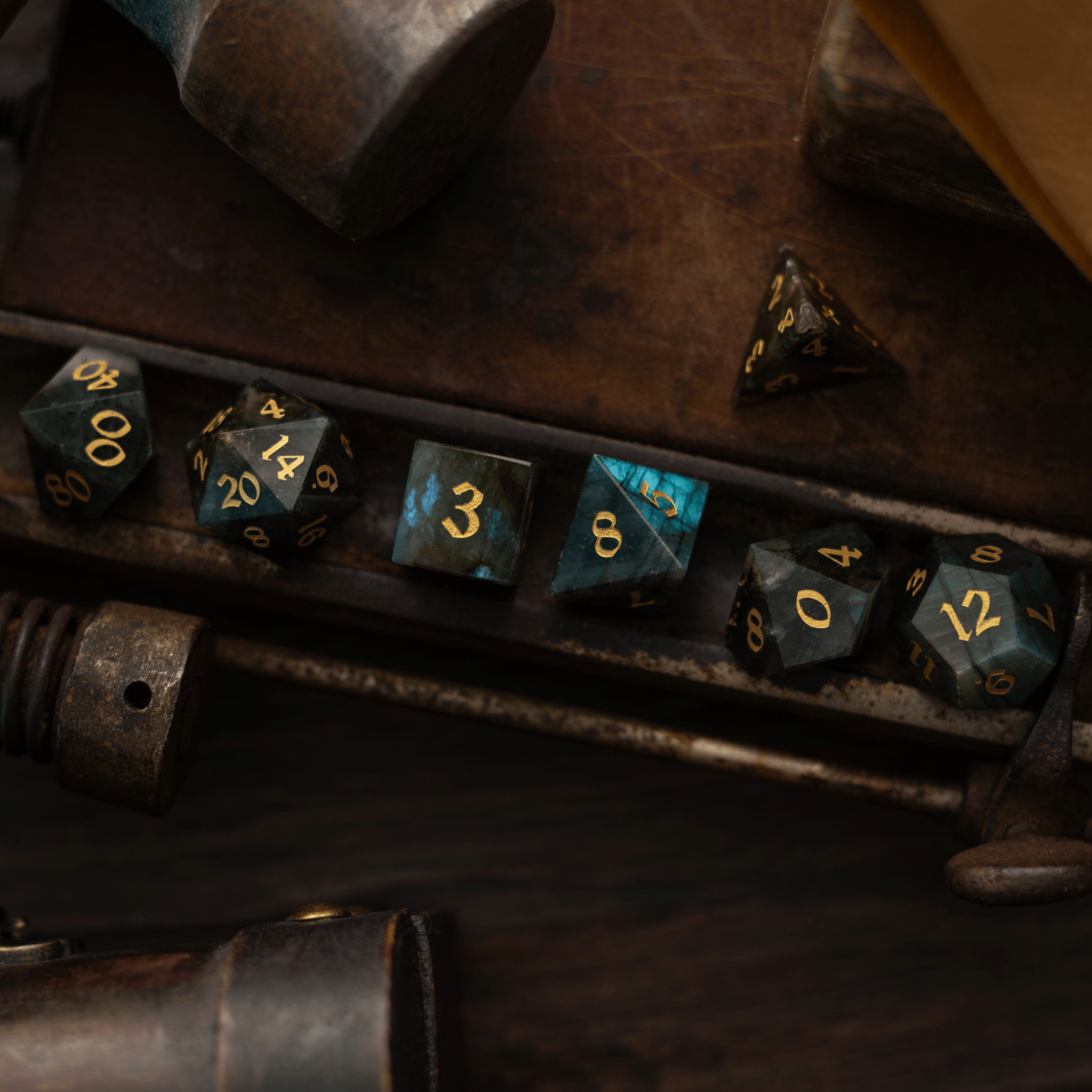
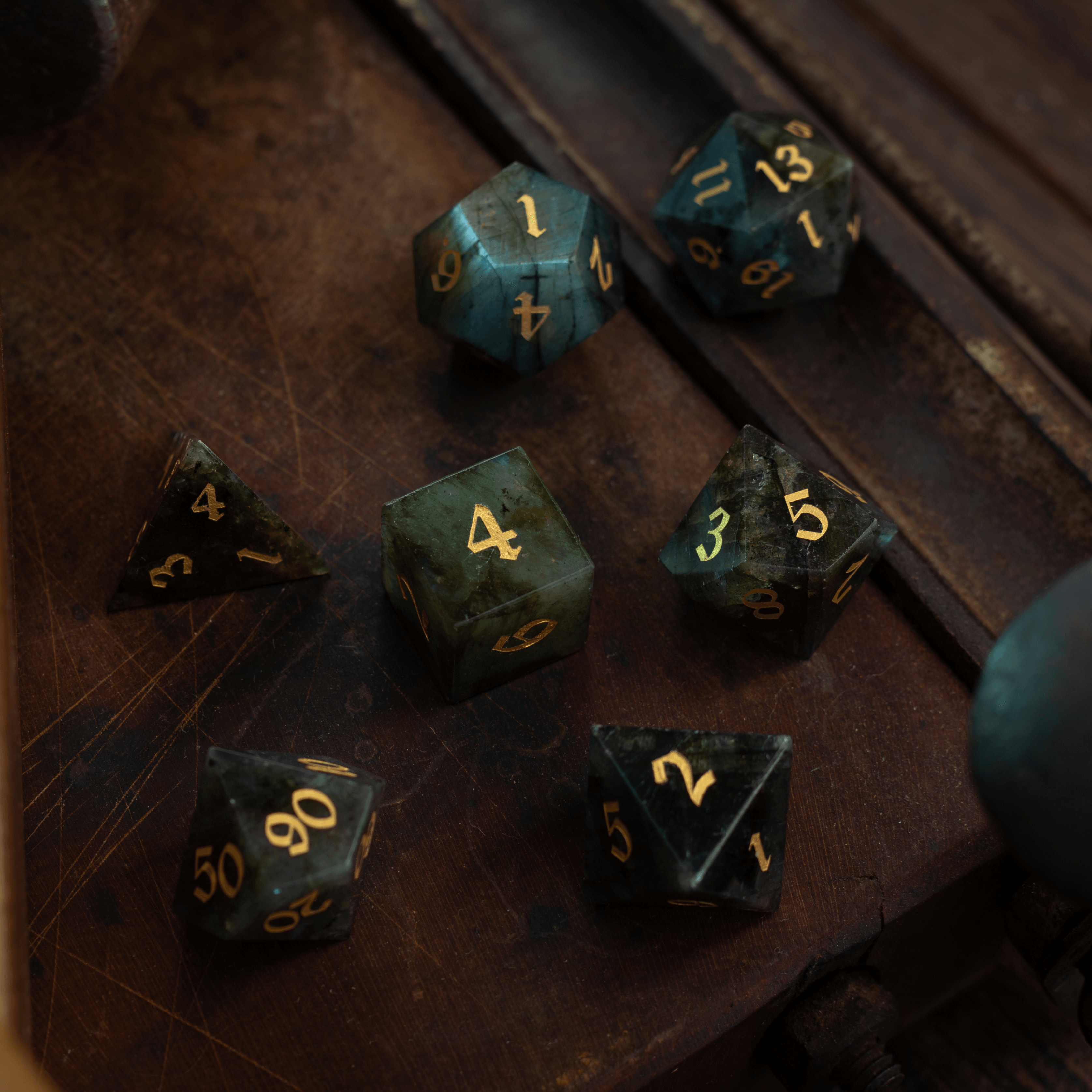
Clear monster stat blocks and templates are a kind way to respect everyone’s time at the table. With a defined role, a steady benchmark, and a small set of signature actions, your monsters will read fast and play fairly. As you refine your workflow, you may prefer printable monster stat cards and templates for quick reference and a few themed accessories to set the mood. If you enjoy premium materials, you might like browsing Gemstone dice or experimenting with eye-catching rolls from Liquid core dice. A simple, thoughtful kit can make every round feel smooth and engaging for your group.
Questions and answers about monster stat blocks and templates
What is a monster stat block?
A stat block is a compact set of monster stats that lists defenses, hit points, movement, senses, attacks, special traits, and actions in a consistent layout. The goal is to give you everything you need to run a creature without extra page turns. Good stat blocks put the most-used numbers first and keep text concise. This structure supports quick rulings, fair difficulty, and clear choices for both you and your players.
How do you create or customize a monster stat block template for a campaign?
Start with a base template that includes role, defenses, hit points, attack bonus, save DC, and three sections: traits, actions, reactions. Choose a challenge benchmark and map your numbers to it. Add one or two signature features that serve the encounter’s goal. Then format the abilities in short lines and bold the key action names. If you prefer physical cards, print or handwrite the final version. To keep things organized between sessions, store the creature template in a labeled folder or a small deck box. For a unified table kit, you can also review curated collections that pair well with your campaign theme.
What are monster stat cards and templates, and how do they help?
Monster stat cards and templates are compact, card-sized versions of your creature sheets. They show the most important math, actions, and conditions on a single card. Many GMs keep the current encounter’s cards on top and tuck away defeated foes. This practice reduces screen flipping and speeds up initiative order. It also helps you recycle builds, since you can reskin the same card with small notes and run it in new settings.
Where can I find free monster stat blocks templates for tabletop RPGs?
You can create your own free monster stat blocks templates for tabletop RPGs by starting with a simple checklist: role, benchmark, defenses, hit points, attack bonus, damage, save DC, traits, actions, and reactions. Copy that framework into a document or a spreadsheet and print it two or four to a page as cards. Over time, save your favorite versions and reuse them as creature templates. This approach costs nothing, keeps you consistent, and adapts to any system you enjoy.
Notes: Game terms and rules belong to their respective publishers and are used here for reference and educational purposes. Please follow the guidelines of your game system when creating or sharing content.










Leave a comment
This site is protected by hCaptcha and the hCaptcha Privacy Policy and Terms of Service apply.