
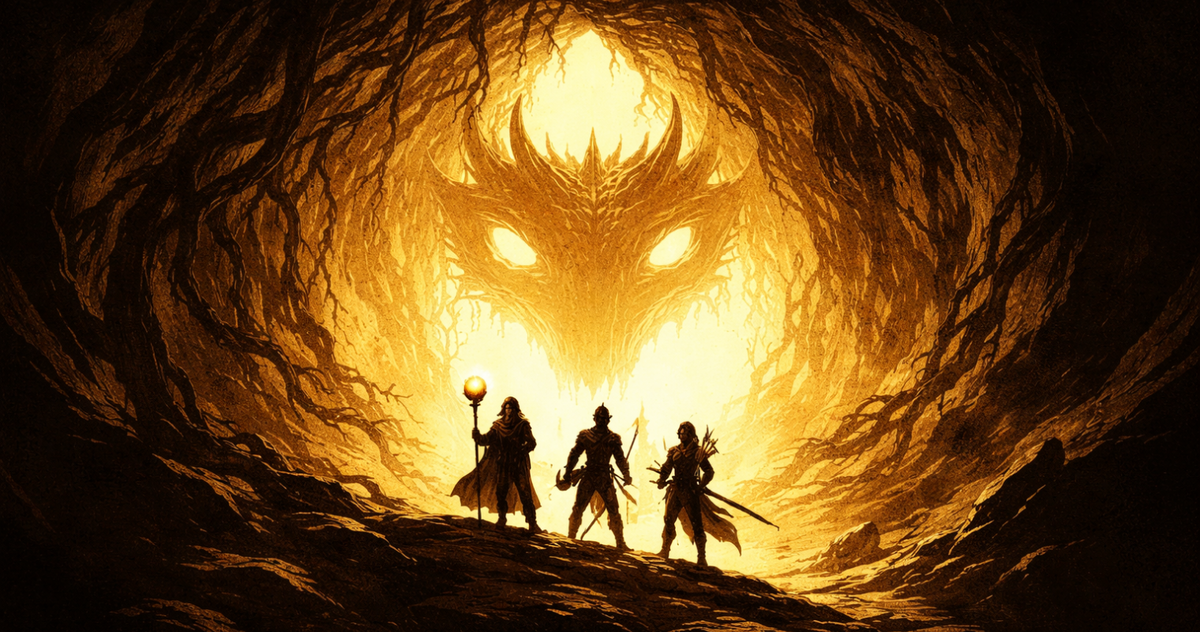
Discover DnD Rules A Practical Starter Guide for New Players
D&D 5e Rules for Beginners: A Simple Guide to Dungeons & Dragons Basics

Getting started with Dungeons & Dragons can feel overwhelming. Terms like Armor Class, initiative, saving throws, spell slots, and advantage can make the game sound harder than it is.
D&D becomes easier once you understand the basic pattern: describe what your character tries to do, let the Dungeon Master explain what happens, and roll when the outcome is uncertain. This D&D beginner guide follows the current revised fifth-edition rules from the 2024 core books.
What Is Dungeons & Dragons?
Dungeons & Dragons is a collaborative tabletop roleplaying game. One player is the Dungeon Master, or DM, who describes the world, plays monsters and nonplayer characters, and applies the rules. The other players each control an adventurer.
There is no single way to "win" D&D. A group might explore ruins, negotiate, solve a mystery, sneak past guards, or fight a dragon. The story grows from the choices made at the table.
Understanding D&D Dice
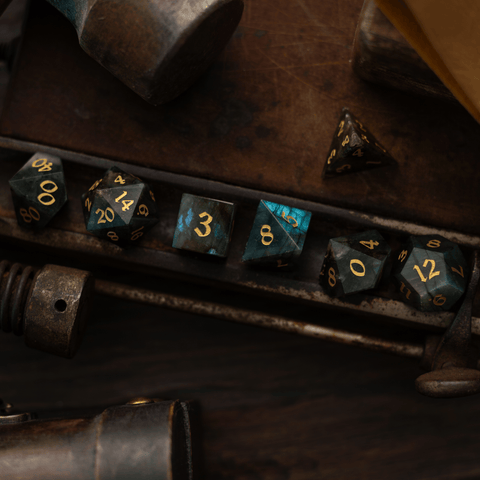
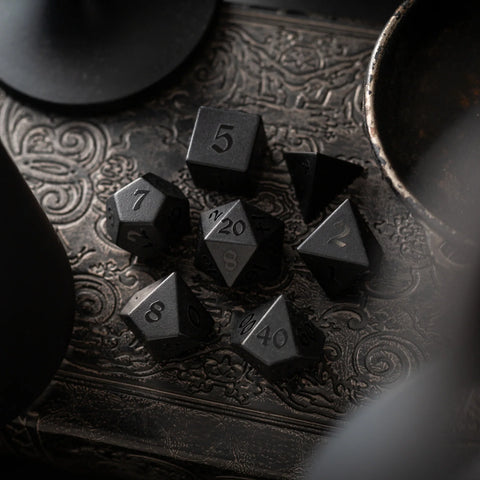
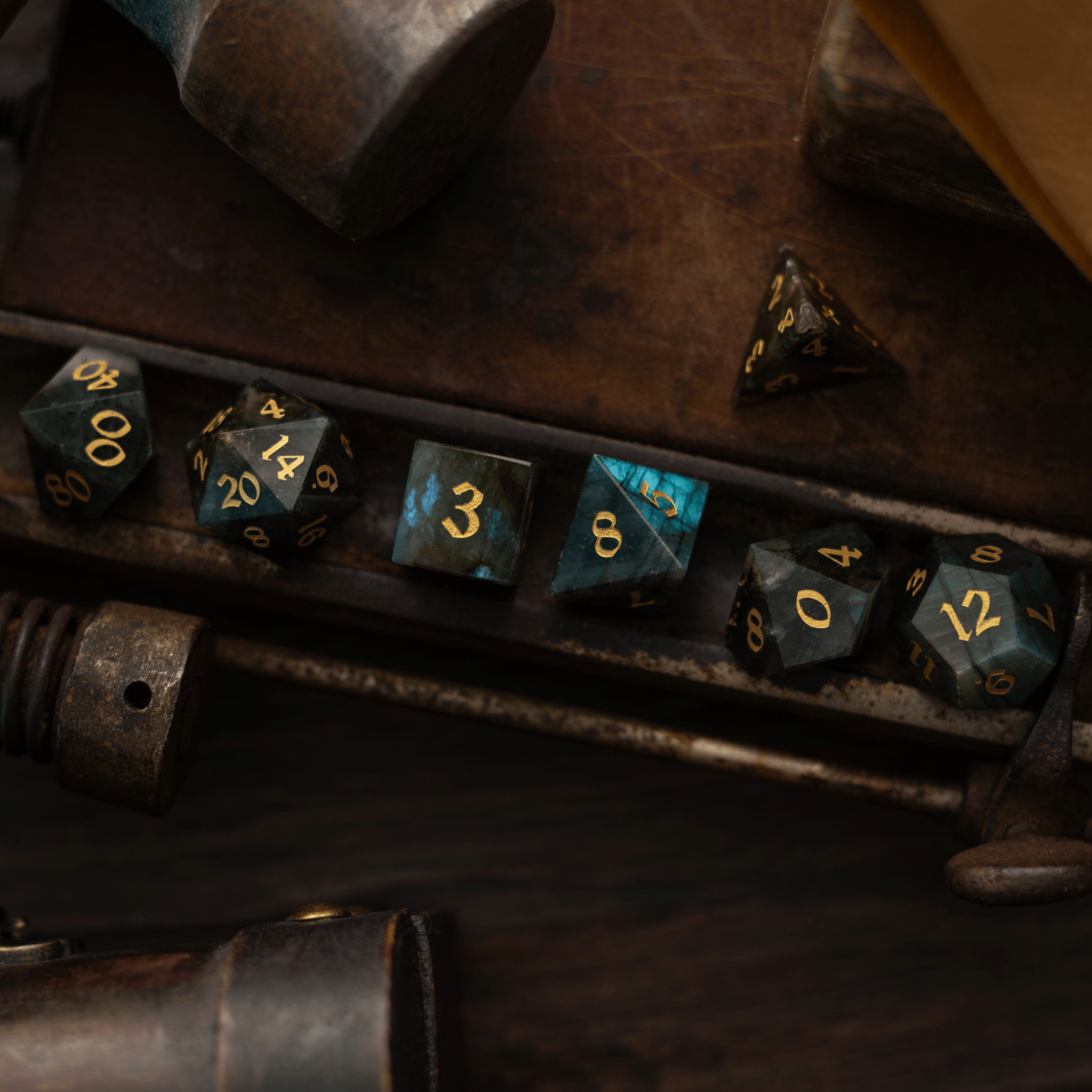
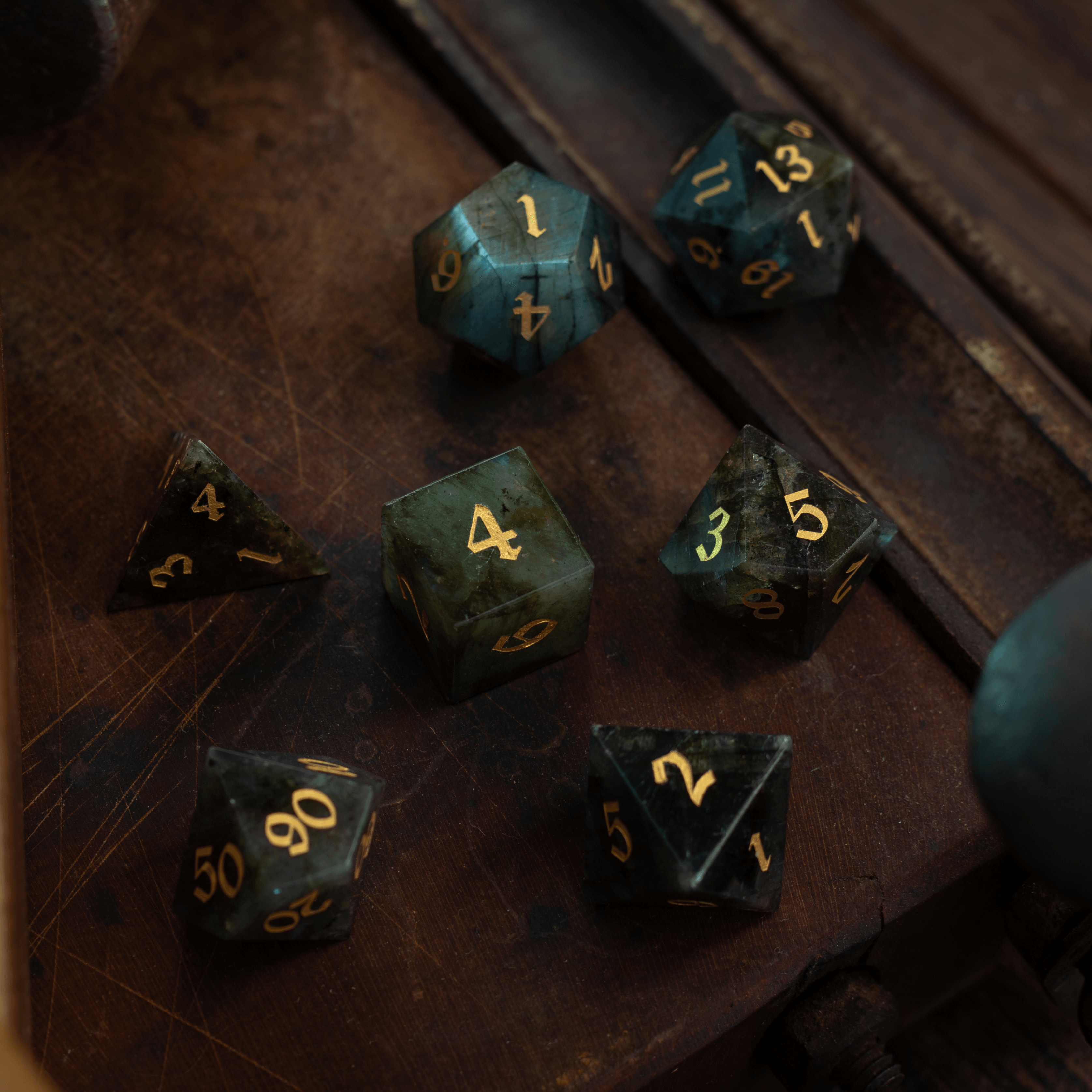
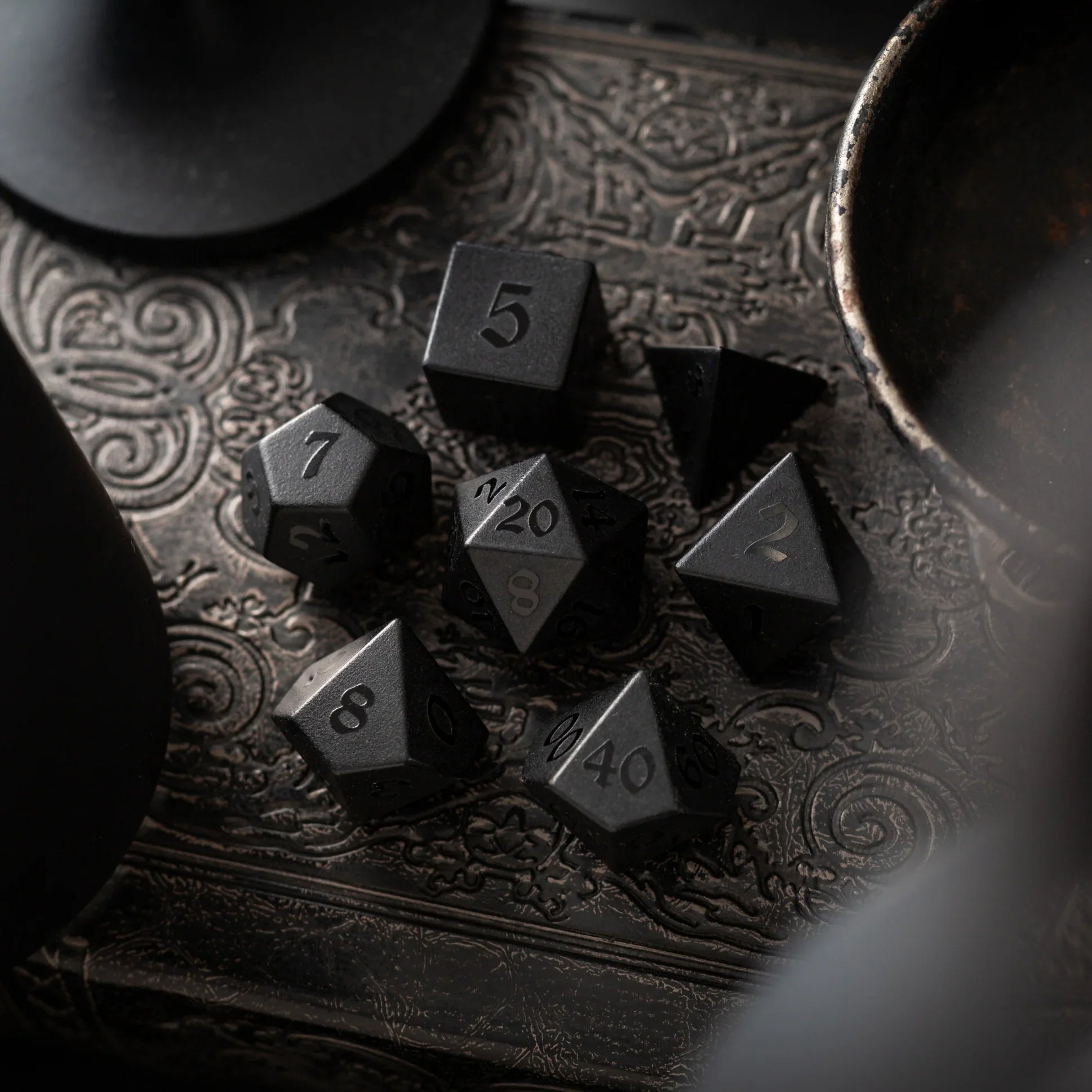
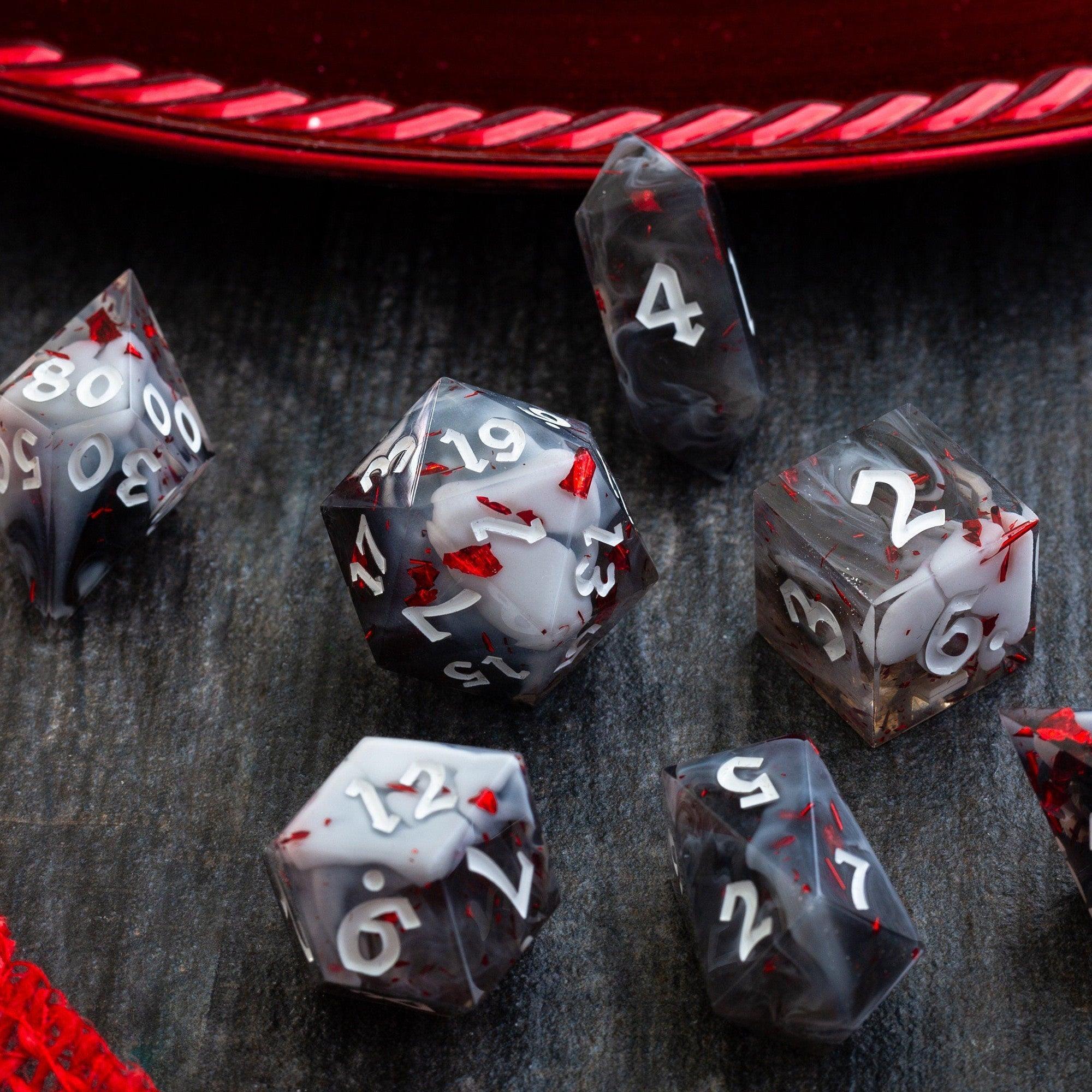
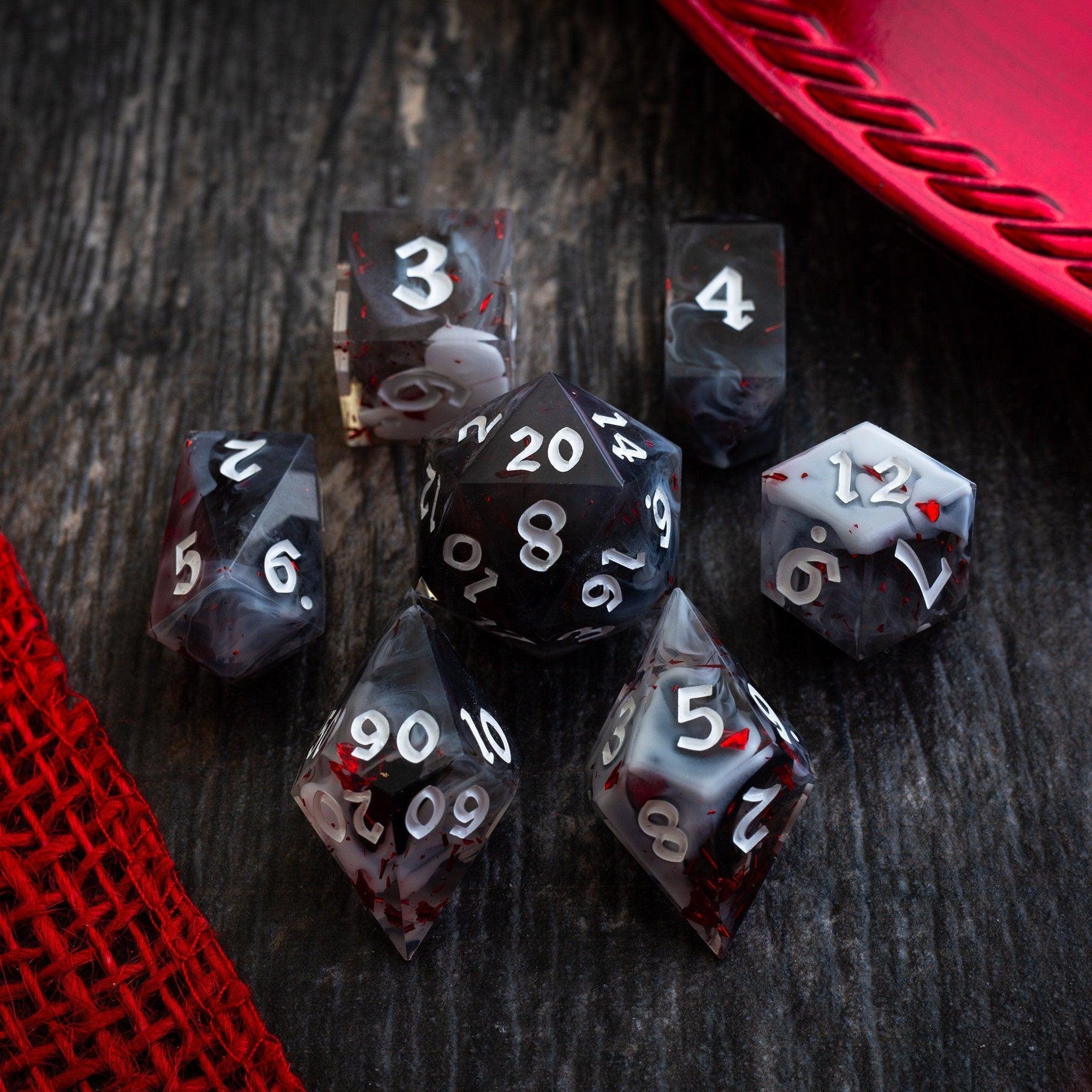
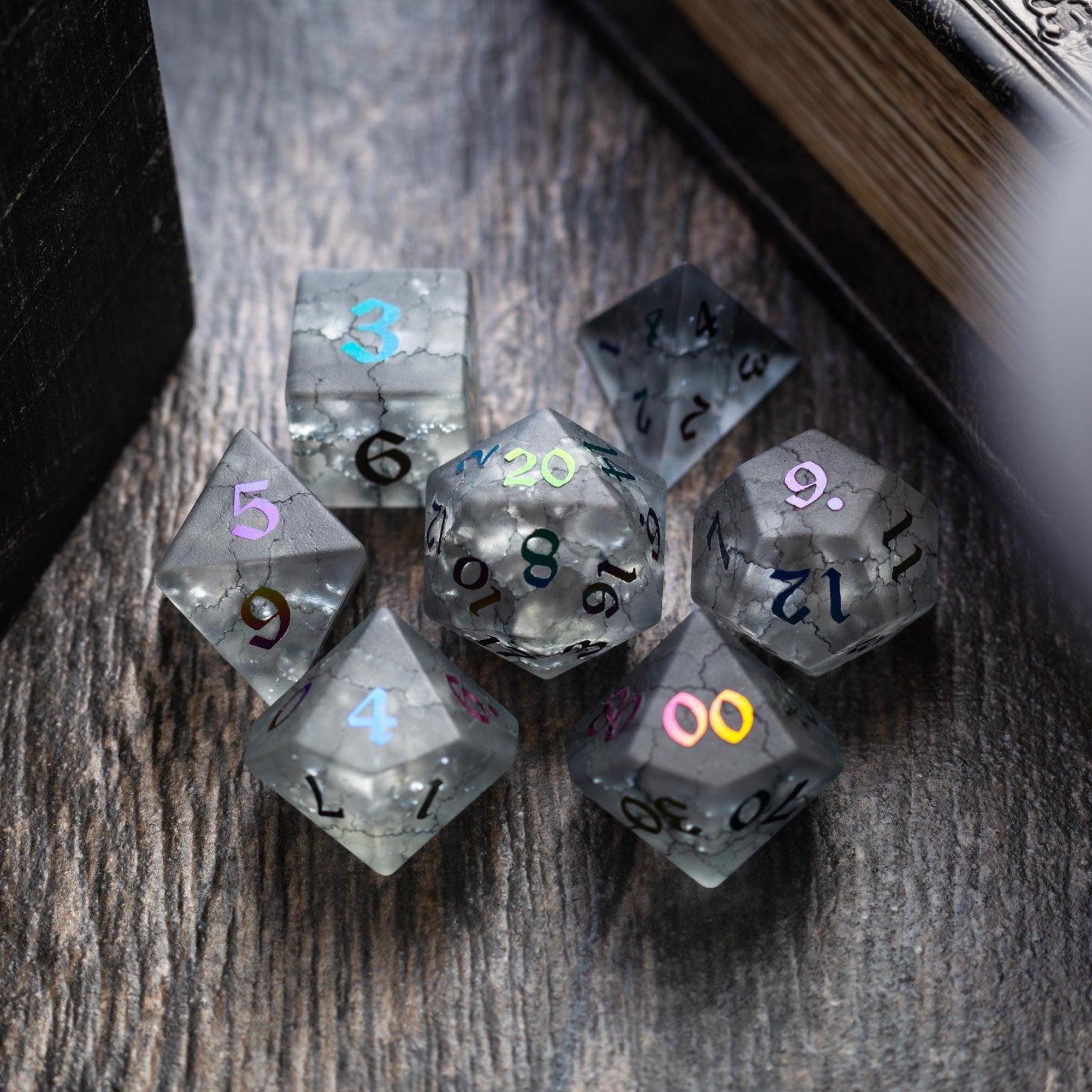
A standard seven-piece D&D dice set includes a d4, d6, d8, d10, percentile d10, d12, and d20. The "d" means die, and the number tells you how many sides it has. Two d10s can create a percentile result from 1 to 100.
| Die | Common Use |
|---|---|
| d4 | Smaller damage rolls, healing, and effects |
| d6 | Many weapons, spells, and class features |
| d8 | Weapons, healing, and Hit Dice |
| d10 | Weapons, spells, and percentile rolls |
| d12 | Heavy weapon damage and some Hit Dice |
| d20 | Ability checks, saving throws, attack rolls, and initiative |
The d20 drives most uncertain actions. When you make a D20 Test, you roll a d20, add the relevant modifiers, and compare the total with a target number. Current rules divide D20 Tests into three main types: ability checks, saving throws, and attack rolls.
A readable resin dice set can make results easier to spot quickly during a busy session.
Basic Rules Every New Player Should Know
Ability Checks
An ability check is used when your character tries something with an uncertain outcome. The six abilities are Strength, Dexterity, Constitution, Intelligence, Wisdom, and Charisma. Skills such as Perception, Stealth, Investigation, and Persuasion may apply. If you are proficient in the relevant skill, you normally add your Proficiency Bonus.
Saving Throws
Saving throws represent resisting or avoiding a harmful effect. You might make a Dexterity save against a blast or a Constitution save against poison. The effect tells you which ability to use and what happens on a success or failure.
Attack Rolls and Armor Class
Attack rolls determine whether an attack hits. Roll a d20, add the attack's modifiers, and compare the total with the target's Armor Class, or AC. If the total equals or exceeds the AC, the attack hits, and you resolve the attack's damage and other effects.
If the d20 itself shows a natural 20 on an attack roll, the attack hits regardless of modifiers or AC and is a critical hit. A natural 1 on an attack roll misses regardless of modifiers. These automatic results apply to attack rolls, not ordinary ability checks or saving throws.
Advantage and Disadvantage
Advantage means roll two d20s and use the higher result. Disadvantage means use the lower result. Multiple sources do not add extra dice, and if a roll has both advantage and disadvantage, they cancel each other.
Beginner Rules Table
| Rule Concept | What It Means | Simple Example |
|---|---|---|
| Ability Check | Trying to overcome a challenge | Sneaking past a guard |
| Saving Throw | Resisting danger or an effect | Avoiding a spell's full effect |
| Attack Roll | Trying to hit a target | Swinging a sword |
| Armor Class | The target number for an attack roll | Armor helping make someone harder to hit |
| Hit Points | A measure used to track damage and staying power | Damage reducing a character's HP |
| Advantage | Roll two d20s and use the higher roll | A rule gives you an edge on the attempt |
| Disadvantage | Roll two d20s and use the lower roll | A condition makes the attempt harder |
| Initiative | Determines turn order in combat | Making a Dexterity check when combat begins |
How Combat Works in D&D
Step 1: Roll Initiative
When combat starts, everyone involved rolls initiative. Initiative is a Dexterity check, and combatants normally act from the highest result to the lowest. Under the current rules, a combatant surprised by the start of combat has disadvantage on the initiative roll. Surprise no longer means automatically losing your first turn.
Step 2: Take Your Turn
On your turn, you can normally move up to your Speed and take one action. The main actions are Attack, Dash, Disengage, Dodge, Help, Hide, Influence, Magic, Ready, Search, Study, and Utilize. You can take a Bonus Action only when a rule specifically gives you one. Reactions happen in response to a stated trigger, such as an Opportunity Attack.
Step 3: Resolve Attacks, Damage, and Effects
If you attack, roll to hit first, then roll damage on a hit. Some spells and abilities require a saving throw instead. Play continues through initiative order until a new round begins.
What Happens at 0 Hit Points?
A character at 0 Hit Points usually falls unconscious unless killed outright. At the start of each turn at 0 HP, make a Death Saving Throw. A 10 or higher succeeds. Three successes make the character stable; three failures cause death. A natural 1 counts as two failures, while a natural 20 restores 1 Hit Point.
Roleplay and Exploration Basics
D&D is not only about combat. Roleplay can be as simple as saying what your character does or asks. You do not need an accent or theatrical performance. During exploration, describe your approach and let the DM decide whether a roll is needed.
Spellcasting Basics for Beginners
Cantrips
Cantrips are level 0 spells and do not use spell slots. If your character has a cantrip prepared or otherwise available, it can normally be cast without spending a slot. Familiar examples include Fire Bolt, Mage Hand, and Sacred Flame.
Spell Slots
Most level 1 or higher spells require a spell slot. You expend a slot of the spell's level or higher when you cast it. Some spells become stronger with a higher-level slot when their descriptions say so. Check your class or feature for how spell slots recover.
Spell Components
Spells may require Verbal, Somatic, or Material components. These involve spoken sounds, gestures, or specified materials. A spellcasting focus or component pouch can replace some Material components when the rules allow it. Check the spell when you cast it.
Keeping spell notes, dice, and your character sheet organized can make magic turns faster. Distinctive liquid core dice can make attack, damage, and healing dice easier to identify.
Common Beginner Mistakes
Trying to Memorize Every Rule
You do not need the whole rulebook in your head. Learn the basic d20 system, know where your main character abilities are written, and look up unusual situations when they appear.
Assuming Every Creative Idea Needs a Roll
Players describe what they want to do, but the DM decides whether a roll is needed. If an action is easy and there is no meaningful uncertainty, the game can move forward without an ability check.
Treating Bonus Actions Like a Second Normal Action
A Bonus Action is not a free second action. You can use one only when a spell, feature, or other rule says something can be done as a Bonus Action.
Forgetting Teamwork
D&D works best as a group game. Pay attention, share useful information, and think about how your abilities can support the party.
Tips for Learning D&D Faster
- Learn through play: A short session usually teaches the basic flow faster than hours of memorization.
- Keep your character sheet nearby: Mark your Armor Class, main attack bonus, saving throws, and most-used features.
- Ask questions: New players are expected to need help with unfamiliar rules.
- Use a simple reference: A one-page list of actions, conditions, and common dice rolls can reduce page searching.
- Read your own abilities first: You do not need to understand every class, spell, or monster to play your character well.
Start Playing Before You Know Everything
Learning D&D 5e rules is much easier once you see them in action. Most of the game comes back to a few ideas: describe what you want to do, roll when the outcome is uncertain, add the right modifier, and compare the result with the target number.
You will still look up spells, conditions, and class features during play, and that is normal. Dungeons & Dragons basics become familiar through repetition.












Leave a comment
This site is protected by hCaptcha and the hCaptcha Privacy Policy and Terms of Service apply.