
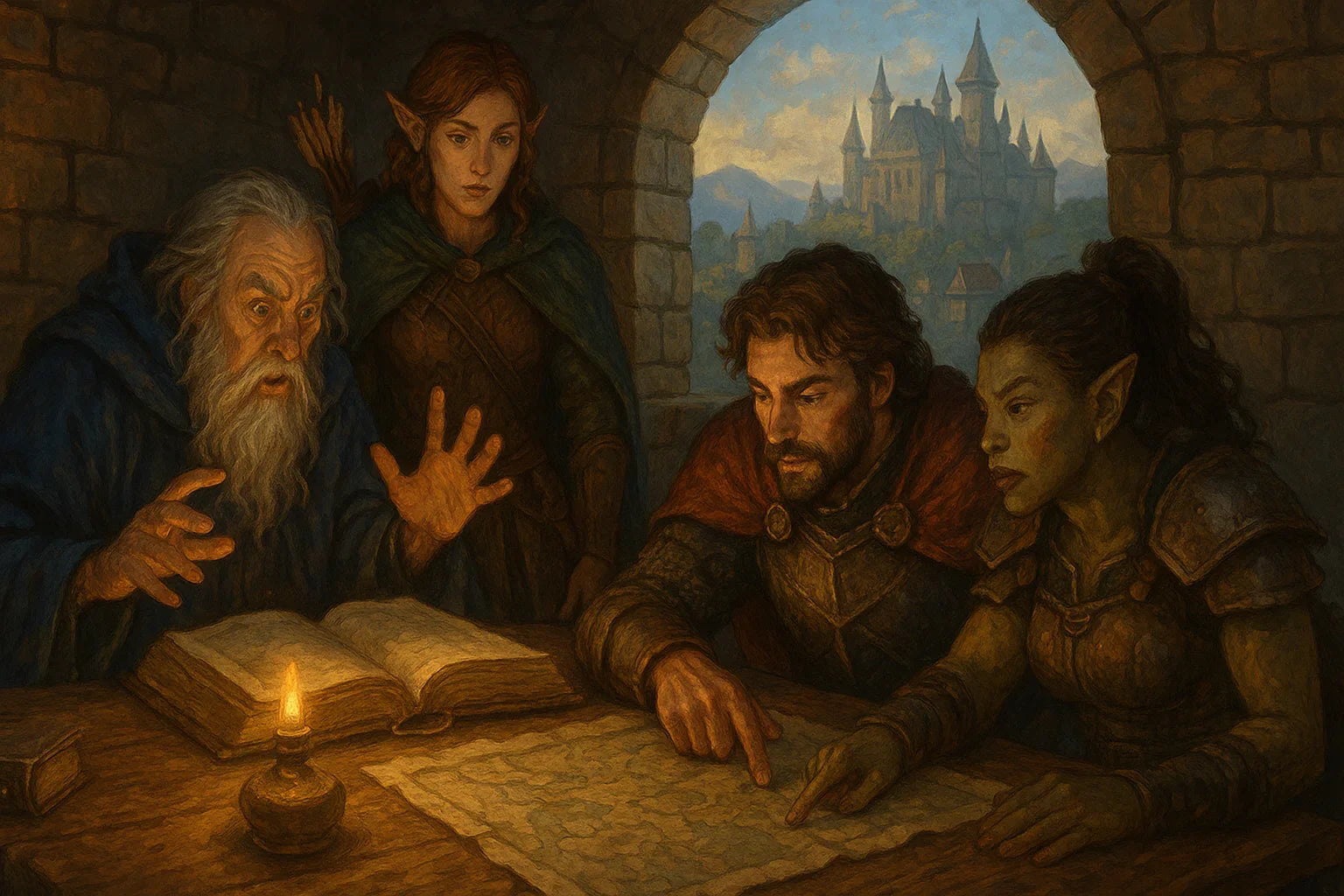
Story Driven RPG Supplements Craft Campaigns That Speak
Every memorable tabletop RPG campaign tells a story that players continue talking about long after the session ends. Perhaps it was the mysterious merchant who appeared in every town, the forgotten kingdom buried beneath the mountains, or the difficult choice that forced the party to decide between saving a city or protecting a trusted ally.
While creativity remains at the heart of every campaign, many Game Masters turn to story driven RPG supplements for inspiration. These books provide ready-made lore, memorable characters, engaging locations, and adventure ideas that save preparation time without taking away the freedom to build something unique.
Unlike rules-heavy books that introduce new mechanics, narrative supplements focus on enriching the world around the characters. They give Game Masters new ways to create meaningful choices, stronger roleplaying opportunities, and interconnected adventures that feel alive.
Whether you are preparing your first campaign or expanding a world your players have explored for years, the right RPG supplements can become valuable storytelling resources that strengthen every session.
What Makes a Supplement Story Focused Instead of Mechanics Focused?
Not every supplement serves the same purpose. Understanding the difference helps you choose books that support the type of campaign you want to run.
Story-focused supplements primarily provide narrative content such as:
-
Rich setting information
-
Detailed locations
-
Memorable NPCs
-
Political conflicts
-
Historical events
-
Adventure hooks
-
Factions and organizations
-
Cultural traditions
Rules expansions, on the other hand, usually introduce:
-
New classes or subclasses
-
Additional spells
-
Equipment
-
Character options
-
Combat mechanics
-
Optional game systems
Adventure modules occupy another category. They present complete adventures with encounters, maps, and story progression that Game Masters can run with relatively little preparation.
Setting books fall somewhere in between. Many include lore, geography, history, factions, and adventure ideas while also offering a few mechanical additions specific to that setting.
Understanding these differences allows you to select the right tool for your campaign rather than expecting one supplement to solve every storytelling challenge.
How Story Driven RPG Supplements Enrich Campaigns
One of the greatest strengths of tabletop RPG storytelling comes from making the world feel larger than the adventures immediately in front of the players.
Narrative supplements help accomplish this by providing layers of detail that would otherwise require many hours of preparation.
Benefits include:
-
More believable cities and kingdoms
-
Memorable recurring NPCs
-
Connected plotlines
-
Strong political intrigue
-
Regional cultures and traditions
-
Historical events that shape current conflicts
-
Multiple adventure hooks from a single location
Instead of inventing every village from scratch, a Game Master can adapt existing material while tailoring it to fit the group's story.
This saves preparation time without sacrificing creativity.
Many Game Masters also find that organized preparation improves the flow of storytelling. Keeping lore references alongside a quality dice tray prevents maps, notes, and initiative trackers from becoming scattered during longer sessions. Small organizational habits help keep the focus on the unfolding narrative.
Choosing Supplements That Match Your Campaign
Not every narrative supplement fits every table.
Before adding one to your campaign, consider several important questions.
What Tone Does Your Campaign Use?
A heroic fantasy campaign benefits from different material than a horror adventure or political thriller.
Look for supplements that naturally support your campaign's atmosphere.
How Much Lore Do Your Players Enjoy?
Some groups love discovering centuries of history.
Others simply want enough background to understand today's adventure.
Choose books that match your players' interests rather than overwhelming them with unnecessary details.
Does It Leave Room for Player Choices?
The best campaign supplements encourage exploration rather than forcing players through a predetermined story.
Look for resources that offer:
-
Multiple adventure hooks
-
Flexible NPC motivations
-
Open-ended conflicts
-
Adaptable locations
-
Several possible outcomes
Can It Blend With Your Existing World?
Many Game Masters borrow ideas rather than using an entire published setting.
Ask yourself:
-
Can this city fit into my world?
-
Can this villain become part of my campaign?
-
Would these factions improve my existing storyline?
Adaptation often produces better results than strict adherence.
Comparing Different Types of Narrative Supplements
| Supplement Type | Primary Purpose | Strengths | Ideal Campaigns | Storytelling Benefits |
|---|---|---|---|---|
| Narrative supplements | Expand stories, NPCs, and lore | Flexible storytelling | Long-term campaigns | Rich character development and plot ideas |
| Setting books | Build believable worlds | Detailed locations and cultures | Exploration-focused campaigns | Strong world immersion |
| Adventure modules | Provide structured adventures | Saves preparation time | Beginner or busy Game Masters | Ready-made story arcs with room for customization |
| Rules expansions | Introduce new mechanics | Character variety | Mechanically focused groups | Supports gameplay more than narrative |
Every publisher approaches these books differently, and their contents vary across game systems. A supplement designed for one fantasy RPG may inspire ideas for another, but always check compatibility before incorporating rules or setting details into your campaign.
Bringing New Lore Into Existing Adventures
Adding a supplement does not require restarting your campaign.
Instead, introduce new material gradually.
Expand Existing Locations
A small village can become part of a larger kingdom described in a setting book.
An abandoned ruin might connect to forgotten history from another supplement.
Players experience the new material naturally instead of feeling like the campaign suddenly changed direction.
Introduce Memorable NPCs
Interesting NPCs often become the heart of a campaign.
Rather than copying them exactly, adjust:
-
Personality
-
Motivations
-
Relationships
-
Goals
-
Secrets
Doing so helps them feel like genuine parts of your world.
Add Fresh Plot Hooks
Narrative supplements often include dozens of adventure seeds.
You do not need all of them.
Select only the ideas that connect to your players' interests.
For example:
-
A noble seeks discreet help recovering stolen family records.
-
Ancient ruins reveal forgotten alliances.
-
A mysterious guild recruits the party.
-
A rival adventuring group competes for the same objective.
These hooks naturally extend an ongoing campaign.
Balancing Published Material With Original Ideas
One common misconception is that using published material limits creativity.
The opposite is often true.
Many experienced Game Masters treat supplements as toolboxes rather than scripts.
You might borrow:
-
One city
-
Two memorable NPCs
-
Three adventure hooks
-
Several historical events
Everything else remains original.
Players also deserve opportunities to influence the story.
Allow their decisions to reshape events rather than forcing the campaign back onto the printed page.
Perhaps they ally with the supposed villain.
Perhaps they ignore the central conflict entirely.
Perhaps they discover a solution the supplement never anticipated.
These unexpected moments often become the most memorable parts of the campaign.
During sessions with multiple ongoing storylines, condition rings provide a simple way to track narrative effects, magical influences, or temporary story conditions without interrupting the pace of roleplaying.
Building Richer Worlds Through Collaboration
Great tabletop RPG worldbuilding grows through interaction.
Instead of presenting every piece of lore as established fact, invite players to contribute.
Ask questions like:
-
What legend did your character hear growing up?
-
Which local festival reminds you of home?
-
Who taught you this ancient tradition?
Player answers become part of the setting.
Published lore provides the framework.
Player imagination fills in the details.
This collaborative approach creates stronger emotional investment because everyone helps shape the world.
Common Mistakes When Using Story Supplements
Narrative books are powerful tools, but they can create problems if relied upon too heavily.
Avoid these common mistakes.
Treating Every Detail as Mandatory
Not every paragraph needs to appear in your campaign.
Keep only what strengthens your story.
Ignoring Player Agency
Supplements should inspire adventures, not dictate outcomes.
Allow players to solve problems creatively.
Overloading Players With Lore
Large history lessons rarely hold attention during active play.
Reveal information gradually through conversations, discoveries, and exploration.
Copying Everything Exactly
Adapt material to fit your world.
Changing names, locations, or motivations often creates stronger continuity.
Forgetting the Story Belongs to the Table
Published content supports the campaign.
It should never replace the collaborative storytelling shared by the Game Master and players.
Quick Campaign Storytelling Checklist
Before introducing a new supplement, review this checklist.
-
Does it match the campaign's tone?
-
Does it support player freedom?
-
Can it fit naturally into the existing world?
-
Are the NPCs memorable?
-
Does it provide multiple adventure hooks?
-
Can players influence the outcome?
-
Does it leave room for original ideas?
-
Will it improve long-term storytelling?
Answering "yes" to most of these questions usually indicates the supplement will become a useful addition rather than unnecessary complexity.
Keeping the Story Moving at the Table
Preparation matters, but smooth gameplay helps maintain immersion once the session begins.
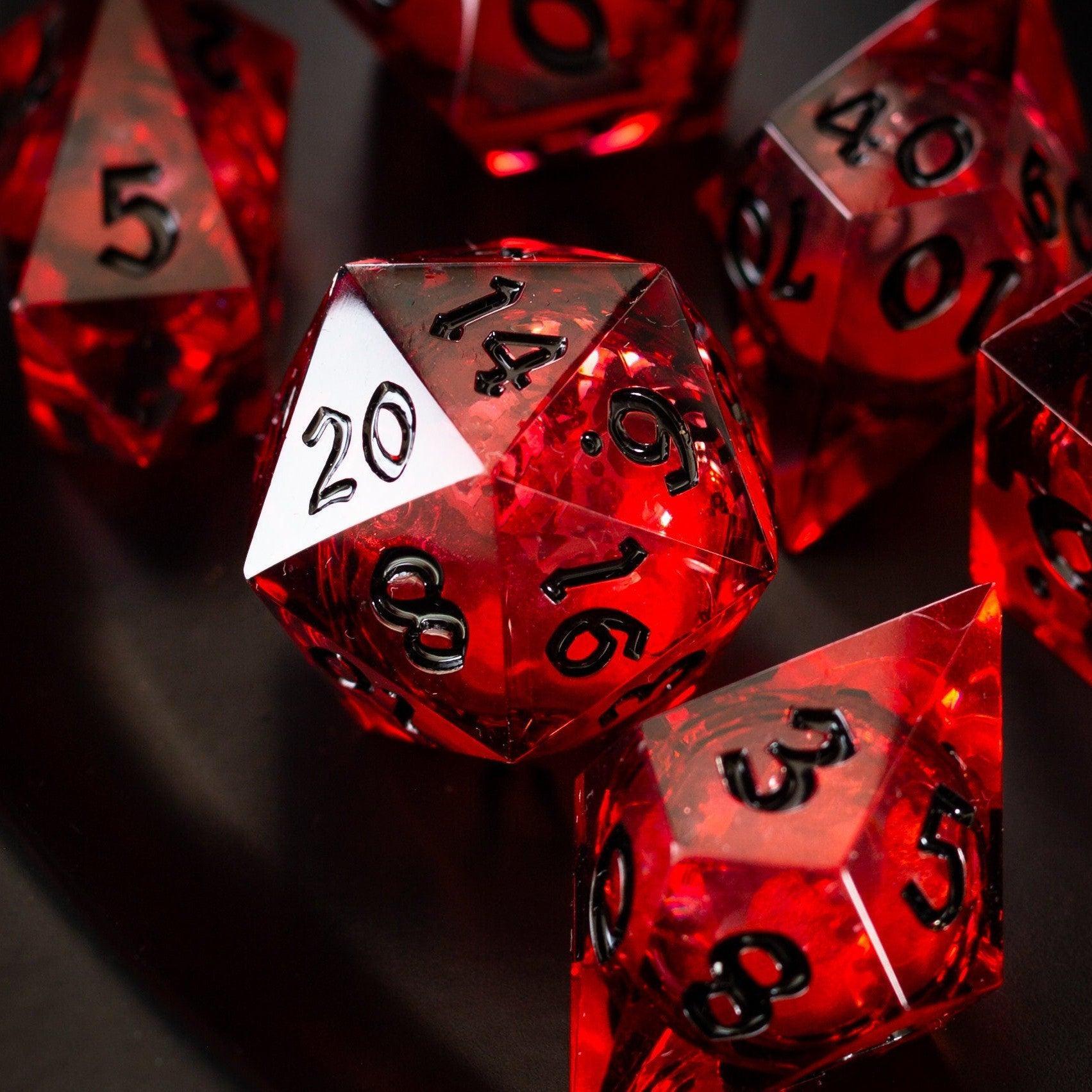
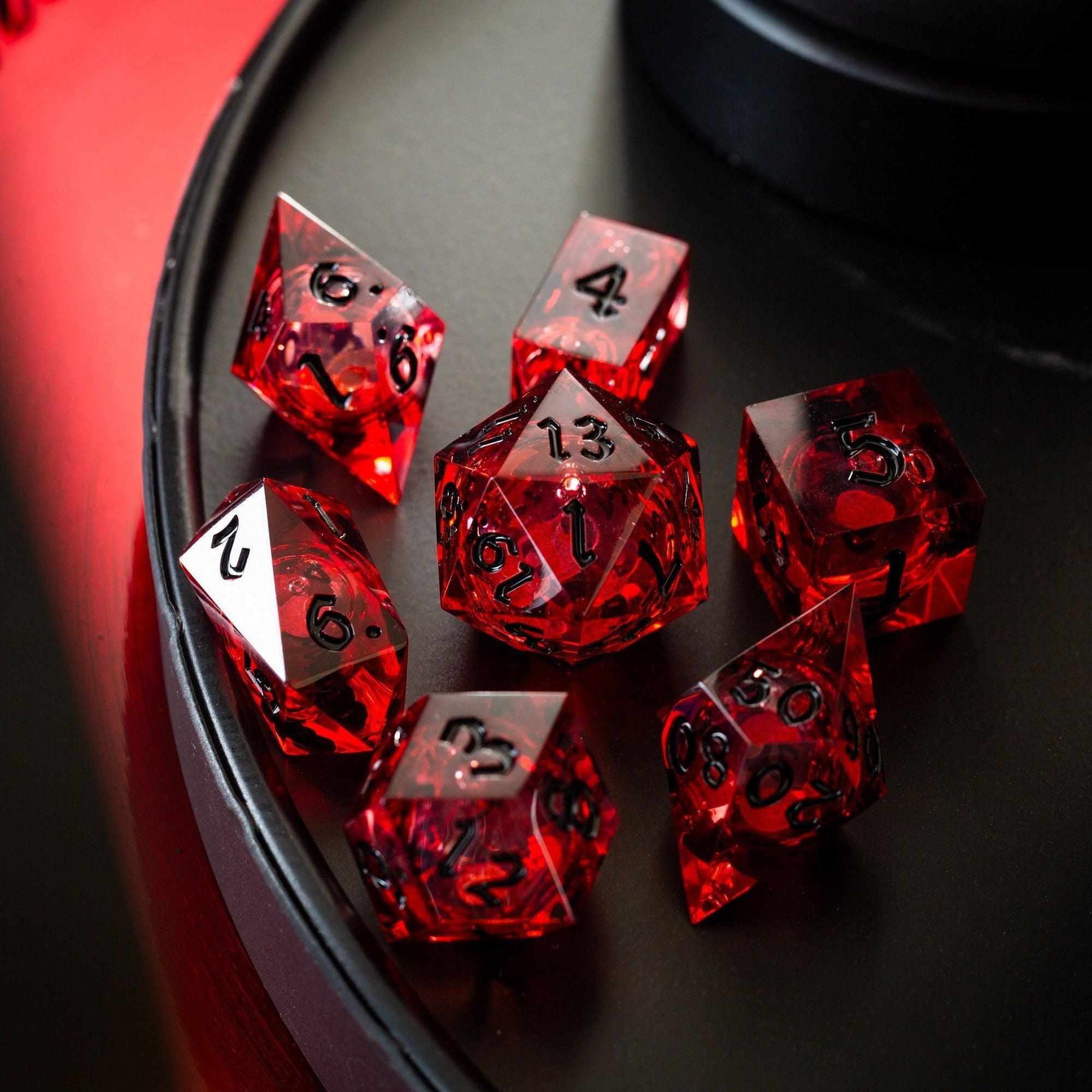
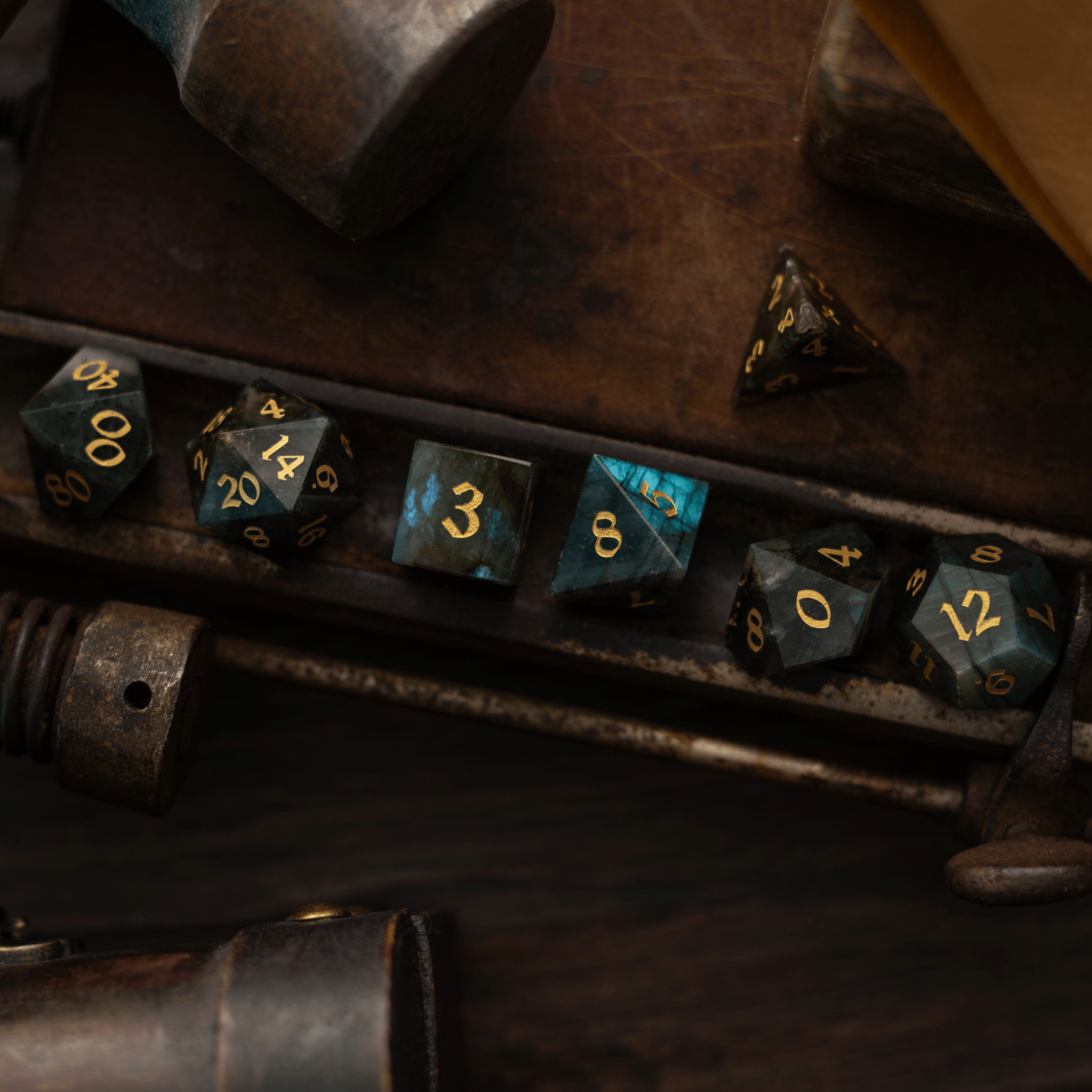
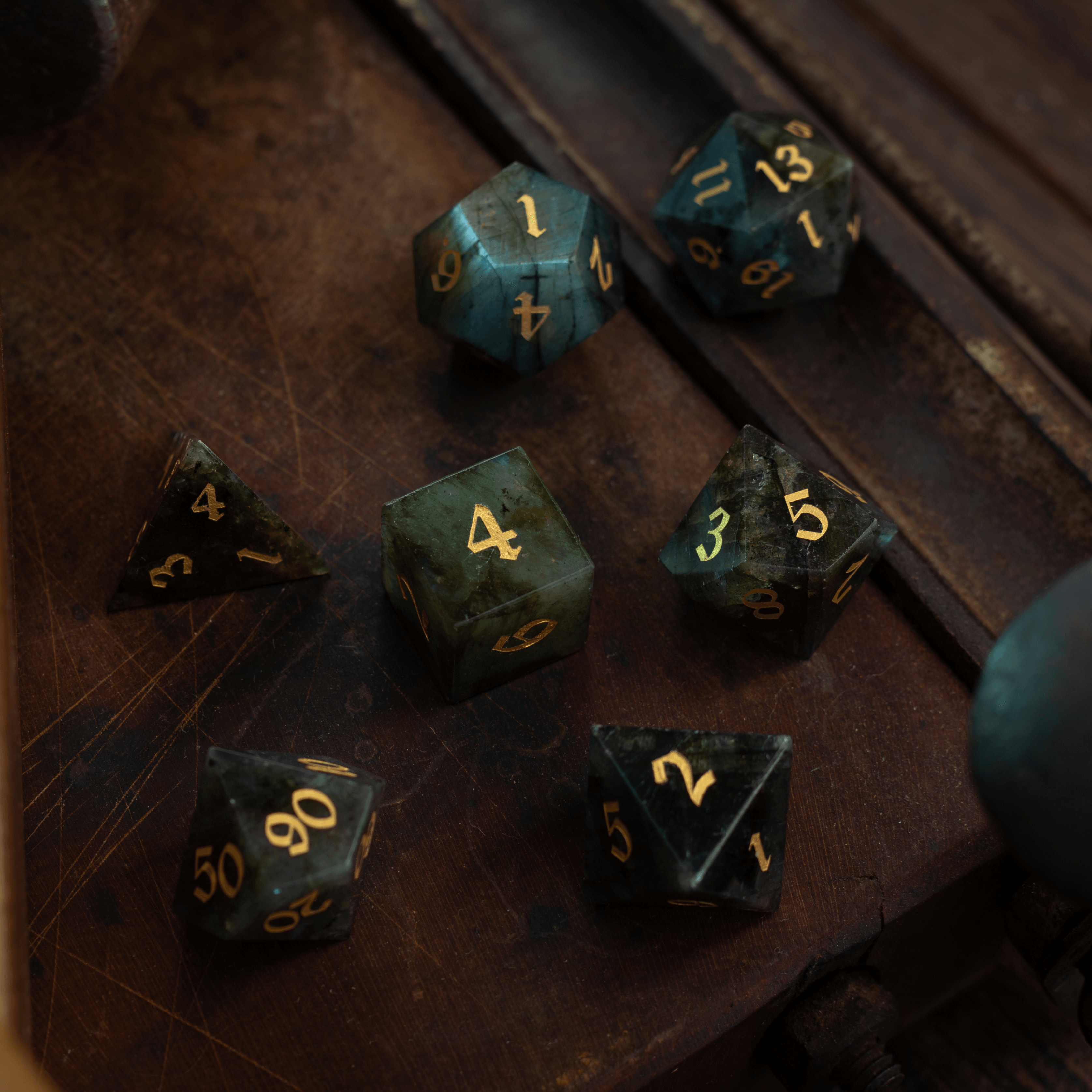
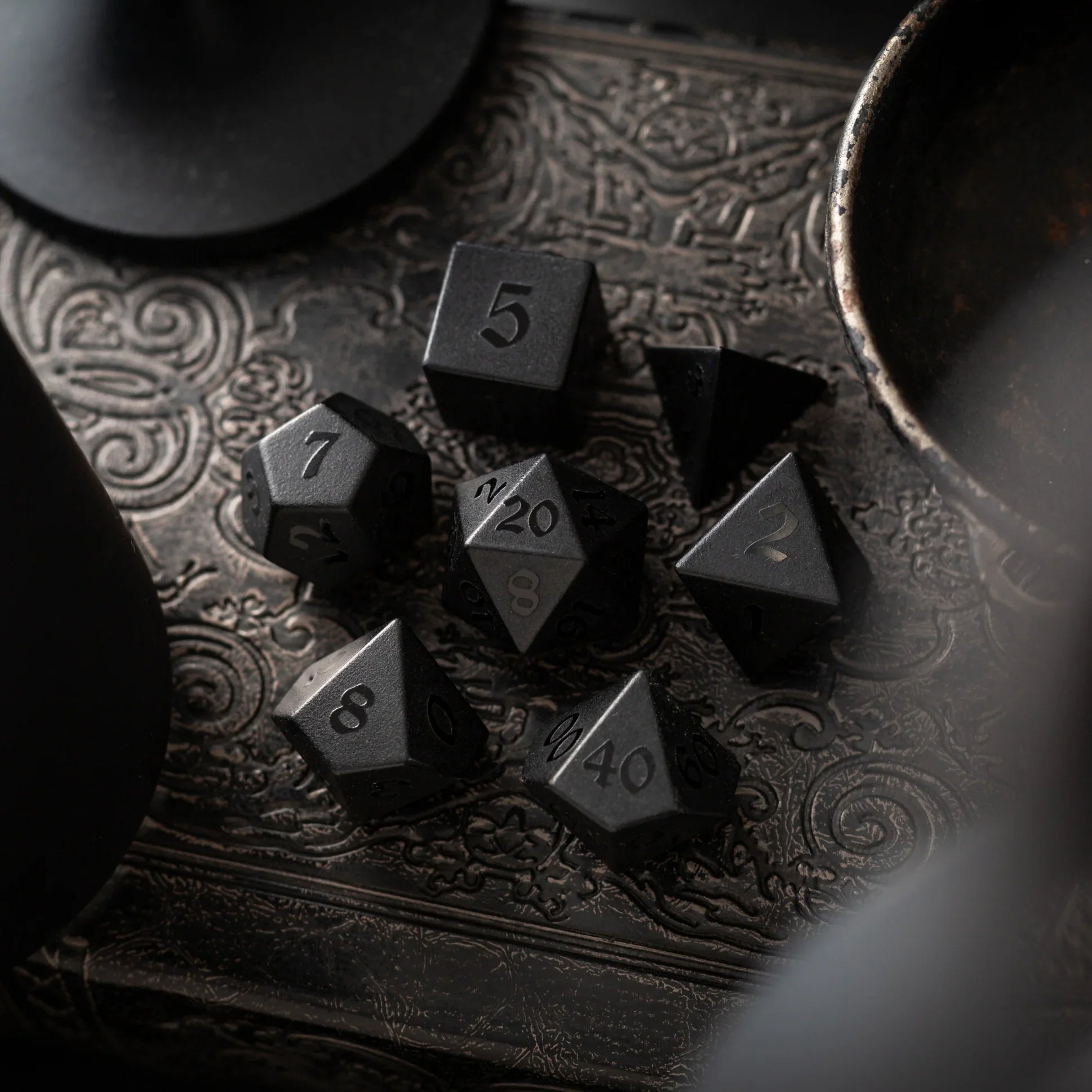
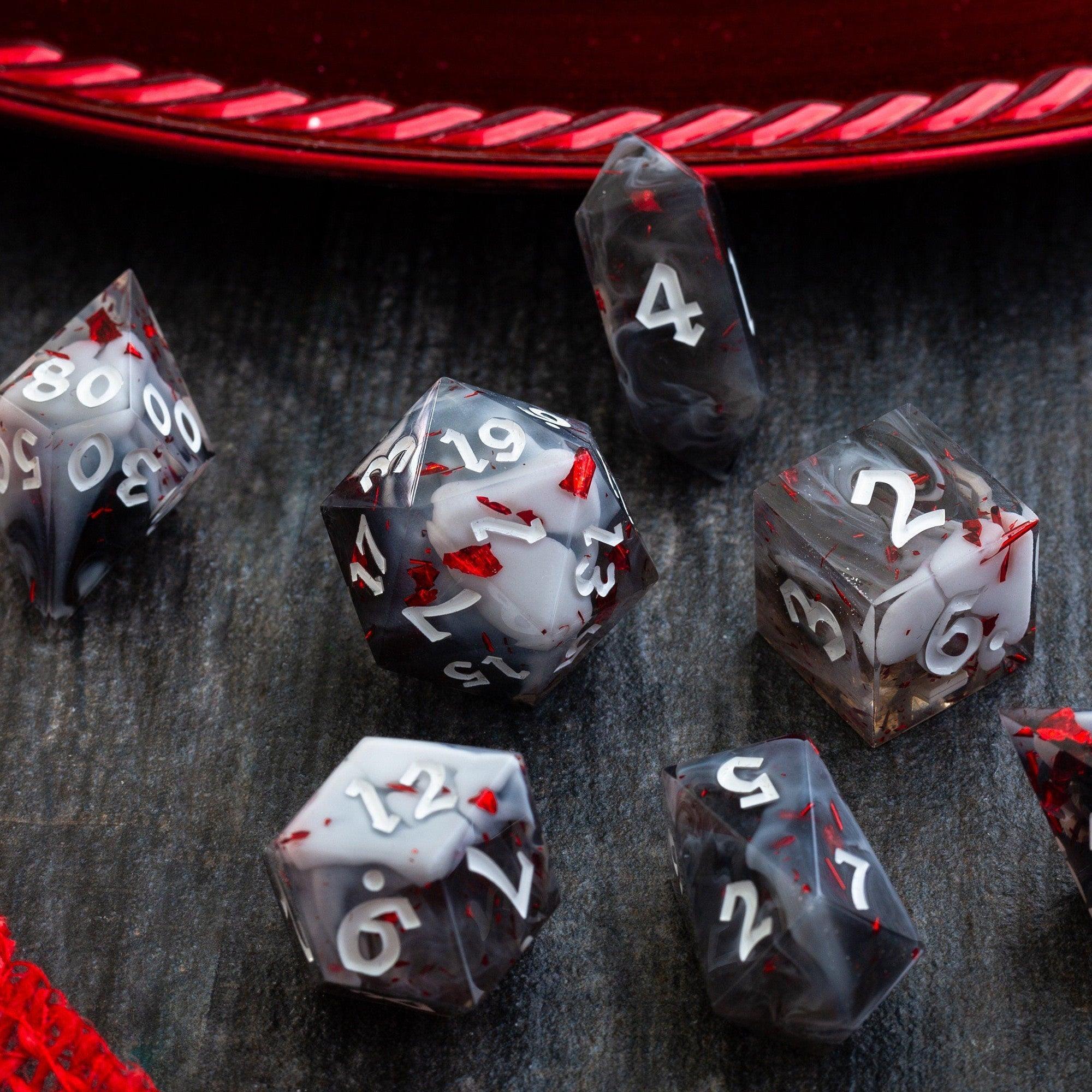
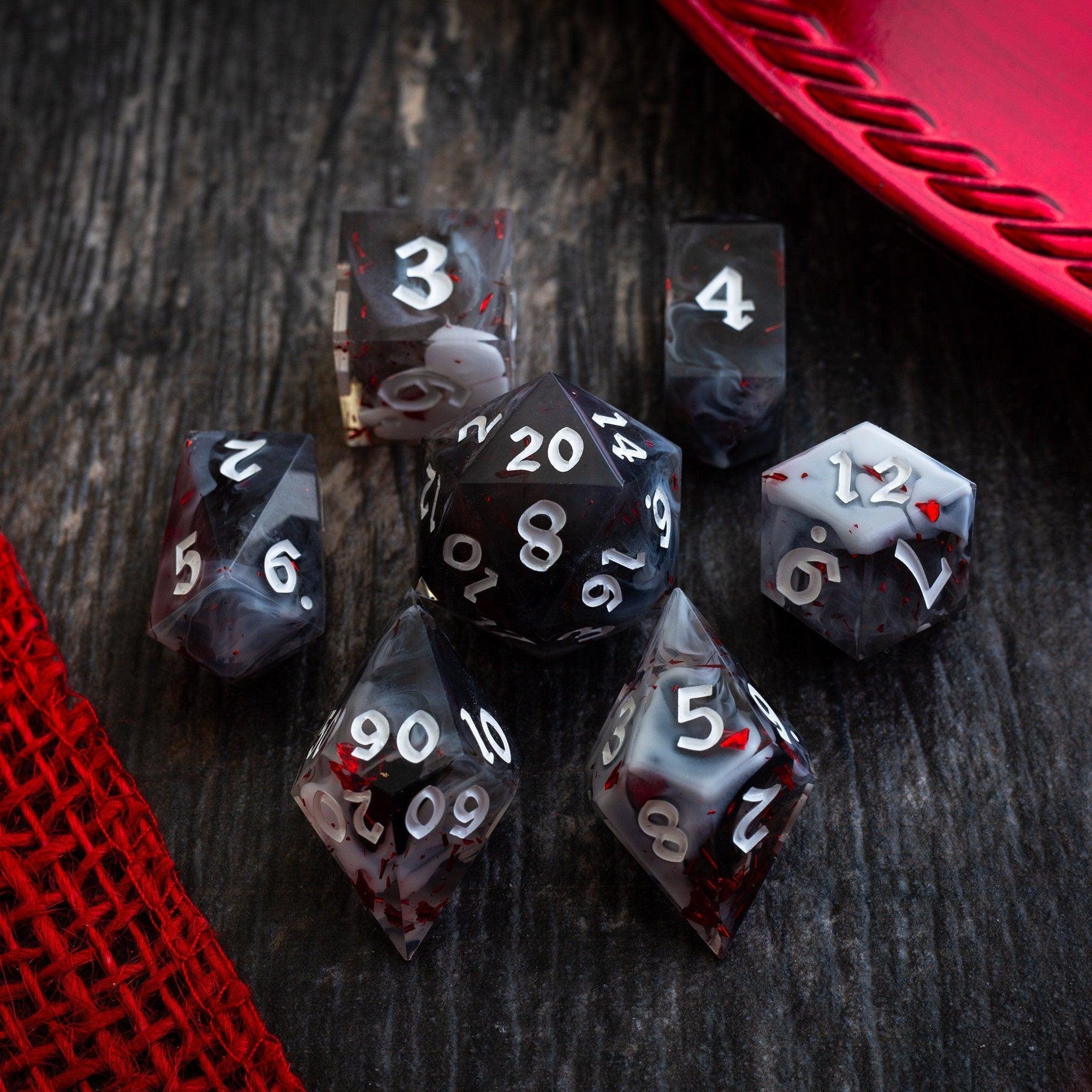
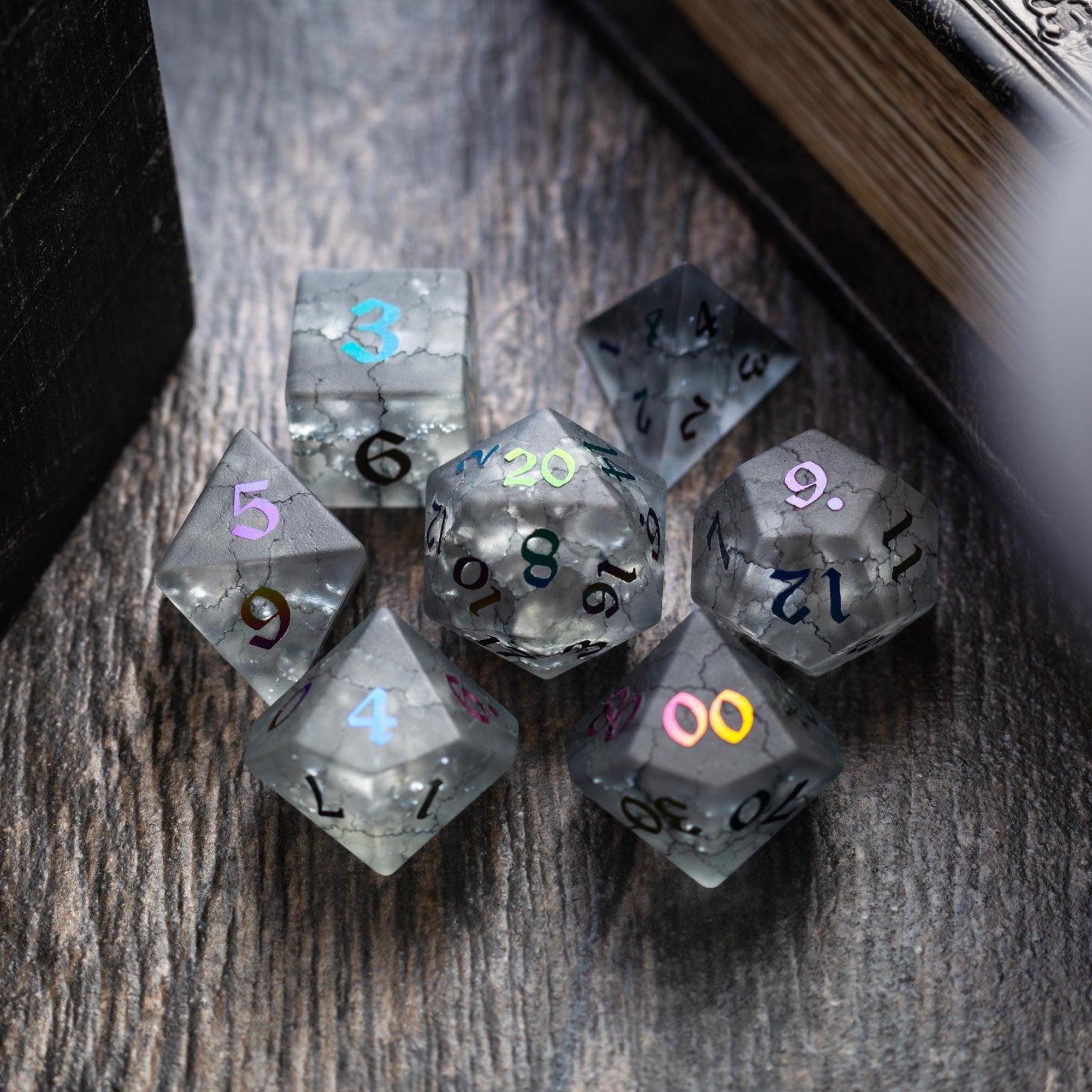
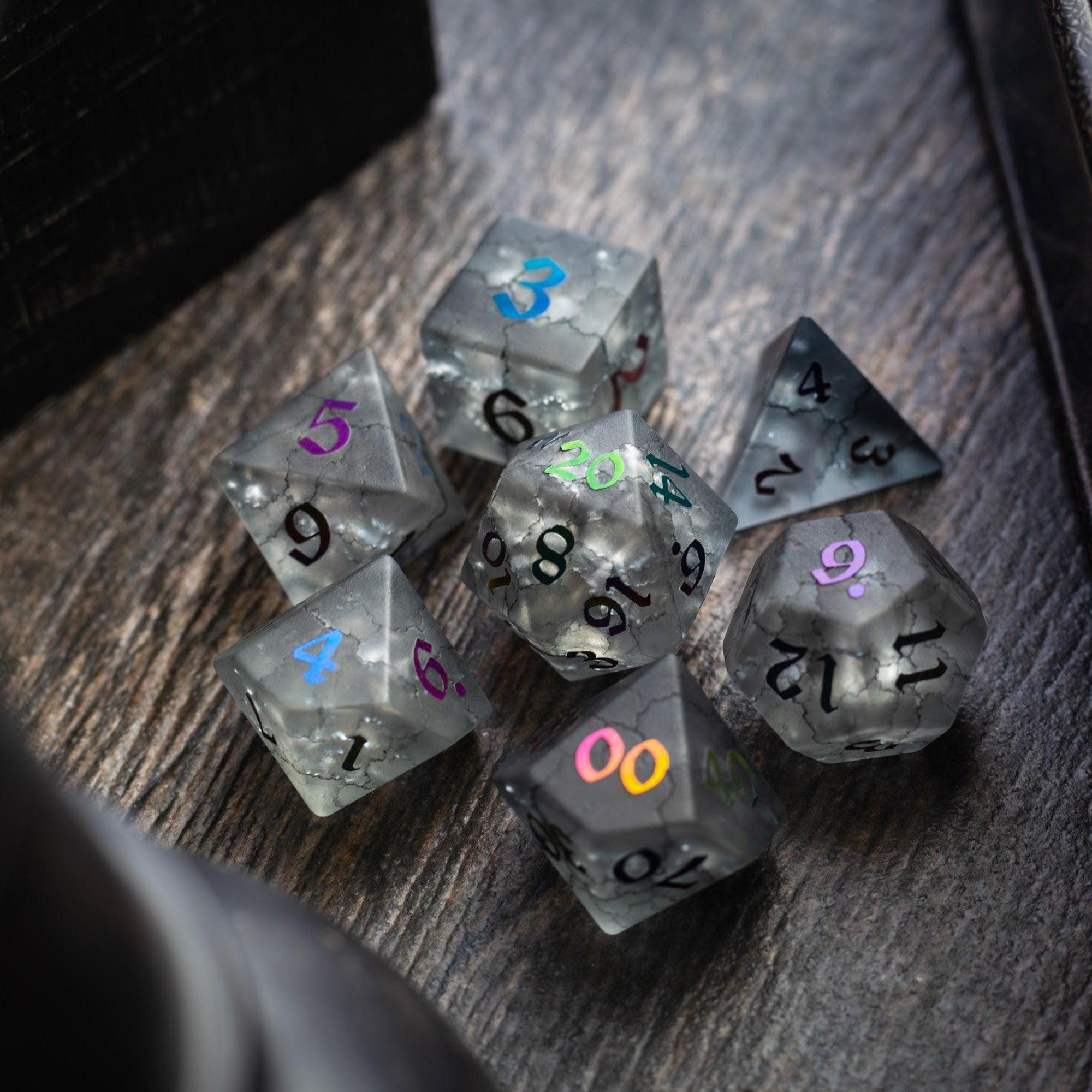
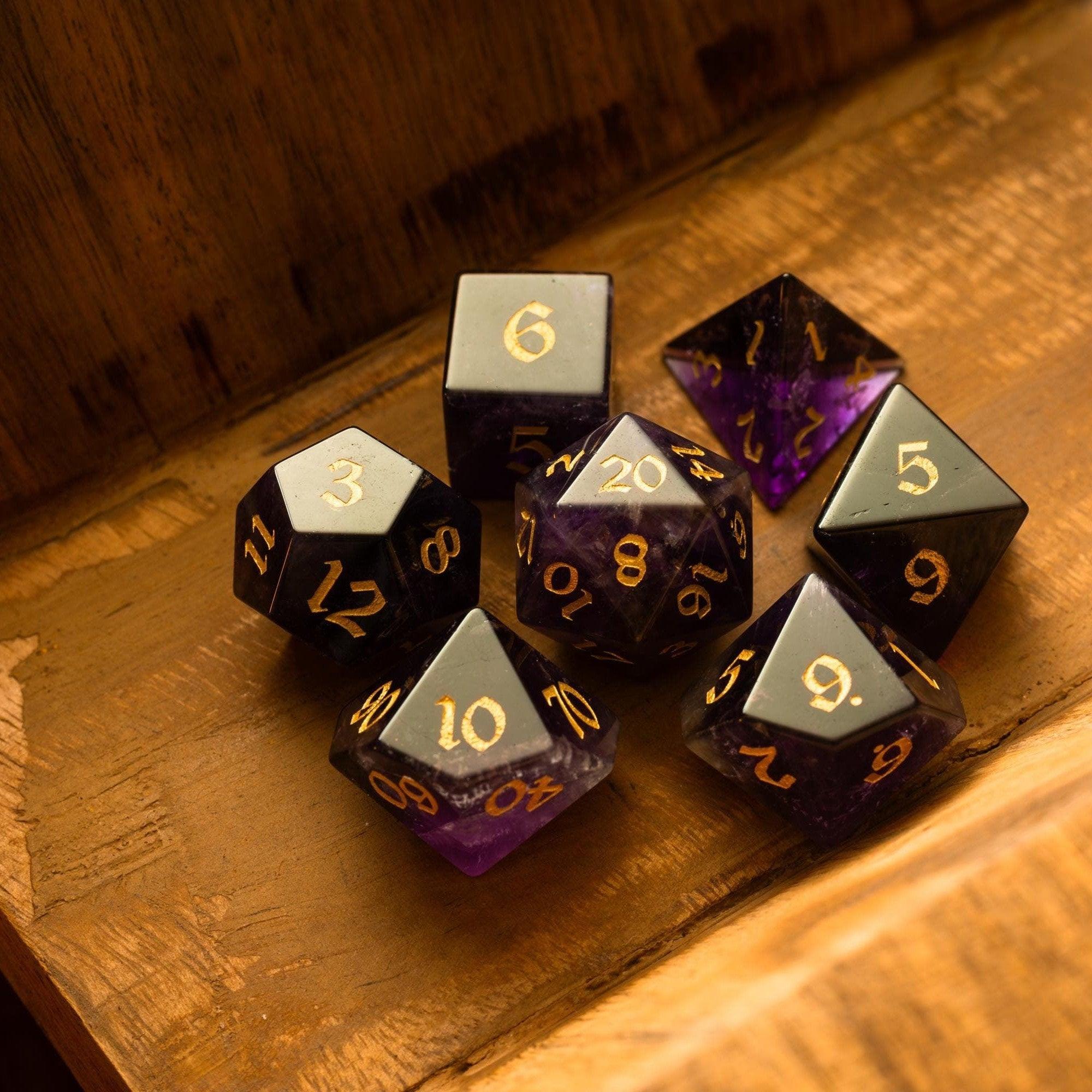
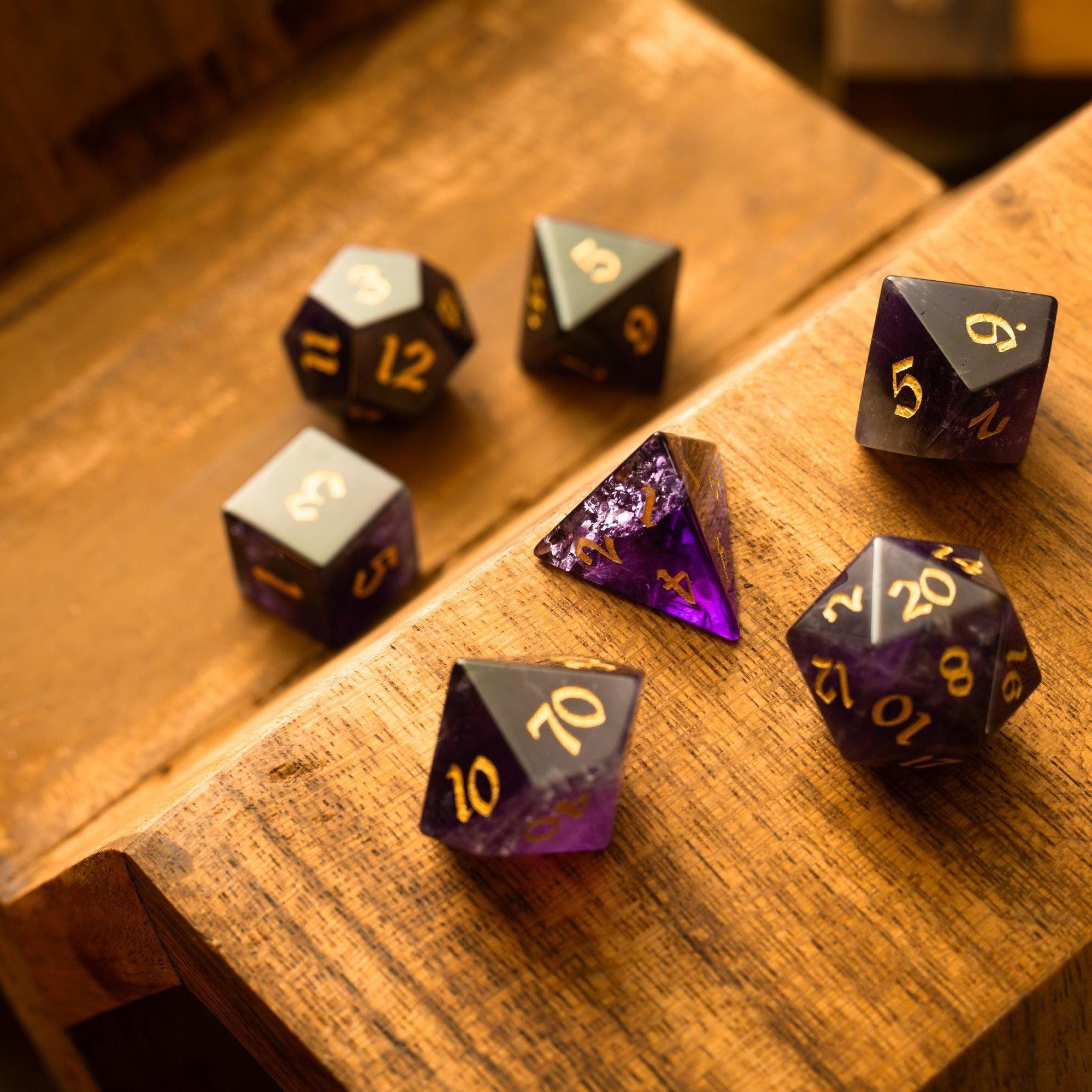
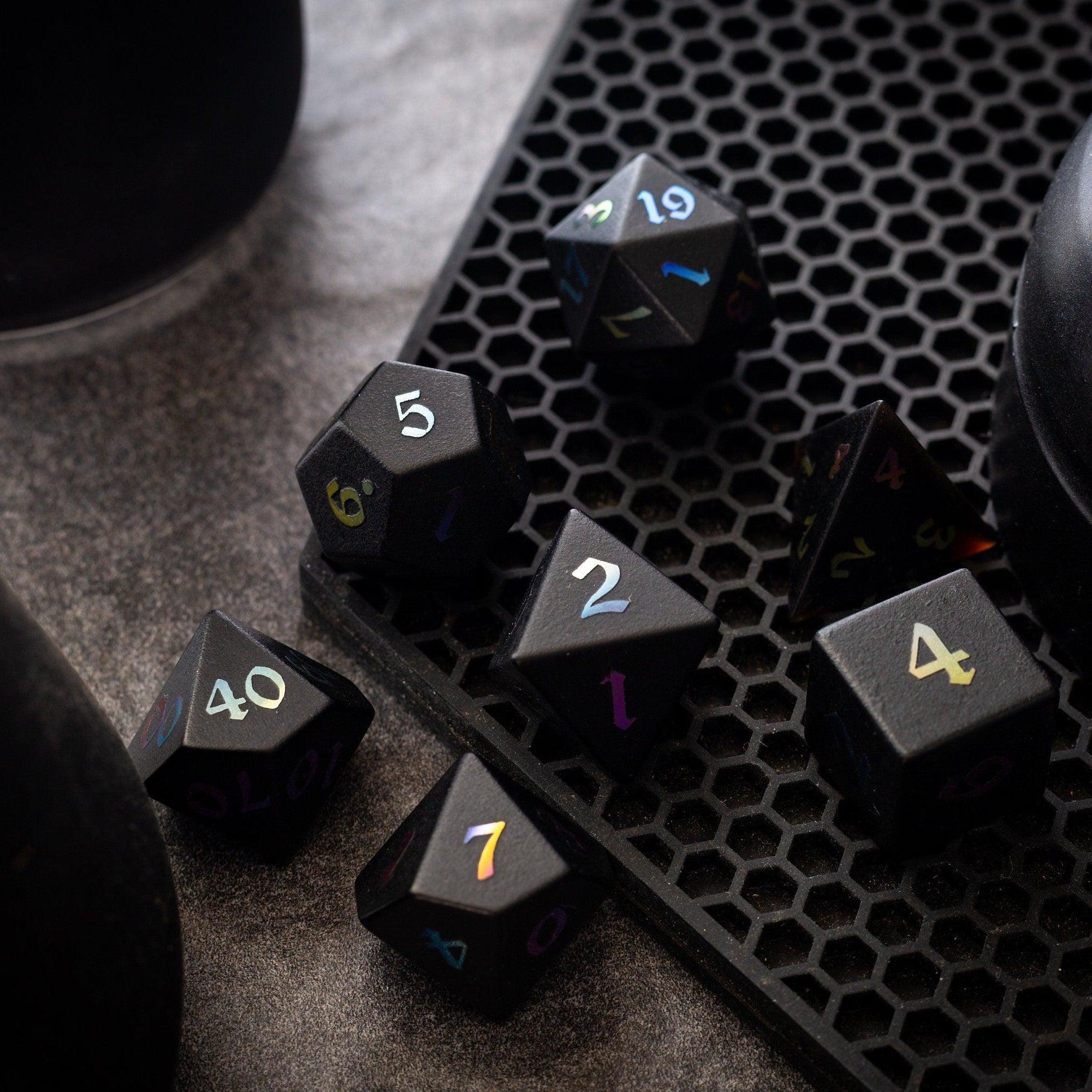
Having campaign notes, reference books, and maps organized makes it easier to respond when players explore unexpected directions. Many Game Masters also appreciate using a dice tower to keep rolls consistent during dramatic scenes, while easy-to-read gemstone, resin, or metal dice make important checks clear for everyone around the table. Small details like these reduce interruptions and keep attention focused on the unfolding adventure.
[Image: players making meaningful story decisions during a tabletop RPG session]
The strongest campaigns rarely come from a single book. They grow from conversations around the table, surprising player decisions, memorable characters, and worlds that evolve over time.
Story driven RPG supplements provide inspiration, structure, and fresh ideas, but they work best as creative companions rather than strict scripts. Every game system and publisher approaches narrative material differently, so choose resources that fit your group's style, adapt them to your setting, and never be afraid to change what does not serve your story.
When useful reference material meets collaborative storytelling, thoughtful RPG campaign design, and players eager to shape the world through their choices, every session has the potential to become another unforgettable chapter in your campaign's ongoing legend.





Leave a comment
This site is protected by hCaptcha and the hCaptcha Privacy Policy and Terms of Service apply.