
Combat Optimization for Tabletop RPGs Practical Guide
Updated on: 2025-12-10
Want smoother sessions, smarter tactics, and fewer stalled turns? This guide breaks down practical ways to speed up battles, communicate clearly, and make every roll count. You’ll learn how to use action economy, terrain, and status effects without overwhelming anyone. We’ll also spotlight a premium dice set that boosts visibility at the table and share quick wins you can apply tonight. Whether you’re a Game Master or a player, you’ll leave with a toolkit for confident, fast-paced encounters.
- Product Spotlight
- Combat optimization for tabletop RPGs
- Did You Know?
- Pros & Cons Analysis
- FAQ Section

If your table loves big set-piece battles but hates long waits, you’re in the right place. This article leans into practical, friendly advice for better pacing, clearer choices, and smarter teamwork. We’ll talk through tools and tactics you can apply with any system, from fantasy dungeon crawls to sci‑fi skirmishes. You’ll also see how gear choices—like highly legible, satisfying dice—help turns move faster and feel better.
Our focus is simple: make each round flow. You’ll learn how to trim decision time, pick the right target, and weigh damage against control effects without analysis paralysis. We’ll cover how to plan an opening turn, when to retreat, and how to use terrain so your group wins the field. Along the way, we’ll reference techniques that support combat optimization for tabletop RPGs while keeping play fair and fun.
Product Spotlight
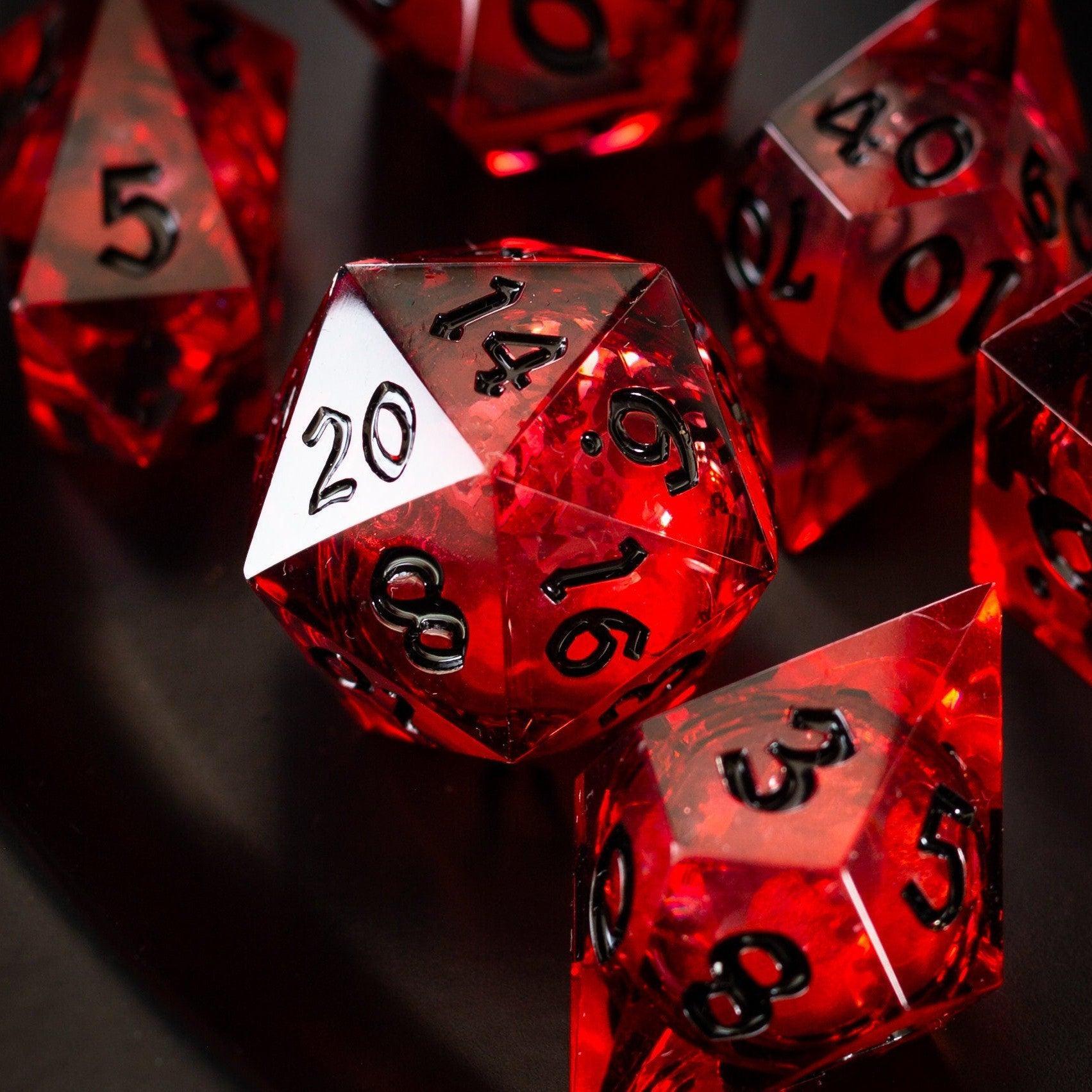
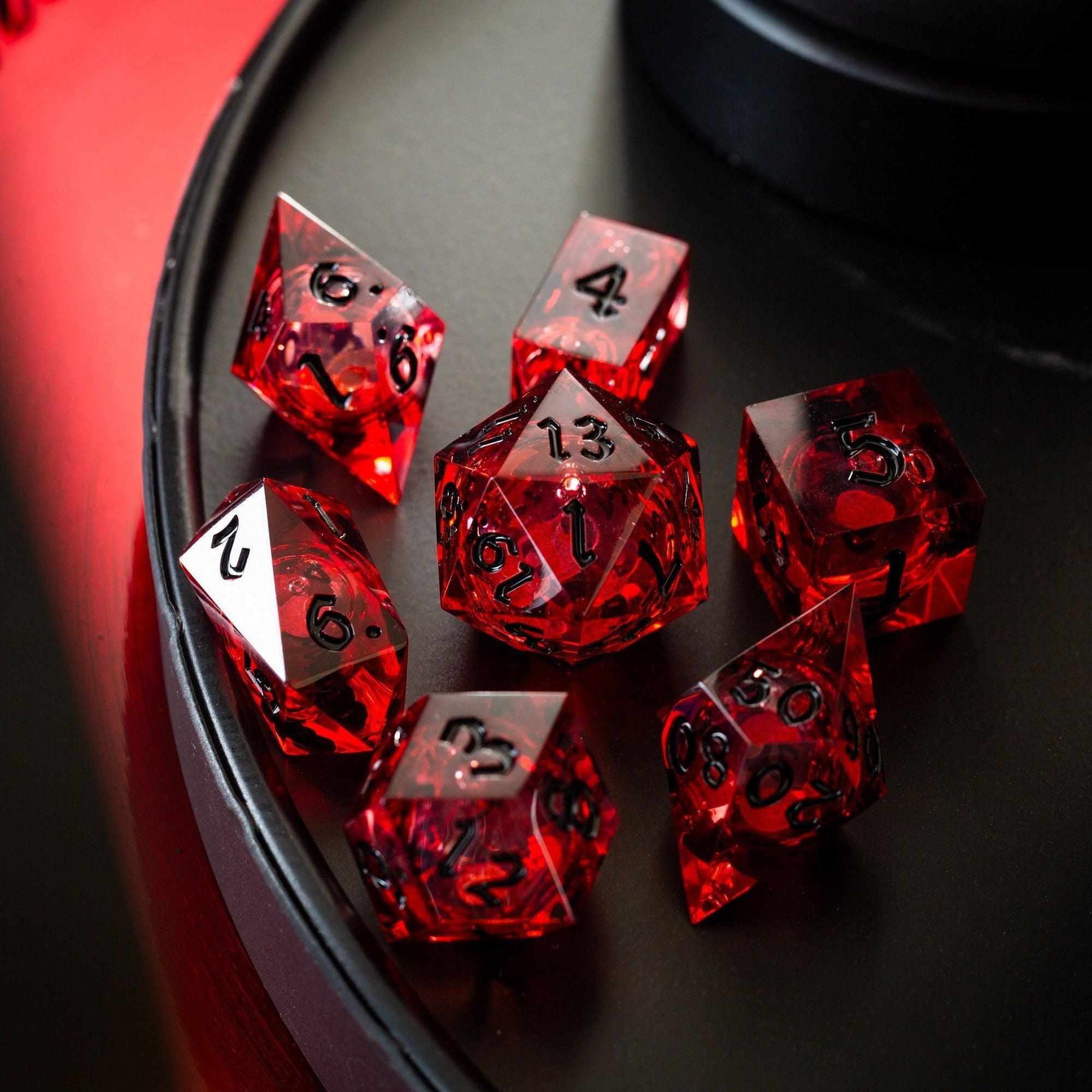
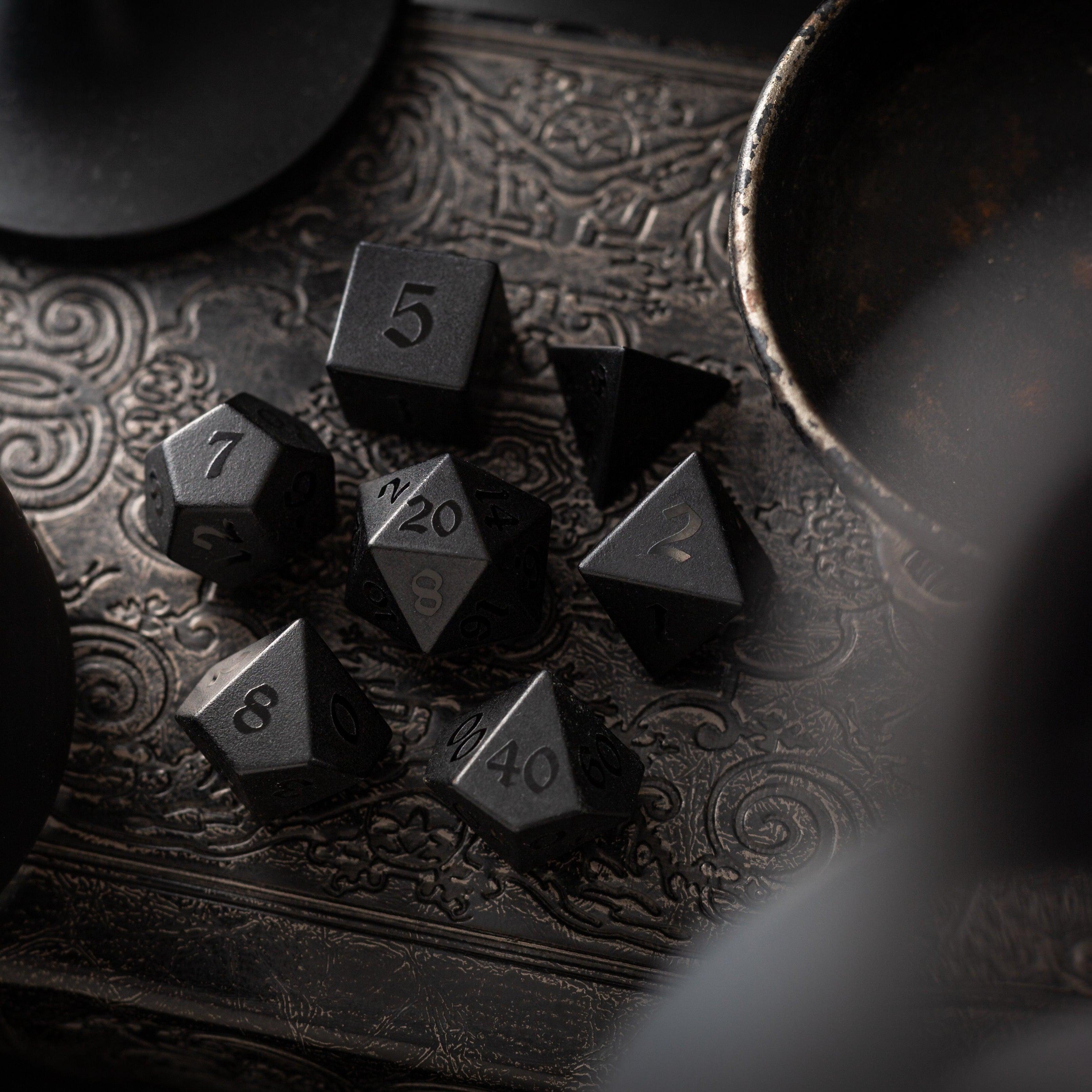
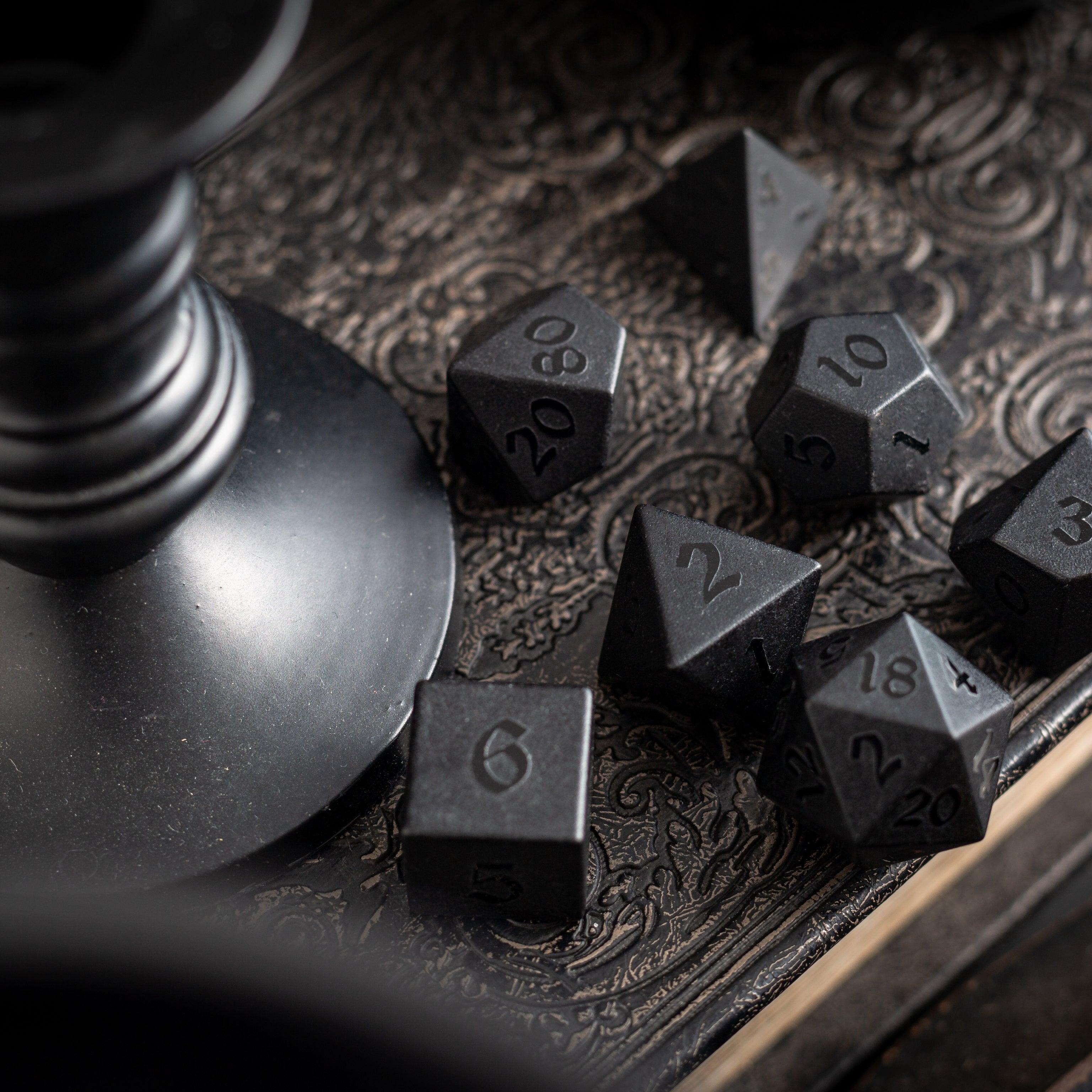
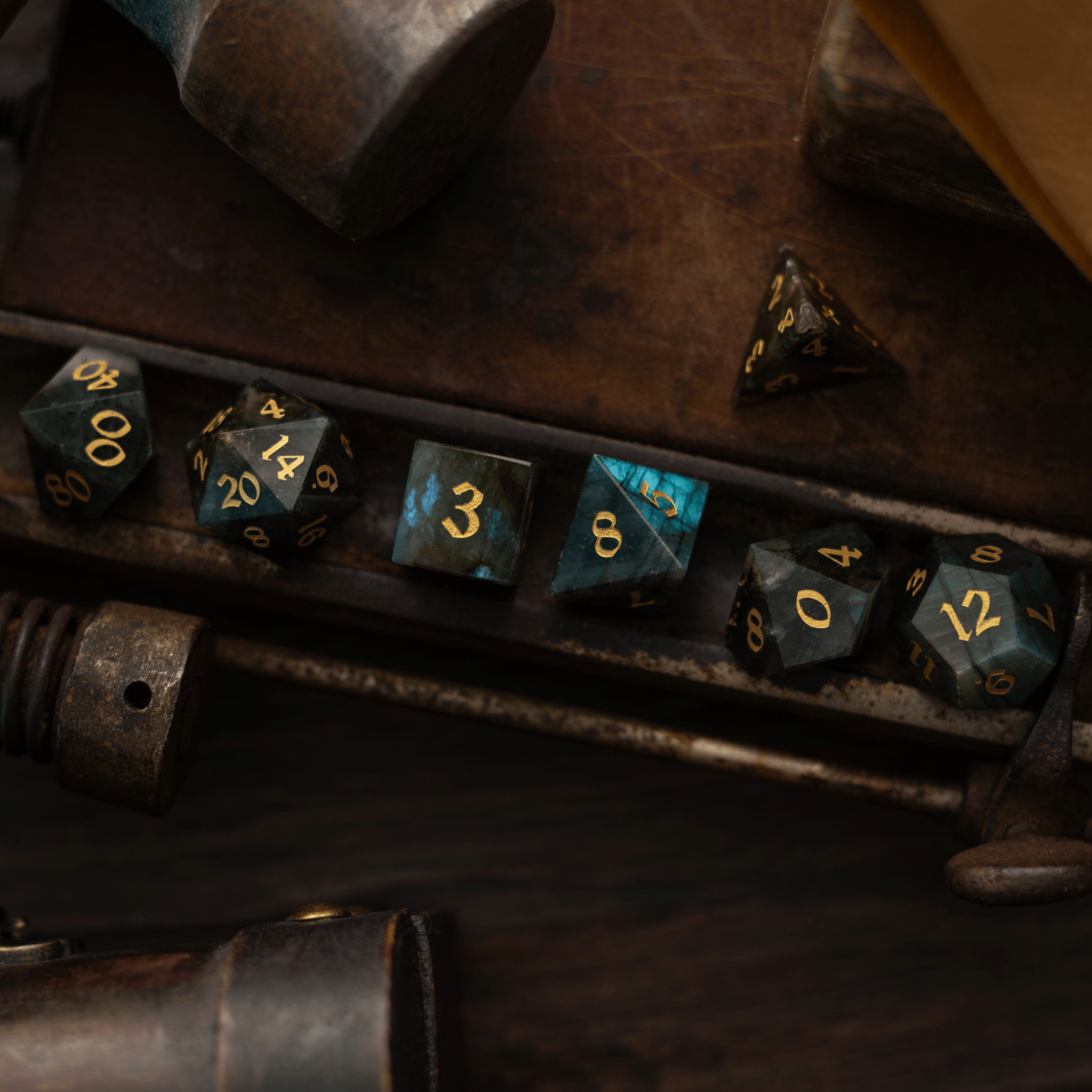
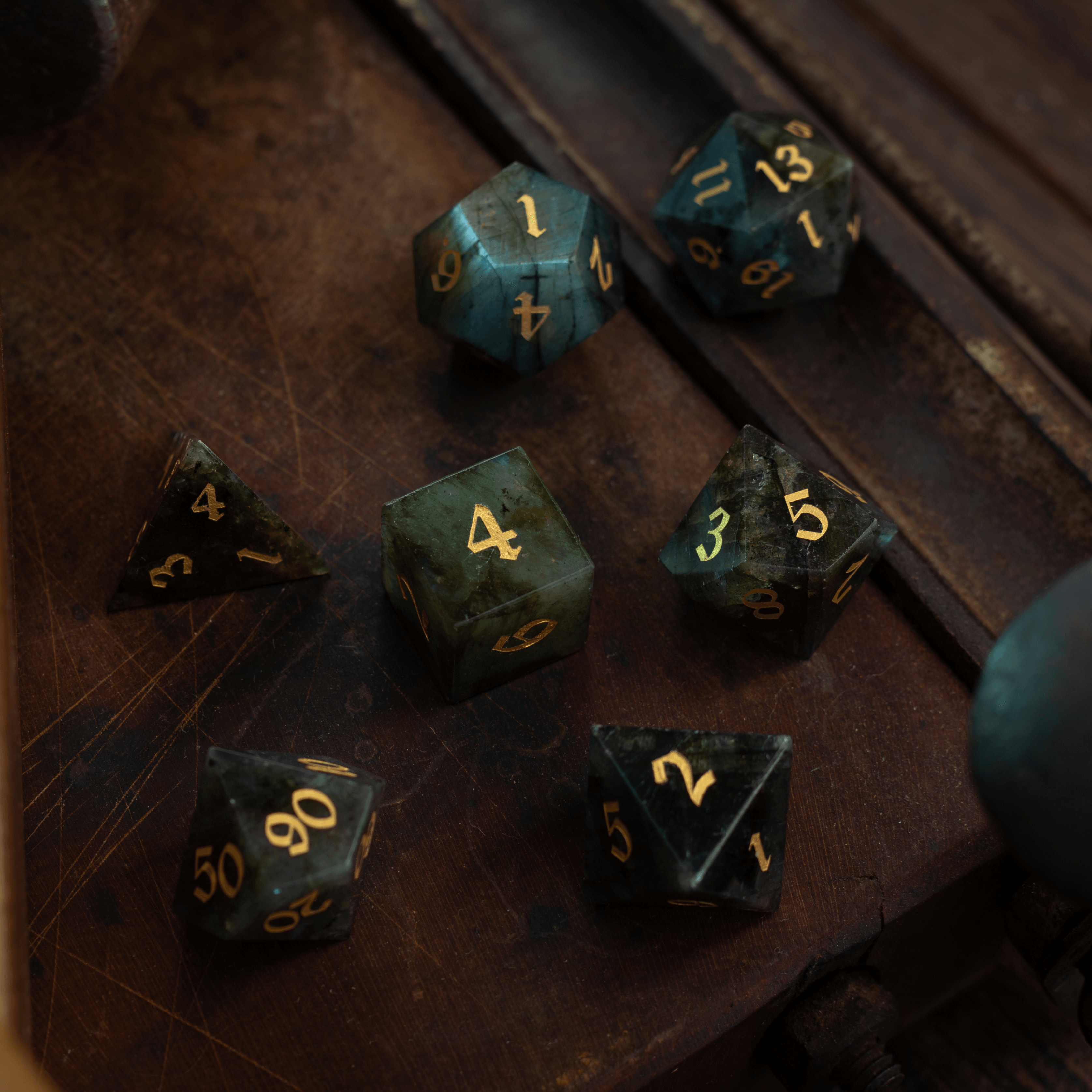
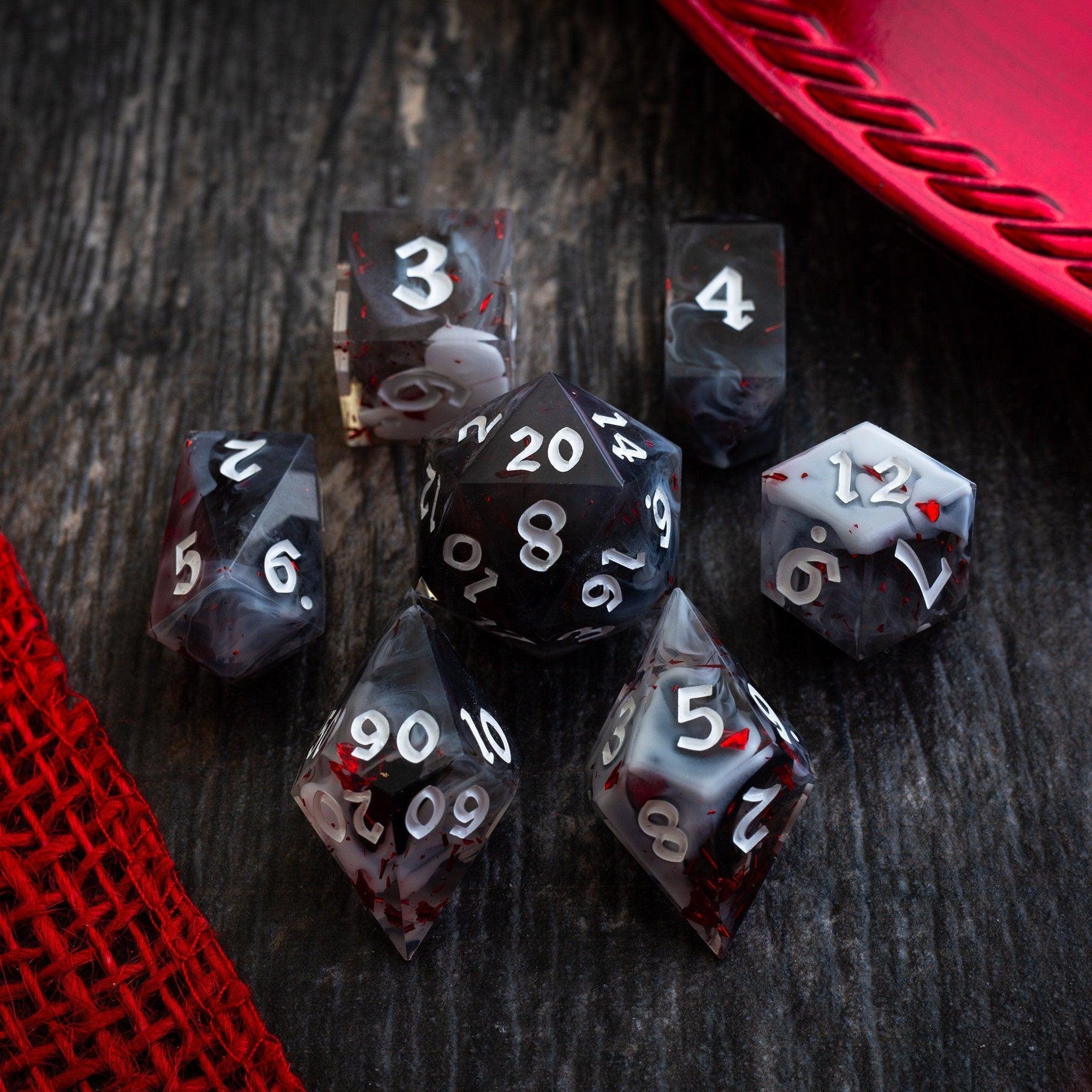
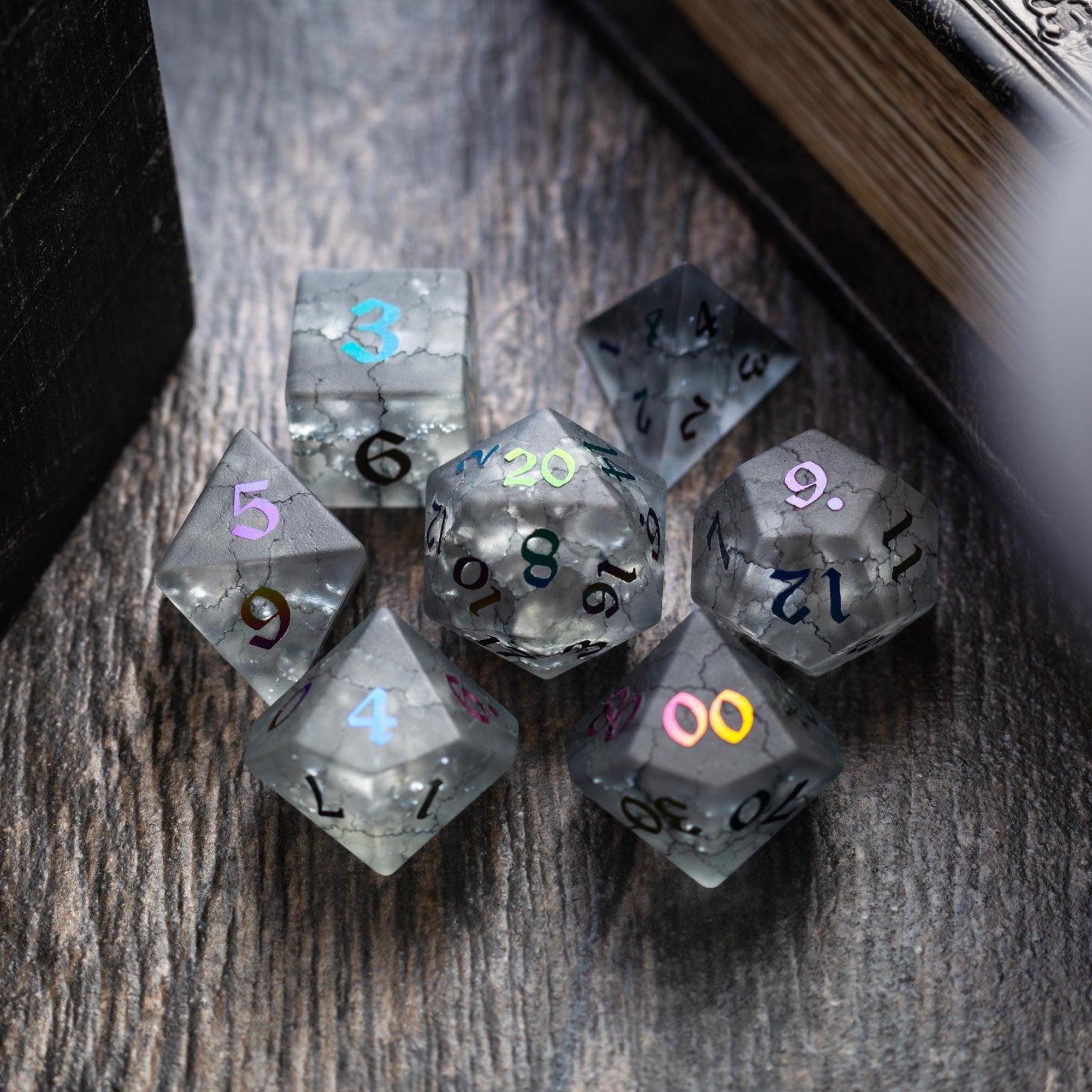
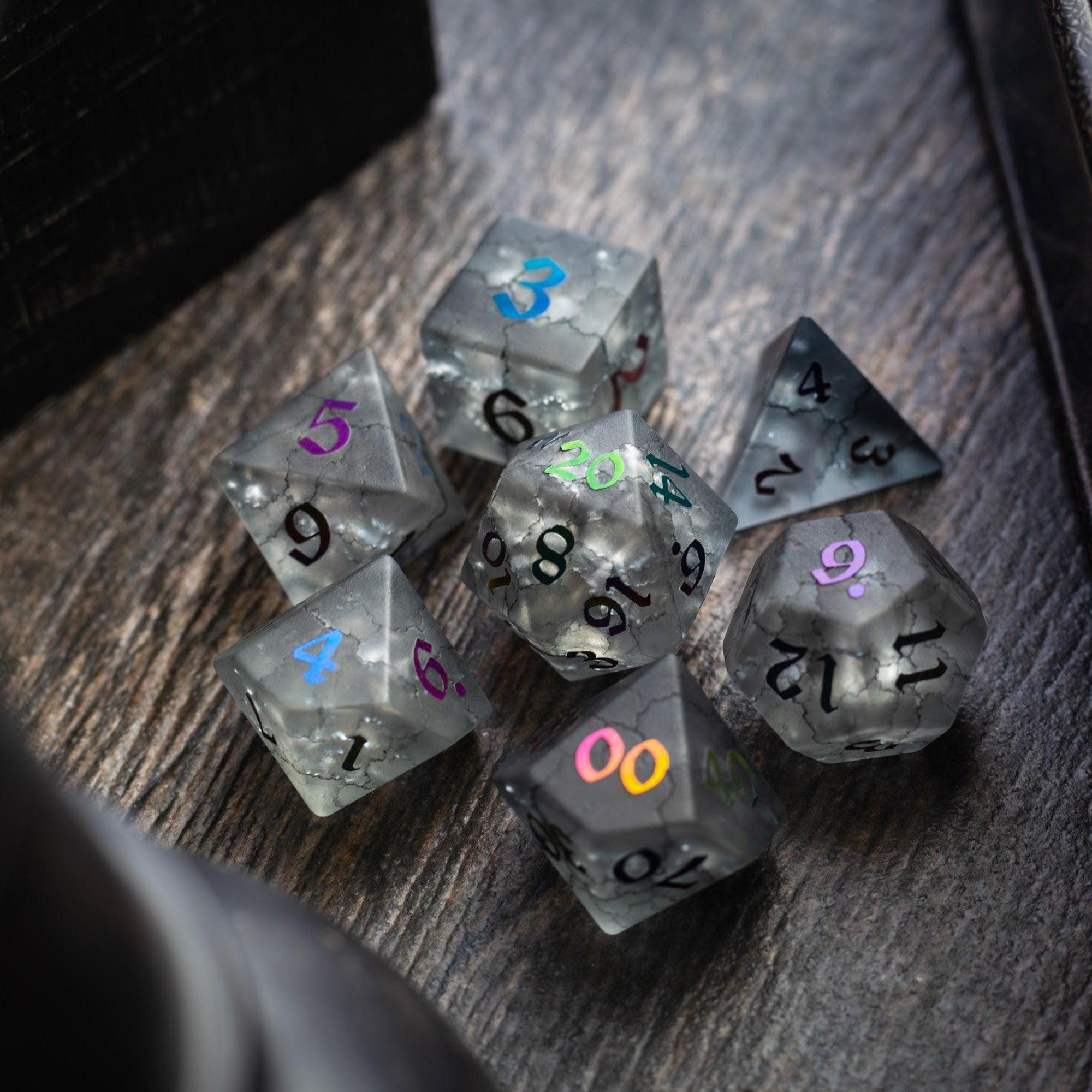
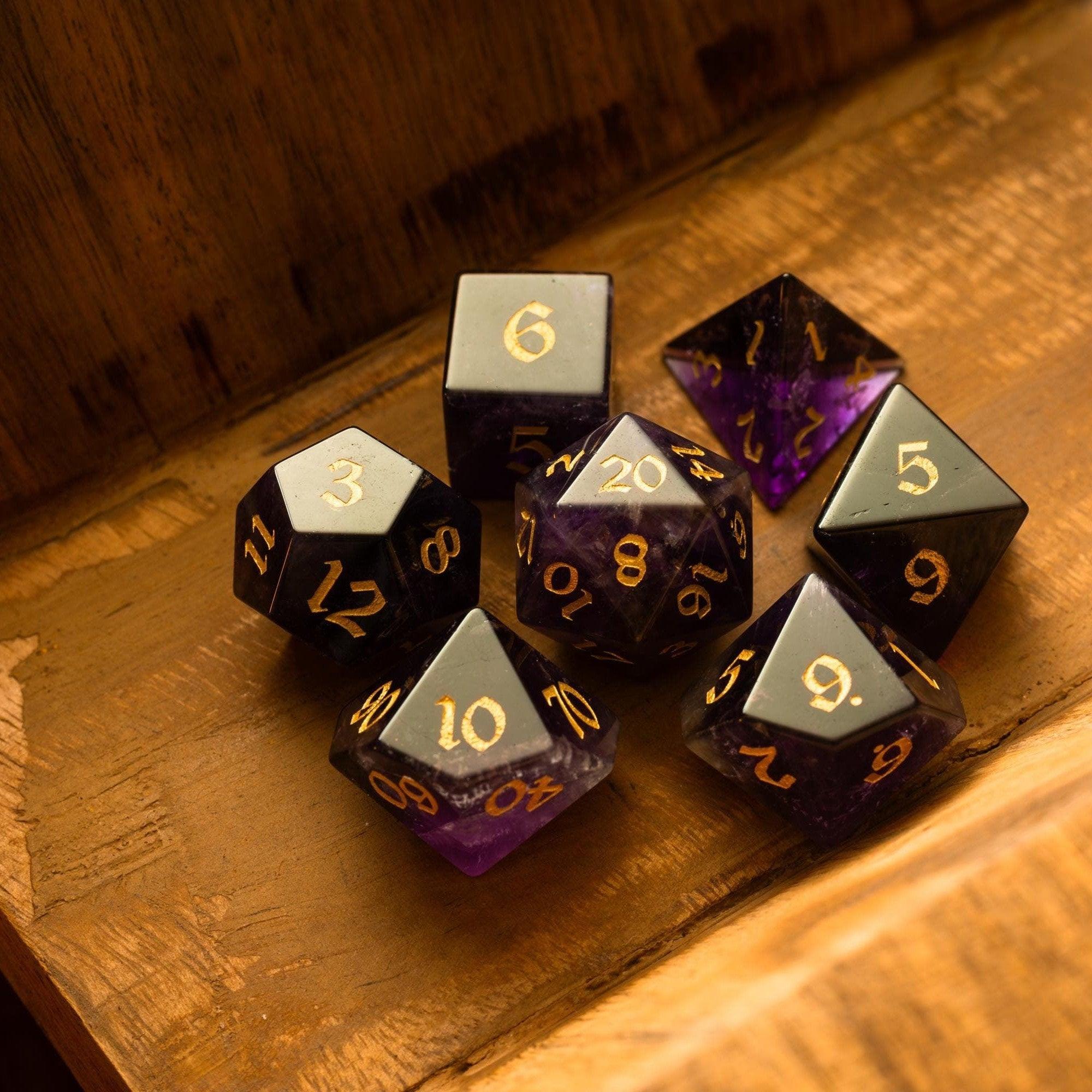
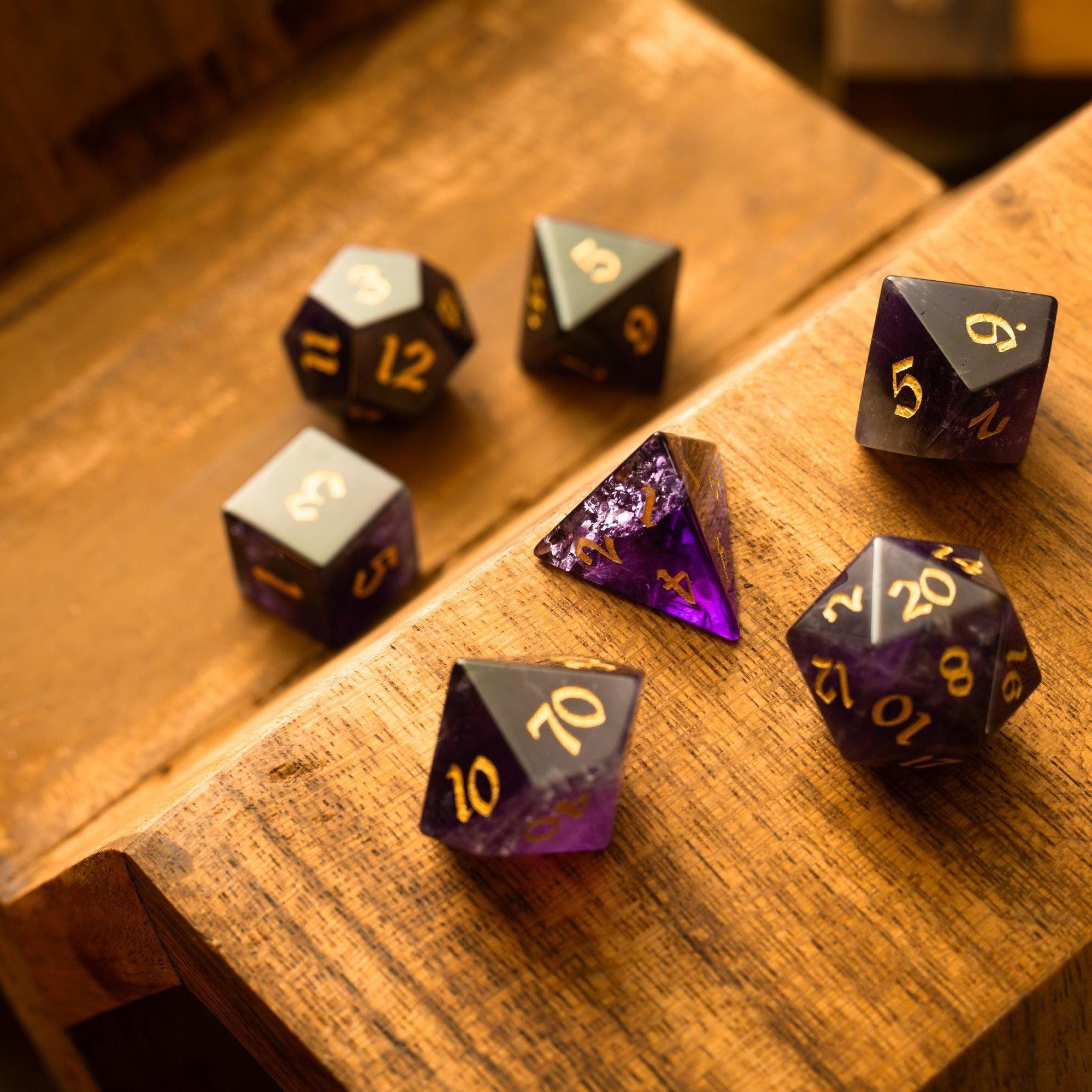
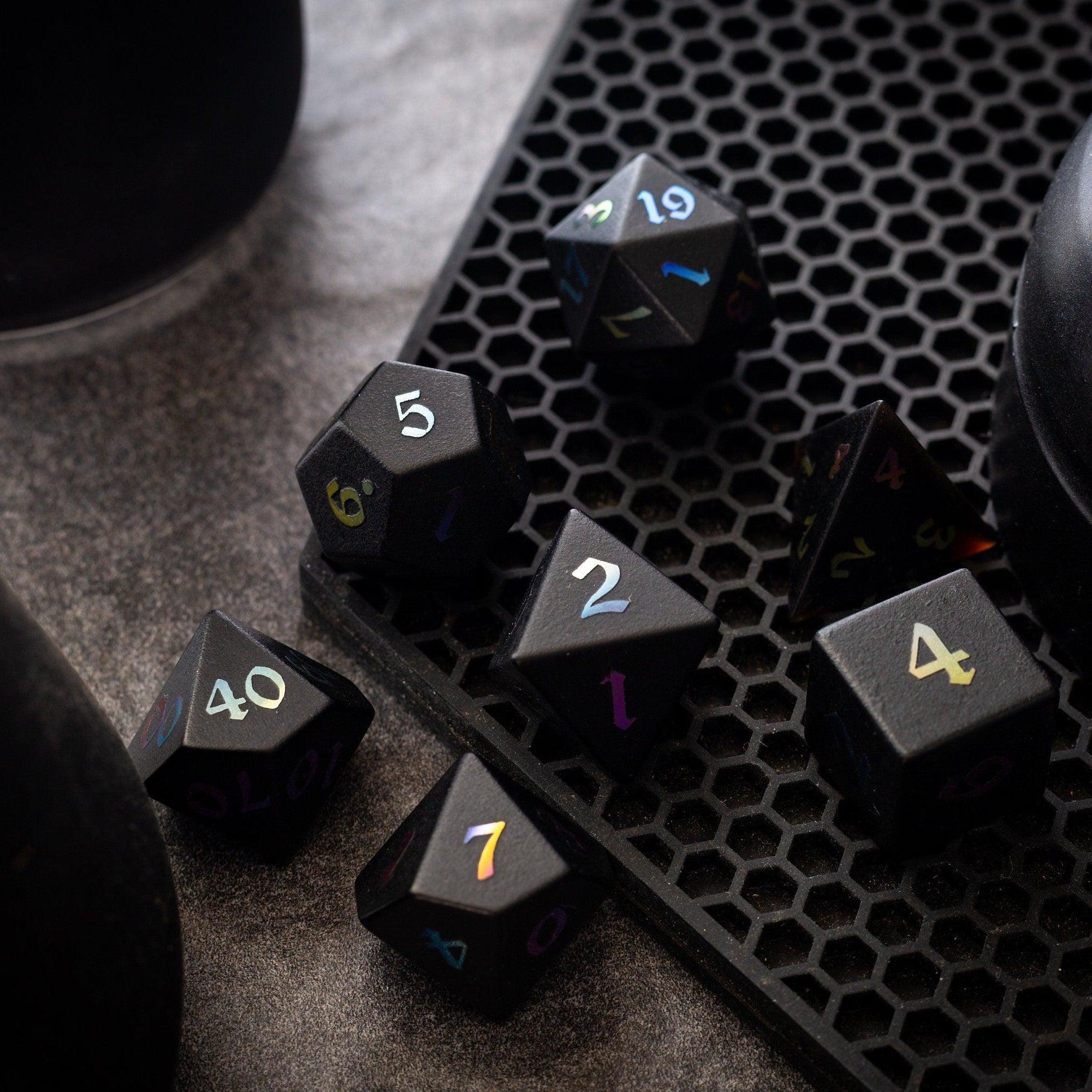
Let’s start with something tactile: your dice. Clear, readable dice reduce re-roll confusion and speed up math checks. The Dwarf-Cut Gold Gemstone set stands out for contrast and crisp faces that make results easier to read at a glance. When you’re juggling turn order, conditions, and position, removing even a few seconds of “Is that a 14 or 19?” adds up over a long session.
Beyond legibility, there’s feel. Many players roll more consistently when their dice have a reassuring weight and texture. A confident roll reduces fumbles off the table and the time it takes to re-gather scattered dice. It also encourages a steady pre-roll habit: set aside the die you’ll need next, then roll as soon as it’s your turn. That simple ritual can shave minutes off every encounter.
Presentation matters, too. When dice are built to last and look the part, they become a small ritual everyone respects: roll, read, resolve. That rhythm keeps spotlight time moving and can make tense showdowns—boss fights, last stands, clutch rescues—feel snappy instead of sluggish.
Combat optimization for tabletop RPGs
Here’s the heart of tactical play: make choices that trade small resources for big outcomes. You don’t need spreadsheets or ultra-crunch builds. You need clarity, timing, and teamwork. The following quick frameworks help any party act with purpose.
Action Economy Basics
Think of each turn as a budget. You “spend” actions, bonus actions, movement, reactions, and table attention. The side that converts more of those into meaningful effects tends to win. To tighten the loop:
- Have a default move. If you’re stuck, do your reliable attack, then reposition to safe cover.
- Use your turn before your turn. Track the board state while others act. Pre-choose your target and die.
- Leverage reactions. Ready abilities that punish enemies for moving or casting. It forces bad choices.
- Set up the next player. Apply advantage, debuffs, or positioning that hands your ally a slam dunk.
This isn’t about perfection. It’s about always doing something useful, fast.
Damage vs. Control
Everyone loves big crits, but steady control often wins encounters. Here’s a simple triage:
- If an enemy is low, finish it. Removing even one action from the other side can swing the round.
- When enemies clump, consider area effects. Even modest damage across three foes beats a single-target spike.
- Use conditions to gate the enemy plan. Silence the caster, shove the skirmisher, pin the boss in place.
- Don’t tunnel vision. If control prevents more damage than you can deal, choose control.
Talk with your party about roles. One character can focus on burst damage while another locks down space. That shared plan trims decision time because the “right” move becomes obvious.
Positioning and Terrain
Think like a map-maker. Ask: Where’s safe? Where’s powerful? Where do enemies want to go? A few habits help:
- Claim high-value squares early: chokepoints, cover, and flanking spots.
- Avoid standing in lines or clumps that invite area attacks.
- Use pushes, pulls, and shoves to force enemies into hazards or away from allies.
- Retreat with purpose. Back up to draw enemies into the team’s threat range, not to flee aimlessly.
If your table enjoys visual aids, quick-standing terrain markers or simple tokens communicate the plan at a glance. Less talk, faster turns, better outcomes.

Speeding Up Rounds
Fast rounds depend on clarity and flow. Try these quick wins:
- Declare intent first, then roll. “I dash to cover, then fire at the archer.” Roll as you speak.
- Use two dice colors for advantage/disadvantage so you roll once and read fast.
- Pre-calculate common numbers. Write down your to-hit, save DC, and average damage.
- Keep condition cards or sticky notes on the table. If it’s visible, you won’t forget it.
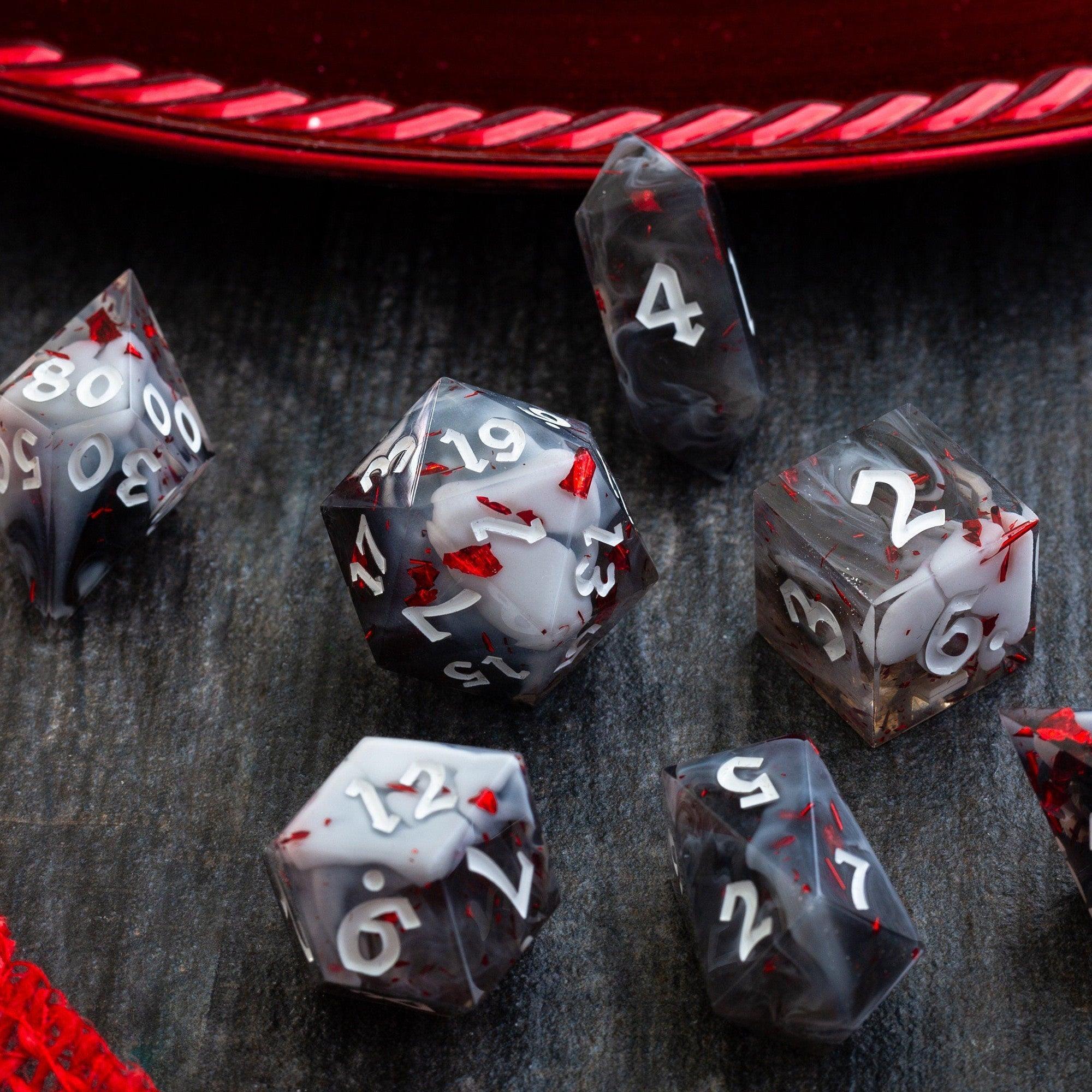
- Streamline rolling tools. Consider smooth-rolling sets like liquid core dice for easy reads and satisfying spins.
For Game Masters, batch enemy actions when rules allow: roll groups together, narrate succinctly, and only ask for checks that matter. This reduces downtime and keeps energy high.
Did You Know?
- Calling out “You’re up, then Mia on deck” trims dead air and prepares the next player.
- Average damage is often a better metric than chasing rare crits when choosing your go-to attack.
- Many tables cut round time by 20–30% just by pre-rolling saves for minions before their turns.
- Simple terrain cues (coins for cover, beads for hazards) reduce rules lookups by making effects obvious.
- Dedicated rolling stations—like trays or dice towers—curb cocked dice and rerolls.
Pros & Cons Analysis
Pros
- Faster pacing keeps everyone engaged and reduces table fatigue.
- Clear roles and plans make choices easier and more satisfying.
- Consistent tools—visible dice, trays, condition markers—minimize friction.
- Better action economy turns small advantages into victory.
Cons
- Over-optimization can overshadow roleplay if not kept in balance.
- Too many pre-baked combos may feel repetitive over time.
- Heavy control strategies can slow narrative momentum if every turn becomes a rules check.
- New players might feel pressured; keep a welcoming tone and explain choices.
FAQ Section
How do I speed up turns without losing depth?
Adopt a “default action” and a “backup plan.” When it’s your turn, if nothing unusual happened, use your default. If the field changed, switch to your backup. Keep a short checklist: target, move, roll, resolve, set up ally. You’ll still make smart choices, but you won’t stall. Also, pre-calc common numbers and keep condition markers visible so you spend brainpower on tactics, not math.
What small tweaks bring the biggest gains?
Two things: clear initiative calls and pre-rolled resources. The active player announces who’s next and who’s “on deck.” Meanwhile, players pre-select dice for their likely action. Use contrasting dice for any advantage state to avoid multiple rolls. Finally, gear that improves readability helps a lot. If you want a polished upgrade, browse new arrivals for crisp, easy-to-read sets that fit your table’s style.
How do I keep new players engaged in combat?
Give them a simple role and two go-to moves: one reliable damage option and one control effect. Encourage them to say their plan before rolling. Celebrate smart positioning, not just big hits. Consider spotlighting a legible set—like the Dwarf-Cut Gold Gemstone set—so reading results feels effortless. Clarity builds confidence, and confidence builds speed.





Leave a comment
This site is protected by hCaptcha and the hCaptcha Privacy Policy and Terms of Service apply.