
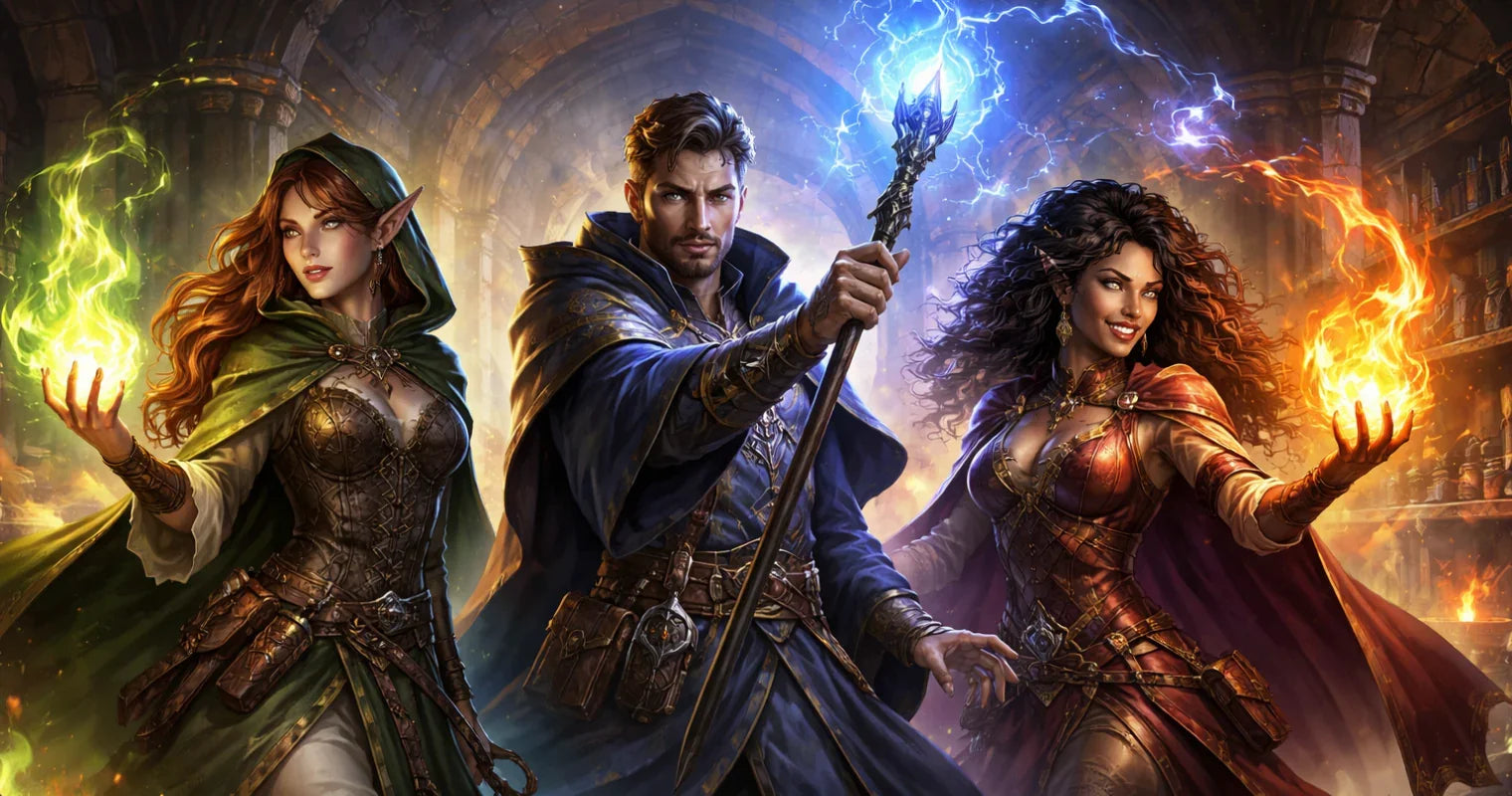
Spellslinger Character Creation for Memorable Casters
Magic is one of the most exciting parts of tabletop roleplaying games. Casting a perfectly timed spell, solving problems with clever magic, or creating unforgettable roleplaying moments can make a spellcasting character the highlight of any campaign. A memorable spellslinger character is more than a collection of powerful spells. It is a personality, a magical philosophy, and a teammate whose abilities shape every adventure.
Whether you are building your first D&D spellcaster or refining a favorite concept, thoughtful character creation helps you enjoy every session. The best spellcasters balance combat effectiveness, utility, storytelling, and cooperation with the rest of the party.
Start With a Memorable Spellcasting Concept
Before selecting spells or filling out your character sheet, think about who your caster is.
A strong concept helps guide every decision that follows, from spell selection to roleplaying choices.
Ask yourself questions such as:
-
Where did your magic come from?
-
Why does your character continue studying or practicing magic?
-
What personal goals drive them?
-
How do they view magical power?
-
What personality traits influence the way they cast spells?
For example:
-
A wizard obsessed with preserving forgotten knowledge.
-
A sorcerer learning to control unpredictable magical bloodlines.
-
A druid protecting an ancient forest from corruption.
-
A warlock struggling with the demands of an otherworldly patron.
These ideas naturally influence your spellcaster build, making every spell feel like part of the same story.
Choose the Right Spellcasting Class
Every spellcasting character approaches magic differently. None is universally stronger than another. Each class offers unique mechanics, strengths, and limitations that appeal to different play styles.
Wizard
Wizards excel through preparation and versatility.
They learn numerous spells and prepare different options depending on the day's challenges. Players who enjoy planning ahead and solving problems creatively often enjoy this class.
Strengths include:
-
Large spell selection
-
Excellent battlefield control
-
Strong utility magic
-
Flexible preparation
Challenges include:
-
Lower durability
-
Reliance on careful spell preparation
Sorcerer
Sorcerers channel magic from within.
Instead of knowing countless spells, they enhance a smaller selection using class features that modify how those spells function.
Sorcerers appeal to players who enjoy:
-
Flexible casting
-
Magical specialization
-
Dynamic combat turns
-
Powerful signature spells
Warlock
Warlocks gain magical power through a supernatural pact.
They recover spell slots differently from many other casters and often rely on a smaller number of highly impactful spells combined with unique class abilities.
Warlocks work well for players who enjoy:
-
Strong roleplaying opportunities
-
Distinct magical themes
-
Consistent magical attacks
-
Character-driven storytelling
Druid
Druids draw power from nature.
Their spell lists combine healing, battlefield control, environmental magic, and transformation abilities.
Many players enjoy druids because they can support allies while adapting to changing situations.
Spellcaster Build Comparison
| Class | Play Style | Primary Strengths | Complexity | Best For |
|---|---|---|---|---|
| Wizard | Prepared caster | Huge spell variety, utility, control | High | Players who enjoy planning and versatility |
| Sorcerer | Innate caster | Flexible spell enhancement, powerful signature spells | Medium | Players who enjoy specialization |
| Warlock | Pact caster | Reliable damage, unique abilities, frequent short rest recovery | Medium | Story-focused players who enjoy flavorful magic |
| Druid | Nature caster | Healing, battlefield control, versatility | Medium to High | Players who enjoy support and adaptability |
No class is the right answer for every campaign. The best RPG character build is one that matches both your preferred play style and your group's adventures.
Select Spells That Match Your Character
A memorable D&D magic user chooses spells that support both gameplay and personality.
Rather than picking only the highest damage options, think about what your character would naturally learn.
For example:
A scholar wizard might favor:
-
Identify
-
Detect Magic
-
Comprehend Languages
-
Arcane Eye
A nature-focused druid could emphasize:
-
Entangle
-
Goodberry
-
Speak with Animals
-
Plant Growth
A mysterious warlock may rely on:
-
Hex
-
Misty Step
-
Hunger of Hadar
-
Suggestion
When your spells reinforce your character's identity, every encounter becomes more immersive.
Keeping spell cards, notes, and character sheets organized also speeds up gameplay. Many players use a dice tray to keep spell reference cards, tokens, and rolled dice together in one place between turns.
Balance Combat, Utility, and Roleplaying Magic
An enjoyable spellcaster build is prepared for more than combat.
A balanced spell list usually includes three categories.
Combat Spells
These directly influence battles.
Examples include:
-
Fireball
-
Guiding Bolt
-
Shield
-
Hold Person
Combat spells protect allies, control enemies, or deal damage.
Utility Spells
Utility spells solve problems outside combat.
These include:
-
Feather Fall
-
Detect Magic
-
Knock
-
Water Breathing
They often create memorable moments because they overcome challenges creatively.
Roleplaying Spells
Roleplaying magic encourages interaction and storytelling.
Examples include:
-
Disguise Self
-
Charm Person
-
Sending
-
Speak with Dead
These spells create opportunities that no weapon can duplicate.
A balanced list gives your character something meaningful to contribute during every type of encounter.
Create a Distinct Magical Style
Two wizards can know many of the same spells while feeling completely different.
Think about how your character performs magic.
Consider details such as:
-
Spoken incantations
-
Hand gestures
-
Magical colors
-
Symbols
-
Casting focus
-
Personality while casting
Perhaps your wizard writes glowing runes in the air.
Maybe your sorcerer's emotions visibly alter nearby magical energy.
A druid's spells might cause flowers, leaves, or animal spirits to briefly appear.
These small details help everyone remember your character.
Make Teamwork Part of Your Magic
The strongest tabletop RPG characters support the party rather than trying to solve every problem alone.
Good spellcasters often:
-
Protect vulnerable allies
-
Control dangerous enemies
-
Create opportunities for martial characters
-
Heal or remove harmful conditions when needed
-
Solve exploration challenges
Supporting teammates creates memorable victories for the whole table.
During combat, keeping track of ongoing magical effects becomes much easier when using condition rings for concentration spells or status effects. Organized tracking helps everyone remember which enemies are restrained, slowed, or affected by ongoing magic.
Develop Personality Beyond Spellcasting
Magic should enhance your character rather than define their entire identity.
Think about:
Personal Goals
What does your character hope to accomplish?
Examples include:
-
Discovering forgotten magical history
-
Protecting their homeland
-
Breaking an ancient curse
-
Becoming a respected teacher
Flaws
Interesting flaws create roleplaying opportunities.
Perhaps your wizard:
-
Becomes distracted by magical discoveries.
-
Overestimates their knowledge.
-
Avoids unnecessary violence.
-
Cannot resist investigating mysterious artifacts.
Relationships
How does your caster interact with companions?
Do they mentor younger adventurers?
Do they compete with other scholars?
Do they secretly admire powerful heroes?
These connections often become the most memorable parts of a campaign.
Common Mistakes When Creating Spellcasting Characters
Even experienced players occasionally overlook important aspects of character creation.
Avoid these common mistakes:
-
Selecting only damage spells.
-
Ignoring utility magic.
-
Forgetting concentration limitations.
-
Building a personality around only one character trait.
-
Choosing spells that conflict with your character's concept.
-
Overcomplicating your first spellcaster.
-
Ignoring teamwork in favor of individual power.
Remember that effective spellcasters contribute in many different ways, not just through damage.
Stay Organized During Play
Spellcasters often manage more information than martial characters.
Simple organization helps turns move quickly.
Helpful habits include:
-
Group spells by level.
-
Separate combat and utility spells.
-
Mark concentration spells clearly.
-
Track prepared spells before each session.
-
Keep reference notes nearby.
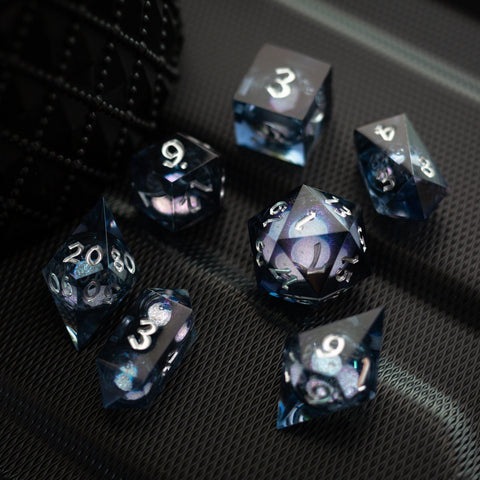
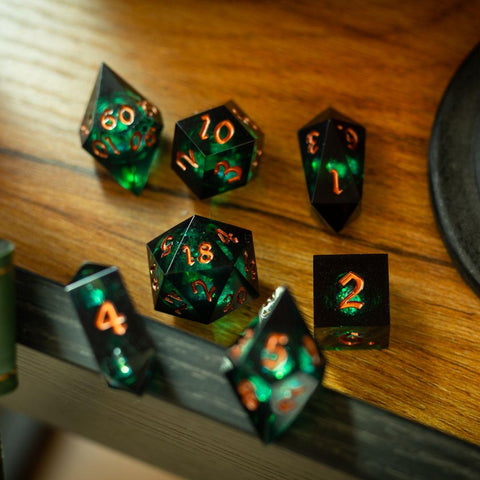
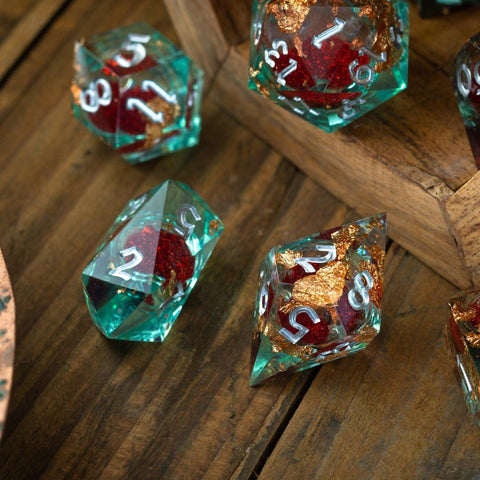
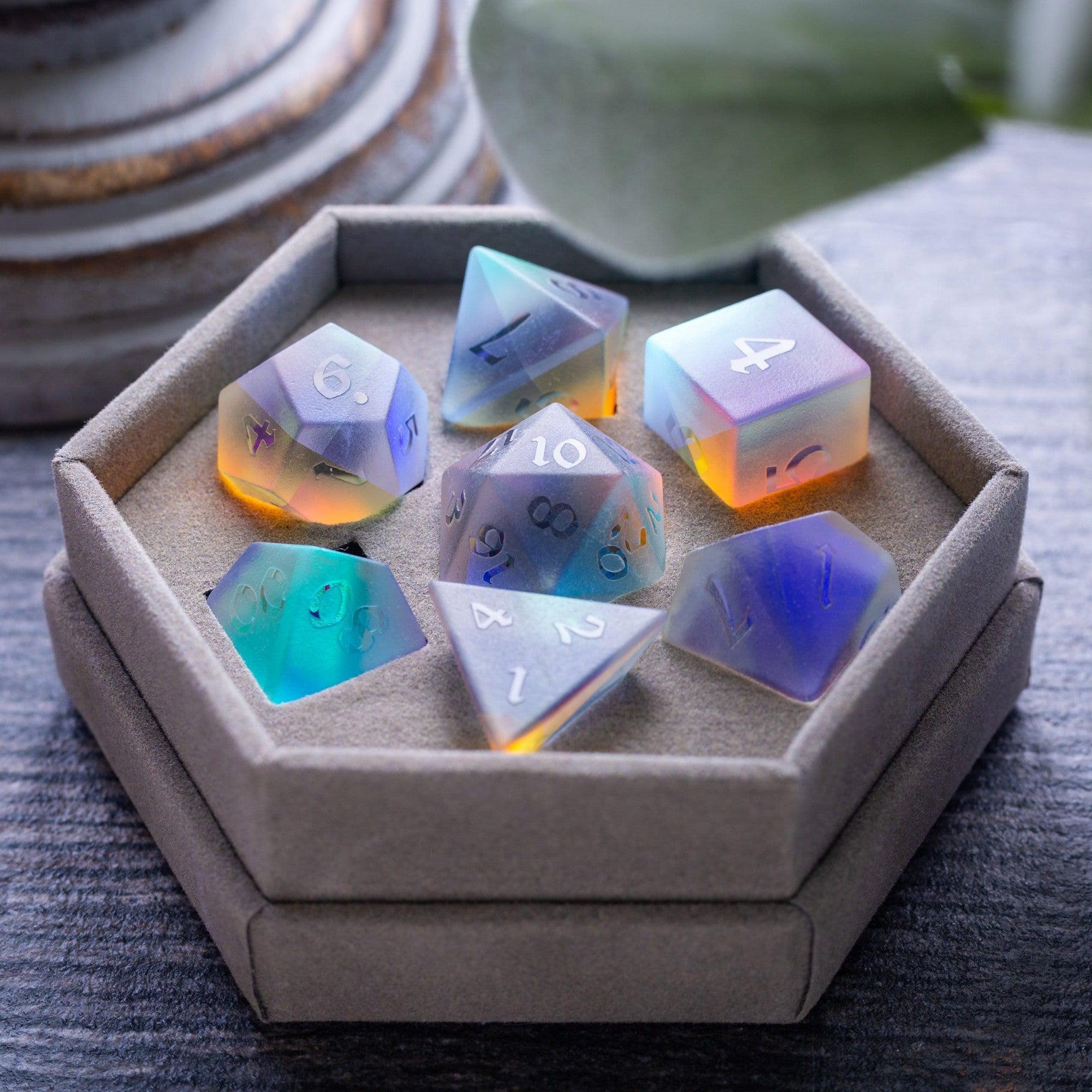
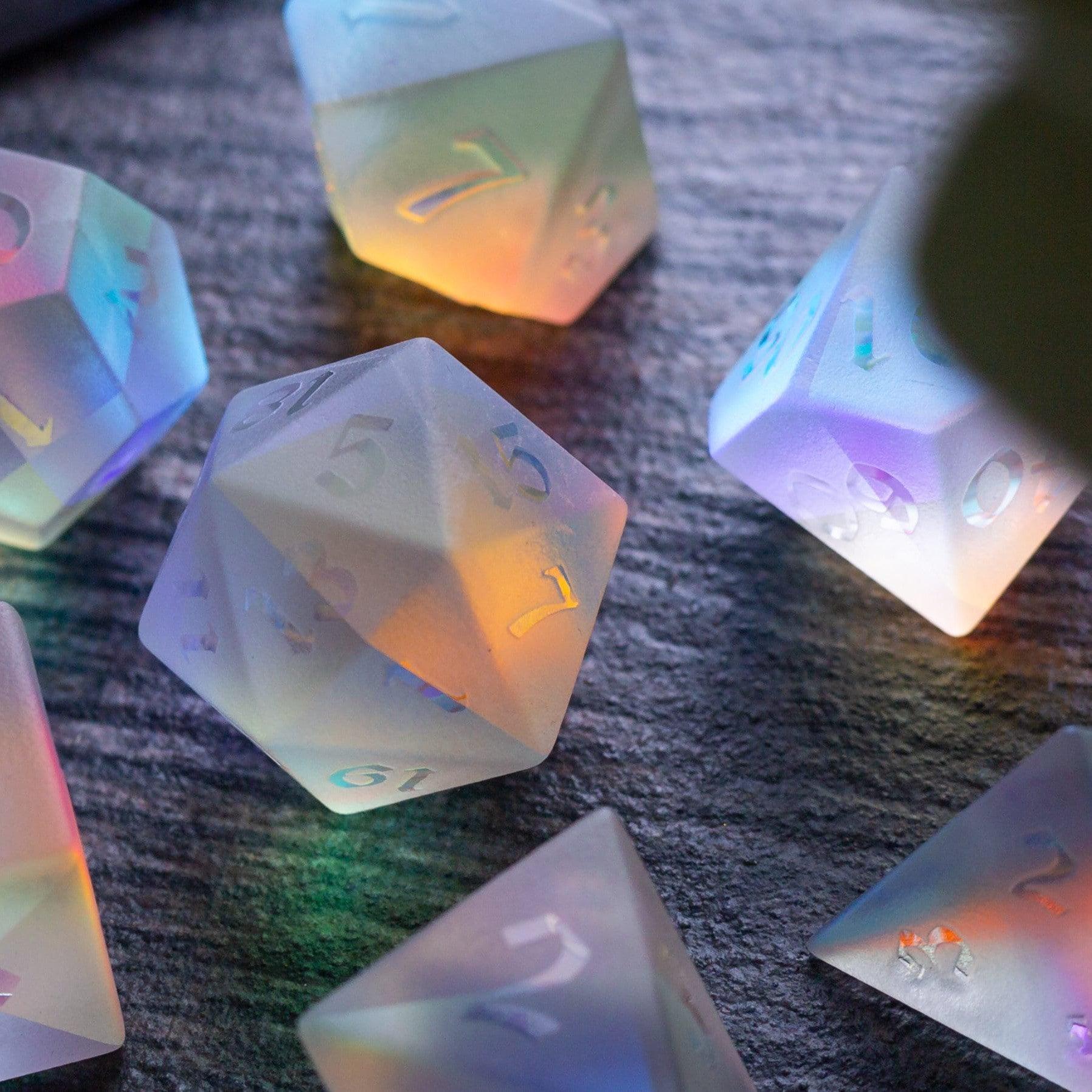
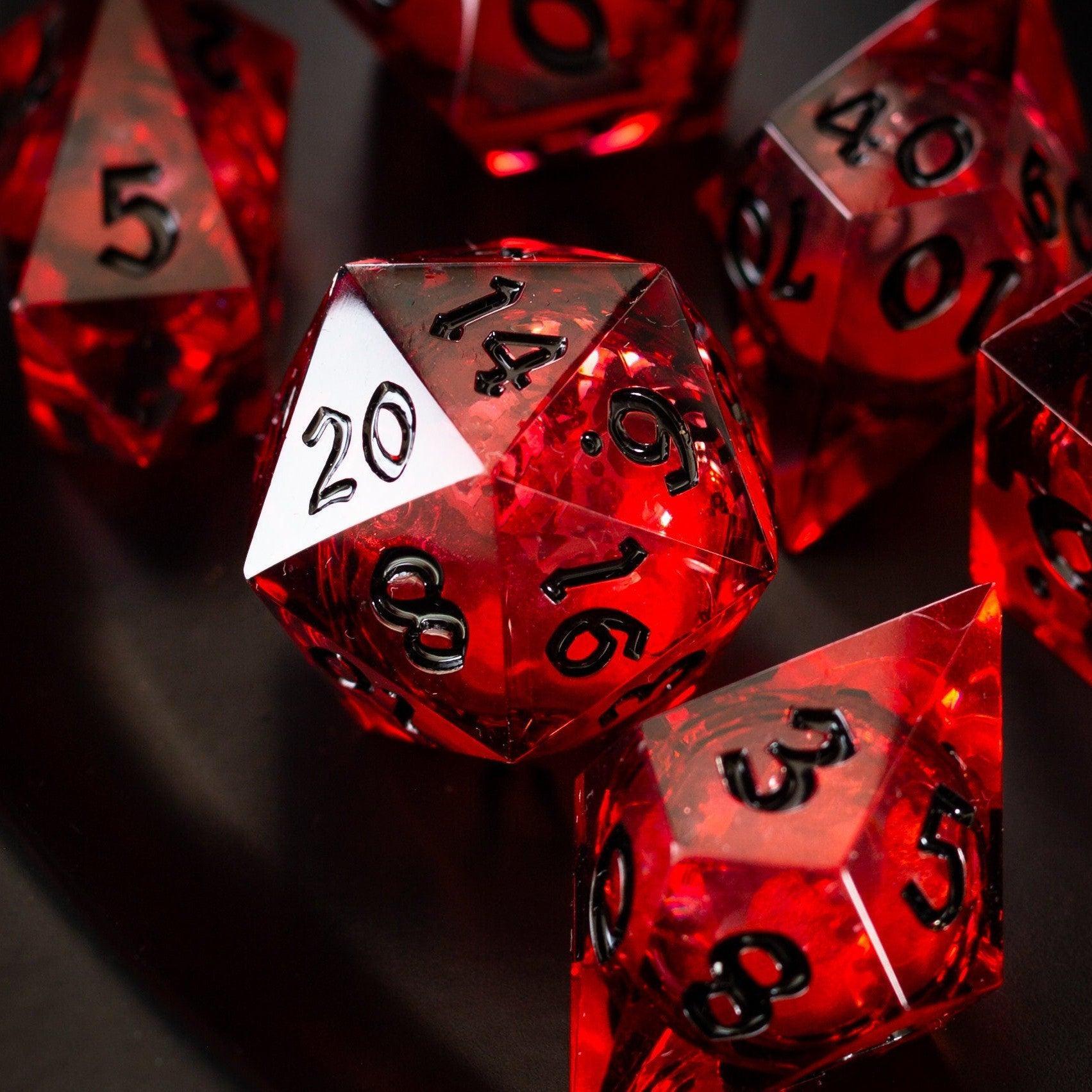
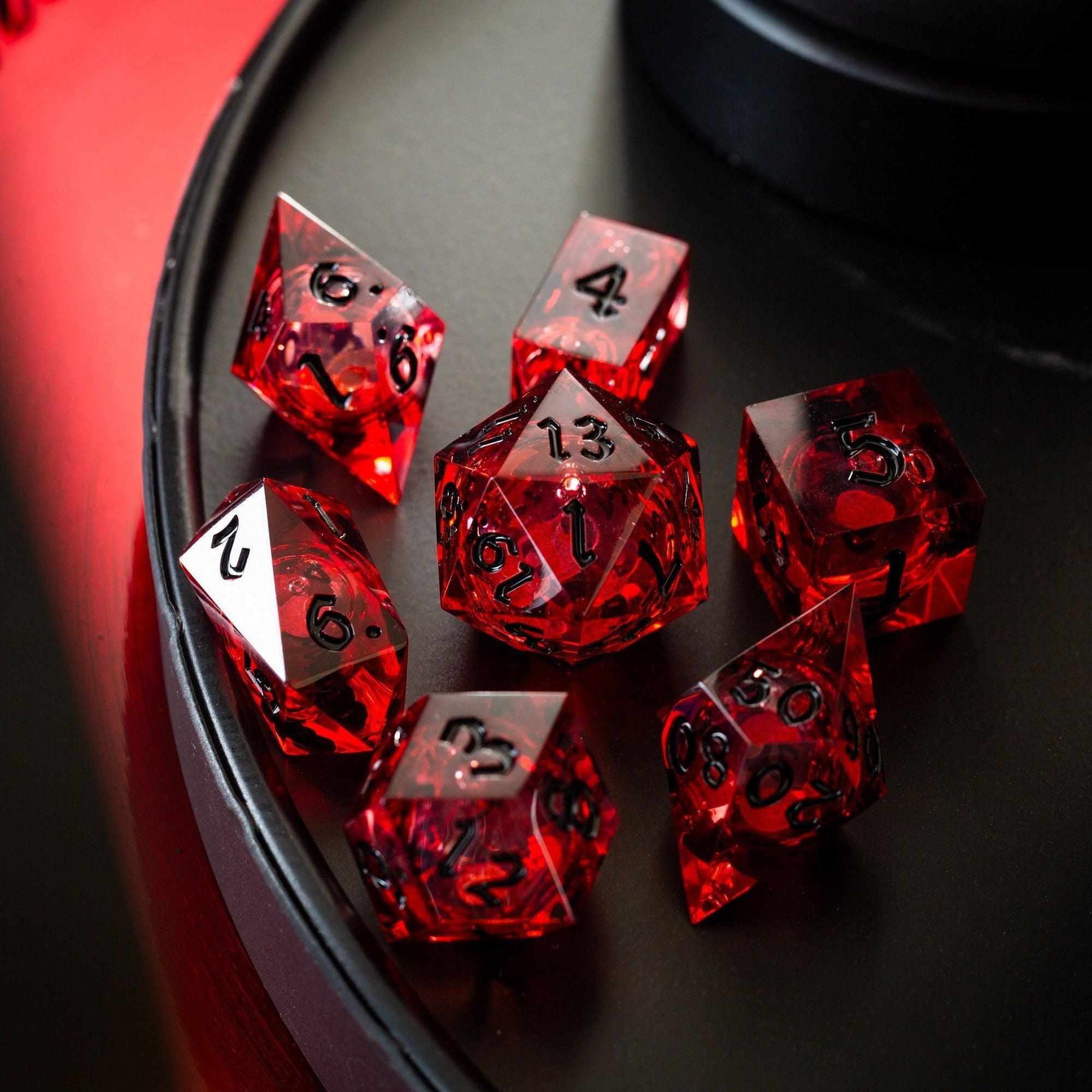
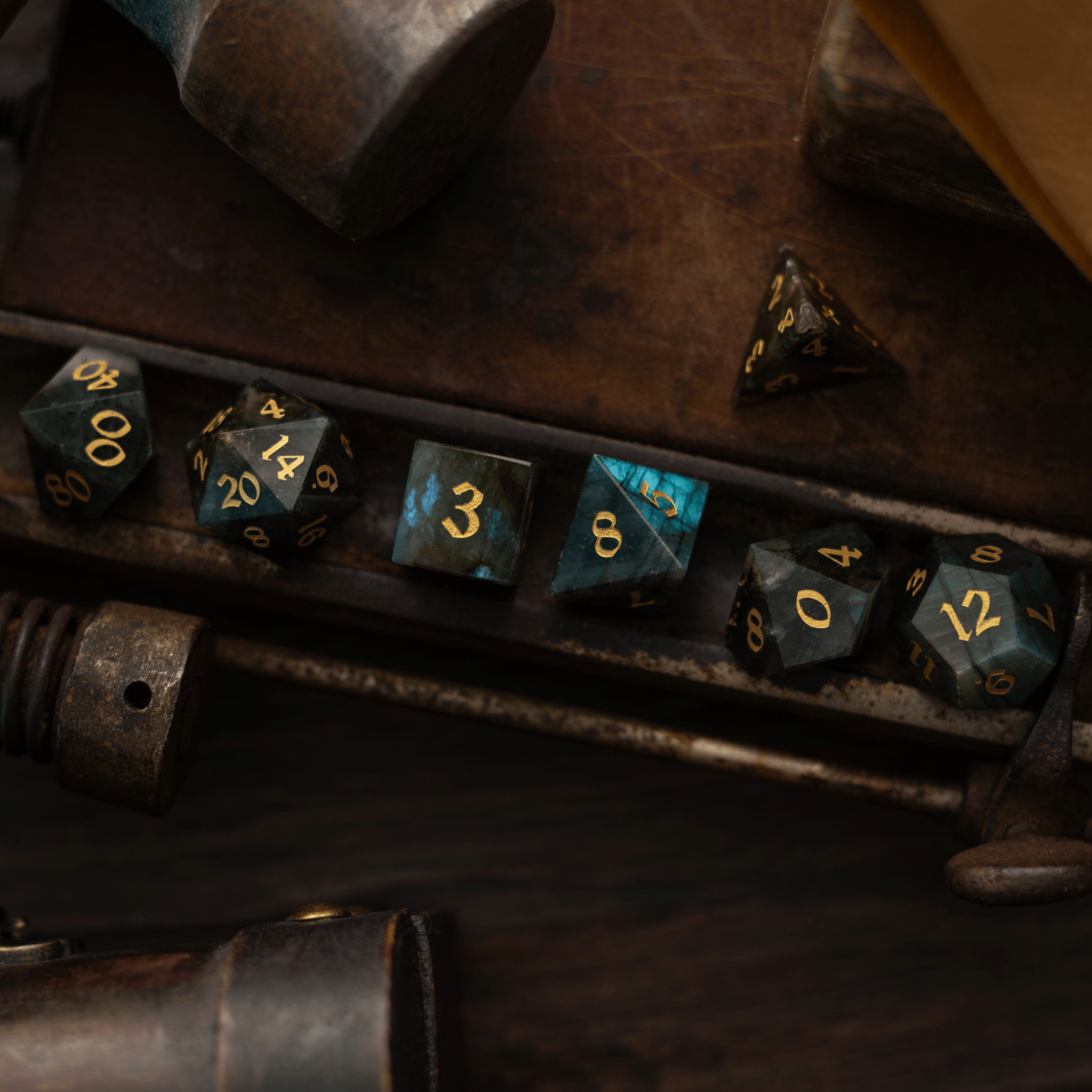
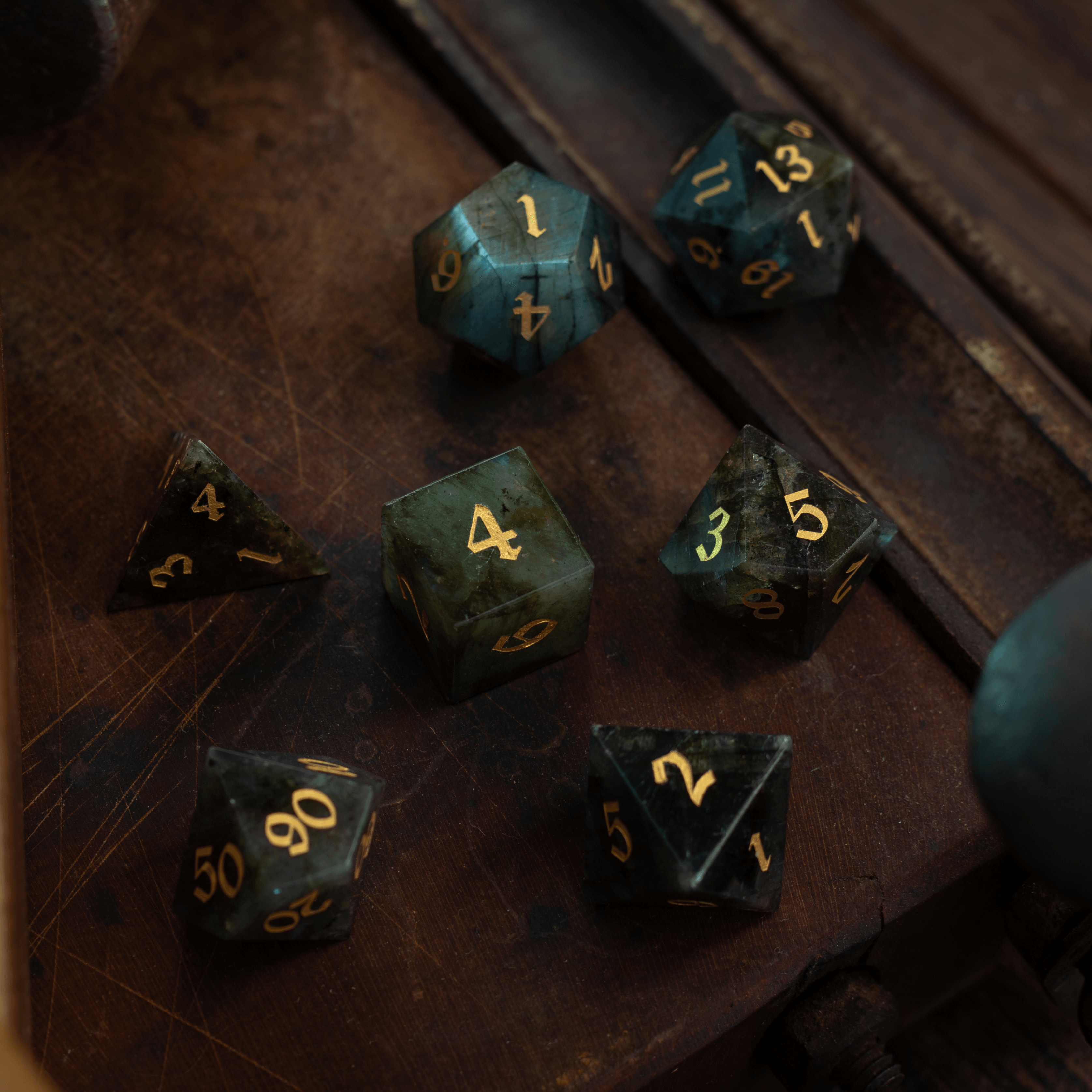
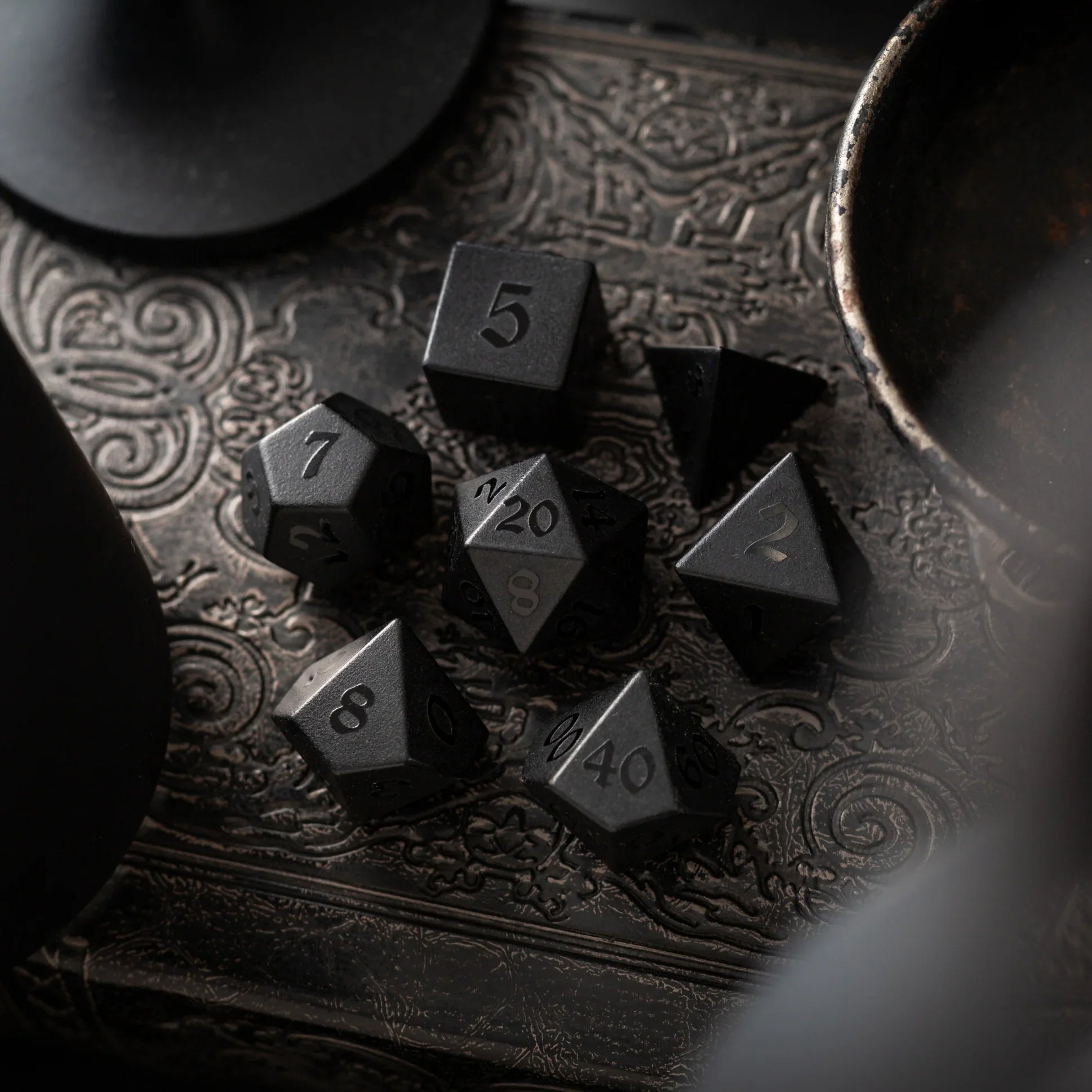
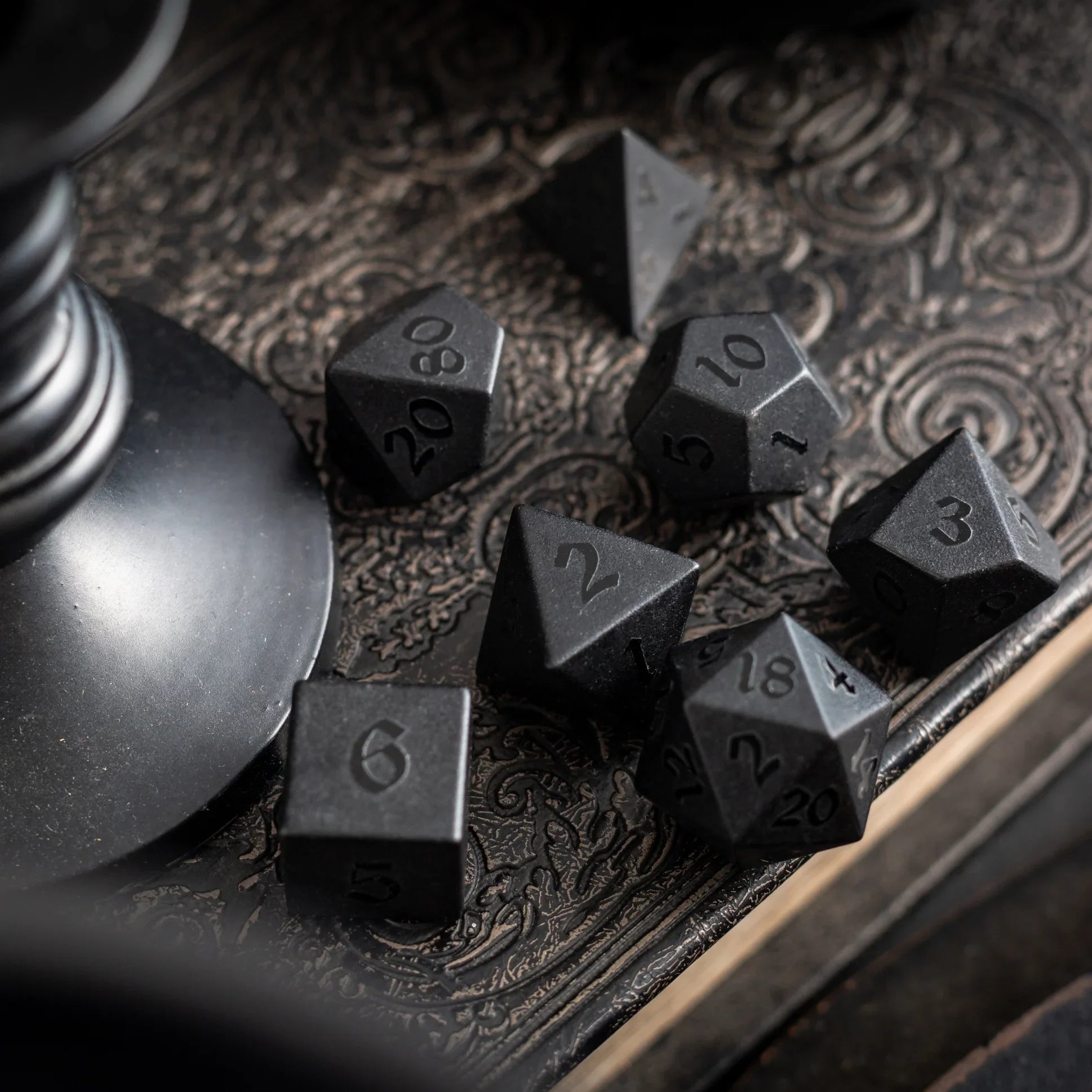
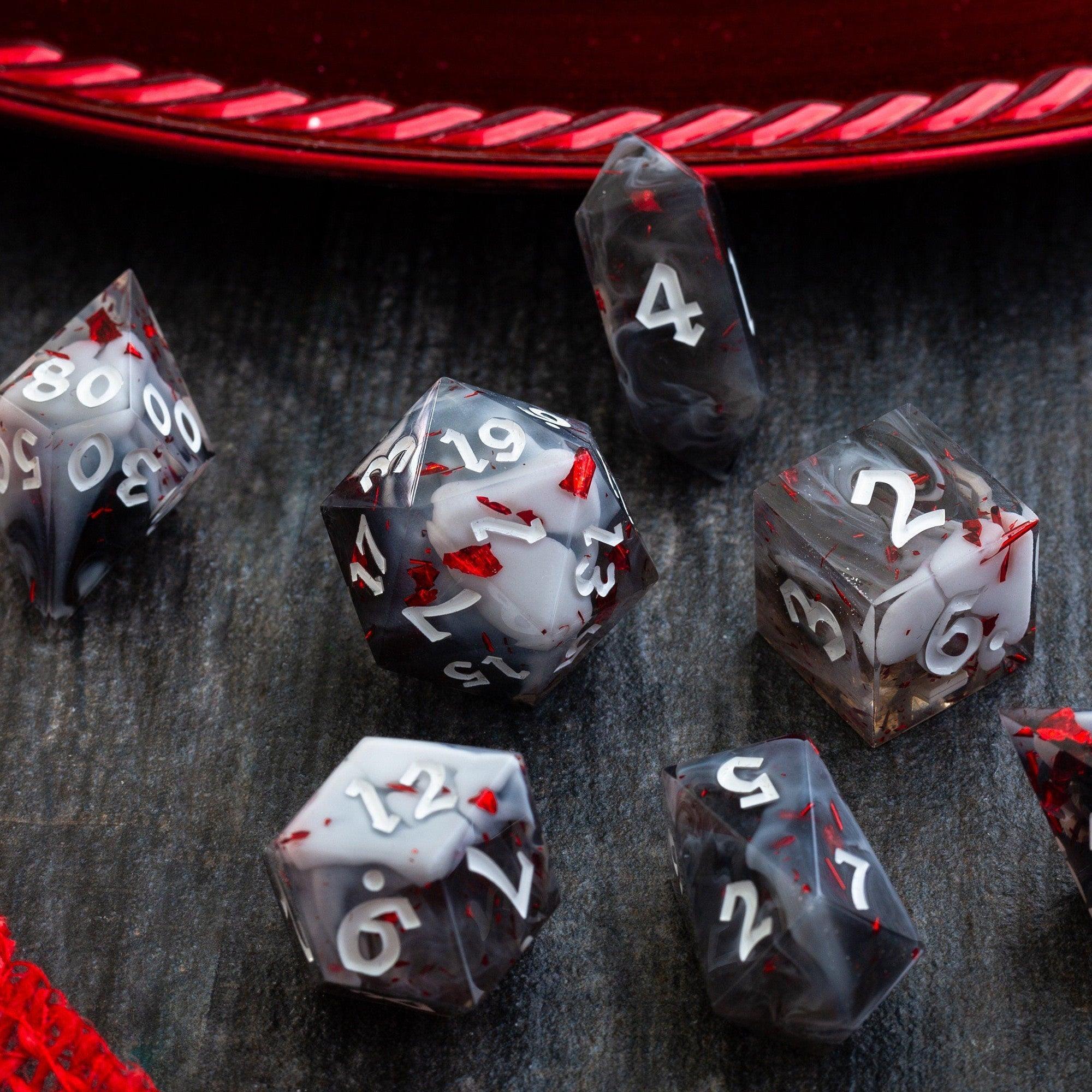
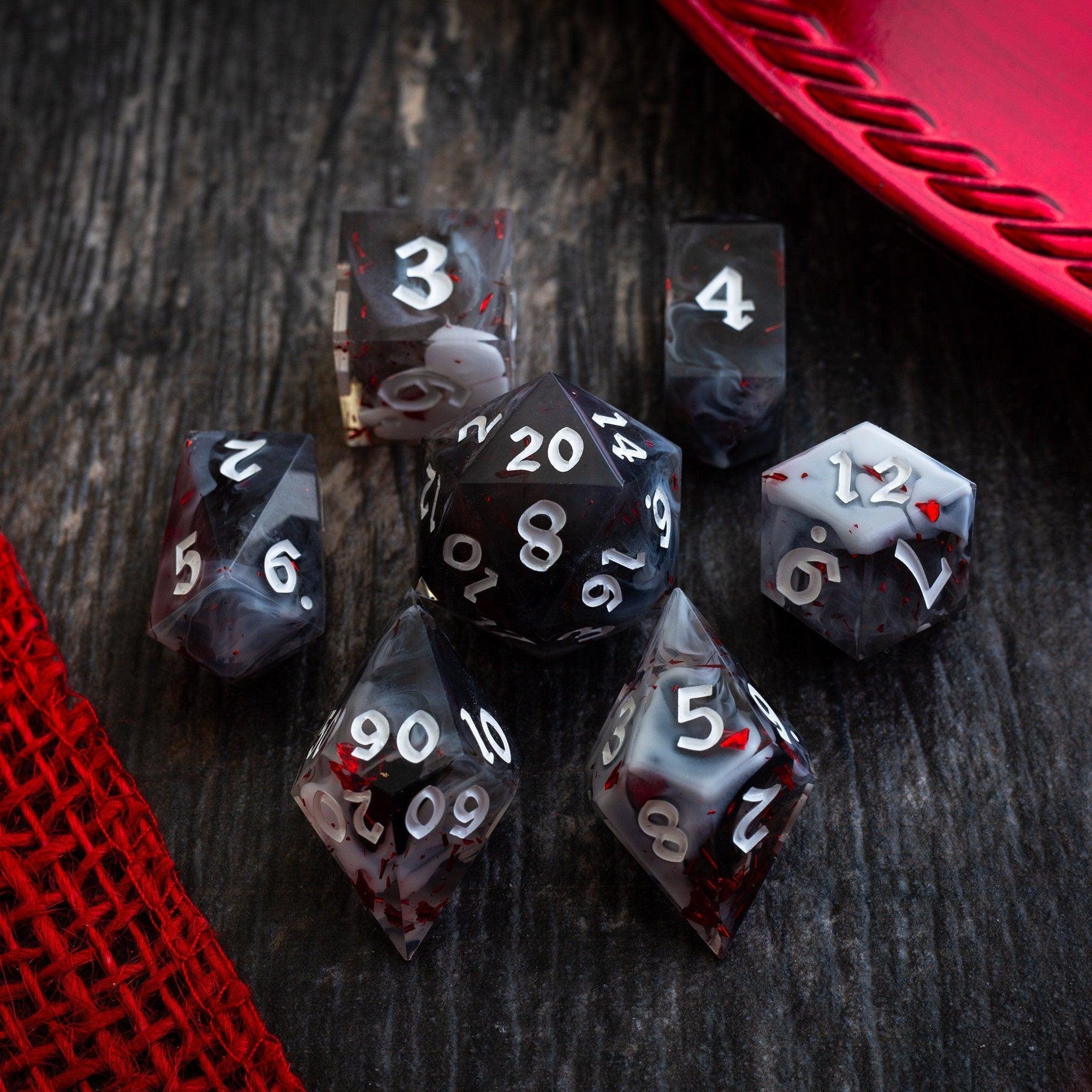
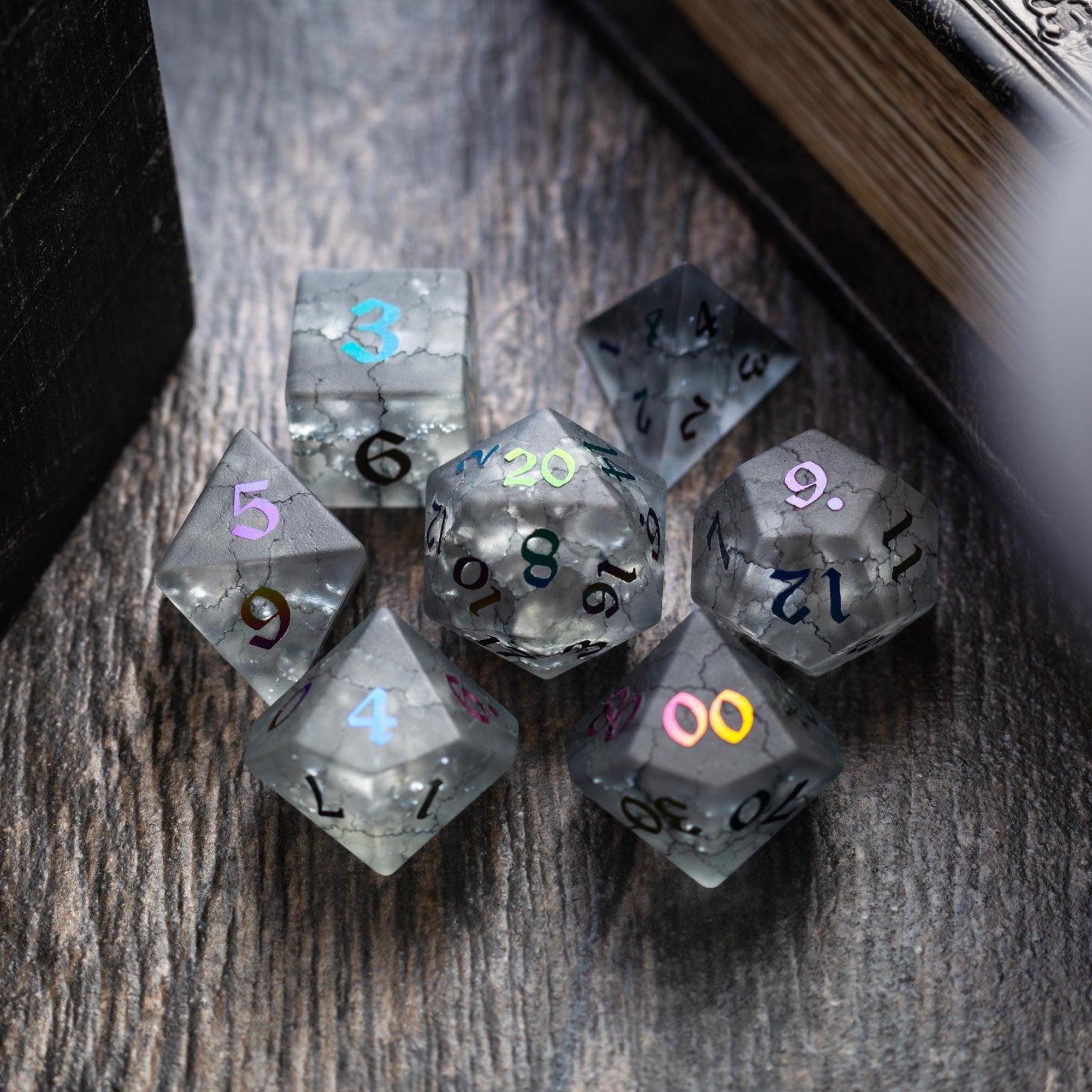
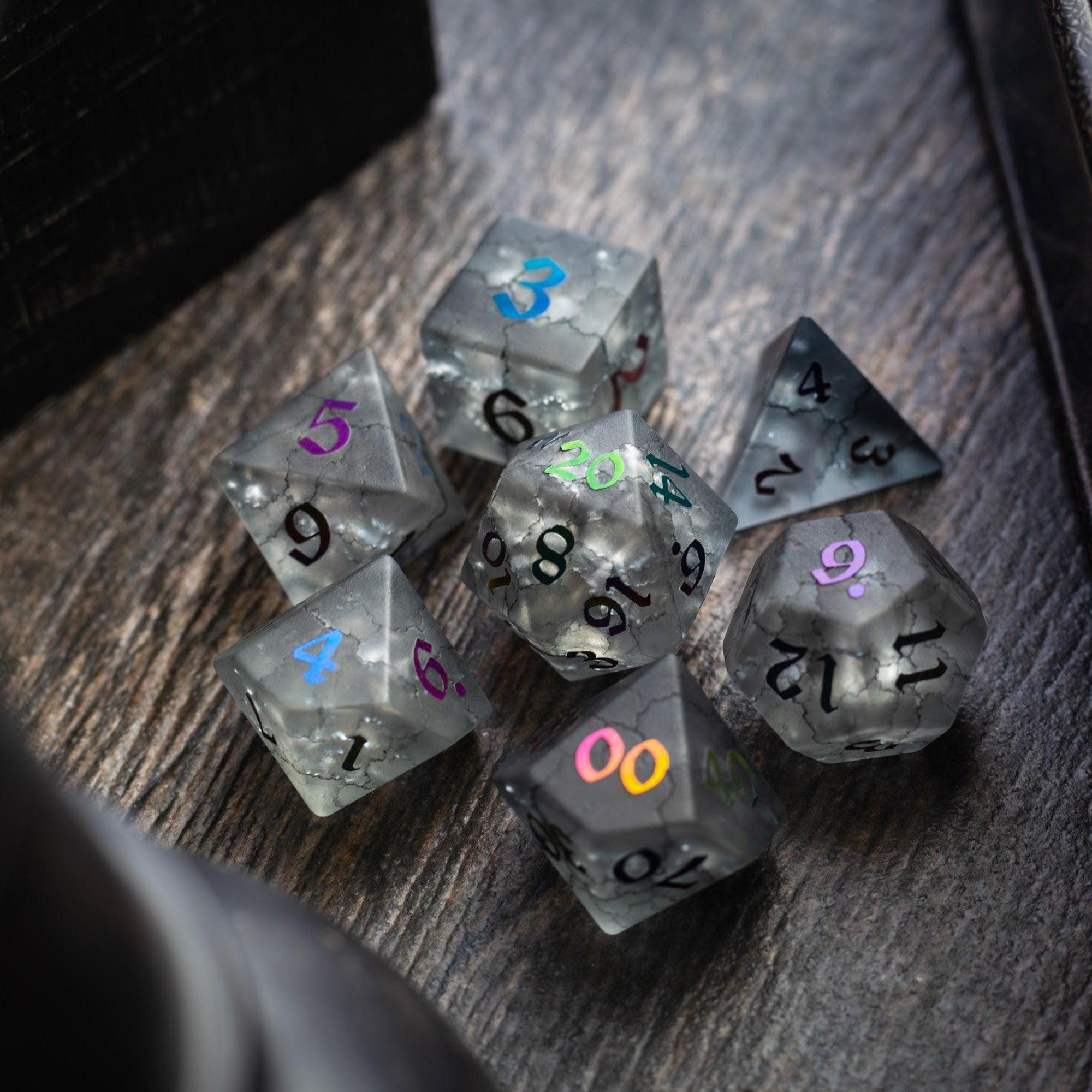
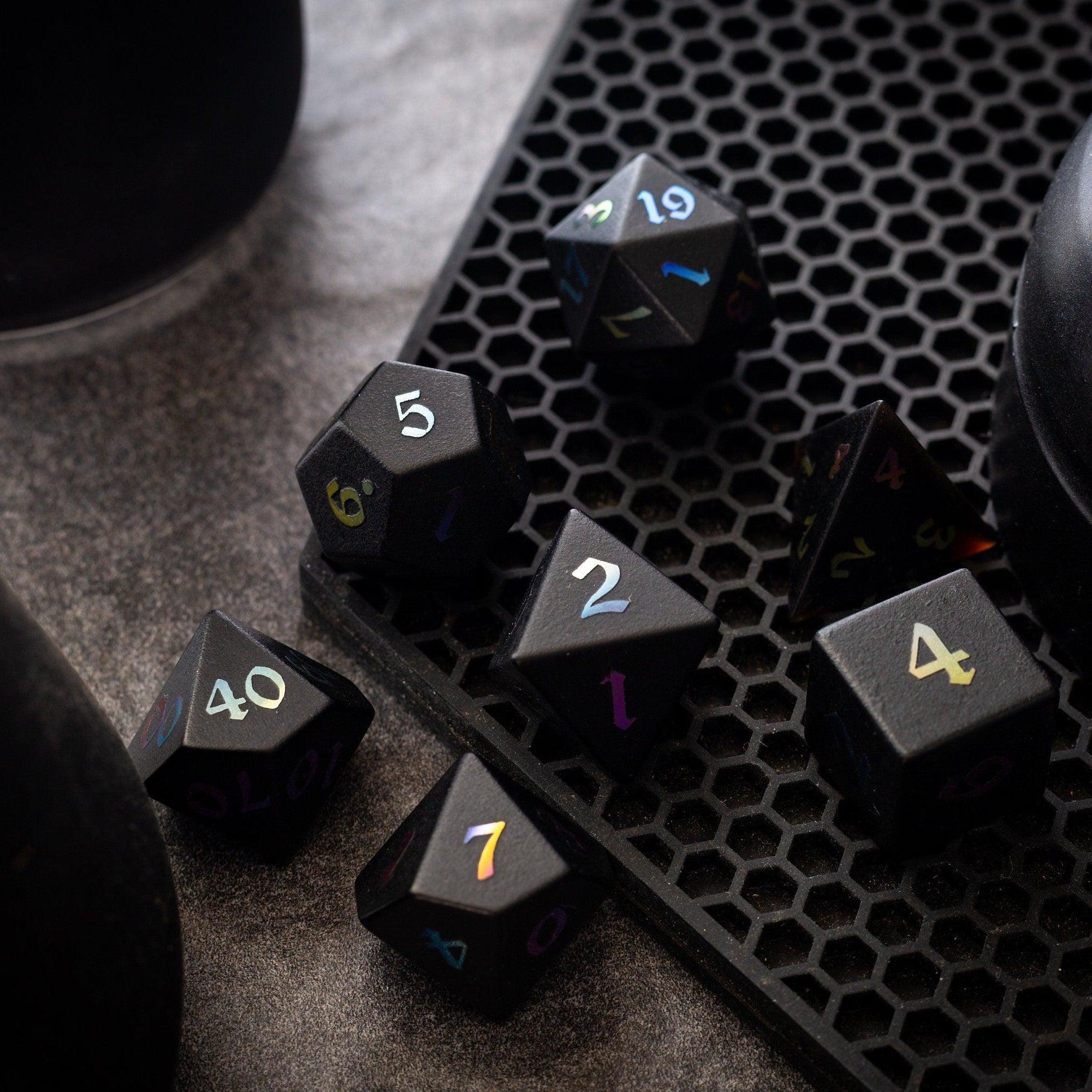
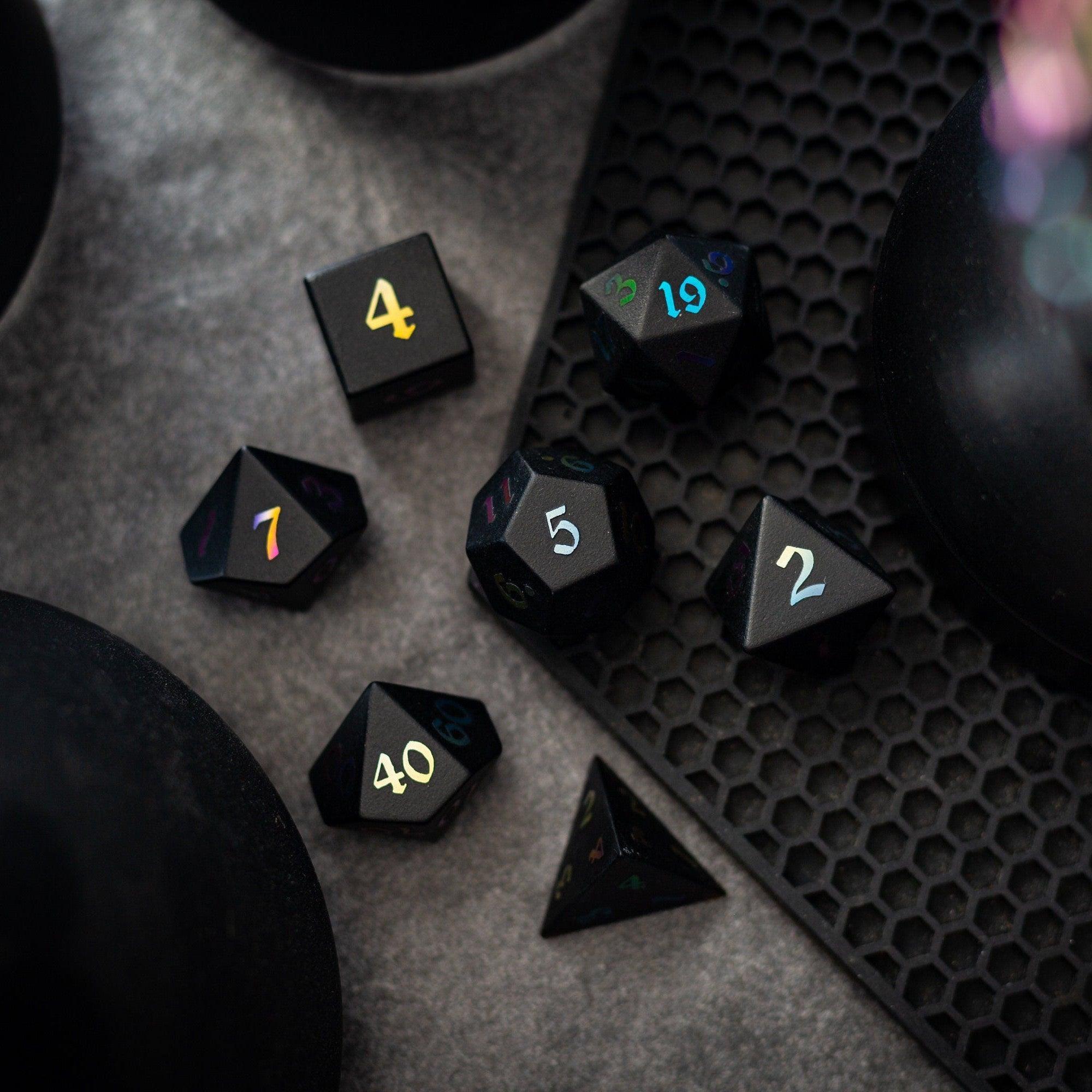
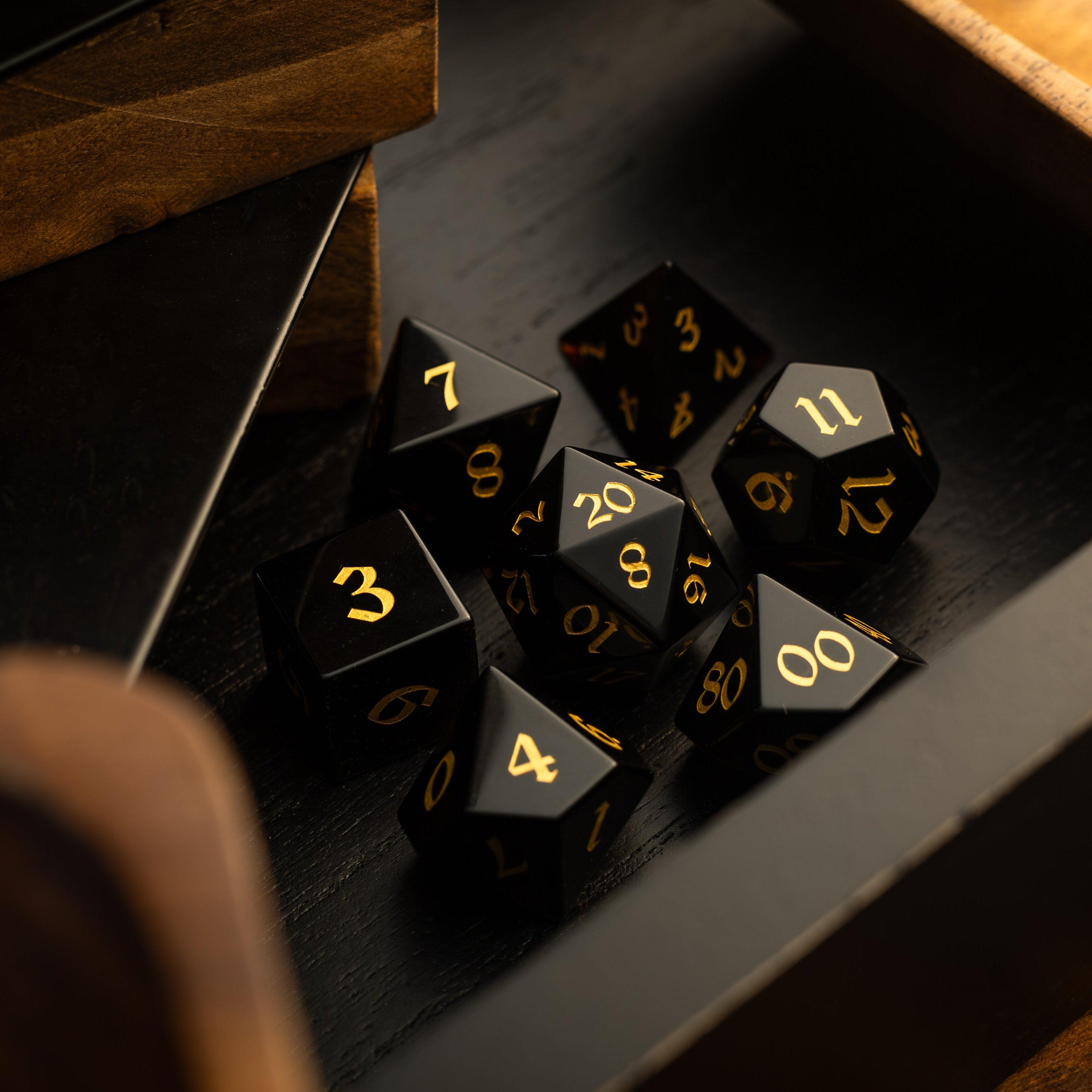
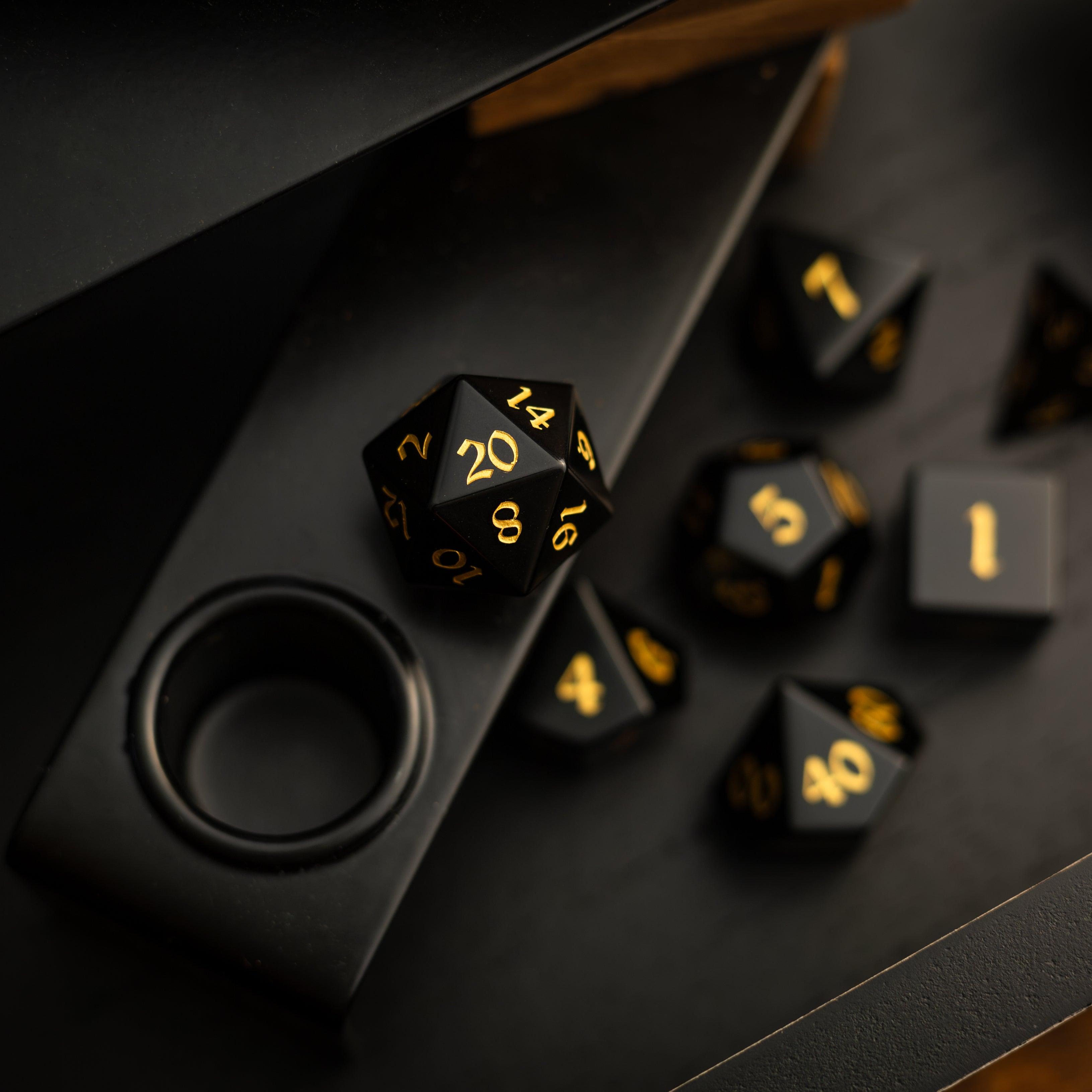
Easy-to-read gemstone, resin, or metal dice can also help speed up play by making rolls easier to read during busy encounters. A dice tower provides consistent rolls when multiple spell effects require frequent dice checks, especially during large combats.
Quick Spellslinger Character Creation Checklist
Before your first session, review this checklist.
Concept
-
Clear magical background
-
Personal goals
-
Distinct personality
-
Motivations
Class
-
Fits your preferred play style
-
Matches campaign expectations
-
Supports your character concept
Spell Selection
-
Combat options
-
Utility spells
-
Social or exploration magic
-
Defensive choices
-
Signature spells that fit your theme
Roleplaying
-
Magical appearance
-
Casting style
-
Relationships
-
Strengths and flaws
Organization
-
Spell notes ready
-
Character sheet complete
-
Dice organized
-
Concentration tracking prepared
Building a memorable spellslinger character is about finding the balance between mechanics and imagination. Strong spell choices make your character effective, while a thoughtful personality, unique magical style, and meaningful goals make them unforgettable. Every spell you cast becomes another chance to reveal who your character is and how they see the world.
As your adventures continue, your spell list will grow, your magical talents will evolve, and your stories will become richer through the choices you make. Whether your hero is an ambitious wizard, an instinctive sorcerer, a mysterious warlock, or a wise druid, the most rewarding caster guide is the one that helps you create a character who supports the party, embraces the campaign, and leaves lasting memories around the gaming table.

Leave a comment
This site is protected by hCaptcha and the hCaptcha Privacy Policy and Terms of Service apply.