
D&D Spellbook Guide: Smart Tips for Managing Spells and Magical Preparation

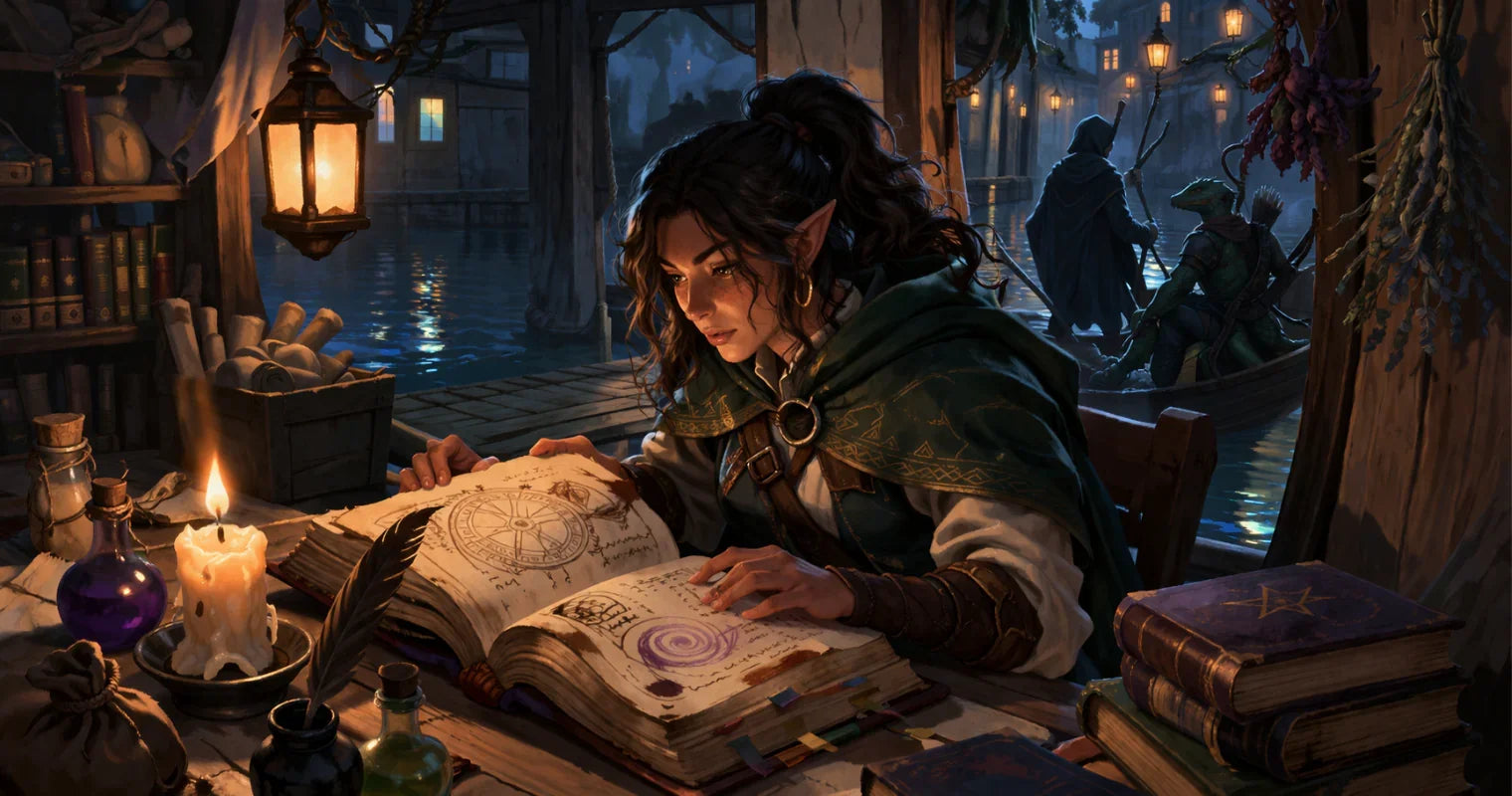
Few fantasy images are more iconic than a wizard leaning over an ancient tome filled with glowing runes, handwritten notes, and forgotten magical secrets. In Dungeons & Dragons, spellbooks are more than simple rule mechanics. They represent a wizard’s journey, personality, discoveries, and growing mastery of magic.
A well-managed spellbook can completely change how a campaign feels. Instead of scrambling through pages during combat, organized spellcasters move confidently through encounters, solve problems creatively, and make magic feel immersive at the table.
Whether you are brand new to spellcasting or trying to improve your magical preparation between sessions, understanding how spellbooks work can make your D&D experience smoother, more cinematic, and much more fun.
What Is a Spellbook in D&D?
In D&D 5e, a spellbook is primarily associated with the Wizard class. It contains the wizard’s collected magical knowledge and serves as the source for preparing spells each day.
Unlike some spellcasters who automatically know their magic, wizards study, record, and organize spells inside their books over time. This gives them incredible flexibility but also requires preparation and planning.
A wizard spellbook 5e setup usually includes:
-
Starting spells learned at character creation
-
New spells copied from scrolls or other books
-
Personal notes and magical annotations
-
Ritual spells and utility magic
-
Combat and defensive options
Spellbooks become deeply personal objects during campaigns. Some players imagine elegant leather-bound tomes filled with careful diagrams, while others create chaotic journals overflowing with burnt pages, scribbled formulas, and strange magical stains.
That personal flavor is part of what makes the dnd spellbook concept so memorable.
Known Spells vs. Prepared Spells
One of the biggest beginner questions in any dnd spellcasting guide is understanding the difference between known spells and prepared spells.
Here is the simple version:
-
Known spells are all the spells recorded in your spellbook.
-
Prepared spells are the spells you choose to have ready for the day.
Think of your spellbook like a massive fantasy library. You may own dozens of magical formulas, but you only bring a limited selection into active use after resting.
This preparation system gives wizards flexibility without overwhelming every single encounter with endless spell choices.
For newer players, this system may seem intimidating at first, but it becomes easier once you start organizing your magic by purpose and playstyle.
Understanding Spell Preparation
The core of dnd spell preparation happens after a long rest. Wizards review their spellbooks, study magical formulas, and decide which spells they expect to need during the upcoming adventure.
This creates a fun layer of strategy and roleplay.
Before entering ancient ruins, you might prepare:
-
Detection spells
-
Protective wards
-
Exploration magic
-
Utility rituals
Before a dangerous battle, you may focus on:
-
Damage spells
-
Battlefield control
-
Defensive magic
-
Emergency escape options
The key for beginners is balance.
Many new wizard players make the mistake of preparing only offensive spells. While fireballs and lightning are exciting, utility and support spells often create the most memorable moments in a campaign.
A simple dnd magic guide tip is this:
Prepare spells for:
-
Combat
-
Exploration
-
Problem-solving
-
Social encounters
-
Emergencies
That variety makes your character feel capable in almost every situation.
Organizing Your Spellbook Effectively
Good organization makes spellcasting dramatically easier during sessions.
Many experienced players create systems for quickly locating useful spells instead of searching through pages during combat.
Here are some practical organization methods:
Sort Spells by Level
Organizing spells by level keeps progression simple and readable.
For example:
-
Cantrips
-
1st-level spells
-
2nd-level spells
-
3rd-level spells
This helps players quickly identify what resources are available during encounters.
Group Spells by Purpose
Another popular method is categorizing spells into groups like:
-
Damage
-
Defense
-
Healing
-
Utility
-
Exploration
-
Social magic
-
Rituals
This approach works especially well for beginner spellcasters.
Use Notes and Spell Cards
Spell cards, sticky tabs, bookmarks, or handwritten notes can speed up gameplay significantly.
Some players even color-code spells based on role:
-
Red for combat
-
Blue for utility
-
Green for rituals
-
Purple for control magic
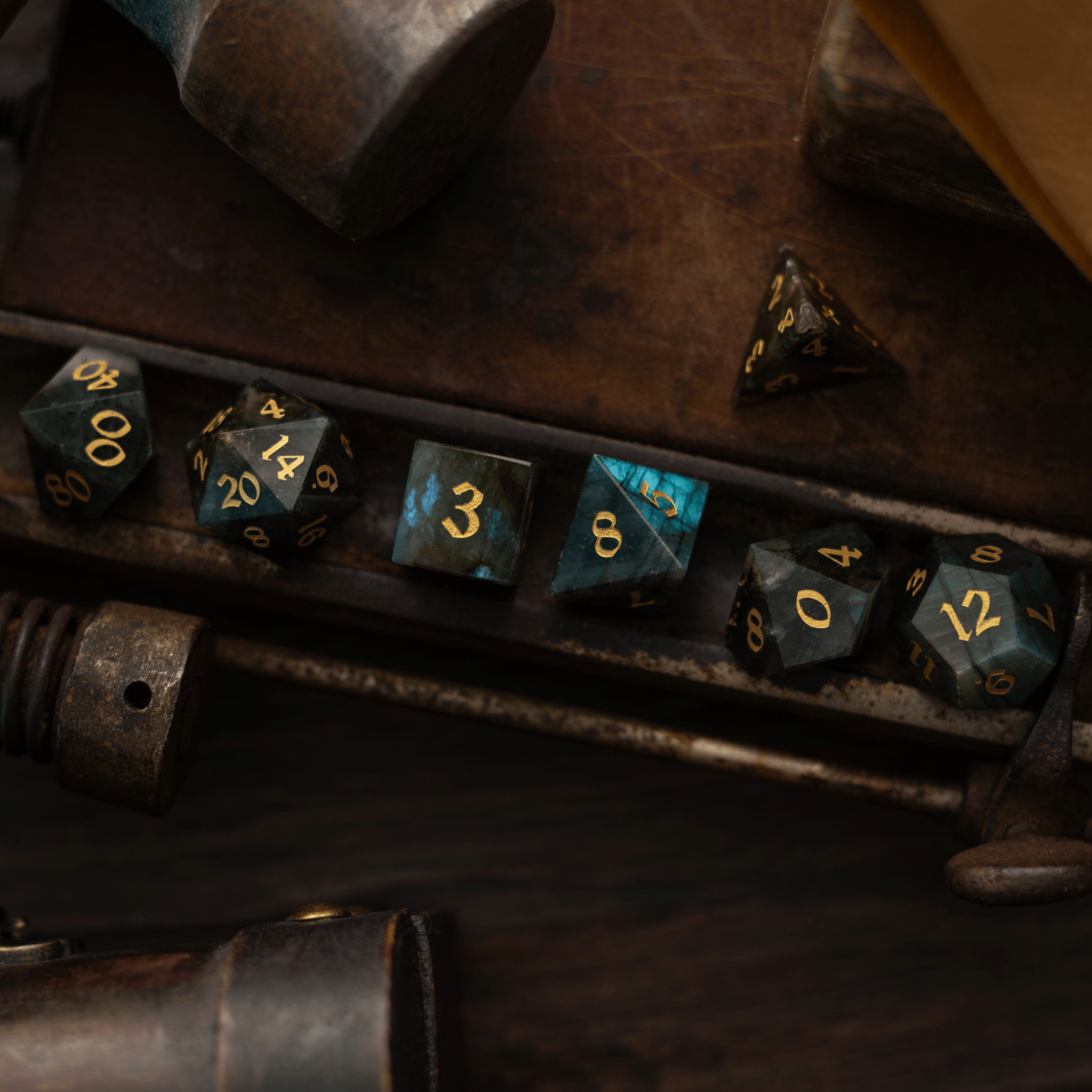
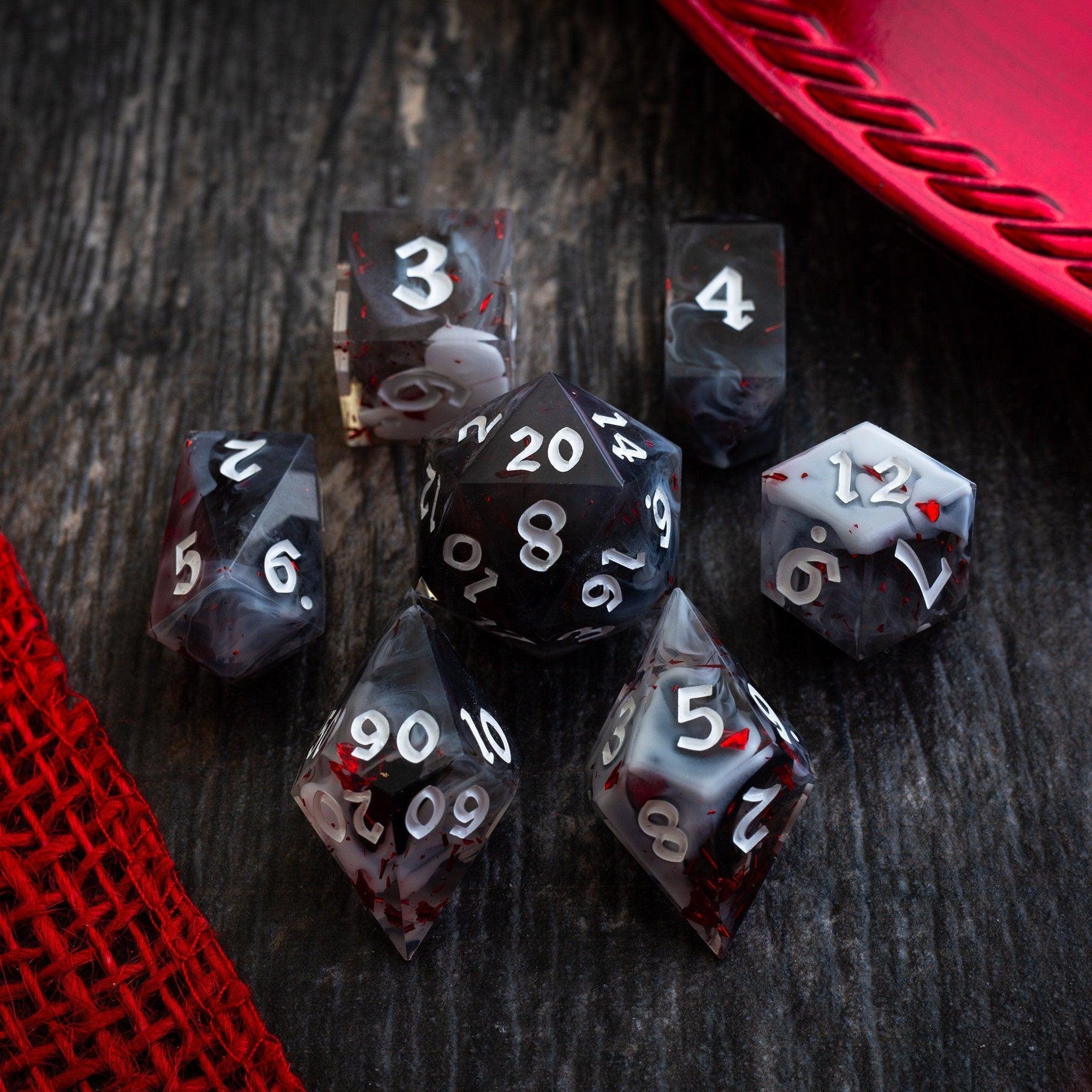
A tabletop setup featuring organized spell cards beside resin dice or liquid core dice can make spellcasting feel wonderfully immersive during sessions.
Spellbook Organization Table
|
Spell Type |
Best Use |
Example Situations |
Why It Matters |
|
Damage Spells |
Combat encounters |
Fighting monsters or bosses |
Helps control dangerous battles |
|
Defensive Magic |
Survival |
Shielding allies or escaping danger |
Prevents party wipes |
|
Utility Spells |
Problem-solving |
Unlocking doors or solving puzzles |
Encourages creativity |
|
Ritual Spells |
Resource conservation |
Detecting magic or identifying artifacts |
Saves spell slots |
|
Exploration Magic |
Travel and discovery |
Navigating ruins or wilderness |
Expands adventure options |
|
Social Spells |
Roleplay encounters |
Negotiation or deception |
Adds flexibility outside combat |
Choosing Better Spells for Your Character
One of the best parts of a wizard spellbook 5e experience is shaping your character’s magical identity through spell choices.
Your spell selection tells a story.
Damage Spells
These are flashy and exciting.
Classic examples include:
-
Fireball
-
Magic Missile
-
Scorching Ray
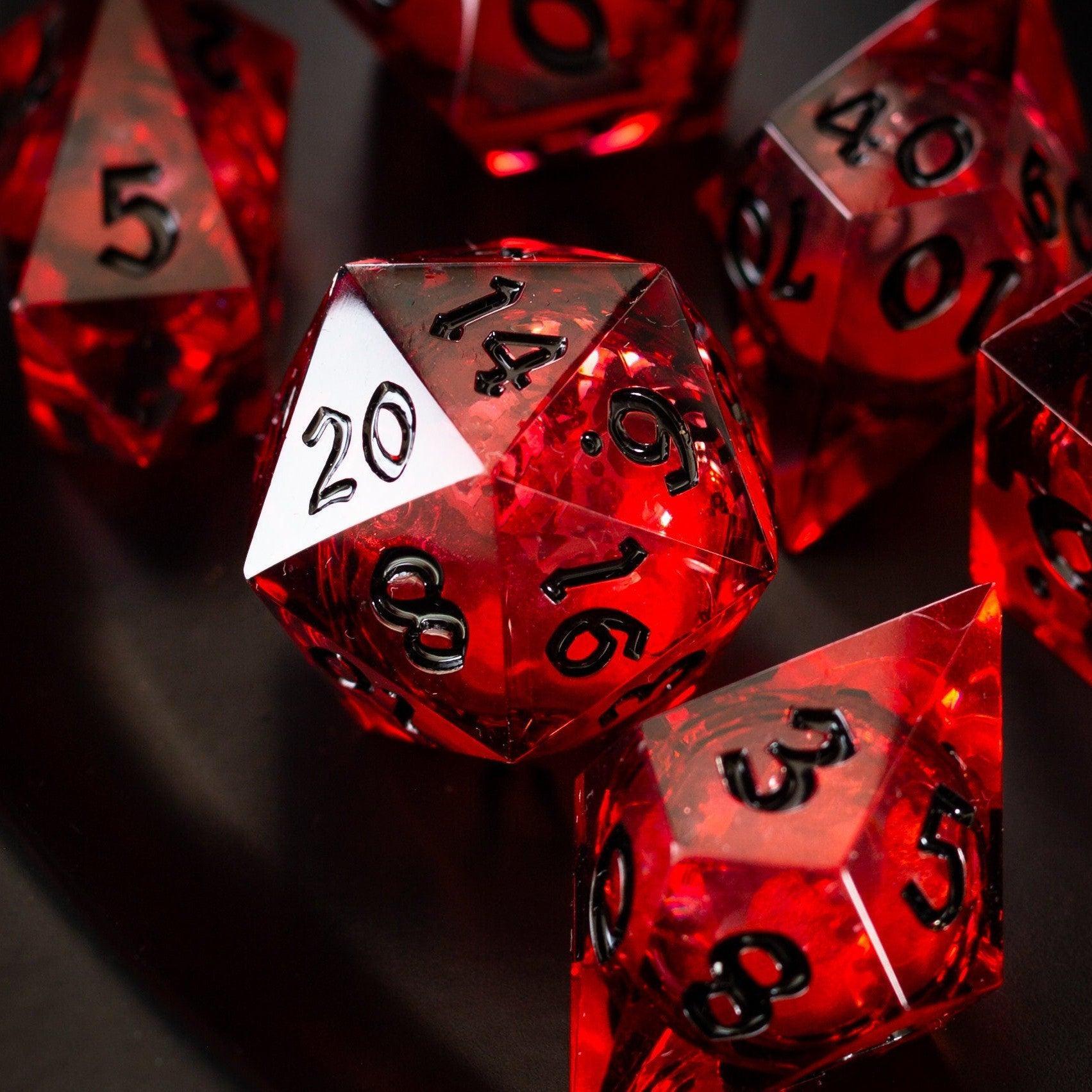
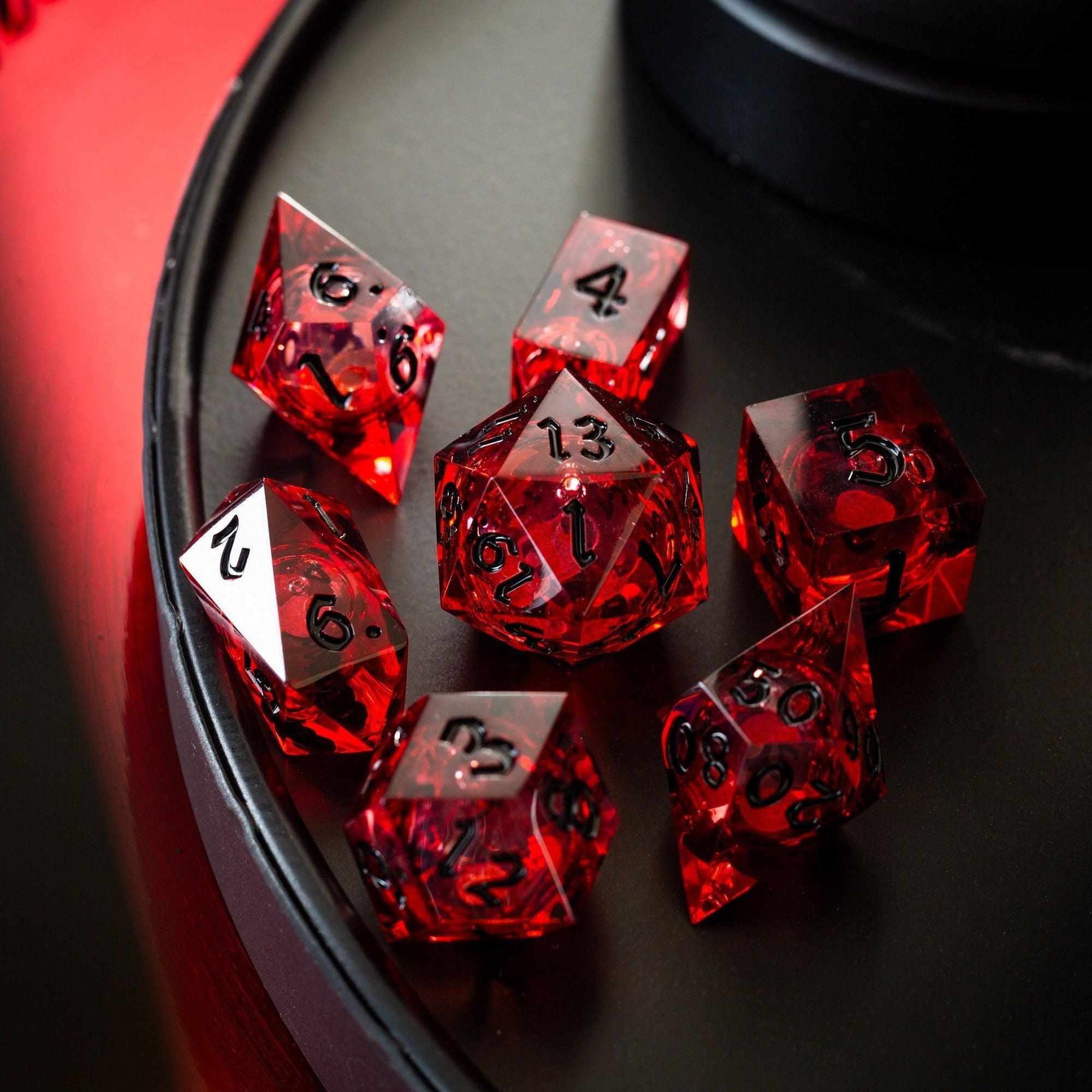
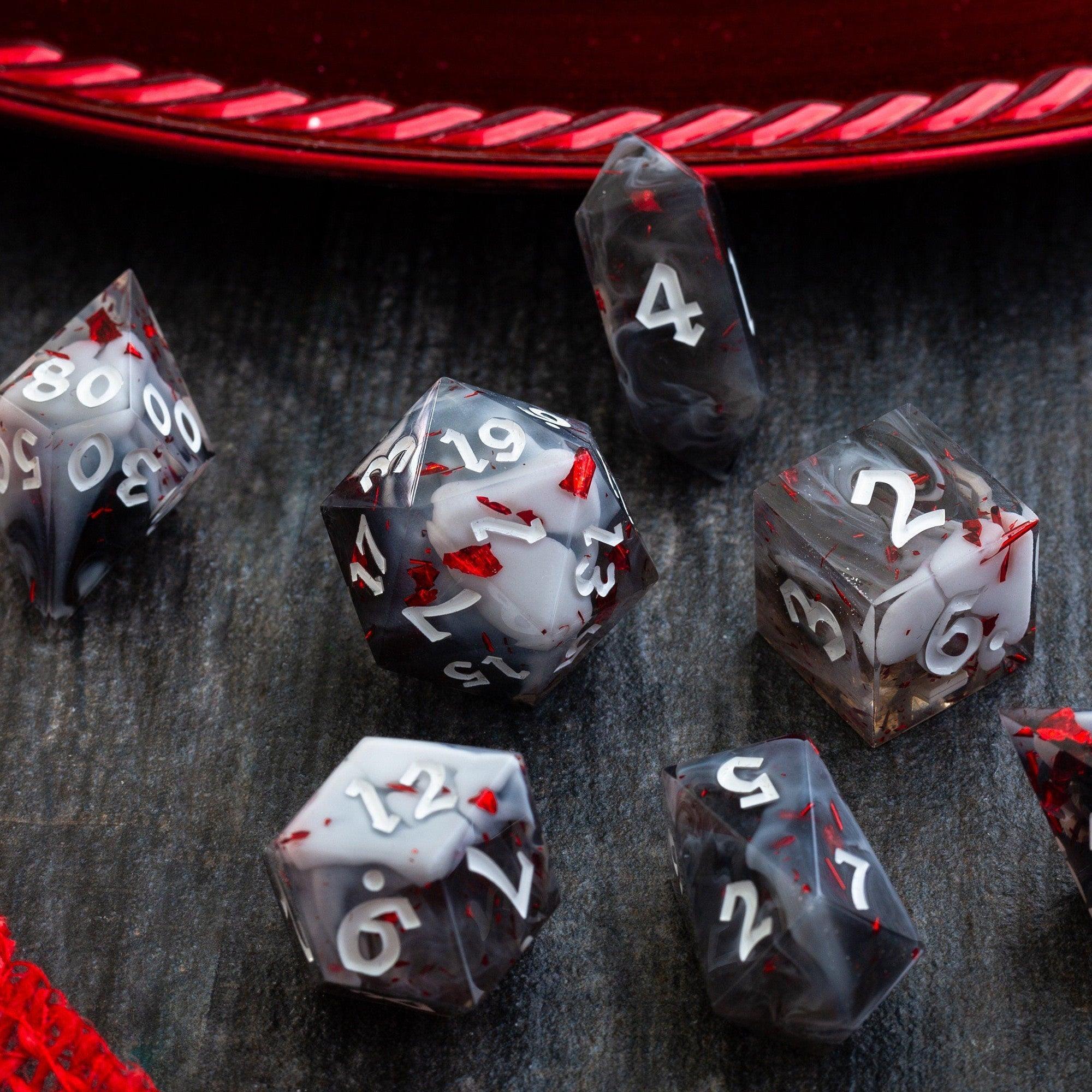
A destructive battle mage might carry swirling liquid core dice that resemble unstable magical energy during major combat scenes.
Defensive Magic
Defensive spells keep both you and your party alive.
Important beginner-friendly options include:
-
Shield
-
Mage Armor
-
Counterspell
These spells may not seem dramatic at first, but they often save entire encounters.
Exploration Spells
Exploration magic creates unforgettable campaign moments.
Spells like:
-
Detect Magic
-
Feather Fall
-
Fly
-
Water Breathing
allow parties to overcome obstacles creatively instead of relying only on combat.
Social and Utility Spells
Some of the most memorable roleplay scenes come from clever utility casting.
Spells like:
-
Disguise Self
-
Charm Person
-
Comprehend Languages
can completely transform an encounter.
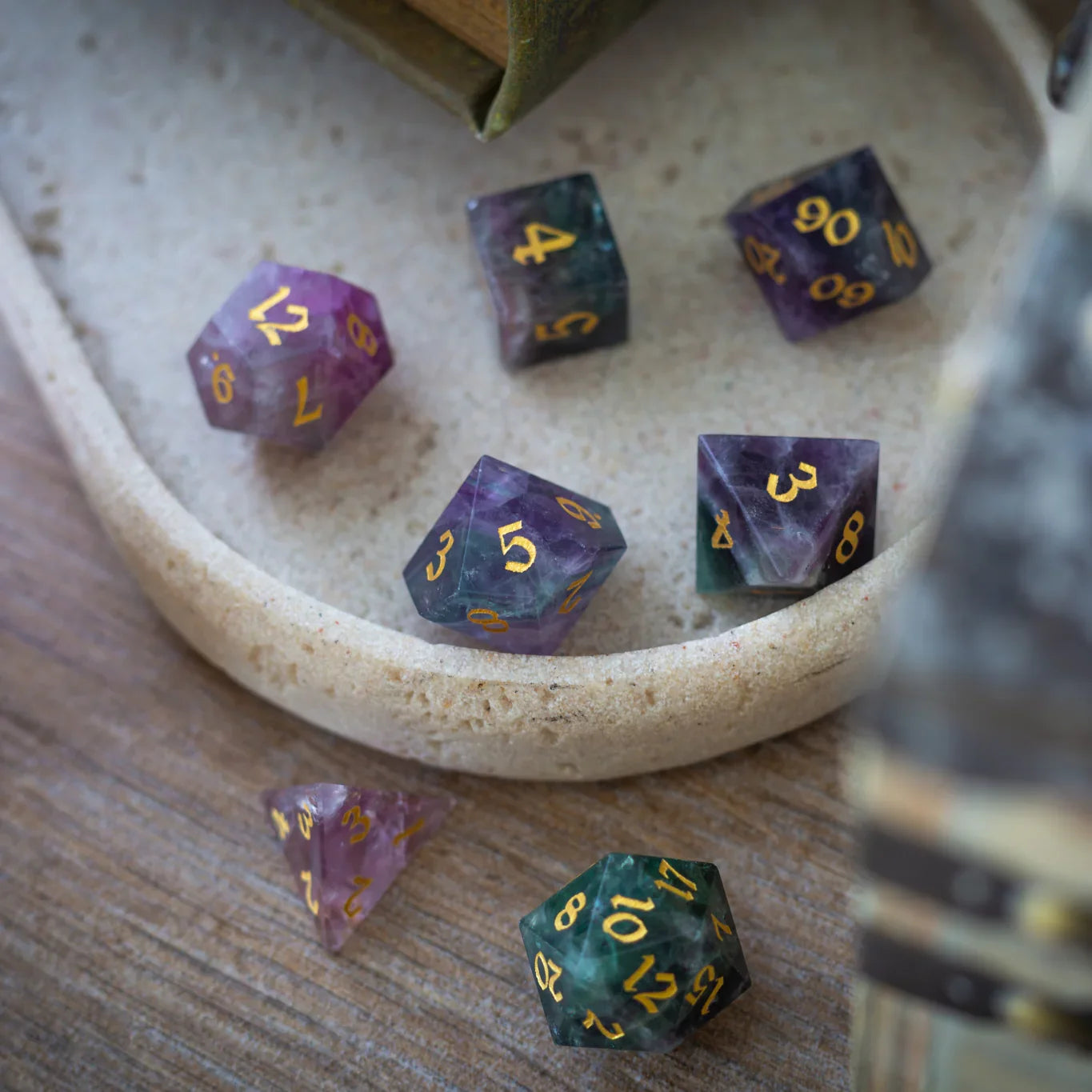
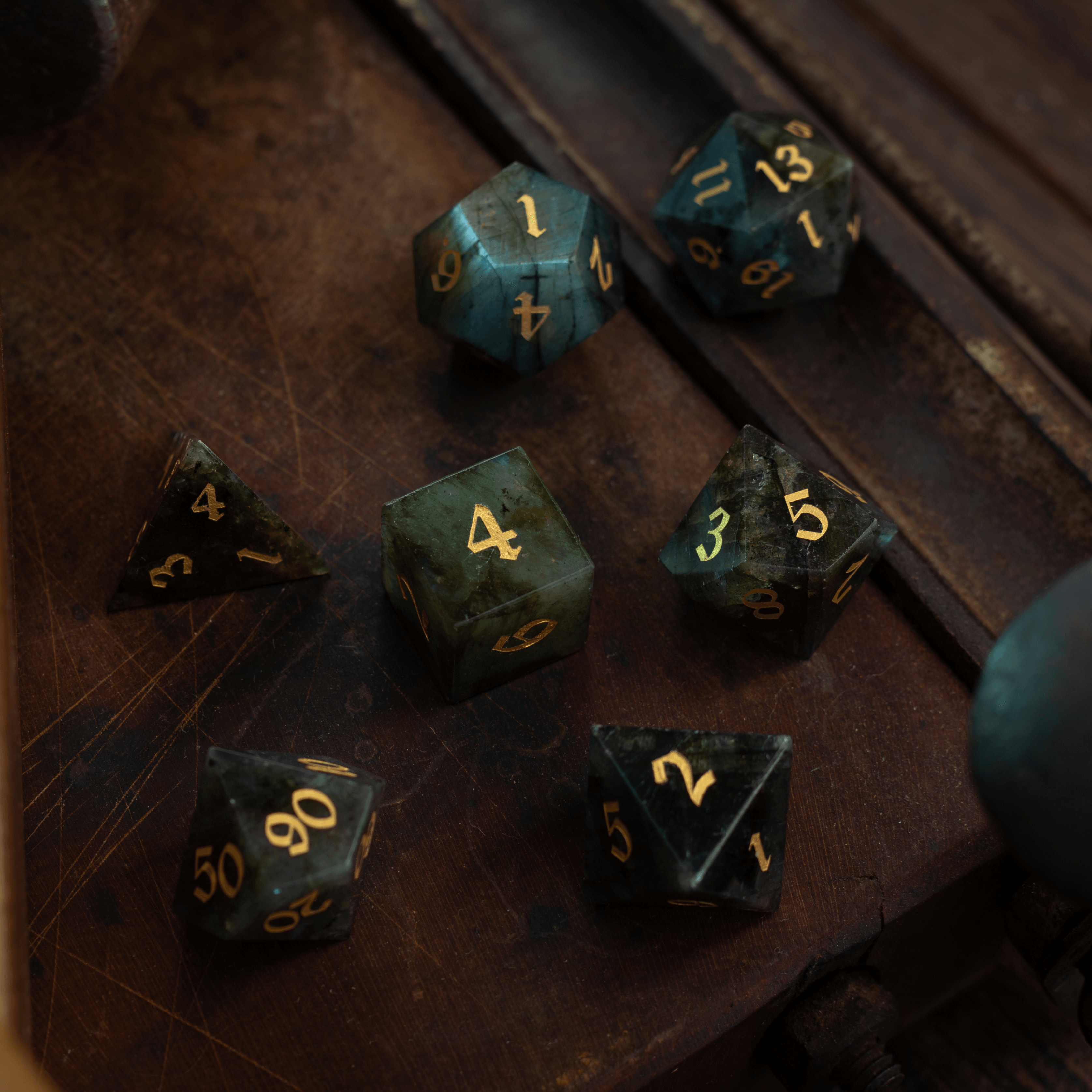
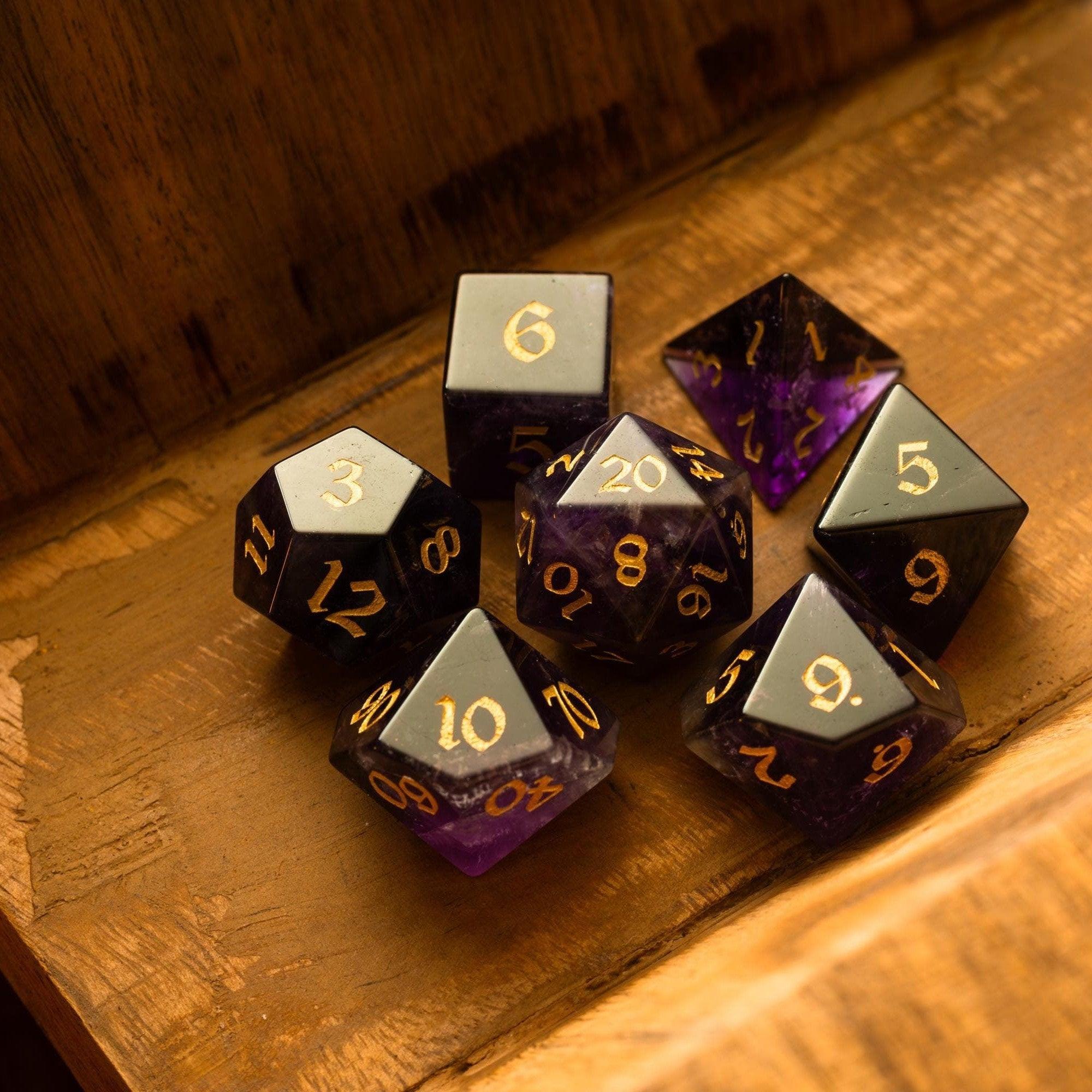
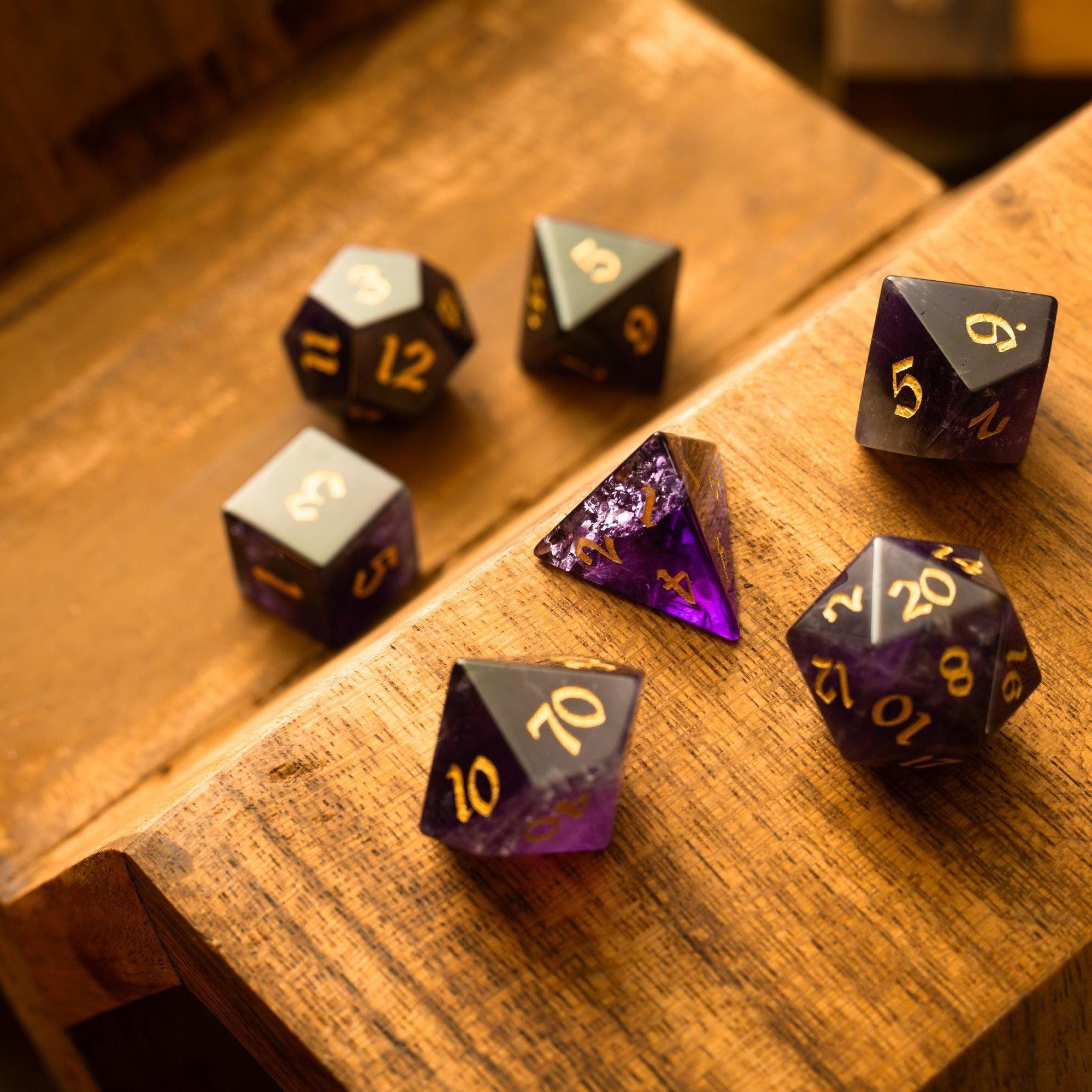
A thoughtful wizard carrying elegant gemstone dice may feel perfectly suited for scholarly diplomacy and mysterious magical rituals.
Making Spellcasting Feel More Cinematic
Great spellcasting is not just about mechanics. It is about atmosphere.
Adding flavor to your casting descriptions makes every session feel more immersive.
Try describing:
-
Arcane symbols appearing in the air
-
Whispered magical chants
-
Glowing runes along your hands
-
Flickering magical energy surrounding your spellbook
-
Strange smells, sounds, or visual distortions
Some players even give their characters unique casting habits:
-
Turning pages dramatically before casting
-
Writing glowing runes midair
-
Speaking in ancient languages
-
Using crystal focuses or enchanted bookmarks
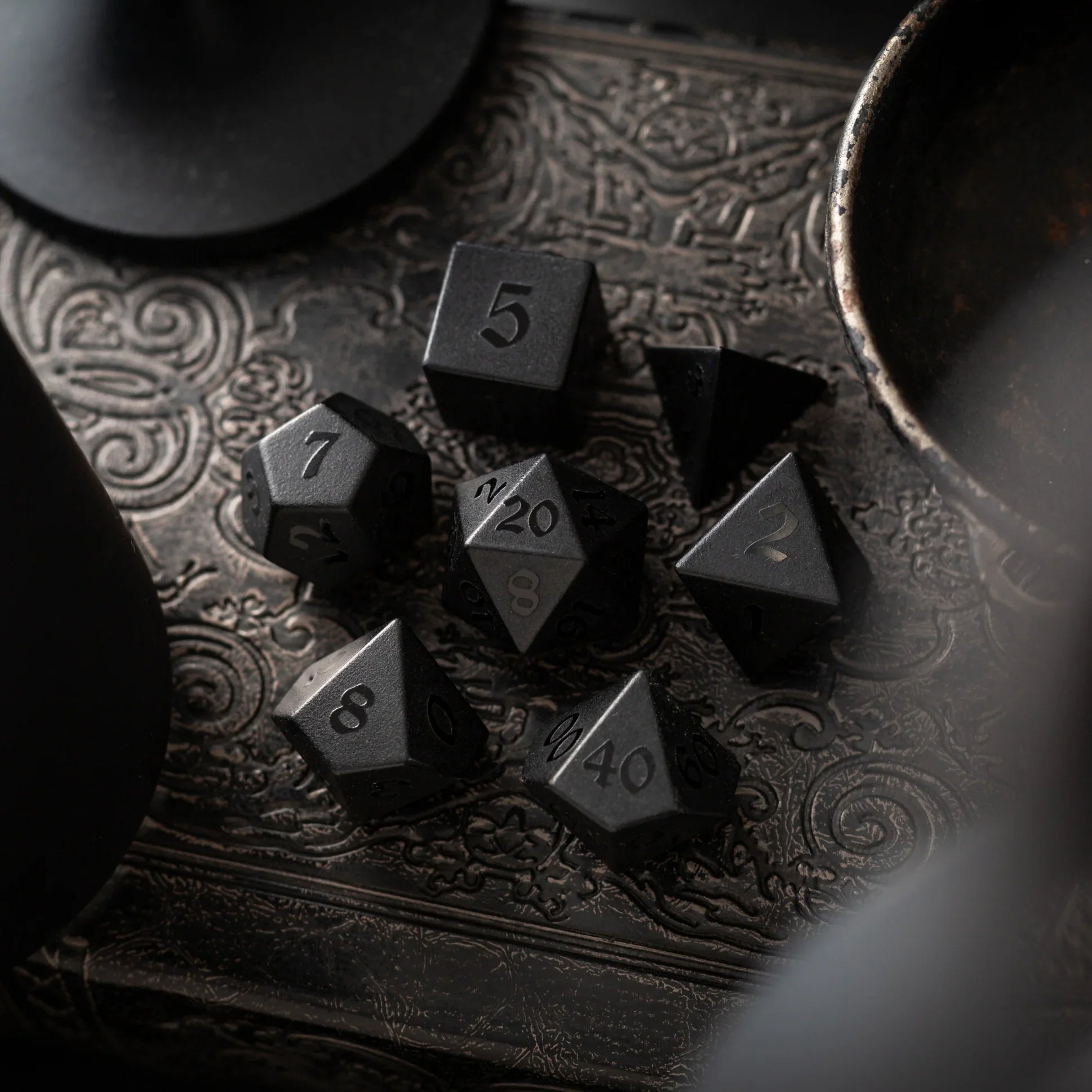
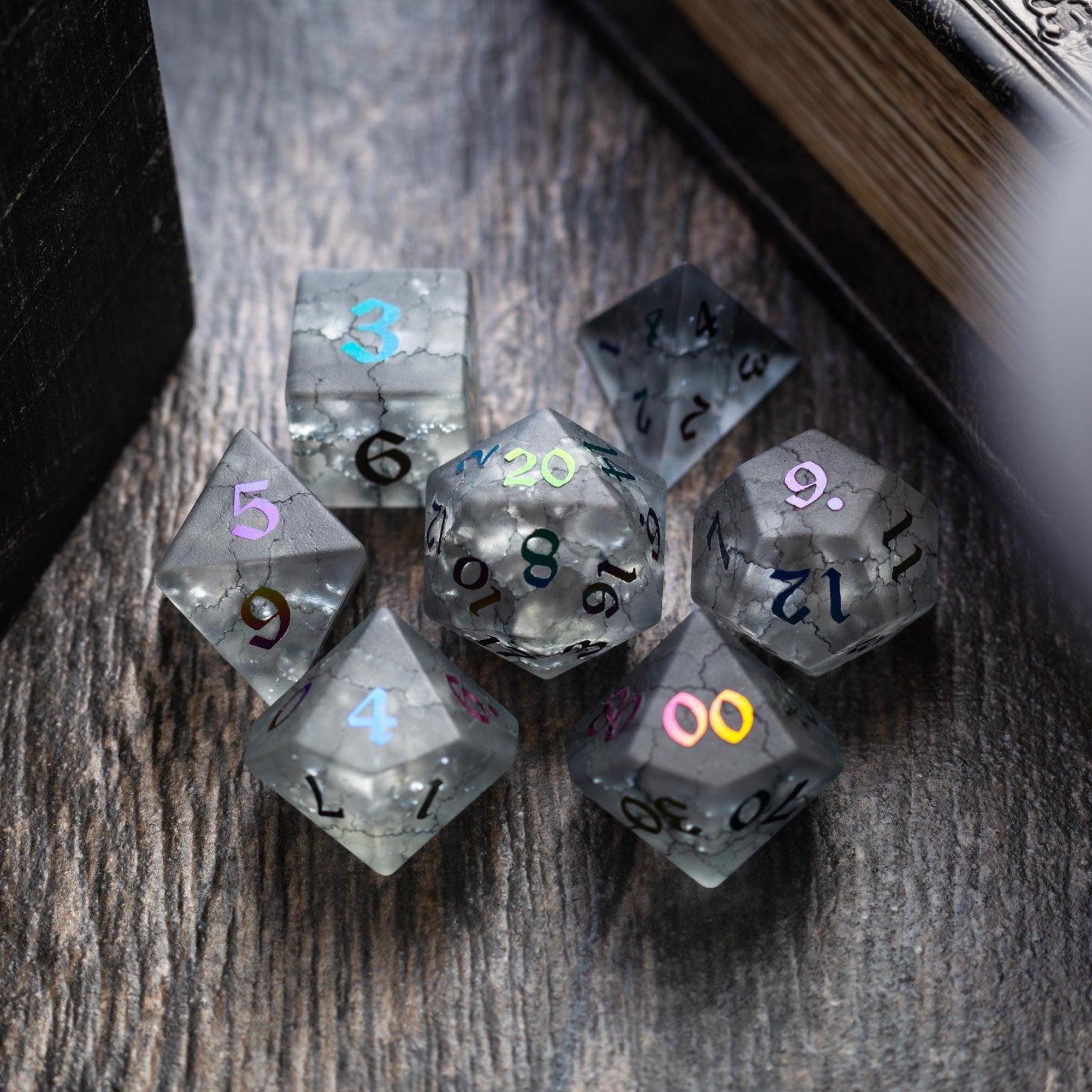
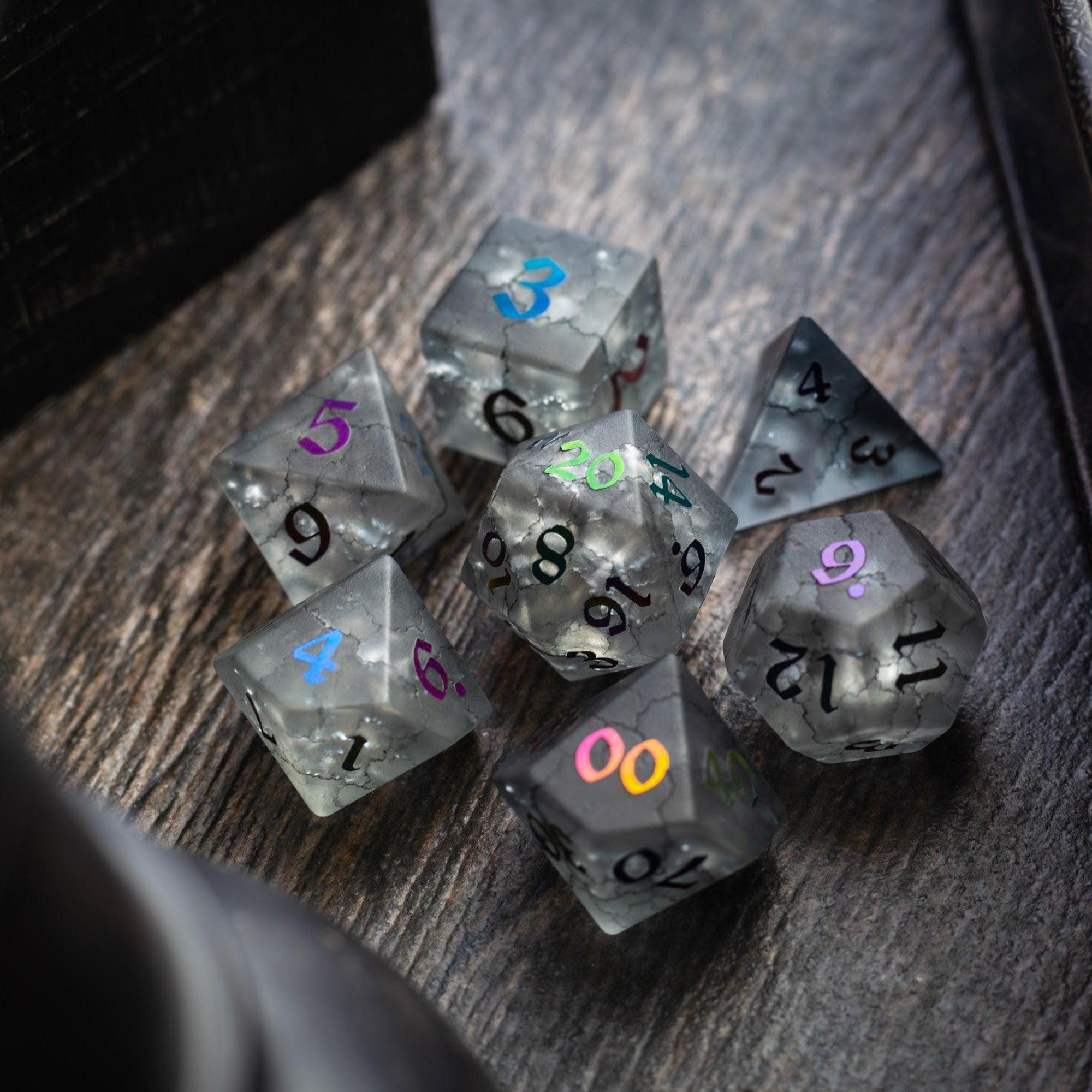
Even dice can become part of the atmosphere. Resin dice inspired by frost, storms, shadows, or arcane energy help reinforce a wizard’s magical identity at the table.
Meanwhile, oversized resin chonk dice can add satisfying drama to devastating spell attacks or critical saving throws.
Common Spellbook Mistakes
Even experienced players occasionally struggle with spell management.
Here are some common beginner mistakes:
Preparing Too Many Combat Spells
Combat magic is important, but utility and defensive spells are often more valuable overall.
Ignoring Ritual Spells
Rituals are incredibly useful because many can be cast without spending spell slots.
New players often overlook:
-
Detect Magic
-
Identify
-
Alarm
These spells provide huge long-term value.
Overcomplicating Spell Choices
You do not need the perfect spell list every session.
Simple, versatile spells usually outperform highly specialized options for beginners.
Forgetting Organization
A messy spellbook slows gameplay and creates frustration during important moments.
Keeping clean notes helps both you and your Dungeon Master.
Tips for New Wizard Players
If you are just learning how spellbooks work in dnd, keep things simple early on.
Start with Versatile Spells
Flexible spells provide more learning opportunities.
Good beginner-friendly options often include:
-
Mage Armor
-
Magic Missile
-
Detect Magic
-
Shield
-
Feather Fall
Learn Gradually
You do not need to memorize every spell immediately.
Part of the fun is discovering new magical tools over time.
Keep Session Notes
Write down:
-
Which spells worked well
-
Which spells felt underwhelming
-
Creative uses discovered during play
Over time, your spellbook begins to feel like a real magical journal.
Focus on Fun, Not Perfection
Spellcasting becomes much easier once you stop worrying about optimizing every choice.
Creative problem-solving usually creates better stories than perfect efficiency.
Spellbooks as Storytelling Tools
Spellbooks can become some of the most important roleplay items in an entire campaign.
A spellbook might be:
-
An inherited family relic
-
A forbidden tome filled with dangerous magic
-
A collection of handwritten notes from lost mentors
-
A damaged journal recovered from ancient ruins
-
A living magical artifact that changes over time
Dungeon Masters can use spellbooks to introduce:
-
Hidden lore
-
Forgotten civilizations
-
Secret magical factions
-
Puzzle clues
-
Dangerous curses
Players can personalize their spellbooks with:
-
Sketches
-
Symbols
-
Personal annotations
-
Arcane warnings
-
Strange magical side effects
This transforms the spellbook from a simple rules mechanic into a meaningful storytelling device.
Why Spellbooks Matter in Fantasy RPGs
Spellbooks remain iconic because they make magic feel personal.
Unlike swinging a sword or firing an arrow, spellcasting in fantasy often feels intellectual, mysterious, and deeply connected to character identity.
A carefully maintained spellbook reinforces:
-
Character growth
-
Magical mastery
-
Roleplay immersion
-
Storytelling depth
-
Creative problem-solving
It also creates memorable table moments.
Players often remember:
-
The spell that saved the party
-
The ritual cast during a desperate night
-
The mysterious spell copied from an enemy wizard
-
The dramatic final casting against a powerful villain
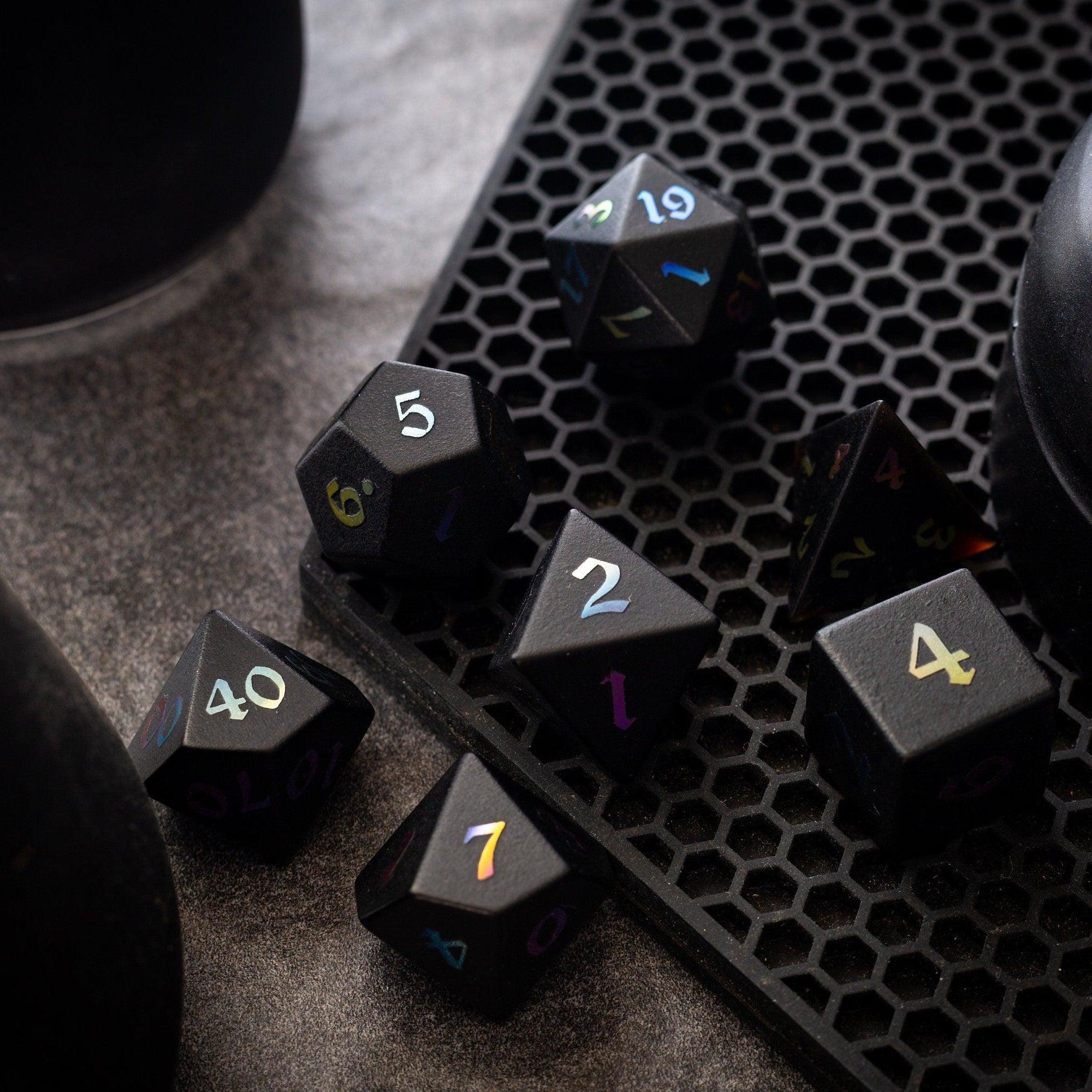
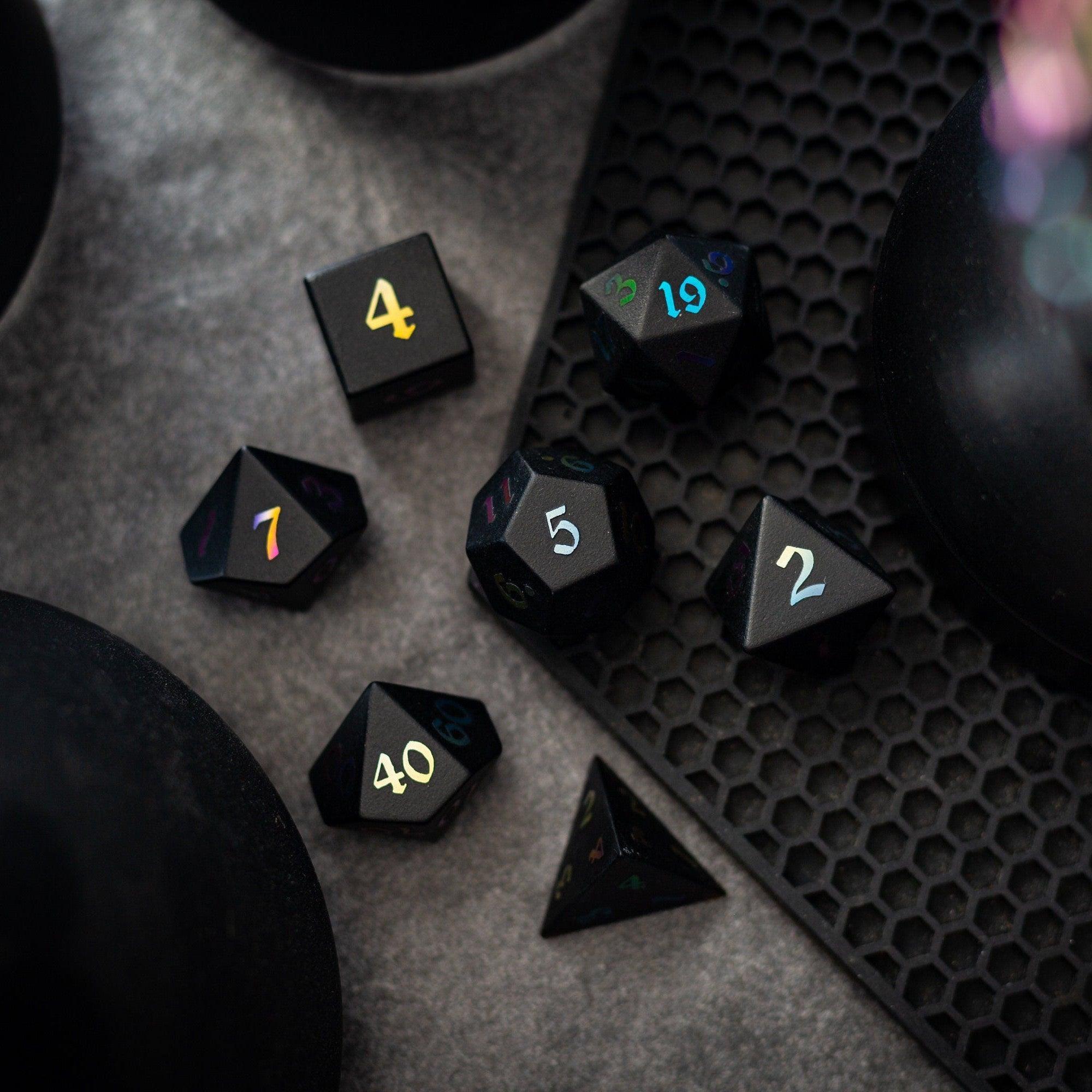
Those magical moments become even more immersive when surrounded by atmospheric tools like glowing liquid core dice, elegant gemstone dice, or elemental resin dice that visually match the energy of the character casting them.
Conclusion
Spellbooks are one of the most flavorful parts of Dungeons & Dragons. They combine strategy, creativity, storytelling, and imagination into a single magical system that rewards both preparation and roleplay.
A well-organized spellbook helps gameplay flow smoothly, but it also deepens immersion in the fantasy world itself. Every spell choice, annotation, ritual, and magical discovery becomes part of your character’s evolving story.
Whether your wizard carries a pristine arcane tome filled with elegant symbols or a chaotic collection of burnt pages and mysterious notes, embracing the creative side of spellcasting can make every campaign feel richer and more memorable.
Because in the end, the best magic in D&D is not just about power. It is about the stories written between the pages.




Leave a comment
This site is protected by hCaptcha and the hCaptcha Privacy Policy and Terms of Service apply.