

Spell Reference Guide for Spellcasters Quick Mastery Tips
Updated on: 2025-12-09
Want faster turns, sharper decisions, and fewer page flips at the table? This practical spell toolkit helps you organize, prep, and run your magic with confidence. You’ll learn how to build a compact spell index, tag spells by role, and keep concentration and resources crystal clear. Use it to streamline play, stay in character, and keep the spotlight on your story instead of your paperwork. If you’ve been searching for a spell reference guide for spellcasters that feels simple and friendly, you’re in the right place.
- Essential Tips: Spell Reference Guide for Spellcasters
- Detailed Step-by-Step Process
- Summary & Takeaway
- Q&A

If you’ve ever felt your turn slowing down while you hunt for a spell detail, you’re not alone. A simple, repeatable system can turn chaos into calm. In this guide, we’ll build an easy spell index you can carry into any session. It cuts down on rules lookups, keeps your action economy tidy, and helps you play the caster you imagined—without the stress. You’ll walk away with a compact workflow you can set up in an hour and refine as you play.
Essential Tips: spell reference guide for spellcasters
- Group spells by role, not just level. Use tags like damage, control, defense, utility, mobility, detection, healing, and summon. When your turn hits, jump to the role you need, then scan for range, area, and save.
- Create a single-line summary for every go-to spell. Format like: Name — Action, Range, Target/Area, Save/Attack, Concentration?, Brief effect, Upscale benefit. Keep it short, like a headline you can read in two seconds.
- Pre-pick your “core kit.” Choose 3–5 combat staples and 3–5 exploration/social spells. Highlight them so they stand out. This becomes your default loadout.
- Track concentration front and center. Use a bright token, a sticky tab, or a colored clip on your sheet. The visual cue prevents accidental stacking and forgotten drops.
- Prep save DC and attack bonus once per session. Put them in big, bold writing at the top of your index so you don’t recalculate under pressure.
- Color-code by action type. For example: green = bonus action, blue = reaction, orange = ritual. You’ll see your options at a glance.
- Note “table friction” costs. Components, lengthy text, or complex areas add drag. Replace friction-heavy options with faster, clearer ones unless the payoff is worth it.
- Build a one-sentence “when to cast” rule. For each favorite spell, write a trigger: “Use Shield when hit by a big strike,” or “Cast Invisibility to escape or set an ambush.” It reduces decision fatigue.
- Keep a small “fail-forward” list. If a key spell doesn’t land, what’s your backup? Lining up alternatives keeps momentum strong.
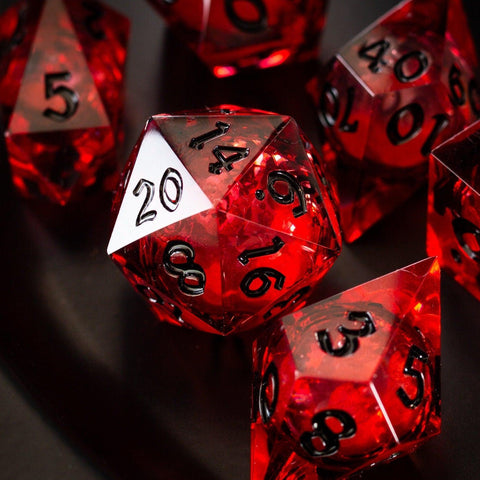
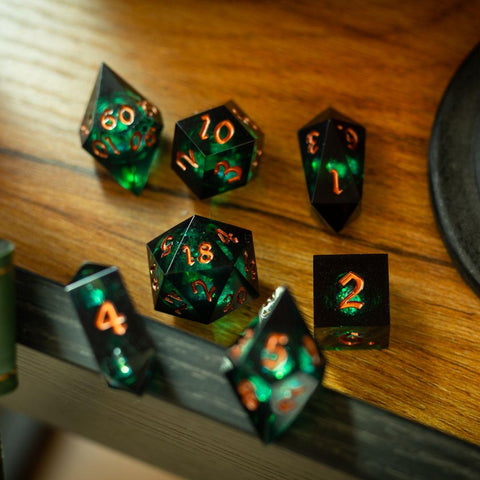
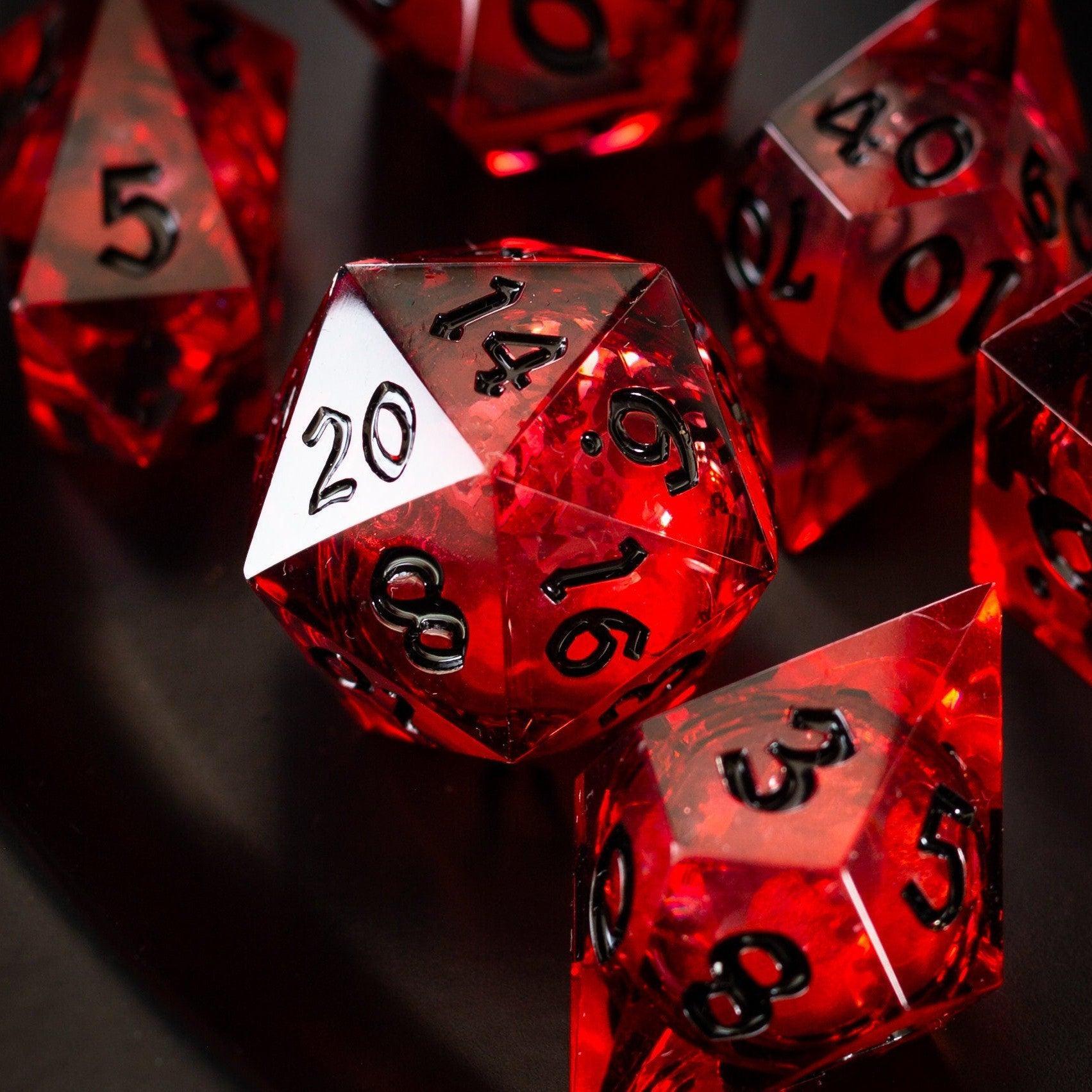
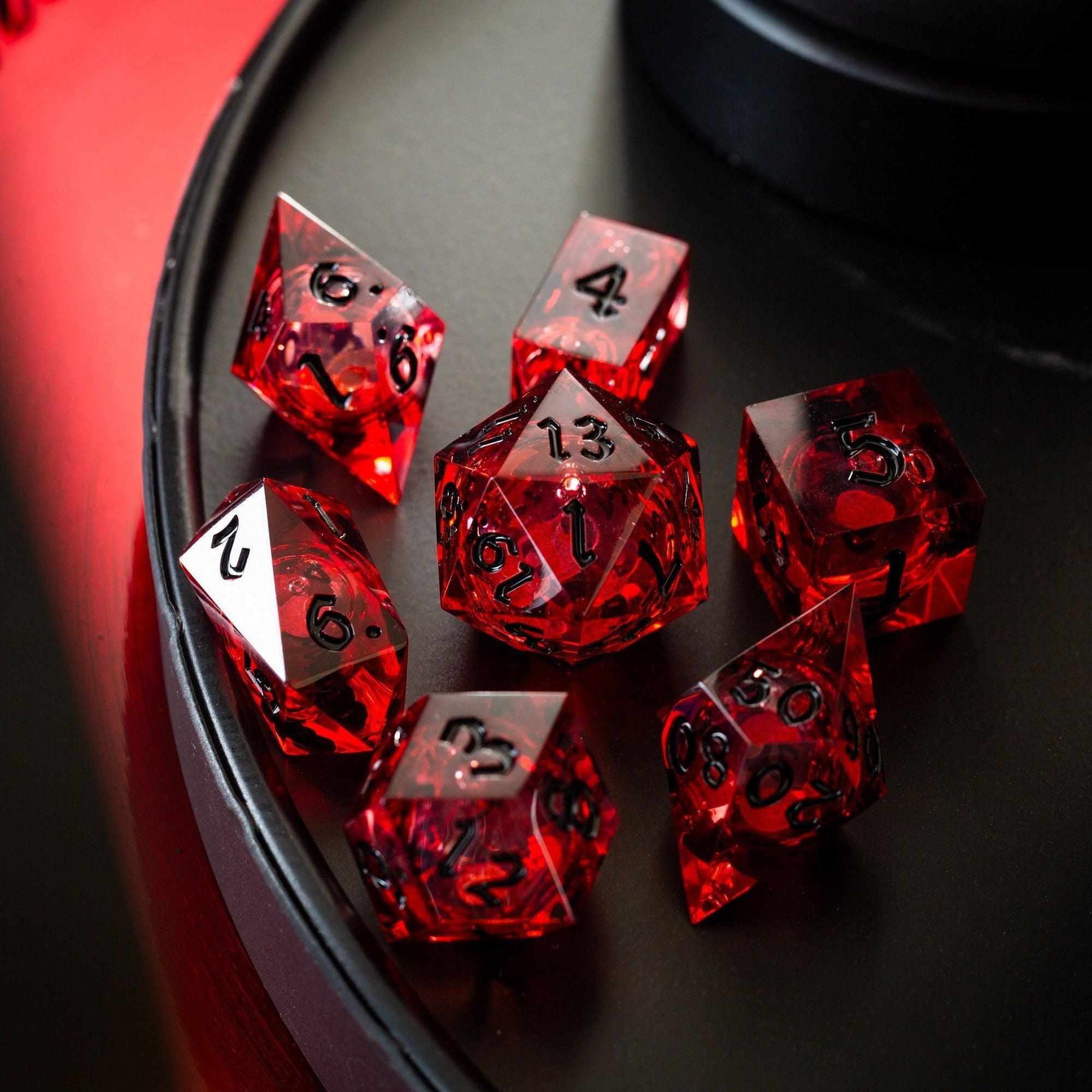
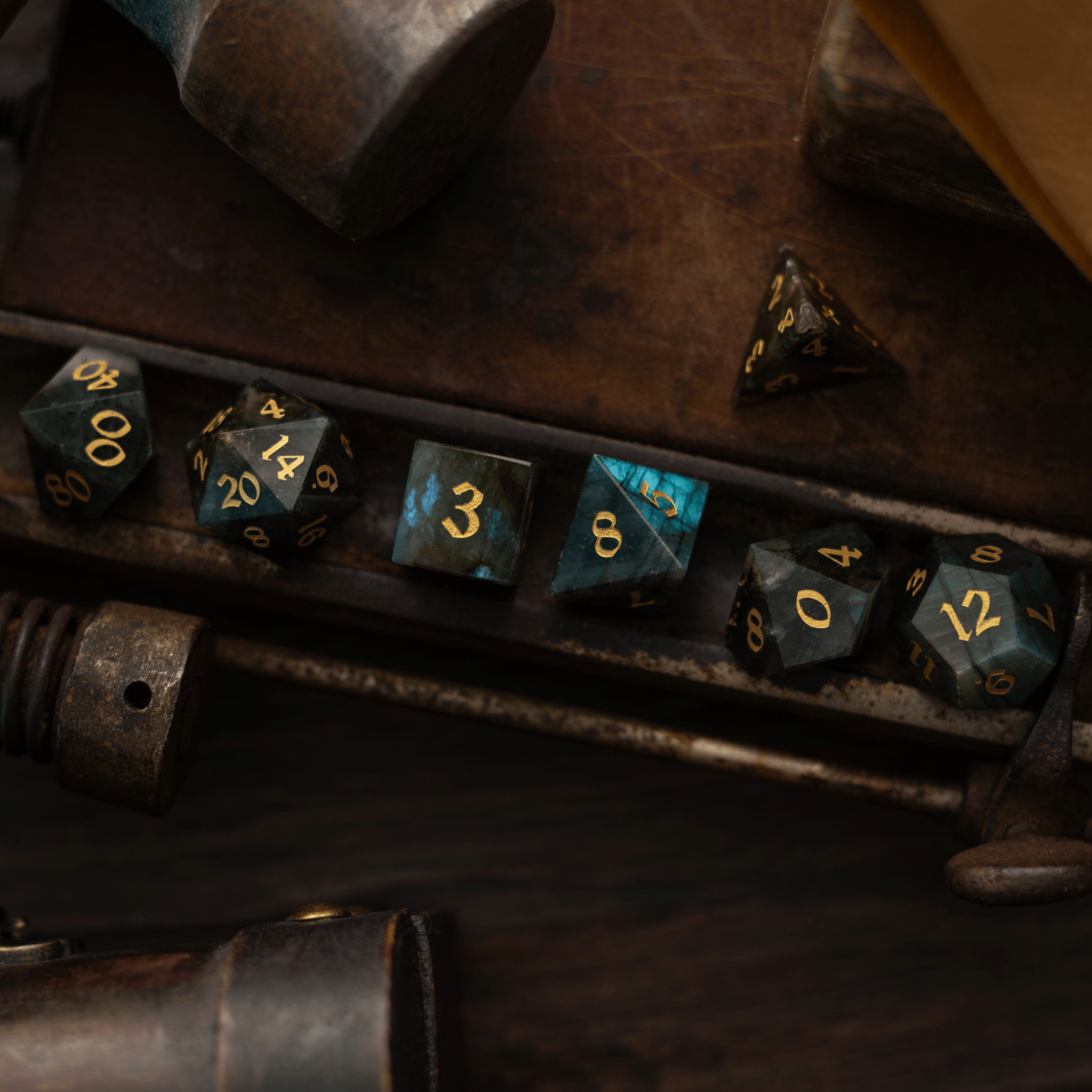
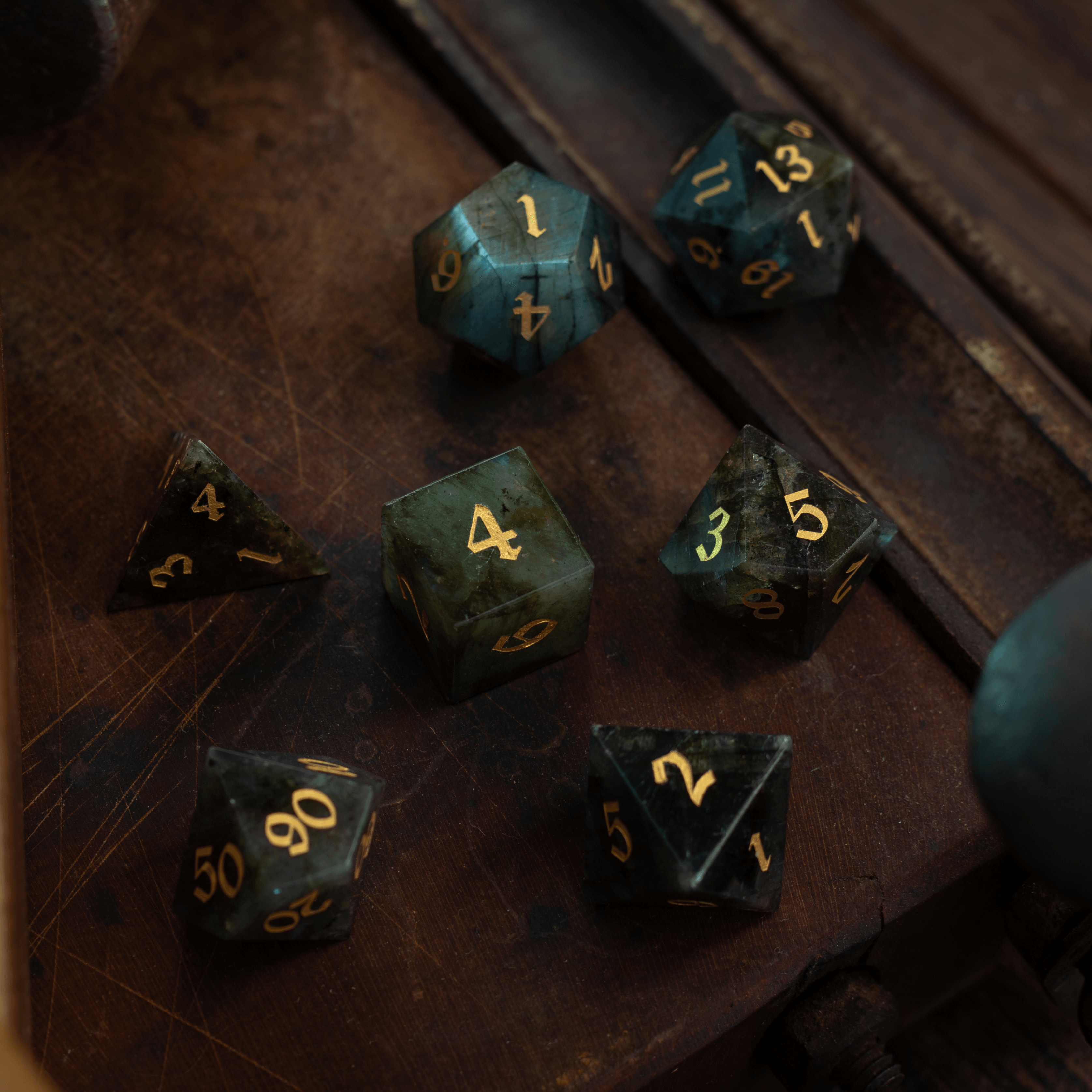
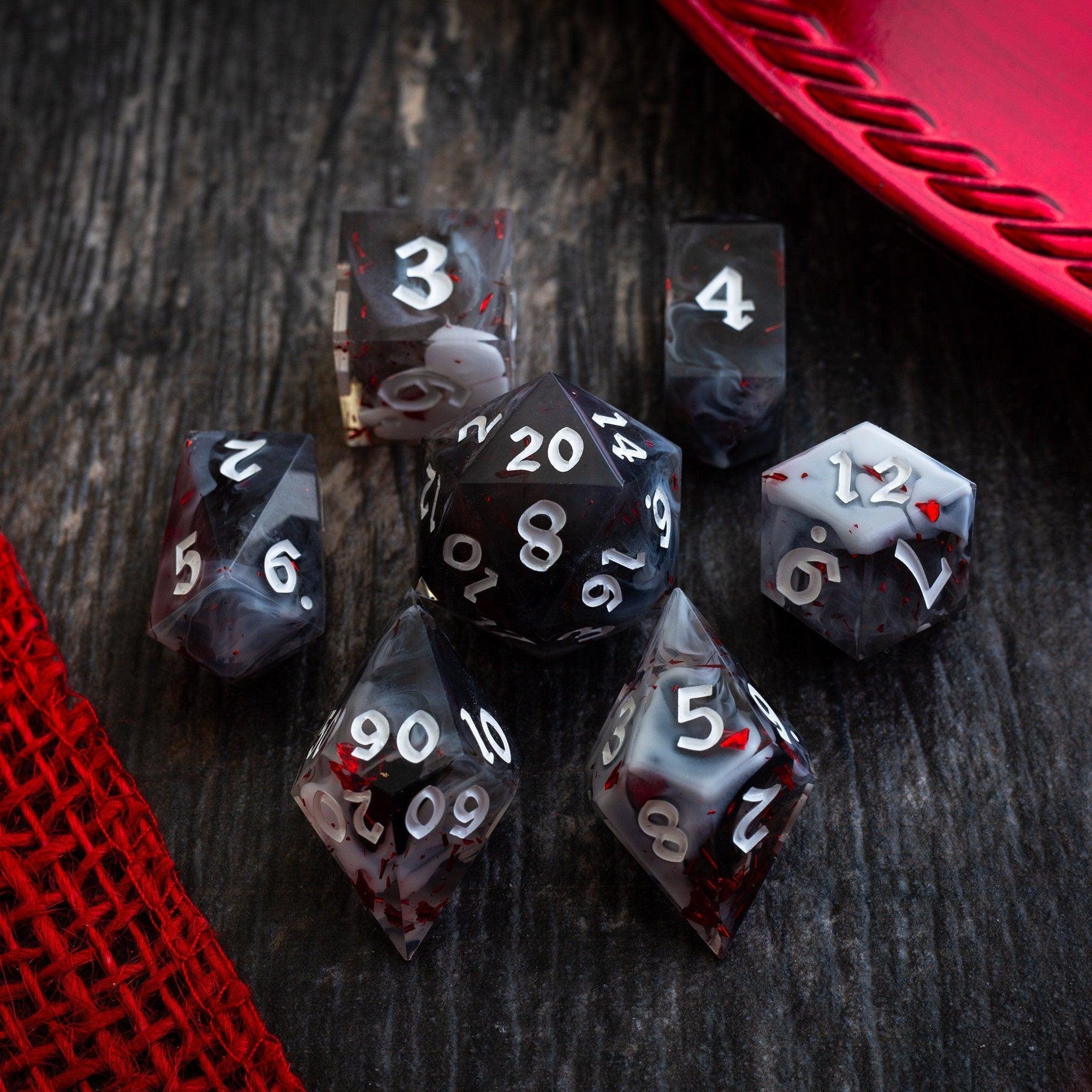
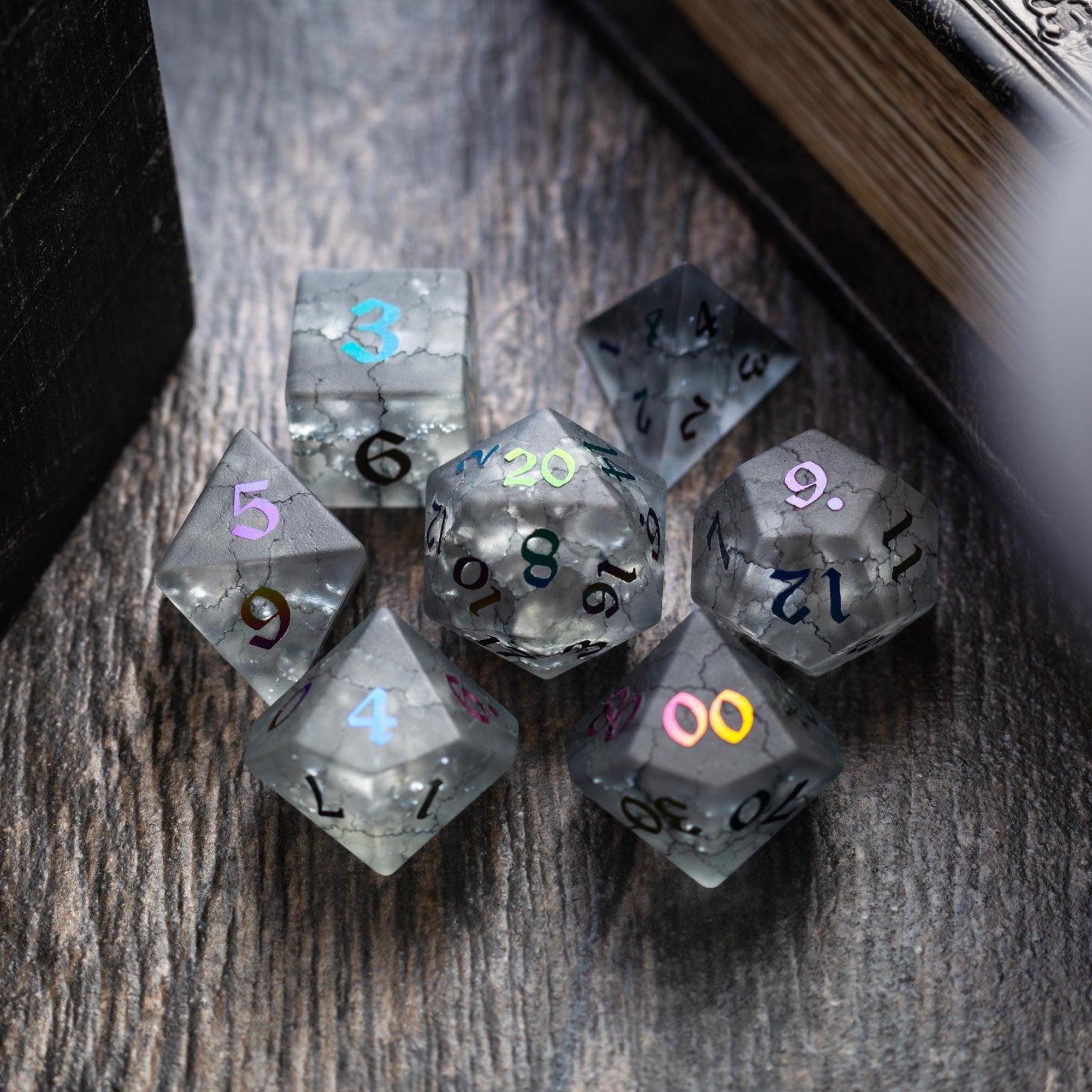
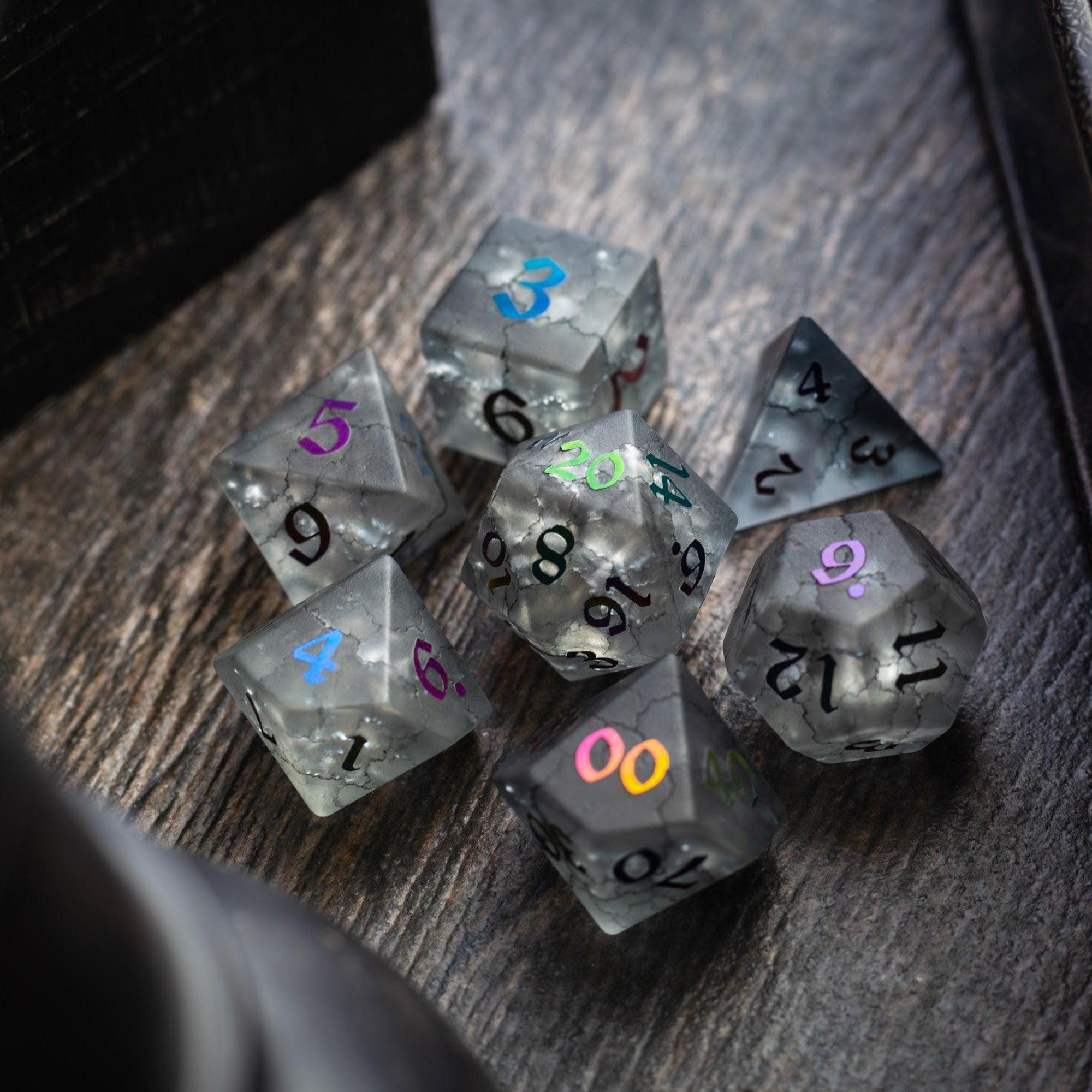
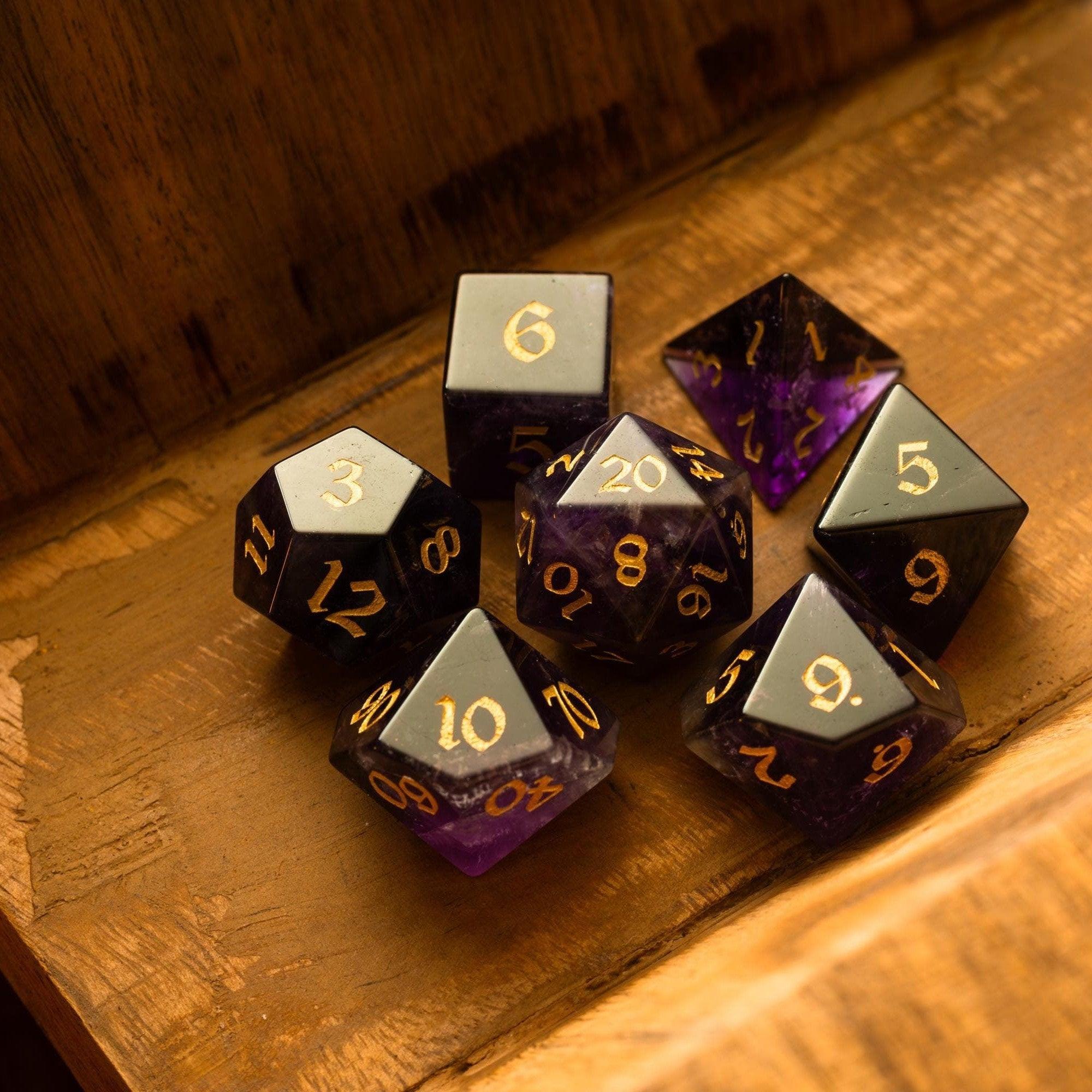
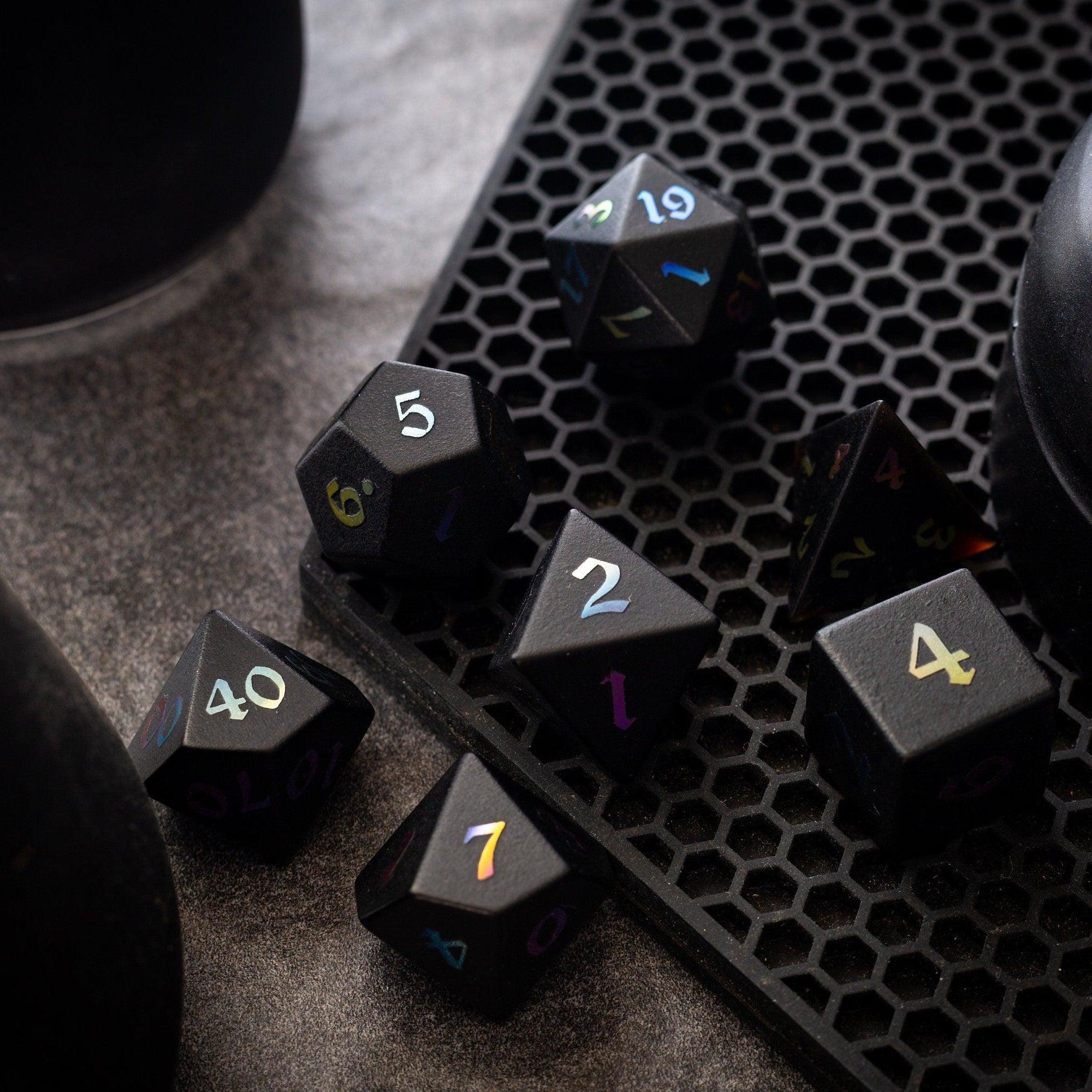
- Make it tactile and fun. A special dice set can serve as a focus ritual that reminds you to breathe and play clean. If you like vivid, eye-catching sets, explore gemstone dice or try a shimmering option like the Labradorite set.
Detailed Step-by-Step Process
-
Audit your current spell list.
- Print or copy your known/prepared spells. Highlight any you cast often. Strike through anything you never touch. Keep an eye out for overlap—if two spells do the same job, pick the cleaner one.
-
Tag each spell by role and priority.
- Add 1–2 tags like damage, control, defense, utility, mobility, or detection. Then mark priority A (core), B (situational), or C (rare). A-level spells belong at the top of your index.
-
Write one-line summaries.
- Use a consistent line format: Action + Range + Target/Area + Save/Attack + Concentration + Effect + Upscale. Example: “Hold Person — Action, 60 ft, 1 humanoid, Wis save, Conc, paralyze on fail; higher slot = more targets.”
-
Separate combat vs. exploration/social.
- Make two mini-sections in your index. When initiative starts, you scan the combat page. When you’re traveling or roleplaying, scan the other page. Context switching becomes instant.
-
Front-load your action economy.
- Create micro-lists for bonus actions and reactions. Put the reaction list near your AC and HP so you’ll see it when you’re under fire. You’ll catch moments you used to miss.
-
Set a concentration tracker.
- Use a bold clip, app toggle, or colored die next to your sheet. When you start concentrating, move the marker into a visible spot. If you take damage or cast another concentrating spell, that cue reminds you to check the rules.
-
Record quick math once.
- At level up or session start, write your save DC and spell attack bonus in big text. If your table loves dramatic flair, choose a striking roll piece like the Lightning Glass set to make that number feel special.

-
Plan a default turn.
- Decide on your usual opener, follow-up, and fallback. For example: “Opener: control spell; Follow-up: damage-over-time; Fallback: defense or reposition.” This gives you momentum when choices feel overwhelming.
-
Handle components and gear.
- Next to each A-level spell, note if it needs special components. Pre-pack them in a pouch card or a short list. Fewer surprises equals smoother scenes.
-
Create encounter-specific prep cards.
- Before a big session, make a tiny card with likely threats and your best answers: “Flying? Use ranged control. Fire resist? Switch to force or cold.” Put it on top of your index for the night.
-
Use visual priorities.
- Bold the spell names you cast most. Italicize niche picks. Use icons or small colored dots to mark area effects or reactions. Visual language speeds scanning.
-
Practice the 30-second scan.
- Time yourself doing a quick scan of your index. If it takes longer than 30 seconds to find a great option, shorten lines, move A-level spells higher, or reduce clutter.
-
Keep a tiny “synergy” box.
- Write a three-line note on combos that sing: “Grease + shove,” “Restrain + ranged allies,” “Invisibility + scouting.” Quick reminders prime your creativity without long notes.
-
Back up digitally.
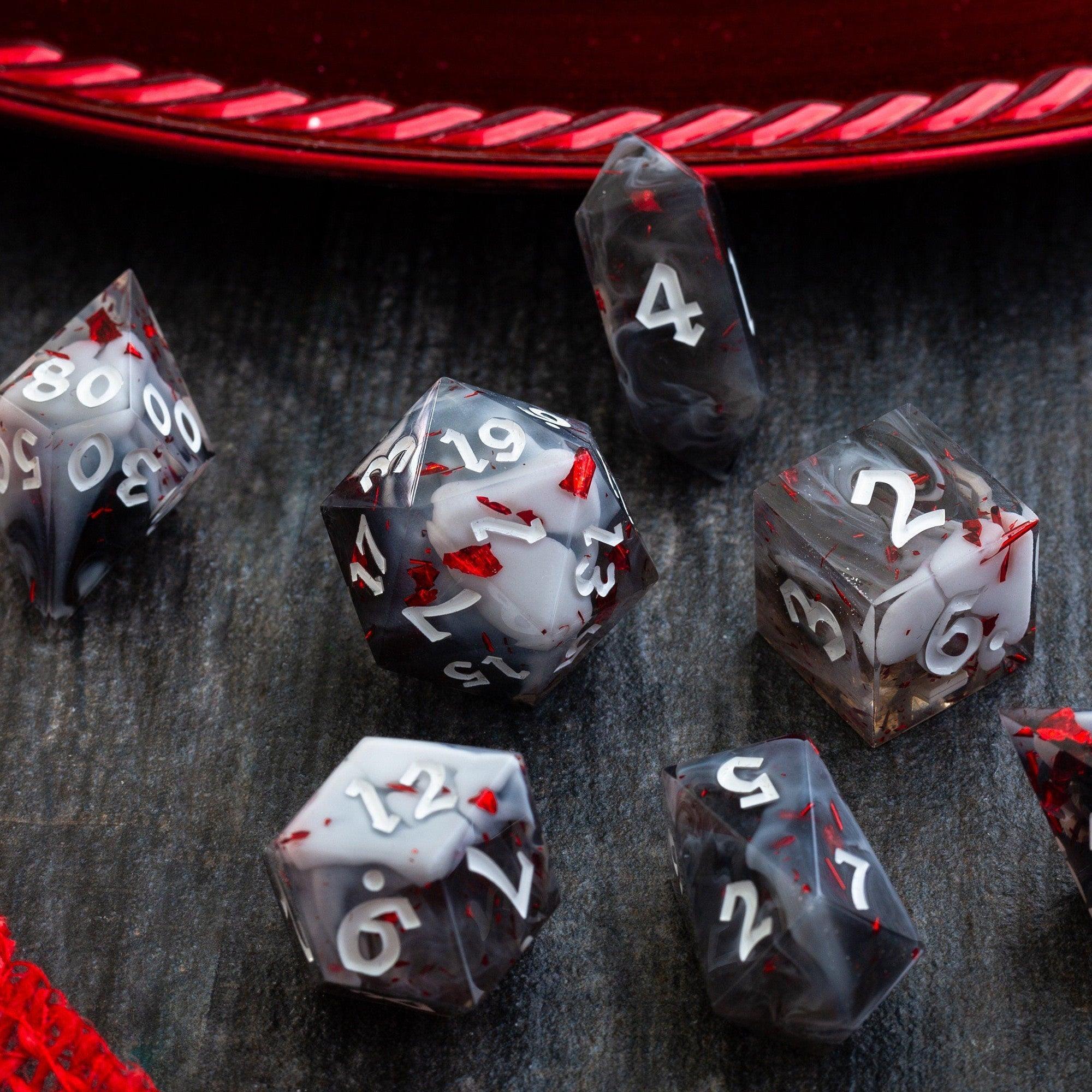
- Snap photos of your index or store it in a simple doc. If you prefer tactile play, consider an eye-catching set that marks your caster identity, like the shimmering liquid core dice or a polished option from the new arrivals.
-
Refresh after each session.
- Circle any spell that felt clunky or underpowered. Replace it before next game. Add any standout moments to your synergy box so you can repeat them.
-
Celebrate your style.
- Every caster plays differently—own it. If you love precision, keep slim summaries. If you love flair, add color and tokens. A ritualized setup can make turns feel smooth and satisfying. For a bold table presence, the Labradorite set pairs style with durability, and the full range of gemstone dice offers plenty of character.
Summary & Takeaway
Build a compact spell index that puts clarity first. Tag by role, keep one-line summaries, and highlight a core kit you can trust. Put reactions and bonus actions on separate micro-lists, then make concentration impossible to forget with a visual marker. Record your math once, prep a default turn, and track components so nothing stalls your scene. A simple system like this keeps your head in the story and your turns confident. If you want a friendly, no-fuss way to stay organized, this approach is a true spell reference guide for spellcasters you can set up fast and improve every session.
Friendly reminder: play what excites you. Your spells are tools for telling great stories. With a light, repeatable process, you’ll spend less time flipping pages and more time landing clutch moments.
Q&A
How do I keep spells organized across multiple characters?
Create one master index template, then duplicate it per character. Keep the structure identical—same tags, same one-line format—but swap in the spells. Use a color per character so you never mix pages. If you digitize, make a folder per character and a shared “core template” you clone.
What should I track every combat round?
Check four items: concentration status, available reactions, bonus action options, and an at-a-glance shortlist for the situation (damage, control, or defense). If you keep these on a small card in front of you, you’ll save time and spot better plays.
Paper, app, or both—what’s best?
Use both if you can. Paper excels for glance speed and table focus; apps are great for searching edge cases. Build your index on paper (or printable PDF) and keep a digital backup for rules deep-dives between sessions. Choose whichever keeps you calm and fast when it’s your turn.
Disclaimer: This article offers general tips for tabletop roleplaying games. Always follow your game’s rules and your group’s preferences.







Leave a comment
This site is protected by hCaptcha and the hCaptcha Privacy Policy and Terms of Service apply.