

The Complete Guide to D&D Dice: Types, Sets, and How to Choose the Right Ones
Whether you're a seasoned dungeon master or just picking up your first character sheet, choosing the right dice is a sacred ritual in the world of tabletop gaming. With so many variations, from polyhedral dice sets to specialized d20 dice or even the curious d2 dice, it can be overwhelming to know where to start. In this guide, we’ll break down everything you need to know about Dungeons and Dragons dice, single dice, and how to find the perfect set for your style.
What Are Polyhedral Dice?

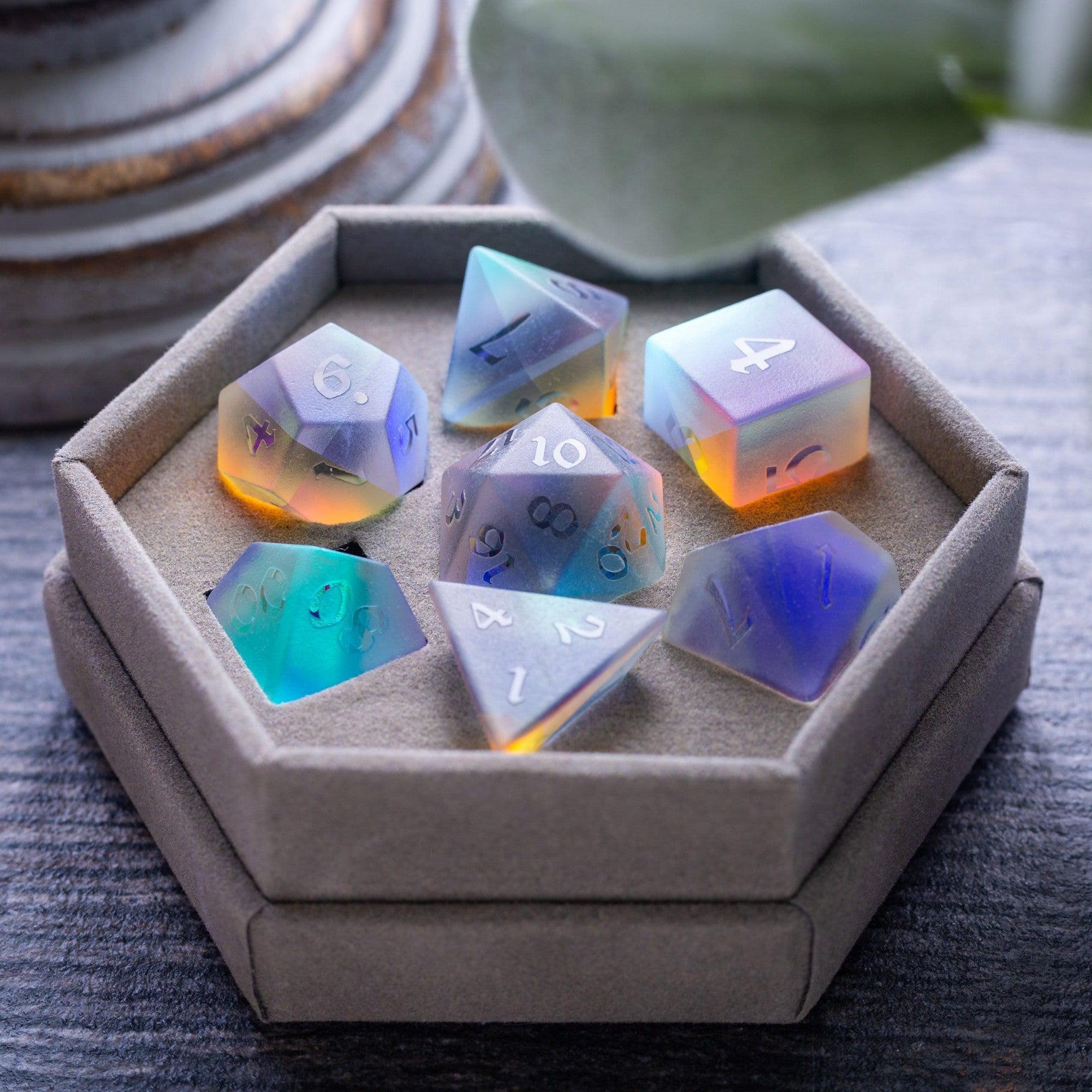
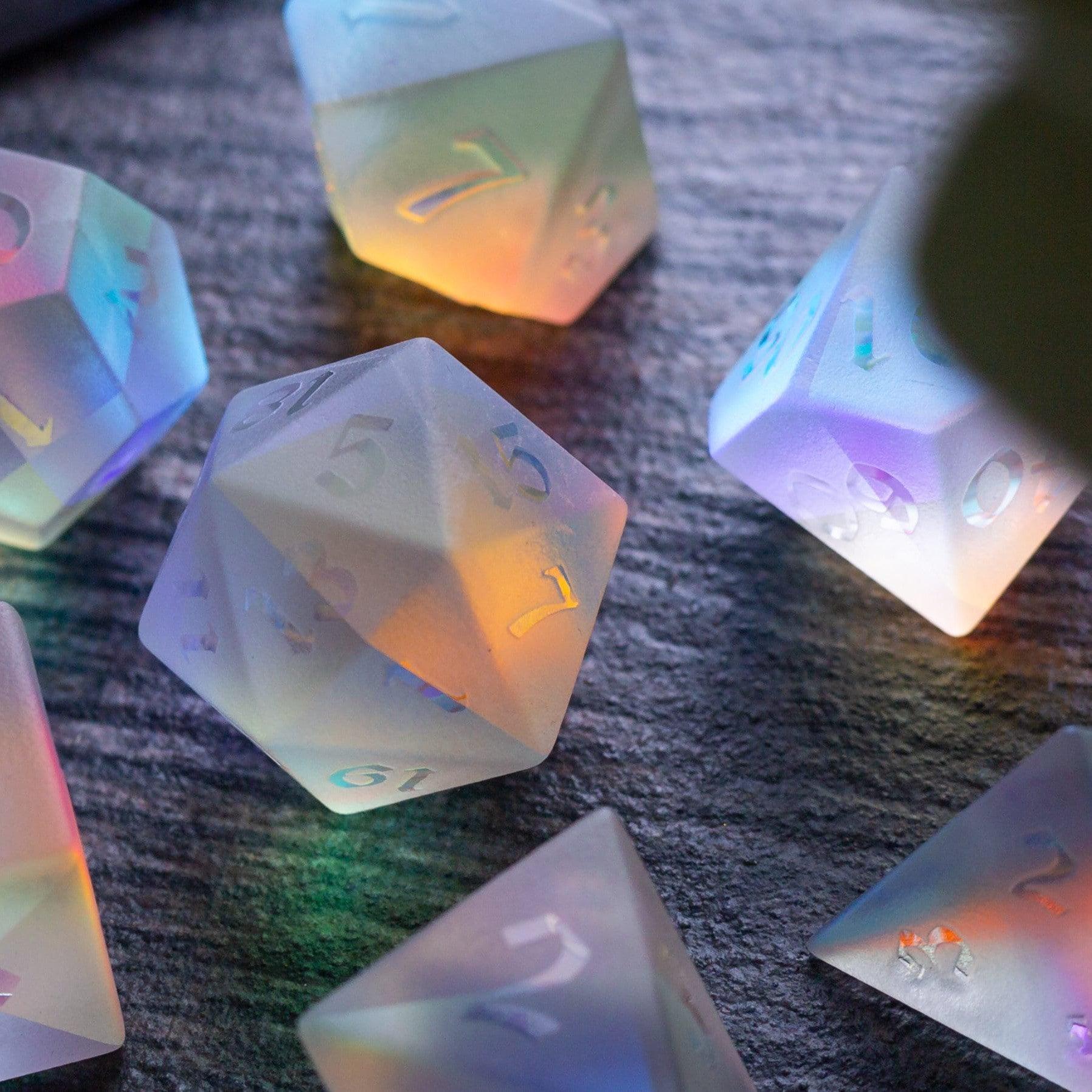
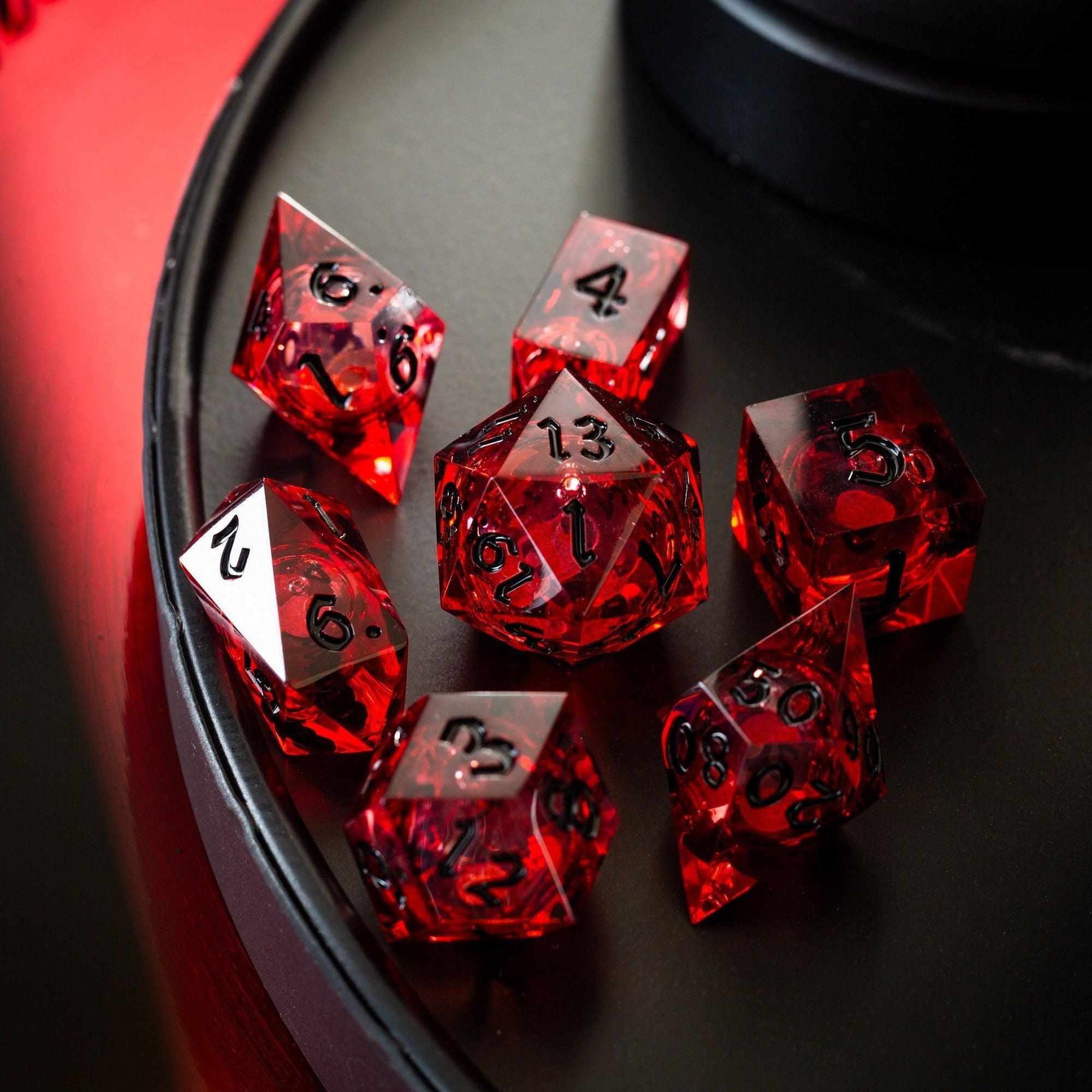
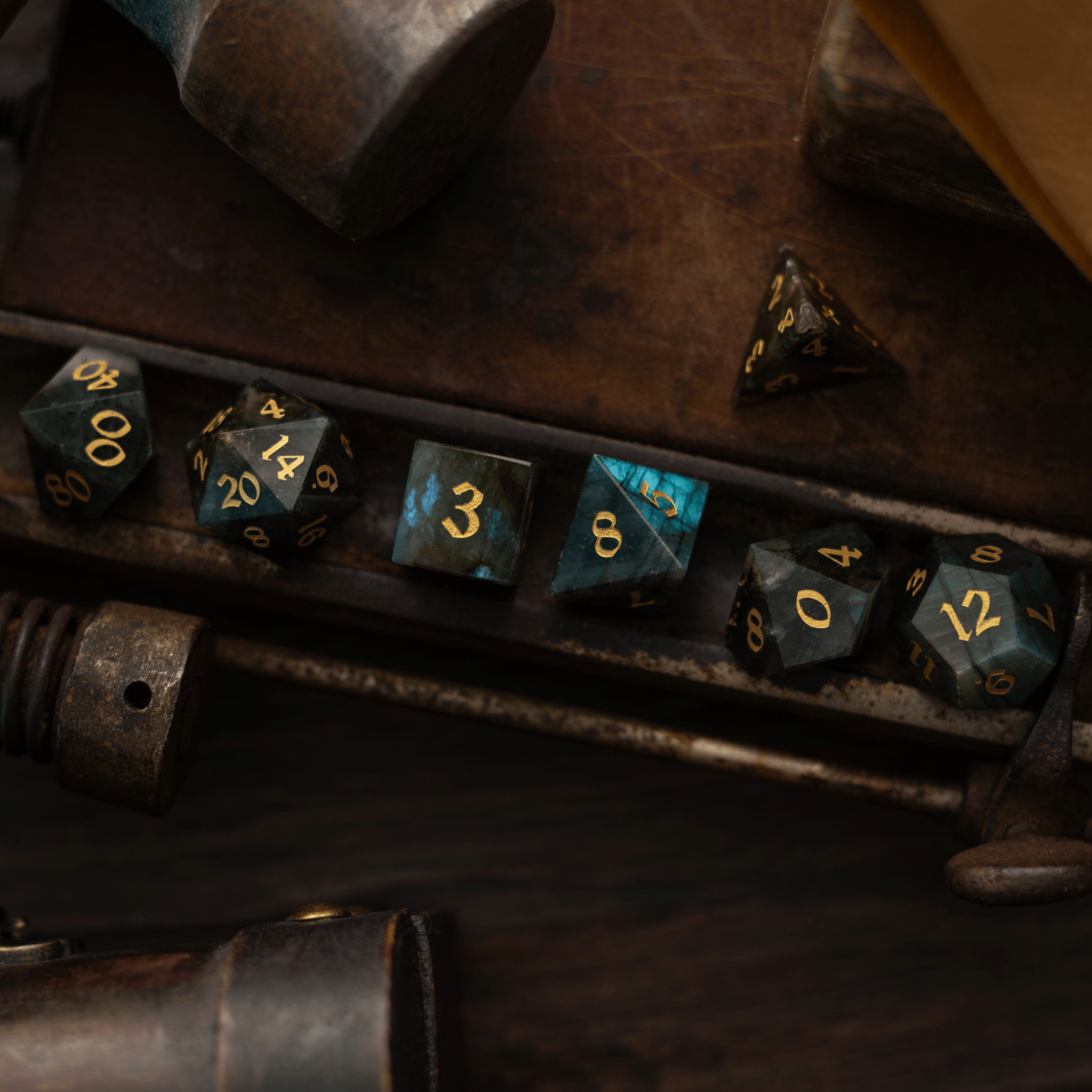
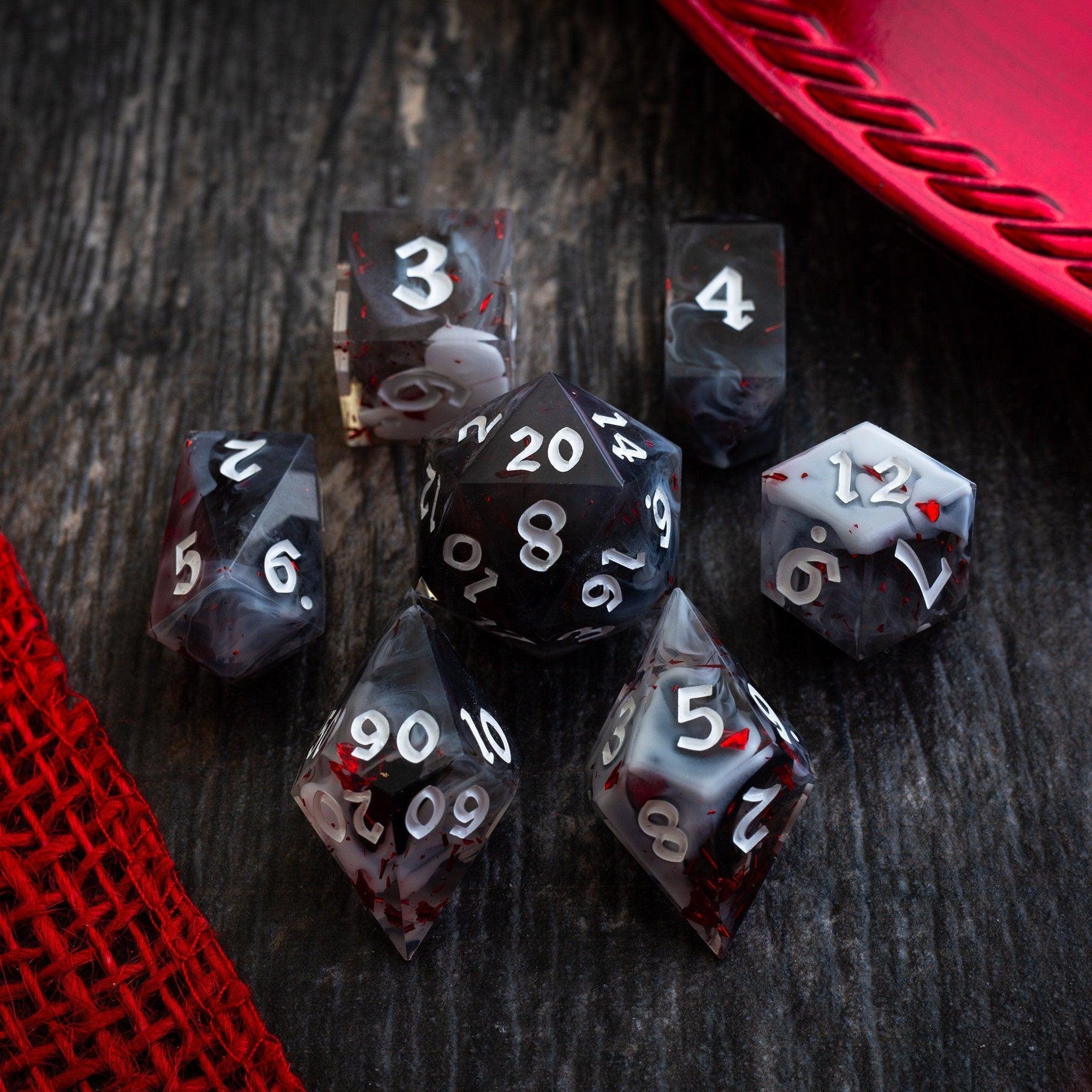
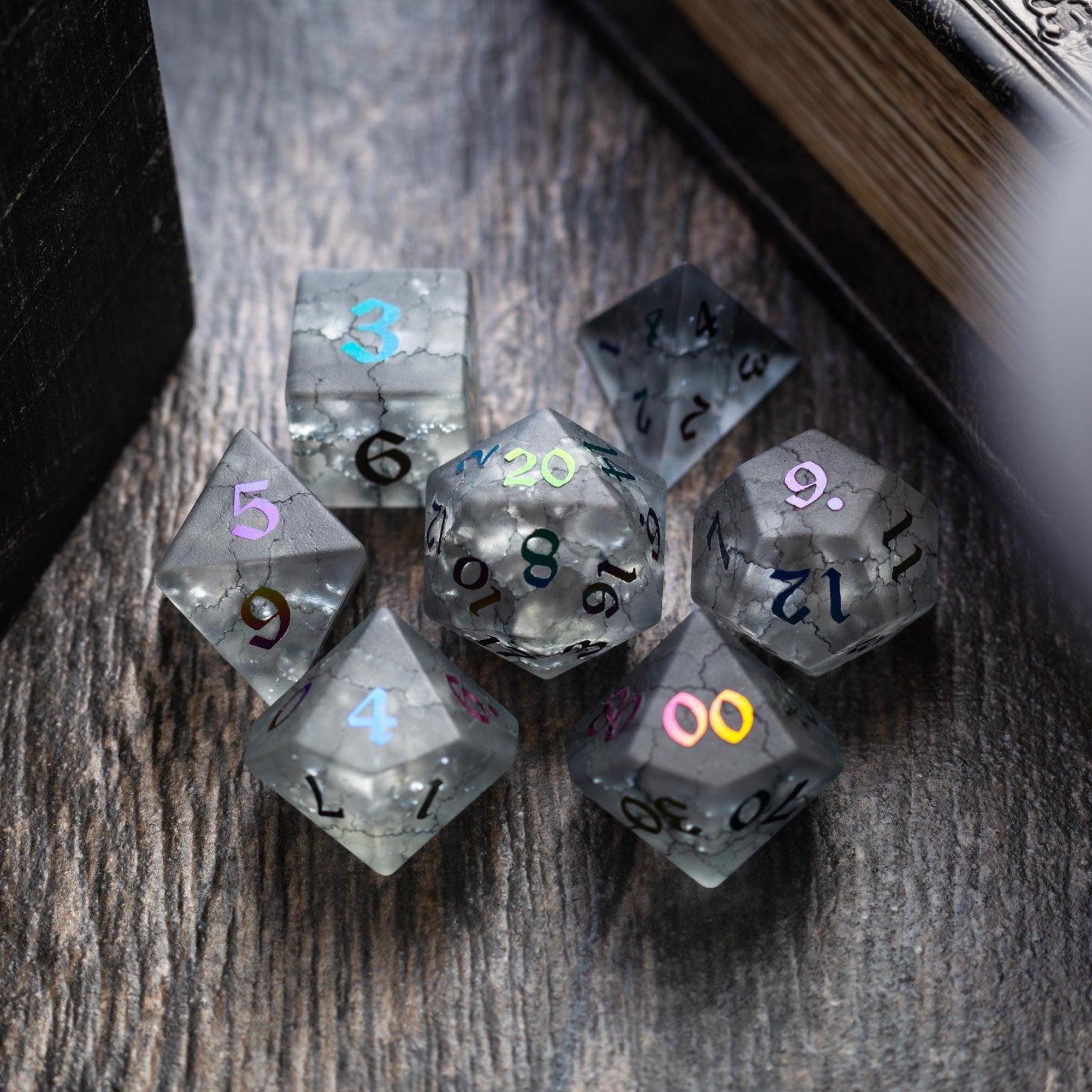
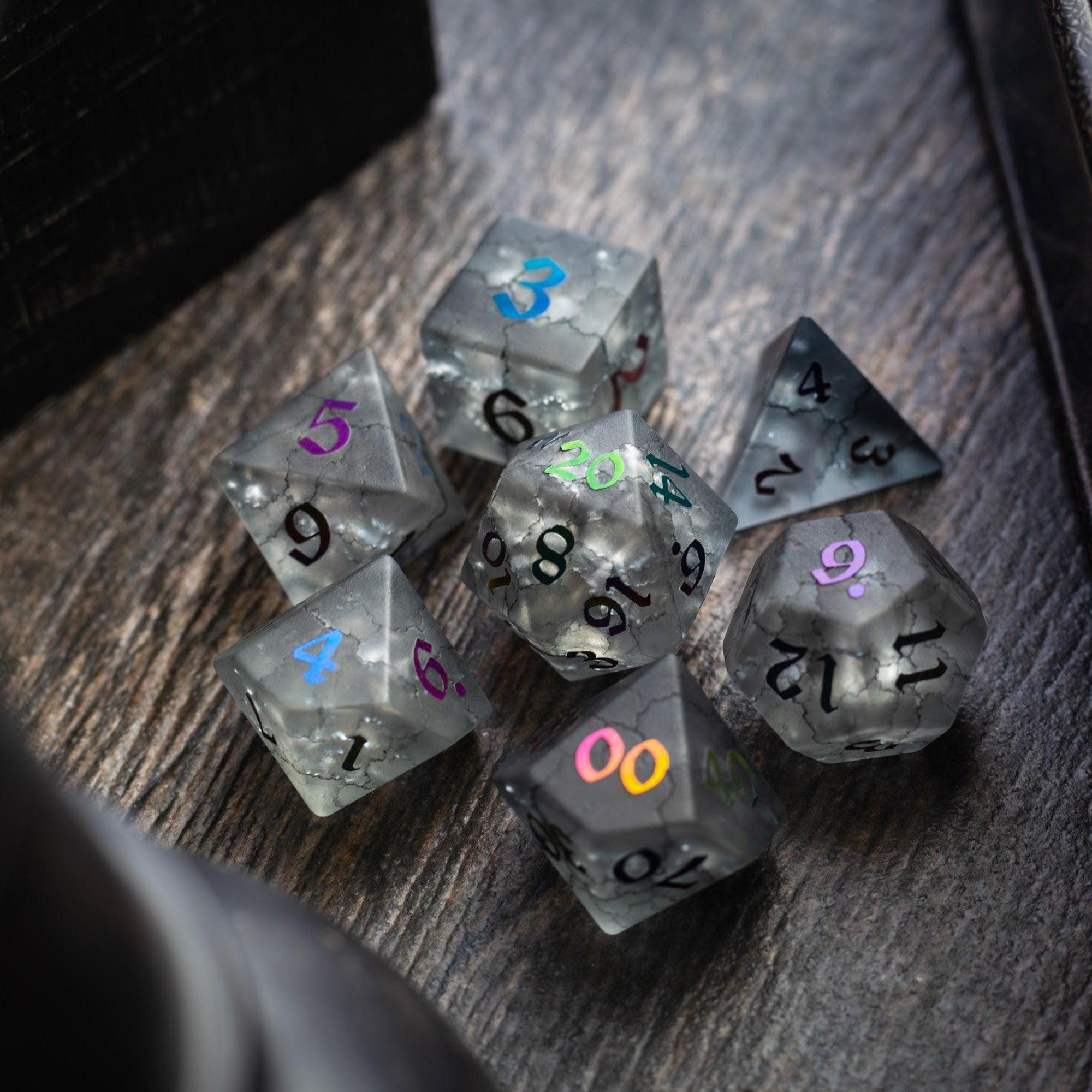
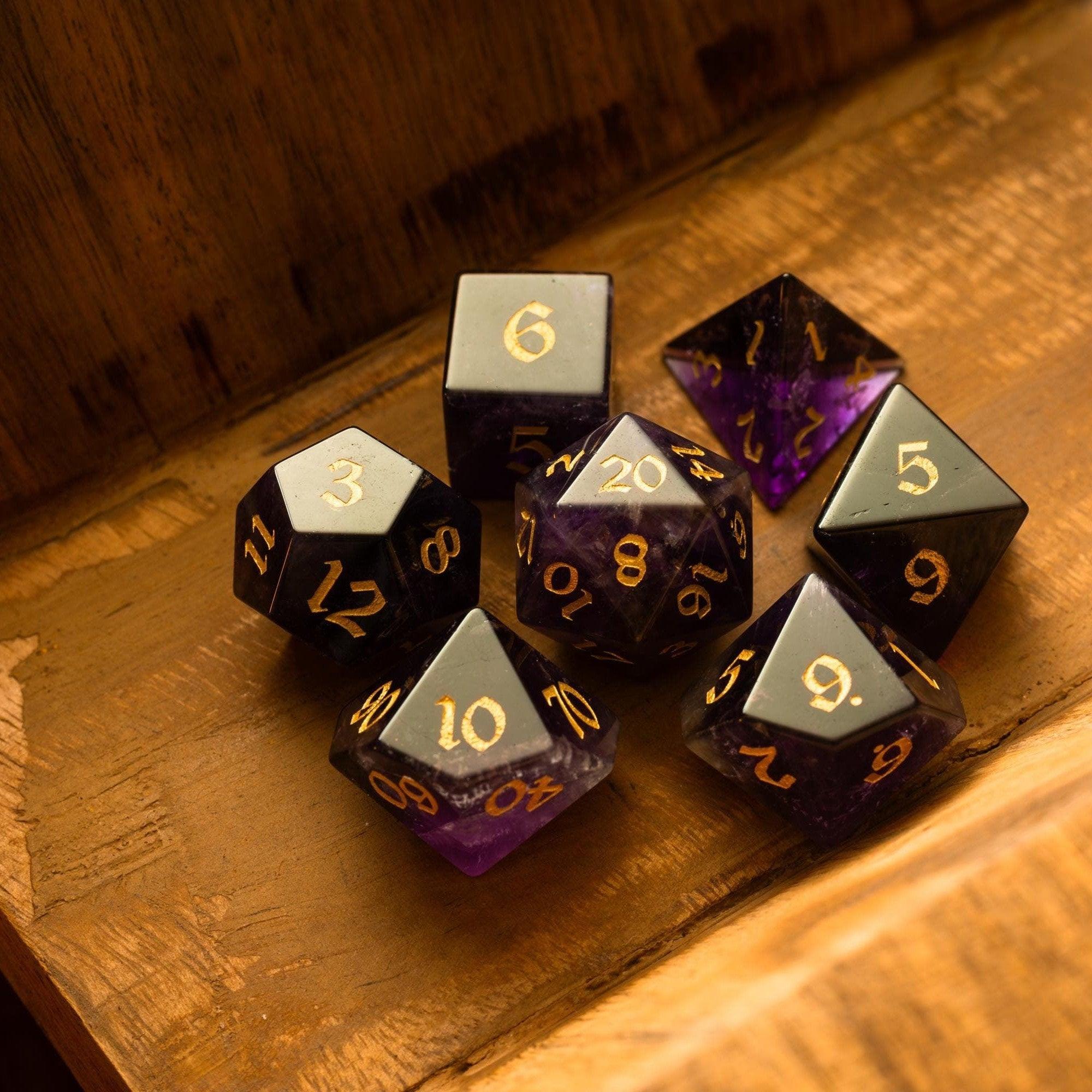
A polyhedral dice set typically includes seven different dice: a d4, d6, d8, d10, d12, d20, and percentile die (d%). These shapes are foundational to most tabletop RPGs, particularly Dungeons & Dragons. Each die serves a specific purpose, whether it's rolling damage, determining success or failure, or calculating ability checks and saving throws.
-
d4: Often used for smaller weapons or spells like Magic Missile.
-
d6: A staple for weapon damage and sneak attacks.
-
d8: Frequently used for hit dice or divine spells.
-
d10/d%: Great for percentile-based rolls or determining variable outcomes.
-
d12: Typically for high-damage weapons or Barbarian hit dice.
-
d20: The heart of most D&D rolls, used for attacks, skill checks, and saving throws.
Some games even introduce quirky alternatives like the d2 dice, which functions like a coin flip but in die form. If you're exploring beyond the standard, unique dice like the d24 or d30 can offer some exciting mechanics for homebrew campaigns or creative encounters. These odd-shaped dice are especially popular among players who enjoy tinkering with mechanics or adding a layer of unpredictability to their games.
Dice Sets vs. Single Dice

New players often start with a full dnd dice set, while veterans might prefer buying single dice to replace lost favorites or create a customized loadout. This mix-and-match approach allows players to reflect their character’s evolving story, perhaps switching to a darker set when a Paladin falls from grace or using glow-in-the-dark dice when venturing into the Shadowfell.
At Runic Dice, we offer options for both collectors and minimalist players looking for one perfect d20. Need a specific die for a house rule or unique mechanic? Many players search for a d10 only dice or d6 only dice to suit their needs. Some Dungeon Masters also like to keep extra damage dice on hand for faster rolling during combat.
Having backup or themed D&D dice for different characters is also becoming a trend in the community. Many adventurers choose dice that resonate with each character’s class, personality, or even moral alignment. This small but powerful detail adds depth and immersion to your tabletop experience.
Where to Buy D&D Dice Online

Looking for a reliable dice website? Runic Dice offers high-quality resin and gemstone D&D dice sets with designs inspired by fantasy lore. Whether you’re buying a dice bag with dice or browsing our DND dice store, we’ve got sets for every adventurer.
-
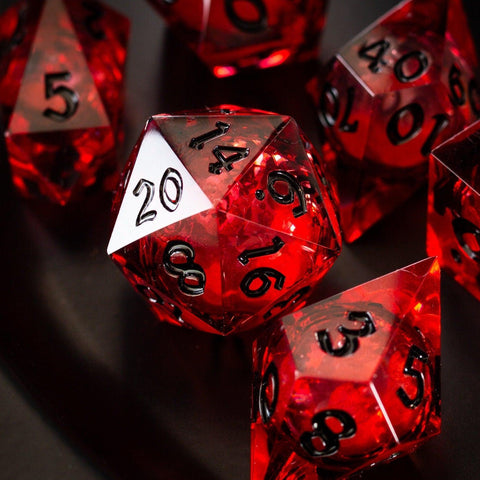
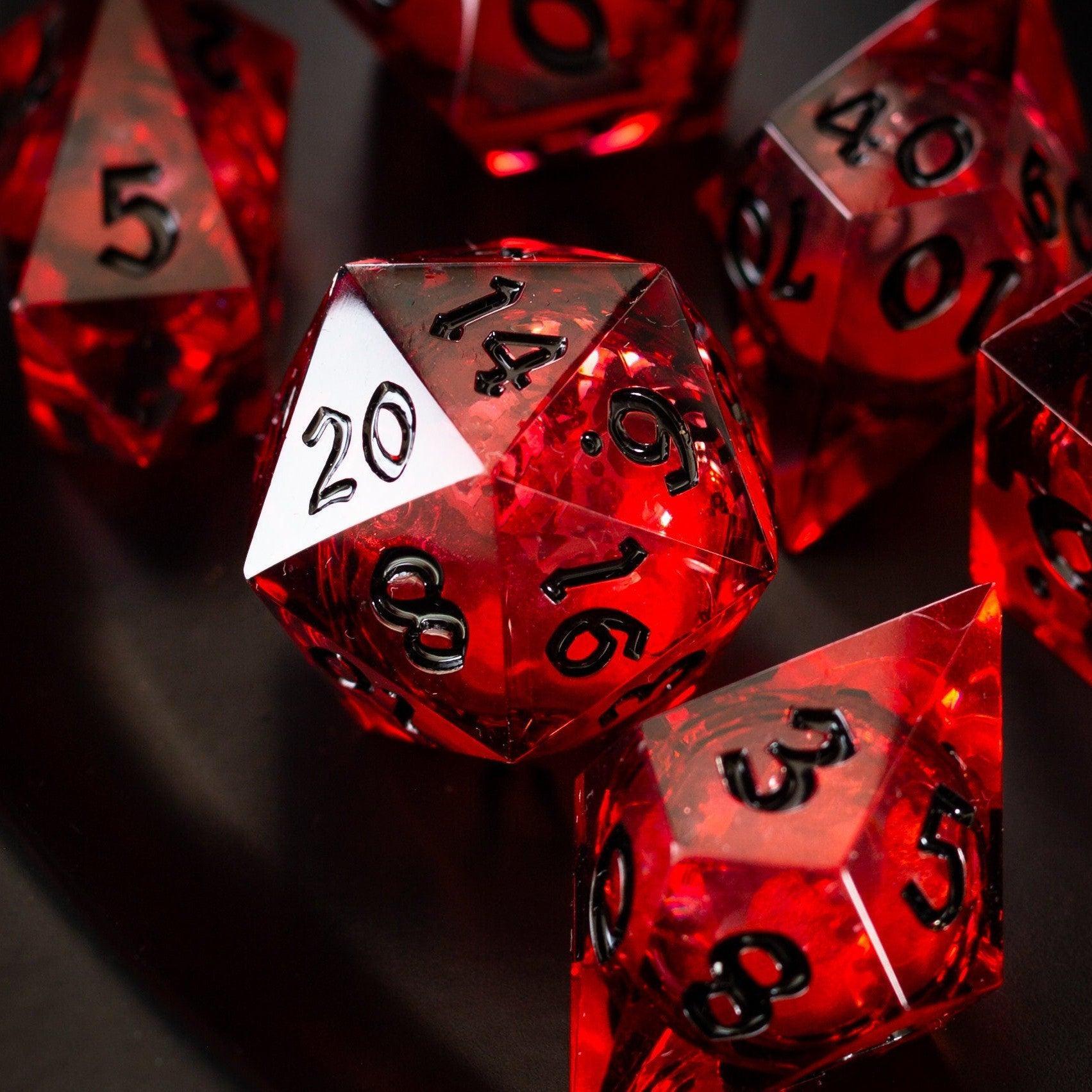
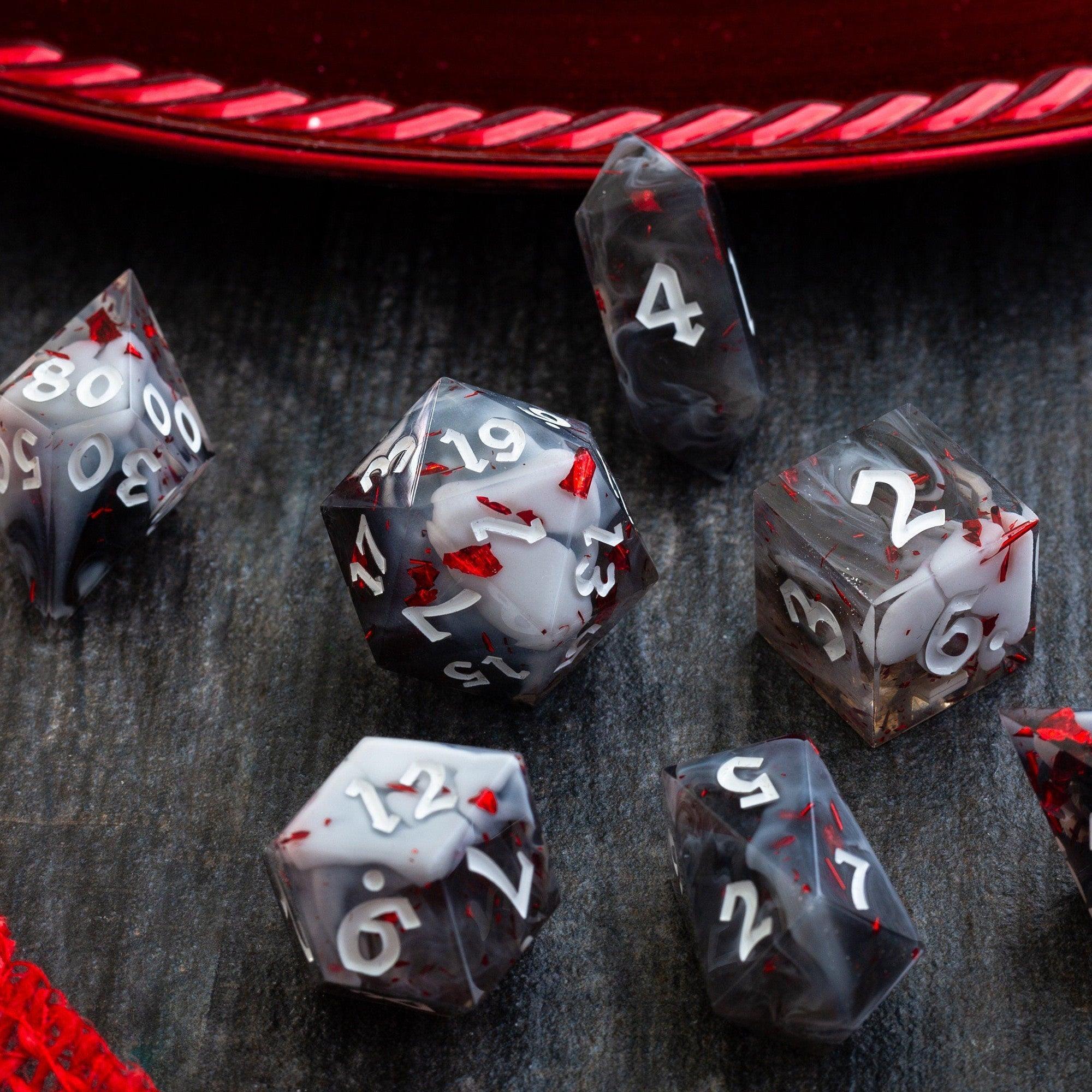
Hand-poured resin dice with stunning swirls and inclusions
-
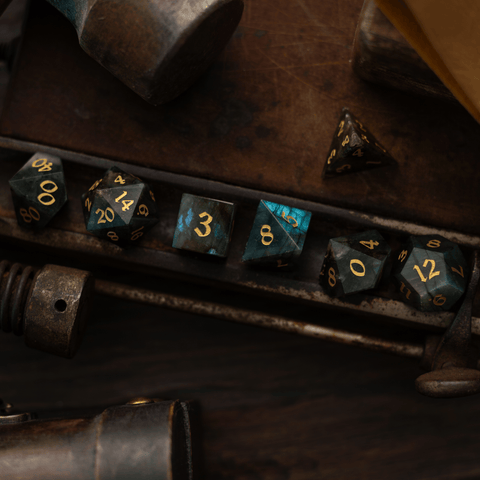
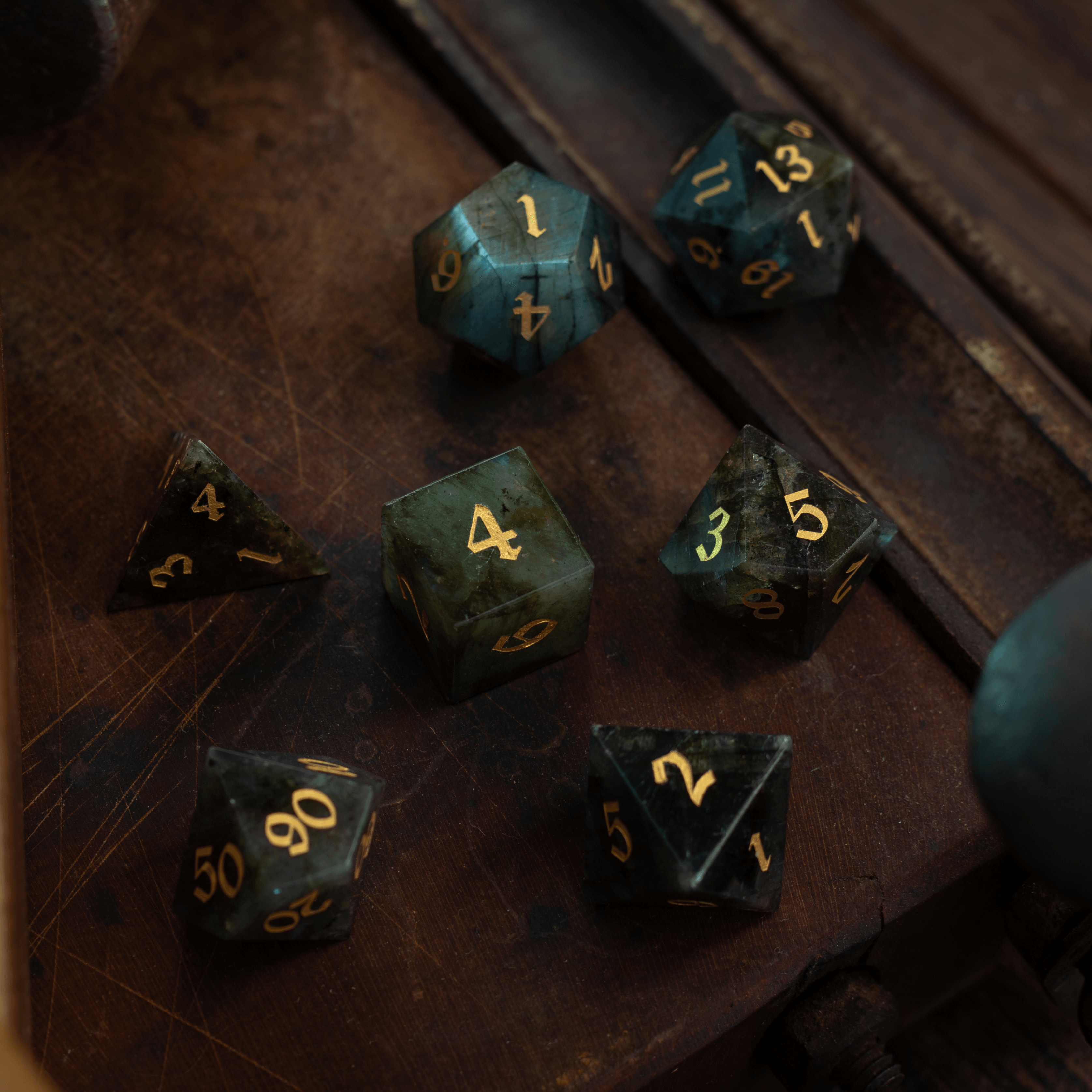
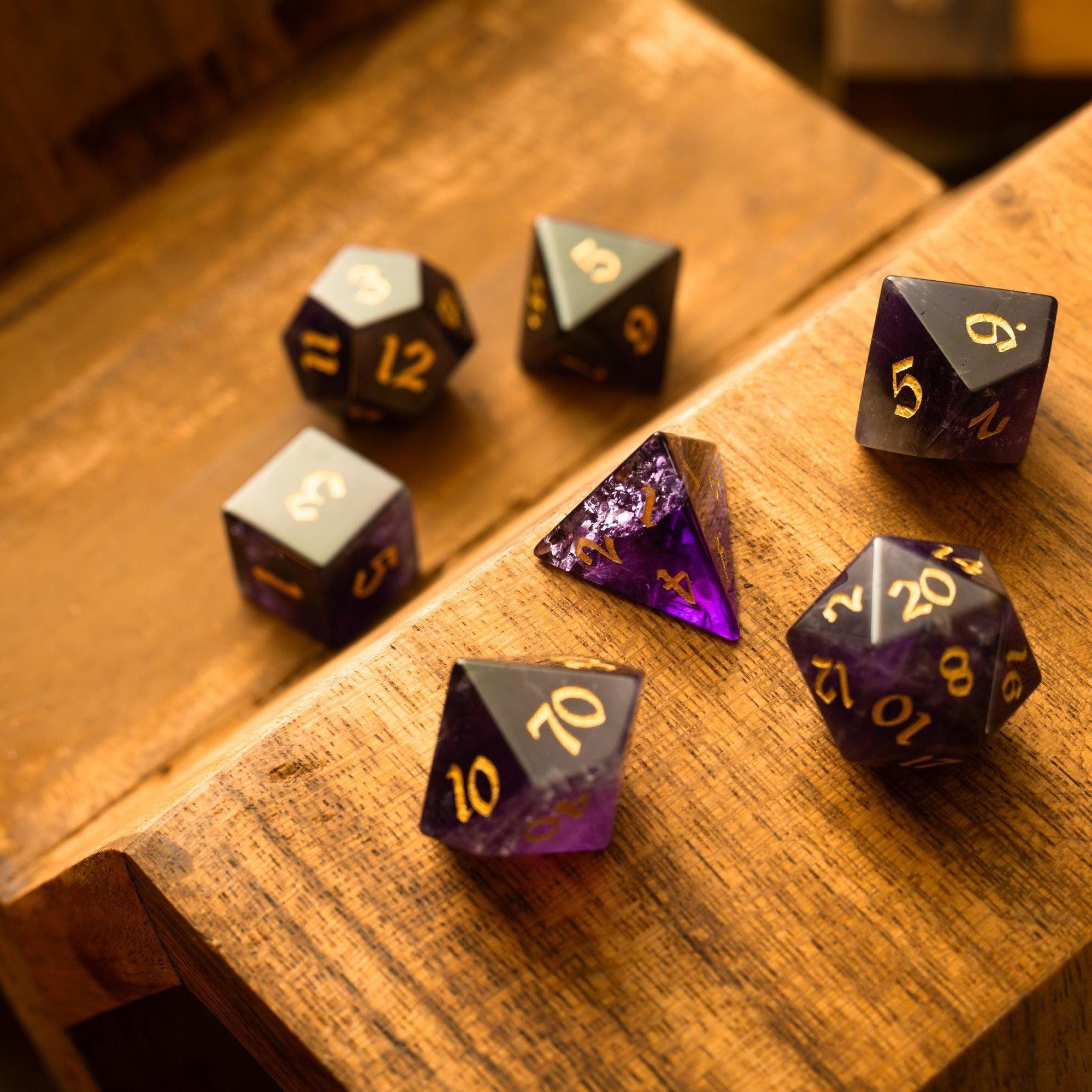
Gemstone dice crafted from materials like obsidian, lapis lazuli, and amethyst
-
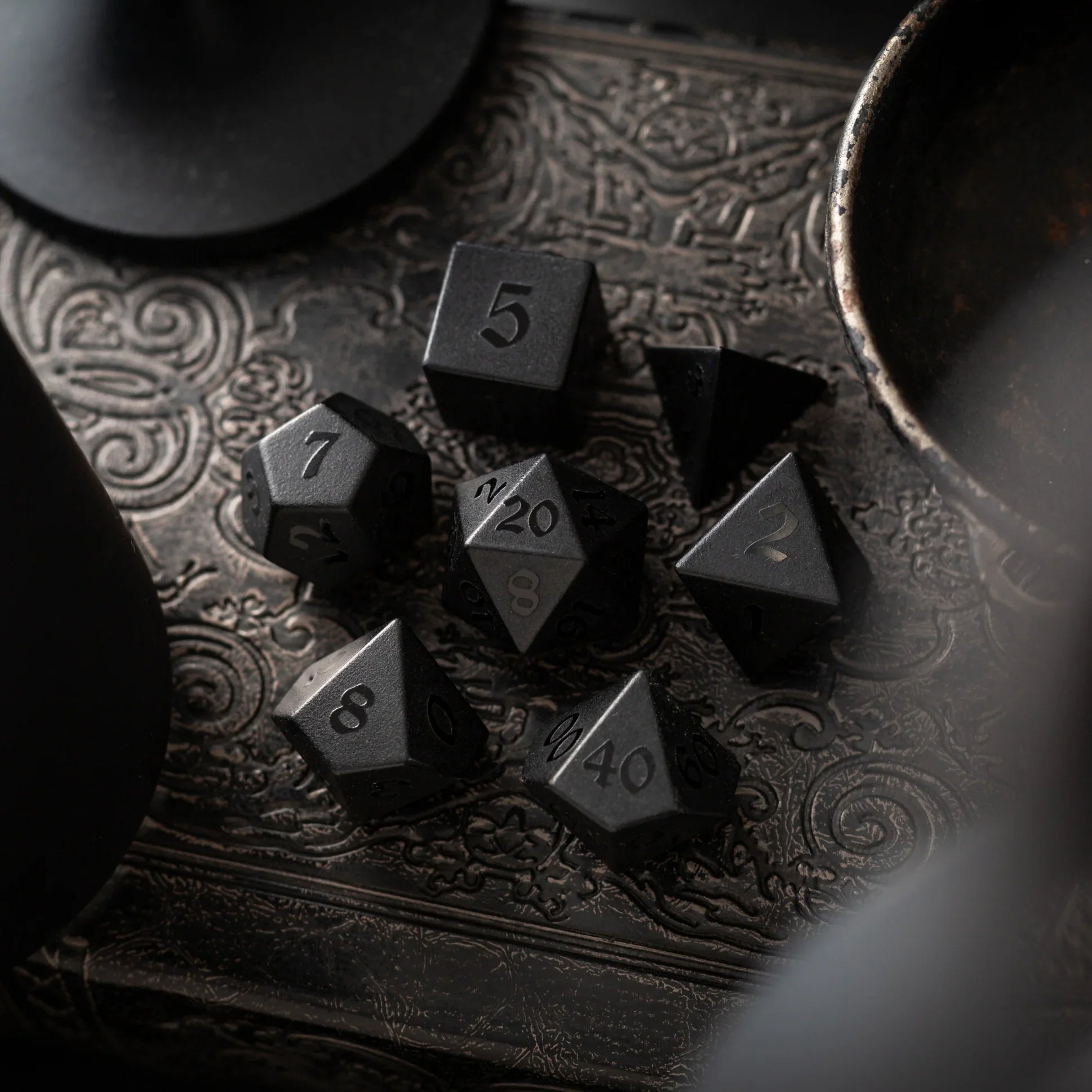
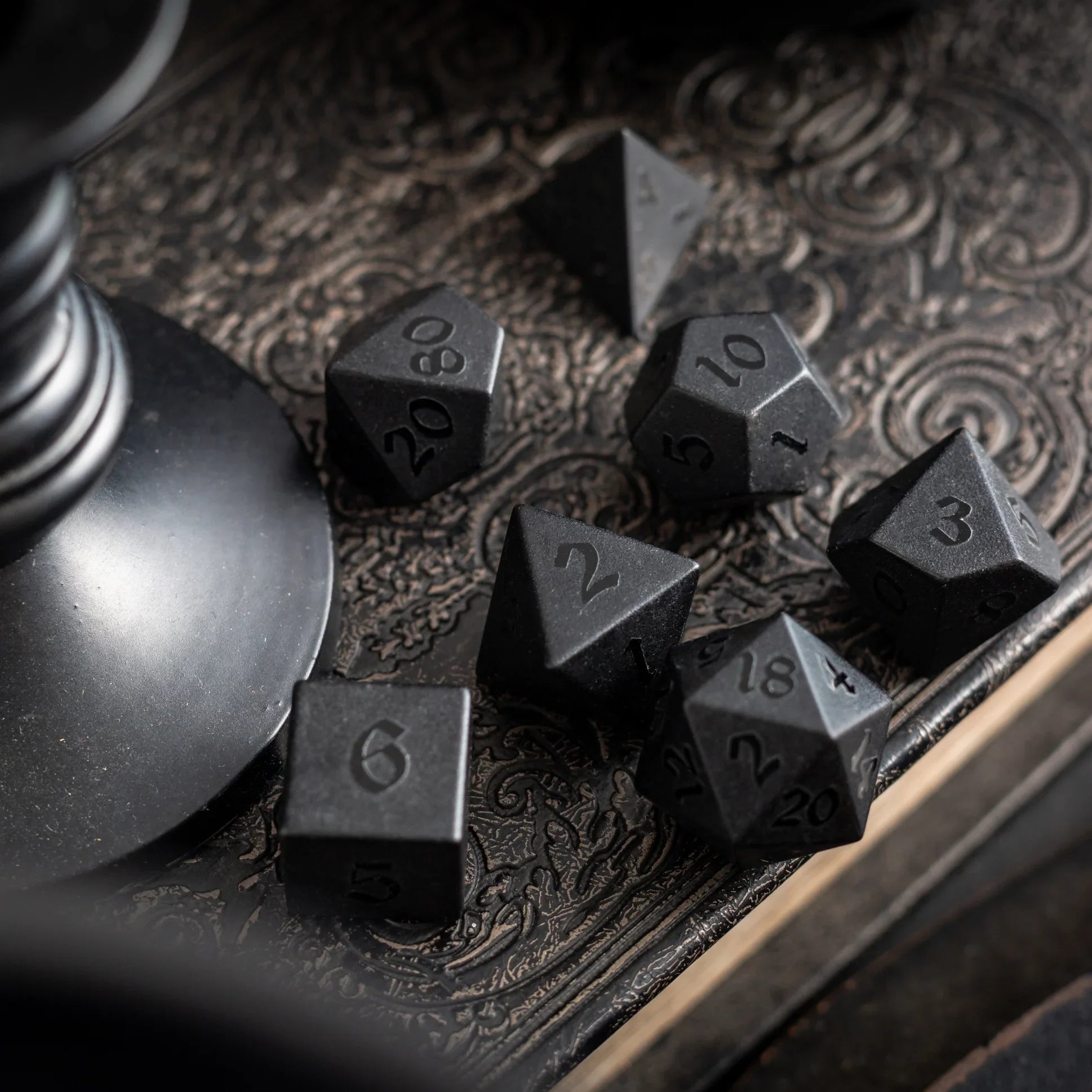
Sharp-edged dice for collectors and critical-hit seekers
If you're curious how we compare to competitors like Dice Envy or Die Hard Dice, just check out our collection. We specialize in Dungeons and Dragons dice set options tailored for player class, theme, and rarity, ensuring that your dice feel as legendary as your character’s journey.
The Best Dice Sets for Specific Classes
Need a dice set for your Paladin or a sleek, dark-themed set for your Warlock? Here are our top picks:
-
Wizard: Arcane glow dice (clear resin, UV-reactive)
-
Barbarian: Heavy metal DND dice with etched numerals
-
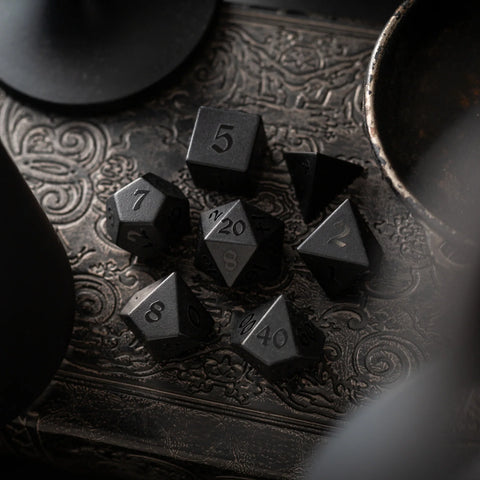
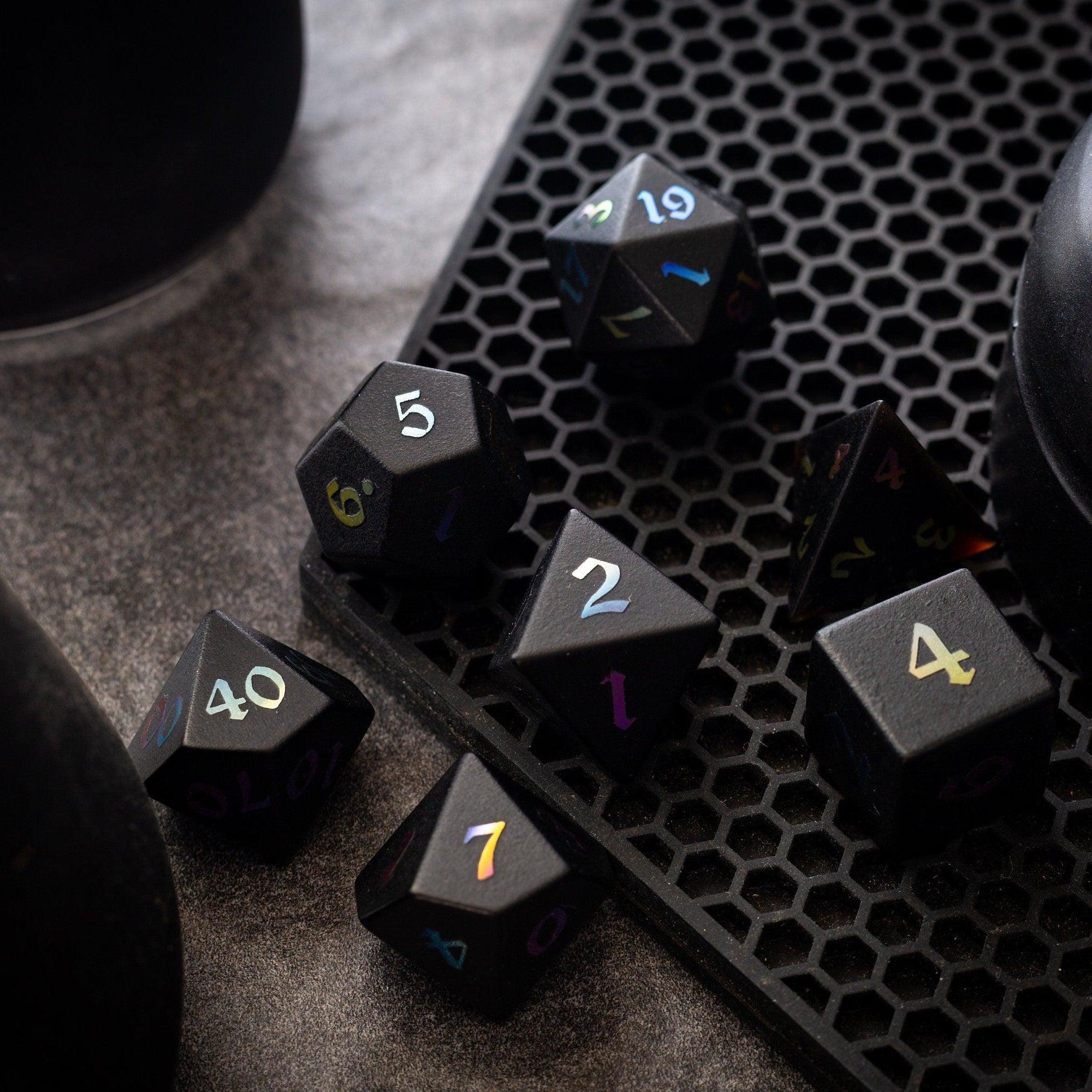
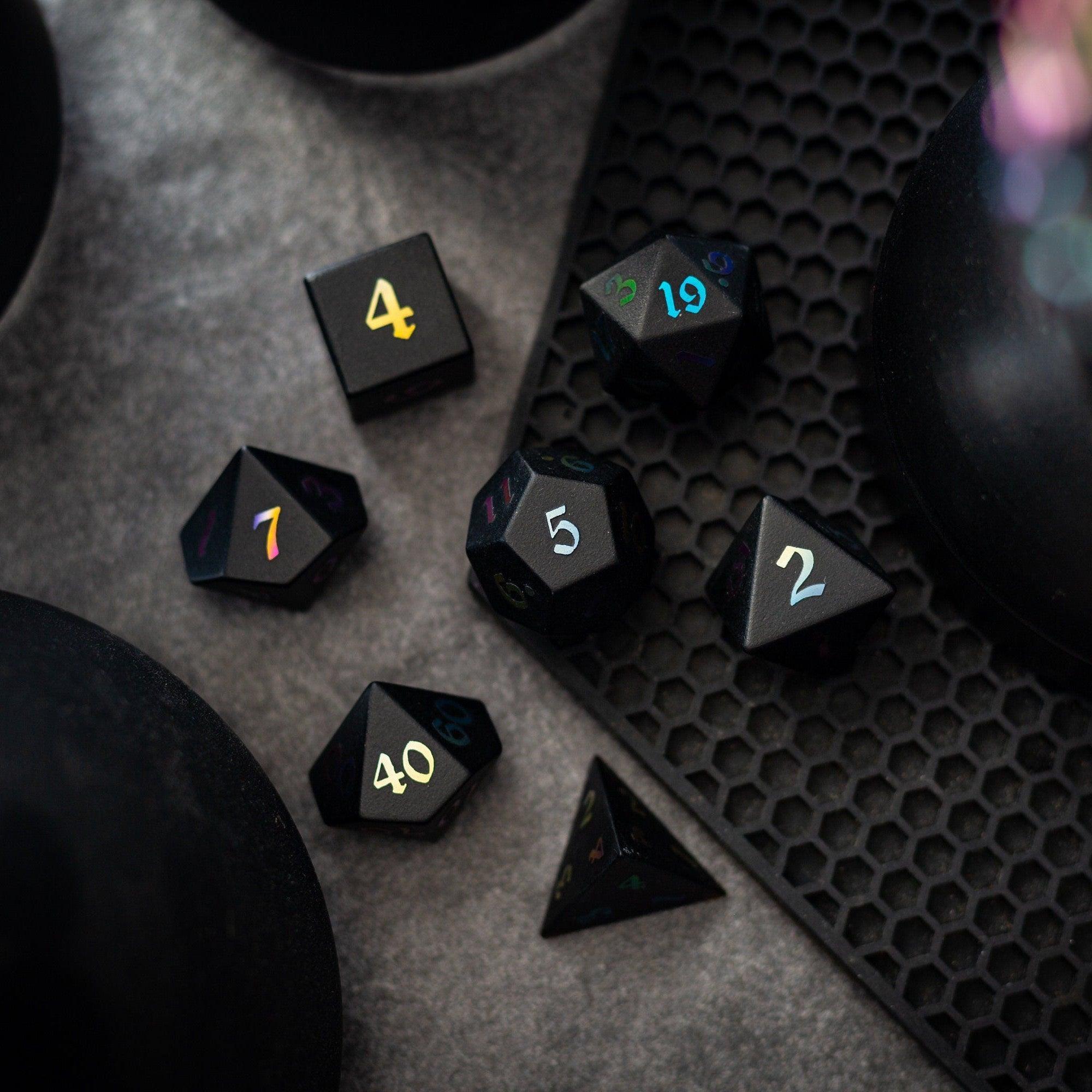
Rogue: Stealth-inspired black DND dice with silver inking
-
Cleric: Divine-themed dice for d and d with celestial runes
These curated sets don’t just look amazing, they help tell the story of your character at the table. Whether you’re channeling divine energy or unleashing a sneak attack from the shadows, the right dice enhance the experience. For even more inspiration, check out our Best Dice Sets for Every Class Guide to find the perfect match for your favorite characters.
Choosing Your Perfect Dice Set

In the world of Dungeons & Dragons, dice are more than just tools, they’re extensions of your character, your story, and your style at the table. Whether you're seeking the perfect balance of weight and roll, a design that reflects your character’s essence, or simply a beautiful addition to your collection, there's a set out there for you.
Consider these tips when choosing your dice:
-
Material: Resin is affordable and artistic; metal is weighty and satisfying; gemstone is luxurious and unique.
-
Aesthetic: Match the dice to your character’s class, race, or even backstory.
-
Functionality: Sharp edges tend to roll more precisely; rounded dice feel smoother and more traditional.
-
Storage: Invest in a quality dice tray, tower, or vault to protect your growing hoard.
From classic polyhedral sets to custom class-themed collections, the right dice can elevate every roll into a moment of magic. So explore, experiment, and let your dice tell your tale, because every great adventure starts with a single roll.

Leave a comment
This site is protected by hCaptcha and the hCaptcha Privacy Policy and Terms of Service apply.