

Simple Ways to Improve Your Roleplay in D&D (Even If You’re New)
Roleplaying in Dungeons & Dragons can feel a little intimidating at first. You might picture experienced players doing full voices, dramatic speeches, and perfectly in-character decisions every time. That pressure can make it hard to even start.
The truth is much simpler.
Good roleplay isn’t about acting talent. It’s about small, natural choices that help you connect with your character and the world around them. Even tiny changes can make your sessions feel more immersive, more memorable, and a lot more fun.
Let’s walk through some easy, practical ways to improve your roleplay in D&D without overthinking it.
What “Good Roleplay” Really Means
Before anything else, it helps to reset expectations.
Good roleplay is not:
-
Doing voices perfectly
-
Delivering long speeches
-
Staying in character 100% of the time
Good roleplay is:
-
Making decisions your character would make
-
Reacting to the world as they see it
-
Staying consistent with who they are
If your cautious rogue hesitates before opening a suspicious chest, that’s roleplay.
If your brave fighter steps forward to protect the group, that’s roleplay too.
It’s not about performance. It’s about perspective.
Start Small and Keep It Simple
You don’t need to transform how you play overnight. The best way to improve roleplay in D&D is by starting small.
Try these simple habits:
-
Speak in short, in-character phrases
-
Describe what your character does instead of acting it out
-
React naturally instead of trying to be dramatic
For example:
-
Instead of acting out a full speech, say:
“My character thanks the innkeeper and asks for a room.” -
Or take a small step further:
“Thanks… I’ll take a room for the night,” I say, keeping my hood up.
Both are great roleplay. The second just adds a bit more flavor.
Build a Clear Character Foundation
Roleplay becomes much easier when you understand your character.
You don’t need a long backstory. Just a few key ideas:
-
Goal: What does your character want?
-
Personality: Are they brave, cautious, curious, sarcastic?
-
Quirk: One small habit or trait
Examples:
-
A wizard who constantly takes notes
-
A barbarian who loves storytelling
-
A cleric who quietly hums prayers under their breath
Writing a few notes on your character sheet can help a lot. Even something as simple as a keyword like “protective” or “greedy” gives you something to lean on during play.
Roleplay Tips Table
Here’s how small changes can turn basic actions into more immersive moments:
|
Situation |
Basic Response |
Roleplay-Improved Response |
|
Talking to an NPC |
“I ask for information.” |
“I lean in and ask quietly, ‘What do you know about the ruins?’” |
|
Opening a chest |
“I open it.” |
“I check for traps first, then slowly lift the lid.” |
|
Entering a tavern |
“We go inside.” |
“I push the door open and scan the room before stepping in.” |
|
Helping a teammate |
“I heal them.” |
“I kneel beside them and whisper a quick prayer as I heal.” |
These are small changes, but they make a big difference in dnd immersion.
Use Your Character’s Perspective
One of the most powerful dnd roleplay tips is also one of the simplest:
Ask yourself:
“What would my character do?”
Not what’s optimal. Not what you would do. What they would do.
This means:
-
Avoid using knowledge your character wouldn’t have
-
Make decisions based on their personality
-
Stay consistent, even if it’s not the best move
A reckless character might rush into danger.
A cautious one might hold back.
Both create interesting moments.
Engage with Other Players
Roleplay isn’t something you do alone. It comes alive when you interact with the rest of the party.
Try:
-
Asking questions in character
-
Reacting to what others say or do
-
Supporting their moments instead of waiting for your turn
Examples:
-
“You’ve been quiet… what do you think we should do?”
-
“That was impressive. Where did you learn that?”
These small interactions build relationships between characters and make the story feel shared.
Use Simple Voice or Tone Changes (Optional)
You don’t need an accent to roleplay well. But small changes in how you speak can help.
Try:
-
Speaking a little slower or faster
-
Lowering or raising your voice slightly
-
Adding a consistent tone (serious, cheerful, nervous)
Keep it comfortable. If it feels forced, skip it.
Even a subtle shift can help separate you from your character.
Using Dice to Support Roleplay
Dice aren’t just tools for gameplay. They can actually help you stay connected to your character.
Here are a few ways to use them as part of your roleplay:
Make Rolls Feel Like Moments
Instead of quickly rolling and moving on, treat important rolls like part of the scene.
-
Pause before rolling
-
Describe what your character is attempting
-
Let the result shape your reaction
Example:
“I take a deep breath and try to pick the lock…”
Then roll.
That small pause adds tension and immersion.
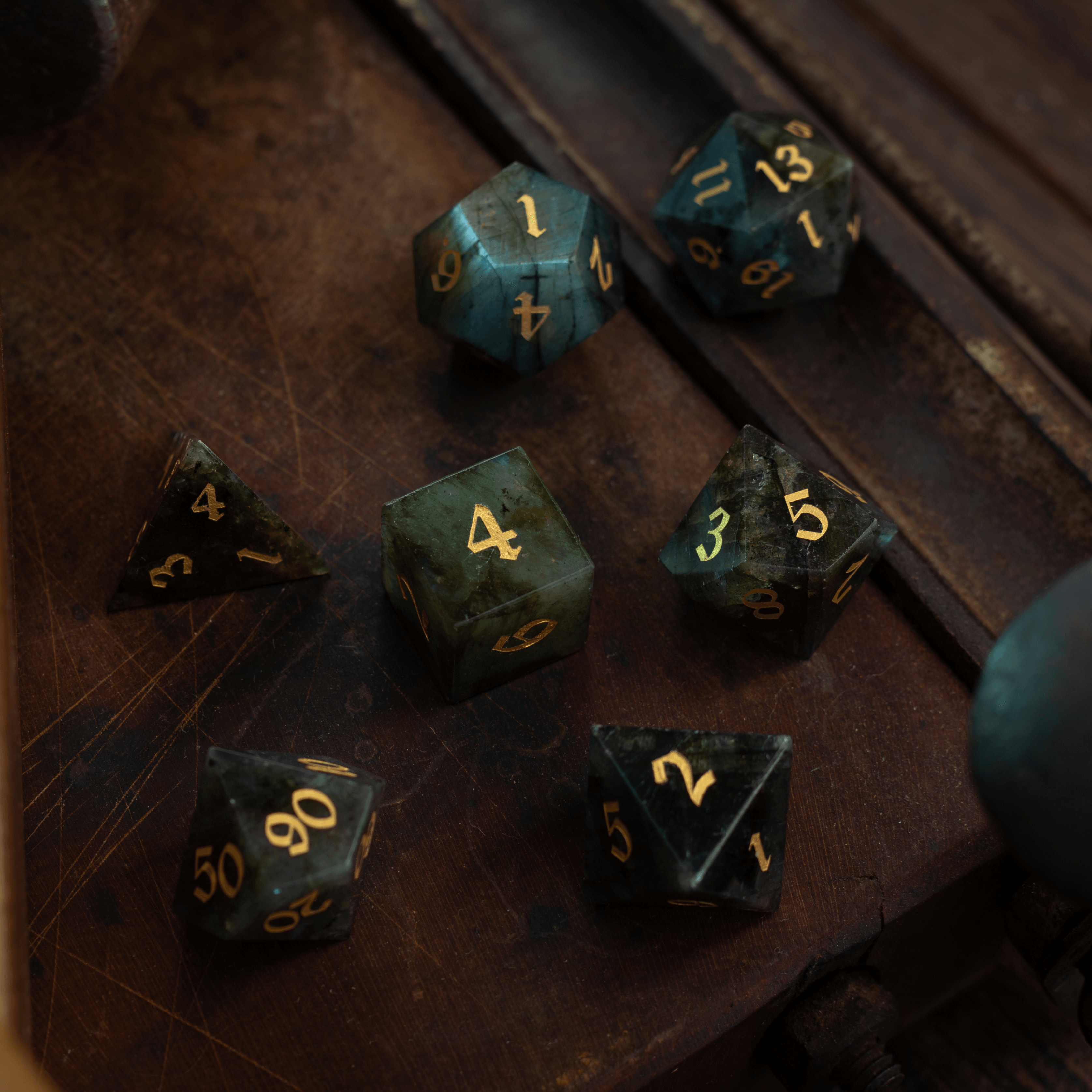
Choose Dice That Match Your Character
Many players enjoy picking dice that reflect their character’s personality.
-
Dark, sharp-edged dice for a rogue
-
Bright, radiant colors for a paladin
-
Natural tones for a druid
It might seem like a small detail, but having a set that feels tied to your character creates a subtle connection every time you roll.
Use the Physical Ritual
Rolling dice is a tactile experience. The sound, the weight, the motion. It all adds to the moment.
That ritual can help you stay focused and present, especially during important scenes.
It’s one of those quiet ways to improve dnd immersion without even thinking about it.
Common Mistakes to Avoid
If you’re trying to improve roleplay in D&D, watch out for these common pitfalls:
-
Overthinking every line
You don’t need perfect dialogue -
Trying to act perfectly
Natural beats perfect every time -
Interrupting or dominating scenes
Give others space to shine -
Breaking immersion too often
Jokes are fine, but try to stay present during key moments
Roleplay works best when everyone contributes and supports each other.
Tips for Shy Players
If you’re feeling nervous, you’re not alone. A lot of players start this way.
Here are some gentle ways to build confidence:
-
Speak in third person
“My character asks about the map.” -
Start with small moments
You don’t need big speeches -
Focus on reactions
Even a simple nod or comment adds to the scene -
Build gradually
Comfort comes with time
Most importantly, remember this:
No one expects perfection. They just want to have fun with you.
Final Thoughts
Improving your roleplay in D&D doesn’t require acting skills or big dramatic moments. It’s about small, consistent habits that bring your character to life over time.
Start simple. Stay curious. Let yourself experiment.
The more you lean into your character, even in tiny ways, the more the game starts to feel real.
And that’s where the magic happens.



















Leave a comment
This site is protected by hCaptcha and the hCaptcha Privacy Policy and Terms of Service apply.