

Rulebooks and Sourcebooks for Tabletop Games: A Practical Guide
Updated on: 2025-12-08
Building your RPG library can feel overwhelming, but it doesn’t have to be. This guide shows you how to pick core rules, setting guides, and system-agnostic references you’ll actually use at the table. You’ll learn how to avoid common buying mistakes, prioritize what to get first, and spot quality in both print and digital formats. Plus, we’ll share a buyer’s checklist and quick answers to the biggest questions people ask.
- Introduction
- Common Mistakes When Shopping Rulebooks and Sourcebooks for Tabletop
- Buyer’s Checklist
- FAQ Section
- Wrap-Up & Final Thoughts

If you’re piecing together your first—or fifth—RPG library, the choices can stack up fast. Between core rules, setting companions, bestiaries, adventure modules, GM handbooks, and player guides, it’s easy to buy more than you’ll use. The good news: a smart plan keeps your spending focused and your sessions smooth. In the first 100 words, you’re promised one simple goal—pick rulebooks and sourcebooks for tabletop play that actually serve your table, not your shelf. I’ll walk you through a practical approach, give you a straightforward checklist, and answer the questions we all ask before checkout.
Common Mistakes When Shopping Rulebooks and Sourcebooks for Tabletop
We’ve all impulse-bought a stunning hardcover that barely hits the table. Here are the pitfalls to dodge so your books earn their keep.
- Buying for art, not for use. Gorgeous covers are tempting, but the value lives in clarity, table utility, and organization. Before you buy, scan a preview or look at the table of contents. If it doesn’t help you run or play, it’s coffee-table decor.
- Skipping the core rules. Setting guides and monster tomes shine brightest when the main rules are locked in. Learn your core engine first; then expand. You’ll save money and reduce confusion.
- Chasing every supplement. Not every add-on is meant for your style. Focus on modules, tools, or setting expansions that address a need: faster prep, richer lore, or specific play pillars like exploration or social intrigue.
- Underestimating table usability. Index quality, sidebars, quick references, and chapter summaries matter. Books that front-load player options without handy summaries can slow down your session.
- Ignoring your group’s preferences. If your table loves fast fights and big moments, grab rules that keep combat snappy and rulings simple. If they crave crunchy builds, choose systems with robust character options.
- Buying out of order. Start with the core, then pick one adventure or toolbox that you’ll use in your next 3–5 sessions. Only after that should you add specialized content like advanced gear, deep lore, or niche subsystems.
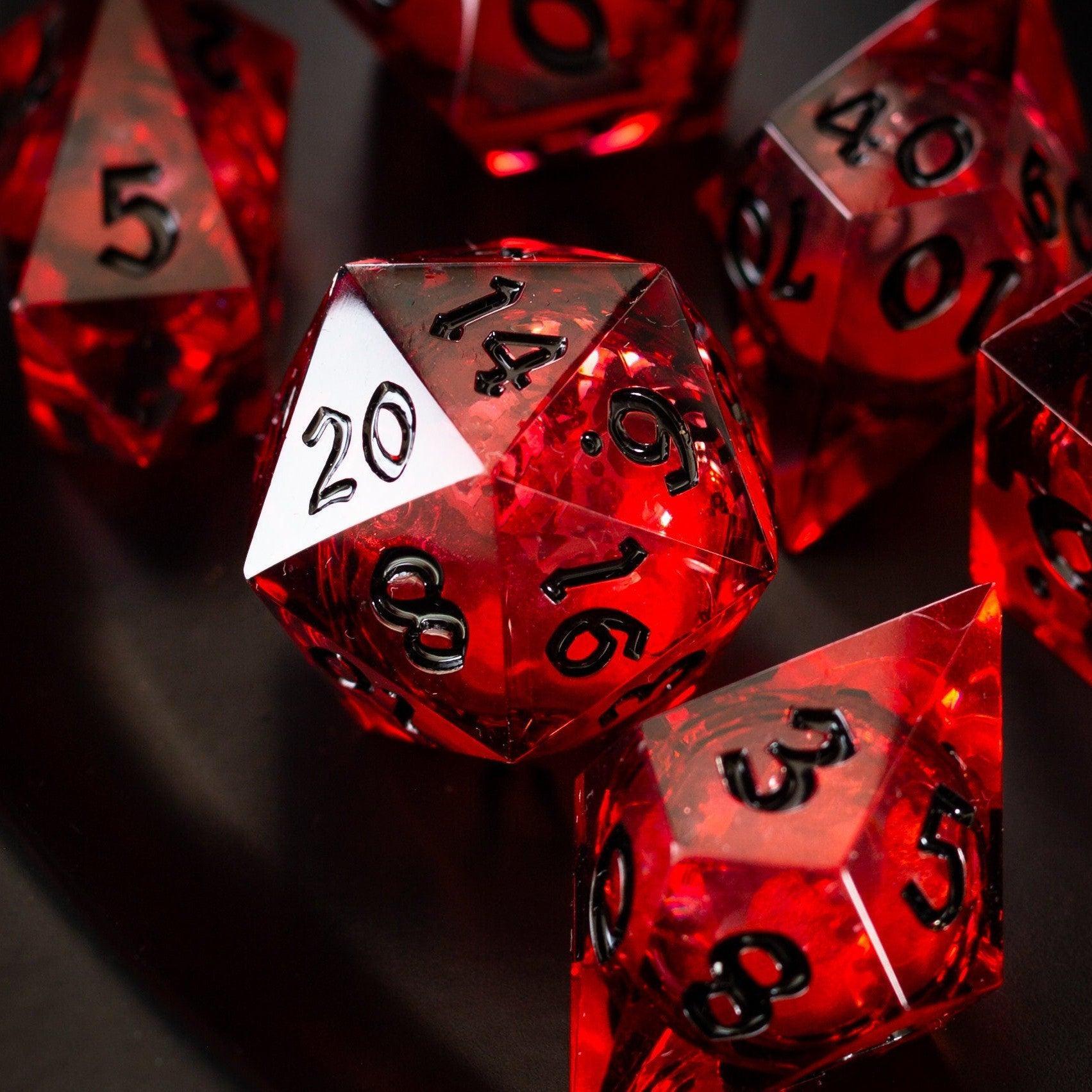
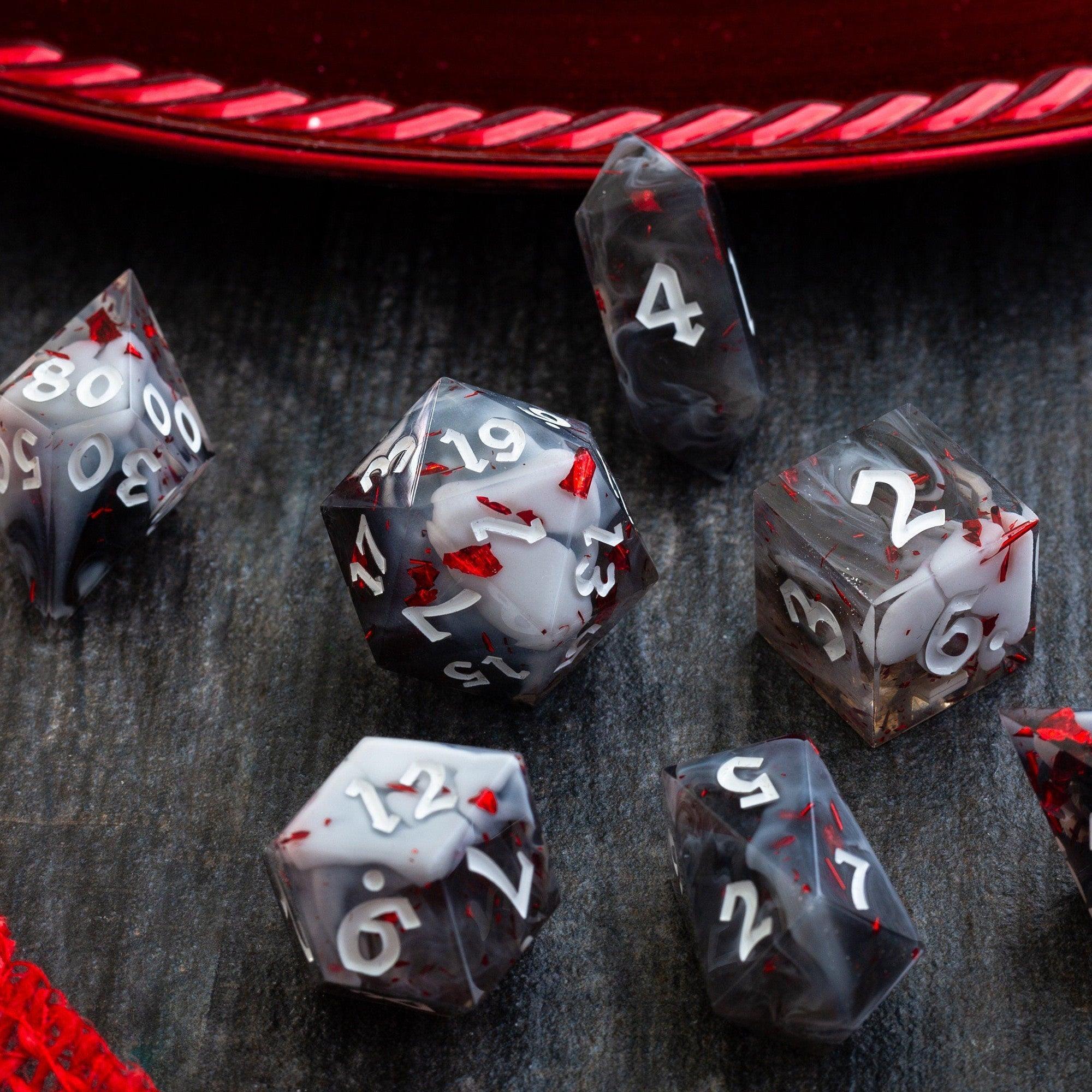
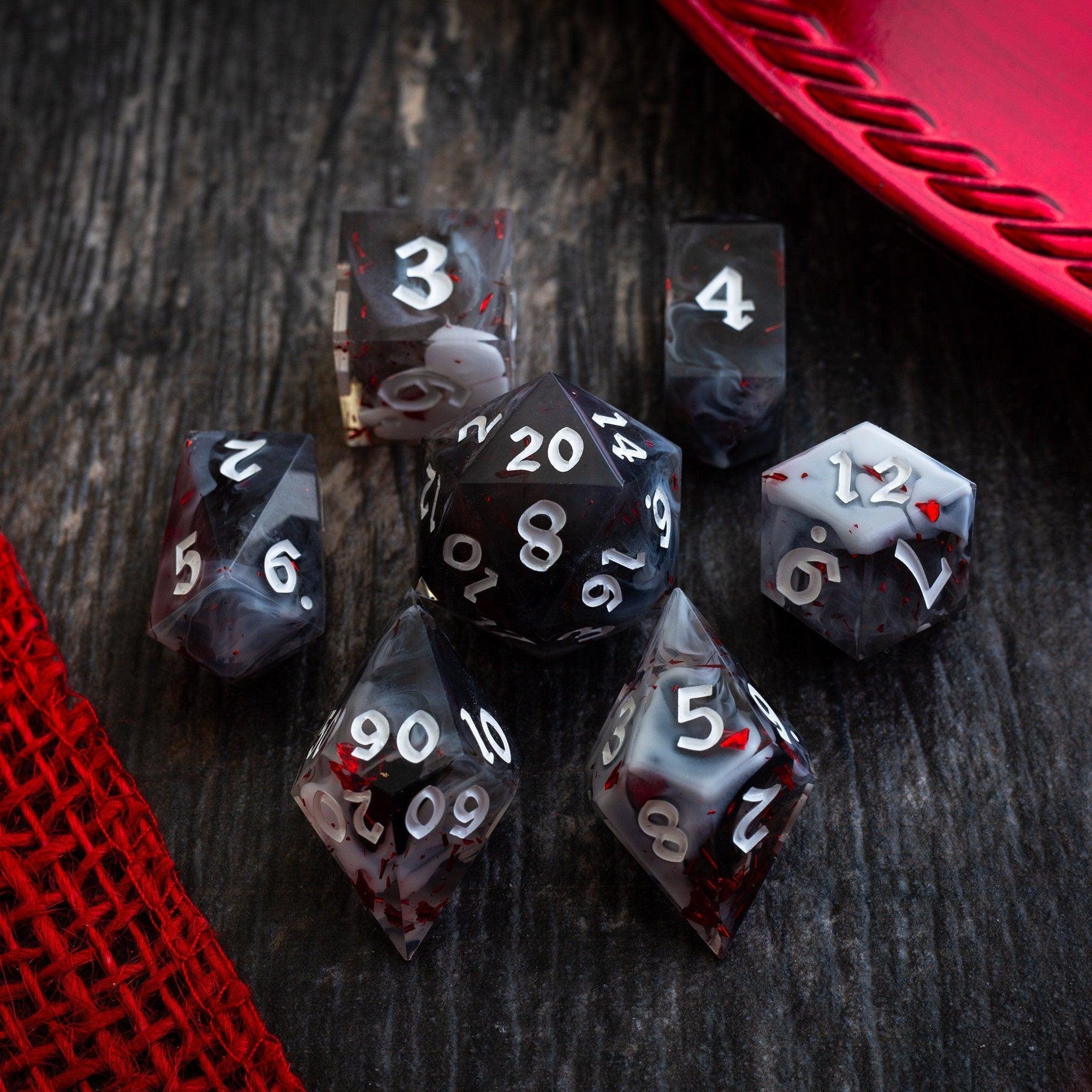
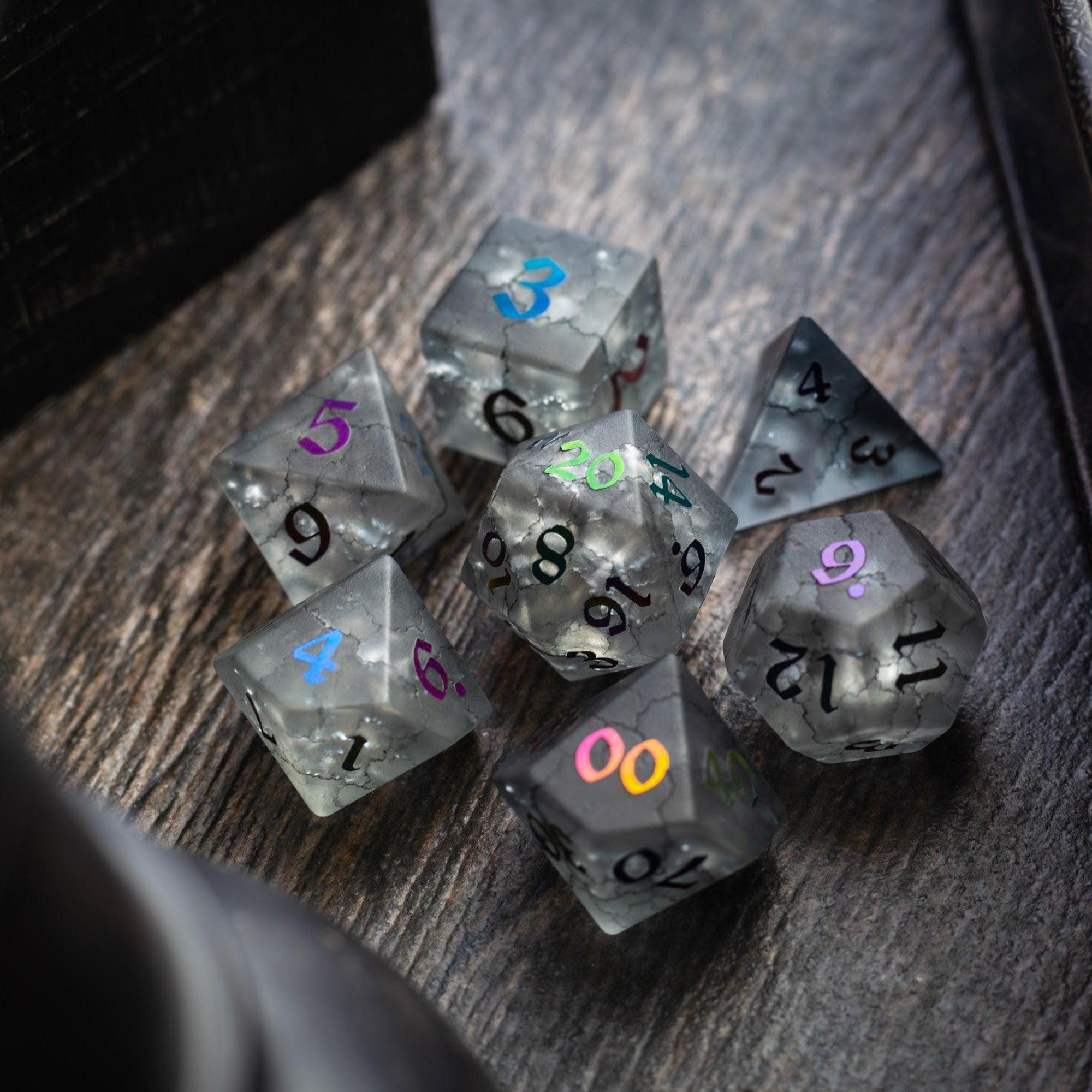
- Neglecting practical accessories. The book might be perfect, but you’ll still want smooth rolling surfaces and clear dice. If you’re leveling up your kit, consider striking table upgrades like liquid core dice that are easy to read under low light.
- Not testing the waters. Try a one-shot with free quickstart rules or SRD content when available. You’ll get a feel for the rhythm, terminology, and pacing before you commit to hardcovers.
Keep this short list handy as you browse, and you’ll sidestep most buyer’s remorse.
Buyer’s Checklist
Use this simple checklist to make confident, budget-friendly picks.
- Define your play style. Do you prefer cinematic action, gritty realism, or rules-light improv? Choose books designed to support that tone.
- Confirm compatibility. If a supplement references a specific edition or system, make sure it matches the core rules you own.
- Scan the index and layout. Is it easy to find conditions, combat actions, or spell rules mid-session? Clean layout and quick references save time.
- Check user-friendly tools. Look for encounter building guides, character creation flowcharts, and sample stat blocks that lower prep time.
- Assess digital support. PDFs with bookmarks, hyperlinks, and layers (to hide art for printing) can be a game-changer for GMs.
- Prioritize session impact. Will this book improve your next adventure right away? If not, put it on a later list.
- Pick a starter adventure. One well-structured module teaches a system faster than weeks of reading.
- Balance player and GM needs. If you’re the GM, start with the core and a module. Players should start with a concise character guide and gear references.
- Mind your budget. Bundle deals can be great, but avoid “everything packs” unless you know you’ll use 70% or more.
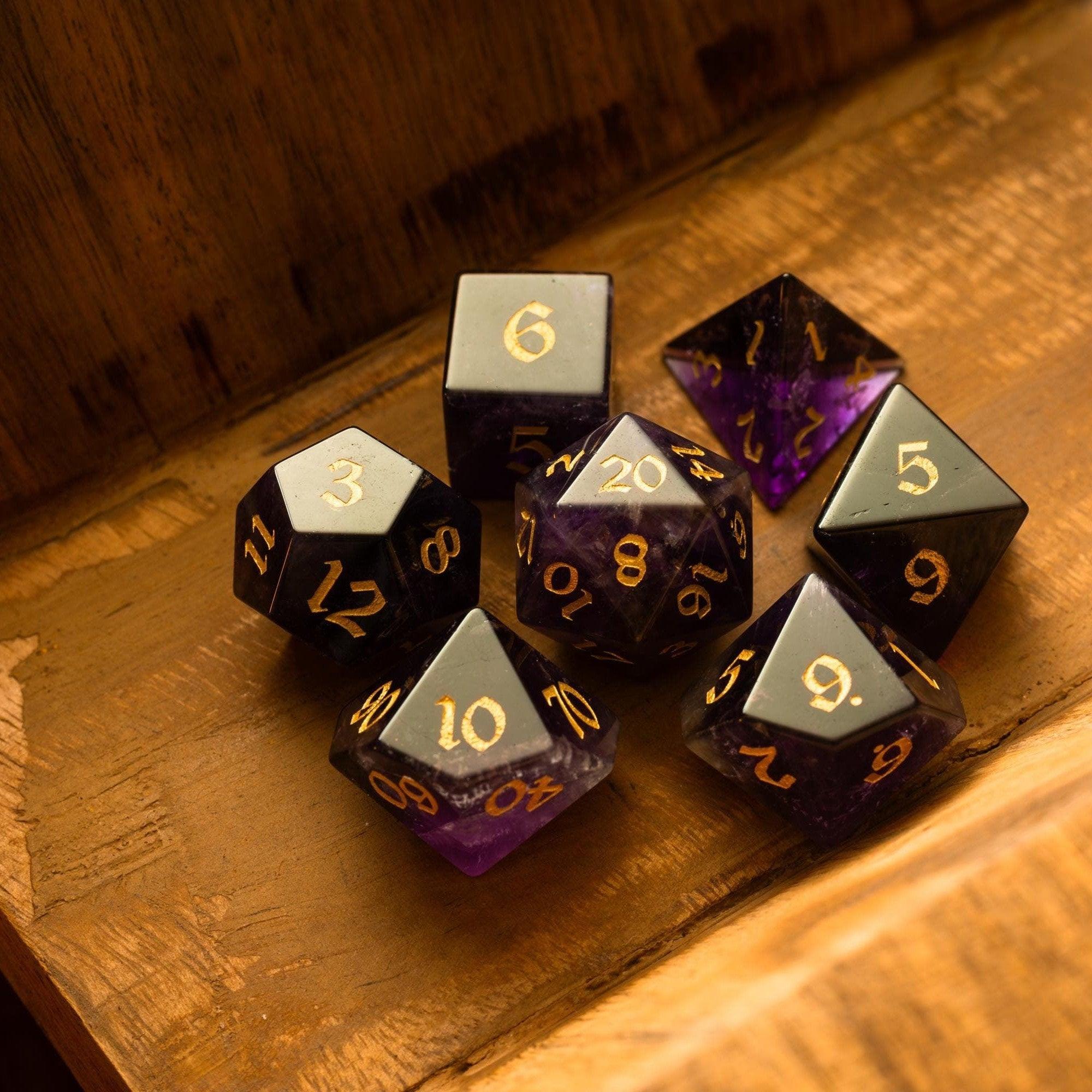
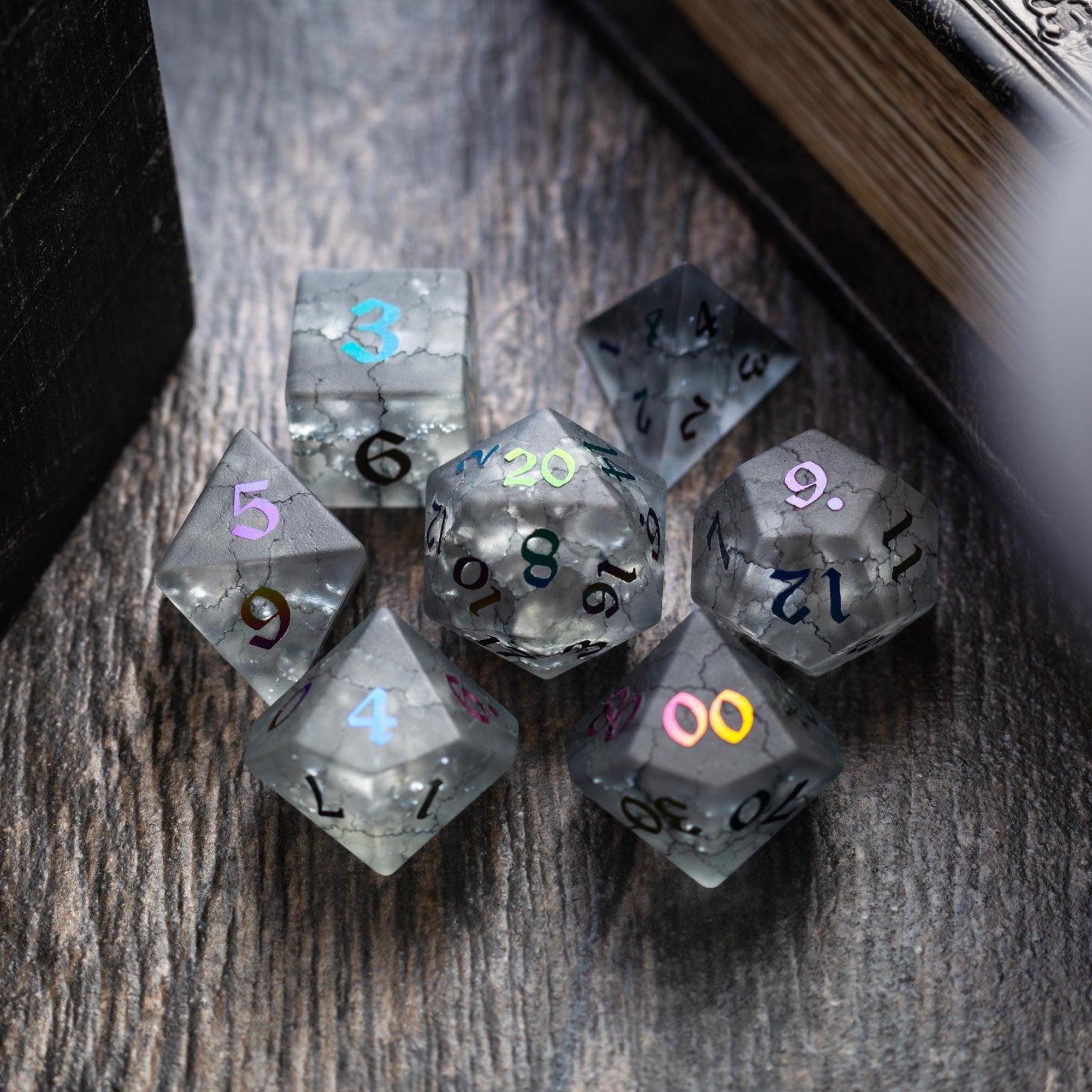
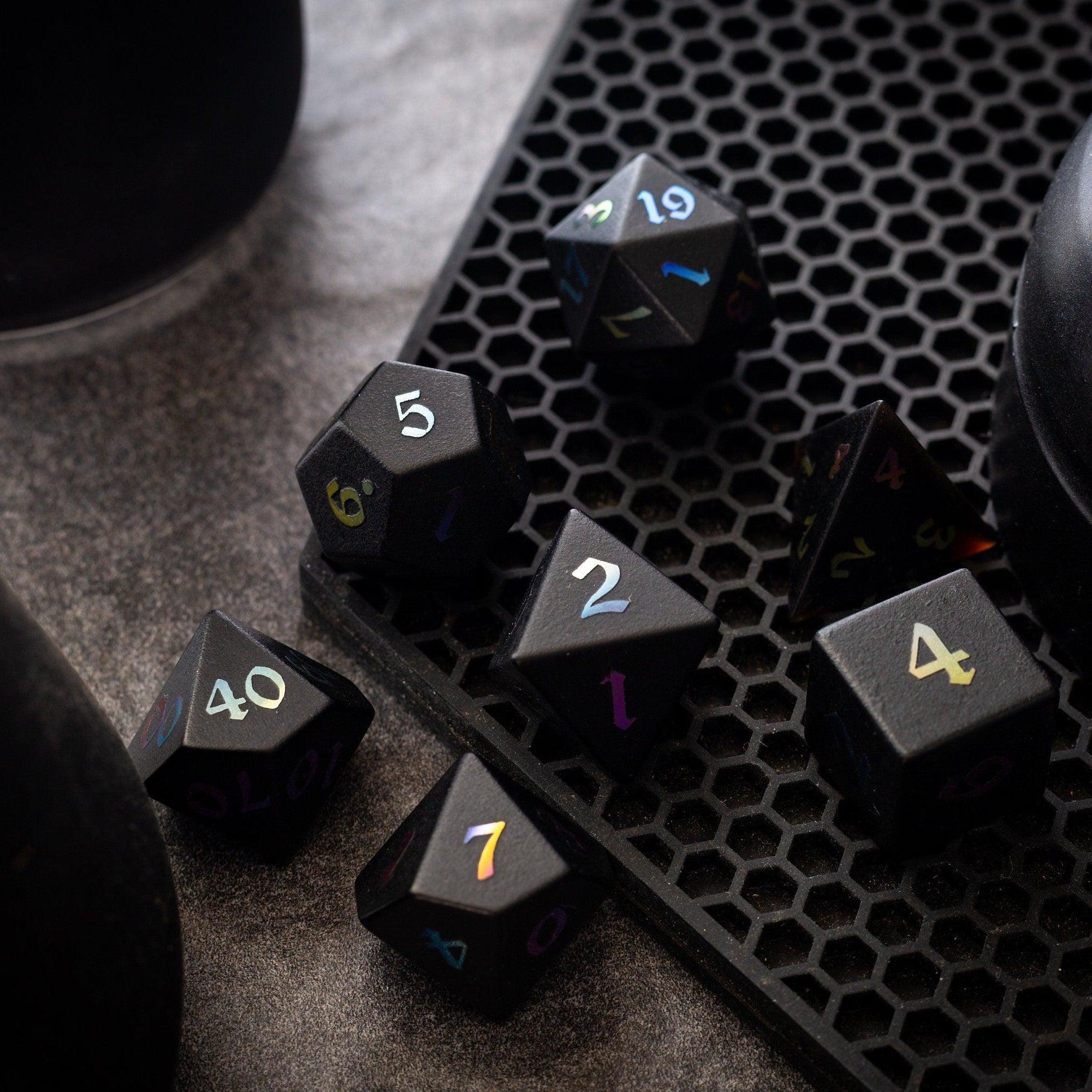
- Think table presence. Clear dice and neat rolling help the whole group. If you want an eye-catching upgrade, explore sharp-edge resin dice that pair nicely with premium books.

- Organize for play. Use sticky tabs or a digital note system to mark conditions, actions, and rules you reference every session.
- Plan your next three sessions. Buy with those sessions in mind: one book to run, one to prep, and one to inspire.
If you want to round out your kit while you build your library, you can also browse collections that complement your table’s style.
FAQ Section
How do I choose a system that fits my group?
First, ask what your table enjoys most: fast action, deep character builds, or collaborative storytelling. Then match that to a system’s complexity and tone. Rules-light engines are great for narrative-first play, while crunchier games reward tactical thinkers. Read a quickstart, watch a single-session playthrough, or run a one-shot before you invest in multiple books. If your group smiles more when the story flows, pick a streamlined engine; if they love depth and mechanical choices, a feature-rich system will land better.
Do I need a core rulebook before buying setting or adventure books?
In most cases, yes. Core rules teach the language of the game—how actions resolve, how conditions work, and how characters progress. Setting books assume you already know that language and build on it with lore, factions, and region-specific tools. Adventure modules often reference core mechanics—not having that foundation can slow play and cause table confusion. Start with the main rules, then choose one setting or adventure that supports your next campaign’s goals.
Should I get digital PDFs or print copies?
Both have strengths. PDFs with bookmarks and hyperlinks are fantastic for prep and quick search during sessions. Print copies are easier to share and keep open on a stand. If budget allows, get digital for the GM’s toolkit and a physical copy for the table. When you travel or run one-shots, digital cuts weight and lets you pull up key pages fast. For long campaigns, a sturdy hardcover and sticky tabs can be a joy to use week after week.
Wrap-Up & Final Thoughts
Curating a useful library is about intention, not volume. Pick your engine, learn it well, and add supplements that solve real problems—faster prep, clearer rulings, or richer worlds. Stay focused on table utility: readable layout, concise rules, and tools that lighten your mental load. Keep your group’s tastes front and center and you’ll avoid shelf-ware and get more memorable sessions.
Ready to elevate your setup alongside the books you love? Consider a small quality-of-life upgrade like organized storage and a stable rolling surface. A reliable tower can keep rolls fair and visible—explore sturdy options in dice towers. Build thoughtfully, play often, and let your collection grow with your table—not the other way around. And if you want inspiring accessories to match those hardcovers, you’ll find plenty of character in our curated picks.
With a plan in hand, you’ll choose rulebooks and sourcebooks for tabletop gaming that deliver real value session after session. See you at the table.







Leave a comment
This site is protected by hCaptcha and the hCaptcha Privacy Policy and Terms of Service apply.