
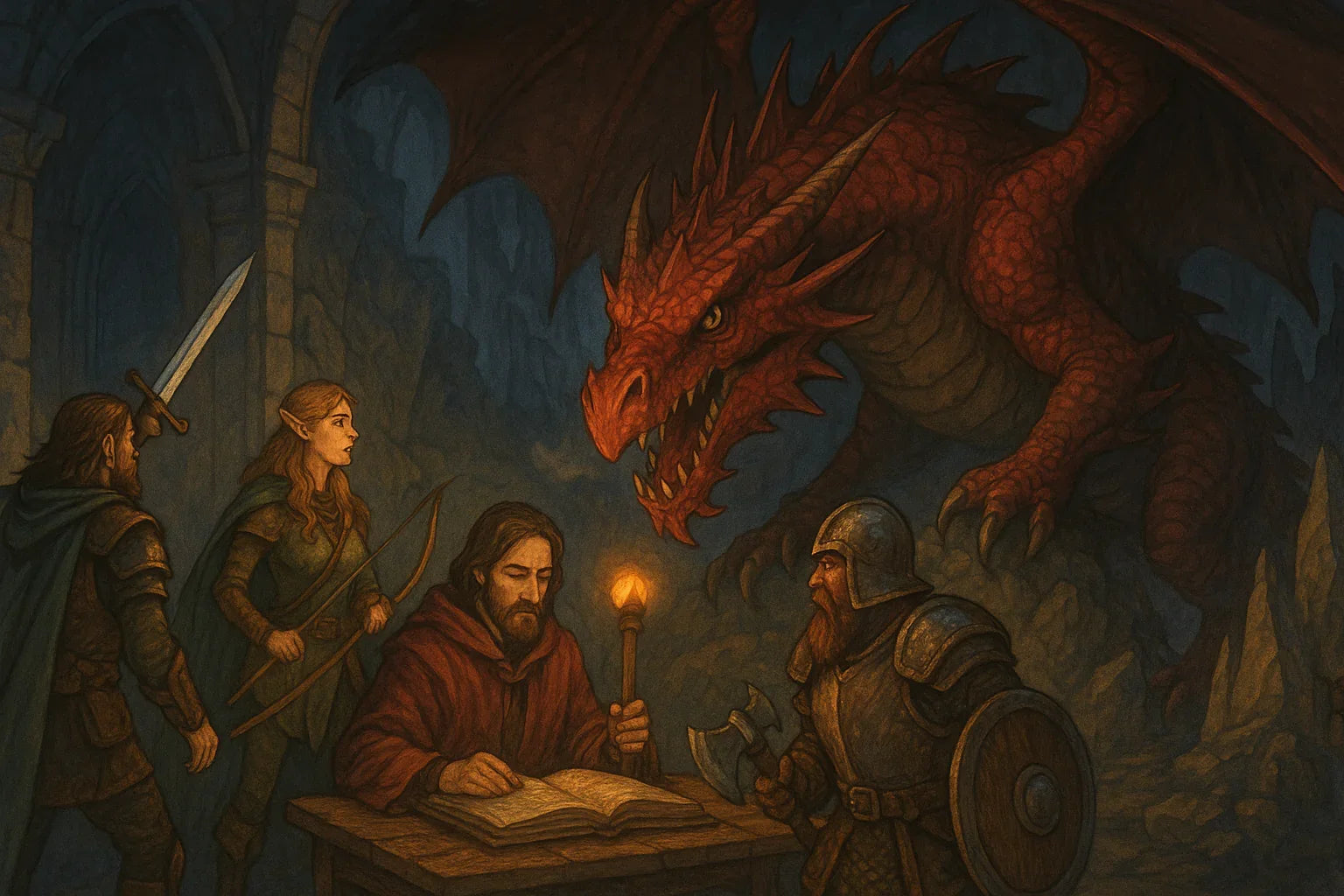
Role-Playing Game Strategy Guides for Masterful Campaigns
Role-playing games reward creativity, teamwork, and thoughtful decision-making. Whether you're exploring dangerous dungeons, negotiating with powerful rulers, or uncovering ancient mysteries, every choice shapes the story. While experience is one of the best teachers, role-playing game strategy guides can help players and Game Masters develop useful skills before they ever sit down at the table.
Rather than providing a single "correct" way to play, a good RPG strategy guide offers ideas, examples, and proven techniques that groups can adapt to their own adventures. Every tabletop RPG has different rules, editions, and play styles, so strategies that work well in one campaign may need adjustment in another.
By treating strategy guides as learning resources instead of strict rulebooks, players can improve tactical thinking while keeping collaborative storytelling at the heart of every campaign.
Why Strategy Guides Benefit Both Players and Game Masters
A strong tabletop RPG strategy benefits everyone at the table. Players gain confidence in their decisions, while Game Masters discover new ways to build exciting adventures and respond to unexpected choices.
Players often use guides to:
-
Learn class and party roles
-
Improve teamwork during encounters
-
Understand resource management
-
Create memorable characters
-
Prepare for different adventure styles
Game Masters can use them to:
-
Design balanced encounters
-
Improve pacing between combat and roleplaying
-
Build engaging story arcs
-
Create meaningful player choices
-
Adapt adventures when the party surprises them
Many experienced Game Masters also keep campaign notes organized alongside quality accessories. A dice tray helps keep rolls contained during busy sessions, while condition rings make it easier to track ongoing spell effects and conditions without slowing combat.
Core Areas Covered by Effective RPG Strategy Guides
The best tabletop gaming guide goes beyond combat advice. It helps readers understand how different parts of a campaign work together.
Tactical Combat
Combat guides often discuss:
-
Positioning
-
Action economy
-
Resource conservation
-
Spell timing
-
Team coordination
These ideas encourage players to think several turns ahead while remaining flexible when circumstances change.
Character Development
Many guides explore ways to build interesting characters without focusing only on optimization.
Topics often include:
-
Background creation
-
Personality traits
-
Character goals
-
Party relationships
-
Long-term growth
A memorable hero is shaped as much by their decisions and personality as by their statistics.
Campaign Planning
Strong campaign strategy extends beyond individual sessions.
Strategy guides commonly discuss:
-
Adventure pacing
-
Worldbuilding
-
Managing downtime
-
Travel preparation
-
Session planning
These concepts help campaigns remain engaging over months or even years of play.
Cooperative Play
One of the greatest strengths of tabletop RPGs is collaboration.
Many strategy guides emphasize:
-
Listening to teammates
-
Sharing spotlight moments
-
Supporting different character roles
-
Solving problems together
-
Respecting each player's play style
Successful parties rarely depend on one powerful character. Instead, they succeed because every member contributes.
Developing Tactical, Narrative, and Cooperative Decision-Making Skills
A strategy guide is most useful when it teaches players how to think rather than simply what to do.
Tactical Thinking
Instead of memorizing encounter solutions, learn to evaluate situations by asking:
-
What is the biggest immediate threat?
-
Which resources should we conserve?
-
Can we avoid unnecessary combat?
-
How can the party support one another?
These questions improve tabletop tactics without relying on rigid formulas.
Narrative Thinking
Not every challenge requires a weapon.
Good roleplayers consider:
-
Character motivations
-
Political consequences
-
Social encounters
-
Moral dilemmas
-
Long-term story impact
Sometimes diplomacy creates more memorable victories than defeating every enemy.
Cooperative Decision-Making
The strongest parties communicate clearly.
Effective groups often:
-
Discuss plans before acting
-
Share information openly
-
Respect different viewpoints
-
Adapt when plans change
-
Celebrate everyone's successes
Campaigns become richer when every player contributes ideas.
During longer encounters, organized accessories can help maintain momentum. Some Game Masters prefer condition rings to clearly mark ongoing effects, while a sturdy dice tower keeps repeated rolls consistent and prevents dice from scattering across detailed battle maps.
Comparing Different Types of Strategy Guides
Different guides focus on different aspects of gameplay. Choosing the right resource depends on what you want to improve.
| Guide Type | Primary Focus | Intended Audience | Strengths | Ideal Campaign Use |
|---|---|---|---|---|
| Beginner RPG Guide | Core rules and fundamentals | New players | Easy to understand, builds confidence | First campaigns and introductory adventures |
| Player Character Guide | Character development and teamwork | Players | Improves cooperation and roleplaying | Long-term party campaigns |
| Dungeon Master Guide | Adventure design and pacing | Game Masters | Strong encounter planning and storytelling | Homebrew and published campaigns |
| Tactical Combat Guide | Combat positioning and resource management | Players and GMs | Encourages thoughtful decision-making | Combat-heavy adventures |
| Narrative Strategy Guide | Storytelling and character choices | Entire group | Strengthens immersion and roleplaying | Story-driven campaigns |
Remember that every RPG campaign planning resource offers recommendations rather than universal solutions. Different systems, editions, and gaming groups may prioritize different styles of play.
Applying Strategy Guide Advice to Different Game Systems and Campaign Styles
One of the biggest mistakes readers make is assuming every guide applies equally across all tabletop games.
For example:
-
A tactical dungeon crawl may reward careful resource management.
-
A narrative-focused campaign may emphasize character relationships.
-
Horror RPGs often encourage caution instead of direct confrontation.
-
Investigation campaigns reward observation and creative thinking.
Even within Dungeons & Dragons, different editions may encourage different approaches.
When reading D&D strategy advice, ask yourself:
-
Does this match my game's rules?
-
Will it fit our group's play style?
-
Does it support the campaign's themes?
-
Will everyone enjoy this approach?
Treat guides as flexible toolboxes rather than instruction manuals.
Balancing Optimization with Creativity and Roleplaying
Optimization can be useful, but it should never replace imagination.
An effective player strategy balances mechanical knowledge with storytelling.
Players can strengthen both by:
-
Creating characters with meaningful goals
-
Accepting flaws alongside strengths
-
Supporting teammates instead of competing
-
Making decisions that fit the story
-
Remaining open to unexpected outcomes
Likewise, Game Masters benefit from allowing creative solutions that may not appear in any strategy guide.
Sometimes the most memorable moments happen when players surprise everyone at the table.
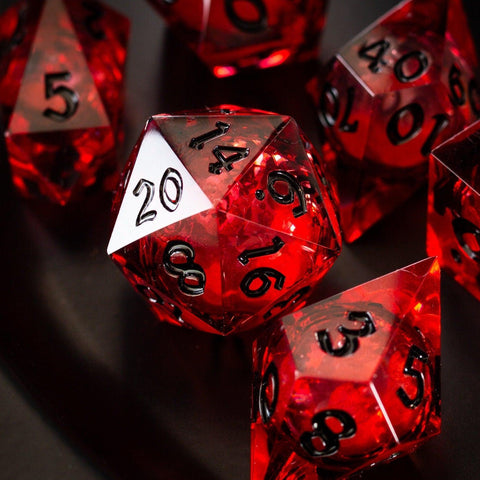
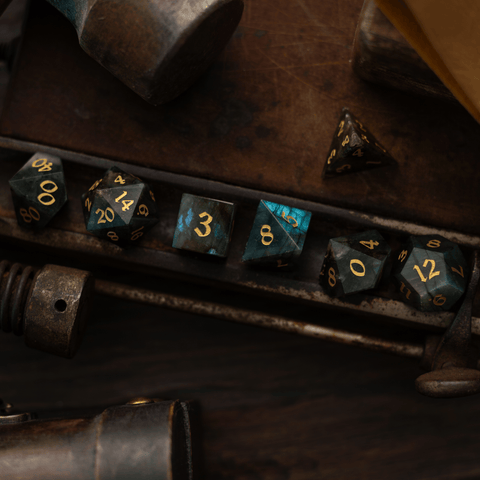
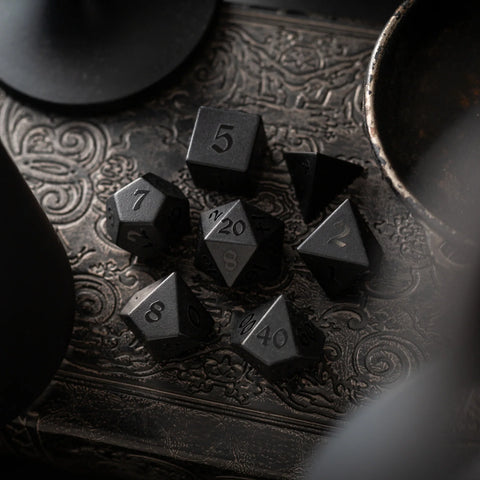
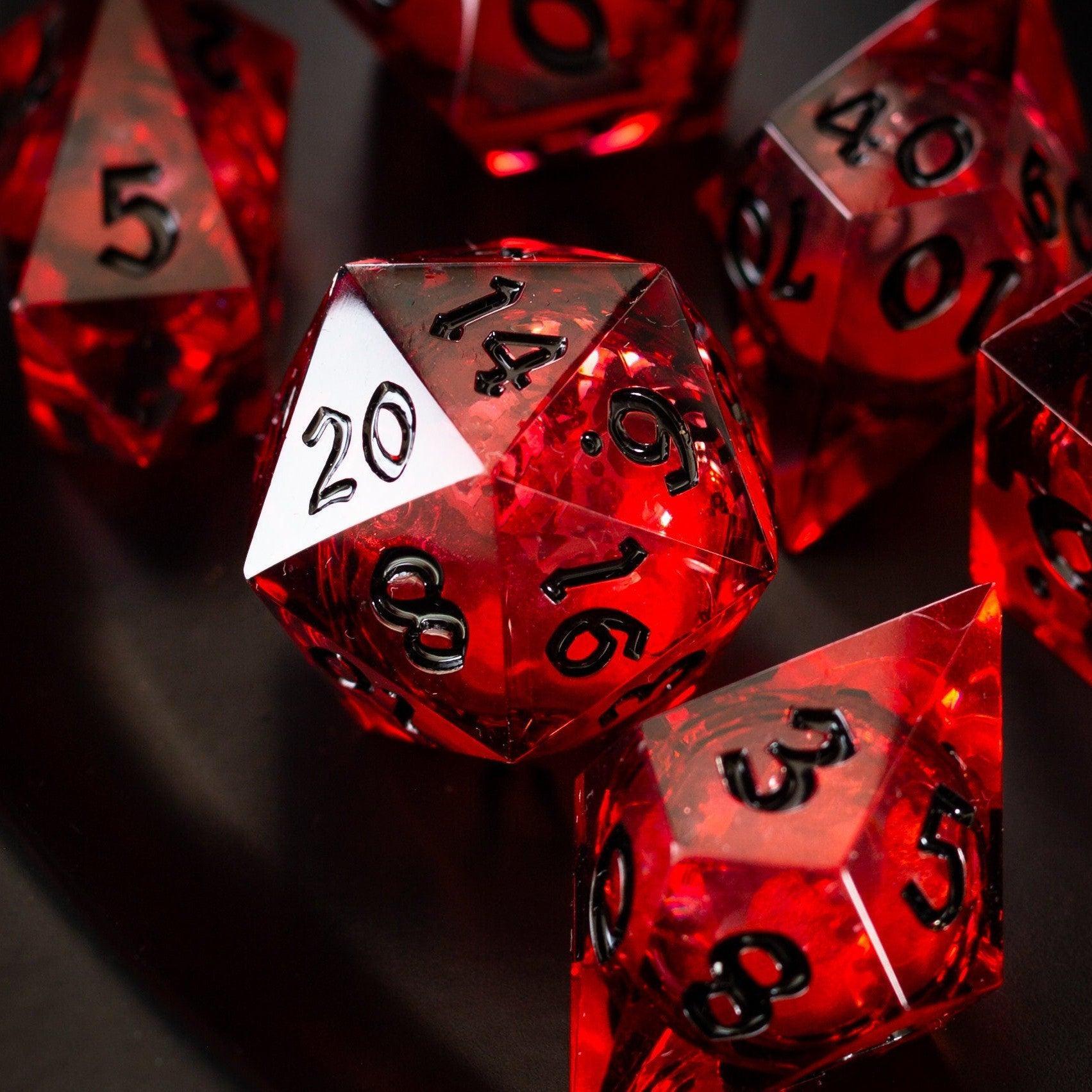
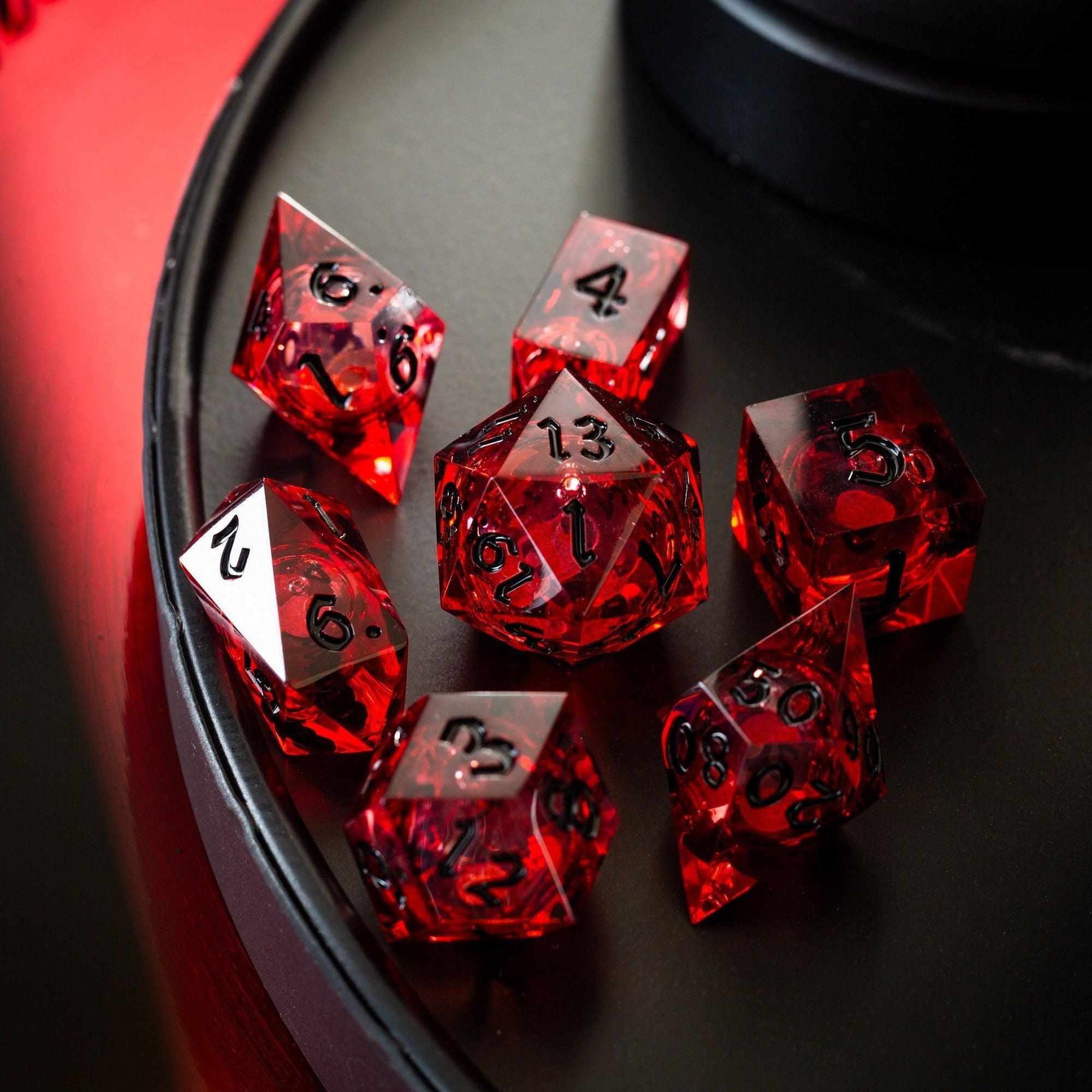
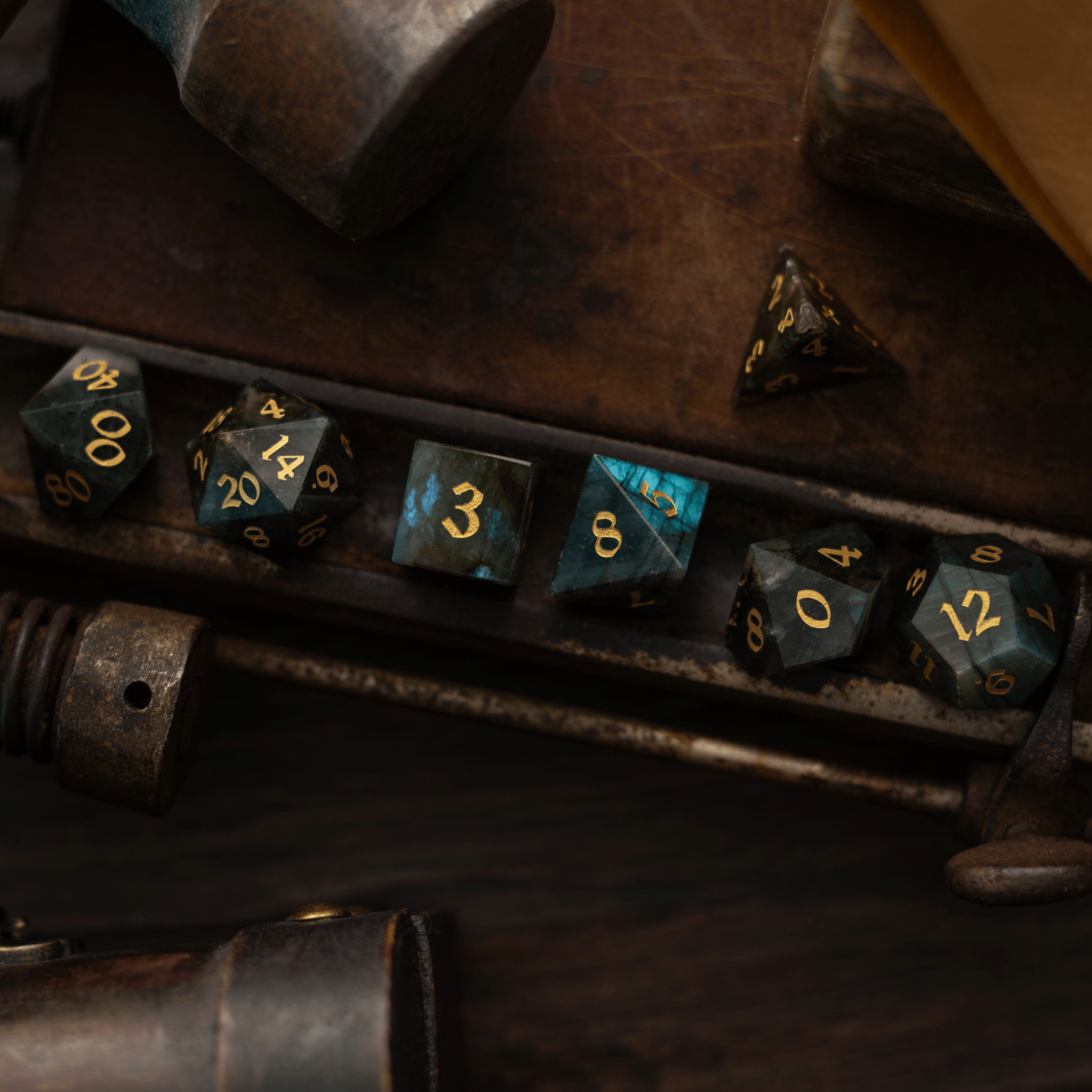
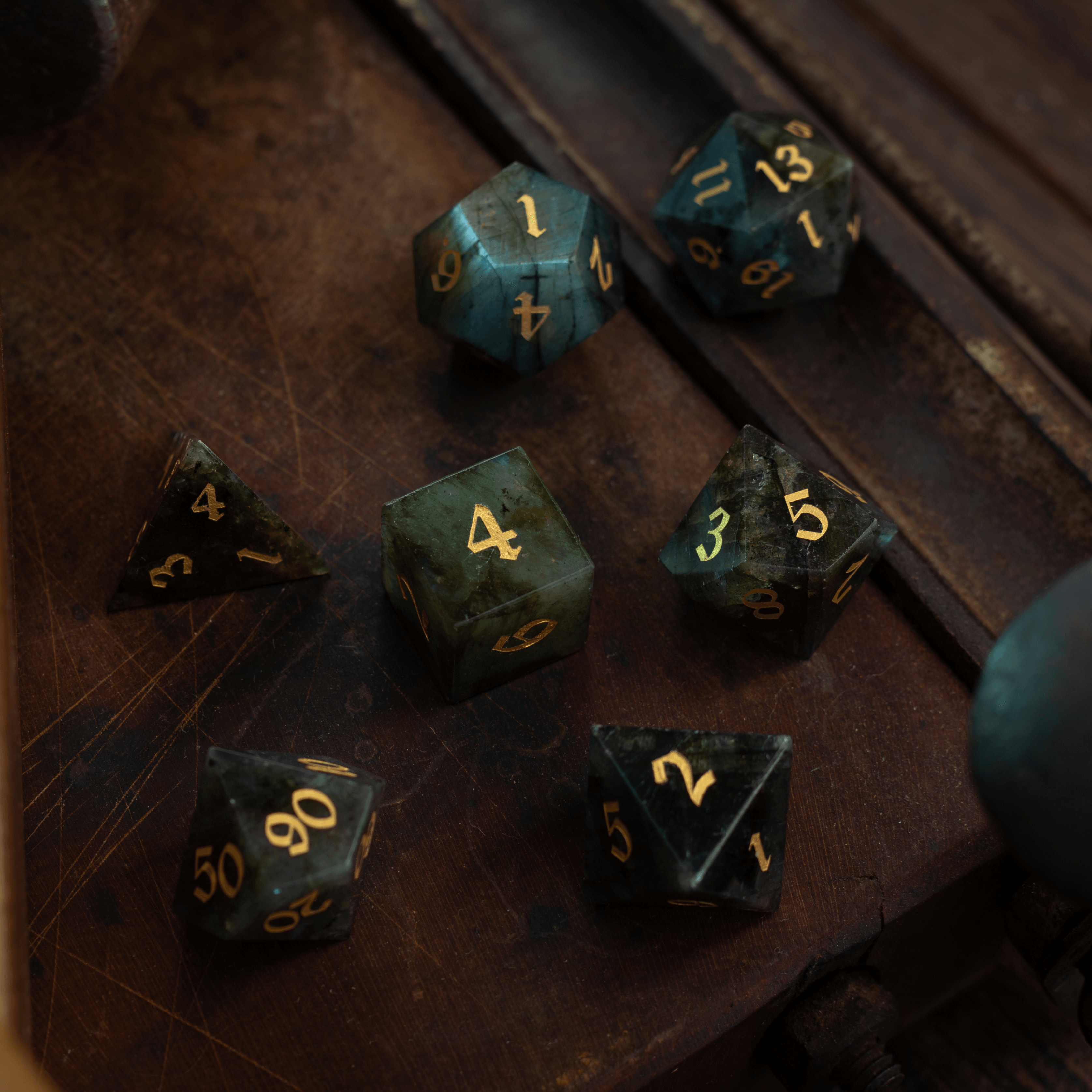
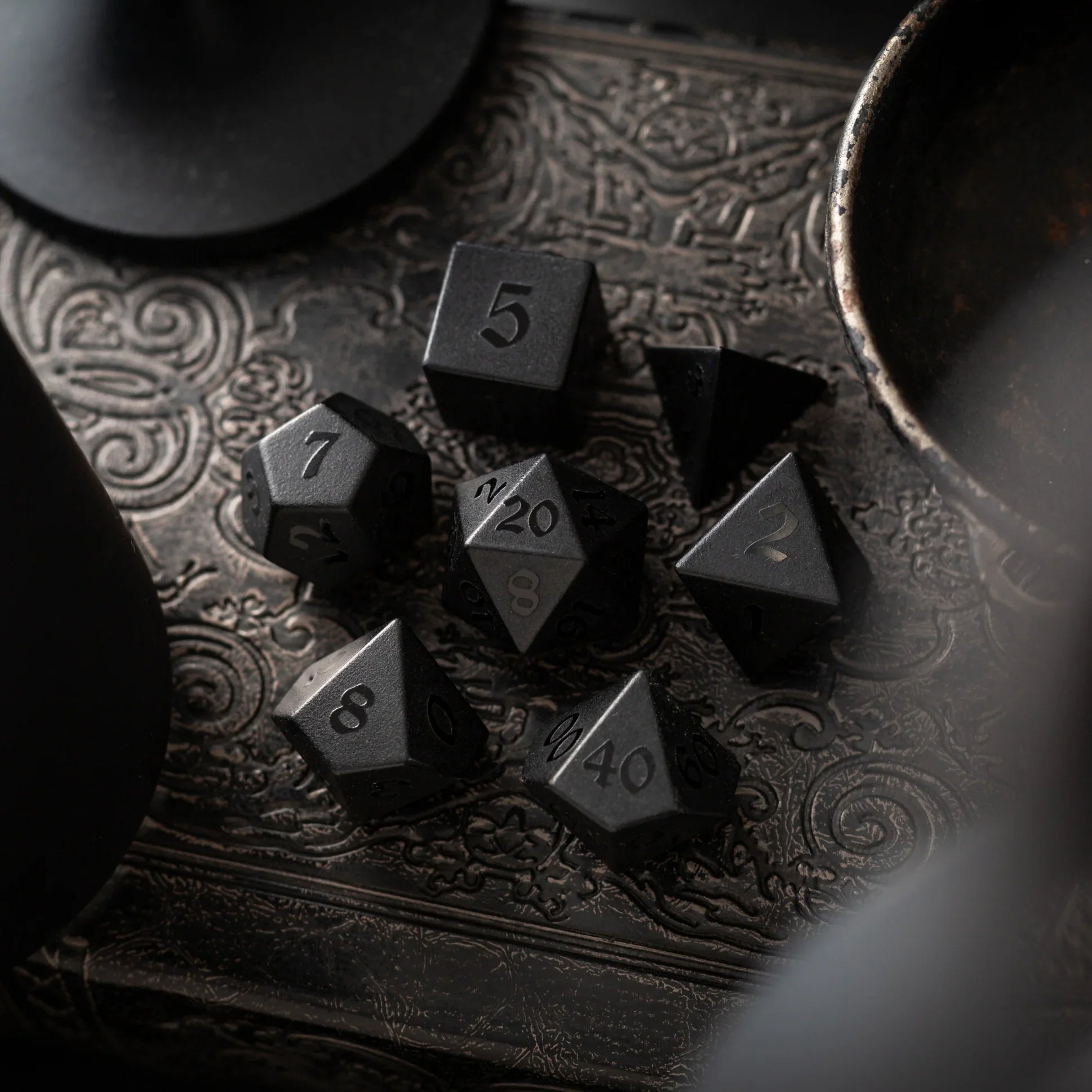
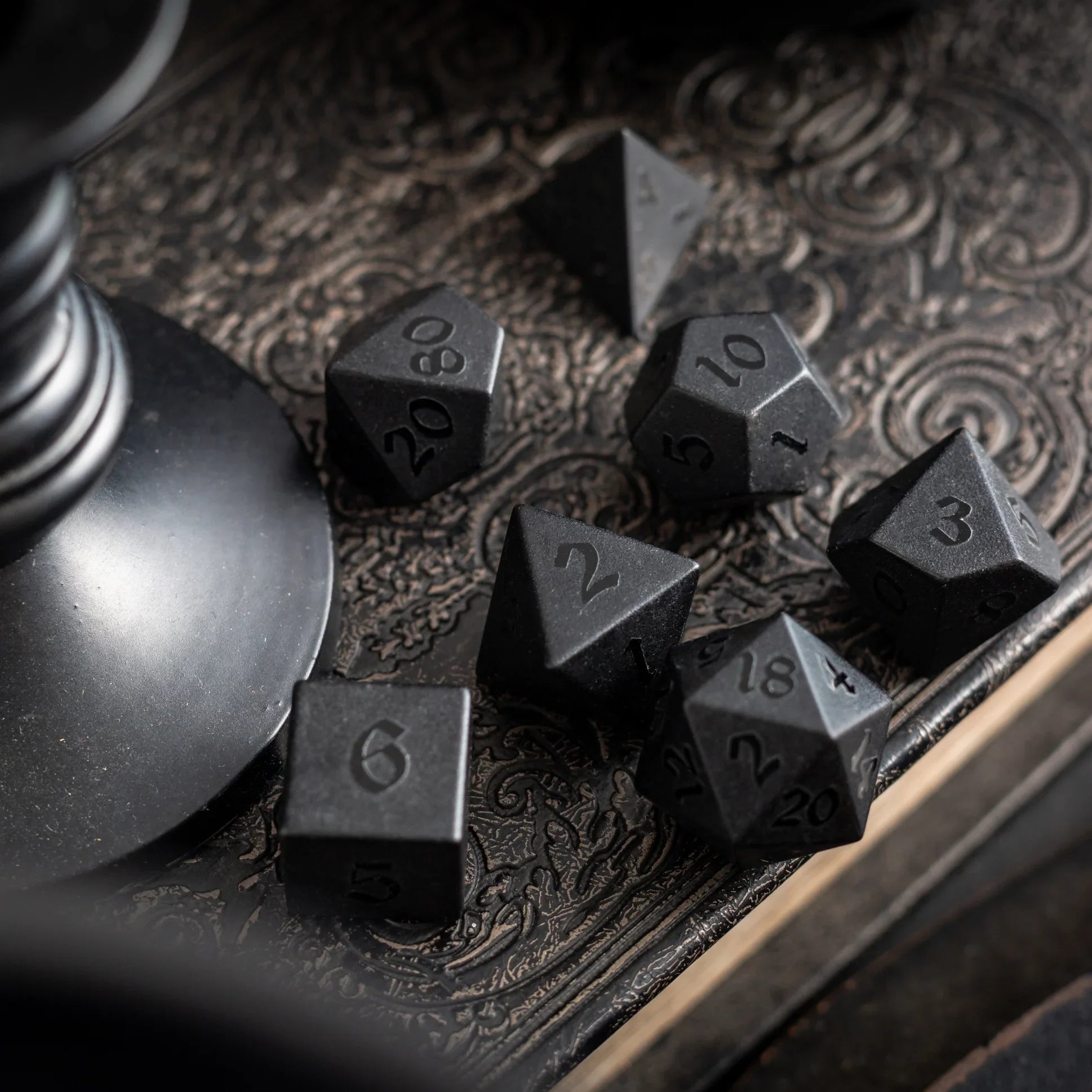
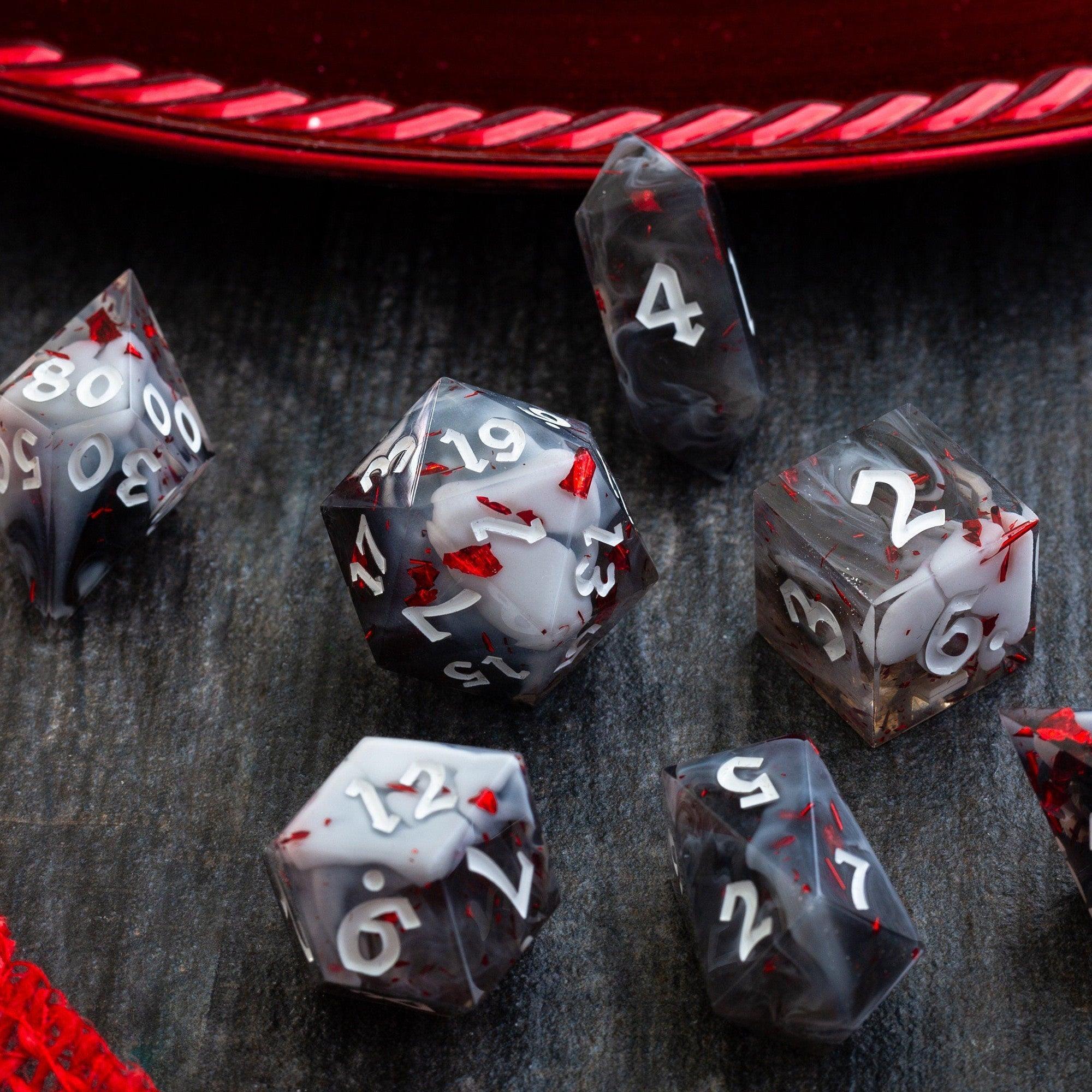
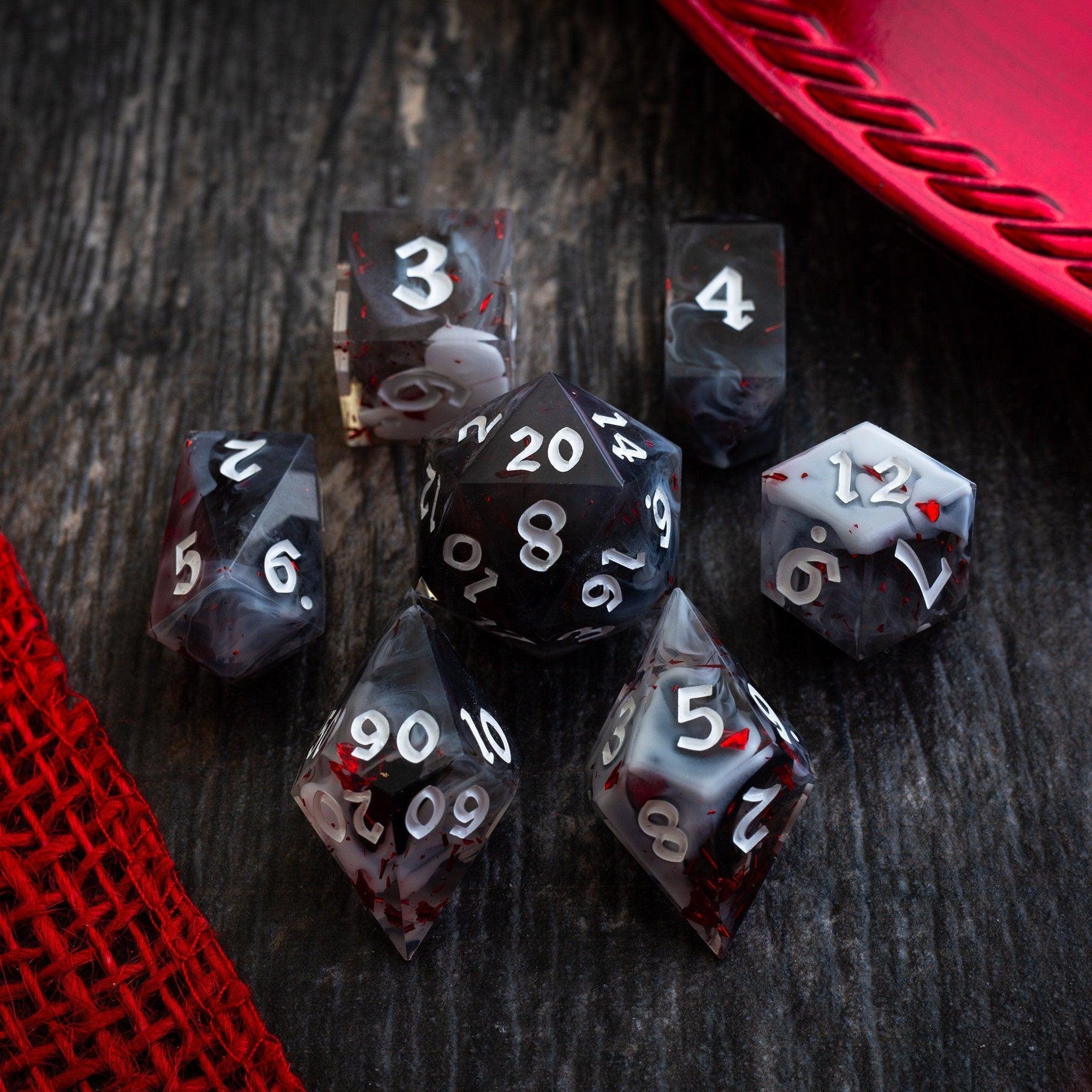
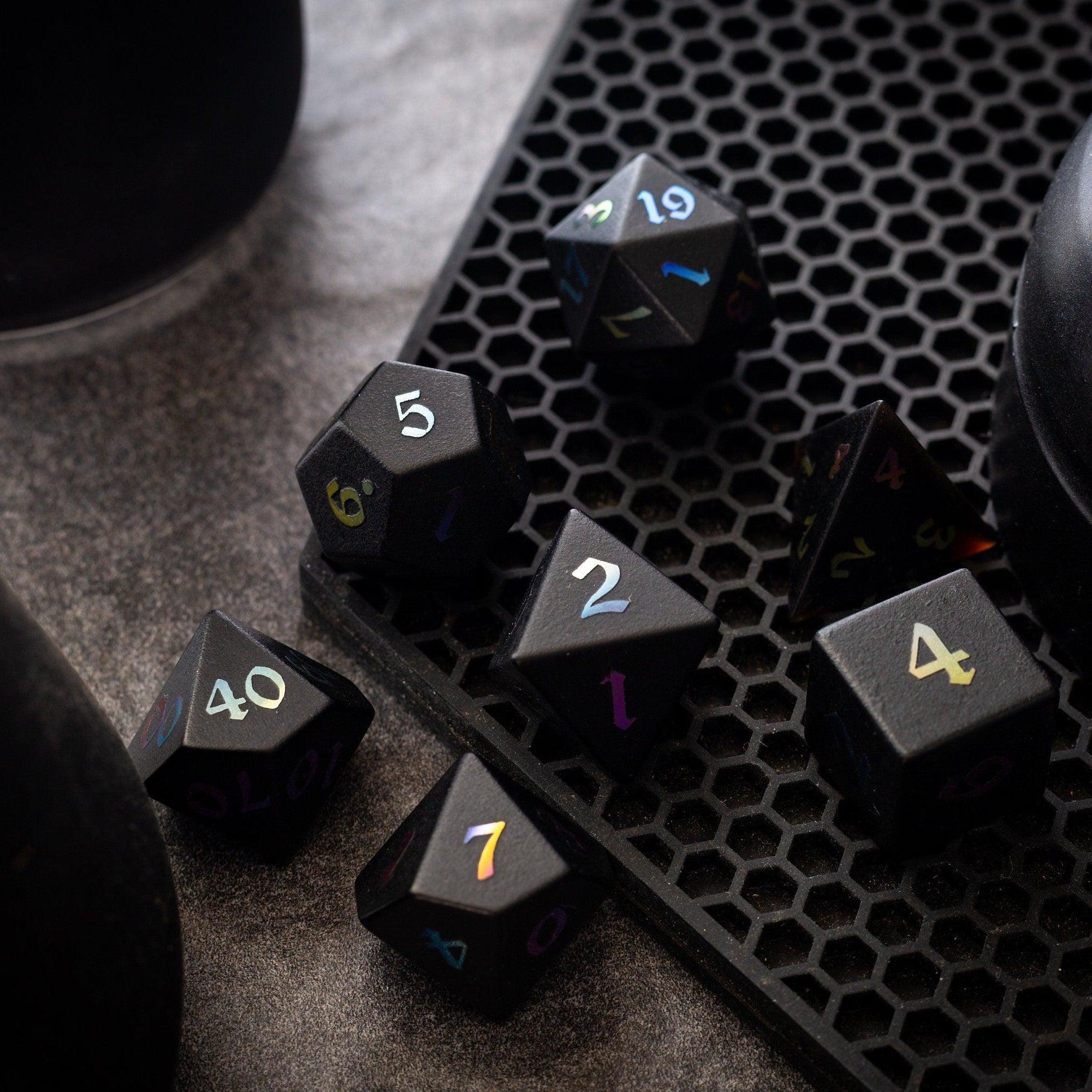
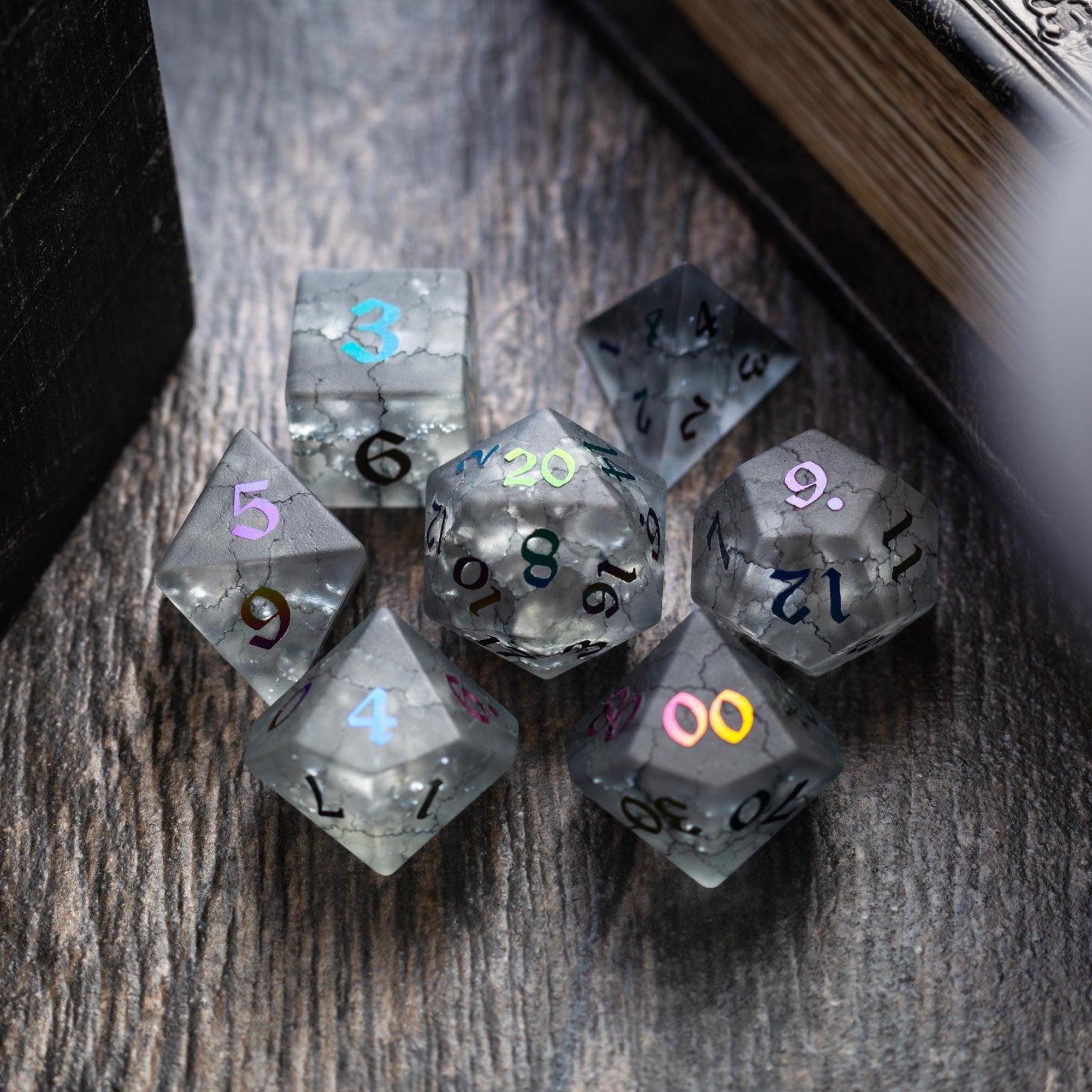
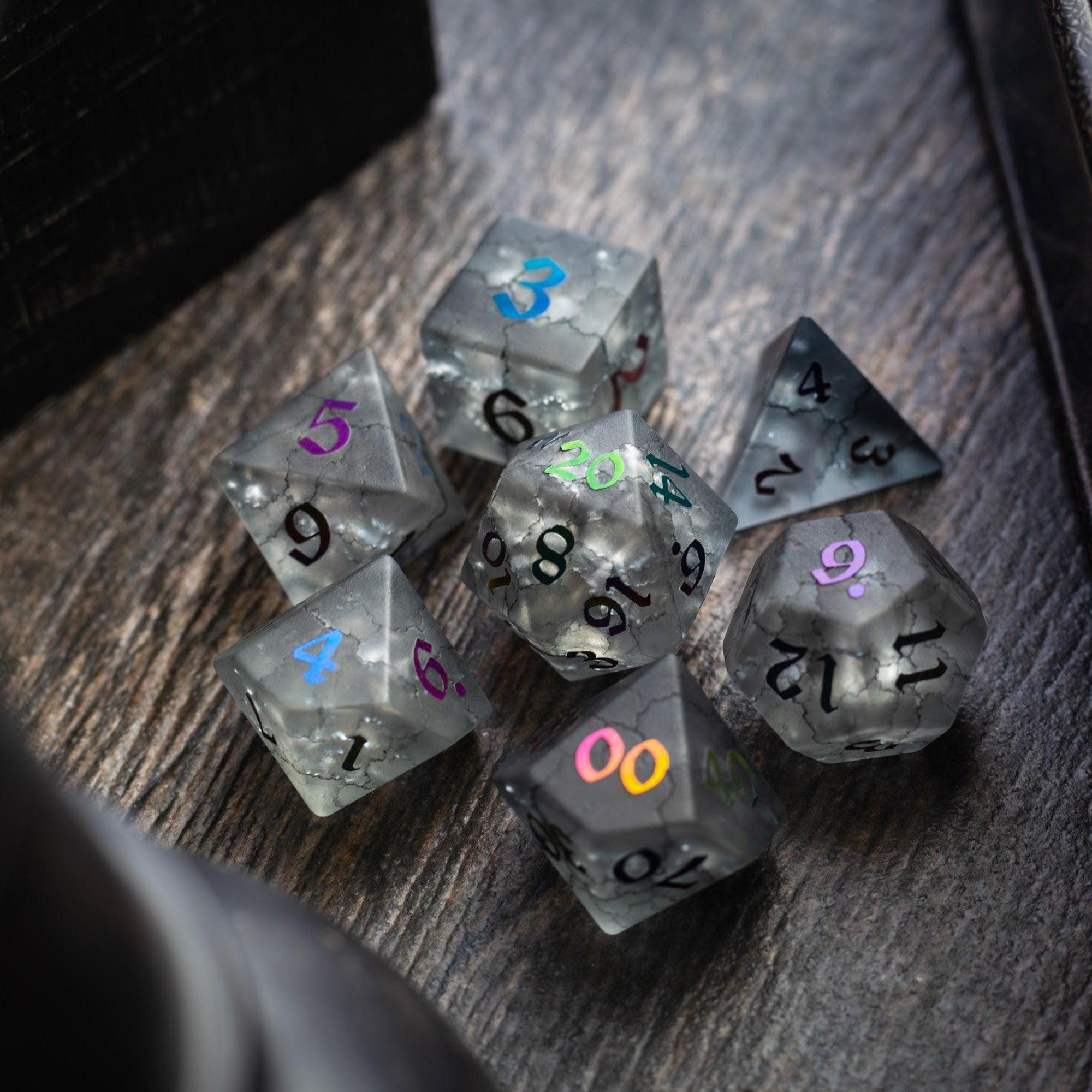
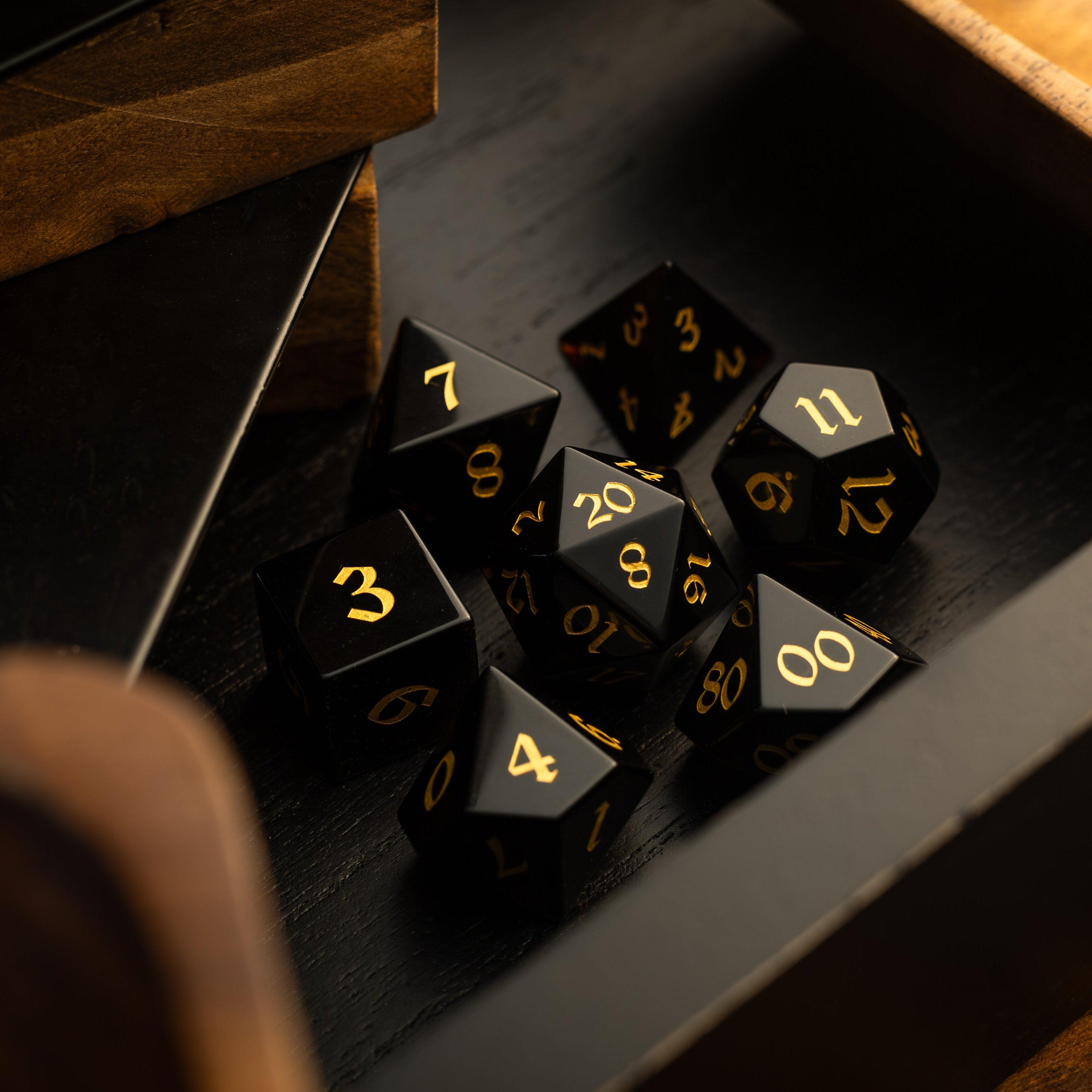
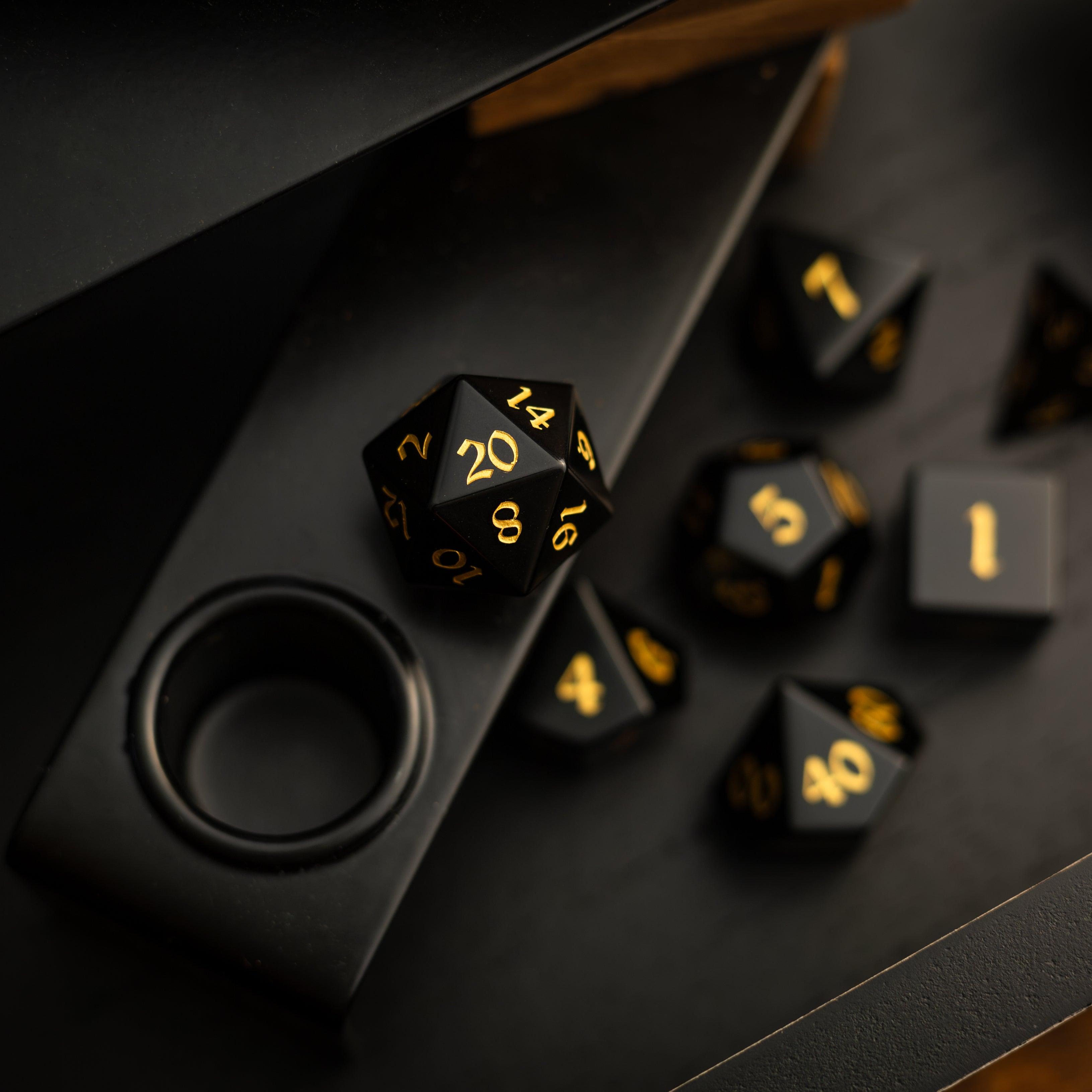
Many groups also enjoy enhancing those memorable moments with accessories that support organized play. Premium gemstone, resin, or metal dice offer distinct styles for different characters, while remaining practical tools for countless adventures.
Common Mistakes When Relying on Strategy Guides
Even excellent guides can become less useful if followed too rigidly.
Avoid these common mistakes:
-
Treating recommendations as official rules
-
Ignoring the preferences of other players
-
Focusing only on combat efficiency
-
Assuming one guide fits every game system
-
Forgetting that collaborative storytelling is the primary goal
-
Copying builds or tactics without understanding why they work
-
Expecting every encounter to follow predictable patterns
Remember that every table develops its own style over time.
Quick Strategy Planning Checklist
Before your next session, review this simple checklist:
-
Understand your character's strengths and limitations.
-
Discuss party roles before major adventures.
-
Prepare for multiple solutions to each challenge.
-
Keep important resources organized.
-
Review campaign goals with the group.
-
Stay flexible when unexpected situations arise.
-
Use tactical advice as guidance rather than fixed rules.
-
Leave room for creativity, humor, and roleplaying.
-
Keep maps, notes, and accessories organized for smoother sessions.
-
Focus on creating memorable stories together.
Every campaign is different, and that is part of what makes tabletop role-playing games so rewarding. The best role-playing game strategy guides provide practical ideas that strengthen planning, teamwork, and decision-making without limiting creativity. As players and Game Masters gain experience, they naturally discover which techniques fit their own groups, favorite game systems, and storytelling styles.
Whether you're exploring a published adventure or building an entirely original world, thoughtful preparation combined with flexible thinking helps every session run more smoothly. Learn from experienced voices, adapt strategies to your table, and never be afraid to let unexpected moments become the highlights of your campaign. With the right balance of planning, imagination, and collaboration, every adventure has the potential to become a story your group remembers for years to come.




Leave a comment
This site is protected by hCaptcha and the hCaptcha Privacy Policy and Terms of Service apply.