
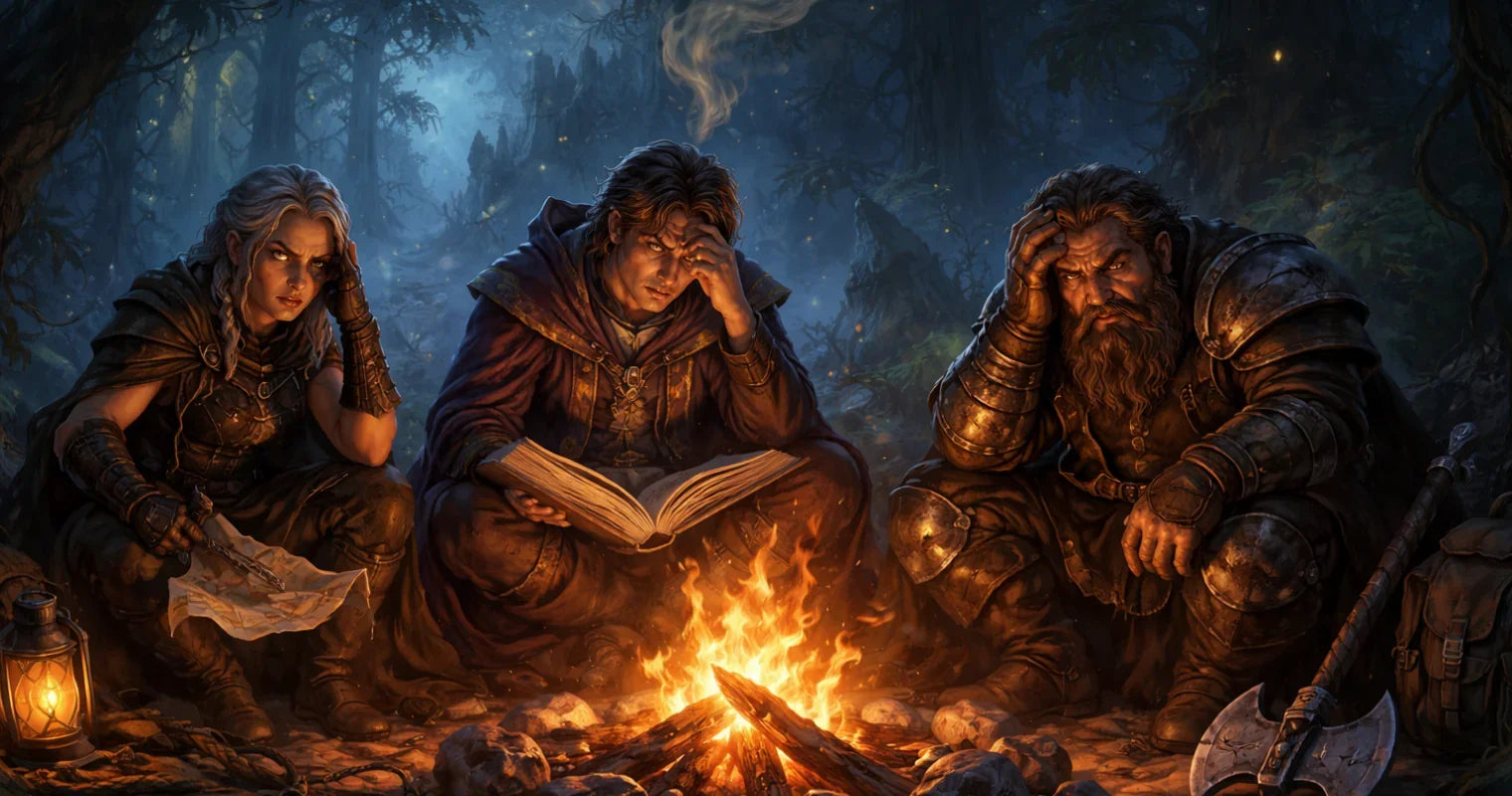
Relatable D&D Player Struggles (And How to Deal With Them)

If you’ve played Dungeons & Dragons for more than a few sessions, you’ve probably had at least one moment where you thought, “Wow… I really messed that up.”
Maybe you forgot an ability that could’ve saved the party. Maybe your turn took forever while everyone waited. Or maybe the dice just decided today was not your day.
Here’s the thing: every D&D player struggles with these moments. They’re not signs that you’re bad at the game. They’re part of the experience.
In fact, these little frustrations are often what make the best stories later.
This guide breaks down the most common D&D player struggles and gives you simple, practical ways to handle them—so your sessions feel smoother, more fun, and a lot less stressful.
The “I Forgot My Character Can Do That” Moment
You finish your turn. The next player starts. And then it hits you:
“I could have used that ability.”
This is one of the most common D&D player struggles, especially for beginners or anyone playing a complex class.
Why it happens
-
You’re juggling a lot of abilities, spells, and rules
-
Combat can feel fast-paced and overwhelming
-
You’re focused on one idea and forget alternatives
How to deal with it
-
Keep a short cheat sheet of your most-used abilities
-
Highlight reactions, bonus actions, and special features
-
Review your character sheet during other players’ turns
A small habit like scanning your sheet between turns can make a huge difference. Over time, your abilities become second nature.
Taking Too Long on Your Turn
You know it’s your turn. Everyone’s looking at you. And suddenly your brain goes blank.
This is one of those classic D&D table problems that happens to almost everyone.
Why it happens
-
Too many options to choose from
-
Fear of making the “wrong” move
-
Not planning ahead
How to deal with it
-
Think about your action before your turn starts
-
Have a “default move” ready (like a basic attack or go-to spell)
-
Don’t overthink it—quick decisions keep the game flowing
Remember, D&D isn’t about perfect strategy. It’s about shared storytelling. Sometimes the imperfect choice is the most fun.
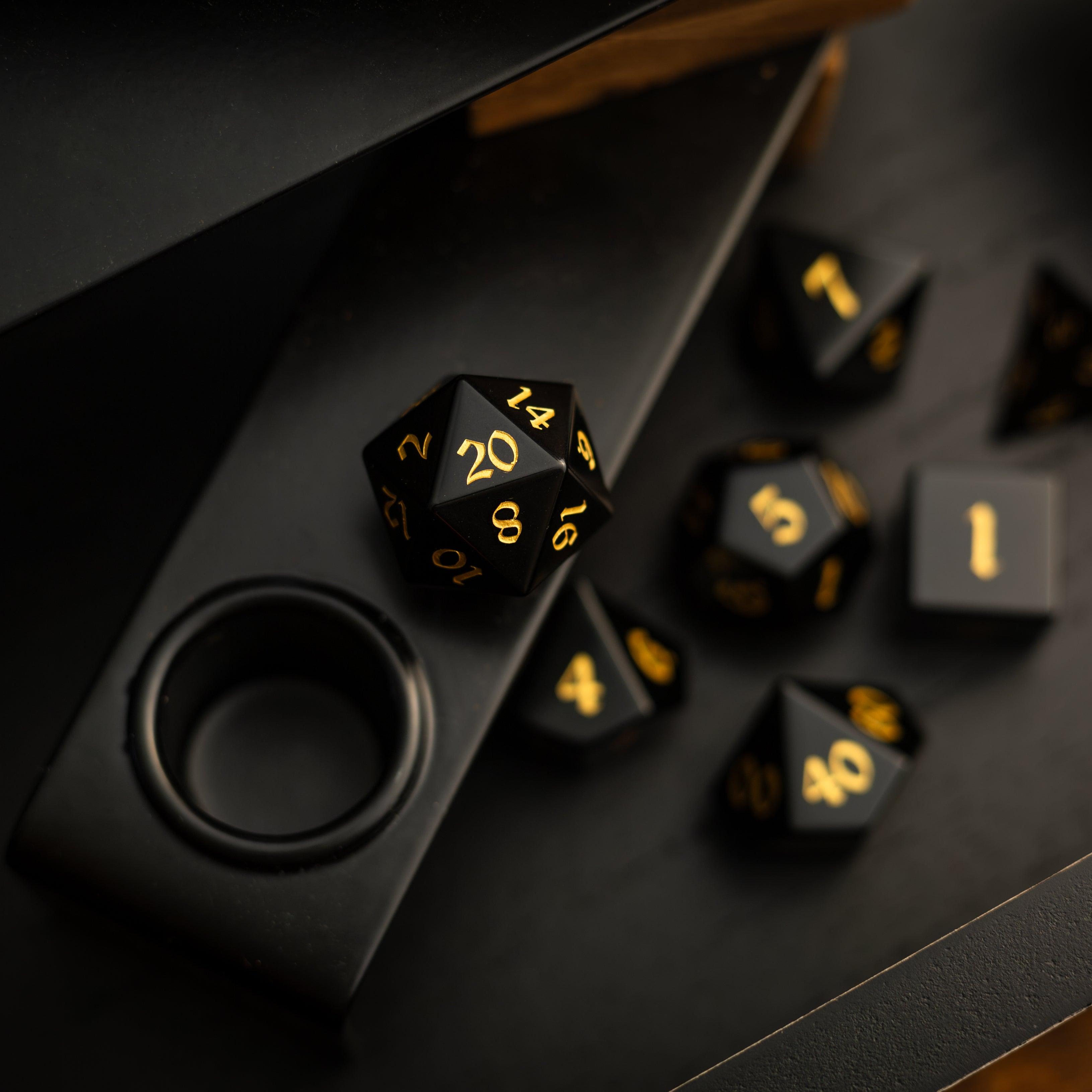
Bad Dice Luck (Again)
You roll. It’s a 2.
You roll again later. It’s a 3.
At some point, you start wondering if your dice are personally against you.
Why it happens
-
Randomness is part of the game
-
Negative rolls stand out more than good ones
-
Luck can come in streaks
How to deal with it
-
Embrace the chaos—low rolls often lead to hilarious moments
-
Celebrate failures as part of your character’s story
-
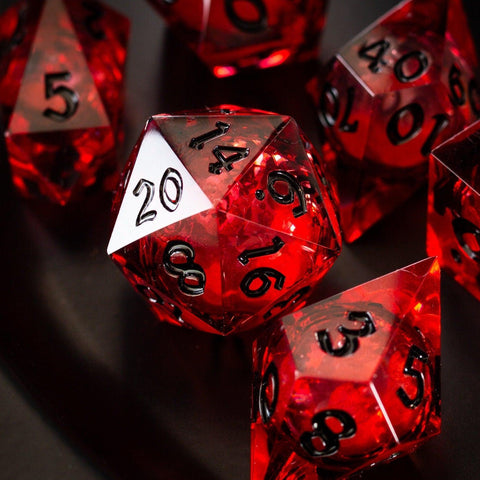
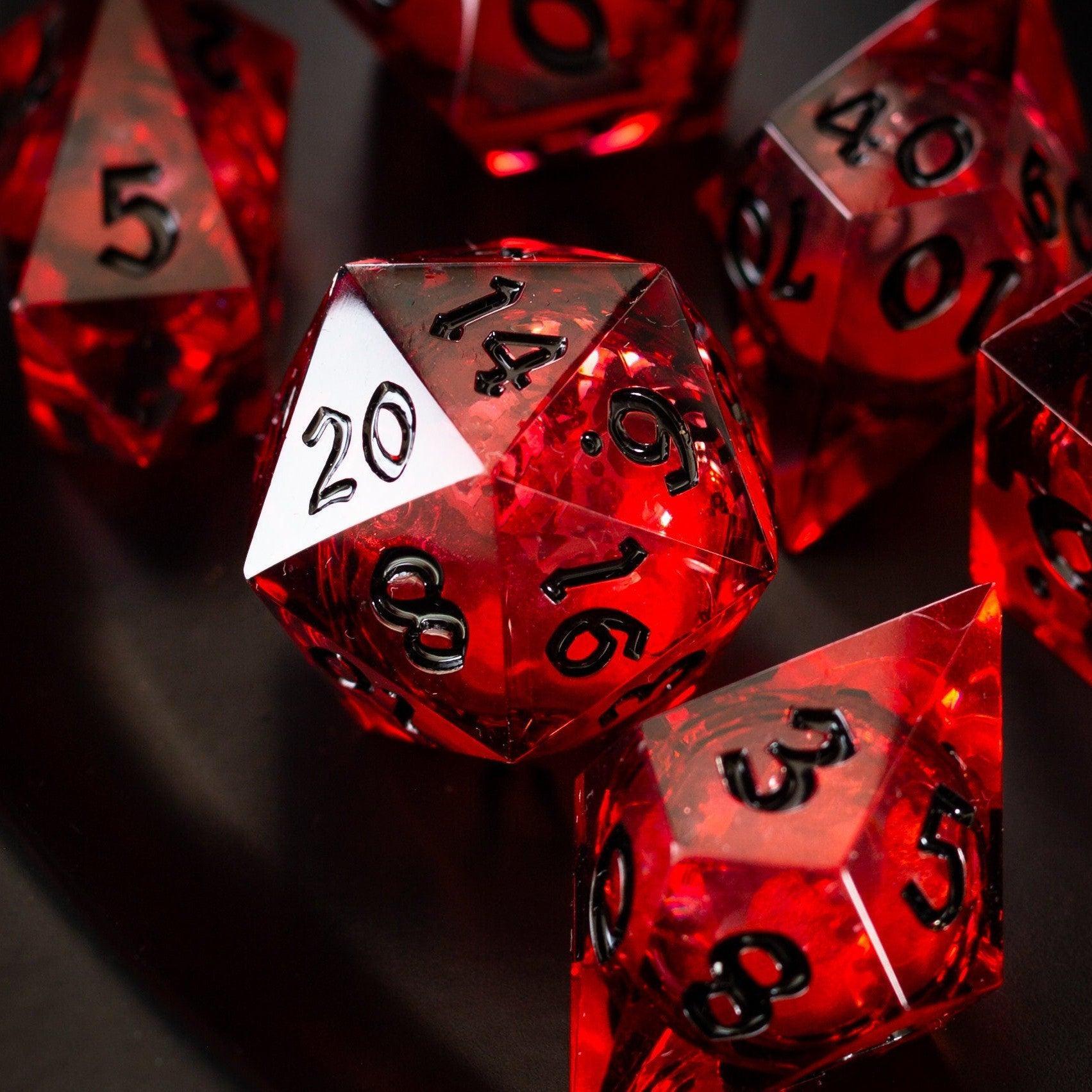
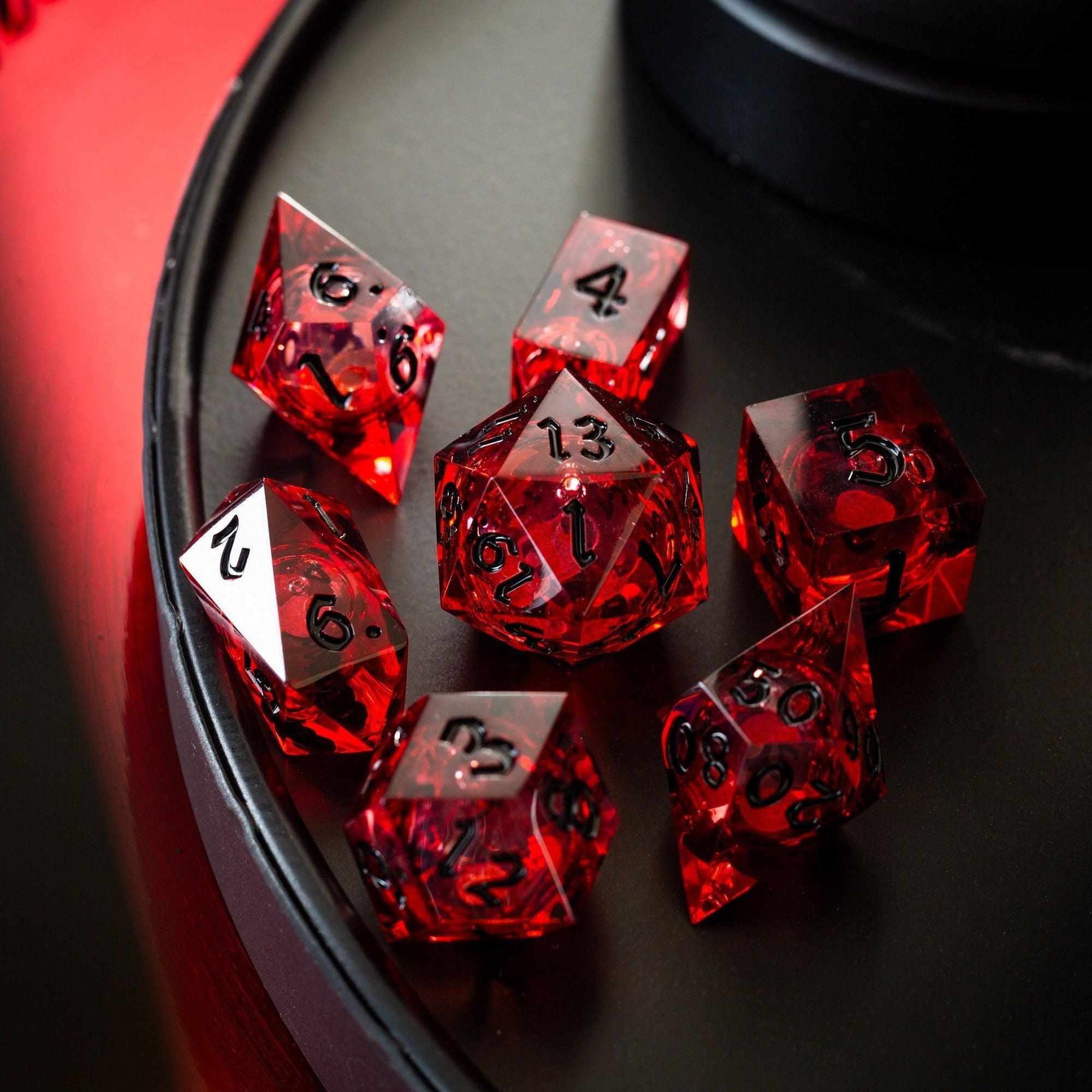
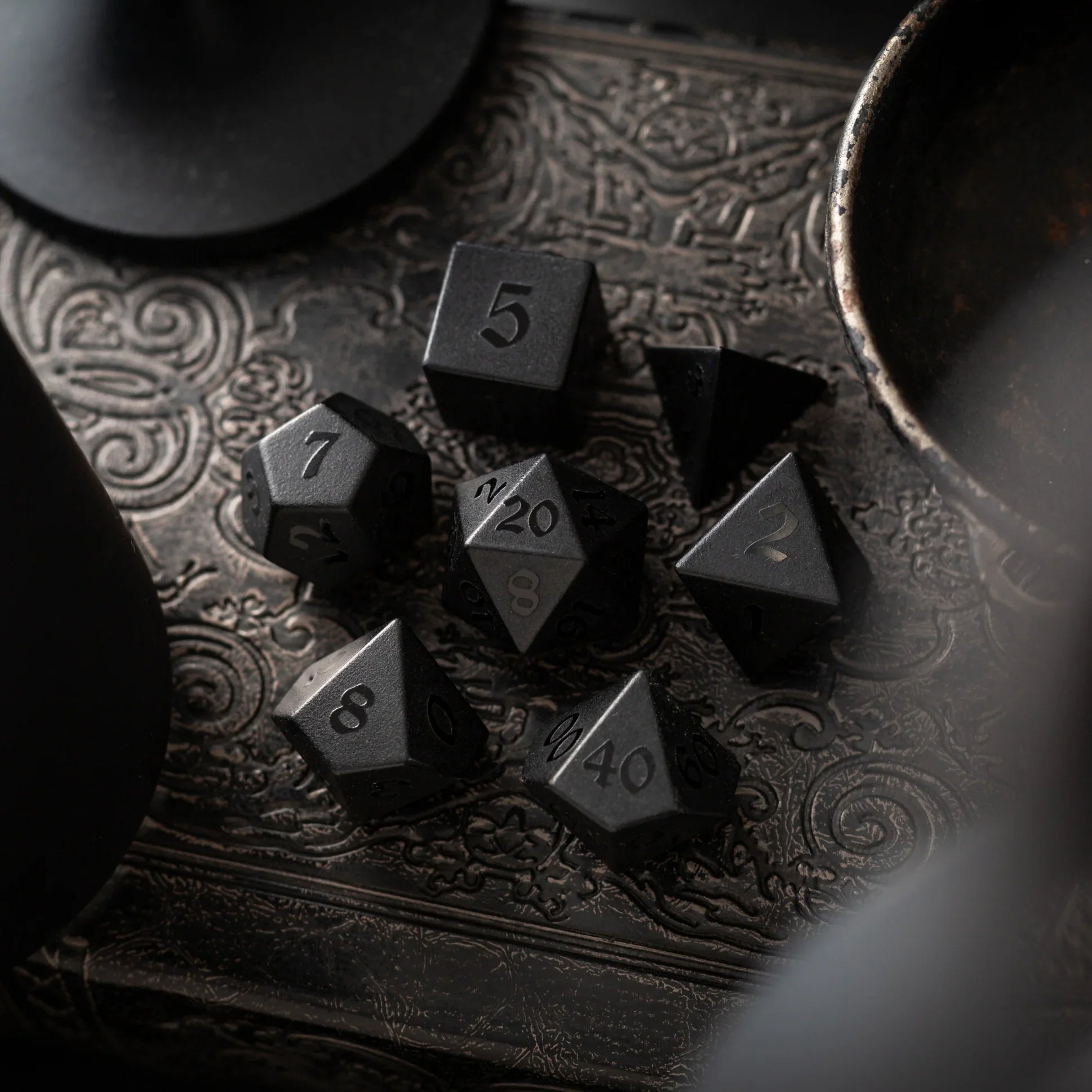
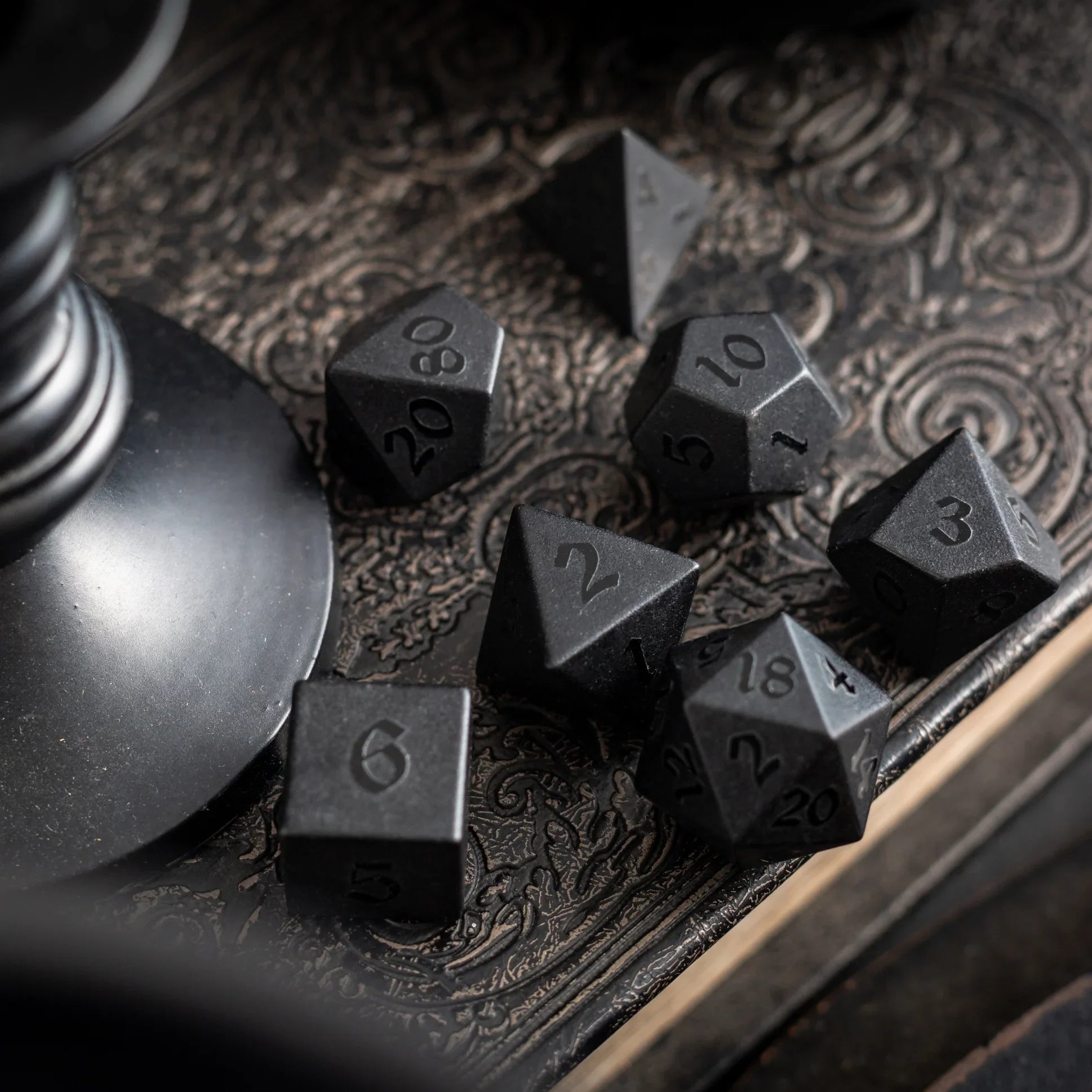
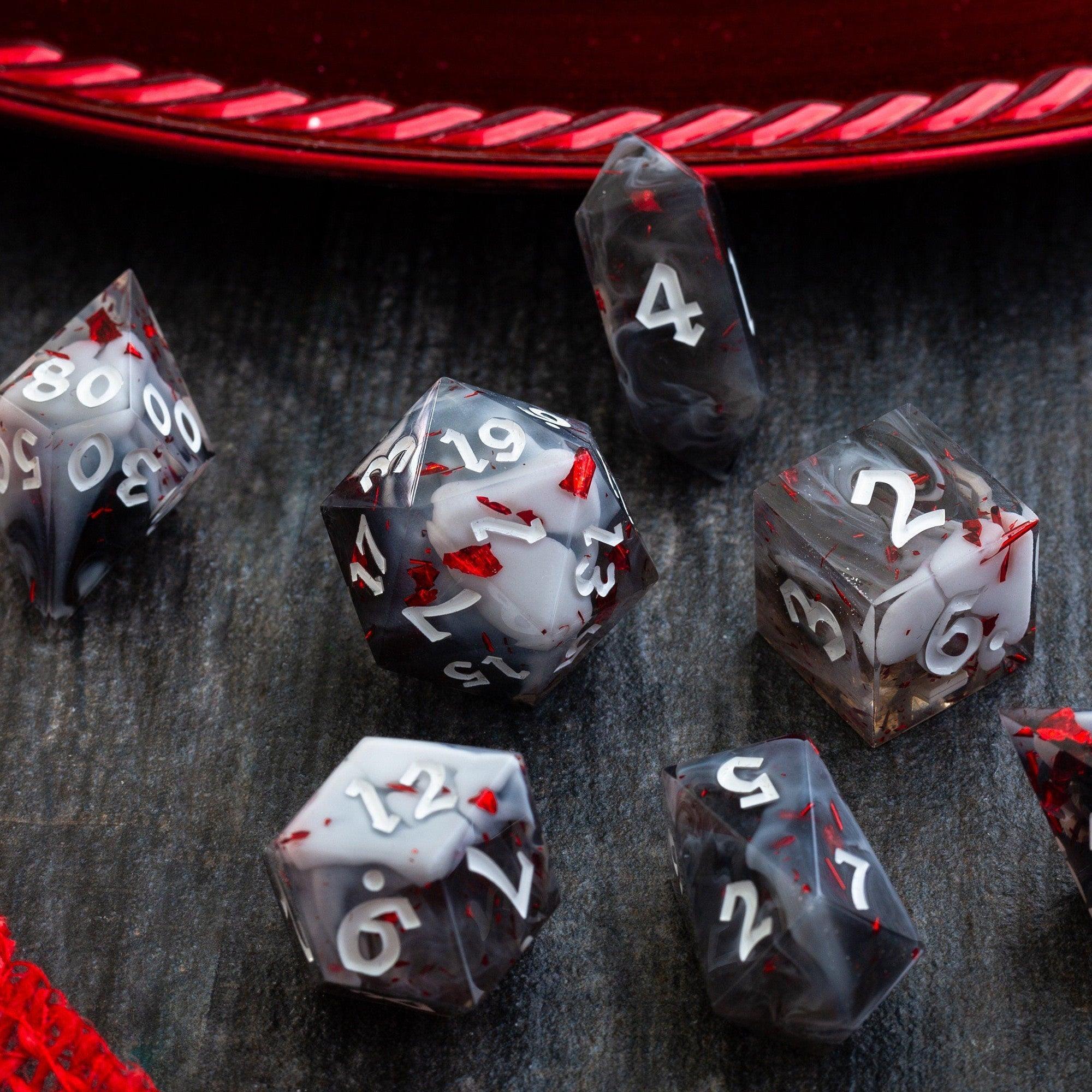
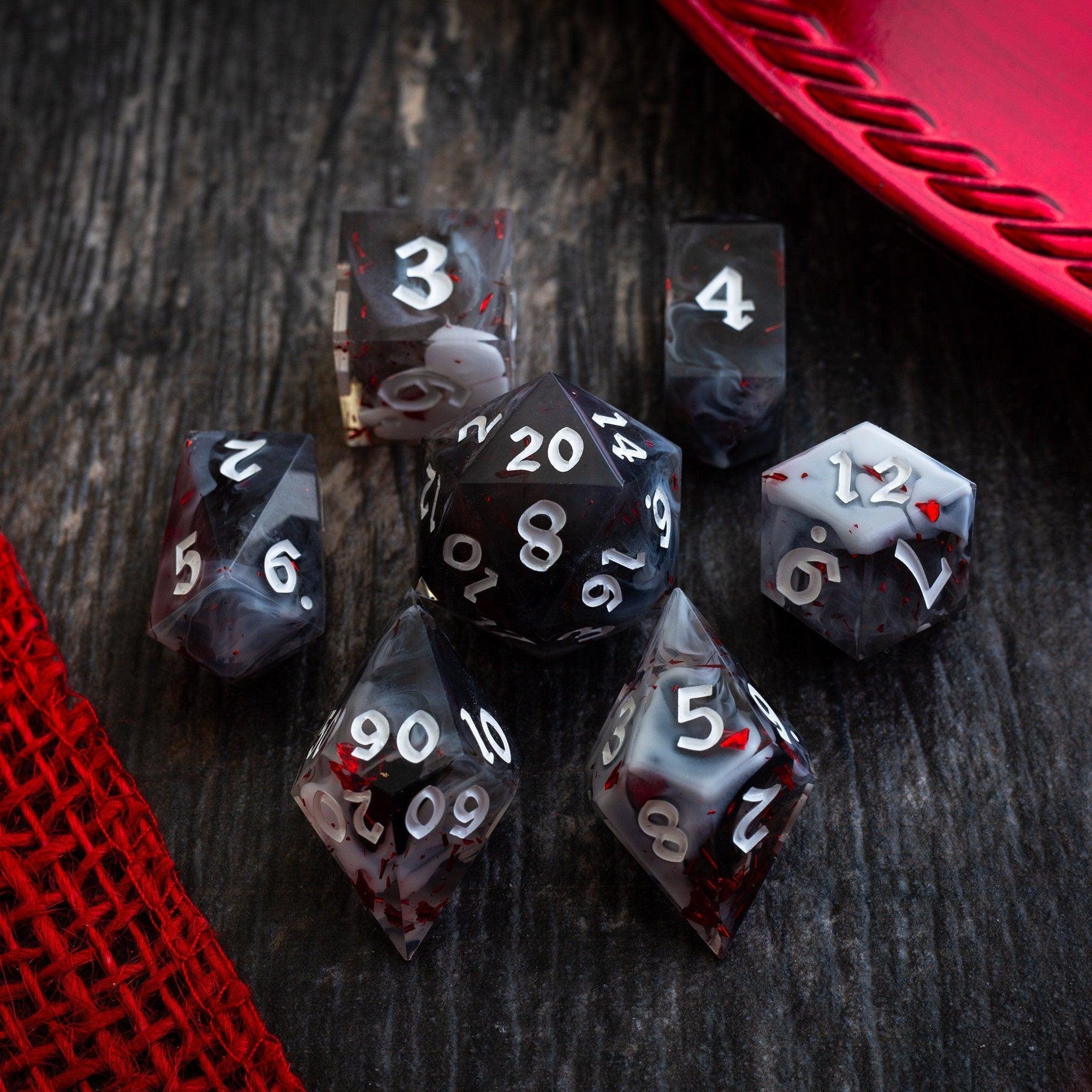
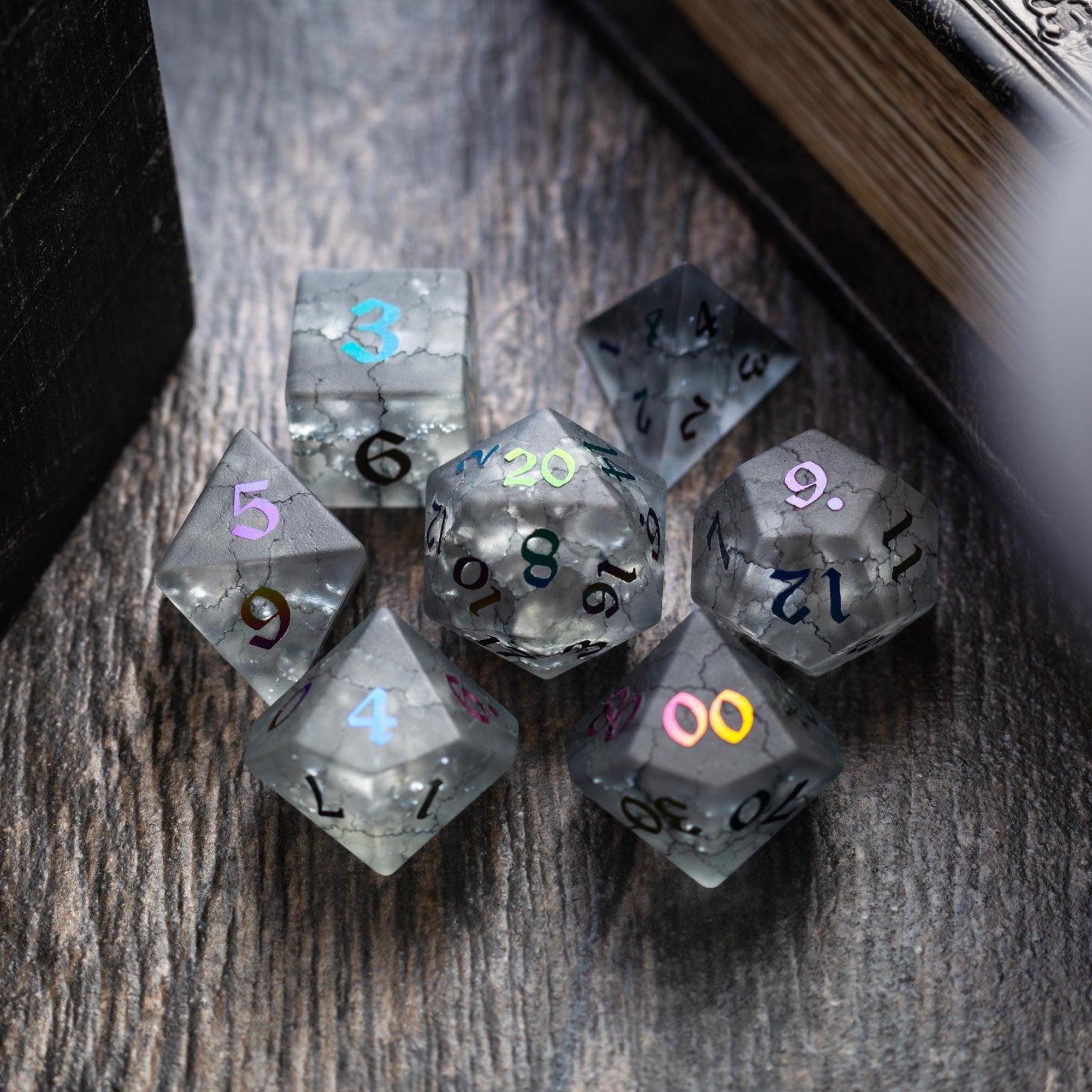
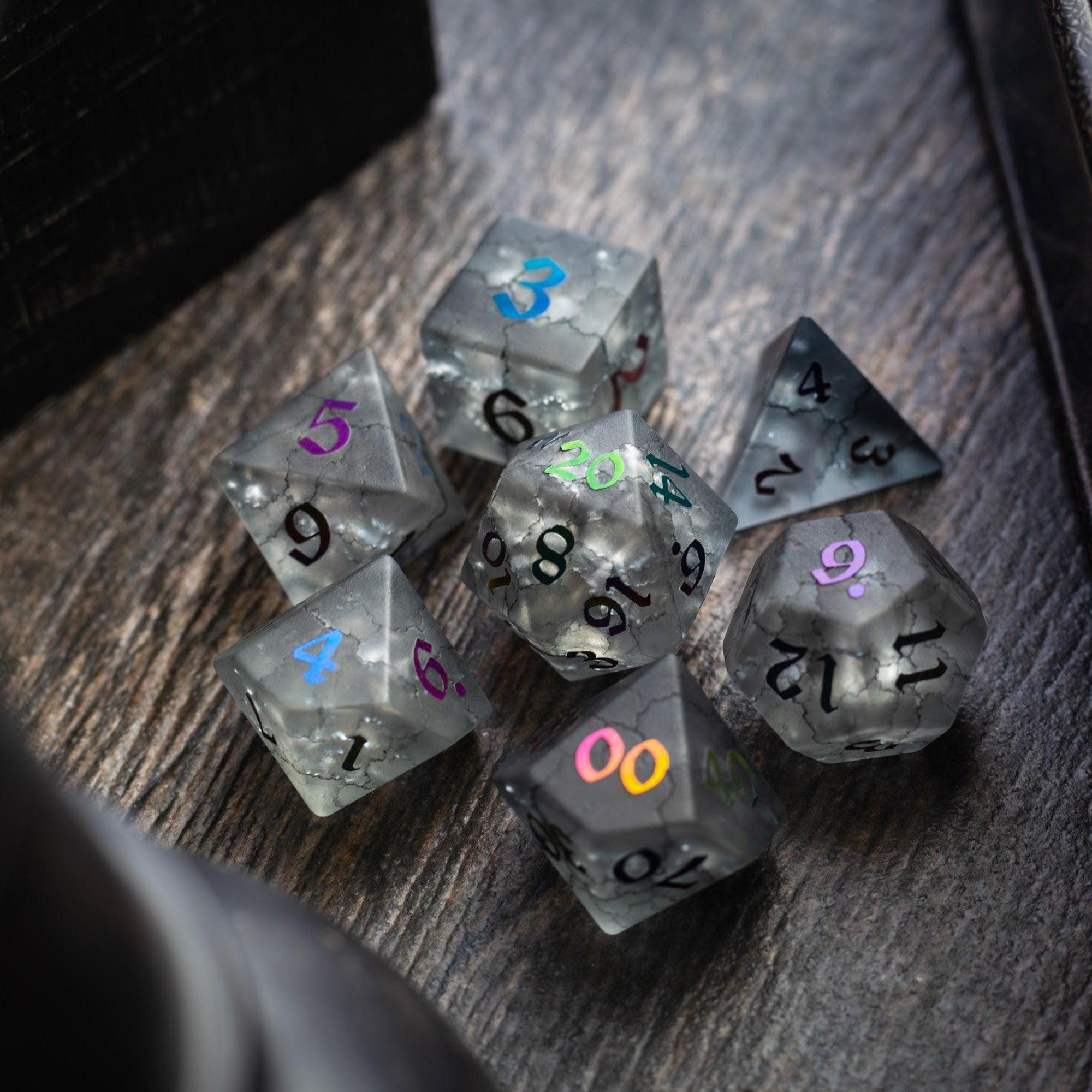
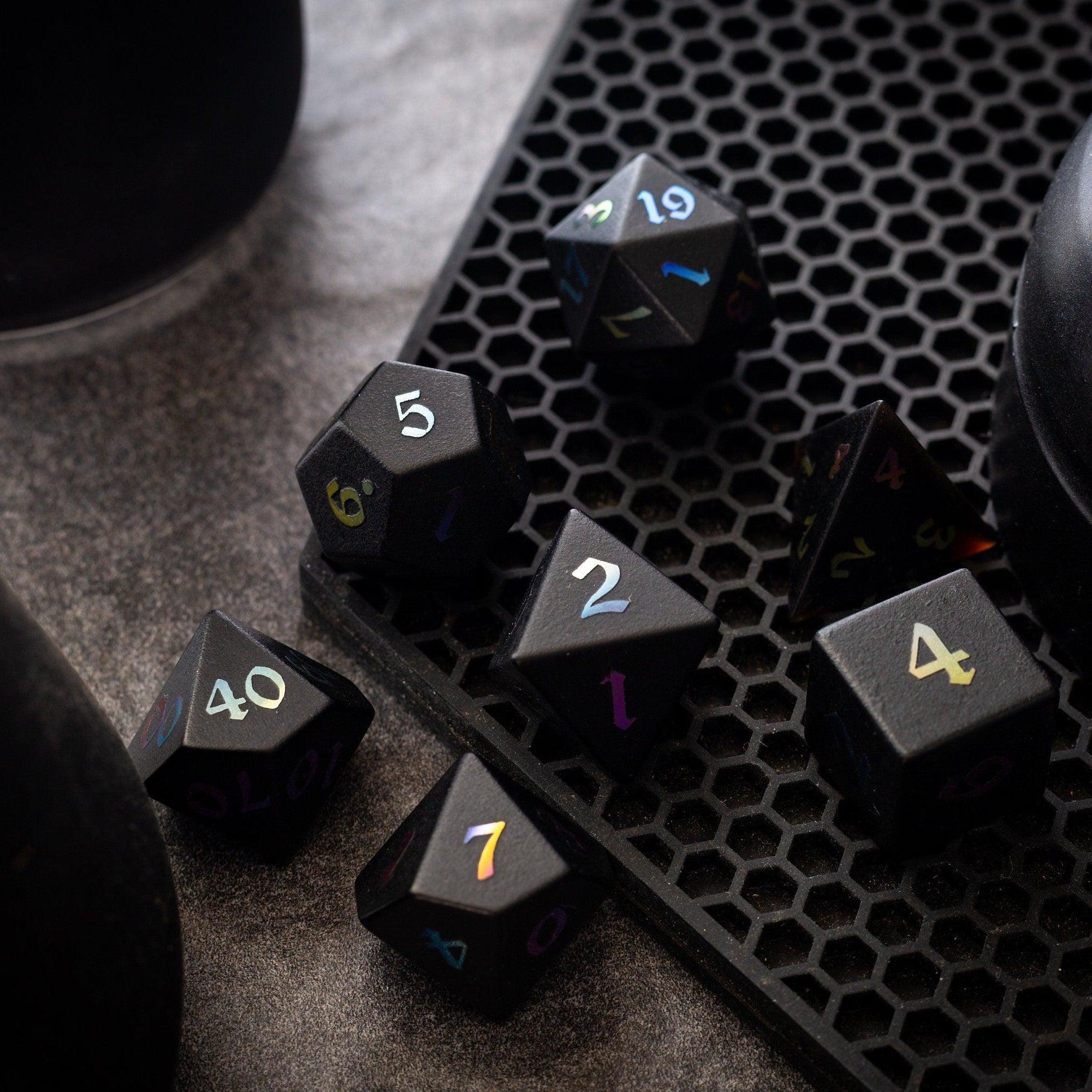
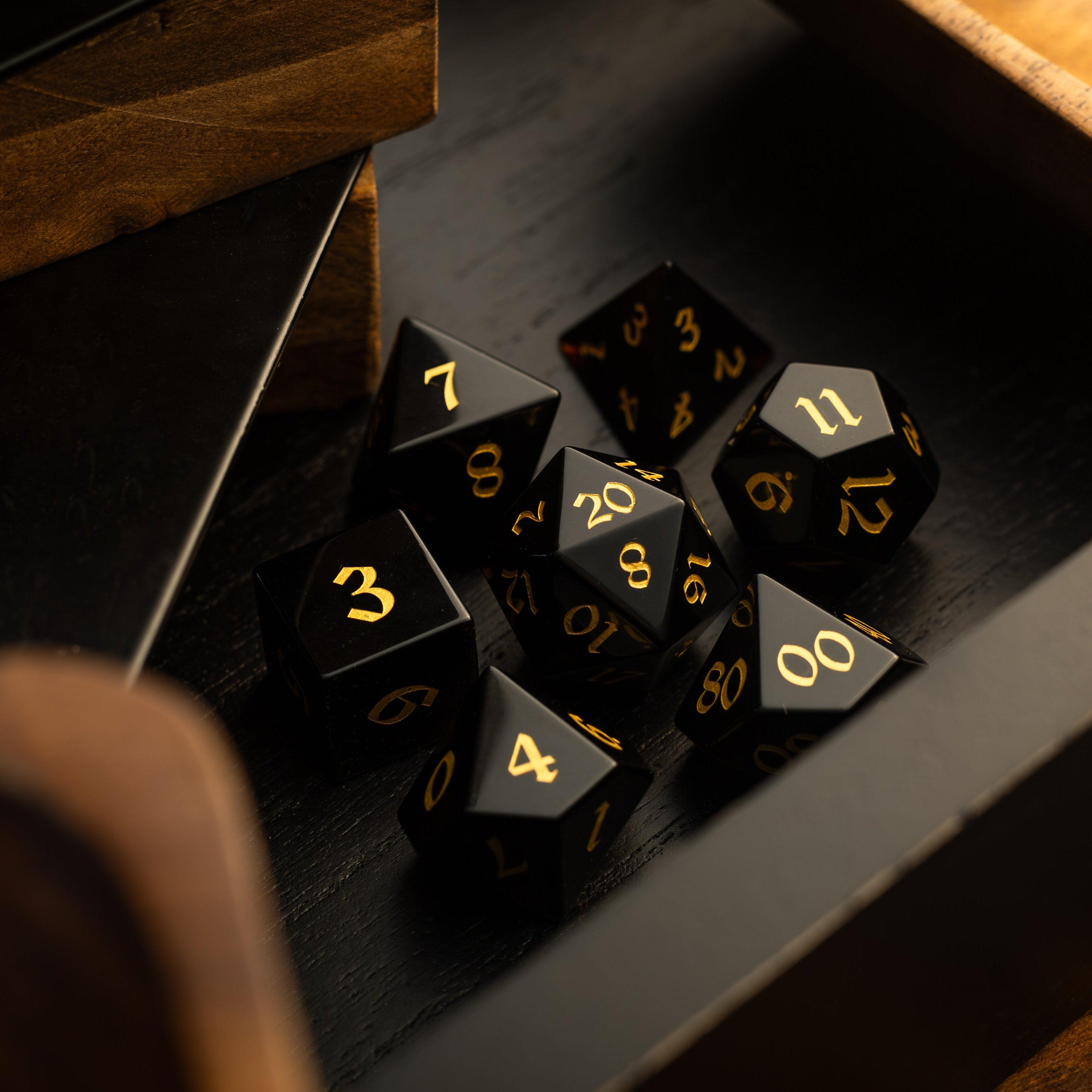
Use clear, easy-to-read dice so you’re never second-guessing results
There’s something special about the ritual of rolling dice. The tension, the pause, the reveal. Even when the outcome isn’t what you hoped for, it still adds to the experience.
And when the luck finally turns? Those moments feel incredible.
Getting Talked Over at the Table
D&D is a group game, but sometimes conversations overlap, and quieter players can get lost in the noise.
Why it feels frustrating
-
You have an idea but can’t get it out
-
Faster or louder players dominate discussions
-
You feel less involved in the story
How to deal with it
-
Speak up early and clearly when you have something to add
-
Use simple phrases like “Hey, I have an idea”
-
Talk to your group outside the game if it keeps happening
Most groups don’t mean to talk over someone. A little awareness goes a long way in improving dnd group dynamics.
Struggles & Solutions Quick Guide
|
Struggle |
Why It Happens |
Simple Fix |
|
Forgetting abilities |
Too many options |
Use a cheat sheet |
|
Slow turns |
Overthinking decisions |
Plan ahead, pick a default |
|
Bad dice luck |
Random chance |
Embrace the story |
|
Getting talked over |
Group dynamics |
Speak up early |
|
Roleplay anxiety |
Fear of judgment |
Start small |
|
Losing focus |
Long sessions |
Stay engaged between turns |
|
Miscommunication |
Unclear plans |
Confirm intentions |
|
Feeling “not good enough” |
Comparing to others |
Focus on your own fun |
Not Knowing How to Roleplay
A lot of players worry they’re “not good at roleplaying.” Maybe you don’t like doing voices. Maybe you’re not sure what your character would say.
That’s completely normal.
Why it feels awkward
-
You’re stepping outside your comfort zone
-
You’re unsure how to act “in character”
-
You think roleplay means acting
How to deal with it
-
Start simple: describe what your character does instead of acting it out
-
Use short phrases instead of long speeches
-
Focus on decisions, not performance
You don’t need to be an actor to roleplay. Even saying, “My character nervously agrees,” is roleplay.
Losing Focus During Long Sessions
D&D sessions can run for hours. At some point, your attention might drift.
Why it happens
-
Long stretches without your turn
-
Mental fatigue
-
Distractions at the table
How to deal with it
-
Stay involved during other players’ turns
-
Take notes, even simple ones
-
Keep your hands busy—organizing dice, checking your sheet, or preparing your next move
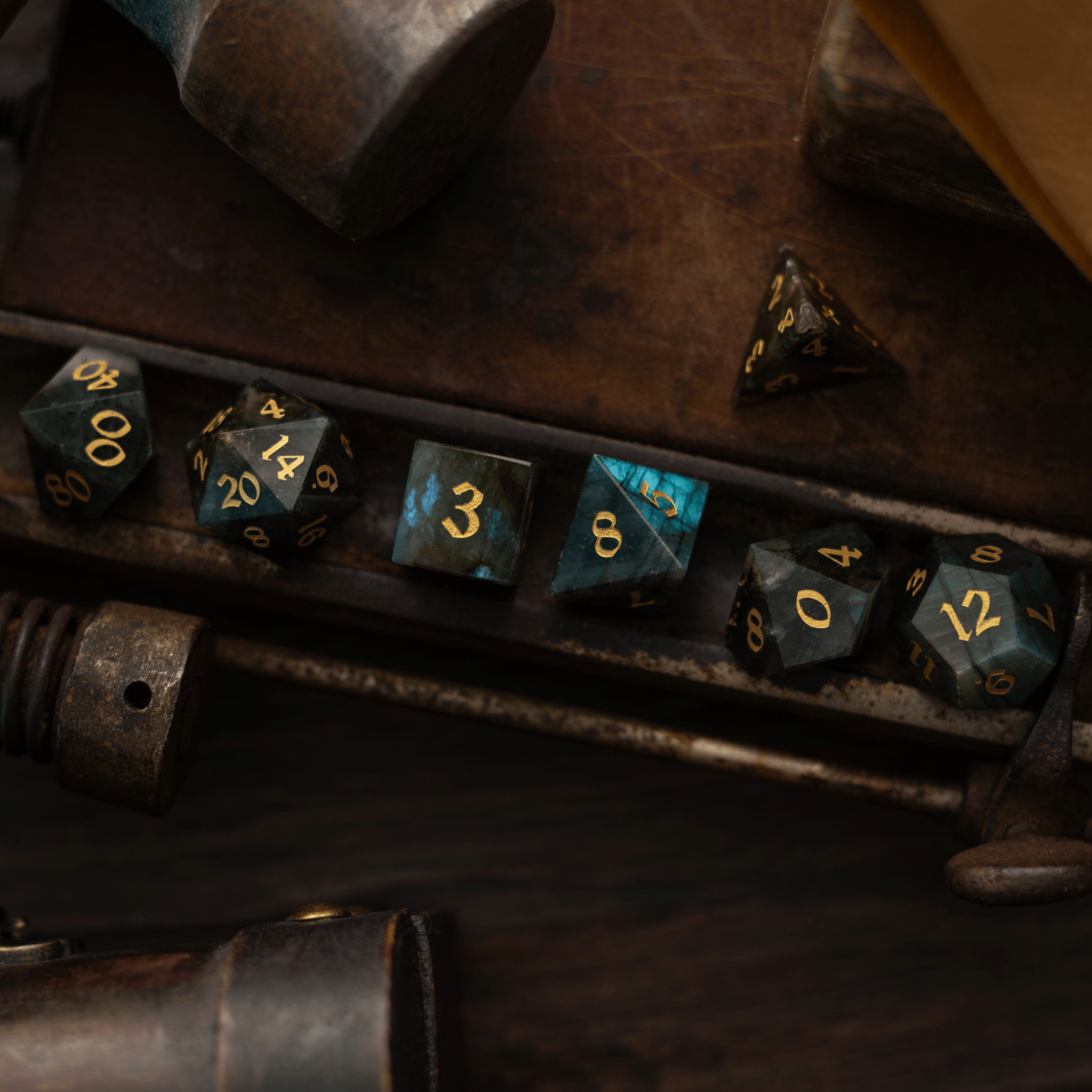
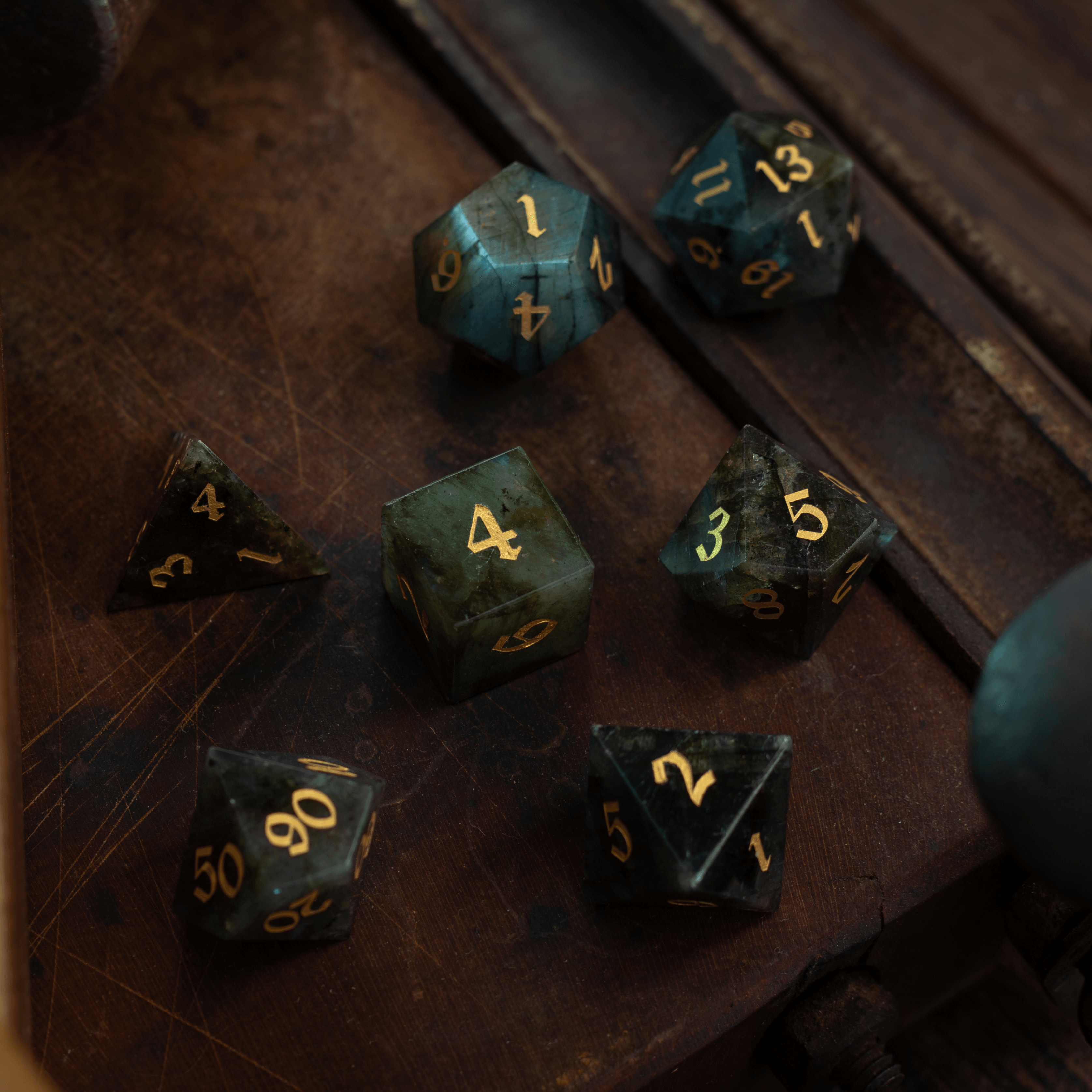
Handling your dice, organizing them, and getting ready for your next roll can actually help keep you grounded in the moment. It’s a small thing, but it keeps you connected to the game.
Party Miscommunication
The party makes a plan. Everyone nods.
Then somehow, everything goes completely differently.
Why it happens
-
People interpret plans differently
-
Not everyone is paying full attention
-
Details get skipped
How to deal with it
-
Repeat the plan out loud before acting
-
Assign simple roles (“You distract, I sneak”)
-
Ask quick clarifying questions
Clear communication turns chaos into teamwork.
Feeling Like You’re Not “Playing Right”
This one hits harder than most.
You see other players doing amazing roleplay, clever strategies, or dramatic moments. And you start to wonder if you’re falling behind.
Why it happens
-
Comparing yourself to more experienced players
-
Different playstyles at the table
-
Pressure to perform
How to deal with it
-
Remember there is no single “right” way to play
-
Focus on what you enjoy
-
Appreciate what each player brings to the group
Some players love combat. Others love roleplay. Some just enjoy being part of the story.
All of that is valid.
Turning Struggles Into Better Gameplay
Every one of these D&D player struggles can actually make you better at the game.
How to grow from them
-
Learn from mistakes without being hard on yourself
-
Share tips with your group
-
Support other players when they struggle too
The best tables aren’t perfect. They’re supportive.
They’re full of players who laugh at bad rolls, help each other remember abilities, and celebrate every small win.
Final Thoughts
D&D is a game of highs and lows.
One moment, you’re rolling a natural 20 and saving the day. The next, you’re failing a simple check and laughing along with everyone else.
Those ups and downs are what make the game memorable.
So if you’ve ever:
-
Forgotten an ability
-
Taken too long on your turn
-
Rolled terribly all night
-
Felt unsure about your roleplay
You’re not alone.
You’re just playing D&D.
And with a little awareness, a bit of practice, and a table that supports each other, those struggles turn into the stories you’ll be talking about long after the campaign ends.




Leave a comment
This site is protected by hCaptcha and the hCaptcha Privacy Policy and Terms of Service apply.