
Raising the Stakes with Fantasy Board Game Expansions
Updated on: 2025-12-04
Table of Contents
- Fantasy Expansion Basics
- Did You Know?
- Comparison: Pros & Cons
- Buyer’s Checklist
- Final Thoughts & Advice
- Q&A

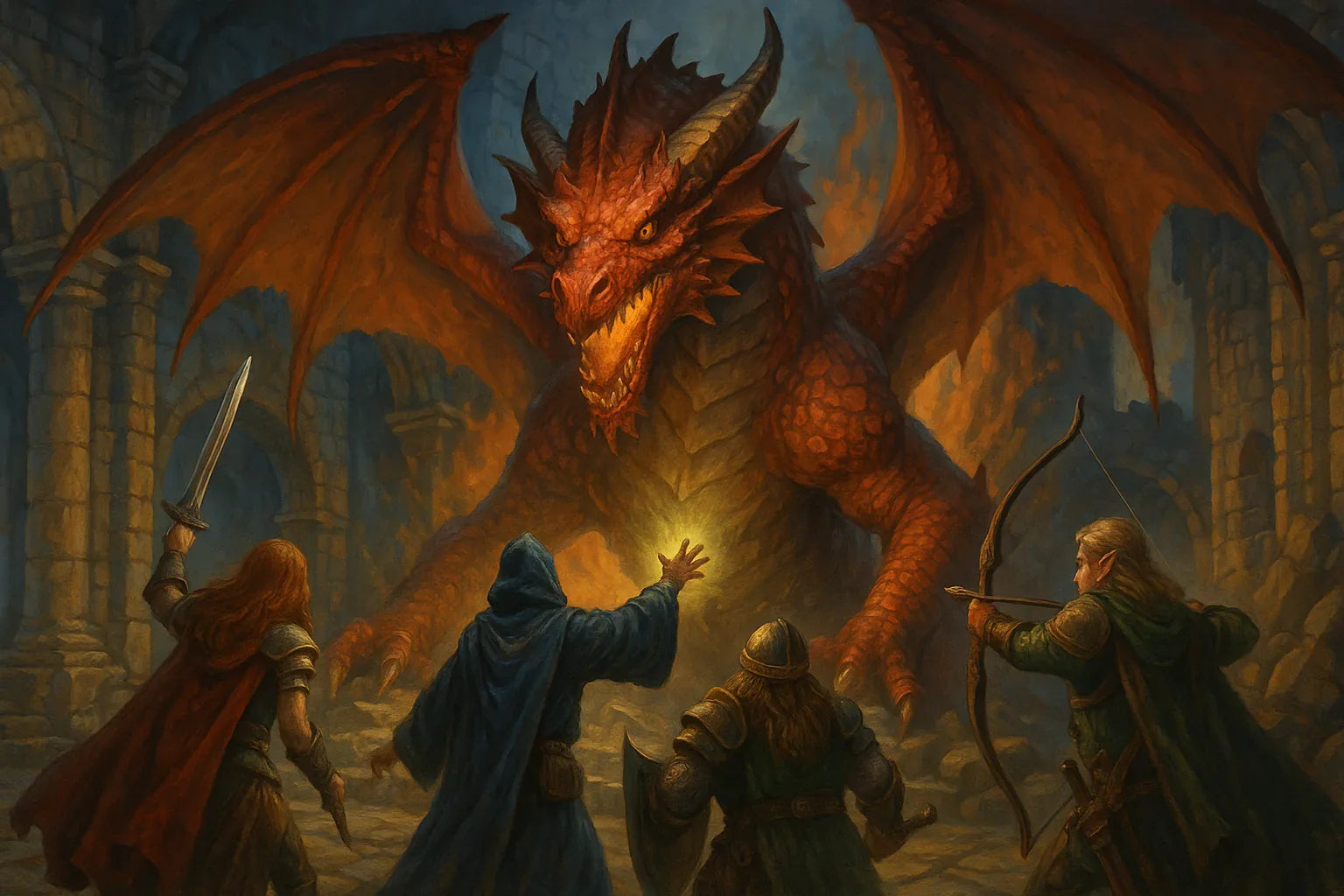
Fantasy worlds are irresistible, and board games give us a front-row seat to quests, relics, and epic boss fights. If you’re hunting for board game expansions for fantasy settings, here’s the good news: the right one can turn a familiar title into something fresh without forcing a reset on your learning curve. The trick is matching the add-on to your group’s vibe—whether you want more story, tougher co-op challenges, PvP spice, or streamlined modules that fit busy schedules. Below, I’ll show you how to evaluate content, avoid bloat, and choose smart upgrades that keep your table excited to play.
Board game expansions for fantasy settings: what to expect
Most fantasy add-ons fall into a few buckets: more narrative (new campaigns, quests, and lore), more systems (new classes, factions, or resource types), more variety (additional enemies, items, or scenarios), and quality-of-life upgrades (better balance, solo mode, or revised rule summaries). Some add-ons do a bit of everything—just be sure that “everything” is what your group actually wants to play.
Consider how an expansion changes your flow:
- Setup and teardown: New tiles, decks, or minis can inflate setup time. If your group squeezes in weeknight sessions, look for modular content that you can add or remove easily.
- Difficulty and pacing: Many fantasy add-ons raise the challenge with elite enemies or harsher event decks. That’s great for veterans but can frustrate newer players.
- Campaign depth vs. one-shots: Some packs expand long arcs with branching storylines; others add quick scenarios perfect for drop-in play. Pick based on how you schedule game nights.
- Player count: It’s common for expansions to tweak balance at different counts or unlock solo/co-op variants. Check the player-count notes before buying.
- Component synergy: New classes, artifacts, or bosses are exciting, but they’re best when they enhance your favorite mechanisms instead of replacing them.
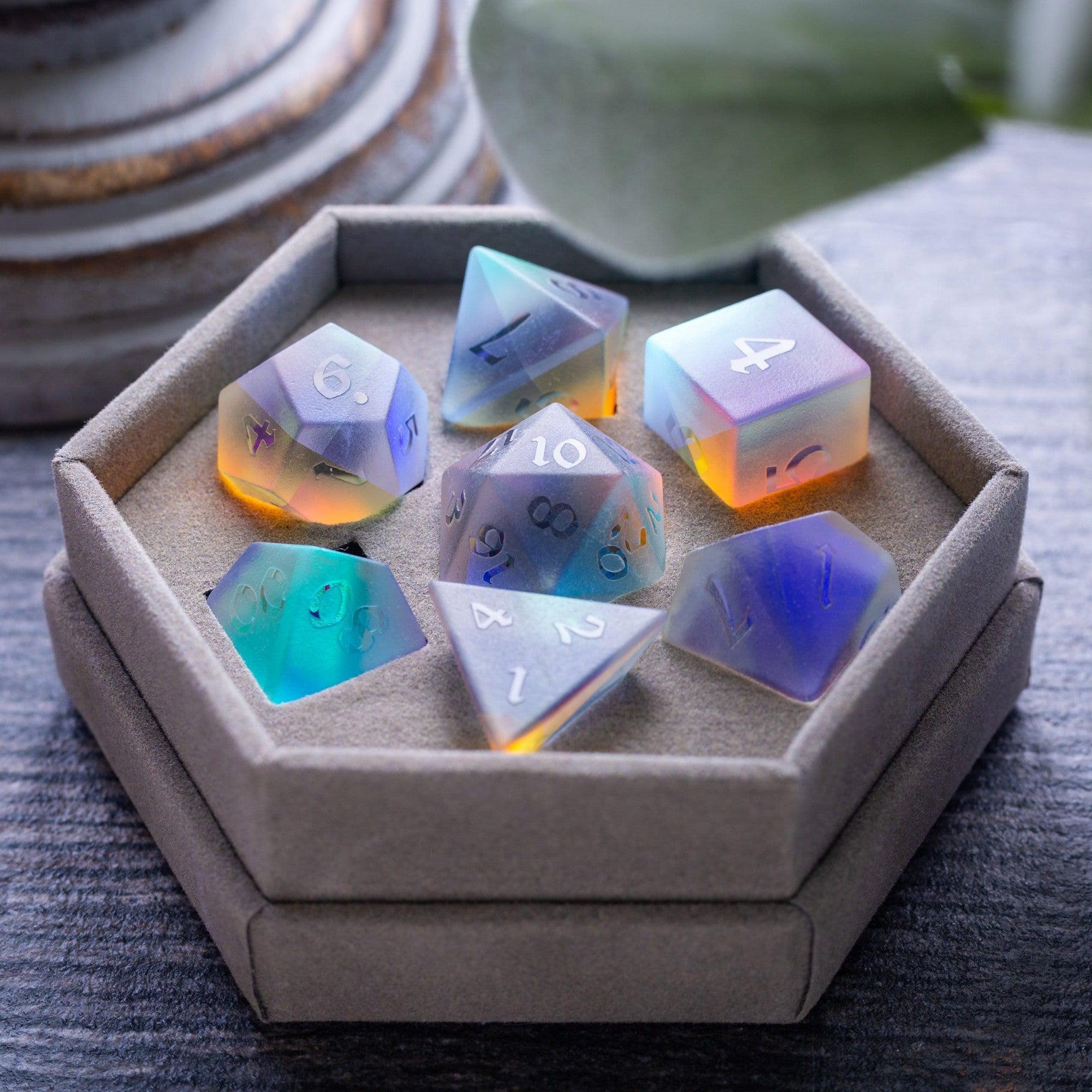
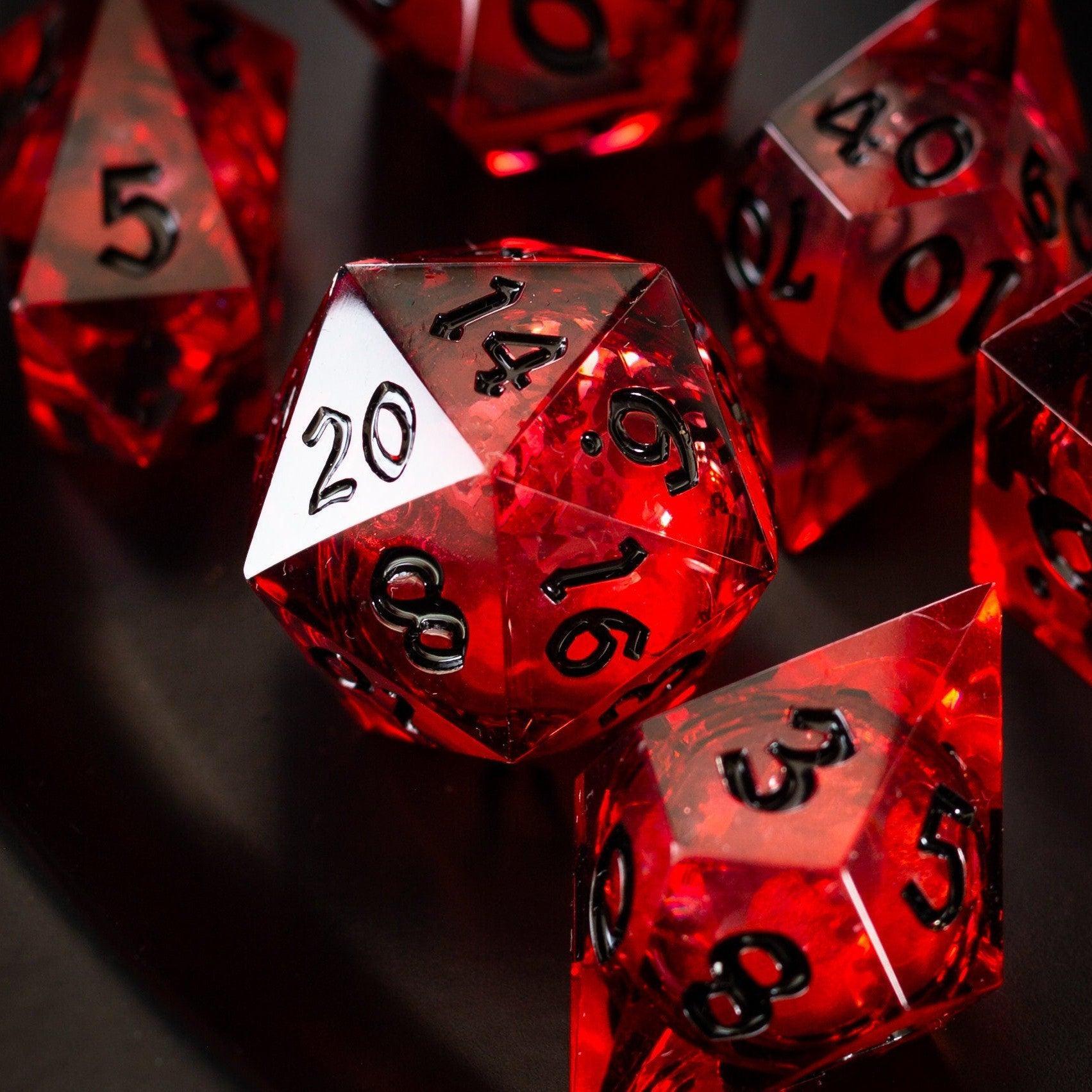
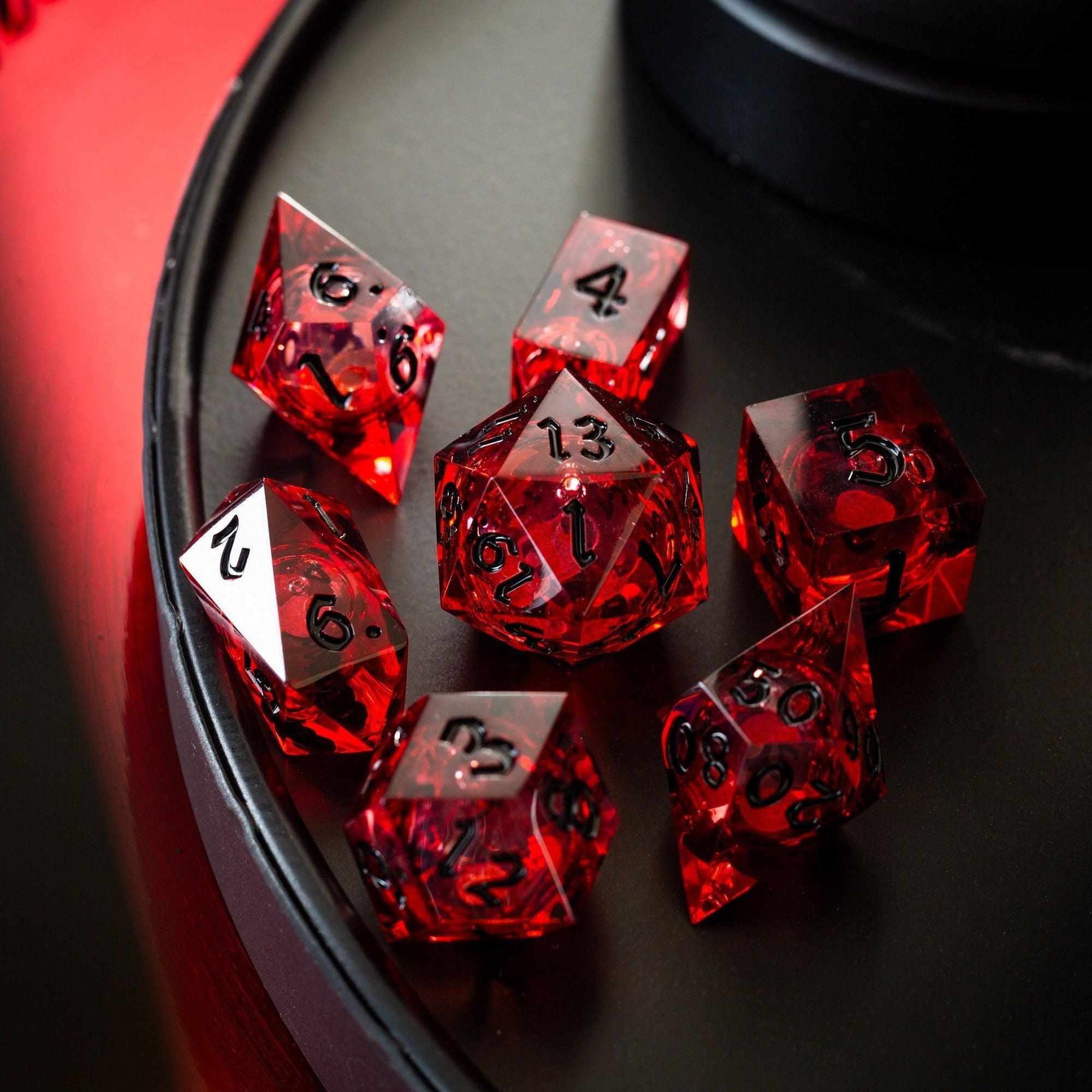
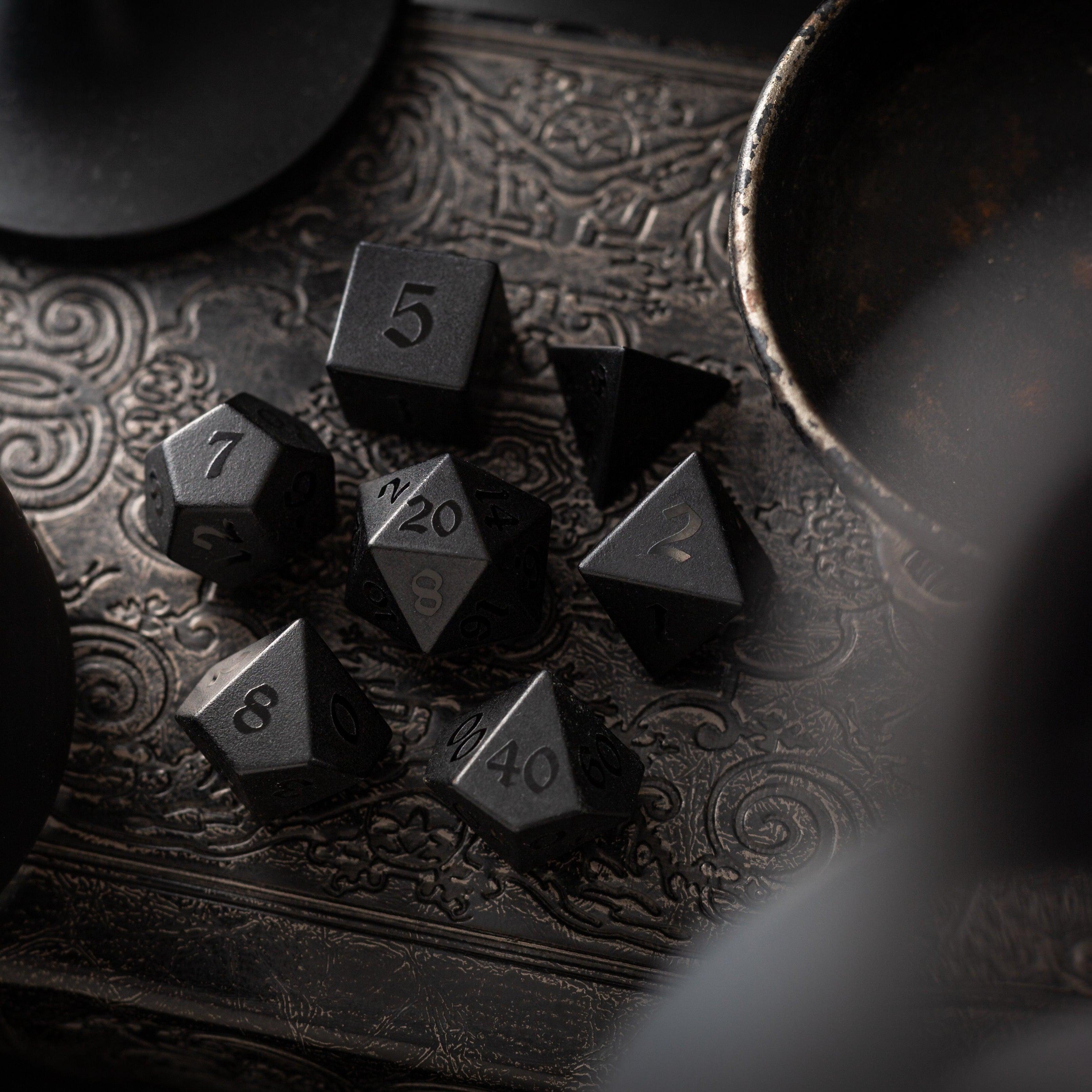
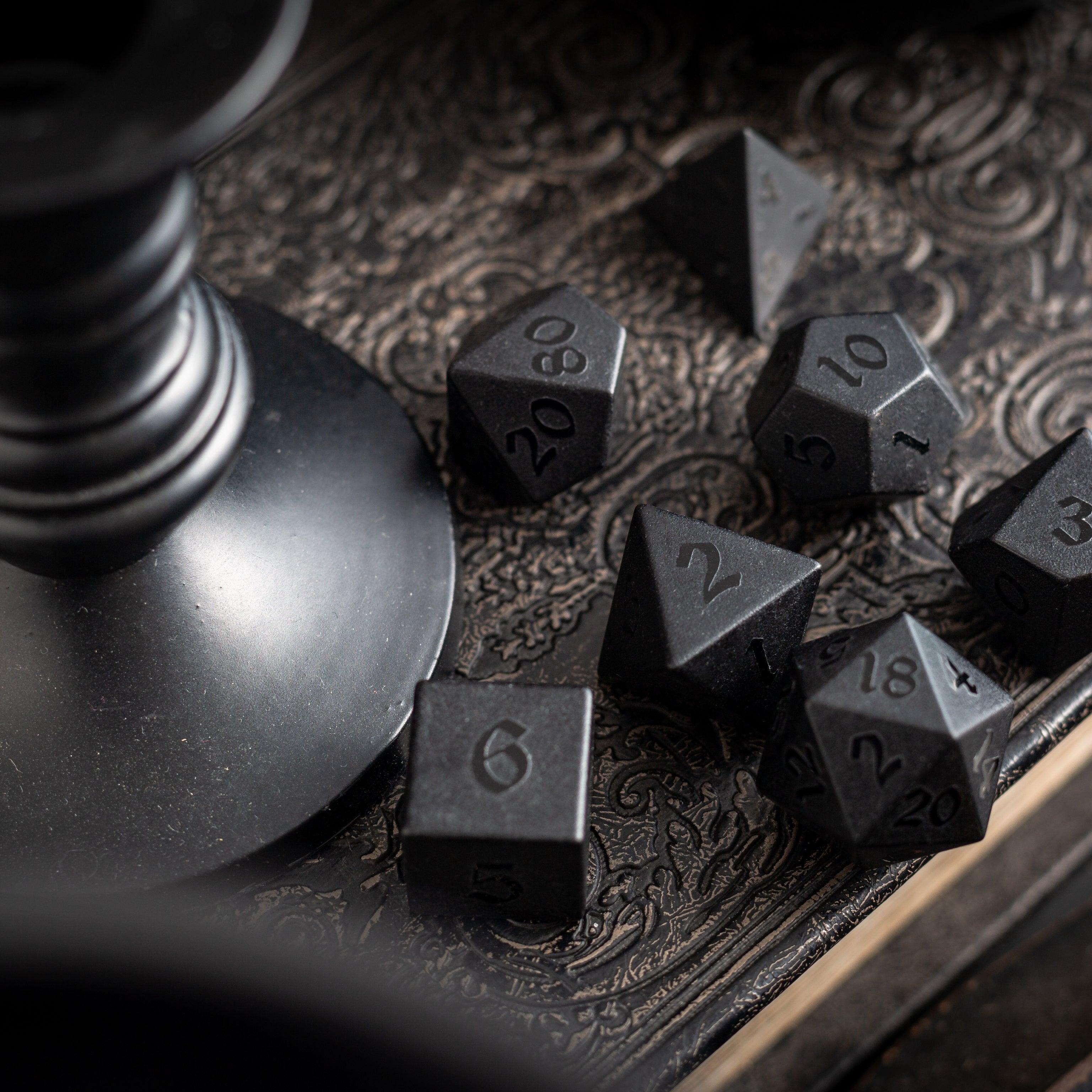
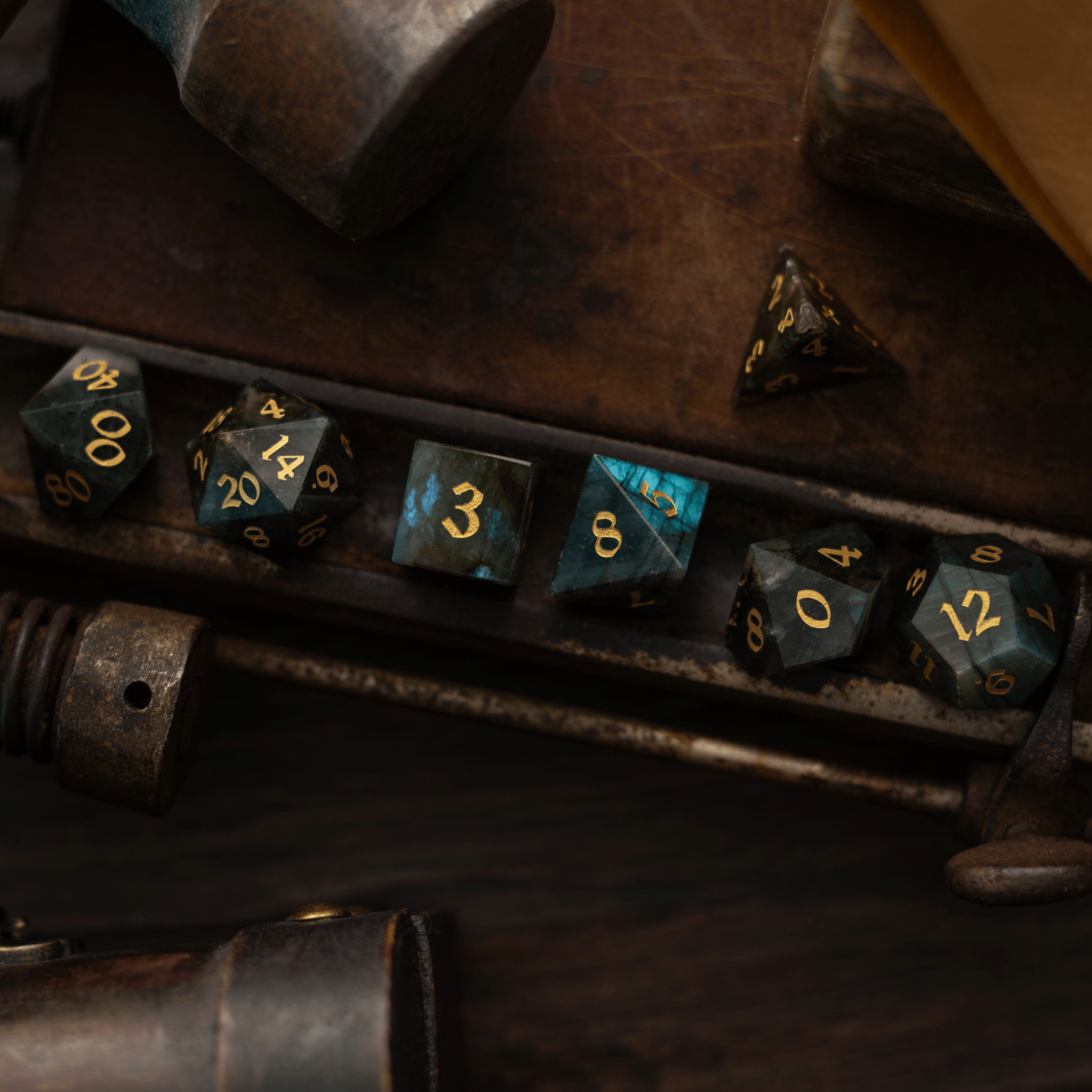
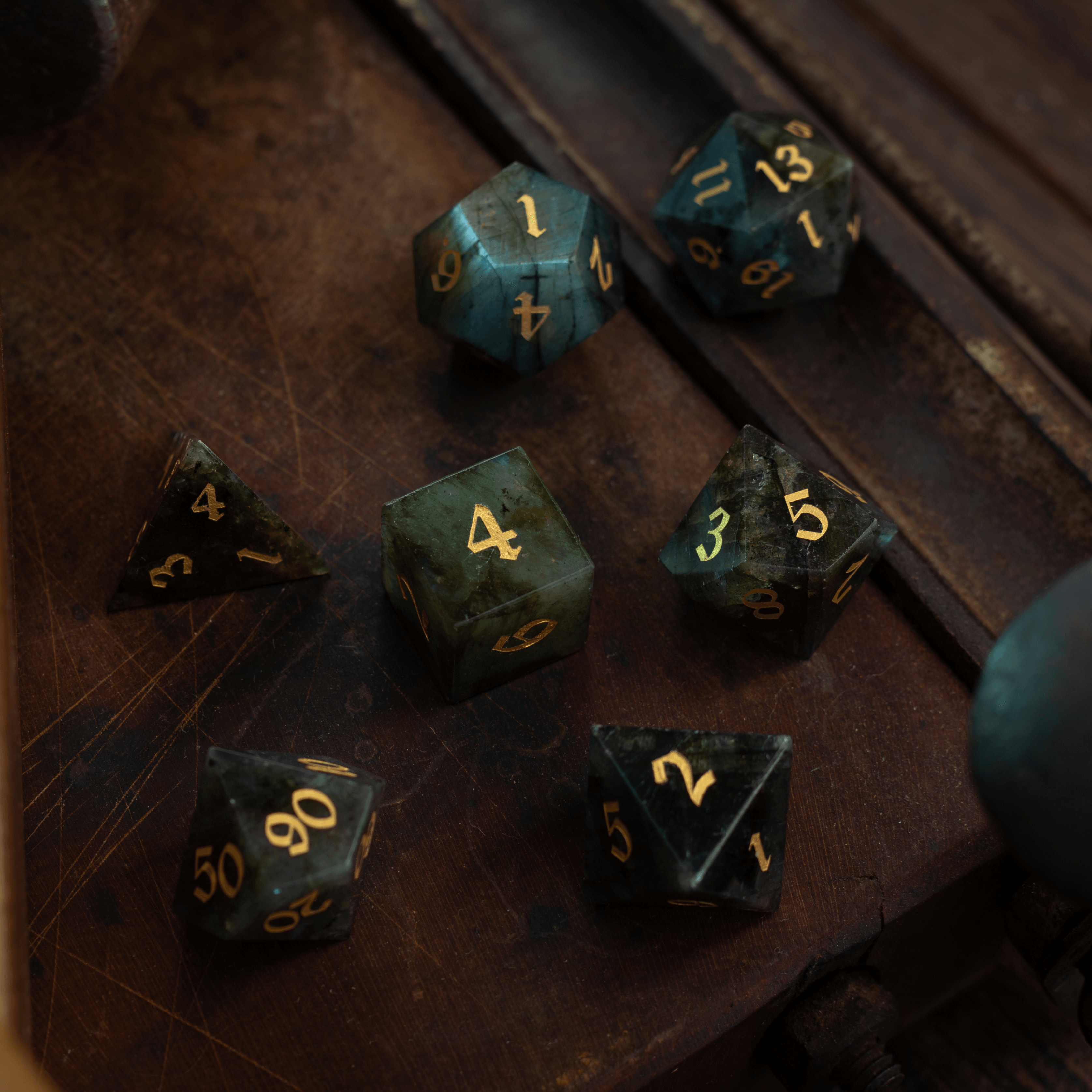
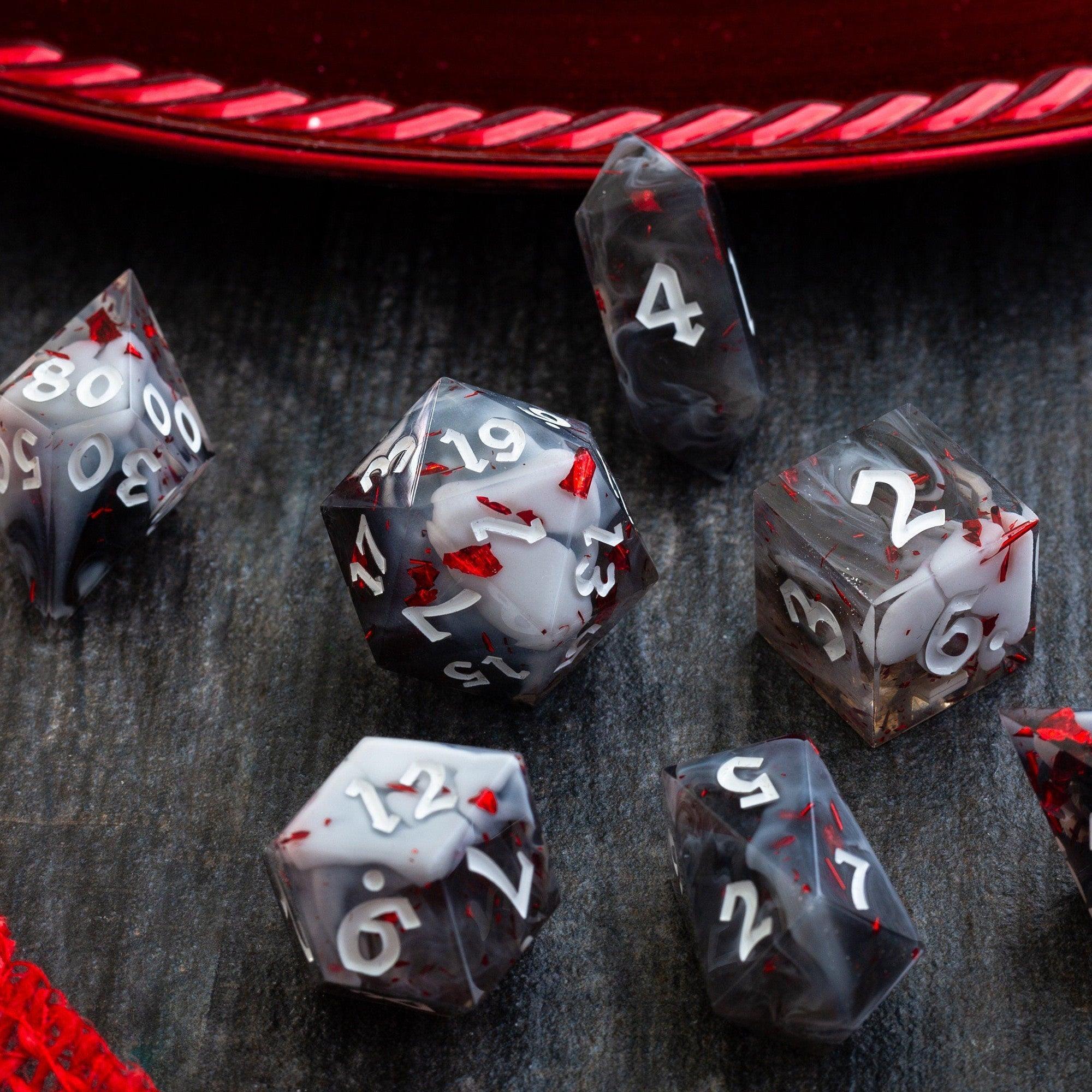
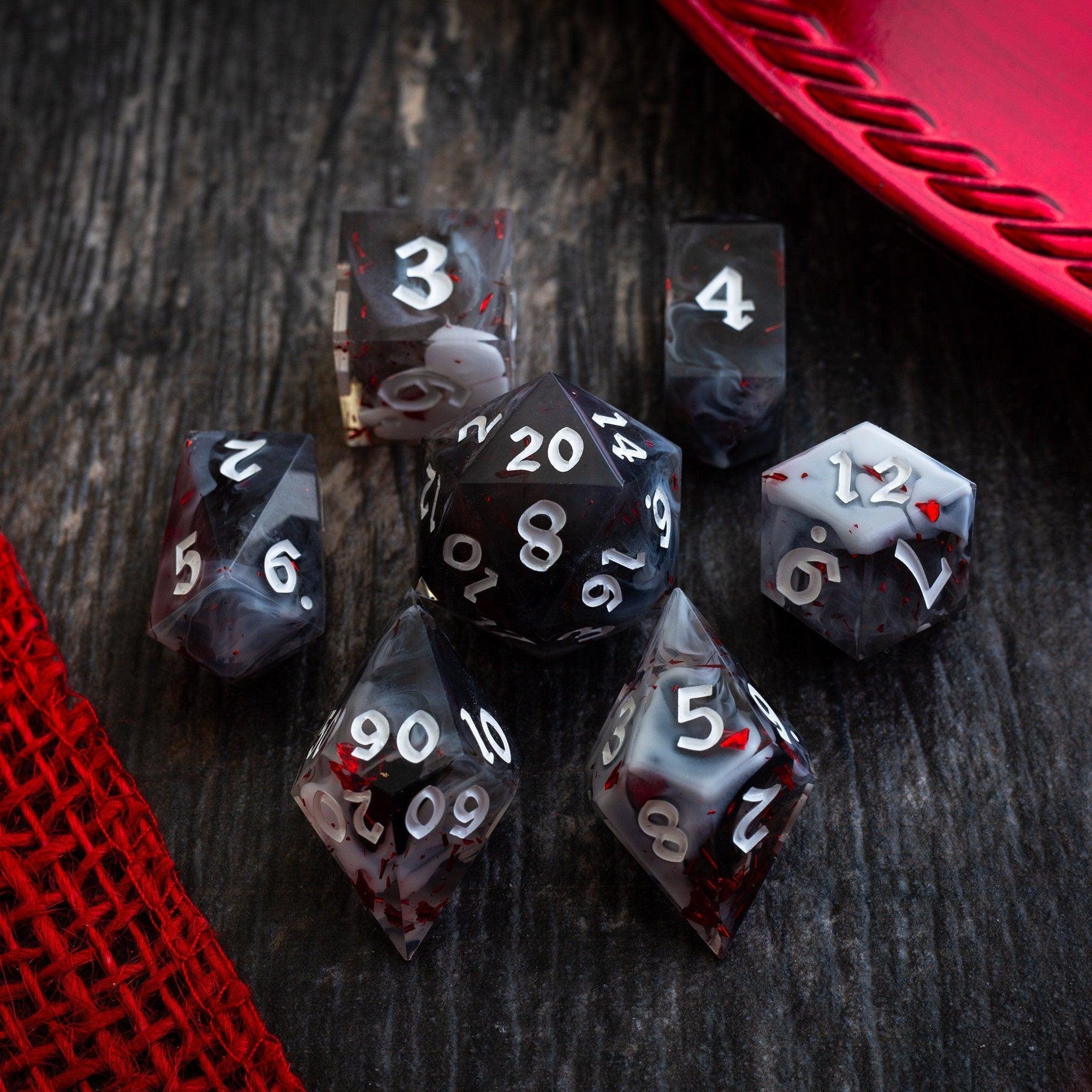
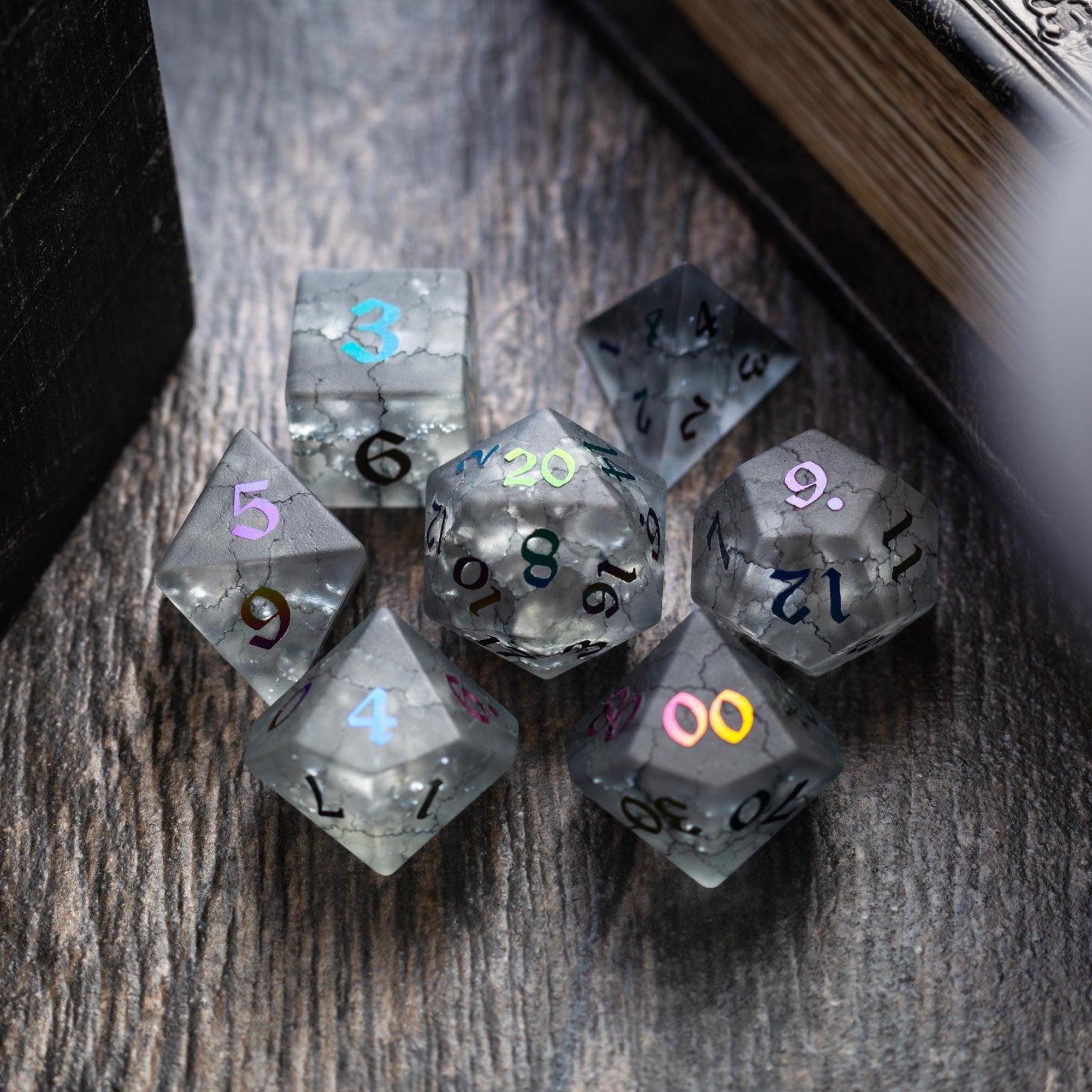
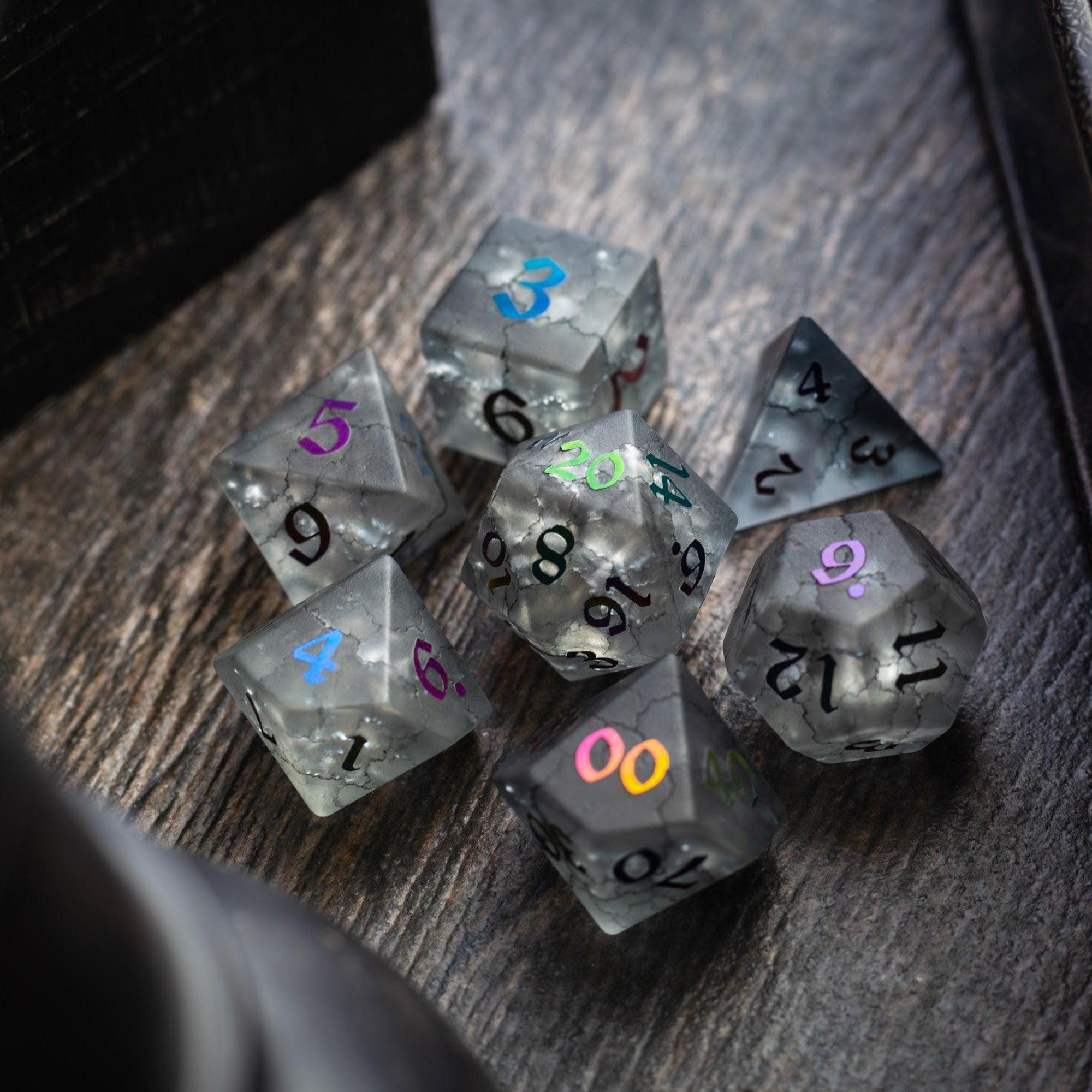
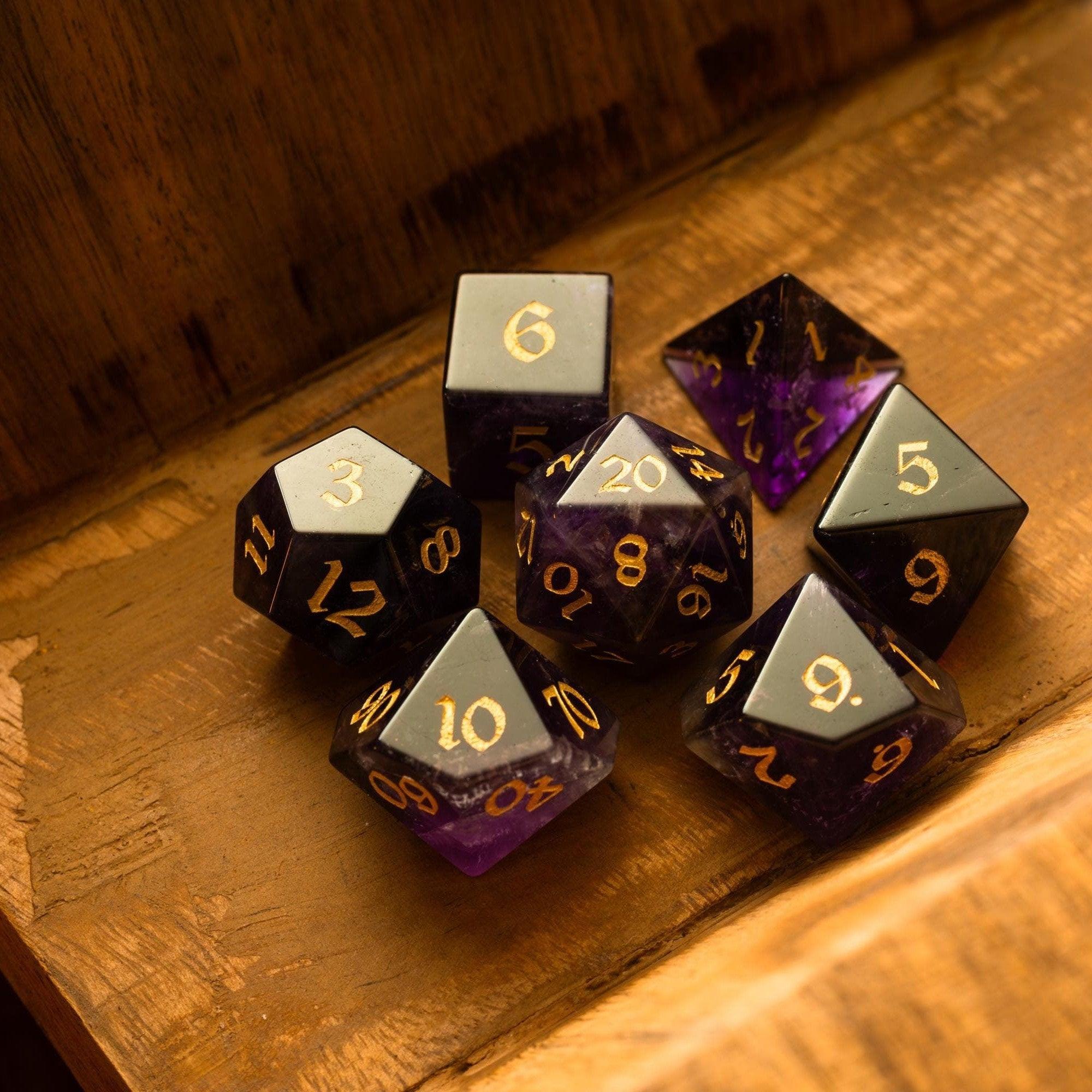
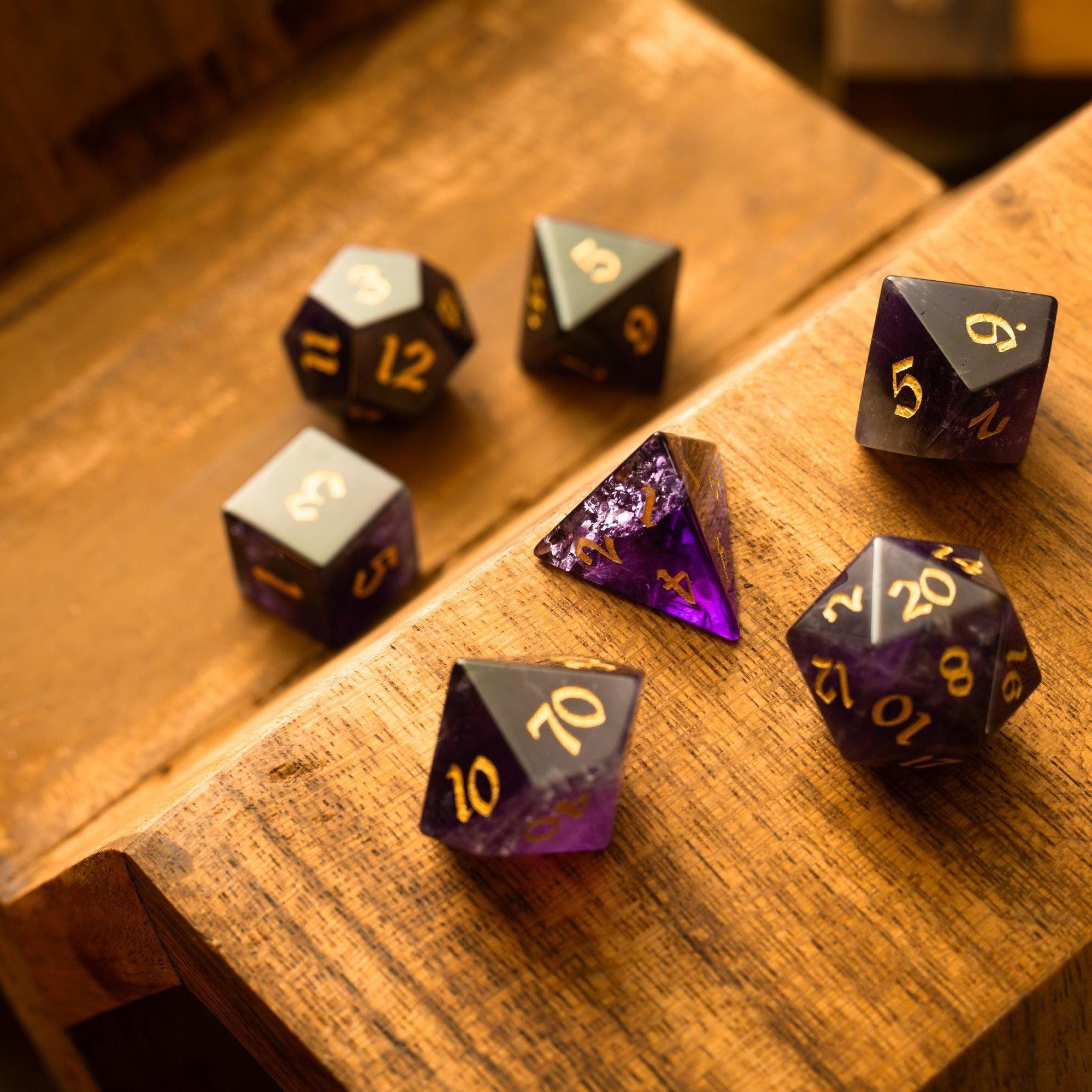
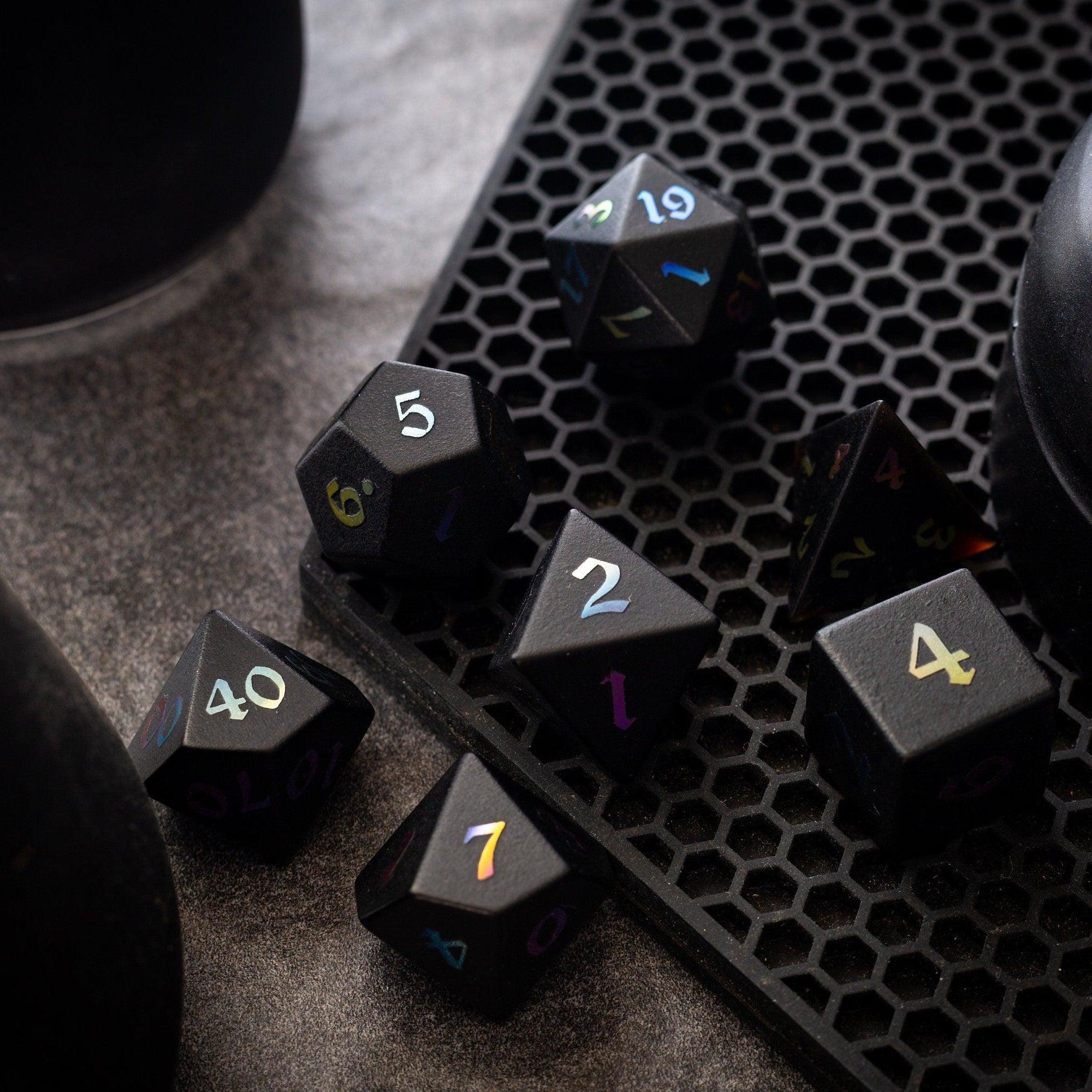
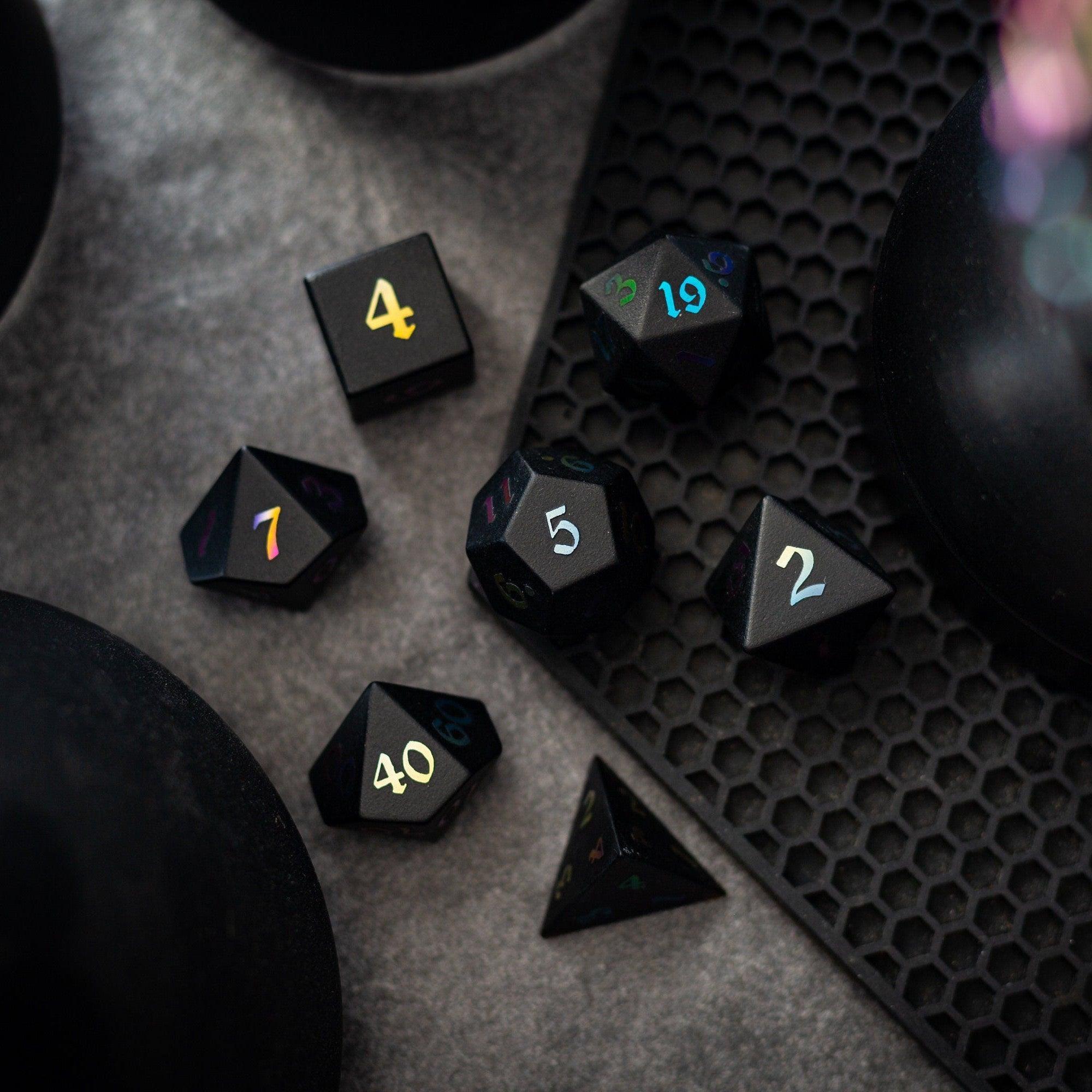
Accessories can also elevate the experience. Swapping standard dice for thematic sets is a small upgrade that feels wonderfully immersive. If you like dramatic rolls and table presence, try the elegant shimmer of amethyst gemstone dice or the mesmerizing motion of liquid core dice. And to keep turns tidy when spell effects start stacking, a sturdy tower helps—take a look at dice towers to streamline rolls and save space.
As you browse, ask: “What’s our group’s primary fun?” Is it storytelling? Puzzle-like combat? Discovery and loot? Buy the expansion that gives you more of that. When the content aligns with what you love, you’ll notice higher table energy, fewer rules references, and a smoother path to getting the box back on the table.
Did You Know?
- Many fantasy add-ons are modular, letting you include just a few decks or enemies to taste, instead of committing to the full box each session.
- Some content quietly fixes friction in the base game—cleaner iconography, rebalanced items, or clarified encounter rules.
- “More content” doesn’t have to mean “longer games.” Scenario packs often add replayable variety with the same session length.
- New classes or factions can shift group roles, encouraging shy players to shine with supportive builds or clever utility.
- Solo or two-player variants are common in fantasy add-ons and can be a lifesaver for small groups.
- Component storage is easier if you keep new decks sleeved by expansion; color-coding saves setup time later.
- Accessories can reduce table fatigue. High-contrast, readable dice—like many options in new arrivals—make long sessions easier on the eyes.

Comparison: Pros & Cons
Pros
- Fresh narratives: New quests, events, and villains extend your world without learning a new system from scratch.
- Higher replay value: More enemies, items, and scenarios mean fewer repeated sessions and more surprise moments.
- Better balance: Many packs tweak rough edges, smoothing power curves and clarifying tricky rules.
- Player-count flexibility: Added solo/co-op options keep your favorite game in rotation even with a smaller crew.
- Personal expression: New classes or gear let players experiment and find “their” build.
- Immersion boost: Matching accessories—like themed dice—heighten the fantasy feel every time you roll.
Cons
- Setup creep: More tiles, tokens, and decks can extend setup and teardown.
- Learning load: New rules modules may add edge cases or timing wrinkles.
- Shelf space: Big-box content needs storage; disorganized expansions slow the fun.
- Group mismatch risk: What excites one player (harder bosses) might frustrate another (longer turns).
- Analysis paralysis: Extra items and abilities can slow decision-making for newer players.
- Cost vs. table time: If your group won’t explore the new content often, value drops.
Buyer’s Checklist
- Match the vibe: Does the content reinforce what your group already enjoys most?
- Modularity: Can you add it in small doses or do you have to use the whole box each session?
- Session length: Will average playtime stay within your group’s comfort zone?
- Difficulty: Does it raise the challenge too quickly, or offer scalable options?
- Player count: Will it work well at your usual number of players?
- Rules clarity: Are summaries or quick-start guides included to reduce reference time?
- Compatibility: Make sure it pairs with your edition, language, and any other add-ons you own.
- Storage plan: Do you have a system for keeping new cards, minis, and tiles organized?
- Replay value: Look for scenario variety, branching paths, or randomized setups.
- Table ergonomics: If you’re adding more components, consider accessories like dice towers to save space and prevent mix-ups.
- Readability: Choose components (and accessories) with clear, high-contrast designs—try vivid sets like liquid core dice for flair you can actually read.
- Future plans: Will this content scale with your group’s growth or campaign goals over time?
Final Thoughts & Advice
You don’t need every add-on to keep your fantasy world exciting. Start with the pack that best fits your current campaign goals—a story arc if you want narrative, a class pack if you want build variety, or a scenario set if you want quick-hit sessions with lots of replay. Keep the rules overhead light, store components neatly, and bring in new modules one at a time so the learning curve stays friendly. And when you’re ready to elevate the table feel, swap in thematic dice that match your world’s mood—sleek gemstones for royal courts, swirling resin for wild magic.
Ready to refresh your next session’s vibe? Explore new arrivals for fresh designs, or bring gravitas to your critical hits with striking amethyst gemstone dice. Prefer dramatic motion and color? Browse the liquid core dice collection. And if table space is tight, a reliable dice tower keeps the action contained and the pace snappy.
Q&A
Do I need to master the base game first?
Not necessarily, but it helps to have a few plays under your belt. If your group knows the core flow, you’ll add new modules with less friction. For brand-new players, try a “soft launch”: run a base session, add a small expansion element next time (like a mini-deck or a single boss), and scale up only if everyone’s comfortable.
How can I store expansions without creating clutter?
Use a simple system you’ll stick with: label-bag small tokens, color-code sleeves by expansion, and keep a quick index card inside the box that lists where each deck lives. When space is tight, table accessories help. A compact dice tower and a dedicated dice set (like liquid core dice) reduce scatter and make teardown faster.
What if my group dislikes added complexity?
Choose modular packs and add content in layers. Skip advanced variants at first and stick to the simplest scenario options. Prioritize add-ons that boost variety rather than adding whole new subsystems. If you do introduce a new class or item type, give a one-minute overview and a cheat sheet so players don’t feel overwhelmed.



Leave a comment
This site is protected by hCaptcha and the hCaptcha Privacy Policy and Terms of Service apply.