
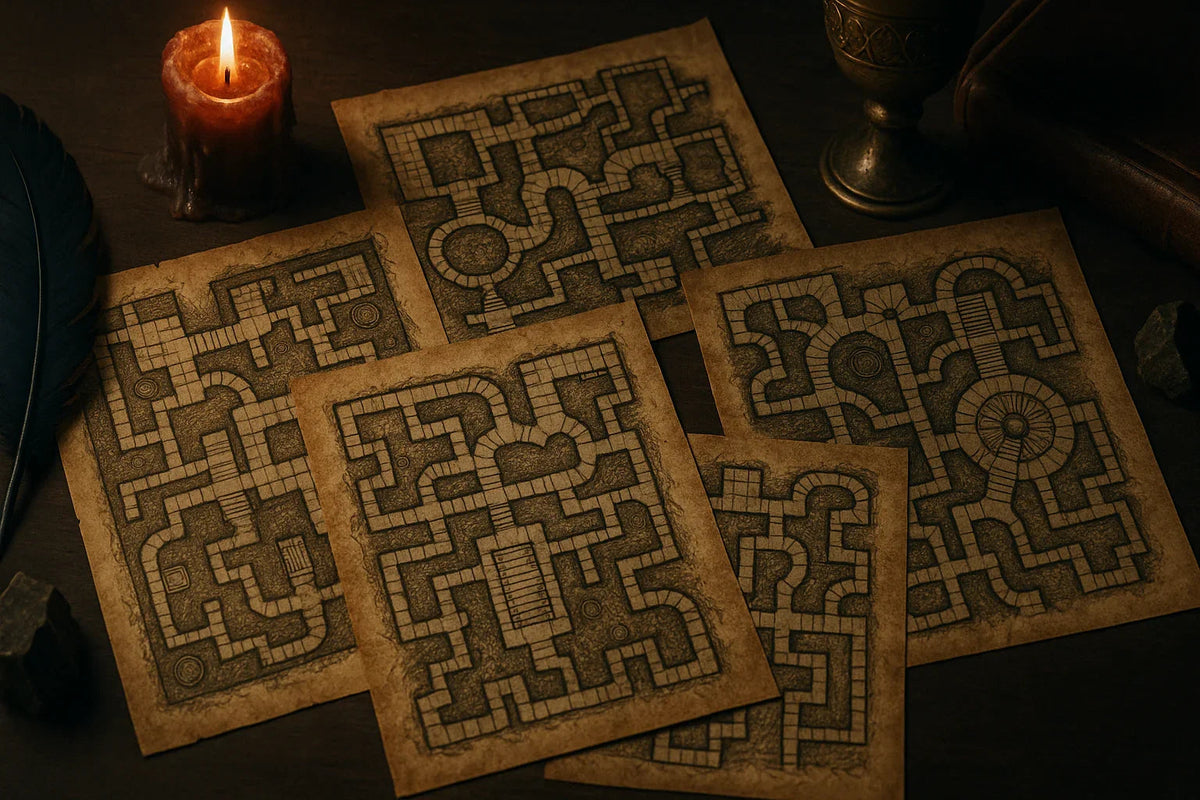
Printable Dungeon Maps for D&D | How to Print Battle Maps at Home
Printable dungeon maps are downloadable battle maps you can print at home for combat, exploration, puzzles, chases, and other tabletop RPG scenes. They are useful for groups that enjoy miniatures or tokens but do not want to build every location from scratch. A good printable map can turn a blank table into a crypt, cavern, ruined temple, forest path, or boss room in minutes.
For Dungeons & Dragons, grid-based play is easy to translate to a physical map. Under the current D&D rules, each square on a square grid represents 5 feet of game space. A physical 1-inch grid is a common tabletop format because it gives miniatures and tokens clear spaces to occupy. The rules define what each square represents in the game, while the printed size of that square is a practical choice for your table.
Benefits of printable dungeon maps for smoother sessions
- Fast setup: Download, print, trim, and place the map before the session.
- Budget-friendly: Home printing can be inexpensive, especially when you reuse maps in sleeves or laminate favorite layouts.
- Consistent scale: A properly printed 1-inch grid makes movement and positioning easier to track.
- Flexible layouts: Modular rooms, corridors, and tiles can be rearranged for different encounters.
- Easy storage: Flat pages and map tiles take less space than large 3D terrain collections.
- Clearer tactical play: Walls, doors, hazards, and creature positions are easier for everyone to see.
Printable RPG battle maps are especially useful for Game Masters who run games in different locations. Instead of carrying a large battle mat or terrain box, you can bring only the pages needed for that session.
Choosing printable RPG battle maps and 1-inch grid dungeon maps
Before printing a map, check three things: scale, file quality, and how you plan to use it. A beautiful map is not very helpful if the grid prints at the wrong size or important rooms are cut off by the printer.
Grid sizes and 1-inch scale basics
For D&D played on a square grid, one square represents 5 feet. That does not mean every digital map must be printed with 1-inch squares, but 1-inch grid dungeon maps are a convenient choice for many physical tables. If the creator designed the file for a 1-inch grid, use the recommended print settings rather than resizing it by eye.
Look for a scale key, test square, or creator instructions. After printing one page, measure a grid square with a ruler. If it is supposed to be 1 inch and measures smaller or larger, correct the print scale before printing the rest of the map.
Files, paper, and finish for print-and-play dungeon maps
PDF is usually the easiest format for printable dungeon battle maps because it preserves page dimensions and works well with multi-page printing. High-resolution JPG or PNG files can also work, but you may need a program that lets you control exact print size.
Regular printer paper is fine for one-time encounters. Heavier paper or light cardstock is better for map tiles you plan to handle repeatedly. Matte paper or matte sleeves can reduce glare. If you want to draw temporary doors, traps, or spell areas, protect the print first and use markers that are safe for the sleeve or laminate.
Modularity, storage, and reuse tips
Modular print-and-play dungeon maps are useful when players take an unexpected route. Store rooms and corridors by theme, such as ruins, caves, sewers, forests, or arcane locations. You can then build a new layout without preparing a complete dungeon in advance.
Keep loose pages in folders, document sleeves, or a binder. Small tiles can go into labeled envelopes or resealable bags. Avoid folding maps across important grid lines if you want the pieces to lie flat during play.
Step-by-step: print dungeon maps to a 1-inch grid scale
The exact controls vary by printer and PDF viewer, but the goal is the same: prevent unwanted resizing and confirm the scale before printing a large map.
Step 1: Choose a map with clear scale information
Use a printable dungeon maps PDF that states the intended grid size or includes a calibration square. If the download includes separate gridded and gridless versions, choose the gridded file when you want precise tactical movement.
Step 2: Check the page before printing
Open the file and look for a scale guide or known grid measurement. If the map is one large page, check whether the creator recommends poster printing, tiling, or a particular paper size.
Step 3: Print one test page at Actual Size
In Adobe Acrobat, Actual size prints without scaling, while Fit can reduce or enlarge a page to match the printable area. For a map designed to print at a specific scale, start with Actual Size or the creator's stated percentage. Print one test page and measure a square before printing the full set.
Step 4: Tile large maps across multiple sheets
If the map is larger than one sheet, use a poster or tiling option. Adobe Acrobat's Poster setting splits a large page across multiple sheets and lets you adjust tile scale and overlap. A small overlap makes neighboring sheets easier to align.
Step 5: Trim and align carefully
Trim only the margins needed to join the pages. Line up grid intersections before taping anything permanently. Working from the center outward can help prevent small alignment errors from growing across a large map.
Step 6: Protect maps you expect to reuse
Store the finished map flat or protect it in sleeves. Laminating works well for frequently reused tiles, but it is unnecessary for a map you expect to use once. Choose protection based on how often the location will return.
Where to find printable dungeon maps, including free options
You can find printable dungeon maps through independent map creators, tabletop marketplaces, publisher downloads, community sites, and creator newsletters. Free sample maps are useful when you want to test a creator's art style and print setup before buying a larger pack.
Try specific searches such as free printable dungeon maps for DnD 5e, printable RPG battle maps PDF, 1-inch grid dungeon map, or a location plus the word map, such as crypt battle map or forest encounter map. Specific searches usually return layouts closer to the scene you need.
Check the usage license before downloading or sharing files. A map that is free for your home game is not automatically licensed for resale, streaming overlays, commercial adventures, or reposting. If the creator includes printing instructions, follow those first because they reflect the intended dimensions of the file.
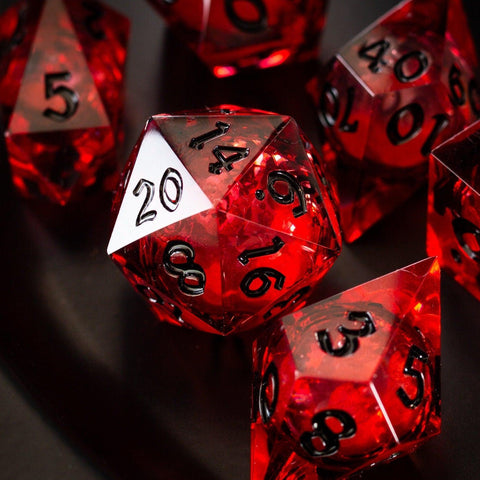
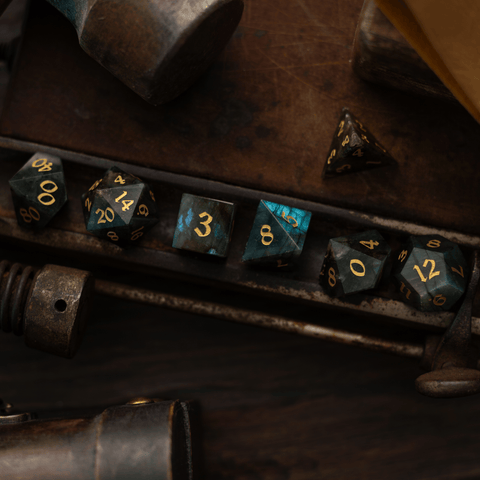
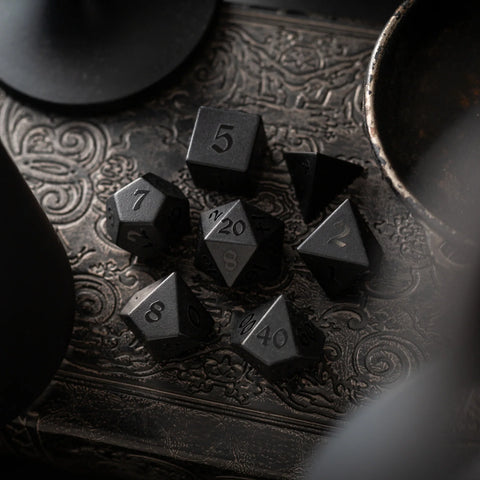
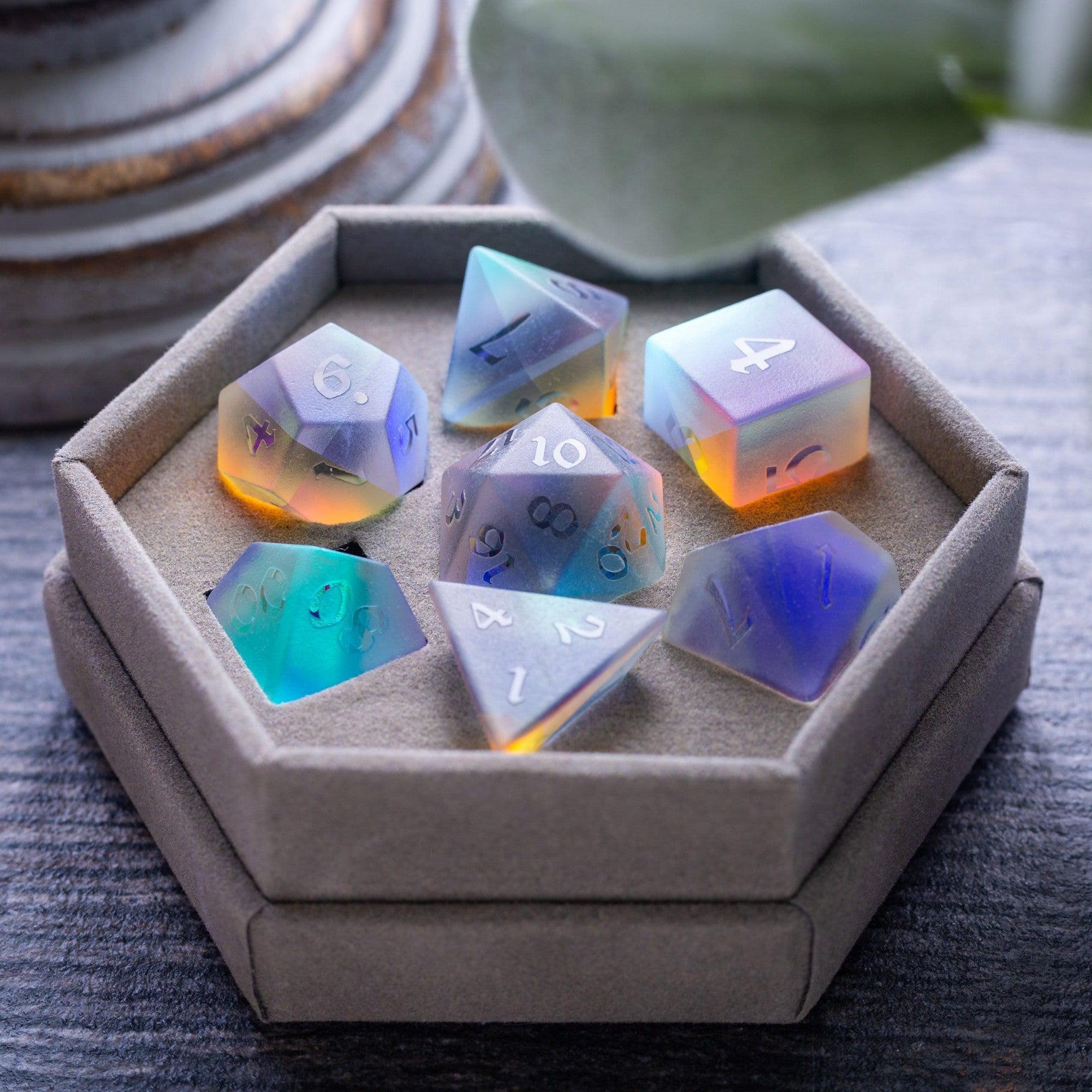
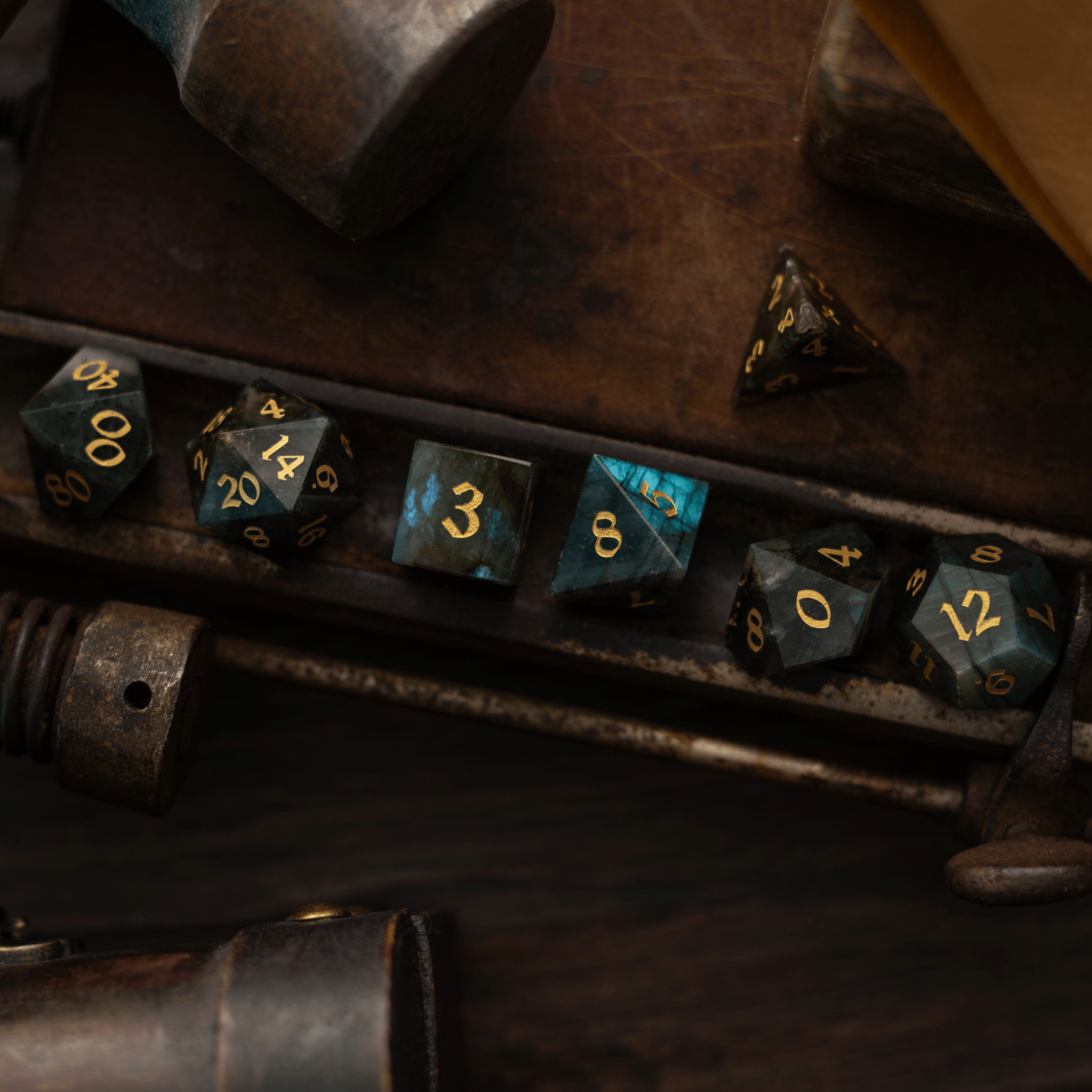
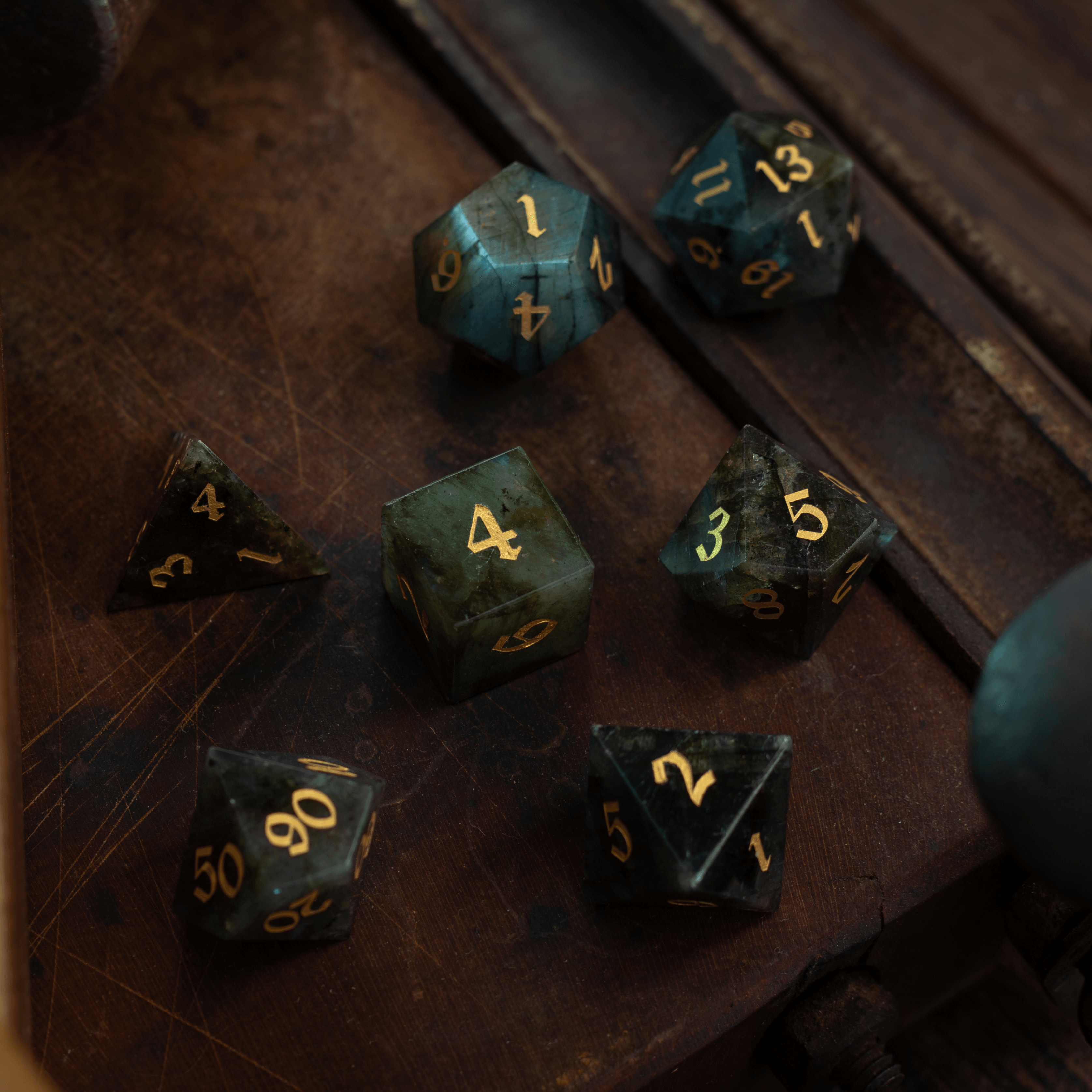
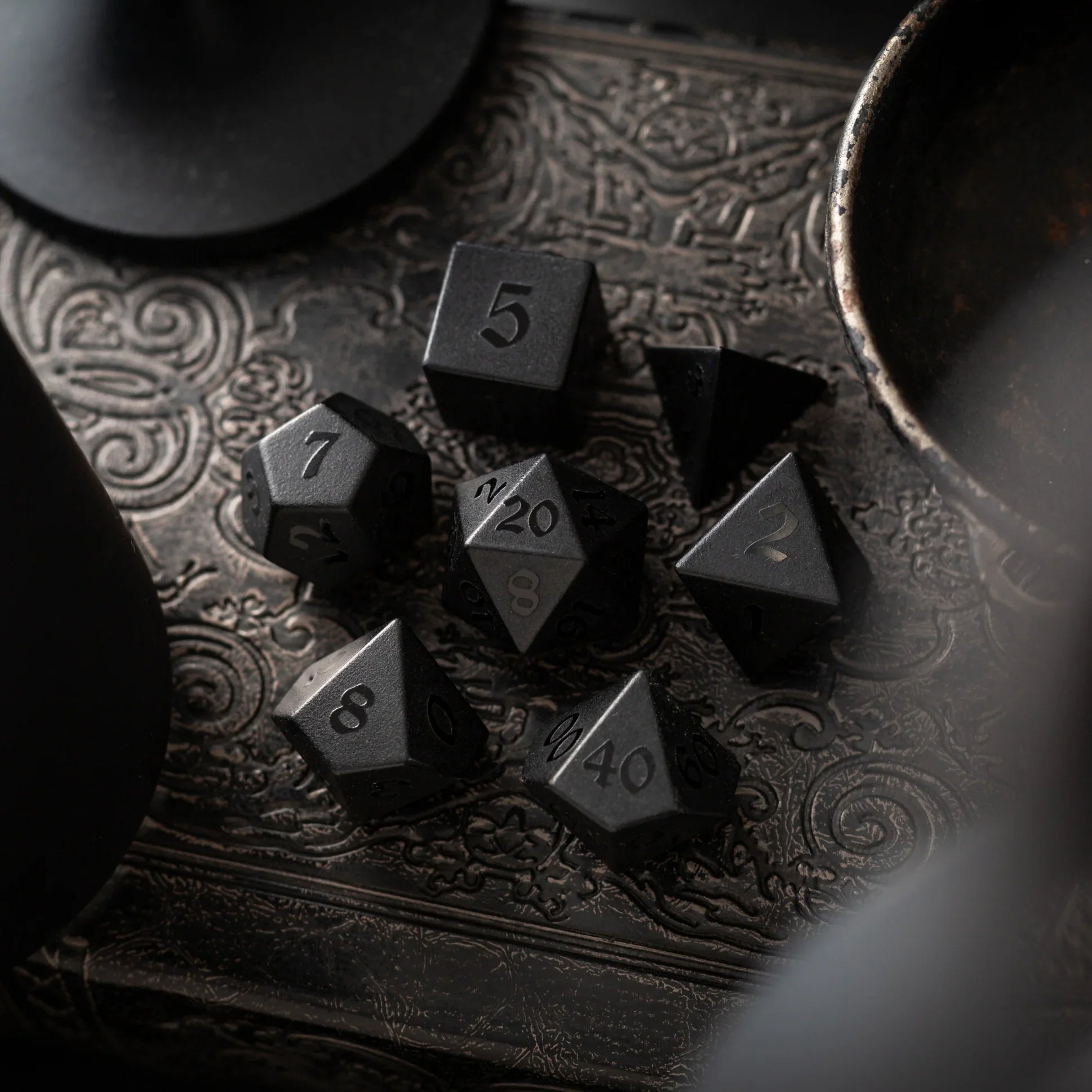
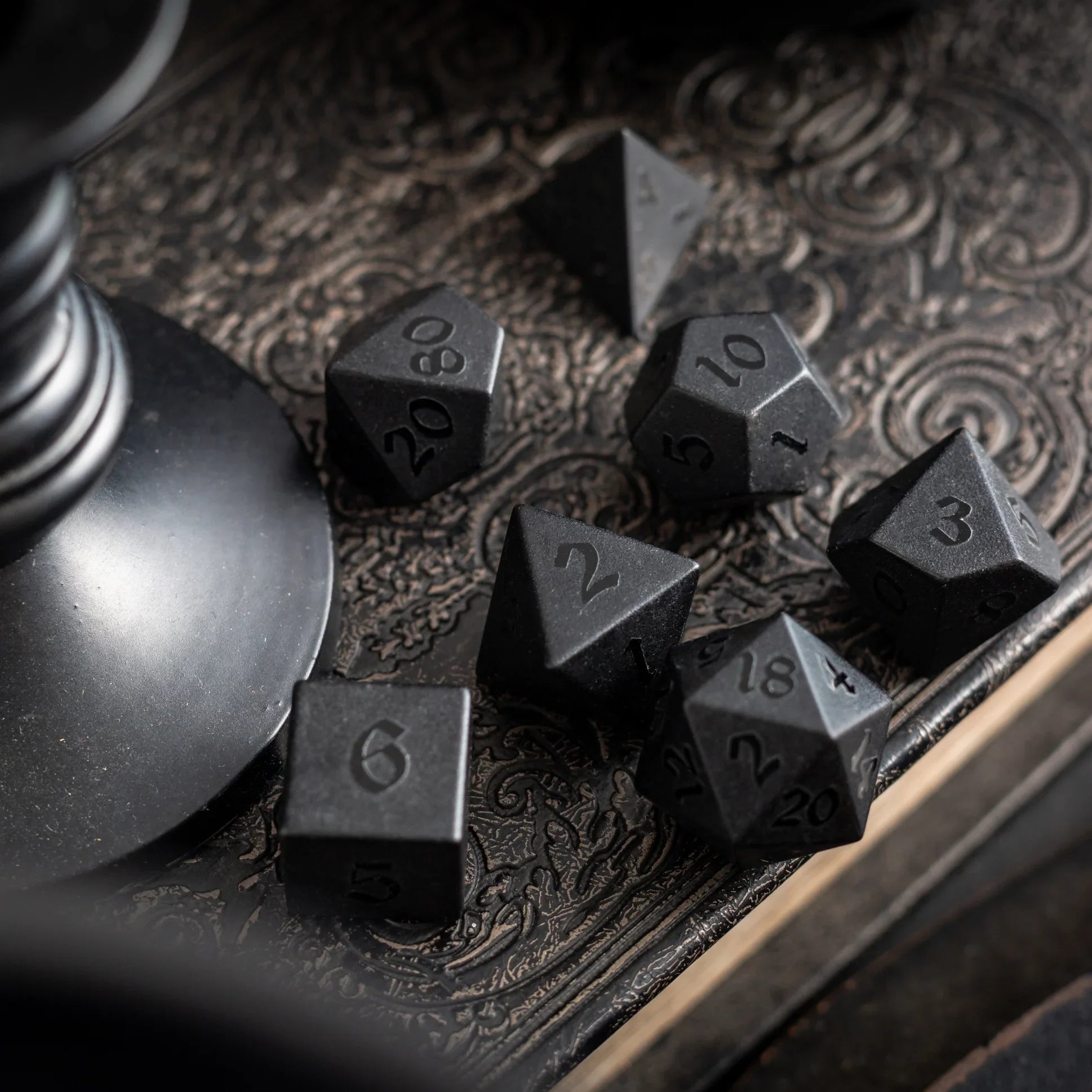
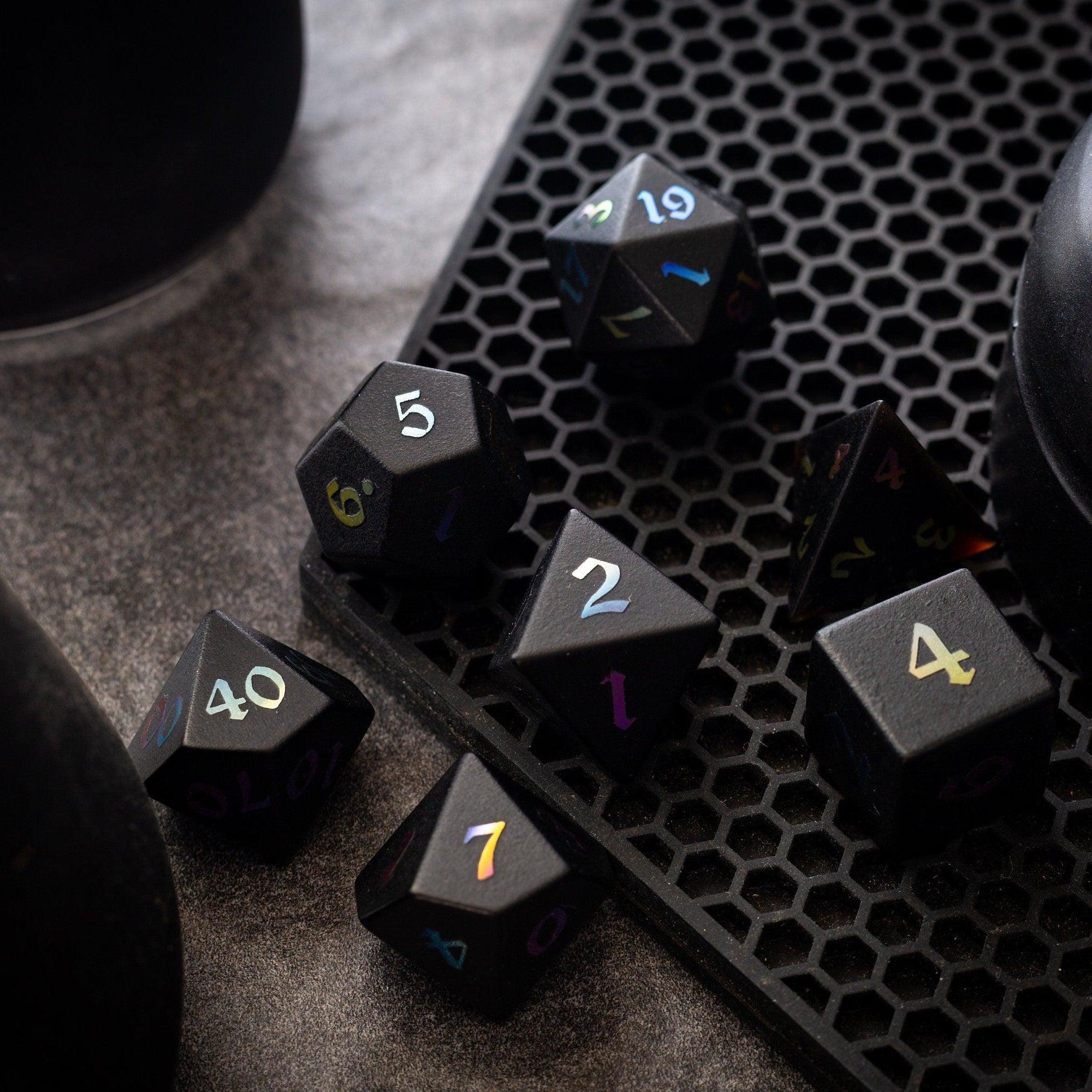
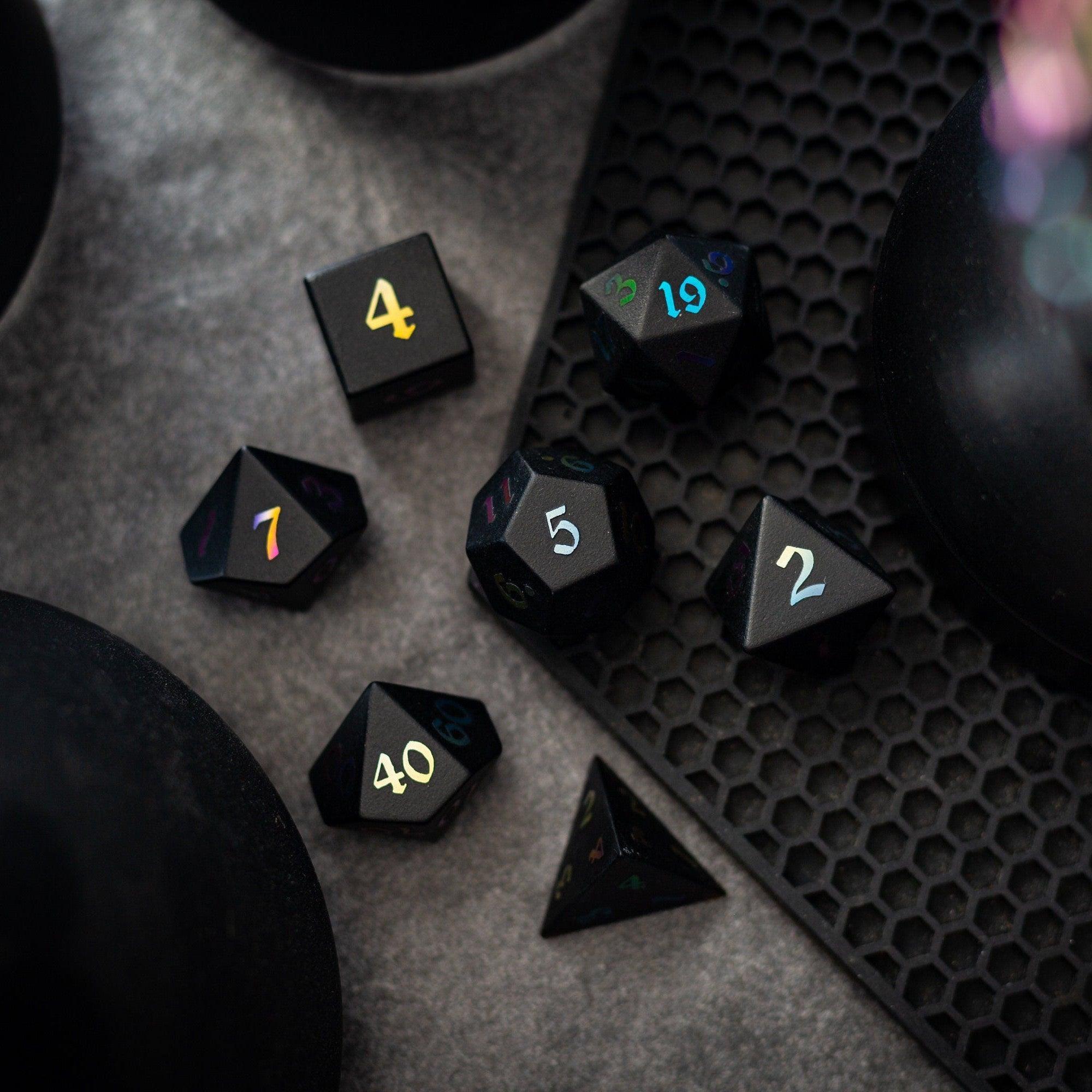
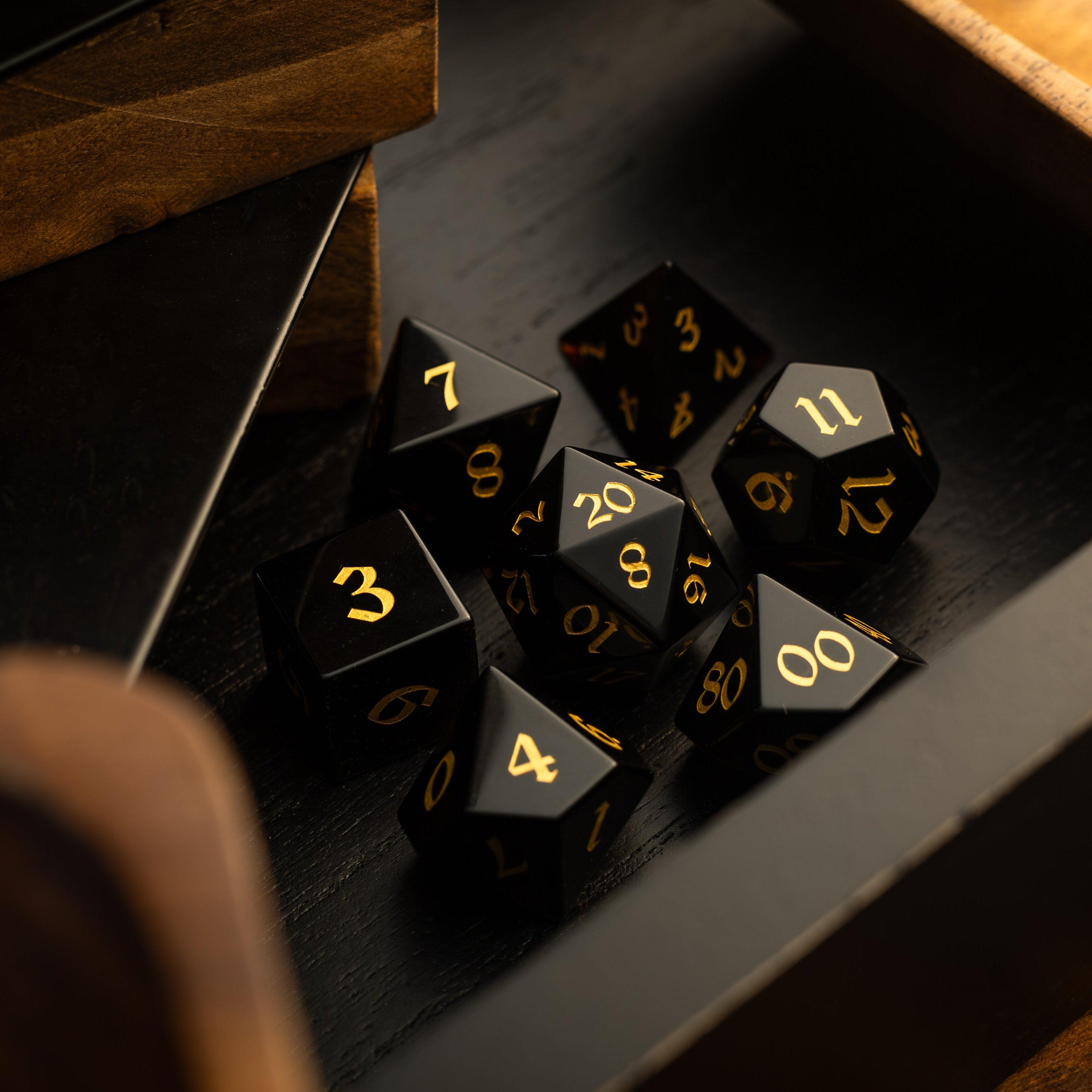
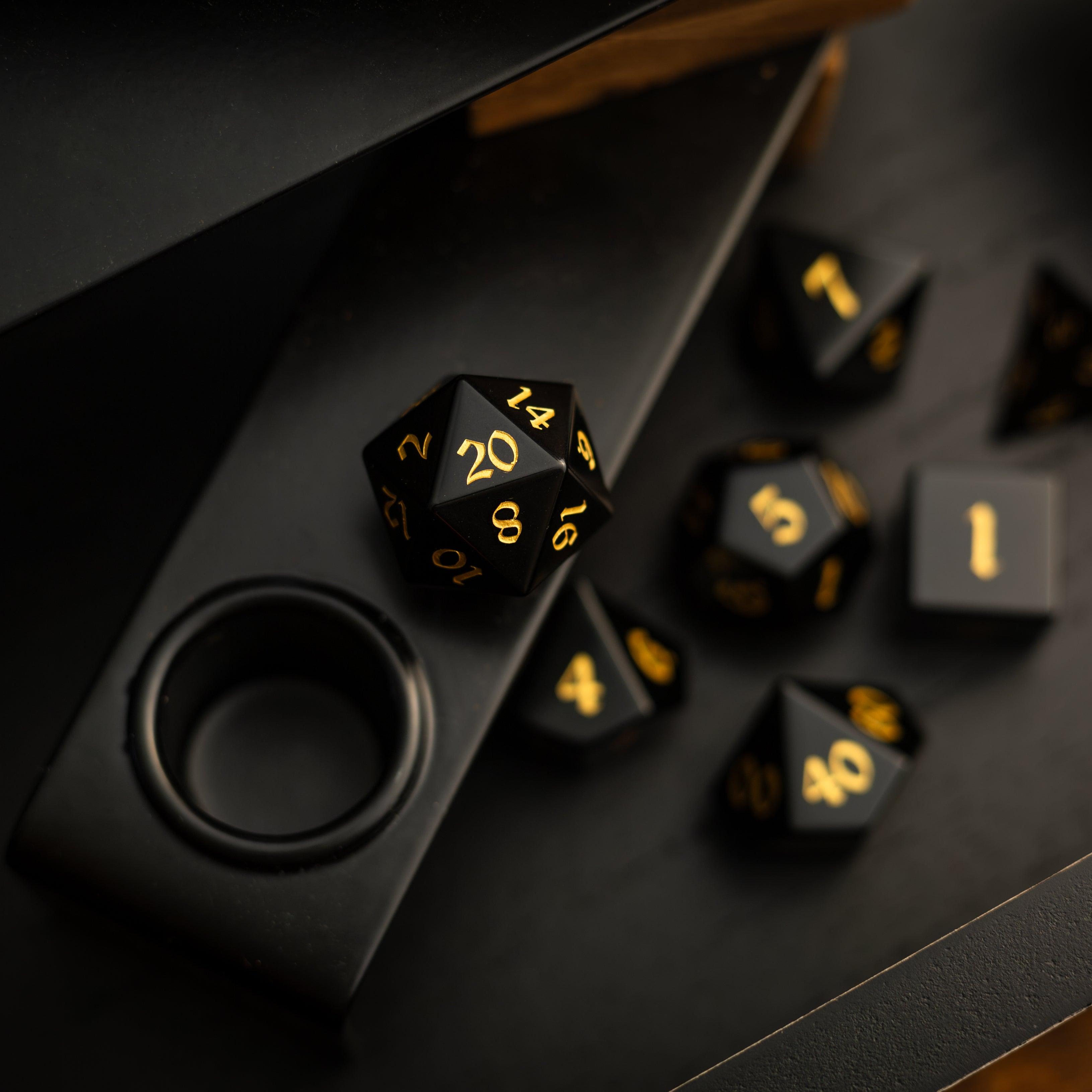
If you are building a physical tabletop setup around your maps, keep the rest of the table simple. Miniatures, tokens, condition markers, a dice tray, and your preferred DND dice sets are usually enough to run a clear encounter without covering important map details.
FAQ: printable dungeon maps, scaling, and printing
Where can I find free printable dungeon maps?
Look for independent map creators, tabletop communities, publisher samples, newsletters, and marketplaces that offer free preview maps. Always check the license so you know whether the file is for personal use only.
How do I print dungeon maps to a 1-inch grid scale?
Use a file designed for 1-inch squares, print one test page without automatic resizing, and measure a square with a ruler. If it does not measure 1 inch, adjust the scale according to the creator's instructions and test again before printing the complete map.
Should I use a gridded or gridless map?
Use a grid when exact movement, range, and positioning matter. Gridless maps work well for visual or narrative scenes, or for groups that measure movement another way. If a map pack includes both versions, keep both and choose based on the encounter.
Can I reuse the same printable battle map?
Yes. Rotate the map, block off passages, add overlays, change creature placement, or draw temporary features on a protective sleeve. A simple cave, road, room, or ruin can support several encounters if the story around it changes.
Printable dungeon maps that save prep time
Printable dungeon maps are a practical way to run tactical encounters without investing in a large terrain collection. Start with a clear PDF, confirm the intended scale, print one test page, and use poster tiling when the map is larger than your paper. Store reusable maps by theme so they are easy to find when players take an unexpected turn.
For D&D, each grid square represents 5 feet in the game. A 1-inch physical square is a common way to represent that space at the table, but consistency matters more than the exact physical size. Once your minis, tokens, and map use the same scale, movement becomes easy to read and the map can focus on helping everyone understand the scene and make decisions quickly.

Leave a comment
This site is protected by hCaptcha and the hCaptcha Privacy Policy and Terms of Service apply.