

Practical Beginner RPG Resources Your Starter Guide
Updated on: 2025-12-26
If you are new to tabletop RPGs, this guide offers a calm, practical path into your first adventures. It highlights roleplaying game beginner resources that reduce overwhelm, save time, and help you build confidence at the table. You will find clear steps, friendly tips, and simple tools to support your first sessions, whether you plan to play or run a game. The aim is to help you feel prepared, comfortable, and excited to tell stories with your group.
- Personal Experience or Anecdote
- Key Advantages of roleplaying game beginner resources
- Quick Tips
- Summary & Next Steps

Getting started with tabletop roleplaying can feel big. There are new words, rules, and social norms to learn. The good news is that you do not need to master everything at once. With a few trusted guides, simple checklists, and supportive accessories, you can move from curious reader to confident player. This article brings together gentle, practical advice and curated tools so your first game feels welcoming and fun.
Personal Experience or Anecdote
I remember my first session clearly. I had the rulebook open, a character sheet half-filled, and a handful of dice I barely knew how to use. I felt excited and a little unsure. A friend sent me a starter checklist and a one-page rules summary. That small packet changed everything. With a short adventure, a pre-generated character, and a simple list of table etiquette, I could relax. I listened more, tried small actions, and learned as I went. By the end of the night, I was smiling, not stressed. That is the power of clear, beginner-friendly support.
Key Advantages of Roleplaying Game Beginner Resources
- Lower stress at the table: A short overview of basic actions, turn order, and dice use helps you focus on the story rather than the rule text.
- Faster onboarding: Pre-generated characters and starter adventures get you playing in minutes, not hours.
- Shared expectations: Session-zero guides and safety tools give your group a common language for tone, boundaries, and goals.
- Confidence through clarity: Simple character checklists and turn prompts reduce decision overload and encourage steady growth.
- Better group cohesion: Clear etiquette notes (such as listening, spotlight sharing, and asking questions) create supportive play.
- Affordable gear choices: You can start with what you have, then add helpful items—like readable dice, trays, and towers—over time.
- Smoother GM prep: For game masters, starter kits with one-shot modules, reference sheets, and encounter templates cut prep time.
- Accessible formats: Printable quick-starts and phone-friendly notes let you learn in the way that suits you best.
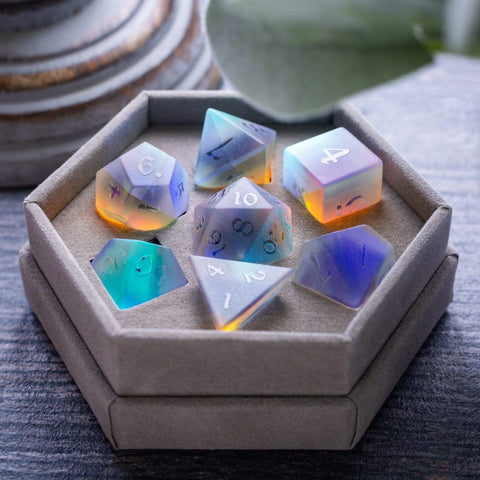
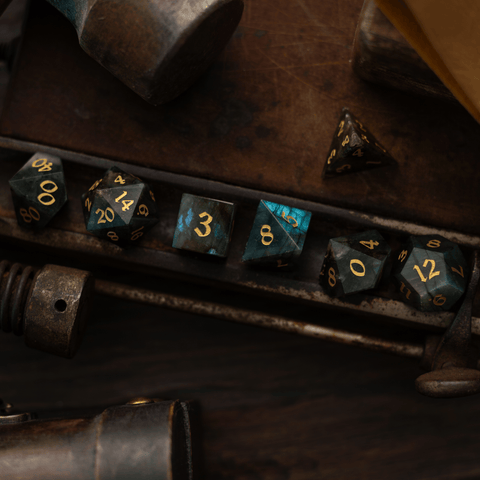
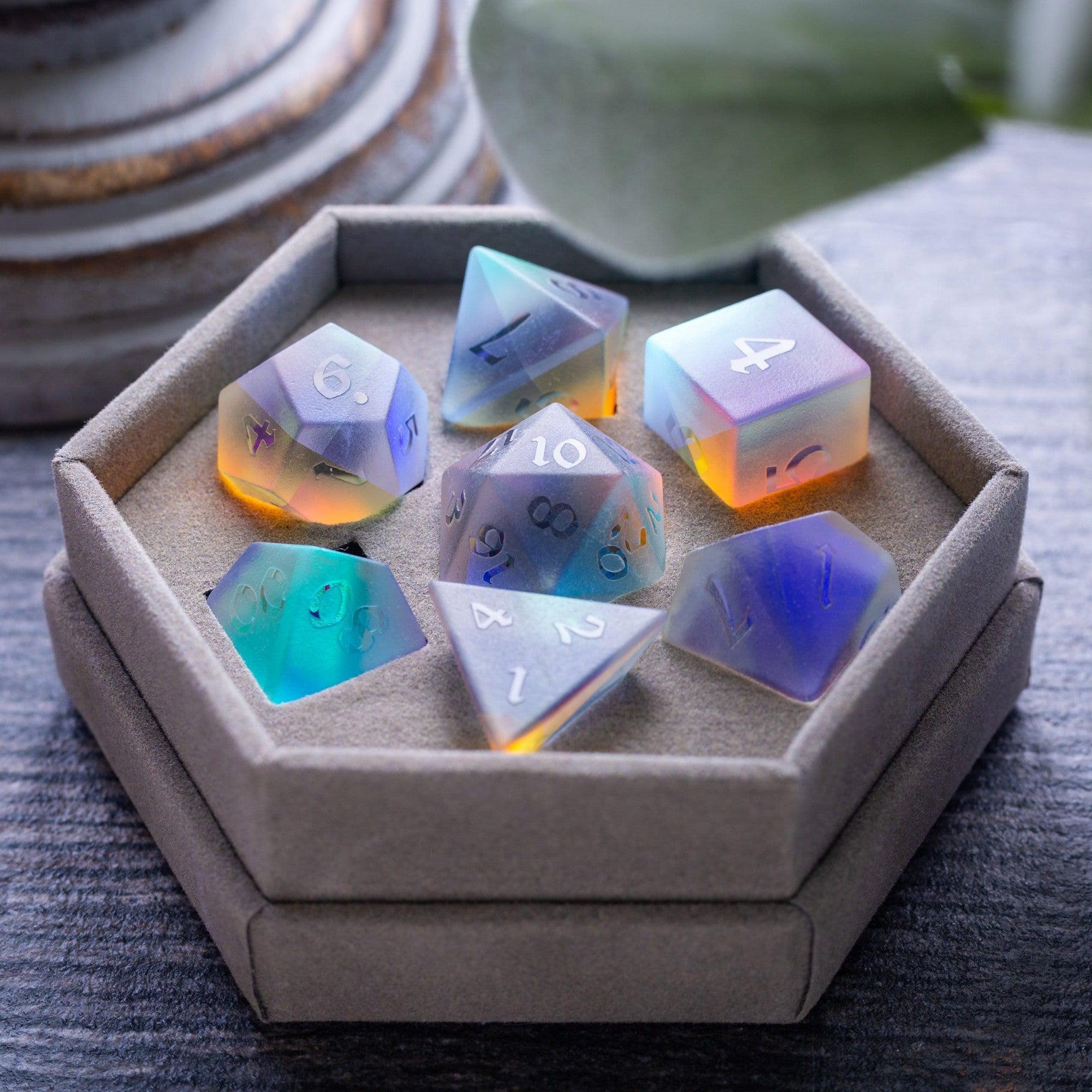
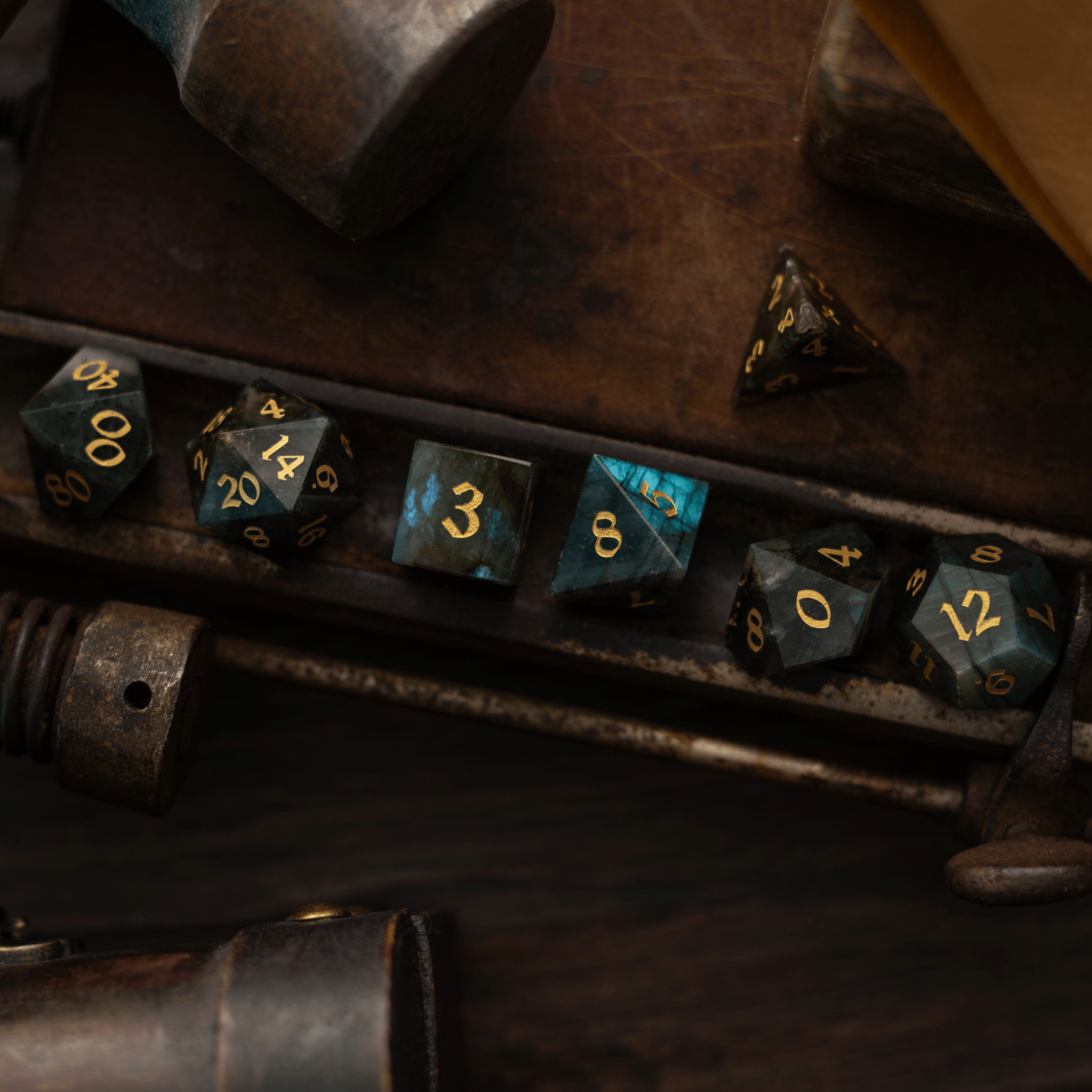
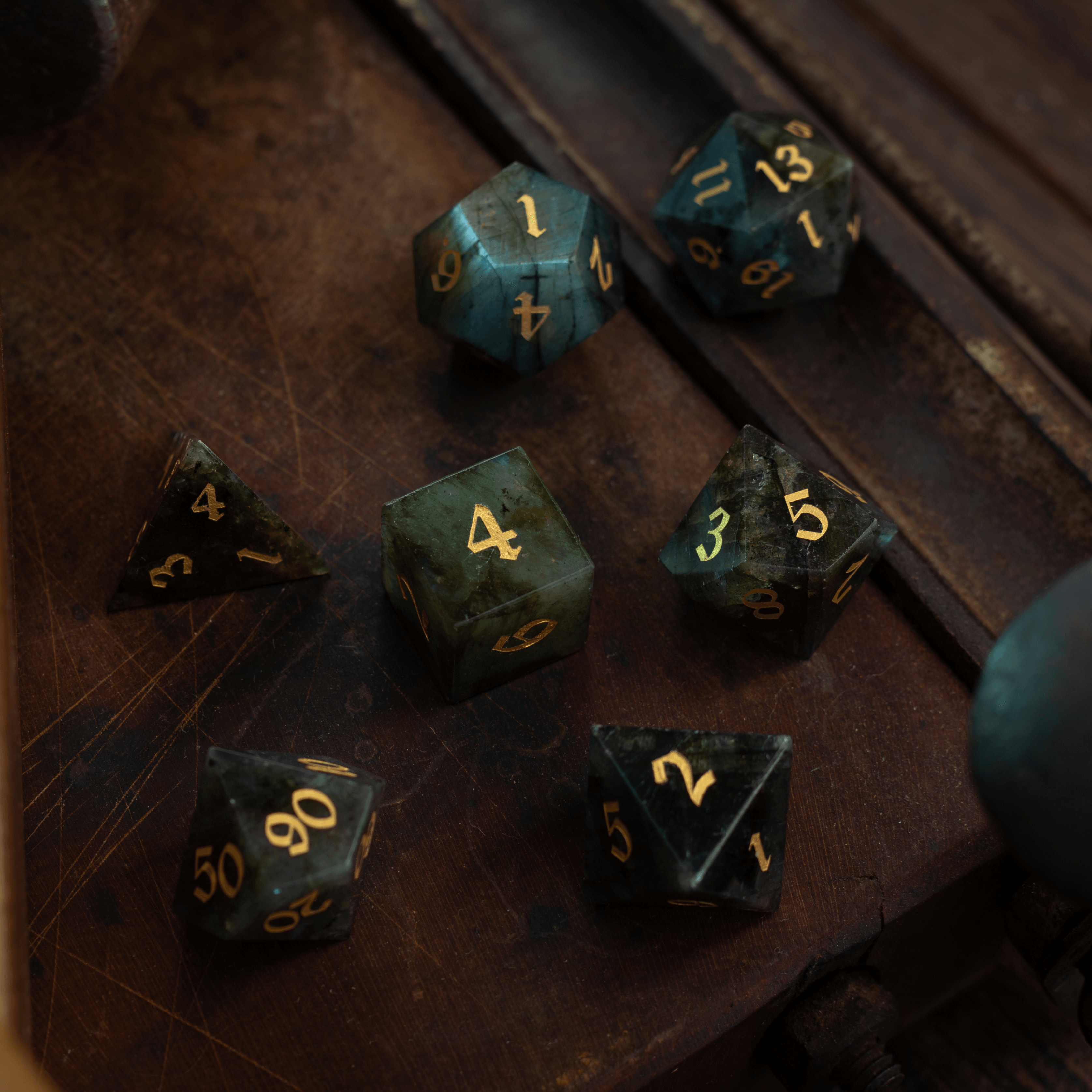
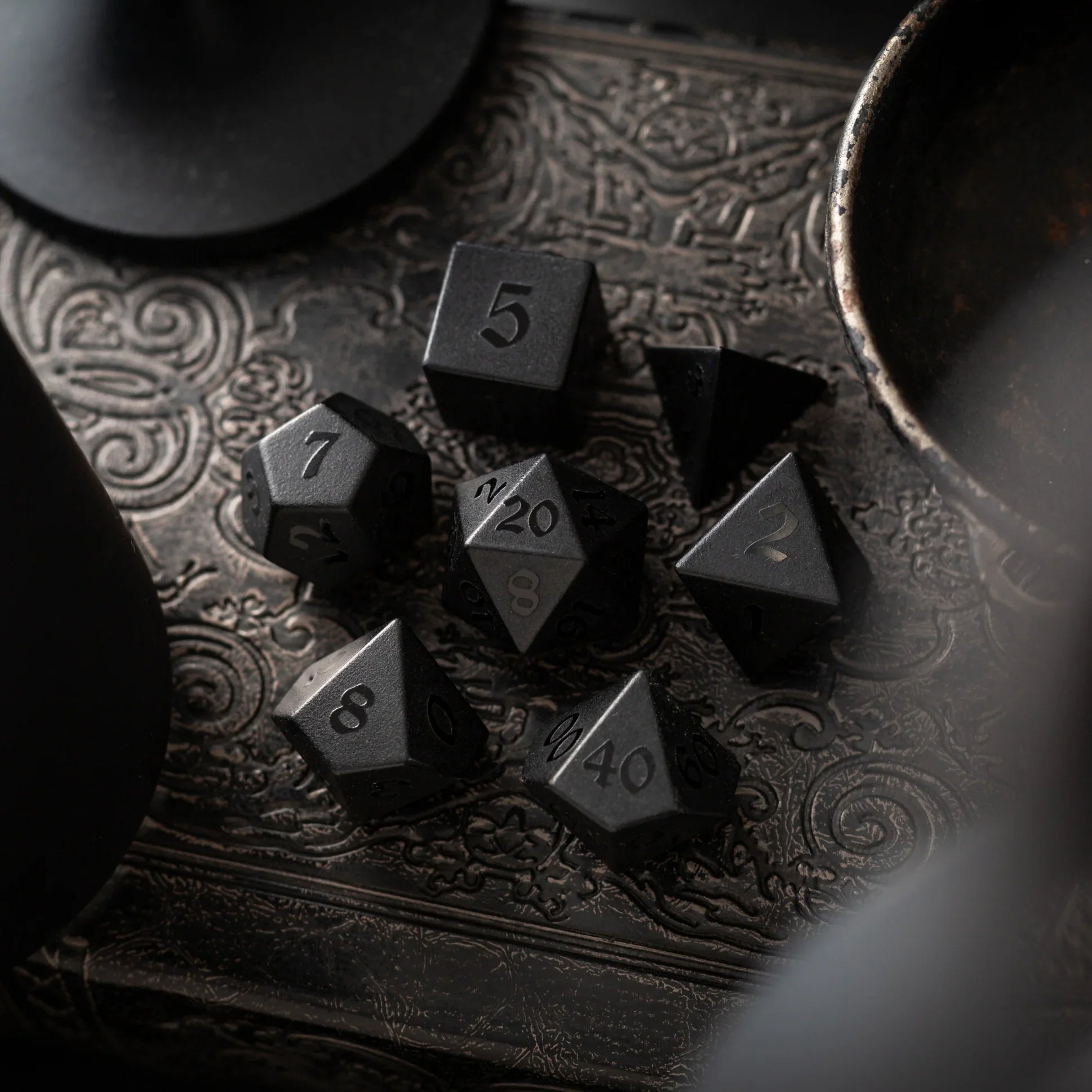
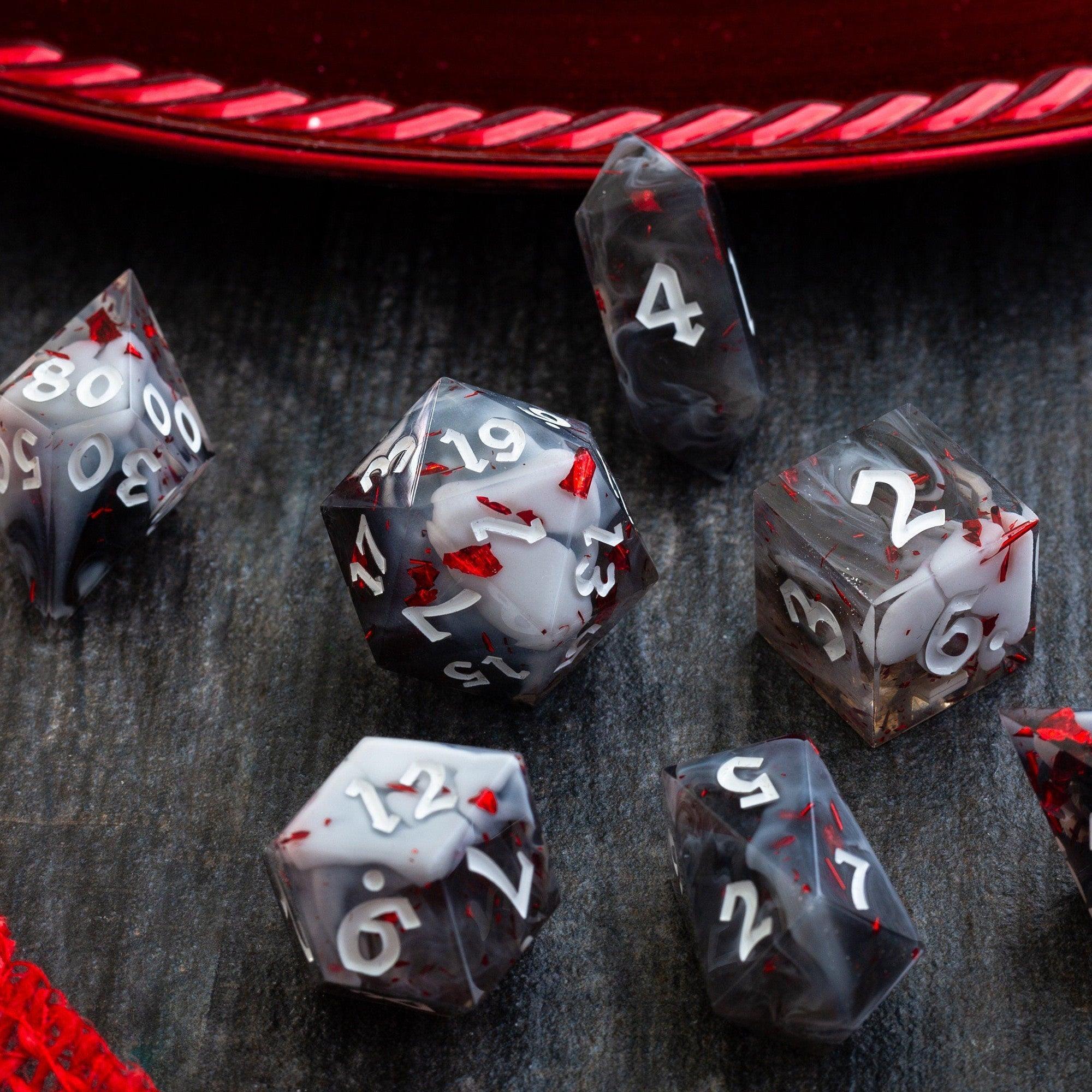
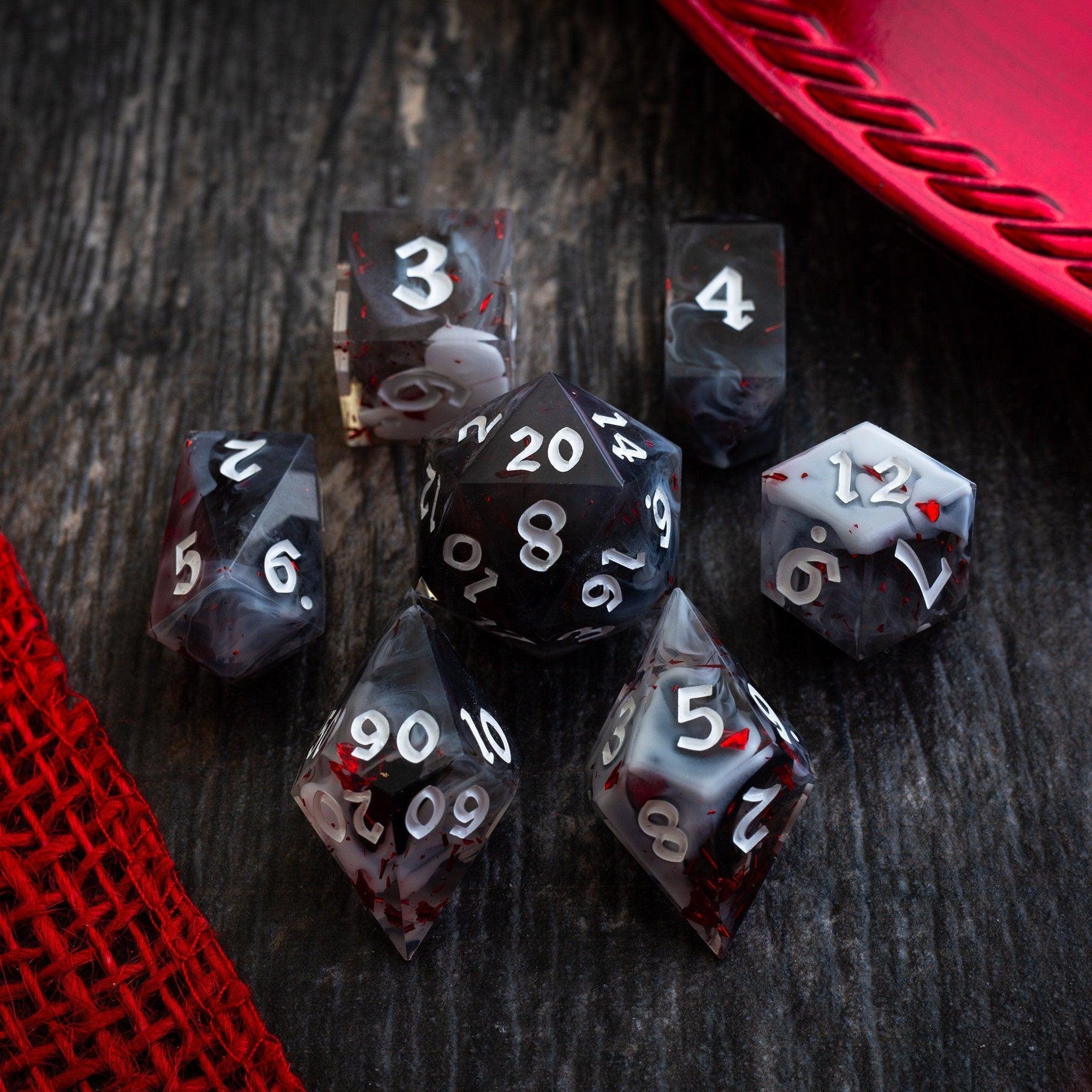
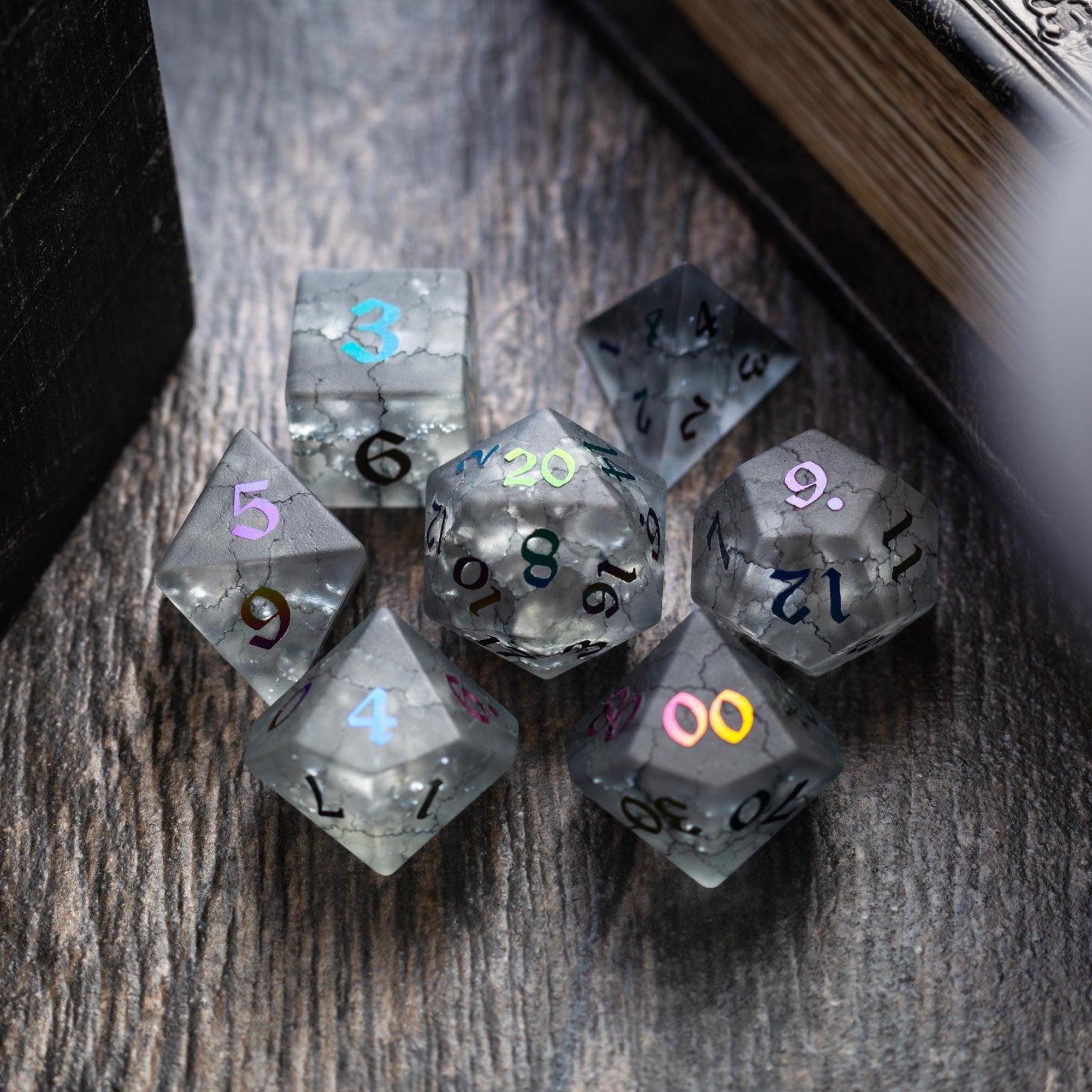
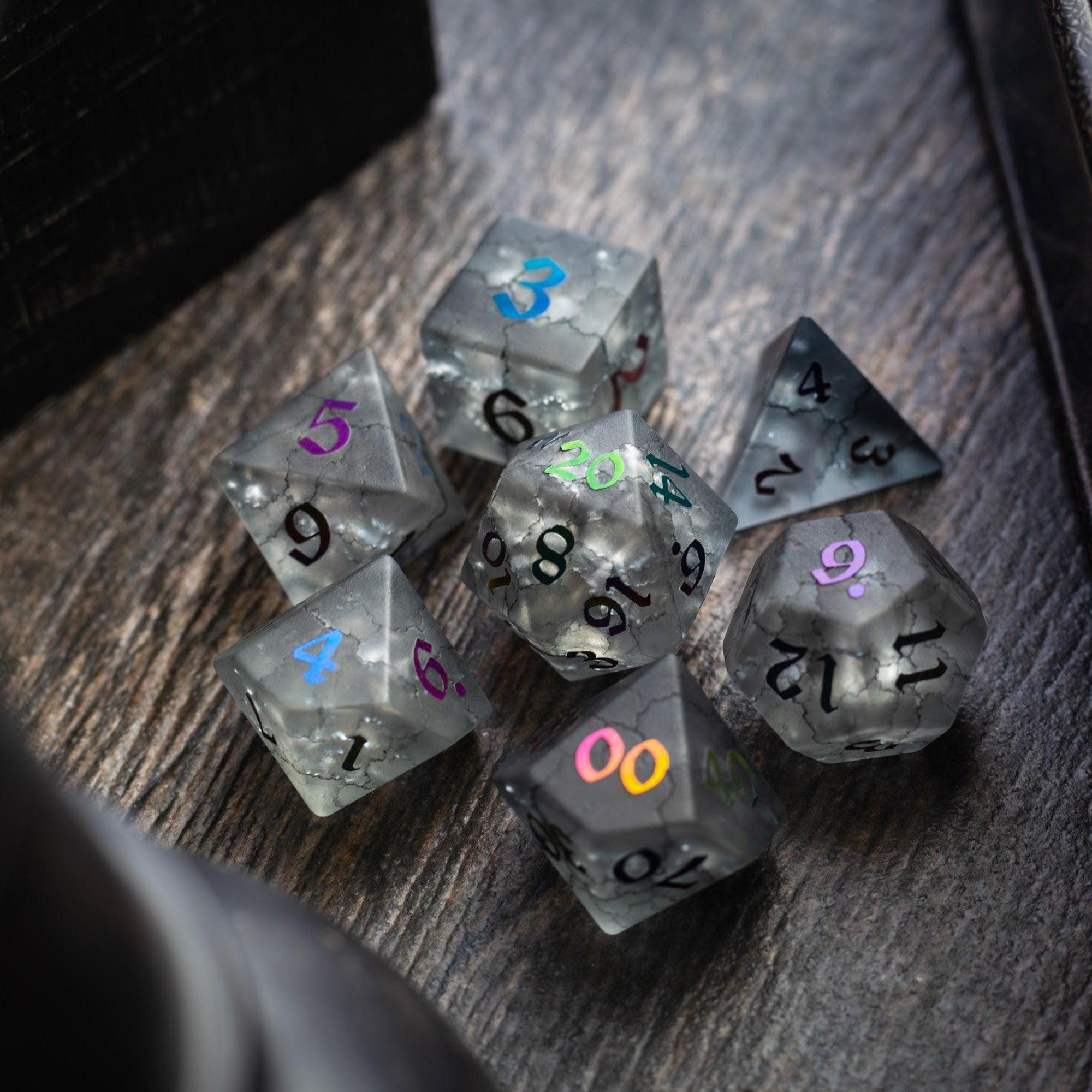
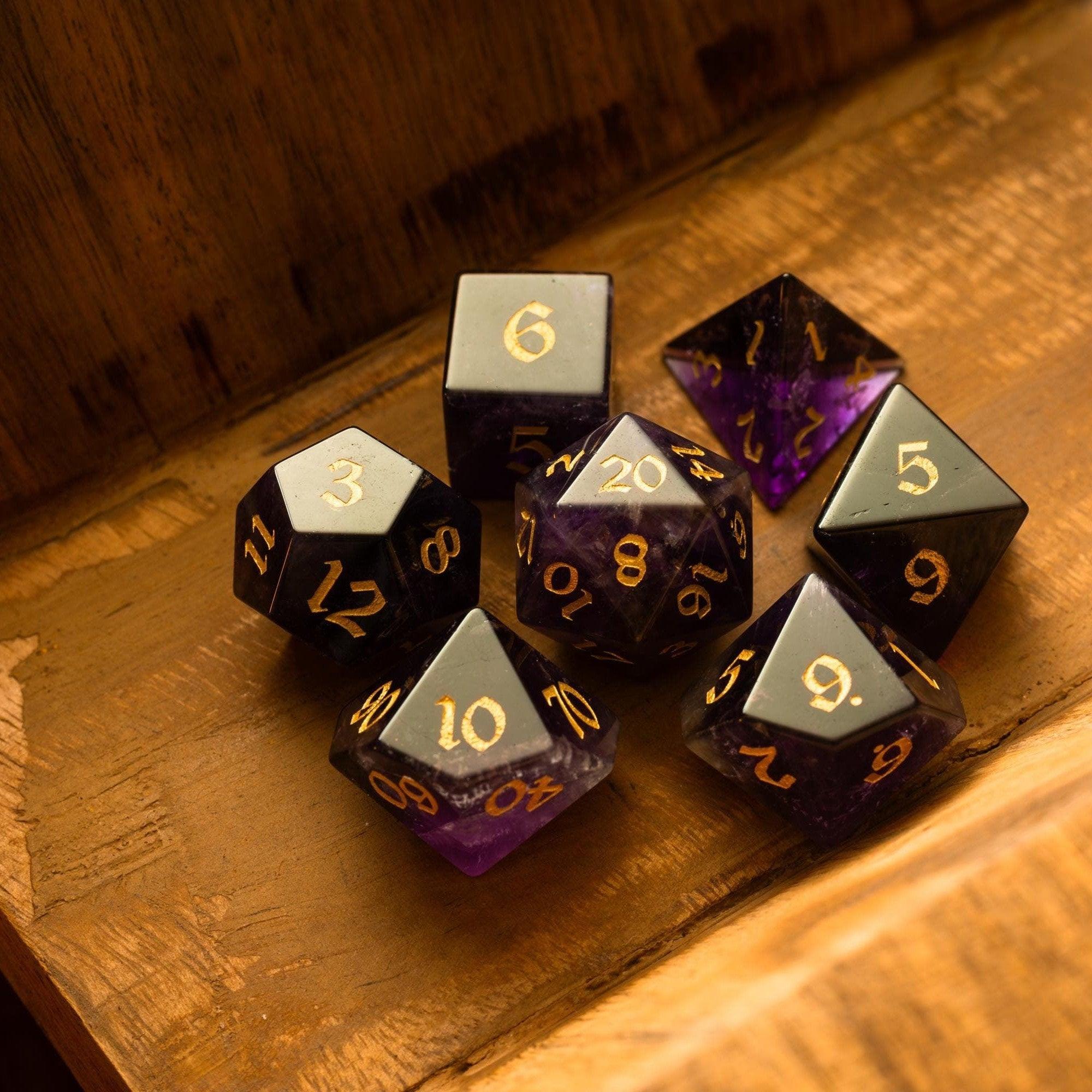
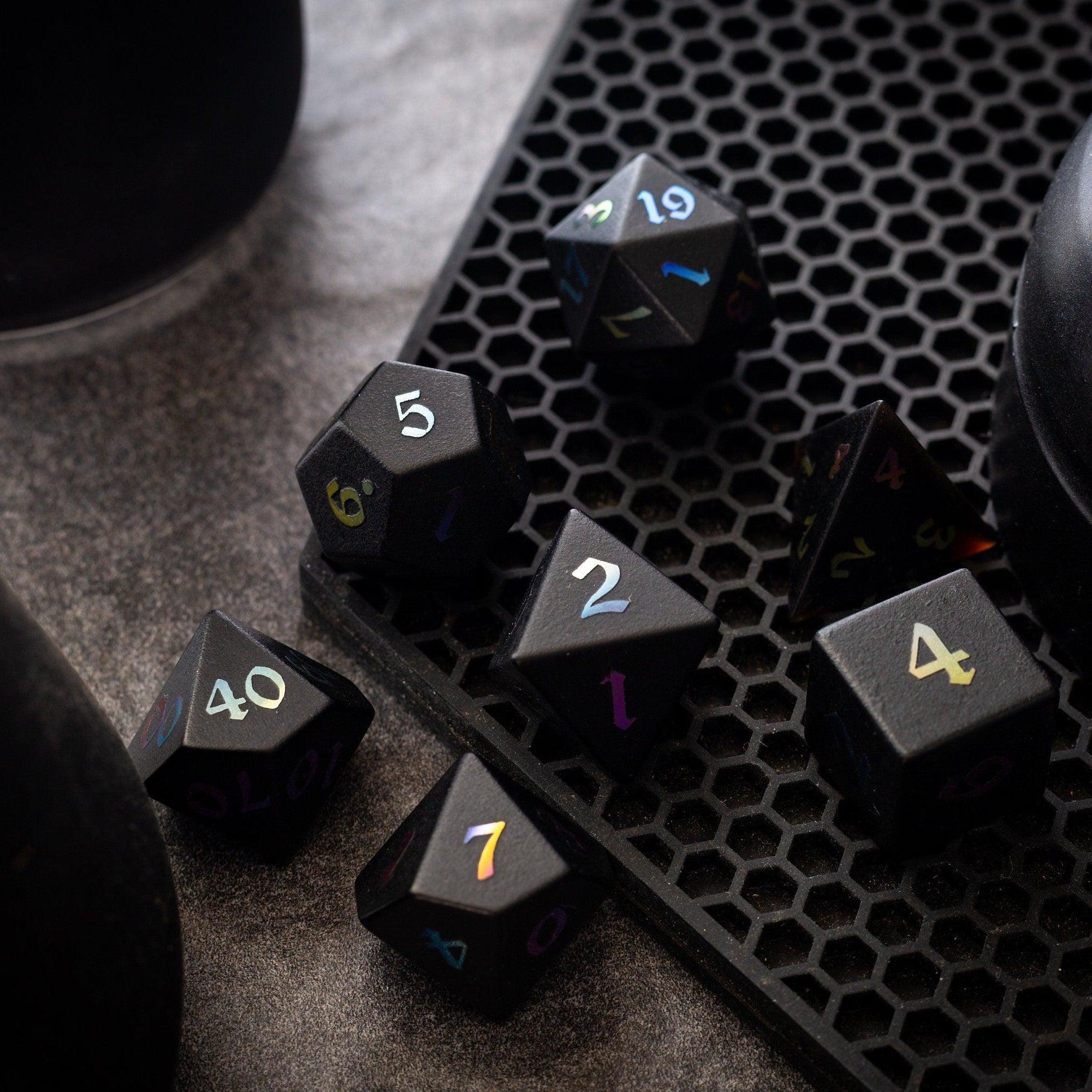
If you enjoy tactile aids, you might explore helpful accessories. High-contrast dice can improve readability and speed up play. You can browse collections to see varied materials and styles that suit different tables and lighting. Many new players appreciate the crisp edges and clear faces of sharp-edge resin dice. If you prefer eye-catching effects that remain easy to read, consider liquid core dice. To keep rolls neat and reduce table noise, some groups also add dice towers, which can make shared spaces feel calmer and more consistent.

Quick Tips
- Start with a one-shot. A single-session story keeps stakes simple and teaches key mechanics.
- Use pre-generated characters. Skip complex builds while you learn core rules and table flow.
- Host a short session zero. Align on tone, lines and veils, safety tools, and play style.
- Pick a focused starter adventure. Choose a clear goal (rescue, heist, or mystery) to guide choices.
- Keep a one-page rules summary. Note turn order, common actions, and your character’s best moves.
- Practice a few sample rolls. Try attack, save, and skill checks before game time.
- Use table aids. A dice tray or tower keeps rolls contained and reduces anxiety about messy results.
- Ask questions often. Confirm rules or intent; it supports learning and trust.
- Take brief notes. Track names, clues, and goals to stay engaged between sessions.
- Celebrate small wins. Every new rule you learn is progress worth acknowledging.
What do I need to start?
Begin with a simple rules primer, a character sheet, pencils, and a set of dice. Many groups also use digital sheets or free quick-start documents. A short adventure designed for new players is ideal. If you are running the game, prepare a one-page outline with scene beats and likely skill checks. A small tray or tower can help keep rolls tidy and easy to read, which can reduce distraction at the table.
How do I choose my first character?
Pick something that sounds fun and straightforward. A clear role—such as a sturdy defender, a supportive healer, or a curious scout—keeps decisions simpler. Use a pre-generated sheet where possible to focus on play, not stats. Add one personal goal and one quirk to spark roleplay without pressure. Over time, you can adjust or rebuild once you understand how abilities feel in play.
How can I find a group that fits me?
Look for tables that welcome questions and value a kind tone. Ask about play style (combat, exploration, or story), session length, and safety tools. Many communities list beginner-friendly games and one-shots. It can help to try a short session before committing to a campaign. Choosing a group that matches your comfort level makes the learning curve smoother and more enjoyable.
Summary & Next Steps
Starting small, with clear guides and simple tools, turns nerves into excitement. You do not need every rule or item on day one. A quick-start adventure, a readable character sheet, and supportive table norms create a gentle runway into play. As you learn, you may add tools that improve comfort, like a rules summary, a session template for the GM, or tactile accessories that keep the table focused and calm.
Next, consider choosing a one-shot and inviting friends to a brief session zero. Agree on tone, pacing, and boundaries. Use a checklist for your character or GM prep, and keep notes during play. If you enjoy physical aids, explore options that make each session smoother, such as high-contrast dice, trays, and towers. Over time, these small choices add up to relaxed, confident sessions and memorable stories.
With the right support, you can learn at your own pace and discover the style of play that fits you best. Curated materials, clear etiquette, and accessible references form a strong foundation. These are dependable roleplaying game beginner resources that make new adventures feel welcoming, friendly, and manageable for everyone at the table.









Leave a comment
This site is protected by hCaptcha and the hCaptcha Privacy Policy and Terms of Service apply.