
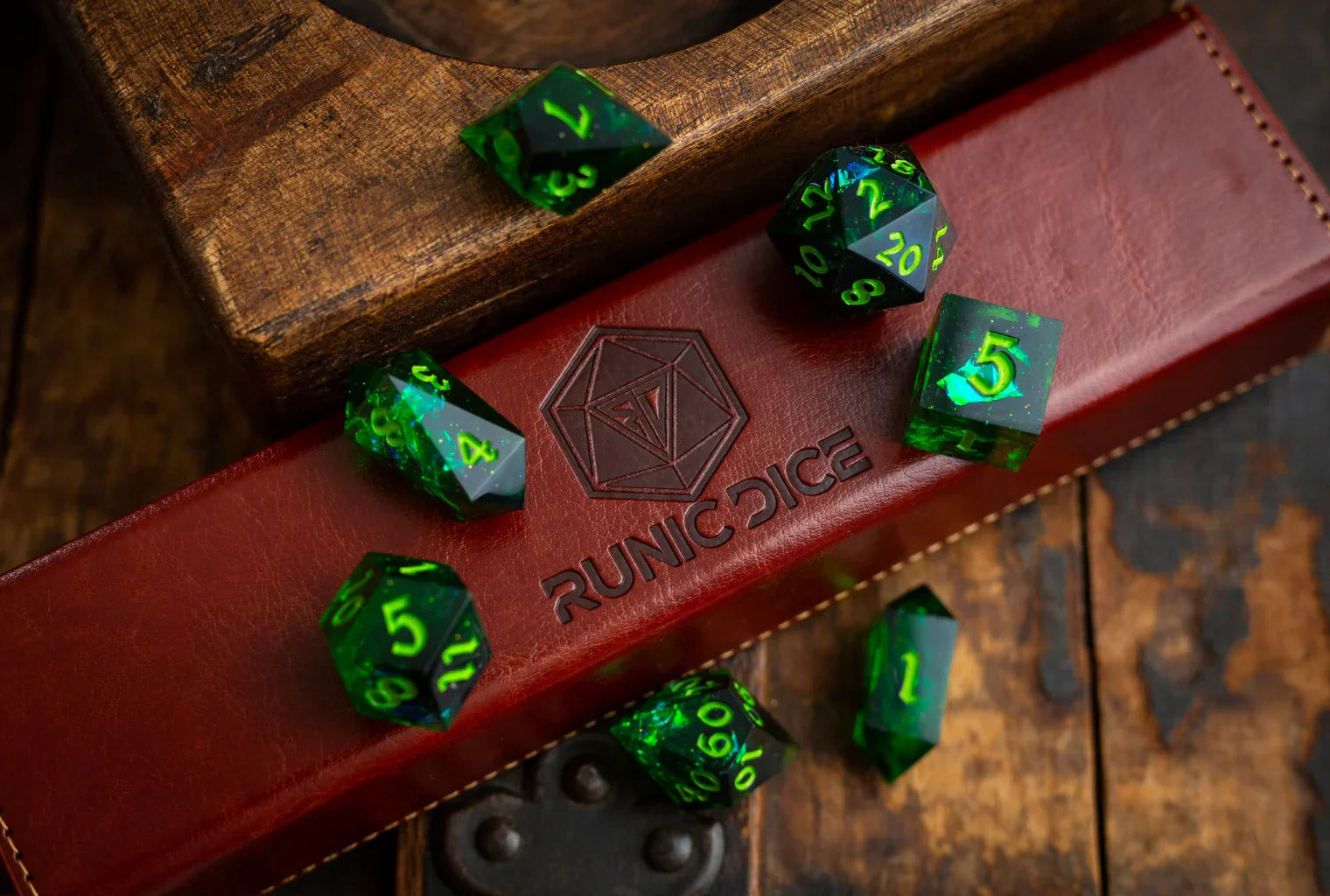
Organize Your Dice Collection with a Sturdy Storage Case
Updated on: 2025-11-26
Table of Contents
- Pros & Cons of a Dice Storage Case
- Step-by-Step Practical Guide to a Dice Storage Case
- Wrap-Up: Protecting Your Dice with the Right Dice Storage Case
- Q&A: Dice Storage Case Buying Questions

If you love tabletop gaming, a reliable dice storage case is one of the best quality-of-life upgrades you can make. It keeps your sets together, protects your investment, and makes packing for game night effortless. Whether you call it a dice box, a dice storage box, or a polyhedral dice case, the right choice comes down to size, material, protection, and layout. In the sections below, you’ll find a practical breakdown of features to look for in a dice organizer for tabletop games, plus a step-by-step method to buy with confidence.
Pros & Cons of a Dice Storage Case
- Pro: Protection for premium dice. A well-built case shields resin, metal, glass, and gemstone dice from chips, cracks, and scratches. If you own premium sets, a fitted case helps preserve them between sessions.
- Pro: Easy organization. Compartments, trays, and foam cutouts keep full sets together and stop dice from clattering around. This is especially helpful when you carry multiple sets or custom dice.
- Pro: Portability. A compact case slips into a backpack without adding bulk. Choose a hard shell dice storage case for polyhedral dice if you travel or commute to your games.
- Pro: Table presence. A stylish dice storage box looks sharp on the table and can double as a rolling tray if designed with a padded lid or removable insert.
- Con: Added weight. A hard shell or metal case offers superior protection but can be heavier than a soft pouch.
- Con: Fixed capacity. Cases with pre-cut foam or tight slots fit standard sizes best, but they can be less flexible for oversized chonks or odd-numbered sets.
- Con: Cost. Premium materials and extra features (like magnetic lids or removable trays) add to the price. Still, that trade-off can be worth it for the best dice storage case for tabletop gaming.
Step-by-Step Practical Guide to a Dice Storage Case
Step 1: Size Your Polyhedral Set
Start with capacity. A standard set includes seven dice: d4, d6, d8, d10, percentile d10, d12, and d20. If you carry multiple sets or extras like a dice chonk or advantage d20, size up. For a single standard set, a slim dice storage case with seven compartments or a fitted foam insert is perfect. For two to four sets, look for a medium case with 14–28 slots or a modular tray system. If you bring a party’s worth of dice, choose a large dice organizer for tabletop games with stackable trays or removable inserts.
Step 2: Choose a Hard Shell or Soft Case
Decide how much protection you need. A hard shell case (EVA, aluminum, or wood) resists knocks and pack pressure, making it a smart pick if you commute or fly. A soft case (padded fabric or leatherette) is lighter and more flexible but offers less crush protection. Metal dice and gemstone dice benefit from a rigid exterior to prevent edge damage. If you’re storing premium sets like glass or stone, go hard shell for peace of mind.
Step 3: Pick the Interior Layout and Compartments
Layout affects both organization and speed at the table:
- Individual slots: Keep each die visible and secure. Great for quick access and display.
- Removable trays: Lift out a full set and drop it by your character sheet. Perfect for multi-set carriers.
- Pre-cut foam: Cradles each die and limits movement. Best when you want maximum protection and a snug fit.
- Open compartment + mini pouches: Flexible for unusual sizes, oversized d20s, or mixed sets.
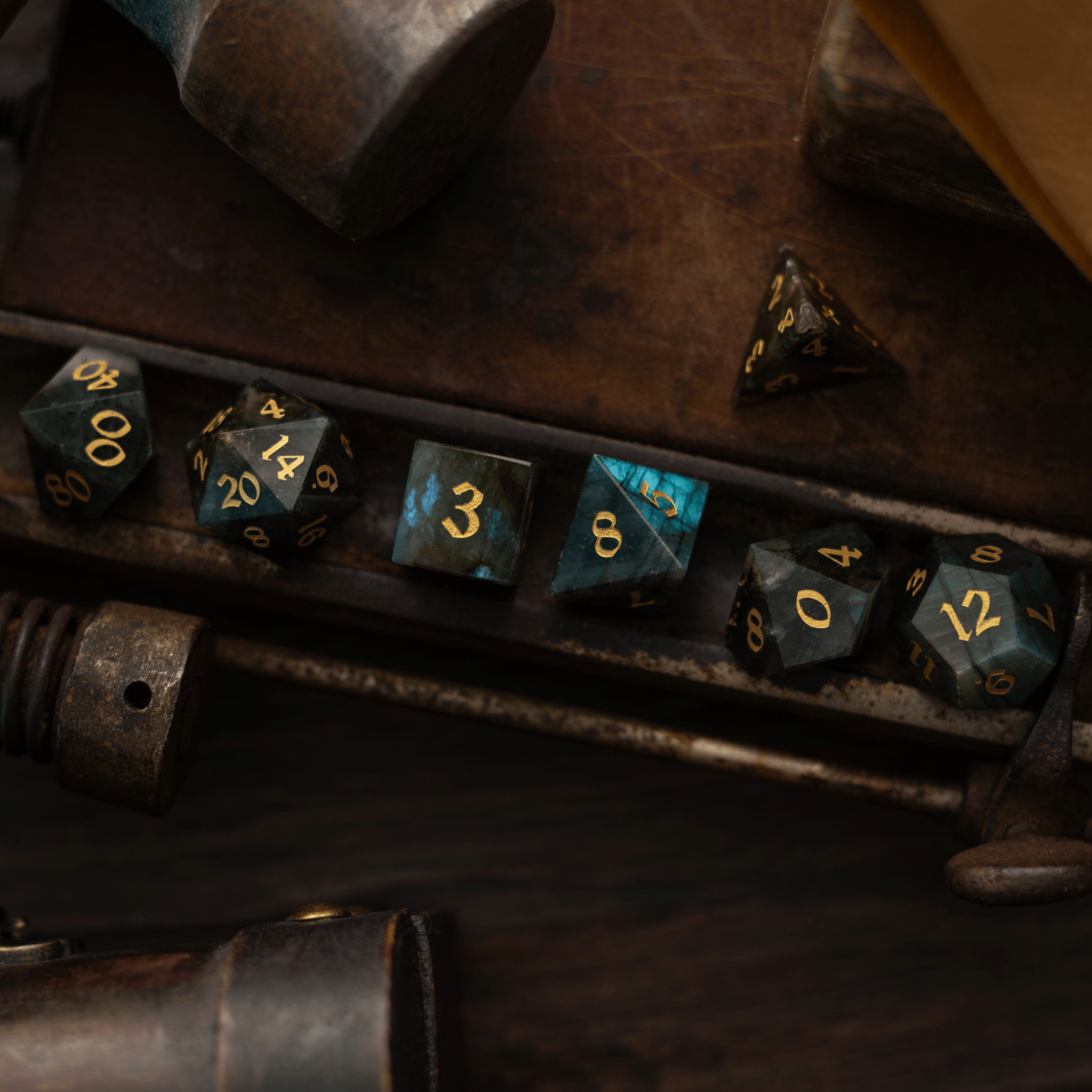
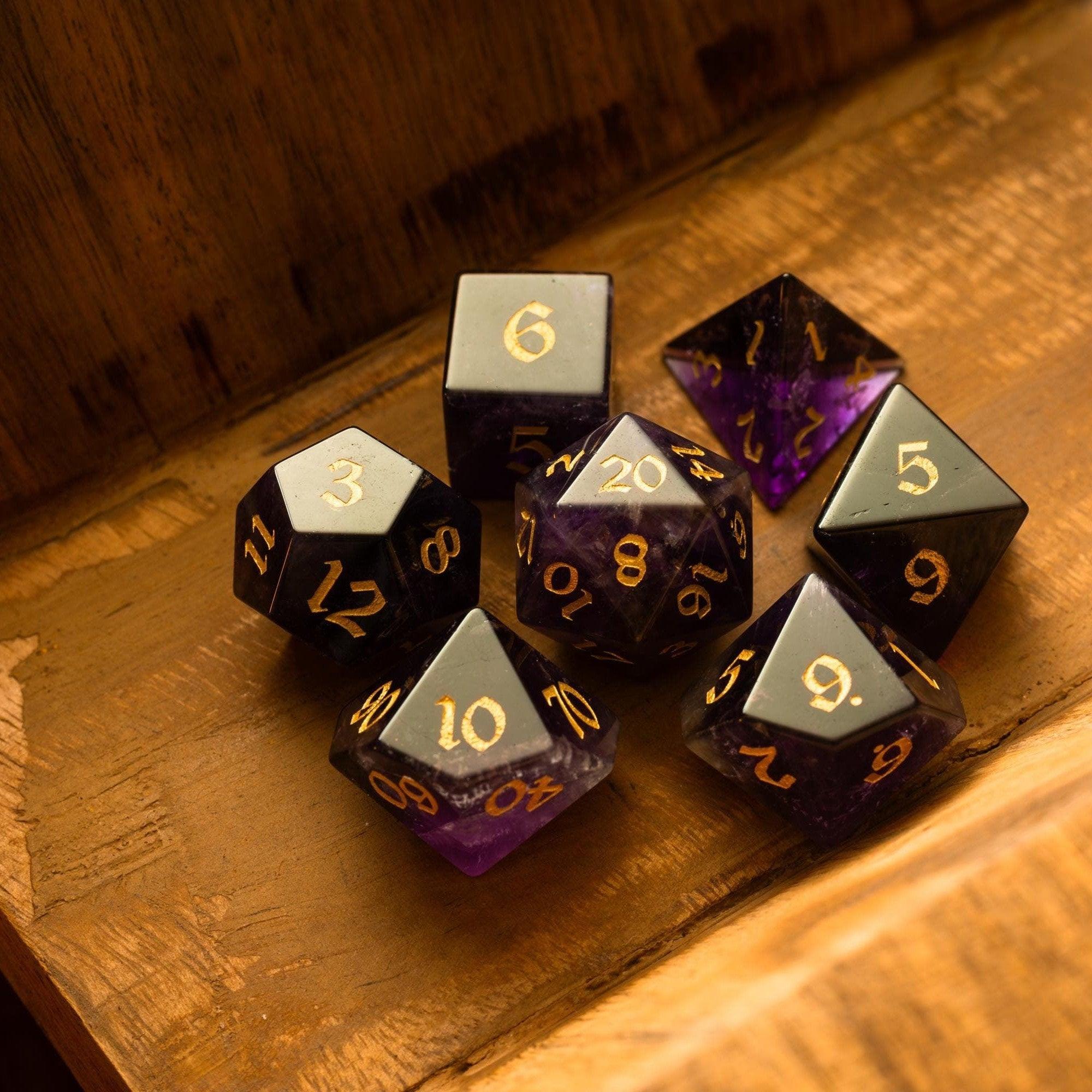
If you love showpiece sets, consider a case that can present your dice. For example, a gemstone set looks fantastic in a lined tray. You can even pair a premium set like the Labradorite set with a fitted box that complements the material.
Step 4: Confirm Padding, Liners, and Materials
Interior materials matter. Soft liners (like velvet or microfiber) prevent micro-scratches on polished faces. Dense foam blocks impact and stops dice from touching each other. For metal dice, aim for thicker padding to protect both the dice and the case. For glass, crystal, or gemstone, combine a hard shell exterior with soft-lined, fitted compartments.
Exterior materials each have a personality:
- EVA hard shell: Lightweight, water-resistant, and durable. Great balance of protection and weight.
- Wood: Classic look with structural rigidity. Ideal if you want a display-forward dice storage box.
- Aluminum: Maximum crush resistance with a sleek profile. Often pricier but extremely robust.
- Leatherette or fabric: Soft-hand feel with lighter weight. Good if you pack light and store cases carefully.
Step 5: Check Portability and Closures
Look at how the case opens and locks. Zippers are simple and secure. Magnetic lids are fast and elegant but should be strong enough to resist accidental pops in a backpack. Latches offer premium security with a classic vibe. Consider the overall footprint too—will it fit in your bag alongside minis, notebooks, and a dice tower? If you bike or walk to your sessions, go slimmer and lighter.

Step 6: Add Useful Extras and Accessories
A few extras go a long way:
- Built-in rolling tray: A padded lid or removable tray reduces table scatter and protects surfaces.
- Pocket for accessories: Store pencils, condition rings, and tokens without mixing them with your dice.
- Label window or tags: Helpful if you carry multiple sets by character, campaign, or system.
- Modular inserts: Swap layouts for different dice sizes, from standard polyhedrals to chunky d20s.
Step 7: Care and Maintenance for Long Life
Keep the case clean and dry. Wipe the interior with a soft, lint-free cloth. Avoid harsh chemicals on liners or finishes. If your case includes foam, let it air out occasionally to prevent moisture build-up. For premium materials, store the case away from direct sunlight to maintain color and clarity. A little routine care keeps both the case and your dice looking great.
Wrap-Up: Protecting Your Dice with the Right Dice Storage Case
The right dice storage case does more than hold your set—it protects your investment, speeds up your setup, and adds a touch of style to your table. Start with capacity, pick a protective shell, choose a layout that fits how you play, and make sure the padding and closures match your travel routine. If you carry premium or delicate sets, a hard shell with soft liners and fitted compartments is a smart move. Prefer flexibility? Go for modular trays and an open compartment for odd-sized dice.
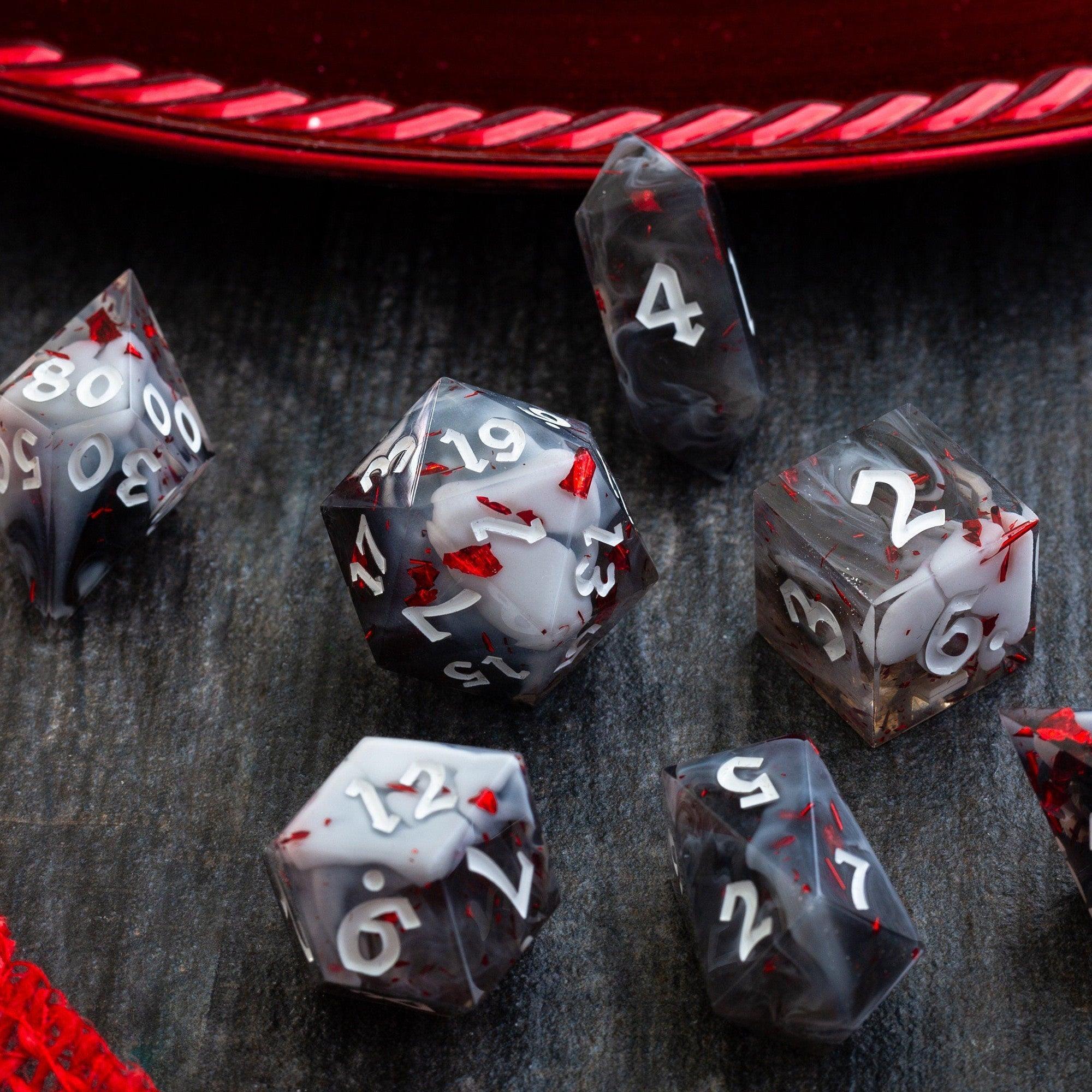
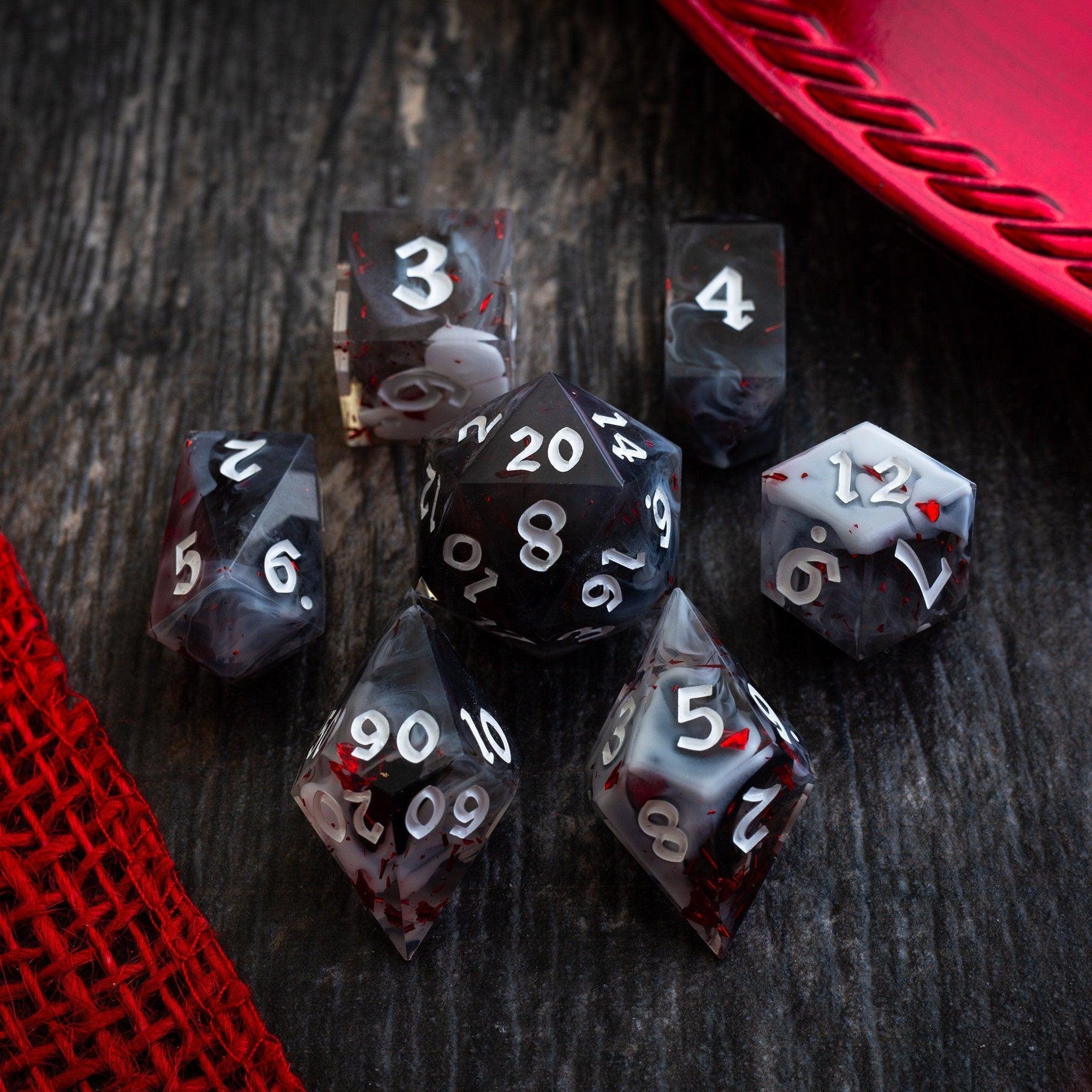
Looking to pair a new case with something special? Explore Gemstone dice or browse unique Liquid core dice to build a standout kit you’ll love bringing to every session.
Q&A: Dice Storage Case Buying Questions
What size should a dice storage case be for a standard polyhedral set?
For one standard 7‑die set, look for a case with seven individual slots or a small foam insert sized for typical polyhedral dimensions. If you want room to grow, pick a case that fits two to three sets (14–21 slots). Carrying oversized d20s or a dice chonk? Choose a layout with adjustable or larger compartments so you don’t force a tight fit.
What features should I look for in a dice storage case (padding, compartments, material)?
Prioritize protection and fit. A hard shell exterior plus a soft-lined, padded interior prevents dings and scratches. Individual compartments or removable trays keep sets organized and stop dice from colliding. Materials like EVA, wood, or aluminum provide structure, while velvet or microfiber liners are gentle on polished faces. If you travel, solid closures (zippers, strong magnets, or latches) are key.
Is a dice box different from a dice storage box or dice storage case?
Most people use these terms interchangeably. In practice, a “dice box” often implies a display-forward wooden case, while a “dice storage case” leans more toward portable protection with padding and compartments. Either can work—focus on the protection level, capacity, and layout that match your needs.
How can I protect premium materials like gemstone or glass?
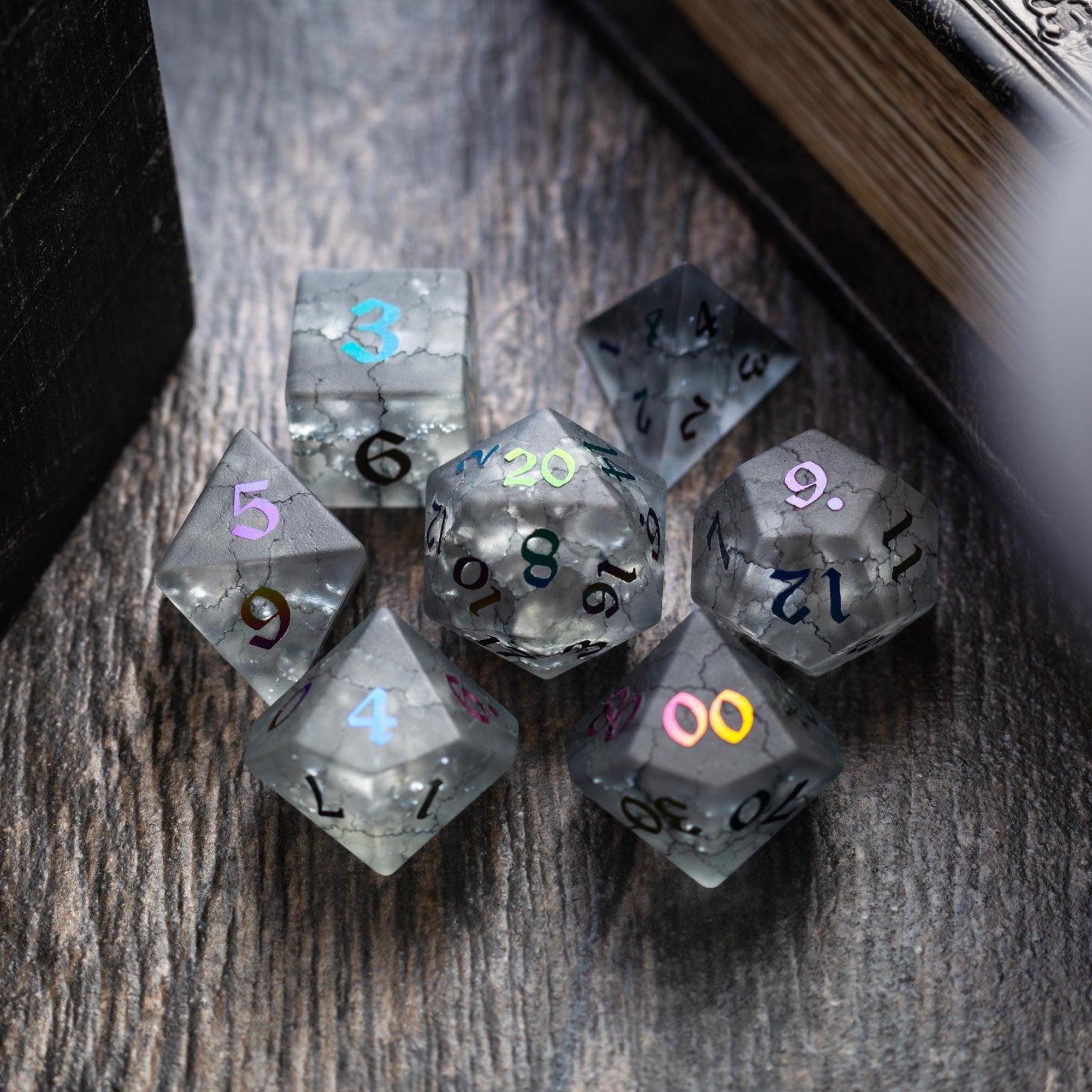
Pick a hard shell case with soft, non-abrasive liners and enough space to avoid pressure on edges. Fitted foam or individual slots prevent contact between dice. When you’re transporting display-grade sets, keep them in their own tray so they can’t bump into metal or sharp-edged dice. If you’re building a premium kit, pairing a protected case with a showcase set like the Gemstone dice collection gives you both safety and presentation.










Leave a comment
This site is protected by hCaptcha and the hCaptcha Privacy Policy and Terms of Service apply.