
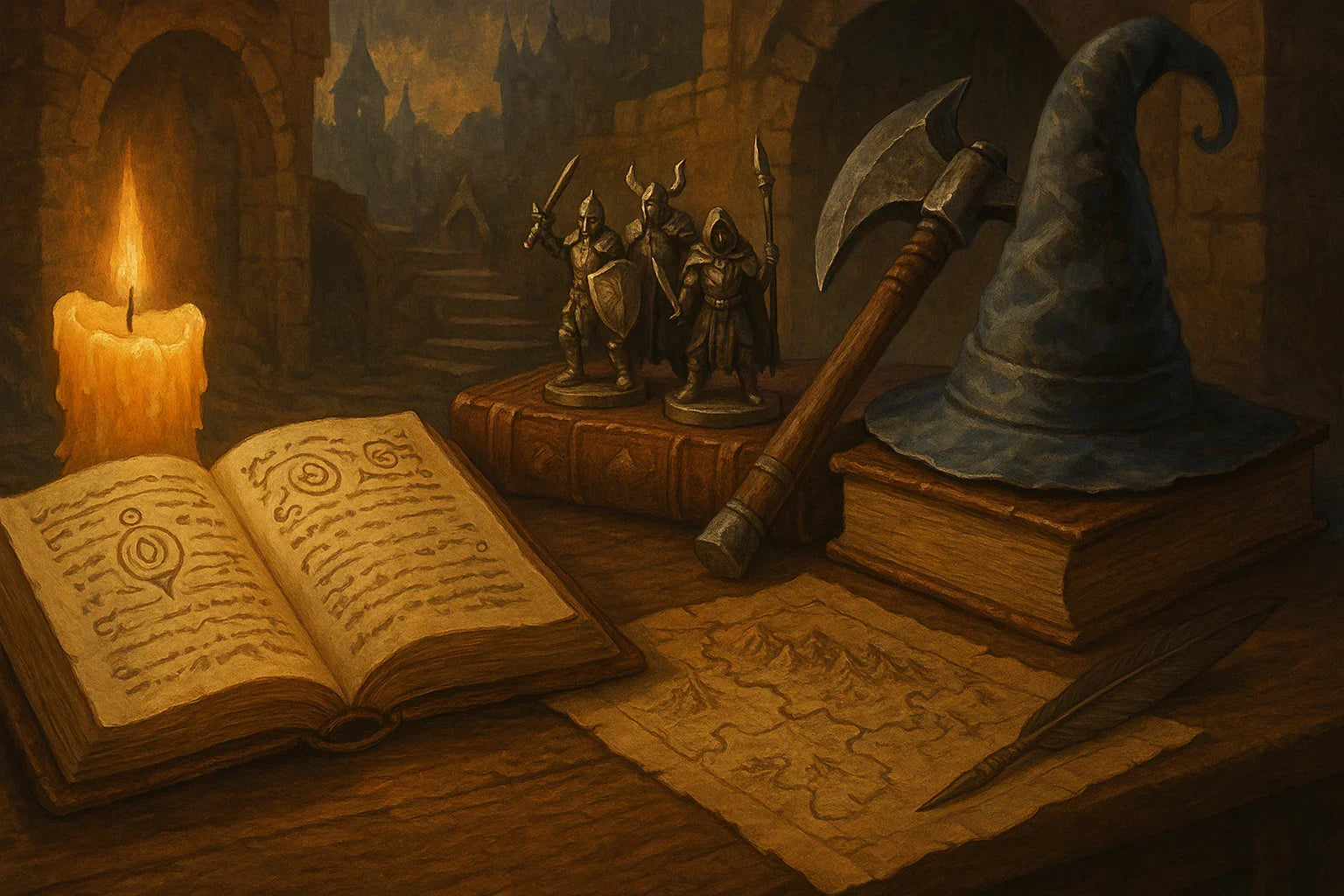
Must Have Equipment for Tabletop RPG Enthusiasts Everywhere
Updated on: 2025-12-09
If you are choosing equipment and gear for tabletop RPG, this gentle guide offers clear, practical advice to help you decide what fits your table, budget, and style. You will find quick facts, a simple pros-and-cons comparison, and a thoughtful buyer’s checklist. The goal is to make your sessions smoother, your rolls fairer, and your table safer. Feel welcome to adapt these ideas to your group’s needs and comfort.
Table of Contents
- Did You Know?
- Comparison: Pros & Cons of equipment and gear for tabletop RPG
- Buyer’s Checklist
- Final Thoughts & Advice
- Q&A

Welcoming players to your table often starts with simple tools that make play smooth and enjoyable. This guide explores core accessories like dice, trays, towers, storage, mats, and miniatures. It aims to balance durability, readability, fairness, and comfort. You will find options for many budgets and play styles, from quiet home games to portable convention sessions. Along the way, you will see how small choices—such as a softer rolling surface or a more legible font—can make a big difference. Please use what feels right for your group and setting.
Did You Know?
- Legibility can affect game flow. High-contrast, larger numerals help players read results faster, reducing table pauses.
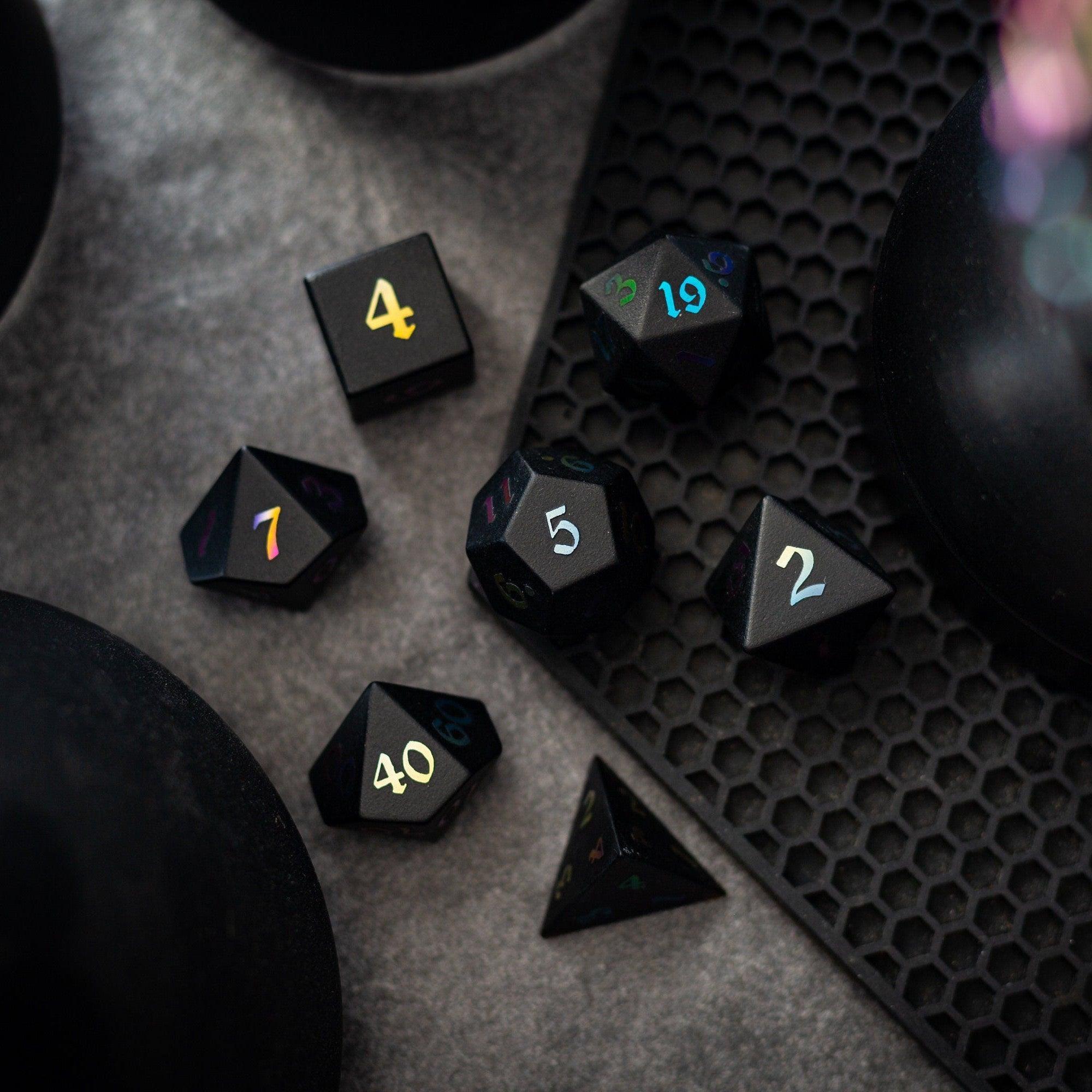
- Sharp-edge dice tend to show crisper faces, which some players find easier to read under warm or low lighting.
- Metal dice are sturdy, yet they can dent soft wood. A tray or mat protects both the table and the dice.
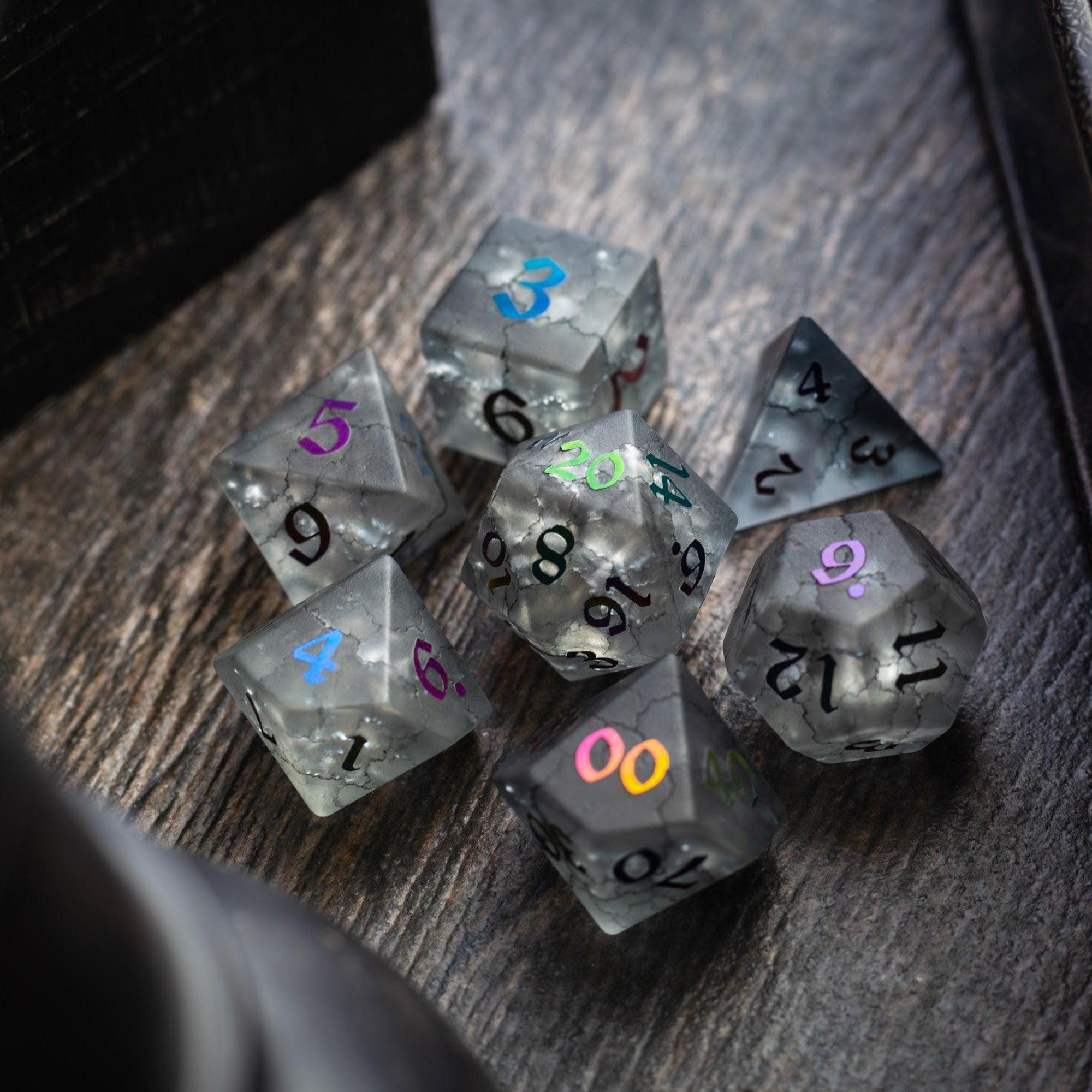
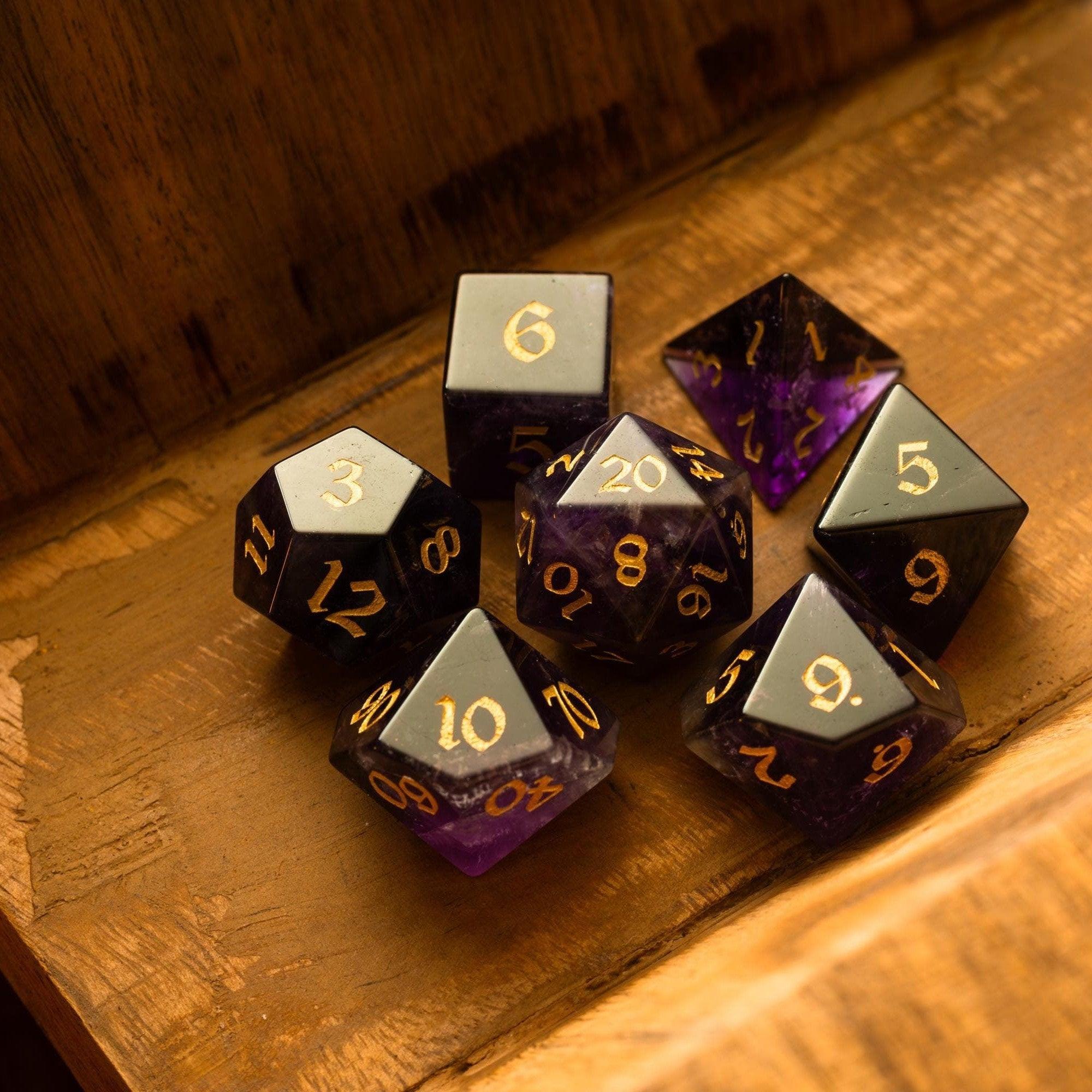
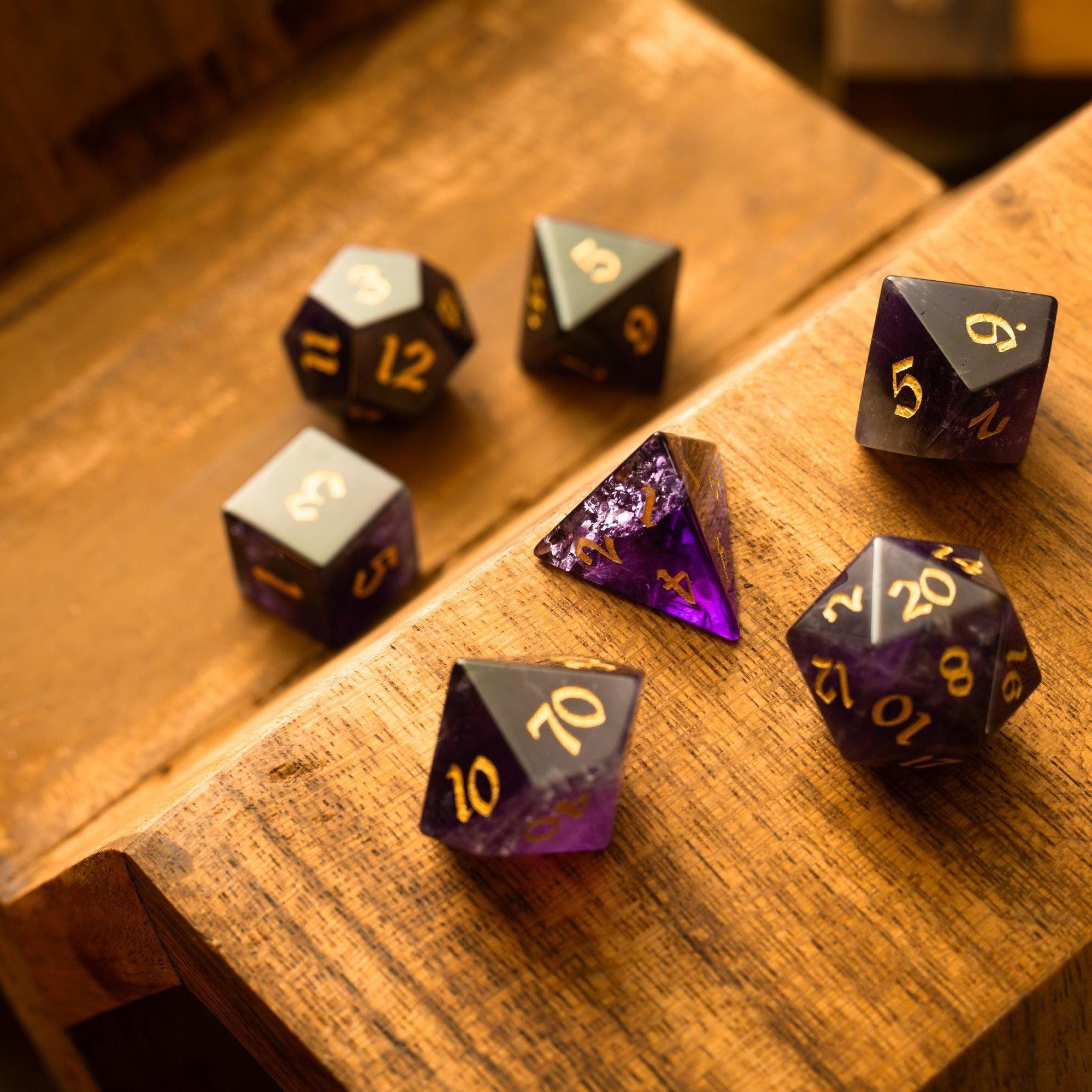
- Gemstone and glass dice are often heavier than resin. Many players enjoy the weight and feel for immersive moments.
- Rolling on a consistent surface reduces bounce variance and keeps results in view, lowering the chance of dice falling off the table.
- Noise matters. If you play late at night or with sound-sensitive players, a padded tray can keep sessions calm and considerate.
- Storage influences longevity. Separate compartments help prevent edges from chipping and numerals from rubbing.
- Color choice affects readability. Swirled or glittered dice can be beautiful, but they may need clearer inking and higher contrast.
Comparison: Pros & Cons of equipment and gear for tabletop RPG
Every table is unique. The notes below outline common trade-offs so you can weigh comfort, durability, style, and budget with care.
- Resin dice
- Pros: Light, affordable, wide style variety, gentle on trays and mats, often very readable.
- Cons: Can feel less substantial, cheaper sets may have rough mold lines or inconsistent inking.
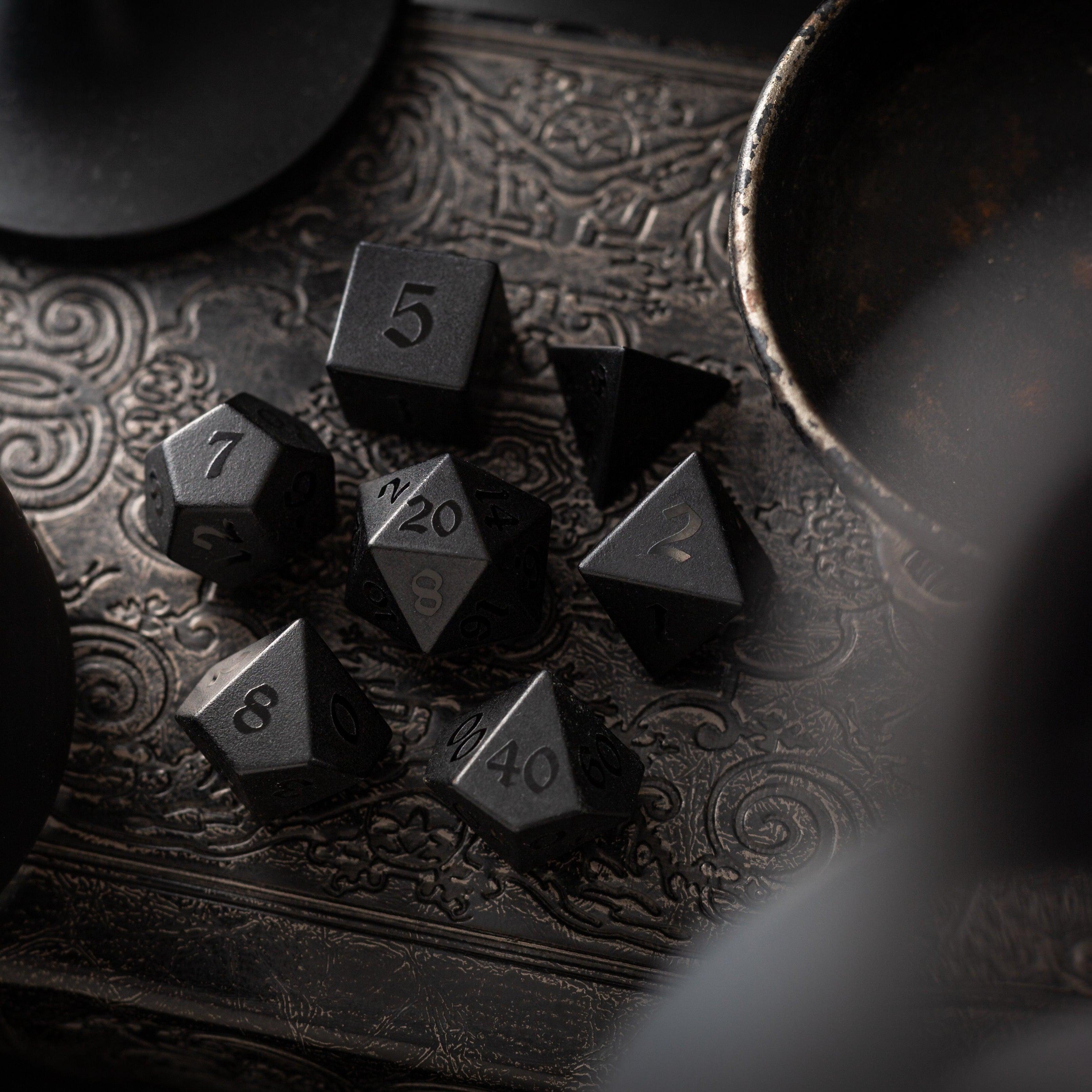
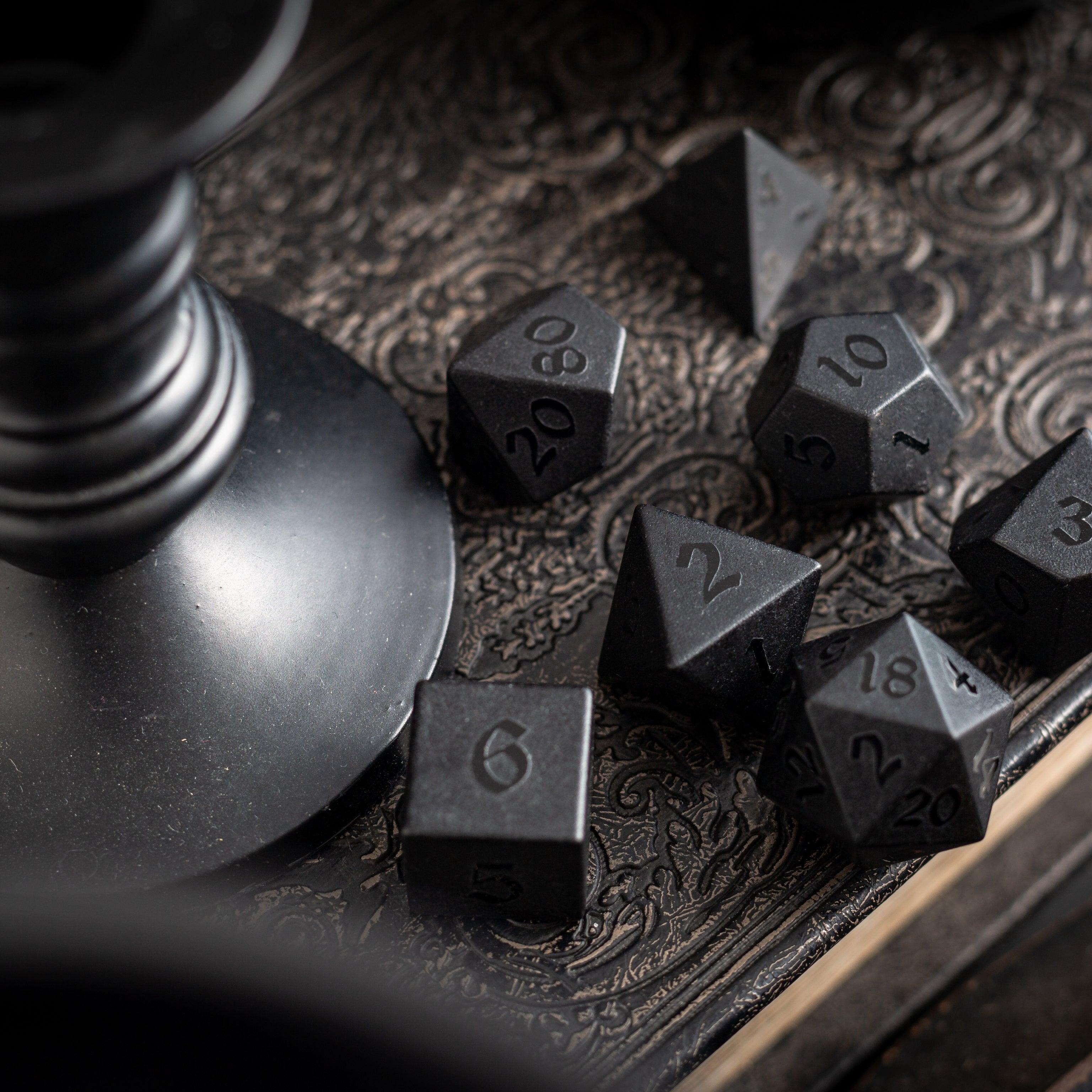
- Metal dice
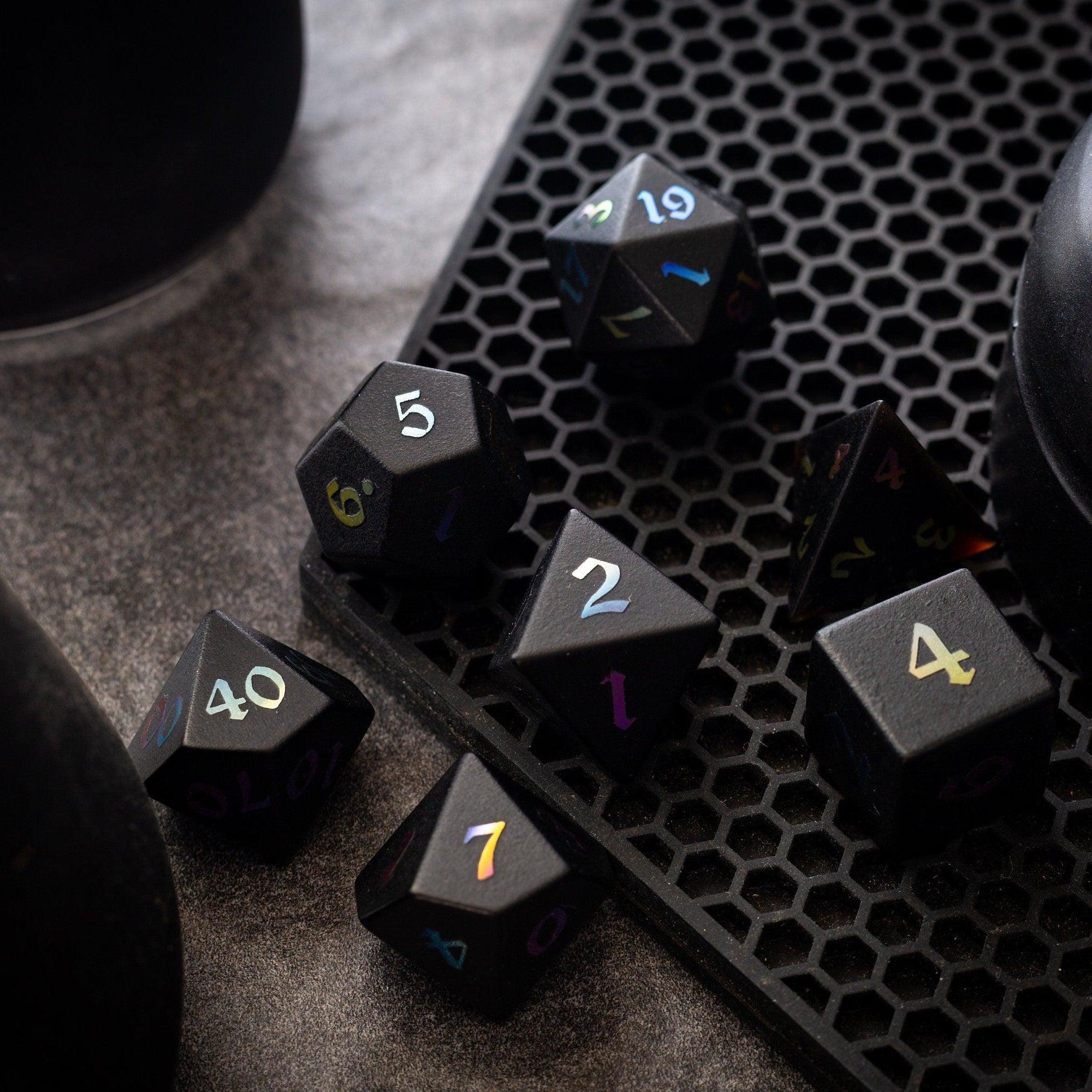
- Pros: Durable, premium feel, strong presence at the table, crisp edges on many sets.
- Cons: Louder on hard surfaces, may mark soft wood without a mat, heavier to travel with.
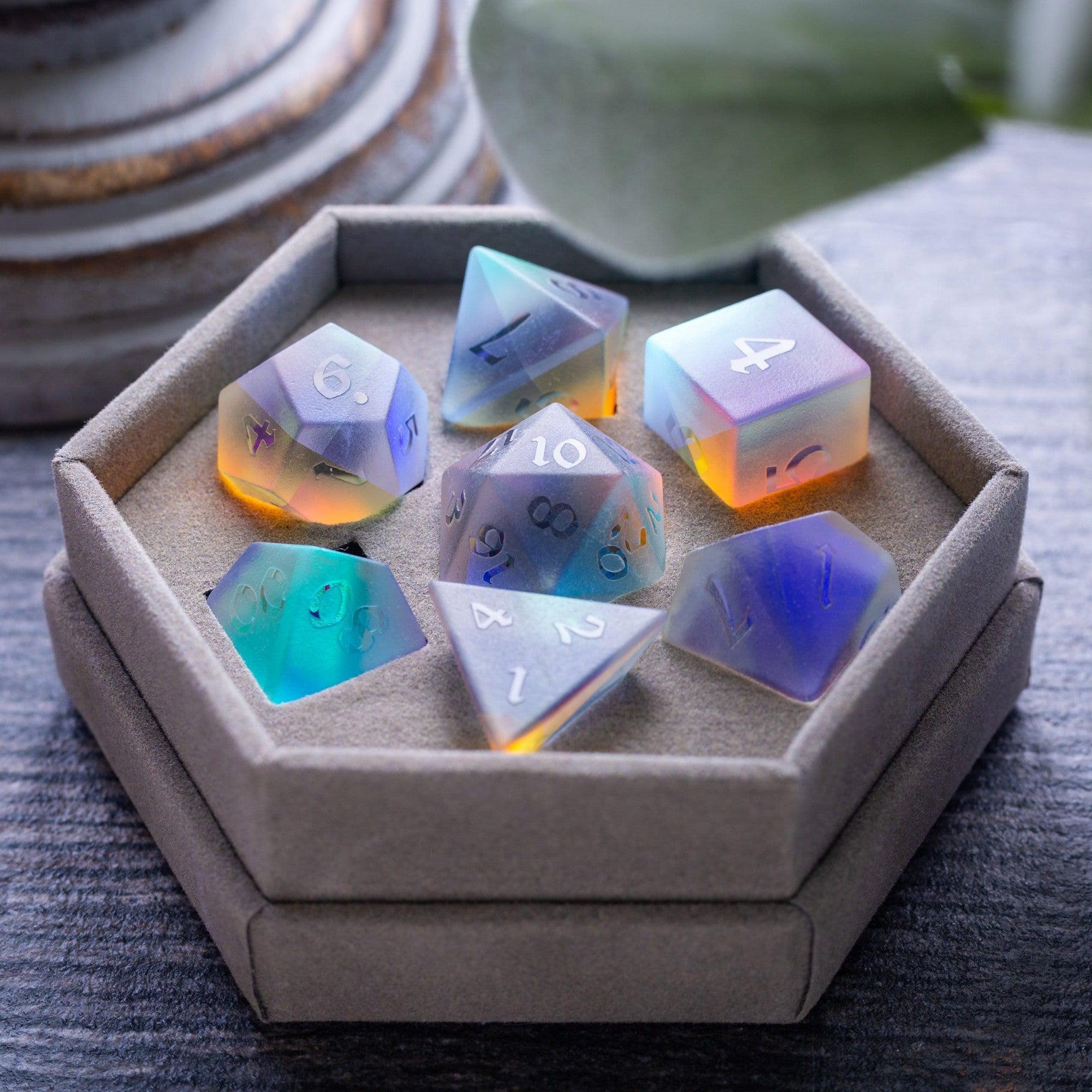
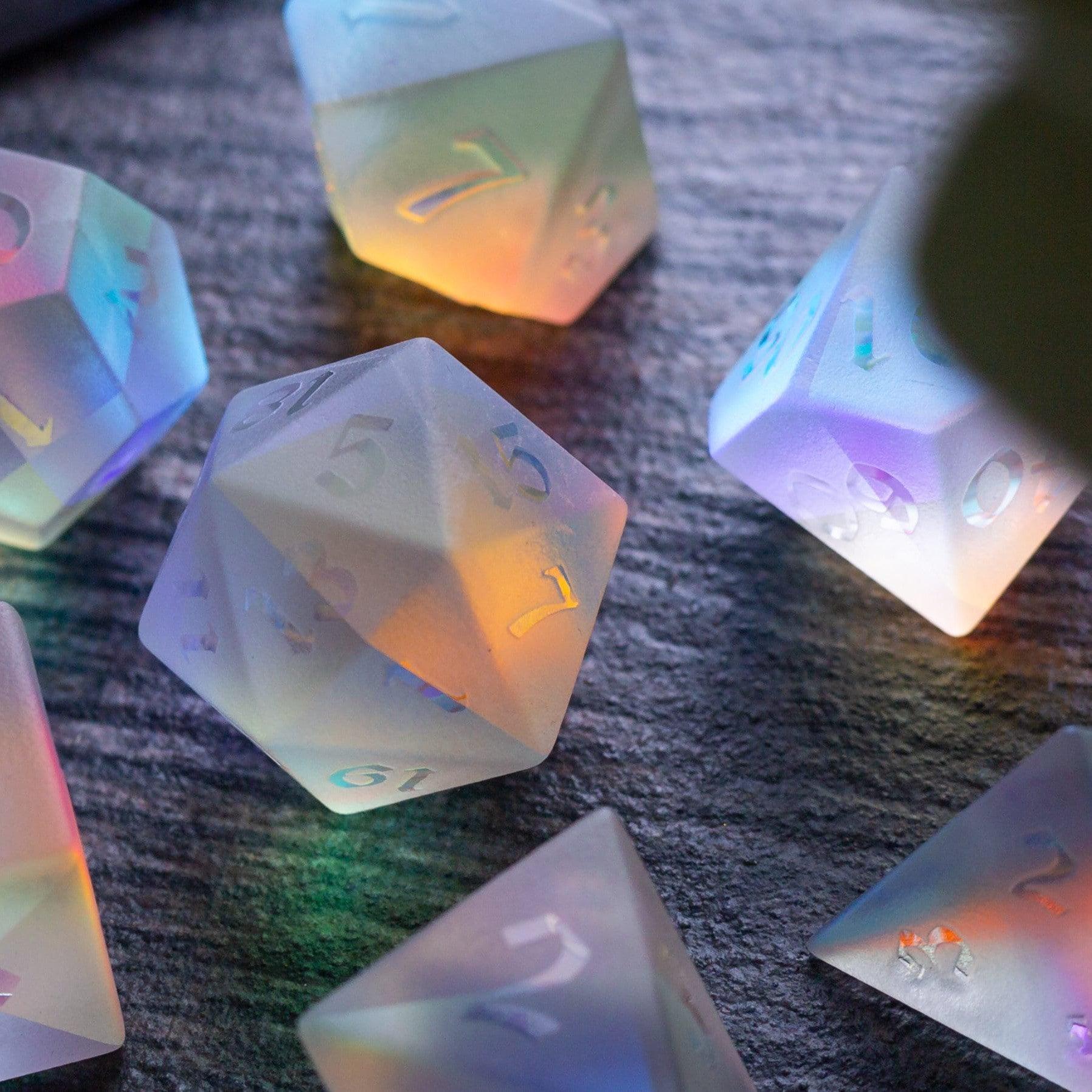
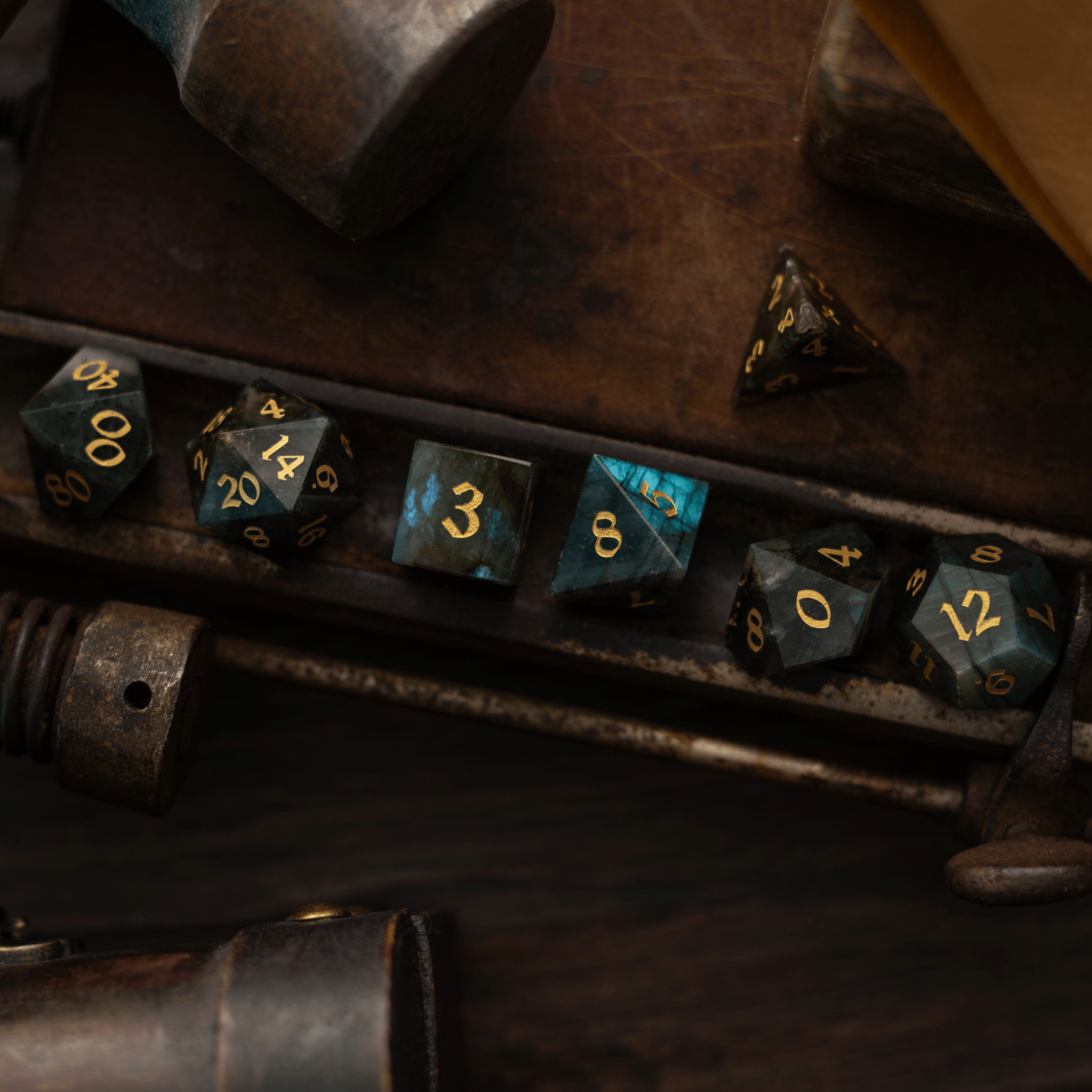
- Gemstone or glass dice
- Pros: Distinctive look and weight, smooth rolling feel, often treasured as heirloom pieces.
- Cons: Higher cost, may chip if rolled on hard surfaces, benefit from padded trays for protection.
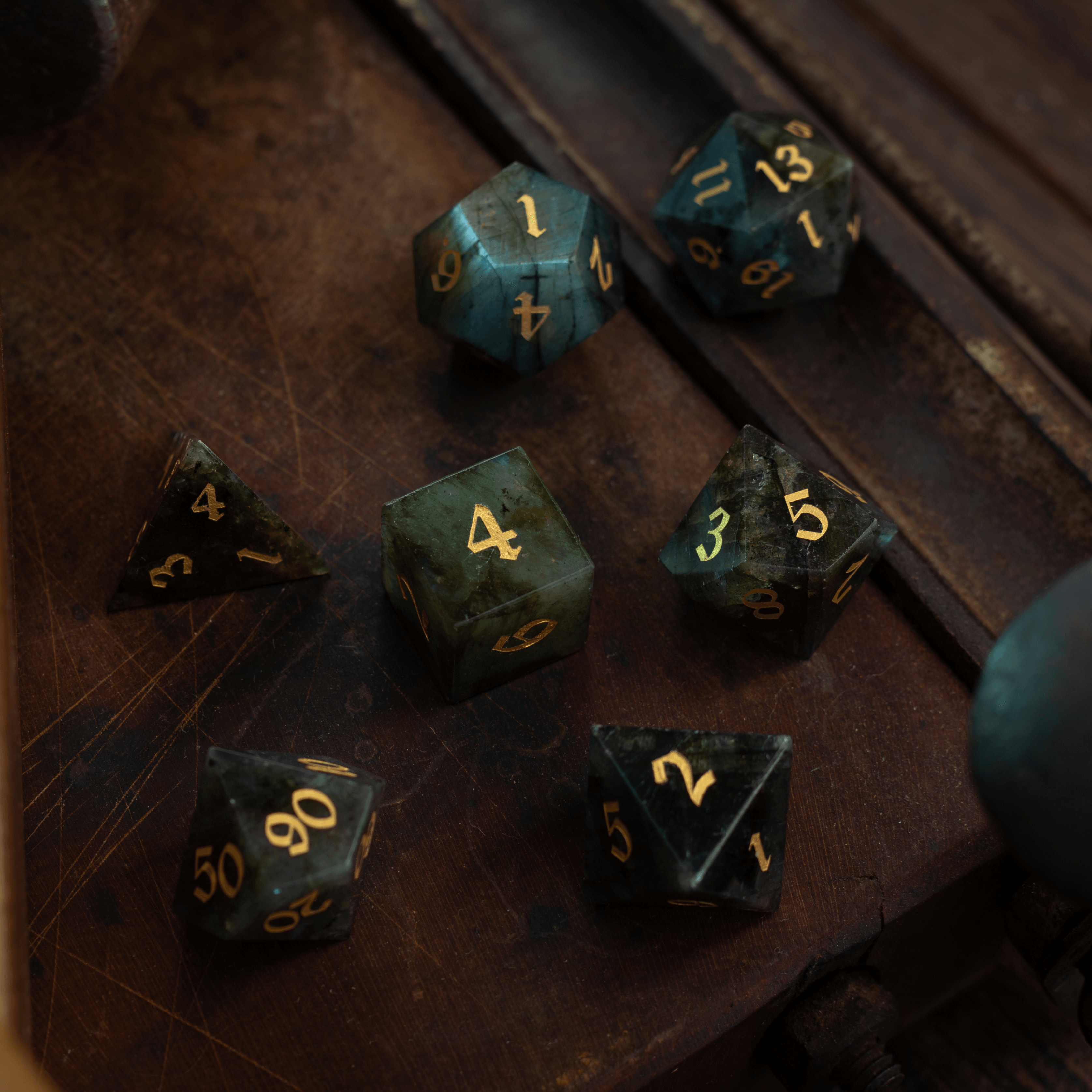
- Tip: If you enjoy the natural sparkle and heft, you might like exploring Gemstone dice.
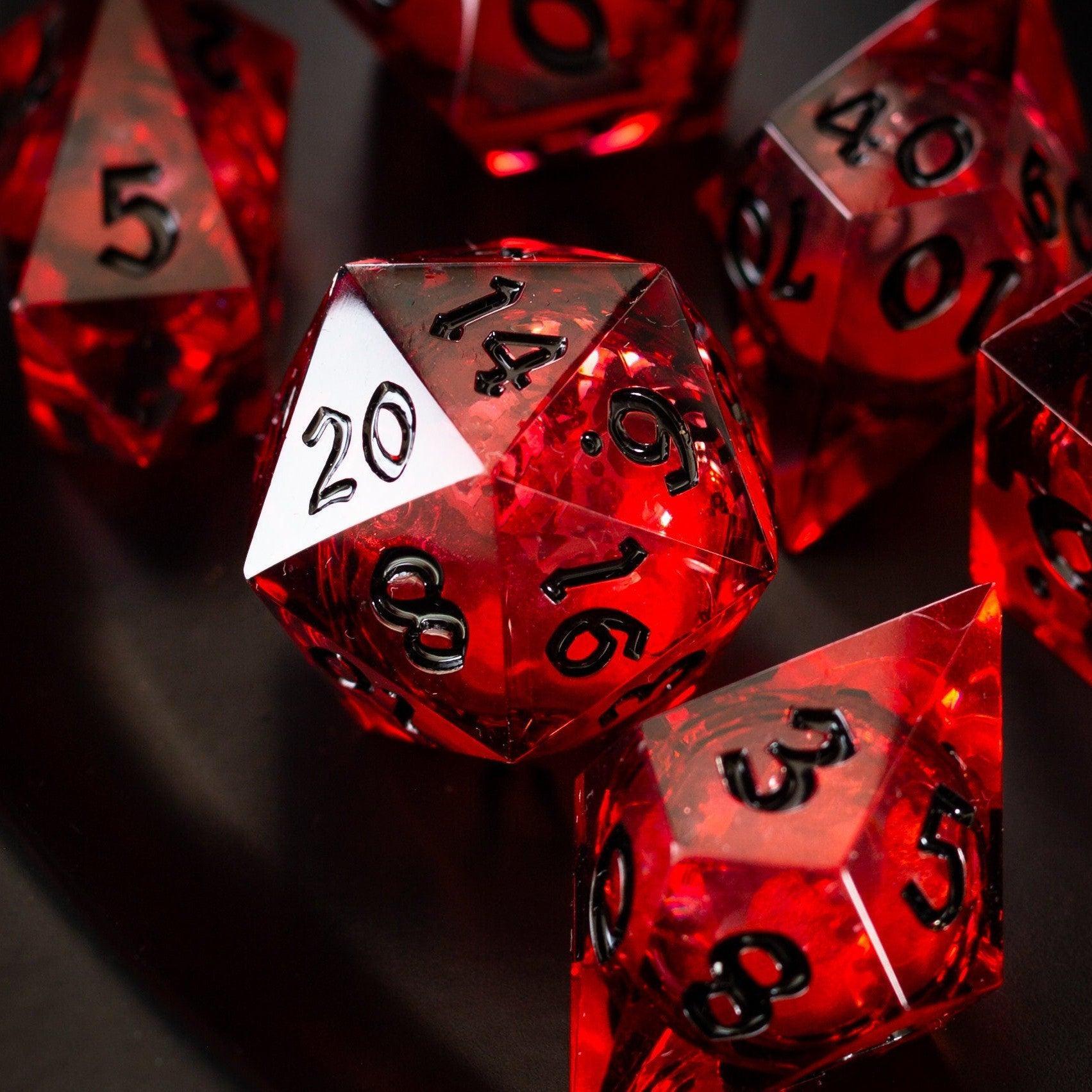
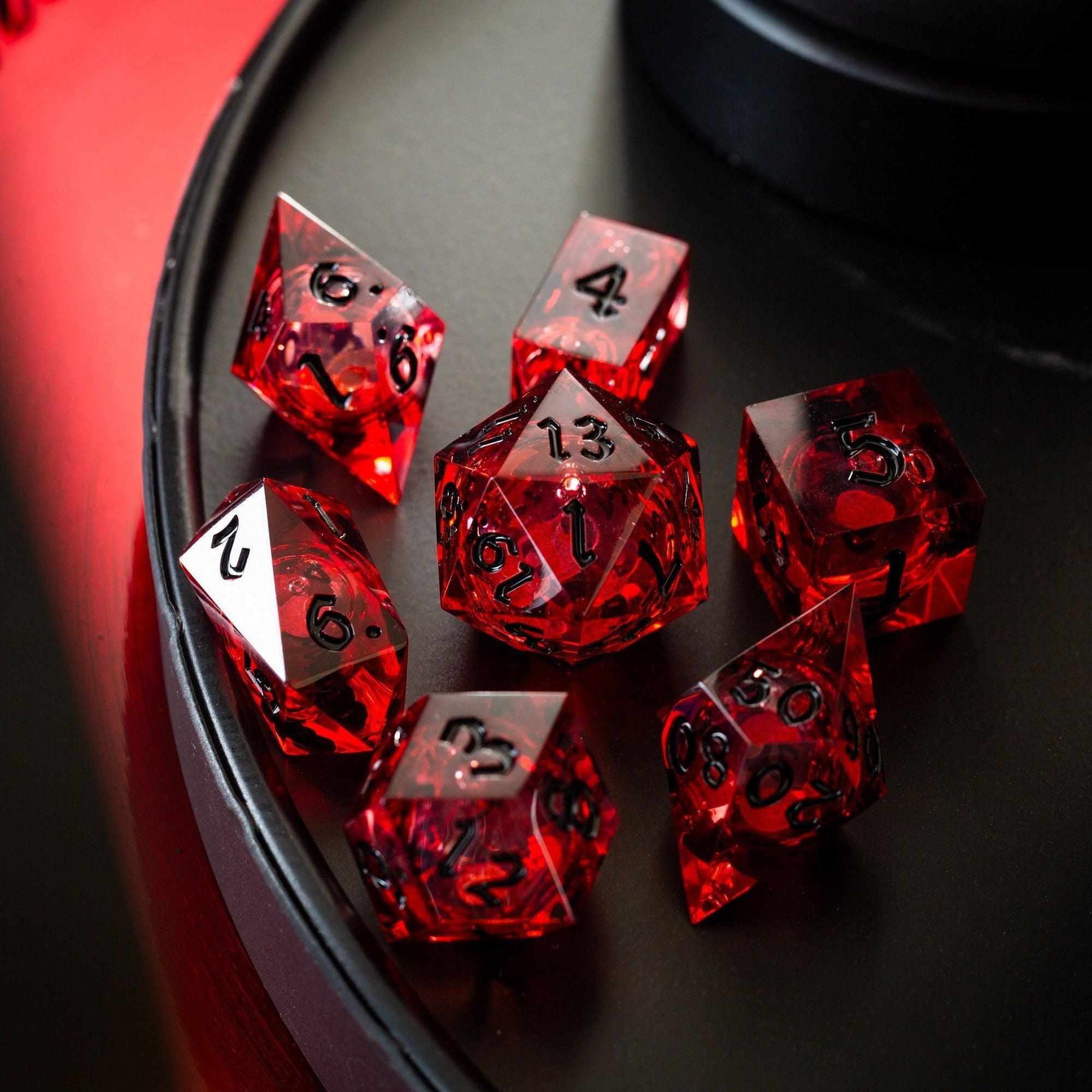
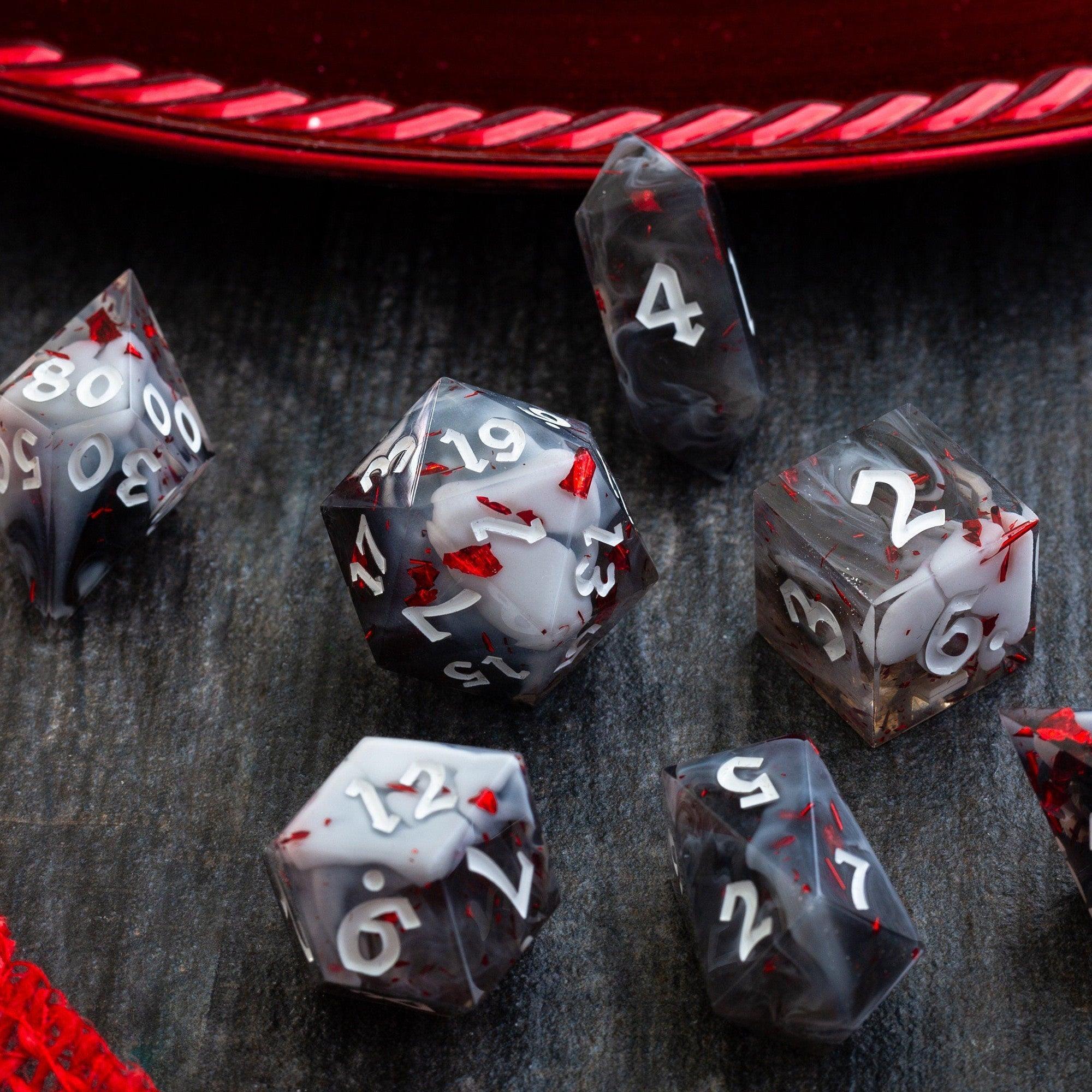
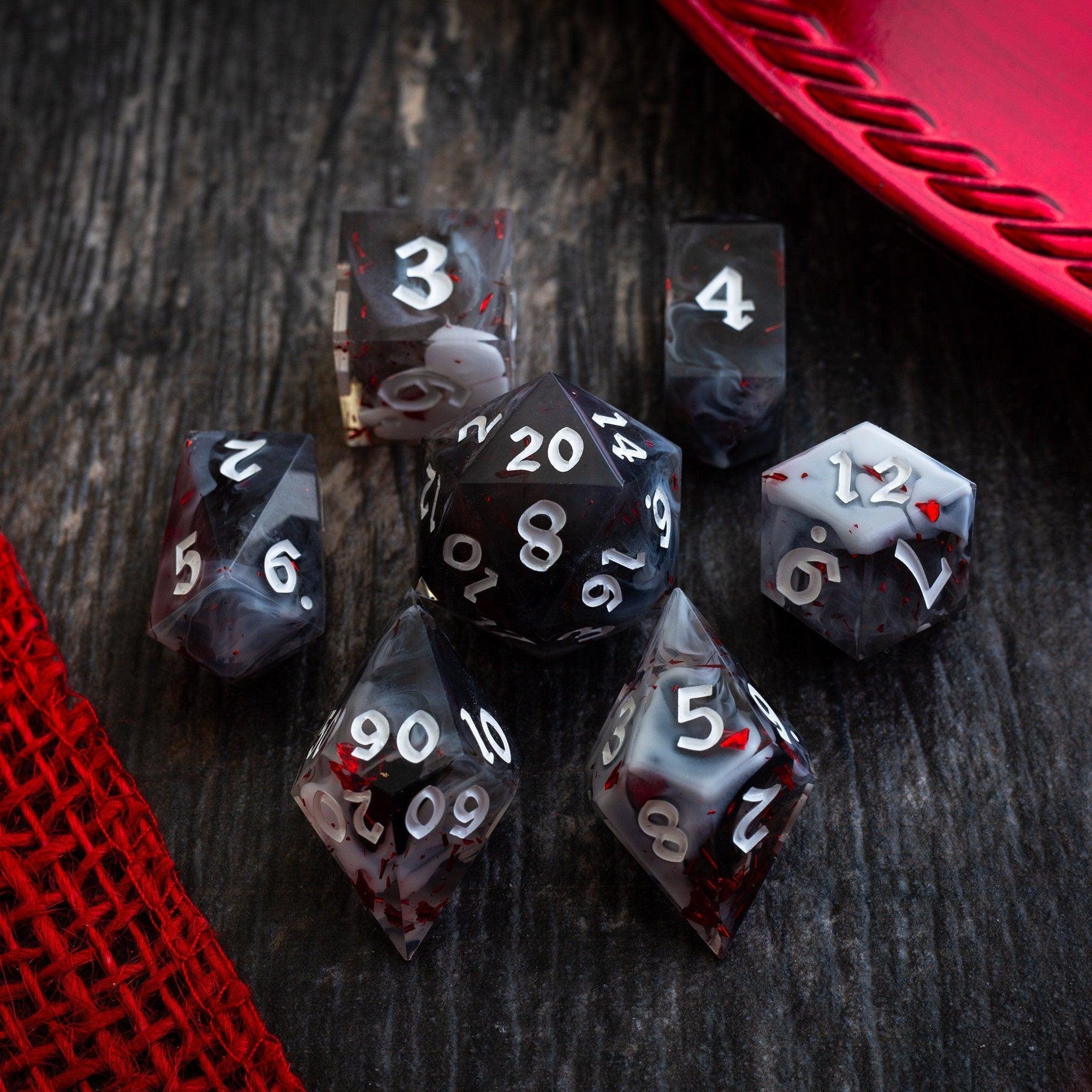
- Liquid-core and glitter-core resin
- Pros: Eye-catching motion and shine, smooth roll, typically lighter than metal or stone.
- Cons: May be less legible in certain lighting; look for bold numerals and clear inking.
- Tip: For playful sparkle and movement, browse Liquid core dice.
- Rolling trays and mats
- Pros: Protect tables, reduce noise, keep dice from scattering or falling, create a defined roll zone.
- Cons: Take space on small tables; low walls can allow high rolls to pop out.
- Dice towers
- Pros: Encourage consistent rolls, fun table centerpiece, helpful when space is tight.
- Cons: Some towers add noise; larger designs may not travel well.
- Tip: Compact options are handy for shared spaces; see Dice towers for ideas.
- Storage: cases, tins, and boxes
- Pros: Protects edges and finish, keeps sets organized, makes travel easier.
- Cons: Bulky cases can add weight; foam inserts may need occasional replacement.
- Try: A tidy, giftable option like the Labradorite set that includes its own box.
- Game mats and grids
- Pros: Define space for tactical movement, protect surfaces, aid quick measurement.
- Cons: Storage tubes take space; markers may require careful cleaning.
- Miniatures and tokens
- Pros: Visual clarity, shared focus, and immersion; can reduce rules confusion.
- Cons: Costs add up; storage and transport need planning.
- Note-taking tools
- Pros: Index cards, notebooks, and sticky notes keep details on hand; reusable boards cut down on paper waste.
- Cons: Ink smudging or ghosting can occur; choose pens that match your surface.

Buyer’s Checklist
- Purpose first: Decide what you want most—readability, quiet rolls, or travel convenience.
- Budget range: Set a comfortable limit and assign it across essentials (one reliable set of dice, a tray or mat, and a simple case).
- Readability: Look for high-contrast numerals, clean inking, and fonts that stand out against the base color.
- Surface safety: If you use metal or stone, plan on a padded tray or mat to protect both dice and table.
- Noise level: Consider play times and roommates. Soft trays make late-night sessions kinder.
- Weight and feel: Decide whether you prefer light resin or the substantial heft of metal and stone.
- Consistency: If you switch materials, test a few rolls on the same surface to see what feels fair and comfortable.
- Storage and travel: A case with compartments prevents rubbing; choose compact layouts for convention play.
- Theme and style: Match colors to your character or campaign; cohesive sets look lovely at the table.
- Table size: Smaller tables benefit from compact trays and collapsible towers.
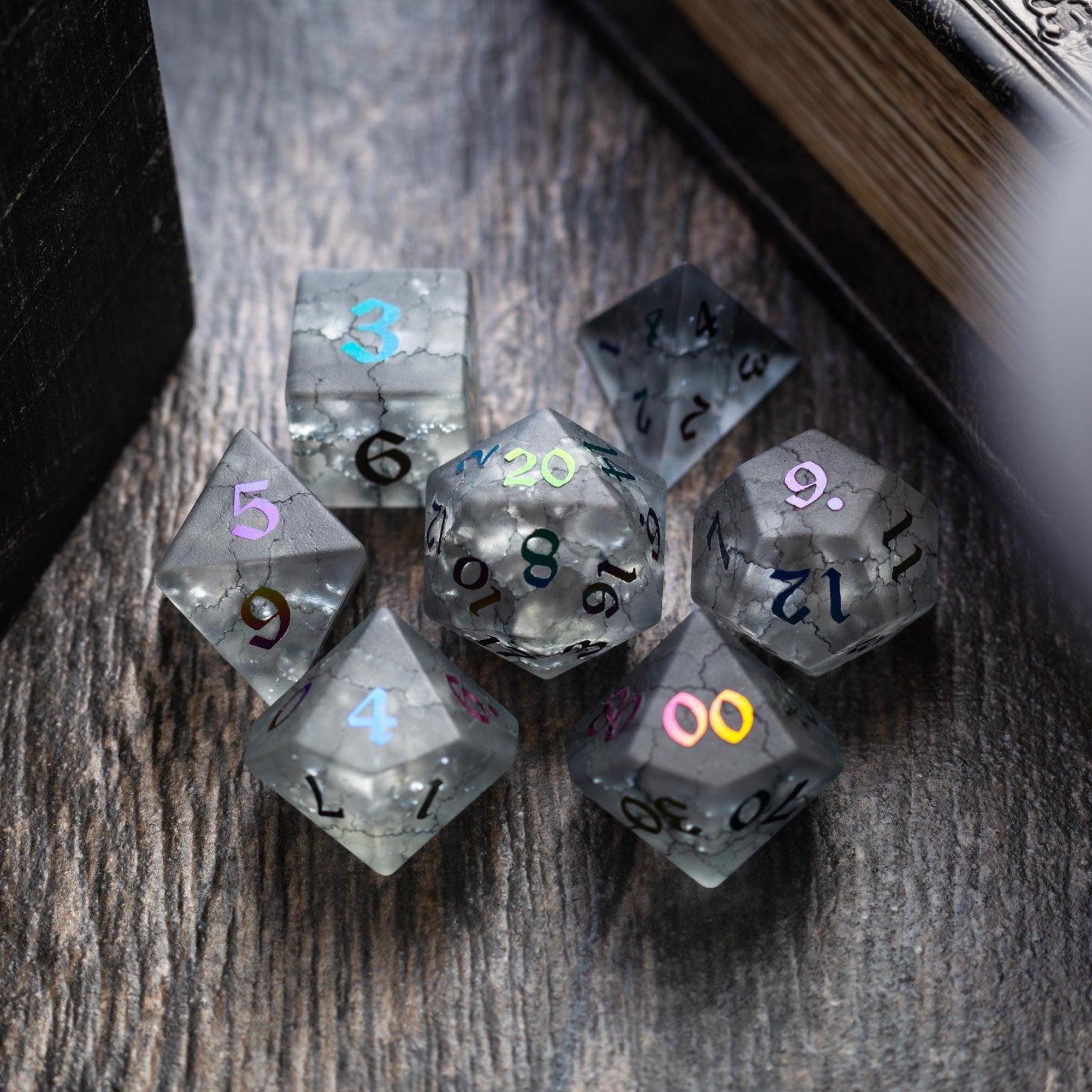
- Lighting: Glitter, transparent, and dichroic styles may need bold inking to remain readable under warm bulbs.
- Care and maintenance: Wipe trays and mats with a gentle cloth; store dice dry and separate to protect edges.
- Longevity: Consider durable materials for your “core” set, and add special sets over time.
- Group needs: If players share tools, pick neutral colors and extra-readable numerals so everyone feels included.
- Optional flourish: When you want a striking centerpiece, premium materials—such as gemstone sets—can be both functional and beautiful.
Final Thoughts & Advice
Simple choices often bring the most comfort at the table: a clear, readable set of dice, a quiet rolling surface, and a safe place to store them. From there, feel free to add pieces that express your style, whether that is a shimmering liquid-core set, a sturdy tower, or a hand-cut gemstone design. If you enjoy exploring premium textures and finishes, you might appreciate browsing curated options like Gemstone dice and playful motion in Liquid core dice. For controlled rolls in shared spaces, compact Dice towers are helpful too.
With steady attention to comfort, care, and fairness, investing in equipment and gear for tabletop RPG can make every session feel smoother and more welcoming for everyone at your table.
Q&A
How many dice sets do I need?
For most players, one reliable polyhedral set is enough to begin. A second matching set is convenient for games that call for multiple dice at once, such as rolling advantage or damage pools. If you love themed builds or different characters, you might enjoy separate sets to match mood and style. Consider one “everyday” set that is easy to read, and one “special” set for highlights—perhaps a gemstone set or a vibrant resin option. If you want an elegant set with a keepsake feel, the boxed Labradorite set is a thoughtful choice.
Are metal dice safe for wooden tables?
They can be, with the right surface. Metal dice may leave marks on soft or untreated wood, so a padded tray or mat is recommended. A defined roll area also keeps the dice contained and helps reduce noise. If your table is delicate or antique, a thick felt or leather-lined tray offers extra peace of mind. In small spaces or shared homes, quieter rolls are considerate for everyone nearby.
What makes a dice tray or tower worth it?
Trays and towers provide consistency, protection, and calm. A tray creates a safe, padded landing zone that preserves edges and reduces table wear. Towers help standardize rolls when space is tight, and they keep dice from scattering into character sheets or snacks. If you value quiet and neat play, a tray is often the first accessory to add. If you want a focal point that supports steady rolling, a compact tower is a pleasant upgrade.


Leave a comment
This site is protected by hCaptcha and the hCaptcha Privacy Policy and Terms of Service apply.