
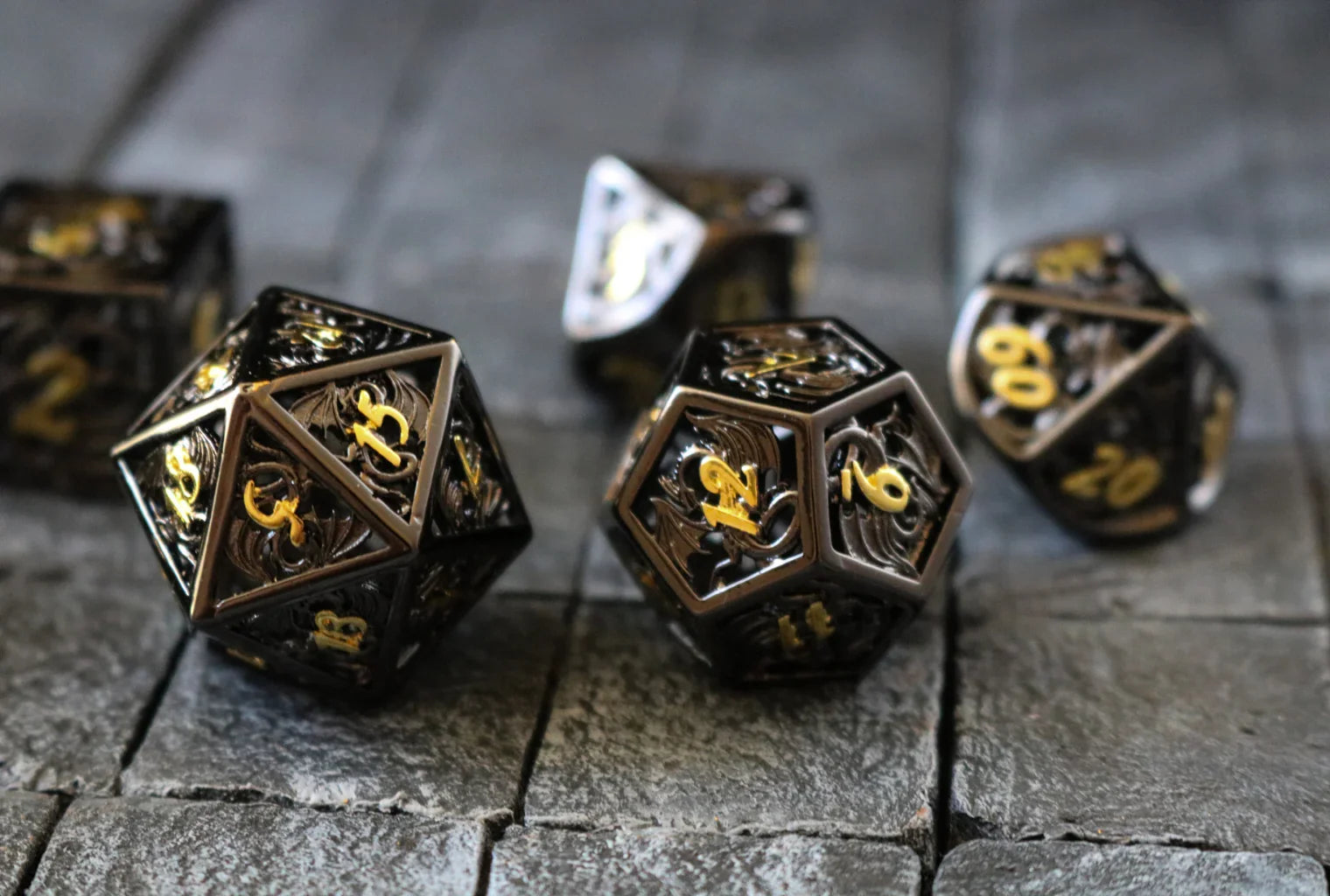
Metal Polyhedral Dice Set For Crisp Rolls And Style
Updated on: 2025-12-03
Table of Contents
- Buyer’s Checklist for a Metal Polyhedral Dice Set
- Step-by-Step Guide to Choosing a Metal Polyhedral Dice Set
- FAQ: Metal Polyhedral Dice Set Buying Answers
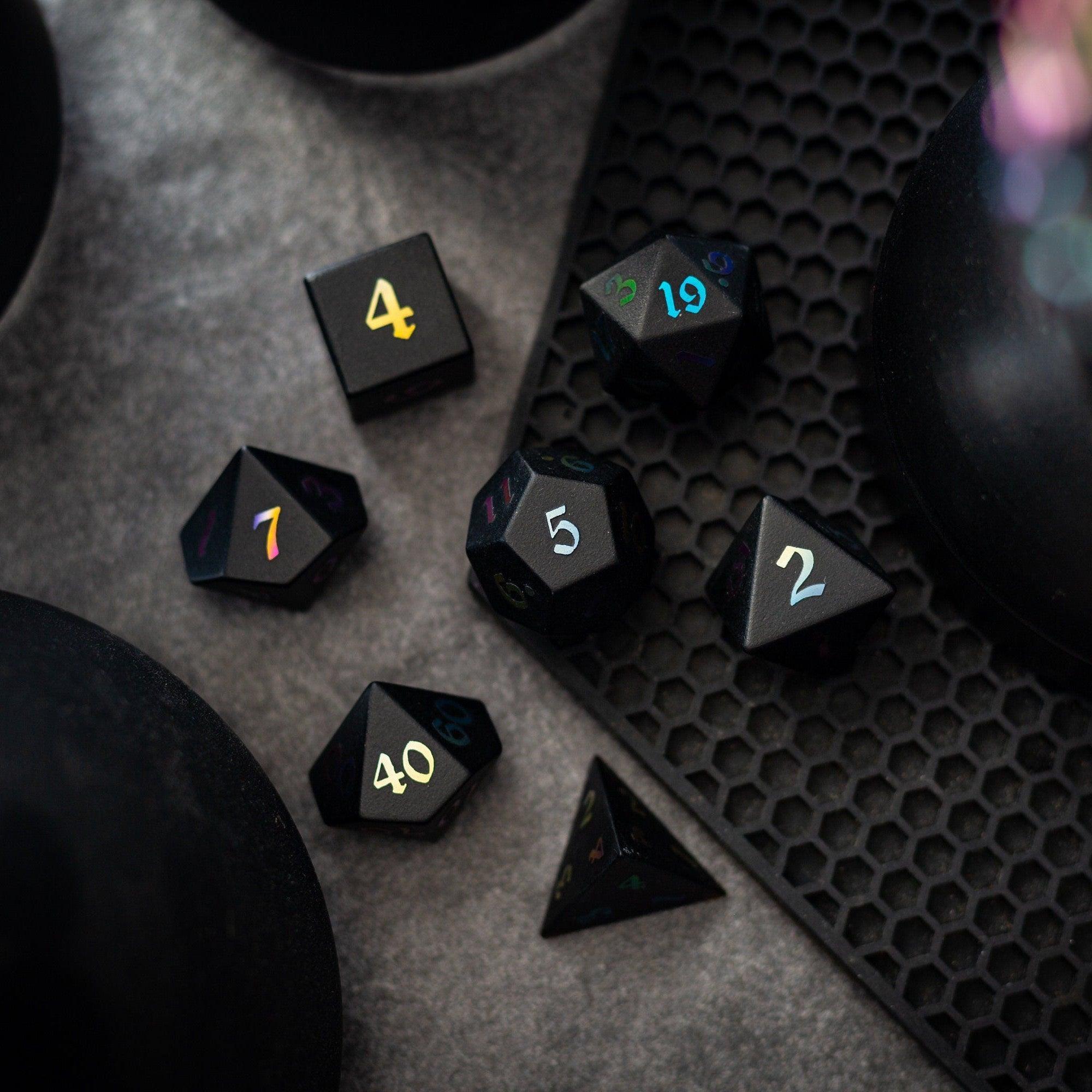
Your dice are more than random number generators—they’re part of your table presence and your roleplaying identity. A metal polyhedral dice set delivers weight, precision, and a premium feel that plastic simply can’t match. Whether you’re building a character for your next campaign or upgrading your collection, this guide helps you choose a polyhedral metal dice set that looks stunning and rolls with satisfying authority. If you’ve ever searched for a metal dice set (polyhedral) and felt overwhelmed by options, you’re in the right place.
Ready to feel the difference? Explore curated options in the dedicated collection here: Metal Dice.
Buyer’s Checklist for a Metal Polyhedral Dice Set
Materials and finishes in a polyhedral metal dice set
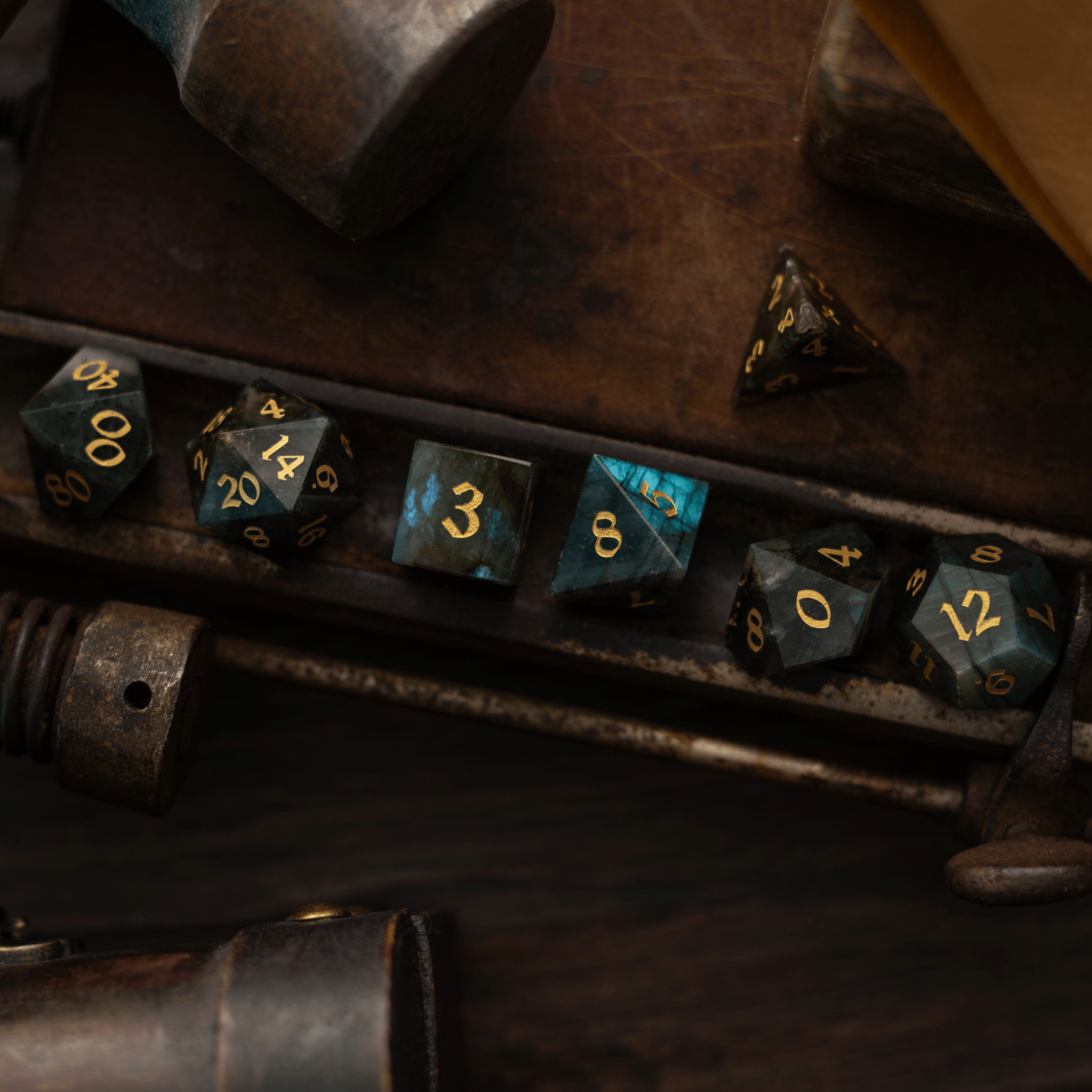
- Core materials: Common choices include zinc alloy and steel. If you want a premium steel polyhedral dice set for D&D, look for clear material disclosures and consistent machining across the set.
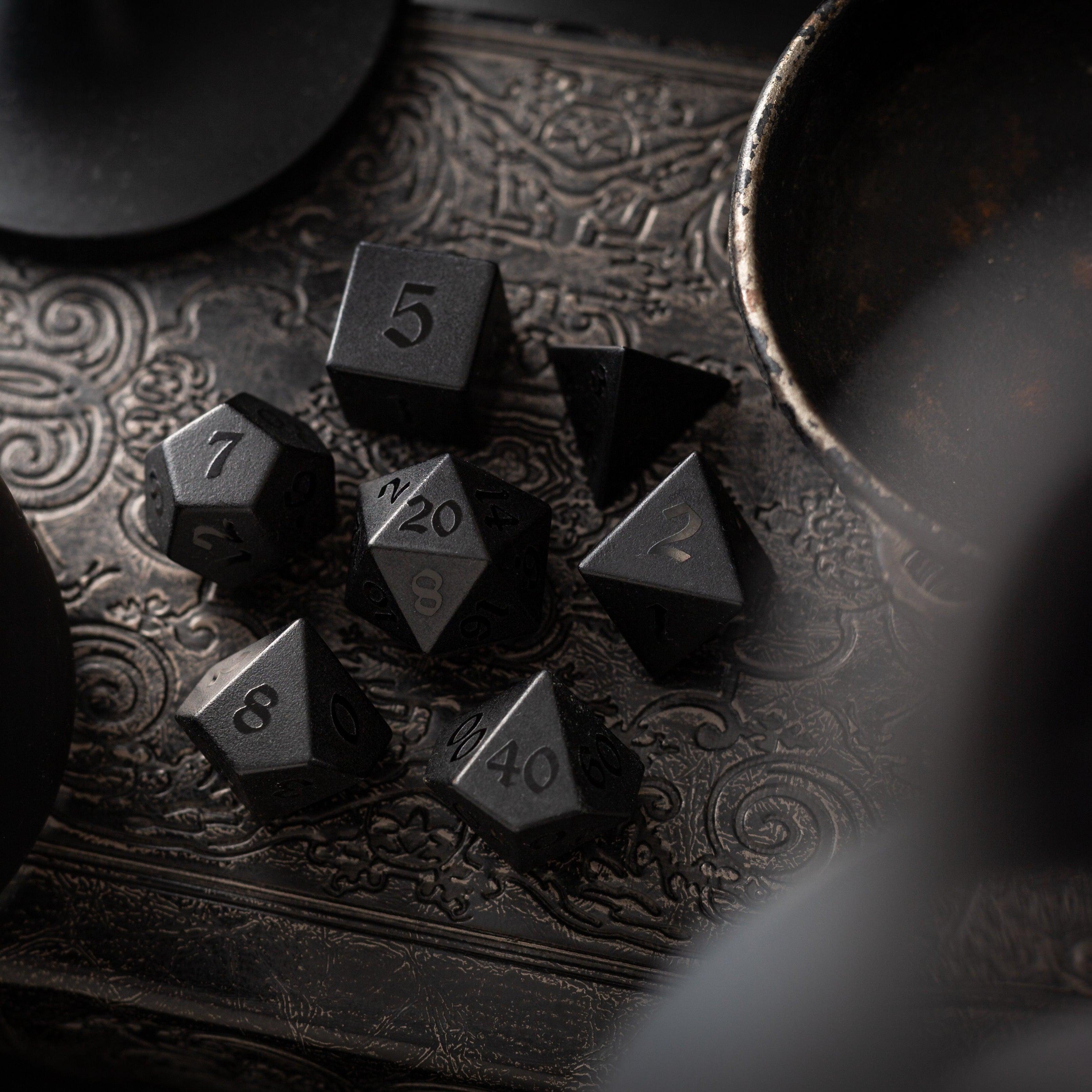
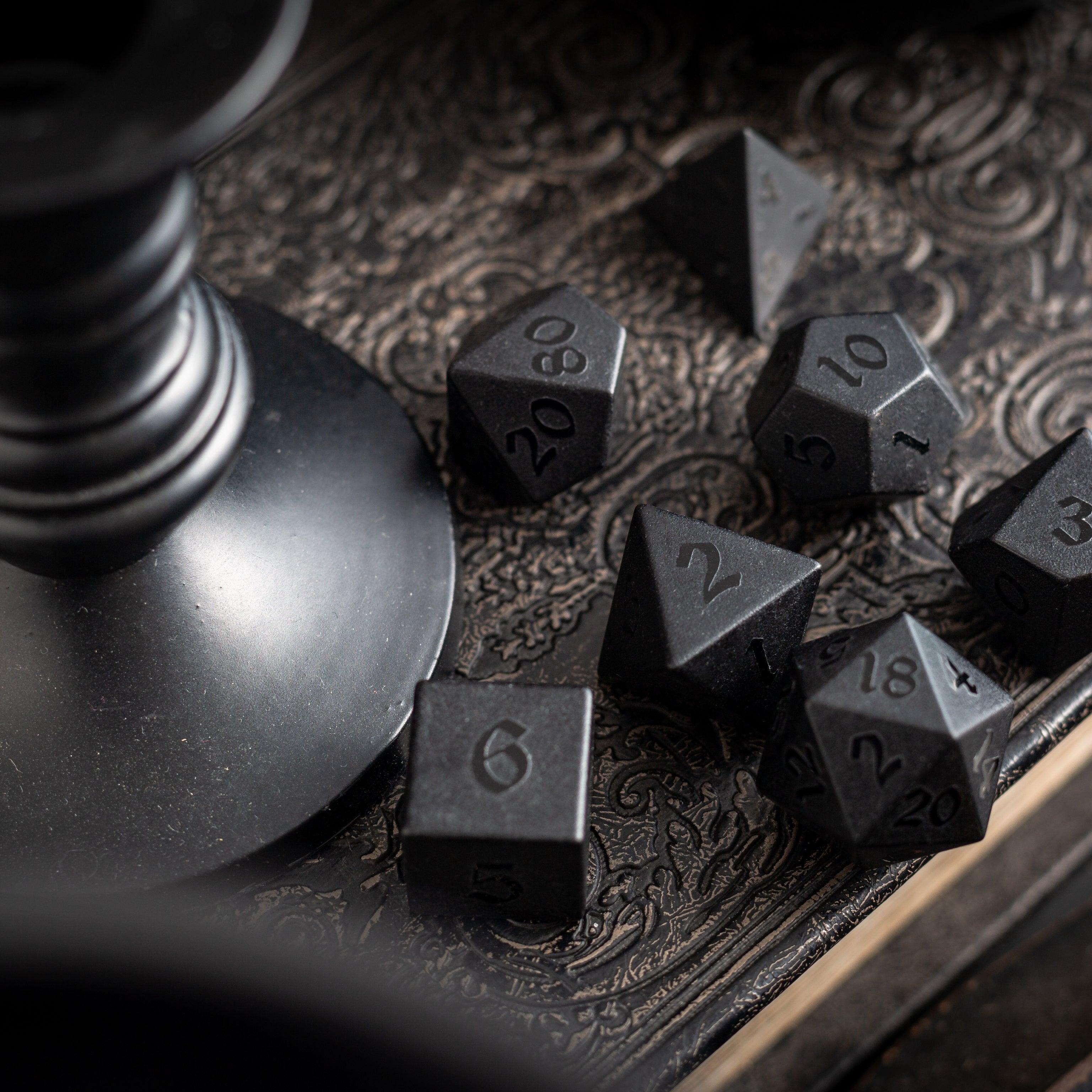
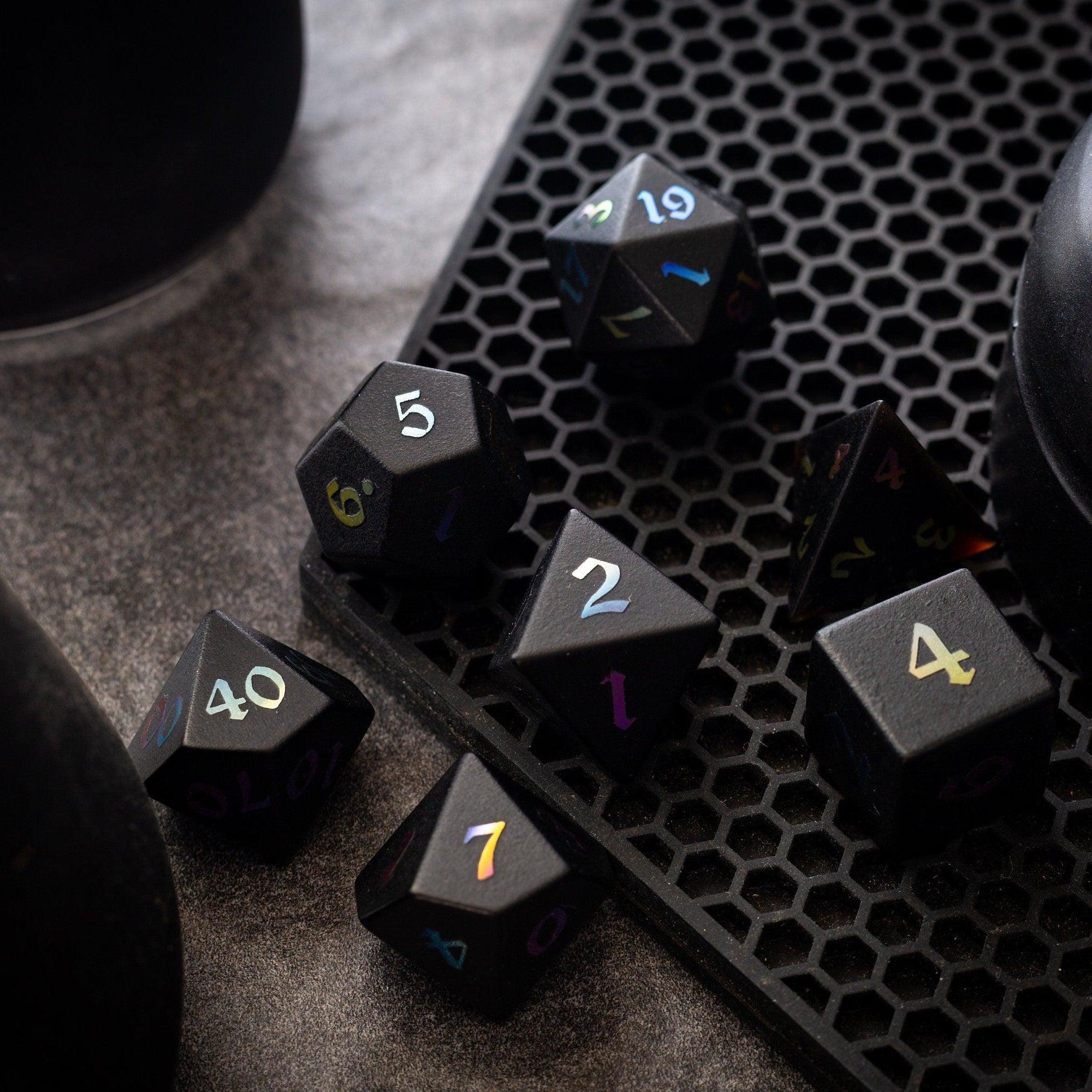
- Finishes: Options range from satin, matte, and brushed to mirror polish, black nickel, or antique patina. Choose finishes that resist fingerprints and micro-scratches if you play often.
- Coatings: Clear coats and PVD-style treatments can enhance scratch resistance. Look for even coverage—especially inside numerals and along edges.
Weight, balance, and edge profiles of metal polyhedral dice
- Weight distribution: Even mass is key for fairness. Check that faces, corners, and walls are uniform and free of excess material or surface bubbles.
- Edge profile: Sharp-edge dice provide crisp rolls with less “clatter distance,” while rounded edges are gentler on trays and easier to pick up. Decide based on your rolling style.
- Face geometry: Consistent face geometry helps balance. If possible, compare the d20 and d12—these are most likely to reveal weighting issues.
Number readability and engraving depth on RPG dice
- Contrast: High-contrast inking (white on dark, black on bright) improves visibility at a glance.
- Engraving depth: Deeply engraved numbers maintain clarity as sets wear. Shallow etching may fade faster.
- Font style: Clean, legible typefaces reduce misreads at the table. Avoid overly ornate fonts if speed matters.
Cases, trays, and surface protection for metal dice
- Case quality: A lined storage case prevents dice-on-dice scuffs and protects finishes.
- Tray or tower: Always roll on a padded tray or tower to protect table surfaces and edge integrity. Browse practical options here: Dice Towers.
- Table etiquette: Metal dice are heavier than resin or acrylic, so keep an eye on noise levels and roll area.
Use this checklist to quickly judge whether a set qualifies as the best metal polyhedral dice set for tabletop RPGs by your standards: consistent finish, solid balance, readable numerals, and a protective rolling setup.
Step-by-Step Guide to Choosing a Metal Polyhedral Dice Set
This straightforward process helps you make a confident choice without second-guessing. Keep your game style and table setup in mind as you move through each step.
- Define your priorities. Are you seeking premium presence, daily durability, or maximum readability? Knowing this frames every decision.
- Pick your finish category. Matte hides fingerprints; brushed offers subtle sheen; mirror polish shines brightest. Choose one that matches your aesthetic and maintenance preference.
- Decide on edge profile. Sharp edges feel precise and look modern; rounded edges are softer and quieter. Match the edge profile to your tray and table.
- Assess numeral style and contrast. If you often play in low light, favor high contrast and thick line weights.
- Check set completeness. Standard RPG dice set includes d4, d6, d8, d10, d%, d12, and d20. Some sets add extra d6s or a second d20 for advantage/disadvantage mechanics.
- Verify material disclosures. Look for clear listing of alloy and coating to understand weight, magnetic response, and care needs.
- Consider accessories. A tray or tower prevents surface wear and keeps rolls contained. If you want to explore the latest arrivals for complementary gear, see New.
- Shortlist and compare. Narrow to two or three sets that meet your criteria. Choose the one that best balances comfort, clarity, and wow factor.
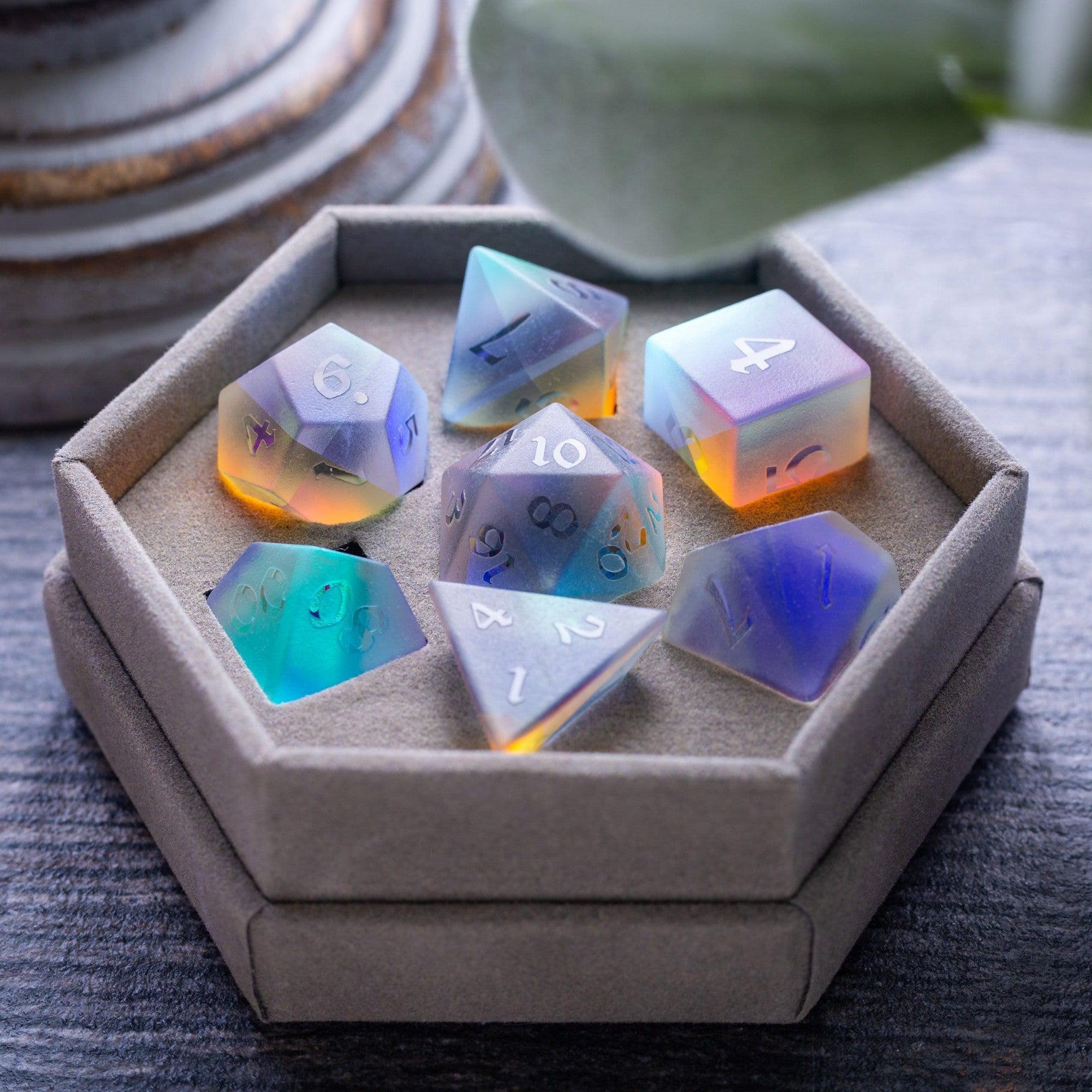
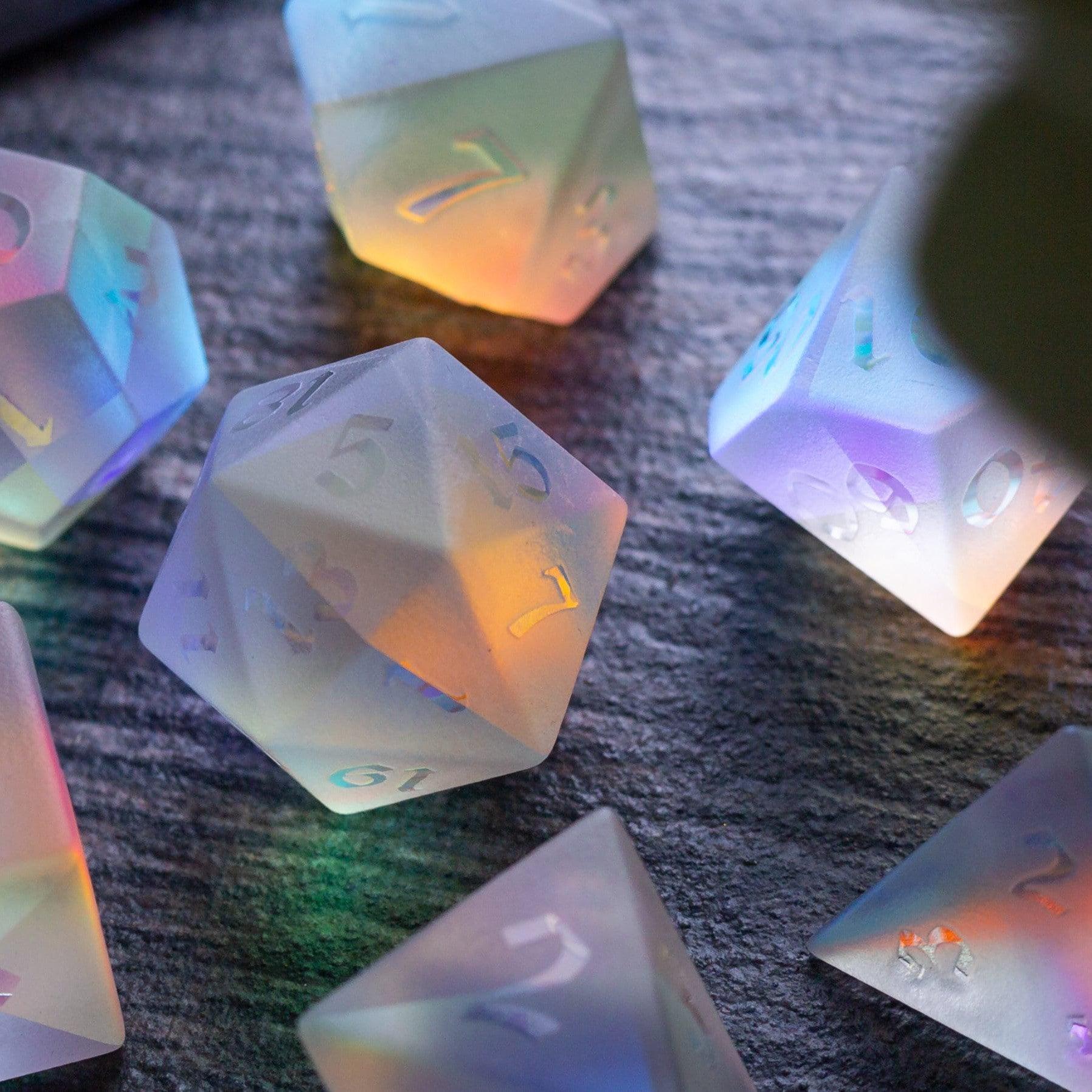
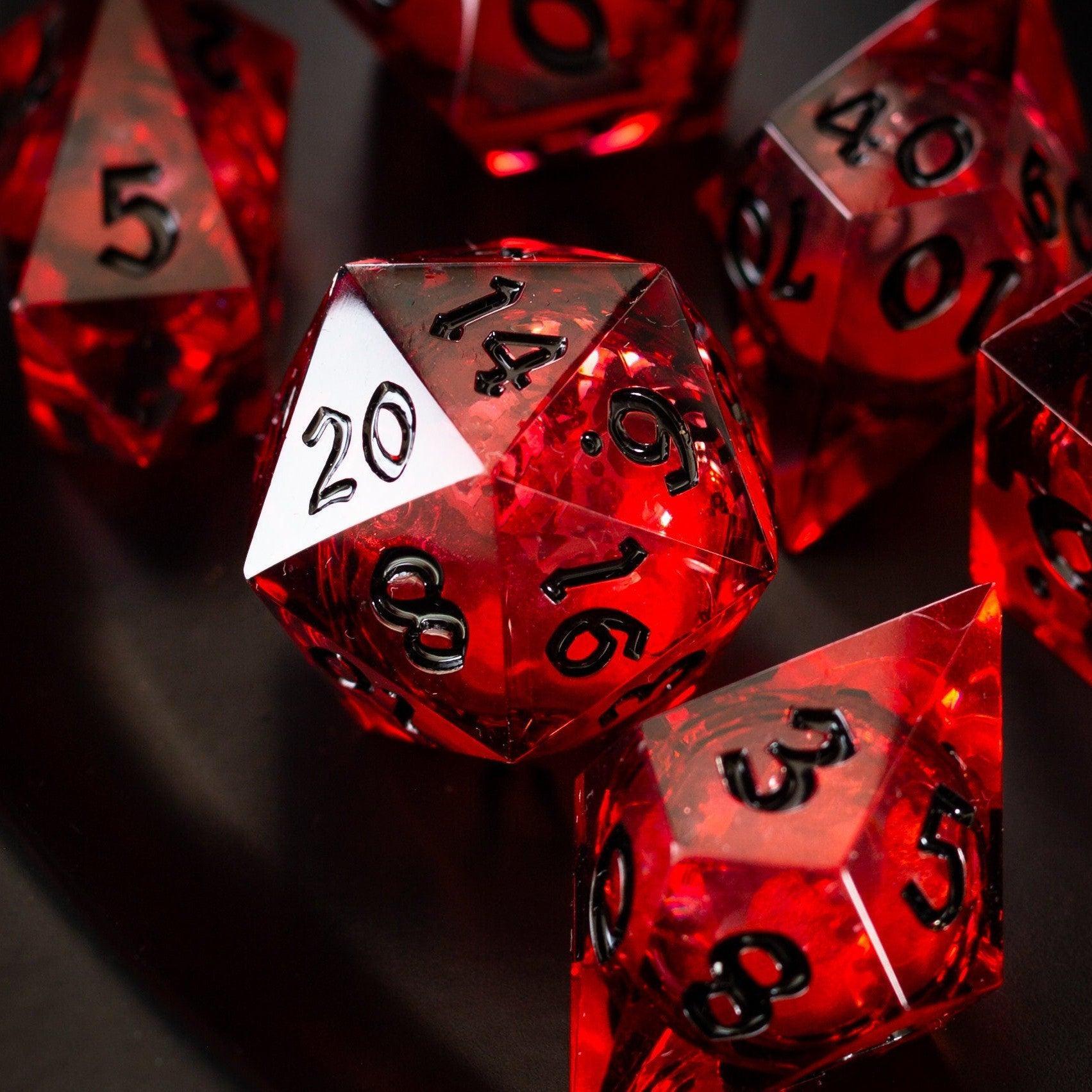
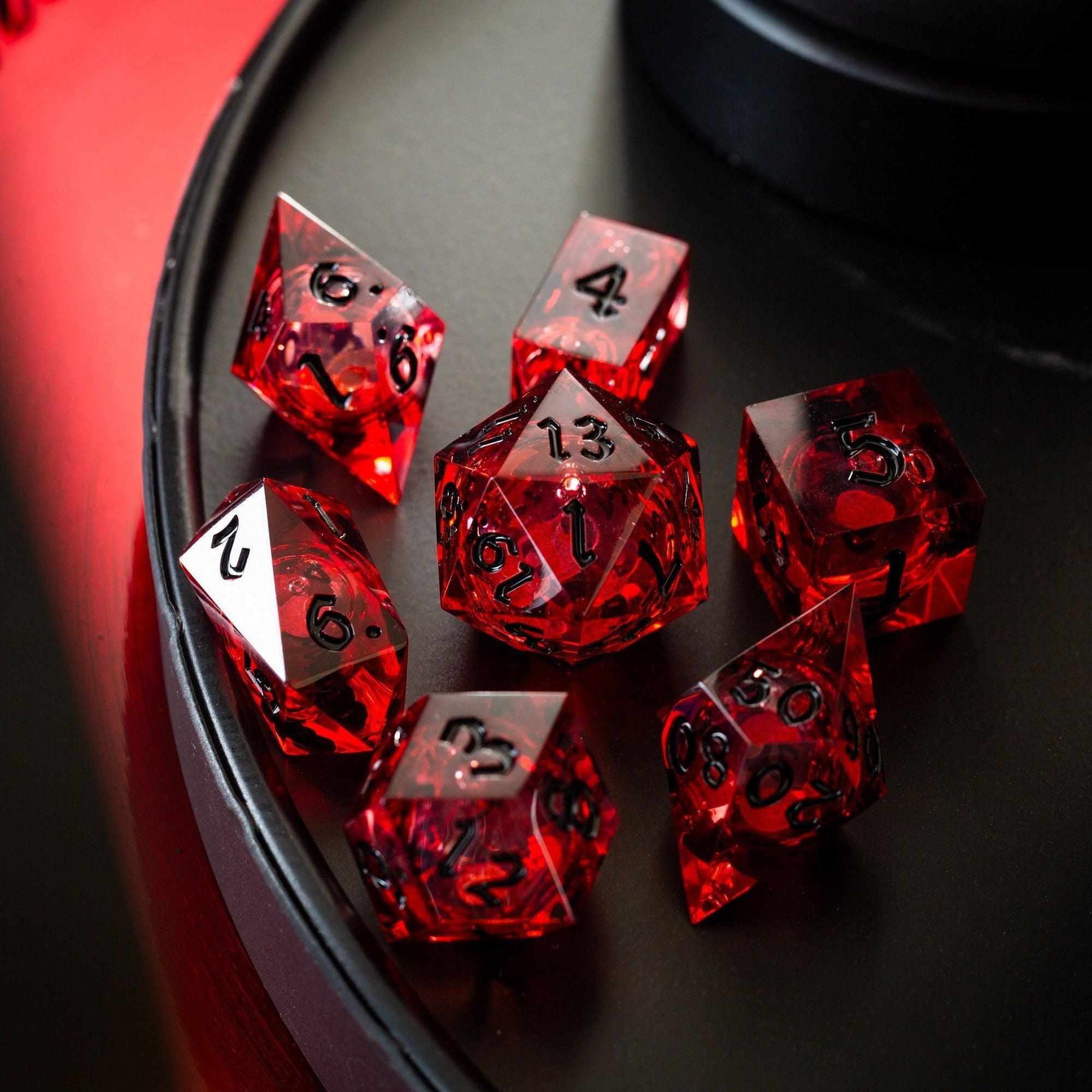
If you love the heft and presence of a metal polyhedral dice set but sometimes prefer a lighter roll, you can supplement your collection with an eye-catching alternative. Many players keep a second set for variety—consider vibrant movement and sparkle options here: Liquid Core Dice.
How to test durability and scratch resistance
Durability depends on core alloy, edge profile, and finish. To evaluate a polyhedral metal dice set in a responsible way, roll on a felt or leather tray for several sessions and inspect high-impact edges (especially on the d20 and d6). Look for micro-abrasions where dice make initial contact with the tray. Check numerals for any inking loss, and confirm that the finish remains consistent across faces. If your set uses a coated finish, verify that the coating has not thinned at corners. These simple checks give a clear read on long-term wear without risking your table.
How to care for a metal dice set (polyhedral)
- Roll on padded surfaces only; avoid bare wood, glass, or tile.
- Store each die in a lined case to prevent metal-on-metal contact.
- Wipe with a soft, dry microfiber cloth after sessions to remove oils.
- Avoid harsh cleaners; if needed, use a lightly damp cloth and dry thoroughly.
- Keep away from abrasive debris in trays (sand, glitter, dust) that can scratch finishes.
Customer feedback often highlights the confidence a well-made metal polyhedral dice set brings to the table. Players describe the weight as “decisive” and the feel as “anchored,” which adds ceremony to every roll. If a sleek, premium look matters to you, a brushed or satin finish often hits the sweet spot between stunning and practical.
Prefer a striking alternative for specific characters or one-shots? You can explore signature designs across all categories here: Collections.
FAQ: Metal Polyhedral Dice Set Buying Answers
What materials are metal polyhedral dice made from?
Most metal polyhedral dice are made from zinc alloy or steel. Zinc alloy offers excellent detail and a satisfying weight at an approachable price. Steel tends to feel denser and can be paired with brushed, matte, or polished finishes for different looks. Specialty coatings can add color, deepen contrast, and improve scratch resistance.
Are metal polyhedral dice durable and scratch resistant?
Yes, metal dice are generally durable thanks to their dense cores and robust coatings. Scratch resistance depends on the exact finish and whether you roll on protected surfaces. Use a padded tray and keep debris out of your roll area to preserve edges and maintain the look of the numerals. This routine is usually all it takes to keep a polyhedral metal dice set looking fresh after many sessions.
Will metal dice damage my table or dice tray?
Metal dice can mark unprotected surfaces. Always roll on a felt, leather, or foam-lined tray or tower. This protects your table and also reduces noise. Choosing rounded edges and controlled rolls further minimizes impact. For a tidy, contained roll experience, consider adding a tower or padded tray to your setup.
Are metal polyhedral dice balanced for fair rolls?
Quality metal dice are designed for consistent mass distribution and fair outcomes. Look for even machining, consistent wall thickness, and clean engraving. If you want an extra confidence check, roll the d20 many times and record results in a neutral setting; you should see natural variation without clustering in specific ranges.
Final note: If you are comparing across product pages that list a “metal polyhedral dice set” versus a “metal dice set (polyhedral),” treat these as equivalent descriptions. Focus on the specifics—material, finish, edge profile, and numeral clarity—rather than naming variation.


Leave a comment
This site is protected by hCaptcha and the hCaptcha Privacy Policy and Terms of Service apply.