
Circle of Wildfire Druid Guide for Beginners: Mastering the Wildfire Druid in D&D 5e

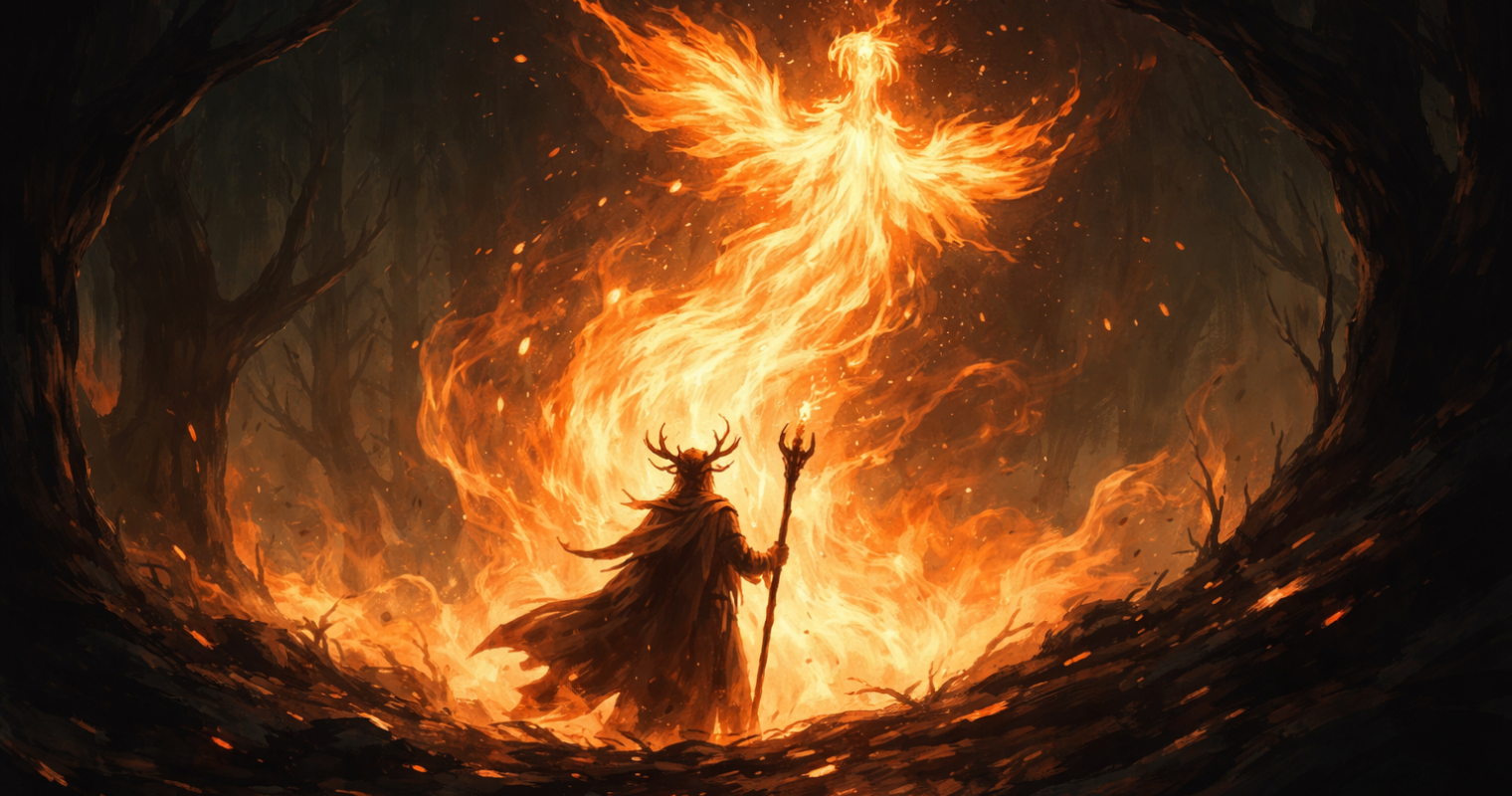
The Circle of Wildfire Druid in D&D 5e uses fire to represent both destruction and new life. Introduced in Tasha’s Cauldron of Everything, this subclass combines fire spells, healing, and a summoned Wildfire Spirit. It suits players who want to help allies, control positioning, and deal damage without relying on beast transformations.
Your spirit is more than an extra attacker. It can move companions out of danger, help you cast spells from safer positions, and turn a crowded battlefield into one you can manage. The challenge is knowing when to attack, heal, or use your spirit's teleportation.
2026 rules note: This guide covers the Wildfire subclass from Tasha’s Cauldron of Everything. Under the 2014 Druid rules, you choose it at level 2. The revised 2024/5.5e Druid chooses a subclass at level 3; ask your DM about using this older subclass with those rules. Its later features arrive at Druid levels 6, 10, and 14.
Why Play a Circle of Wildfire Druid?
Key Benefits
- Summon a Powerful Wildfire Spirit: Your companion attacks from a distance and teleports willing allies.
- Strong Fire and Healing Magic: Always-prepared spells help you deal damage and bring teammates back into the fight.
- Great Mobility and Positioning: Fiery Teleportation can move multiple nearby allies without provoking opportunity attacks from that teleportation.
- Flexible Support: You can switch between offense, healing, and battlefield control as the situation changes.
- Roleplay Potential: Play a forest guardian, keeper of sacred flames, or wanderer rebuilding a land damaged by fire.
Compared with a Circle of the Moon Druid, which emphasizes fighting in beast form, a Wildfire Druid spends more time spellcasting and managing a companion. You are not limited to fire damage, either. Standard Druid control spells remain an important part of your toolkit.
Core Features
Key Mechanics and Abilities
Circle Spells (Level 2 in the original subclass)
Your Wildfire spells are always prepared and do not count toward your normal number of prepared spells. The list expands as you gain Druid levels:
- Level 2: Burning Hands, Cure Wounds.
- Level 3: Flaming Sphere, Scorching Ray.
- Level 5: Plant Growth, Revivify.
- Level 7: Aura of Life, Fire Shield.
- Level 9: Flame Strike, Mass Cure Wounds.
Fireball is not on this subclass's spell list. Flame Strike becomes available later, while Plant Growth provides excellent control without requiring concentration.
Summon Wildfire Spirit (Level 2 in the original subclass)
- Use an action and expend one Wild Shape use to summon your spirit in an empty space you can see within 30 feet.
- Creatures other than you within 10 feet of its arrival make a Dexterity saving throw or take 2d6 fire damage. This can affect allies, so choose the arrival space carefully.
- The spirit has a 30-foot flying speed, lasts up to one hour, and takes its turn immediately after yours.
- It Dodges unless you spend a bonus action to command another action, such as Flame Seed or Fiery Teleportation.
- Fiery Teleportation moves the spirit and any willing creatures you choose within 5 feet of it up to 15 feet. Creatures left near its departure space may take 1d6 plus your proficiency bonus in fire damage.
Enhanced Bond (Level 6)
While your spirit is summoned, add 1d8 to one damage or healing roll of a spell you cast that deals fire damage or restores hit points. A spell with a range other than Self can also originate from your spirit's position. For example, you can deliver Cure Wounds through the spirit when it is near an injured ally.
Cauterizing Flames (Level 10)
When a Small or larger creature dies within 30 feet of you or your spirit, a spectral flame appears in its space for one minute. When a creature you can see enters that space, you may use your reaction to heal it or deal fire damage equal to 2d10 plus your Wisdom modifier. You can use this reaction a number of times equal to your proficiency bonus per long rest.
Blazing Revival (Level 14)
If you drop to 0 hit points and fall unconscious while your spirit is within 120 feet, you can cause the spirit to drop to 0 hit points instead. You regain half your hit points and stand up immediately. This rescue works once per long rest.
Suggested Ability Scores
- Primary: Wisdom: Improves your spell attacks, saving throw DC, and healing.
- Secondary: Constitution: Helps with hit points and concentration saving throws.
- Tertiary: Dexterity: Supports armor class and initiative.
Recommended Races
- Fire Genasi: Fire resistance and innate magic fit the theme.
- Eladrin Elf: Fey Step gives you another way to escape or reposition.
- Variant Human (2014 rules): An early feat can support your spellcasting.
- Owlin: Flight provides useful angles for spells and spirit placement.
Check which species and ability-score rules your table uses. In newer character creation rules, ability increases are not fixed to these species.
Playing as a Circle of Wildfire Druid
Role in a Party
- Damage Dealer: Use Scorching Ray or Flaming Sphere when the enemy is vulnerable to fire.
- Support and Healer: Keep Cure Wounds and Revivify ready for emergencies.
- Battlefield Controller: Combine Entangle, Plant Growth, and teleportation to protect allies.
Tips for New Players
- Protect your bonus action: Commanding the spirit competes with bonus-action spells and other abilities.
- Use teleportation to rescue allies: Move a surrounded teammate out of reach, provided they start within 5 feet of your spirit.
- Watch for fire resistance: Prepare non-fire options, especially when facing enemies that resist or ignore fire damage.
- Plan your reactions: At level 10, save Cauterizing Flames for a creature likely to enter the flame's space.
Beginner-Friendly Build Example: At level 3, aim for 16 Wisdom, 14 Constitution, and 14 Dexterity if your character creation rules allow it. Prepare Entangle for control and Healing Word for quick support. Summon your spirit when you expect a difficult encounter, then use Fiery Teleportation to help an ally retreat. Remember that the spirit requires your bonus action to attack or teleport.
Roleplay Suggestions
- The Fire Keeper: Protects a sacred flame that guides lost travelers.
- The Ashborn Wanderer: Helps ruined forests recover after disaster.
- The Spirit Pyromancer: Treats the Wildfire Spirit as an old friend rather than a weapon.
Gear and Dice Recommendations
Suggested Equipment
Weapons
- Quarterstaff: A practical backup weapon and fitting druid accessory.
- Dagger: Useful when you need a light, easily carried weapon.
Armor
- Studded Leather or Hide Armor: Solid starting options depending on proficiency, Dexterity, and your table's armor rules. A shield can also improve defense.
Magic Items
- Wand of Fireballs: Adds access to Fireball through a magic item when your DM makes one available.
- Ring of Fire Resistance: Helps against enemies that deal fire damage.
- Moon Sickle: A Druid-friendly focus that improves spellcasting and healing.
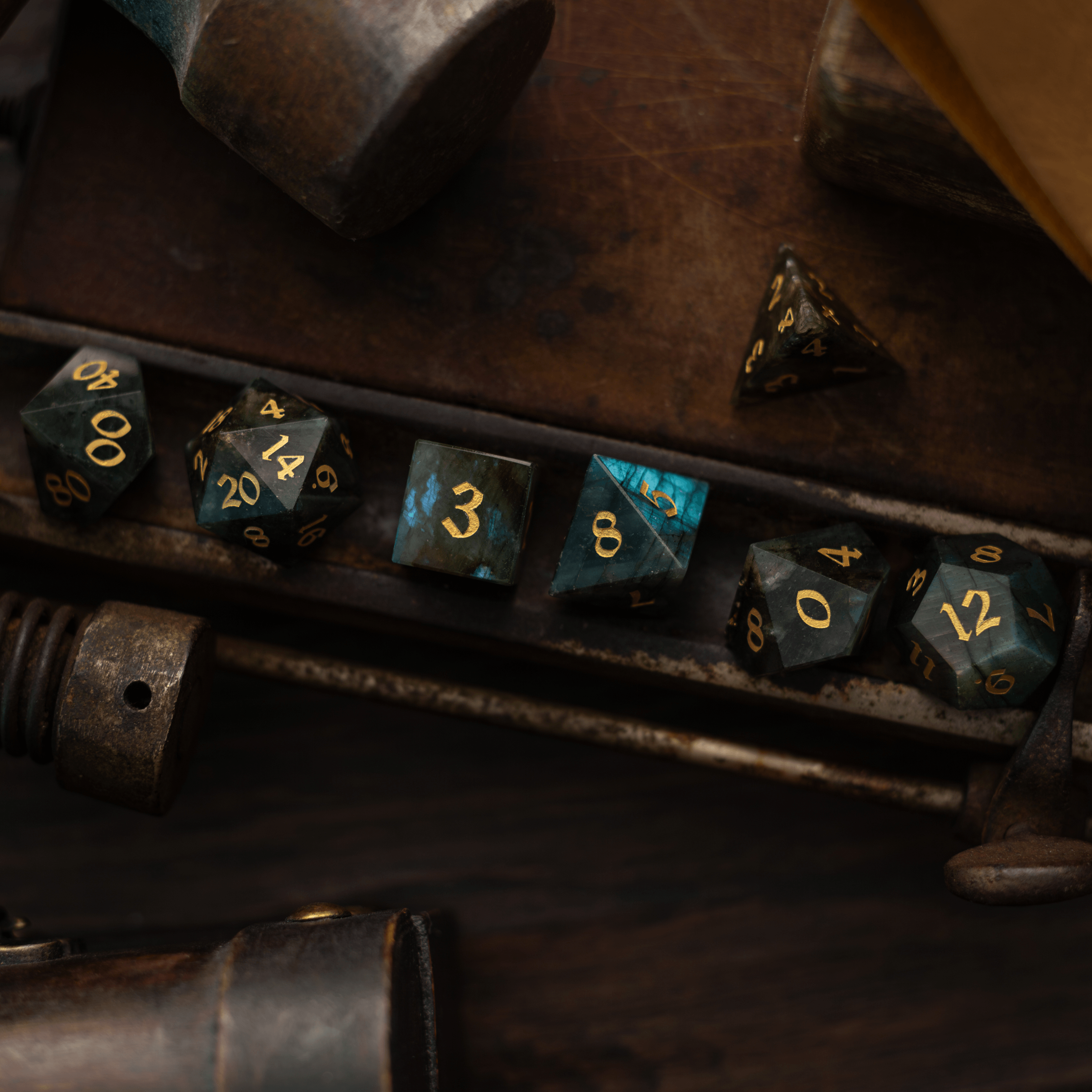
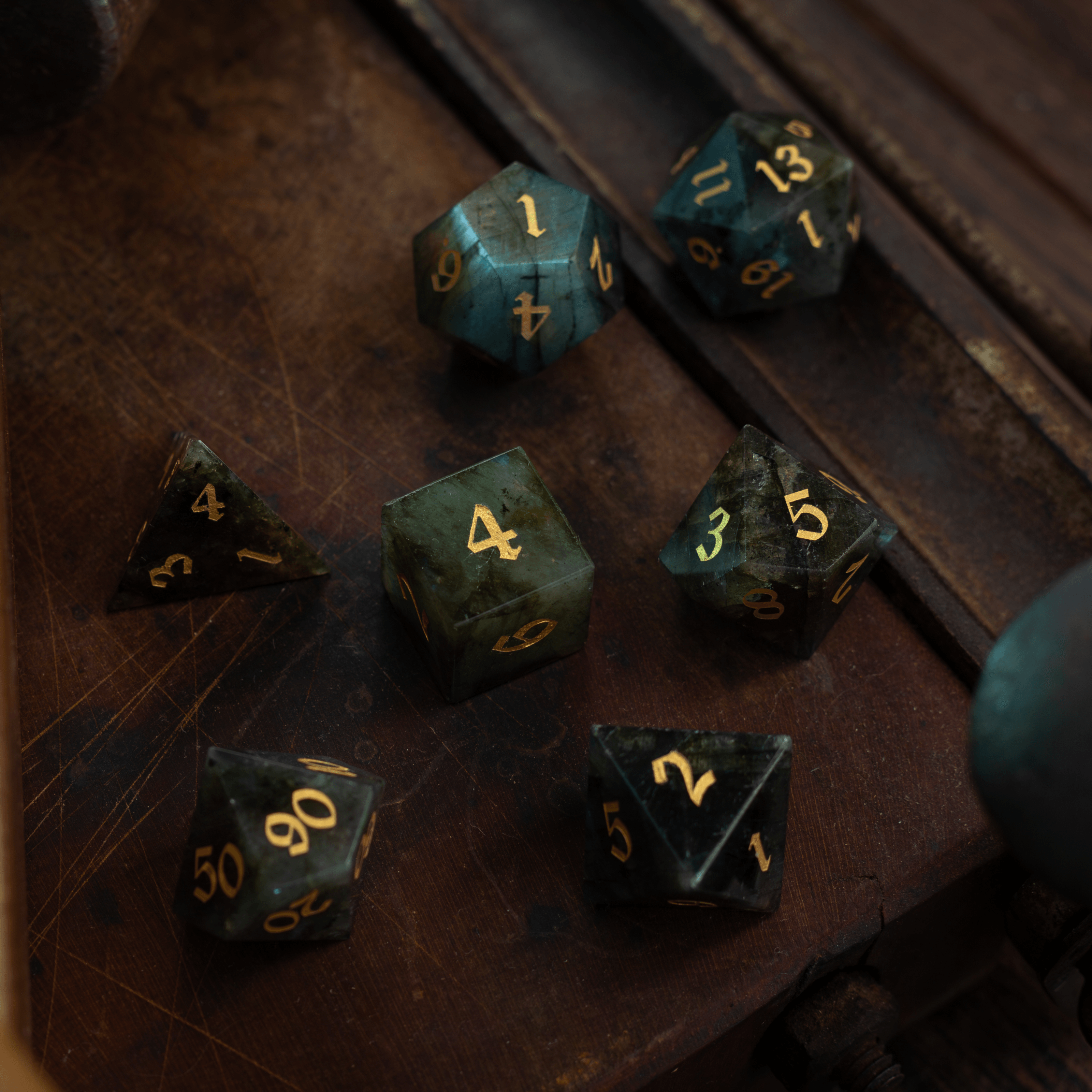
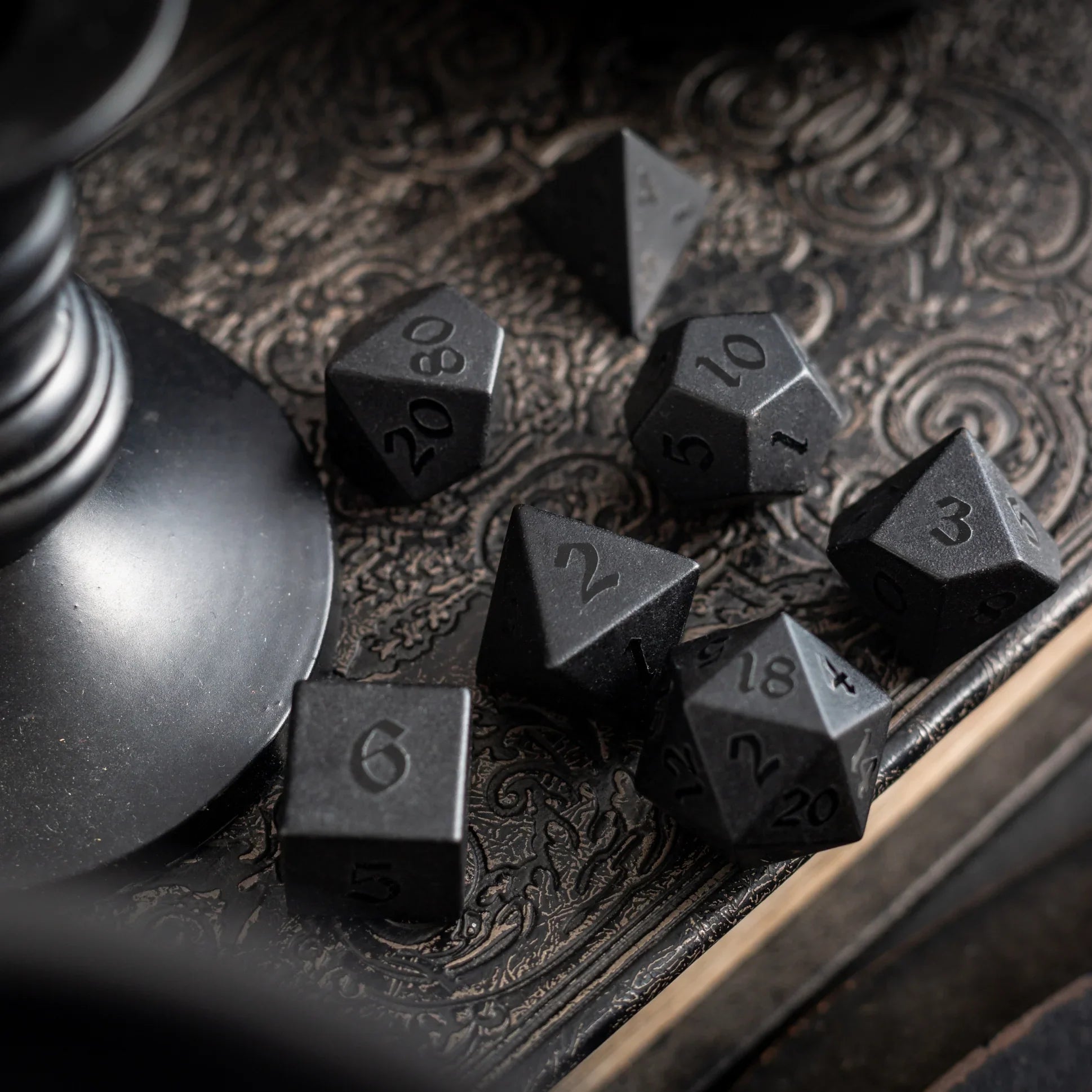
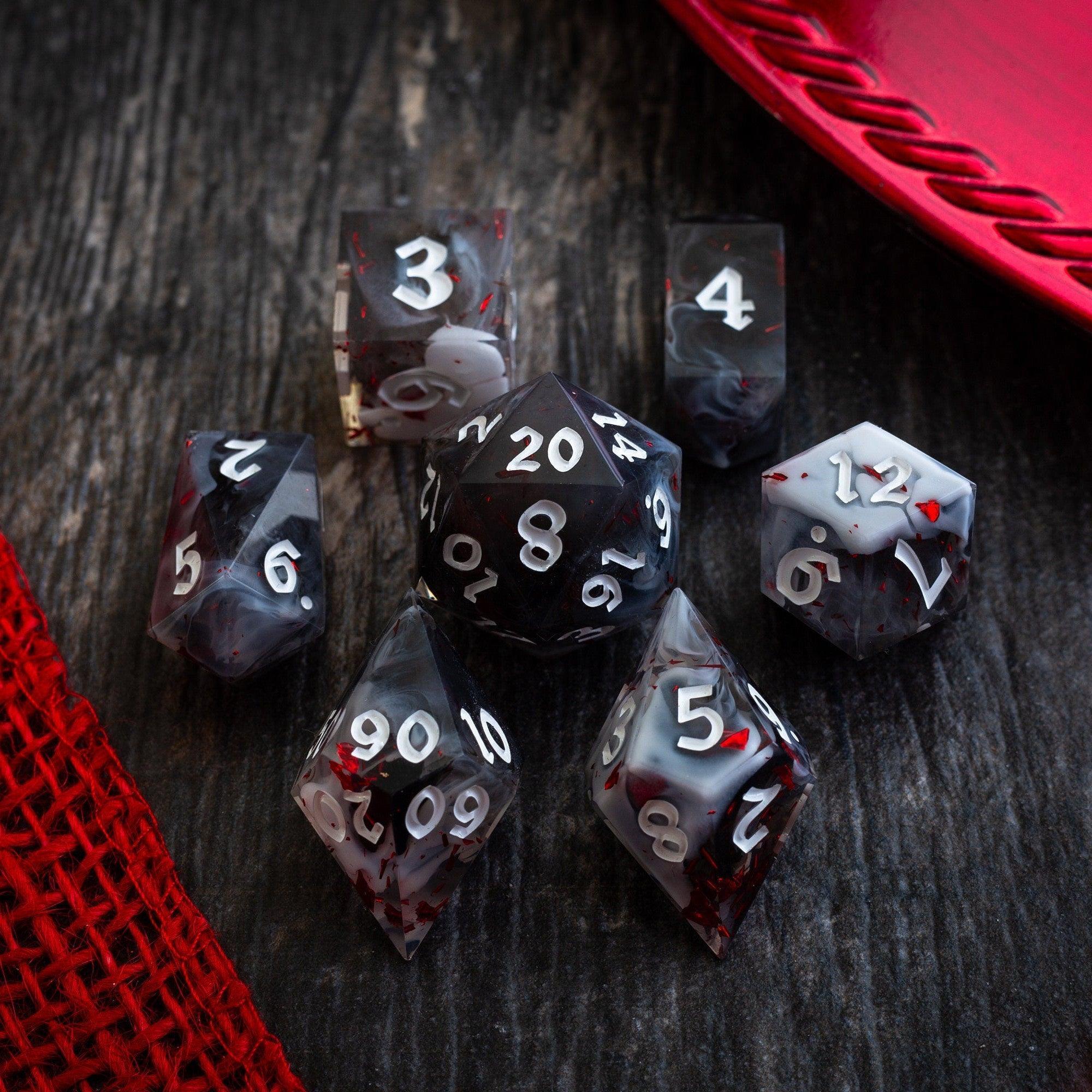
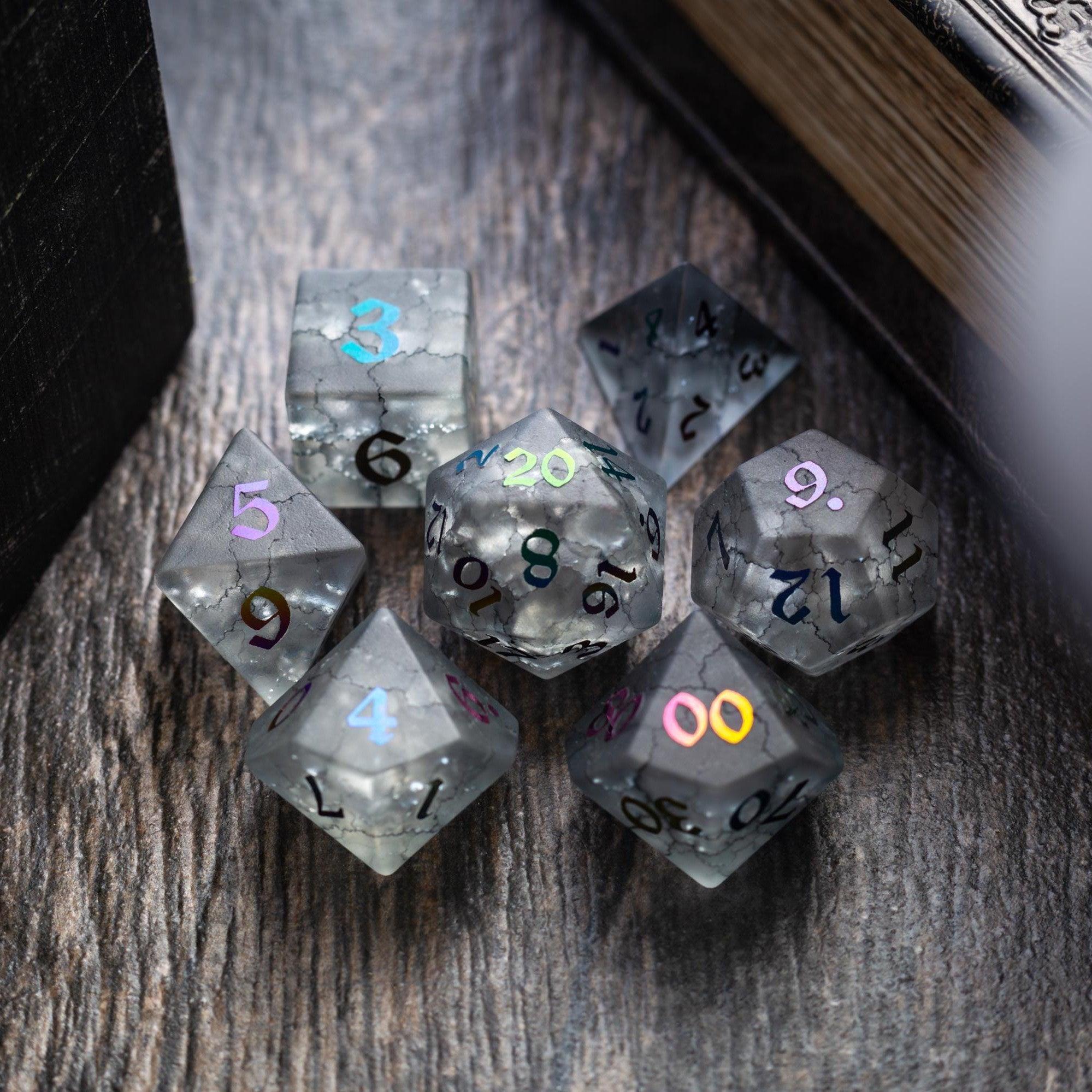
Dice Recommendations from Runic Dice
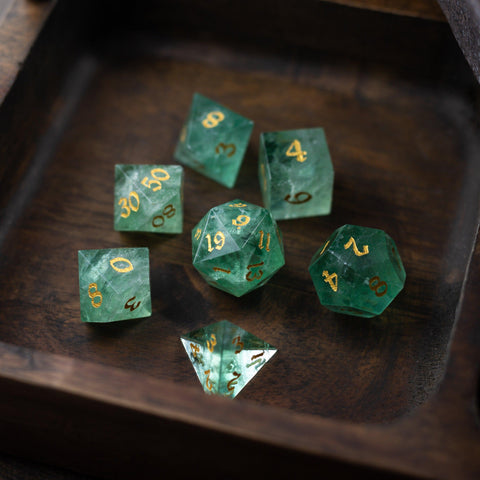
For a fire-wielding, spirit-calling character, these flame-themed dice sets match the Wildfire Druid's story:
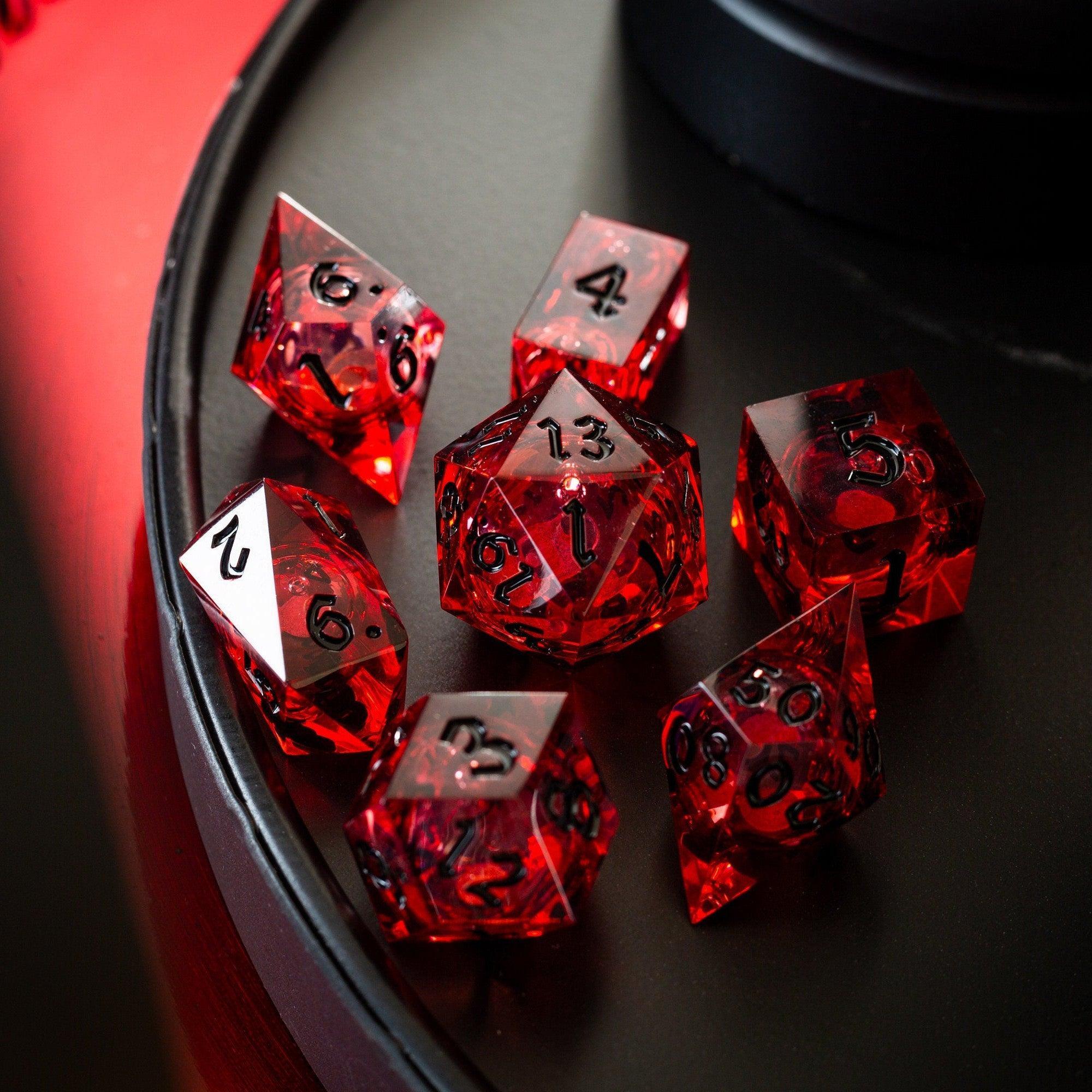
- Infernal Ember: For red and orange hues evoking the power of fire, consider the Blood Red Glitter Liquid Core Resin DND Dice Set. This set features deep red tones with a dynamic liquid core, capturing the essence of blazing embers.
- Phoenix Rebirth: To represent destruction and renewal with gold and crimson colors, the Red and Gold Glitter Liquid Core Resin DND Dice Set is an excellent choice. It showcases shimmering red and gold tones with a dynamic liquid core, symbolizing the fiery rebirth of a phoenix.
- Flamecaller's Wrath: For bright gold and red hues mimicking the flickering of fire, the Red and Gold Glitter Liquid Core Sharp Edge Resin DND Dice Set offers vibrant red and gold tones with a dynamic liquid core, embodying the wrath of summoned flames.
Advanced Tips and Tricks
Optimization Strategies
-
Feats:
- Elemental Adept (Fire): Helps your fire spells overcome resistance, but not immunity. Check your rules version for feat requirements.
- Resilient (Constitution): Improves your concentration saves.
- War Caster: Another strong option for keeping concentration while threatened.
-
Multiclassing:
- Sorcerer: Metamagic can offer options, but requires Charisma and delays Druid features.
- Wizard: Adds spell choices, but needs Intelligence and slows your Wildfire progression.
For most players, staying a single-class Druid is simpler and gets your stronger spirit features sooner. The Circle of Wildfire Druid works best when you view fire as one tool among several. Use your companion to create safe openings, keep healing available, and control where the fight happens. That balance of destruction and renewal is what makes this subclass memorable.













Leave a comment
This site is protected by hCaptcha and the hCaptcha Privacy Policy and Terms of Service apply.