


Oathbreaker Paladin Guide for Beginners: Mastering the Dark Paladin in D&D 5e

The Oathbreaker Paladin in Dungeons & Dragons is a fallen knight who abandons a sacred oath to pursue dark ambitions or serve an evil power. With frightening abilities, undead control, powerful melee attacks, and dark magic, this D&D 5e subclass offers a different approach to playing a traditional holy warrior.
The Oathbreaker is a strong choice for players who enjoy frontline combat, supernatural abilities, and morally complicated character stories. However, controlling undead and empowering dangerous creatures requires careful planning.
2026 rules note: The original Oathbreaker comes from the 2014 Dungeon Master's Guide, not the 2024 edition. It is a legacy, Dungeon Master-controlled subclass that requires permission to use. Under its original rules, a Paladin must be evil and at least level 3 to become an Oathbreaker.
Wizards of the Coast also introduced a revised Oathbreaker through its Unearthed Arcana subclass playtest in 2025. That version introduces different undead abilities and changes Aura of Hate. It should not be confused with finalized rules. This guide covers the original published Oathbreaker, with relevant updates for groups using the 2024 (5.5e) Paladin class.
Why Play an Oathbreaker Paladin?
Key Benefits
- Fear-based control: Dreadful Aspect can frighten multiple enemies and restrict their movement.
- Undead command: Control Undead allows you to turn suitable undead enemies into temporary servants.
- Strong melee damage: Aura of Hate increases your melee weapon damage rolls.
- Dark magic: Your subclass spells include Inflict Wounds, Animate Dead, and Blight.
- Character stories: Explore corruption, betrayal, ambition, revenge, or redemption.
Unlike a Devotion Paladin, an Oathbreaker relies on intimidation and dangerous supernatural powers. You retain normal Paladin abilities such as Lay on Hands, Divine Smite, and Aura of Protection, making you a capable frontline combatant despite your darker subclass.
Core Features
Key Mechanics and Abilities
Oathbreaker Spells (Levels 3, 5, 9, 13, and 17)
Oathbreaker spells are always prepared once you reach the required Paladin level. They do not count against your normal number of prepared spells, although casting them usually requires spell slots.
- Level 3: Hellish Rebuke, Inflict Wounds.
- Level 5: Crown of Madness, Darkness.
- Level 9: Animate Dead, Bestow Curse.
- Level 13: Blight, Confusion.
- Level 17: Contagion, Dominate Person.
Animate Dead creates or maintains undead servants without requiring Concentration. However, maintaining control requires additional castings. Darkness can obstruct enemy vision, but ordinary Darkvision cannot see through its magical darkness. Consider how it will affect your teammates before casting it.
Channel Divinity: Dreadful Aspect (Level 3)
Spend an action to frighten chosen creatures within 30 feet that can see you. Targets that fail a Wisdom saving throw become frightened for up to 1 minute. They can attempt another save at the end of a turn spent more than 30 feet away from you.
Frightened enemies cannot willingly move closer to you and suffer disadvantage on attack rolls and ability checks while they can see you.
Channel Divinity: Control Undead (Level 3)
Choose one visible undead creature within 30 feet. If it fails a Wisdom saving throw, it follows your commands for 24 hours unless you activate Control Undead again. Creatures with a challenge rating equal to or greater than your Paladin level are immune.
Aura of Hate (Level 7)
Your Charisma modifier becomes a bonus to melee weapon damage for you and nearby undead or fiends, with a minimum bonus of +1. The aura reaches 10 feet initially and expands to 30 feet at level 18.
Important: Hostile undead and fiends can also benefit from this feature. It does not increase ranged weapon damage or melee spell damage, and its bonus cannot stack with another Oathbreaker's Aura of Hate.
Supernatural Resistance (Level 15)
You gain resistance to bludgeoning, piercing, and slashing damage from nonmagical weapons, reducing eligible damage by half. Magical weapons and other damage types can bypass this protection.
Dread Lord (Level 20)
Activate a 30-foot aura of gloom that lasts for 1 minute. Bright light becomes dim, and enemies frightened by you suffer 4d10 psychic damage when they begin their turns inside it. You and selected creatures within the aura gain protection through shadows, imposing disadvantage on attacks from creatures that rely on sight.
You can also spend a bonus action to make a melee spell attack against a creature inside the aura, dealing 3d10 necrotic damage plus your Charisma modifier on a hit. Dread Lord recharges after a long rest.
Suggested Ability Scores
- Strength: Supports melee weapon attacks and heavy armor requirements.
- Charisma: Improves spellcasting, Channel Divinity, Aura of Protection, and Aura of Hate.
- Constitution: Increases hit points and helps maintain Concentration.
A practical starting build has Strength 16, Charisma 16, and Constitution 14. Under the updated character creation rules, backgrounds normally determine ability score increases rather than species.
Recommended Species
- Tiefling: Fiendish ancestry and magical abilities suit a dark knight.
- Aasimar: Necrotic Shroud complements a fallen celestial warrior.
- Dhampir: Vampiric abilities fit an undead-themed Paladin. An updated version appears in the 2026 book Ravenloft: The Horrors Within.
- Half-Orc: A durable legacy species with useful melee combat traits.
Playing as an Oathbreaker Paladin
Role in a Party
Position yourself near the frontline, disrupt enemies with fear, and protect teammates through Aura of Protection. Coordinate with your party before creating undead servants, particularly in campaigns where necromancy has social or religious consequences.
Against hostile undead that benefit from Aura of Hate, pay attention to positioning and prioritize eliminating dangerous melee opponents.
Beginner-Friendly Build Example
- Species: Tiefling.
- Background: Noble (2024 rules).
- Primary abilities: Strength and Charisma.
- Fighting Style: Defense.
- Weapon: Longsword and shield.
- Level 4 improvement: Increase Charisma to 18.
At level 7, this build gains a +4 bonus to eligible melee weapon damage rolls from Aura of Hate. With Extra Attack, landing both attacks provides 8 additional damage from the aura alone.
Open crowded encounters with Dreadful Aspect, then attack vulnerable enemies on subsequent turns. Save Divine Smite for important targets and critical hits.
Under the official updated Paladin rules, Spellcasting and Weapon Mastery begin at level 1. Divine Smite becomes a bonus-action spell at level 2. Channel Divinity provides two uses at level 3 and three at level 11, recovering one use after a short rest and all uses after a long rest.
Gear and Dice Recommendations
Suggested Equipment
- Greatsword: A two-handed choice for strong weapon damage.
- Flail and shield: A defensive setup with a suitable dark-knight look.
- Plate armor: Provides a base Armor Class of 18.
- Cloak of Displacement: A magic item that helps enemies miss you, subject to your DM's treasure choices.
- Blackrazor: A powerful sentient magic weapon suited to a dark story, but not a routine starting item.
Dice Recommendations from Runic Dice
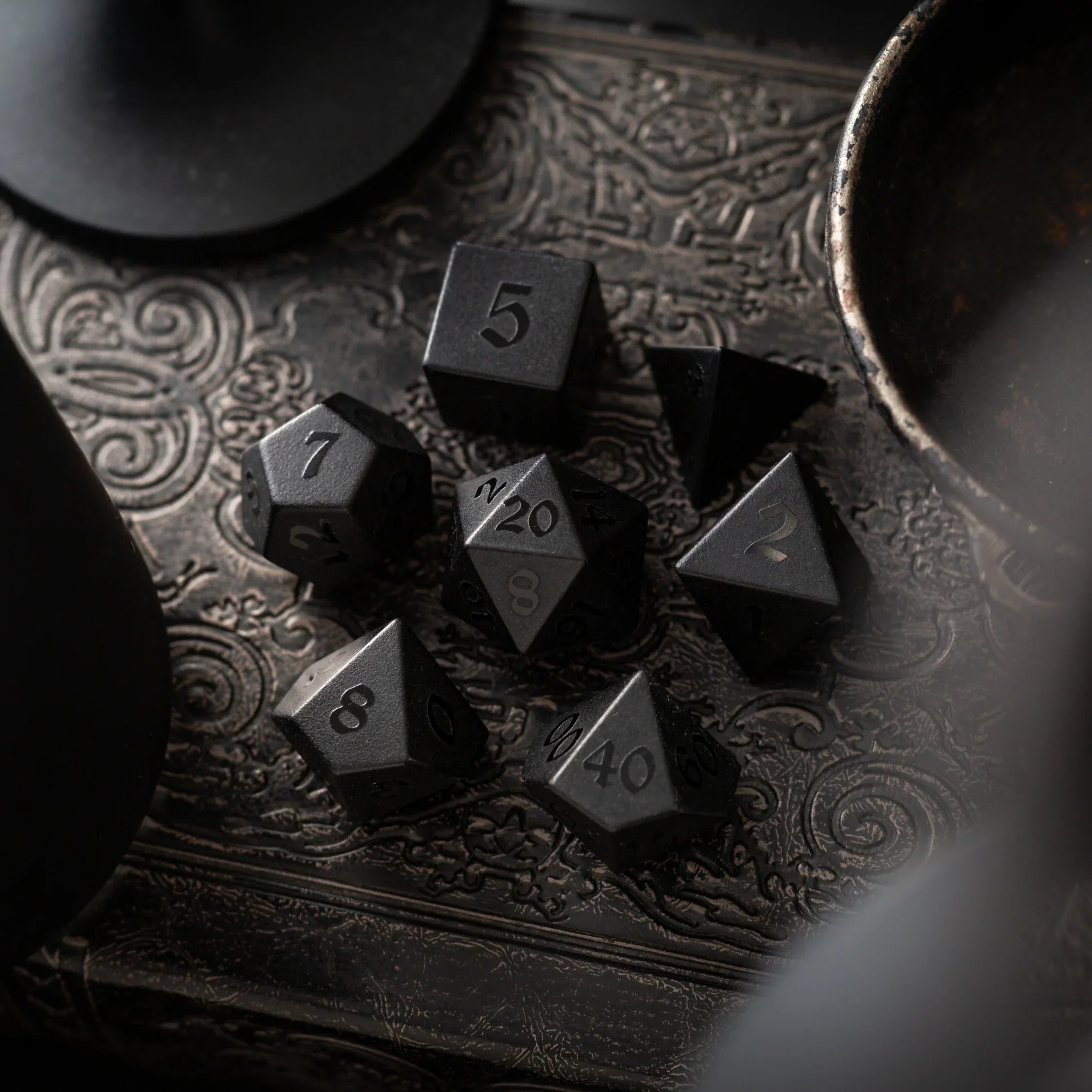
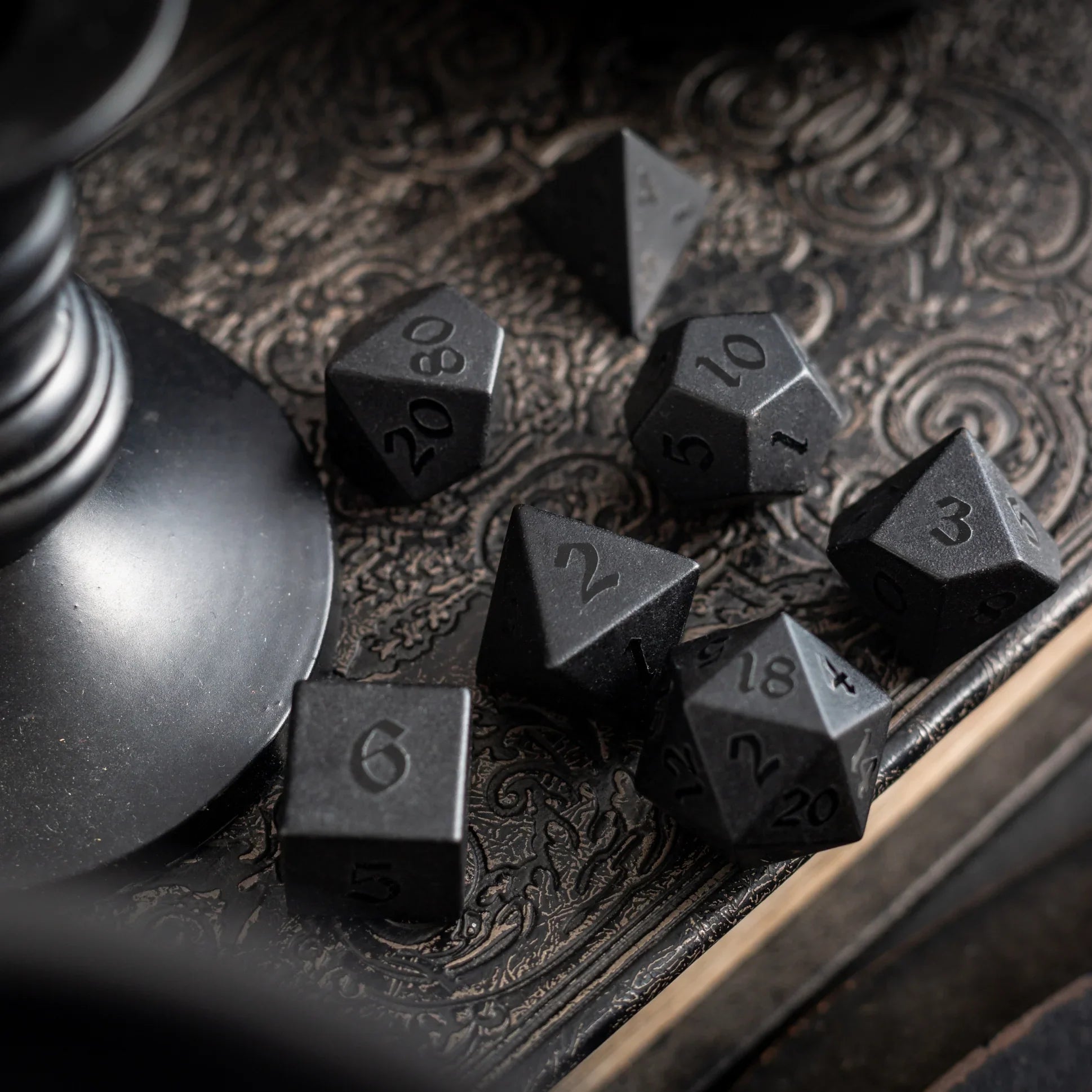
A Dark Paladin draws strength from shadow, corruption, and forbidden power. A themed DND dice set can suit your character's story, whether you are rolling weapon attacks, saving throws, or a decisive smite.
- Shadowfell Knight Dice Set: For a black and purple combination perfect for a dark Paladin, consider the Purple Gemstone Amethyst DND Dice Set. Handcrafted from genuine amethyst, these dice showcase deep purple hues, capturing the enigmatic essence of the Shadowfell.
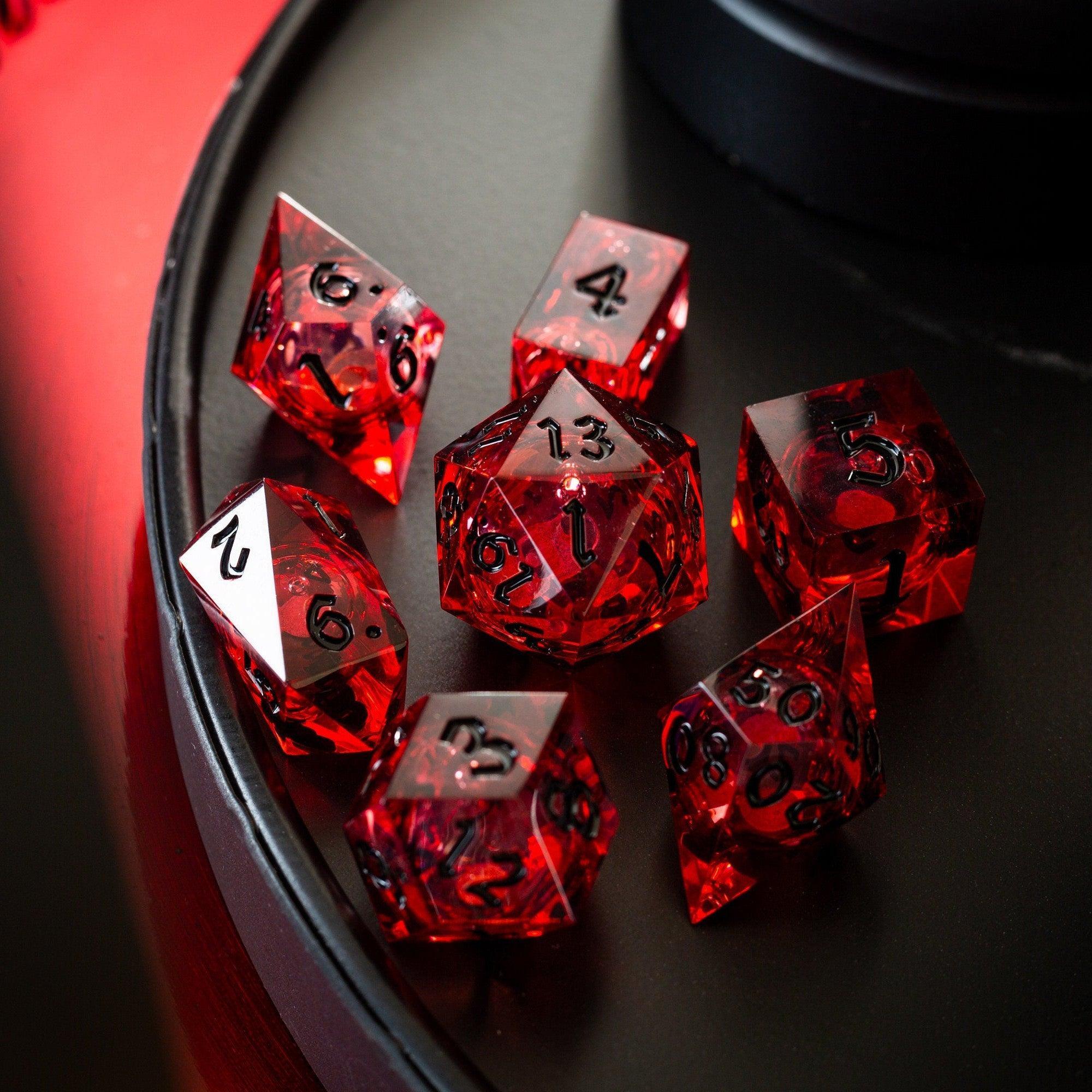
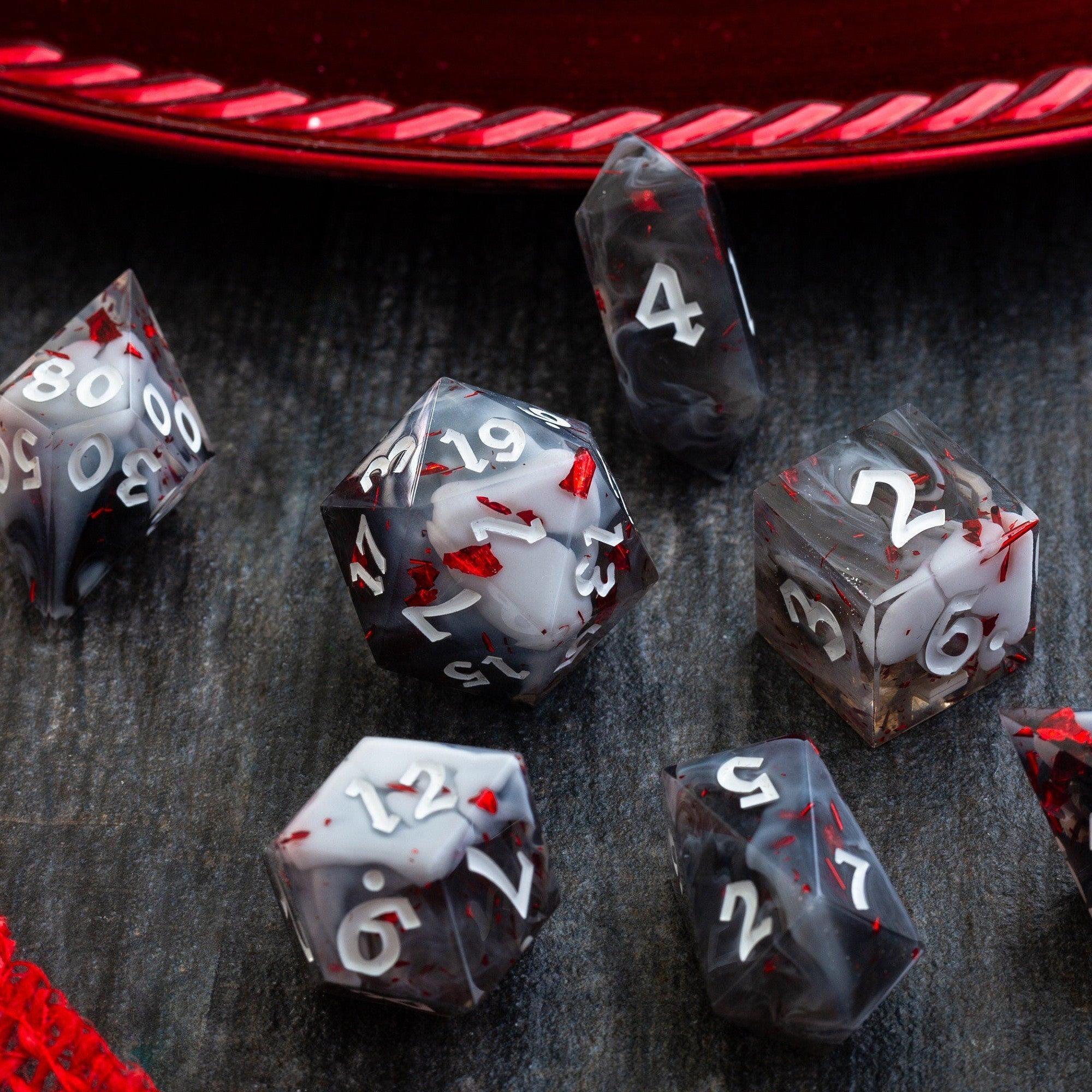
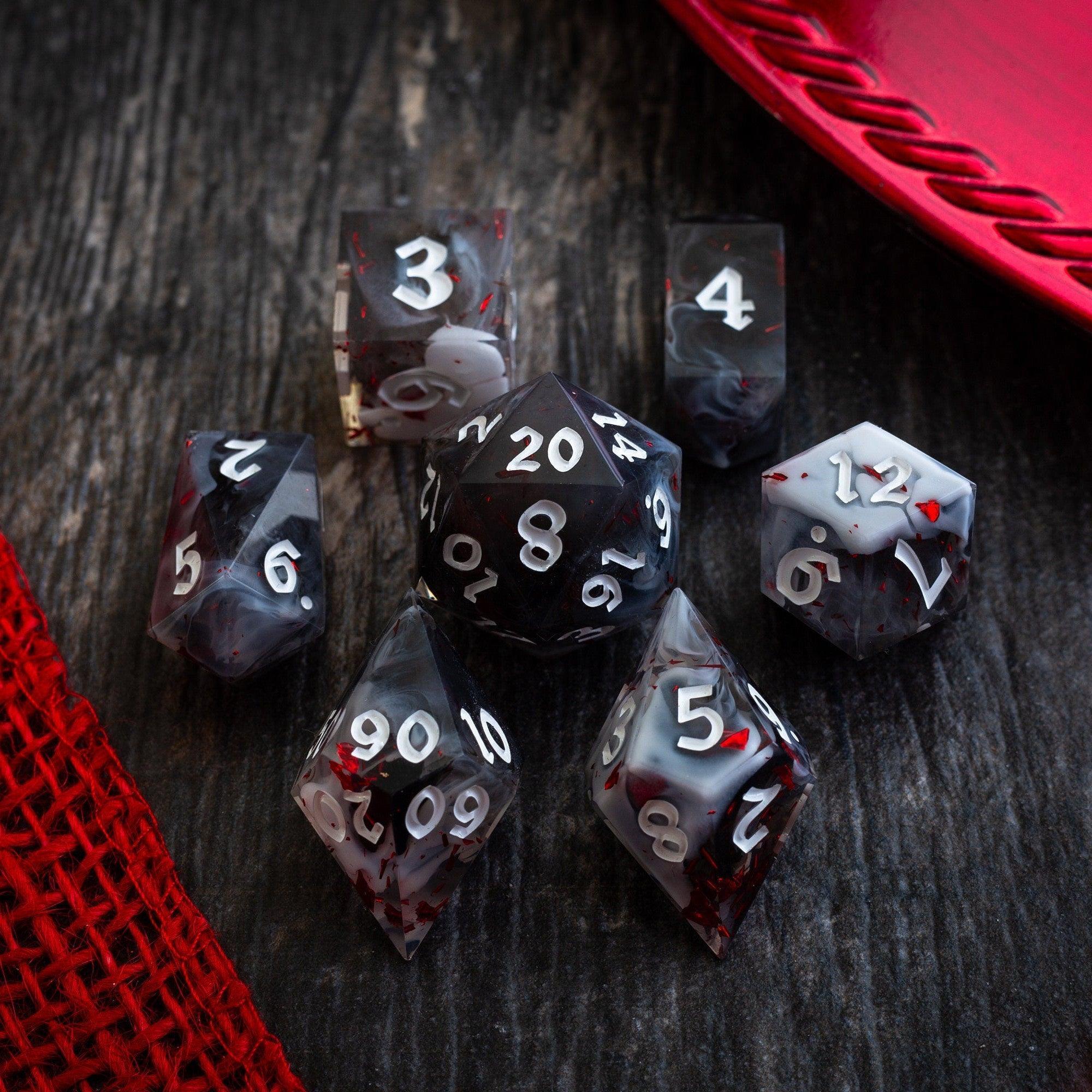
- Bloodstained Oath Dice Set: To embody a fallen warrior with crimson and silver tones, the Smoke and Blood Resin DND Dice Set is an excellent choice. This set features a blend of smoky black and deep red colors, reflecting the journey of a bloodstained oath.
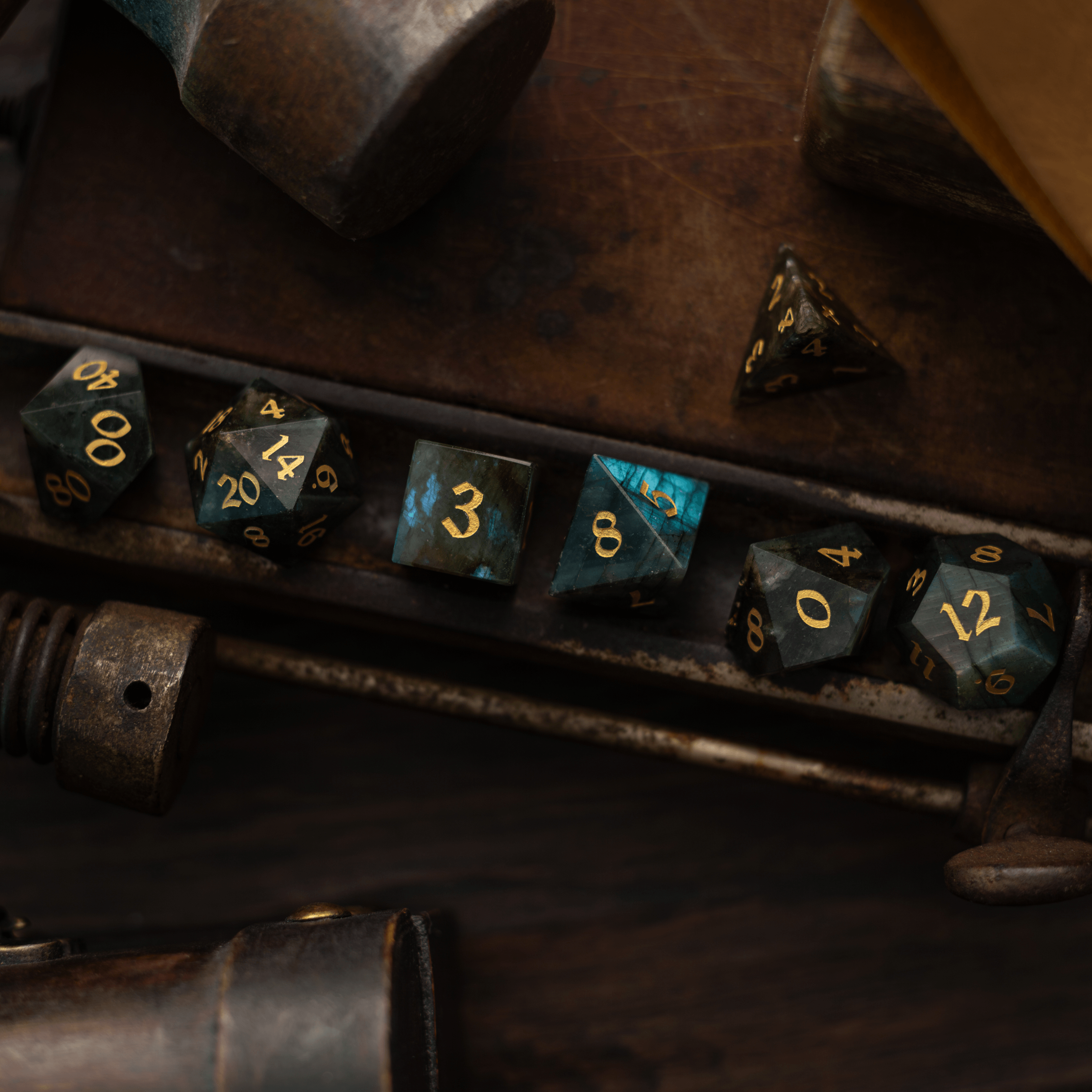
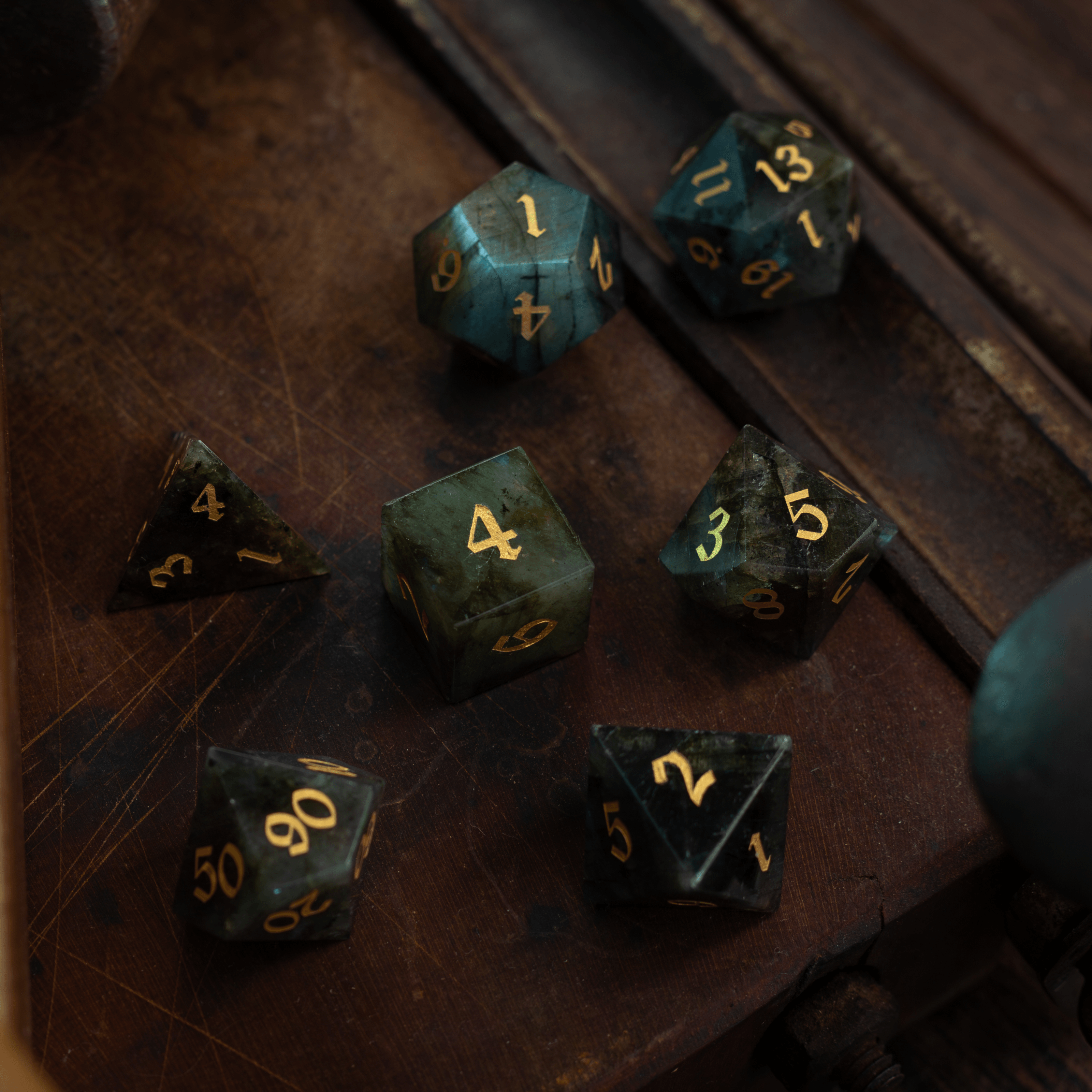
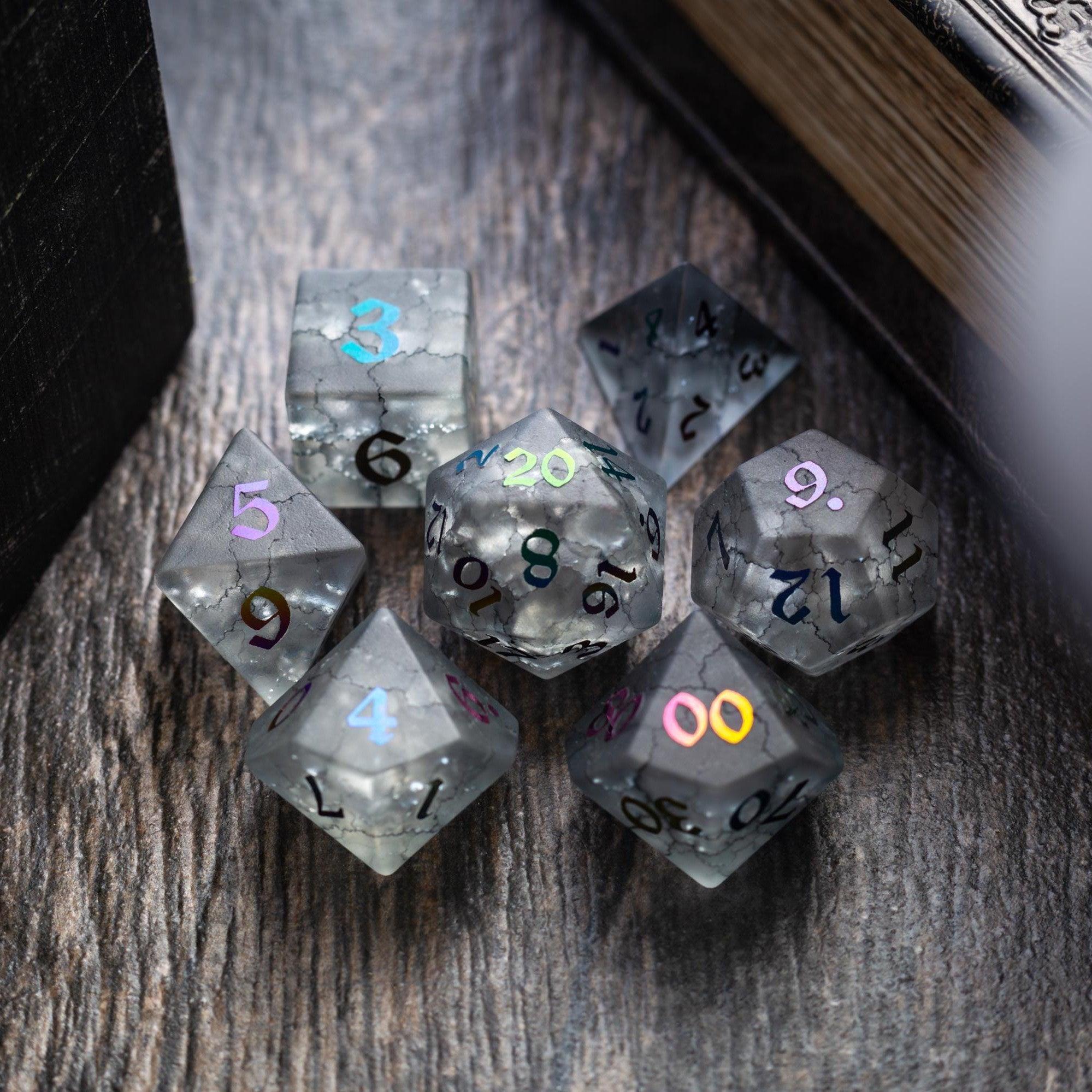
- Necrotic Fury Dice Set: For glowing green and black colors symbolizing undead power, the Green Fluorite Gemstone (Chlorophane) DND Dice Set offers translucent green tones with natural variations, evoking eerie necrotic energy.
Whether you favor gemstone dice or liquid core resin dice, choose a set with numbers you can read comfortably at the table.
Advanced Tips and Tricks
Optimization Strategies
Best Feats for an Oathbreaker Paladin
- Great Weapon Master: Supports heavy-weapon damage builds.
- Sentinel: Helps restrict enemy movement and protect nearby allies.
- Tough: Provides additional hit points for frontline combat.
- Polearm Master: Offers additional attack opportunities with eligible weapons.
- War Caster: Helps maintain Concentration on spells such as Darkness and Bless.
Best Multiclass Options
- Paladin / Warlock: Pact of the Blade under updated rules supports Charisma-based weapon attacks.
- Paladin / Necromancer Wizard: Expands undead magic but requires additional investment in Intelligence.
- Paladin / Sorcerer: Provides additional spellcasting options and Metamagic.
Consider reaching Paladin level 7 before multiclassing to secure Extra Attack, Aura of Protection, and Aura of Hate.
Does breaking an oath automatically make you an Oathbreaker?
No. Breaking a sacred oath does not automatically change your subclass. Depending on the circumstances, your DM may allow repentance, a different subclass, or an Oathbreaker transformation.
Can an Oathbreaker become good again?
Yes, through a redemption story agreed upon with your DM. However, remaining an Oathbreaker after becoming good would require permission to depart from the original alignment requirement.
The Oathbreaker Paladin works best when its dark abilities support an interesting character story without disrupting the party. With strong Charisma, reliable melee attacks, and careful use of undead magic, this subclass offers a rewarding combination of combat power, battlefield control, and roleplaying opportunities.










Leave a comment
This site is protected by hCaptcha and the hCaptcha Privacy Policy and Terms of Service apply.