

Mastering the D&D 5e Ruleset A Practical Guide for New GMs
Updated: Updated on: 2026-01-01
- Key Benefits of the D&D 5e ruleset
- Step-by-Step Guide to Starting with Fifth Edition
- Frequently Asked Questions
- Summary
- About the Author
Tabletop roleplaying can feel wonderfully inviting when rules are explained with kindness and care. This article offers an approachable walkthrough of the fifth edition core rules, highlighting only what you need to begin. You will find calm, practical steps that help you build a character, learn the basics, and enjoy your first game. Along the way, it may be comforting to select table tools that feel good in your hands and support your sense of flow. If you would like to browse thoughtfully crafted dice, you are welcome to explore Shop all dice as you prepare for your next session.
Key Benefits of the D&D 5e ruleset
- Gentle learning curve: The core mechanics favor simple rolls and clear outcomes, which helps new players ease in without feeling overwhelmed.
- Flexible character options: Classes, backgrounds, and feats allow gradual customization so you can express personality without tracking too many details at once.
- Balanced spotlight: The system offers meaningful roles for martial and magical characters alike, encouraging shared moments and collaborative problem-solving.
- Supportive rulings: Dungeon Masters can make fair calls with advantage/disadvantage, helping the story move while reducing rule lookups.
- Strong narrative focus: The framework supports character-driven scenes and improvisation, so your group can prioritize story beats over dense calculations.
- Widely understood: Because many players recognize fifth edition conventions, it is often easier to find a group and receive helpful guidance.
Step-by-Step Guide to Starting with Fifth Edition
Step 1: Set a Shared Table Intention
Before dice hit the table, it may help to discuss your group’s hopes. Consider tone, pacing, and comfort preferences. Would you like cozy mysteries, bright heroism, or gentle exploration? A short conversation can align expectations and reduce pressure for everyone. You might also agree on a beginner-friendly scope: a small town, a simple quest, and a few friendly NPCs. With a shared intention, the Game Master can introduce rules as needed. This light scaffolding keeps the first session open and welcoming.
Step 2: Create a Character with Care
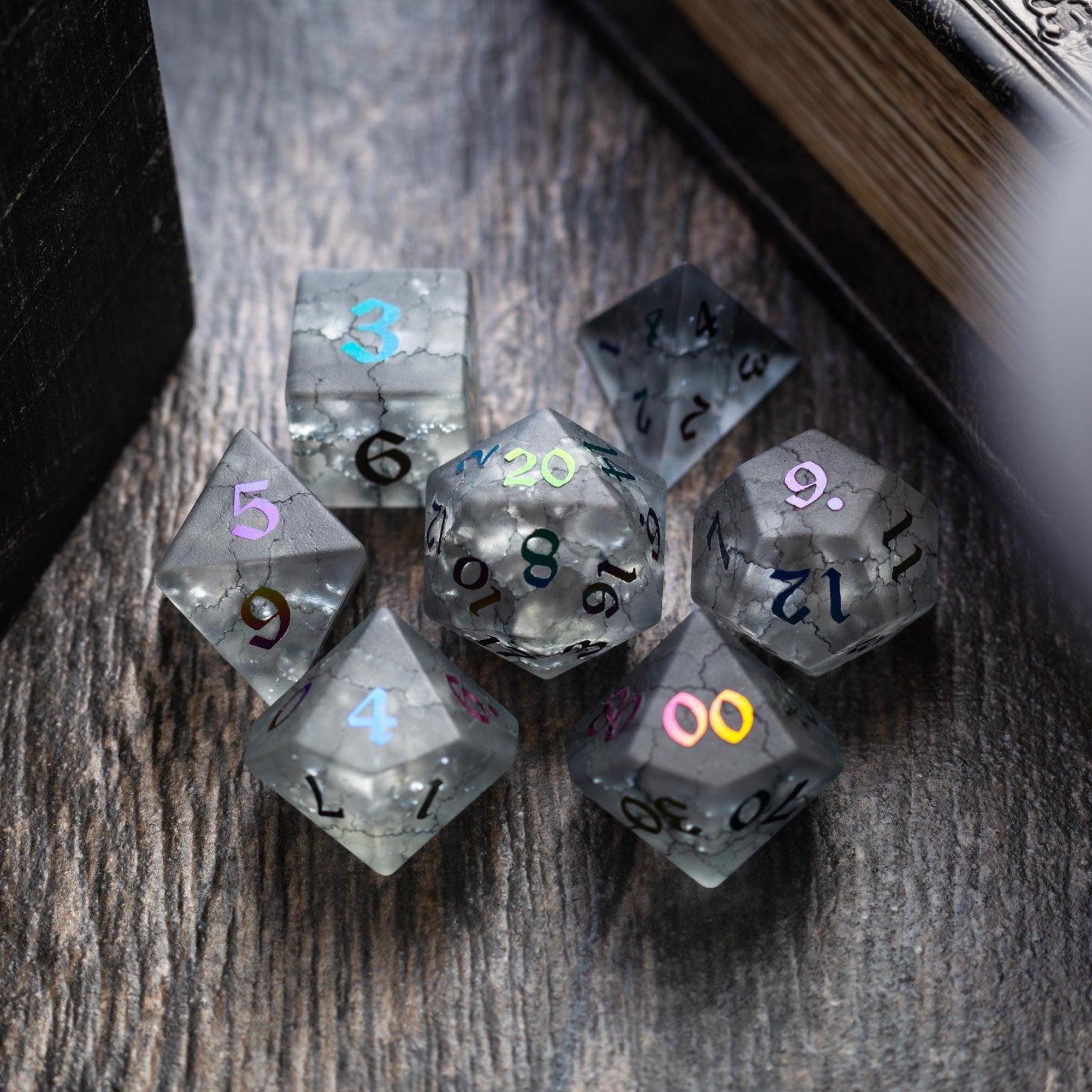
Character creation can be soothing when approached in small steps. Choose a class that excites you, then select a background that grounds the character in the world. If ability scores feel daunting, consider the standard array or point buy to keep choices simple. Many players pick one defining trait and one goal to get started; more depth can come naturally as play unfolds. A dedicated set of dice can also make the process feel special. If you enjoy a refined look and clear readability, the amethyst set may suit character-building moments and bring a little ritual to the table.
Step 3: Learn the Core Mechanics by Playing
The most helpful rules often surface during play. Advantage and disadvantage, proficiency bonuses, and ability checks cover a large portion of the system. When uncertain, you can roll, add a relevant modifier, and let the story move forward. Combat can stay simple at low levels: try an attack, cast a basic spell, or take the Dodge action if you are unsure. The Game Master may keep conditions and edge cases light at first. This gentle approach eases anxiety and invites questions without disrupting the flow of the scene.
Step 4: Choose Dice and Tools You Enjoy
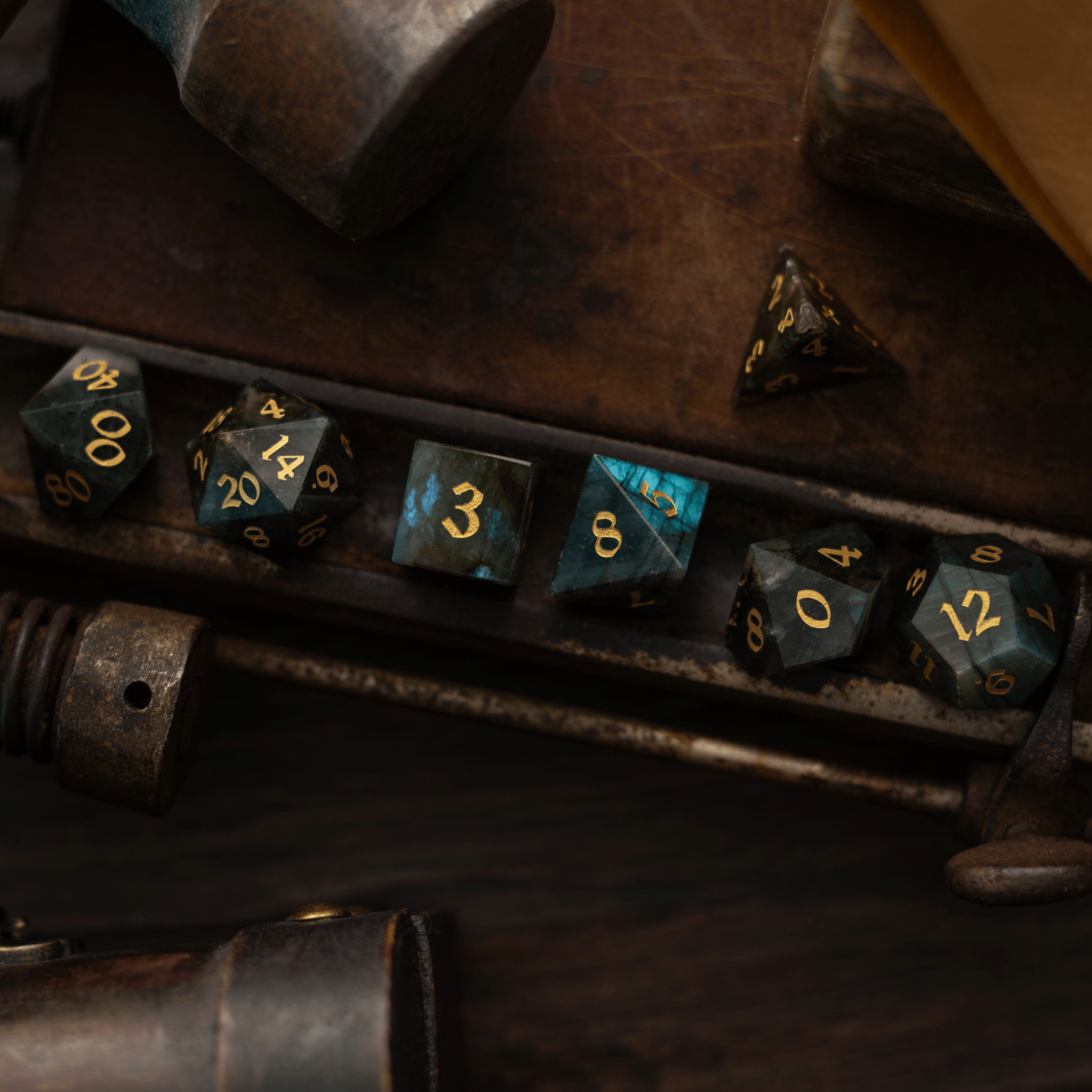
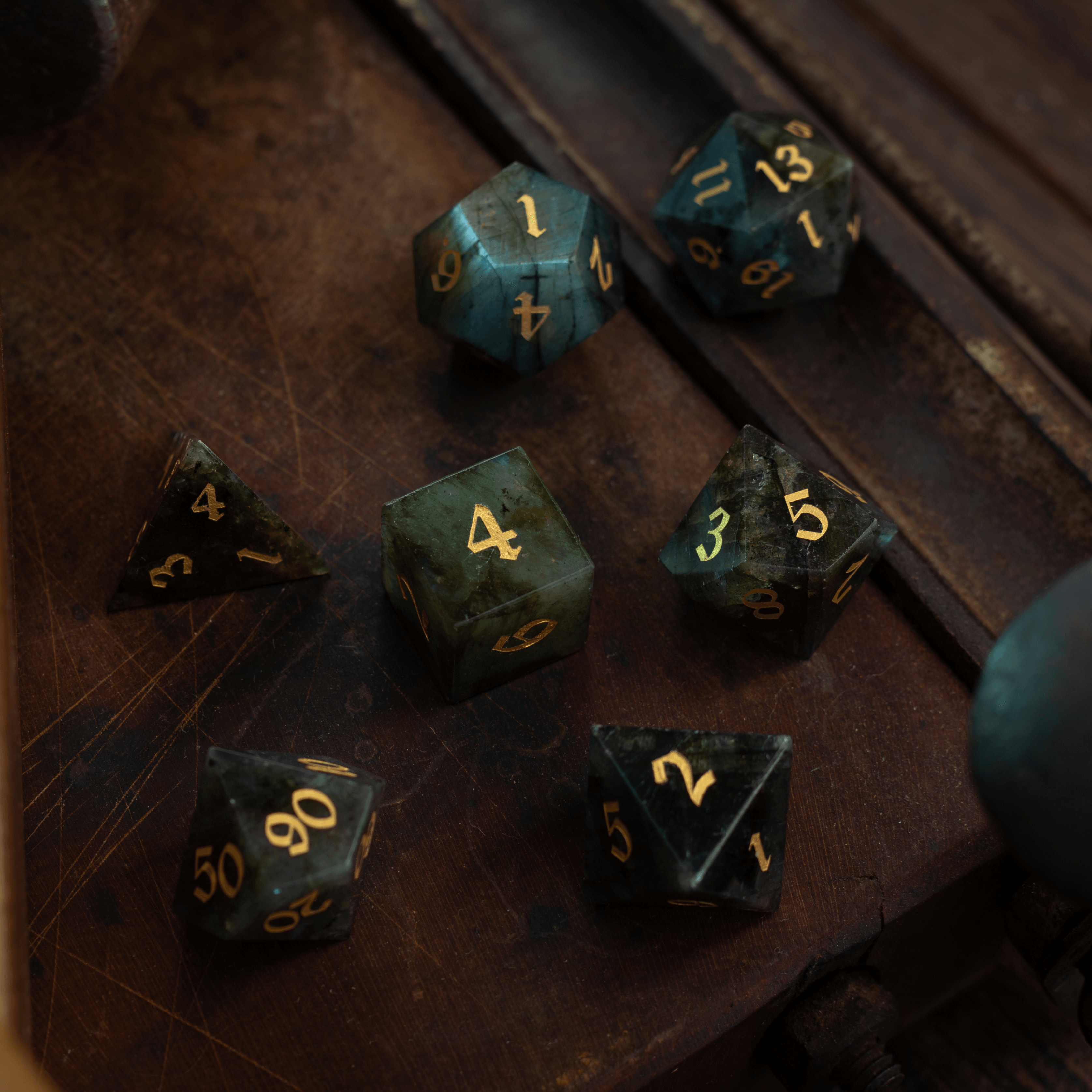
Comfortable tools can reduce cognitive load. Consider a small rules reference, a concise character sheet, and dice that are easy to read. Some players prefer a tactile, premium feel, while others enjoy mesmerizing motion at the table. If you love natural materials, you might appreciate browsing gemstone dice. If lively movement brings you joy during rolls, you could explore liquid-core dice for a playful centerpiece that invites conversation without adding complexity.
Step 5: Keep Sessions Smooth and Friendly
It may help to start with short sessions so everyone can learn at a comfortable pace. Gentle reminders, brief recaps, and transparent rulings all contribute to a relaxing atmosphere. Encourage supportive table etiquette: rolling in the open, asking for clarifications, and celebrating small wins. When disagreements arise, consider a quick pause to restate goals and revisit the shared intention from Step 1. A respectful tone keeps tension low and ensures that everyone’s voice remains welcome as rules confidence grows.
Frequently Asked Questions
What books or references are helpful for beginners?
Many groups begin with the core rules or a simple starter document provided by the Game Master. Quick reference sheets and short class overviews often reduce the need for heavy reading. During play, a concise spell list or a small rules summary can be reassuring. If someone at the table enjoys teaching, their guidance often replaces long study sessions. You can add more material over time as curiosity grows.
How complex is fifth edition for new players?
The system aims for clarity in common situations. Most checks use a single roll plus a modifier, and the advantage/disadvantage mechanic often replaces layered modifiers. While there are optional rules and deeper subsystems, you do not need them to begin. Many groups start with just ability checks, saving throws, and straightforward combat turns, then expand gently as comfort increases.
Can I enjoy one-shots before a full campaign?
Yes, many players find one-shots to be a pleasantly low-pressure way to learn. A short adventure introduces the flow of scenes, basic combat, and skill checks without a long commitment. If your group likes the rhythm, you can link a few one-shots into a mini-arc and transition to a longer story later. This approach lets everyone refine preferences and table logistics at a relaxed pace.
Summary
With a small set of essentials, you can enjoy a relaxed first session and deepen your knowledge as needed. Start with a shared intention, build a simple character, and learn the core checks and actions through play. Thoughtful tools—such as a clear sheet and comfortable dice—can reduce friction while adding a touch of delight. If you are gathering supplies, you may wish to browse Shop all dice for options that match your style. This supportive approach helps you absorb the D&D 5e ruleset at a gentle tempo while keeping the table focused on fun and collaboration.
About the Author
Runic Dice celebrates the joy of tabletop roleplaying with thoughtfully crafted dice and a friendly approach to play. Our editorial team focuses on calm, clear guidance that welcomes newcomers and supports experienced players seeking smoother sessions. Whether you prefer elegant gemstone sets or playful, eye-catching designs, we aim to help you find tools that feel good in your hands and complement your table’s style.















Leave a comment
This site is protected by hCaptcha and the hCaptcha Privacy Policy and Terms of Service apply.