

From Concept to Hero Build Your DND Character Forever
Updated: Updated on: 2026-01-01
- Why a D&D character builder makes creation easy
- Step-by-step: From idea to character sheet
- Step 1: Define your concept and role
- Step 2: Choose lineage and background
- Step 3: Pick a class and set ability scores
- Step 4: Select skills, spells, and gear
- Step 5: Add personality, notes, and export
- FAQ
- Should I start with a story or stats?
- Point buy or rolling: which is better?
- Can I change my subclass later?
- How do I keep my build unique?
- Summary
- About the Author
Let’s be honest: building a new hero can feel like juggling charts, feats, and spell lists while trying to keep a cool story in mind. Modern character creation tools take the heavy lifting off your plate so you can focus on the fun parts—your concept, your party role, and your table vibes. Whether you’re crafting a brooding guardian, a sunny support caster, or a reckless treasure hunter, a good sheet builder helps you make smart choices without analysis paralysis. In this guide, I’ll walk you through the benefits, a clean, repeatable workflow, and practical tips that keep your creativity flowing. I’ll also suggest a few dice options that match different character themes, so your rolls feel as inspired as your backstory.
Why a D&D character builder makes creation easy
- Clarity at a glance: see proficiencies, saves, and bonuses update as you choose options.
- Rules baked in: avoid misreads and mismatched features with automatic validations.
- Faster choices: filter spells, feats, and equipment by class, level, or role.
- Consistency across levels: lock a theme early and level up without rework.
- One-click exports: print-ready PDFs and digital sheets keep your game night smooth.
- Fewer distractions: guided steps stop rabbit holes and keep momentum strong.
Step-by-step: From idea to character sheet
Step 1: Define your concept and role
Start with a short concept sentence: who your hero is, what they want, and how they fight or support. For example, “Streetwise scout who protects misfits and hates bullies” or “Cheerful scholar turned storm-wielder.” Then name a party role—frontline, striker, controller, or support. This gives every later choice a north star. If you enjoy tactile cues for inspiration, pick a color, texture, or motif for your kit: cold steel, earthy stone, nebula sparkles—anything that captures the mood. With a clear vibe and role, you’ll breeze through options without second-guessing. Keep this note at the top of your sheet so you can compare every pick against it: does this choice serve the concept and the party?
Step 2: Choose lineage and background
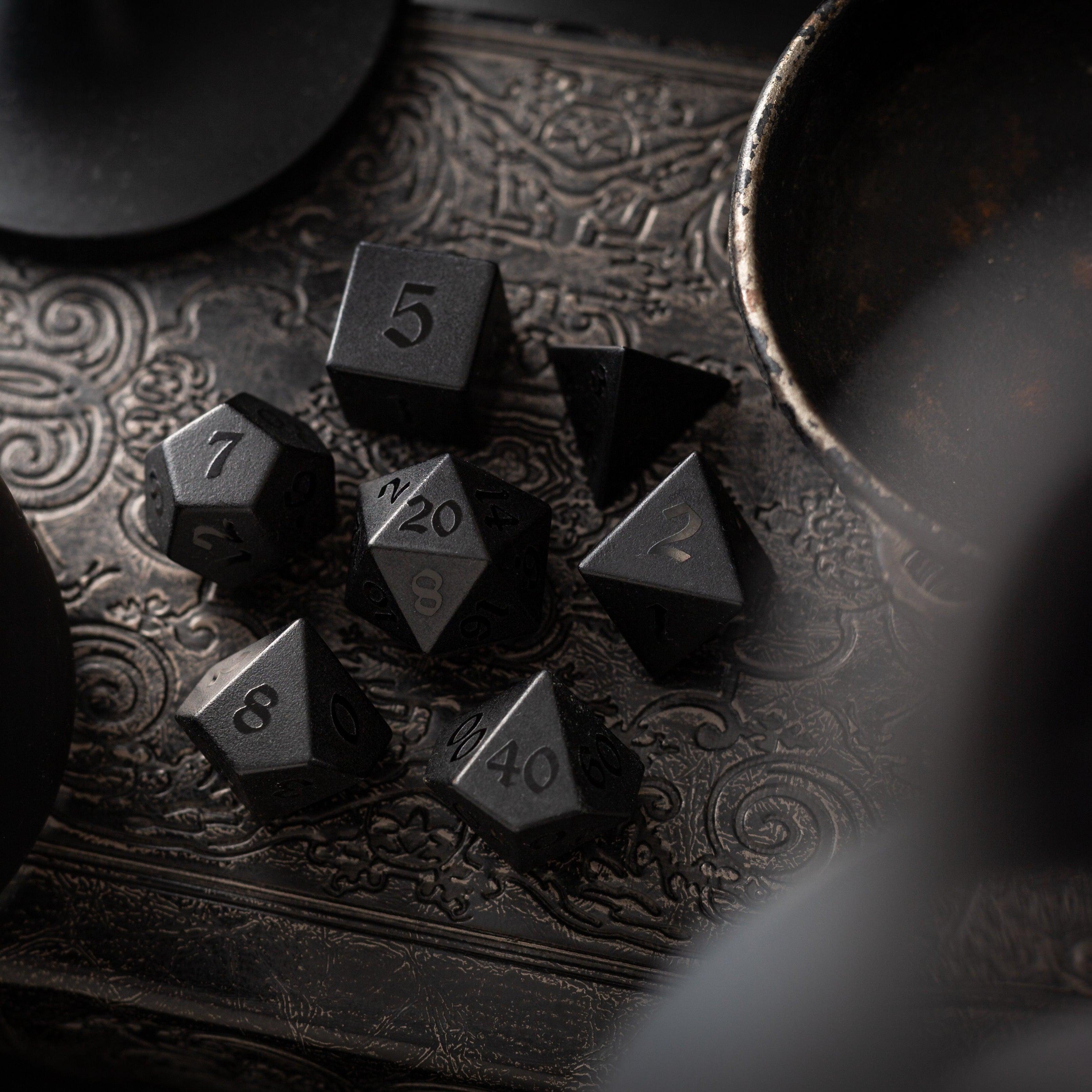
Lineage sets your sensory feel and core traits. Ask: what physical details reinforce your theme? Darkvision for a night watch, movement boosts for a courier, or innate magic for a storm-kissed scholar. Background rounds out skills, tools, and story hooks. Think about the social spaces your character belongs to and the favors they might call in. If you’re leaning into a stalwart mountain theme, even your table gear can reflect that aesthetic—consider a rugged, faceted set like Dwarf-cut green glass to match the persona. Small signals like this keep the character’s identity front and center as you build.
Step 3: Pick a class and set ability scores
Choose the class that serves your role first, then the subclass that sharpens your story. You don’t need to plan every level, but it helps to sketch milestones: a defensive style at level 3, a mobility spike at 5, a signature spell at 9. For ability scores, decide on your method and stick with it for fairness. Point buy and standard arrays are reliable and keep parties balanced. Rolling is exciting, but manage expectations at the table. Prioritize your primary stat, then shore up saves and your secondary theme: a nimble guardian might value Dexterity and Constitution; a clever striker might pump Intelligence or Charisma with a solid backup. Keep notes on why each choice supports the concept.
Step 4: Select skills, spells, and gear
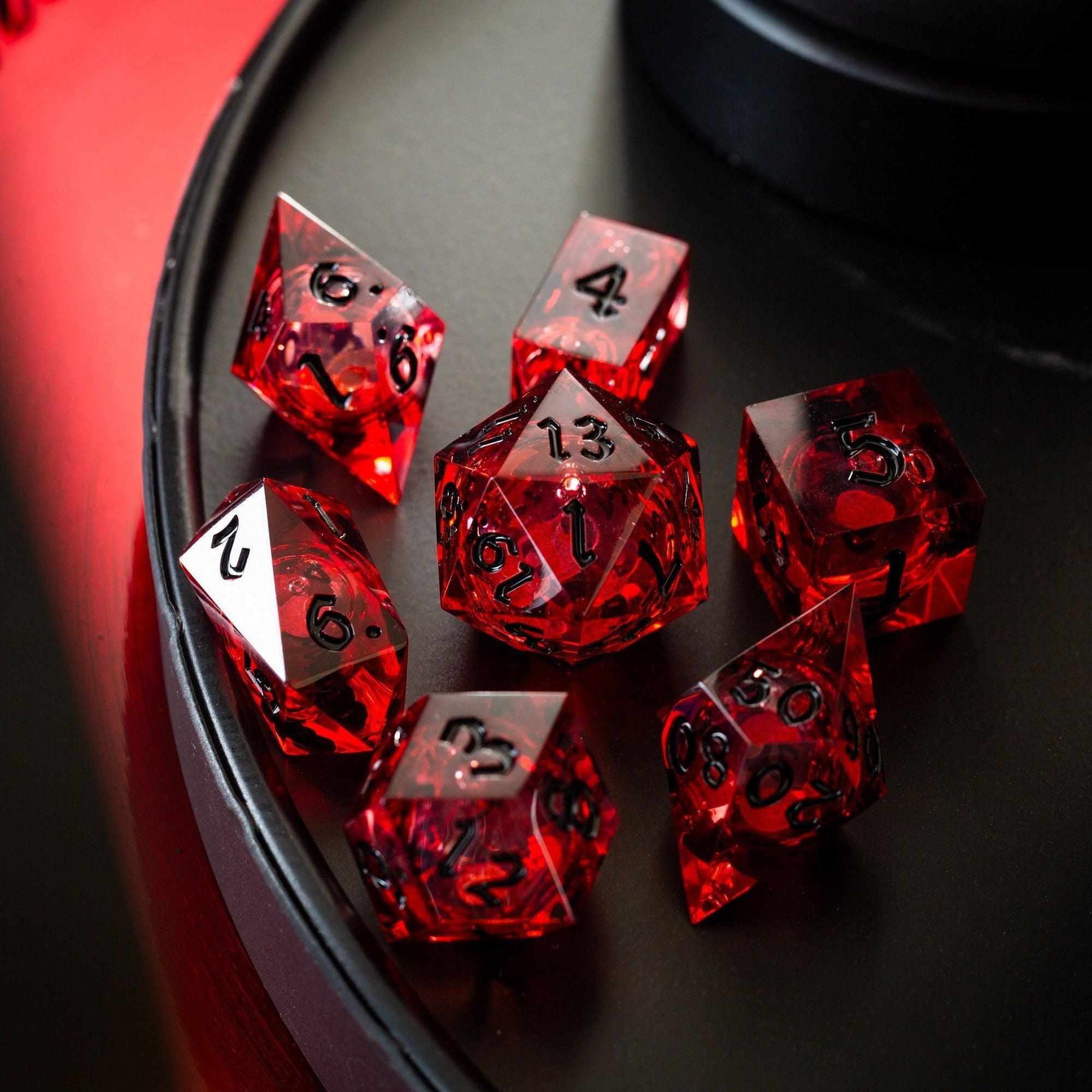
Skills should reflect your day job and your side hustle—two that you’ll use often, and one that tells a story. For spells and features, pick a clear combat loop and a downtime trick you’ll enjoy between fights. Gear is your visual storytelling: shields for guardians, instruments for bards, intriguing foci for casters. If you like dynamic, eye-catching rolls that mirror a kinetic caster or wild experimenter, browse Liquid-core dice for that mesmerizing motion. Keep your inventory practical: light for stealthy types, durable for frontliners, and thematic trinkets that become conversation starters with NPCs.
Step 5: Add personality, notes, and export
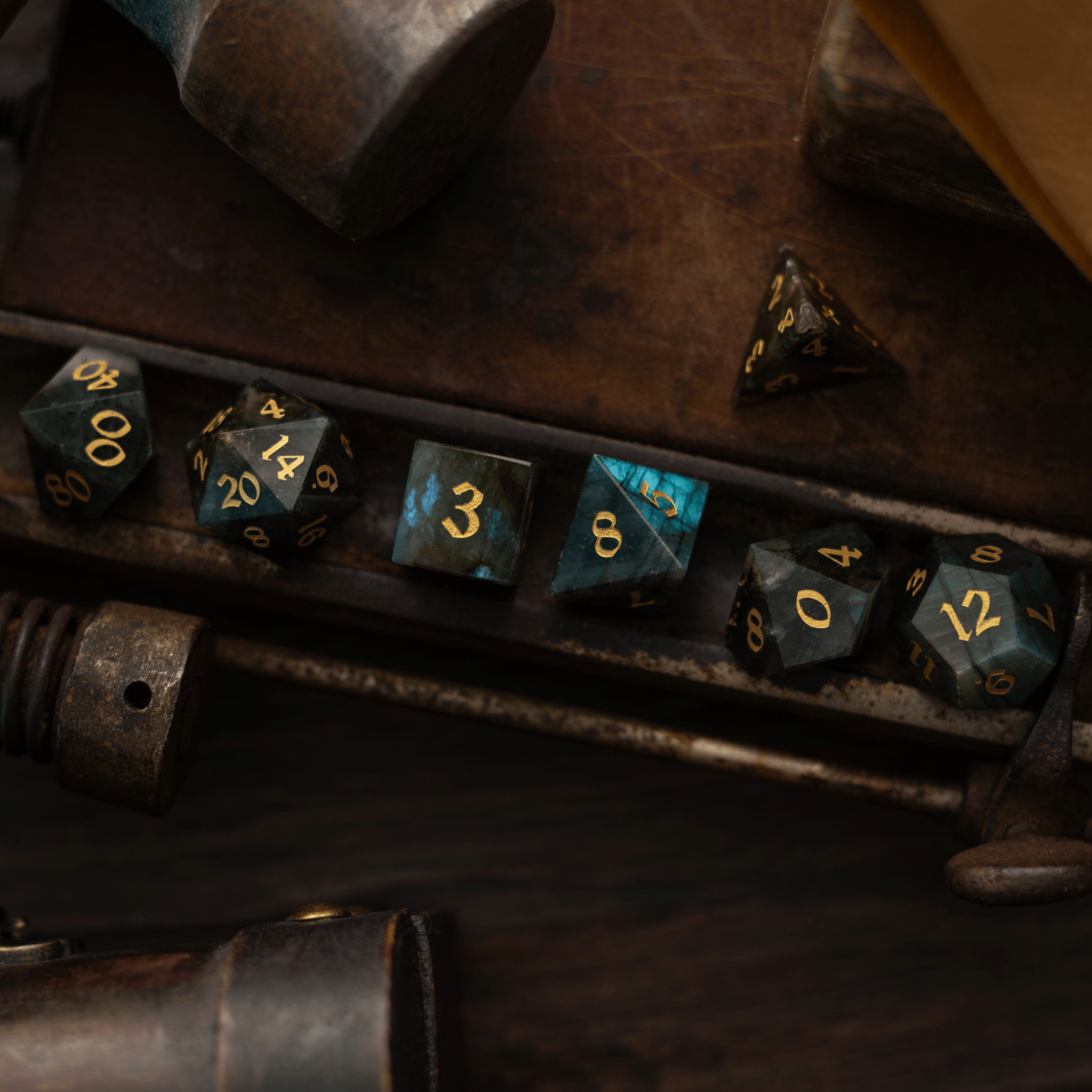
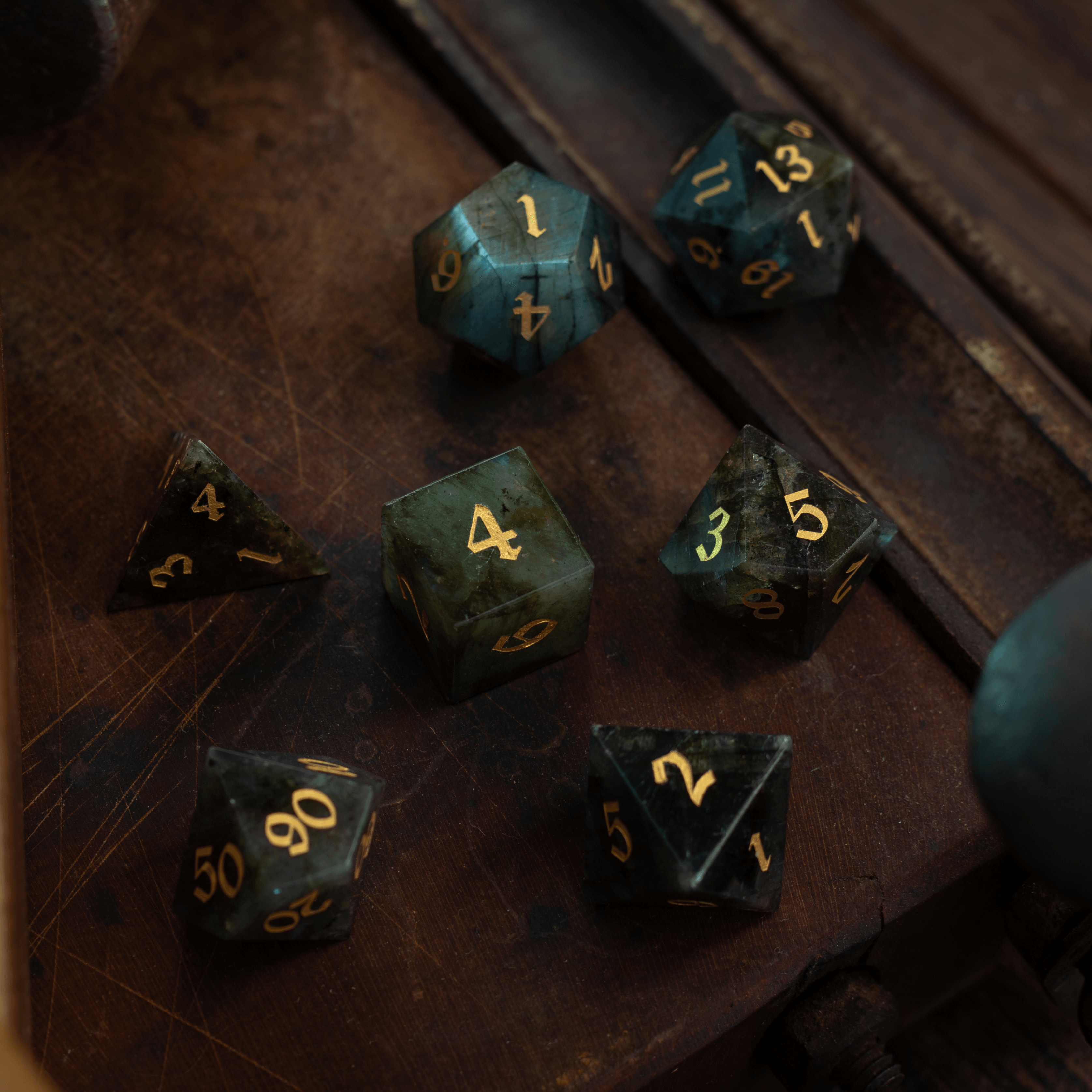
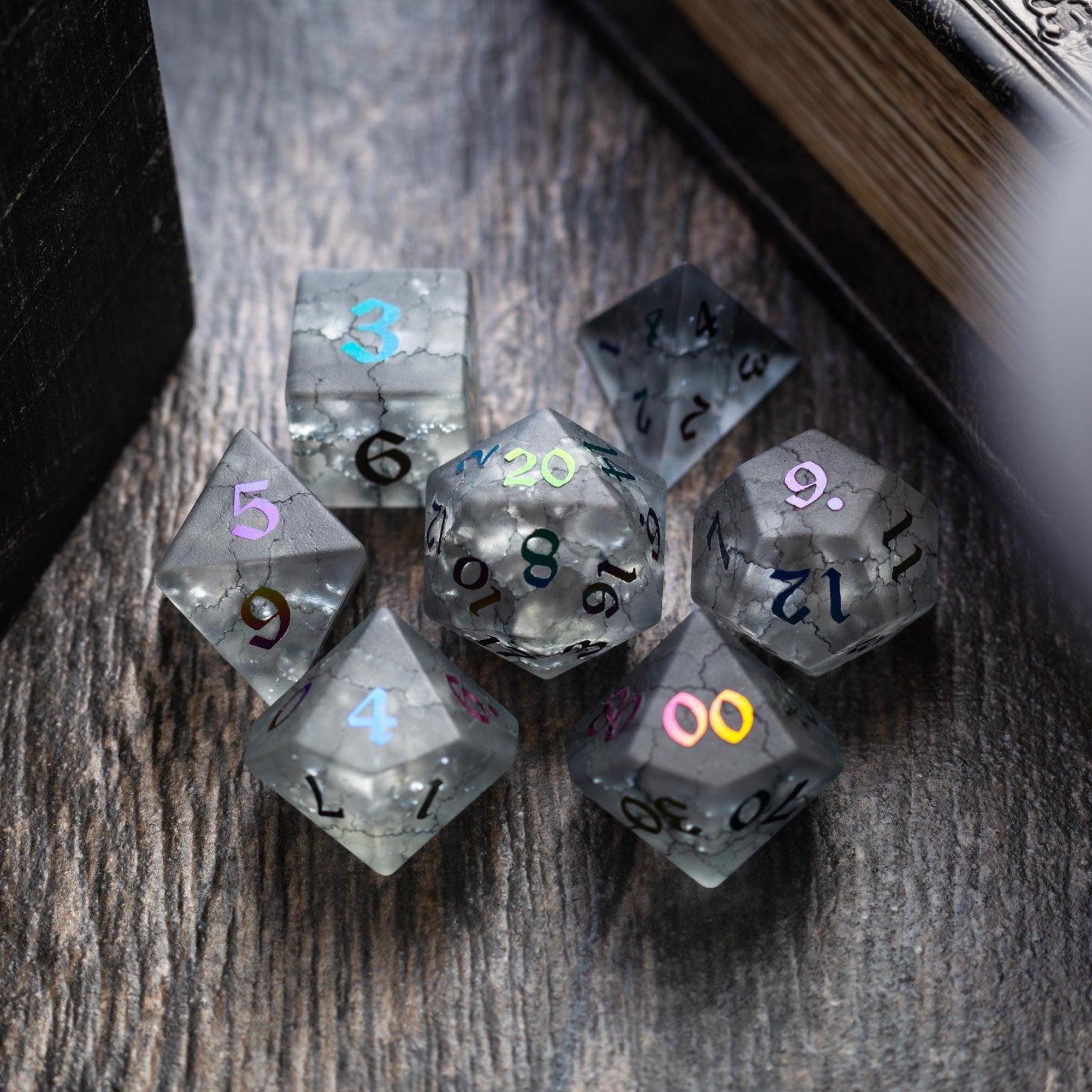
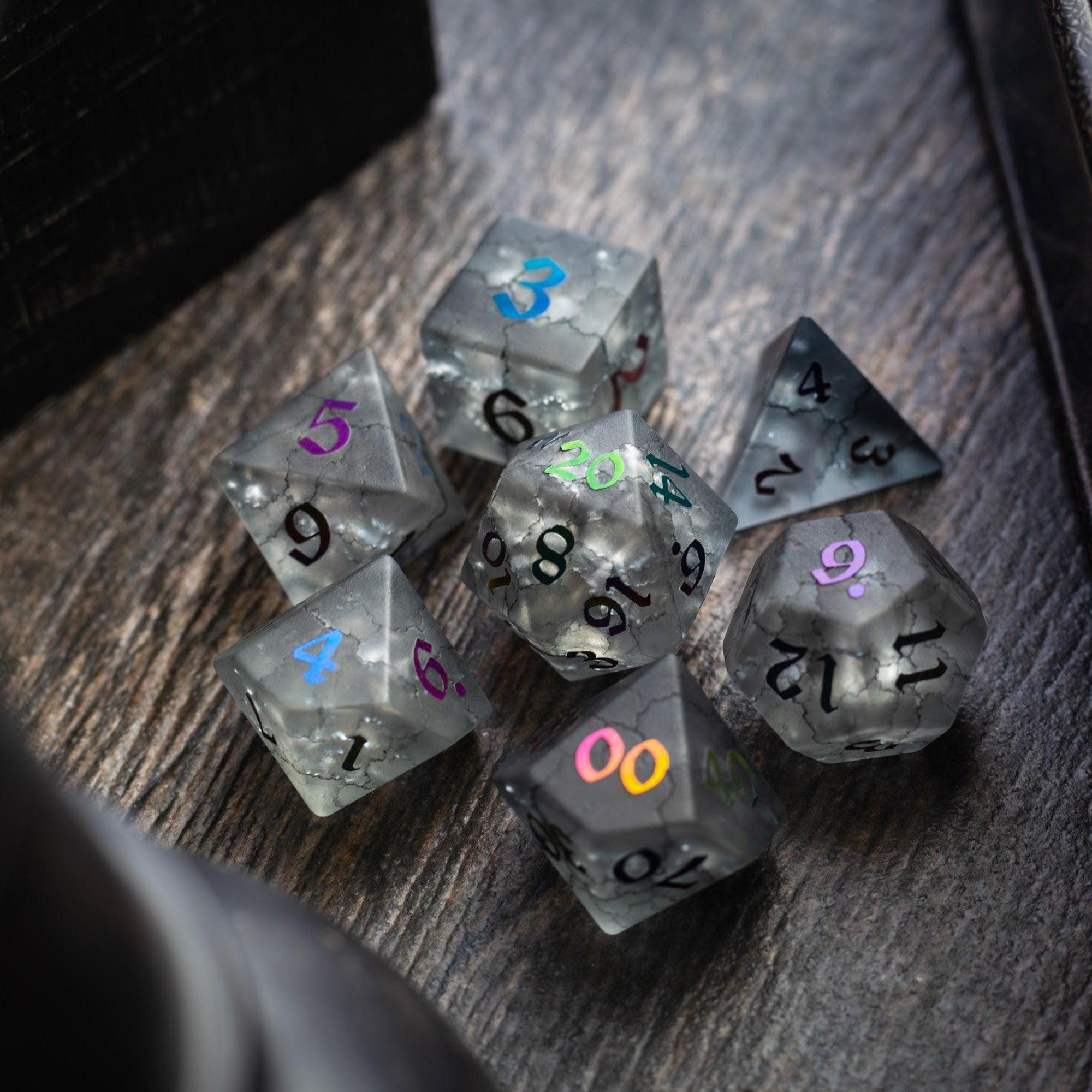
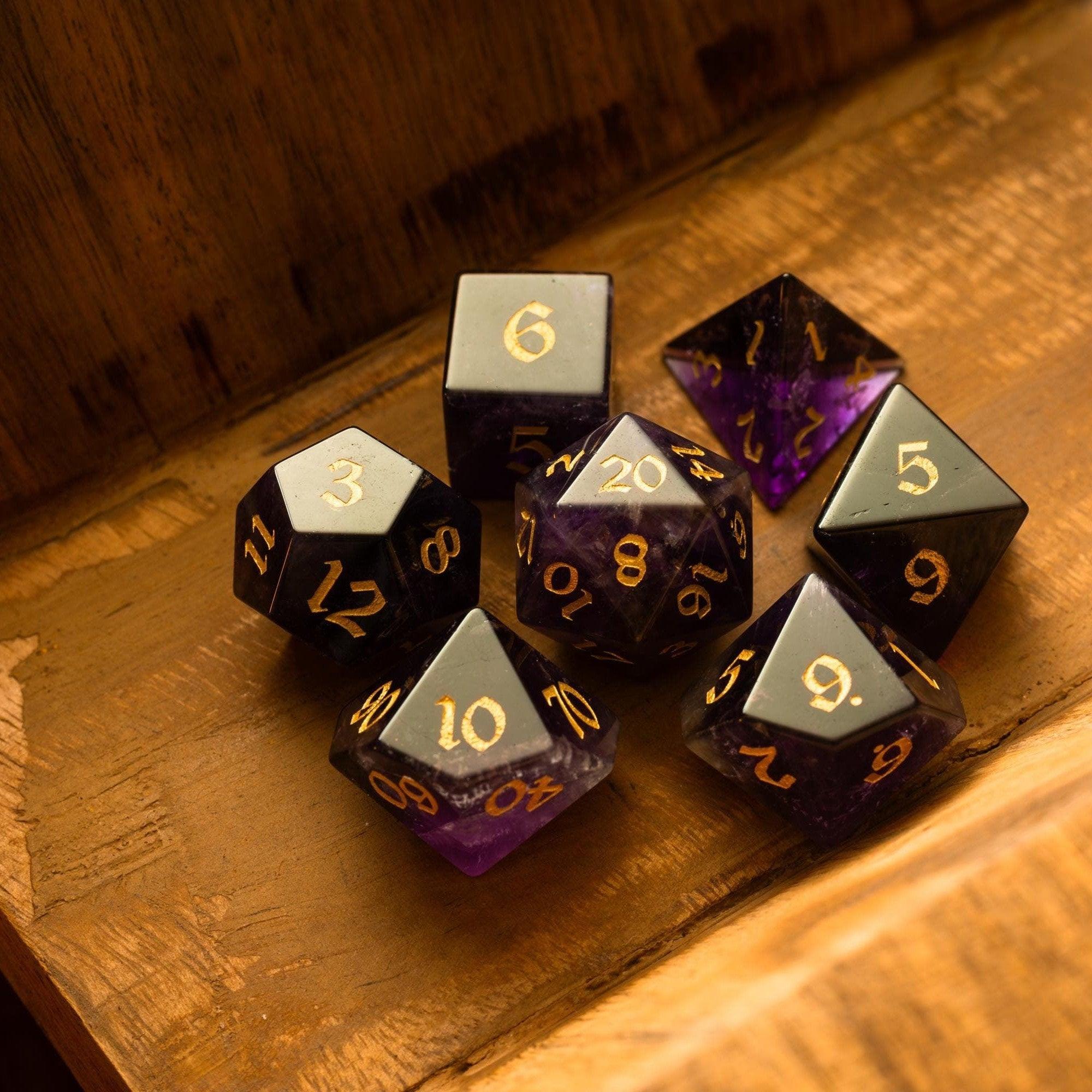
Personality details breathe life into the stat block. Jot down bonds, fears, tics, and a short catchphrase you can say under pressure. Add a two- or three-sentence backstory that’s easy to read aloud at session zero. Note your go-to move in combat and a favorite downtime activity, so you always have something cool to do on your turn. When you’re happy, export a clean PDF and a digital copy for quick reference. If you want your table presence to feel as polished as your sheet, a shimmering, mystical set like the Labradorite set pairs nicely with arcane or fey-themed heroes.
Questions & Answers
Should I start with a story or stats?
Either works, but you’ll save time by starting with a one-line concept and party role before touching numbers. The story gives your choices a filter, and the role sets priorities for class and abilities. If you like crunch, sketch a quick build path next; if you love narrative, write two character moments you want to experience at the table. Then let the builder guide you through the rest. The key is keeping the concept visible so every pick reinforces it.
Point buy or rolling: which is better?
Point buy (or a standard array) is consistent and keeps everyone near the same power band, which helps GMs plan fair encounters. Rolling is exciting and can inspire quirky heroes, but outcomes vary and may cause imbalances. If you roll, agree on a method and a safety net ahead of time. Many groups use point buy for reliability and let personality, tactics, and teamwork supply the drama.
Can I change my subclass later?
Talk to your group and GM. Most tables are flexible if a change keeps things fun and consistent with the story. The sooner you decide, the easier it is to tweak without ripple effects. Frame the change as a narrative beat: an oath renewed, a mentor discovered, or a crisis that alters your path. Update your notes and export a new sheet so everyone has the latest version.
How do I keep my build unique?
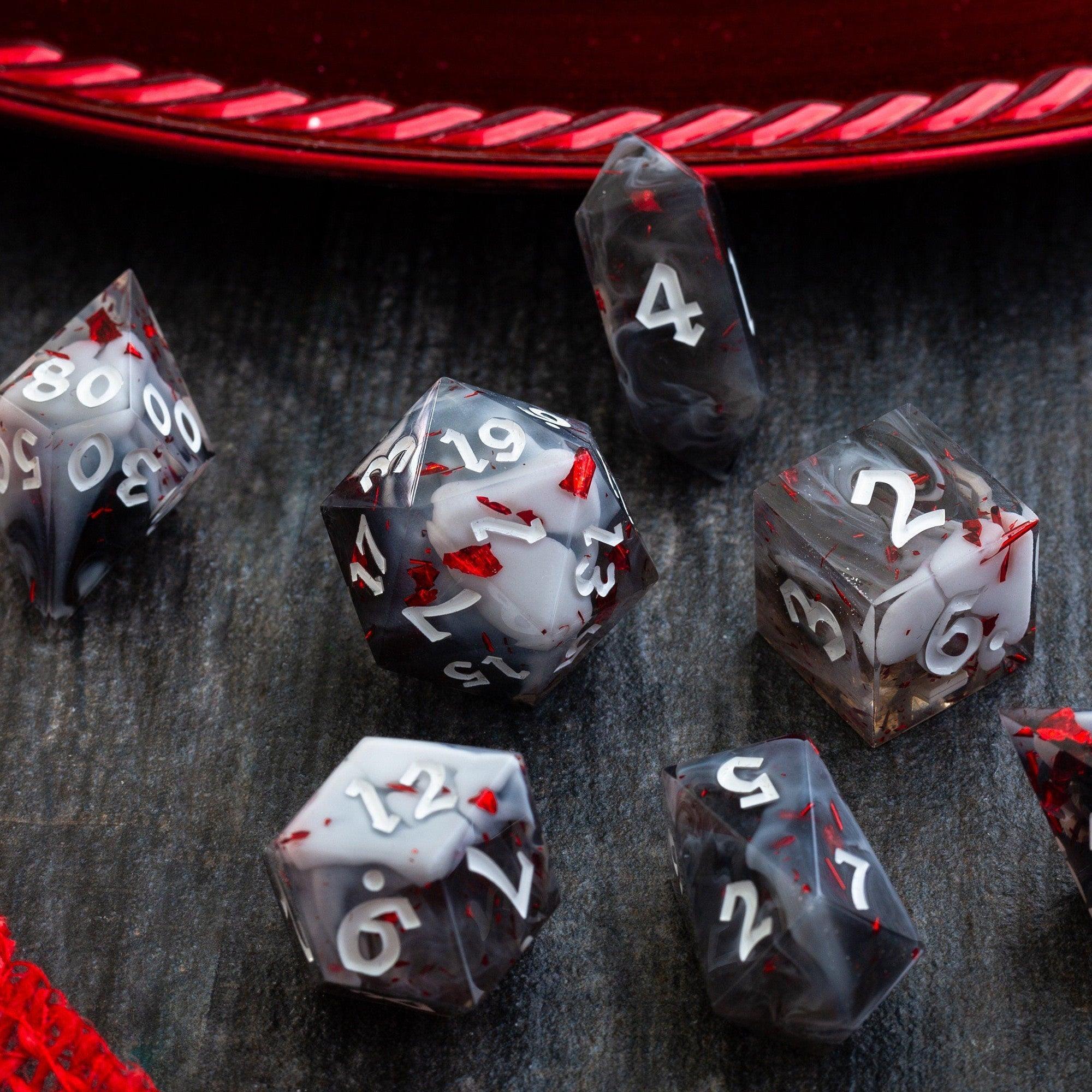
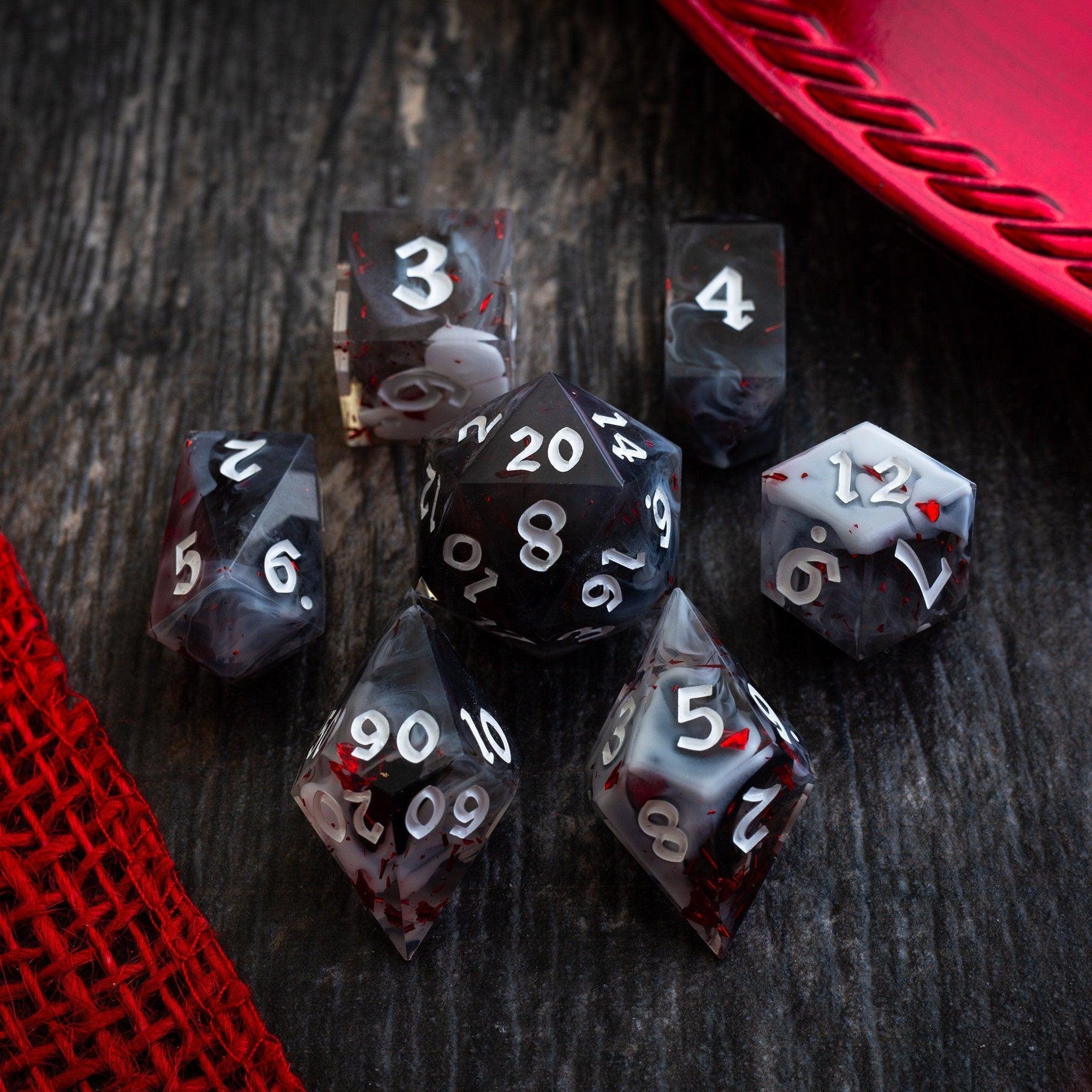
Commit to a tight theme and a signature move. Pick one visual motif, one combat loop, and one downtime hobby and let them echo across your choices. Swap a common spell for a flavorful alternative that still fits your role. Accessorize with table gear that matches your vibe—earthy stone, shimmering night, or vibrant glass. If you want more inspiration, explore curated sets in the dice collections for colors and textures that spark ideas.
Summary
Building a memorable hero doesn’t require spreadsheets or stress. With the right workflow—concept, lineage and background, class and scores, skills and gear, then personality—you’ll reach a polished, table-ready sheet quickly. Use the tool’s filters to keep choices aligned to your role and theme, and write down a few signature beats you’re excited to play. When in doubt, favor clarity and fun over tiny optimizations. A reliable routine means less fiddling and more rolling, session after session. If you want an even smoother start, let a D&D character builder handle the math while you pour your energy into story, teamwork, and style that shines on game night.
About the Author
I’m a lifelong tabletop fan and sheet tinkerer who loves turning loose ideas into playable heroes. When I’m not prepping sessions, I’m testing tools, streamlining workflows, and matching characters with eye-catching dice that tell a story at the table.









Leave a comment
This site is protected by hCaptcha and the hCaptcha Privacy Policy and Terms of Service apply.