


Cavalier Fighter Guide for Beginners: Mastering the Cavalier in D&D 5e
 The Cavalier Fighter is a frontline defender in D&D 5e who protects allies, controls enemy movement, and fights confidently from horseback or on foot. Introduced in Xanathar’s Guide to Everything, this Fighter subclass suits a loyal knight, wandering guardian, or practical soldier who refuses to let enemies reach the rest of the party.
Despite its name, the Cavalier does not need a mount to be effective. Its strongest defensive features work while standing beside your teammates. This guide covers the subclass's abilities, beginner builds, equipment, and combat tactics. The features below follow the published Xanathar's subclass, which can also be used with the updated 2024 Fighter rules.
Why Play a Cavalier Fighter?
Key Benefits
- Mounted Combat Skills: Mount and dismount quickly and stay in the saddle more reliably.
- Excellent Ally Protection: Discourage enemies from attacking nearby teammates.
- Battlefield Control: Punish reckless movement and stop foes with opportunity attacks.
- Reliable Defense: Protect yourself, an ally, or your mount with Warding Maneuver.
- Flexible Roleplay: Play a courtly knight, mercenary bodyguard, or village protector.
Compared with a Champion's straightforward offense or a Battle Master's maneuvers, the Cavalier specializes in keeping enemies away from vulnerable allies.
Core Features
Key Mechanics and Abilities
Bonus Proficiency (Level 3)
- Gain proficiency in Animal Handling, History, Insight, Performance, or Persuasion, or learn one language instead.
- Animal Handling fits a rider; Insight or Persuasion can support a diplomatic protector.
Born to the Saddle (Level 3)
- Gain advantage on saving throws to avoid falling off your mount.
- If you fall no more than 10 feet from your mount, you can land on your feet while not incapacitated.
- Mounting or dismounting costs just 5 feet of movement.
Unwavering Mark (Level 3)
- When you hit with a melee weapon attack, you can mark the creature until the end of your next turn.
- While the marked enemy is within 5 feet of you, it has disadvantage on attack rolls against targets other than you.
- If it damages someone else, you can make a special melee weapon attack against it as a bonus action on your next turn, with advantage and extra damage equal to half your Fighter level on a hit.
- You can make this special attack a number of times equal to your Strength modifier, minimum once, per long rest. Marking itself has no such use limit.
For example, strike the ogre threatening your wizard, then stay close enough for your mark to matter. The ogre can still attack your wizard, but doing so becomes less appealing.
Warding Maneuver (Level 7)
- When you or a visible creature within 5 feet is hit, use your reaction to add 1d8 to the target's AC against that attack, provided you wield a melee weapon or shield.
- If the attack still hits, the target gains resistance to its damage.
- Uses equal your Constitution modifier, minimum once, and return after a long rest.
Hold the Line (Level 10)
- An enemy provokes an opportunity attack when it moves at least 5 feet while within your reach.
- If your opportunity attack hits, its speed becomes 0 until the end of that turn.
Ferocious Charger (Level 15)
- Move at least 10 feet in a straight line immediately before hitting a creature with an attack.
- The target must pass a Strength saving throw (DC 8 + your proficiency bonus + Strength modifier) or fall prone. This works mounted or on foot, once per turn.
Vigilant Defender (Level 18)
- Gain a special reaction on each other creature's turn, usable only for an opportunity attack.
- You cannot use it on a turn when you take your normal reaction. Disengage still avoids opportunity attacks unless another rule overrides it.
Suggested Ability Scores
- Primary: Strength for melee attacks, damage, and your limited Unwavering Mark attacks.
- Secondary: Constitution for hit points and Warding Maneuver uses.
- Tertiary: Wisdom or Charisma for awareness or social encounters.
Recommended Races
- Human: A flexible knight concept; the 2014 Variant Human can start with a feat if that option is allowed.
- Half-Orc: A sturdy legacy option with Relentless Endurance.
- Goliath: A fitting choice for a powerful, resilient guardian.
- Centaur: Fits the charging theme, although being a centaur does not make you a mounted rider.
Species traits and feat access vary between the 2014 and updated rules, so use the options your table allows.
Playing as a Cavalier Fighter
Role in a Party
- Frontline Defender: Stand between dangerous enemies and the spellcasters behind you.
- Battlefield Controller: Hold narrow passages and discourage enemies from slipping past.
- Mounted Combat Expert: Use a trained mount for mobility when the battlefield has enough room.
Tips for New Players
- Stay within 5 feet of marked enemies to impose disadvantage on their attacks against others.
- Save your reaction for an important Warding Maneuver or opportunity attack.
- Ask your DM how mounts, tight corridors, and initiative will work in the campaign.
- Under the 2024 mounted combat rules, a controlled mount takes Dash, Disengage, or Dodge, not a normal attack.
Roleplay Suggestions
- The Knightly Protector: Defends travelers and keeps promises.
- The Ruthless Warlord: Treats positioning as the key to victory.
- The Wandering Cavalier: Searches for someone worthy of protecting.
Gear and Dice Recommendations
Suggested Equipment
Weapons
- Lance (Mounted Combat Build): Provides reach; check the weapon's rules before using it on foot or against nearby enemies.
- Longsword / Greatsword (Defensive Build): Choose a shield with the longsword for defense or a greatsword for damage.
Armor
- Plate Armor: Offers strong protection when you can afford it.
- Shield: Boosts AC without preventing your Cavalier features.
Magic Items
- Saddle of the Cavalier: Helps protect your mount and keeps a conscious rider from being forcibly dismounted.
- Cloak of Protection: Improves AC and saving throws.
- Belt of Giant Strength: Raises Strength to the value specified by the belt.
Dice Recommendations from Runic Dice
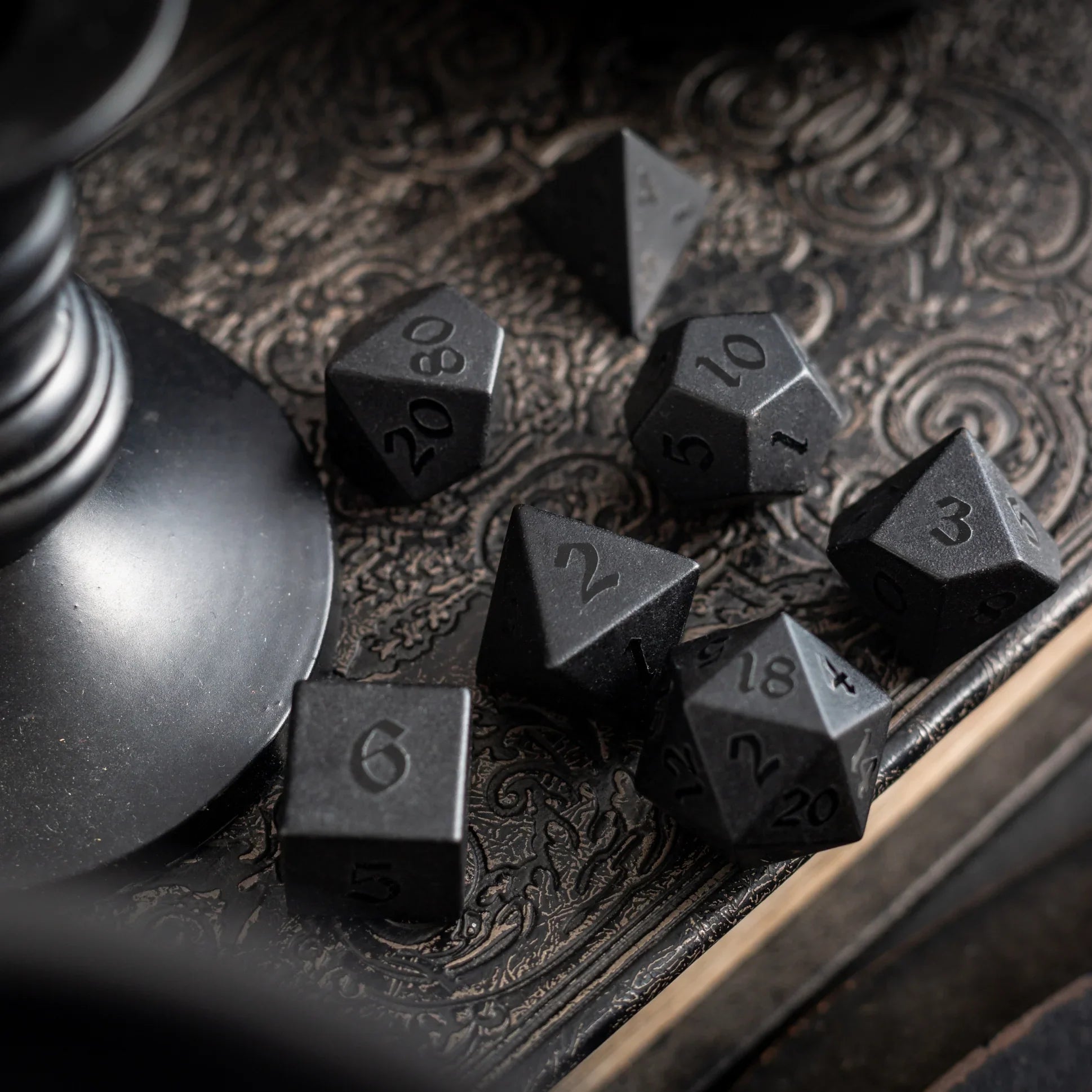
Enhance your knightly warrior aesthetic with these noble-themed dice sets:
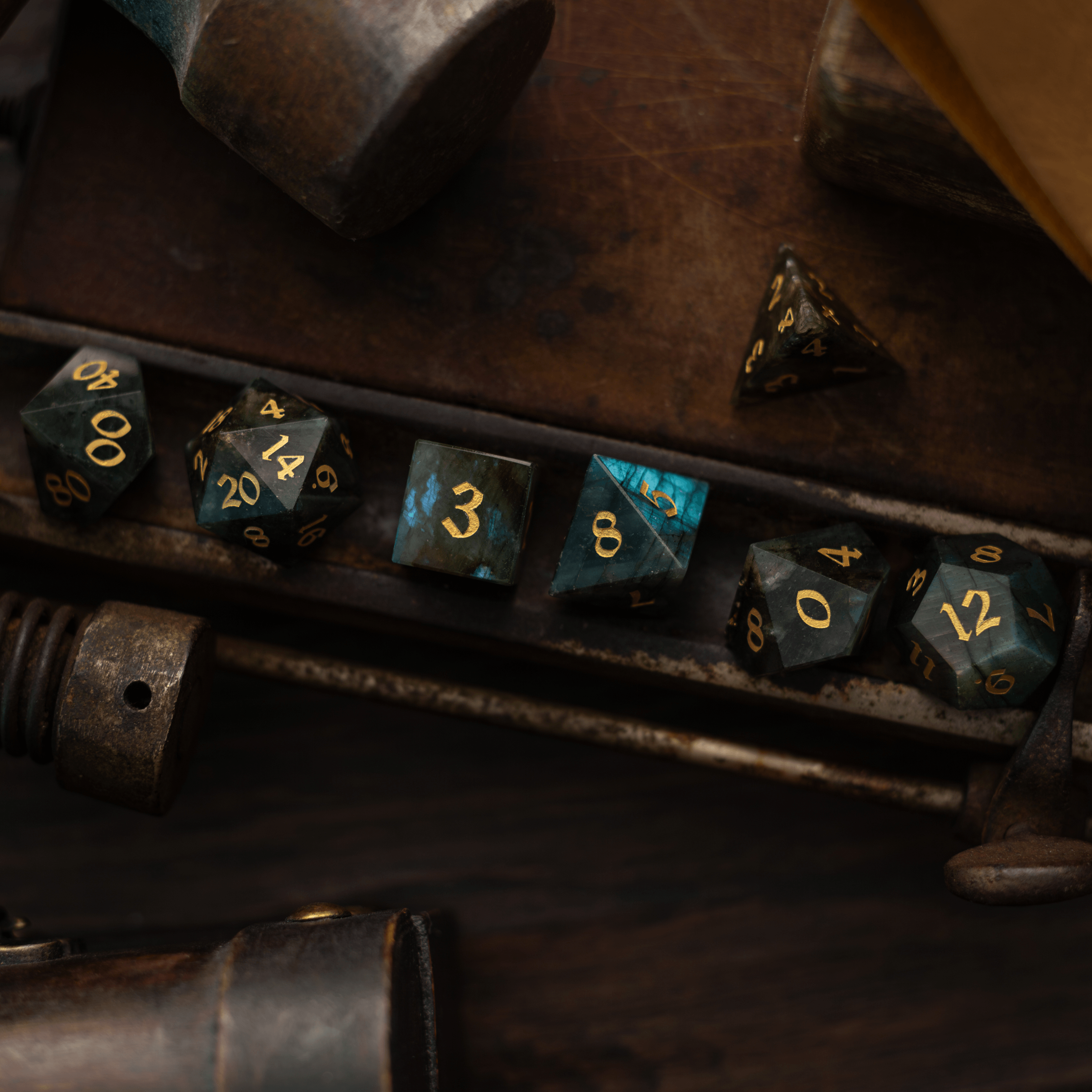
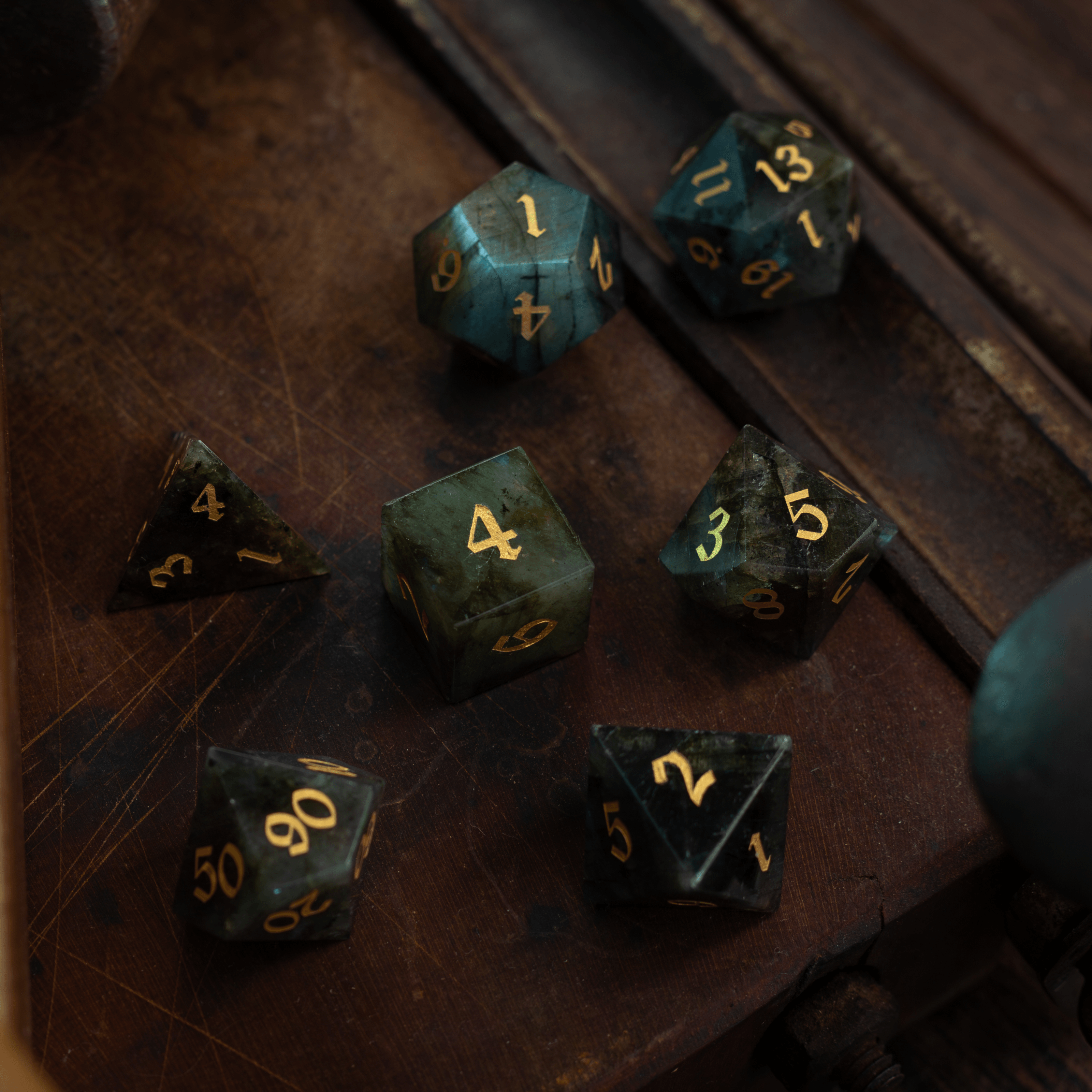
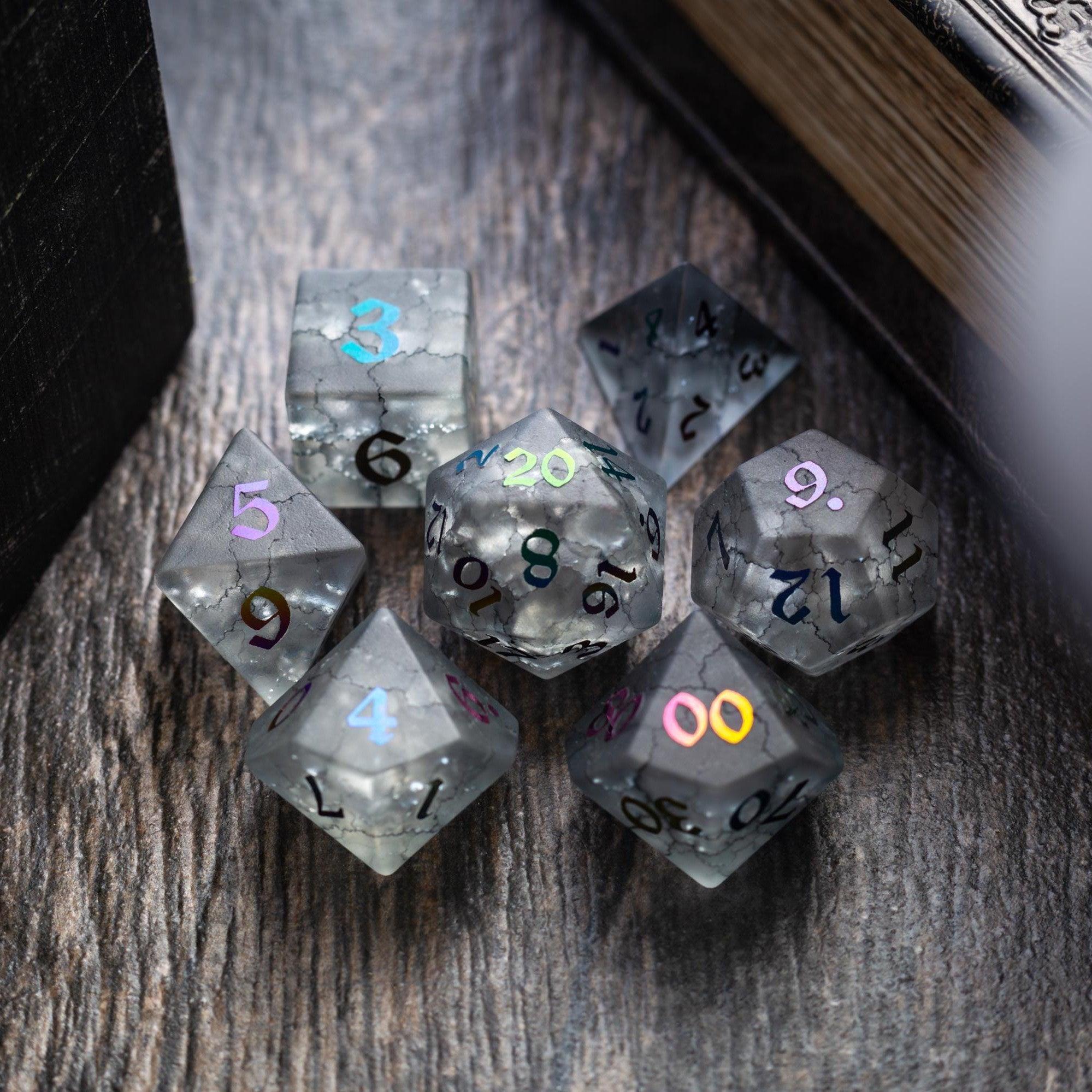
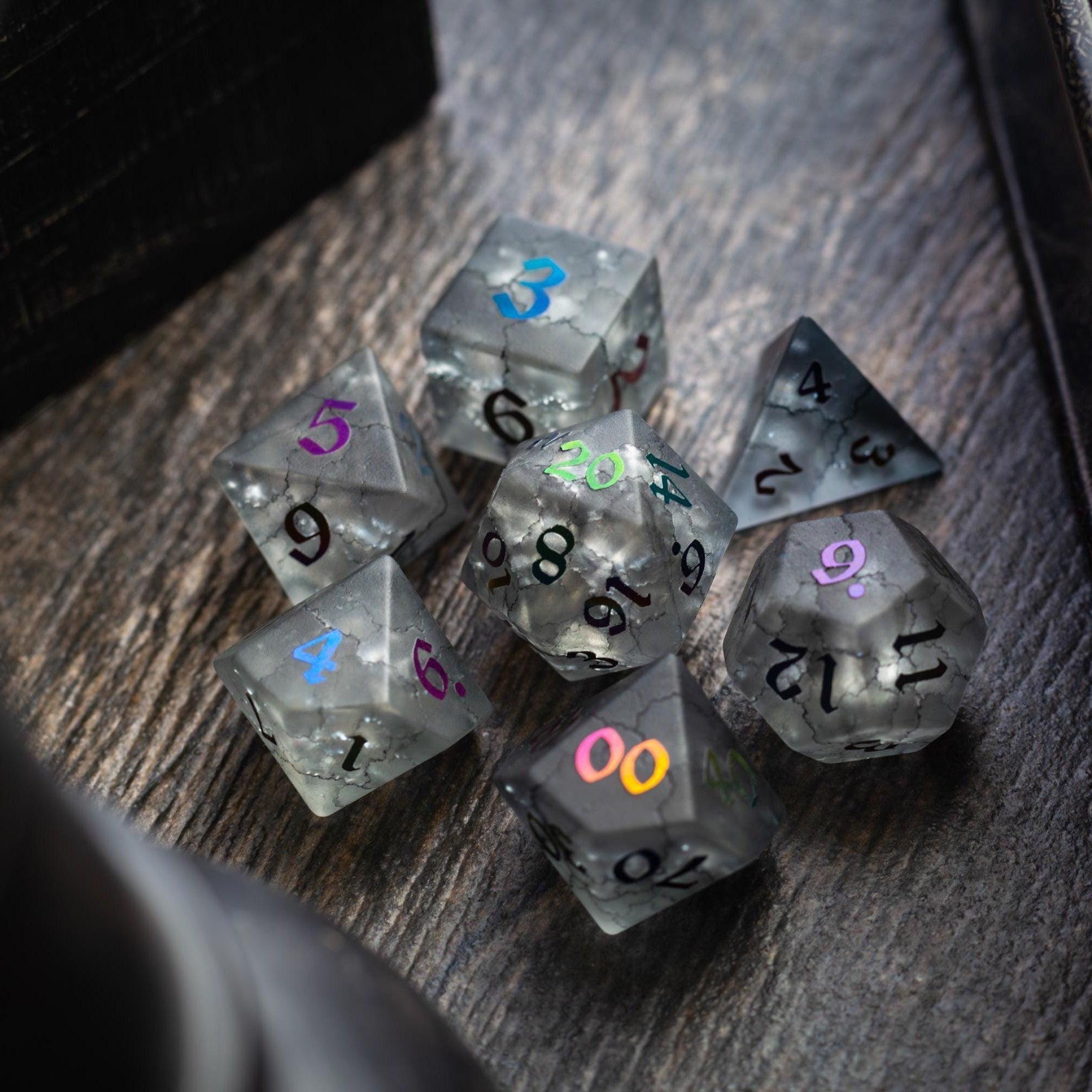
- Knight’s Honor: For a silver and blue design representing a noble warrior, consider the Gemstone Light Blue Cat's Eye Stone DND Dice Set. Handcrafted from genuine light blue cat's eye stone, these dice exhibit a captivating chatoyancy, symbolizing the valor and honor of a chivalrous knight.
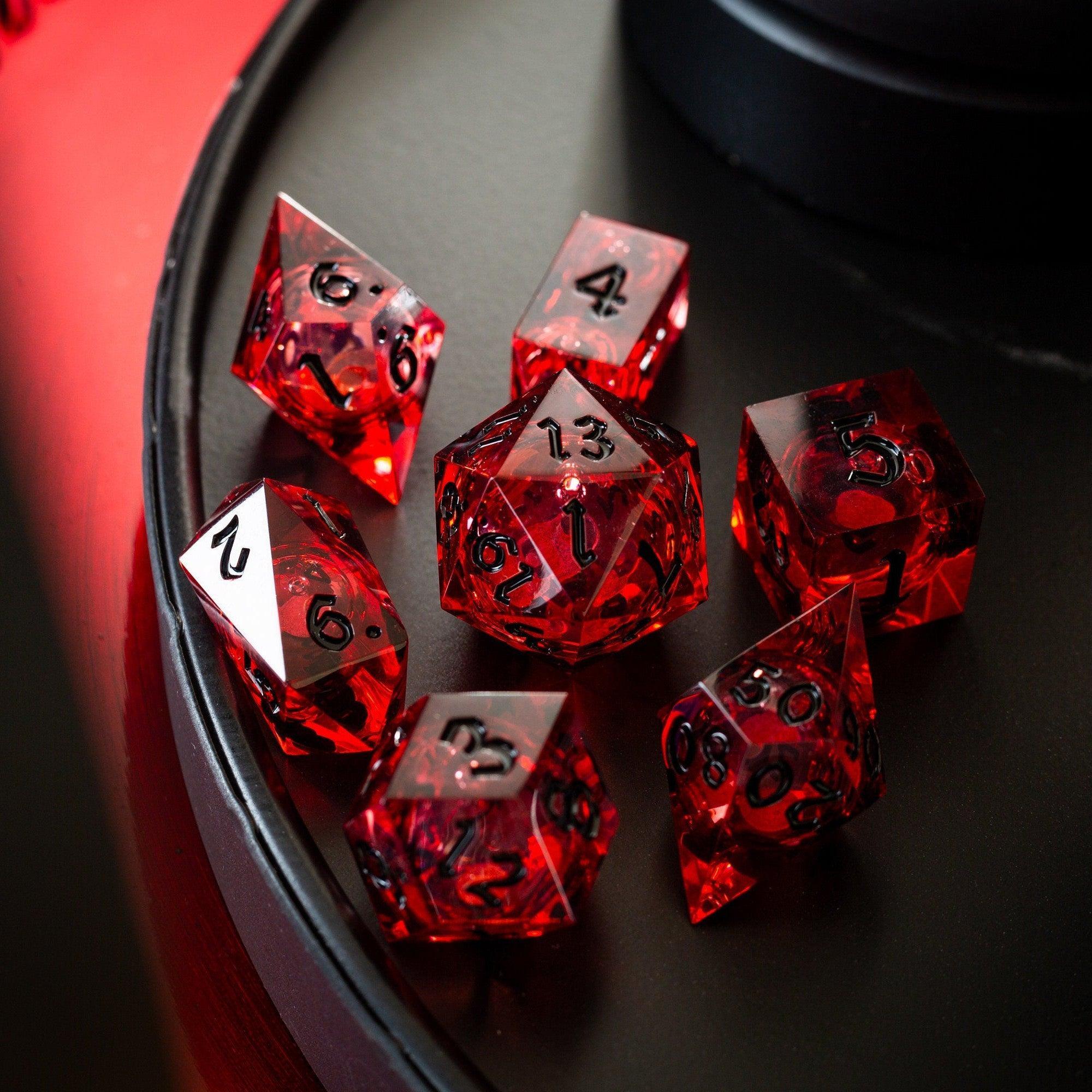
- War Charger: To embody battlefield command with gold and crimson hues, the Red and Gold Glitter Liquid Core Resin DND Dice Set is an excellent choice. This set features a dynamic liquid core with shimmering red and gold tones, reflecting the leadership and courage of a commanding knight.
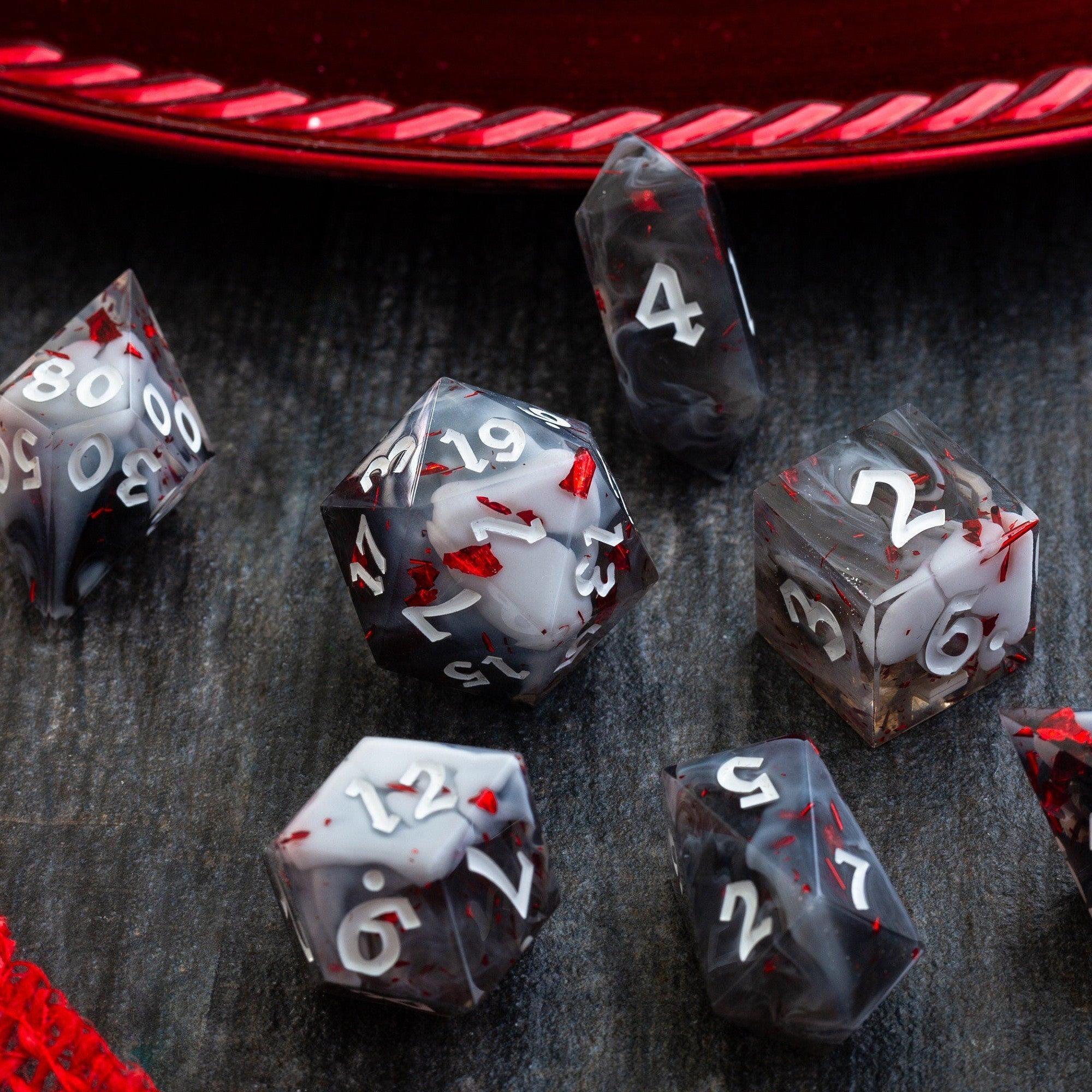
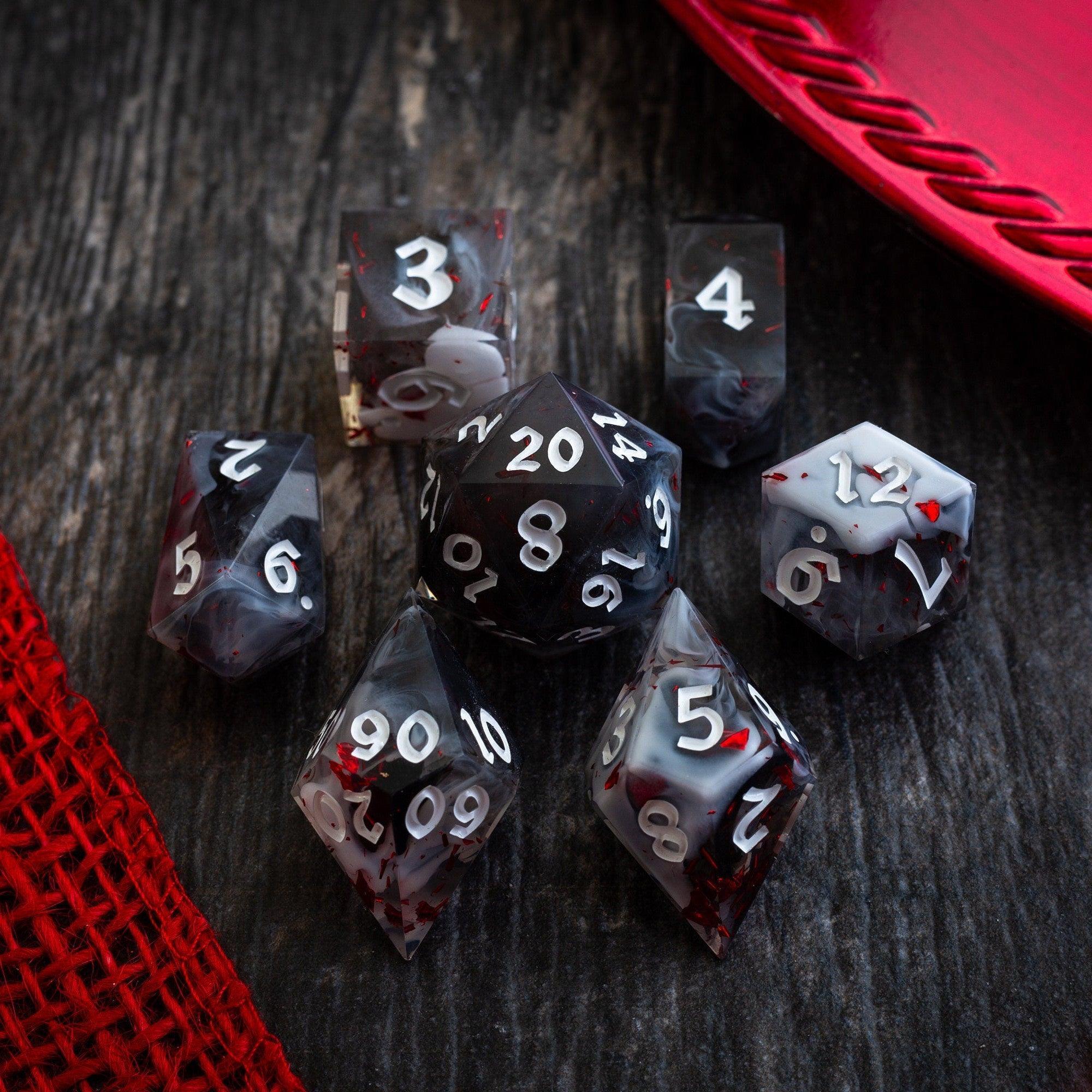
- Titan’s Charge: For a dark steel and red aesthetic symbolizing unstoppable force, the Blood Red Glitter Liquid Core Resin DND Dice Set offers deep red hues with a dynamic liquid core, capturing the relentless power of a titan in battle.
Advanced Tips and Tricks
Optimization Strategies
Best Feats for a Cavalier Fighter
- Sentinel: Useful for guarding allies, but some movement-stopping benefits overlap with Hold the Line.
- Mounted Combatant: Protects your mount and supports mounted attacks; its exact benefits depend on your rules version.
- Polearm Master: Adds opportunities for attacks with suitable polearms, although bonus-action demands can compete with Unwavering Mark.
- Shield Master: Supports a defensive sword-and-shield approach.
- Tough: Adds hit points for longer frontline fights.
Multiclassing for a Cavalier Fighter
- Paladin (Devotion or Crown): Adds support and magical abilities, but requires appropriate ability scores and delays Fighter progression.
- Barbarian (Ancestral Guardian or Zealot): Rage supports aggressive defense, though its benefits have restrictions when wearing heavy armor.
- Cleric (War or Peace Domain): Adds spells and support at the cost of slower Cavalier feature progression.
Best Weapons for Cavaliers
A longsword and shield is an easy starting setup. A glaive or halberd offers reach for controlling space, while a lance suits mounted adventures. Keep a versatile backup for cramped rooms.
Cavalier Playstyles & Advanced Builds
The Unstoppable Knight (Tank Build)
- Core Strategy: Wear heavy armor, use a shield, and stay close to allies.
- Best Feats: Tough, Shield Master, or Sentinel.
The Mounted Charger (Mounted Combat Build)
- Core Strategy: Use Born to the Saddle for mobility and a lance when your mount has room to move.
- Best Abilities: Unwavering Mark and, later, Ferocious Charger.
The Battlefield General (Tactical Support Build)
- Core Strategy: Guard a chokepoint, mark priority targets, and keep Warding Maneuver ready.
- Best Feats: Resilient, Alert, or Inspiring Leader when your build meets the prerequisites.
Tips for Using Cavalier Abilities Effectively
- Don't chase every enemy; protecting your party's position is often more valuable.
- Keep track of your reaction, especially once Hold the Line becomes available.
- Carry a non-mounted weapon, and remember that most Cavalier features work without a horse.
The Cavalier Fighter in D&D 5e rewards players who watch the battlefield and protect their friends. Start with solid armor, reliable melee attacks, and smart positioning. Whether you're holding a dungeon doorway or riding into battle, your job is to make sure the enemy cannot ignore you.












Leave a comment
This site is protected by hCaptcha and the hCaptcha Privacy Policy and Terms of Service apply.