

Mastering Tabletop RPG Guides for Strong Campaigns
If you want smoother sessions and happier players, tabletop role-playing game guides are your quiet MVP. Solid tabletop RPG guides do two things at once: they make play easier to learn and they protect your group’s style of fun. Whether you call them TTRPG guides, RPG campaign guides, or tabletop world-building guides, the best ones act like a friendly co-GM in your back pocket. They set expectations, spell out how your table handles rules, and keep your story moving without friction. If you’re building a new campaign, onboarding beginners, or refreshing your table standards, this article will help you pick, use, and even write the best tabletop RPG guides for beginners and veterans alike.
Tabletop Role-Playing Game Guides: Why They Matter for Every Table
Strong tabletop role-playing game guides let you explain the “how we play here” with clarity. They shrink the learning curve for new folks and save time for seasoned players who just need your table’s specifics. A clear guide:
- Reduces confusion by naming your chosen rules options up front.
- Prevents stalls with quick references to the most-used checks, actions, and rulings.
- Builds trust by sharing table norms, safety tools, and scheduling expectations.
- Boosts creativity with prompts, hooks, and simple world details that spark play.
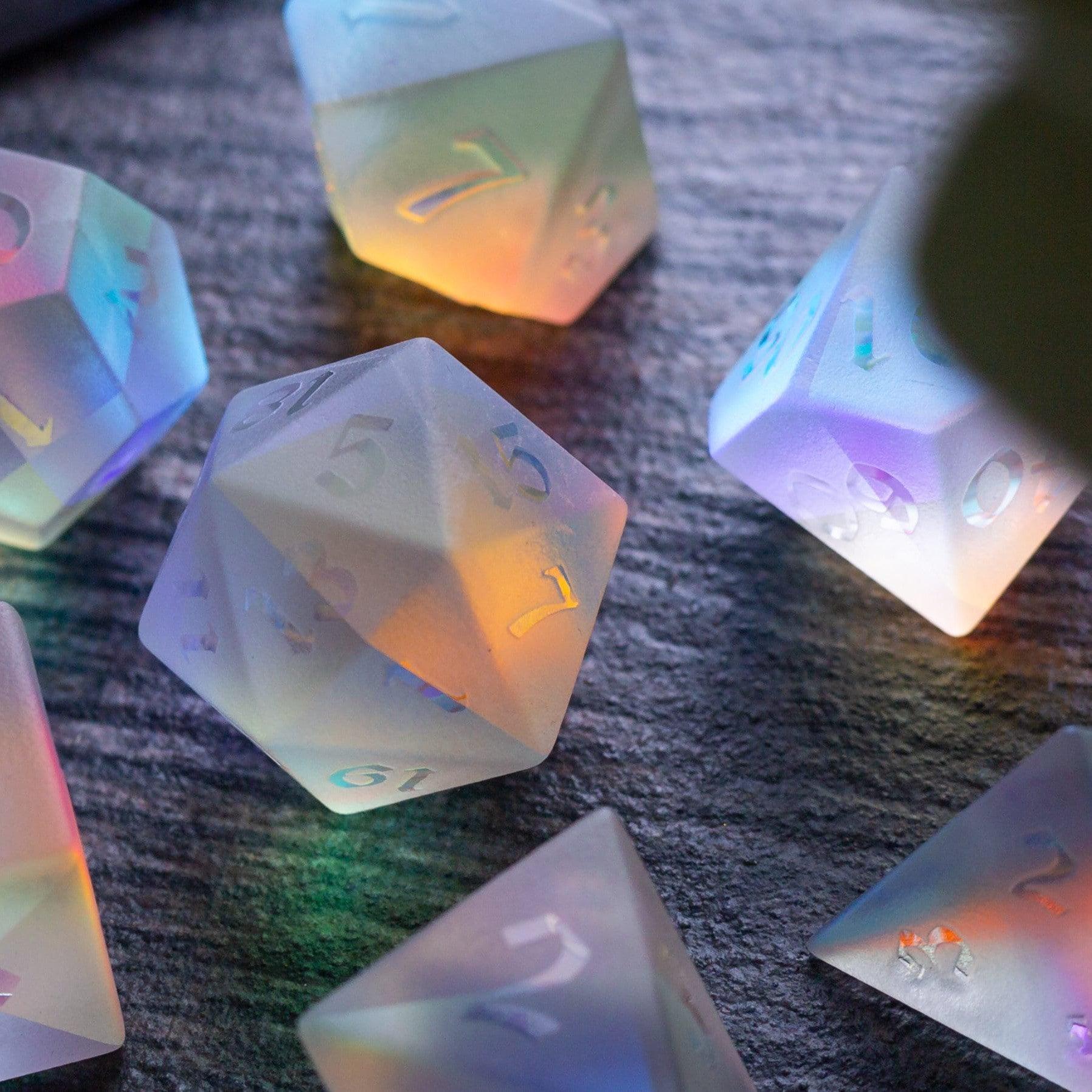
And let’s be real: none of this needs to be fancy. A two-page guide that covers your core loop, key rulings, and tone goes a long way. If your group loves nice gear, you can even pair your guide with a tactile ritual—like rolling a new set of dice on session zero—to signal the start of something special. If you’re browsing inspiration, explore the updated collections for a sense of theme you might mirror in your guide’s visuals.
Myths vs. Facts about Tabletop Role-Playing Game Guides
-
Myth: Only complex campaigns need guides.
Fact: Even one-shots benefit. A short guide removes friction so players jump right into scenes. -
Myth: Guides stifle creativity.
Fact: Good TTRPG guides clarify the boundaries, which frees players to improvise inside a shared understanding. -
Myth: You must include every rule.
Fact: The best tabletop RPG guides for beginners focus on the core loop, common actions, and your table norms—nothing more. -
Myth: World-building guides are only for epic, lore-heavy games.
Fact: Compact tabletop world-building guides work great for cozy or rules-light systems. A few anchors beat a thousand details. -
Myth: You should start from a blank page.
Fact: Use templates and reliable sources, then customize. It’s faster and easier to maintain. -
Myth: Players won’t read it anyway.
Fact: They will if it’s short, visual, and useful at the table. Keep it scannable and they’ll reference it often.
Personal Experience Using TTRPG Guides at the Table
When I first put together a two-page guide for a mixed-experience group, I expected it to help the brand-new players. It did—but the surprise was how much it helped my veterans. We cut down rules chatter by half. Players stopped asking the same questions because the answers were on a single, friendly page. And the welcome section—tone, table norms, safety cues—made the vibe feel intentional.
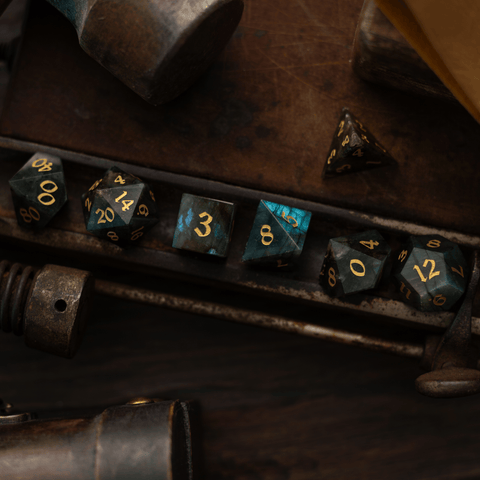
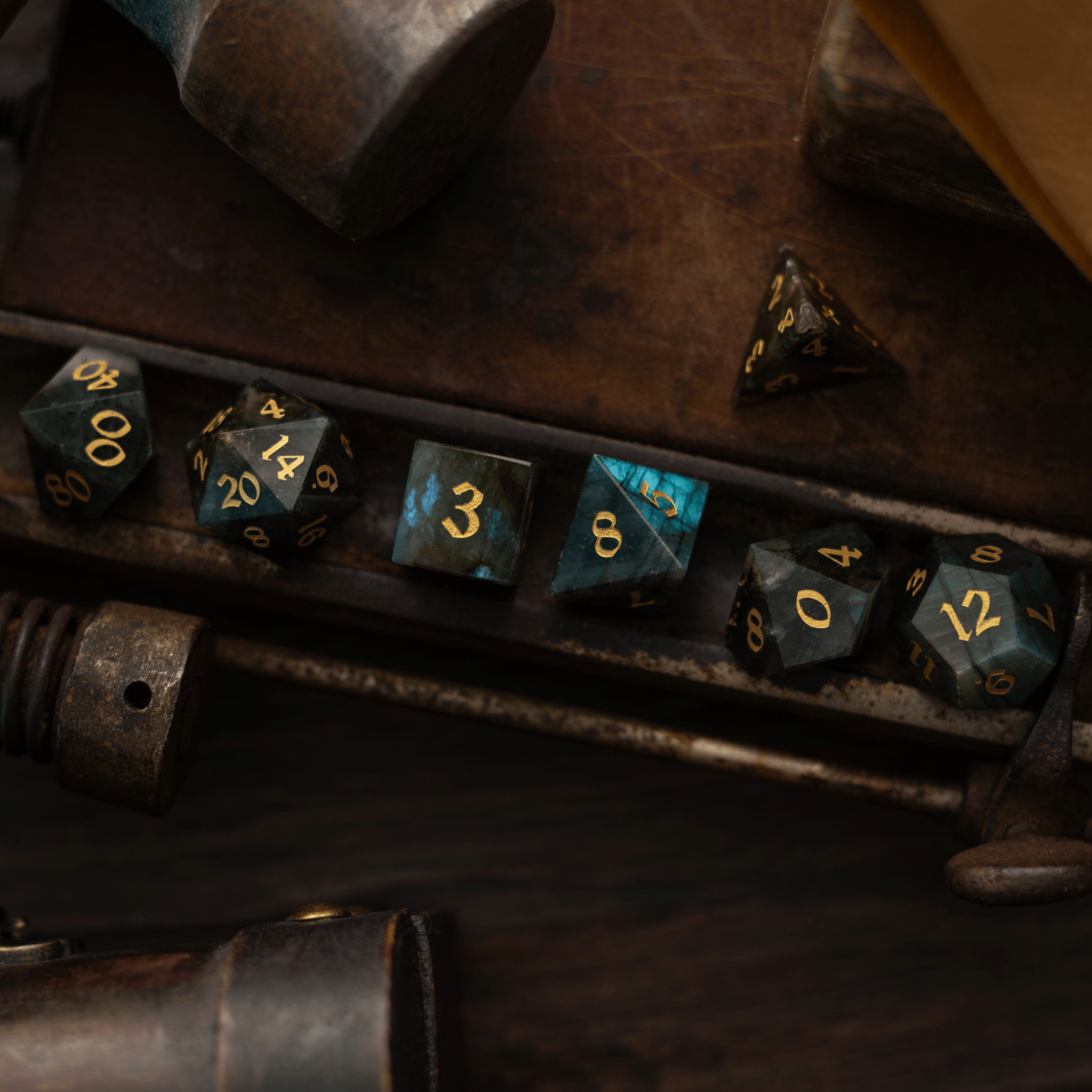
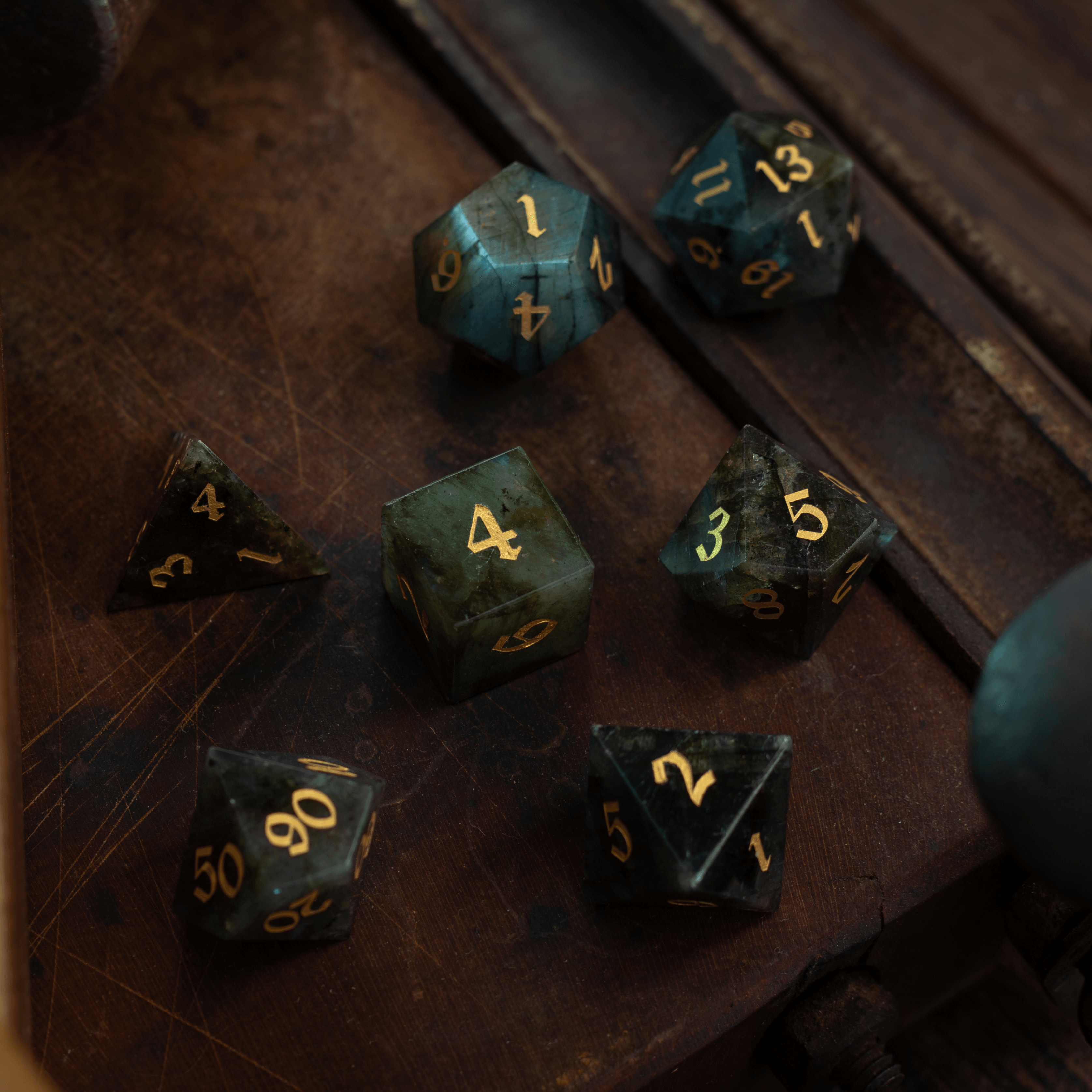
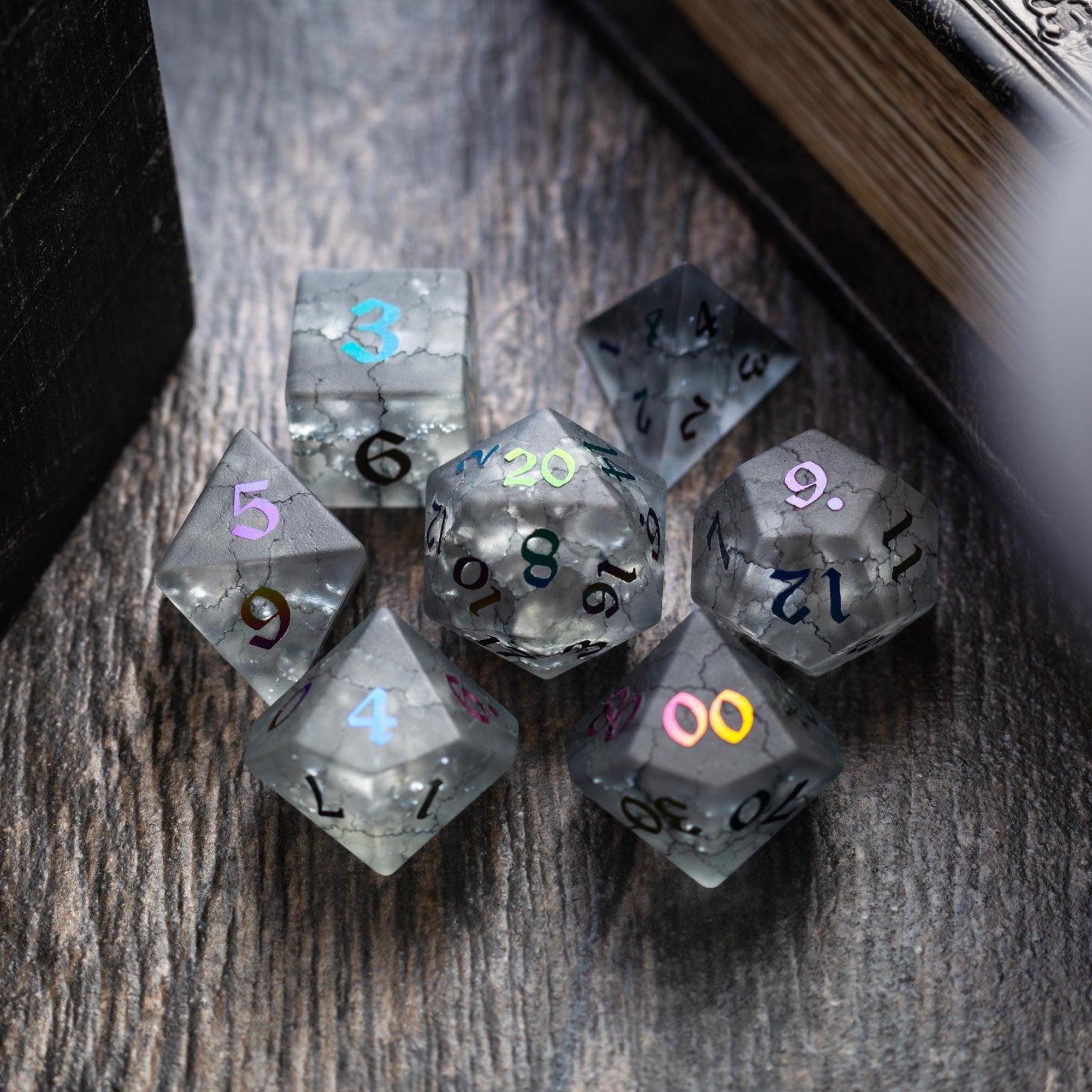
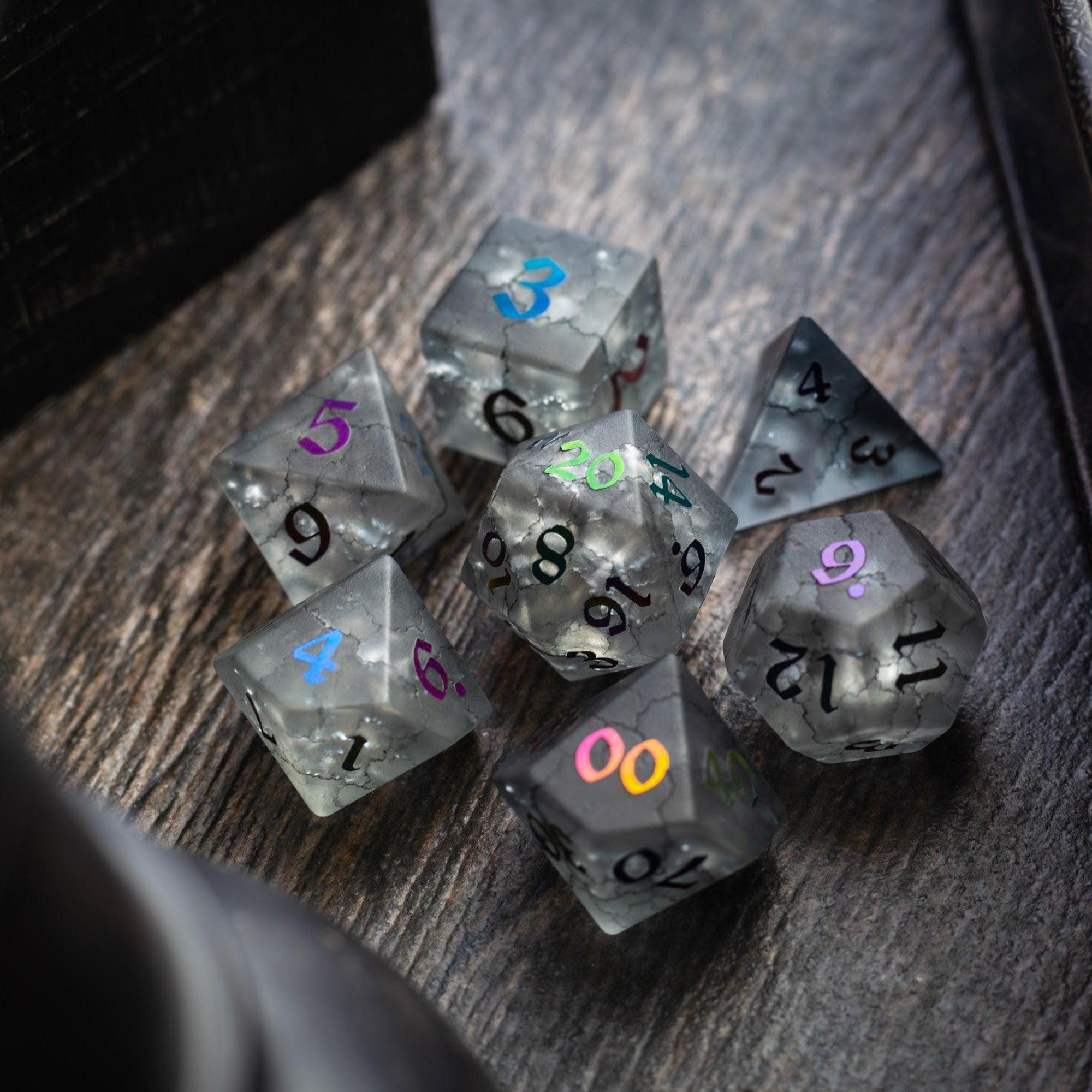
For a small ritual, I brought a new set of dice for session zero. We passed them around for “first rolls of the campaign,” and it set the mood. If you enjoy that kind of kickoff, something like the labradorite gemstone dice and box can double as a session prop and a keepsake. Physical touches aren’t required, but they can make new-player onboarding feel special—and that ties back to the social comfort your guide is aiming to build.
Final Thoughts & Takeaways for Tabletop Role-Playing Game Guides
Great tabletop role-playing game guides are compact, friendly, and action-focused. They meet players where they are, from absolute beginners to long-time GMs who just need a quick refresher. Keep your tone warm. Make the layout scannable. And always prioritize play over paperwork.
How to write a tabletop RPG guide for new players: a simple framework
If you’re wondering how to write a tabletop RPG guide for new players, use this framework. It works across systems and keeps things approachable:
- Start with the promise of play. In two or three sentences, describe the experience: the genre, tone, and what “a fun session” looks like at your table.
- List the essentials. What players need (dice, character sheets, pencils), the expected session length, and any safety tools you use.
- Teach the core loop. Explain how play flows: the “say yes,” “roll dice,” “apply results,” and “push the story” beats. Keep it simple.
- Share one worked example. Write a tiny scene showing a check, a consequence, and a new choice. It’s the fastest way to demystify the rules.
- Offer beginner-friendly choices. Provide a few hooks, pre-generated options, or quick-start templates so players make decisions fast.
- Set table norms. Expectations for collaboration, spotlight sharing, lines/veils (or your chosen tool), and between-session communication.
- Include a one-page reference. Summarize common actions, difficulty guidelines, and any house rules you use every session.
Quick checklist for RPG campaign guides
- Scope: What’s the campaign’s arc length and intended level of complexity?
- System fit: Which rules modules are “on,” optional, or ignored?
- Encounter pacing: How many scenes per session, and how do you telegraph stakes?
- World anchors: Just 3–5 details for your tabletop world-building guides (a faction, a location, a tension, a cultural motif, a mystery).
- Visual aids: Battle maps or theater-of-the-mind cues, props, or tracks for progress and clocks.
- Player guidance: What choices keep the campaign on theme? Provide examples.
- Maintenance: Where you store updates and how you handle rule clarifications going forward.
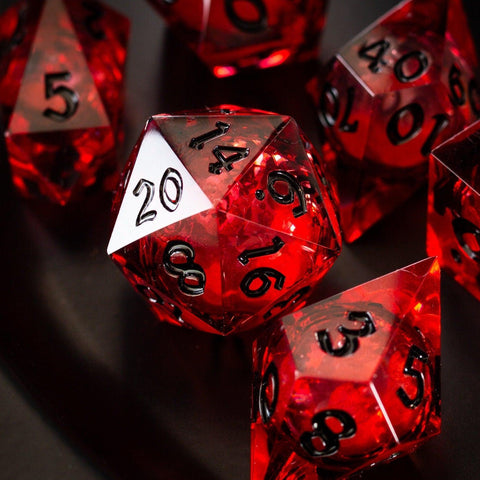
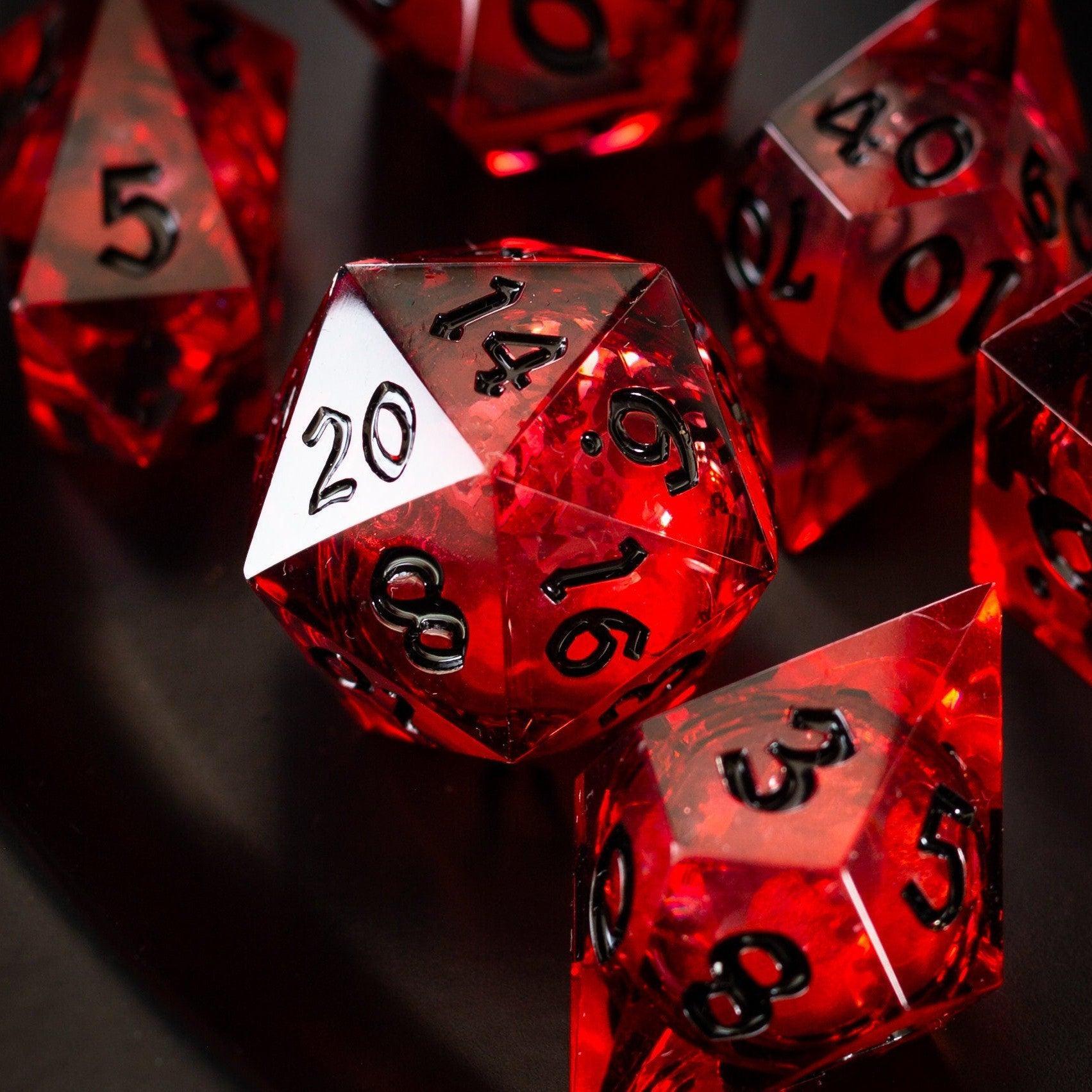
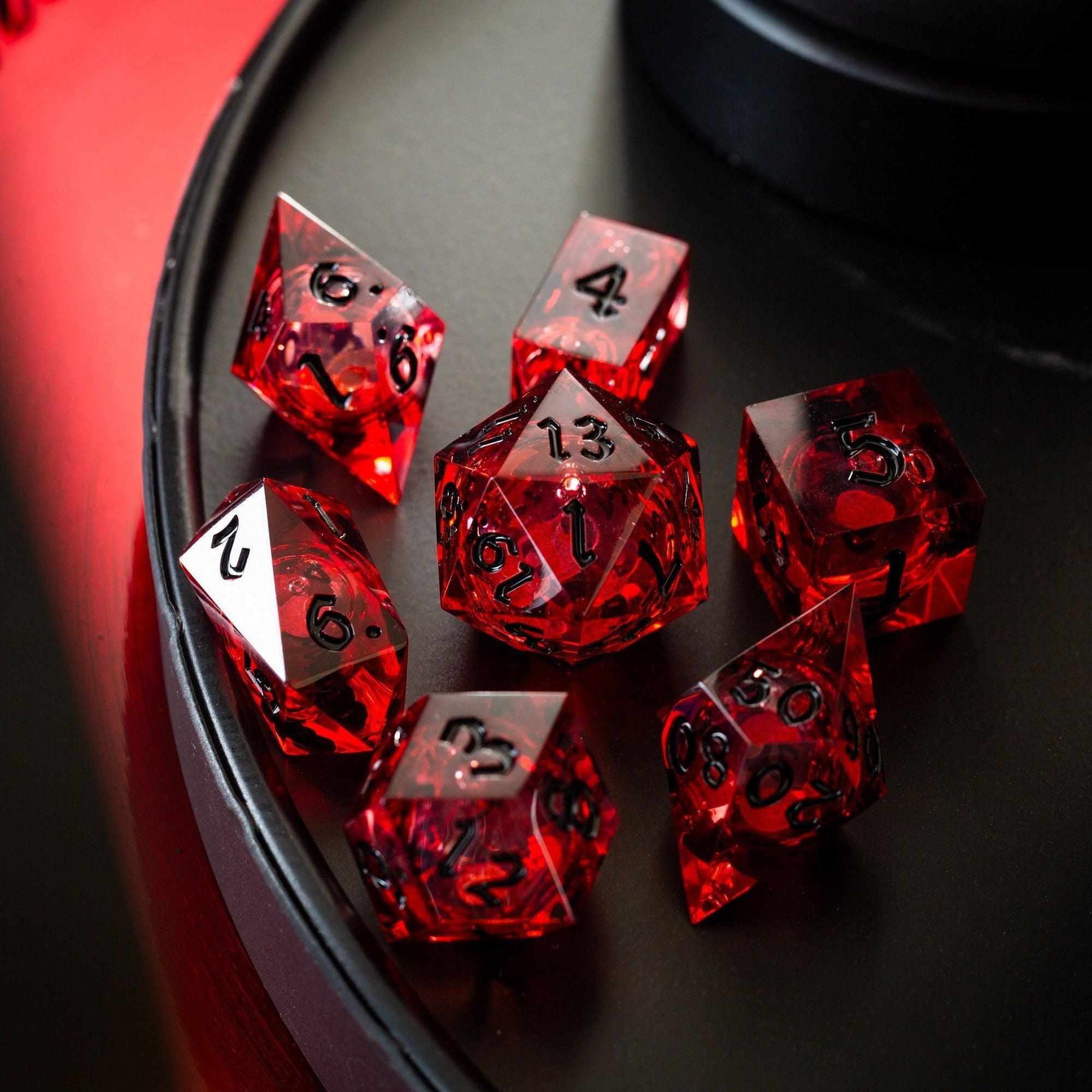
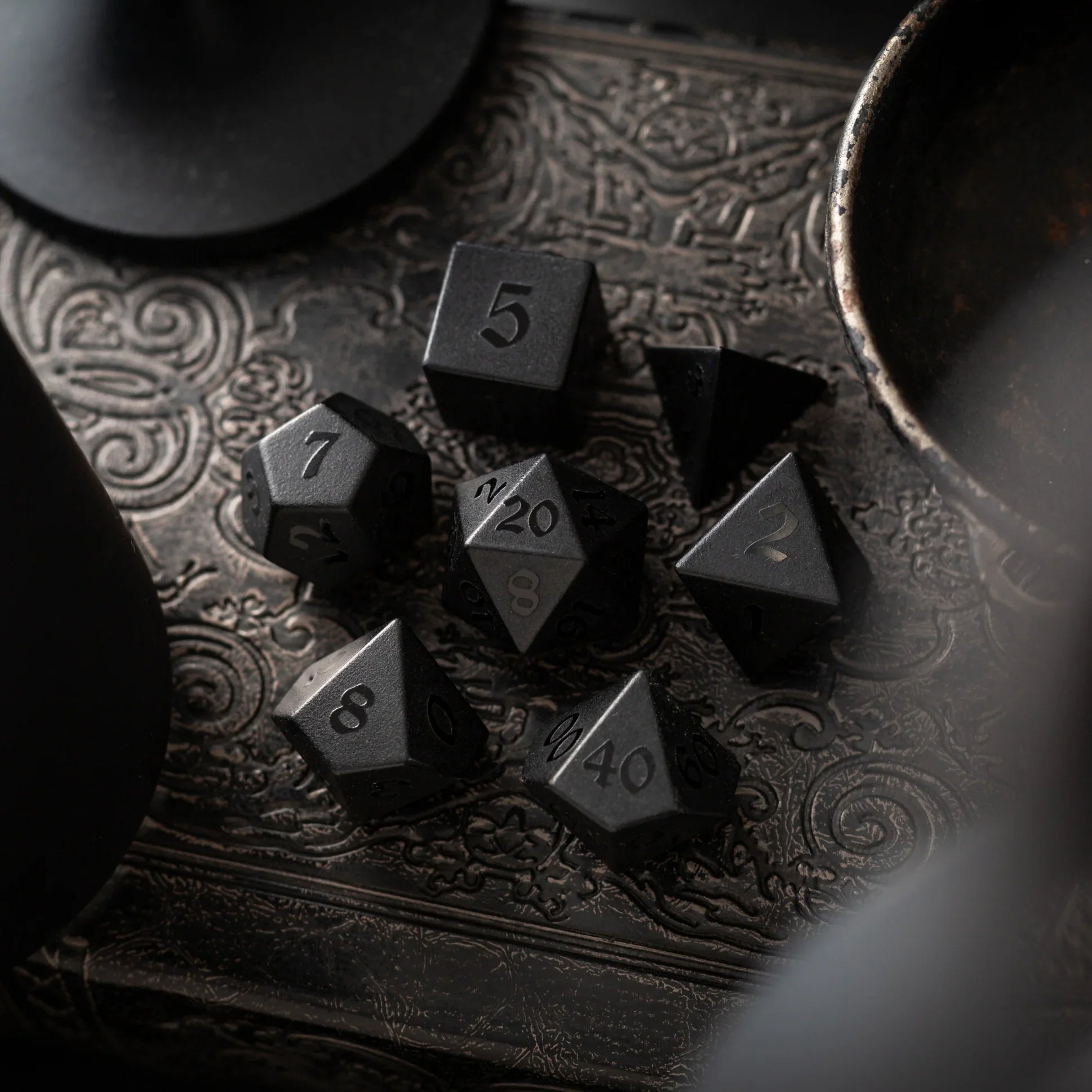
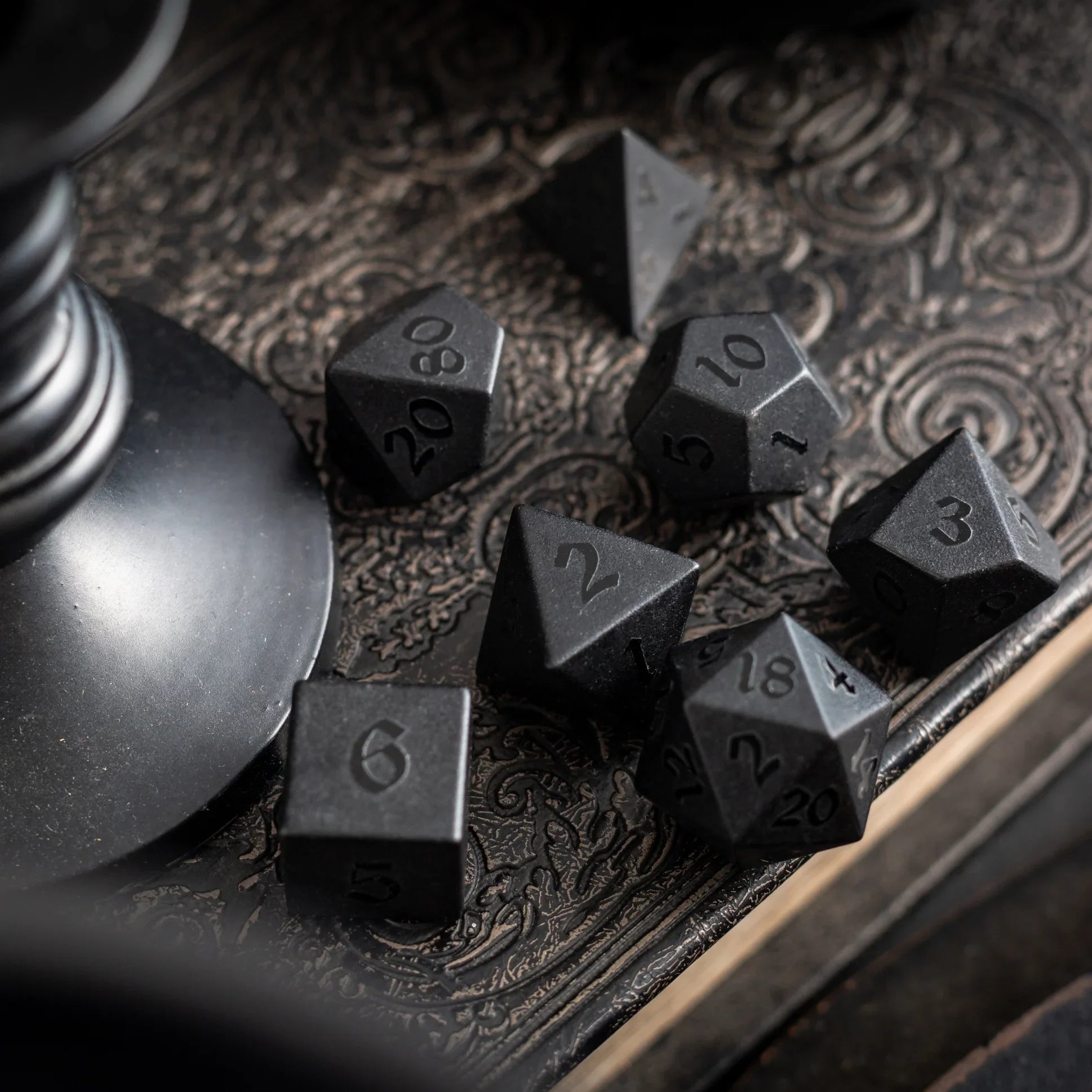
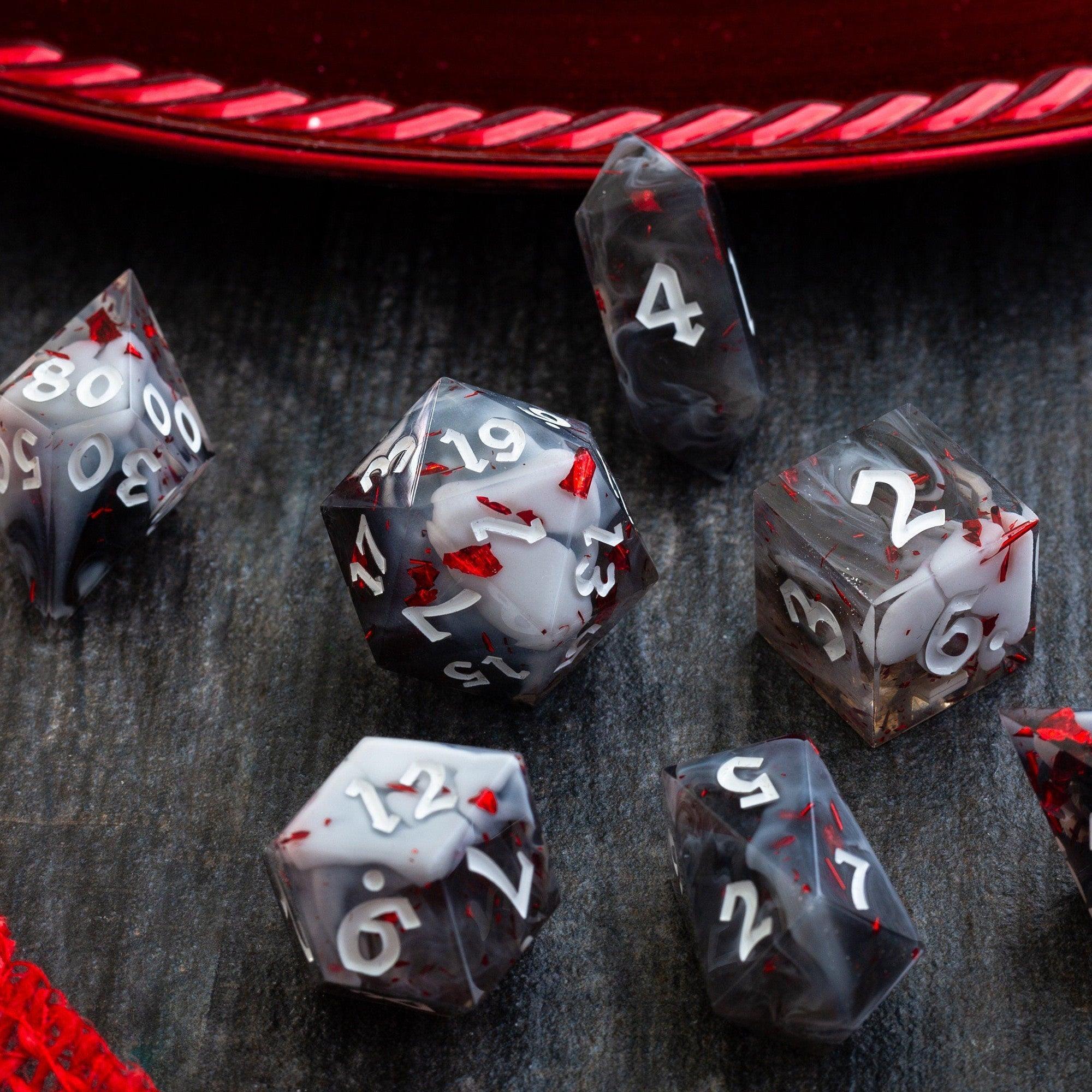
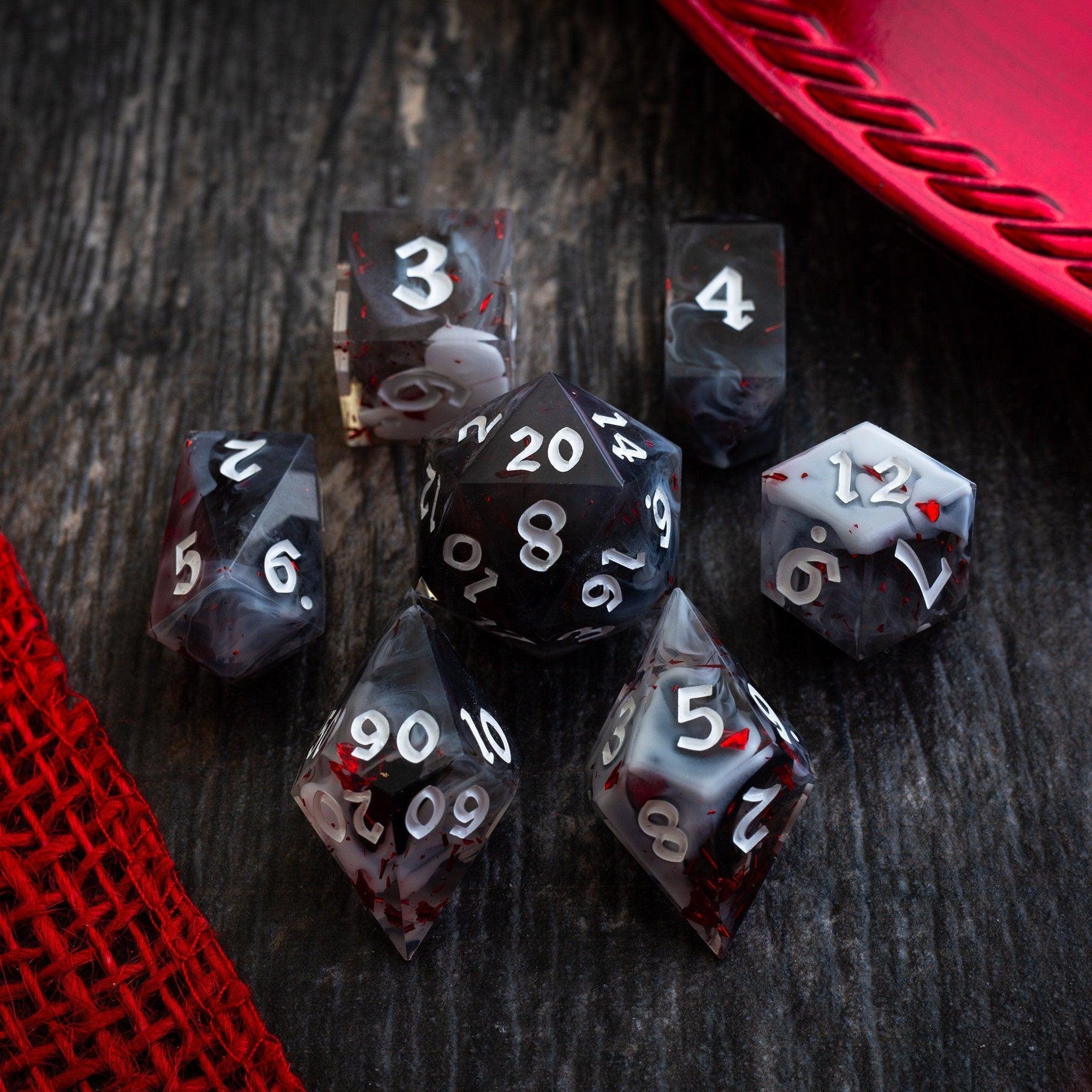
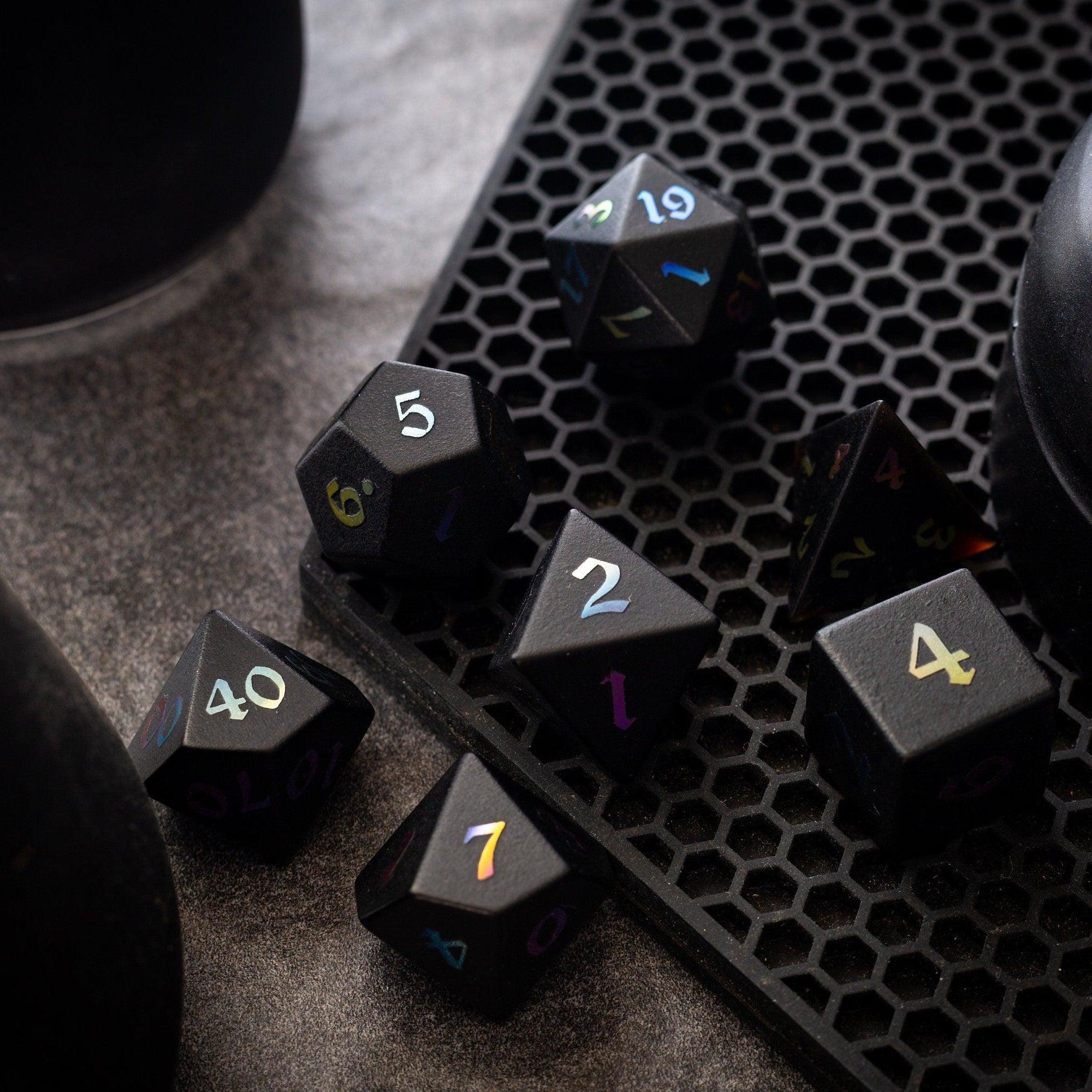
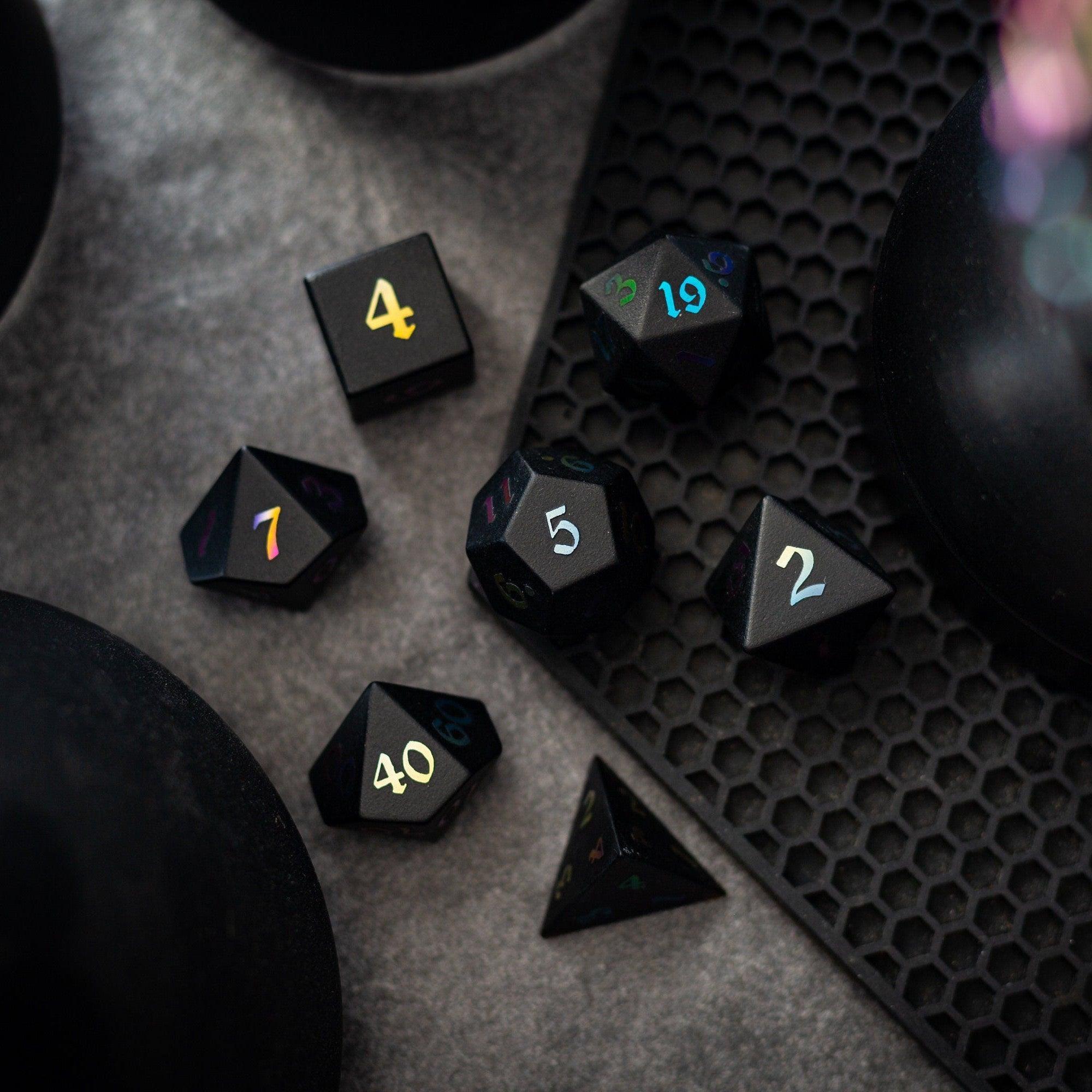
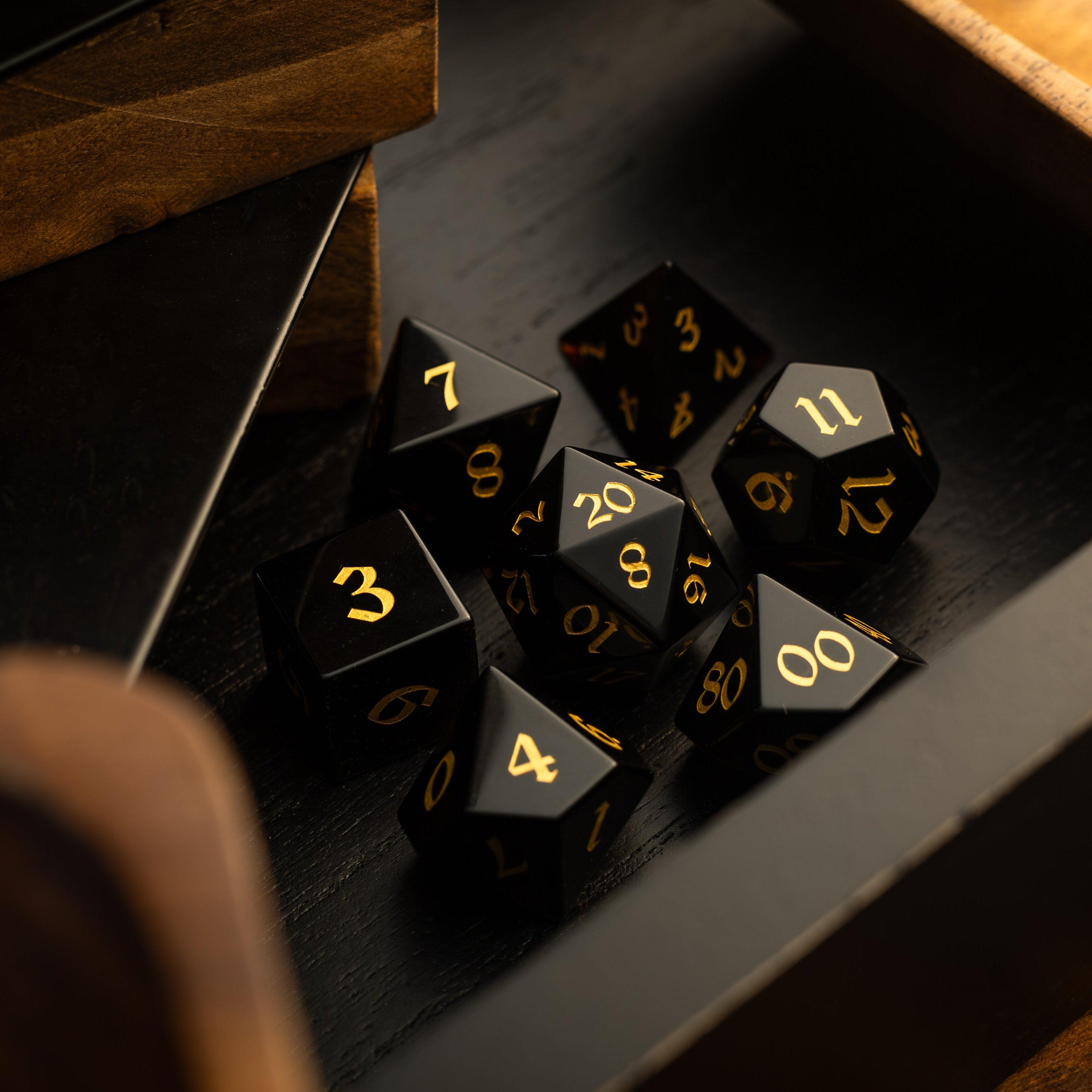
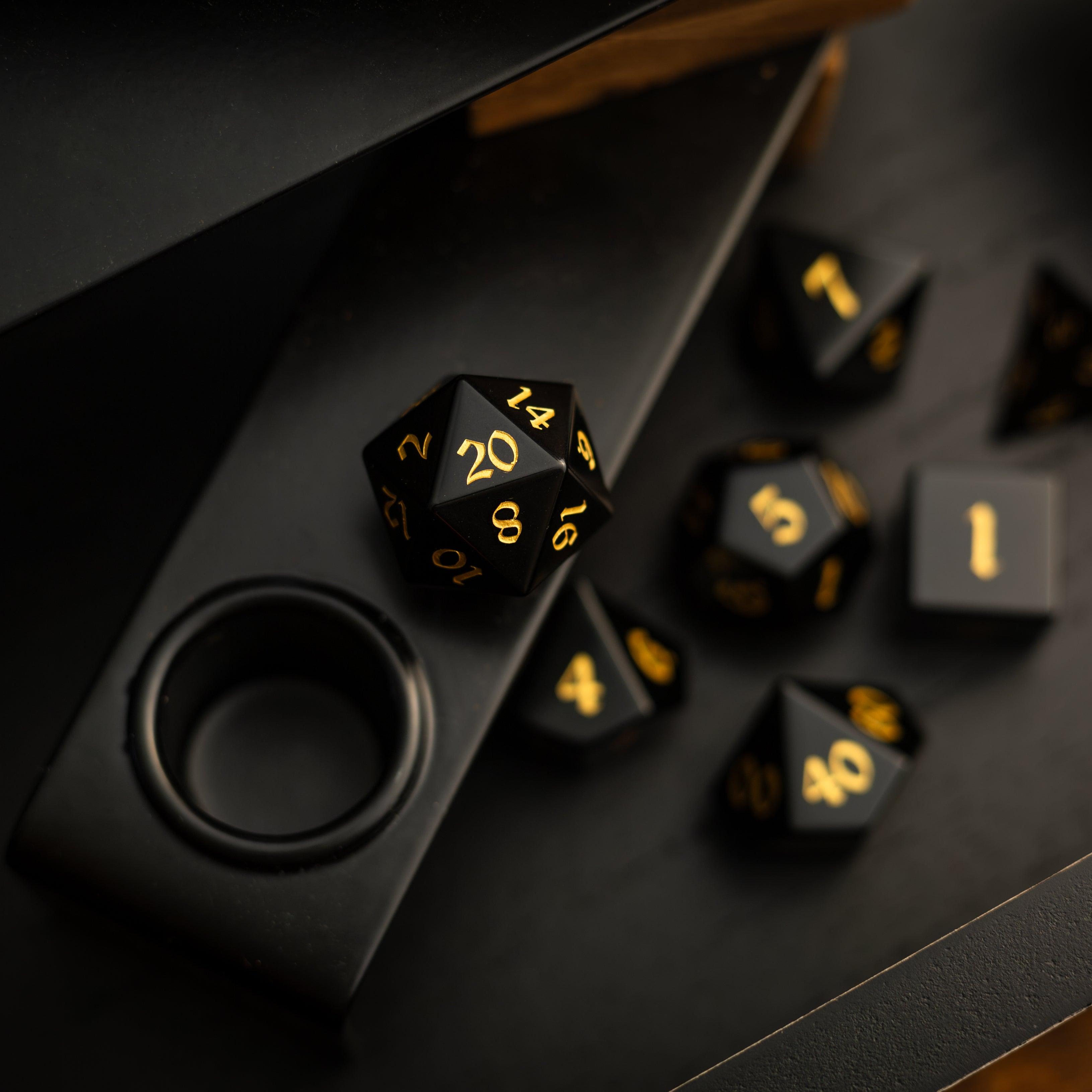
As you refine, keep your guide “just enough.” Players will read a page or two, not a manual. If your group likes thematic touches, consider an eye-catching set—like the deep shimmer of the blood red liquid core set—to mirror your campaign’s mood. A small, tactile detail can reinforce your guide’s theme without extra words. If you prefer a classic, elegant feel, the dwarf-cut gold gemstone set pairs well with regal or exploration-forward settings.

Tabletop Role-Playing Game Guides: Frequently Asked Questions
What makes a good tabletop RPG guide?
A good tabletop RPG guide is short, readable, and focused on play. It should introduce the table’s tone, explain the game loop in plain language, and show one quick example in action. It also sets expectations: what to bring, how long you’ll play, and what safety tools you use. For rules, highlight the most common actions and your table’s rulings. Skip deep rule quotes—link or reference the core book instead. If you’re helping new players, include a “first session” checklist and three simple starter hooks.
Which sources offer reliable tabletop RPG guides for beginners?
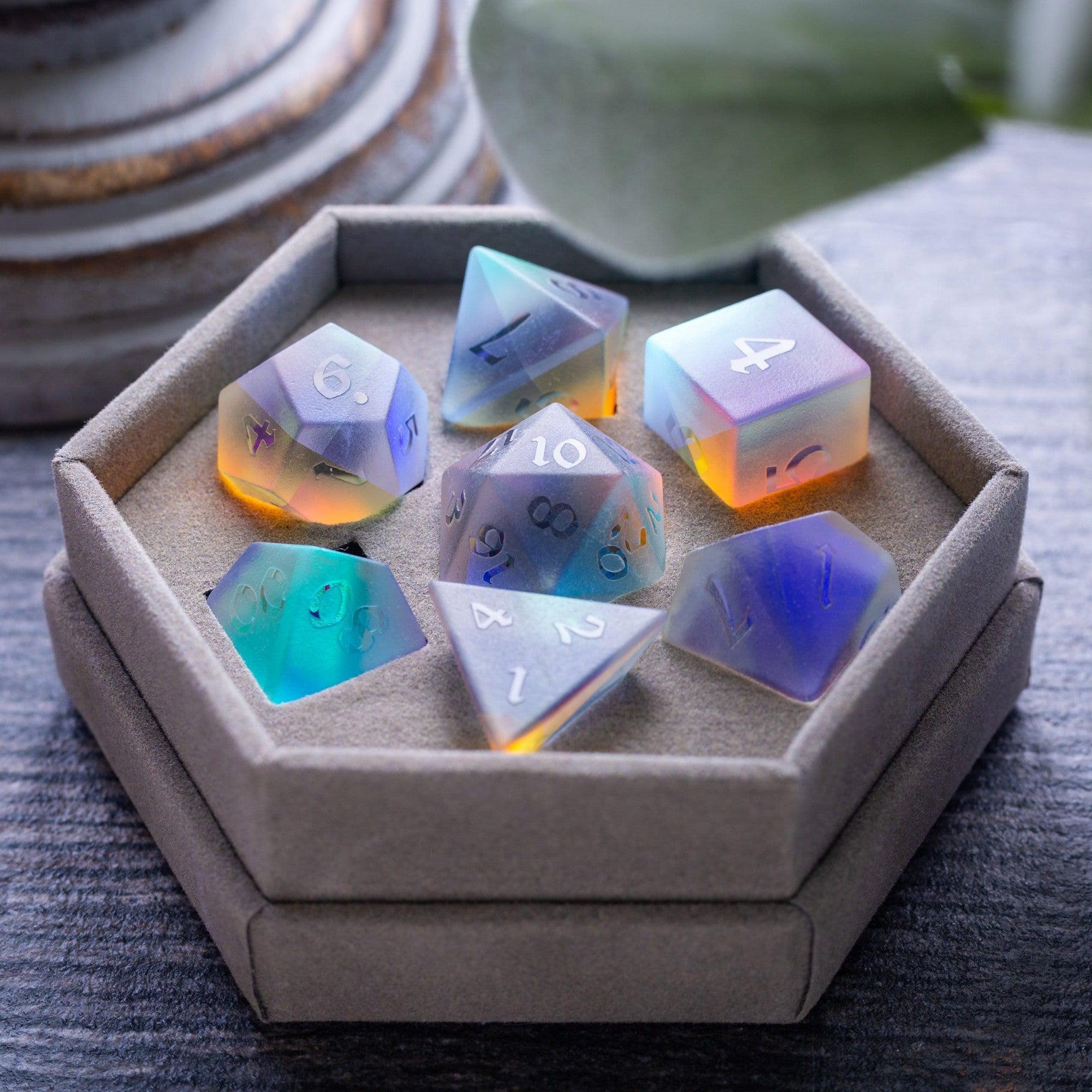
Reliable sources are clear, up to date, and transparent about what the guide covers. Official publishers often provide quick-starts, while community creators share templates and examples that you can adapt. Many GMs publish their one-page references and house-rule summaries for free. Look for guides that use plain language, state which system or edition they apply to, and include table norms—not just rules. For a dose of inspiration around table presentation, browsing curated dice themes—like the premium and specialty sets in the main collections—can help you develop a visual identity for your guide.
How do tabletop world-building guides support a campaign?
Tabletop world-building guides give players a shared mental model of the setting. They keep details light but specific: a few factions, a signature location, and a core conflict. That’s enough to inform choices without creating homework. The best approach is modular. Start with three to five anchors, then add one-page addendums as the campaign grows. This keeps your guide useful at the table rather than turning it into a lore encyclopedia.
Should I buy or homebrew RPG campaign guides?
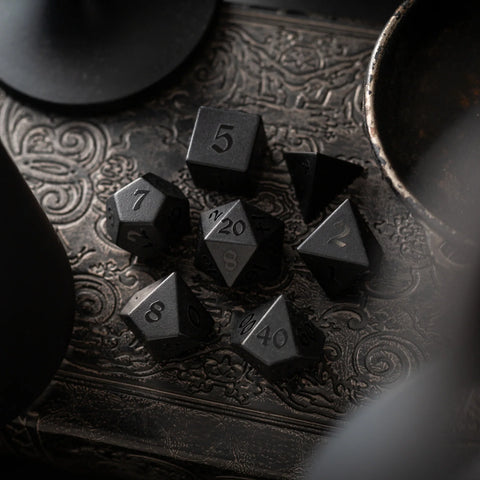
Both work. Buying a ready-made outline speeds up prep and helps you learn pacing. Homebrewing gives you perfect fit for your group’s preferences. A smart middle path is to start with a purchased skeleton—encounter beats, pacing tips, and guidance for scenes—then customize the tone, house rules, and world anchors. If you want a physical cue to mark the new campaign, choose a set that echoes the theme. A subtle, gemstone aesthetic can hint at mystery or discovery without saying a word.

Leave a comment
This site is protected by hCaptcha and the hCaptcha Privacy Policy and Terms of Service apply.