Character Backstory Tools Craft Rich Origins for PCs
Updated on: 2025-11-26
Table of Contents
- Character Backstory Tools for Writers and GMs
- Product Spotlight: Dice That Inspire Character Backstories
- Did You Know? Facts about Character Backstory Generators
- Pros & Cons Analysis of Backstory Creation Tools
- How to Evaluate Character Backstory Tools Step-by-Step
- Use Cases: Character Development Tools and Worldbuilding Tools Working Together
- FAQ: Character Backstory Tools

Character Backstory Tools for Writers and GMs
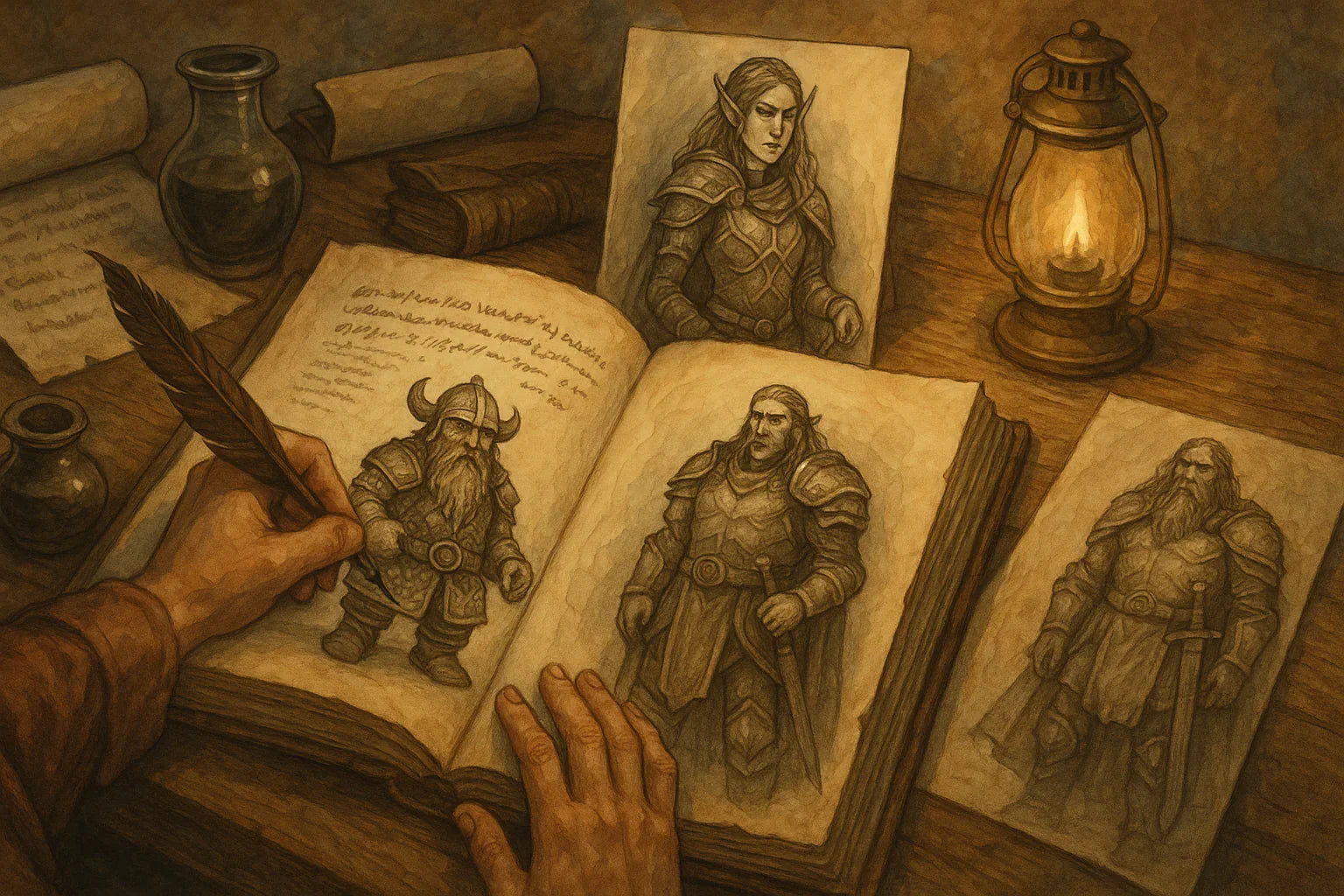
Strong characters start with meaningful histories. Character backstory tools help you uncover motivations, wounds, and formative moments so your protagonists and NPCs feel genuine. Whether you lean on character backstory generators, prefer guided questionnaires, or mix in other backstory creation tools, the right approach can save time while keeping your voice. Early in the drafting process, thoughtful prompts can clarify goals, fears, and loyalties. This reduces rewrites and gives you a stable compass for pacing, theme, and tone.
In practice, these resources sit alongside character development tools that track arcs and relationships, and worldbuilding tools that organize settings, timelines, and cultures. Many teams use them together: a backstory generator suggests potential conflicts, a development tracker logs emotional beats, and a worldbuilding workspace grounds those beats in places, calendars, and factions. This blend offers clarity without feeling mechanical.
If you are exploring the best character backstory tools for novelists or seeking online character backstory generators for writers who draft in short sprints, a few criteria may help: flexible prompts, clean export, and privacy. A calm interface with simple language can also support focus. The sections below offer a spotlight, quick facts, an even-handed pros and cons list, and a step-by-step evaluation guide.
Dice That Inspire Character Backstories
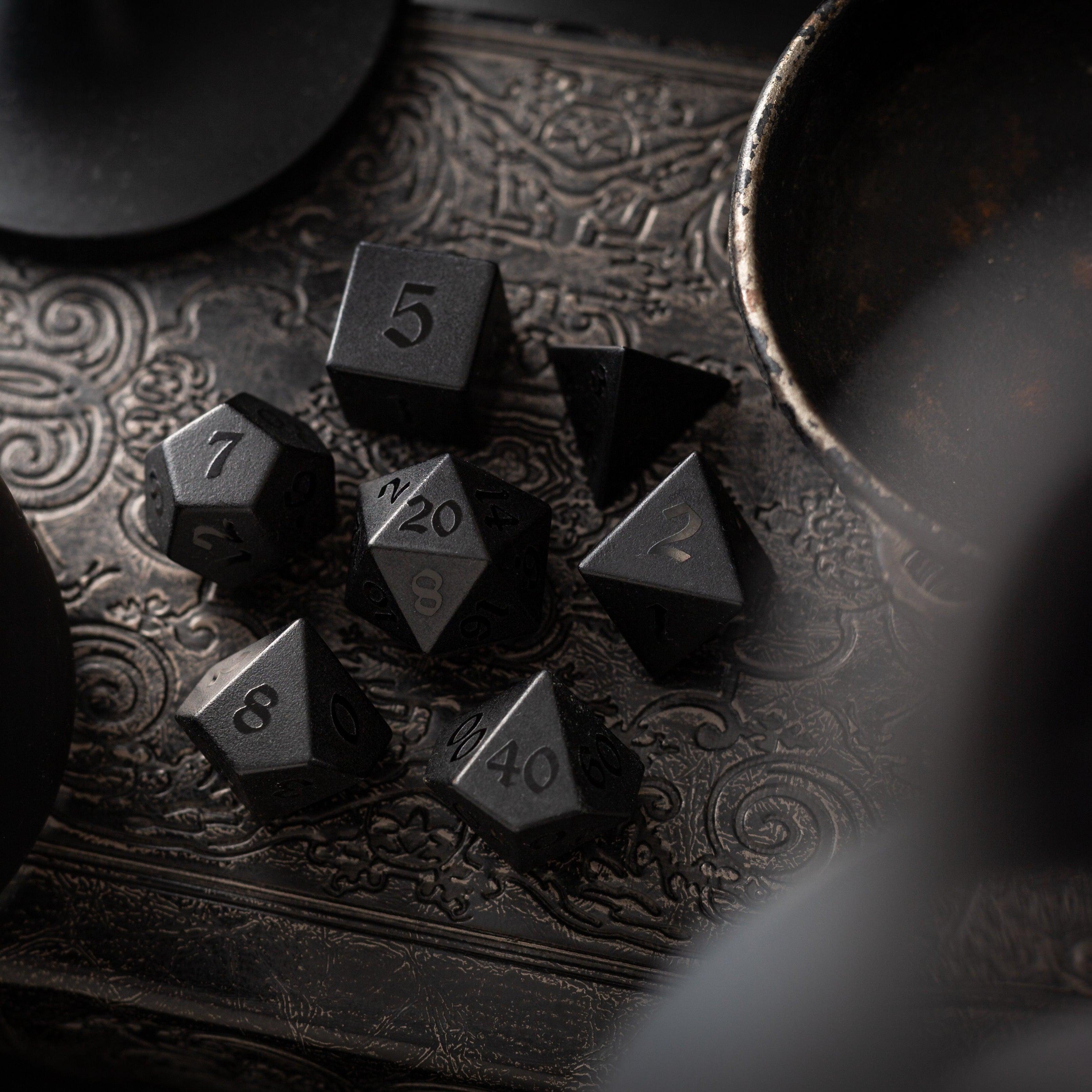
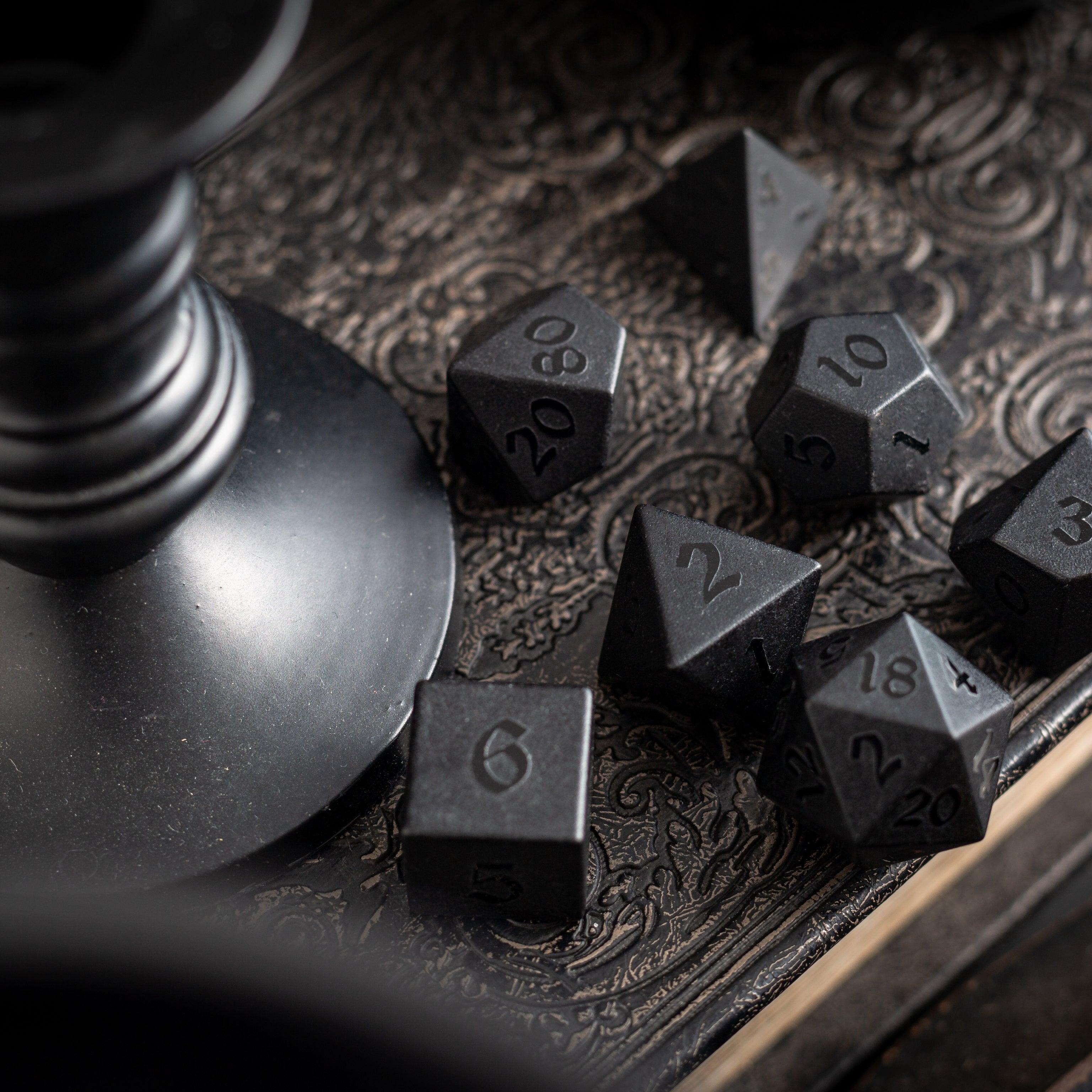
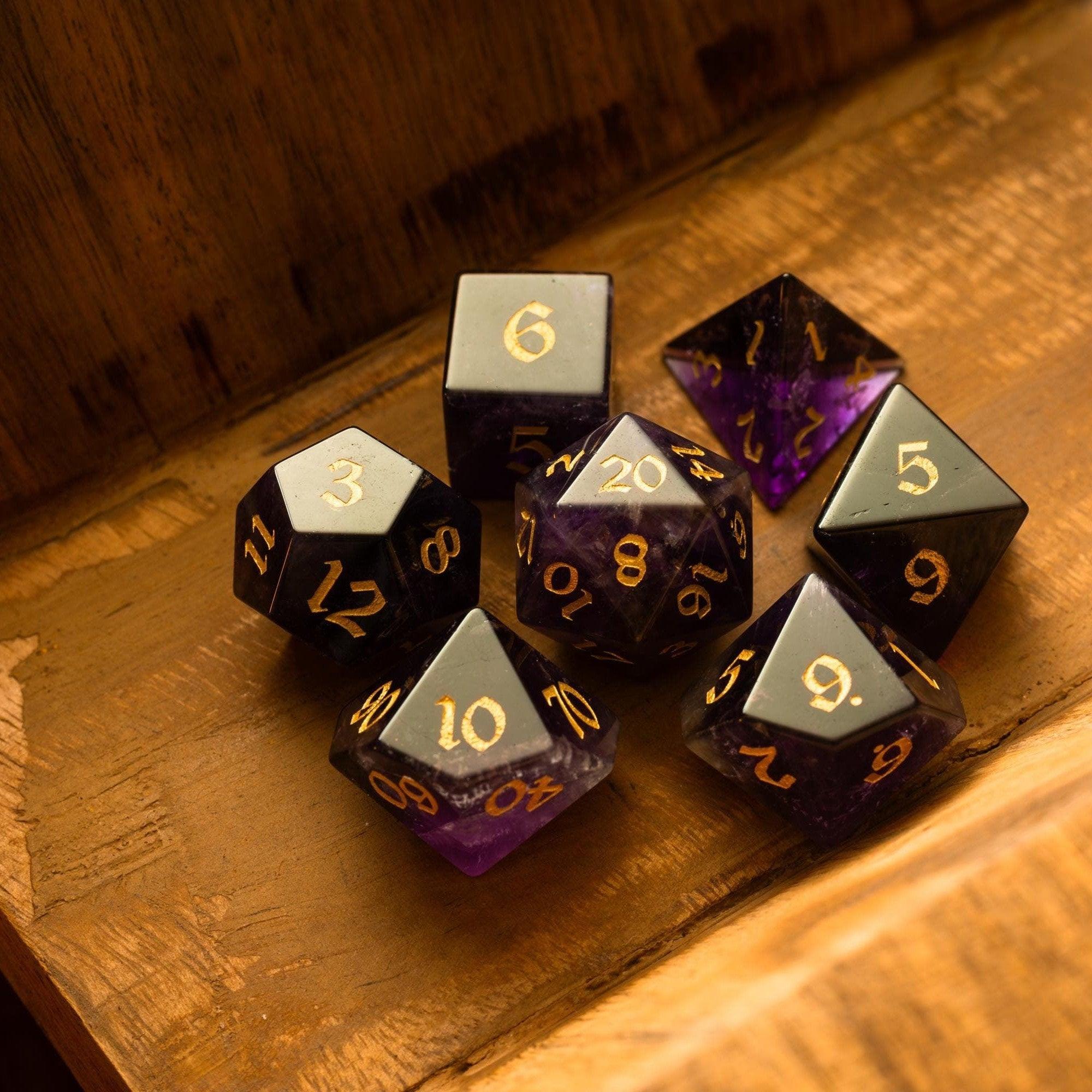
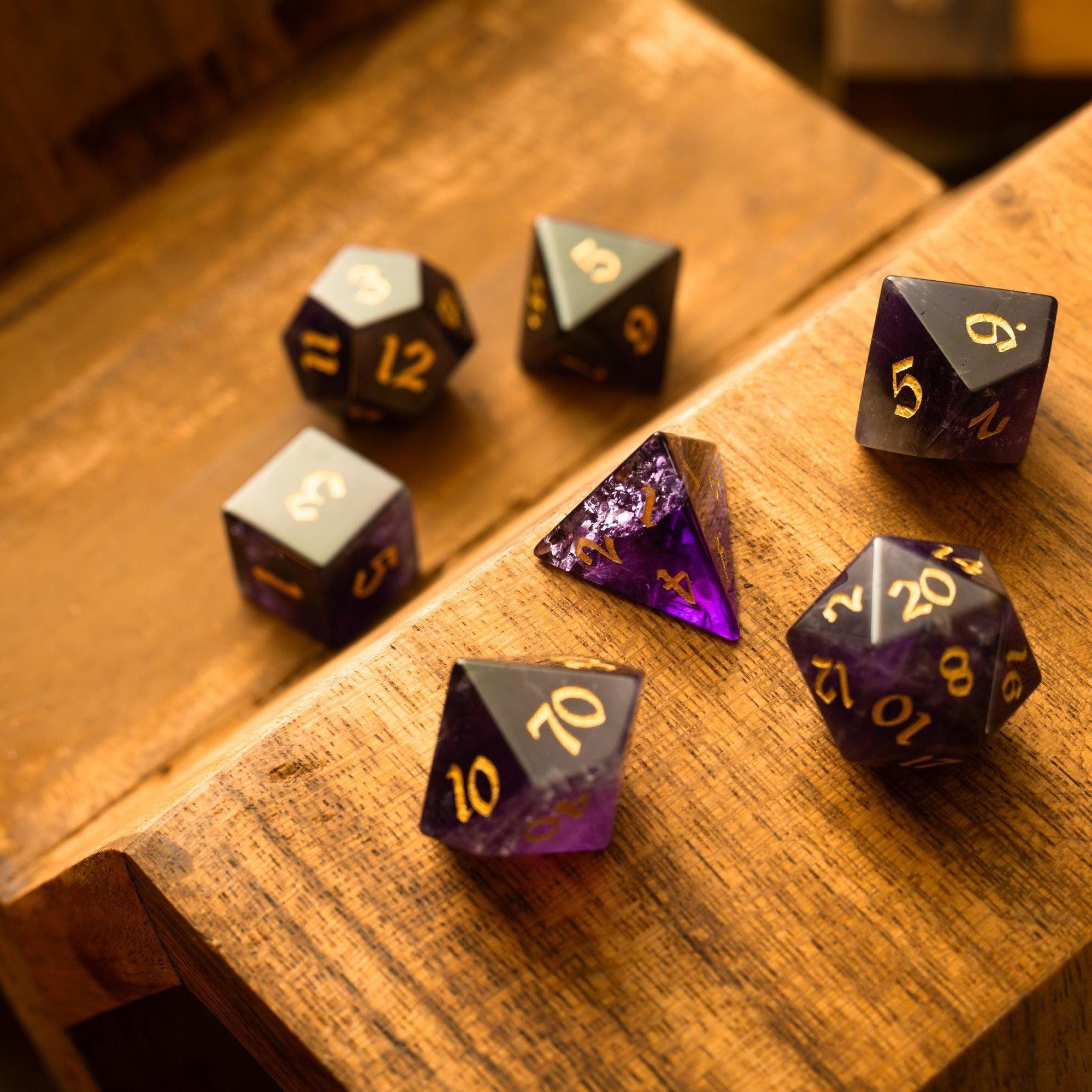
Inspiration can come from small rituals. Some writers and game masters enjoy rolling a favorite dice set before a brainstorming session to choose a mood, flaw, or motif. The tactile rhythm can serve as a gentle warm-up and reduce blank-page pressure. If you appreciate a subtle spark, a polished set with natural sheen may help you ease into a creative headspace.
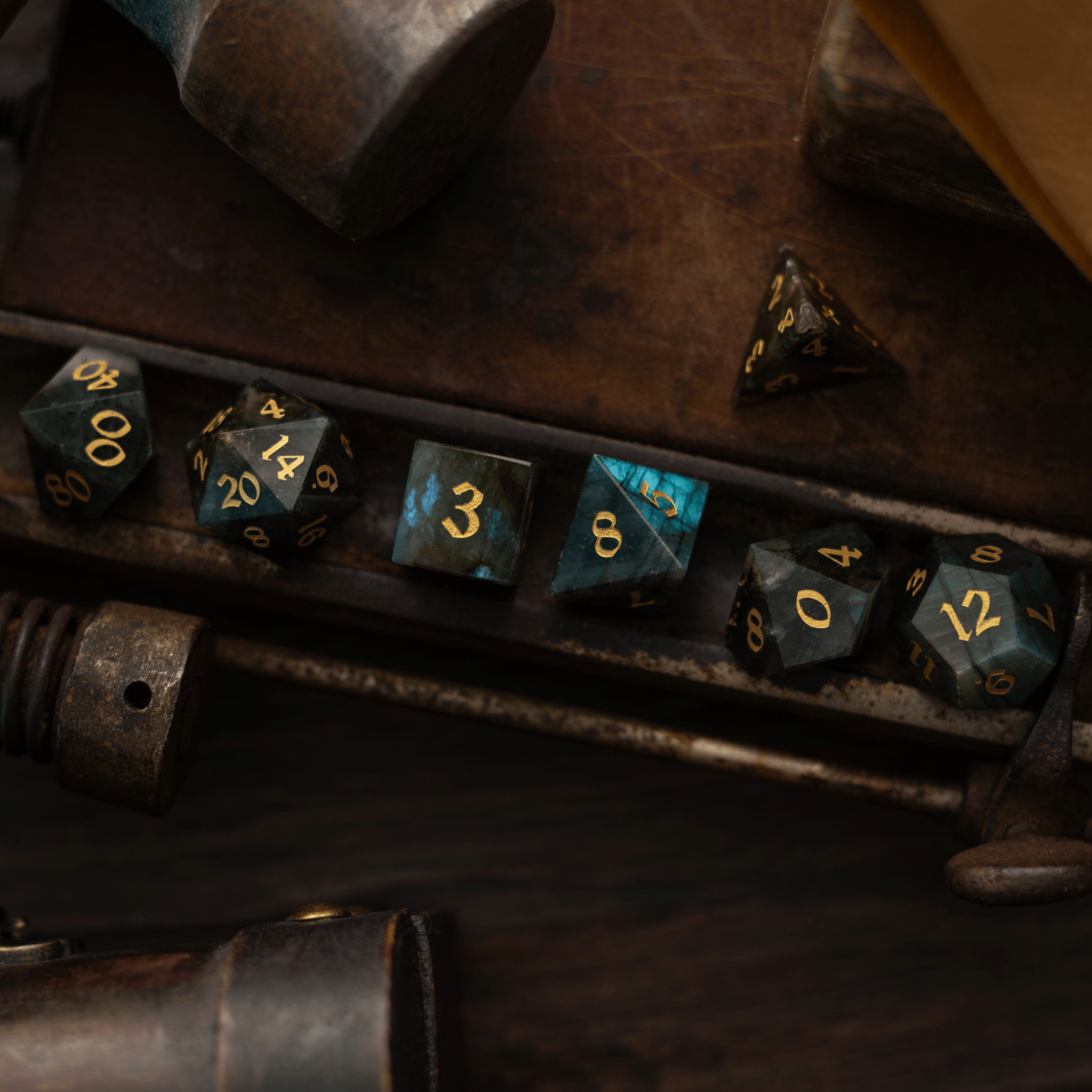
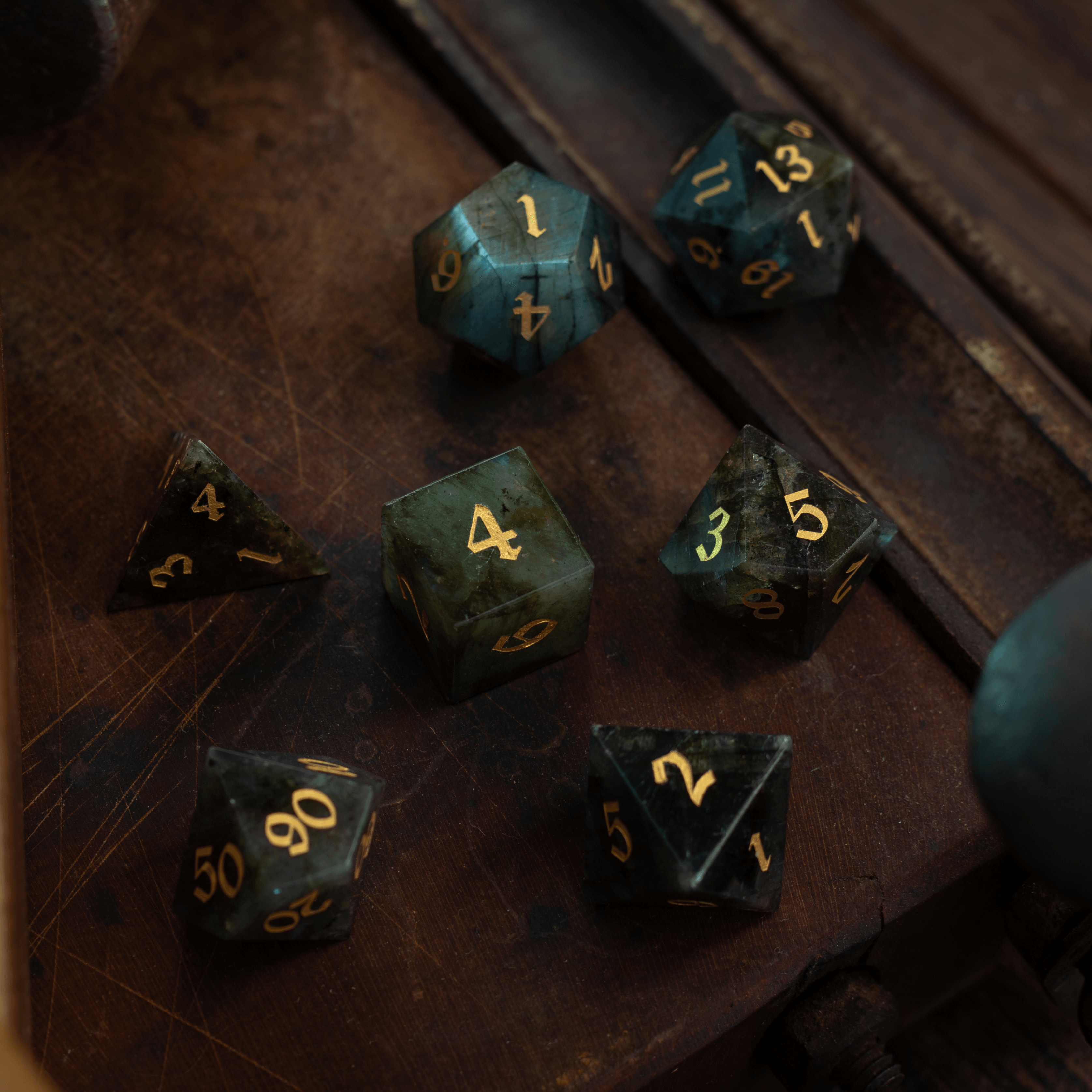
Consider pairing your backstory session with the elegant labradorite gemstone dice. Its shifting colors can suggest duality, secrets, and transformation—useful angles when outlining a troubled mentor, a haunted scout, or a healer with a hidden oath. A simple practice: roll once for “past,” once for “present,” and once for “future.” Let the numbers nudge you to assign a formative event, a current pressure, and a pending choice. This quiet ritual works well alongside digital character backstory tools without interrupting your flow.
Did You Know? Facts about Character Backstory Generators
- Many character backstory generators use modular prompts so you can customize depth for short stories, campaigns, or epic sagas.
- Backstory creation tools often include relationship and flaw prompts, because conflict and contrast help readers care.
- Some tools export to plain text or markdown, which can be copied into your manuscript or GM notes with minimal cleanup.
- Offline or local-first options can be helpful if you prefer to keep drafts private while experimenting.
- Writers sometimes mix random tables with guided questions; the balance of chance and intention can surface unexpected ideas.
Pros & Cons Analysis of Backstory Creation Tools
-
Pros
- Speed: Prompts reduce decision fatigue and help you start sooner.
- Structure: Clear sections (origin, mentors, wounds, vows) keep details consistent across chapters or sessions.
- Discovery: Randomization can reveal fresh angles, especially for side characters.
- Integration: Many tools link with character development tools and worldbuilding tools for smoother planning.
-
Cons
- Similarity: Generic prompts can lead to familiar patterns if used without revision.
- Overfill: Long questionnaires may create more lore than your story can use.
- Voice drift: Auto-generated text might not match your tone unless you adapt it.
- Fragmentation: Switching between multiple apps can slow momentum if workflows are not aligned.
How to Evaluate Character Backstory Tools Step-by-Step
Step 1: Define your creative goals
It may help to decide what you want from the tool before testing. Are you seeking quick prompts, deep psychological frameworks, or random seeds for NPCs? Note your must-haves (for example, export format, offline access, or collaboration) so comparisons stay gentle and fair.
Step 2: Test the prompts
Try two or three prompts with a character you already know. If the tool suggests new, respectful insights rather than repeating what you have, it might be a good fit. Notice whether you feel encouraged or crowded by the questions.
Step 3: Check export and workflow fit
Confirm that you can copy results into your writing or campaign app without heavy cleanup. Plain text and markdown are flexible. If you use worldbuilding tools, see whether links or tags transfer smoothly.
Step 4: Review privacy and backups
If you prefer to keep early drafts private, check whether the tool stores data locally, offers backup control, or provides export on demand. A simple, clear policy can be reassuring while you explore delicate character histories.
Step 5: Trial with a micro-scene
Write a brief vignette—100 to 200 words—using details from the tool. If the character’s voice feels consistent and your plot gains traction, the tool is likely supporting your process well.
Use Cases: Character Development Tools and Worldbuilding Tools Working Together
For novelists
Many novelists appreciate a light structure. Start with a character backstory generator to outline formative events, then move into character development tools that track misbeliefs, wants, and turning points. Next, align those beats with worldbuilding tools that log calendars, regions, and cultural rules. This helps you avoid contradictions and guides your scene order. If you prefer ambiance while planning, a visually striking set like the blood‑red glitter liquid core dice can serve as a gentle ritual: roll once when choosing a scene’s emotional temperature, and let the result color your dialogue and conflict.

For game masters
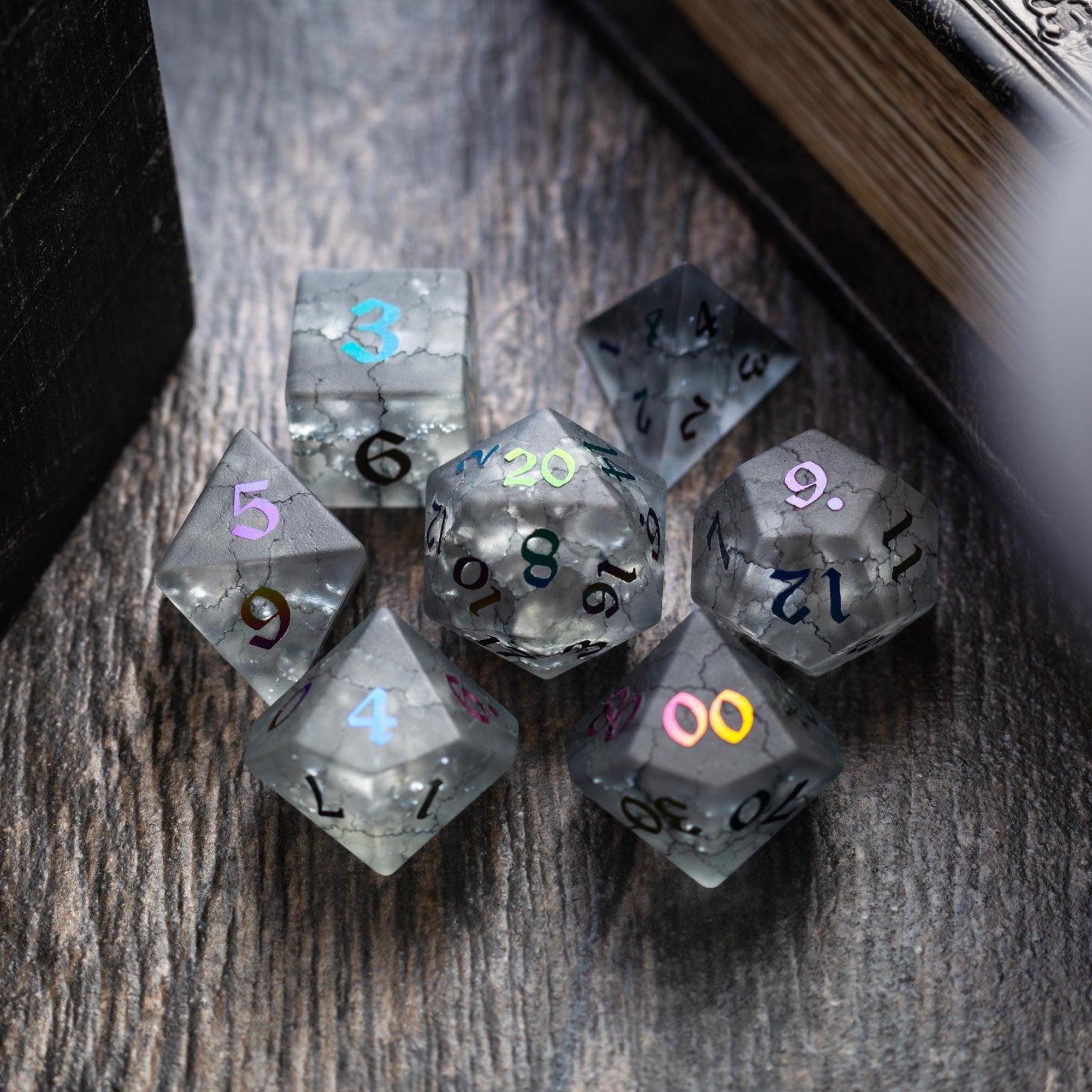
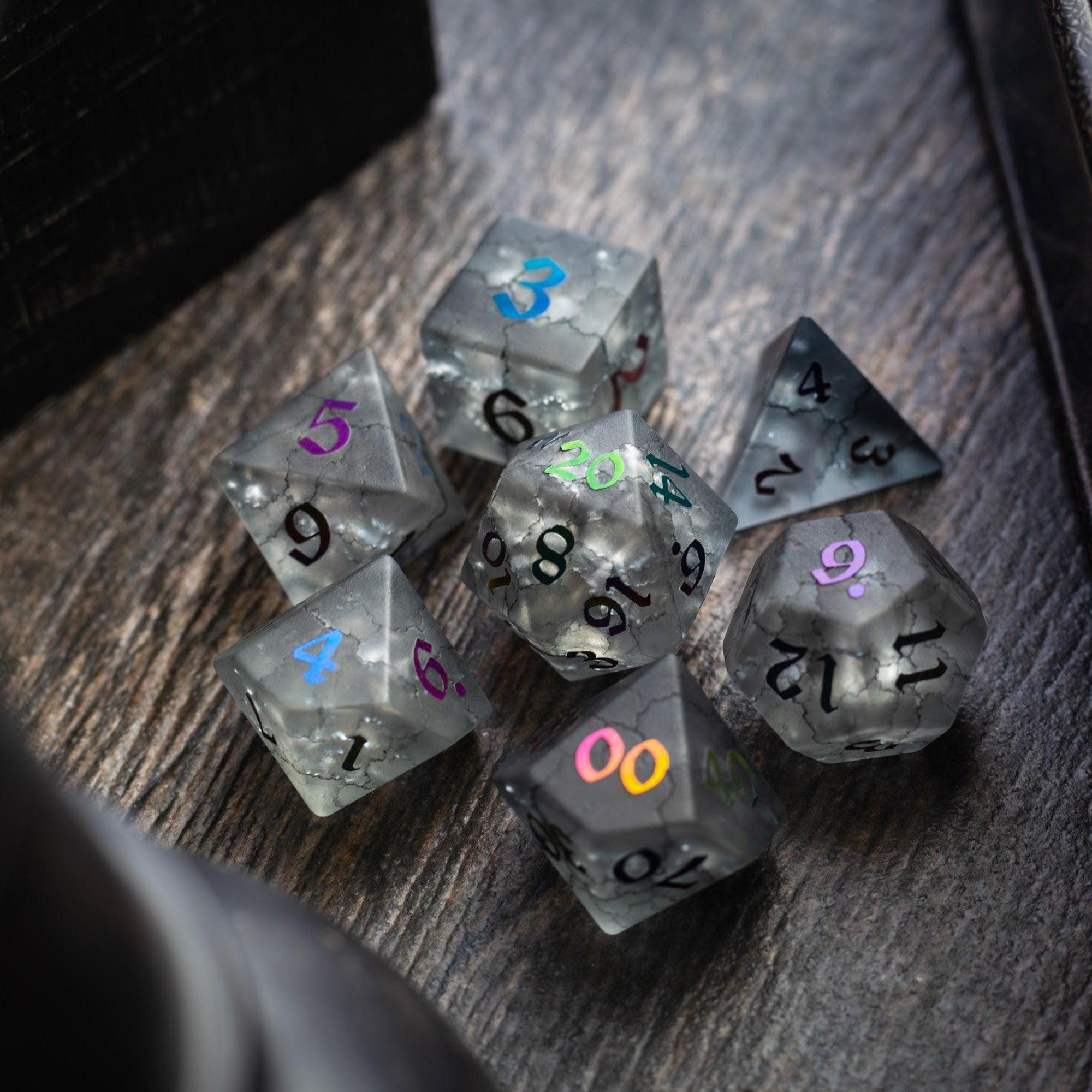
Tabletop sessions benefit from quick, reusable tools. Use online character backstory generators for writers and GMs to create hooks, then keep a short list of prompts ready during play: a rumor from home, a debt coming due, or a token from a mentor. Worldbuilding tools can hold maps, quest lines, and factions, while your character development tools track party bonds and secrets. If you enjoy tactile tables, a themed collection such as the liquid core dice category offers a variety of looks that can set a mood for each arc.
For collaborative teams
When co-writing or co-GMing, shared templates are useful. Consider agreeing on a short backstory schema—origin, bond, flaw, goal—and store results in a common folder. This keeps characters consistent as drafts move between teammates. Lightweight tools that allow comments can help you gently refine motivation statements and vows without stepping on each other’s styles. For a calm browsing break between sessions, the gemstone dice collection provides aesthetic inspiration you can translate into setting motifs, heraldry, or family heirlooms.
FAQ: Character Backstory Tools
What are character backstory tools?
Character backstory tools are resources that help you create a character’s personal history. They may include character backstory generators, guided questionnaires, random tables, or hybrid systems. Many also connect with character development tools for tracking arcs and with worldbuilding tools for keeping places, timelines, and cultures organized.
How can I choose the right character backstory tool for my project?
A gentle way to choose is to list your priorities first: speed, depth, or collaboration. Test a few prompts with one character, check how results export to your writing or campaign app, and see if the language supports your tone. If it sparks ideas without forcing your voice, it is likely a good fit.
Are online character backstory generators for writers free?
Many online character backstory generators offer free versions with core prompts. Some provide optional paid tiers that add deeper question sets, export formats, or collaboration features. If you prefer privacy, consider a local-first tool or a downloadable template you can use offline.
How do I avoid clichés when using generators?
It can help to remix the output. Merge two prompts, invert the obvious outcome, or swap the setting detail. Try linking each backstory element to a concrete choice your character must make in the story. This keeps the history active and personal, rather than generic.










Leave a comment
This site is protected by hCaptcha and the hCaptcha Privacy Policy and Terms of Service apply.