

Mastering Polyhedral Dice for Fair Rolls Balance and Feel
Updated on: 2026-01-01
If you’ve ever wondered how to pick, care for, and roll polyhedral dice with confidence, this guide has your back. We’ll walk through selecting materials, checking balance, and storing sets so they last. You’ll also learn simple cleaning methods, fair-rolling habits, and ways to track rolls without overthinking it. By the end, you’ll feel ready to grow your collection and enjoy game night without any guesswork.
Table of Contents
- Introduction
- Step-by-Step Guide: Choosing and Caring for polyhedral dice
- Tips
- FAQs
- How do I know if a set is balanced?
Let’s talk about game-night essentials. Dice aren’t just tools; they’re tiny pieces of art that set the tone at the table. Whether you’re drawn to shimmery resin, rugged metal, or natural stones, the right set can elevate every roll. In this guide, I’ll show you how to choose materials that suit your style, keep your set in great shape, and build habits that make your rolls feel fair and satisfying. We’ll keep it simple, practical, and fun.
Step-by-Step Guide: Choosing and Caring for polyhedral dice
-
Define your goals and budget
Start with how you play. Do you want a daily driver for weekly sessions, a stunning showpiece, or a gift that will wow a friend? Set a budget range so you can compare options without impulse buys. If you crave durability and clarity, consider resin or glass. If you want heft and presence, metal might call to you. For natural beauty, gemstone sets shine—literally.
-
Choose a material that fits your table
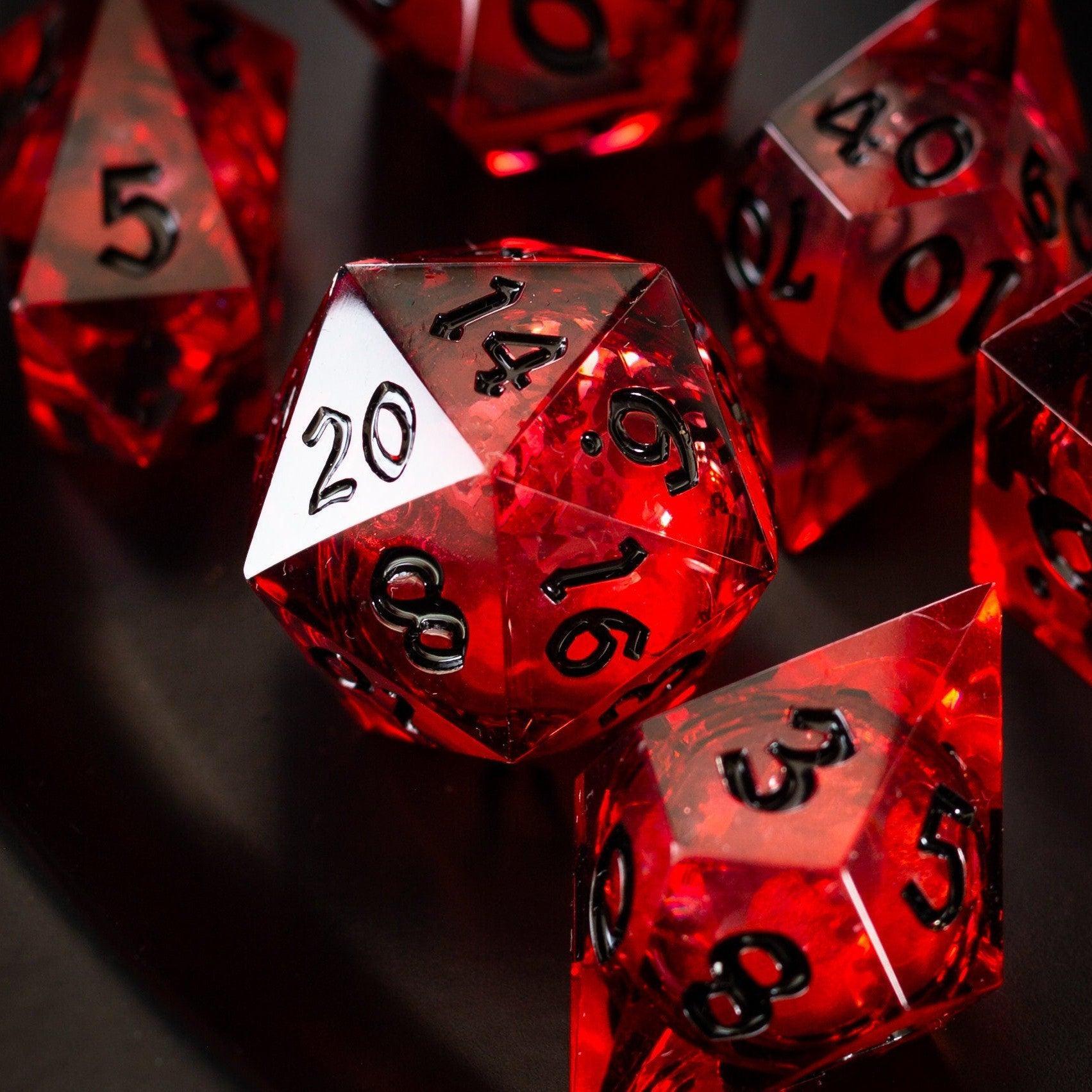
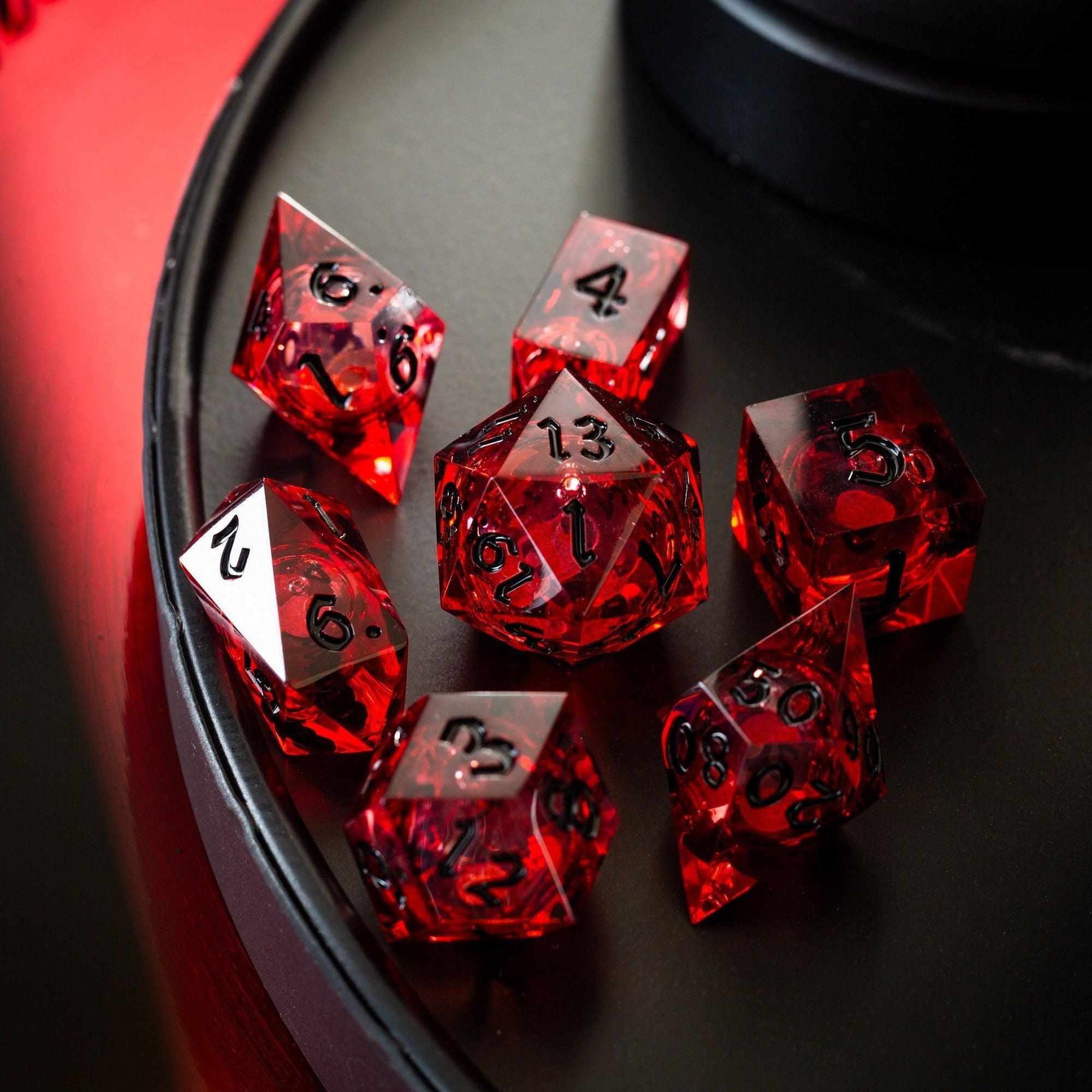
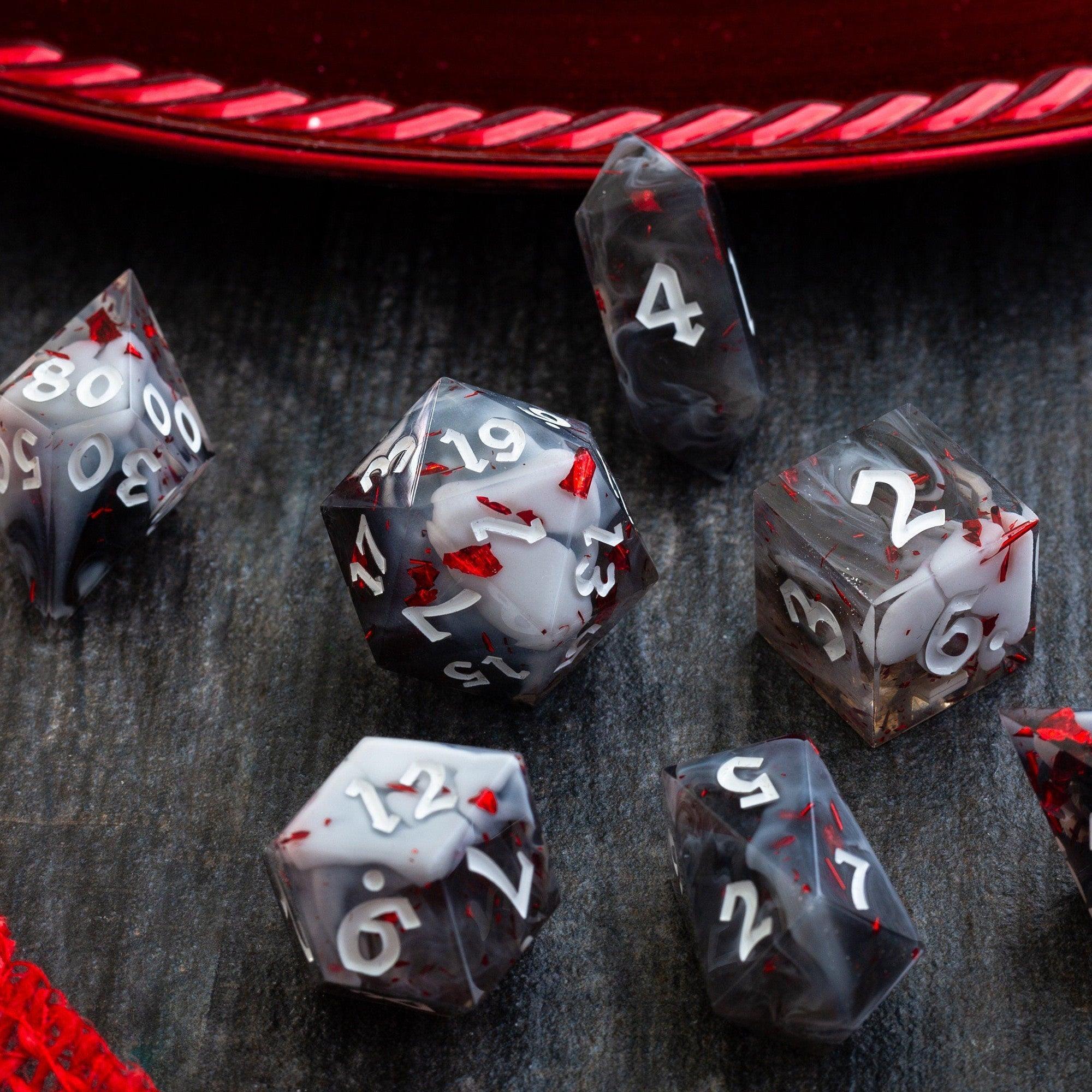
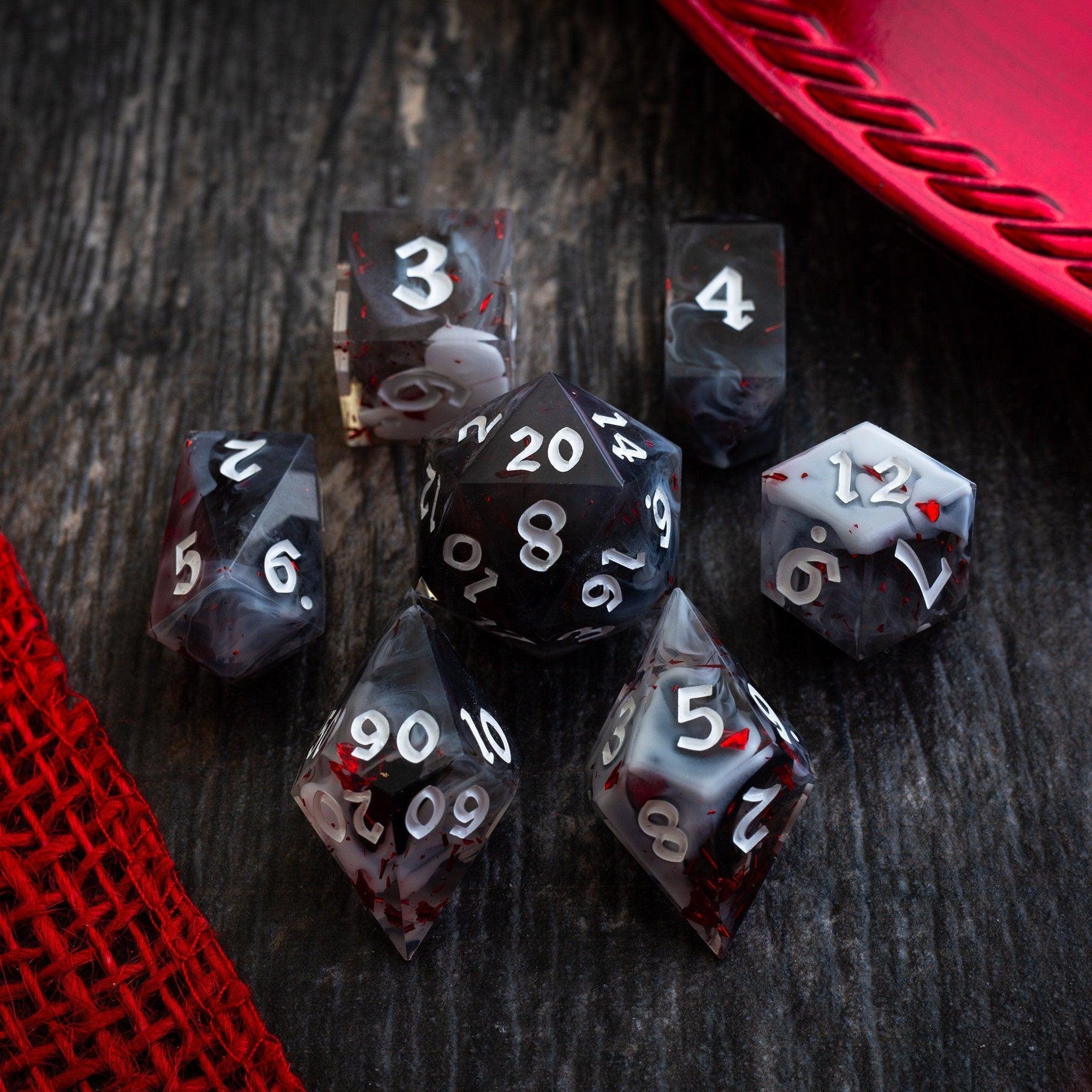
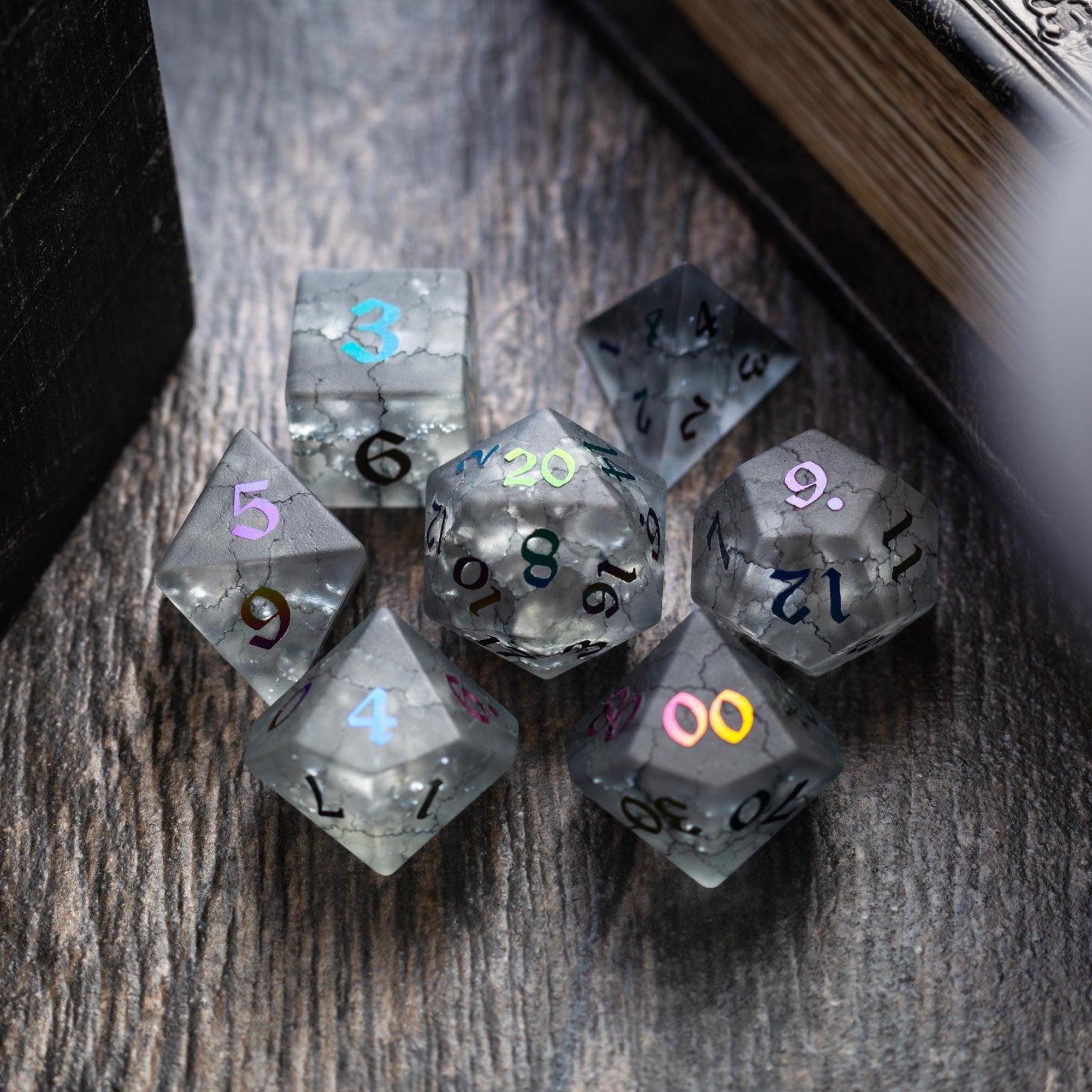
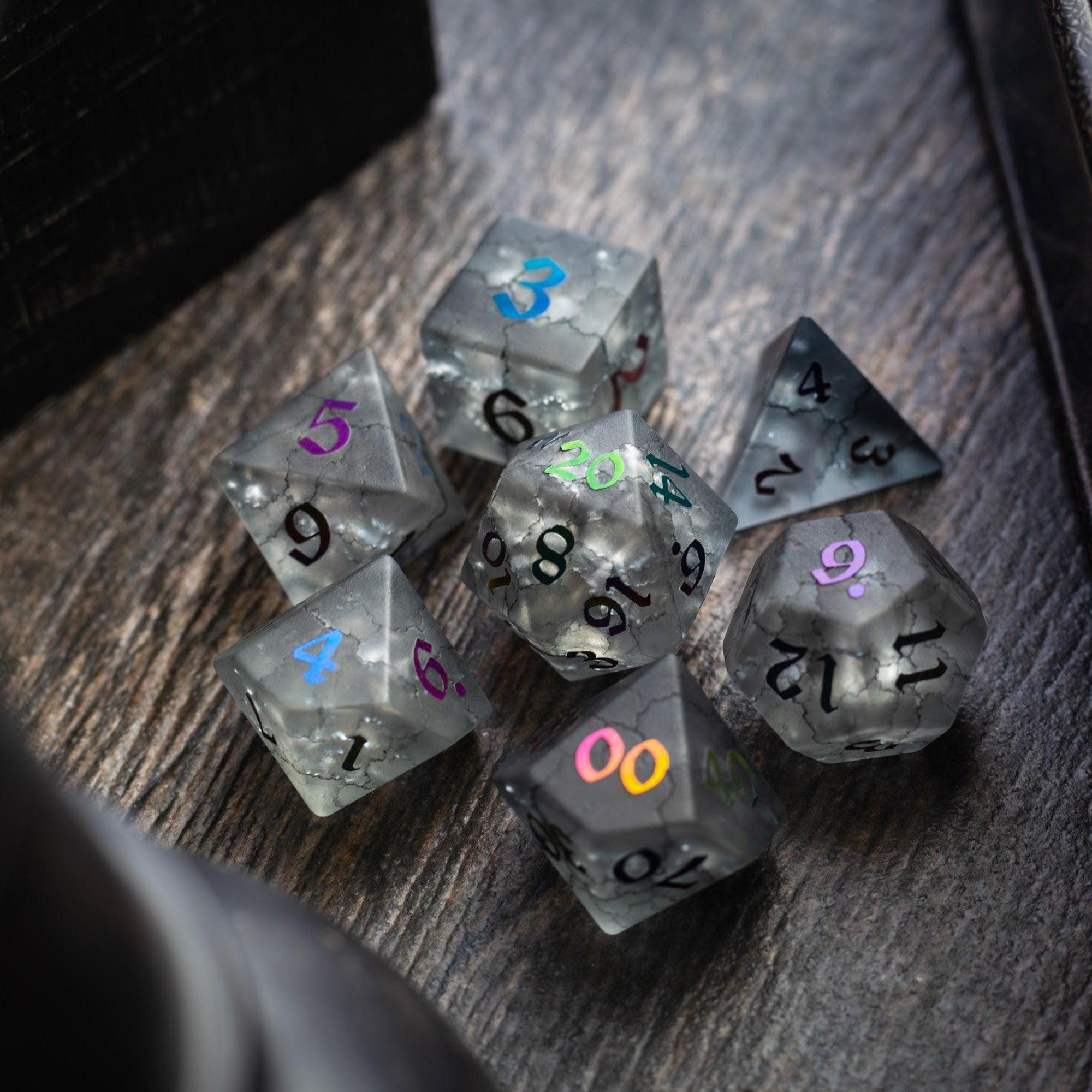
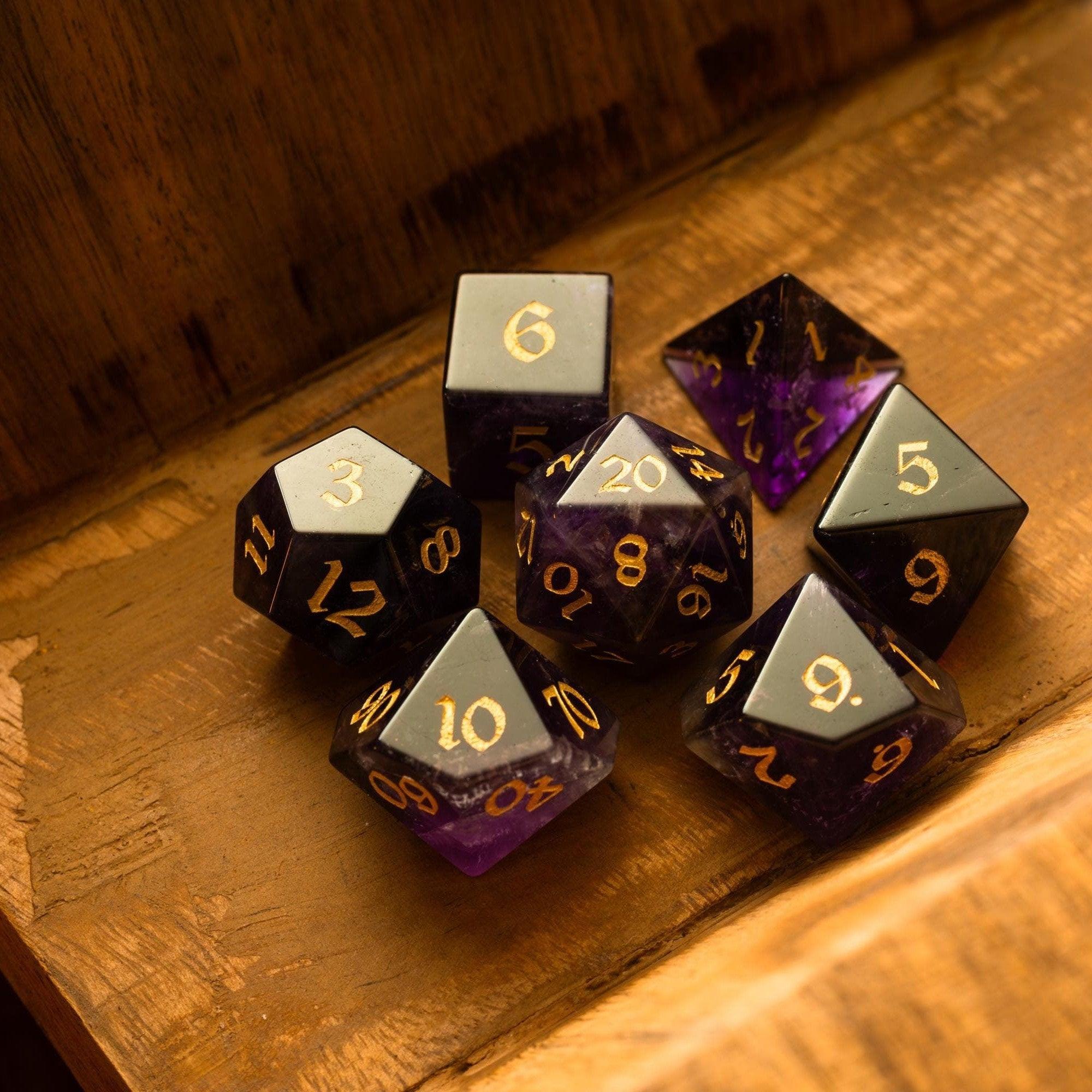
Materials affect weight, sound, and wear. Resin tends to be lightweight and colorful, with sharp edges providing crisp rolls. Stone and glass look luxurious and feel substantial. If you’re browsing premium looks, explore the Gemstone dice lineup for striking patterns and polish. And if you like hypnotic motion, Liquid core sets add a mesmerizing swirl when rolled.
-
Check readability and finish
Numbers should be clean and easy to spot across the table. High contrast ink fills are your friend, especially in dim lighting. Run a finger along the edges—consistent, even edges help protect your playmat and reduce chipping. If you see bubbles or rough spots, ask about the maker’s process and any coverage for defects.
-
Test for fairness (quick and simple)
Perfect balance is a tall order for any manufactured item, but you can do a quick sanity check. Roll your d20 50–100 times on a flat surface and note if any face is dramatically overrepresented. Small skews happen; big outliers deserve a closer look. For stones or glass, consistency in weight distribution matters—look for solid craftsmanship and even numbering depths.
-
Protect your surfaces (and your set)
Heavier materials can dent a wooden table or chip edges. Roll on a soft mat, a felt-lined tray, or use a tower to guide throws. A tray also keeps errant dice from diving off the table mid-boss fight. If you’re exploring accessories, browse sturdy Dice towers to keep rolls consistent and chaos-free.
-
Clean gently and avoid harsh chemicals
For resin: use a soft cloth slightly dampened with water and a drop of mild soap. Pat dry—don’t rub aggressively. For gemstone or glass: microfibre cloths work well; avoid abrasive powders. For metal: wipe dry promptly to prevent oxidation. If your set has glitter, foil, or inclusions, keep it away from solvents to protect the finish.
-
Store smart: cases, pouches, and trays
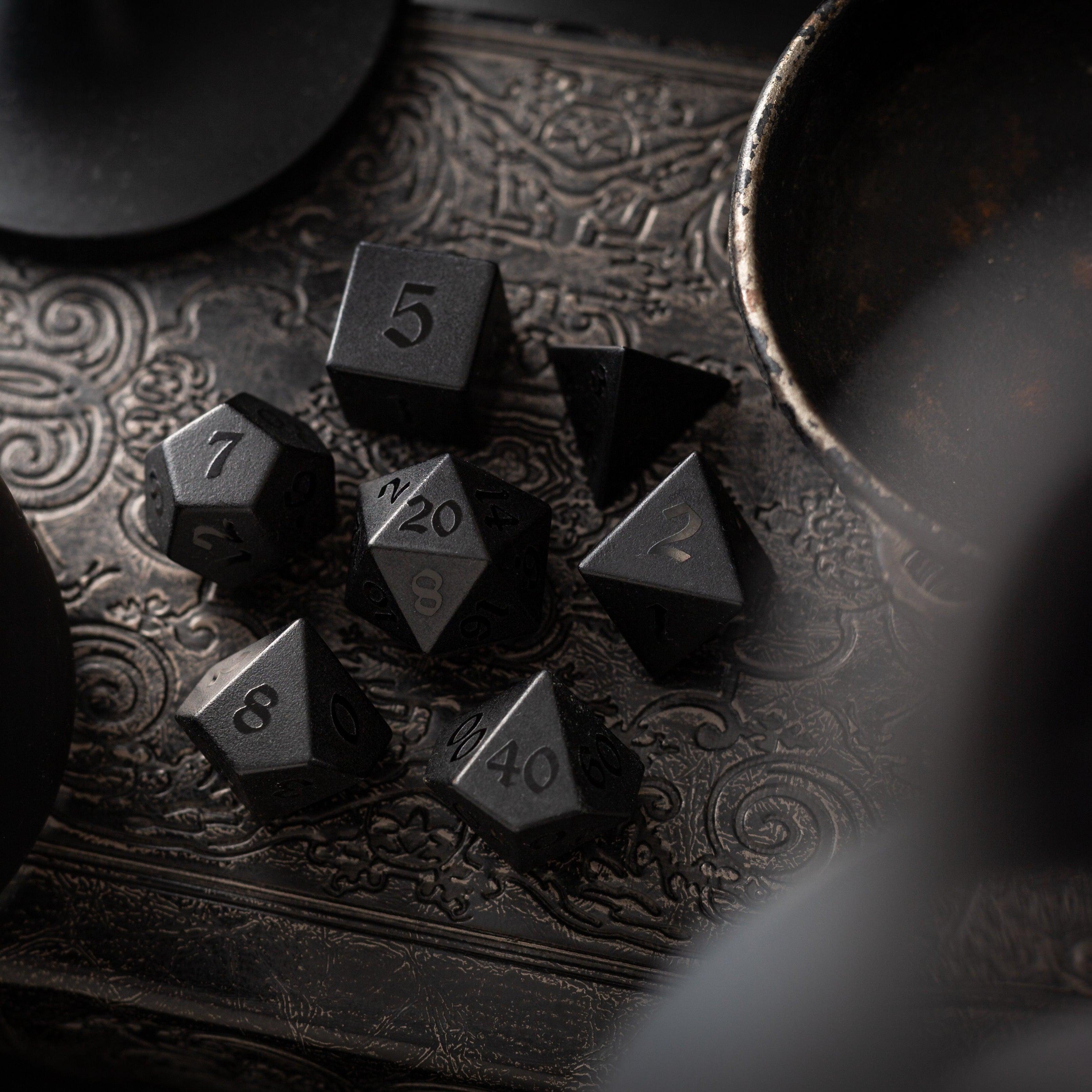
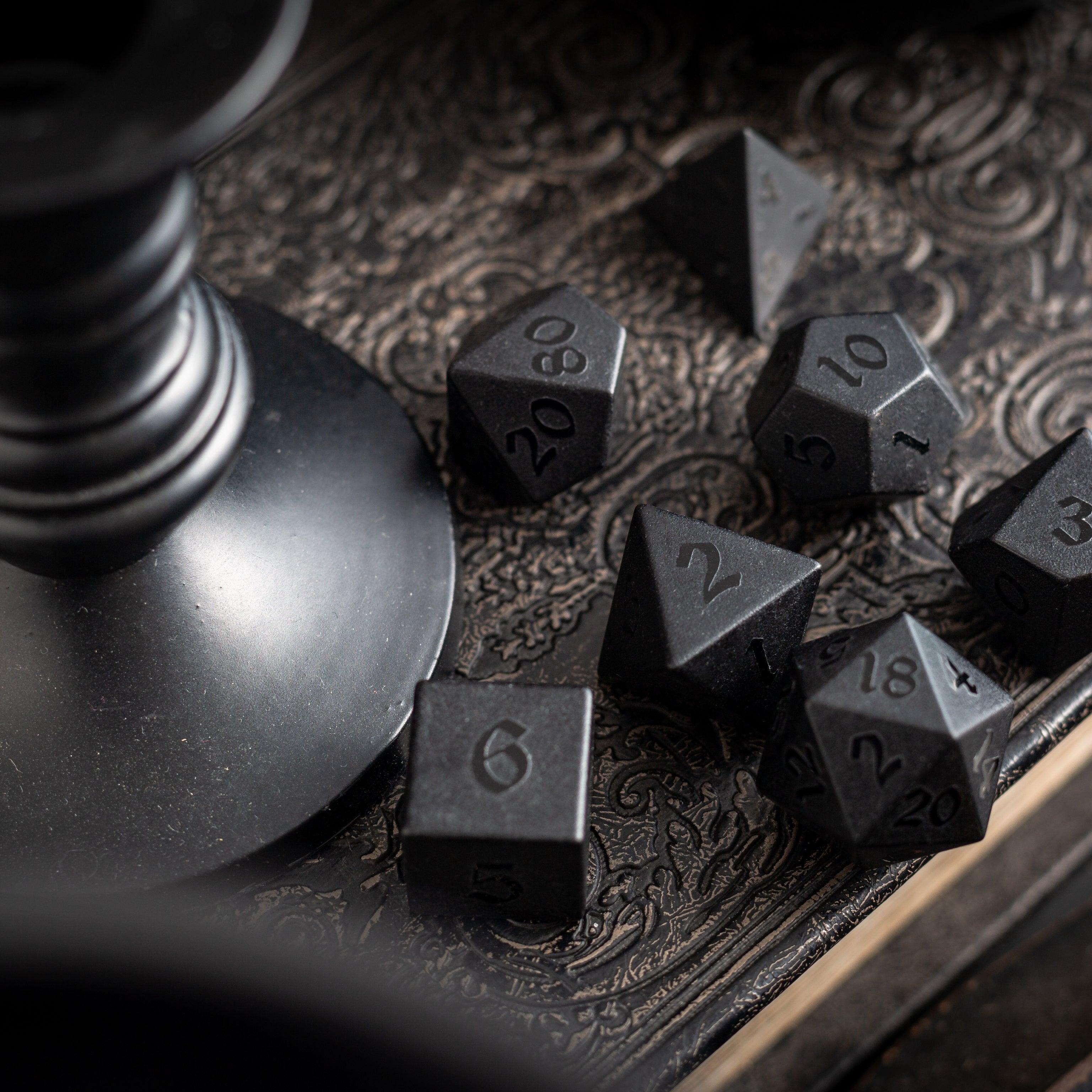
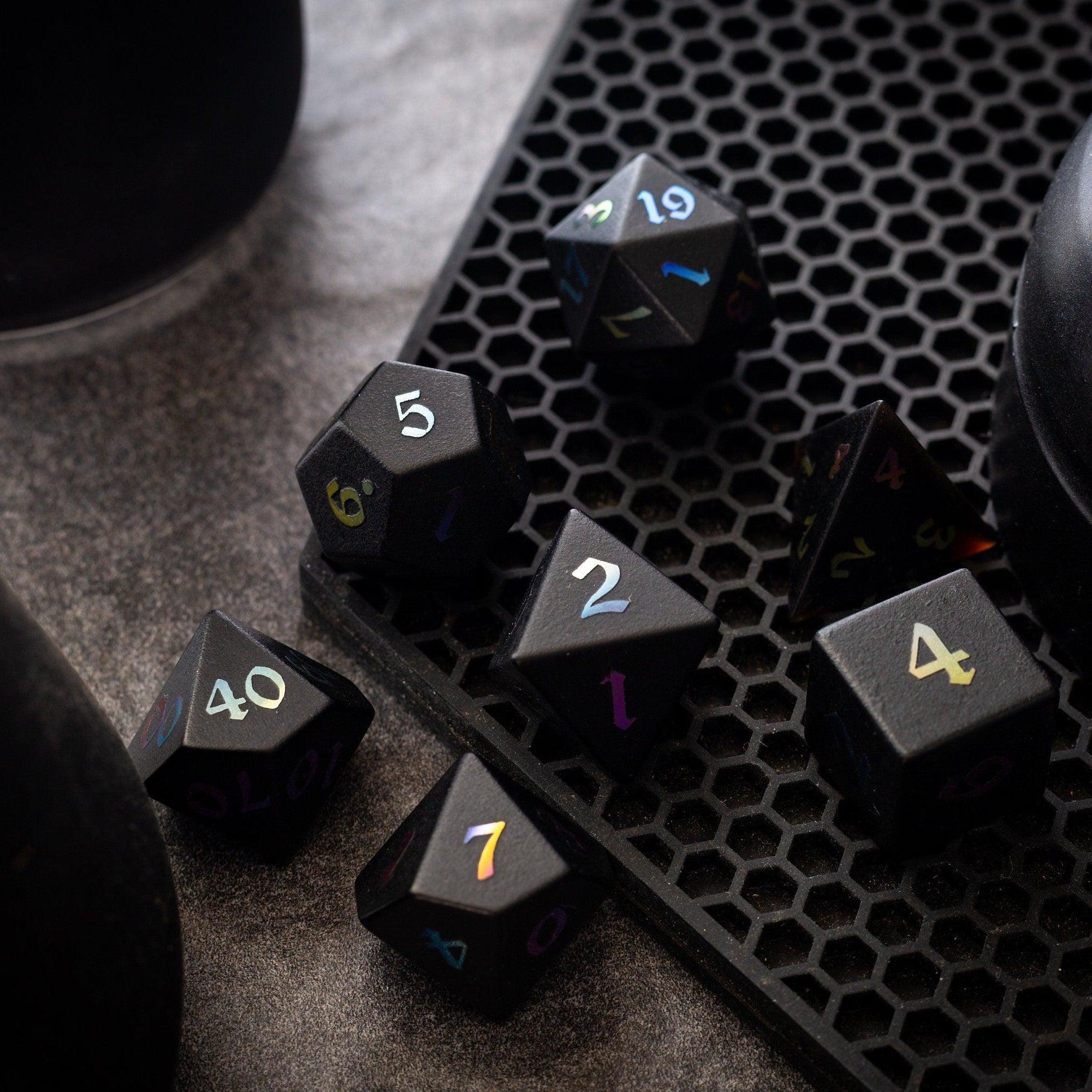
Keep sets separated so edges don’t knock against each other. Soft pouches are great for everyday use, while foam-lined cases offer maximum protection. Avoid leaving dice in hot cars or direct sun; heat can warp resin or soften adhesive in inlays. If you love darker aesthetics, an Obsidian set pairs beautifully with a black or charcoal case.
-
Make rolling a ritual (and a habit)
Pick one d20 as your “main roller” and give it 3–5 warm-up tosses before key checks. Roll consistently from the same height and motion. If a die takes a nosedive off the table, re-roll on a stable surface. Simple routines cut down on arguments and keep sessions moving smoothly.
-
Curate a collection with intention
Consider a theme—elements, biomes, or character vibes—and add one set at a time. Mix textures: one resin set for everyday play, one stone or glass for special arcs, and one metal set when you want extra presence. If you enjoy moody colorways, the New arrivals are a fun way to discover fresh styles that fit your table’s tone.
Tips
- Match weight to pace: lighter sets roll farther and feel lively; heavier sets feel deliberate and controlled.
- Keep a spare d20 on hand for high-stakes moments, so you can swap if one starts to feel “cold.”
- Photograph your collection on a neutral background to highlight translucency and inclusions; soft window light is ideal.
- Use a dedicated dice tray when playing at someone else’s home—it protects their table and shows care for your gear.
- Track roll results in batches (e.g., 25–50 rolls) to get a realistic snapshot rather than judging by a single bad night.
- For display, rotate sets occasionally so sunlight doesn’t linger on the same side for months.
- If your set has sharp edges, store it separately from metal pieces to minimize edge wear.
- When gifting, include a soft pouch and a handwritten note with a character hook. It adds heart to the present.
- If you’re intrigued by fluid motion and sparkle, consider a single standout from the Liquid core lineup to anchor your display shelf.
- Schedule a quick clean-and-check before big sessions so you’re not scrambling mid-game.
FAQs
How do I know if a set is balanced?
Do a simple roll test on a flat mat. Toss the d20 50–100 times, jot results, and see if any number dominates more than expected. Minor variation is normal, but big outliers point to an issue. You can also spin the die on a smooth surface; wobble patterns can hint at weight variance.
What’s the safest way to clean resin or gemstone pieces?
Use a soft cloth, water, and a tiny bit of mild soap. Pat dry and avoid alcohol or strong solvents. For stone or glass, use a microfibre cloth and gentle motion. If debris sits in number grooves, a soft brush (dry or lightly damp) helps without scratching.
Should I use a tray or tower for rolling?
Either works. A tray keeps rolls contained and reduces table wear, while a tower adds consistency and prevents “dice throwing” debates. If you like contained rolls with flair, pair your set with a sturdy tower from the Dice towers collection.
Quick note on style pairing: if you love bold, high-contrast numbers and a sleek look, browse the Gemstone dice range for edge-to-edge polish and character. Want a centerpiece with motion? One thoughtfully chosen set from the Liquid core collection adds drama without overwhelming your lineup. And if you’re expanding slowly, keep an eye on New arrivals so you can pick a style that complements what you already own.
Finally, remember: the “best” choice is the one that makes you excited to roll. Build a small routine, protect your surfaces, clean gently, and enjoy every clatter across the mat. You’ll develop a personal rhythm that makes game night smoother, fairer, and a lot more fun—one set at a time. And if you want a dramatic, tactile anchor for a dark-themed character, that Obsidian set can be a conversation starter from session zero onward.








Leave a comment
This site is protected by hCaptcha and the hCaptcha Privacy Policy and Terms of Service apply.