
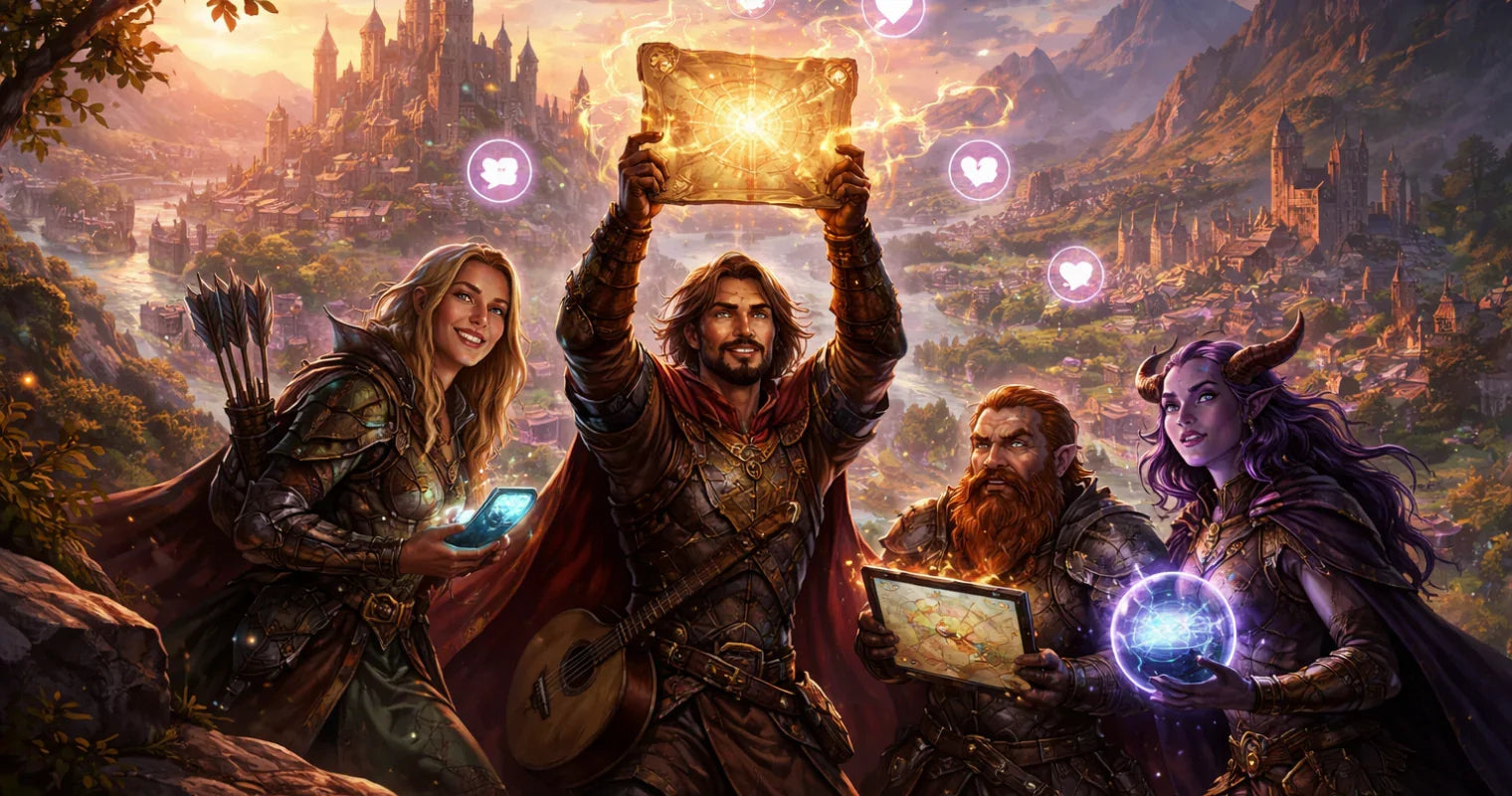
Mastering Online Campaign Sharing for Maximum Reach
Every tabletop RPG campaign tells a story that exists for only one group of players. From unexpected heroic sacrifices to clever puzzle solutions, every session creates memorable moments worth celebrating. Thanks to online communities, Game Masters now have countless opportunities to share those adventures with fellow enthusiasts while inspiring new ideas across the wider RPG community.
Successful online campaign sharing is not about posting every detail of every session. Instead, it involves choosing meaningful highlights, respecting your players, and presenting your world in a way that welcomes others without spoiling future adventures.
Whether you are documenting a long-running home campaign or introducing a brand-new setting, thoughtful sharing can encourage discussion, spark creativity, and connect you with other fans of tabletop RPG campaigns.
Why Sharing Your Campaign Can Strengthen Your Tabletop Community
Every gaming group develops its own traditions, memorable characters, and unforgettable stories. Sharing selected moments allows those experiences to become part of the wider RPG community.
Campaign sharing can:
-
Inspire other Game Masters with creative ideas.
-
Encourage discussions about encounters, worldbuilding, and storytelling.
-
Help preserve memorable campaign moments.
-
Give players something enjoyable to revisit between sessions.
-
Connect people who enjoy similar campaign themes.
Not every campaign needs a public audience, and not every player wants their character shared online. Before posting artwork, character details, session photos, or personal stories, always ask your players for permission. Respecting privacy builds trust both at the table and within the community.
Remember that every online community has its own expectations. Some groups welcome lengthy lore articles, while others prefer brief campaign recaps or visual updates. Taking time to understand each community's style makes your posts more helpful and respectful.
Choosing What to Share Without Revealing Important Spoilers
One of the biggest challenges of D&D campaign sharing is balancing excitement with mystery.
Players often enjoy reading about other adventures, but revealing major twists can lessen the experience for current participants or future readers who may eventually play the same adventure.
Good content to share includes:
-
Interesting locations
-
Character introductions
-
General campaign themes
-
Session highlights without major twists
-
Beautiful maps
-
Original artwork
-
Behind-the-scenes preparation
-
Terrain or miniature setups
Save or carefully hide information such as:
-
Secret villains
-
Puzzle solutions
-
Hidden dungeon layouts
-
Future campaign plans
-
Character betrayals
-
Major plot twists
-
Unrevealed magical items
If a post contains important story information, clearly label it with a spoiler warning whenever appropriate. Different communities handle spoilers differently, so following local expectations helps everyone enjoy the experience.
Creating Engaging Campaign Recaps, Character Spotlights, and Worldbuilding Posts
Variety keeps readers interested and allows different aspects of your campaign to shine.
Campaign Recaps
Session summaries help players remember previous adventures while introducing newcomers to your storytelling style.
An effective recap often includes:
-
Where the adventure began
-
Major challenges
-
Important decisions
-
Memorable roleplaying moments
-
Questions left unanswered
Keep summaries focused on storytelling instead of documenting every combat round or dice roll.
Character Spotlights
Many readers enjoy learning about heroes just as much as adventures.
Character spotlights may include:
-
Background stories
-
Personal goals
-
Unique abilities
-
Relationships with other party members
-
Character growth over time
Always check with the player before sharing information about their character, especially if it contains personal backstory or future plans.
Worldbuilding Articles
One of the most enjoyable forms of campaign storytelling is sharing the setting itself.
Topics might include:
-
Kingdom histories
-
Ancient ruins
-
Religious traditions
-
Merchant guilds
-
Magical academies
-
Legendary monsters
-
Regional cultures
-
Political conflicts
These posts encourage discussion without revealing future adventures.
Campaign Sharing Comparison Table
| Content Type | Audience | Purpose | Ideal Posting Frequency |
|---|---|---|---|
| Session recaps | Current players and interested readers | Preserve adventures and encourage discussion | After major sessions or story milestones |
| Character spotlights | Players and character-focused readers | Showcase roleplaying and development | Occasionally as characters evolve |
| Worldbuilding articles | Game Masters and lore enthusiasts | Share creative ideas and campaign settings | Whenever meaningful additions are completed |
| Maps and location previews | Adventure fans and campaign followers | Introduce regions without revealing secrets | Before or after exploring an area, depending on spoilers |
| Table setup photos | Tabletop hobbyists | Share atmosphere and organization ideas | Occasionally during memorable sessions |
There is no universal posting schedule. Some creators share updates after every session, while others prefer monthly summaries or major story milestones. Choose a pace that fits both your campaign and your available time.
Using Maps, Artwork, and Session Photos to Enhance Storytelling
Visual content often helps readers understand your campaign far more quickly than long paragraphs alone.
Maps can illustrate:
-
Kingdom borders
-
Trade routes
-
Dangerous wilderness
-
Ancient ruins
-
Cities
-
Expedition paths
Artwork helps readers imagine:
-
Heroes
-
Villains
-
Magical creatures
-
Historic battles
-
Important landmarks
Photographs from the gaming table also create a welcoming atmosphere.
Interesting details may include:
-
Miniatures
-
Terrain pieces
-
Handwritten journals
-
Initiative trackers
-
Painted scenery
-
Campaign notebooks
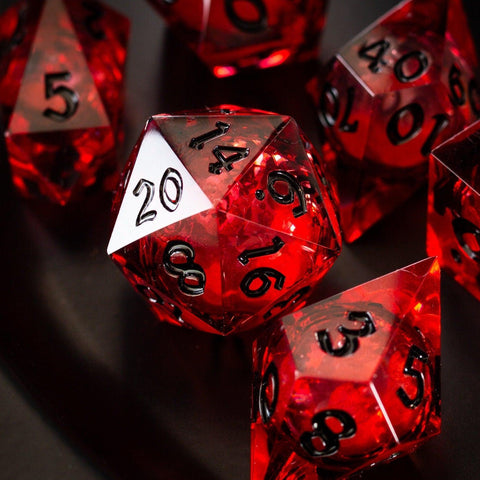
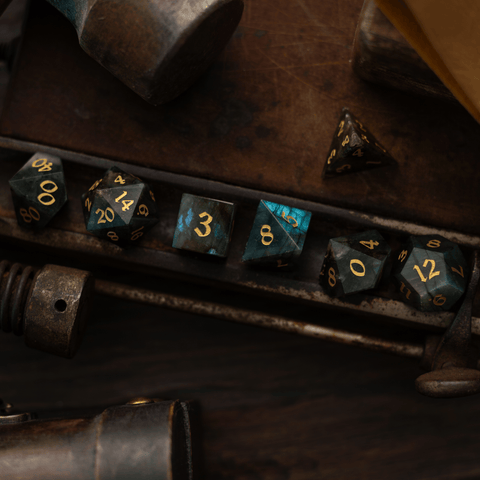
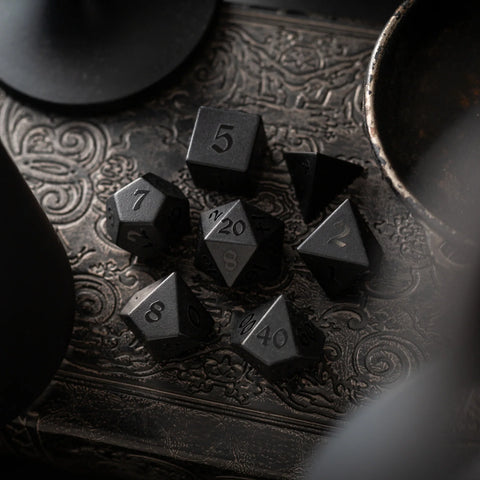
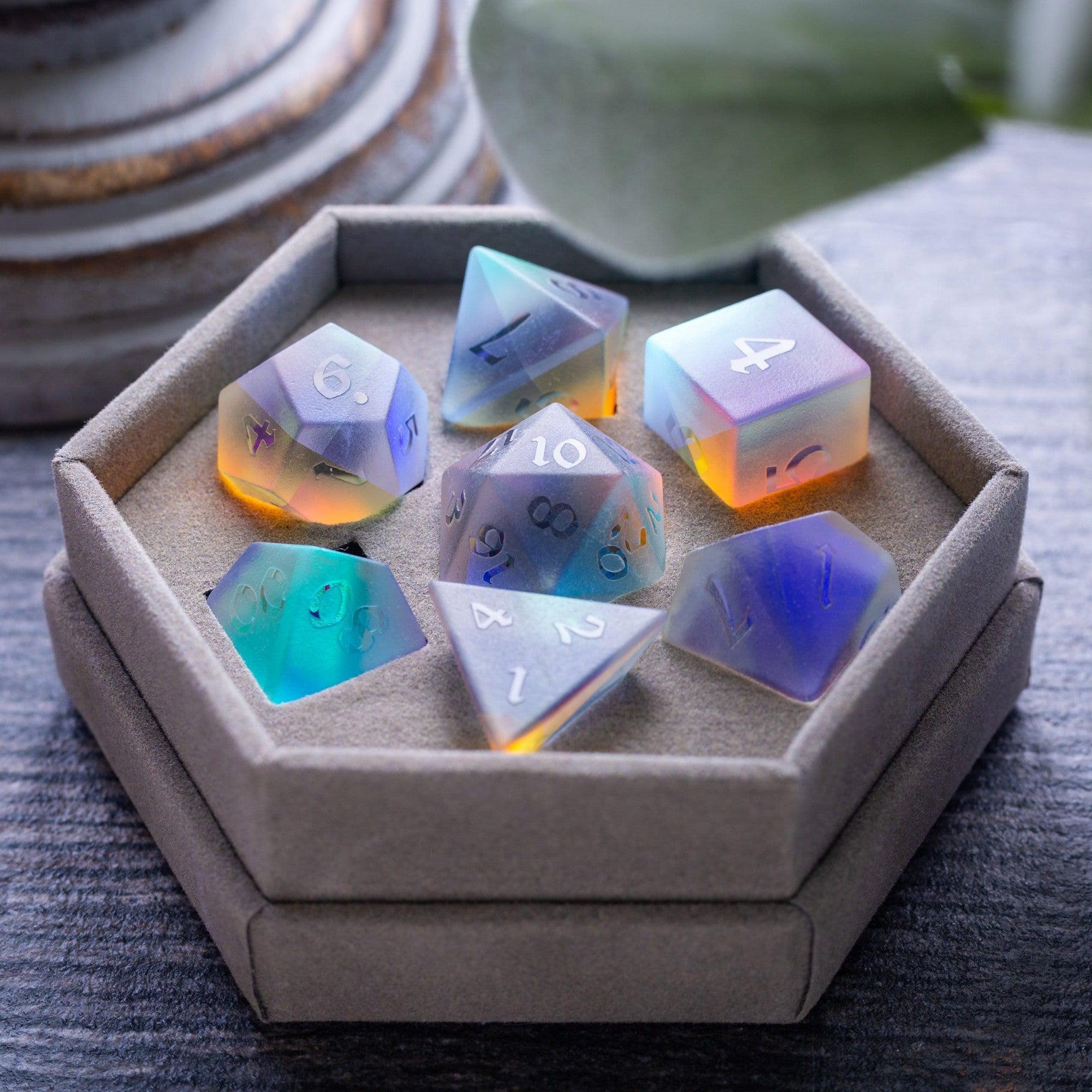
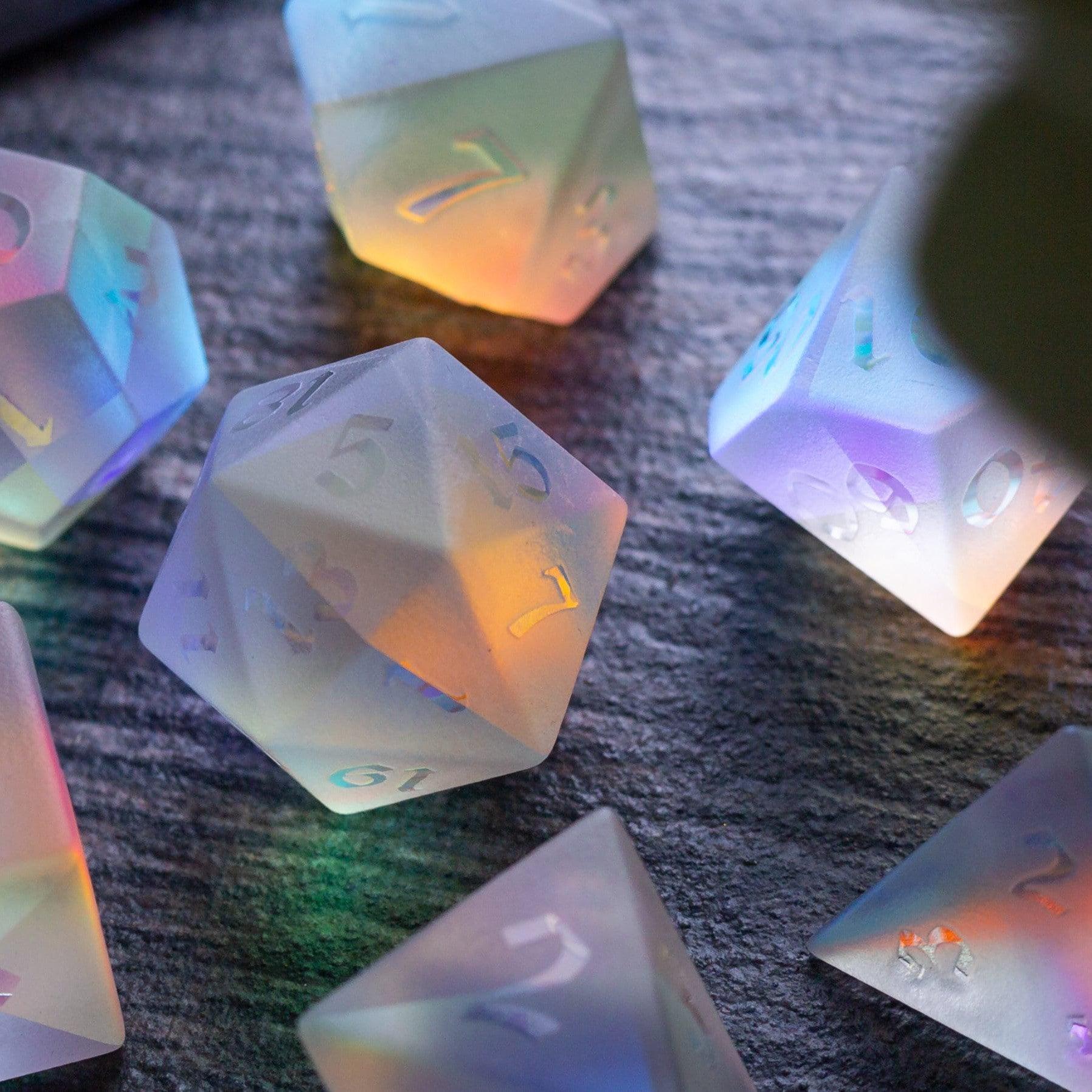
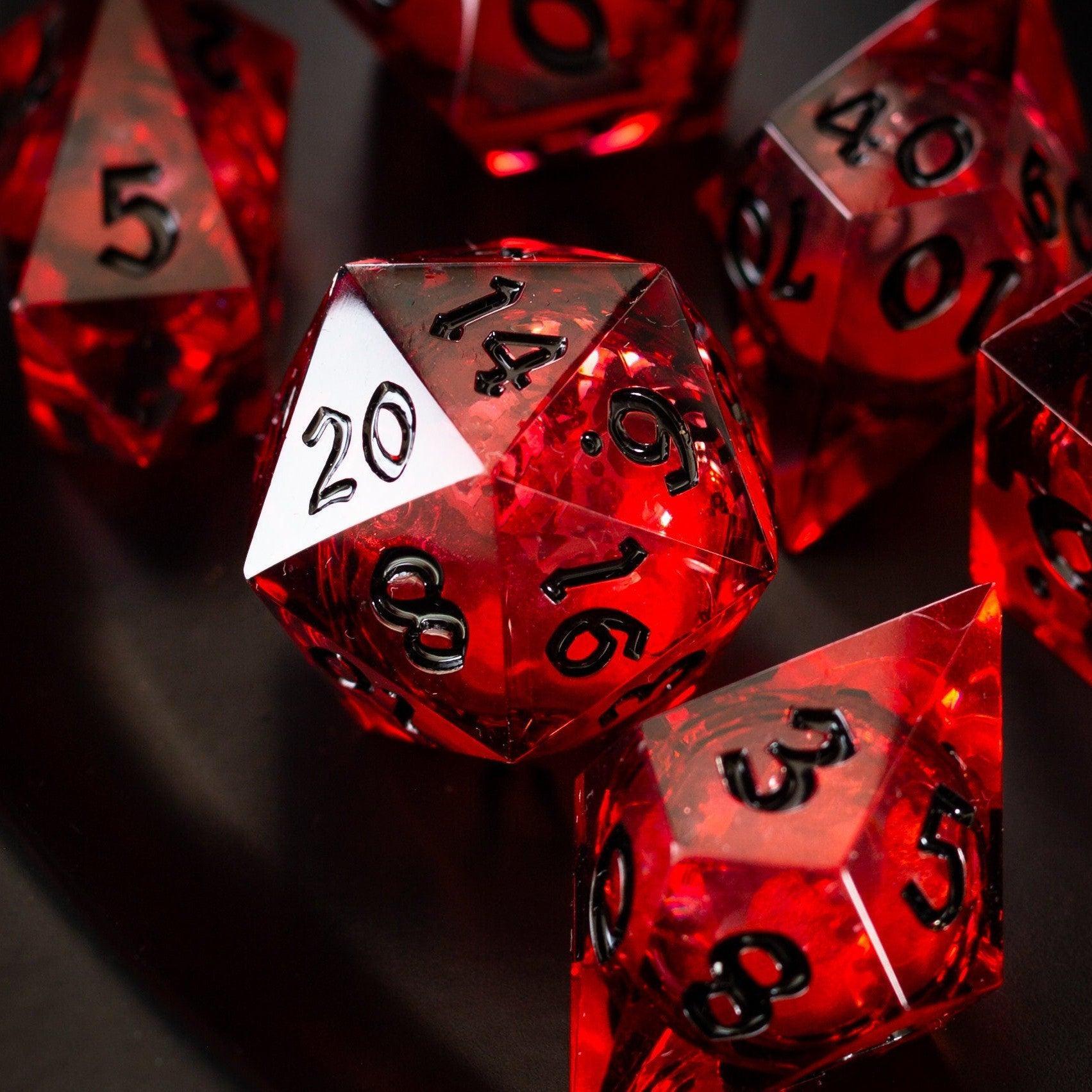
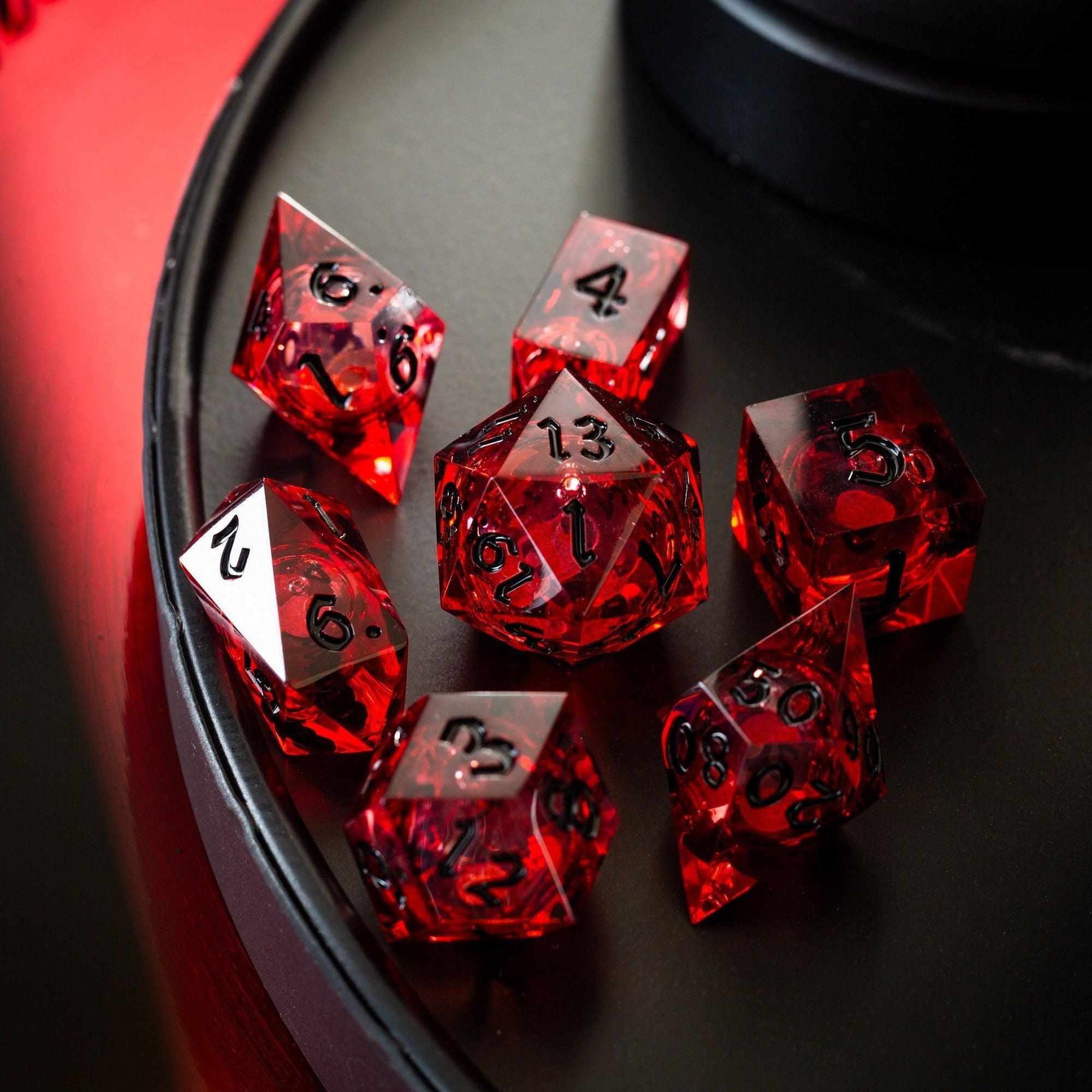
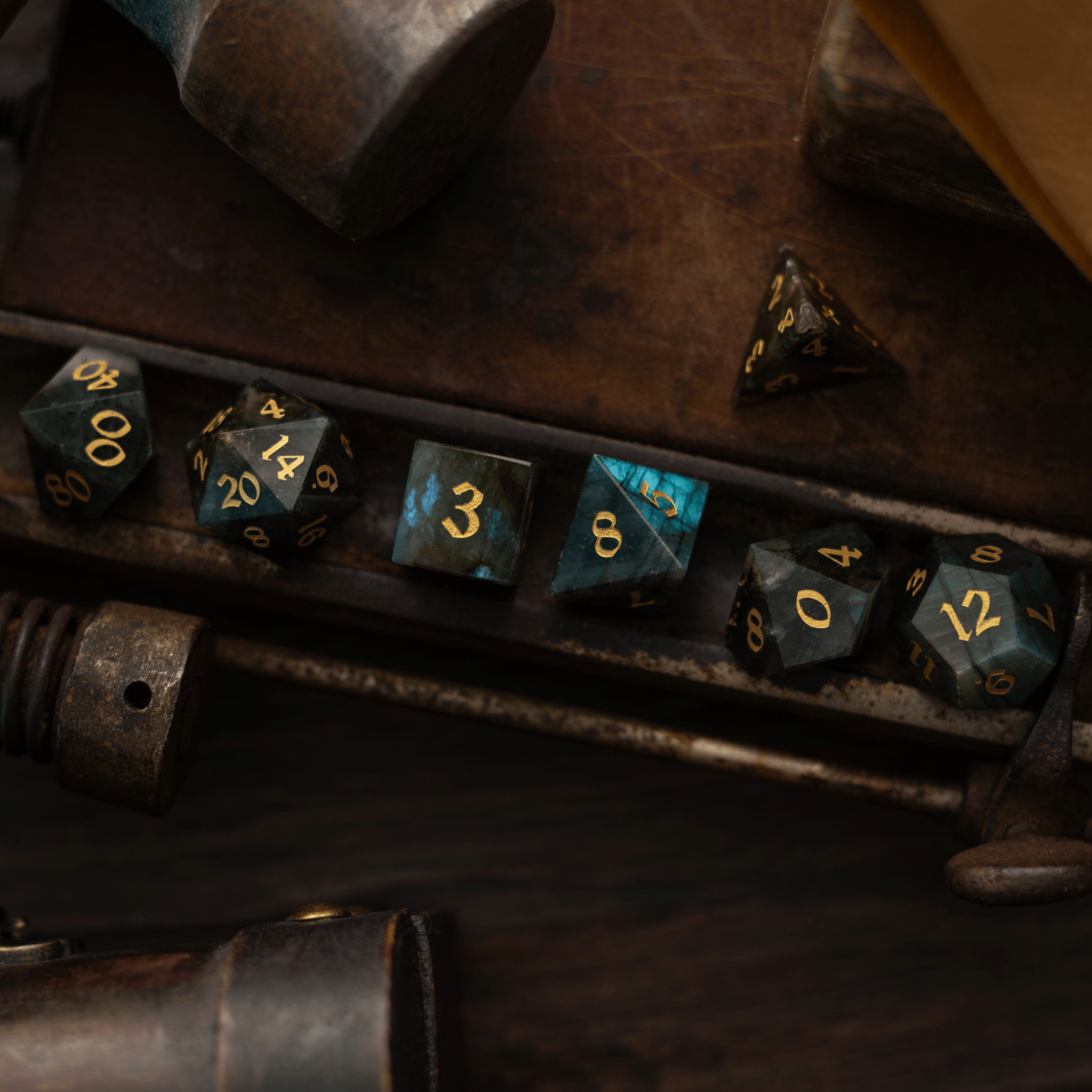
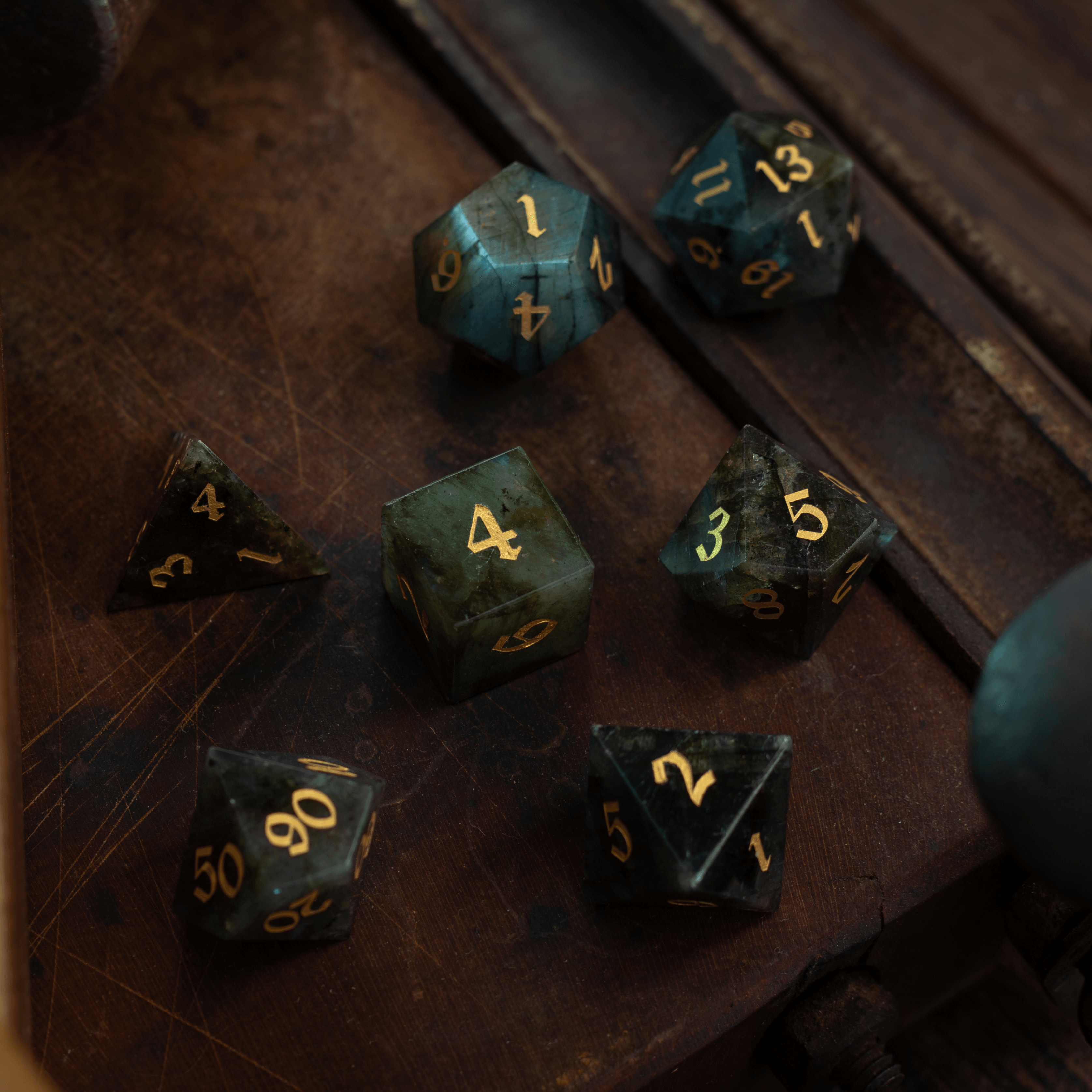
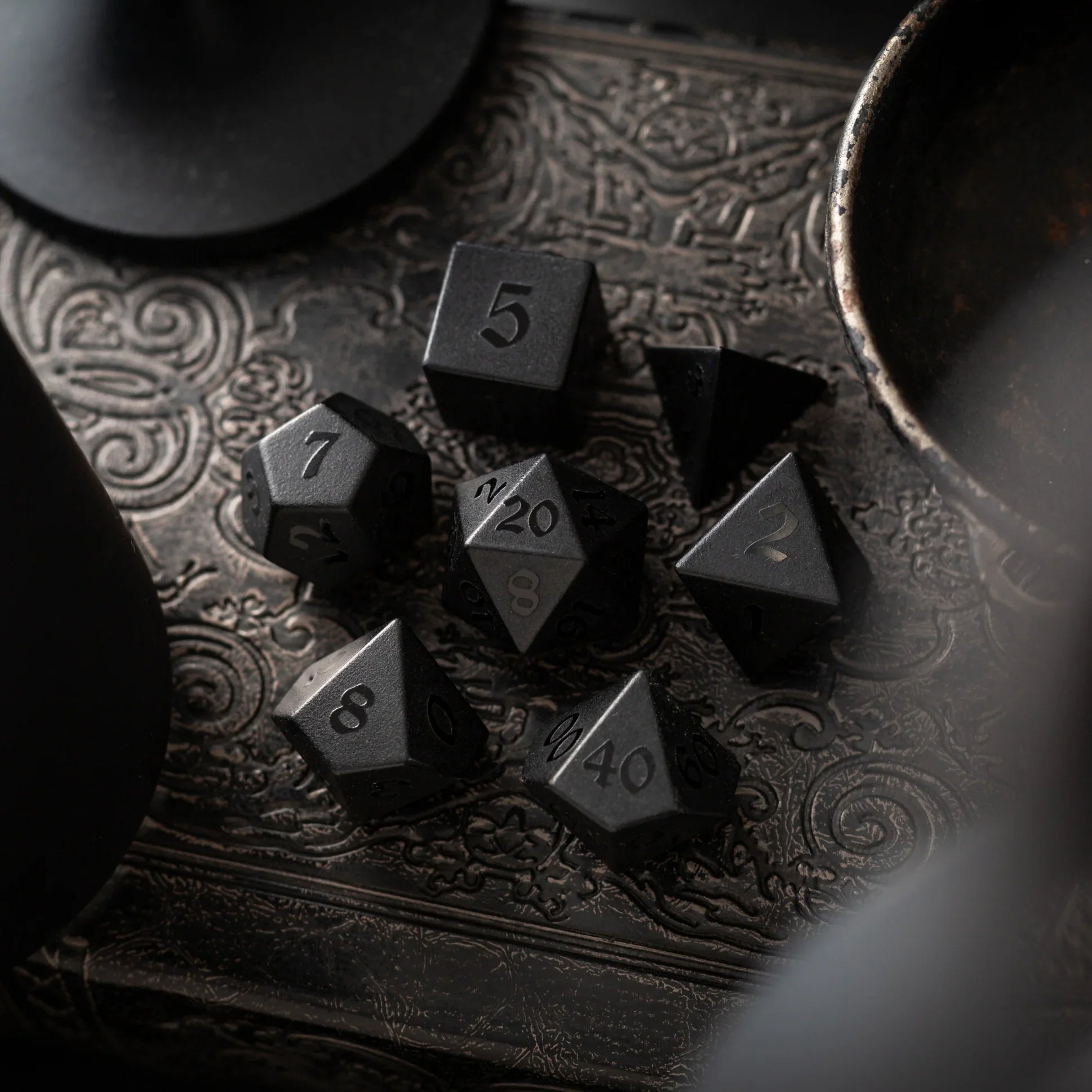
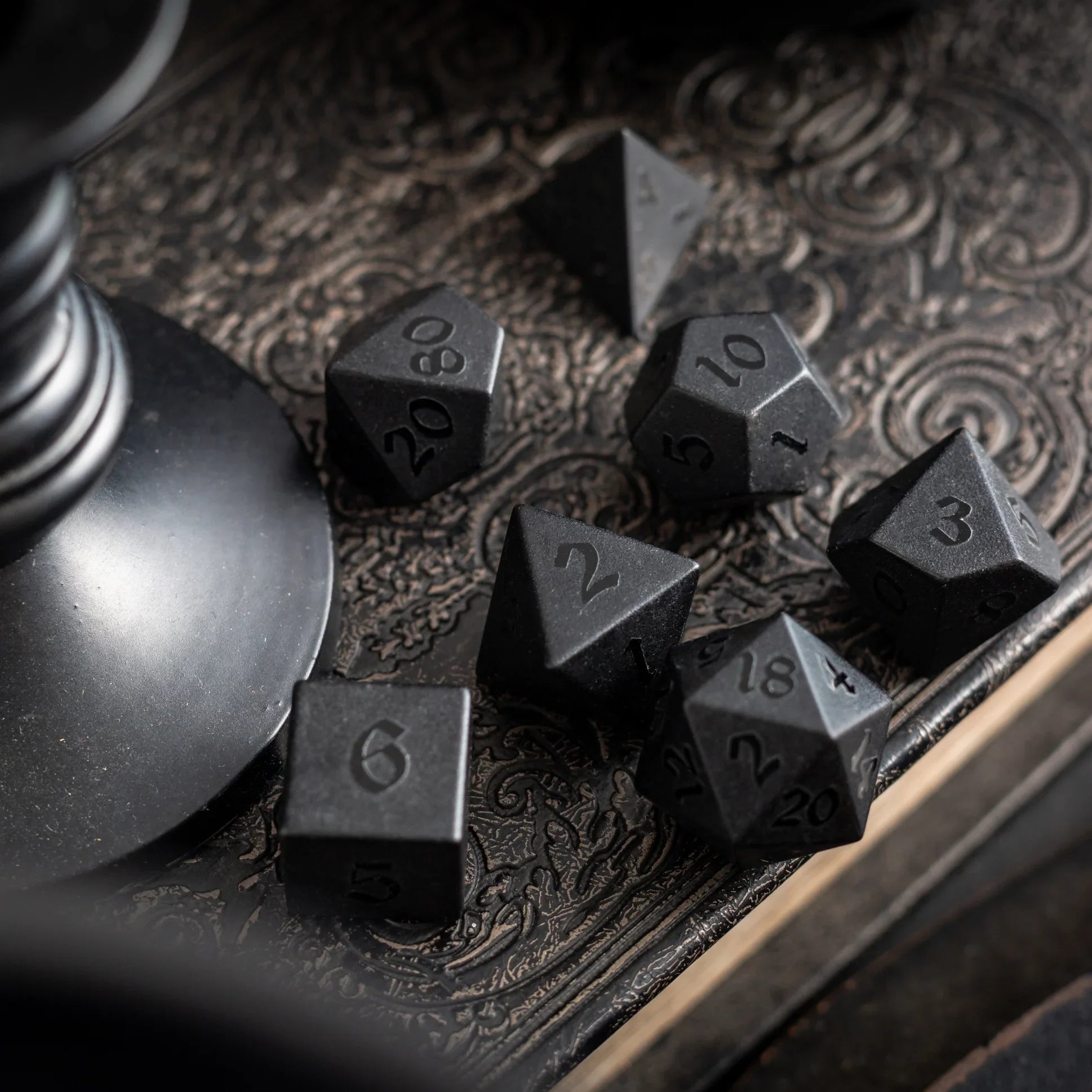
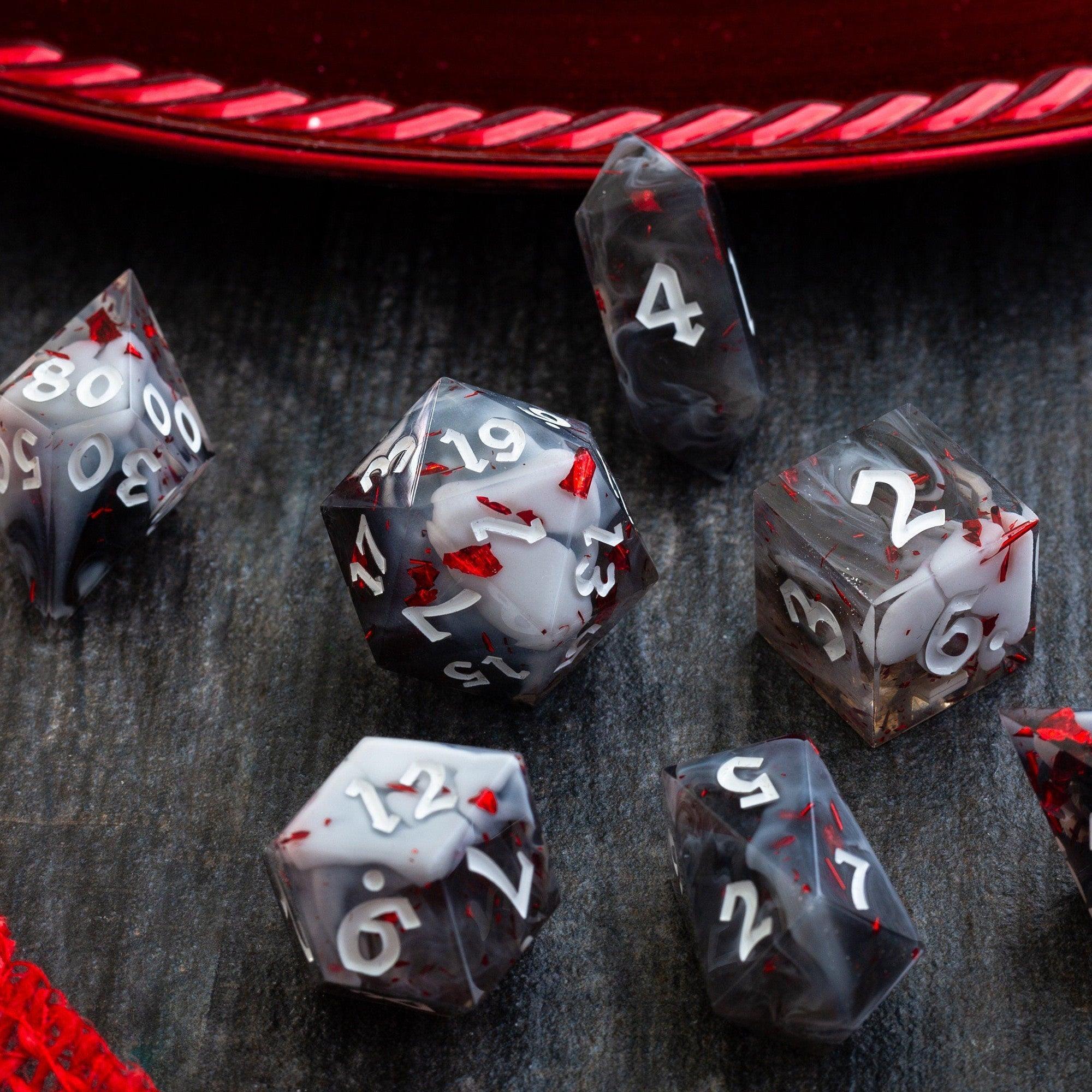
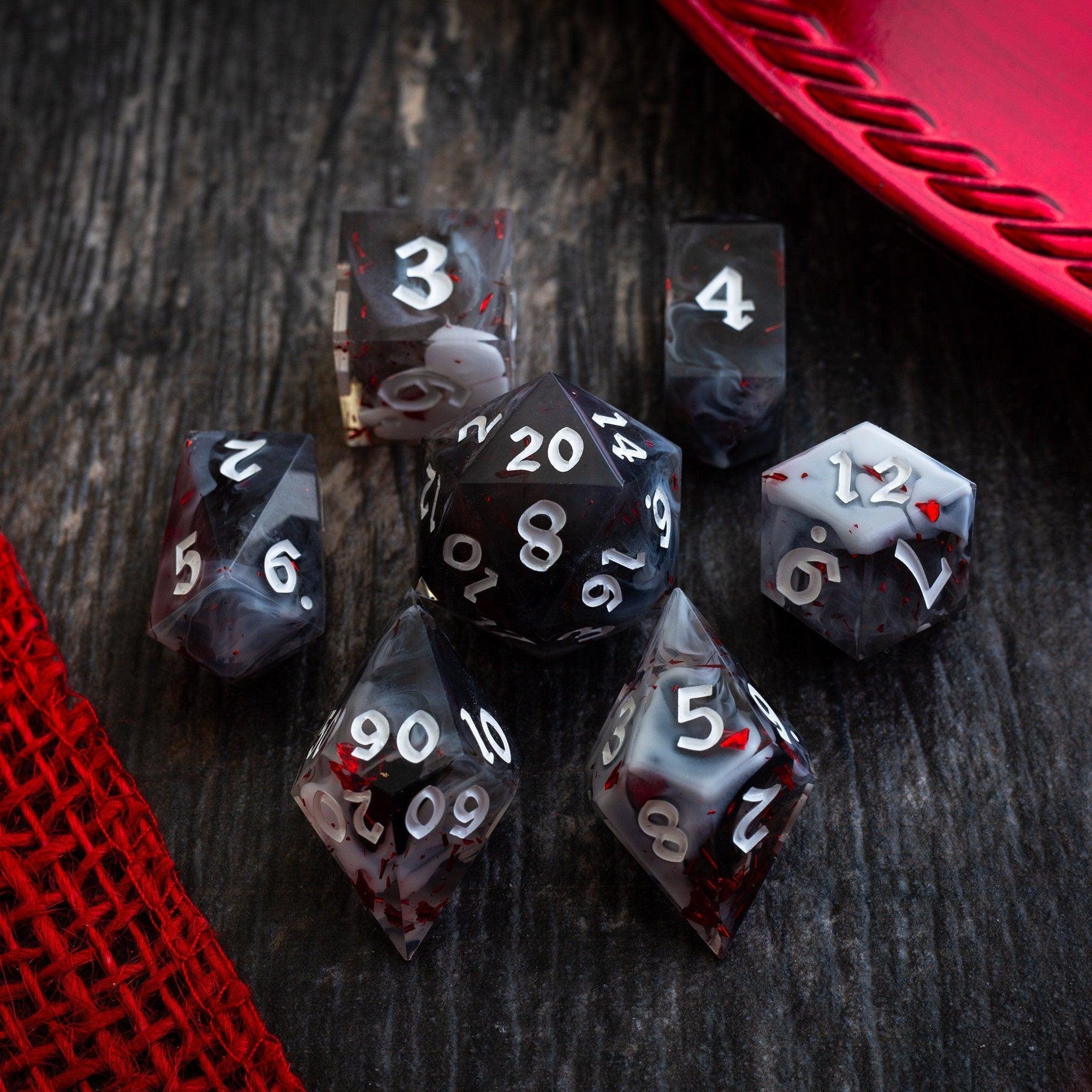
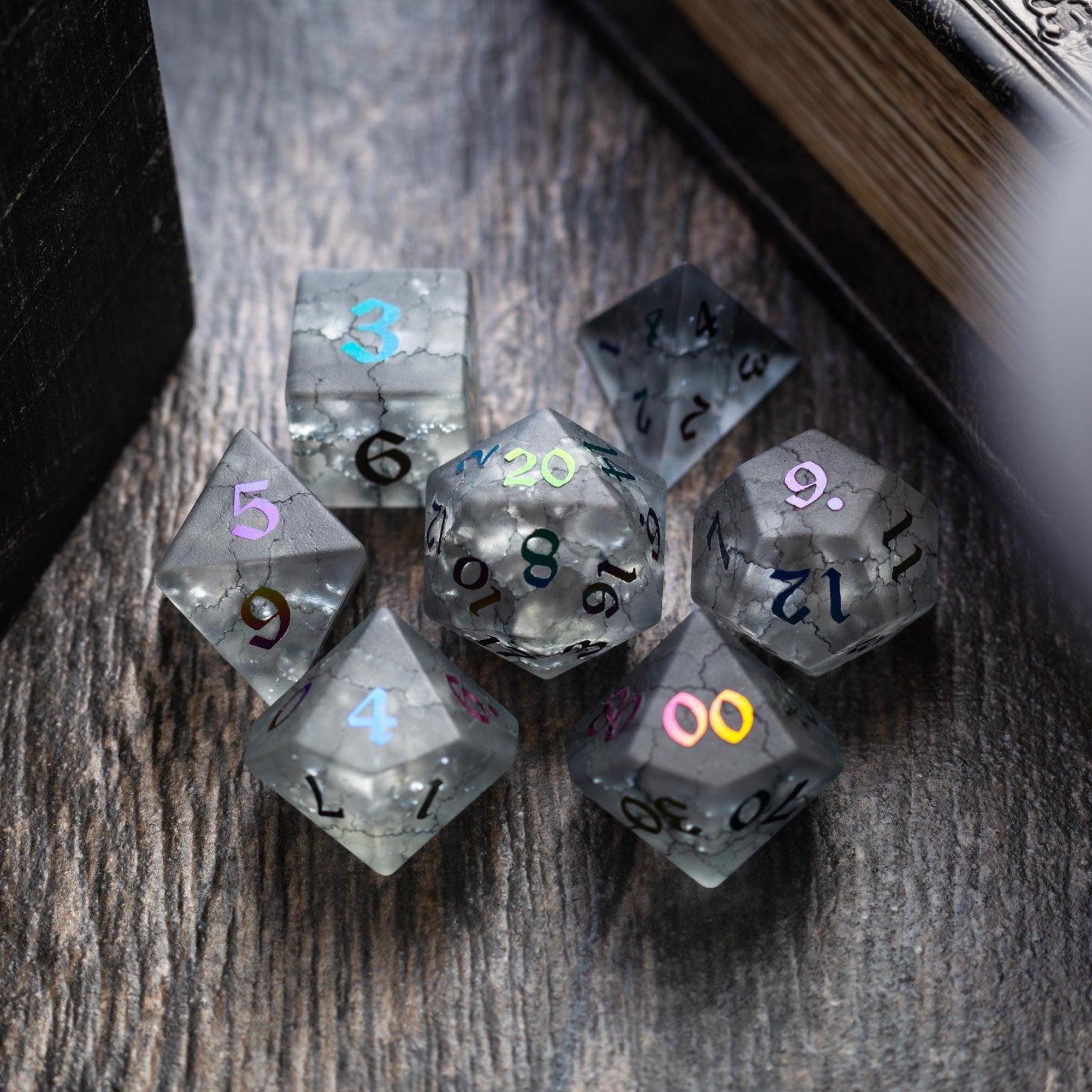
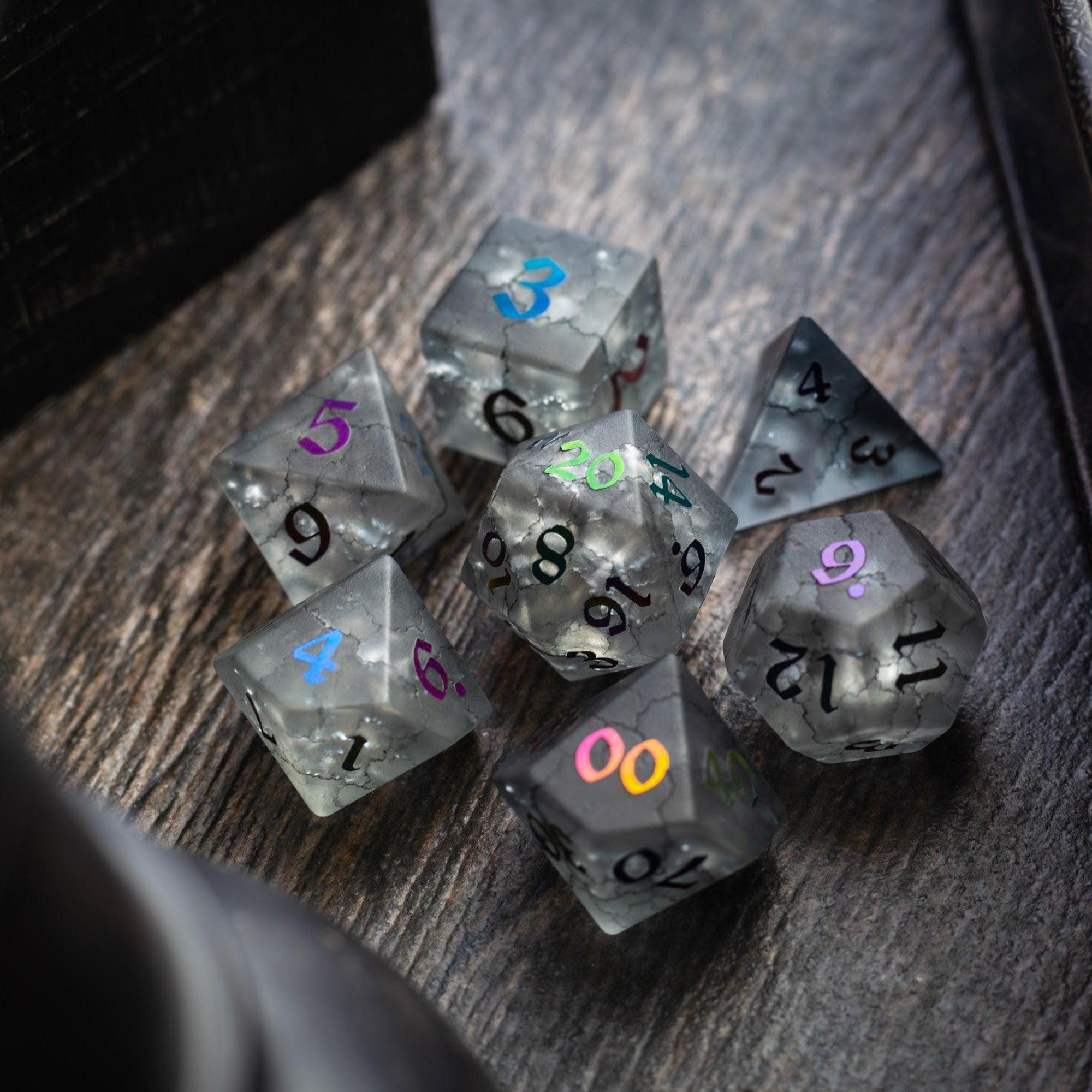
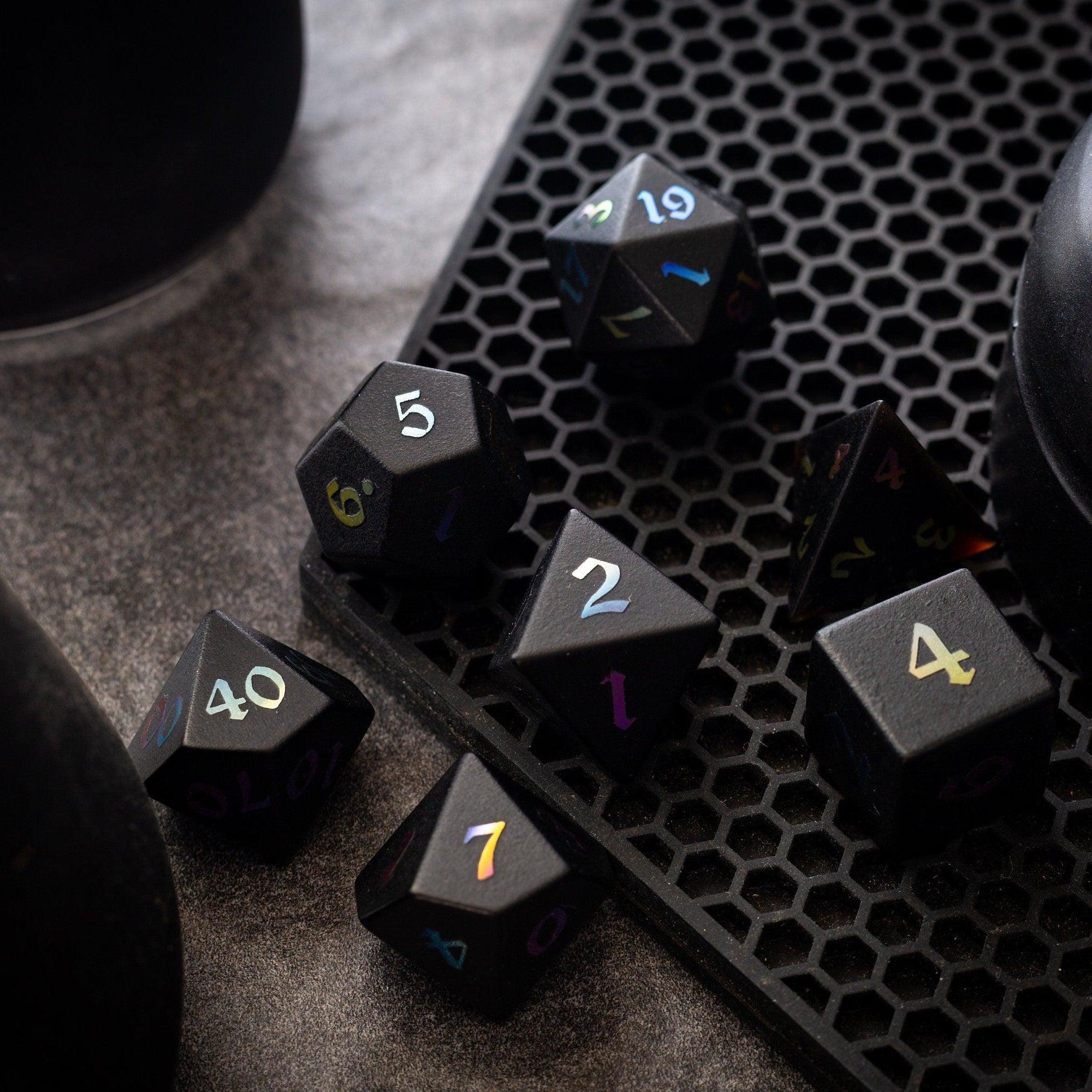
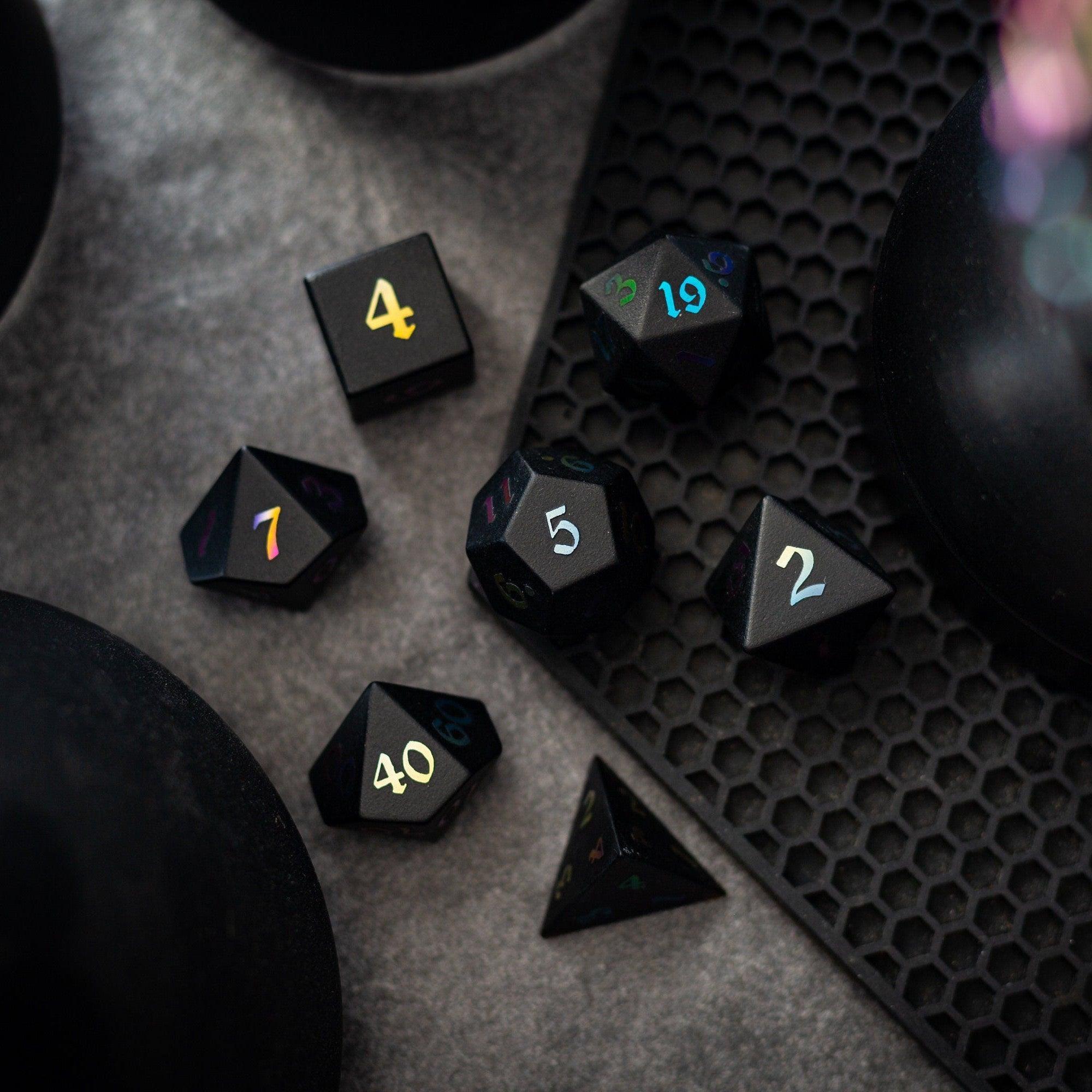
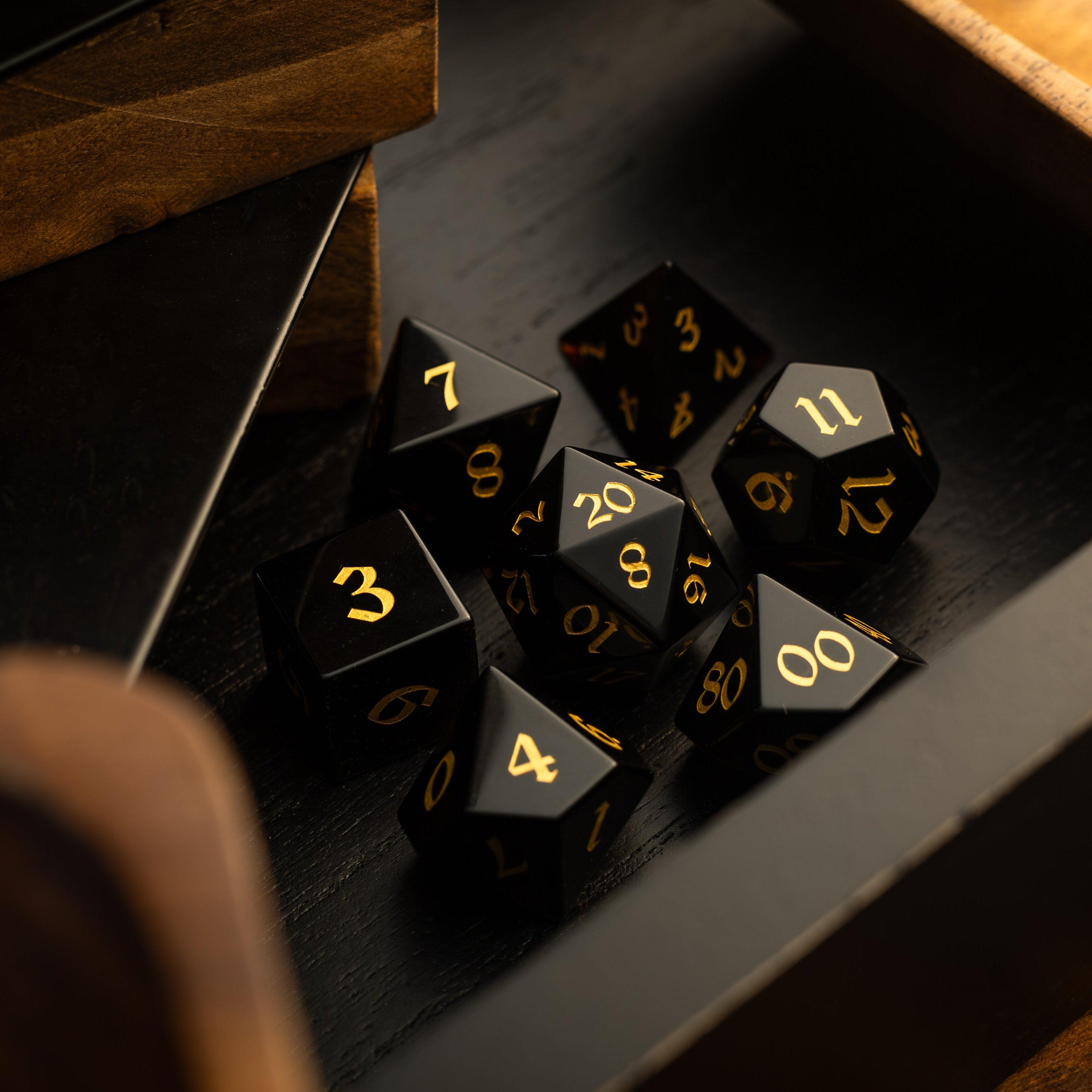
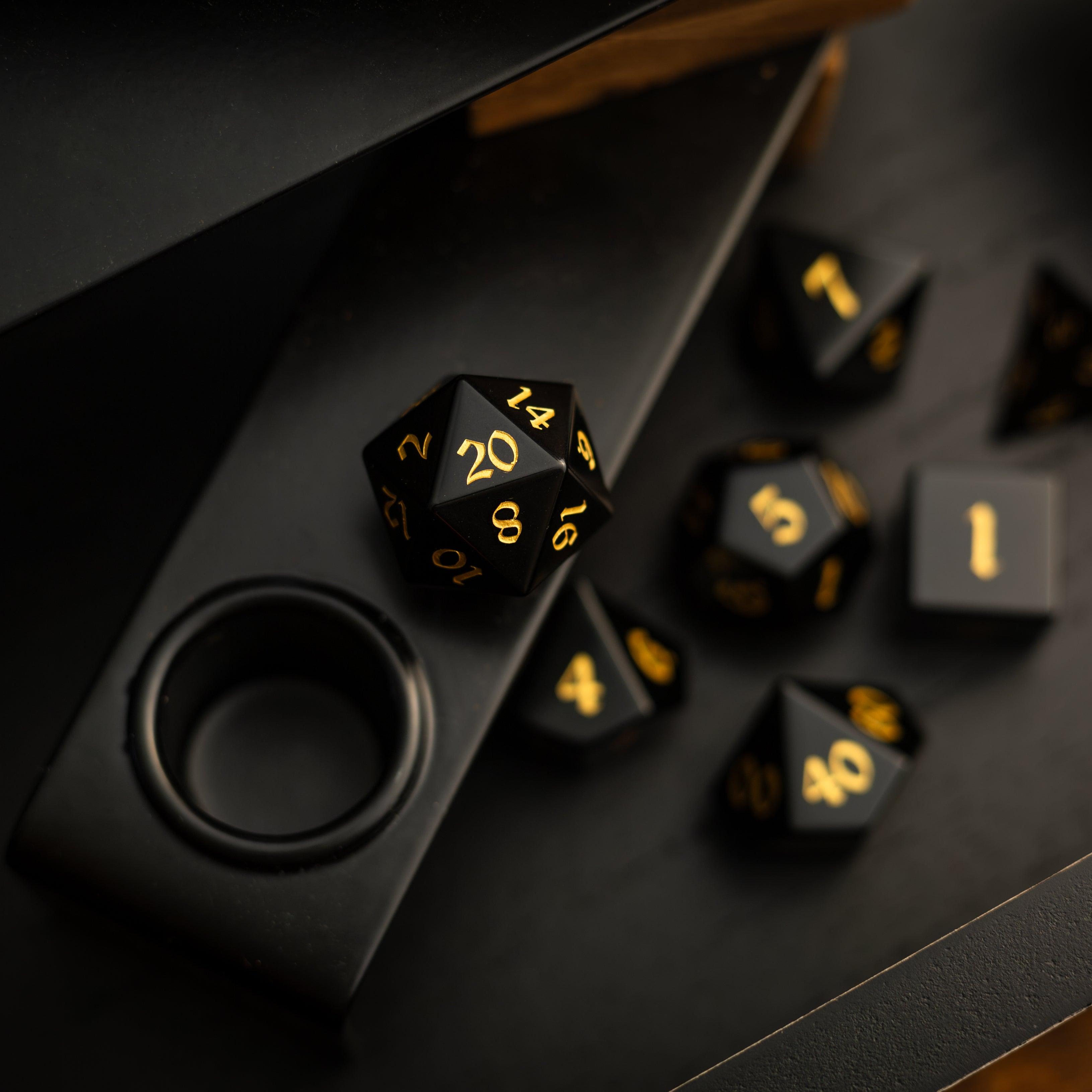
A carefully organized table often photographs well. Premium resin, gemstone, or metal dice from Runic Dice can naturally add visual interest without distracting from the story, while neatly arranged dice trays help keep accessories organized throughout the session.
When attending conventions or public game nights, dice bags make transporting campaign materials easier, especially when carrying multiple character sheets, dice sets, and accessories between tables.
Encouraging Player Participation and Community Interaction
The best campaign posts often include contributions from the entire gaming group.
Players might enjoy sharing:
-
Favorite roleplaying moments
-
Character journals
-
Session artwork
-
Quotes from memorable scenes
-
Funny out-of-character moments
-
Theories about ongoing mysteries
Some groups even rotate recap duties, allowing different perspectives to appear throughout the campaign.
Questions also encourage meaningful conversations.
Examples include:
-
Which NPC became your favorite?
-
How would your character have handled this situation differently?
-
Which location would you like to explore next?
-
What mystery caught your attention?
These discussions build community without encouraging arguments or revealing hidden plot details.
Respect remains essential. If a player prefers not to appear in photos or have their character discussed publicly, that decision should always be honored.
Presenting Your Tabletop Setup
Well-organized campaign photos make shared content easier to appreciate.
Consider including:
-
Clearly arranged maps
-
Adventure journals
-
Miniatures
-
Terrain pieces
-
Spell cards
-
Condition trackers
-
Organized character sheets
If recording or photographing a session, a dice tower can become an attractive centerpiece while helping keep rolls contained during dramatic encounters. Small presentation details often improve readability without becoming the focus of the post.
The campaign itself should always remain the main attraction.
Common Mistakes When Sharing Tabletop Campaigns Online
Even experienced creators occasionally overlook details that reduce the quality of their shared content.
Some common mistakes include:
-
Revealing important spoilers without warning
-
Posting player-created content without permission
-
Sharing every session instead of highlighting meaningful moments
-
Writing recaps that are difficult to skim
-
Ignoring the posting guidelines of individual communities
-
Assuming every audience enjoys the same level of detail
-
Focusing only on combat while overlooking roleplaying and exploration
-
Forgetting to organize images before posting
Another frequent mistake is assuming that posting more often automatically creates a larger audience. Consistency can help readers know what to expect, but thoughtful, engaging content is generally more valuable than frequent updates.
Different communities also appreciate different styles. A detailed lore article may thrive in one space, while another community prefers concise summaries and discussion questions.
Quick Online Campaign Sharing Checklist
Before publishing your next campaign update, review this checklist:
-
Obtain permission before sharing player-created content or photographs.
-
Remove or hide major spoilers.
-
Add spoiler warnings when appropriate.
-
Keep paragraphs short and easy to read.
-
Include visuals that support the story.
-
Check whether maps reveal future adventures.
-
Encourage respectful discussion.
-
Follow the expectations of the community where you are posting.
-
Proofread names, locations, and campaign details.
-
Focus on memorable storytelling instead of documenting every event.
Let Your Adventures Inspire Others
Every campaign has something worth sharing, whether it is an unforgettable villain, a beautifully illustrated map, a clever puzzle, or a group of friends laughing around the table. Thoughtful online campaign sharing allows those stories to reach fellow Game Masters and players without taking away the excitement of future adventures.
As your campaign grows, your posts can become a living record of your world's history. Organized campaign recaps, engaging D&D worldbuilding, and respectful player collaboration create content that others can learn from while preserving the surprises that make tabletop roleplaying so rewarding.
No single approach works for every creator or every tabletop RPG content community. Experiment with different formats, listen to feedback, respect player privacy, and focus on sharing the moments that capture the spirit of your adventures. Over time, your stories may inspire another Game Master to begin a campaign that becomes just as memorable for their own table.

Leave a comment
This site is protected by hCaptcha and the hCaptcha Privacy Policy and Terms of Service apply.