
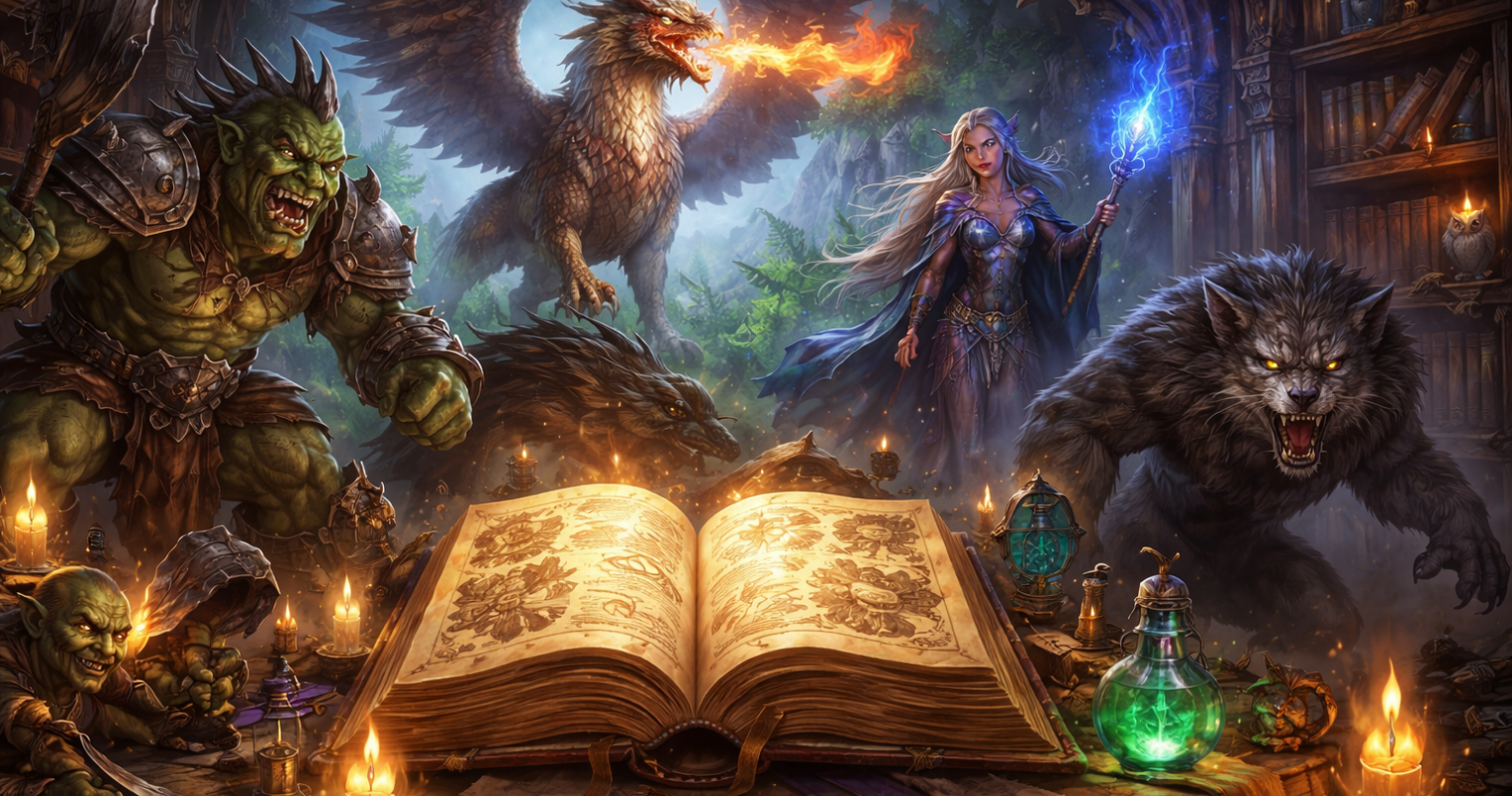
Fantasy Creature Catalog A Reference Guide for Roleplayers
Updated on: 2025-12-29
Want a reliable way to keep your monsters organized and ready for play or prose? This guide walks you through building a practical, inspiring creature index you’ll actually use. You’ll get a simple framework, clear steps, and pro tips to keep entries consistent, searchable, and fast to deploy at the table or on the page. By the end, you’ll have a living resource that grows with your world and never stalls your session or draft.
Introduction
If you’re a GM, writer, or artist, you’ve probably felt that moment of panic when someone asks, “What does it look like?” or “What can it do?” A well-built fantasy creature catalog and reference turns that pressure into a quick flip and a confident answer. Think of it as your personal bestiary: concise, searchable, and brimming with hooks. In this post, we’ll build a flexible system you can start today and refine as your world expands, without locking you into one game system or art style.
Step-by-Step Guide to Building a Fantasy Creature Catalog and Reference
- 1. Define your mission and scope. In one sentence, state what your index should do. Example: “Give me usable foes and allies in two minutes or less.” Decide whether it’s for tabletop, fiction, or art prompts—or all three. Set your scope for the first release: 30–50 entries is manageable. Choose a storage format that suits your workflow: a digital doc, spreadsheet, or a notebook. Clarity now prevents bloat later.
- 2. Build a simple taxonomy. Organize by a few practical buckets: habitat (forest, tundra, ruin), disposition (hostile, curious, cunning), and role (minion, elite, legendary, ally). Add tags like “flying,” “aquatic,” or “ethereal.” Keep it shallow—three to five tags per entry. This light structure makes your index searchable without feeling like a database project.
- 3. Create a repeatable entry template. Consistency is everything. Use a one-page layout: Name, One-Line Hook, Look & Vibe (5–7 vivid words), Abilities (2–3 signature moves), Weakness, Tactics, Story Hooks, and if relevant, System-Agnostic Stats (tier, size, damage style). Keep each entry scannable. If you’re an artist, add a small space for thumbnail sketches or palette notes.
- 4. Set naming and tone guidelines. Decide how creatures sound and feel in your world. Are names folkloric, shard-like, or scientific? Write a short style note: “Use sensory verbs, avoid modern slang, favor eerie over gory.” This keeps entries cohesive even if you write across weeks. Tone rules are tiny guardrails that save you from rewrite loops.
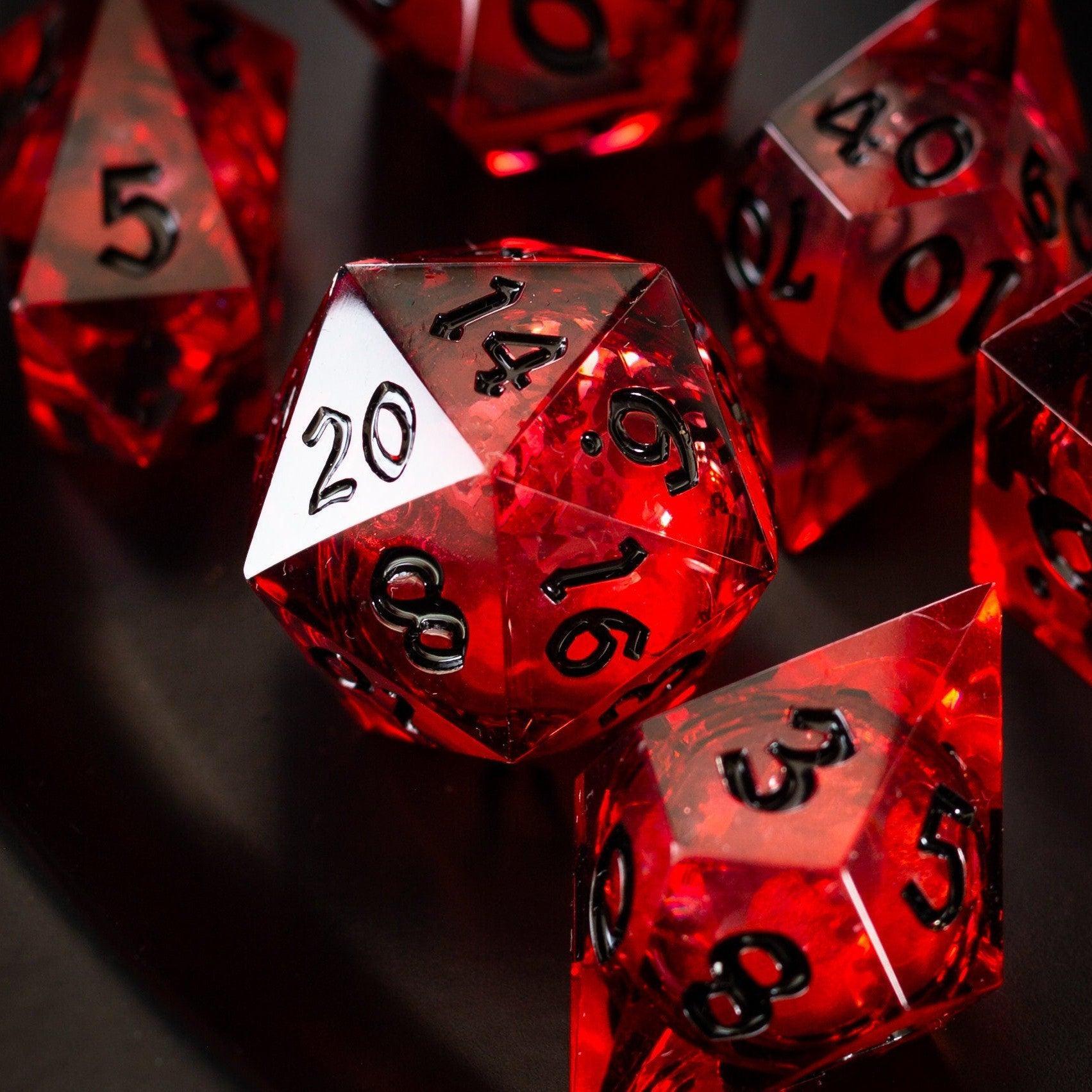
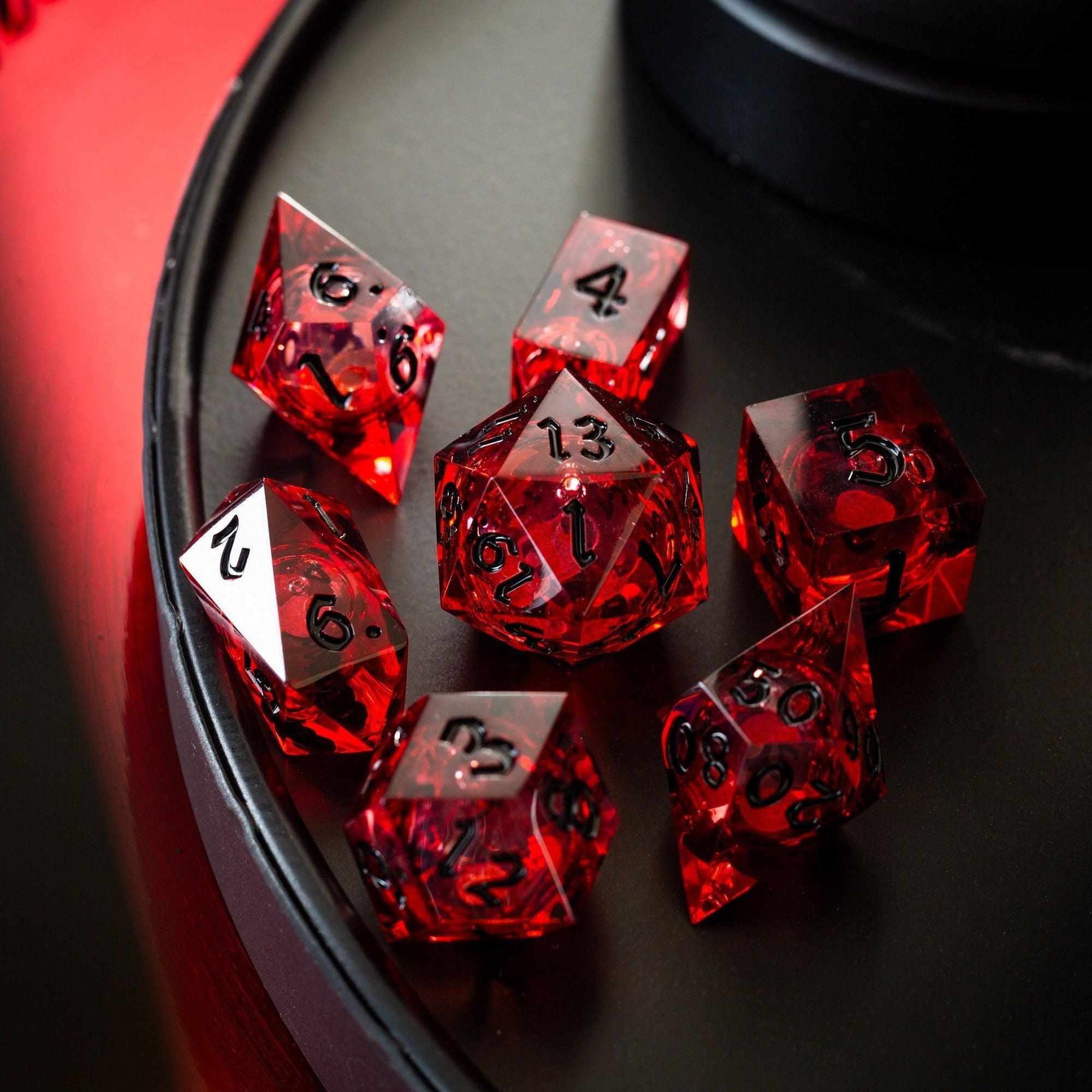
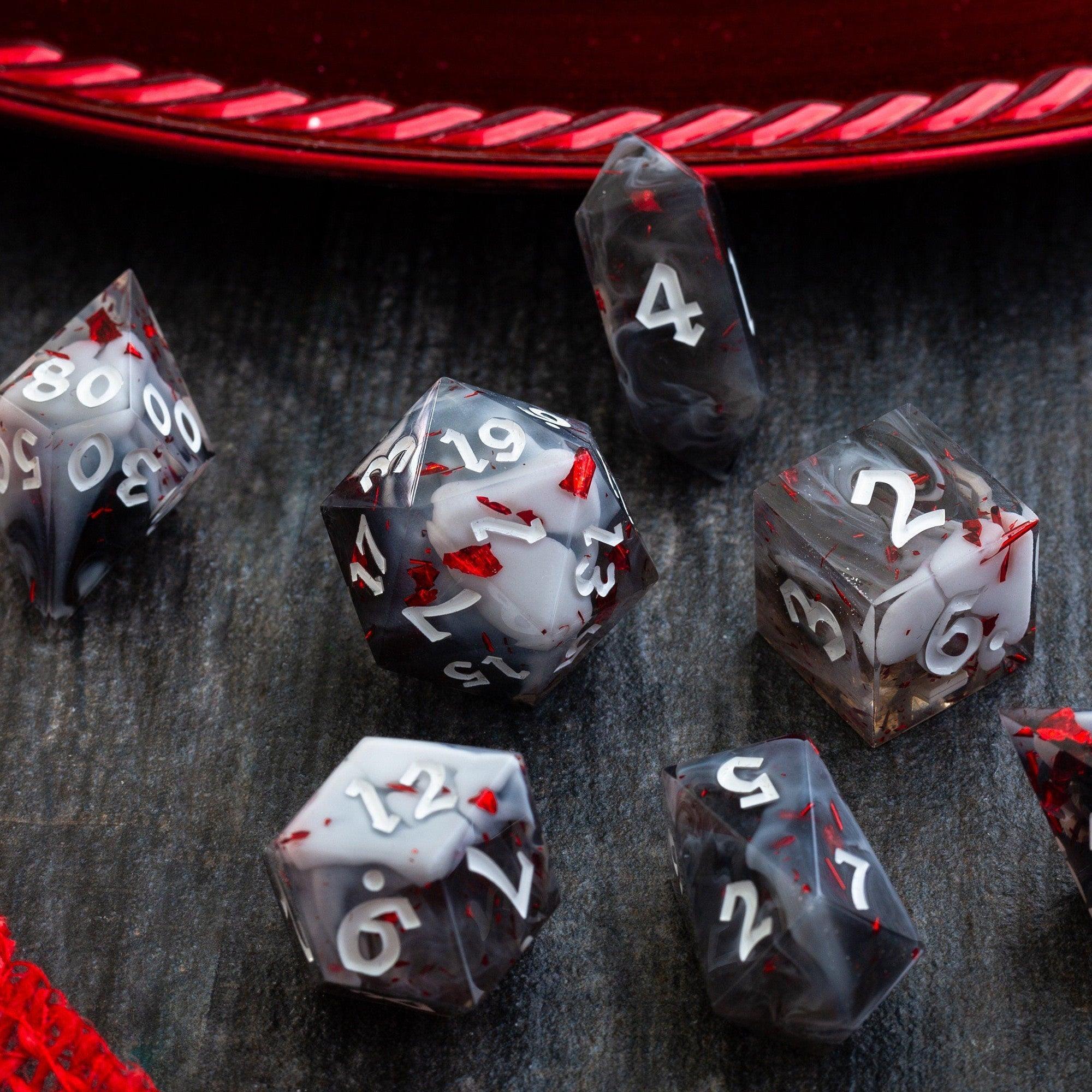
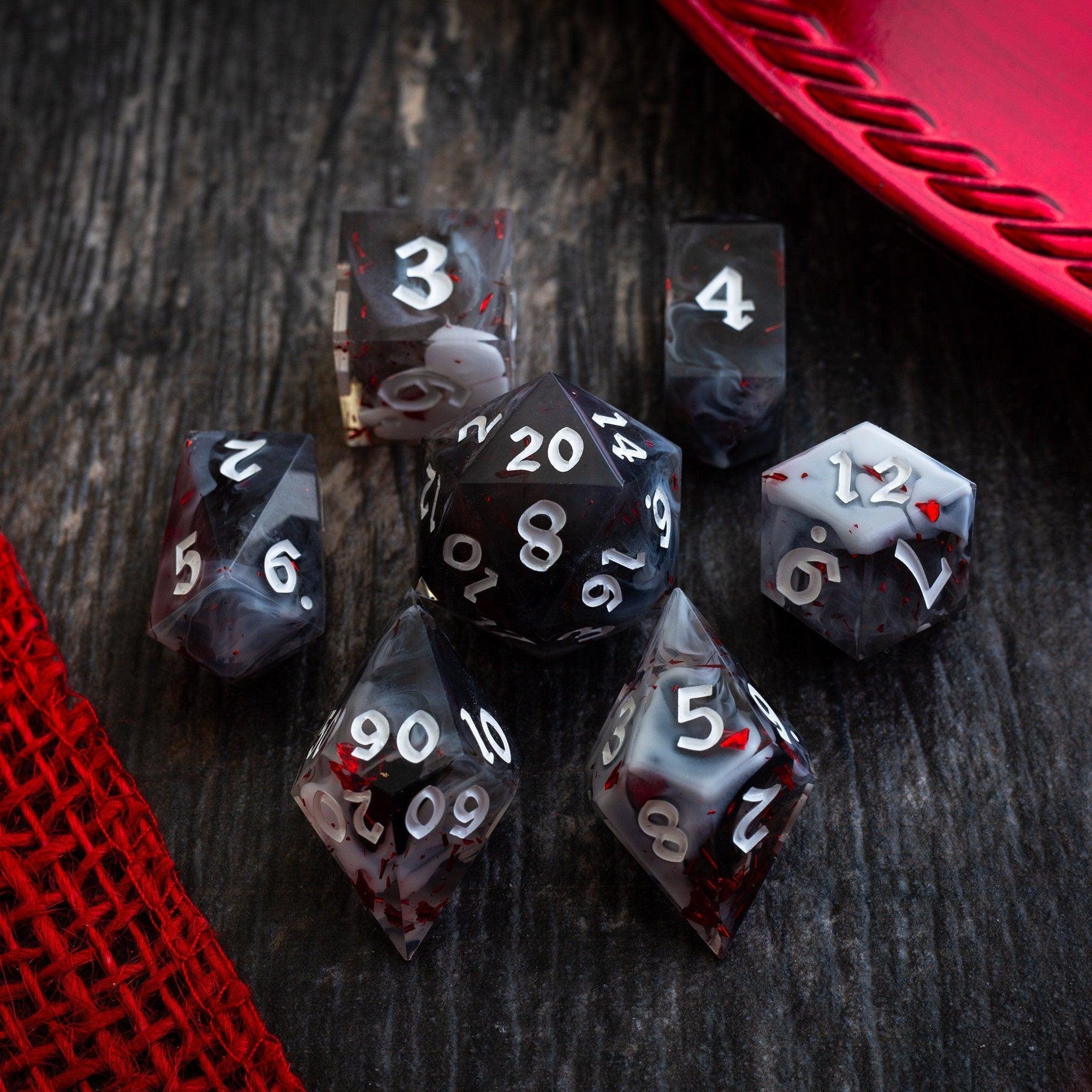
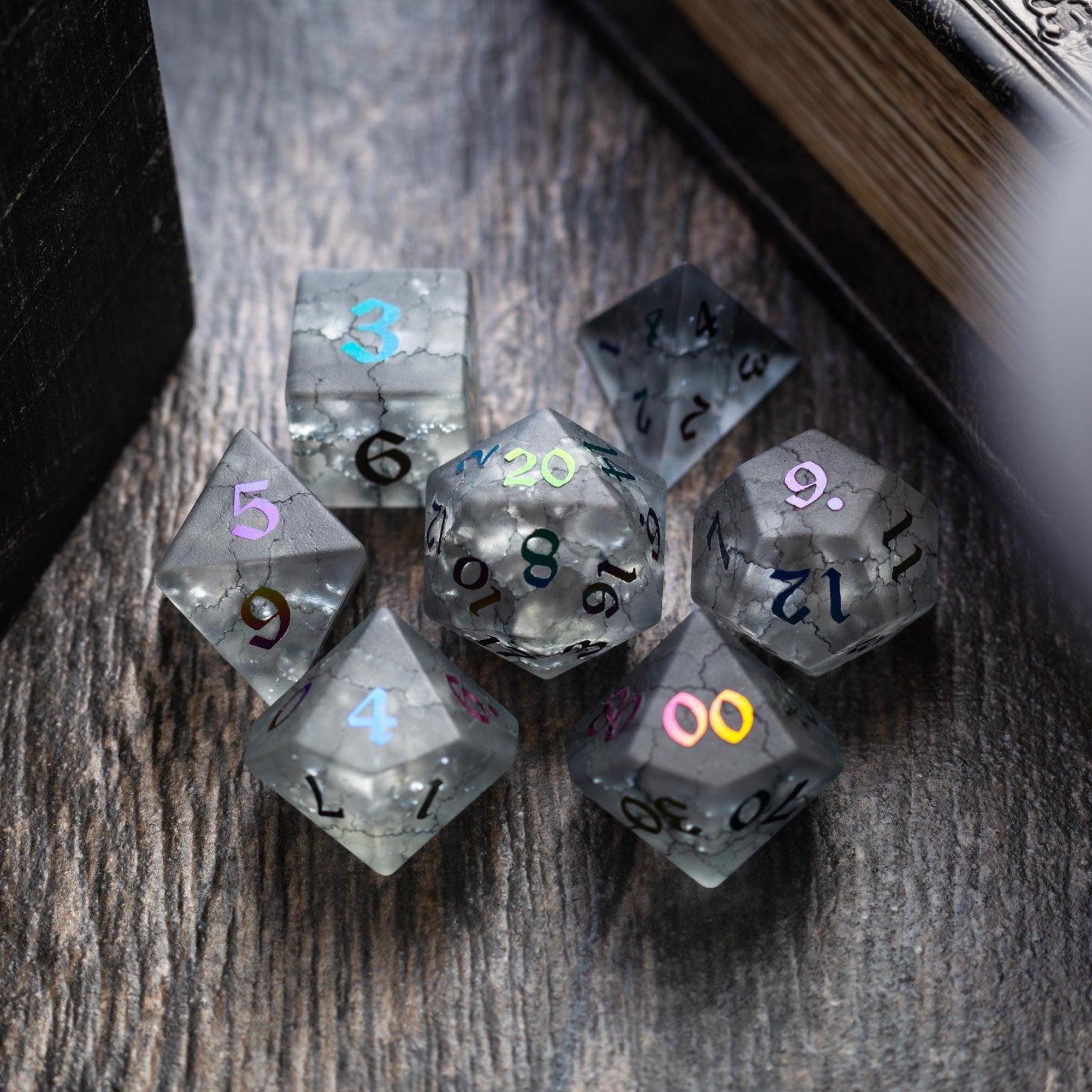
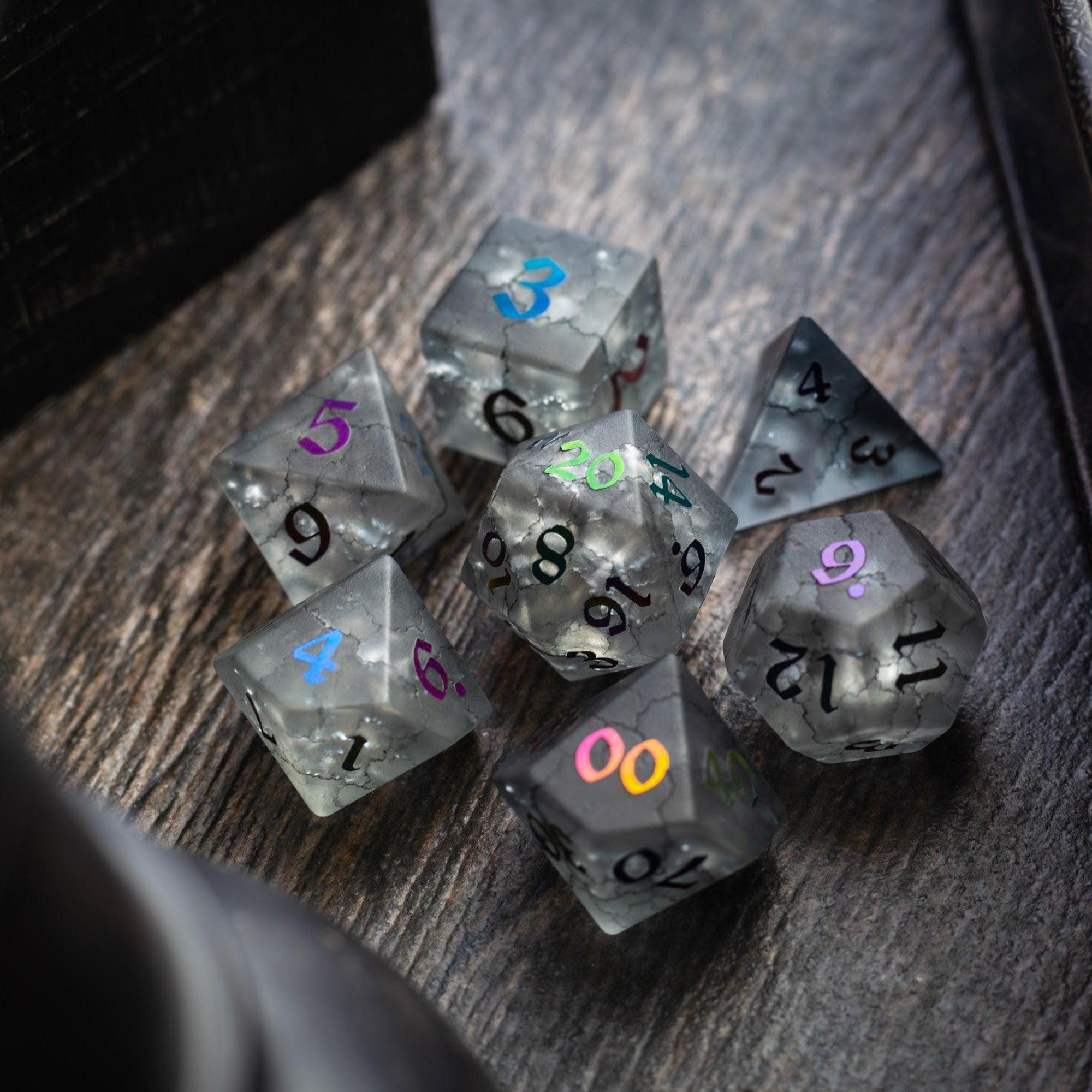
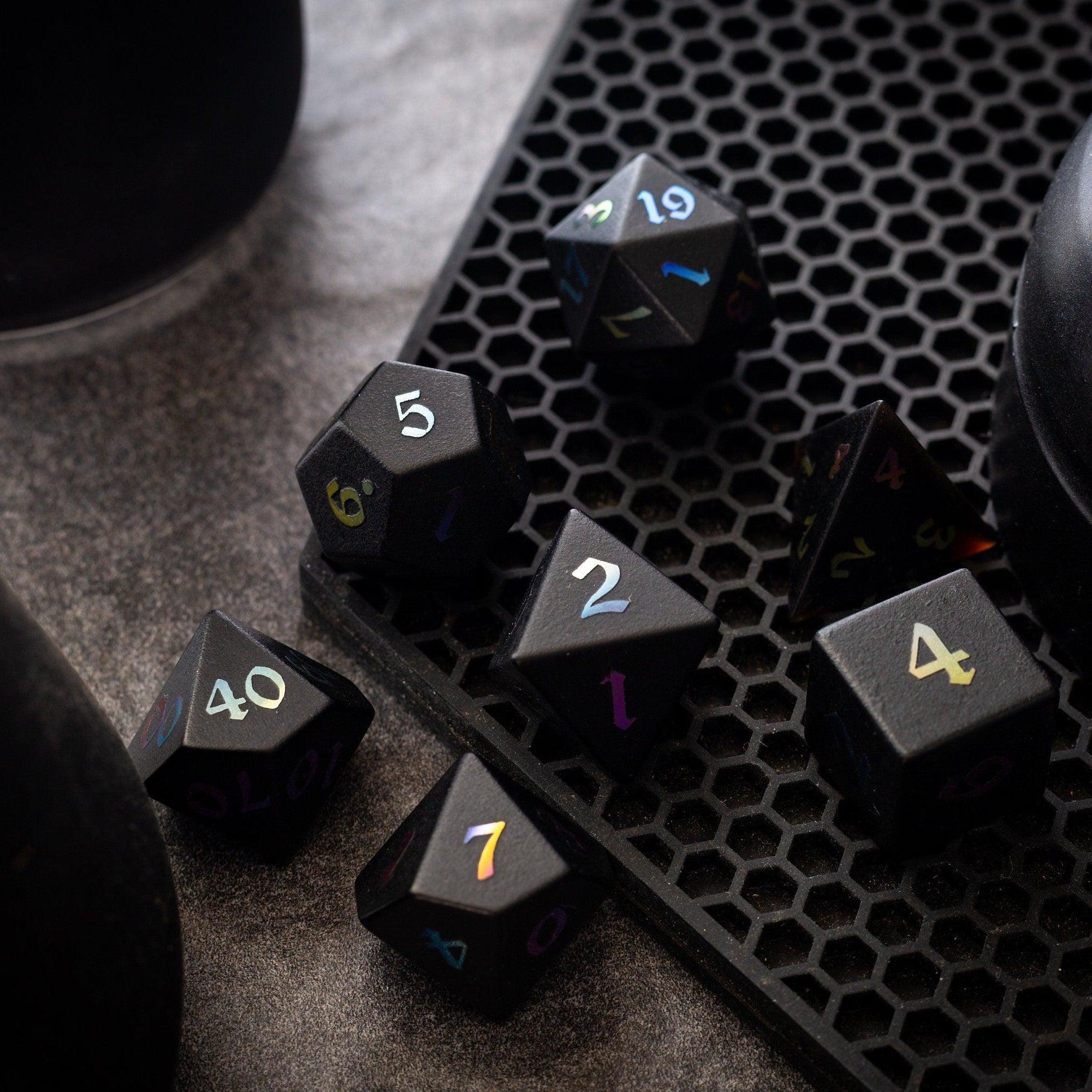
- 5. Draft fast using prompts and constraints. Speed matters. Generate ten entries in a sprint: pick a habitat, choose a role, roll a random quirk, and write the one-line hook first. For visual inspiration, set a “mood board” session—shiny, crystalline themes can spark ideas. If you like tactile brainstorming, roll a set like the Starlit Rift resin set and let colors suggest biomes or traits. The goal isn’t perfection; it’s momentum.
- 6. Lock in signature mechanics and story utility. Each creature needs one thing it does better than anything else, plus one weakness. “Abyssal Reefling: blinds with shimmer; terrified of silence.” Add two quick hooks: “Steals lures from fishers” and “Guards a sunken bell.” If you use dice during prep, roll from a small table to pick weaknesses or tactics. For themes with a hypnotic, fluid vibe, the shimmer in liquid core dice can cue “mesmerize,” “distort,” or “phase” style abilities.
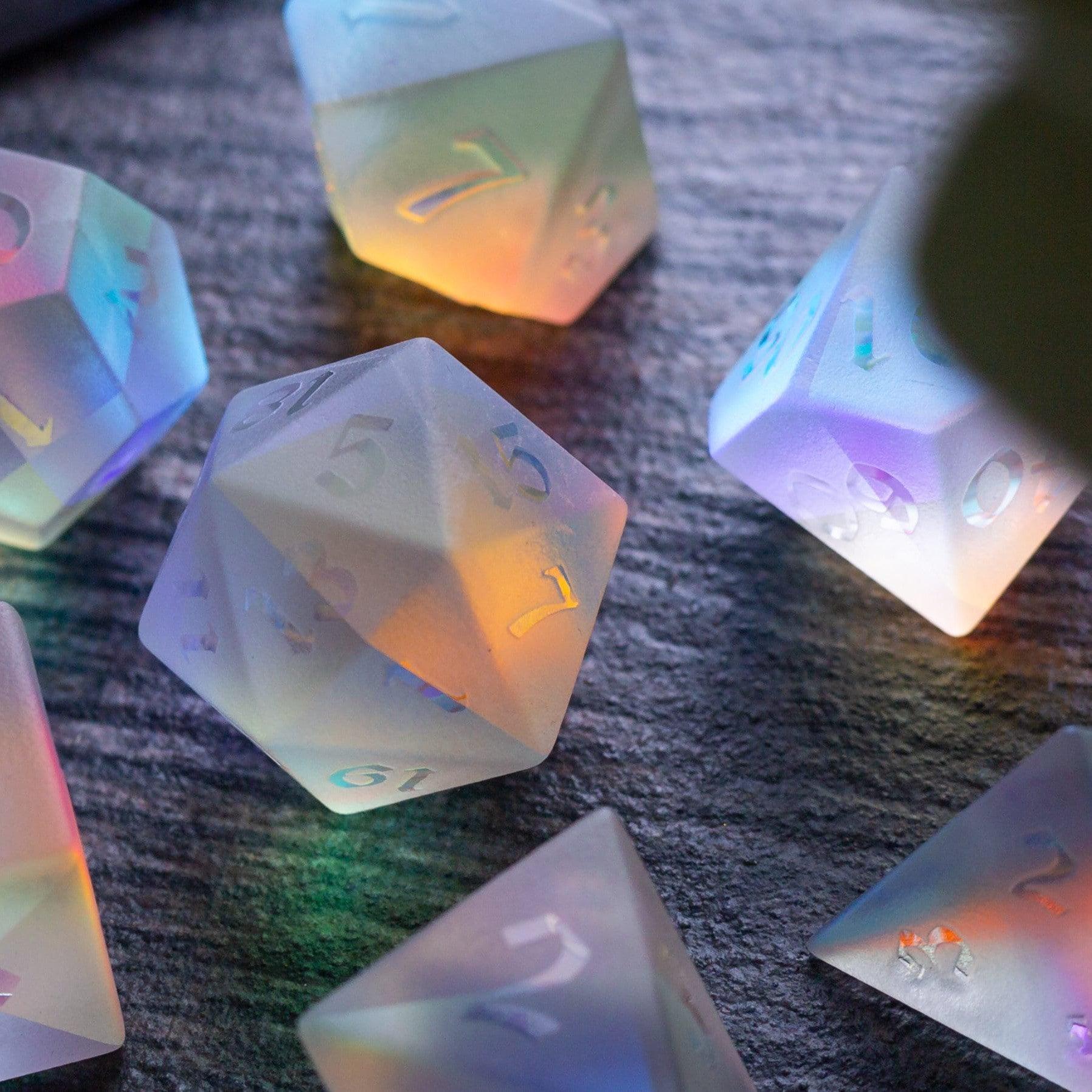
- 7. Format for scanning at the table or on the page. Make it effortless to spot the essentials. Bold the hook. Italicize weaknesses. Use short bullets and white space. Consider color-coding habitats or roles if you’re digital. If you’re printing, stick to one font family and a readable size. For an extra dose of inspiration on crystalline or prismatic motifs, peek at a shimmering dichroic glass set to brainstorm reflective or refracted abilities.
- 8. Playtest, iterate, and maintain. Bring two or three entries to your next session or writing sprint. Note what confused players or slowed your pacing. Adjust entries and tag rules, and capture rulings you want to repeat. Schedule a monthly review to retire weak entries, promote favorites, and add cross-references like “Pairs well with: Lantern Wyrm.” When you’re ready, export a clean PDF, share with your group, and keep your fantasy creature catalog and reference evolving—not sprawling.
Tips
- Start with “actionable first.” If a stat or sentence doesn’t help you run or write, cut it.
- Use the 30/30/30 rule: 30% classic archetypes, 30% twists, 30% originals.
- Write the one-line hook before anything else; it becomes your north star for tone and tactics.
- Keep entries system-agnostic with tiers (Minion, Standard, Elite, Apex) so you can adapt on the fly.
- Build mini-volumes: “Polar,” “Urban,” “Ancient Ruins.” Shipping in small batches keeps morale high.
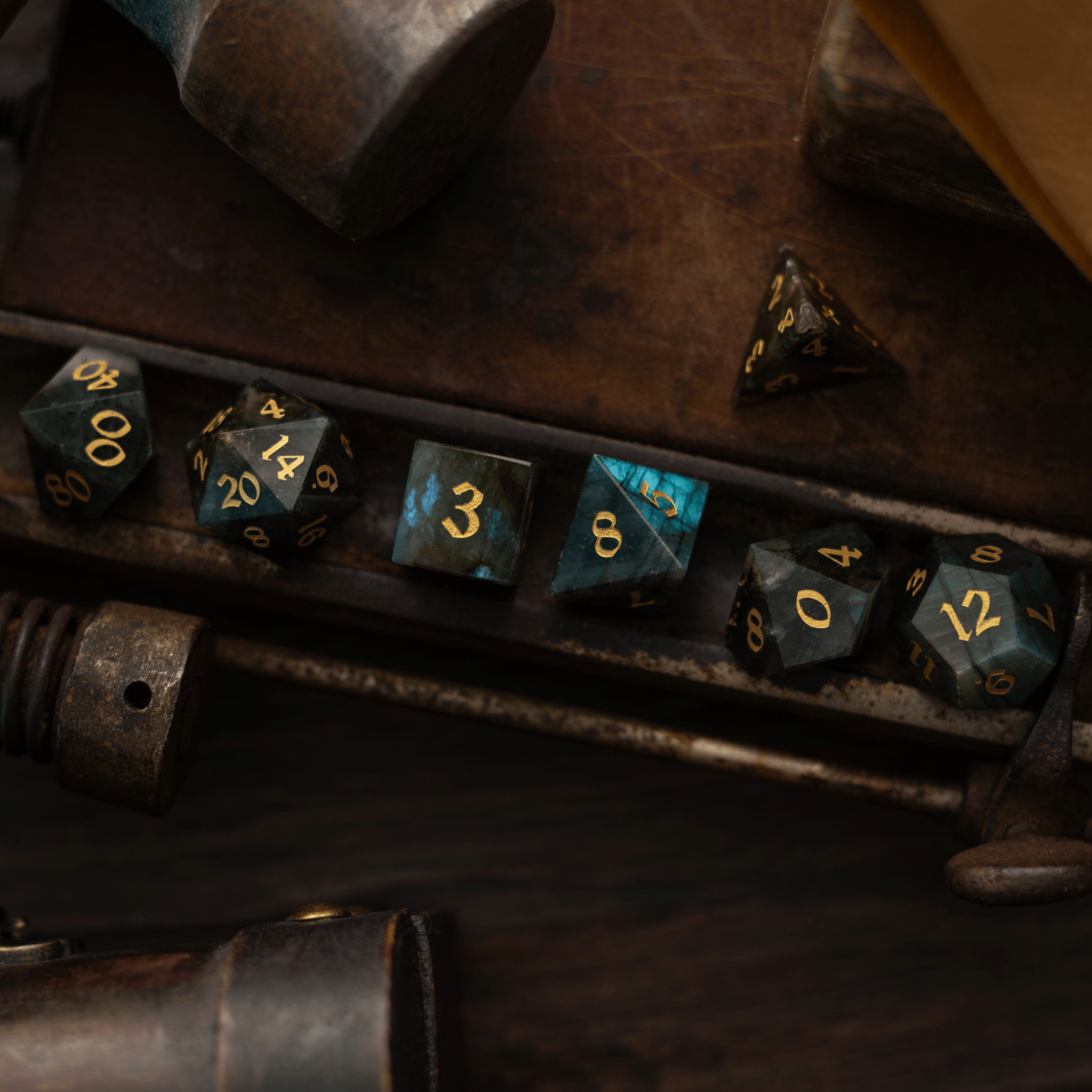
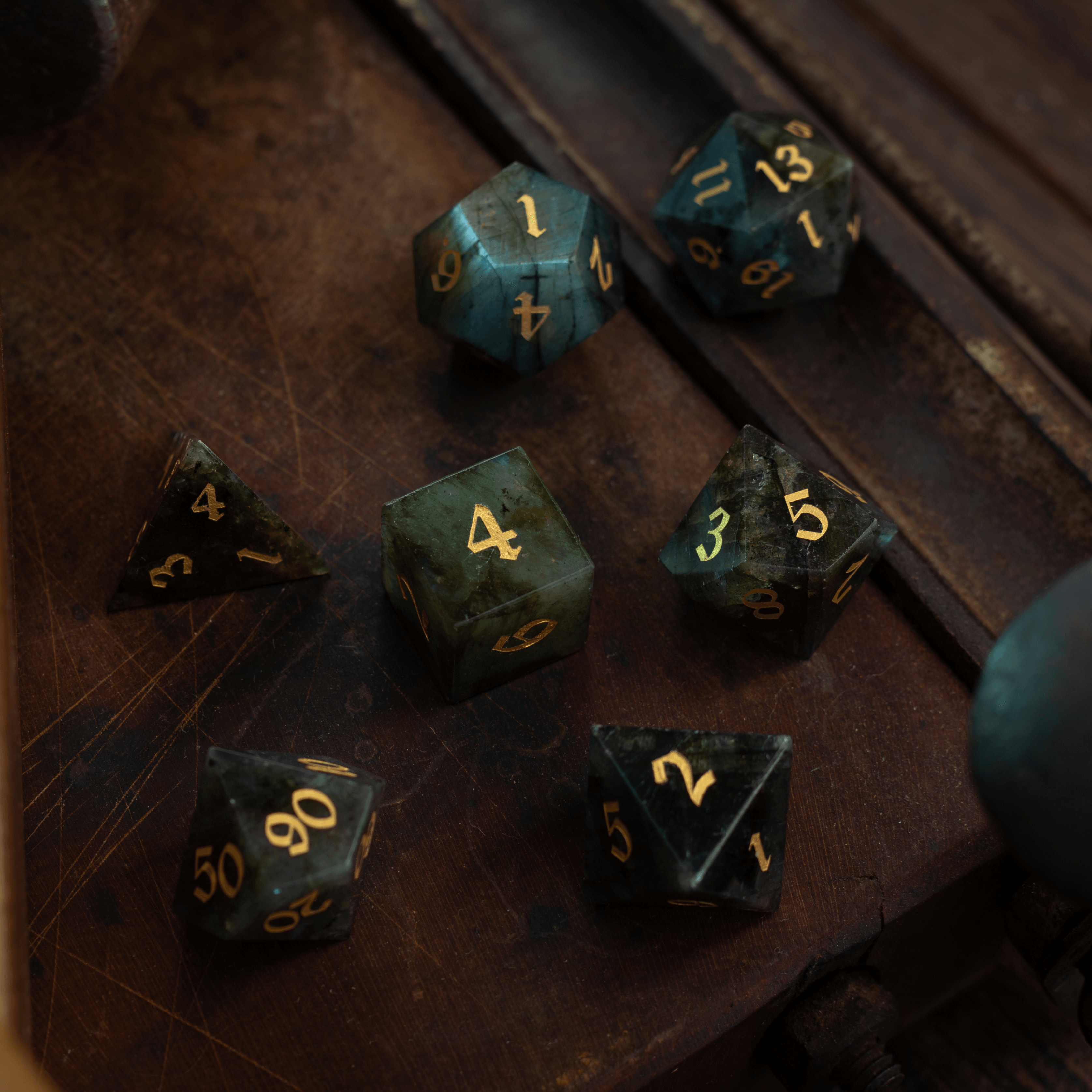
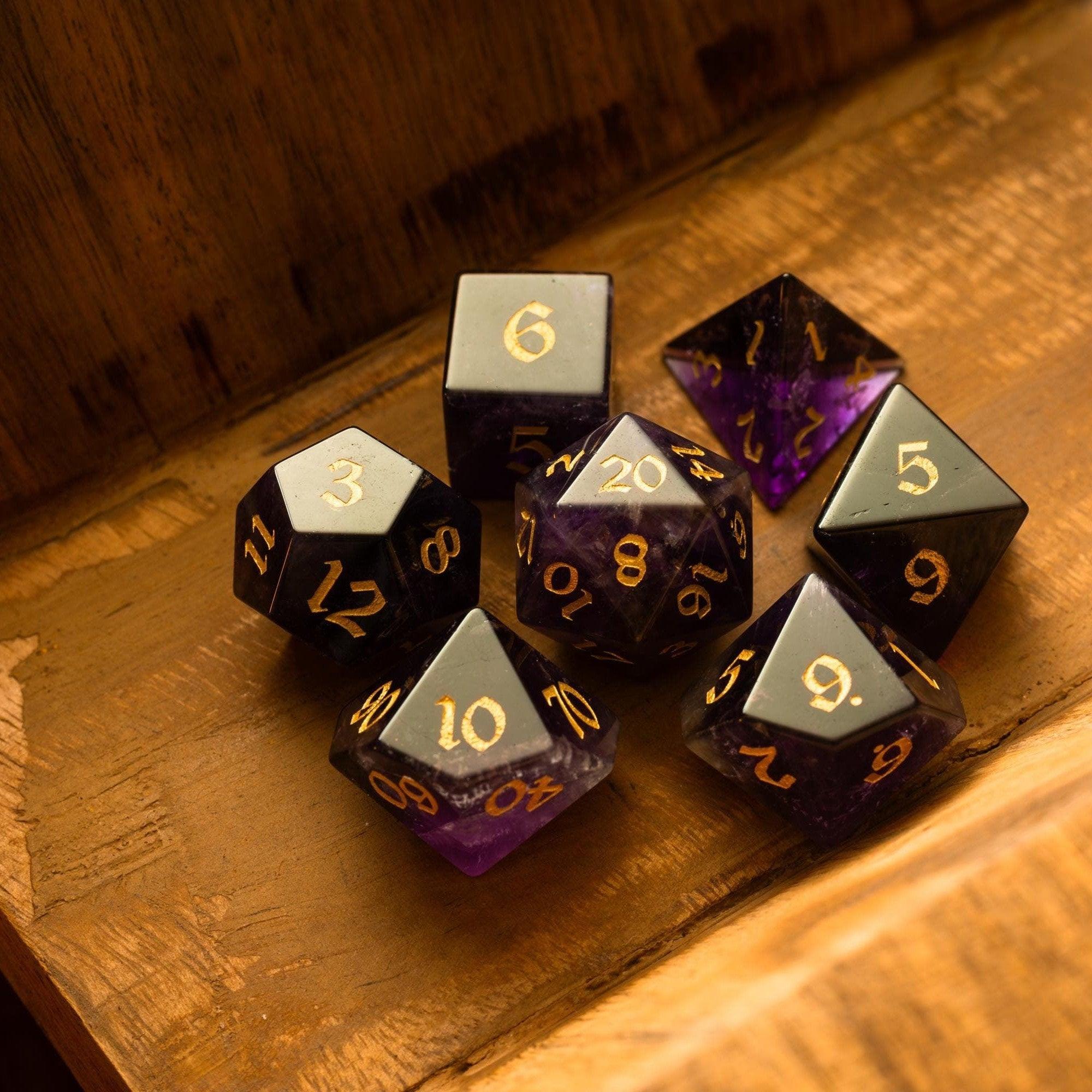
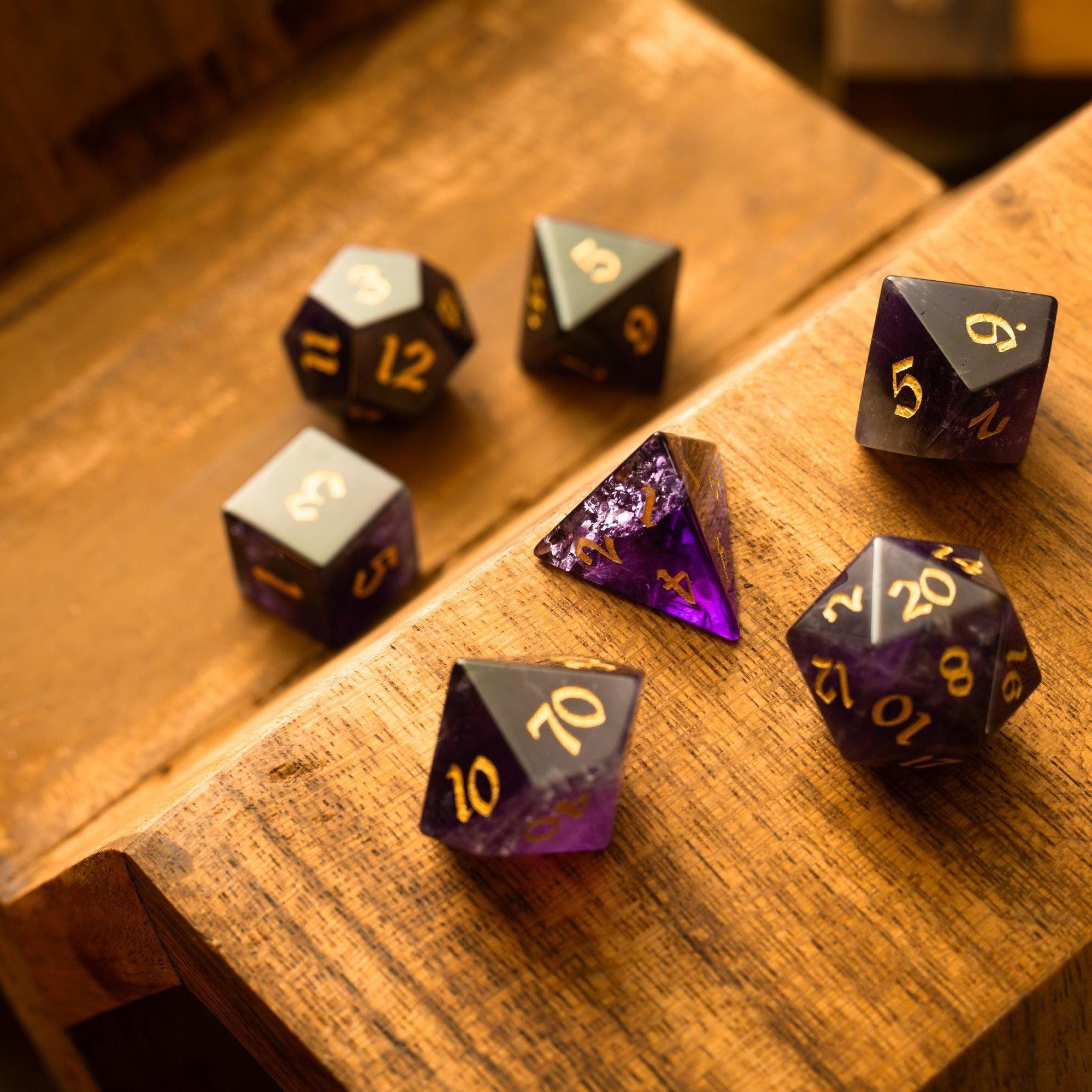
- Let materials inspire themes. Gem-laced villains? Roll with a set from the gemstone dice collection and pick facets, shimmer, or weight as story cues.
- Limit lore to the useful 20%. Include one rumor, one truth, one twist—done.
- Version your work. Add a tiny change log so you remember why you tweaked a tactic or weakness.
- Use quick contrasts to make creatures memorable: “Silent but heavy,” “Glowing yet cold,” “Ancient and playful.”
- When you hit a wall, change the palette. A stark black-green vibe can spark acidic forests, while nebula hues suggest space-borne leviathans.
FAQs
How many entries should I start with?
Start with 30–50. That’s enough variety to cover common habitats and roles without overwhelming you. Build in themed batches of 10 so each sprint feels complete. If you’re running a campaign, line up a batch for each upcoming region. Keep a short wish list for “next wave” so new ideas don’t derail the current build.
What details should every entry include?
Keep a tight core: Name, one-line hook, look and vibe (5–7 words), 2–3 signature abilities, one weakness, tactics, and two story hooks. If you use mechanics, add a system-neutral tier and damage style. This balance keeps entries short but useful. Optional: a quick sketch box or a color cue to trigger visual memory during prep or play.
How do I keep the catalog consistent over time?
Use a style guide and a reusable template. Decide on naming rules, tone, and a small tag set. Then stick to them. Schedule a monthly cleanup to merge duplicate ideas, retire weak entries, and add cross-links. If you like drawing inspiration from shimmering palettes, keep a “theme cue” note such as “prismatic, tidal, obsidian” and anchor new ideas to it. A bold, star-kissed palette—think the Starlit Rift resin set—can unify a whole arc of celestial beasts without extra lore.






Leave a comment
This site is protected by hCaptcha and the hCaptcha Privacy Policy and Terms of Service apply.