
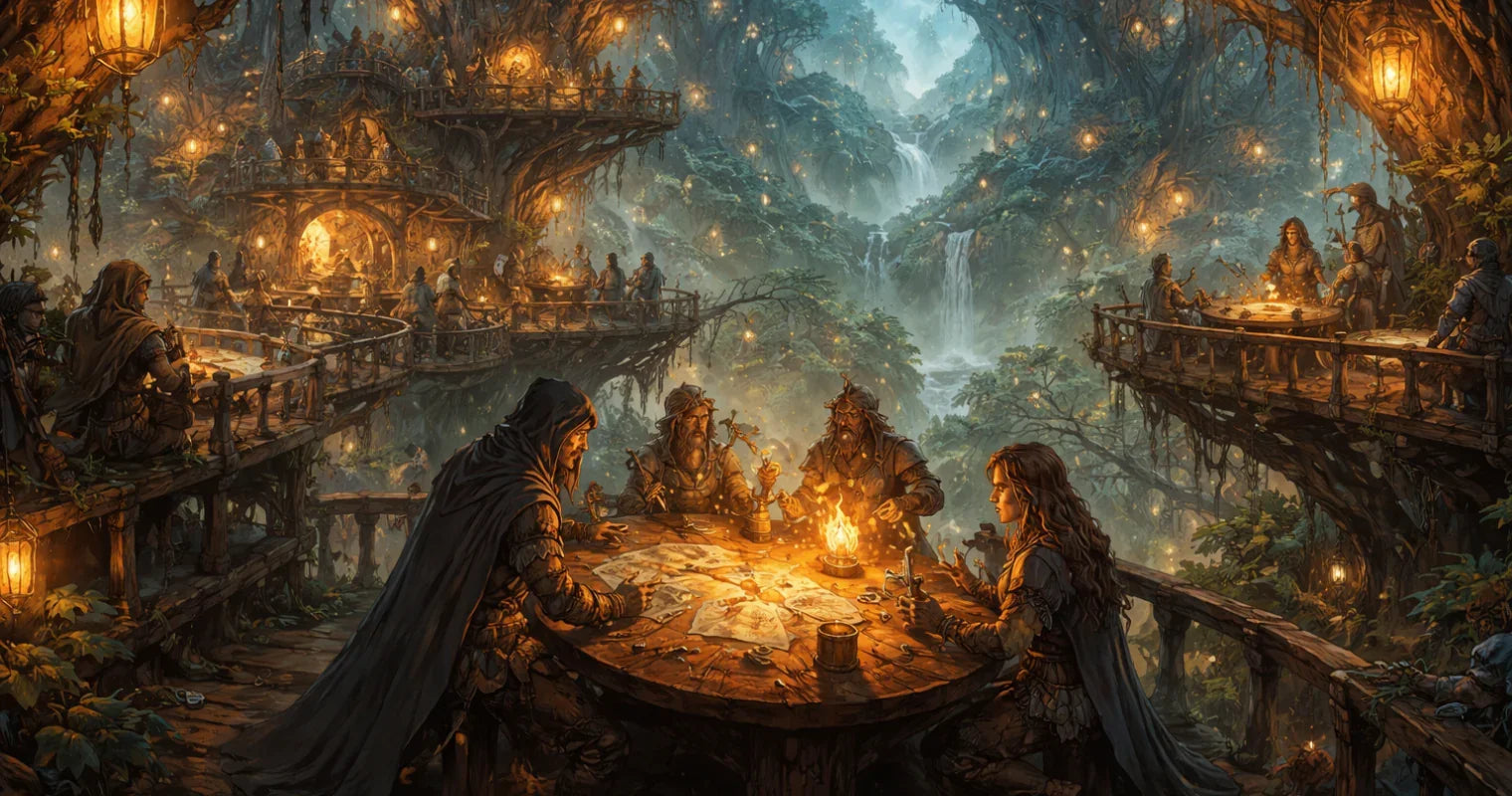
Mastering Fantasy Tabletop Gaming Beginner Guide for Players
Updated on: 2026-01-26
Whether you're a seasoned adventurer or just picking up your first character sheet, this guide walks you through everything you need to know about getting started with tabletop role-playing games. From understanding the basics to finding your gaming community, we'll cover the essential steps to help you dive into this incredible hobby. By the end, you'll feel confident rolling those dice and embarking on epic quests with friends.
- Getting Started with Fantasy Tabletop Gaming
- Step-by-Step Guide to Begin Your Journey
- Expert Tips for New Players
- Frequently Asked Questions
Getting Started with Fantasy Tabletop Gaming

If you've ever imagined yourself wielding a sword, casting spells, or leading a band of heroes through dangerous dungeons, then fantasy tabletop gaming might be calling your name. This wonderful hobby has exploded in popularity over the past decade, and it's easier than ever to jump in. Unlike video games, tabletop role-playing experiences are uniquely collaborative—you're not competing against a computer, but rather working with friends to tell an unforgettable story together.
The beauty of this genre lies in its flexibility and creativity. Your imagination is the only limit. Want to play a cunning rogue who sneaks through shadows? Go for it. Prefer a noble paladin protecting the innocent? You've got it. The world opens up in ways that traditional games simply can't match. And here's the best part—you don't need to be a master storyteller or have years of experience to have fun. Every expert was once a beginner, and the community is incredibly welcoming.
At its core, fantasy tabletop gaming is about rolling dice, making decisions, and discovering what happens next. A game master guides the adventure while players control their characters. It's part improv, part strategy, and entirely social. You'll meet amazing people, create lasting memories, and develop friendships that extend far beyond the gaming table.
Step-by-Step Guide to Begin Your Journey
1. Choose Your Game System
The first step is deciding which game system appeals to you. The most popular choice is Dungeons & Dragons, which offers an accessible entry point with tons of resources available. However, other fantastic systems exist—Pathfinder, Warhammer, Starfinder, and countless indie games each offer unique flavors. Research what your friends play or what sounds most exciting to you. Each system has different rules, complexity levels, and storytelling styles, so pick one that matches your interests.
2. Gather Your Essential Materials
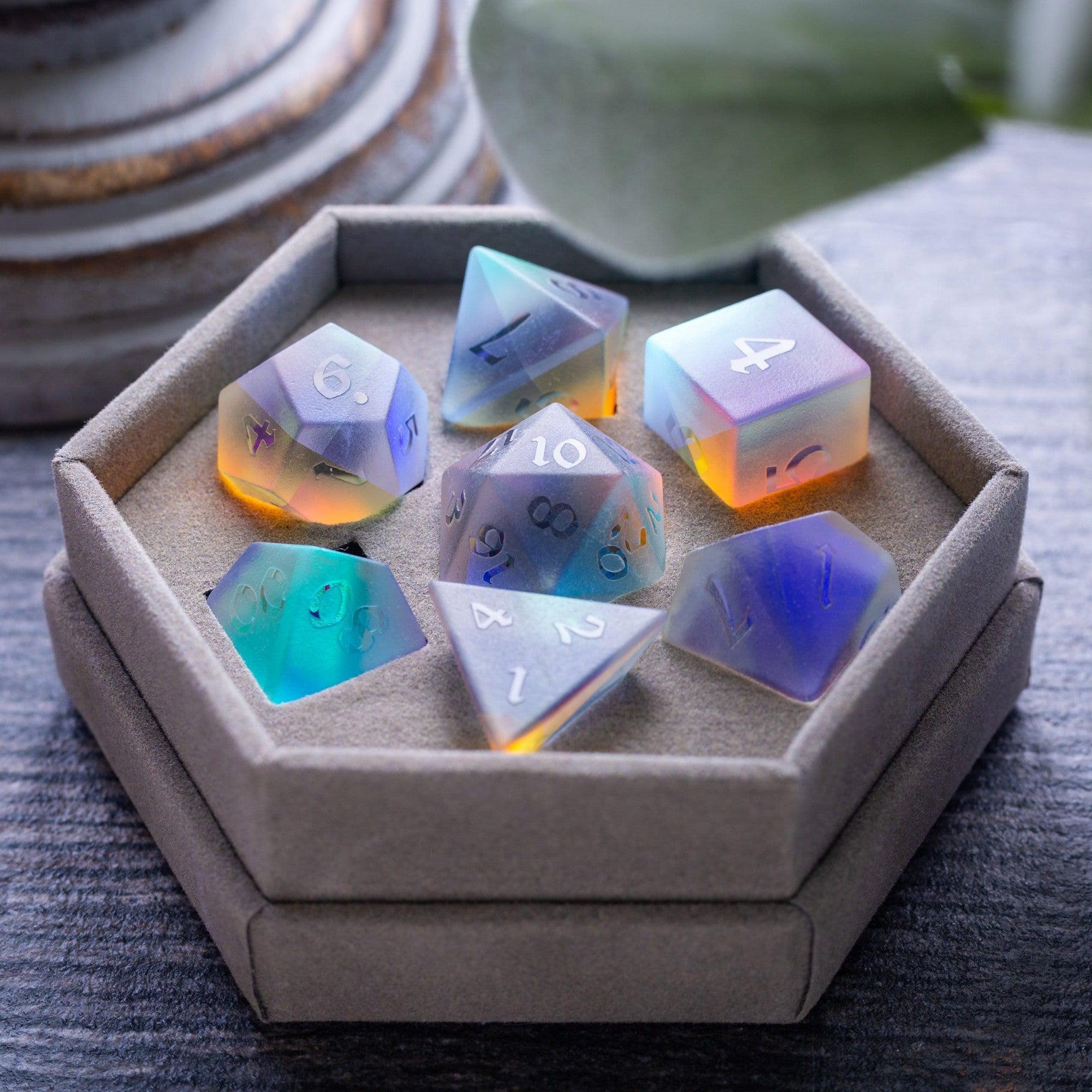
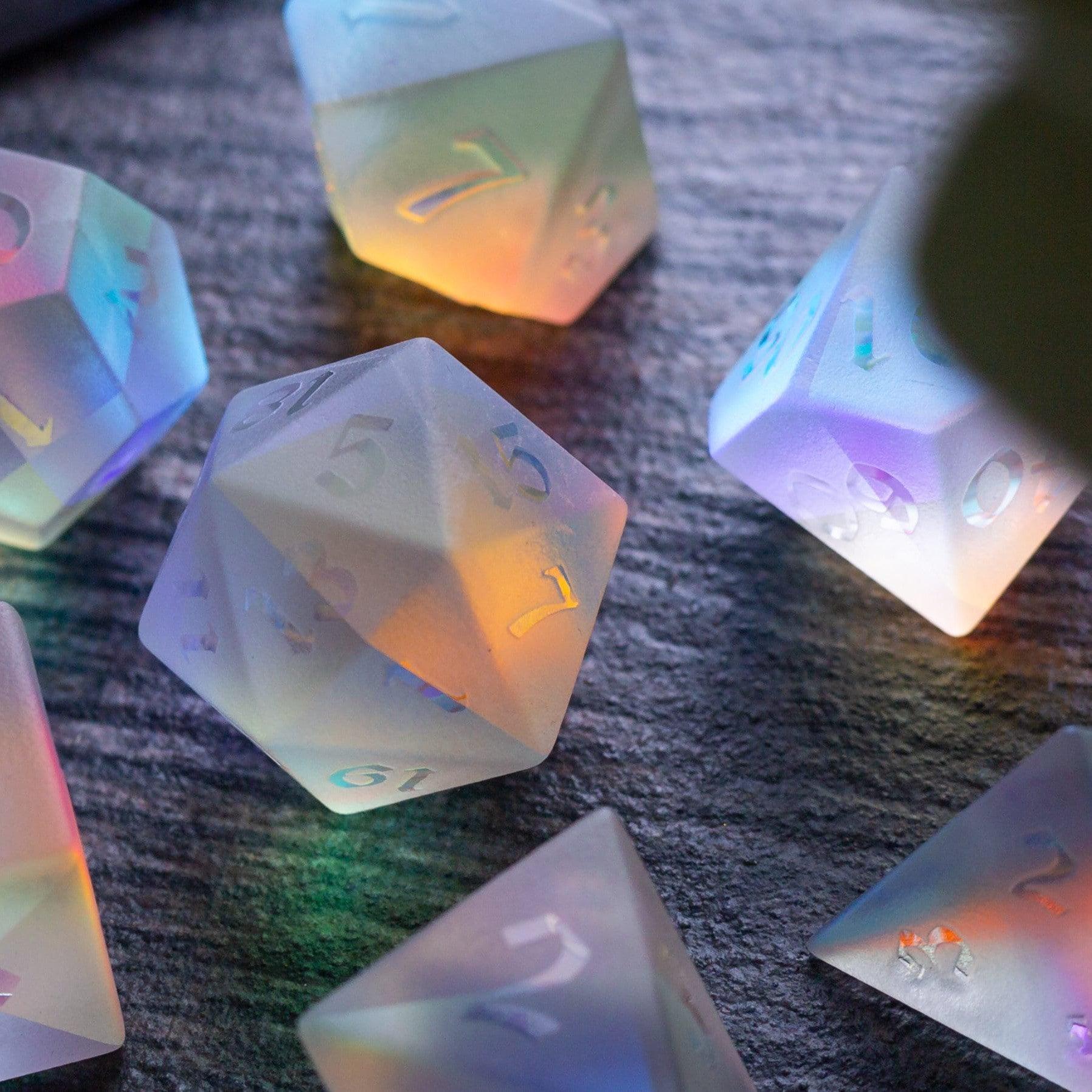
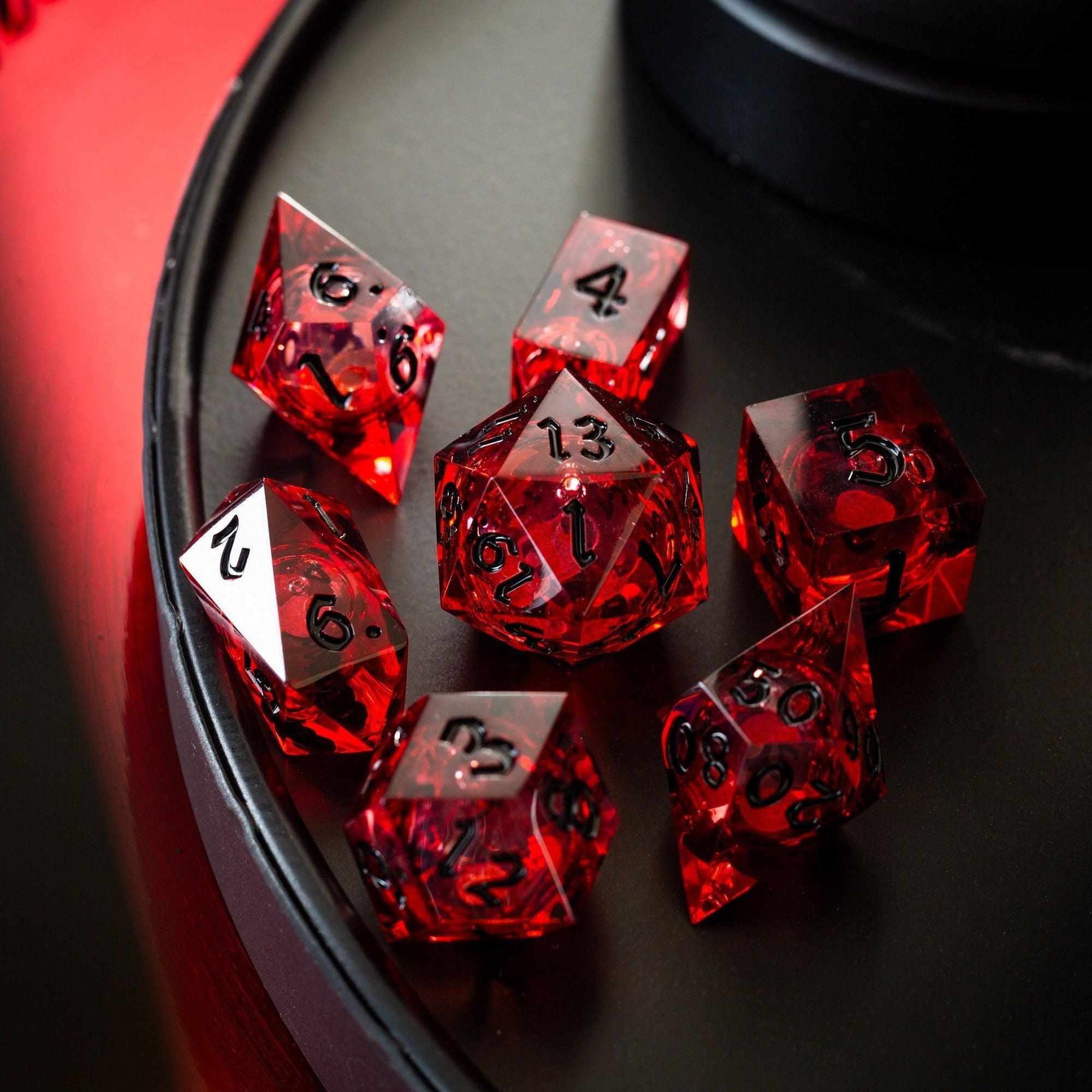
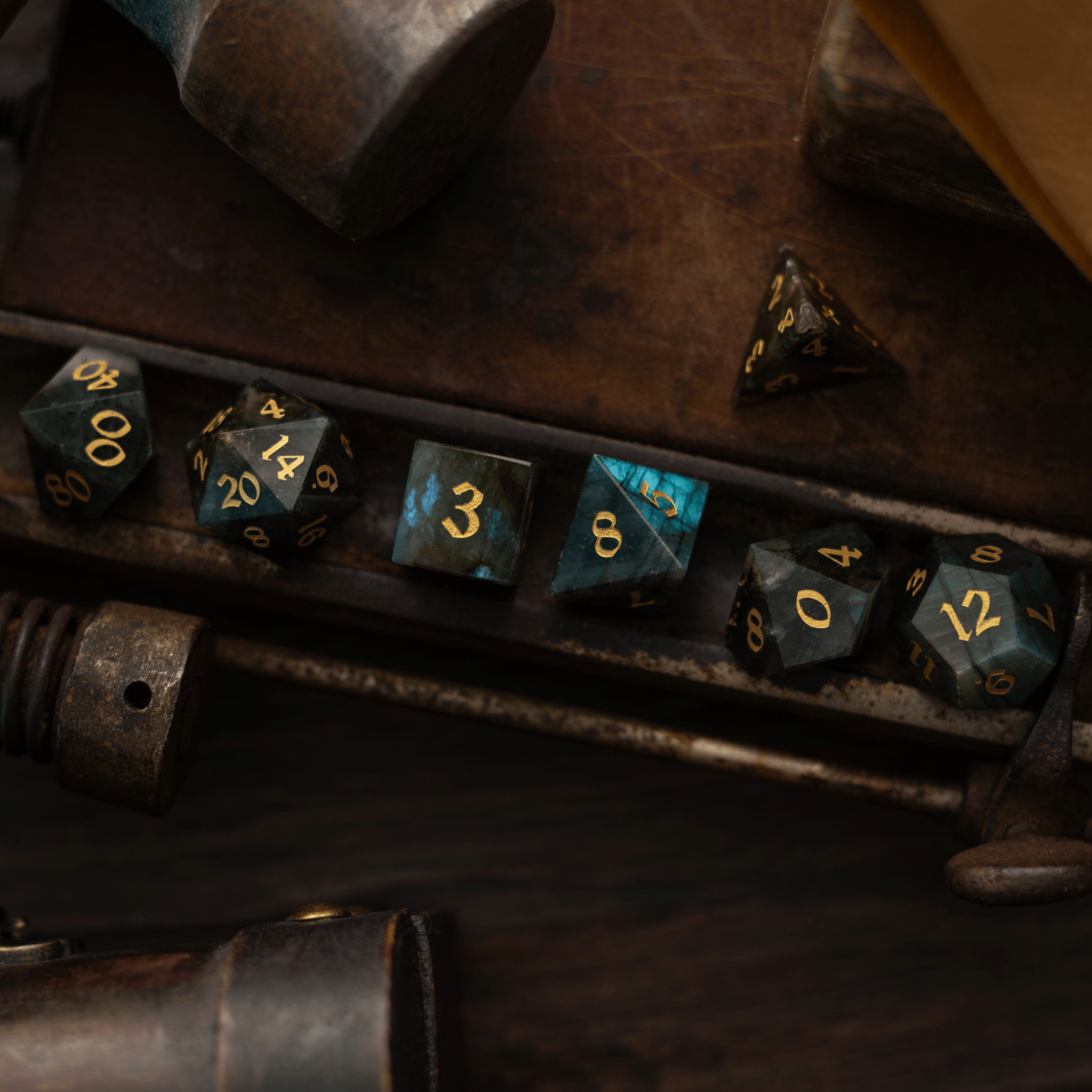
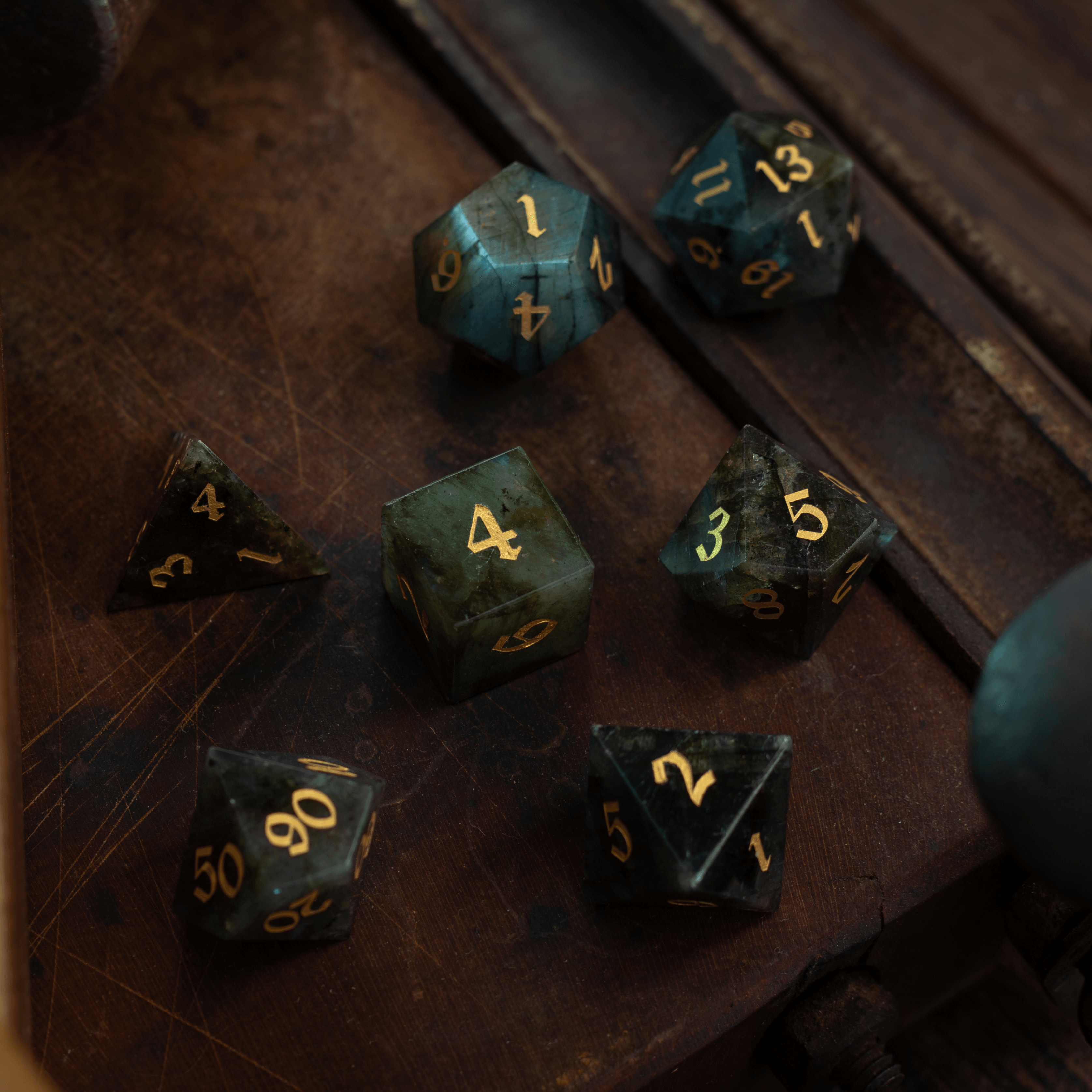
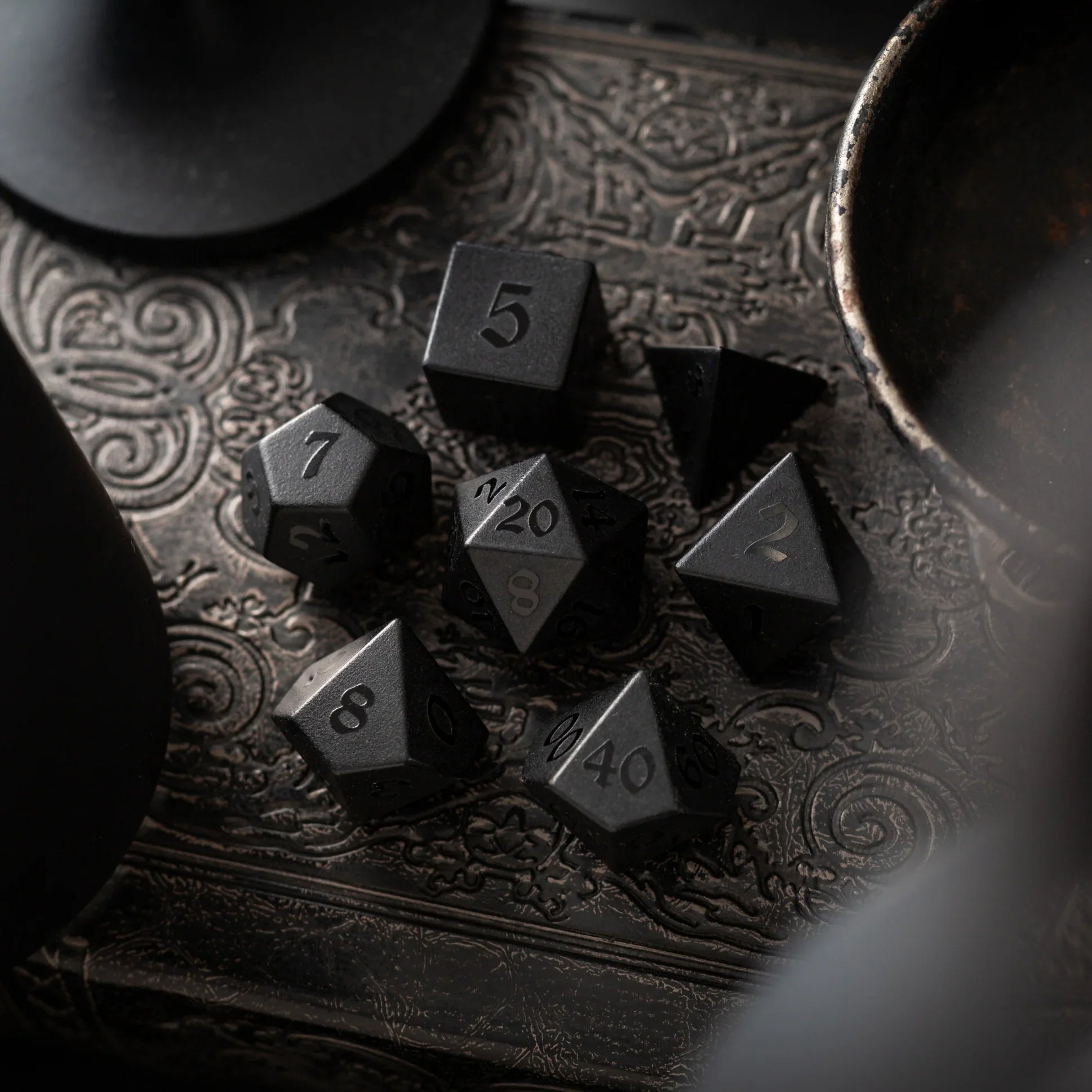
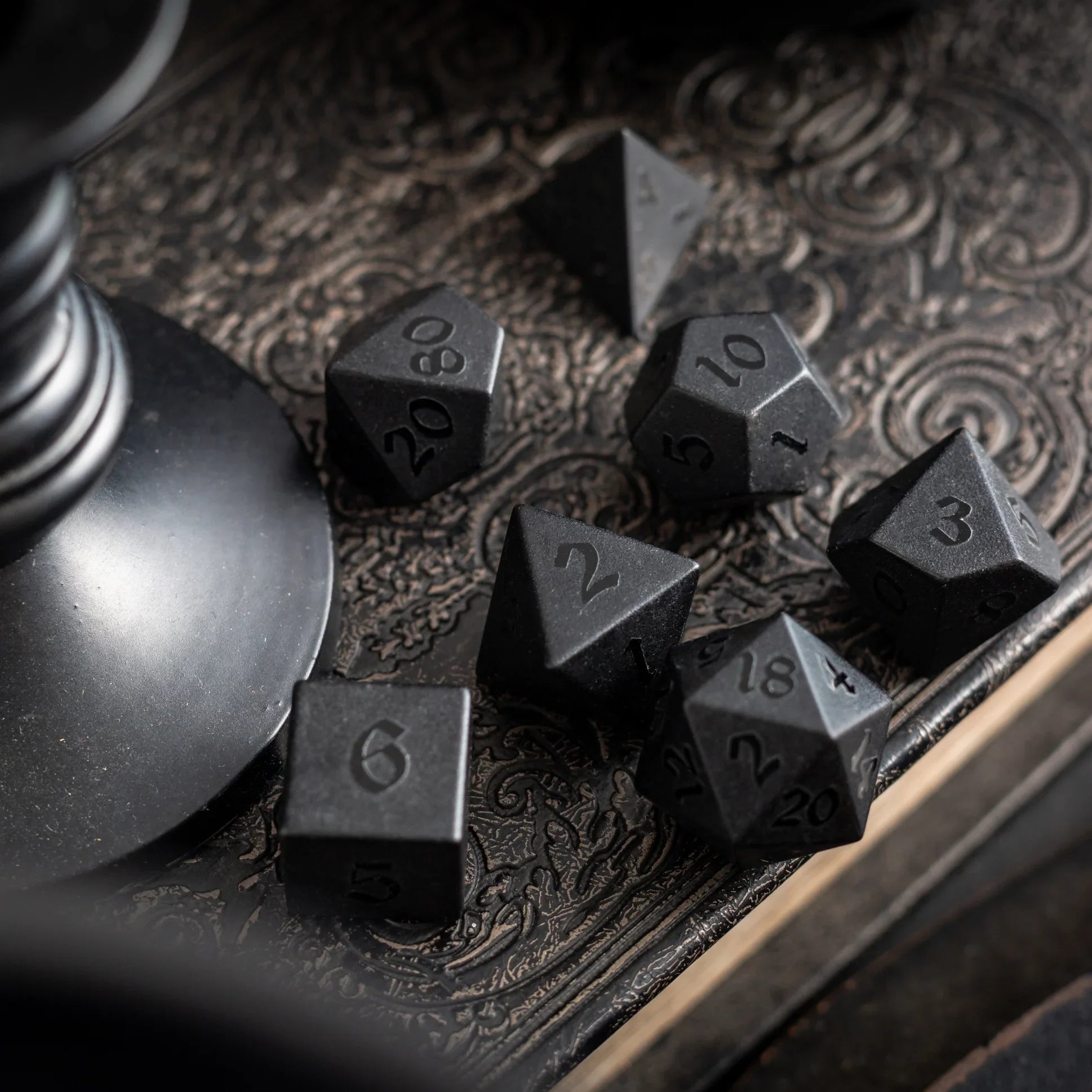
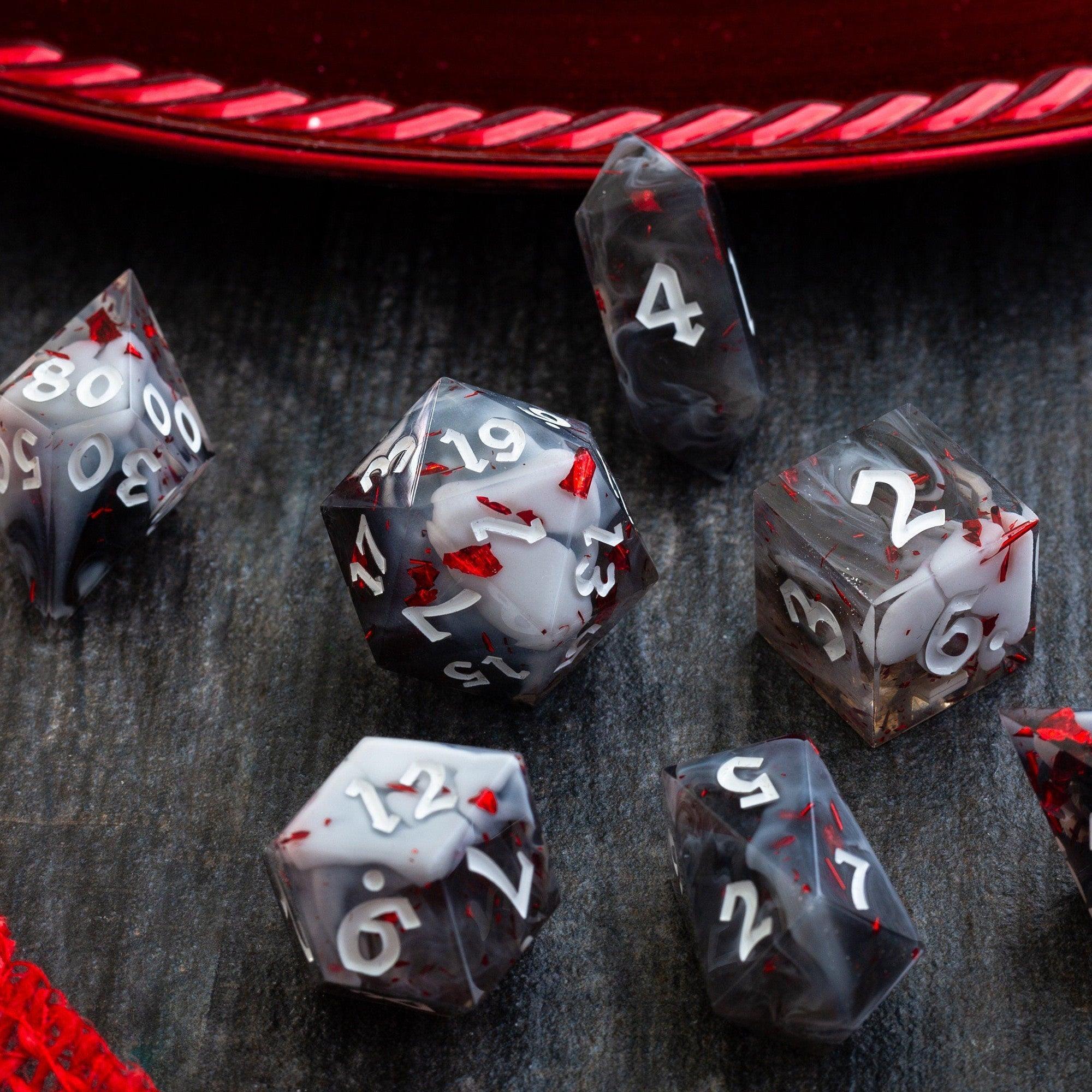
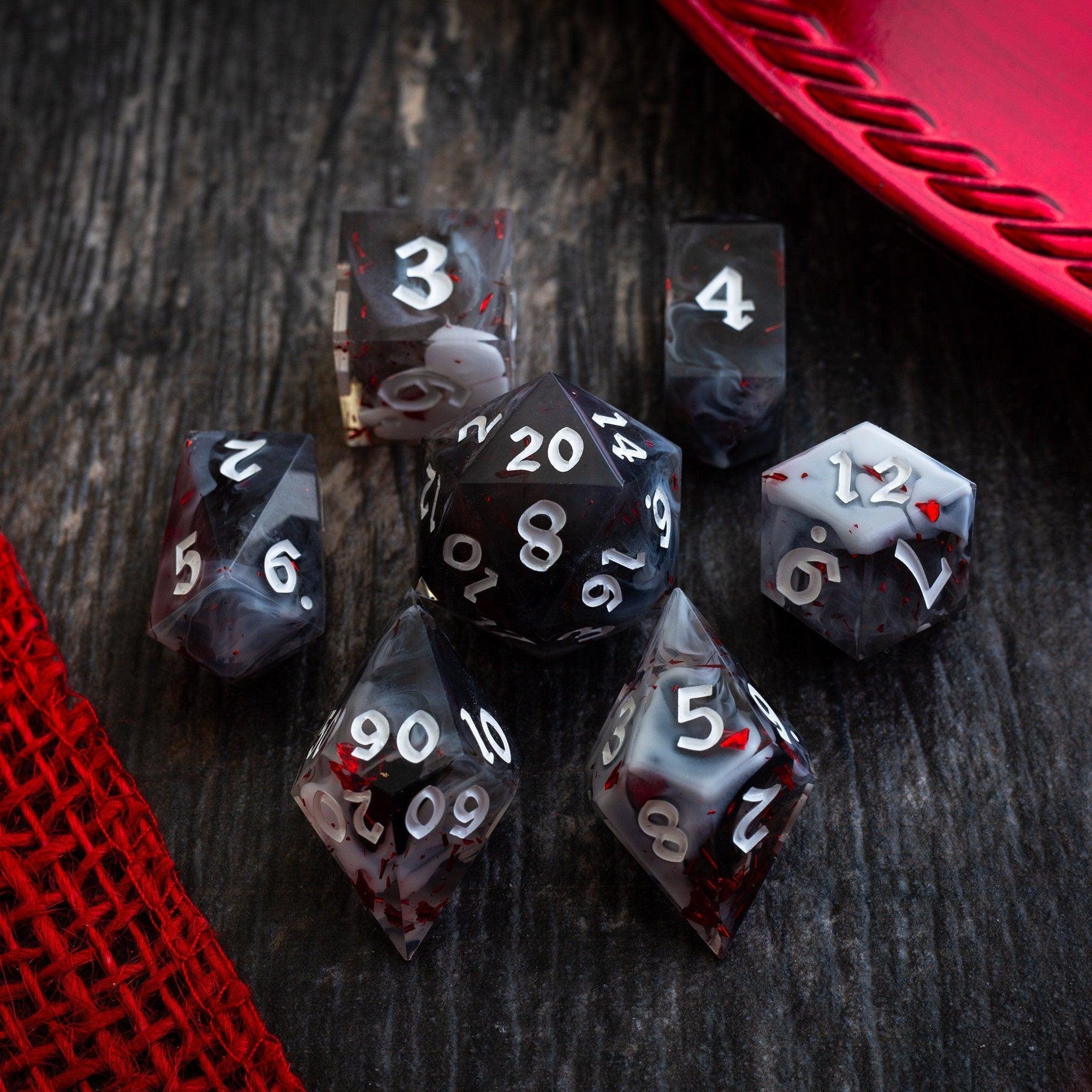
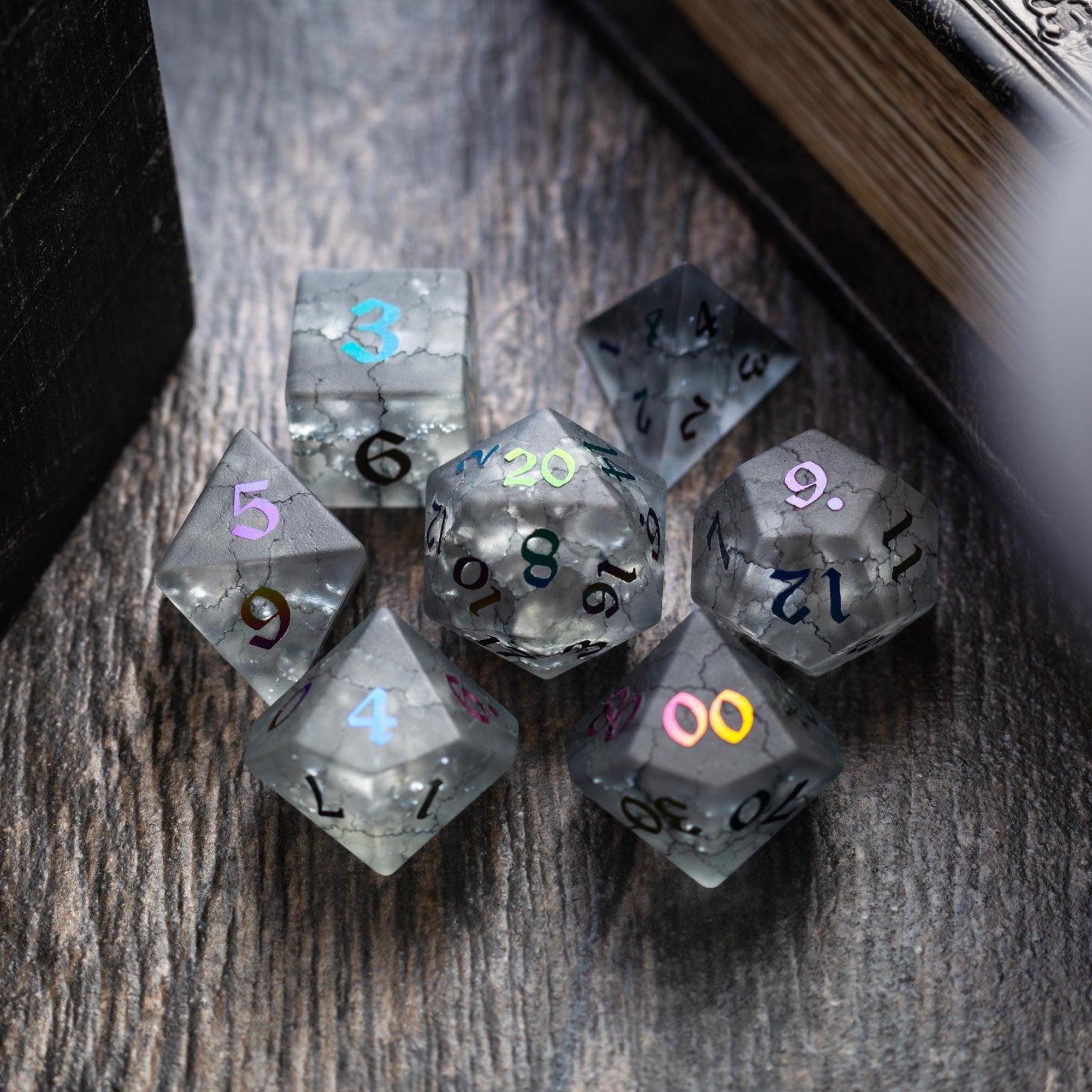
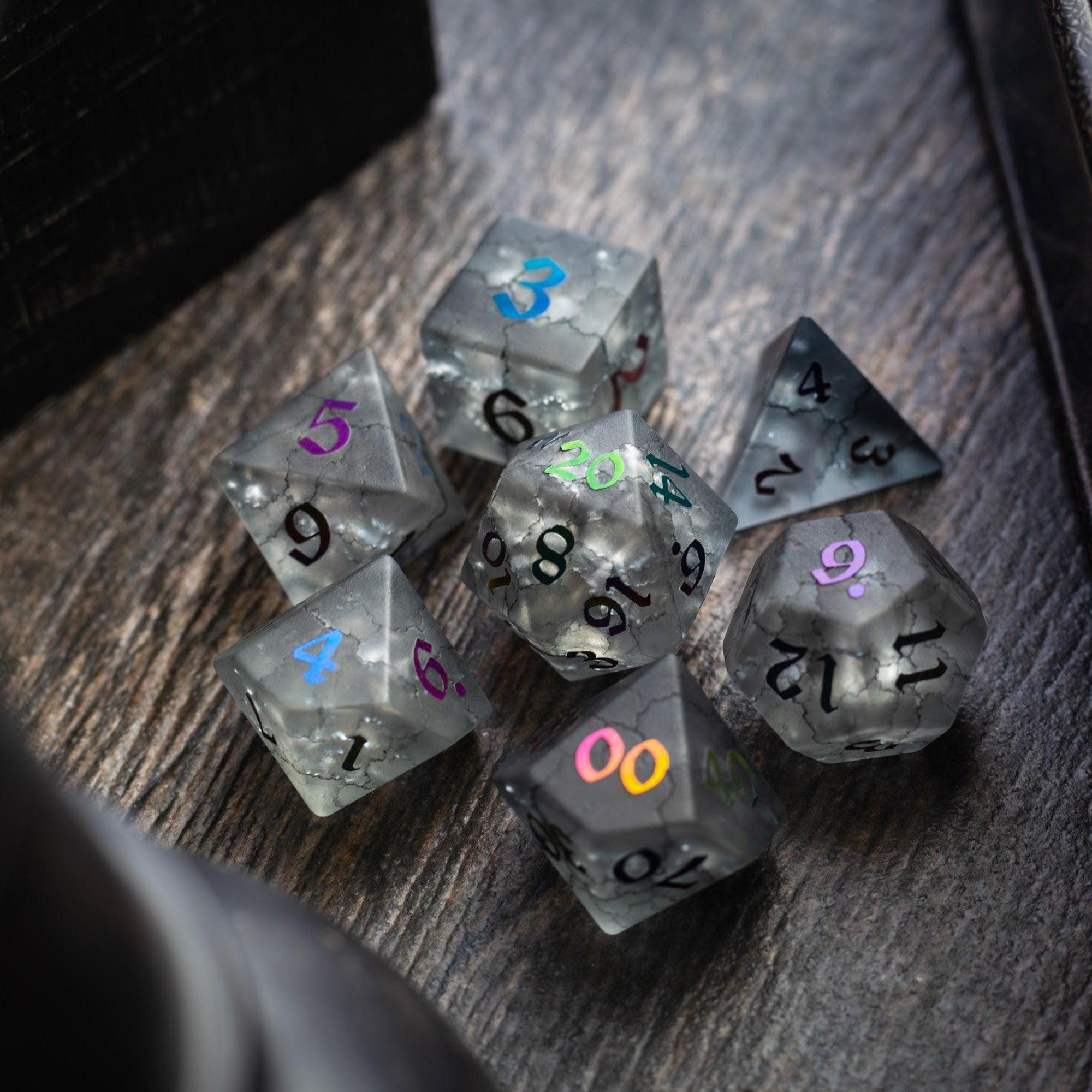
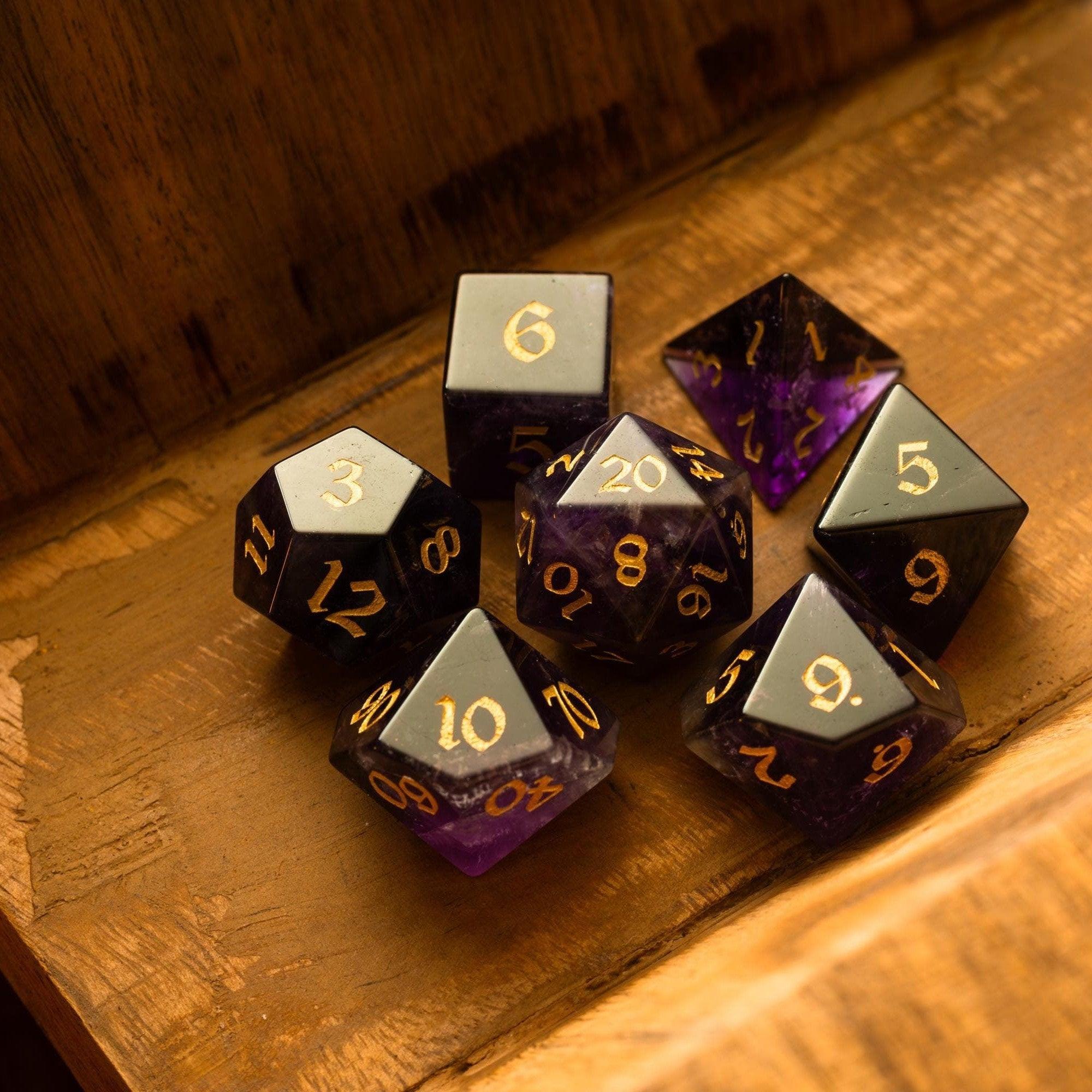
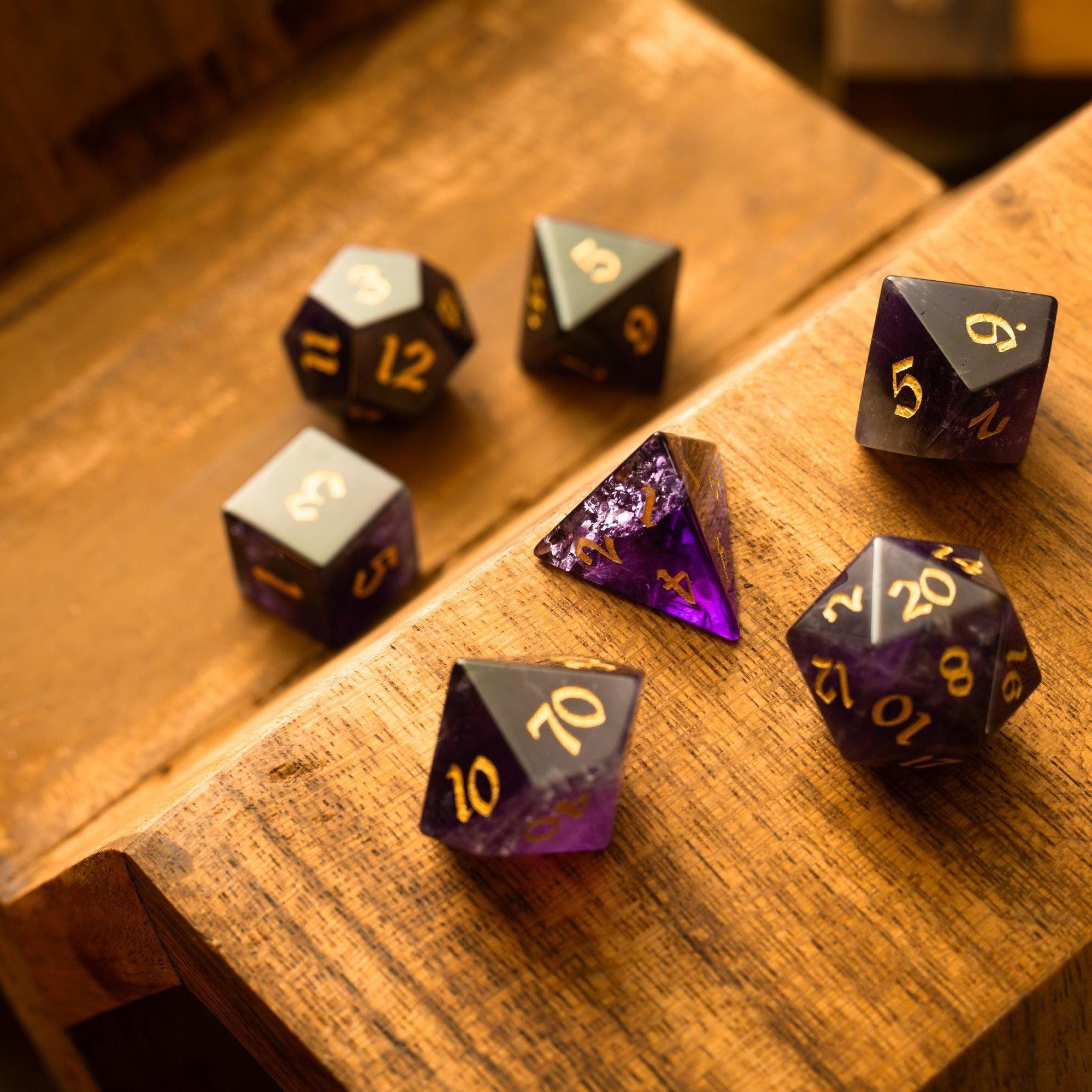
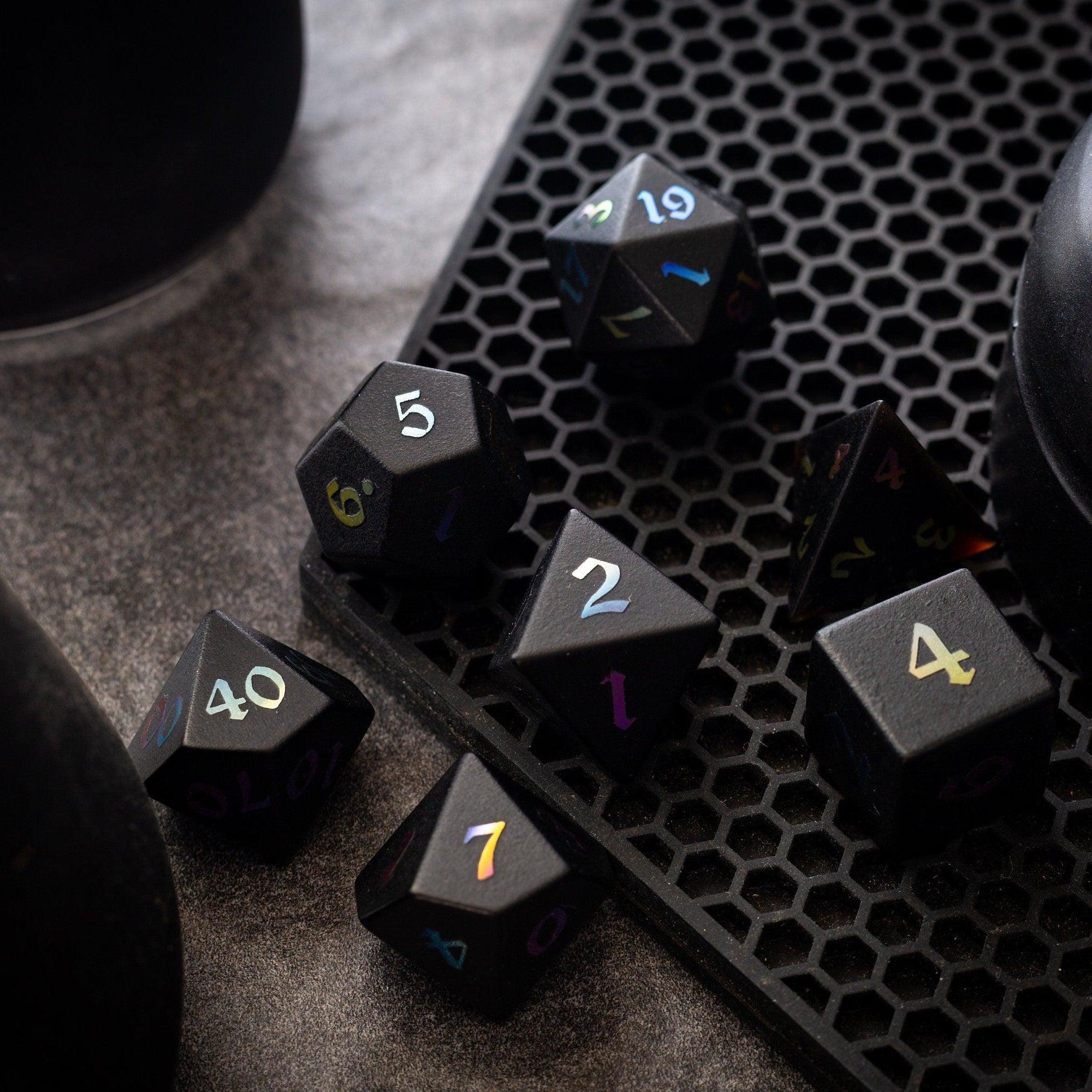
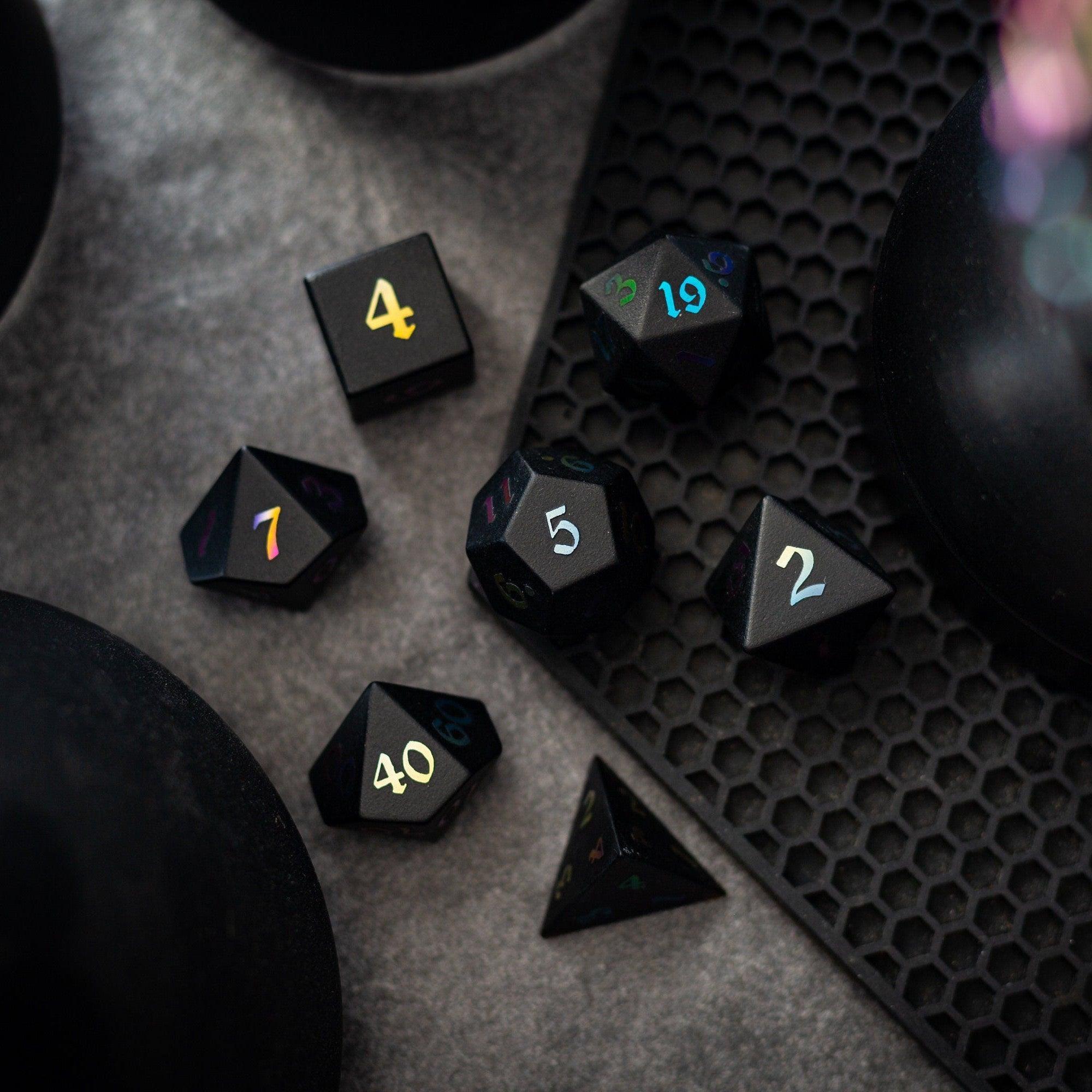
You'll need a few basic items to get rolling. First, grab the core rulebooks for your chosen game. Second, pick up polyhedral dice—those beautiful multi-sided cubes that make the adventure possible. High-quality gemstone dice sets not only look stunning but feel satisfying to roll. You'll also want character sheets, a pencil, and some paper or a digital character sheet. Many games offer starter sets with everything bundled together, making this step super convenient.
3. Find Your Gaming Group
You can't play alone, so it's time to find your people. Check local game shops, libraries, or community centers for organized game nights. Online communities on Reddit, Discord, and dedicated tabletop platforms connect players worldwide. Some groups meet weekly, others monthly—find a schedule that works for your life. Don't worry if you're nervous about joining; most groups actively welcome newcomers and understand that everyone needs their first game experience.
4. Create Your Character
This is where the magic happens. Work with your game master to develop a character that excites you. Consider their background, personality, strengths, and weaknesses. Your character sheet becomes your avatar in this shared world. Spend time on this—the more invested you are in your character, the more enjoyable your experience becomes. Ask your game master for guidance; they're there to help you succeed.
5. Learn the Basic Rules
Don't panic about memorating everything immediately. Start by understanding core mechanics: how to roll for actions, what happens when you succeed or fail, and how combat works. Your game master will explain rules as you need them. Most experienced players reference rulebooks during sessions, so you're never expected to know everything from day one. Ask questions freely—genuine curiosity is encouraged at every table.
6. Show Up and Have Fun
The most important step is simply showing up with a positive attitude. Embrace the adventure, support your fellow players, and let yourself be surprised by where the story goes. The dice might betray you, your plans might collapse spectacularly, and that's exactly when the best stories happen. Remember, this hobby is fundamentally about connection and entertainment with friends.

Expert Tips for New Players
-
Invest in Quality Dice
- While any dice work, beautiful dice sets enhance the experience and bring joy to every roll. Consider dice that match your character's personality.
-
Pay Attention to Your Game Master
- The GM works hard preparing your adventure. Listen carefully, take notes, and engage with the story they're weaving. This makes their job easier and your experience richer.
-
Support Other Players
- Celebrate their successes, help them have fun moments, and avoid hogging the spotlight. Everyone at the table deserves to shine.
-
Prepare Between Sessions
- Review your character sheet, think about your character's goals, and consider how you might approach upcoming challenges. This preparation pays dividends during actual play.
-
Don't Fear Failure
- Sometimes your character will fail spectacularly. Embrace these moments—they often create the most memorable and hilarious stories.
-
Try Different Characters
- Once you've played a few sessions, experiment with different character types. You'll discover what resonates with your playstyle and personality.
-
Communicate with Your Table
- If something isn't fun, speak up respectfully. Good groups adjust house rules and play styles to ensure everyone enjoys themselves.
-
Consider Special Dice for Big Moments
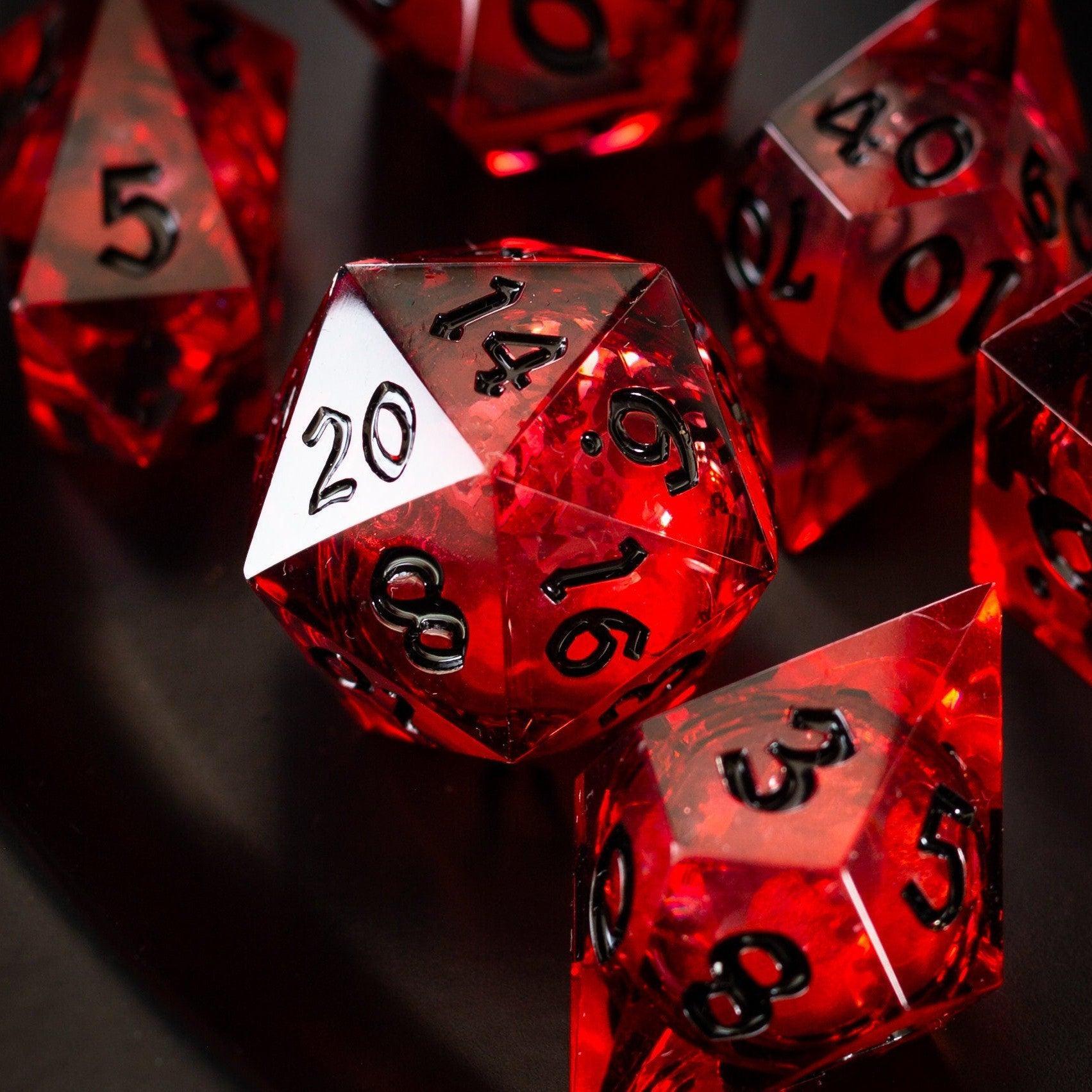
- Many players keep premium handmade dice for critical rolls. Whether they actually help is debatable, but the ritual certainly feels magical.
Frequently Asked Questions
What's the Difference Between a Game Master and a Player?
The game master (GM) is the storyteller and referee who describes the world, controls non-player characters, and makes rulings about what happens. Players control individual characters and make decisions that drive the narrative forward. One person typically serves as GM while others are players, though some systems allow rotating roles.
Do I Need to Be Artistic or Creative to Enjoy Tabletop Gaming?
Not at all! While some people love creating detailed character backstories or drawing maps, you can absolutely have fun without these skills. Some folks focus on tactical combat, others on roleplay, and some purely on social connection. The hobby accommodates all approaches.
How Much Time Do Games Usually Take?
Sessions typically run two to four hours, though this varies greatly. Some campaigns meet weekly for months or years, while others are one-shot adventures lasting a single session. Discuss time commitments with your group and find what works for everyone's schedule.
Can I Play If I've Never Read Fantasy Fiction or Watched Fantasy Shows?
Absolutely! While fantasy background knowledge might enrich your experience, it's not required. Your game master will explain the world and the rules. Many players dive in completely fresh and create amazing stories without any previous fantasy exposure.
What If I Make a Mistake During a Game?
Everyone makes mistakes—forgetting rules, misunderstanding mechanics, or miscalculating bonuses. Talk to your game master and fellow players. Most groups are forgiving and will help you understand. Nobody's keeping score in a way that ruins anyone's fun.
Are There Fantasy Tabletop Games Besides Dungeons & Dragons?
Yes, countless others exist! Pathfinder, Warhammer Fantasy, Shadowrun, Burning Wheel, and many indie systems offer different mechanics and storytelling experiences. Explore what interests you and don't hesitate to try different games as your interest grows.
How Do I Handle Anxiety About Playing?
Many new players feel nervous about performing or being judged. Remember that experienced players were once in your position. Communicate your concerns with your group, start with smaller social interactions, and gradually build confidence. Consider joining beginner-focused groups or one-shots before committing to a long campaign.
Should I Buy All My Own Equipment?
Not necessarily. Many game masters and experienced players have extra rulebooks and dice sets they're happy to share with newcomers. As you develop your hobby, you'll gradually build your own collection of preferred items.
Jumping into fantasy tabletop gaming is one of the best decisions you can make for entertainment and friendship. The community welcomes you with open arms, the stories you'll create are genuinely unique, and the memories you'll make will last lifetimes. Stop overthinking it and take that first step today. Your adventure awaits.

Leave a comment
This site is protected by hCaptcha and the hCaptcha Privacy Policy and Terms of Service apply.