
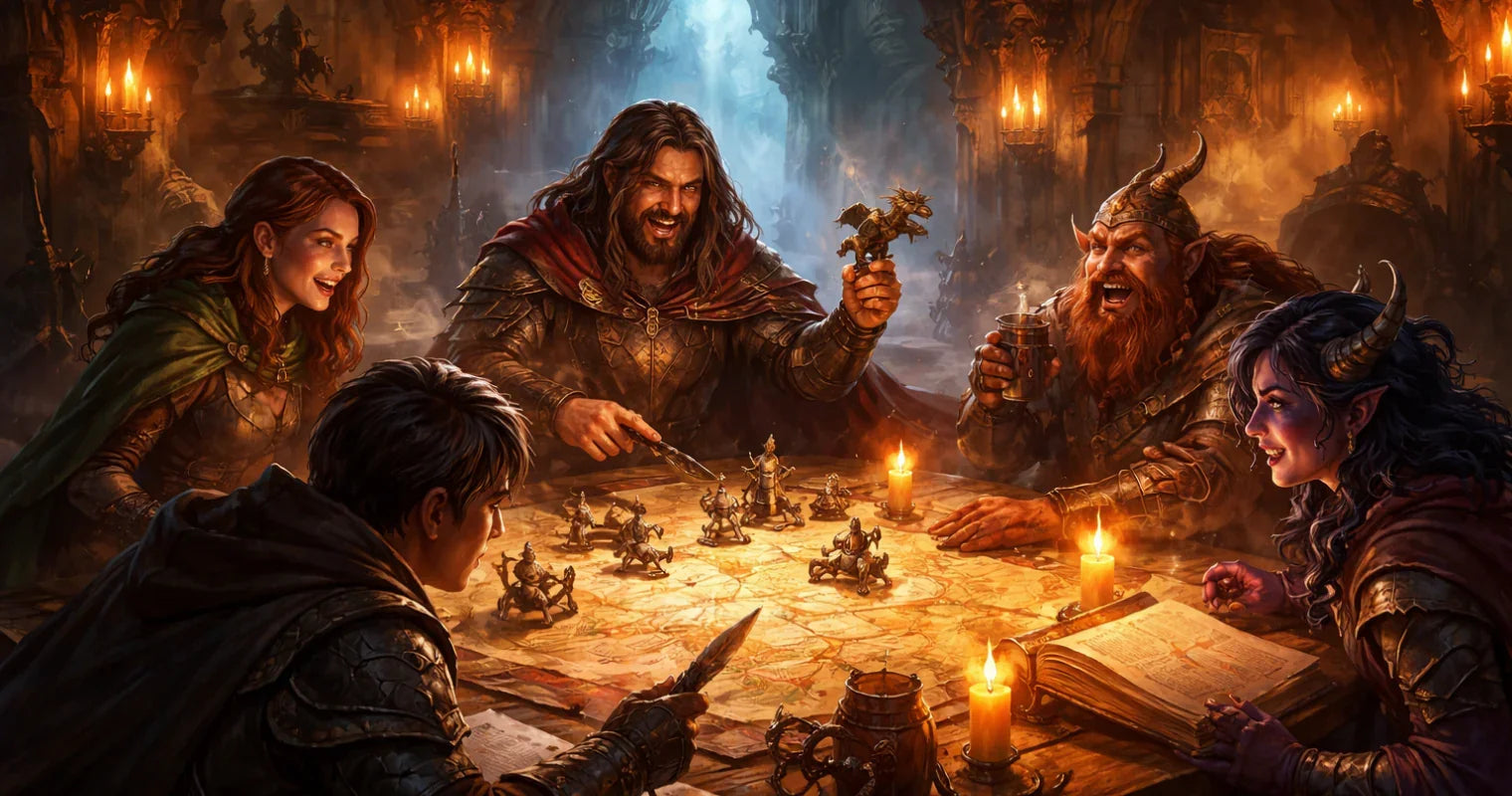
Enhancing Player Engagement in DnD with Practical Tactics
Updated on: January 26, 2026
Keeping your players invested and excited at the table is one of the most rewarding aspects of being a Dungeon Master. Whether you're running your first campaign or your tenth, the challenge of maintaining enthusiasm throughout long sessions remains constant. This guide explores practical, actionable strategies for building deeper connections with your players and creating memorable moments that keep them coming back for more adventures.
- Understanding Player Investment in Tabletop Gaming
- Key Benefits of Strong Player Involvement
- Proven Techniques for Building Excitement
- Creating an Immersive Atmosphere
- Frequently Asked Questions
Understanding Player Investment in Tabletop Gaming

When we talk about enhancing player engagement in Dungeons and Dragons, we're really discussing how to make each session feel personal, exciting, and worthwhile. Players invest their time and creativity into your world, and they deserve experiences that honor that commitment. The magic happens when everyone at the table feels heard, challenged, and valued.
Think about the best gaming session you've ever had. What made it special? Chances are, it wasn't about rolling the perfect number—it was about meaningful moments that connected you to the story and your fellow adventurers. That's what we're building toward here.
Key Benefits of Strong Player Involvement
Deeper Character Development
When players feel truly engaged, they invest more thought into their characters. They develop backstories that interweave with your campaign world, create meaningful relationships with other party members, and make decisions based on genuine character motivations rather than just mechanical optimization. This natural evolution creates richer roleplay opportunities and more satisfying character arcs.
Improved Campaign Pacing and Flow
Engaged players communicate more openly about what's working and what isn't. They signal when they're losing interest, help you recognize pacing issues, and actively participate in solving problems. This feedback loop makes your sessions tighter and more enjoyable for everyone involved.
Increased Creative Collaboration
When your players are invested, they become co-creators of the narrative. They come to sessions with ideas, propose solutions you hadn't considered, and help breathe life into your world. This collaborative energy transforms the experience from "the DM versus the players" into a shared creative endeavor where everyone's contributions matter.
Better Long-Term Campaign Sustainability
Campaigns that maintain high engagement survive longer. Players show up consistently, prepare between sessions, and actively look forward to game night. This consistency allows you to tell more complex stories and develop richer plots that simply wouldn't work in a group with spotty attendance.
Proven Techniques for Building Excitement
Personalize the Experience for Each Character
Take time before sessions to prepare side quests or story hooks tailored to individual character backgrounds. When a rogue discovers clues about their lost sibling or a paladin encounters a moral dilemma tied to their oath, suddenly they're not just participating—they're invested in outcomes. These personal touches show that you care about what each player brought to the table.
Use Dynamic Descriptions and Sensory Details
Rather than simply stating "you enter a tavern," paint the scene. Describe the smell of spiced mead, the warmth of the hearth, the murmur of conversation in various languages, and the flickering shadows on wooden beams. When players can visualize and almost experience the world, their imagination activates more fully, making the entire experience richer and more immersive.
Reward Creative Problem-Solving
When players come up with unconventional solutions to challenges, acknowledge and reward their ingenuity. If a ranger finds a clever way to bypass a locked door without picking the lock, let it work. Maybe adjust the difficulty or consequences, but honor their thinking. This encourages players to engage their creativity rather than just rolling dice and hoping for the best.
Balance Challenge with Success
The sweet spot for engagement lies between a campaign that's too easy and one that's frustratingly impossible. Players need to feel challenged but capable. When they barely survive a difficult encounter or solve a complex puzzle through teamwork, that's when the real excitement happens. Calibrate your encounters to keep difficulty on an upward curve that matches your party's growth.
Creating an Immersive Atmosphere
Invest in Quality Gaming Materials
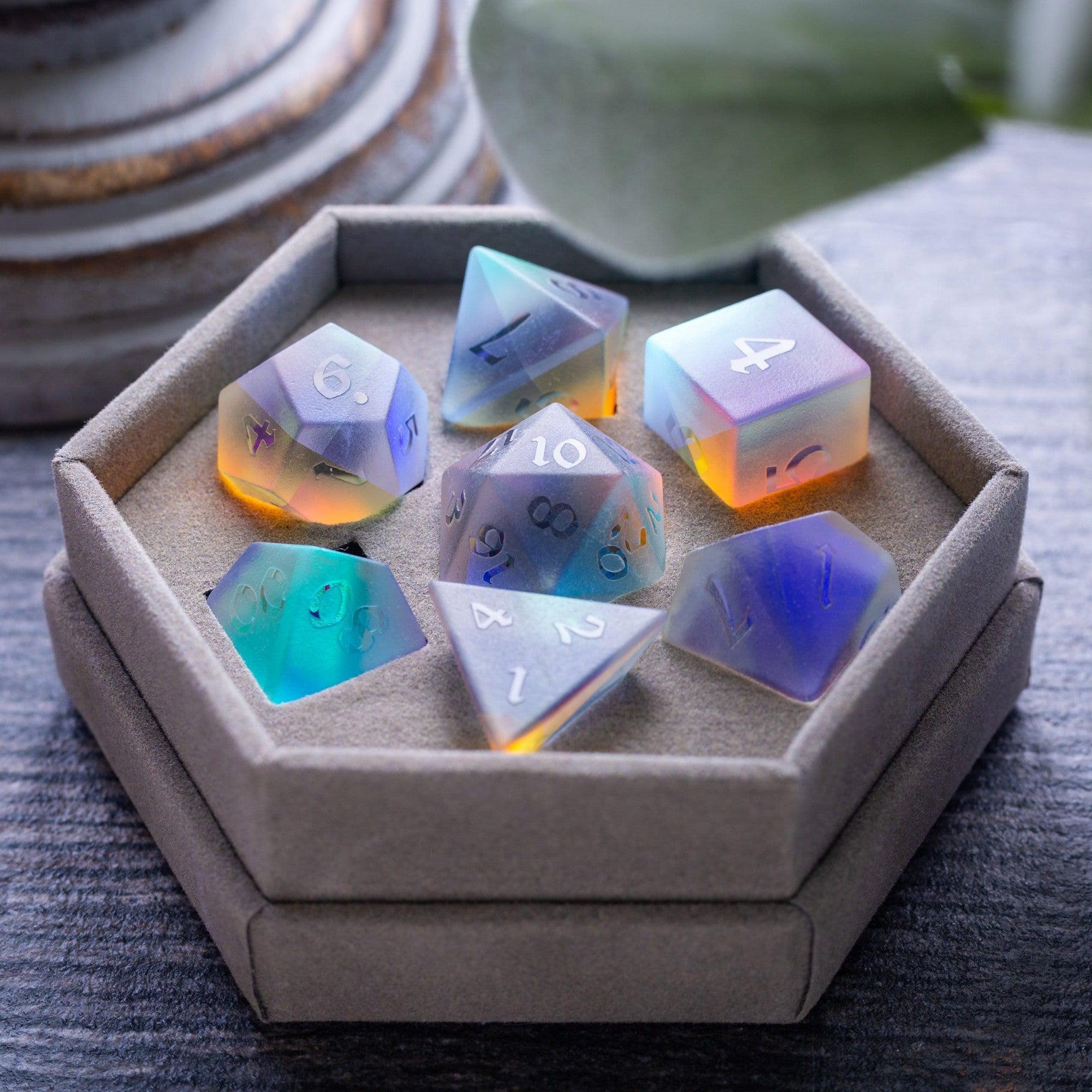
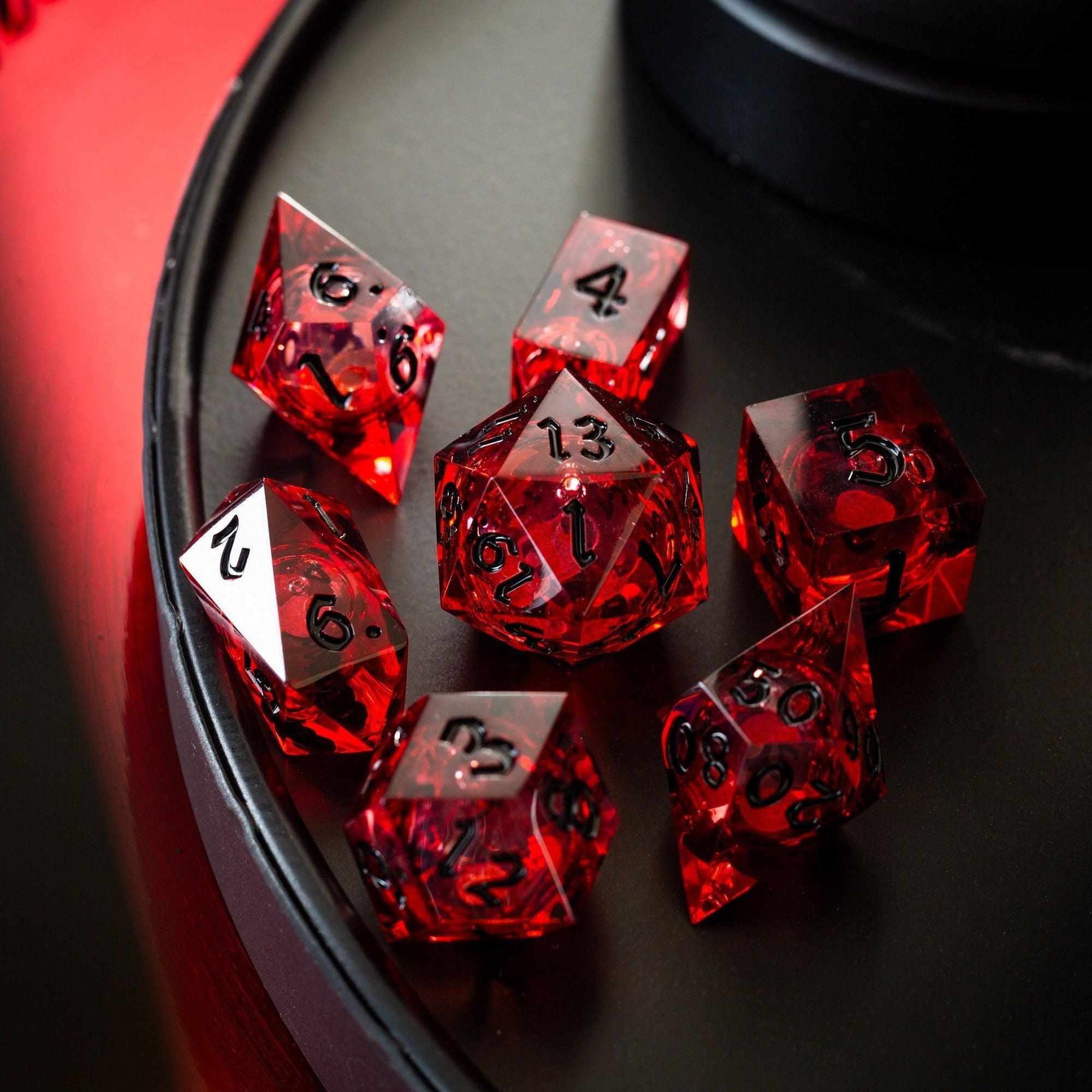
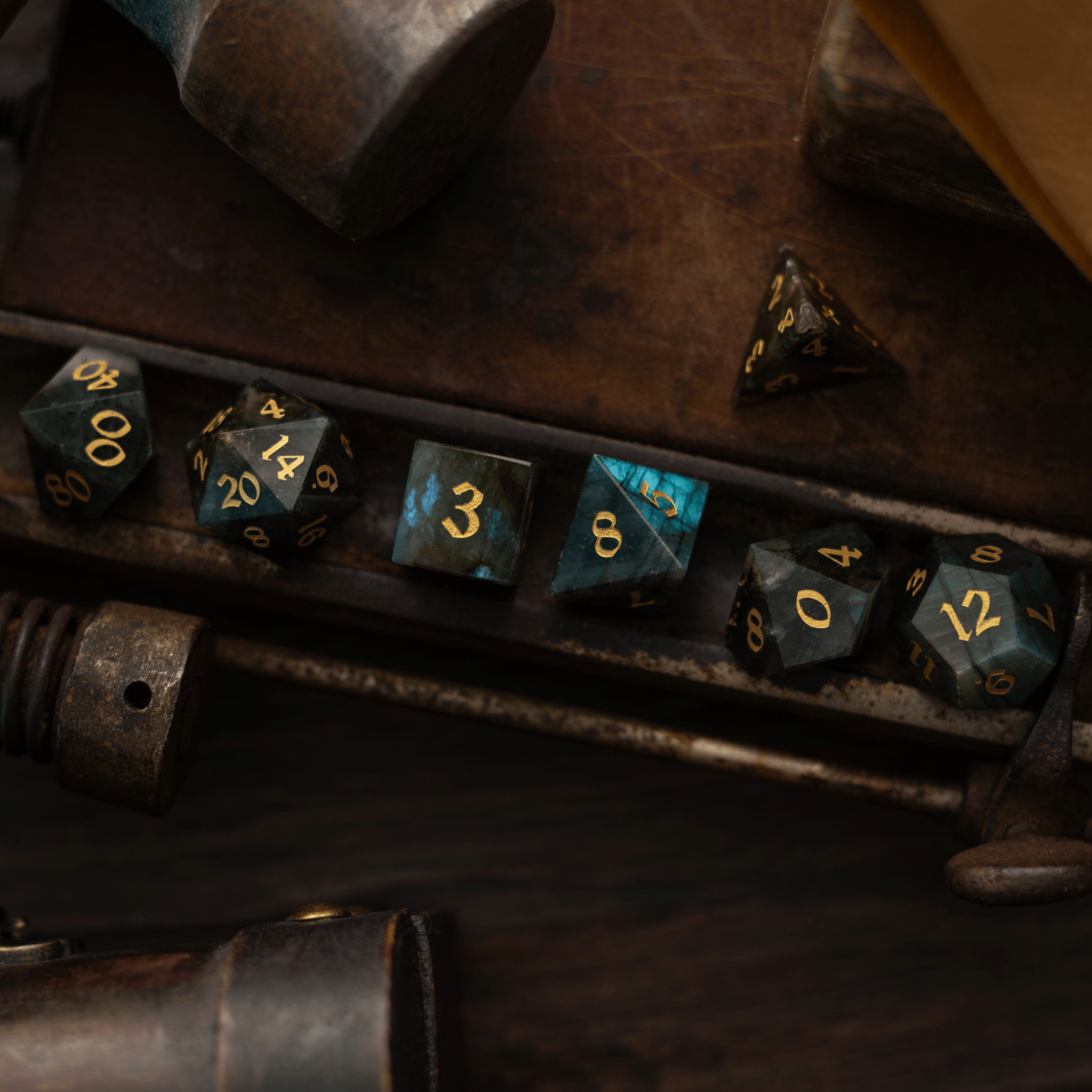
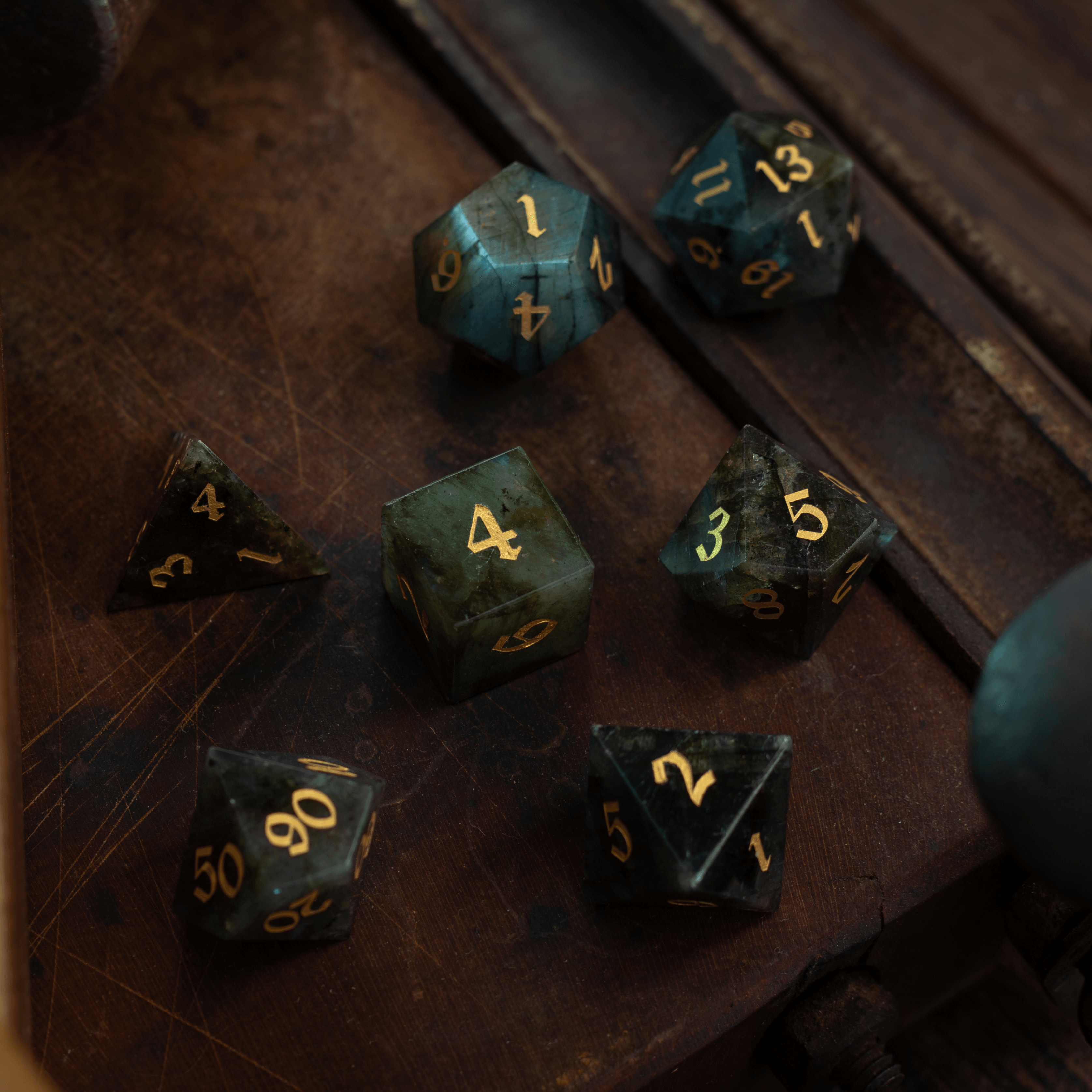
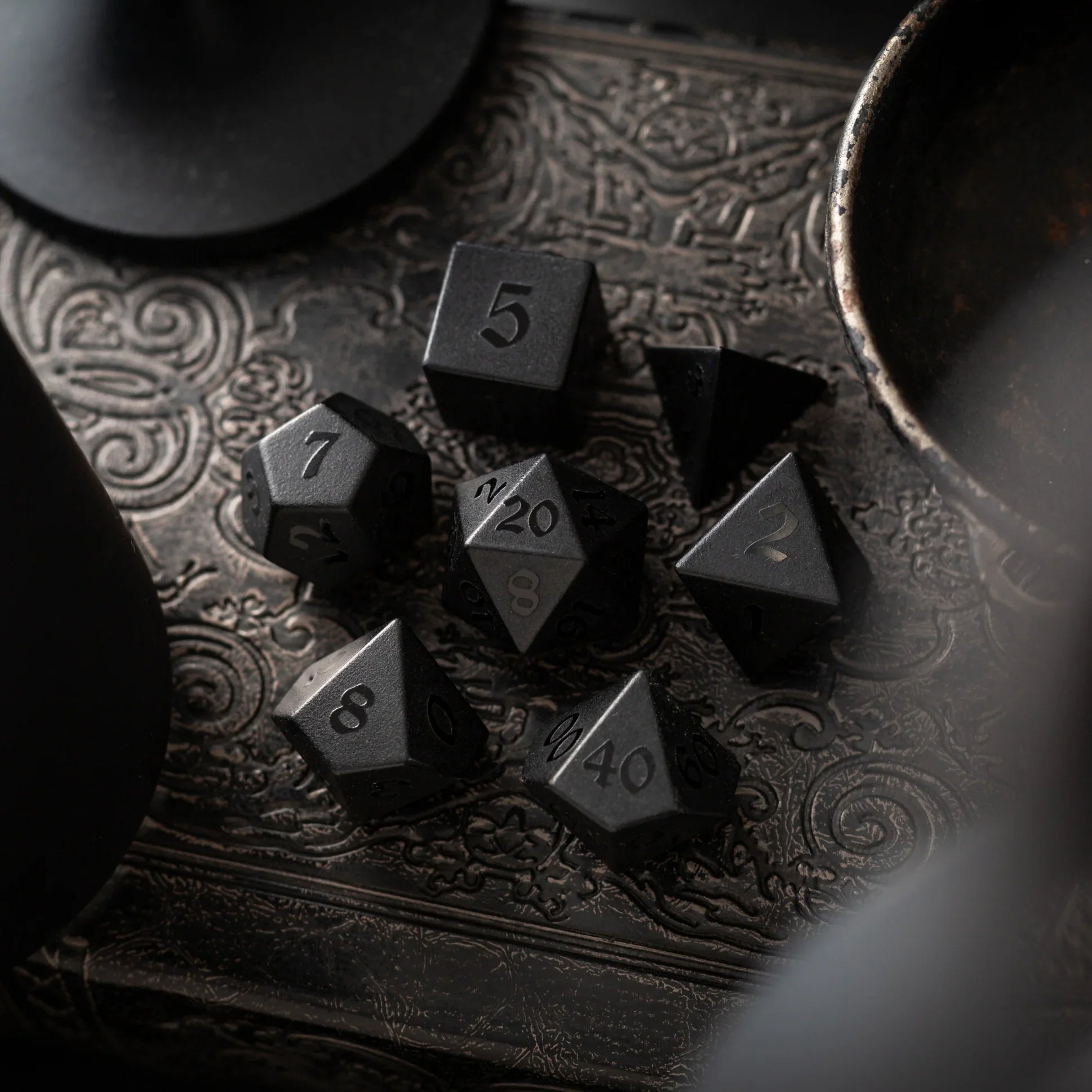
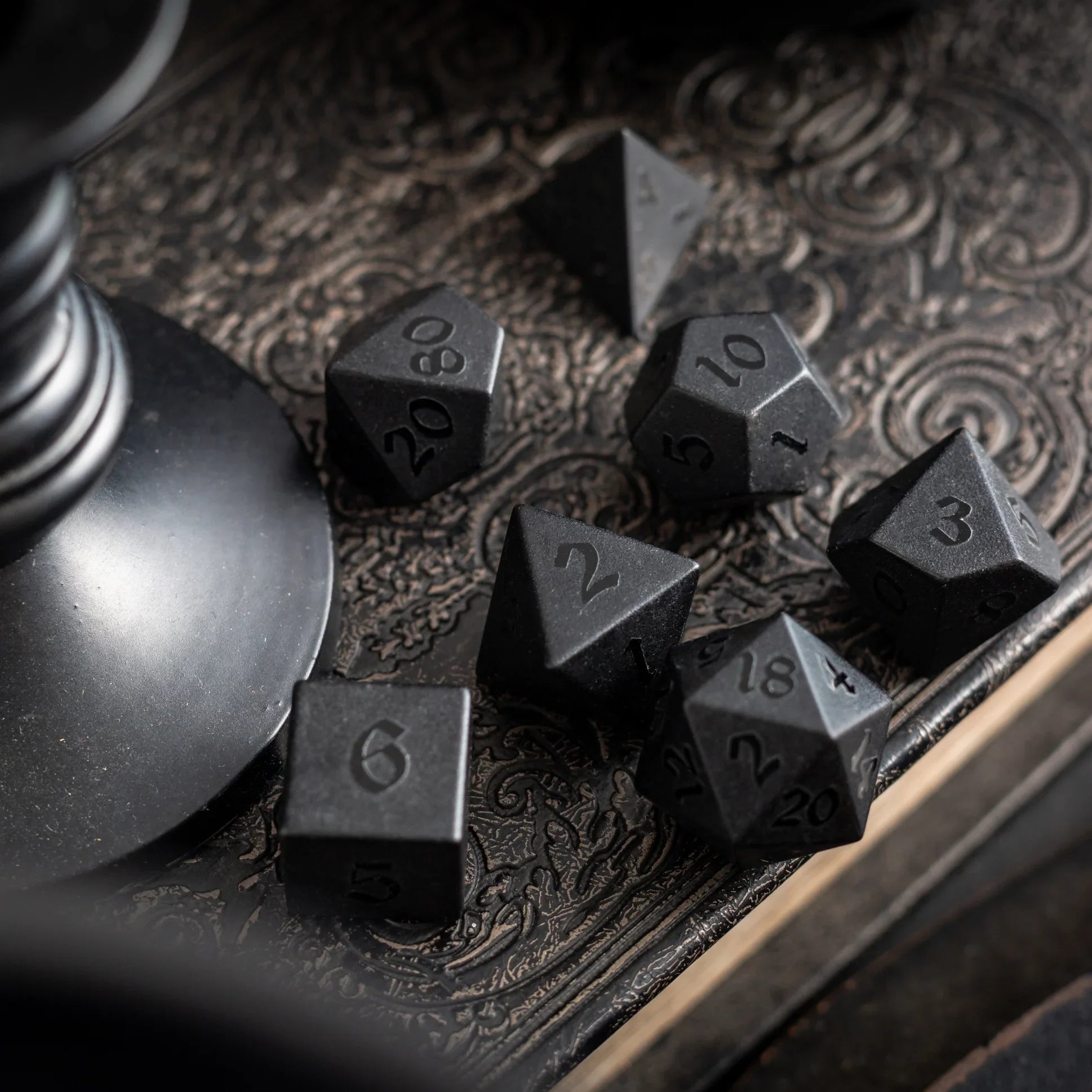
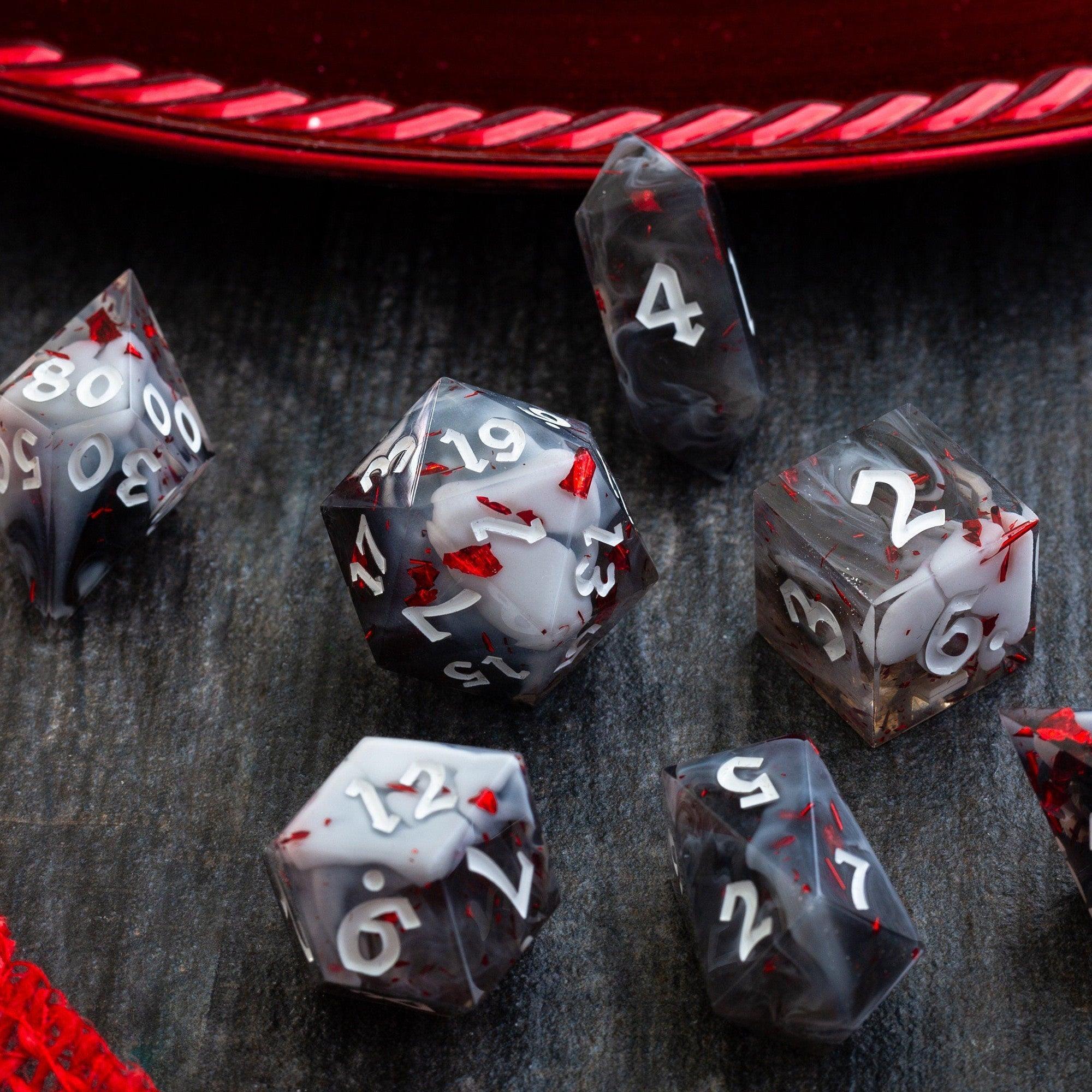
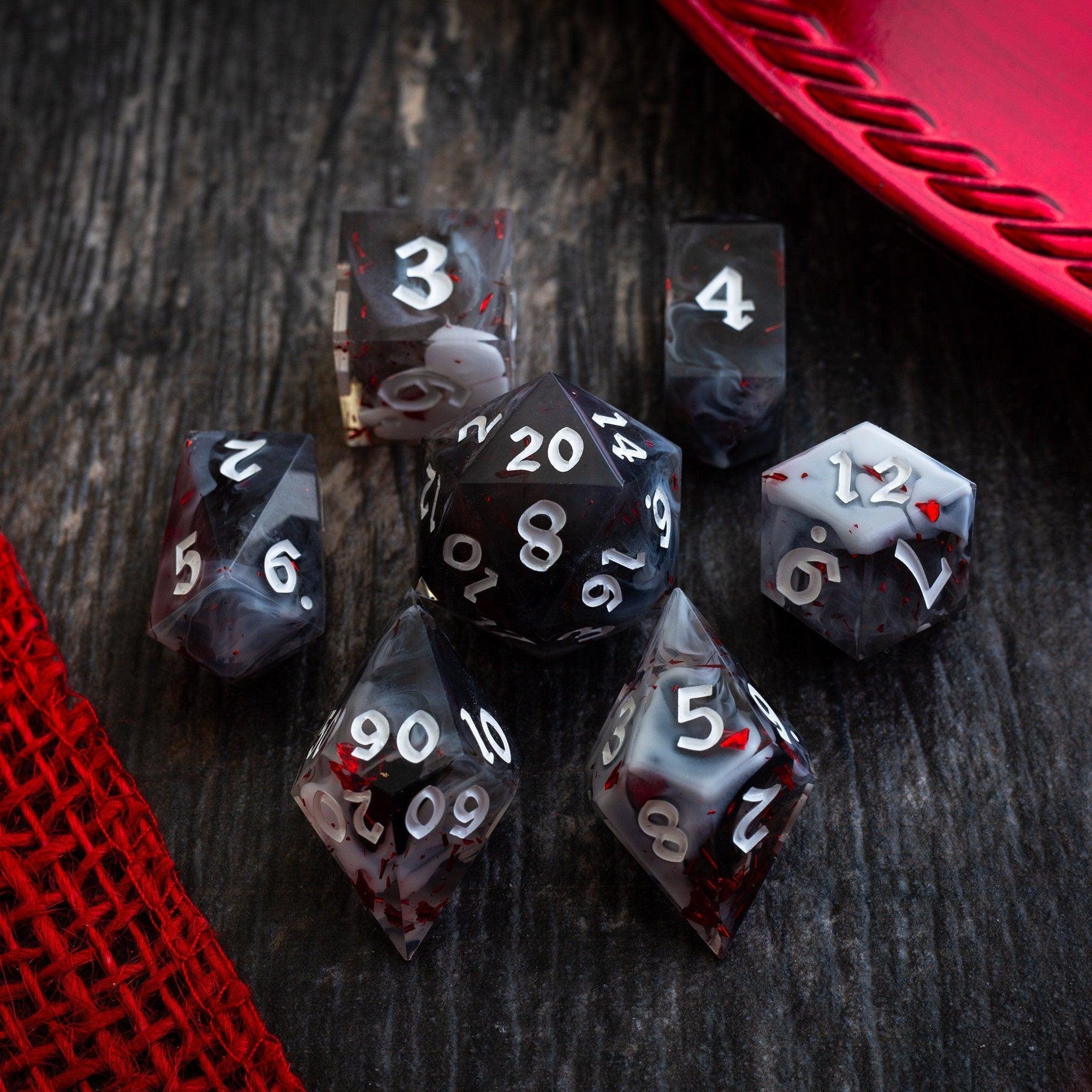
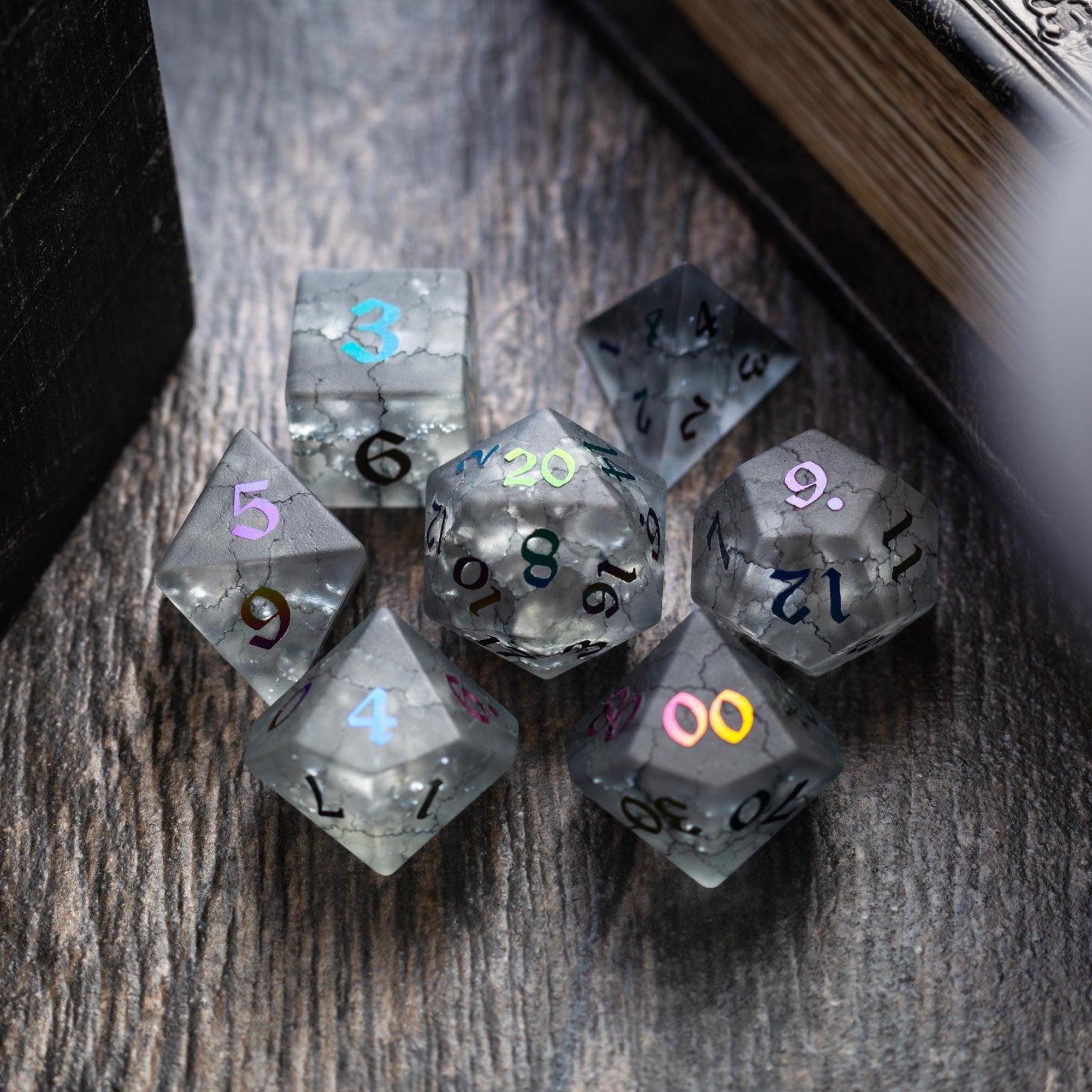
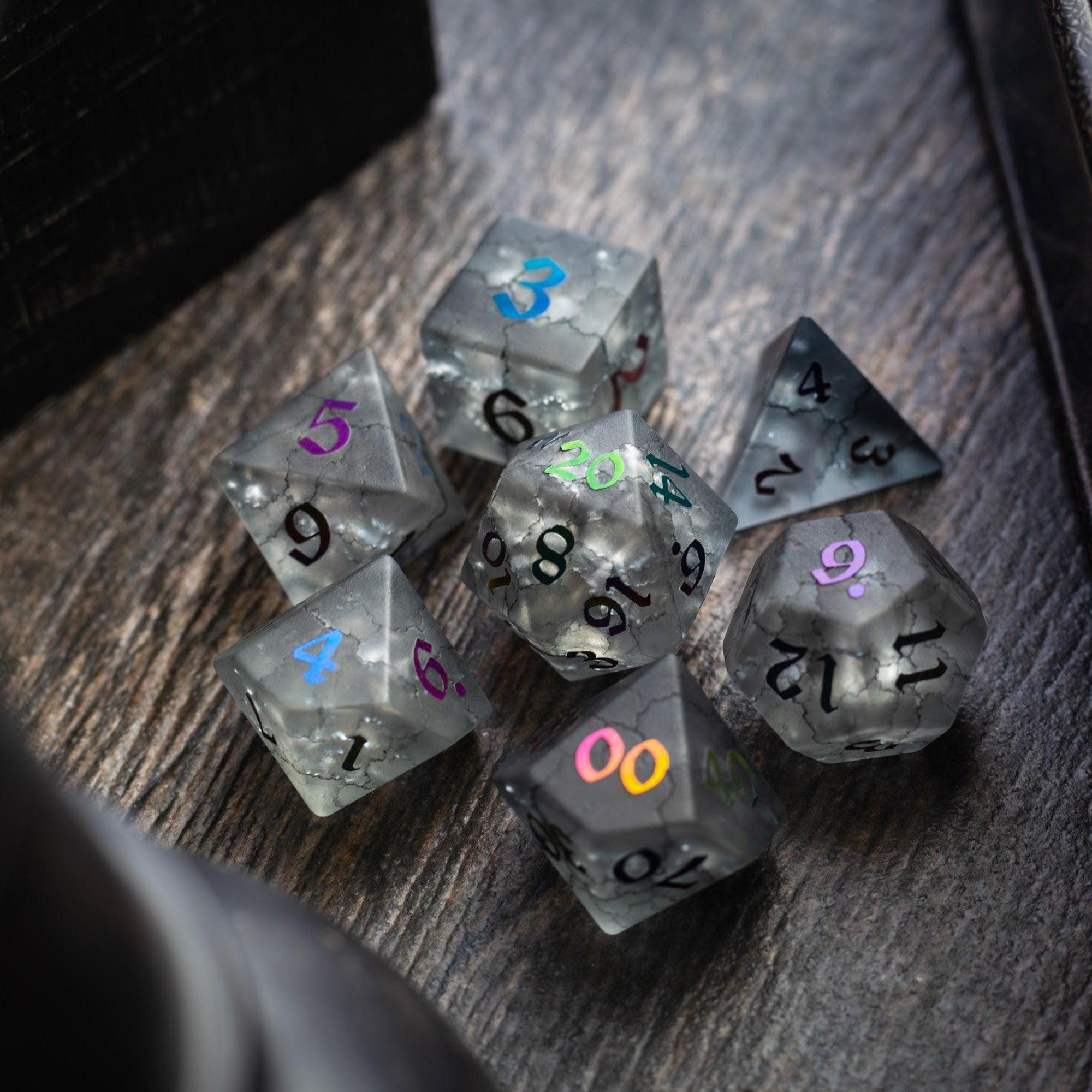
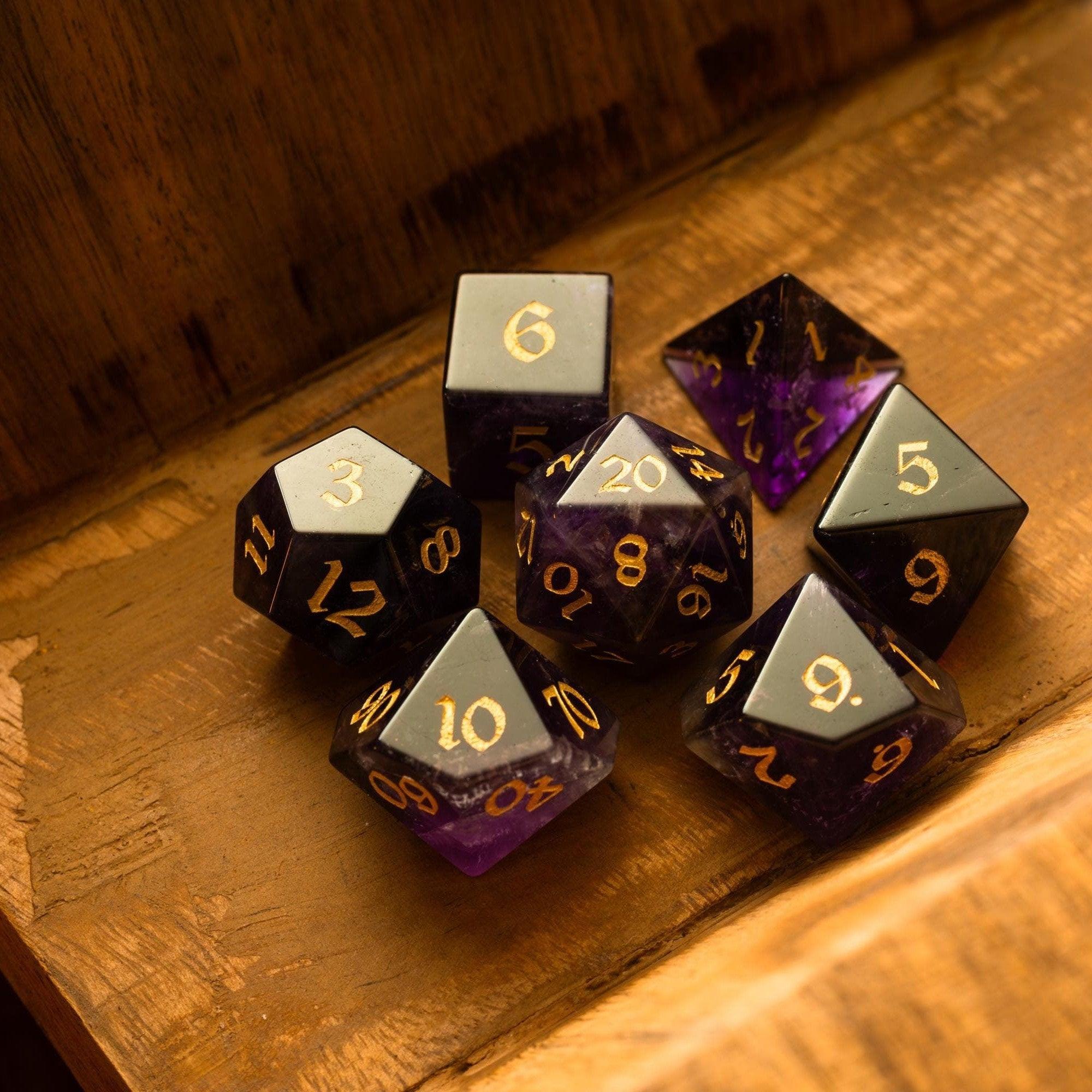
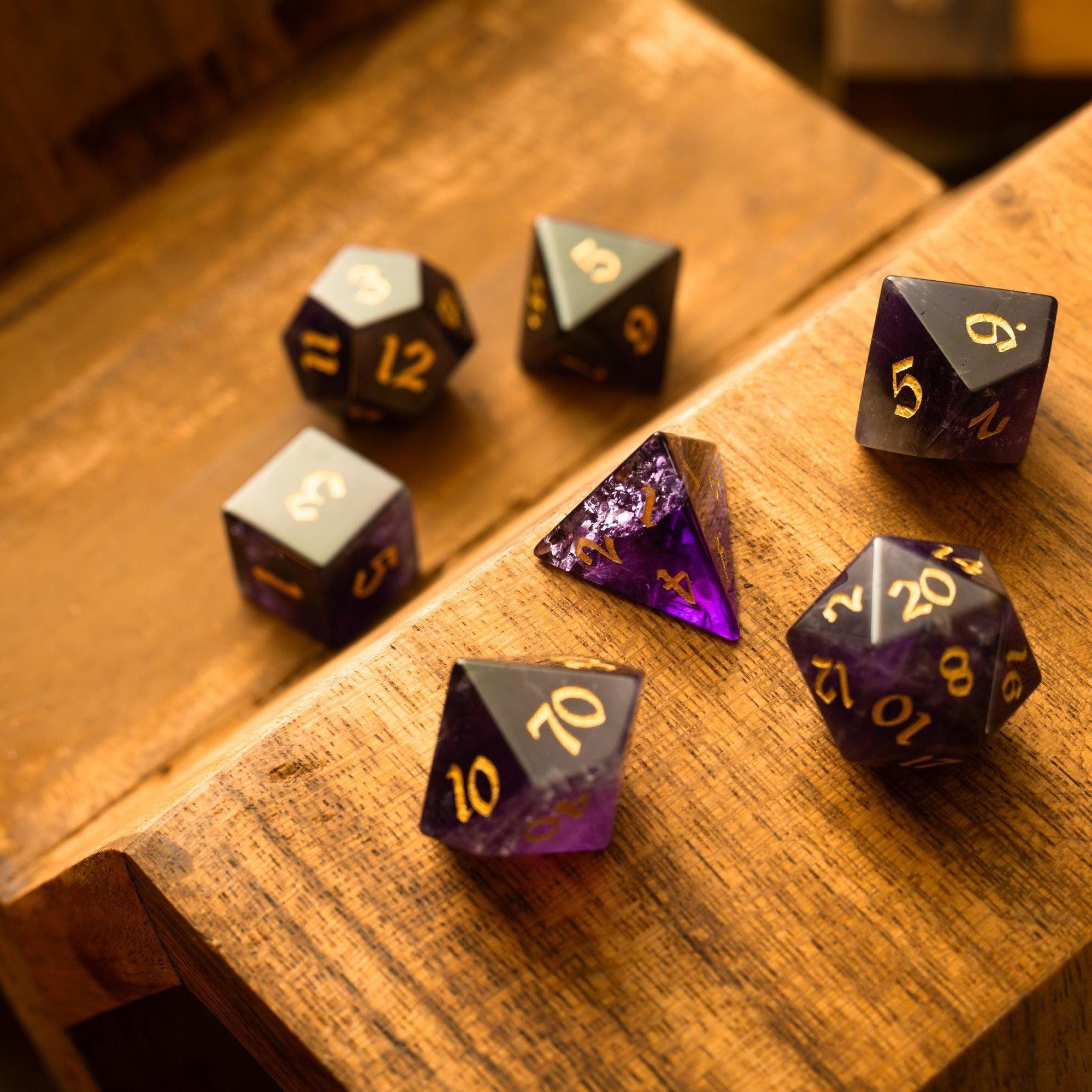
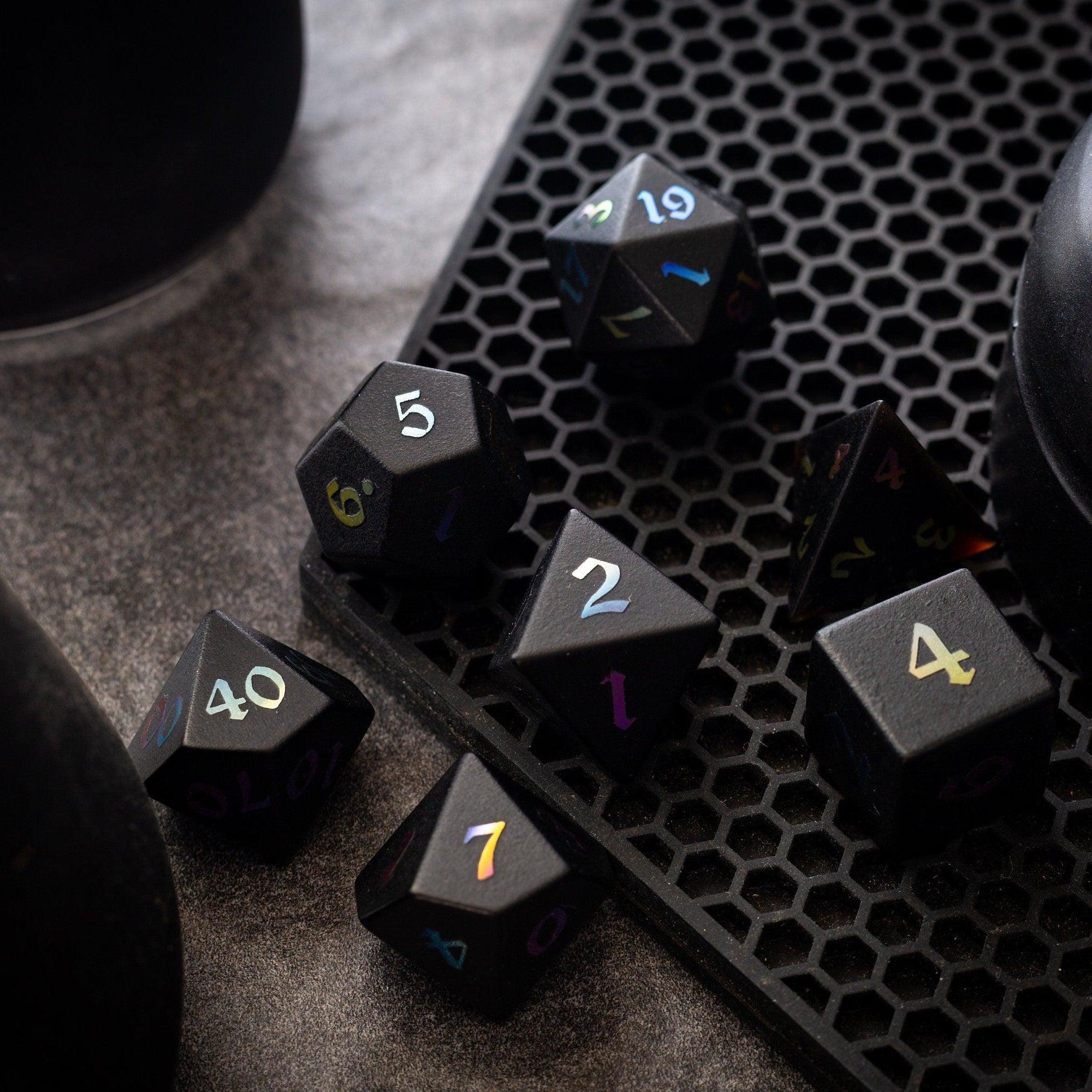
The tools you use matter more than you might think. High-quality dice that feel good in your hand, detailed miniatures, and well-organized notes all contribute to the atmosphere. When your players roll beautiful gemstone dice, there's a tactile pleasure that engages their senses beyond the mechanical roll. These small details add up to create a more polished, professional experience.

Establish Clear Expectations and Boundaries
Engaged players know they're safe to take emotional risks because ground rules are established. Discuss tone before the campaign begins. Talk about sensitive subjects you'll avoid. Clarify whether your game leans toward serious drama, comedic adventures, or something in between. When everyone knows what to expect, they can relax and fully commit to the experience.
Encourage Consistent Attendance and Preparation
Campaigns thrive on consistency. Establish a regular schedule and gently encourage players to prepare between sessions. This doesn't mean writing essays—even reviewing their character sheet or thinking about their next move helps maintain momentum. Players who show up prepared bring more energy and engagement to the table.
Celebrate Key Moments
When something significant happens—whether it's a dramatic victory, a character sacrifice, or a perfect roleplay moment—take a beat to acknowledge it. Let the moment breathe. Maybe pause for a few seconds of silence, or have everyone applaud a player's clever move. These celebrations reinforce that the table values meaningful moments, encouraging more of them.
Use Music and Ambiance Wisely
Background music, ambient sounds, or even lighting adjustments can transport your players deeper into the world. A tense moment feels tenser with appropriate audio. A tavern scene comes alive with ambient chatter and clinking glasses. Keep the volume low enough that conversation remains easy, and match the mood to what's happening in the story.
Share the Spotlight Intentionally
Make sure every player gets meaningful moments in the sun. If one character has been receiving lots of spotlight time, create opportunities for quieter characters to shine. This doesn't mean forcing anyone into uncomfortable situations—just ensure that over the course of several sessions, each character gets moments where their skills, knowledge, or personality matter to the story.
Frequently Asked Questions
How do I help quiet players feel more engaged without making them uncomfortable?
Some players are naturally introverted or need time to warm up. Rather than putting them on the spot, create low-pressure opportunities for participation. Ask their character's opinion before asking them to roleplay it out loud. Praise good decisions they make. In one-on-one moments between sessions, express that you'd love to explore their character's story more. Many quiet players engage deeply once they feel genuinely welcome.
What should I do if a player seems bored or distracted?
Have a private, non-accusatory conversation. Ask what's working and what isn't. Maybe the campaign's pacing doesn't suit them, or they're not getting the kind of story they hoped for. Perhaps real-life stress is affecting their focus. Listen without defensiveness. Sometimes a small adjustment—like featuring their character's backstory more prominently—reignites their investment. If they're fundamentally not enjoying the game, it's okay to acknowledge that D&D might not be their thing right now.
How can beautiful dice and gaming accessories actually improve engagement?
Quality materials create a more professional, intentional atmosphere. When players roll stunning handcrafted dice or see detailed miniatures on a well-organized battle map, their brains register that this experience matters. It's the same reason restaurants invest in nice plating—presentation affects perception and engagement. Browse our full collection of gaming accessories designed to elevate your table experience.
Enhancing player engagement isn't about adding complicated mechanics or endless homebrew content. It's about showing your players that you value their time, appreciate their creativity, and've invested care into creating something special. When players feel that genuine investment, they reciprocate with enthusiasm, creativity, and commitment to your shared story.
Start with one or two of these strategies in your next session. Notice what resonates with your group. Build from there. Your willingness to improve the experience is already a sign that your players are in good hands. Keep refining, keep listening, and keep creating moments that make your players eager to return to your table week after week.





Leave a comment
This site is protected by hCaptcha and the hCaptcha Privacy Policy and Terms of Service apply.