

Mastering Fantasy Role Playing Games A Practical Guide
What Are Fantasy Role-Playing Games?
Fantasy role-playing games are collaborative storytelling adventures where players control characters in fictional worlds filled with magic, monsters, and mystery. Unlike video games, these tabletop experiences rely on imagination, dice rolls, and a game master who guides the narrative. You'll work together with friends to overcome challenges, build relationships between characters, and create memorable stories that you'll talk about for years to come.
The beauty of these games lies in their flexibility. There's no single right way to play. Some groups focus on combat and strategy, while others emphasize character drama and exploration. Whether you're battling dragons, solving ancient puzzles, or negotiating with suspicious merchants, the experience is uniquely yours. Your decisions shape the world, and every session brings unexpected twists that keep everyone engaged.
What makes fantasy role-playing games so special is the combination of structure and freedom. Rules provide a framework, but within that framework, almost anything is possible. This blend attracts millions of players worldwide, from casual gamers to serious hobbyists who invest years in developing their favorite characters and worlds.

Getting Started with Your First Campaign
Starting your first fantasy role-playing adventure can feel overwhelming, but it's simpler than you might think. Begin by finding a game system that appeals to you. Popular options range from traditional dungeon-crawling adventures to modern urban fantasy settings. Each system has its own flavor, rules complexity, and community support.
Next, gather a group of friends who are interested in playing. You'll need at least three to four people, including someone willing to be the game master—the person who guides the story and controls non-player characters. The game master doesn't need to be an expert; they just need enthusiasm and a willingness to learn alongside everyone else.
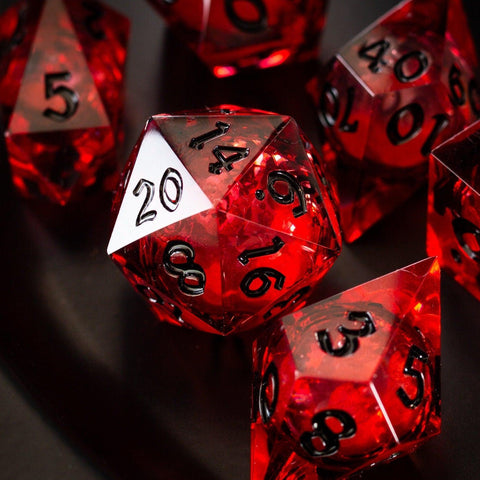
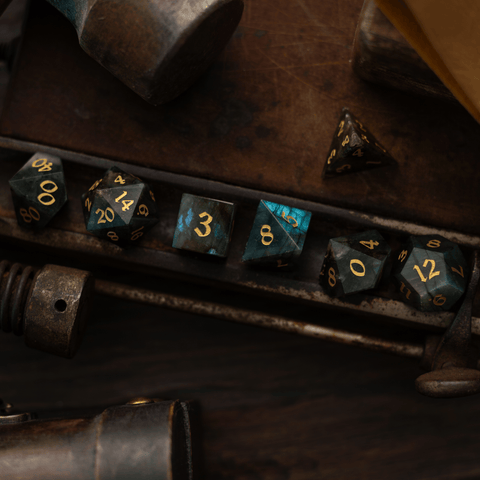
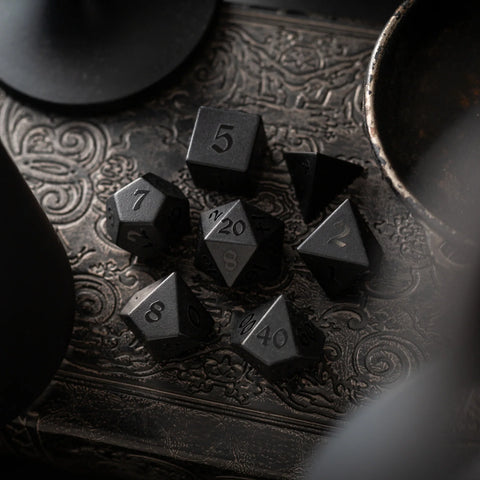
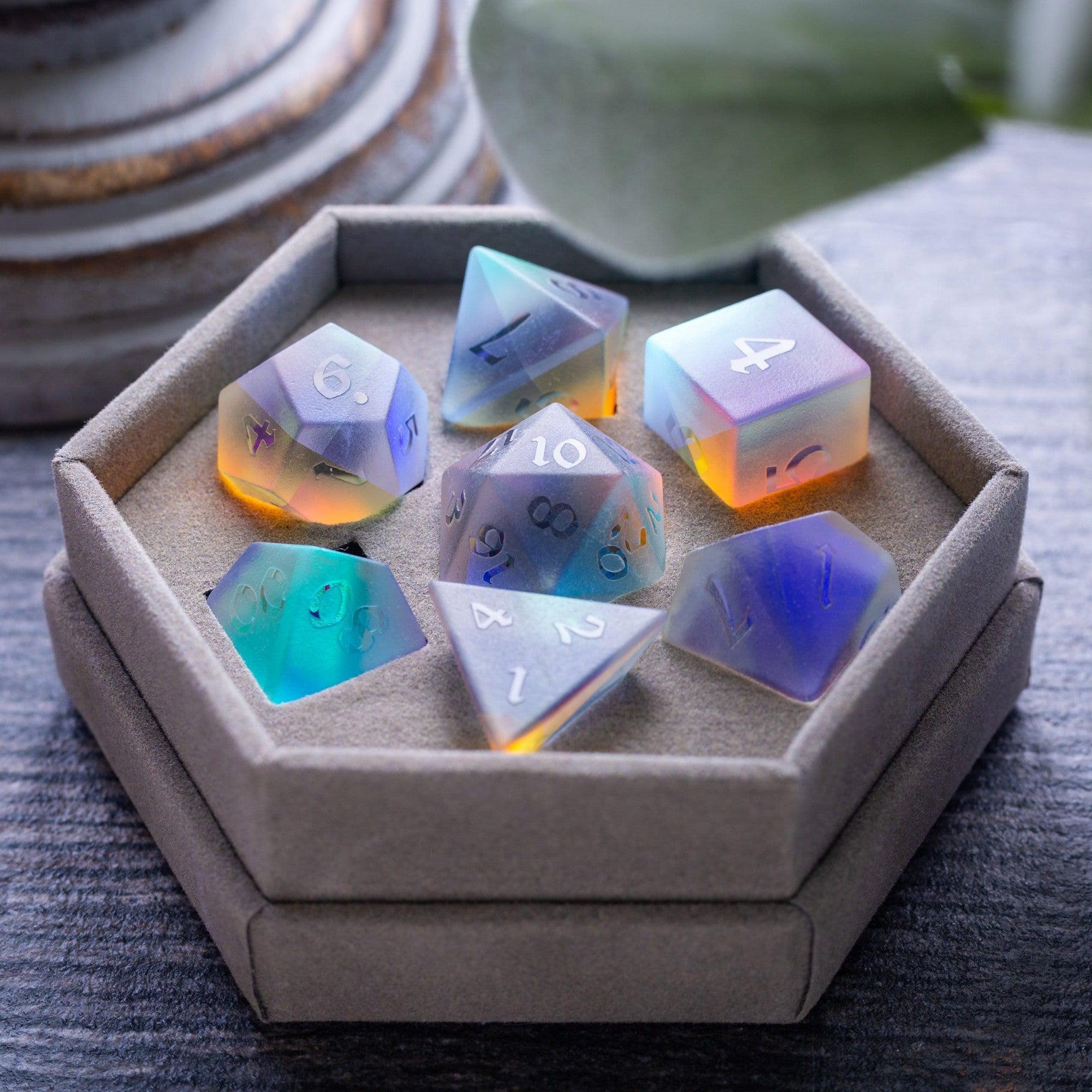
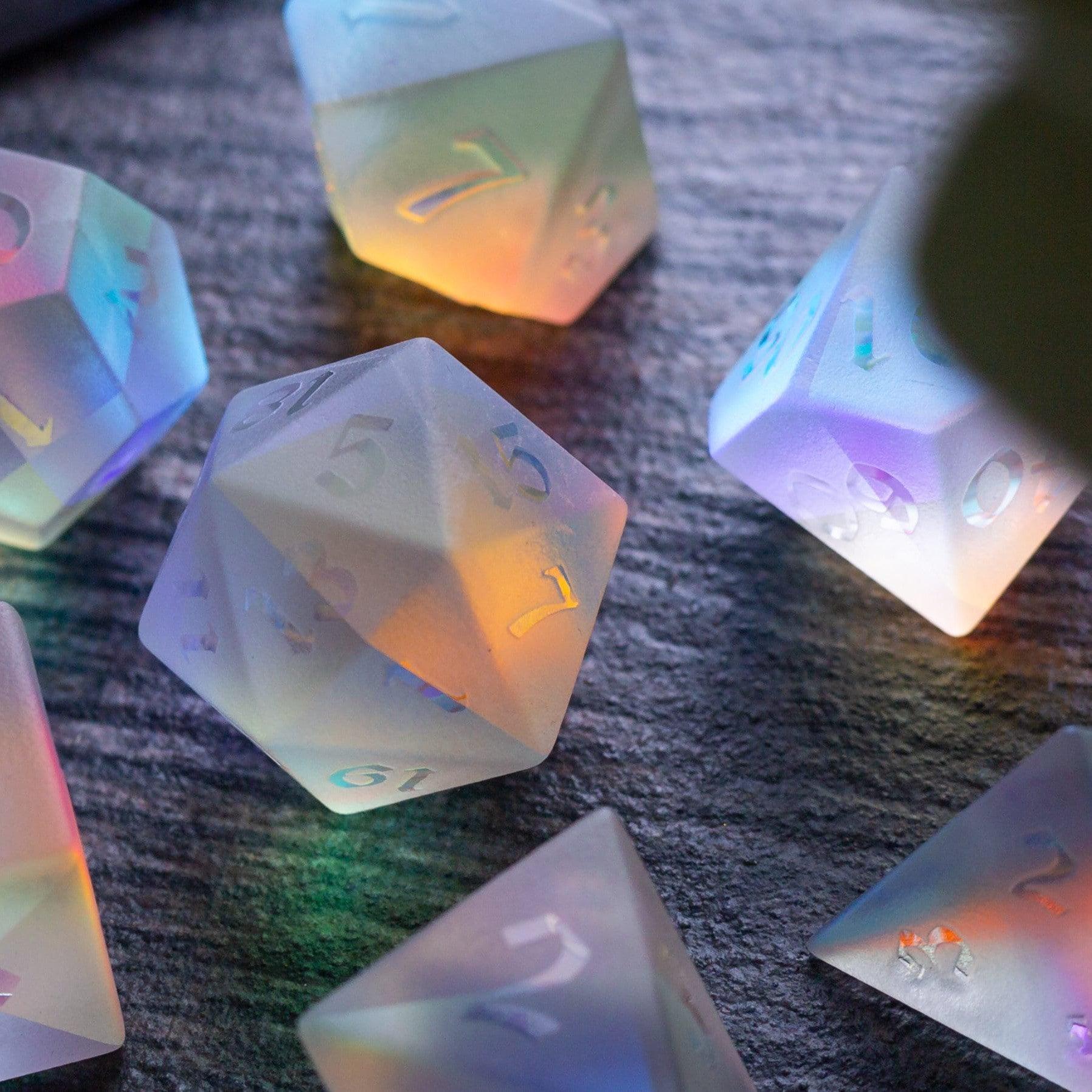
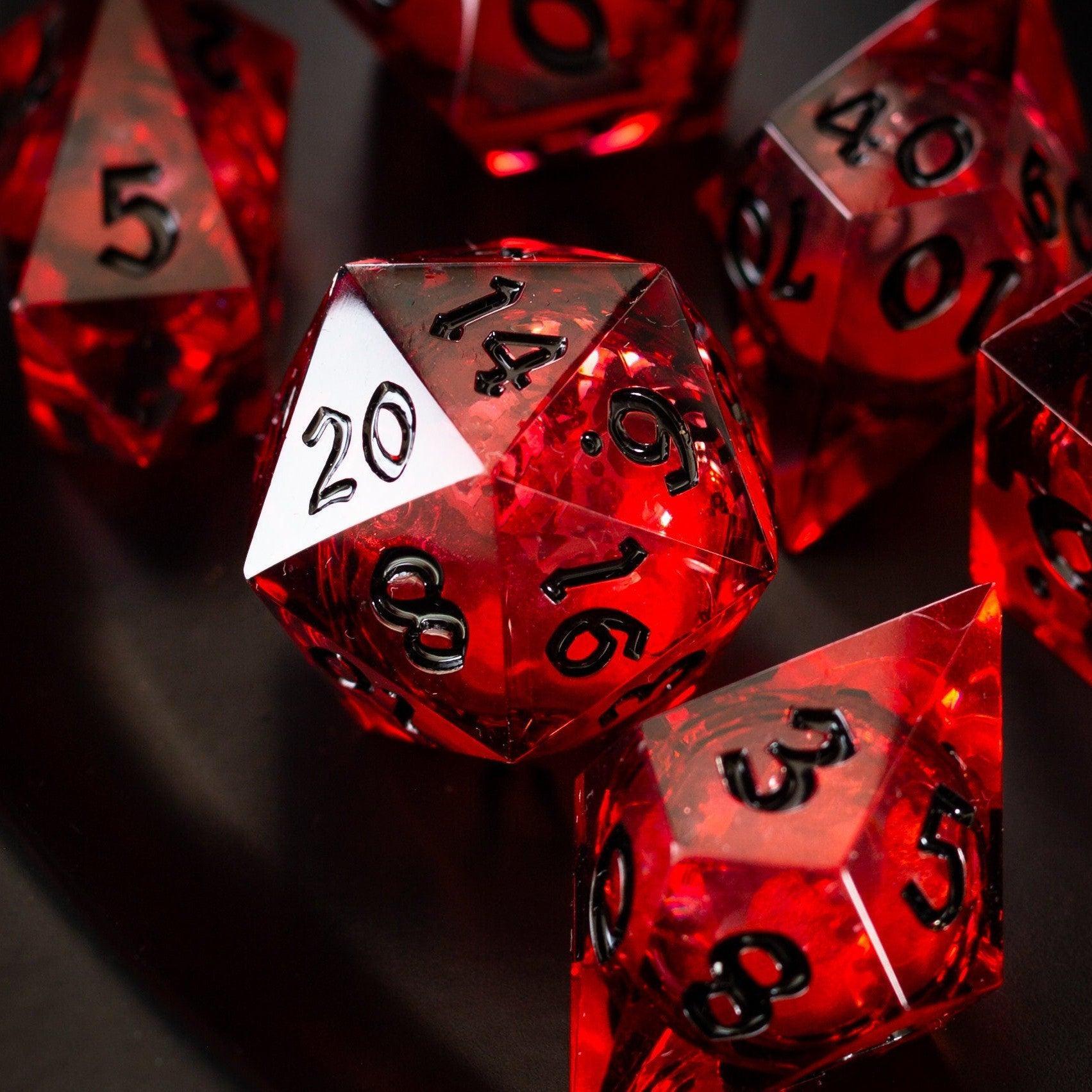
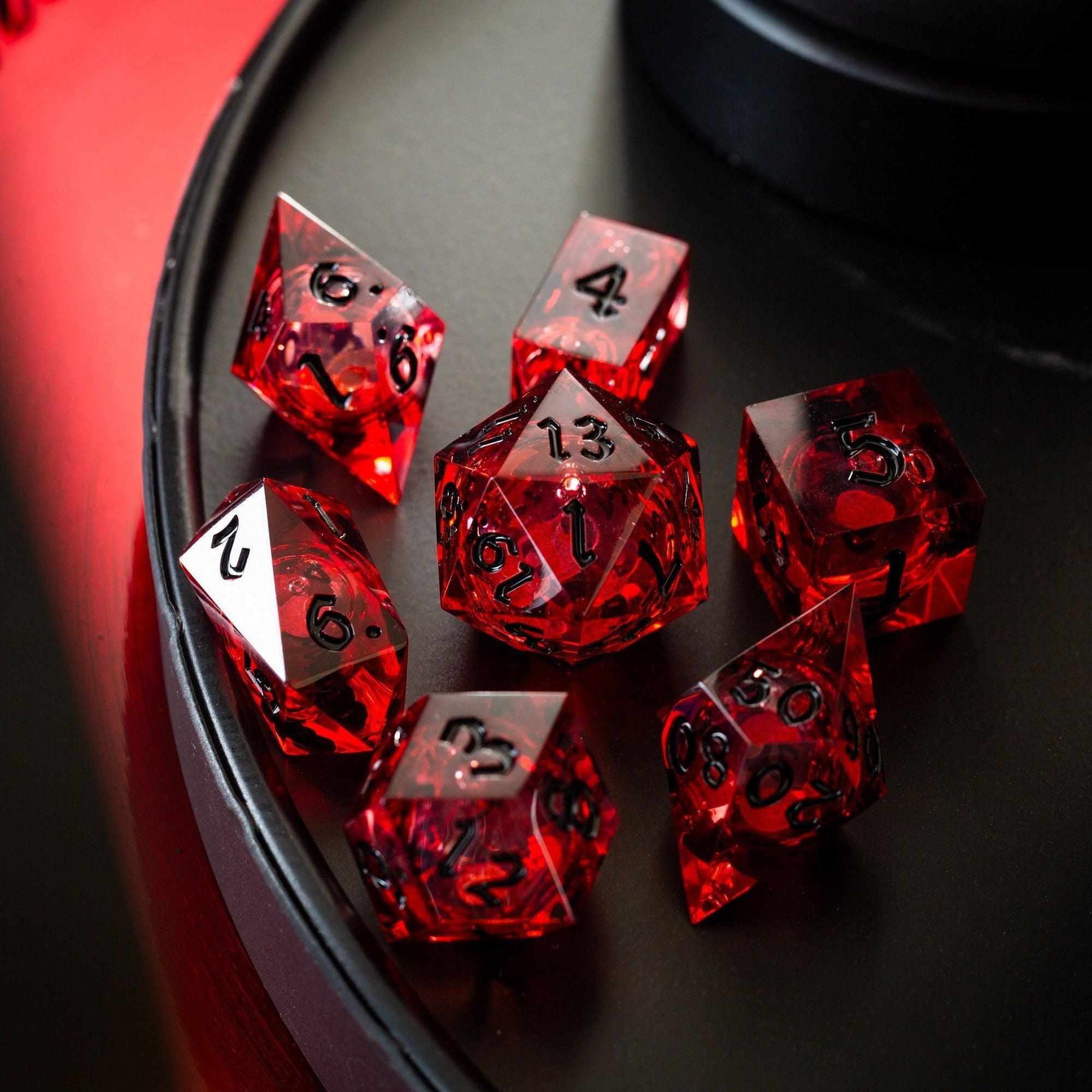
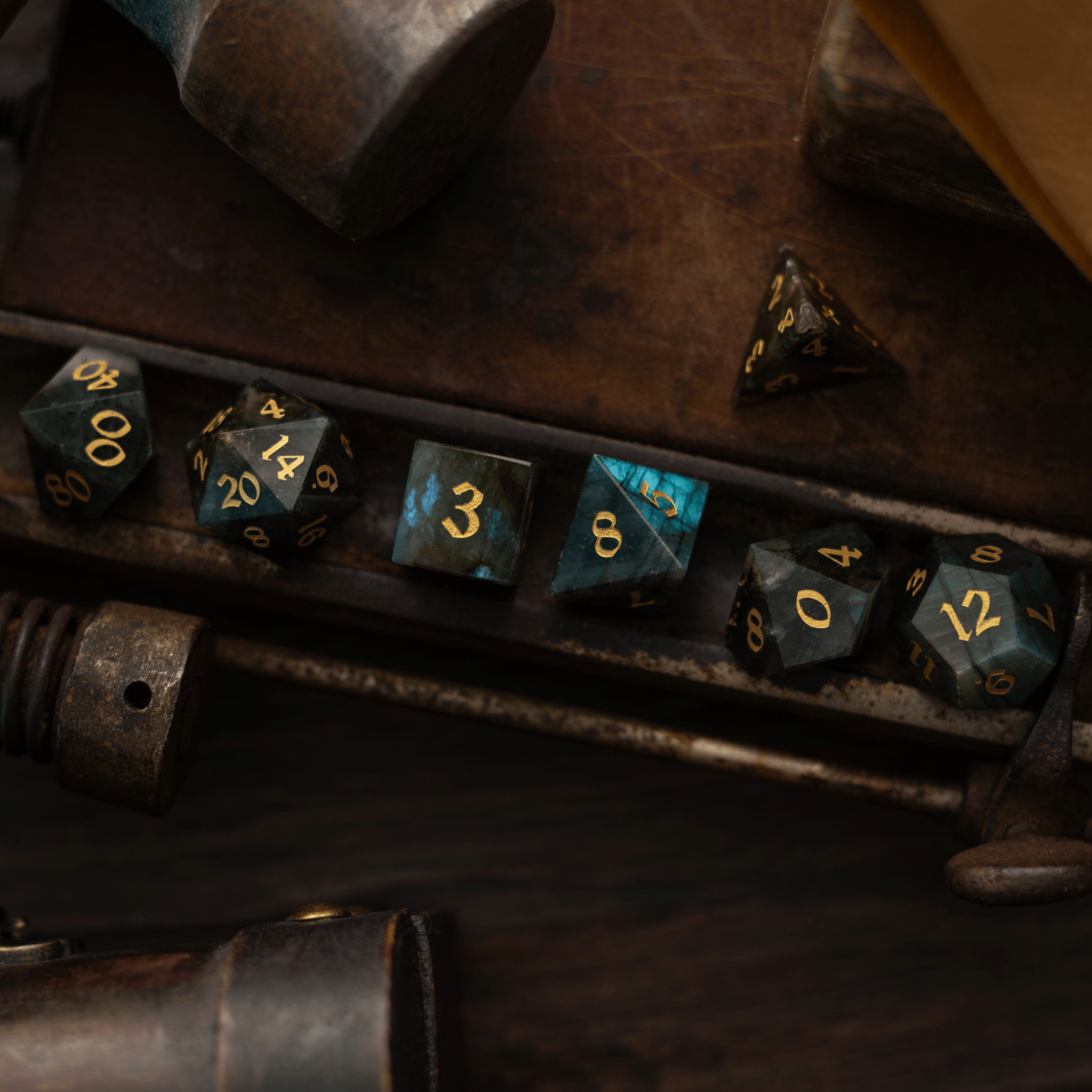
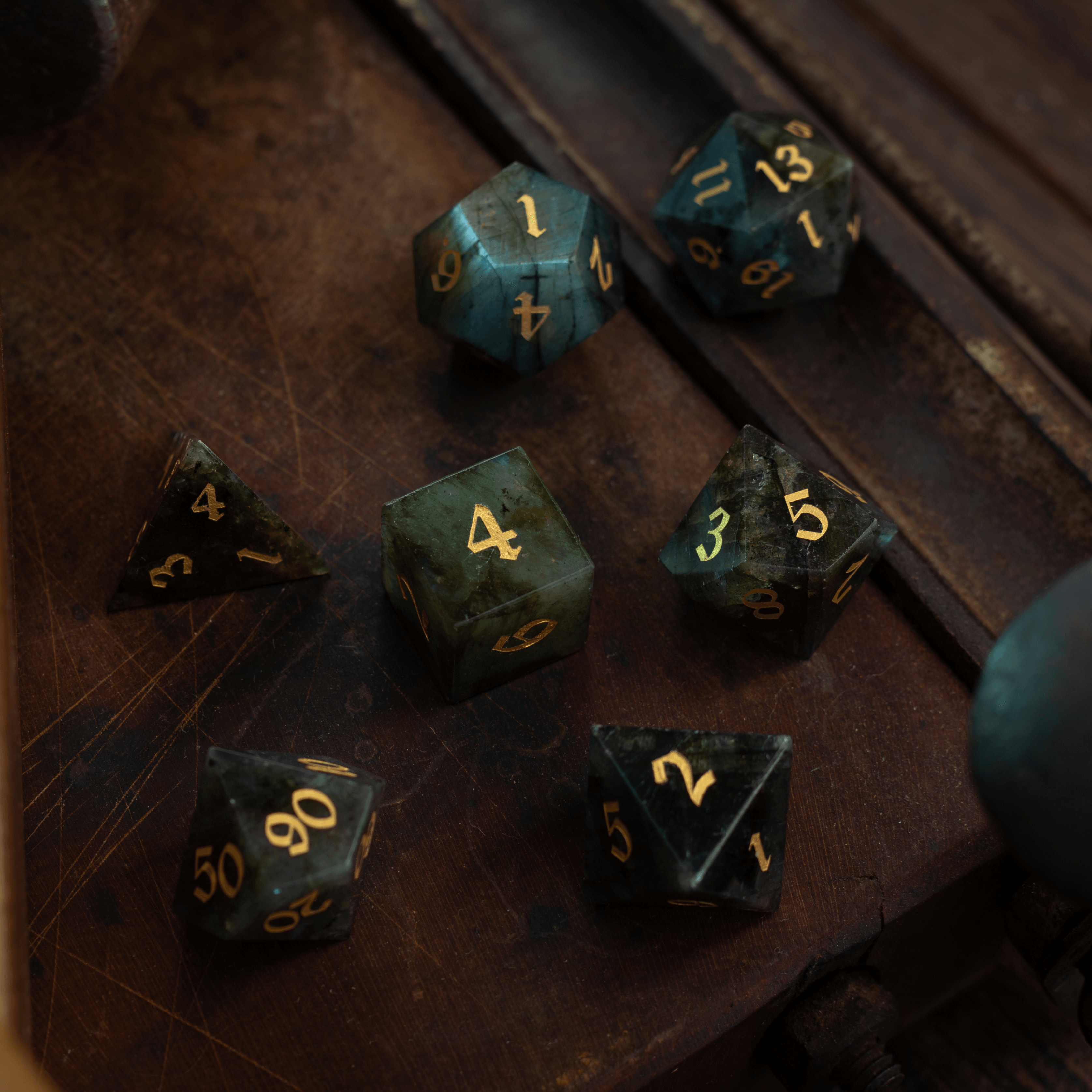
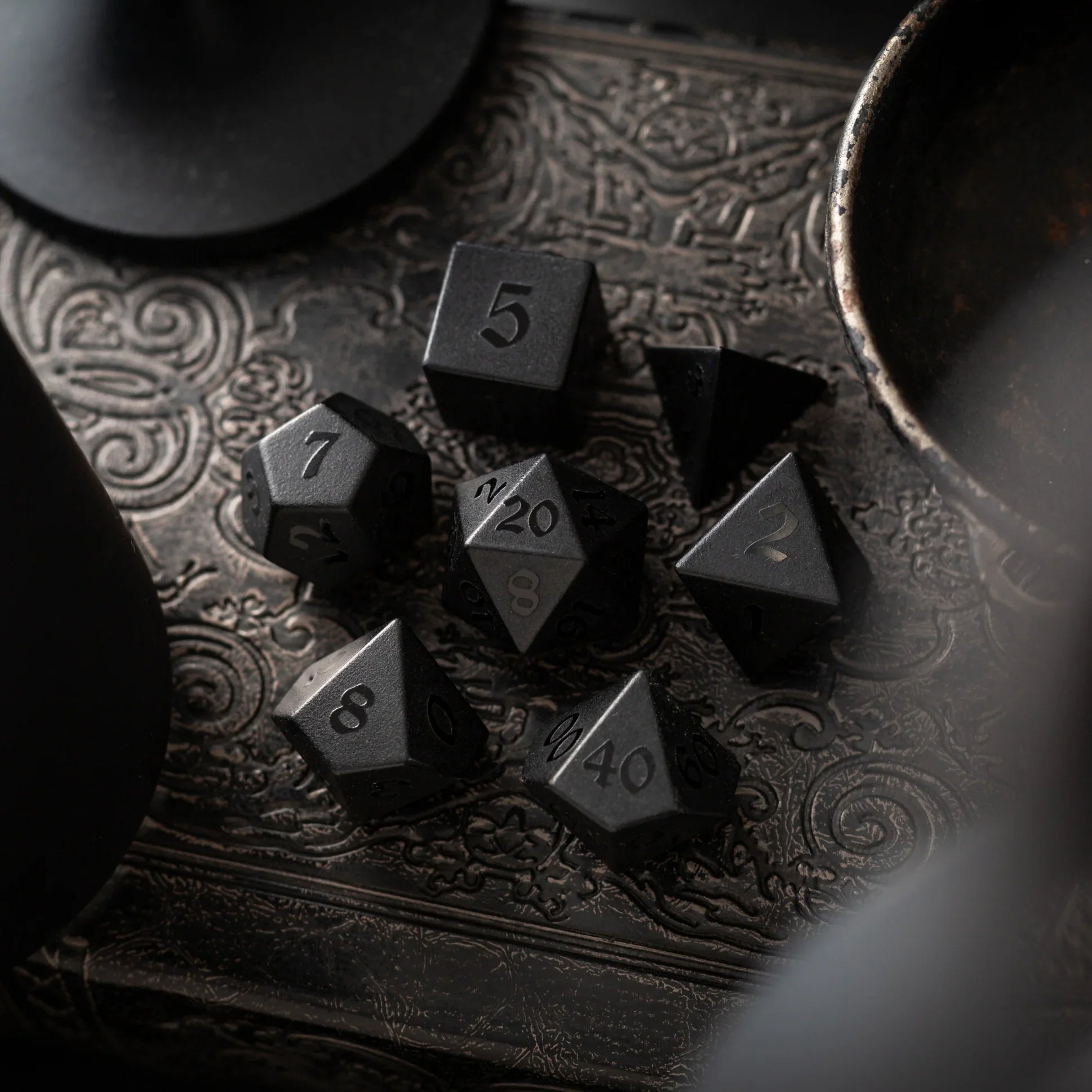
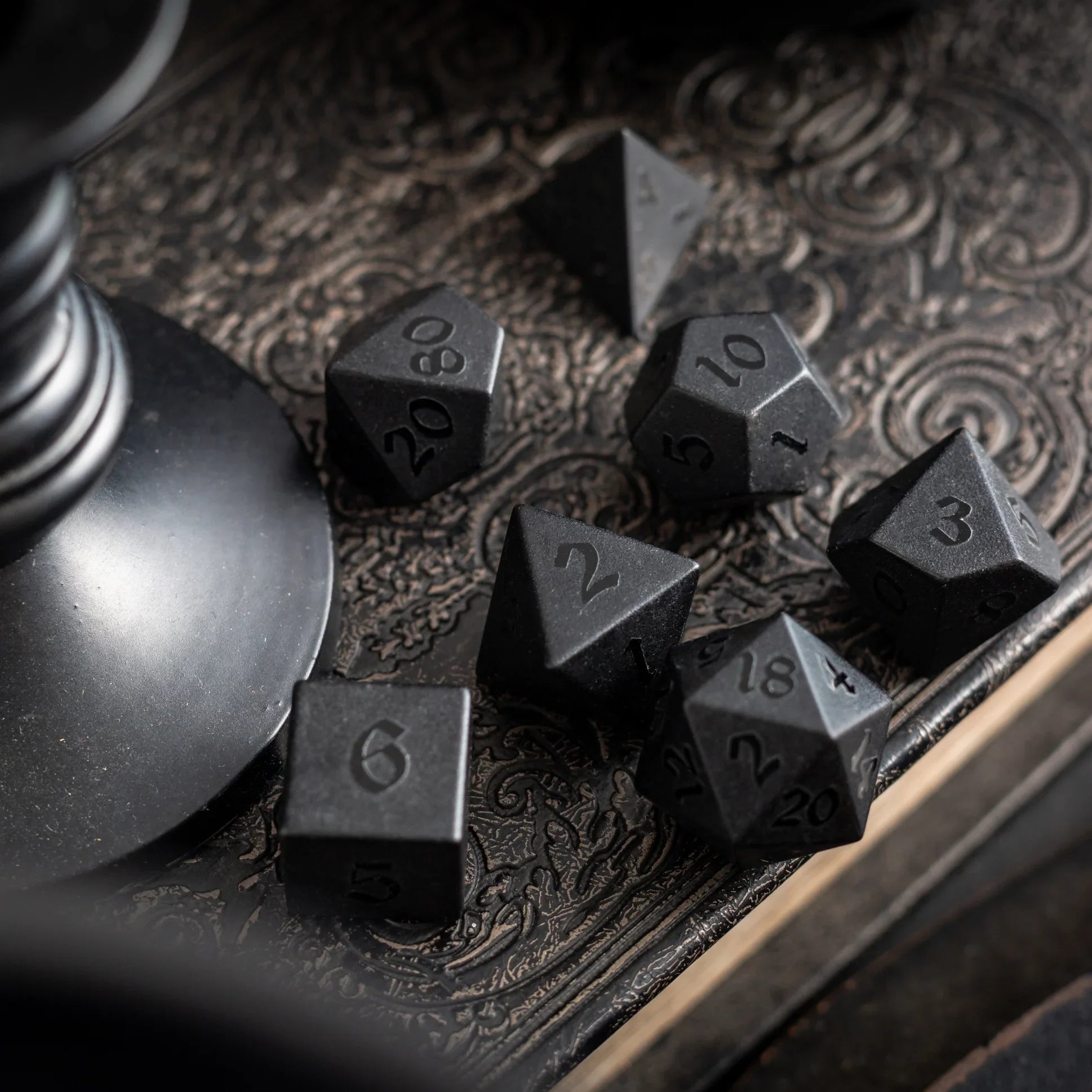
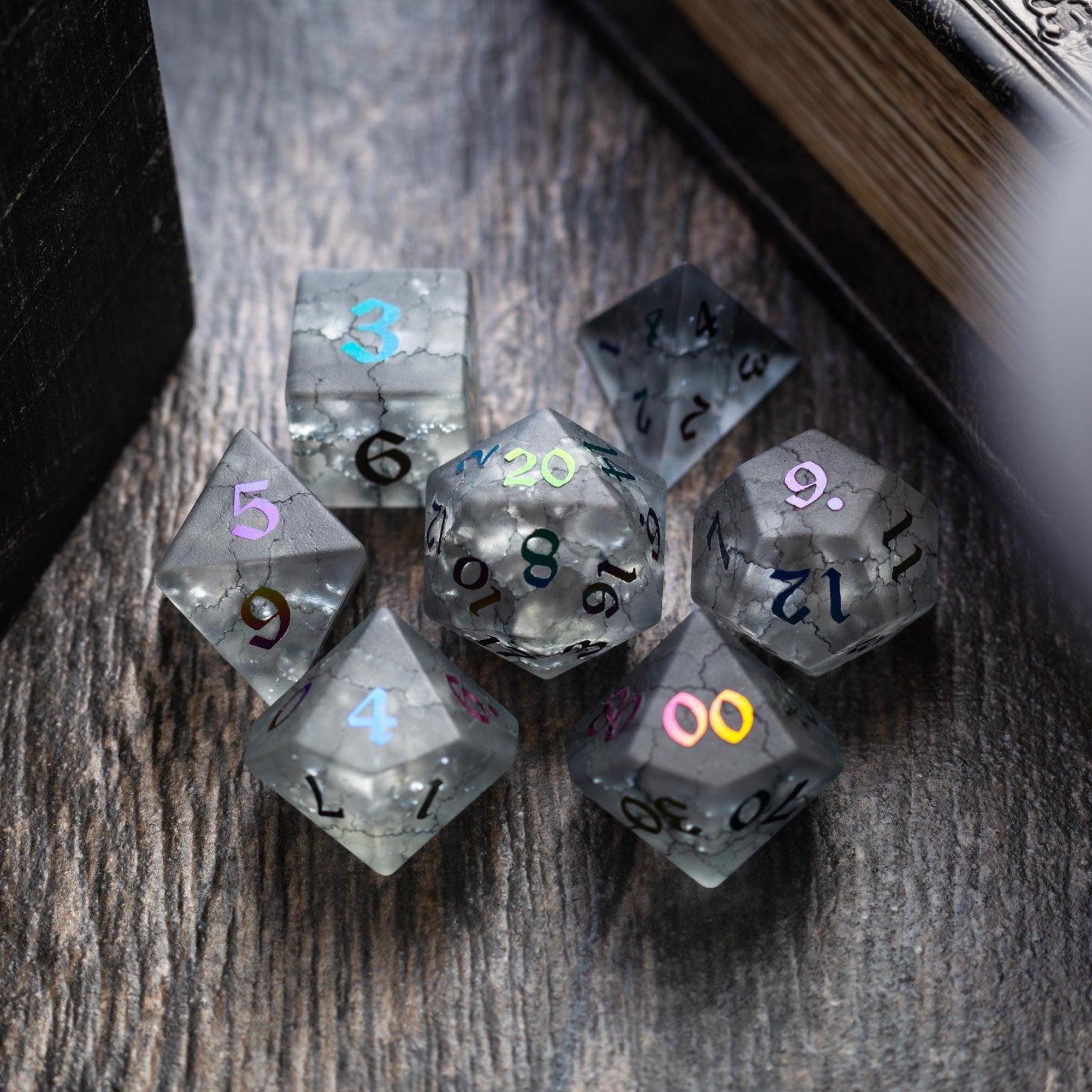
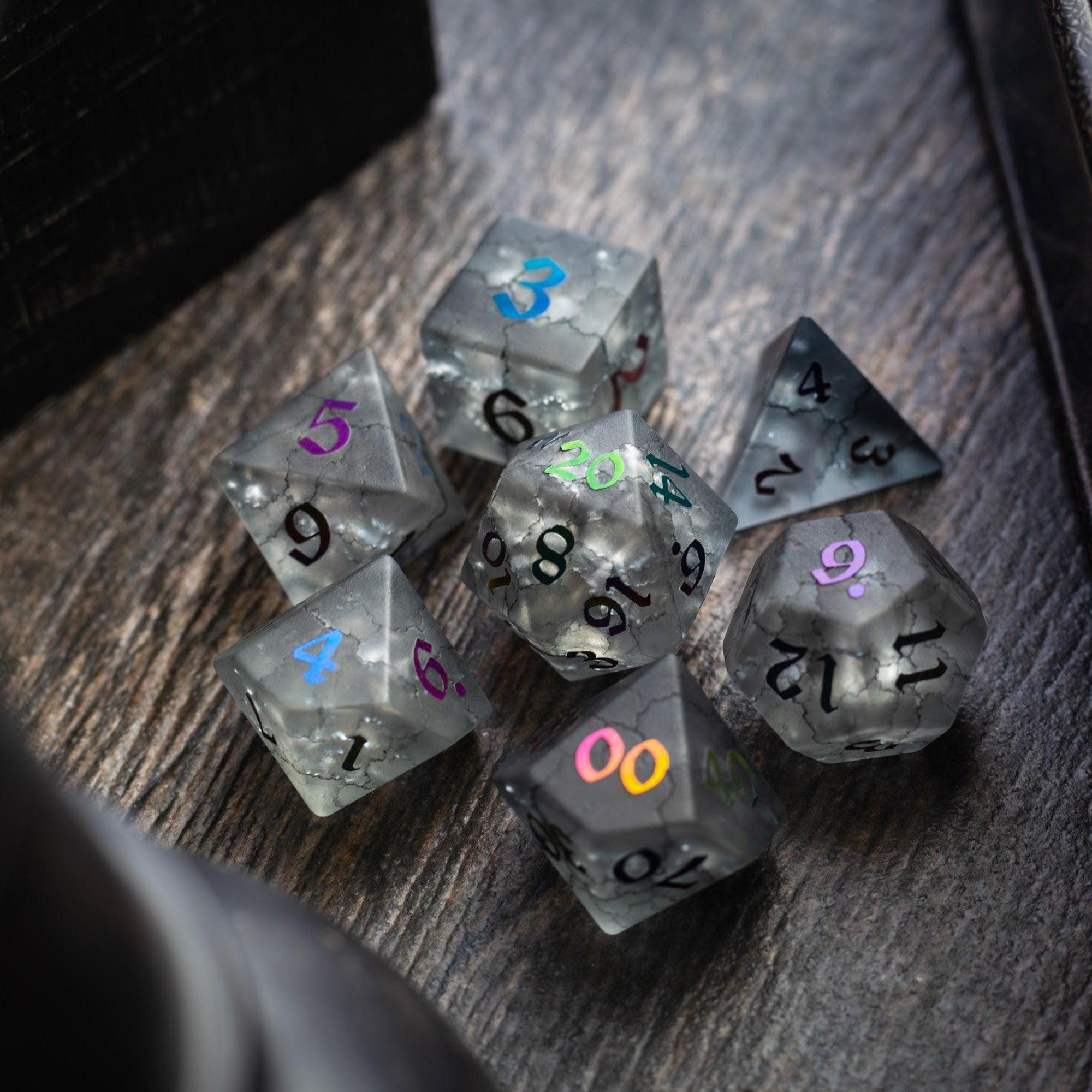
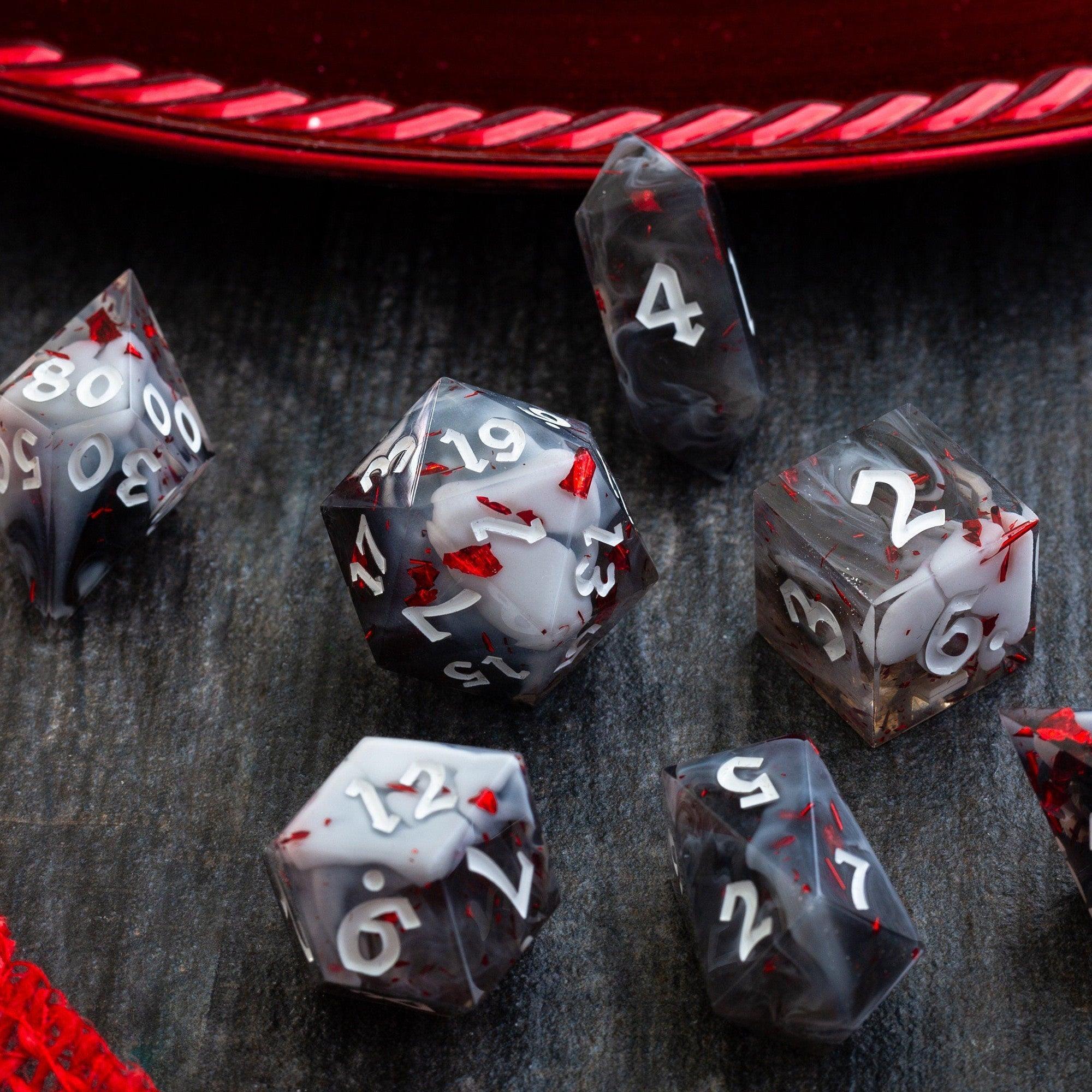
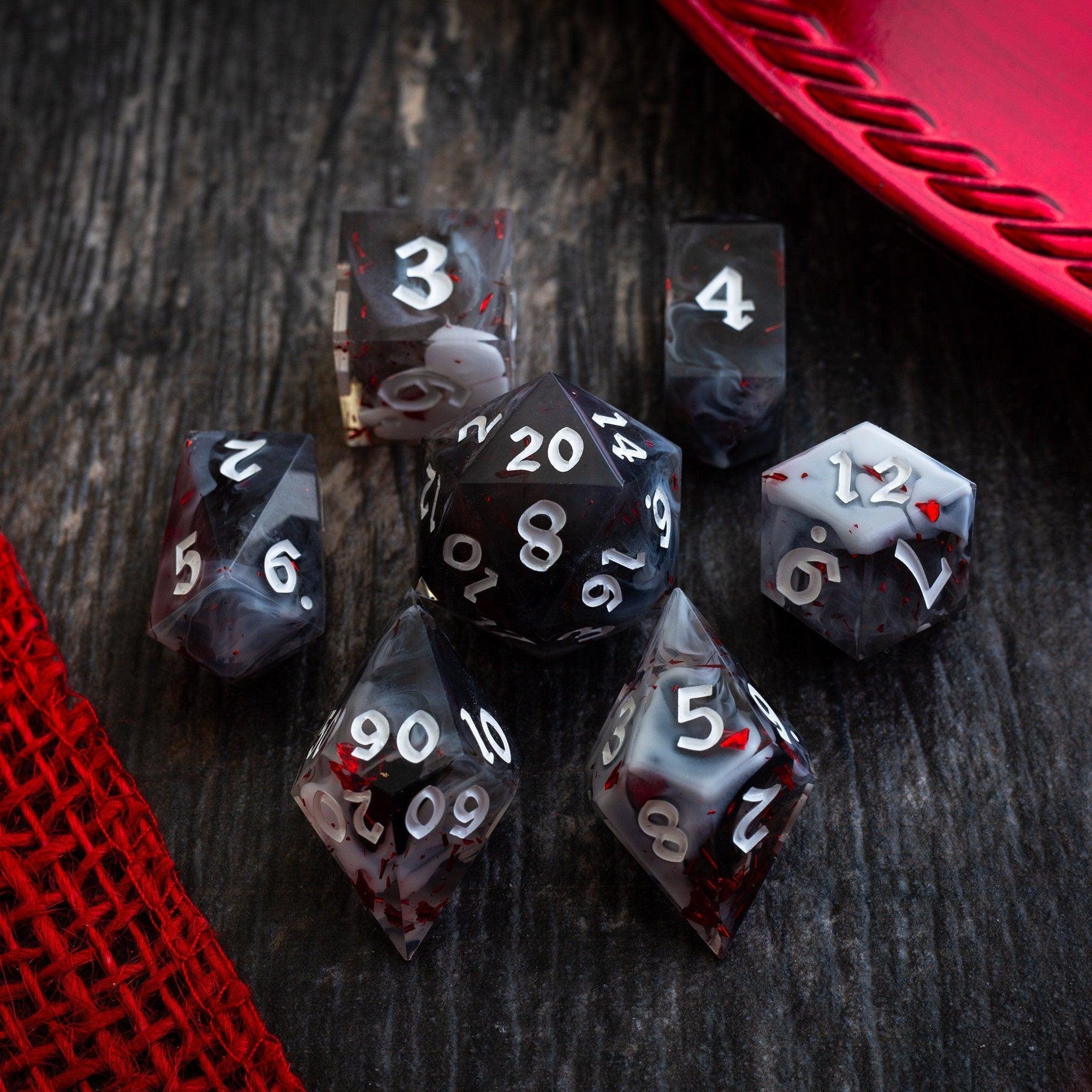
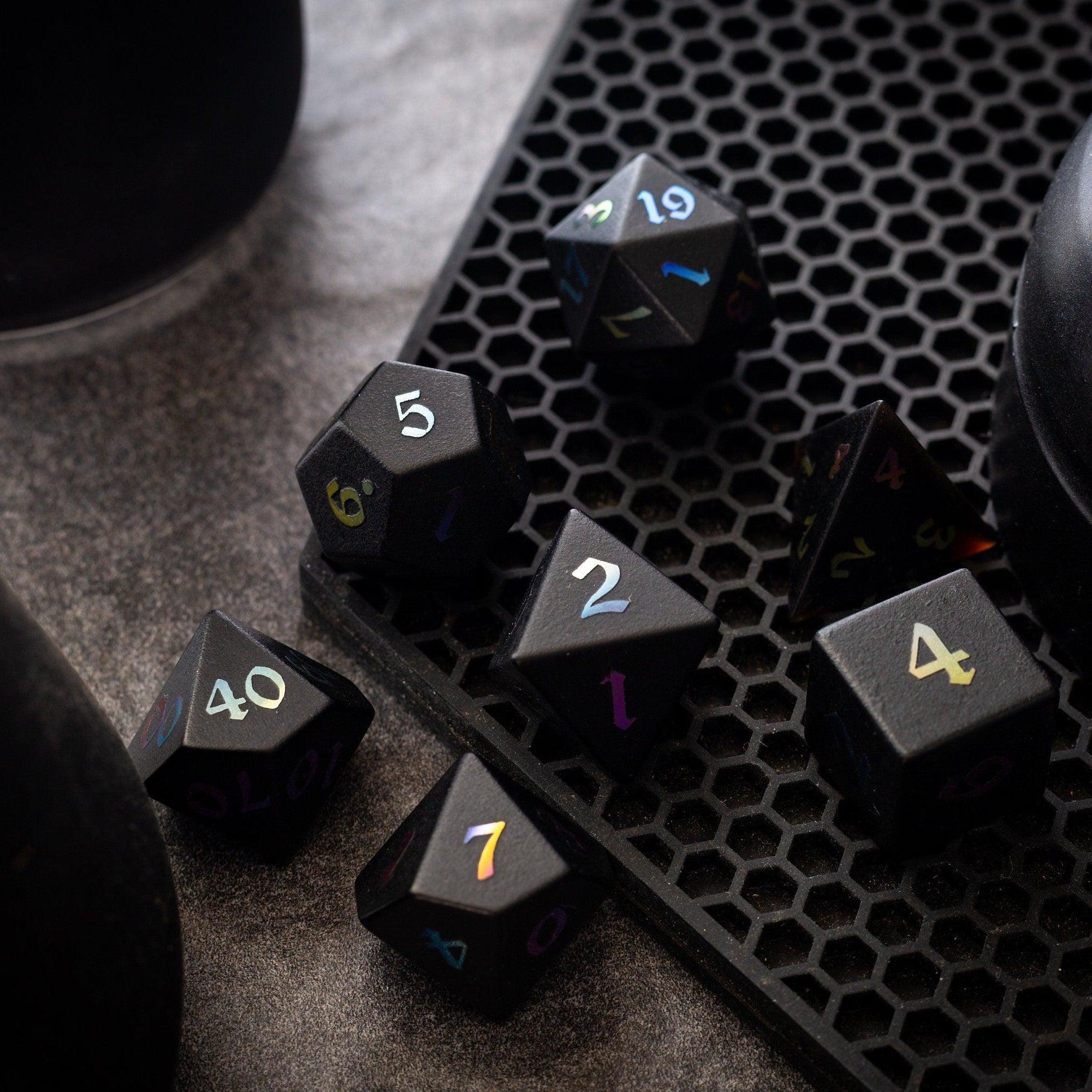
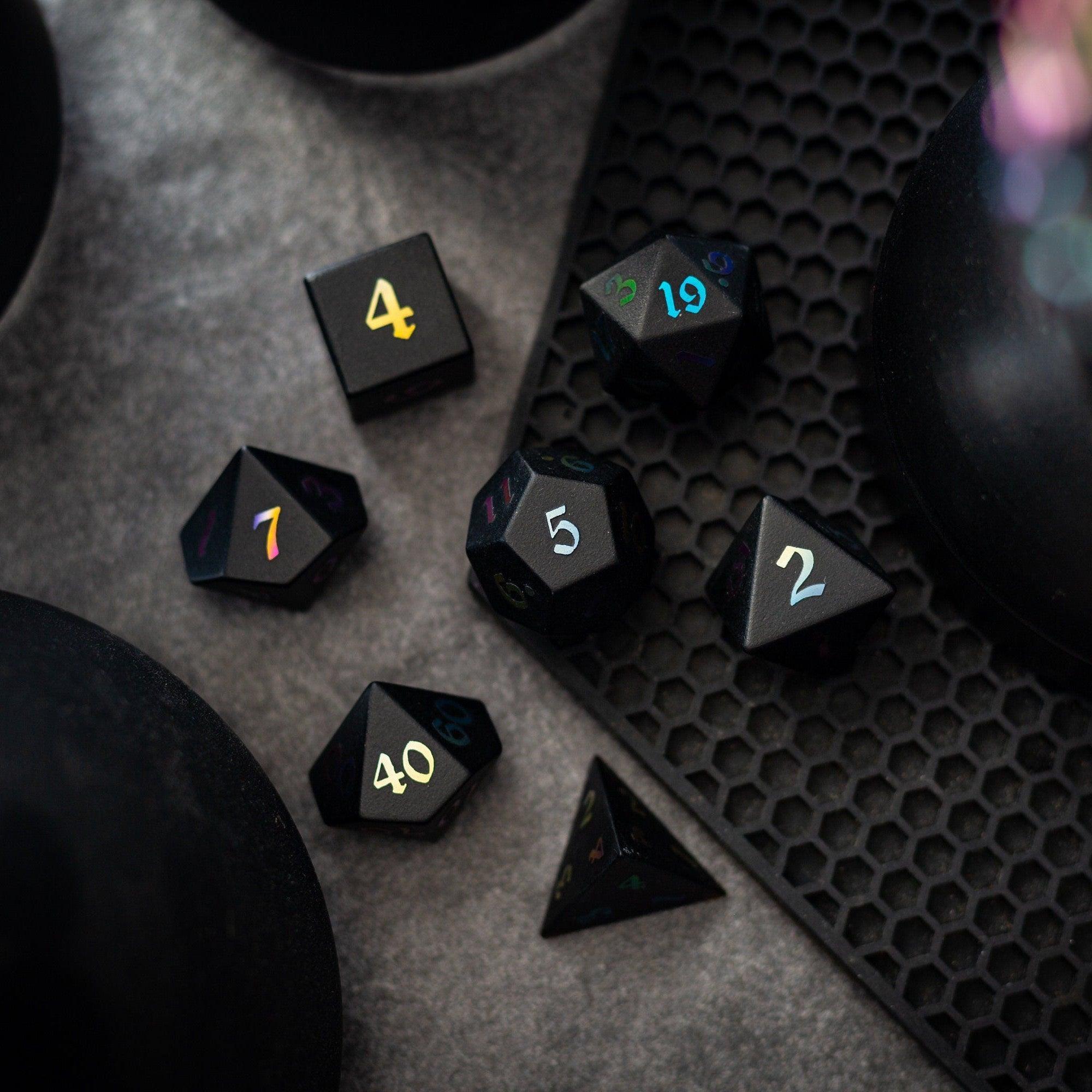
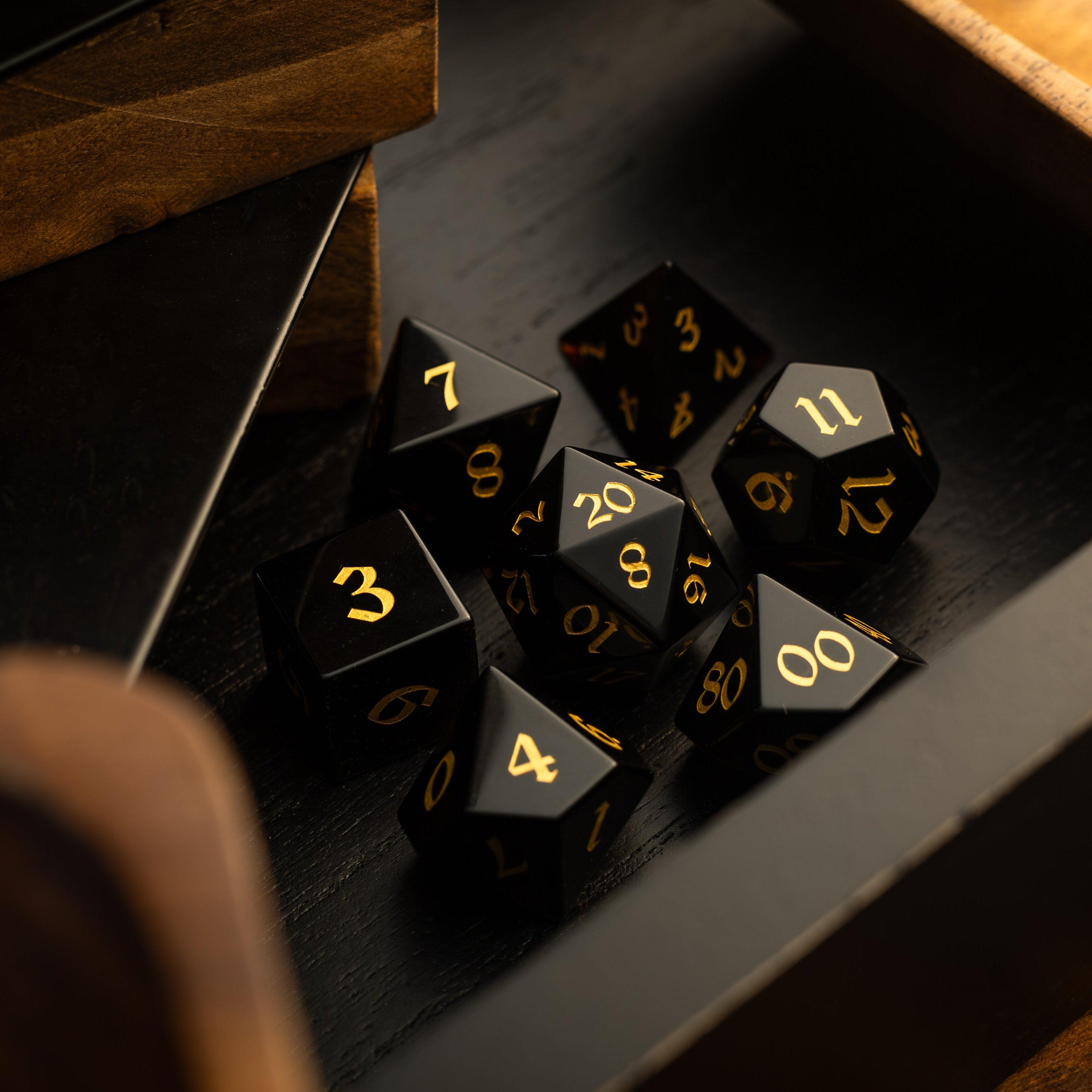
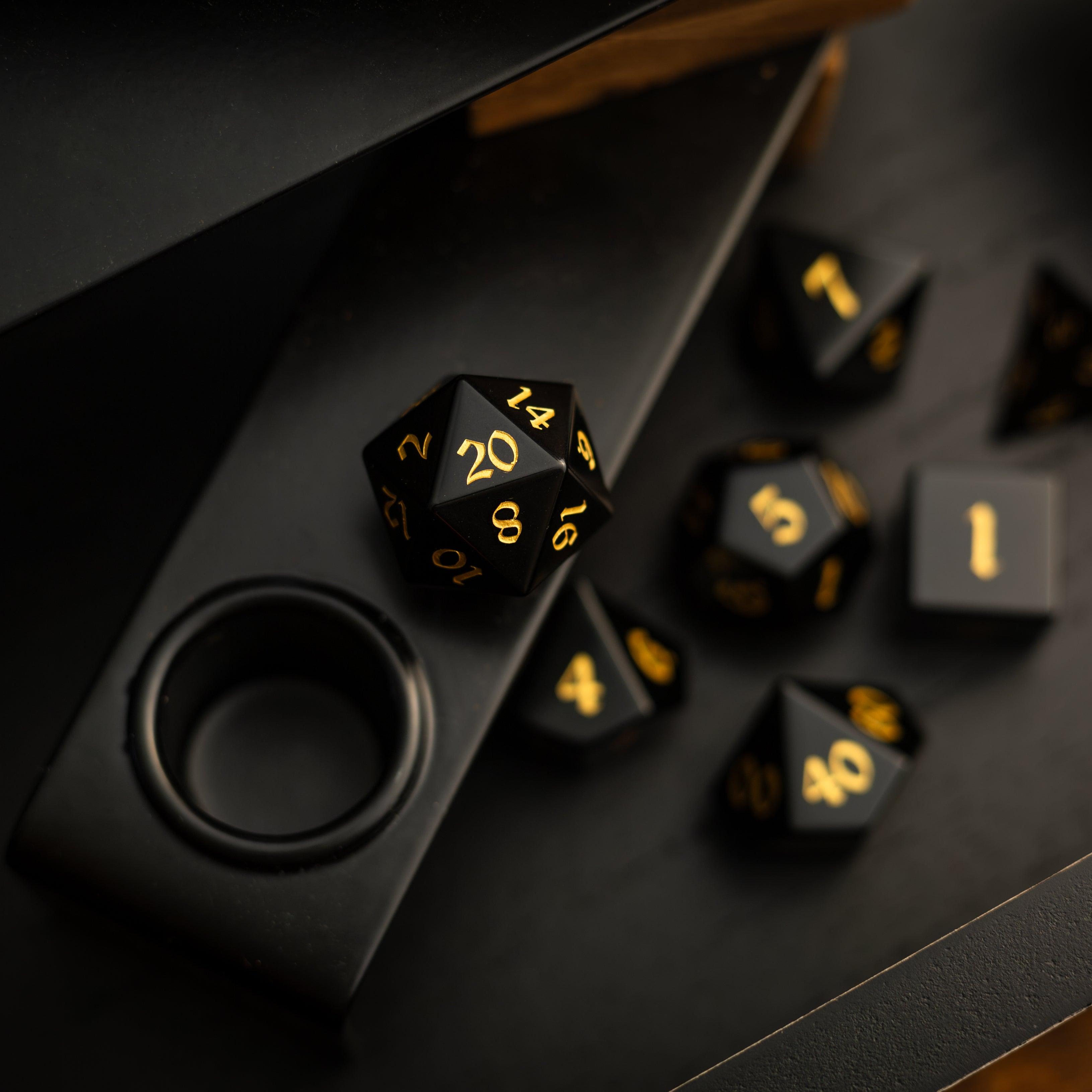
Invest in a few essential materials. You'll want rulebooks, character sheets, maps, and polyhedral dice sets to determine the outcomes of risky actions. Many new players worry about needing fancy equipment, but honestly, you can start with pencils, paper, and dice before upgrading to premium materials. The game itself—the story and the friendships—matters far more than having the fanciest gear.
Start with a short campaign or pre-written adventure. This removes the pressure of creating everything from scratch and lets you focus on learning the rules and having fun. As everyone gains confidence, you can tackle more complex scenarios and eventually create custom worlds tailored to your group's interests.
Common Challenges New Players Face
Every newcomer encounters some bumps along the way, and that's completely normal. Understanding common obstacles helps you navigate them gracefully. One frequent challenge is analysis paralysis—players spending excessive time deciding their character's actions because they're worried about making the wrong choice. The secret is remembering that mistakes and unexpected outcomes often lead to the best stories. Take your turn, make a decision, and see what happens.
Another challenge involves rule confusion. Fantasy role-playing games have detailed mechanics that can seem complex initially. The solution is simple: don't memorize everything. Keep the rulebook handy and look things up as they come up during play. Most groups develop a working knowledge of the rules naturally over a few sessions. It's perfectly acceptable to say, "Let me check the rules for that" and pause for a moment.
Some players struggle with roleplaying their characters, feeling self-conscious about speaking in character or describing their character's emotions. This nervousness fades quickly once you realize your group members are equally focused on having fun rather than judging your performance. Start with simple descriptions and internal monologues rather than full character voices if that feels more comfortable.
Scheduling conflicts can also derail campaigns. Life gets busy, and coordinating everyone's availability is tough. Combat this by setting realistic expectations about session frequency and maintaining a backup plan if someone occasionally misses a session. Some groups play monthly, others weekly—find a rhythm that works for your specific group.
Comparing Popular Fantasy Role-Playing Game Systems
Different game systems offer distinct experiences. Here's a quick overview of some popular options:
| System | Strengths | Best For |
|---|---|---|
| Dungeons and Dragons (D&D) | Accessible, huge community, tons of resources | New players and classic fantasy adventures |
| Pathfinder | Deep character customization, tactical combat | Players who enjoy complex mechanics |
| World of Darkness | Dark atmosphere, modern settings, mature themes | Groups wanting gothic or urban fantasy |
| Powered by the Apocalypse | Simple rules, narrative focused, flexible | Storytelling enthusiasts and experienced groups |
Your choice depends on what kind of experience you want. Prefer traditional dungeon exploration with clear rules? Dungeons and Dragons excels there. Want gritty urban horror? World of Darkness delivers that atmosphere perfectly. Like narrative flexibility? Powered by the Apocalypse systems prioritize storytelling over mechanics.
Don't stress about choosing perfectly. Most groups try different systems over time. You might start with one game and discover another that resonates more deeply as you explore what you enjoy. The best system is the one your group will actually play and enjoy together.
Summary and Recommendations
Fantasy role-playing games offer incredible value as hobbies. They build genuine friendships, develop creative thinking, and provide entertainment that's far more engaging than passive media consumption. Whether you're seeking an escape from daily stress, a creative outlet, or simply quality time with friends, these games deliver.
Here's what we recommend: grab a few friends, pick a system that sounds fun, and start small. You don't need perfect conditions or expensive equipment. Begin with a simple adventure, embrace the weird moments that inevitably happen, and focus on enjoying the experience together. As your group gains confidence, you can invest in nicer materials like premium glass gemstone dice sets or beautiful miniature figures.
The fantasy role-playing community is remarkably welcoming. Online forums, local game shops, and streaming shows are filled with enthusiasts eager to help newcomers. Don't hesitate to ask questions, seek advice, or join existing groups if you don't have friends interested in playing. Your next favorite hobby—and maybe your next best friends—are waiting in these worlds of imagination and adventure.
Frequently Asked Questions
Do I need to be creative to enjoy fantasy role-playing games?
Not at all. While creativity helps, it's not required to have fun. Many players enjoy describing straightforward actions, and their game masters fill in the creative details. Over time, most players naturally develop stronger imaginative skills simply through participation. The beauty of these games is that they meet players wherever they are and help them grow at their own pace.
How long does a typical campaign last?
Campaign length varies wildly. Some short adventures wrap up in three to five sessions. Others continue for months or years, with groups meeting weekly. You can start with a short campaign to learn the mechanics, then commit to longer stories once everyone feels comfortable. There's no standard duration, your group sets the pace.
What if I make a mistake with the rules during play?
Everyone makes mistakes, and that's perfectly fine. Most groups handle rule questions by making a quick decision, finishing the scene, and checking the rulebook afterward if needed. The flow of the game matters more than perfect rule application. Fantasy role-playing is cooperative, so if someone remembers a rule differently, you discuss it respectfully and move forward. The goal is keeping everyone engaged and having fun, not winning arguments about mechanics.
Can I play fantasy role-playing games online?
Absolutely. Video conferencing platforms, dedicated online tabletop software, and streaming services make remote play accessible and enjoyable. Many groups transitioned to online play and discovered unexpected benefits like including friends who live far away. Whether you prefer playing in person around a physical table or connecting digitally, the core experience remains rewarding.
What should I look for in a good game master?
The best game masters are enthusiastic listeners who care about their players' fun more than proving how clever they are. They prepare reasonably but stay flexible when players do something unexpected. They describe scenes vividly enough that you feel immersed, but not so elaborately that they derail the pace. Most importantly, they create a welcoming space where everyone feels comfortable taking risks and being creative. Experience matters less than genuine enthusiasm and respect for your players.
Are fantasy role-playing games only for fantasy settings?
Not at all. While fantasy dominates the genre, countless systems exist for science fiction, modern day, historical periods, horror, superheroes, and more. You can play space explorers, detectives, cowboys, or superheroes using the same core mechanics. Quality dice sets work for any setting, making them a versatile investment for long-term gaming.

Leave a comment
This site is protected by hCaptcha and the hCaptcha Privacy Policy and Terms of Service apply.