
Elemental Adept D&D Guide: Master Elemental Damage for Smarter Spellcasting
Elemental magic has always been one of the most exciting parts of D&D spellcasting. Whether you're hurling blazing fireballs, calling down bolts of lightning, or freezing enemies in place, choosing a favorite element gives your character a memorable identity both in combat and in roleplaying.
The Elemental Adept D&D feat rewards spellcasters who commit to a single damage type. Instead of trying to prepare every possible spell, you become exceptionally skilled with one element, allowing your magic to remain effective even against creatures that would normally shrug off elemental attacks.
This guide explains how Elemental Adept 5e works, which classes gain the most from it, how to choose the right element for your campaign, and how to build a character that makes every spell slot count.
What Is the Elemental Adept Feat?
Among the many Dungeons and Dragons feats, Elemental Adept is designed specifically for spellcasters who consistently use one type of elemental damage.
When you choose the feat, you select one of these damage types:
-
Fire
-
Cold
-
Lightning
-
Acid
-
Thunder
The feat provides two major benefits.
Ignore Resistance
Normally, creatures with resistance take only half damage from that element.
Elemental Adept allows your spells using your chosen element to ignore that resistance. While immunity still prevents damage entirely, overcoming resistance can dramatically increase your average damage throughout a campaign.
More Consistent Damage
Whenever you roll a 1 on a damage die for your chosen element, you treat that die as a 2 instead.
It may seem like a small improvement, but across dozens of spell casts, those extra points of damage add up and reduce disappointing low rolls.
Why Choosing the Right Element Matters
Unlike many feats, Elemental Adept only improves one damage type.
That means your spell list, subclass, and long-term character concept should all support the same elemental theme. A focused spellcaster generally gains far more value than someone constantly switching between different damage types.
How Elemental Damage Works in D&D
Every element has strengths and weaknesses depending on the monsters your party encounters.
Fire
Fire has one of the largest spell selections in the game.
Popular examples include:
-
Fire Bolt
-
Burning Hands
-
Scorching Ray
-
Fireball
-
Wall of Fire
Many creatures resist fire, especially fiends, devils, dragons, and fire elementals. Elemental Adept helps overcome many of these resistances, making fire specialists far more dependable.
Cold
Cold spells often combine respectable damage with battlefield control.
Examples include:
-
Ray of Frost
-
Snilloc's Snowball Swarm
-
Cone of Cold
Cold resistance appears less frequently than fire resistance, making cold a reliable choice for many campaigns.
Lightning
Lightning delivers explosive damage and often rewards clever positioning.
Popular spells include:
-
Witch Bolt
-
Lightning Bolt
-
Chain Lightning
Many players enjoy lightning because relatively few monsters resist it compared to fire.
Acid
Acid offers fewer spell options but can be extremely effective.
Examples include:
-
Acid Splash
-
Chromatic Orb
-
Melf's Acid Arrow
Because fewer creatures resist acid, specialized acid casters can surprise many opponents.
Thunder
Thunder represents forceful sound and concussive magical energy.
Common spells include:
-
Thunderwave
-
Shatter
-
Destructive Wave
Thunder damage is reliable and fits many divine or arcane character concepts.
Which Classes Benefit Most?
Different spellcasting classes approach elemental specialization in different ways.
Wizard
The classic wizard build has access to the largest spell list in the game.
Evocation Wizards especially benefit because they already specialize in offensive magic, making Elemental Adept a natural extension of their strengths.
Sorcerer
A sorcerer guide almost always discusses Metamagic, and for good reason.
Combining Elemental Adept with features like Empowered Spell or Quickened Spell creates highly consistent magical offense.
A fire or lightning Sorcerer often becomes one of the party's strongest damage dealers.
Druid
Druids naturally favor cold, lightning, and thunder magic.
Circle of the Land Druids and other caster-focused subclasses can build memorable elemental themes without sacrificing battlefield control.
Warlock
Warlocks cast fewer spells, making every spell slot valuable.
If your spell list focuses heavily on one element, Elemental Adept helps maximize those limited opportunities.
Cleric
Several Cleric domains gain offensive elemental spells.
Thunder-themed Clerics especially appreciate making their signature spells more dependable.
Artificer
Artificers often favor lightning or acid magic.
Their inventions and magical devices naturally fit an elemental specialist concept.
Which Element Fits Each Class?
| Class | Best Element | Why It Works |
|---|---|---|
| Wizard | Fire | Huge spell selection and strong blasting options |
| Sorcerer | Lightning | Excellent Metamagic synergy |
| Druid | Cold | Natural control-focused spell list |
| Warlock | Fire | Reliable offensive spells throughout a campaign |
| Cleric | Thunder | Strong divine damage options |
| Artificer | Lightning | Fits magical technology and inventions |
Choosing Your Element
There is no universally correct choice.
Instead, consider several factors.
Campaign Setting
If your Dungeon Master loves volcanic landscapes and fiendish enemies, fire resistance may appear frequently.
Ignoring those resistances dramatically increases your effectiveness.
Conversely, an arctic campaign may feature creatures naturally resistant to cold.
Monster Variety
Some adventures feature many dragons, elementals, or extraplanar creatures.
Learning the campaign's themes can help you make an informed decision before selecting the feat.
Spell Availability
Fire offers the widest range of offensive spells.
Lightning offers excellent burst damage.
Cold provides strong control.
Thunder offers dependable area effects.
Acid remains more specialized but can be surprisingly effective.
Character Theme
Mechanical effectiveness matters, but so does roleplaying.
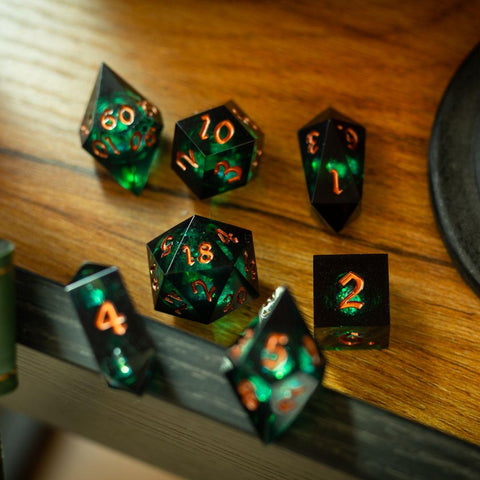
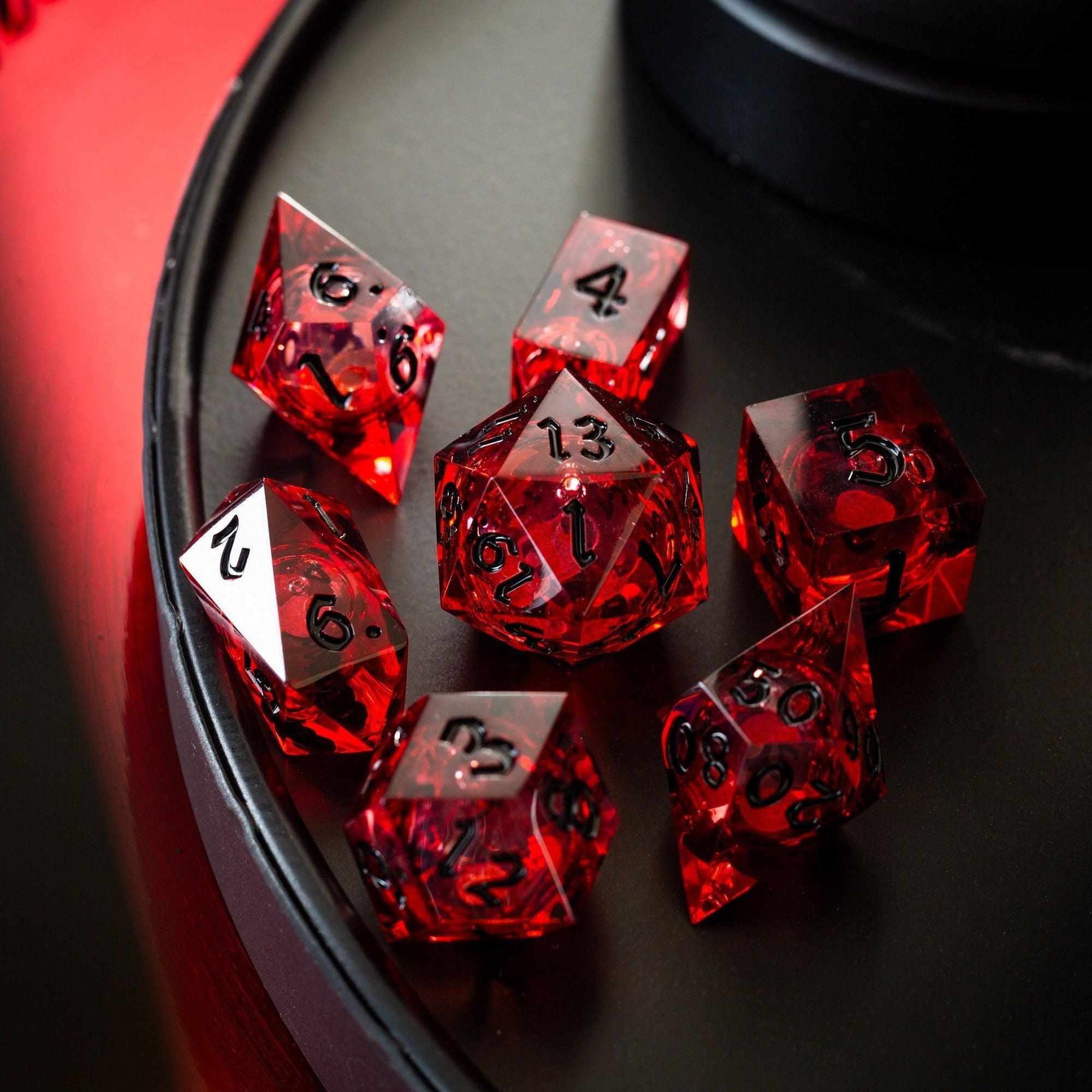
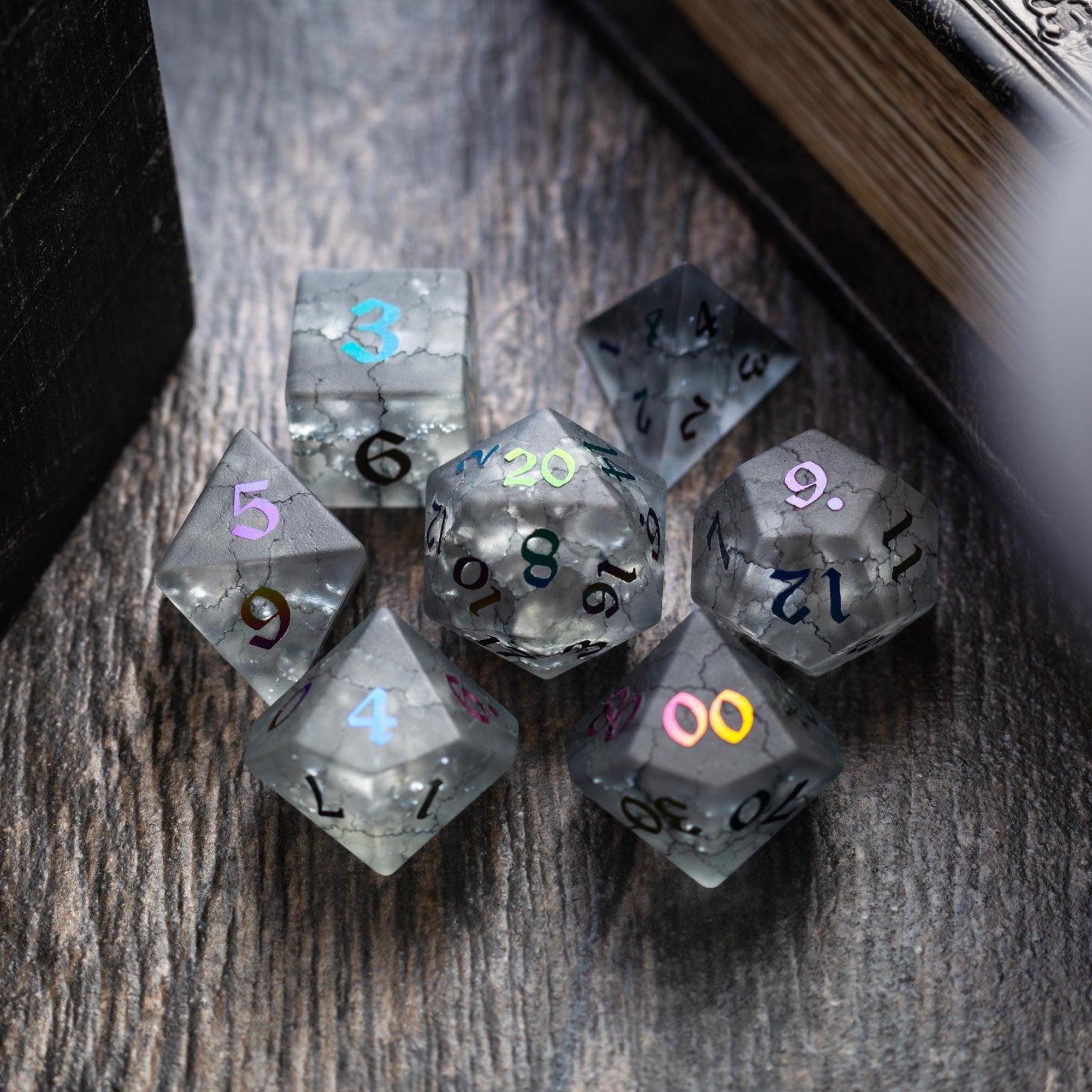
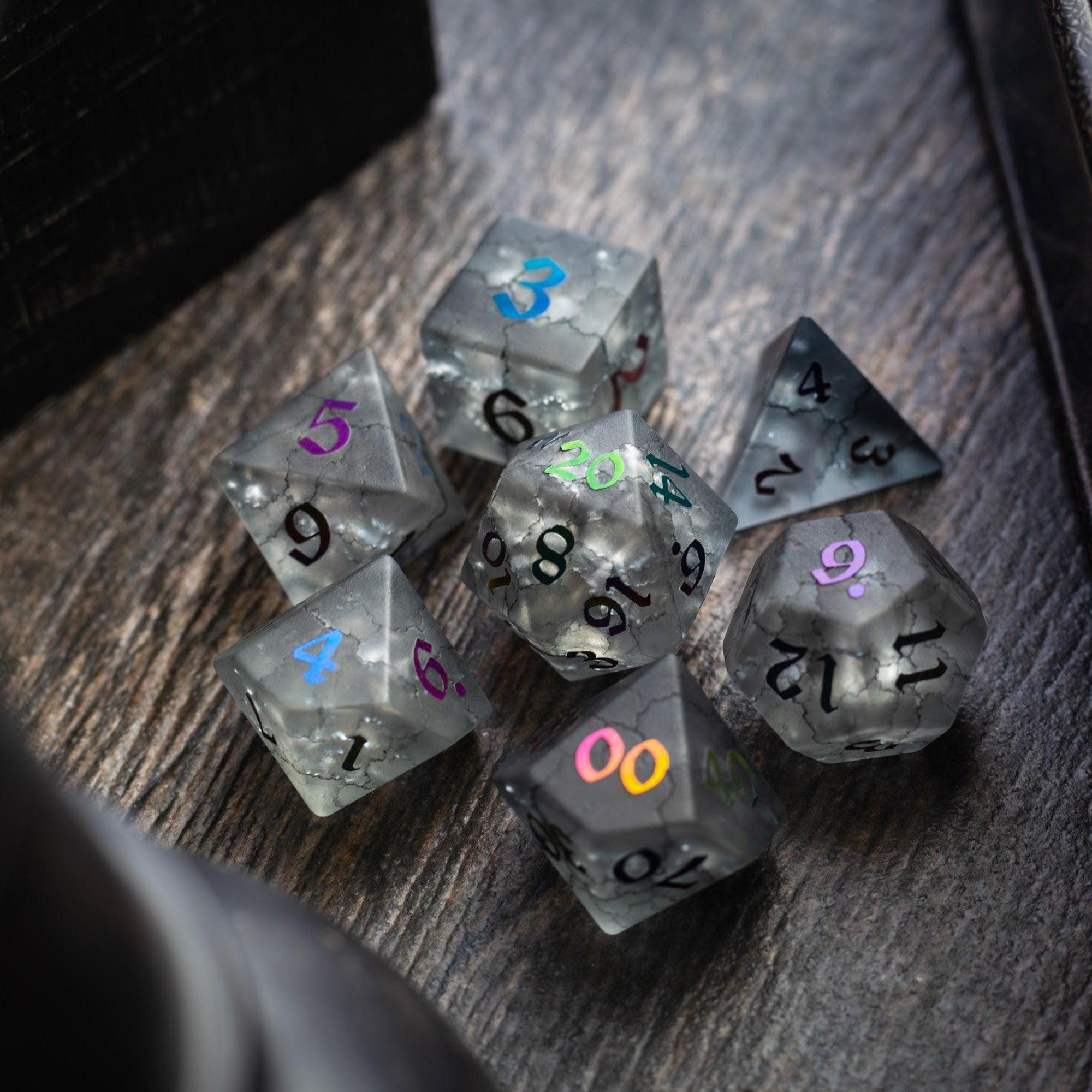
A storm mage wielding polished glass dice that shimmer like lightning or a frost wizard rolling elegant gemstone dice inspired by icy crystals can make each spell feel even more immersive around the table.
Best Spells That Pair with Elemental Adept
Rather than memorizing every elemental spell, focus on spells you'll cast repeatedly.
Fire
-
Fire Bolt
-
Scorching Ray
-
Fireball
-
Wall of Fire
Ignoring resistance keeps these iconic spells effective throughout long campaigns.
Cold
-
Ray of Frost
-
Cone of Cold
-
Ice Storm
Cold specialists often combine damage with movement control.
Lightning
-
Lightning Bolt
-
Chain Lightning
These reward careful positioning while delivering exceptional damage.
Acid
-
Acid Splash
-
Chromatic Orb
-
Melf's Acid Arrow
Acid specialists benefit from targeting enemies that rarely expect this damage type.
Thunder
-
Thunderwave
-
Shatter
These spells excel against clustered enemies while controlling battlefield space.
When preparing for an adventure, organizing spell cards beside a sturdy dice tray helps many players keep spell options visible during hectic combat, reducing time spent flipping through books.
Combat Strategies for Elemental Specialists
Specializing doesn't mean casting the same spell every turn.
Good tactics matter more than simply increasing damage.
Position Carefully
Many elemental spells affect large areas.
Take advantage of lines, cones, and spheres while avoiding friendly fire.
Choose Targets Wisely
Even with Elemental Adept, immunity still blocks damage completely.
Always identify enemies whose defenses your chosen element can realistically overcome.
Conserve Spell Slots
Reserve your strongest elemental spells for dangerous encounters.
Cantrips remain valuable throughout an adventuring day.
Combine Spells
Coordinate with allies.
Restraining enemies before casting area spells often increases overall party effectiveness.
Work as a Team
Elemental specialists thrive when working alongside martial characters.
While fighters hold enemy attention, spellcasters can safely unleash devastating magic from the back line.
Rolling attack spells through a dependable dice tower also keeps gameplay flowing smoothly while ensuring fair, consistent rolls during tense encounters.
Building Around Elemental Adept
The feat shines brightest when supported by a thoughtful character build.
Prioritize Your Spellcasting Ability
Maximize your primary casting stat before collecting multiple specialized feats.
Higher spell save DCs improve every offensive spell you cast.
Choose Supporting Spells
Even specialists should prepare:
-
Defensive magic
-
Utility spells
-
Crowd control
-
Emergency escape options
A balanced spell list prevents your character from becoming too predictable.
Consider Other Feats
Useful companions include:
-
War Caster
-
Resilient (Constitution)
-
Spell Sniper (for certain builds)
These improve concentration and casting reliability.
Multiclass Carefully
A small multiclass dip can add versatility, but delaying higher-level spells often costs more than it gains.
Unless you have a clear plan, remaining in one casting class usually maximizes Elemental Adept's value.
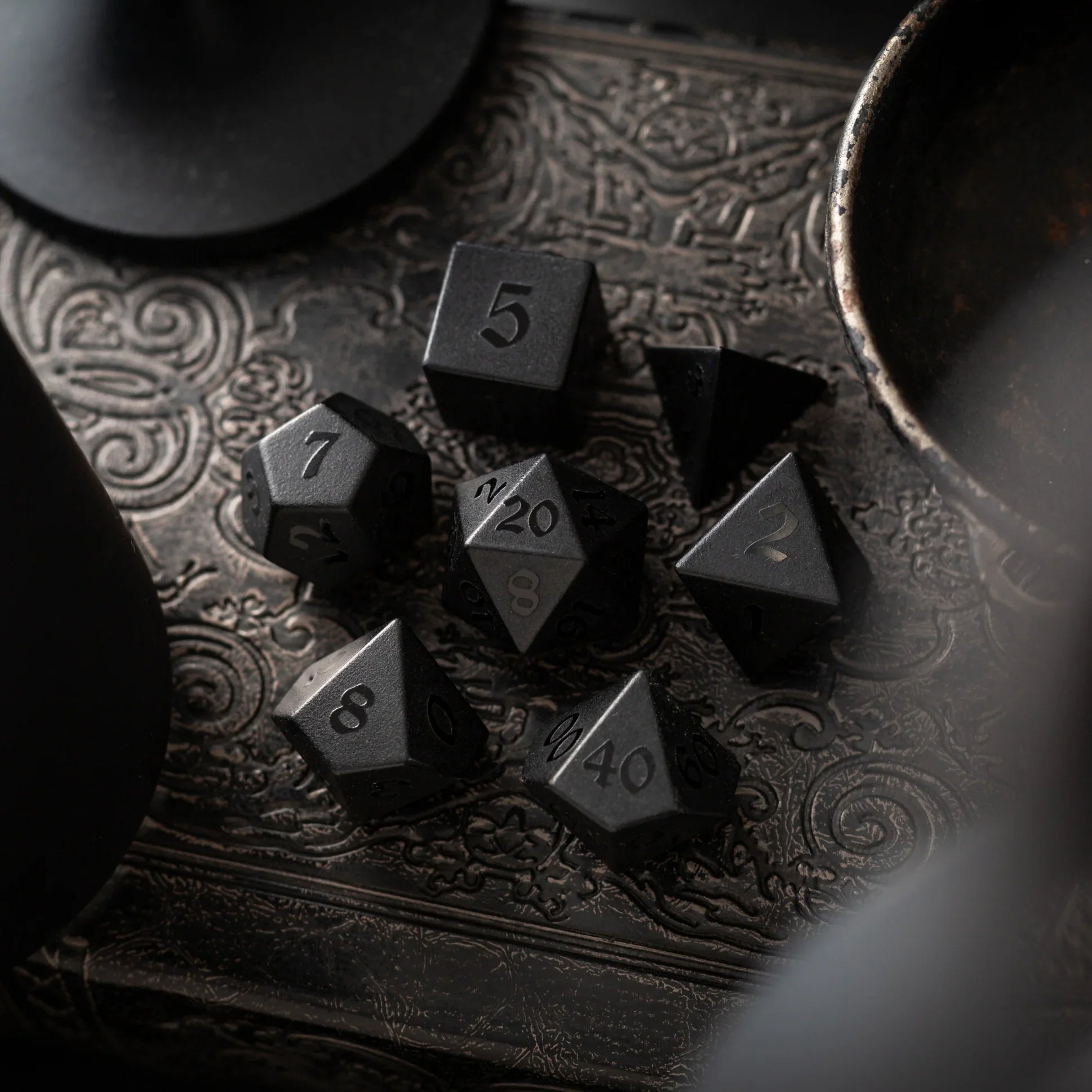
For players who enjoy matching equipment to their characters, sharp-edge dice complement refined arcane scholars, while polished metal dice suit storm-themed battle mages whose magic strikes with explosive force.
Equipment That Supports Elemental Spellcasters
Great tabletop accessories won't increase your spell damage, but they can make every session smoother.
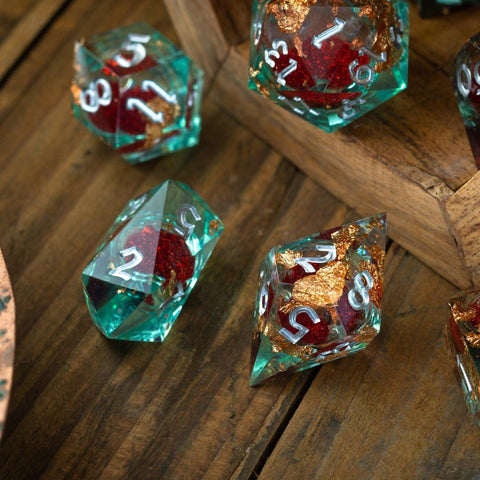
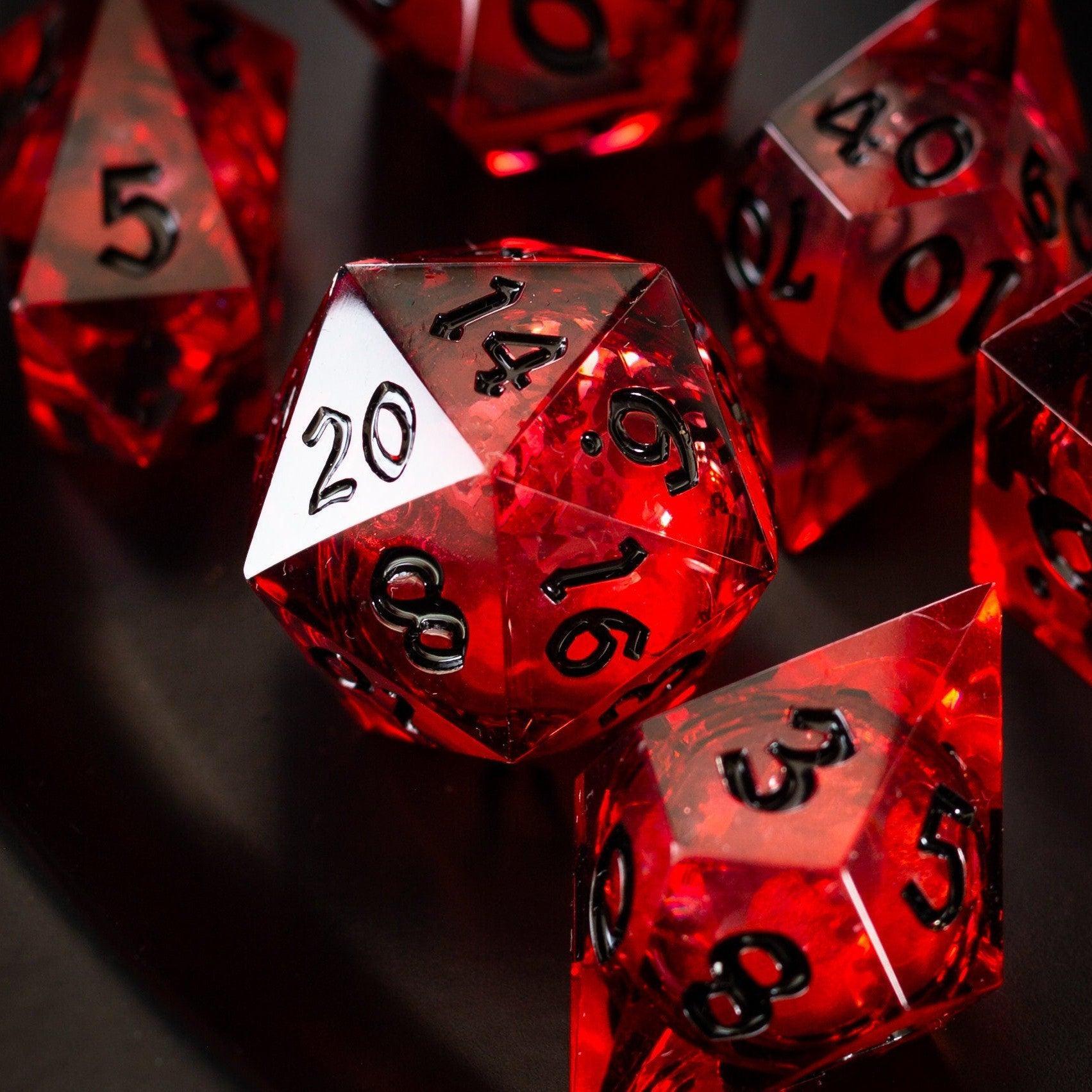
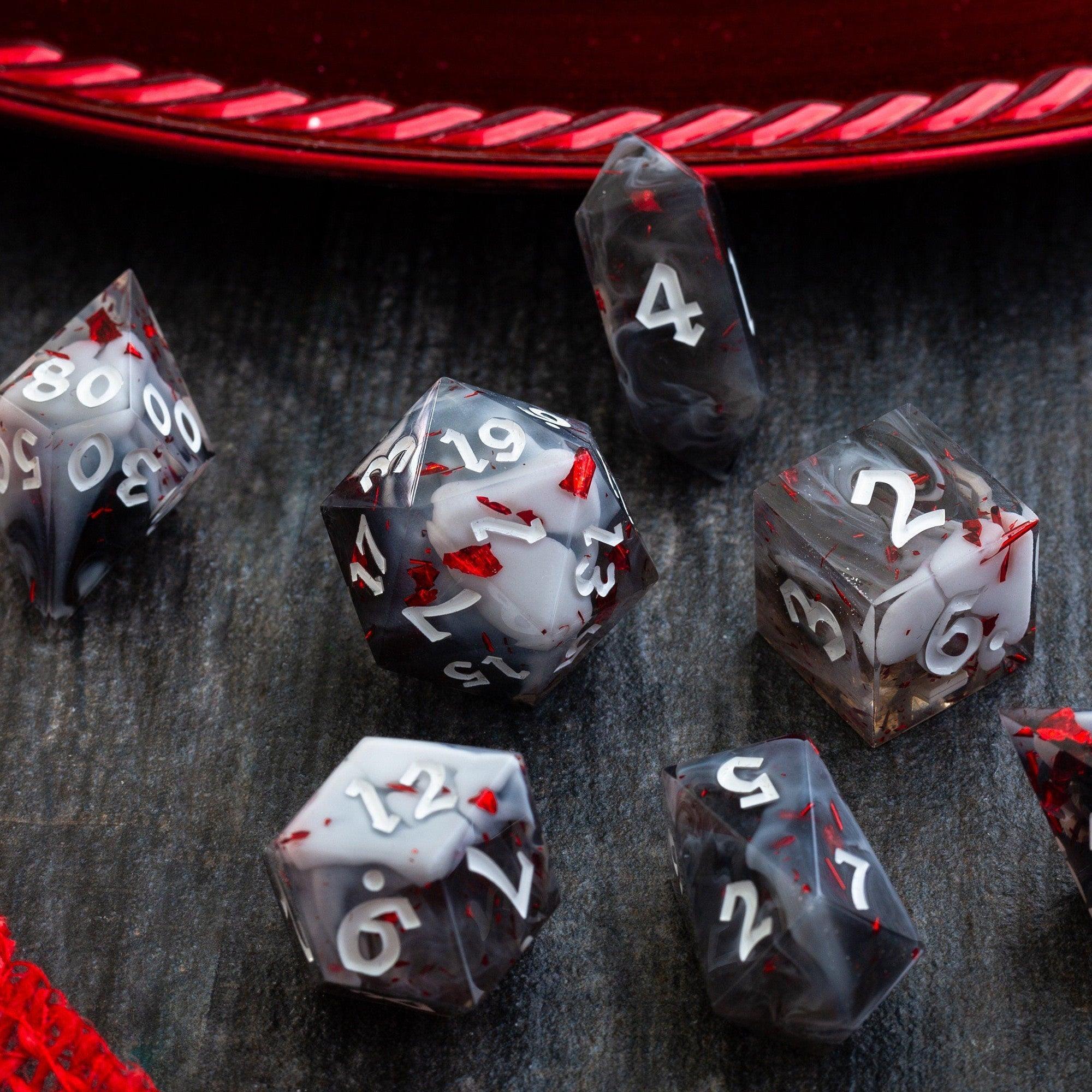
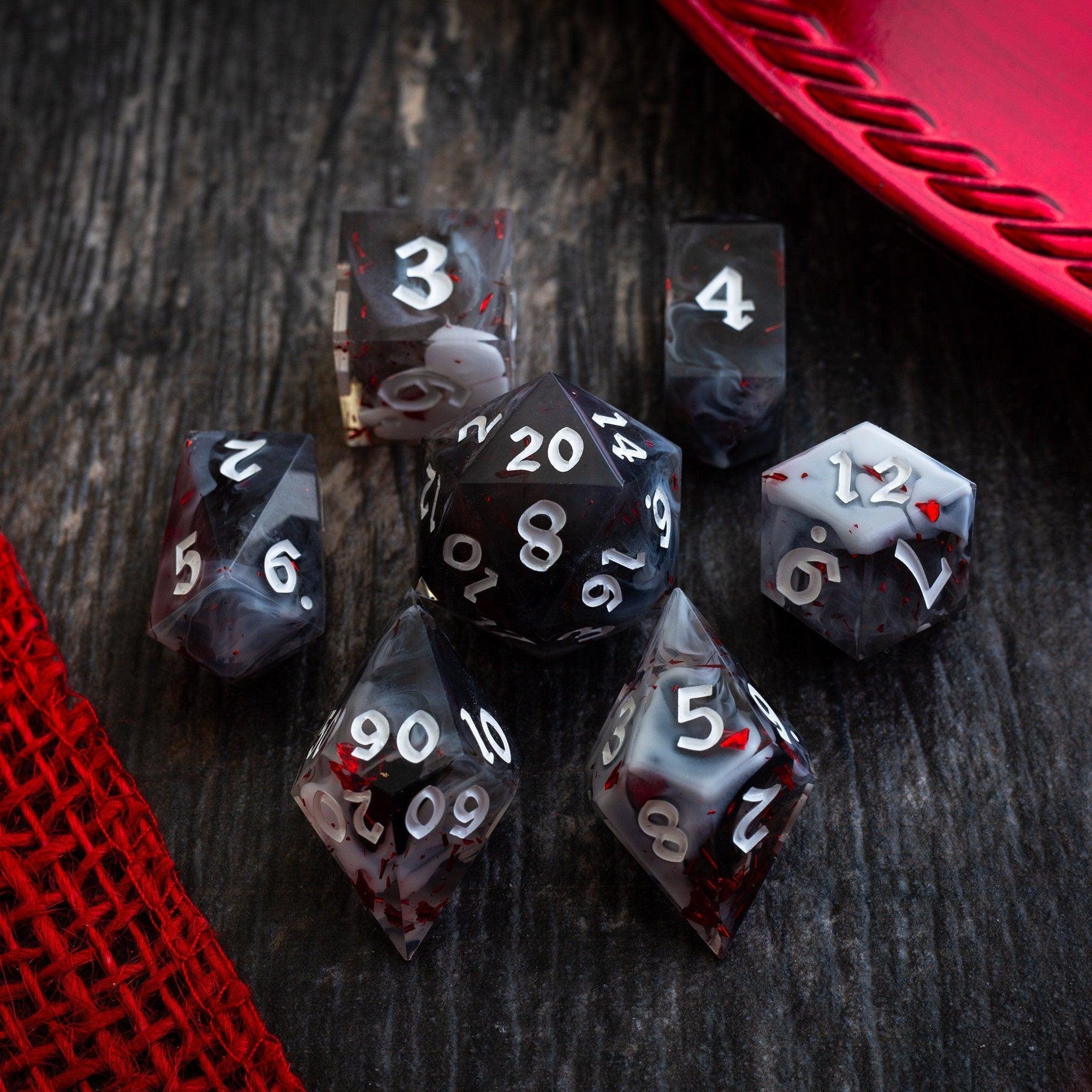
Highly readable resin dice help players quickly identify damage rolls during fast-paced combat.
Spellcasters who roll large handfuls of dice for spells like Fireball often appreciate organized rolling spaces, making a quality dice tray especially useful.
Protective storage cases keep multiple elemental-themed dice sets organized between sessions, especially for players who enjoy matching different materials to different characters.
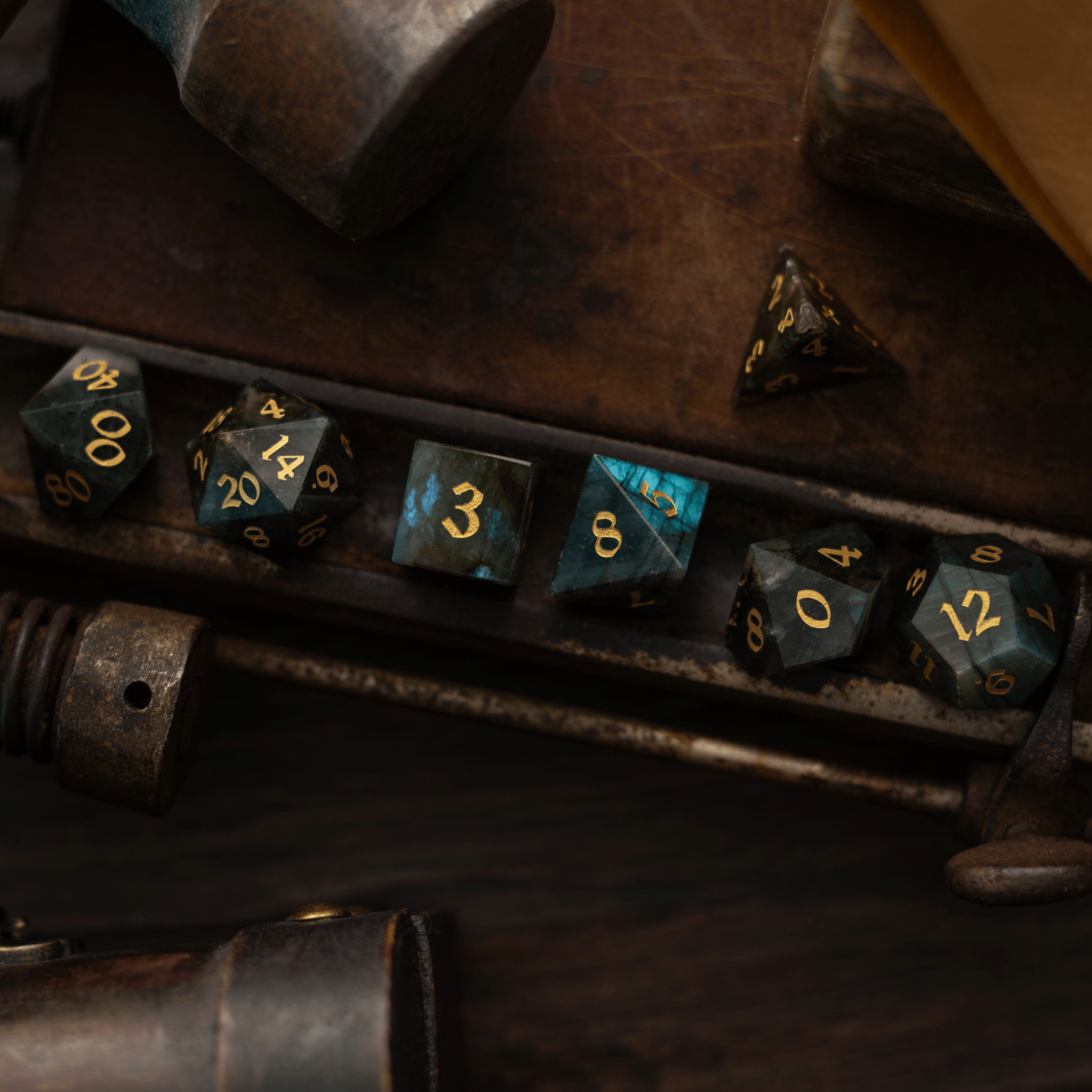
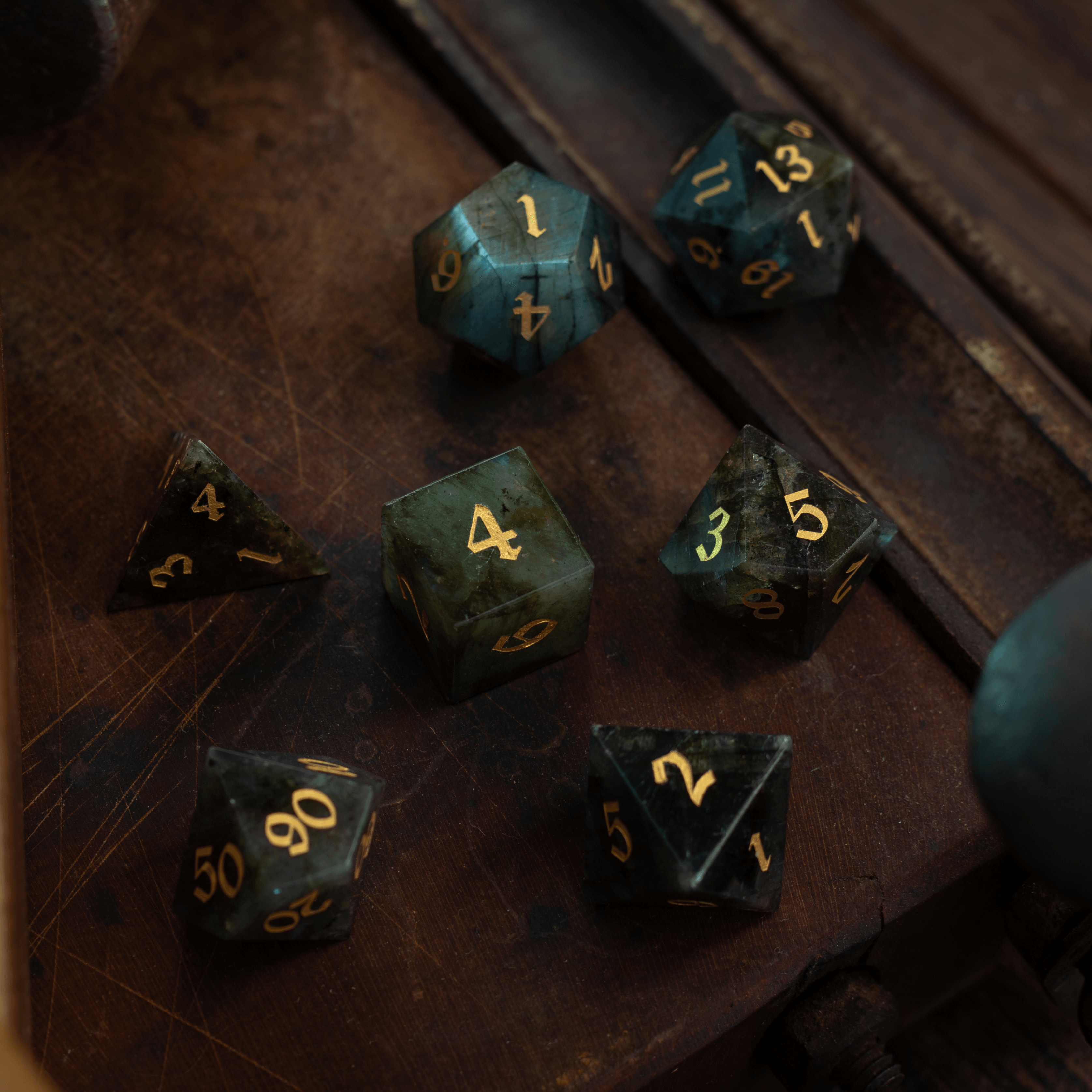
Some players even keep separate dice for different magical traditions. A druid might reach for elegant gemstone dice during nature-themed campaigns, while an artificer may prefer gleaming glass dice that resemble magically infused inventions.
These small touches reinforce character identity without slowing down gameplay.
Common Mistakes Players Make
Many players underestimate how much planning Elemental Adept requires.
Choosing an Element Without Enough Spells
Always review your class spell list before selecting the feat.
Ignoring Enemy Immunities
Resistance can be bypassed.
Immunity cannot.
Carry alternative damage options whenever possible.
Taking the Feat Too Early
Increasing your primary spellcasting ability often provides greater overall benefits at lower levels.
Over-Specializing
Don't fill every prepared spell with the same damage type.
Versatility keeps your character useful in unexpected situations.
Forgetting Battlefield Tactics
The smartest spellcaster isn't always the one dealing the highest damage.
Positioning, timing, and teamwork frequently determine victory.
Is Elemental Adept Worth Taking?
For many characters, absolutely.
It shines most when:
-
You consistently cast one elemental damage type.
-
Your subclass supports offensive spellcasting.
-
Your campaign features creatures with elemental resistance.
-
You enjoy building around a strong magical theme.
It may be less valuable if:
-
You frequently switch damage types.
-
Your spell list emphasizes buffs or healing.
-
You're playing a short one-shot where specialization has less time to pay off.
-
Increasing your primary ability score would provide greater immediate benefits.
Like many spellcaster feats, Elemental Adept rewards commitment. The more your character embraces one element, the more value the feat delivers over an entire campaign.
Harness the Power of the Elements
Elemental Adept isn't simply about increasing damage numbers. It's about choosing a magical identity and refining it over countless adventures. Whether you envision a fire-slinging evoker, a lightning-infused sorcerer, a frost-wielding druid, or a thunder-calling cleric, specializing in one element creates a character that feels both mechanically effective and thematically memorable.
By selecting complementary spells, making thoughtful tactical decisions, and building around your chosen element from the beginning of a campaign, you'll find that every spell carries greater impact. Pair that preparation with reliable tabletop accessories, organized spell management, and dice that are easy to read, and you'll spend less time managing the mechanics of combat and more time bringing your spellcaster's story to life. A focused elemental mage doesn't just cast powerful magic. They shape every battle with purpose, confidence, and a mastery of the forces they command.









Leave a comment
This site is protected by hCaptcha and the hCaptcha Privacy Policy and Terms of Service apply.