

Mastering Fantasy Game Accessories for Epic Tabletop Nights
Updated on: 2025-12-29
Want a table that looks amazing and plays even better? This guide shows you how to pick gear that boosts immersion, speeds up play, and fits your style. You’ll learn what to keep, what to skip, and how to build a kit that lasts. Simple steps, real tips, and pro-level polish—without the guesswork.
Choosing fantasy game accessories can turn an ordinary session into something you and your group remember. The trick is keeping the magic while staying practical—so your table runs smoothly, looks cohesive, and supports every roll and ruling. In this guide, I’ll help you sort the “must-haves” from the “nice-to-haves,” avoid budget bloat, and build a kit that matches your style, your campaign vibe, and your storage space.
We’ll keep things friendly and realistic. No complicated jargon—just clear steps, helpful examples, and a few handpicked recommendations to get you rolling faster and with more confidence.
Pros & Cons of Fantasy Game Accessories
- Pro: Immersion skyrockets. Dice that sparkle like stardust, a tower that sounds like thunder, or a themed marker can make every scene feel vivid and alive.
- Pro: Faster play. Clear, readable numbers and organized storage cut down on searching and rerolling, helping sessions move smoothly.
- Pro: Personal expression. Your kit reflects your character and your world, which makes play feel more special—think colors, textures, and materials that tell a story.
- Pro: Longevity with quality gear. Well-made items can last for years when cared for properly, turning purchases into long-term staples.
- Con: Cost adds up. Premium materials and handcrafted pieces can be pricey, so it’s smart to prioritize what you’ll use the most.
- Con: Storage and transport. Bulky items and delicate materials need protection, and not everyone has lots of table space.
- Con: Style over clarity. Some designs look amazing but are hard to read at a glance. That can slow down play if you’re not careful.
- Con: Table rules vary. Some groups prefer soft-rolling surfaces; others have table bans on heavy or sharp-edged dice. Always check.
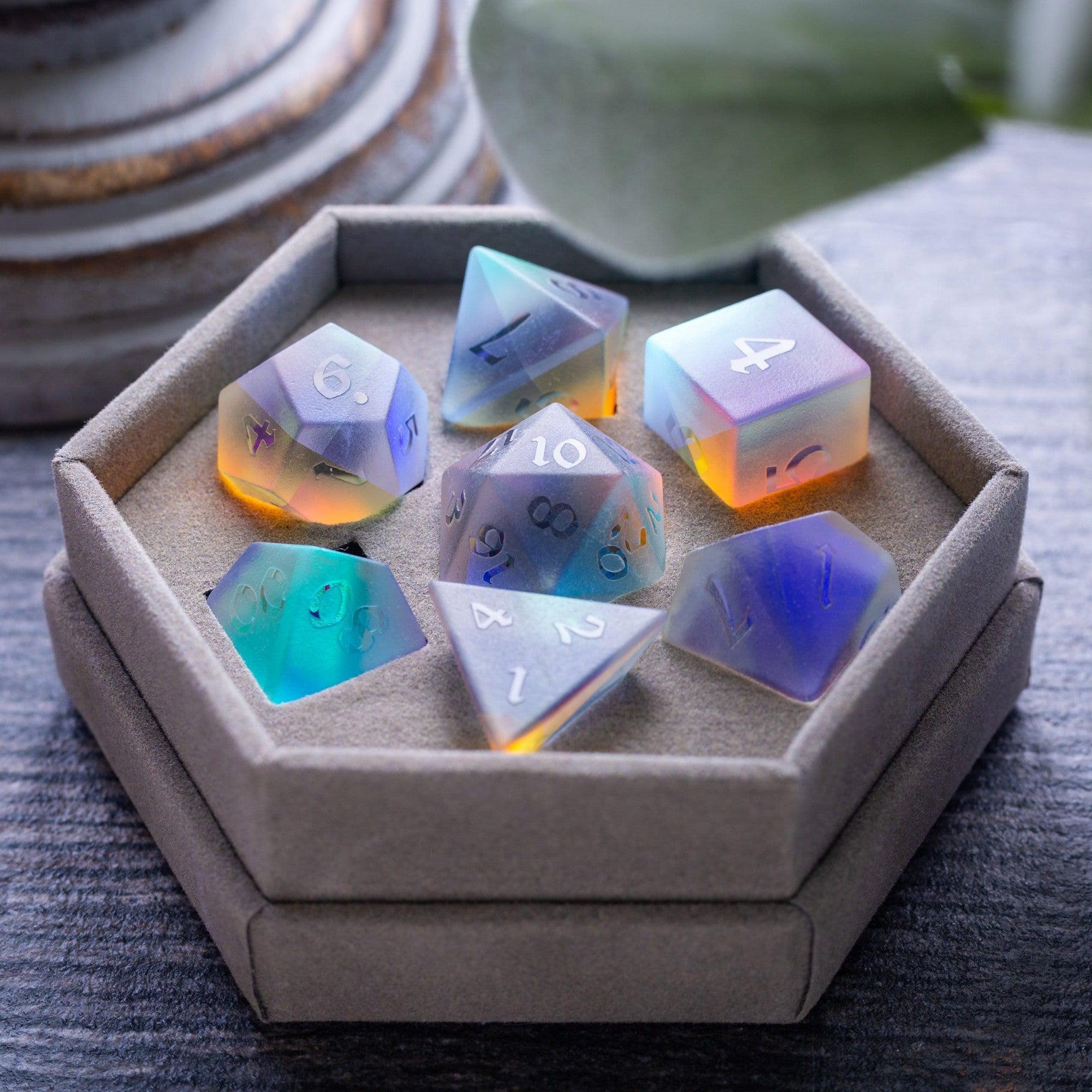
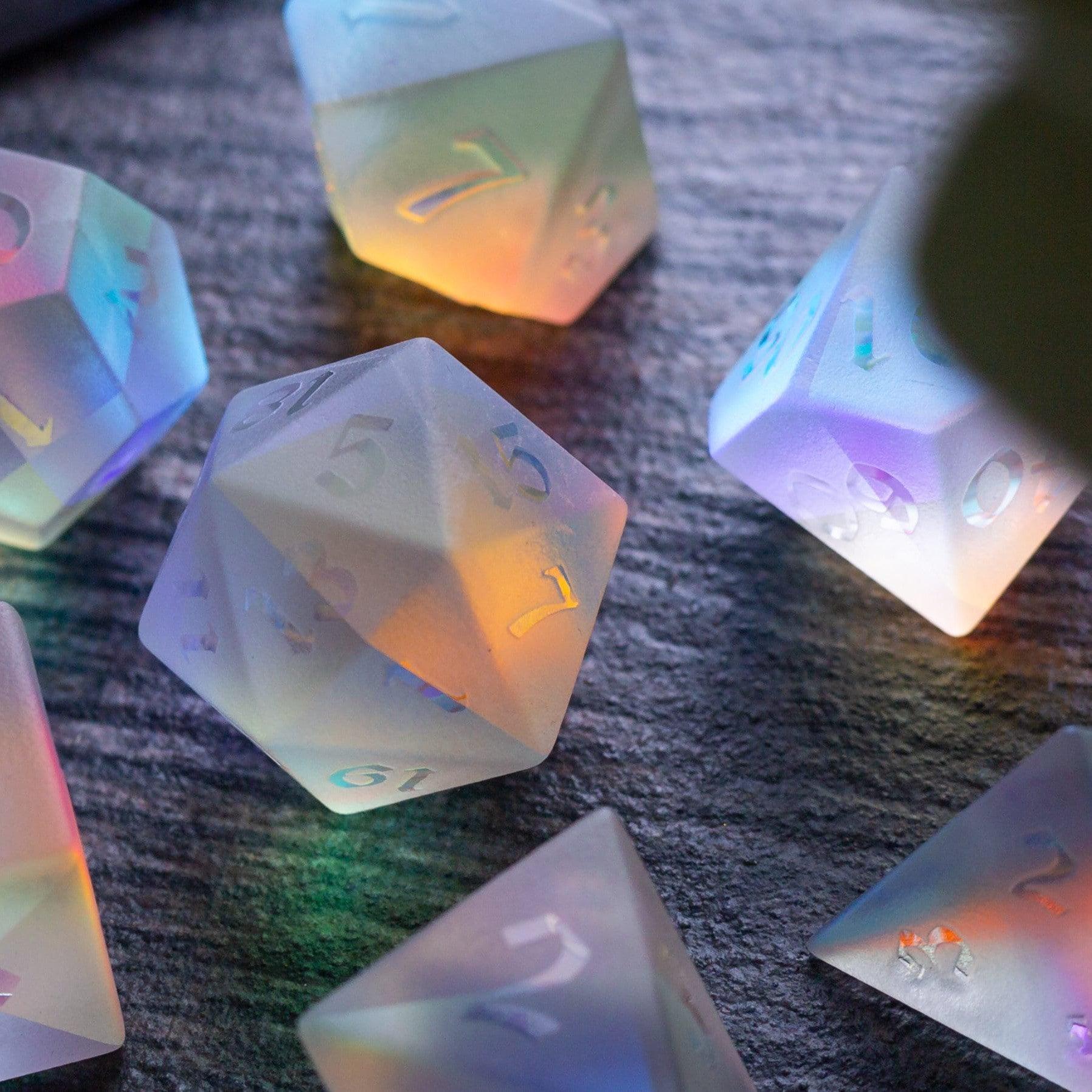
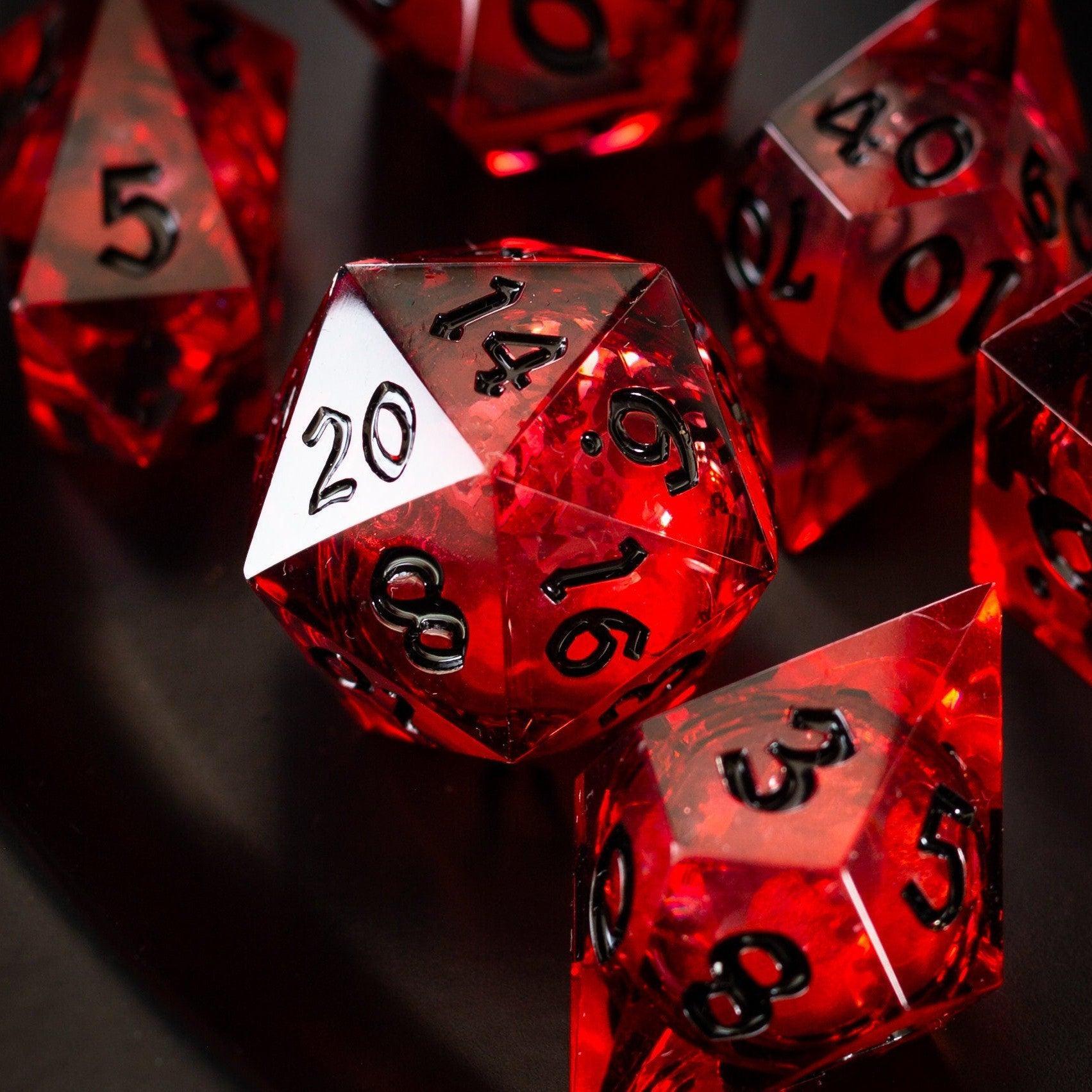
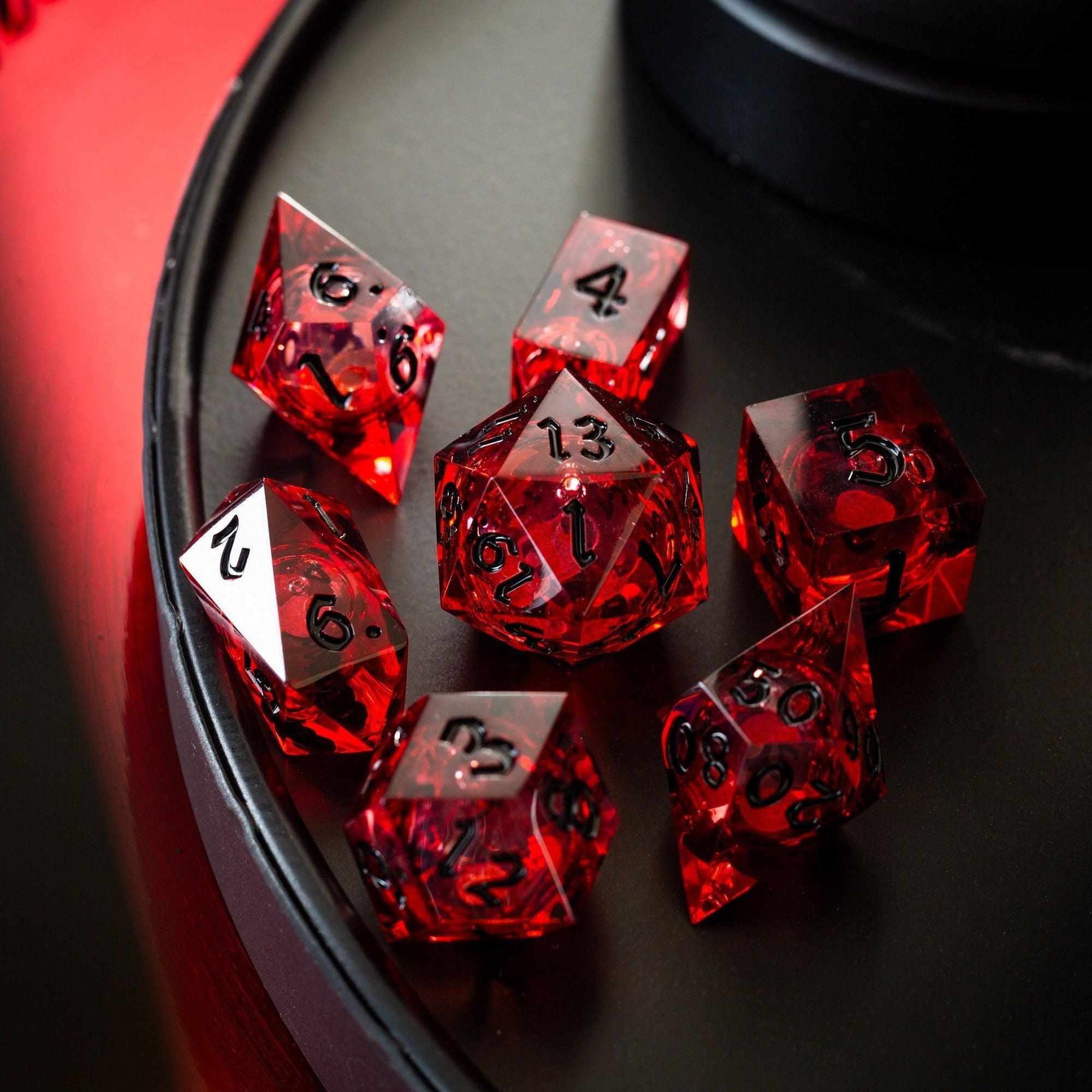
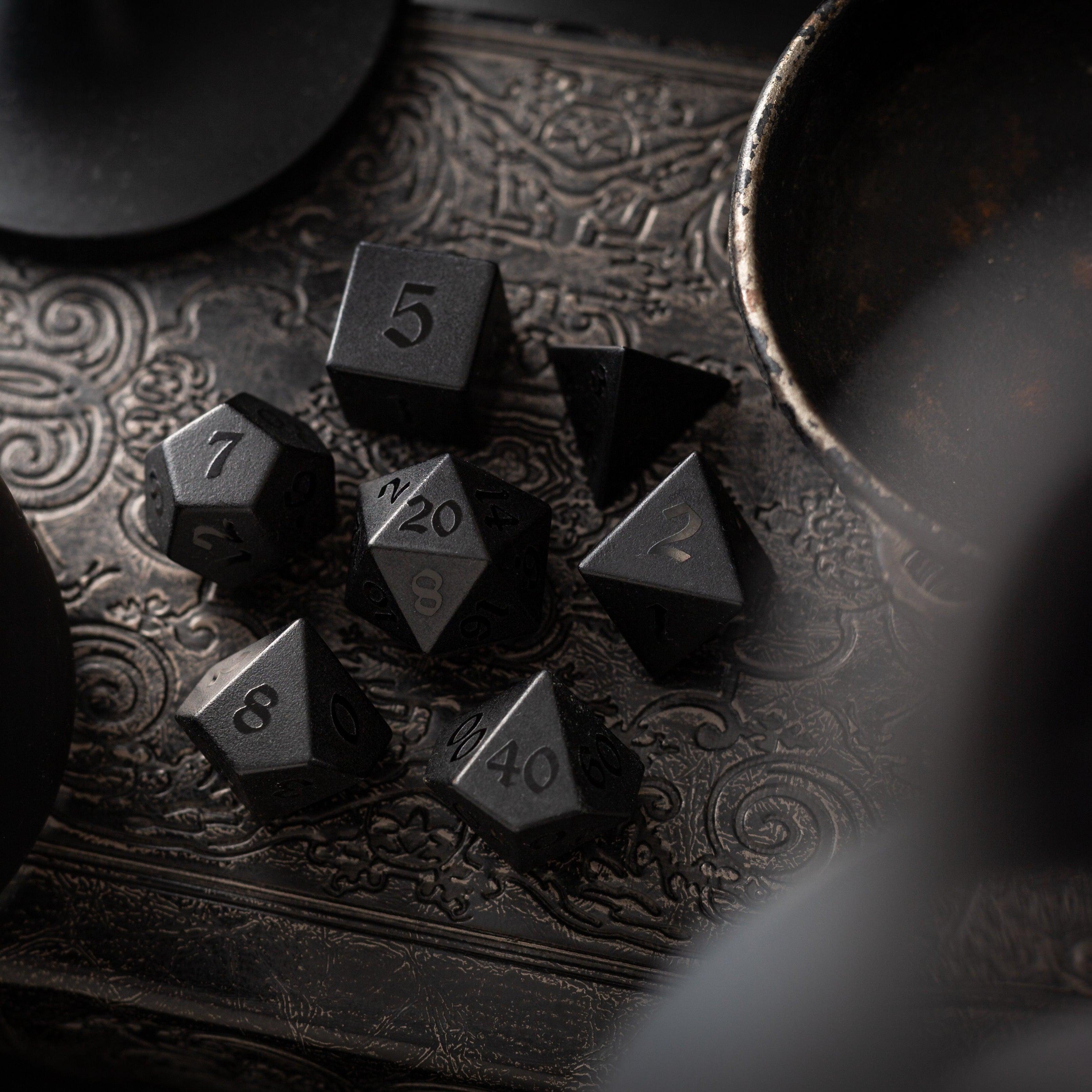
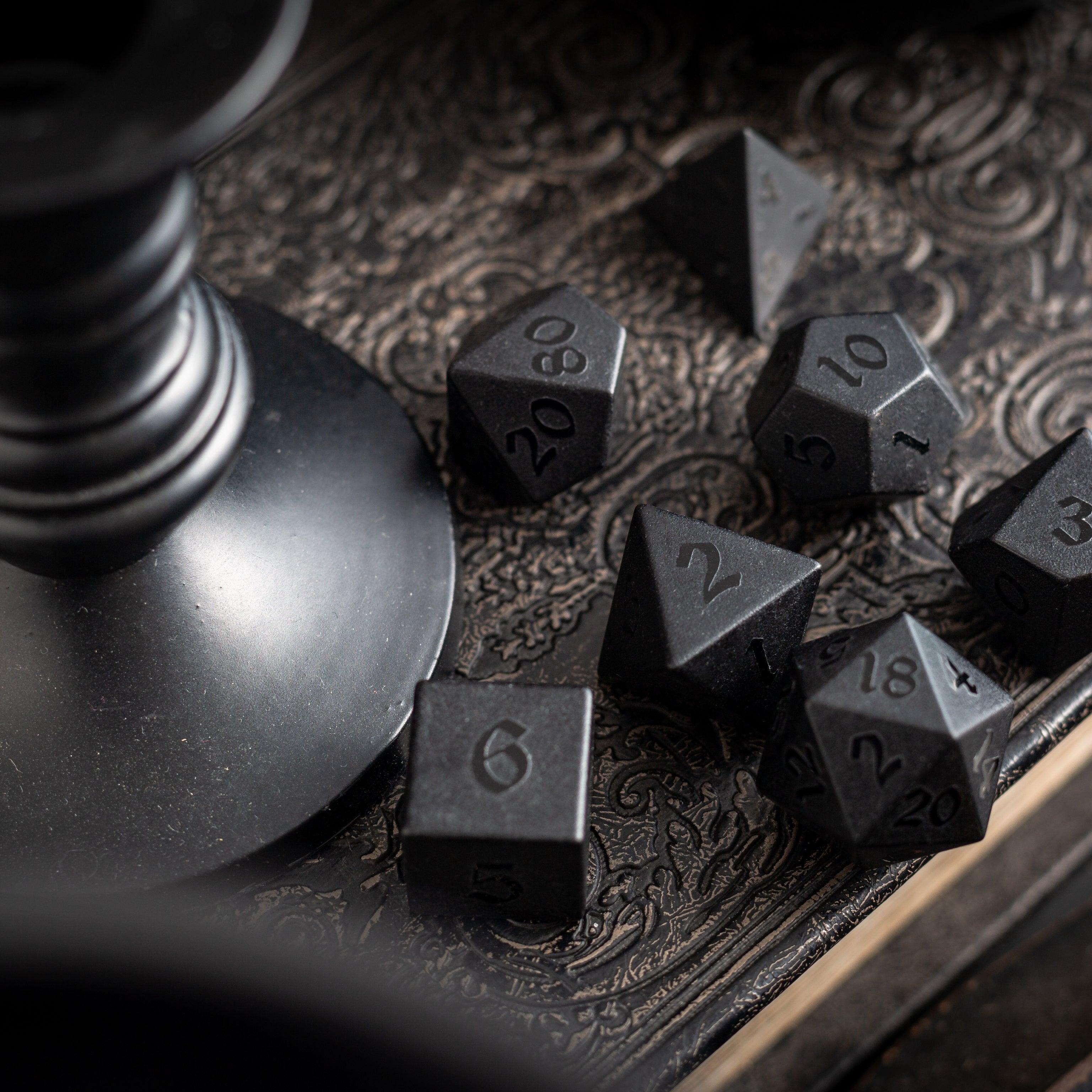
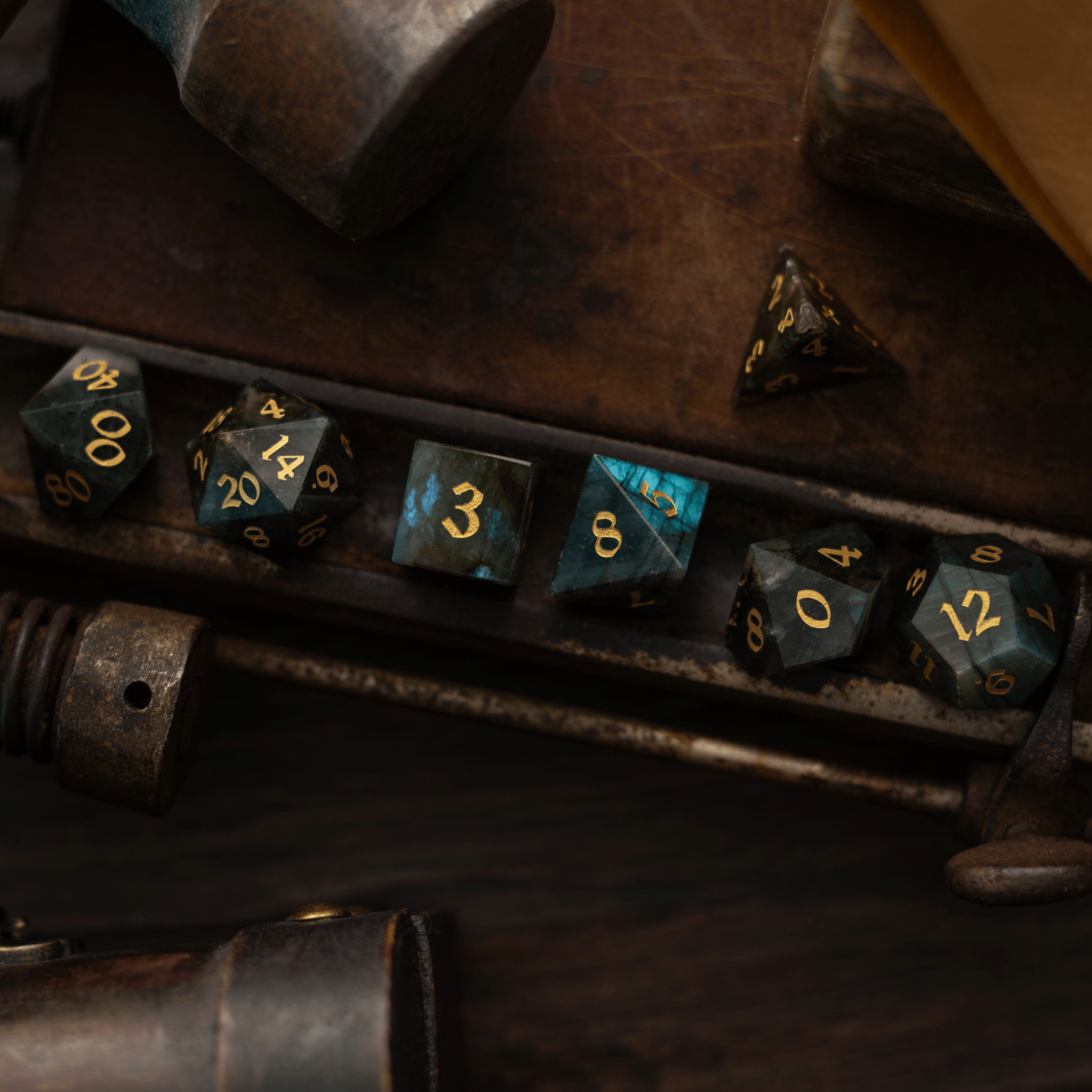
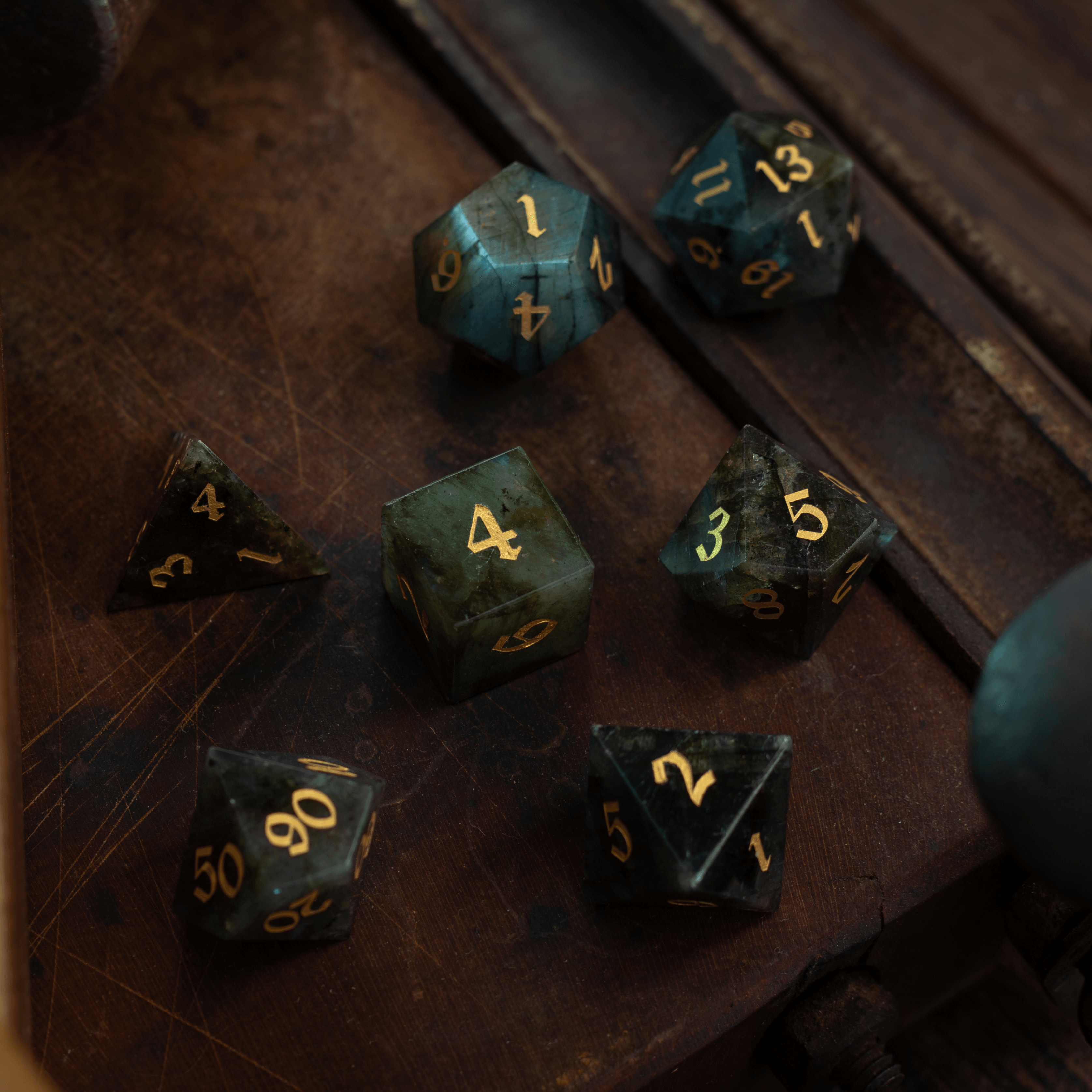
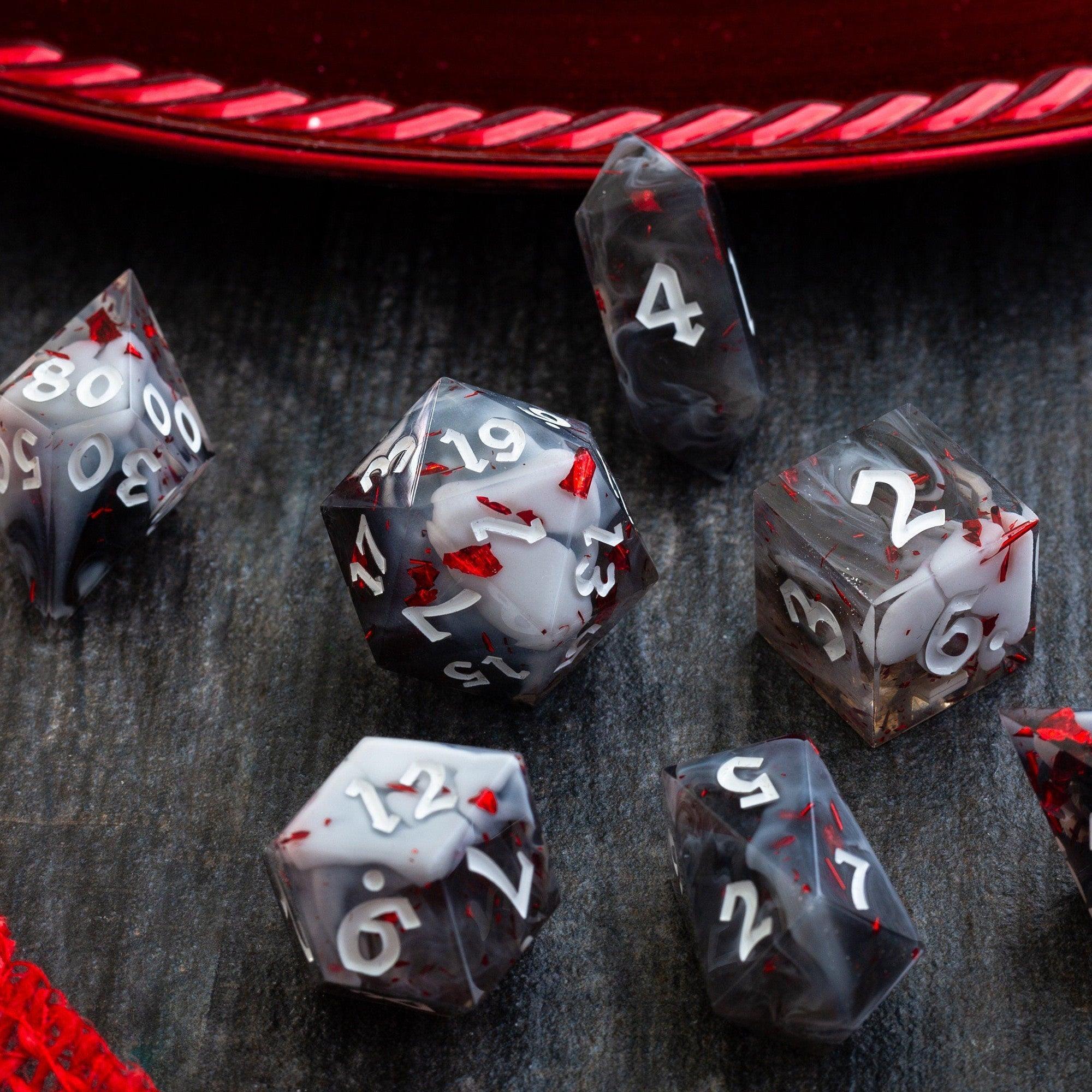
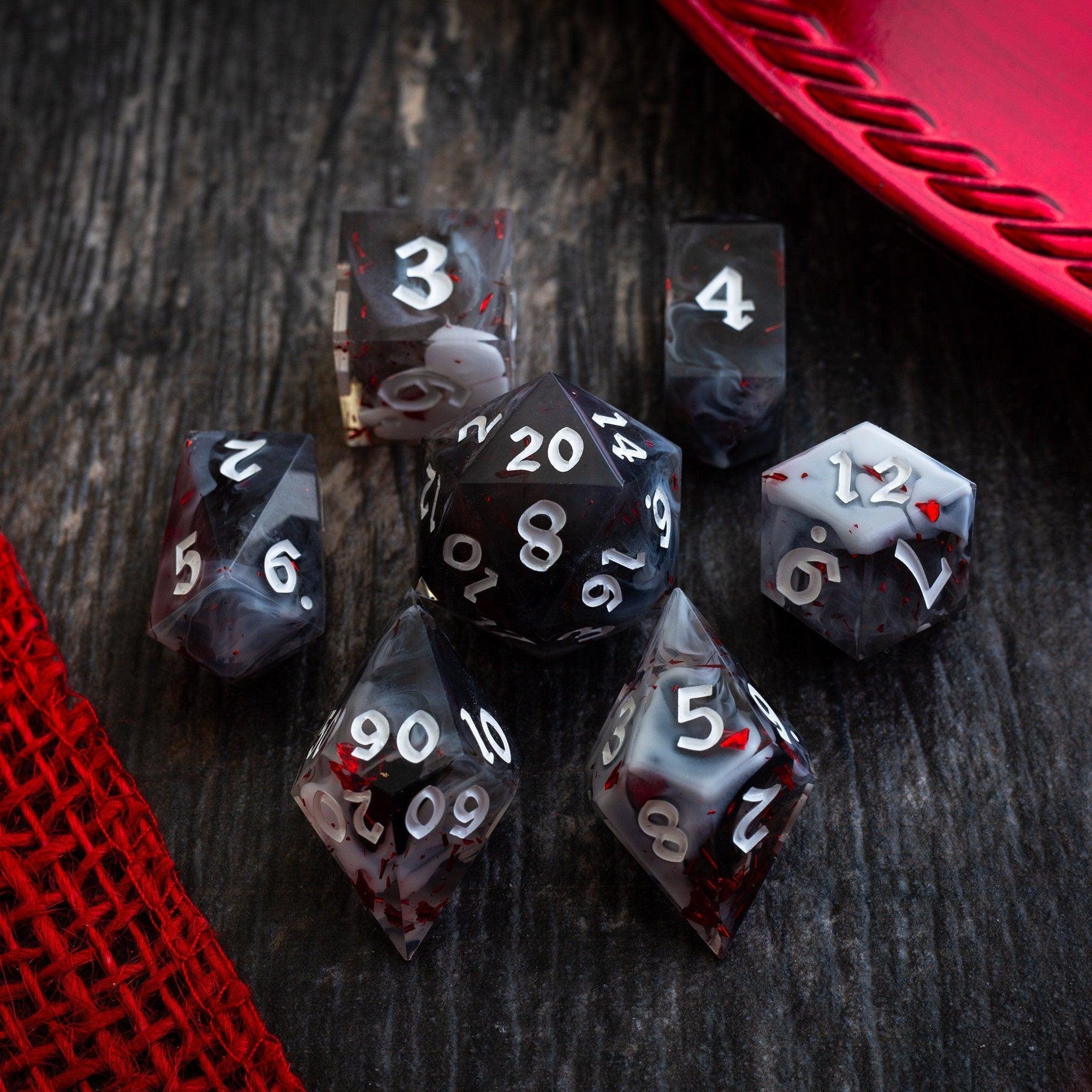
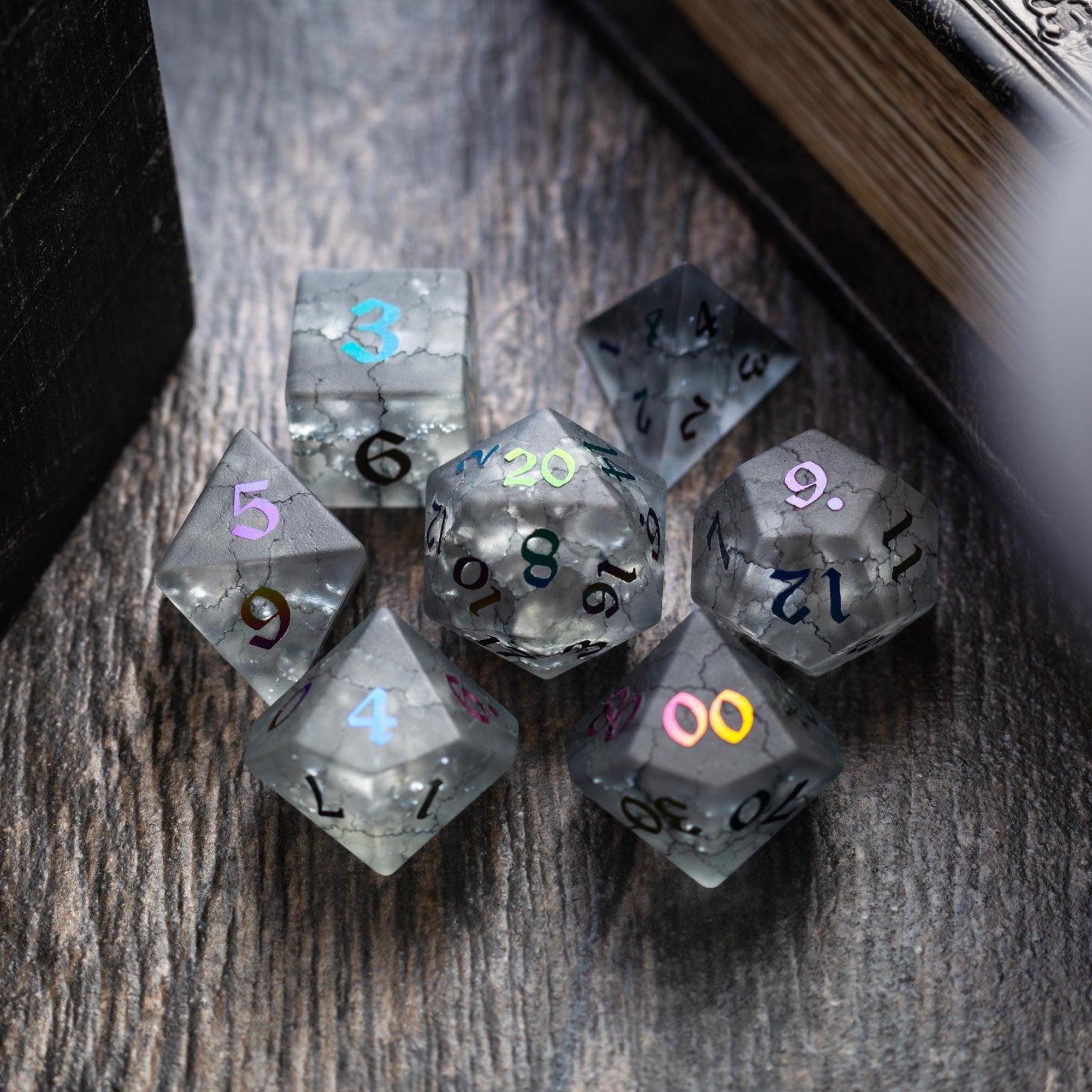
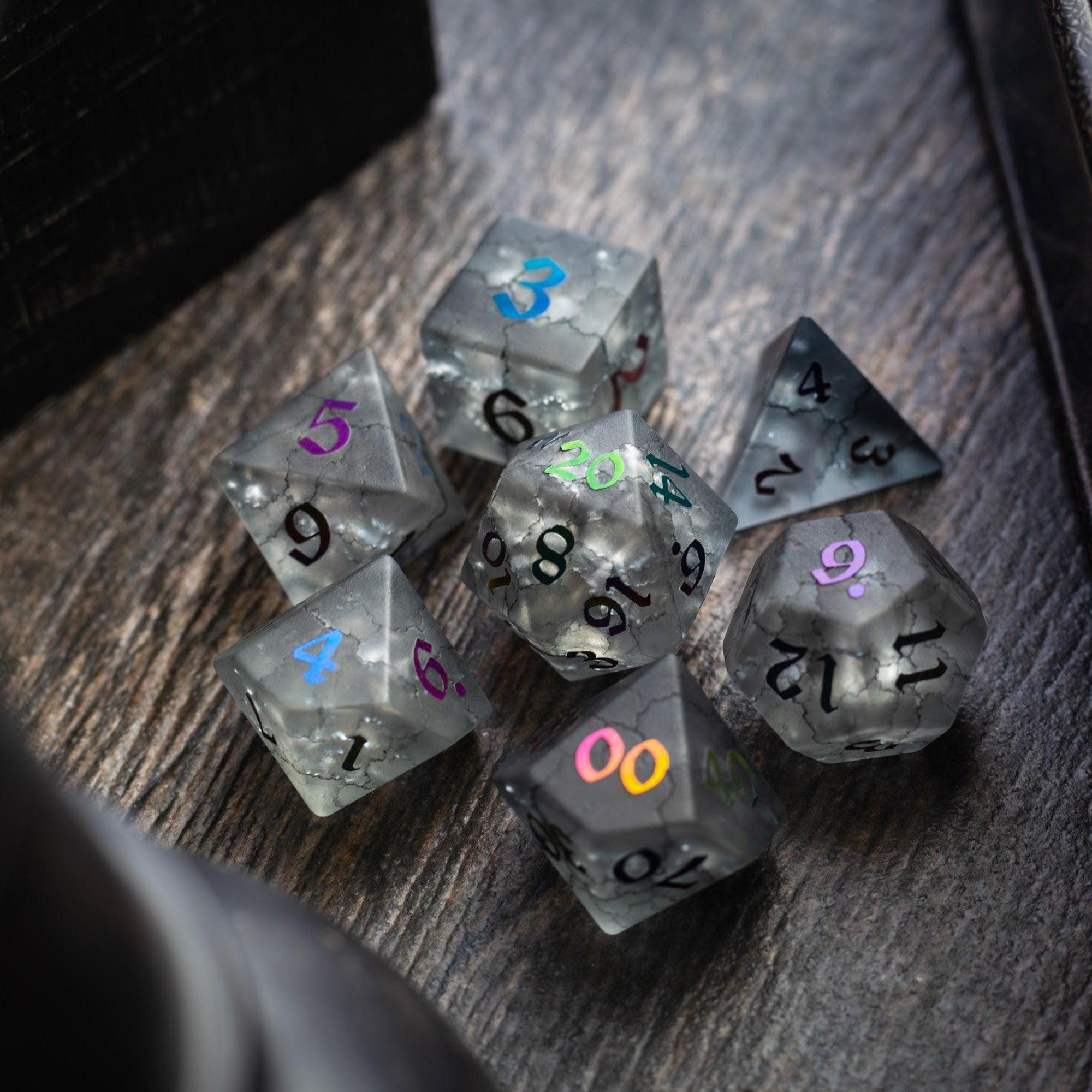
If you’re looking for a durable, eye-catching upgrade, explore premium options like gemstone dice for real heft and presence, or try the animated sparkle of liquid core dice for a striking table effect that’s still practical.
Step-by-Step Practical Guide
Step 1: Audit Your Current Kit
Start by laying out what you already own. Sort items into three piles: frequently used, sometimes used, and never used. Be honest about what actually hits the table. If an item hasn’t left the drawer in six months, it’s probably not essential. This quick audit clarifies gaps—like missing percentile dice or a rolling surface—and reveals where you’ve doubled up. From there, you can target upgrades that matter most instead of buying duplicates.
Step 2: Pick a Single Showpiece
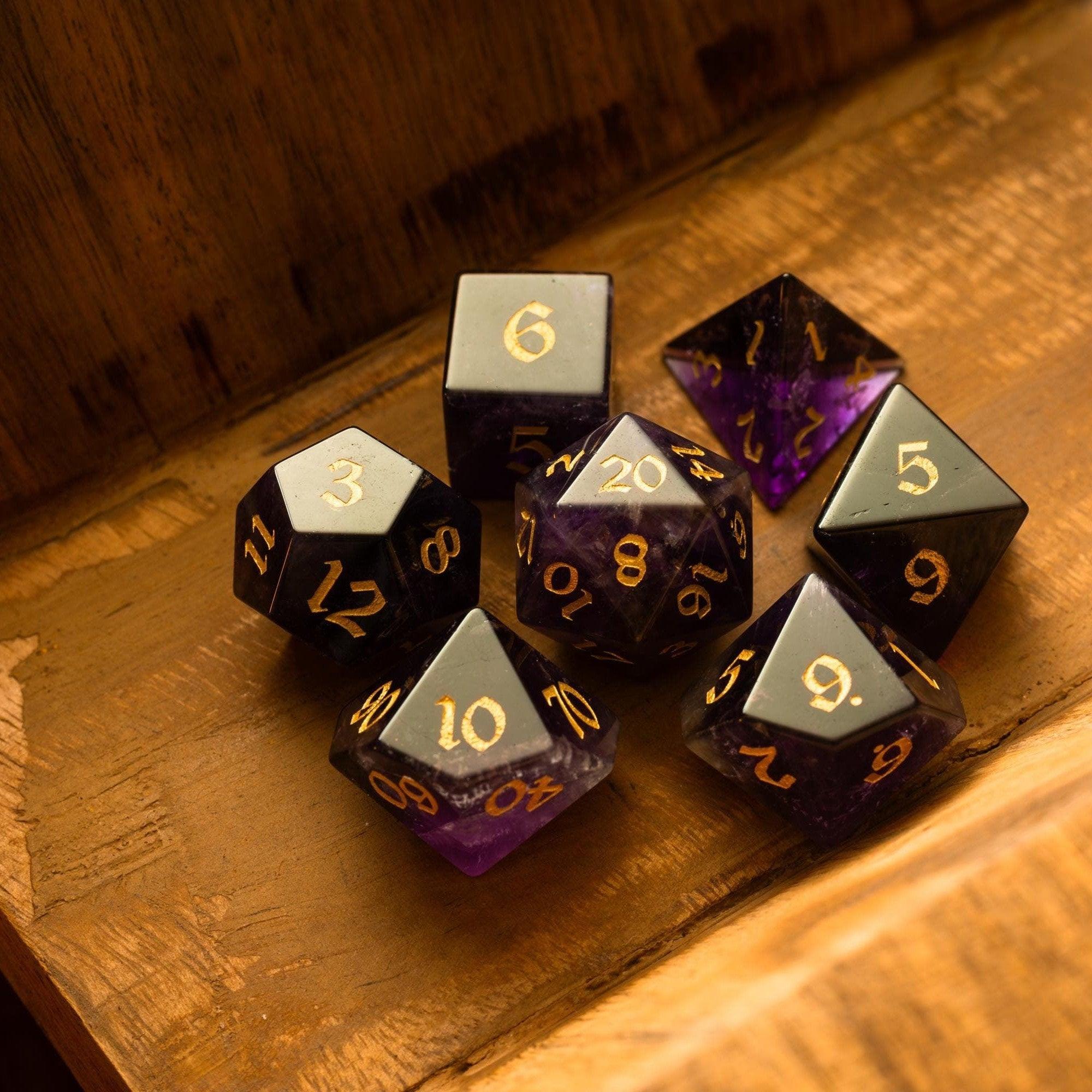
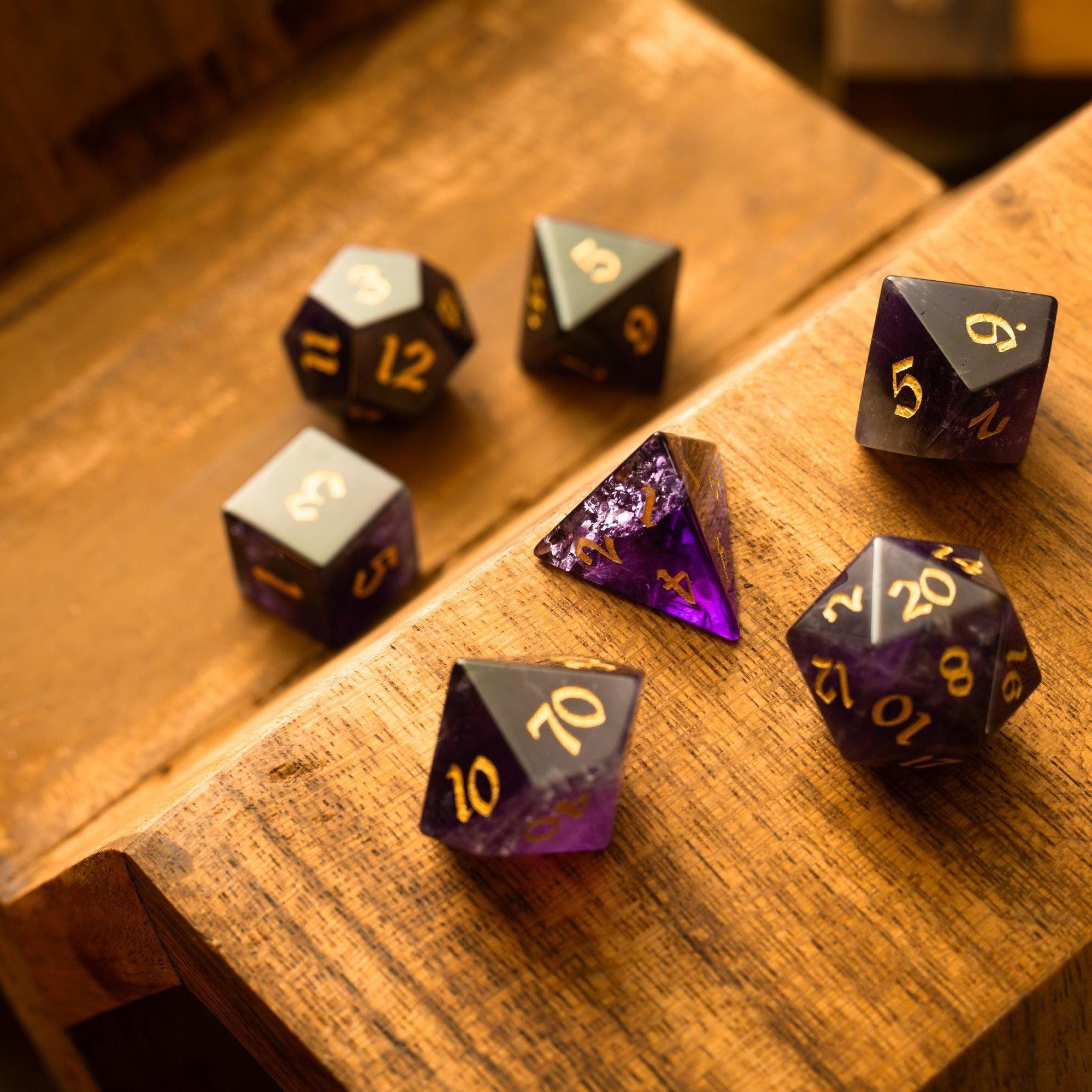
Anchor your style with one standout item rather than scattering your budget across many small trinkets. When you’re picking fantasy game accessories, start with one centerpiece that sets the mood—maybe a thematic dice set or a dramatic rolling aid. For a bold, crystalline look with table presence, check out an elegant amethyst set. That single showpiece can guide the rest of your choices, keeping your kit cohesive.
Step 3: Match Materials to Play Style
Choose materials based on how and where you play. If you roll on wood or glass, consider a tray and avoid heavy impacts. Resin is light and portable; glass and stone feel premium and substantial. If you love visuals, animated designs deliver table wow—like a shimmering Starlit Rift resin set that’s bright but still readable. Align the material to your habits and the table rules you play under to avoid conflicts.
Step 4: Balance Style and Readability
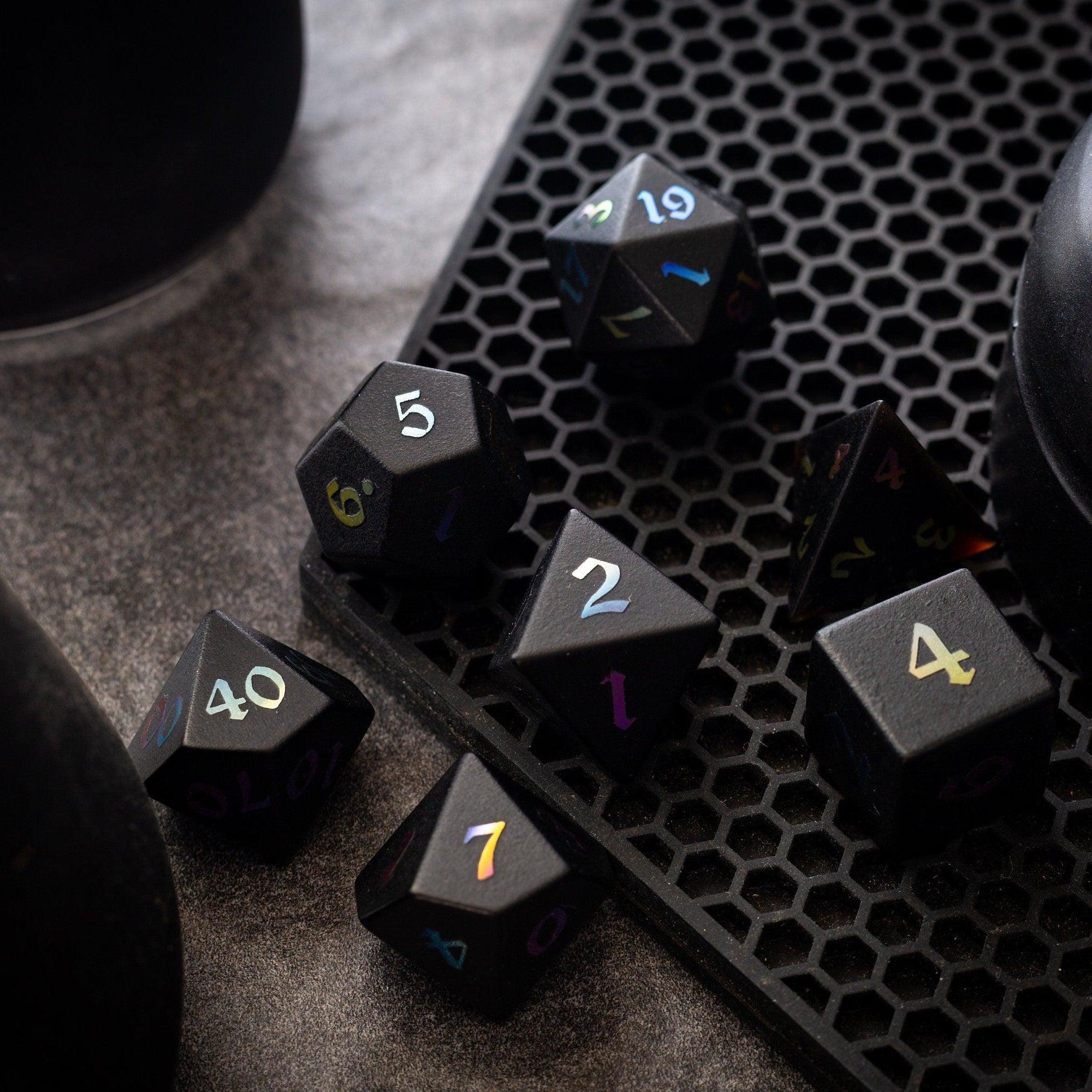
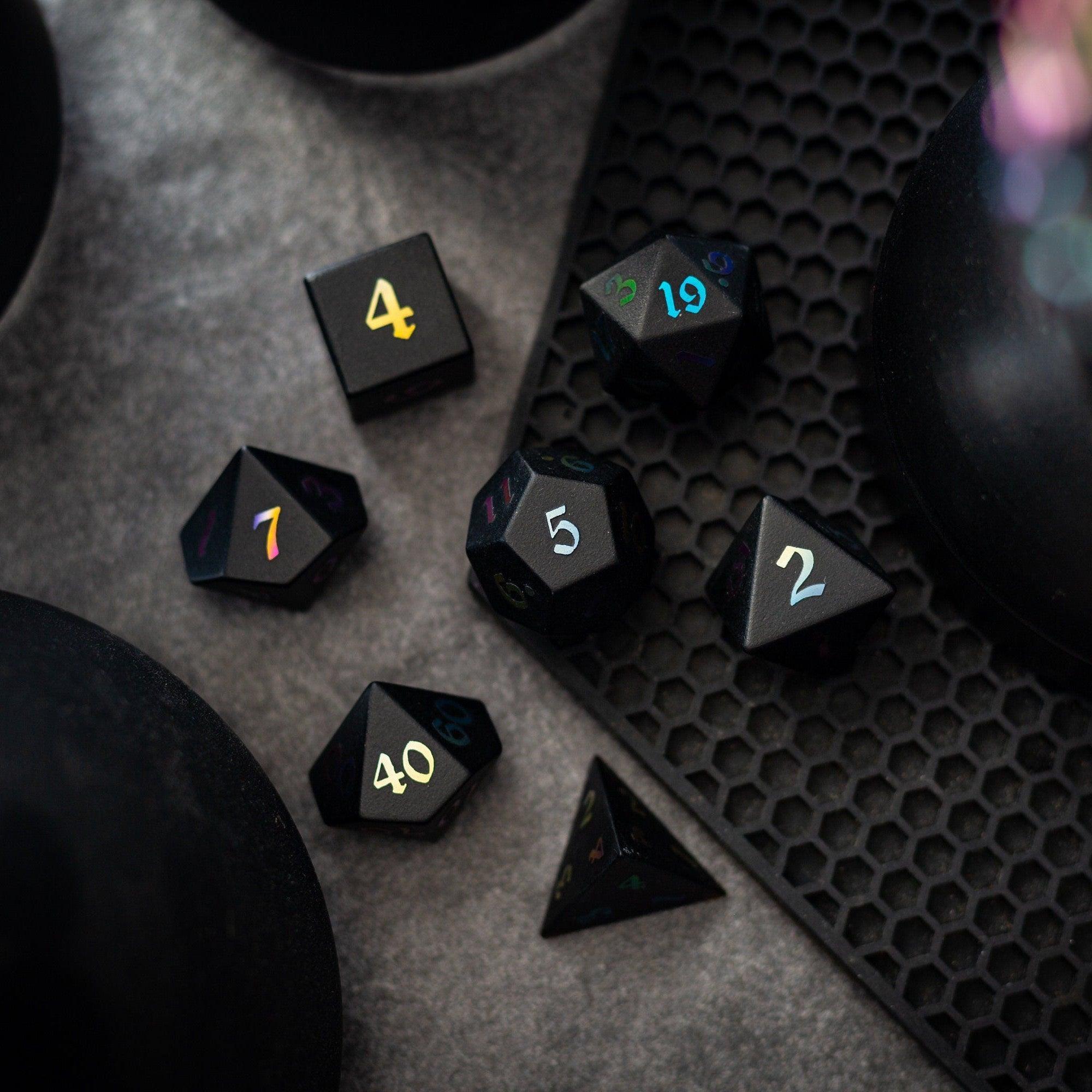
Clarity wins when play gets intense. Look for strong contrast between numbers and faces, clean edges, and consistent sizing. Test in low light if your group plays at night. High-contrast inks and smooth faces reduce misreads and rerolls. You can still have a dramatic aesthetic—think sparkling cores or dark swirls—just make sure you can read results at a glance so initiative and damage rolls don’t stall.
Step 5: Store and Protect Your Gear
Good storage extends the life of your kit and keeps the table tidy. Use padded pouches, slotted boxes, or a tray with a lid if you travel. Separate heavy materials from fragile ones to avoid scuffs. If you lean toward striking, animated designs, secure them in a case to prevent scratches. Protective storage also supports table etiquette, since you’ll be prepared with a soft surface for rolling from the moment you sit down.
Step 6: Set a Simple Budget
Give yourself a tiered plan: one showpiece, one utility upgrade, and one comfort item. For example, a premium set as your hero piece, a clear and readable backup set for long sessions, and a soft tray for noise control. Review your spend every few months and rotate what you bring to the table. This approach keeps your kit fresh, reduces impulse buys, and ensures every item earns its place.
Quick tip: If you like the look of premium glass or stone but want something lively and budget-friendly, animated styles are a fun middle ground. Or, if you prefer classic elegance and weight, browse the broader range of liquid core dice again or go straight for timeless materials in the gemstone dice lineup. Pick one signature piece and build around it for a clean, consistent table vibe.
Wrap-Up
Your table kit should work as hard as you do behind the screen or on the character sheet. Start small, invest where it counts, and protect what you buy. One strong centerpiece, practical materials, clear readability, and reliable storage will carry you through campaigns for years. If you want a standout set with presence, consider a premium piece like an amethyst set. If you prefer eye-catching motion and glow, a dynamic option such as the Starlit Rift resin set can add instant drama without sacrificing clarity.
Friendly note: Always check your group’s table rules. Roll heavy materials on soft surfaces and store delicate items in padded cases. Treat your kit well, and it will reward you with years of reliable play.
Q&A
Are gemstone dice durable?
Yes, when used with care. Stone and glass sets are sturdy but not invincible. Roll them on padded mats or trays to protect edges and table surfaces. Keep them in individual slots or soft pouches when traveling. With basic care, they’ll last for years and keep their polished look.
How many dice sets do I really need?
One primary set and one backup is plenty for most players. A backup saves time when dice scatter or go missing mid-session. If you play multiple characters or systems, add a themed set for variety. Beyond that, focus on storage and readability rather than sheer quantity.
What’s the best gift choice for a player?
Pick a single, memorable piece that fits their style. For dramatic sparkle, animated designs are a crowd-pleaser. For elegance and weight, a polished stone set makes a lasting impression. If you’re unsure, choose a neutral colorway with high-contrast numbering so it fits any character or campaign.


Leave a comment
This site is protected by hCaptcha and the hCaptcha Privacy Policy and Terms of Service apply.