
Evocation Wizard Guide for Beginners: Mastering the Elemental Destruction in D&D 5e

The Evocation Wizard in D&D 5e focuses on powerful spells such as Fireball, Lightning Bolt, and Thunderwave. This subclass is a good choice if you enjoy dealing damage to several enemies at once while finding ways to protect your party.
In the 2024 Player's Handbook, the subclass is called the Evoker. The earlier 2014 rules call it the School of Evocation. Both versions support a damage-focused Wizard, but some features arrive at different levels. This guide explains the updated rules and points out important differences for groups using the older books.
Why Play an Evocation Wizard?
Key Benefits
- Strong Area Damage: Fireball and Lightning Bolt can hit several enemies with one spell.
- Safer Teamwork: Sculpt Spells can protect selected allies from certain damaging evocation effects.
- Reliable Cantrips: Potent Cantrip helps you deal damage even when a target avoids your spell.
- Better Spell Damage: Empowered Evocation adds your Intelligence modifier to one damage roll of an eligible spell.
- Clear Playstyle: The subclass is approachable for beginners but still rewards careful positioning and spell choices.
Other Wizard subclasses may offer stronger defenses, tricks, or control. Evocation stands out when you want to deal damage without forcing your allies to retreat every time you cast an area spell.
Core Features
Key Mechanics and Abilities
Evocation Savant (Level 3, 2024 Rules)
- Add two Wizard evocation spells of level 2 or lower to your spellbook for free.
- Whenever you gain access to a new spell-slot level as a Wizard, add another eligible evocation spell for free.
Potent Cantrip (Level 3, 2024 Rules)
- When a damaging cantrip misses its attack roll or its target succeeds on a saving throw, the target still takes half the cantrip's damage, if any.
- The target avoids other effects of the cantrip. This is useful with Fire Bolt or Ray of Frost when an attack misses.
Sculpt Spells (Level 6, 2024 Rules)
- When you cast an evocation spell affecting creatures you can see, choose up to one plus the spell's level to protect.
- Those creatures automatically succeed on their saving throws and take no damage if a successful save would normally halve the damage.
- For example, a 3rd-level Fireball can spare up to four visible allies. This protection does not automatically remove every possible non-damage effect.
Empowered Evocation (Level 10)
- Add your Intelligence modifier to one damage roll of a Wizard evocation spell you cast.
- With 20 Intelligence, that means a +5 bonus to one eligible damage roll, not +5 to every damage die or every target separately.
Overchannel (Level 14)
- When you cast a damaging Wizard spell using a level 1 through 5 spell slot, you can maximize its damage on that turn.
- An 8d6 Fireball becomes 48 fire damage before saving throws and other reductions.
- Your first use between long rests is safe. Later uses deal increasing necrotic damage to you that ignores resistance and immunity.
Using the 2014 rules? You gain Evocation Savant and Sculpt Spells at level 2, Potent Cantrip at level 6, and the other two features at levels 10 and 14. The older Potent Cantrip works on successful saves, not missed spell attacks. Its Evocation Savant reduces the time and gold required to copy evocation spells instead of granting free ones.
Suggested Ability Scores
- Primary: Intelligence. Improves your spell attack bonus, spell save DC, and later evocation damage.
- Secondary: Constitution. Gives you more hit points and helps you maintain Concentration.
- Also Important: Dexterity. Helps your Armor Class and initiative when you are not wearing armor.
Recommended Races and Species
In the 2024 rules, ability score increases come from your background rather than your species. Choose a background that supports Intelligence, then consider these options:
- High Elf: Extra magic and useful elven traits fit a flexible spellcaster.
- Gnome: Gnomish Cunning helps defend against certain magical threats.
- Human: The 2024 Human gains an additional Origin feat; Variant Human is an older-rules option.
- Hobgoblin: A good thematic choice for a disciplined battlefield mage if your DM permits it.
- Githyanki: Offers useful mobility magic in versions where this species is available.
Playing as an Evocation Wizard
Role in a Party
- Area Damage Dealer: Use Fireball, Lightning Bolt, and later Chain Lightning when enemies group together.
- Battlefield Controller: Spells such as Web can restrict movement, while Wall of Fire can make an area dangerous to cross.
- Flexible Problem Solver: Keep room for utility and defensive spells instead of preparing only attacks.
Tips for New Players
- Check your allies' positions: Under the 2024 rules, you do not gain Sculpt Spells until level 6.
- Keep a backup damage type: Fire-resistant enemies make lightning, cold, or force damage useful.
- Use defenses early: Mage Armor, Shield, and cover can help you survive.
- Watch Concentration: A spell such as Web may be more useful than immediate damage in a difficult fight.
Beginner-Friendly Build Example
For a level 5 Evoker using the 2024 rules, prioritize Intelligence, take Fire Bolt as a reliable cantrip, and prepare Magic Missile, Shield, Web, and Fireball when available. Open with Web if enemies need to be slowed, or Fireball if several enemies are safely grouped. At level 6, Sculpt Spells gives you more freedom to cast near teammates.
Gear and Dice Recommendations
Suggested Equipment
Weapons & Arcane Focus
- Staff of Fire: Lets an attuned Wizard cast spells including Fireball and Wall of Fire using charges.
- Wand of the War Mage: Improves spell attack rolls, though it does not raise your spell save DC.
Armor & Defensive Items
- Cloak of Protection: Provides a bonus to Armor Class and saving throws.
- Ring of Fire Resistance: Helps against fire damage, especially from enemy spellcasters.
Magic Items
- Pearl of Power: Can restore an expended spell slot within its limits.
- Tome of Clear Thought: Can permanently improve Intelligence after its required study.
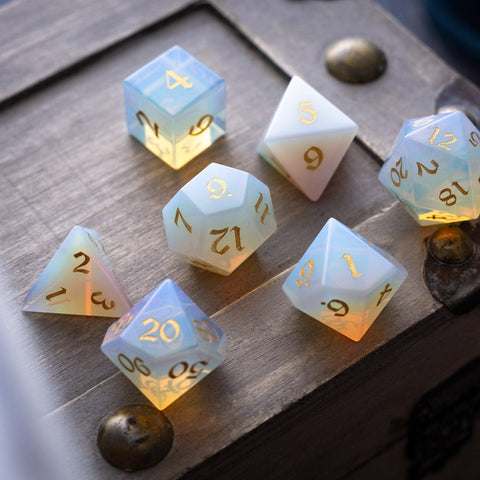
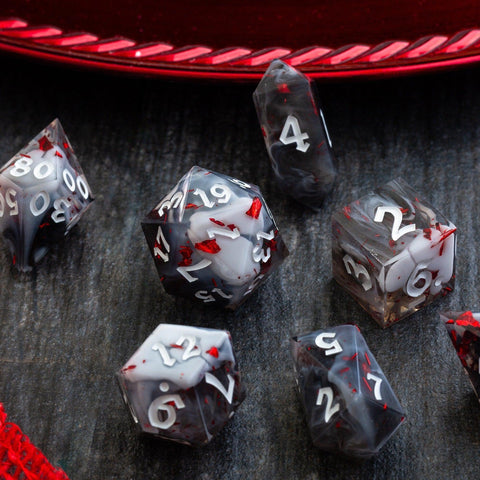
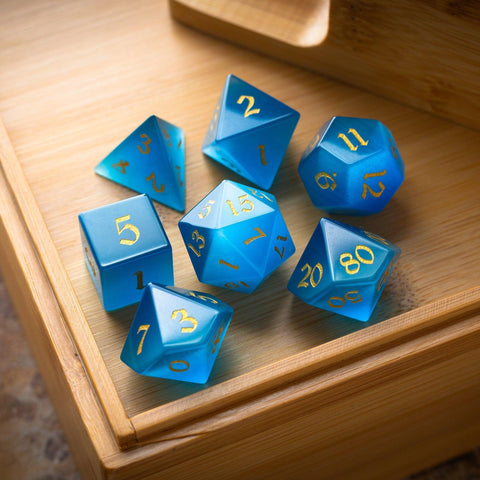
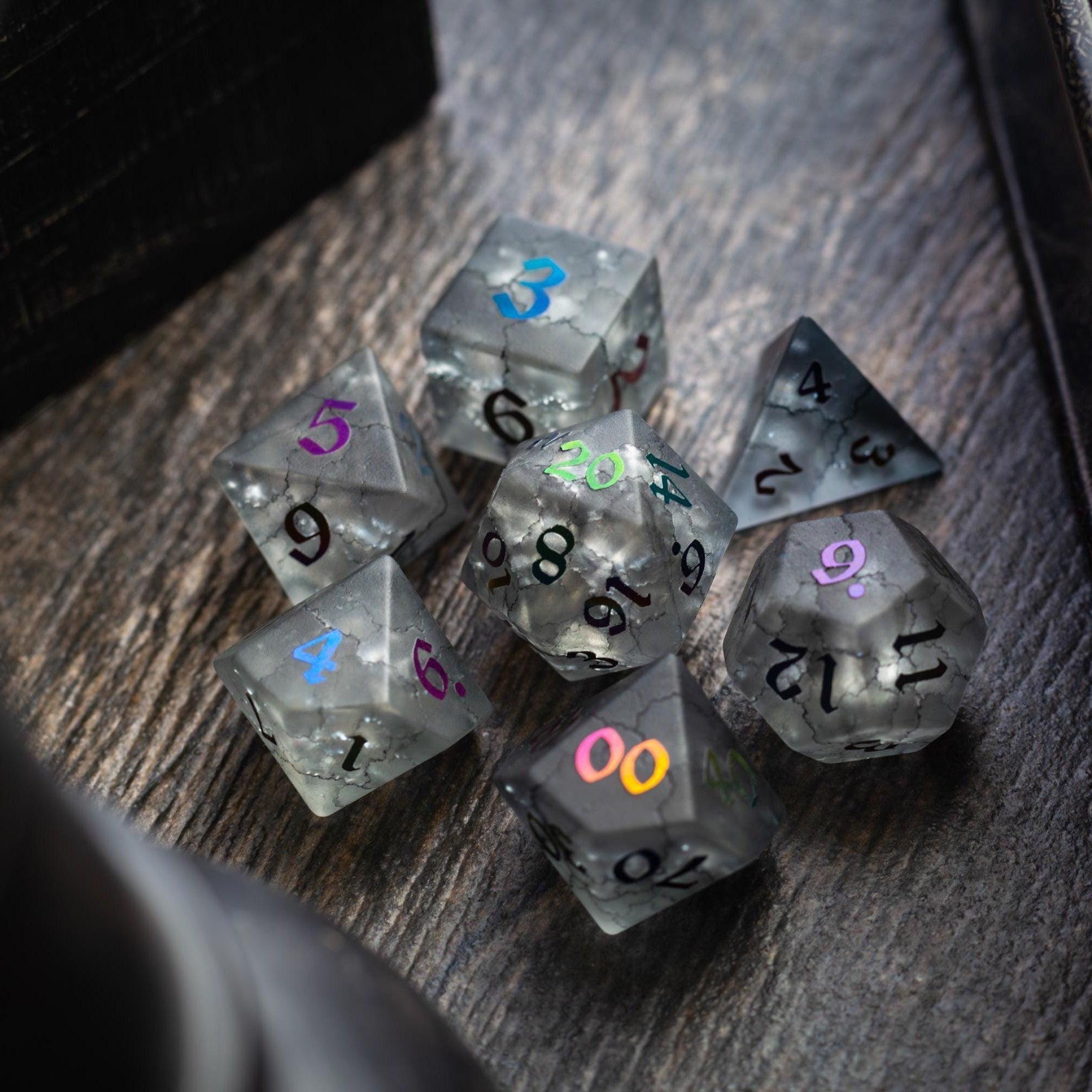
Dice Recommendations from Runic Dice
For an Evocation Wizard, a set of DND dice can reflect the colors of your favorite spells. These three sets suit different versions of an elemental spellcaster:
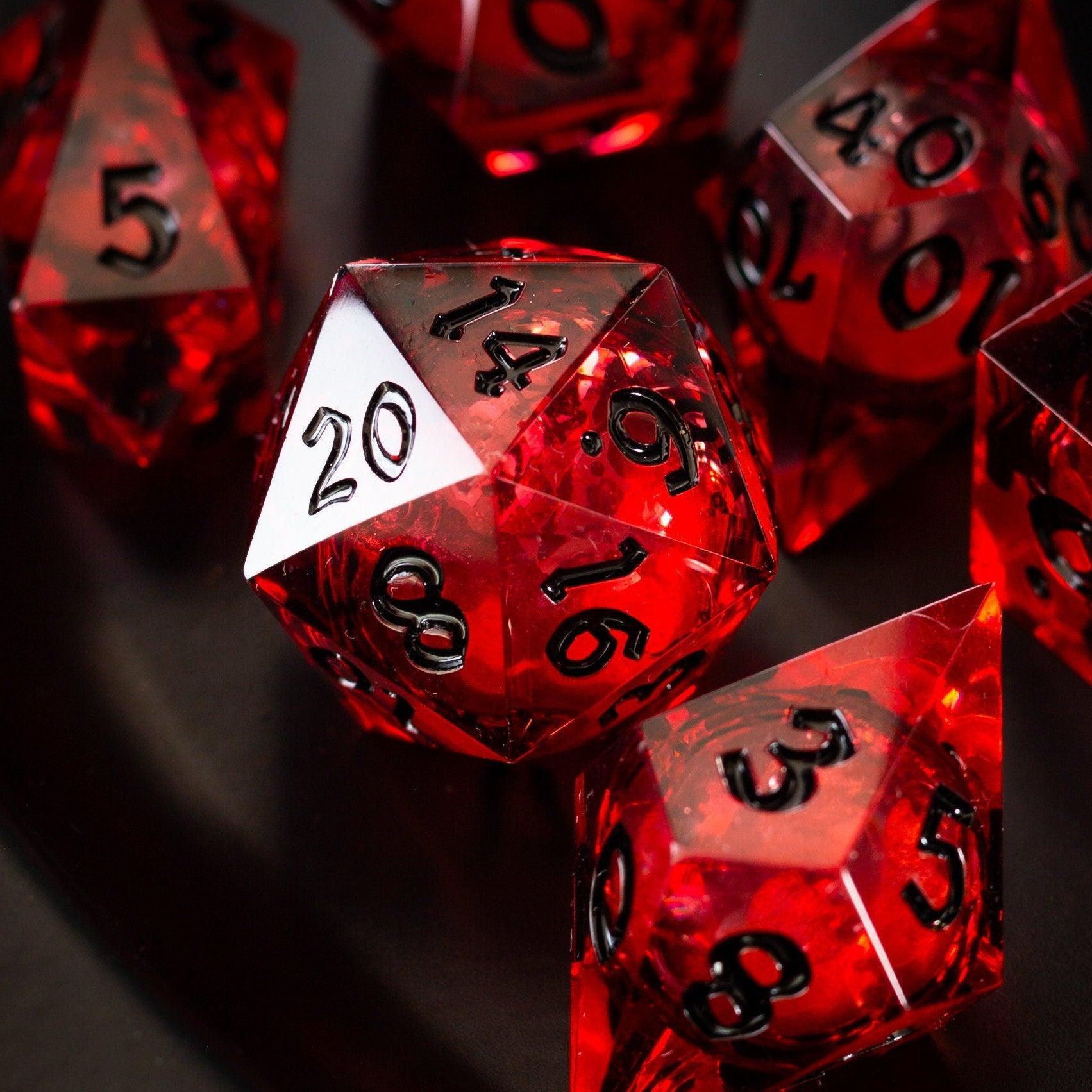
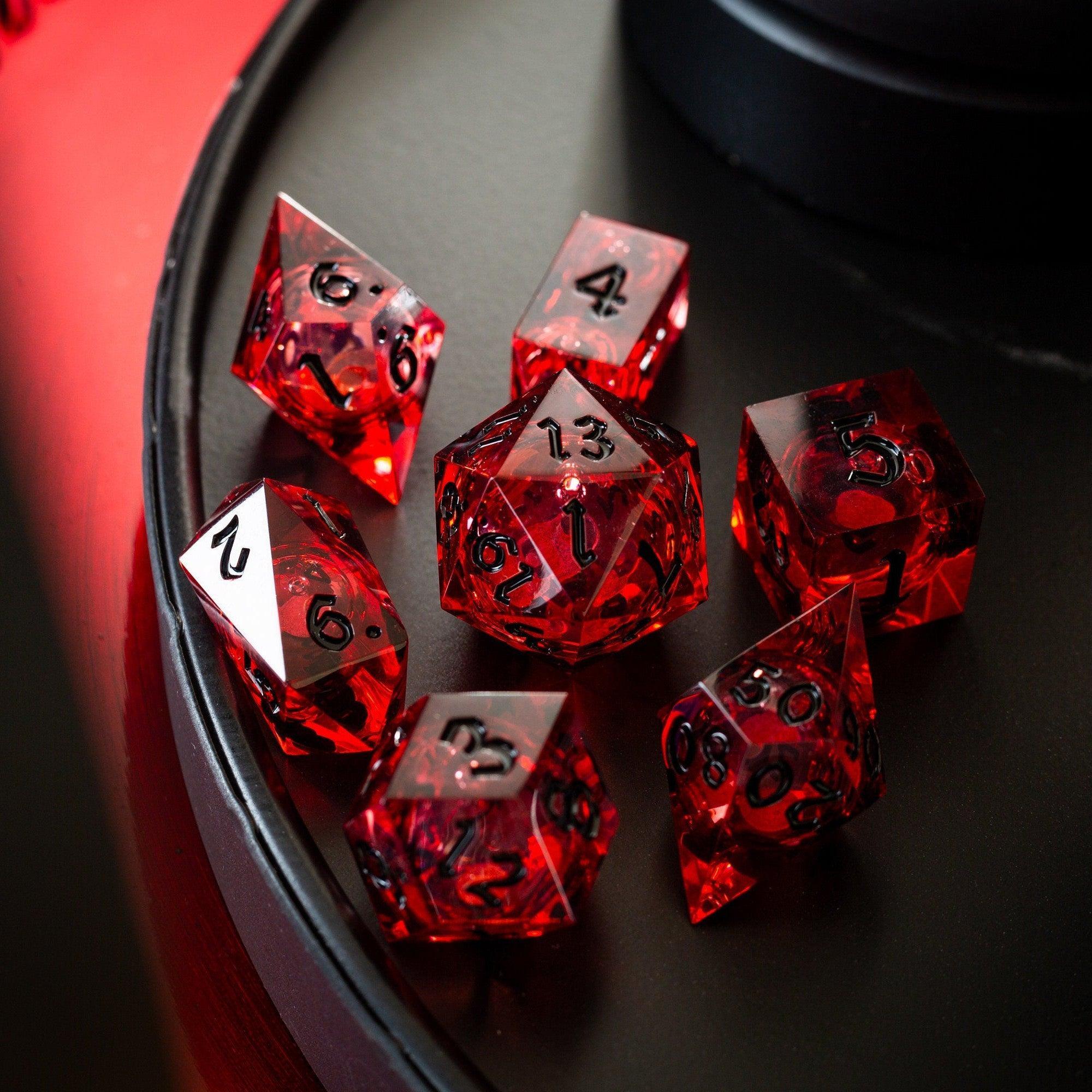
- Infernal Blaze Dice Set: For fiery reds and oranges that suit a Fireball caster, consider the Health Potion Red Zircon Glass DND Dice Set. Its deep red glass fits a fire-themed Wizard.
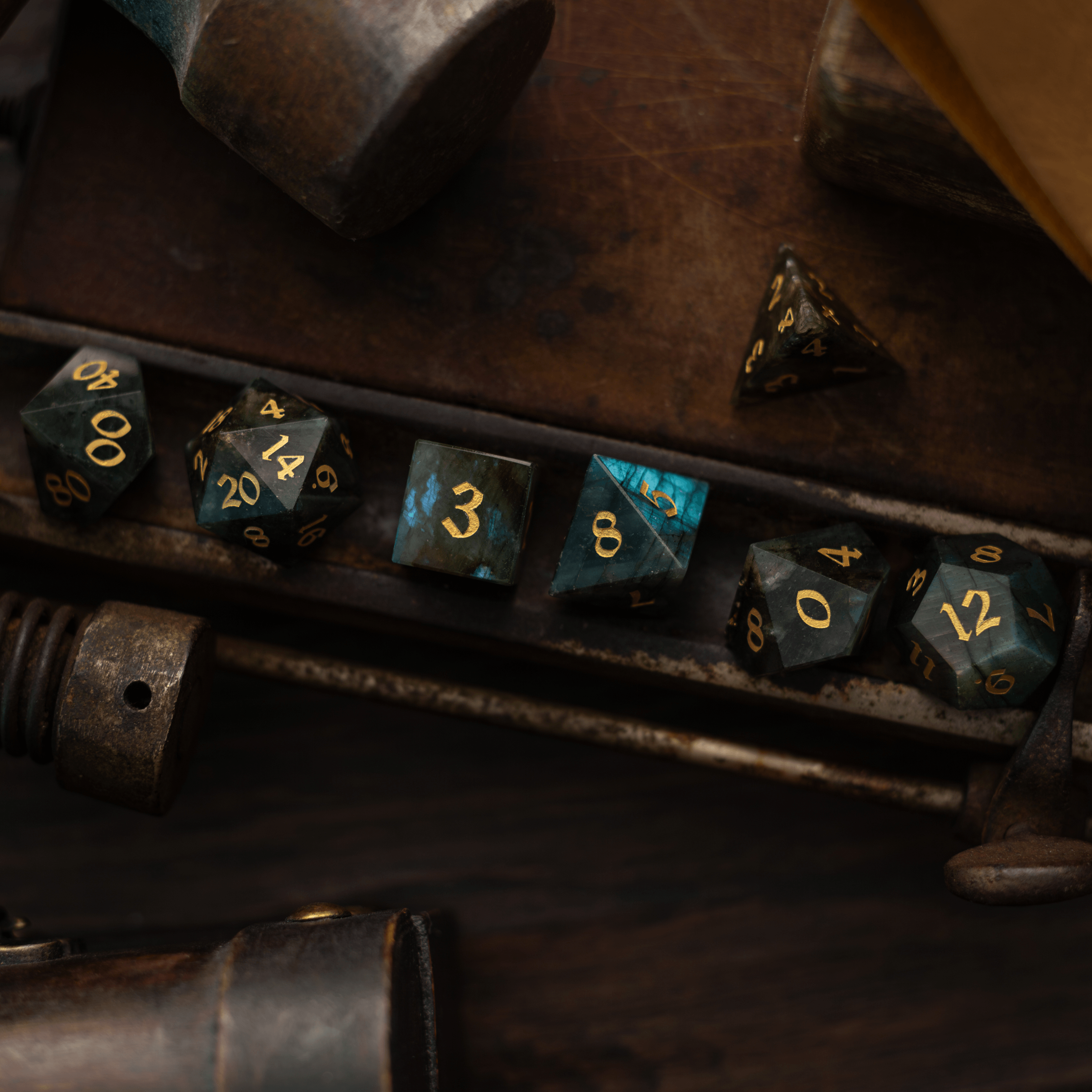
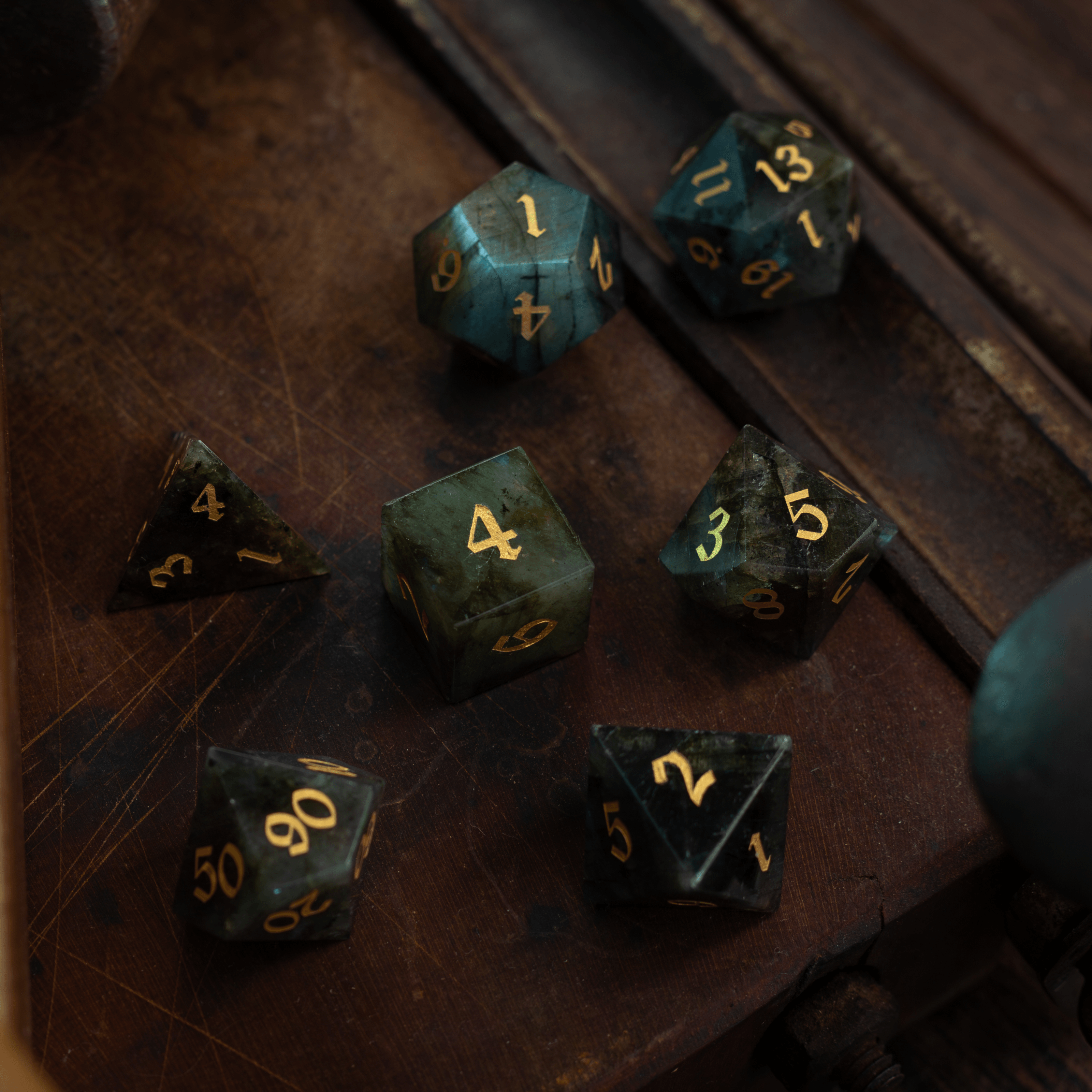
- Stormcaller Dice Set: For a Lightning Bolt caster, the Blue Sandstone Silver Font Gemstone DND Dice Set pairs shimmering blue with silver numbers for a storm-inspired look.
- Arcane Destruction Dice Set: The Purple and Gold Resin DND Dice Set uses rich purple and gold colors that fit a Wizard who favors arcane blasts.
If you prefer gemstone dice or liquid core resin dice, choose the material and style you enjoy using. Roll glass and stone dice on a soft tray to help prevent chips.
Advanced Tips and Tricks
Optimization Strategies
Best Feats for an Evocation Wizard
- Elemental Adept: Useful if you rely heavily on a single damage type such as fire.
- War Caster: Helps you maintain Concentration when you take damage.
- Resilient (Constitution): Improves your Constitution saving throws, including Concentration saves.
- Lucky: Gives you another way to improve important d20 rolls.
- Metamagic Adept: An optional feat from an older supplement, if your DM allows it. Quickened Spell does not let you freely cast two leveled spells in one turn.
Best Multiclass Options
Evocation Wizard / Draconic Sorcerer: The Elemental Specialist
- Best for: A character mixing learned magic with innate elemental power. This needs both Intelligence and Charisma and delays higher-level Wizard spells.
Evocation Wizard / Tempest Cleric: The Storm Mage
- Best for: A lightning-themed build using Cleric features such as Destructive Wrath, when the chosen rules and subclass are available. Check your Wisdom requirements.
Evocation Wizard / Fighter: The Arcane Battlemage
- Best for: Extra durability and martial options. In the 2024 rules, Action Surge cannot grant an additional Magic action, so it does not let you cast two action spells.
Multiclassing is optional. Staying a single-class Wizard usually gets you stronger spells and Evoker features sooner, making it the simpler route for beginners.
The Evocation Wizard rewards good timing as much as big damage rolls. Learn when to use an area spell, when to protect an ally, and when a control spell will solve the fight more safely. For the exact feature wording, compare the 2024 Evoker rules with the 2014 School of Evocation rules used by your table.








Leave a comment
This site is protected by hCaptcha and the hCaptcha Privacy Policy and Terms of Service apply.