

D&D Player Workbook Guide: How to Organize Your Character and Campaign Notes

Every Dungeons & Dragons player has had that moment.
The Dungeon Master mentions a mysterious noble, an old prophecy, or a strange symbol carved into a dungeon wall, and everyone at the table freezes. Someone knows it mattered. Someone remembers writing it down. Nobody knows where.
That is where a good D&D player workbook becomes more than just a notebook. It becomes your character’s memory, your campaign archive, and sometimes the thing that saves the party from walking into the same trap twice.
Whether you call it a DND journal, a Dungeons and Dragons notebook, a dnd campaign journal, or a dnd character tracker, the idea is simple: keep your important campaign details in one place so you can play with more confidence, better roleplay, and deeper connection to the story.
What Is a D&D Player Workbook?
A D&D player workbook is a dedicated place for organizing everything your character experiences during a campaign. It can be a physical notebook, a printed binder, a digital document, or even a carefully organized app.
Most player workbooks include:
-
Character details
-
Session notes
-
NPC names
-
Quest logs
-
Treasure records
-
Roleplay ideas
-
Party relationships
-
Personal goals
A campaign journal is usually more story-focused, while a character notebook often centers on your own hero’s development. A session tracker is more practical, helping you record what happened each game. The best setup combines all three.
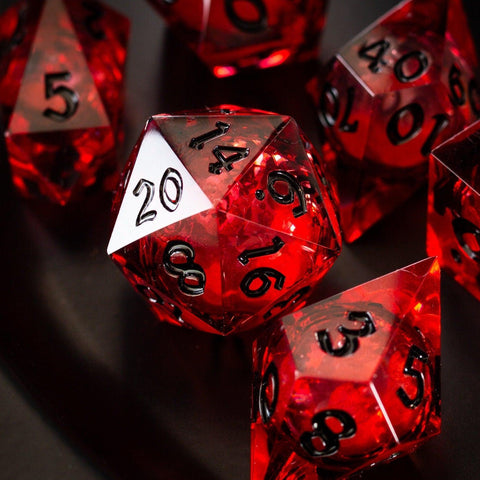
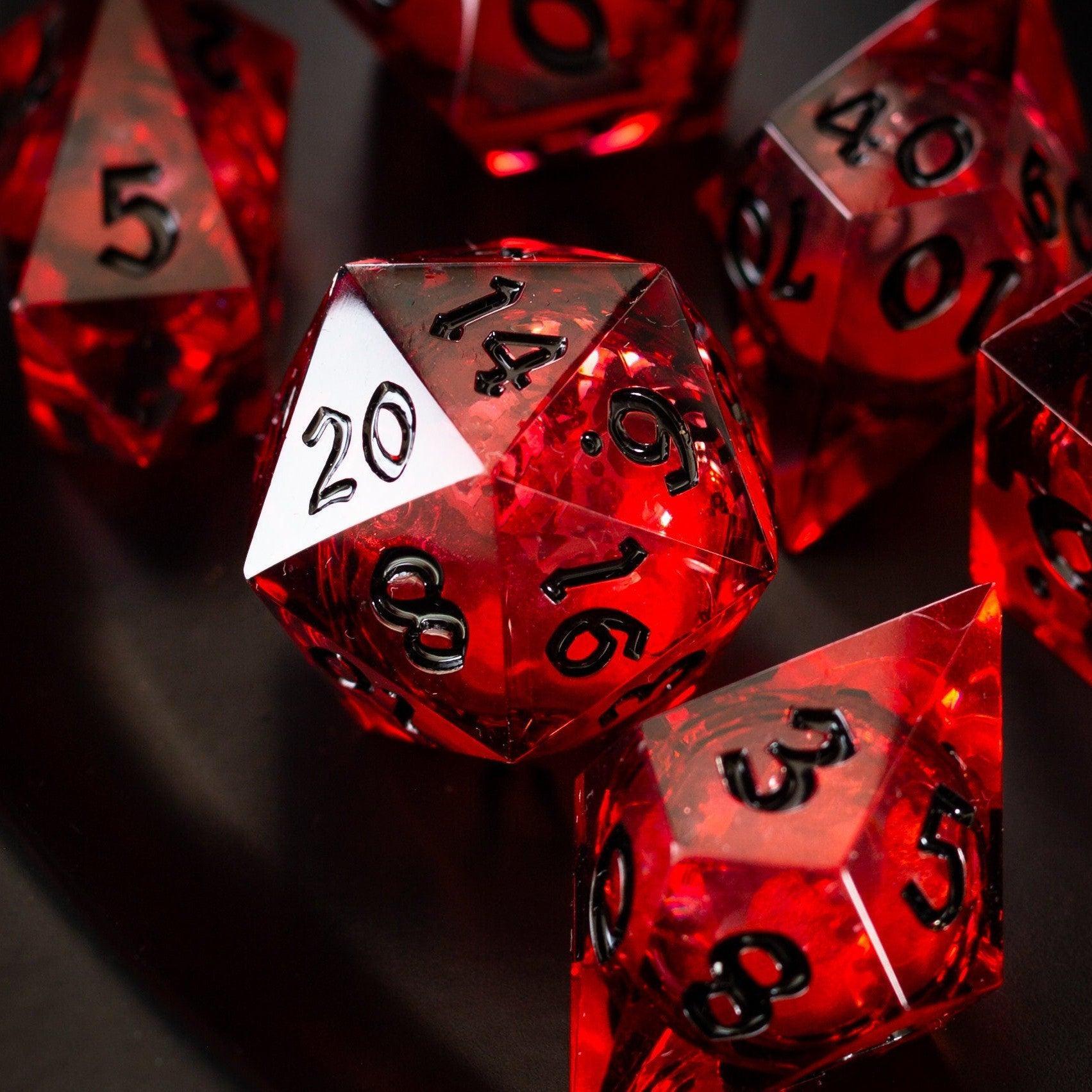
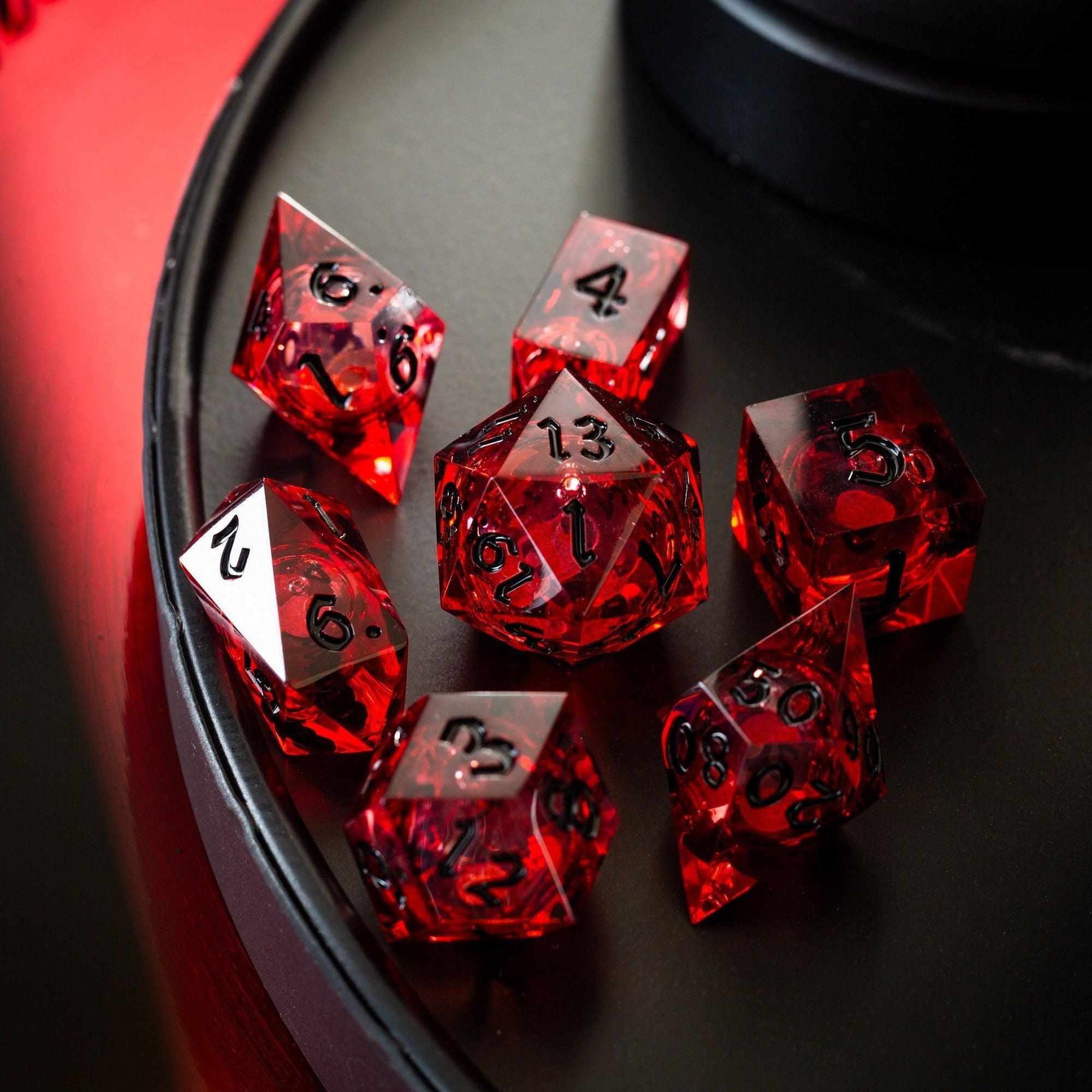
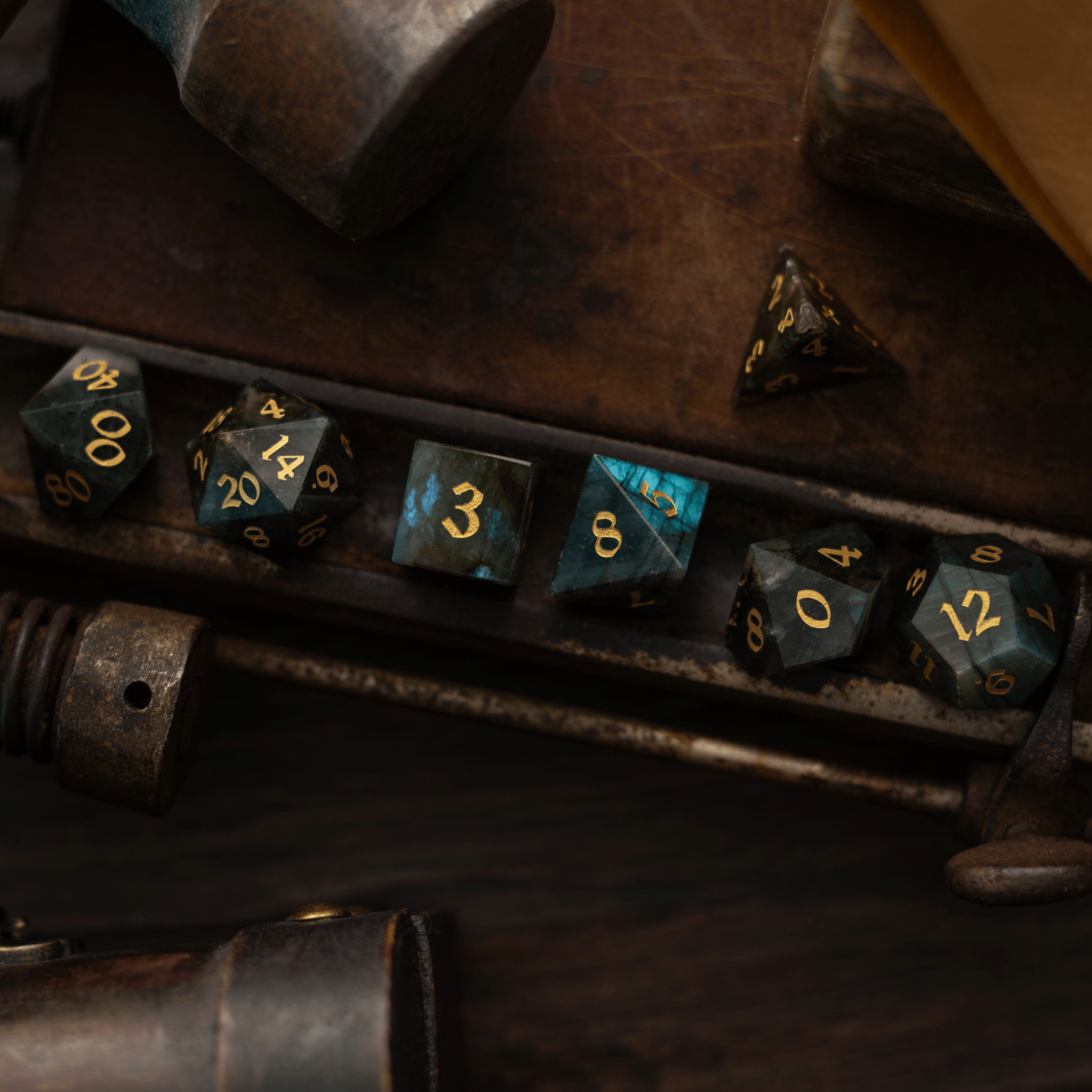
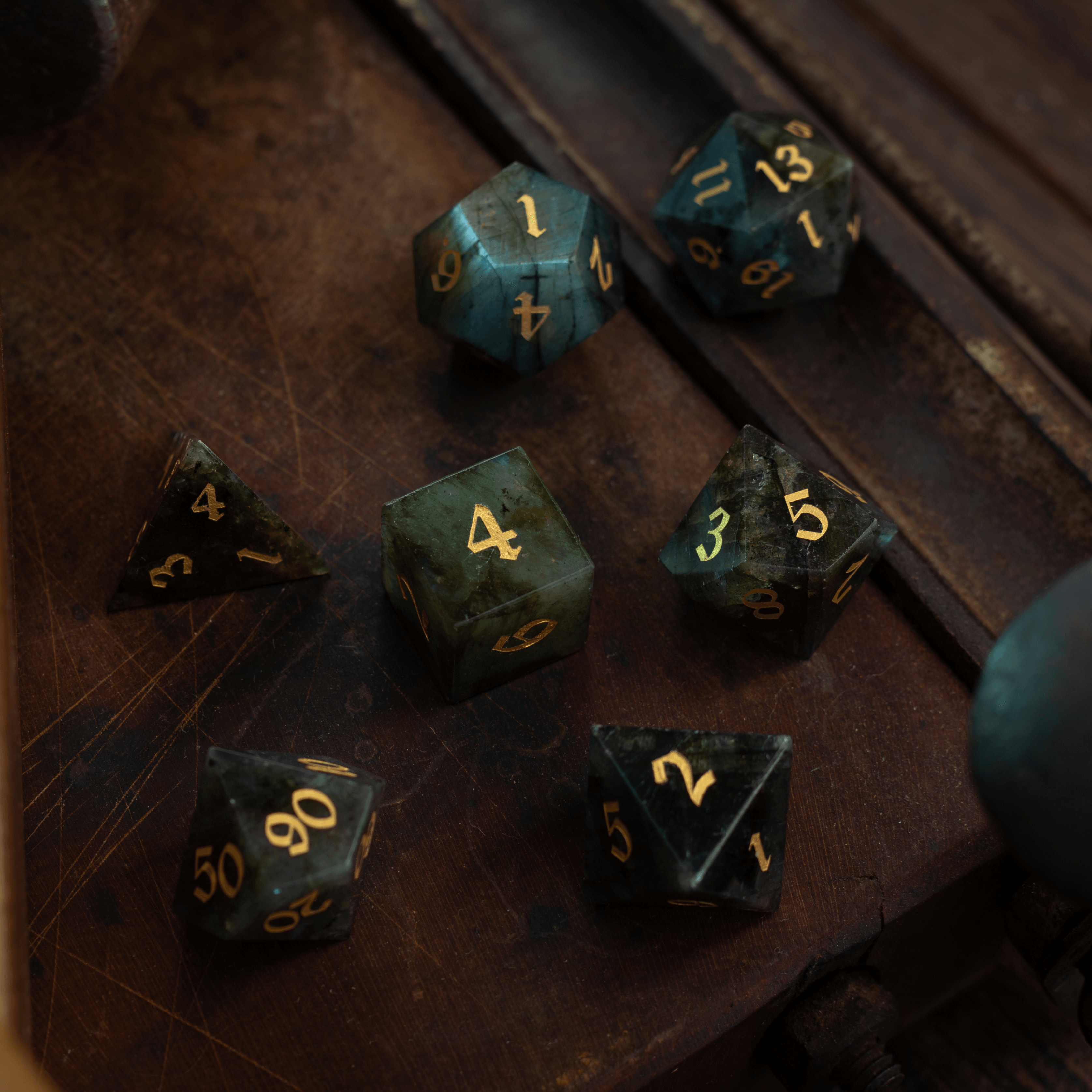
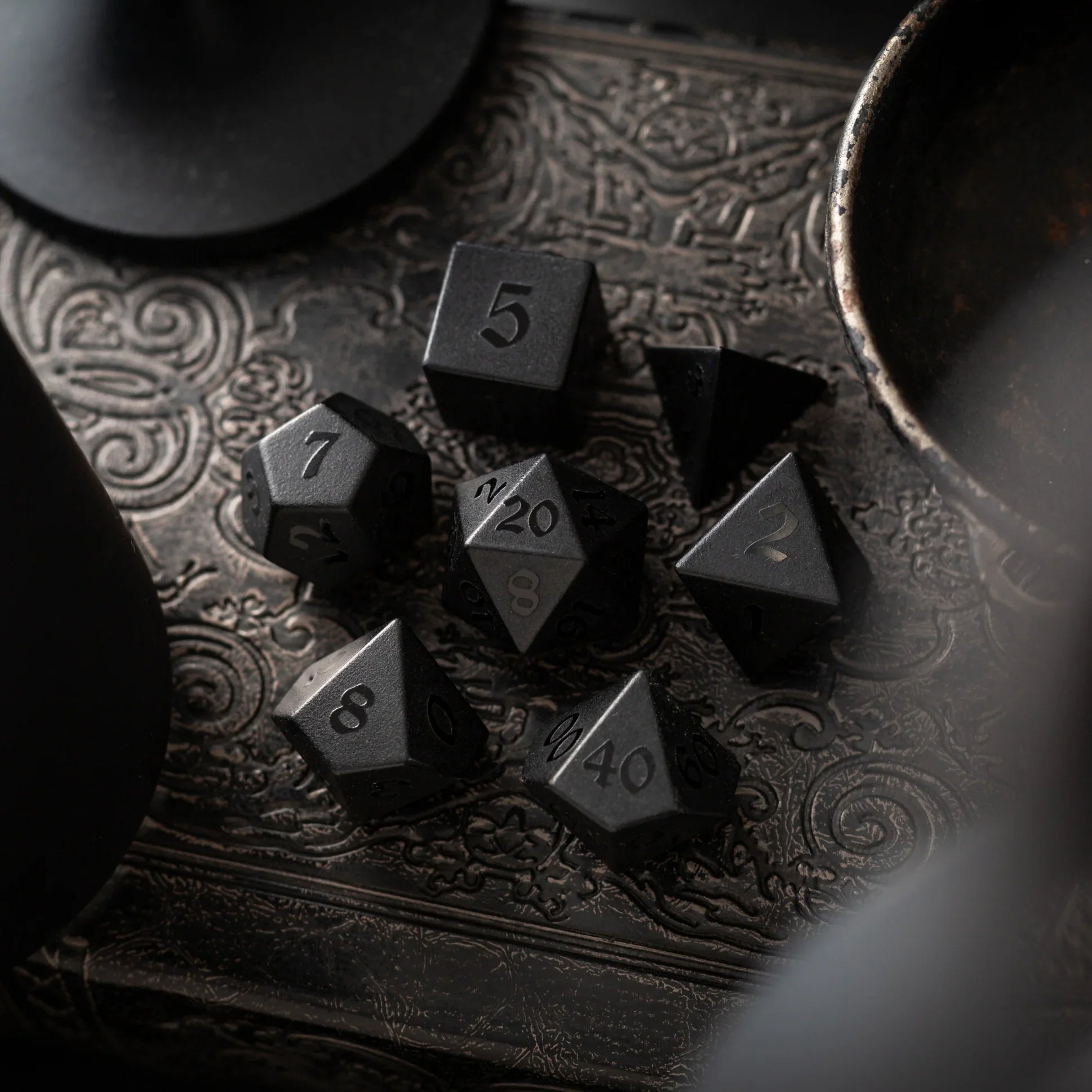
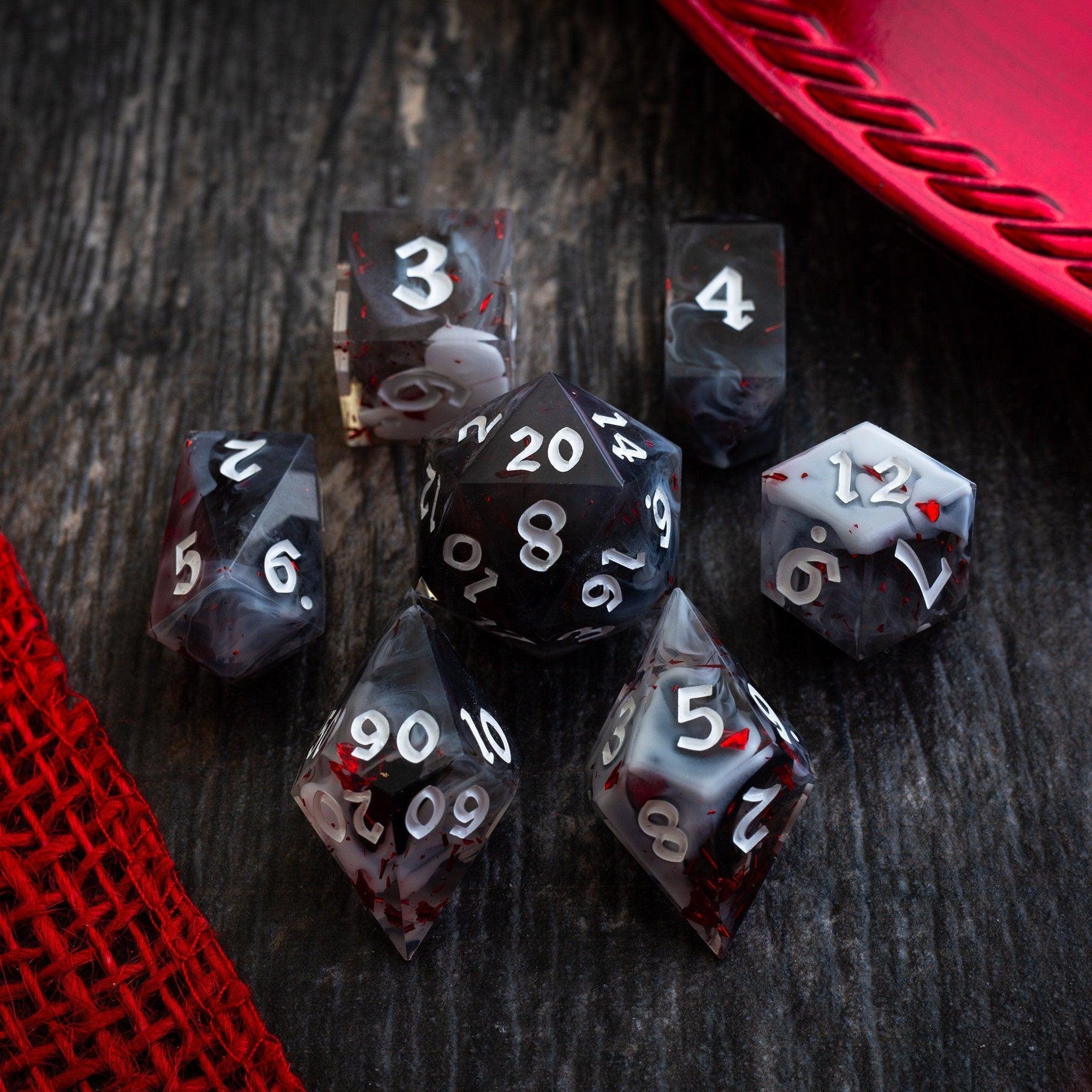
Some players love handwritten pages beside their character sheet, especially when a favorite resin dice set becomes part of the ritual. Others prefer digital notes they can search quickly. Both work. The best system is the one you will actually use.
Why Every Player Should Keep Notes
You do not need to write down every word your DM says. In fact, trying to record everything can make the game less fun. The real goal of dnd campaign notes is to capture the details that help you stay engaged.
Good notes help you:
-
Remember important NPCs
-
Track unfinished quests
-
Follow your character’s emotional growth
-
Support other players’ story arcs
-
Make smarter choices during sessions
-
Bring back details your DM planted weeks ago
A good dnd journal also makes roleplay easier. When you remember that your rogue owes a favor to a dockside smuggler, or that your cleric promised to return a relic to a ruined shrine, your choices feel more connected to the world.
[Image: handwritten campaign notes and fantasy map]
Essential Sections Every Player Workbook Should Include
A strong character organization guide does not need to be complicated. Start with a few sections you can update quickly.
Character Profile
Keep the basics in one place:
-
Name, class, species, and background
-
Personality traits
-
Ideals, bonds, and flaws
-
Voice or roleplay notes
-
Important backstory details
This section helps you get back into character at the start of each session.
Goals and Motivations
Write down what your character wants right now. These goals may change over time, and that is part of the fun.
Examples:
-
Find a missing sibling
-
Prove their worth to a knightly order
-
Break a family curse
-
Learn who betrayed the party
-
Build a reputation as a legendary hero
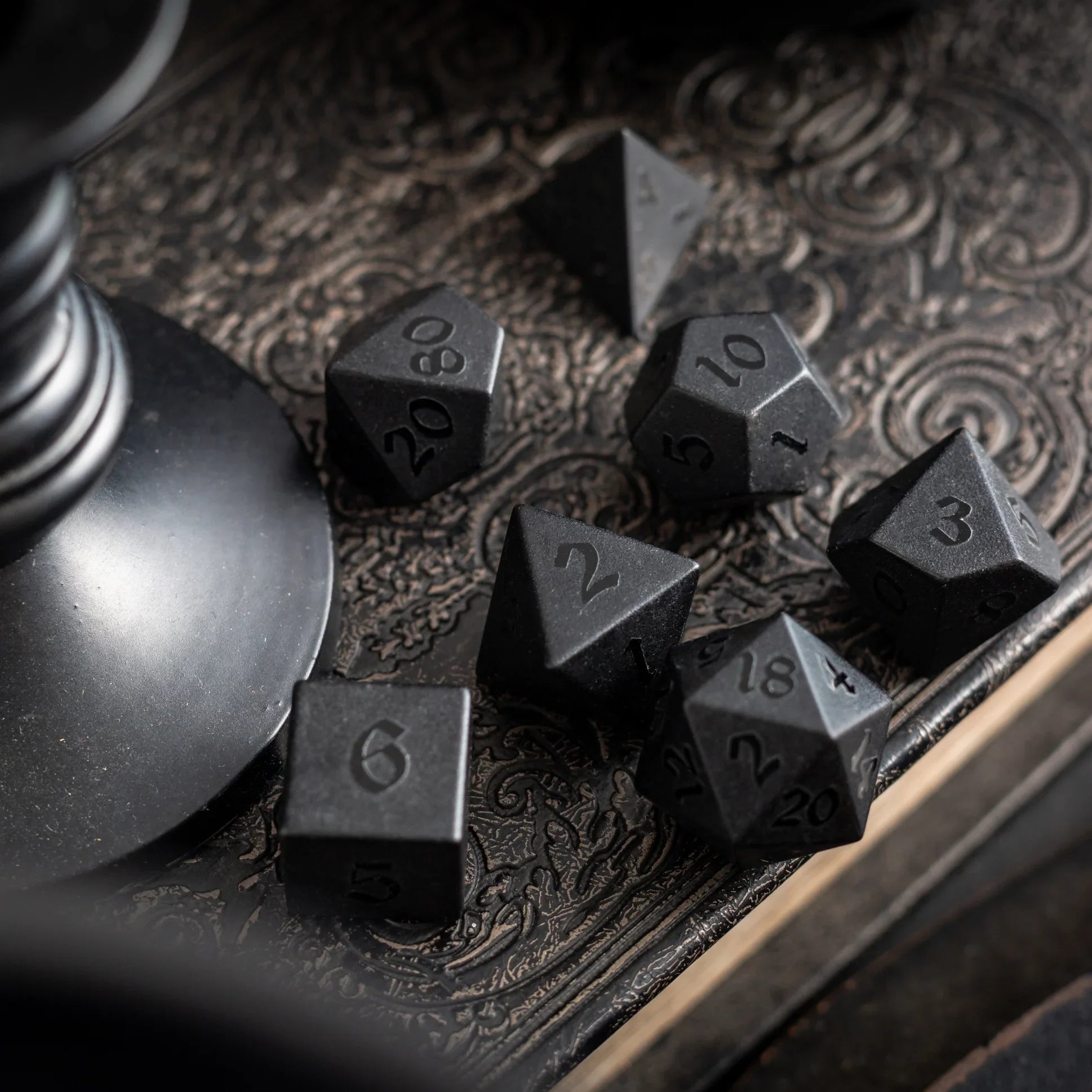
A paladin might record each oath-tested moment beside a favorite gemstone dice set, turning the workbook into a record of both victories and difficult choices.
NPC Tracker
NPCs are easy to forget, especially in long campaigns. Create a simple tracker with name, location, relationship, and notes.
For example:
-
Captain Elira: Guard captain in Westmere, suspicious but fair
-
Vey Thorn: Merchant with secret contacts, owes party information
-
Sister Amelyn: Temple healer, helped after the ghoul attack
This is one of the most useful dnd player resources you can build.
Quest Log
Split quests into active, completed, and abandoned. This keeps the party from forgetting old promises.
Track:
-
Who gave the quest
-
What the party needs to do
-
Any deadline
-
Reward or consequence
-
Current status
Inventory and Treasure Tracker
Your character sheet may track equipment, but your workbook can explain where important items came from. That enchanted ring feels more meaningful when you remember it was taken from a haunted tower after your wizard solved the mirror puzzle.
This is also a good place to record magic item abilities, attunement, potions, scrolls, and shared party loot.
Session Recaps
At the end of each session, write a short summary. Three to five sentences is often enough.
Focus on:
-
What happened
-
What changed
-
What your character felt
-
What needs follow-up next time
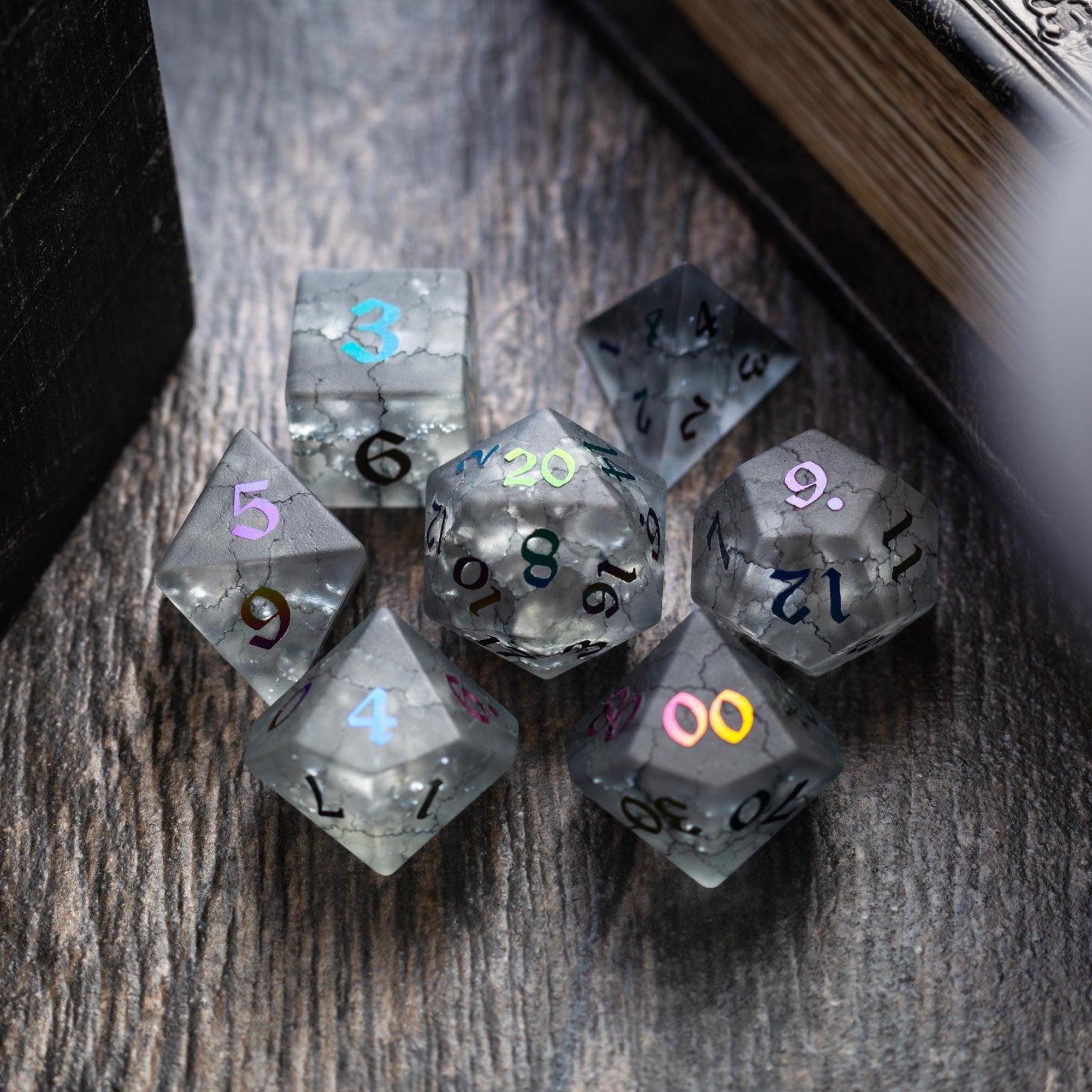
A wizard player might jot down spell discoveries beside a swirling liquid core dice set, especially if that set has become tied to big arcane moments in the campaign.
D&D Workbook Organization Table
|
Workbook Section |
Purpose |
Why It Matters |
|
Character Profile |
Records identity, personality, and backstory |
Helps you stay consistent in roleplay |
|
Goals and Motivations |
Tracks personal quests and desires |
Gives your character direction |
|
NPC Tracker |
Lists allies, enemies, and contacts |
Makes relationships easier to remember |
|
Quest Log |
Organizes active and completed objectives |
Helps the party stay focused |
|
Inventory Tracker |
Records treasure, magic items, and gear |
Prevents confusion over important items |
|
Session Recaps |
Summarizes each game session |
Keeps the campaign story clear |
|
Party Notes |
Tracks bonds, conflicts, and teamwork |
Builds stronger group roleplay |
|
World Lore |
Saves locations, factions, and mysteries |
Makes the setting feel more alive |
Tracking Character Development
Character development is one of the best reasons to keep a dnd campaign journal. D&D characters change because of what they survive, lose, gain, and choose.
Record moments like:
-
A belief your character questioned
-
A friendship that deepened
-
A failure that still bothers them
-
A victory they are proud of
-
A fear they overcame
-
A new goal that replaced an old one
This turns your workbook into more than a record of events. It becomes a story of who your character is becoming.
For example, a fighter who once cared only about coin might start protecting a village because an NPC child reminded them of home. That small note can guide future roleplay for months.
Managing Campaign Notes Efficiently
Good dnd session notes should be useful, not overwhelming. The trick is to record what matters without slowing down the game.
Try this simple format:
-
Names: important people introduced
-
Places: locations visited or mentioned
-
Problems: threats, clues, or mysteries
-
Promises: things your character or party agreed to do
-
Personal notes: how your character reacted
You can also mark details with symbols. A star for urgent quests. A question mark for mysteries. A heart for emotional character moments. A coin for treasure.
Do not worry about making your notes beautiful. A messy note you understand is better than a perfect page you never update.
Common Workbook Mistakes
Even experienced players can make note-taking harder than it needs to be.
Writing Too Much
Trying to record every conversation can pull you out of the game. Focus on names, choices, clues, and consequences.
Never Reviewing Notes
Notes are only useful if you look at them again. Before each session, spend a few minutes reviewing your last recap, active quests, and character goals.
Ignoring Character Goals
Many players track plot details but forget personal motivation. Keep your character’s goals visible so you can act on them during play.
Poor Organization
If everything is scattered across random pages, it becomes hard to find. Use tabs, headings, color coding, or a table of contents.
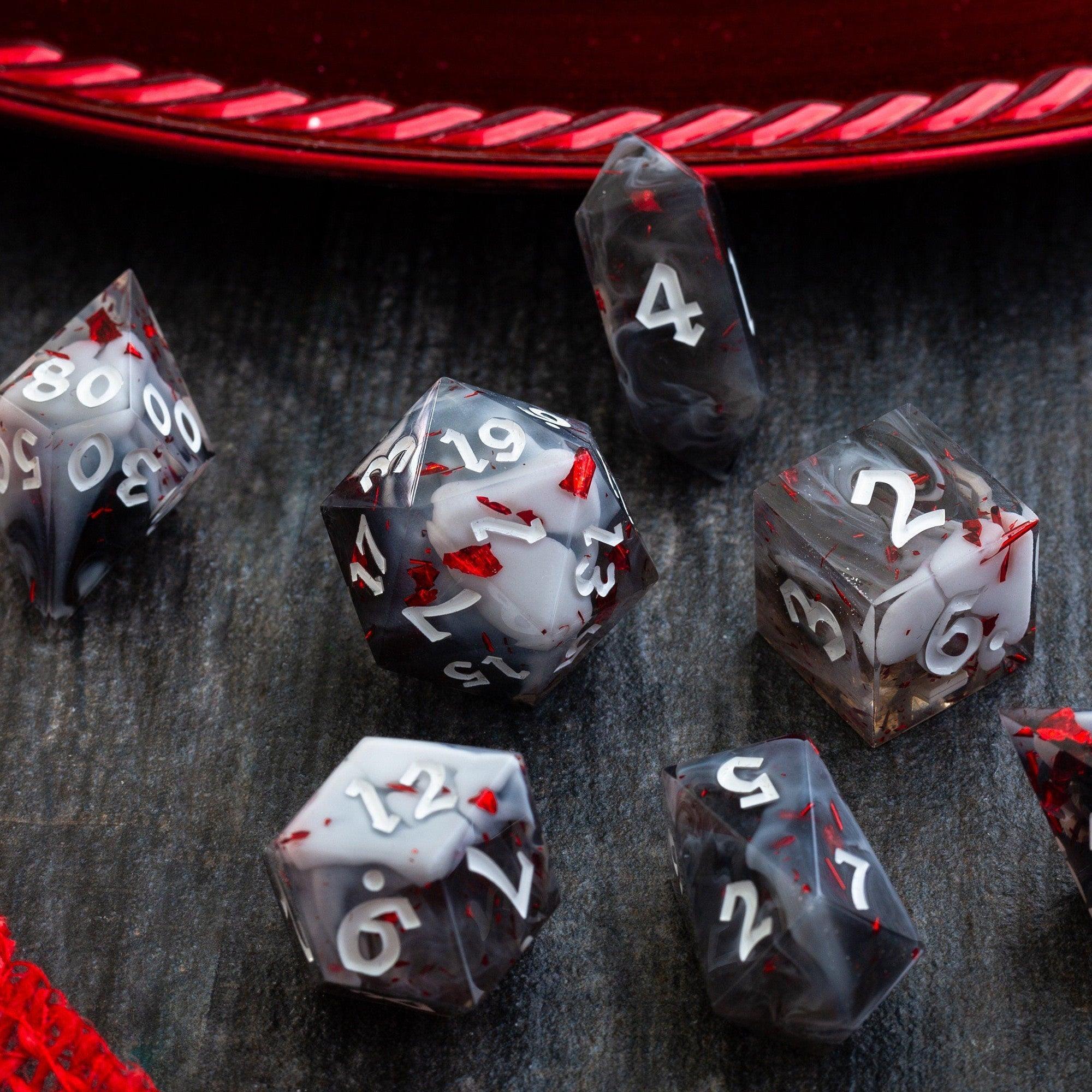
A resin chonk d20 can even become a fun table marker for big campaign moments. Some players place it on their notebook when recording critical hits, dramatic failures, or turning points worth remembering.
Digital vs Physical Workbooks
Both digital and physical workbooks can work beautifully.
Physical Workbooks
A physical Dungeons and Dragons notebook feels immersive. It sits beside your character sheet, dice, pencils, and snacks like part of the adventure.
Pros:
-
Feels personal and atmospheric
-
Easy to sketch maps or symbols
-
Great for players who enjoy handwriting
-
Becomes a keepsake after the campaign
Cons:
-
Harder to search
-
Can become messy
-
Easy to forget at home
Digital Workbooks
Digital notes are excellent for players who want speed and organization.
Pros:
-
Searchable
-
Easy to edit
-
Great for long campaigns
-
Can be backed up
Cons:
-
Less tactile
-
Screens can distract from the table
-
Formatting can become overcomplicated
Many players use both. A physical dnd journal for session notes and a digital document for clean summaries can be a great balance.
Using Your Workbook to Improve Roleplay
A player workbook is one of the simplest dnd roleplay tips that actually works. When you remember details, your character feels more present in the world.
You might say:
-
“I ask the innkeeper if she knows the old symbol we saw near the ruins.”
-
“My character visits the shrine again because we promised the priest we would return.”
-
“I check on the NPC we rescued three sessions ago.”
-
“I bring up the argument our characters had last week and try to make peace.”
These moments show the DM and the table that the story matters to you.
Your notes can also help you support other players. If your friend’s bard is searching for a lost mentor, write it down. Later, your character can ask about it during campfire roleplay. That kind of attention makes the whole table better.
Advanced Tips for Veteran Players
Once you have the basics down, you can add deeper tracking tools.
Track Faction Relationships
Write down how different groups view the party. Are you trusted, feared, wanted, or ignored?
Record World Lore
Keep notes on gods, kingdoms, legends, and strange customs. These details often become important later.
Create a Character Timeline
List major events in order. This helps you see how far your character has come.
Maintain a Campaign Archive
After each major arc, write a longer summary. Include victories, losses, unresolved mysteries, and major emotional moments.
Connect Dice to Story Moments
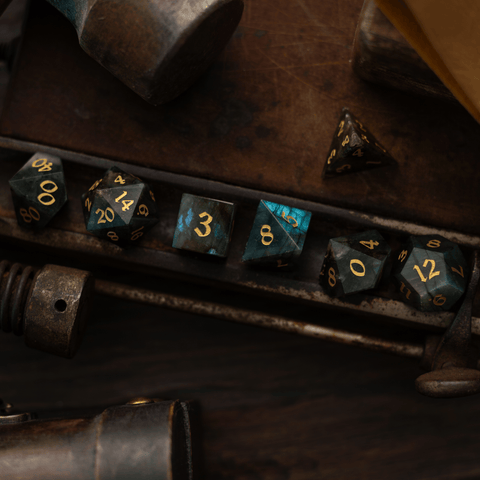
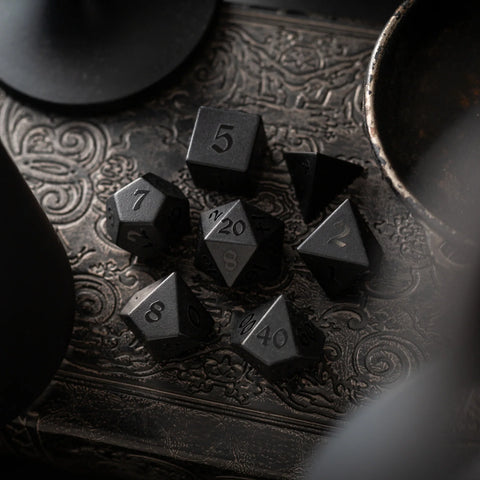
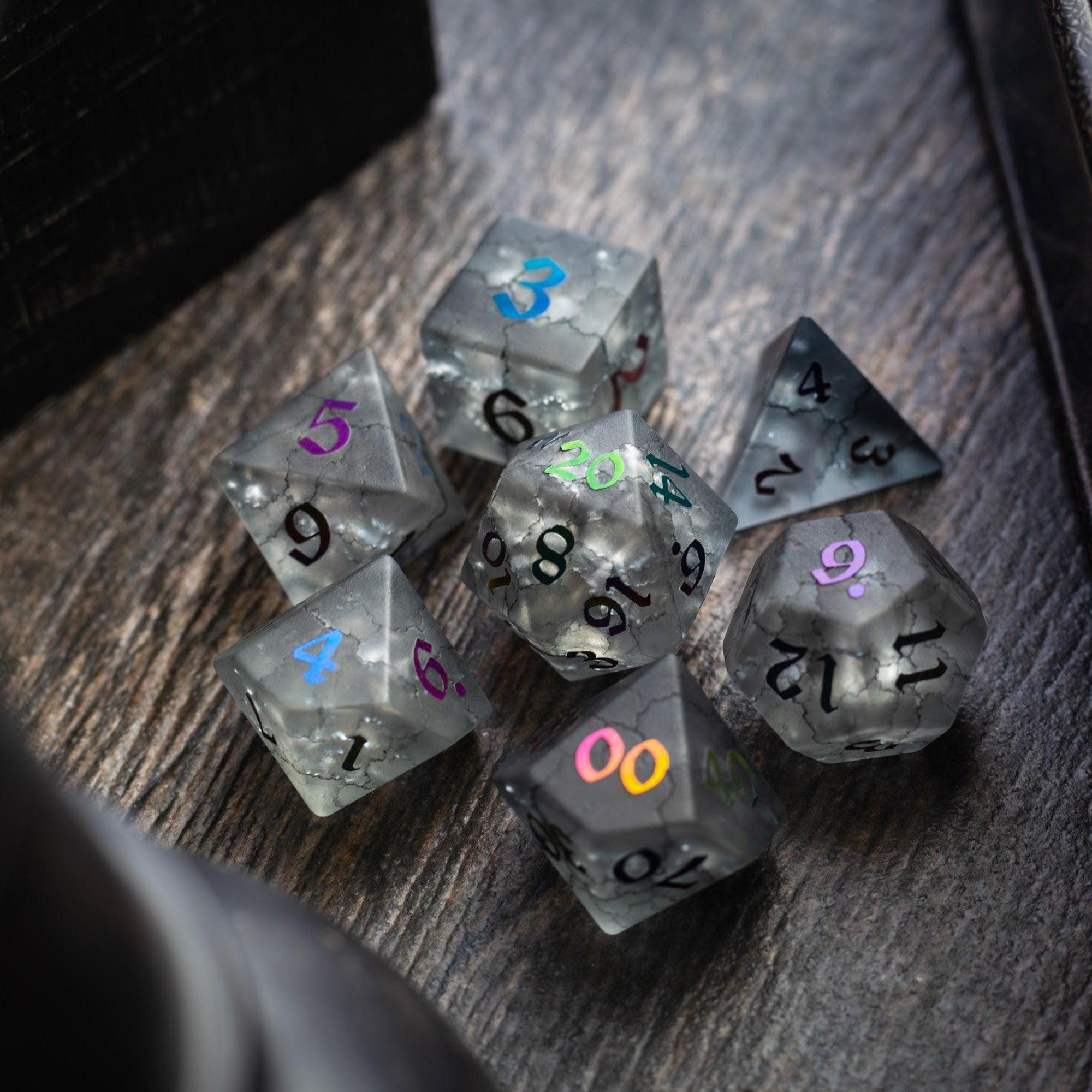
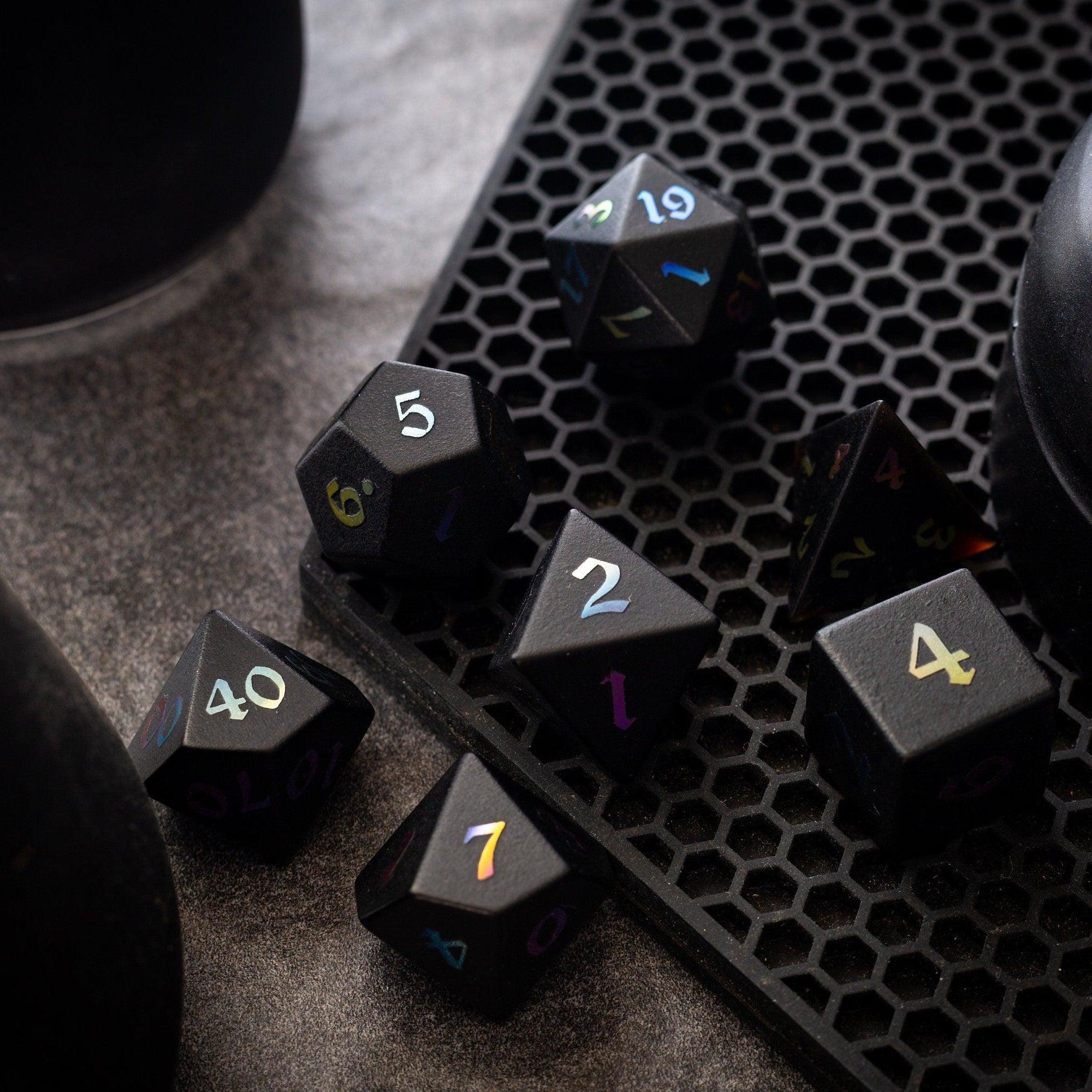
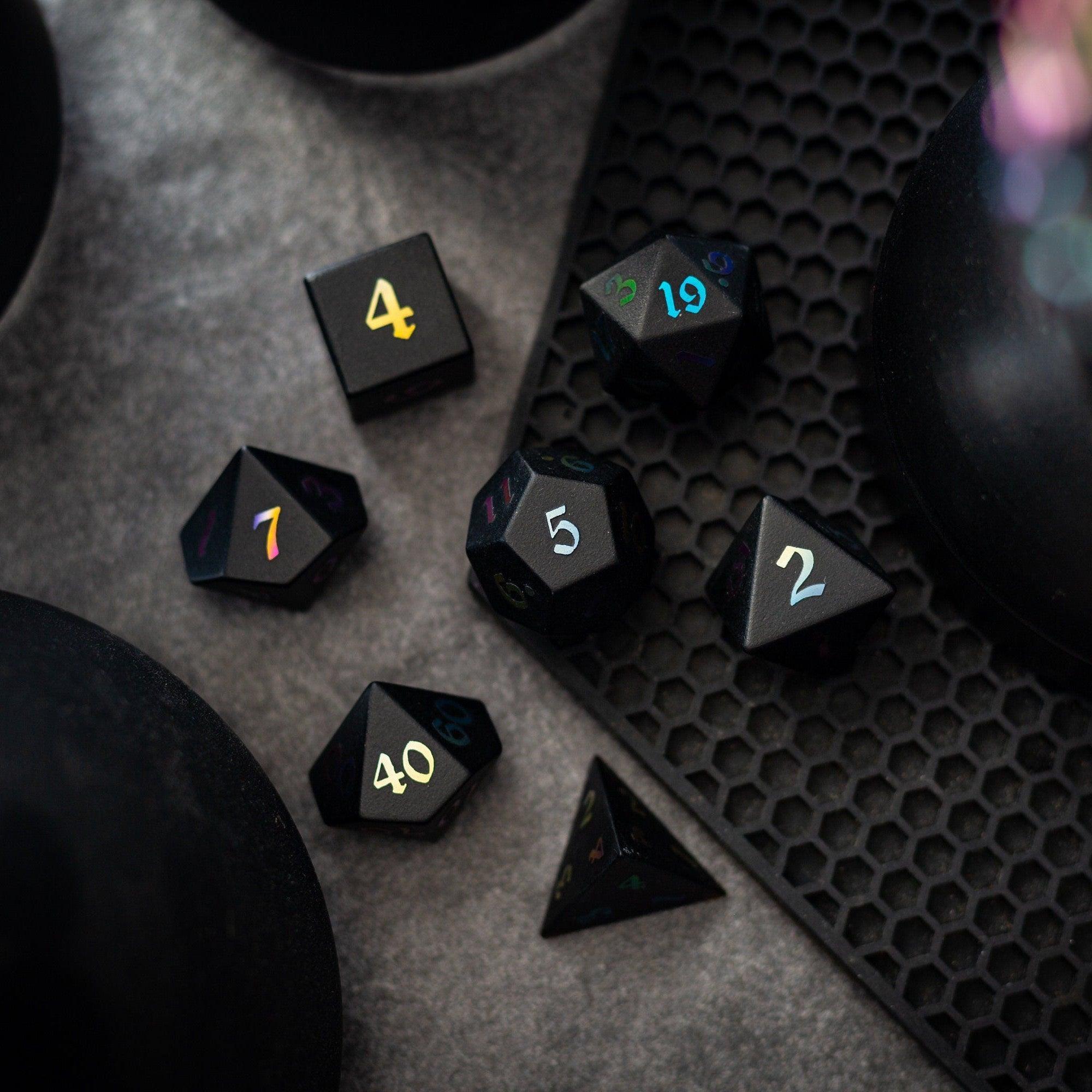
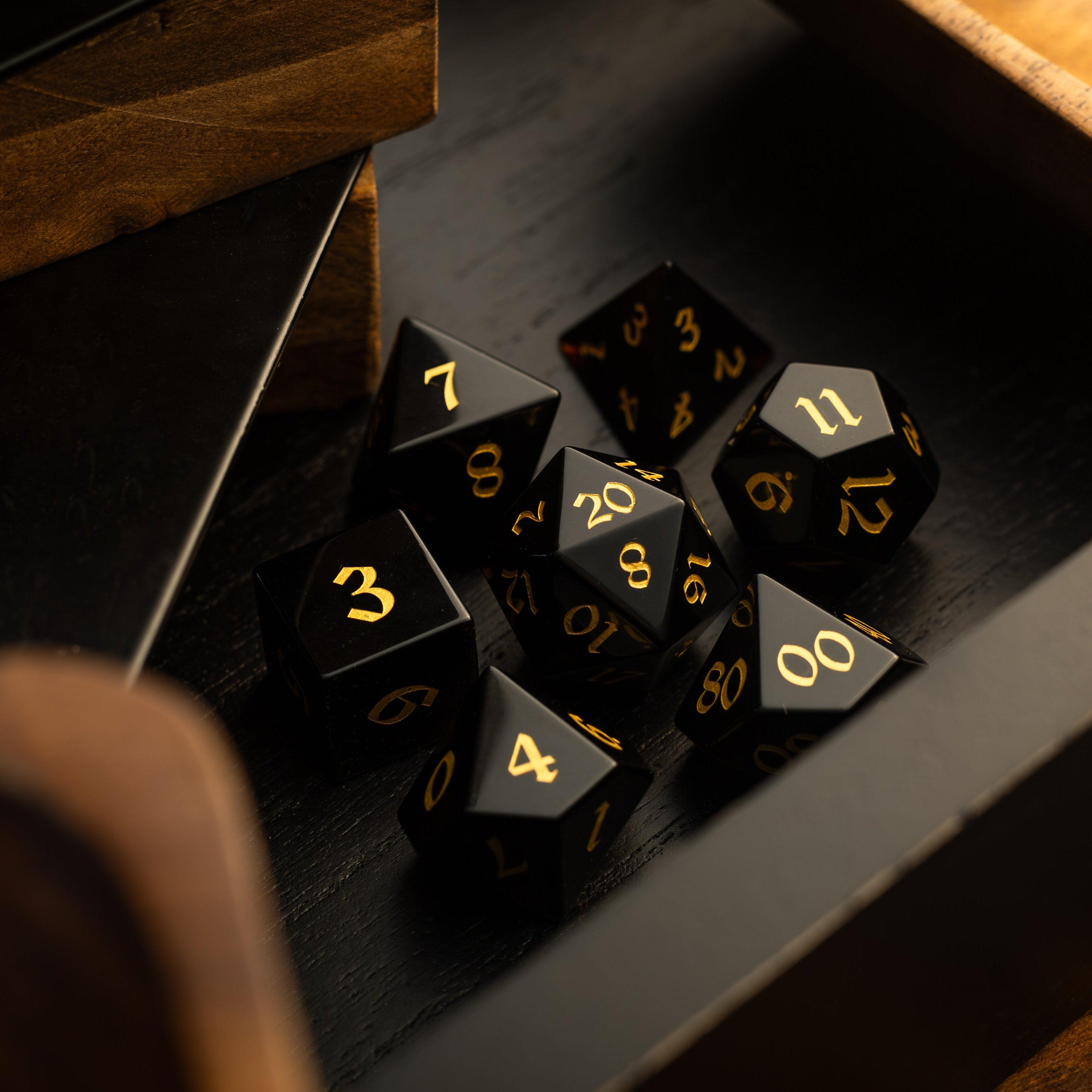
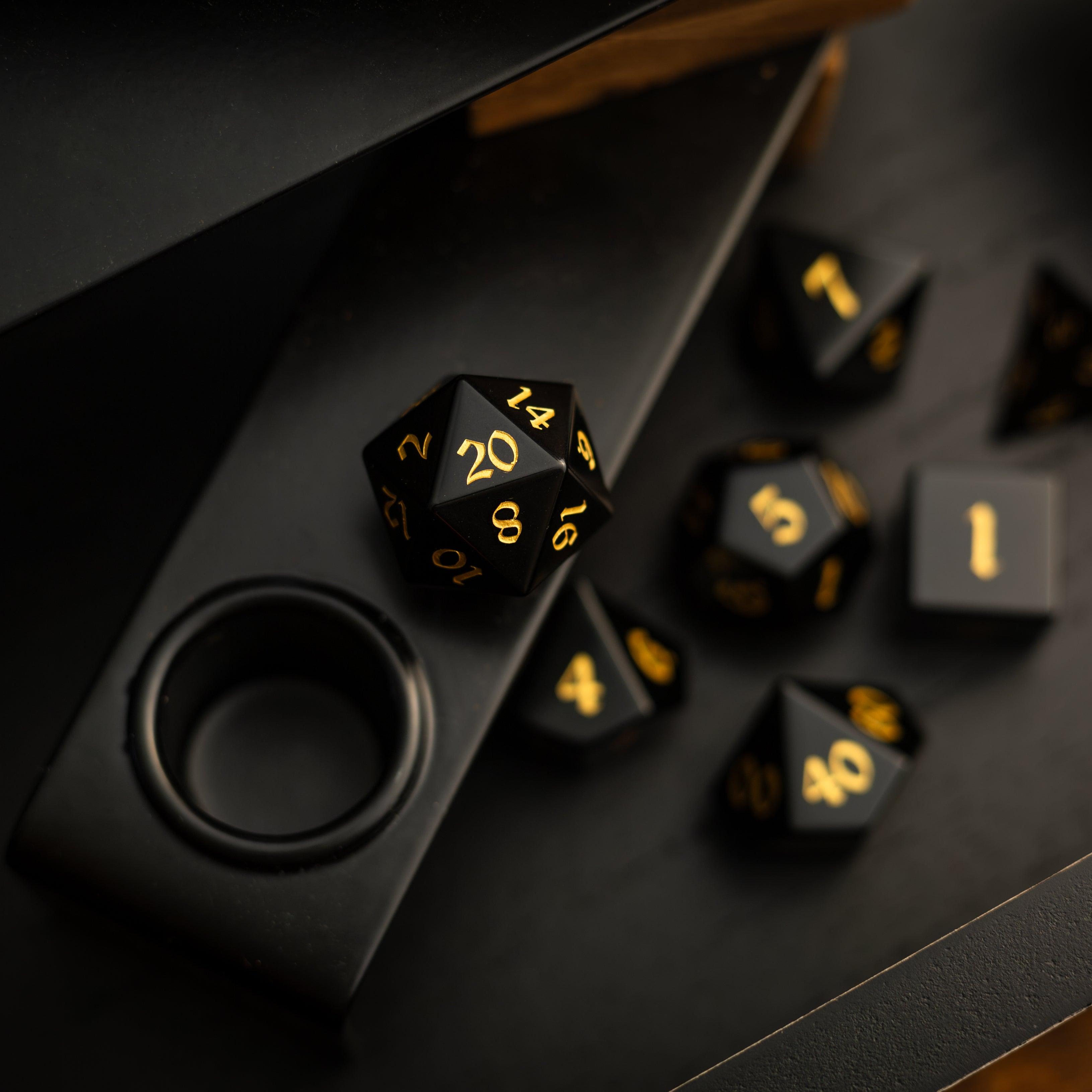
Many players naturally associate certain dice with certain characters. A resin dice set might become “the ranger’s dice” after surviving a deadly wilderness arc. A liquid core set might become linked to a sorcerer’s wild magic. A gemstone set might feel right for a noble cleric, oathbound paladin, or ancient-bloodline warlock.
These little rituals do not change the rules, but they do make the game feel more personal.
Final Thoughts
A D&D player workbook is not about being the most organized person at the table. It is about caring enough to remember.
Every NPC name, unfinished quest, strange clue, and emotional character moment adds another thread to the campaign. When you write those threads down, you give yourself more ways to engage with the story.
Your dnd campaign notes do not need to be perfect. Your dnd character tracker does not need fancy pages or complicated systems. Start small. Record what matters. Review before each session. Let your workbook grow alongside your character.
Years from now, when the campaign is over, those pages may become more than notes. They may become the written history of friendships, battles, jokes, heartbreaks, impossible victories, and the kind of adventures that only happen around a tabletop.



Leave a comment
This site is protected by hCaptcha and the hCaptcha Privacy Policy and Terms of Service apply.