Eldritch Horror in Tabletop RPGs: Uncanny Lore, Cosmic Fear, and Memorable Campaigns

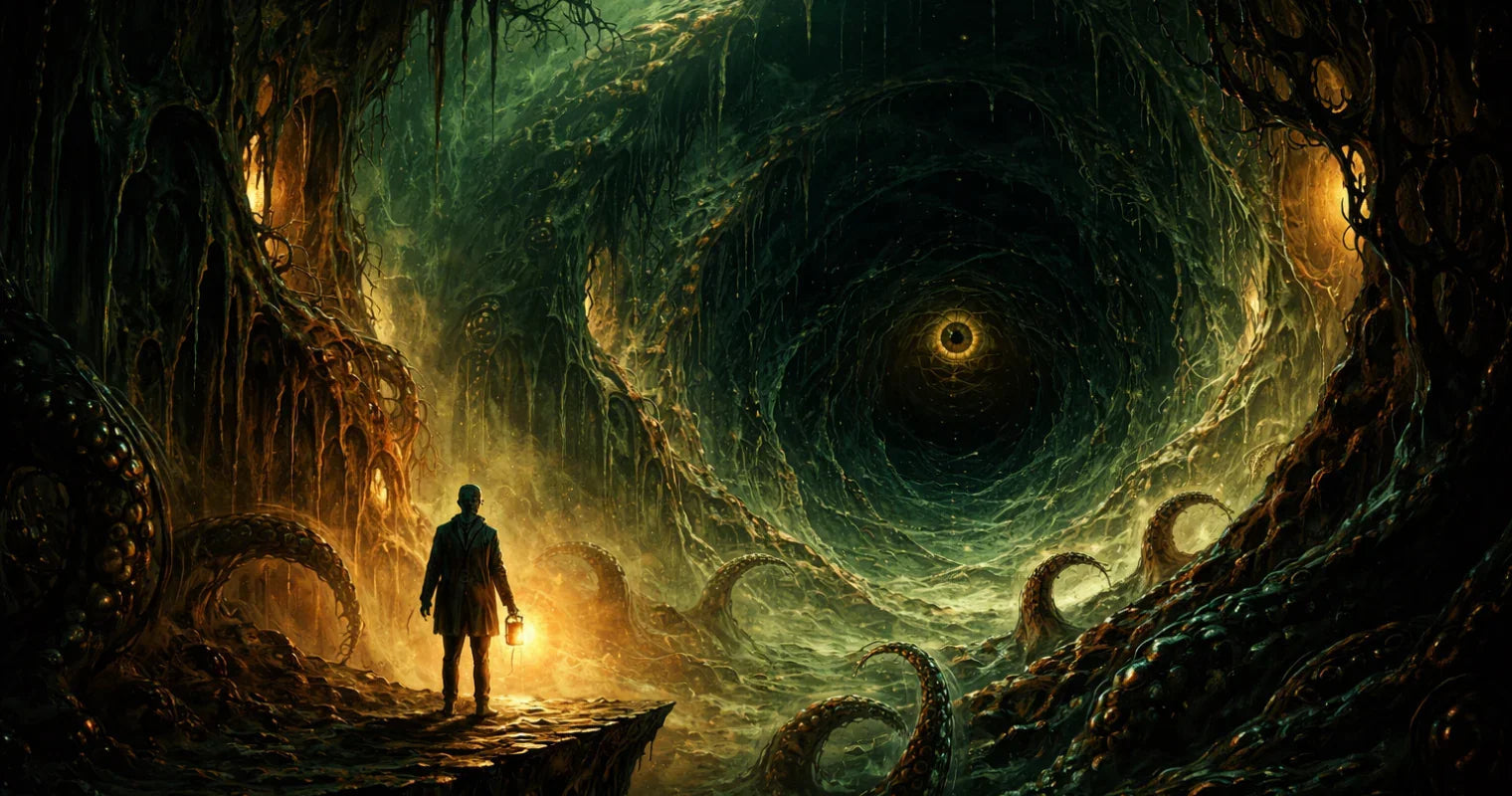
Eldritch horror has a special place in tabletop RPGs because it does not rely on simple scares. It is not just about a monster leaping from the dark or a villain threatening the kingdom. It is about the slow realization that the world is stranger, older, and more fragile than anyone believed.
In a tabletop horror campaign, that kind of fear can be powerful. A strange symbol carved into a ruin. A village that remembers a god no one else has heard of. A star that appears in the wrong part of the sky. These details do not need to explain everything right away. In fact, eldritch horror works best when the answers feel just out of reach.
What Is Eldritch Horror?
Eldritch horror is a style of horror built around the unknown, the ancient, and the impossible. It often overlaps with cosmic horror and lovecraftian horror, but in tabletop RPGs, it can be adapted far beyond one specific influence.
At its heart, eldritch horror asks a simple question:
What happens when mortals discover something they were never meant to understand?
Unlike traditional fantasy horror, where the threat is often a vampire, lich, demon, or cursed beast, eldritch horror focuses on forces that do not fit cleanly into the world. These threats may not hate the heroes. They may not even notice them. That makes them unsettling.
A dragon wants treasure. A necromancer wants power. An eldritch entity might want a dream to become real, a dead moon to wake, or a forgotten language to be spoken again.
Core Themes of Eldritch Horror
Great eldritch lore is built from mystery. You do not need to explain every symbol, cult, or cosmic force. Instead, give players enough clues to feel the shape of something enormous moving beneath the story.
Common cosmic horror themes include:
-
Forbidden knowledge: A book reveals truths that change how characters see the world.
-
Ancient beings: Old gods, star-born entities, and sleeping titans predate mortal history.
-
Reality distortion: Rooms shift, time loops, shadows move incorrectly, or dreams leave physical wounds.
-
Unknowable truths: The party learns something useful, but never the whole answer.
-
Psychological dread: Fear comes from doubt, obsession, memory loss, or impossible choices.
For example, a party might find an ancient map that shows their homeland beneath an ocean that has never existed. Later, villagers begin dreaming of drowning. By the time the players discover the map is not from the past, but from a possible future, the campaign has already entered cosmic horror RPG territory.
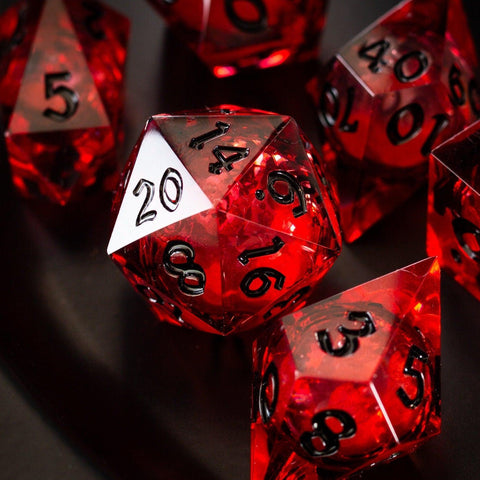
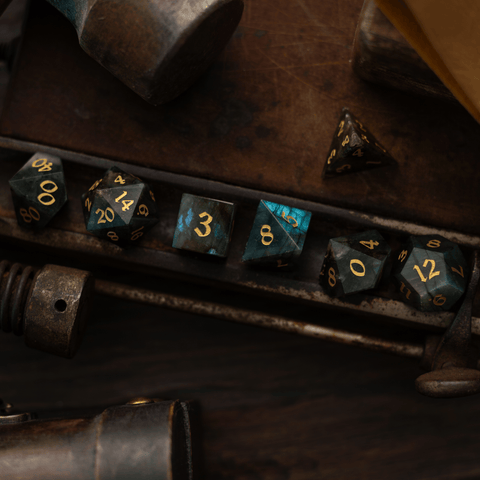
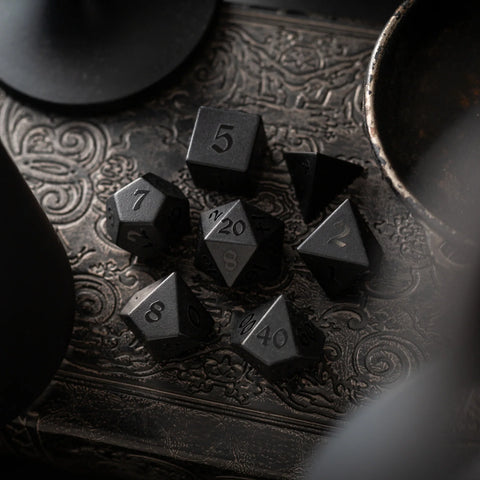
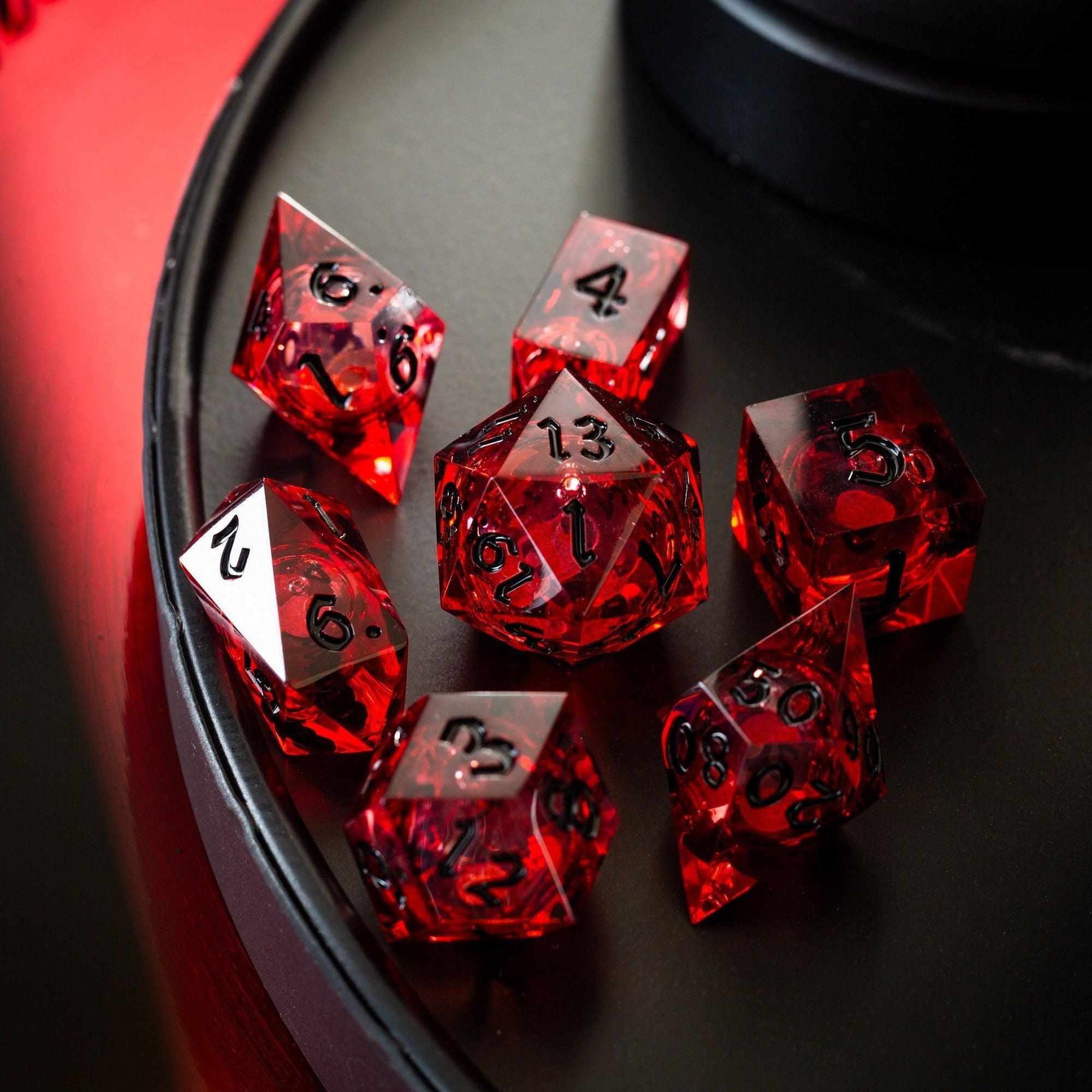
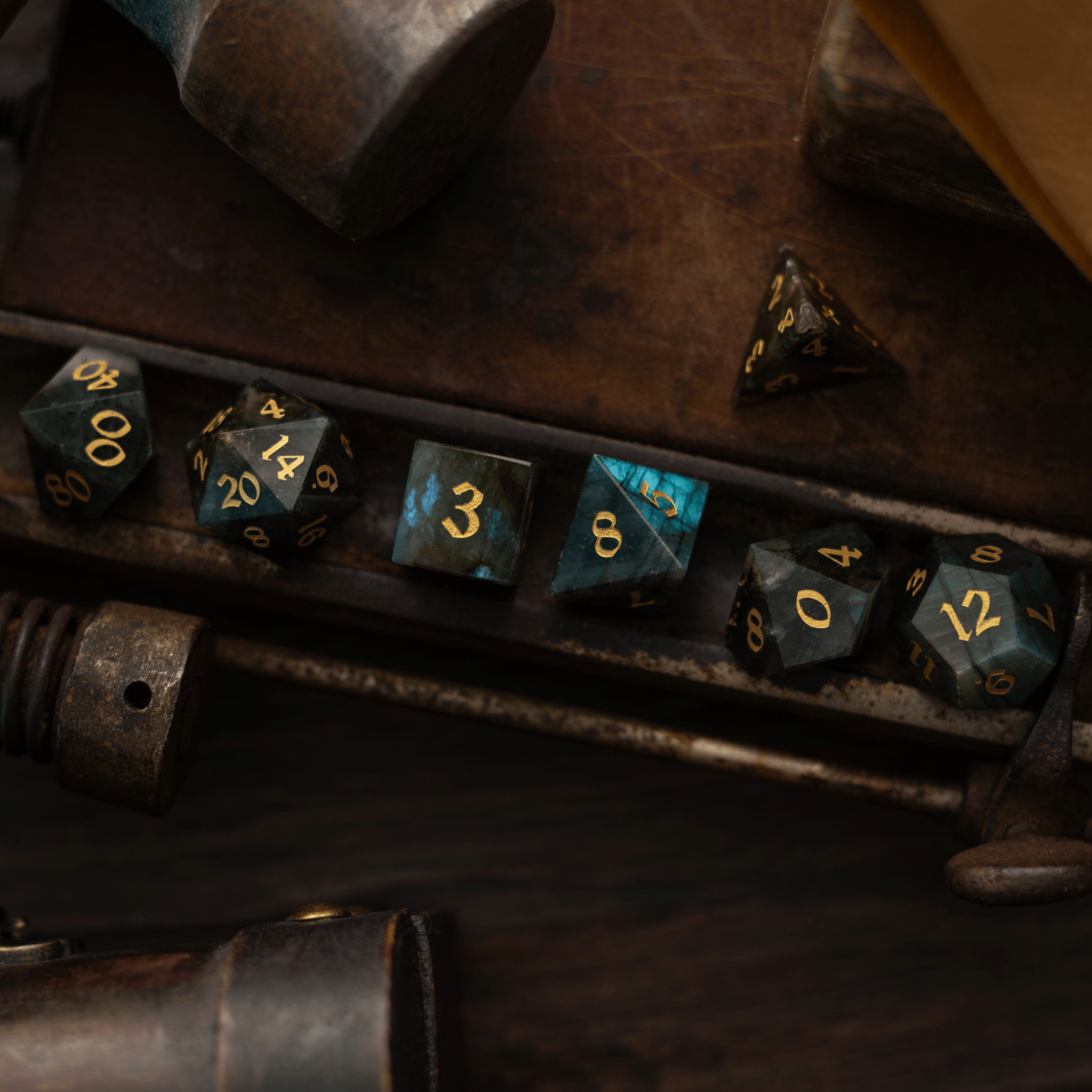
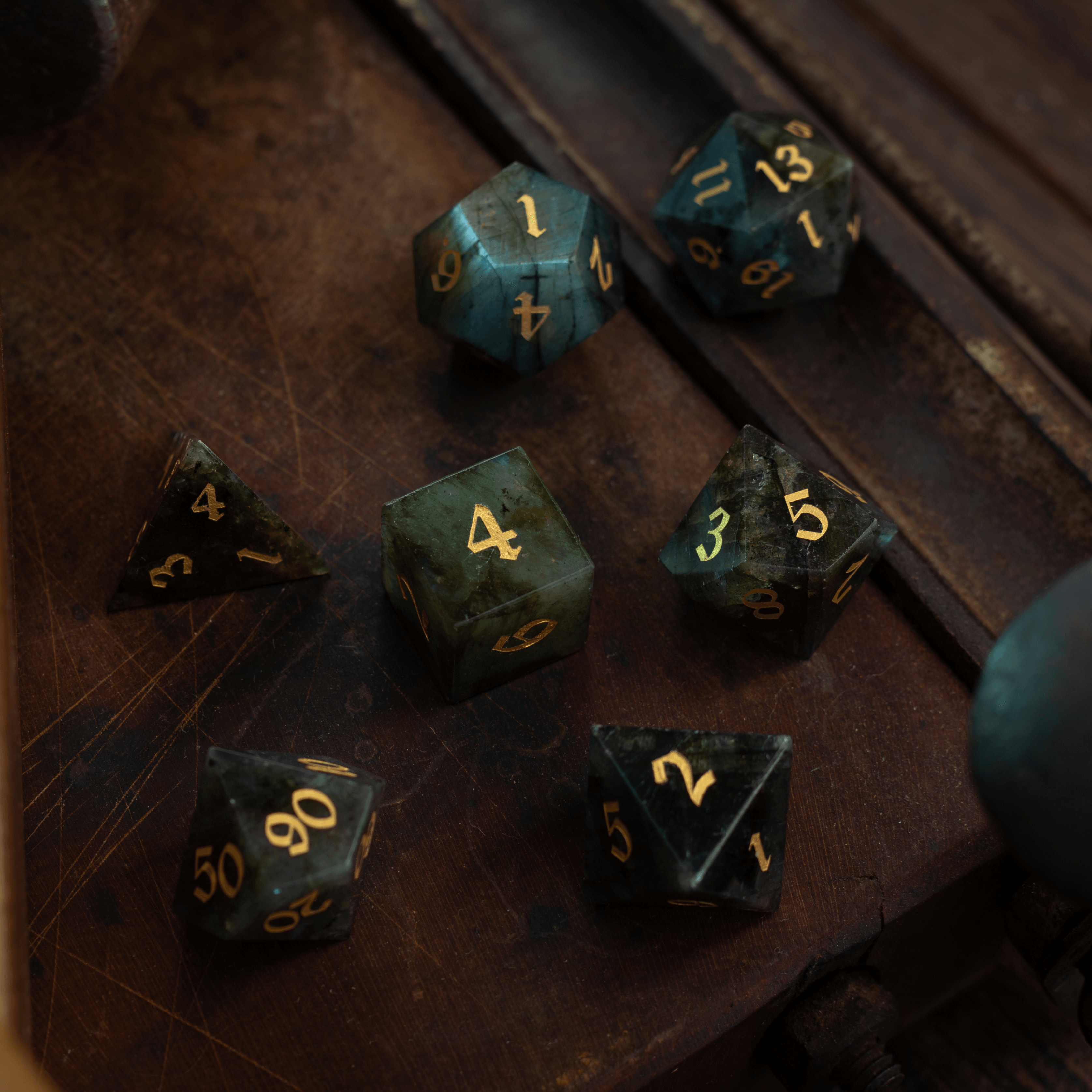
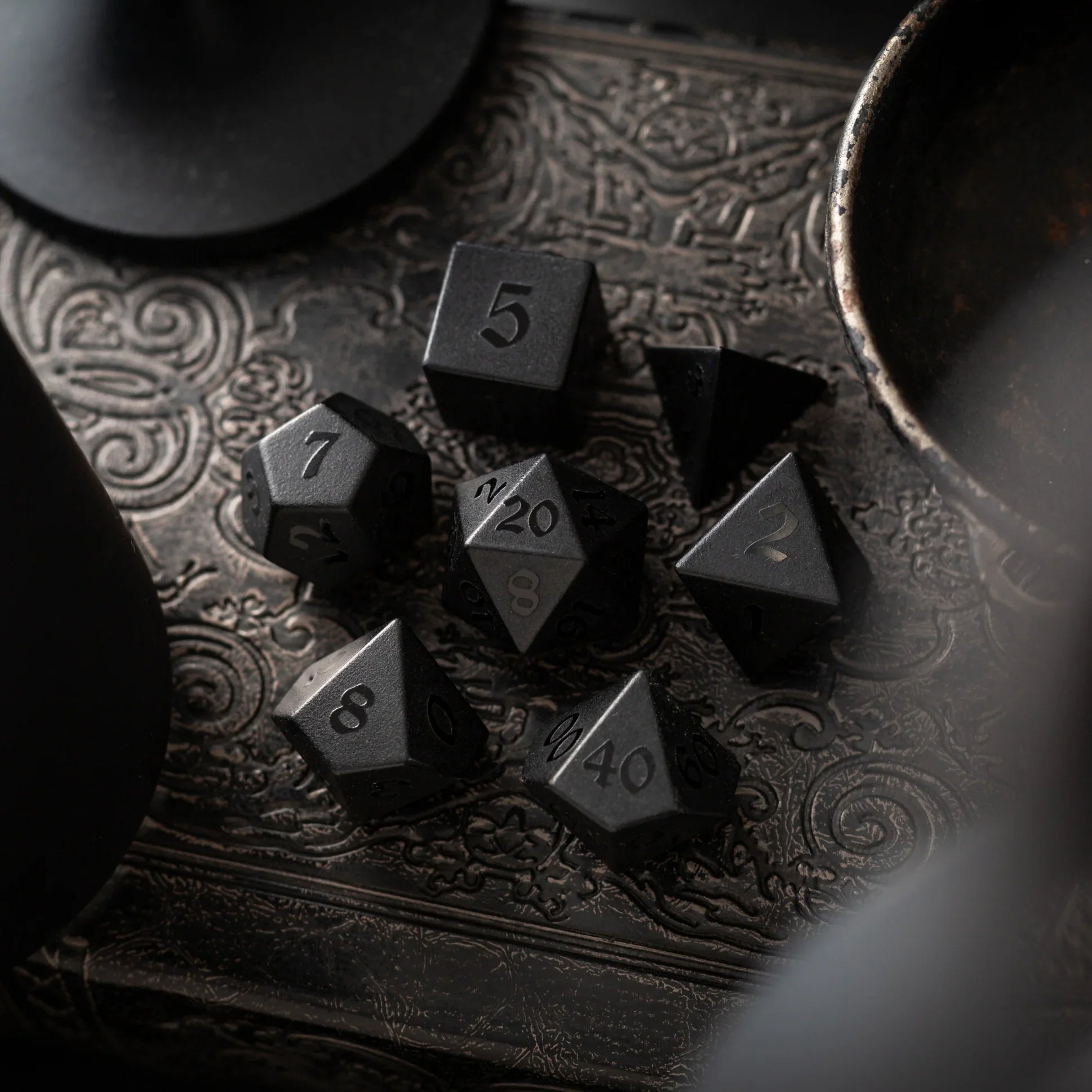
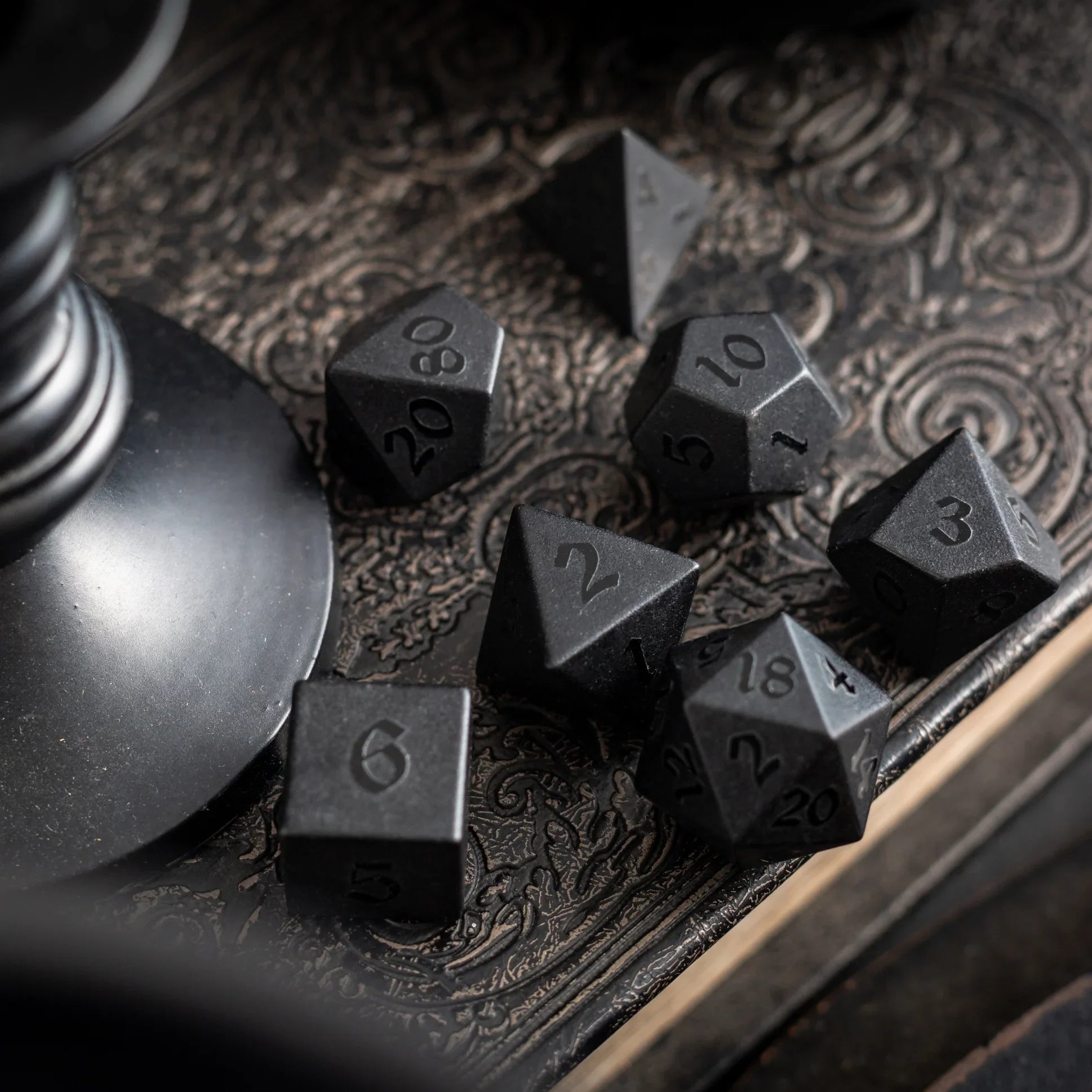
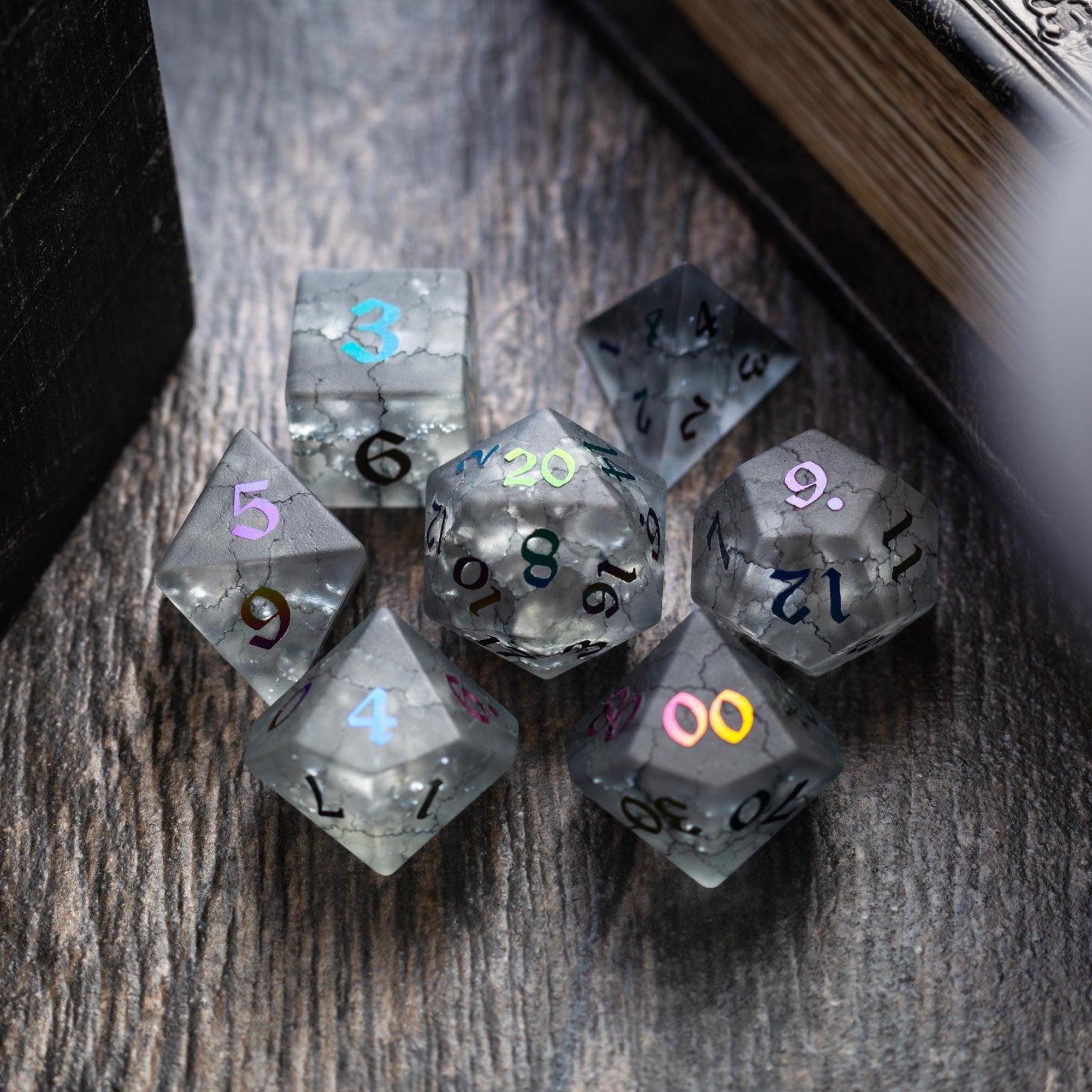
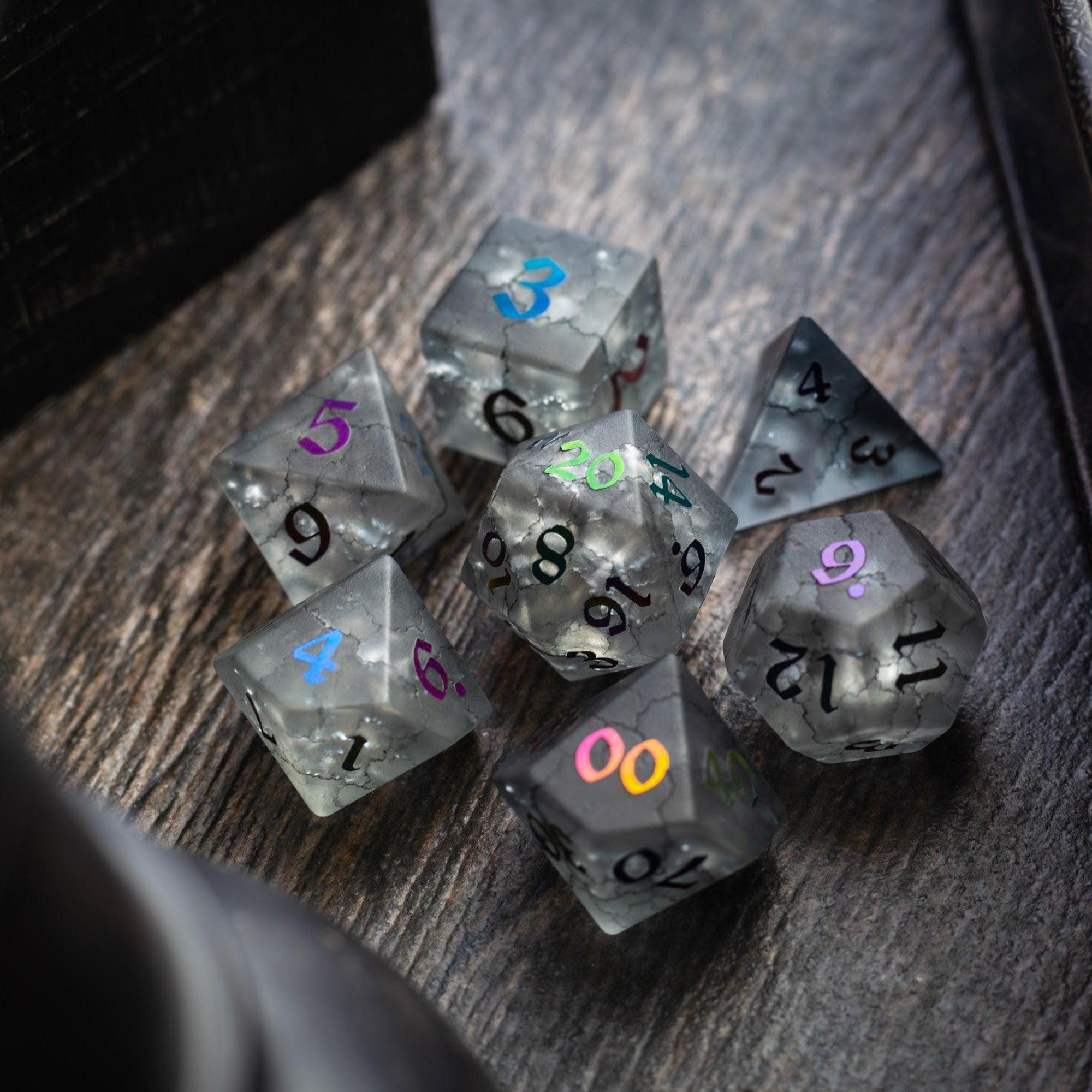
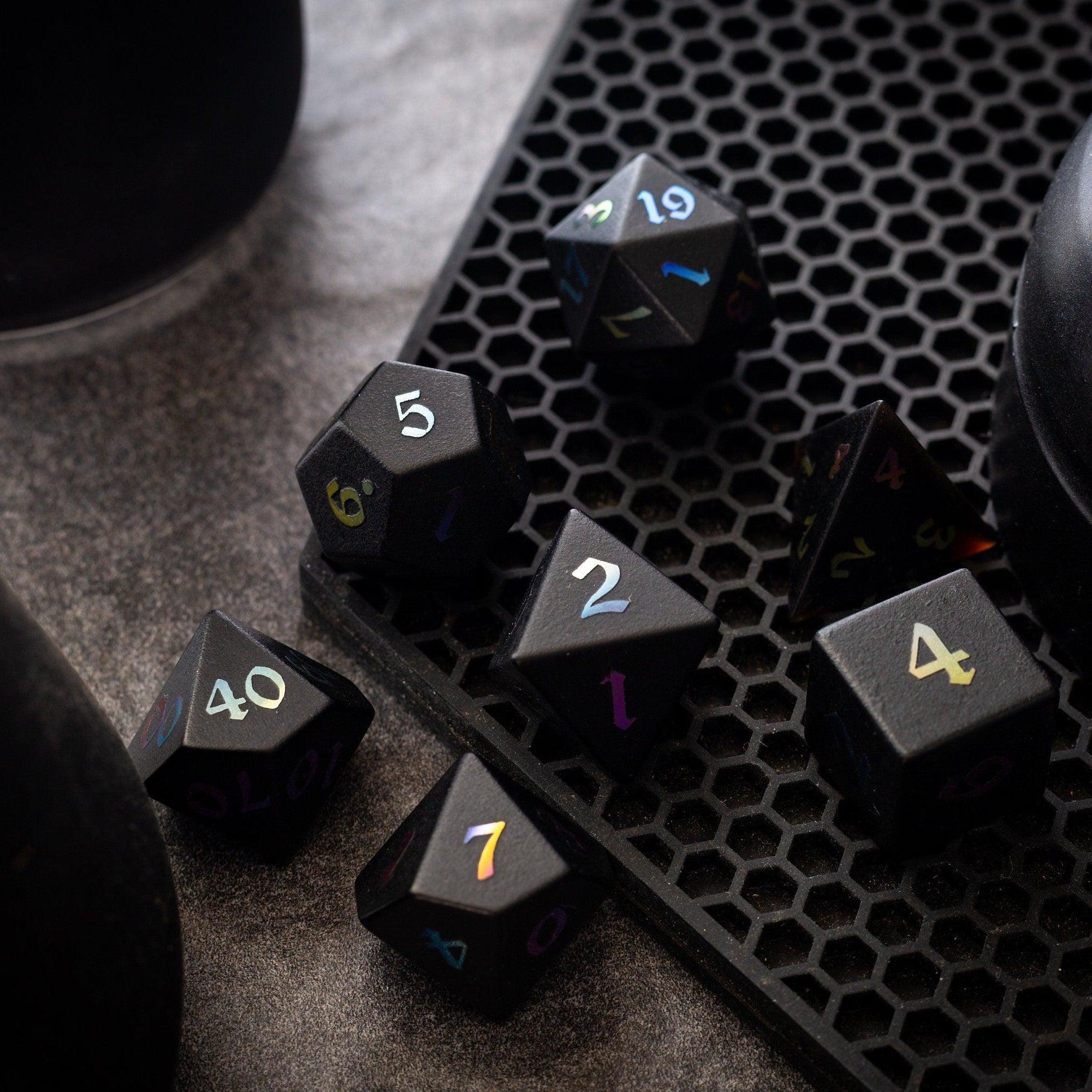
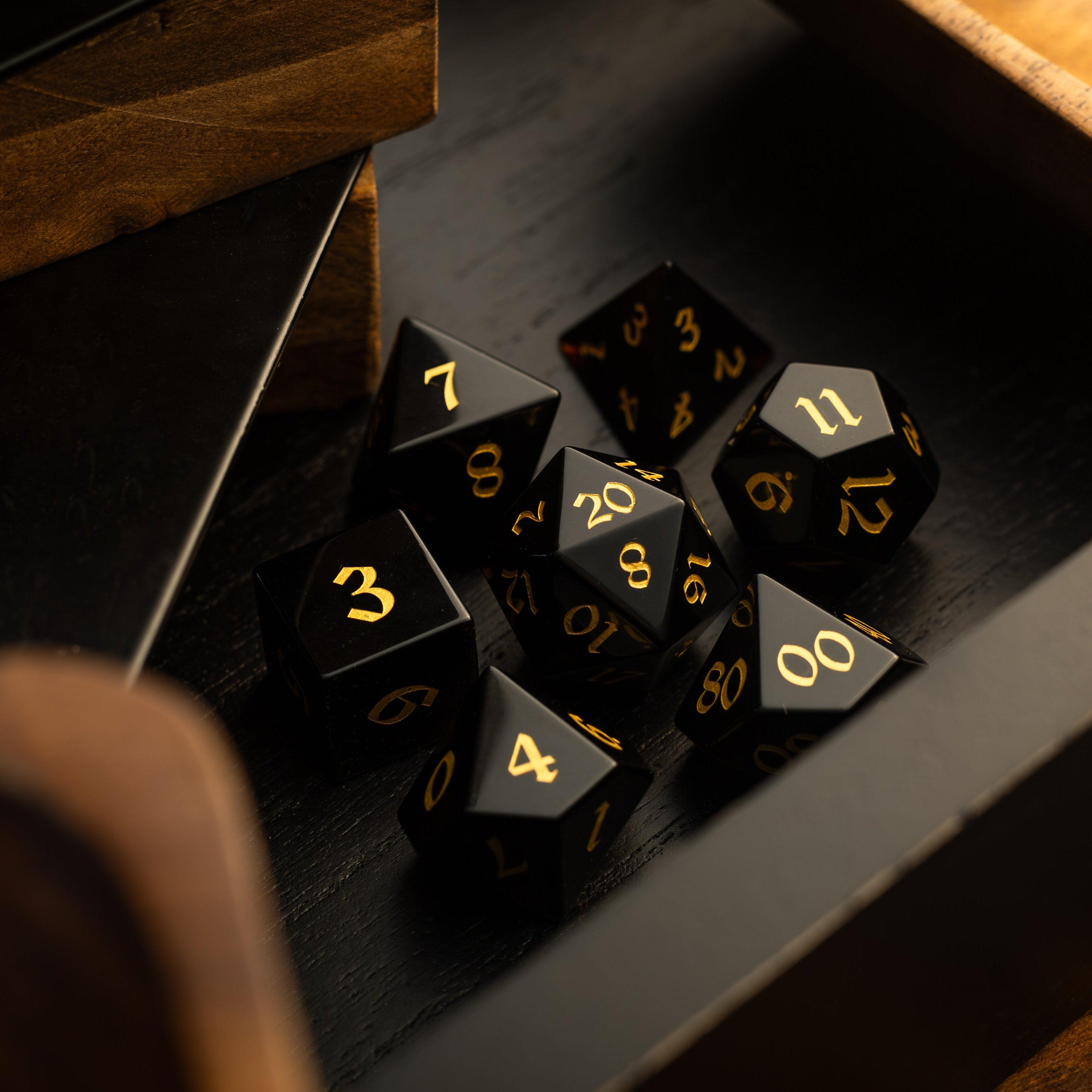
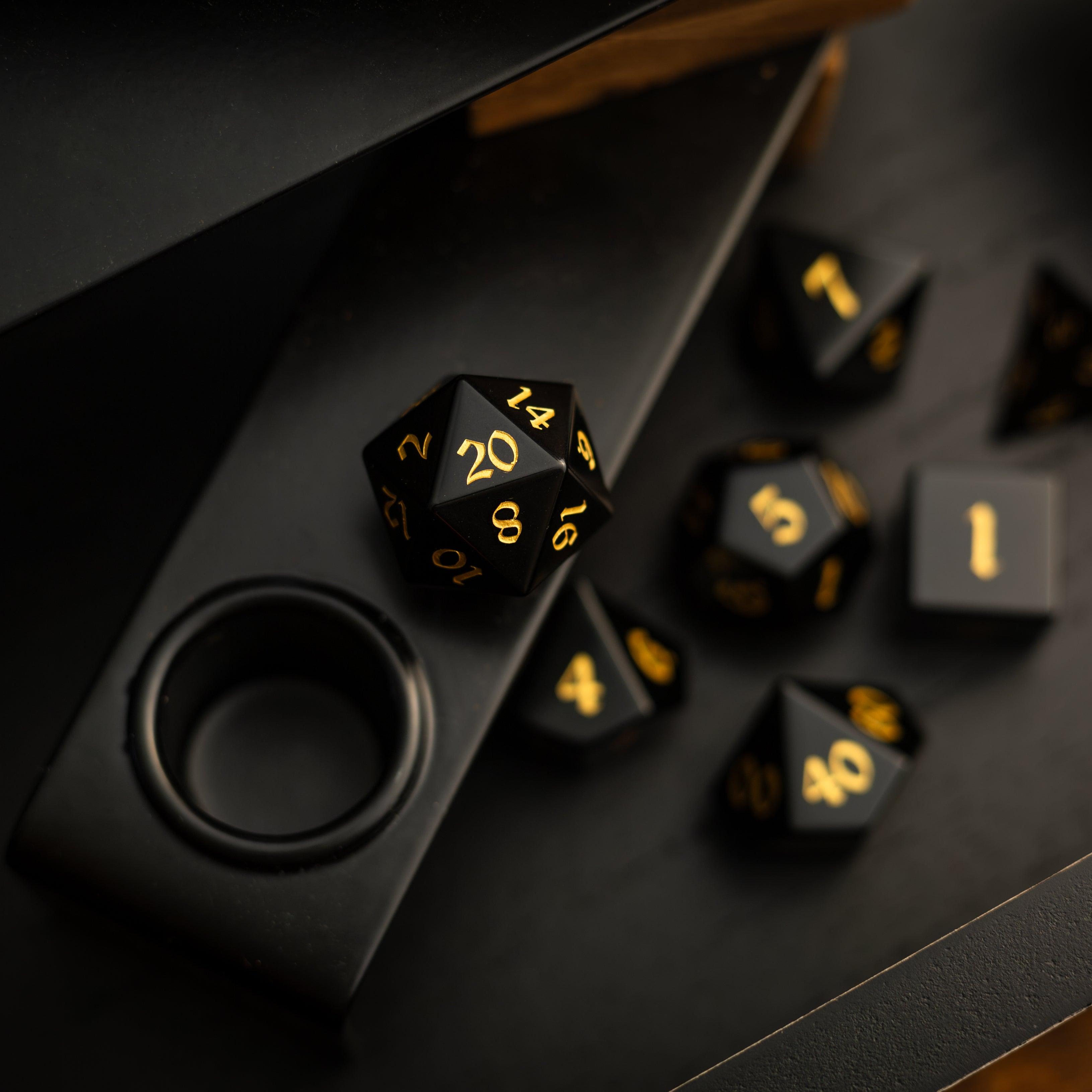
Small props can help reinforce that mood at the table. Dark gemstone dice can suit occult investigators and forbidden scholars, while liquid core dice can feel perfect for strange magic, shifting stars, or spells tied to unstable cosmic energy.
Eldritch Horror vs Traditional Fantasy Villains
|
Traditional Villain |
Eldritch Threat |
Key Difference |
|
A tyrant king |
A ruler guided by voices from a dead star |
The danger comes from influence, not just ambition |
|
A necromancer |
A scholar preserving memories of a civilization that should not exist |
The horror is tied to forbidden knowledge |
|
A demon lord |
A cosmic being that changes reality by dreaming |
The threat may not understand mortal life |
|
A vampire |
A noble family slowly becoming something inhuman |
The fear grows through mystery and transformation |
|
A warlord |
A cult preparing the world for an impossible sunrise |
The conflict is spiritual, cosmic, and psychological |
Traditional villains are usually understandable. They want revenge, power, control, survival, or worship. Eldritch monsters and entities often work differently. Their motives may be symbolic, alien, or completely beyond mortal logic.
That does not mean players should feel helpless. The best tabletop horror campaign still gives the party meaningful choices. They may not destroy the ancient entity, but they can stop the ritual, save the town, seal the gate, or decide what price they are willing to pay for the truth.
Building Uncanny Lore for Your Campaign
Eldritch horror thrives on history that feels incomplete. When building uncanny lore, start with fragments instead of full explanations.
Try adding:
-
A forgotten civilization whose ruins appear in impossible places
-
A lost god whose name has been removed from every temple
-
A forbidden tome that rewrites itself after each reading
-
A prophecy that describes events from the players’ past
-
An artifact that seems helpful, but dreams about being used
The trick is to make the lore feel older than the campaign itself. Players should feel like they are stepping into a mystery that has been waiting for them.
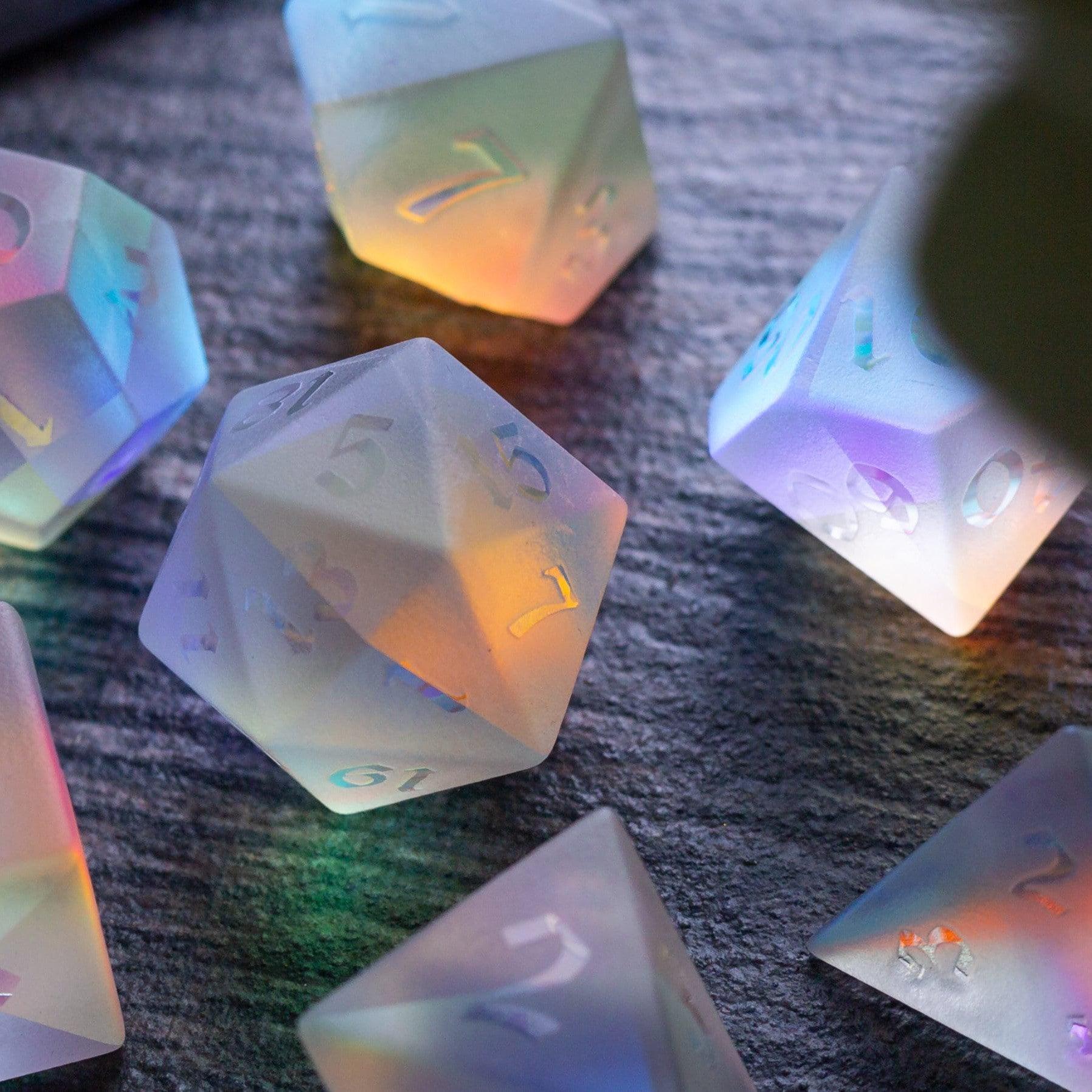
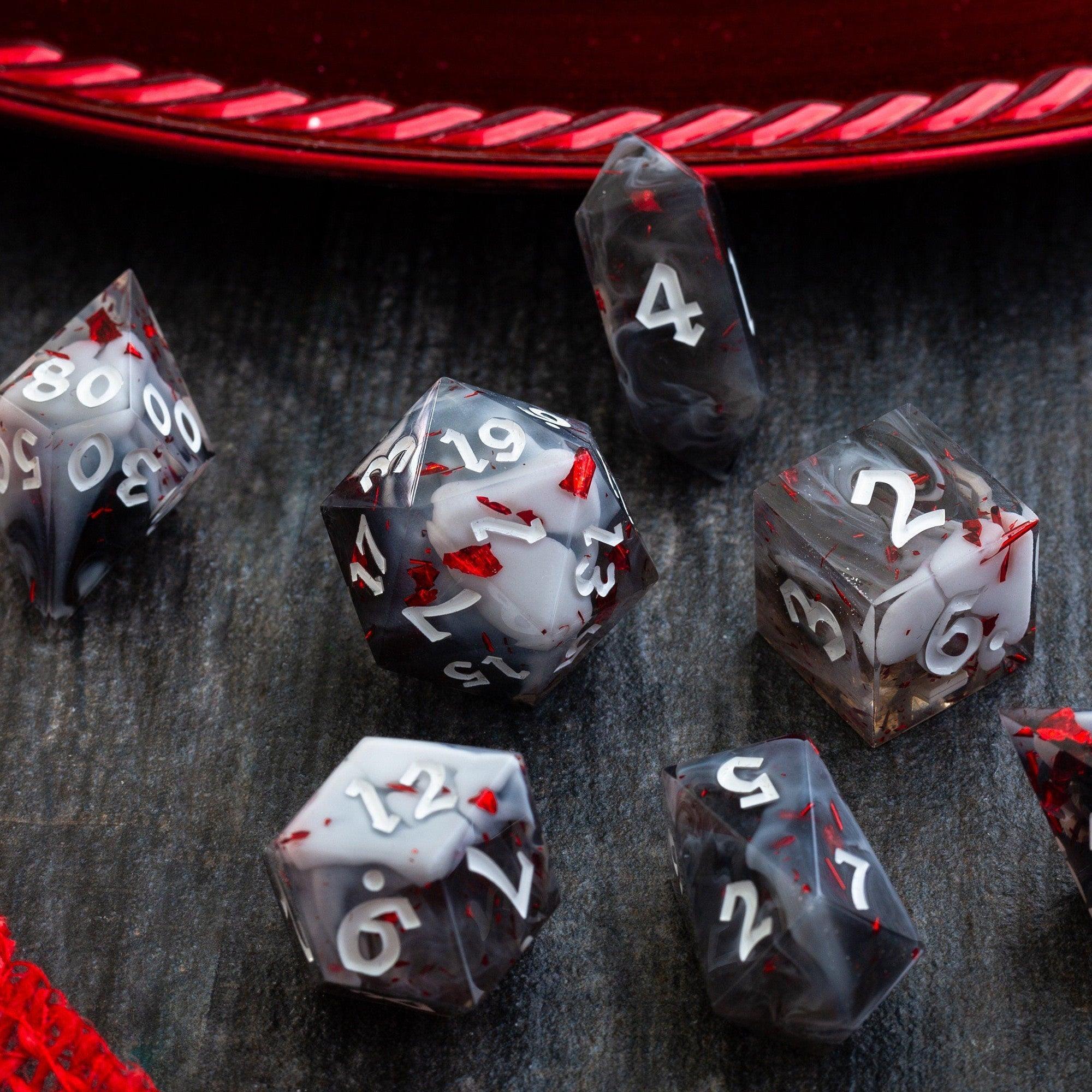
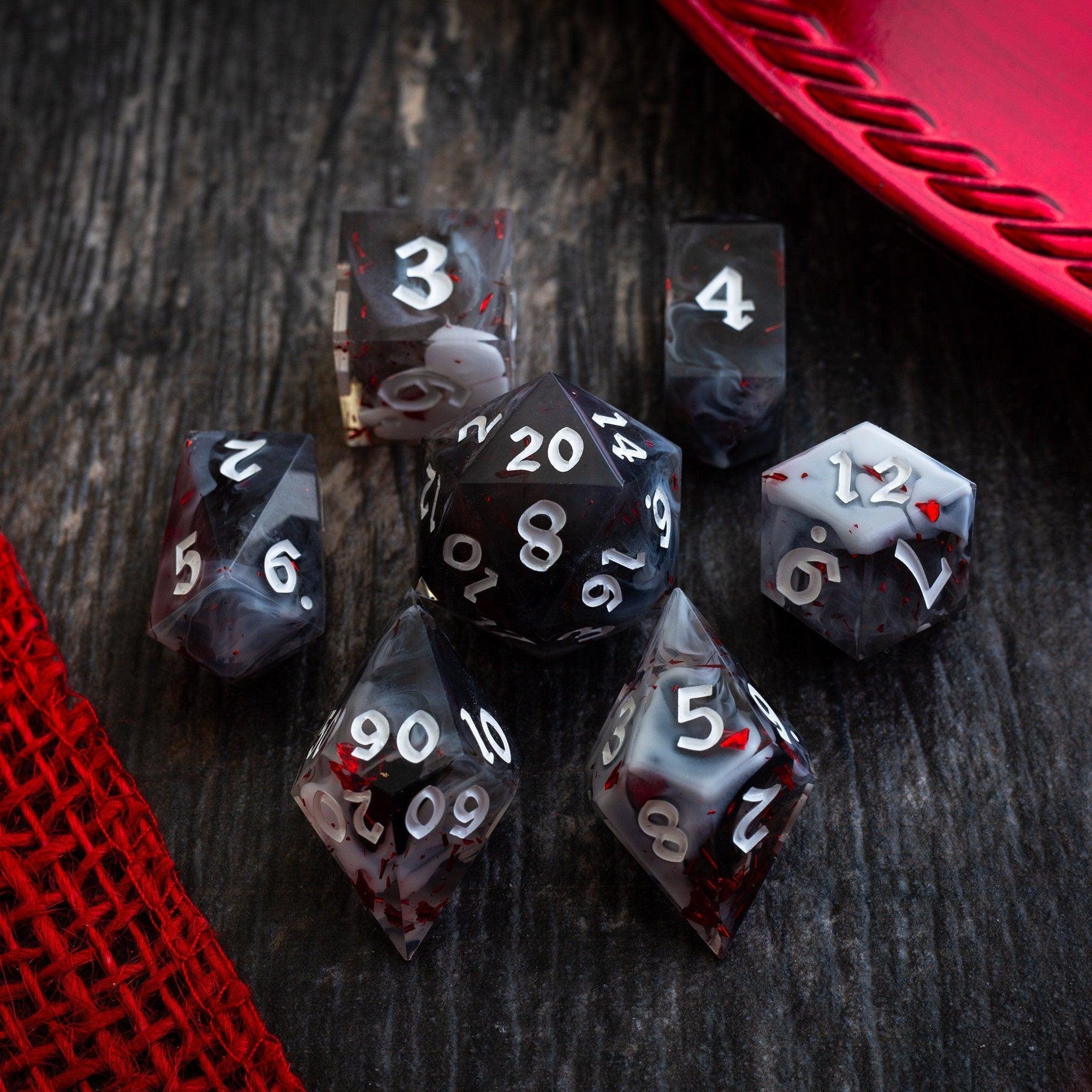
Resin dice can be a nice fit here, especially for eerie cultist encounters, haunted ruins, or strange magical corruption. Swirling colors and cloudy interiors can echo the feeling of something hidden beneath the surface.
The Best Eldritch Monsters and Threats
You do not need to use only one giant monster to run eldritch horror. In fact, the scariest threats often appear through layers.
Useful eldritch threats include:
-
Aberrations: Mind flayers, beholders, aboleths, and similar creatures already carry strong cosmic horror themes.
-
Mind-controlling entities: These work well when trusted NPCs begin acting strangely.
-
Reality-warping creatures: Monsters that bend space, memory, time, or dreams create instant unease.
-
Ancient cosmic beings: These should feel distant, overwhelming, and barely understandable.
-
Cults and followers: Mortal servants make eldritch horror personal and playable.
A cult is especially useful because it gives the party something they can investigate and confront. The cosmic entity may be beyond reach, but its followers leave clues, make mistakes, and create immediate danger.
Creating Fear Without Relying on Gore
Eldritch horror does not need excessive gore to be effective. Often, restraint is stronger.
Use fear through:
-
Atmosphere: Cold rooms, dim lanterns, wrong stars, silent animals
-
Mystery: Clues that connect, but never fully explain themselves
-
Isolation: A town cut off by fog, snow, dreams, or strange geography
-
Uncertainty: NPCs who remember different versions of the same event
-
Strange clues: Symbols, whispers, impossible fossils, repeated phrases
Instead of saying, “The monster is terrifying,” show the effects around it. The well water reflects a different sky. A priest forgets the names of all the gods. A child draws the party before they arrive.
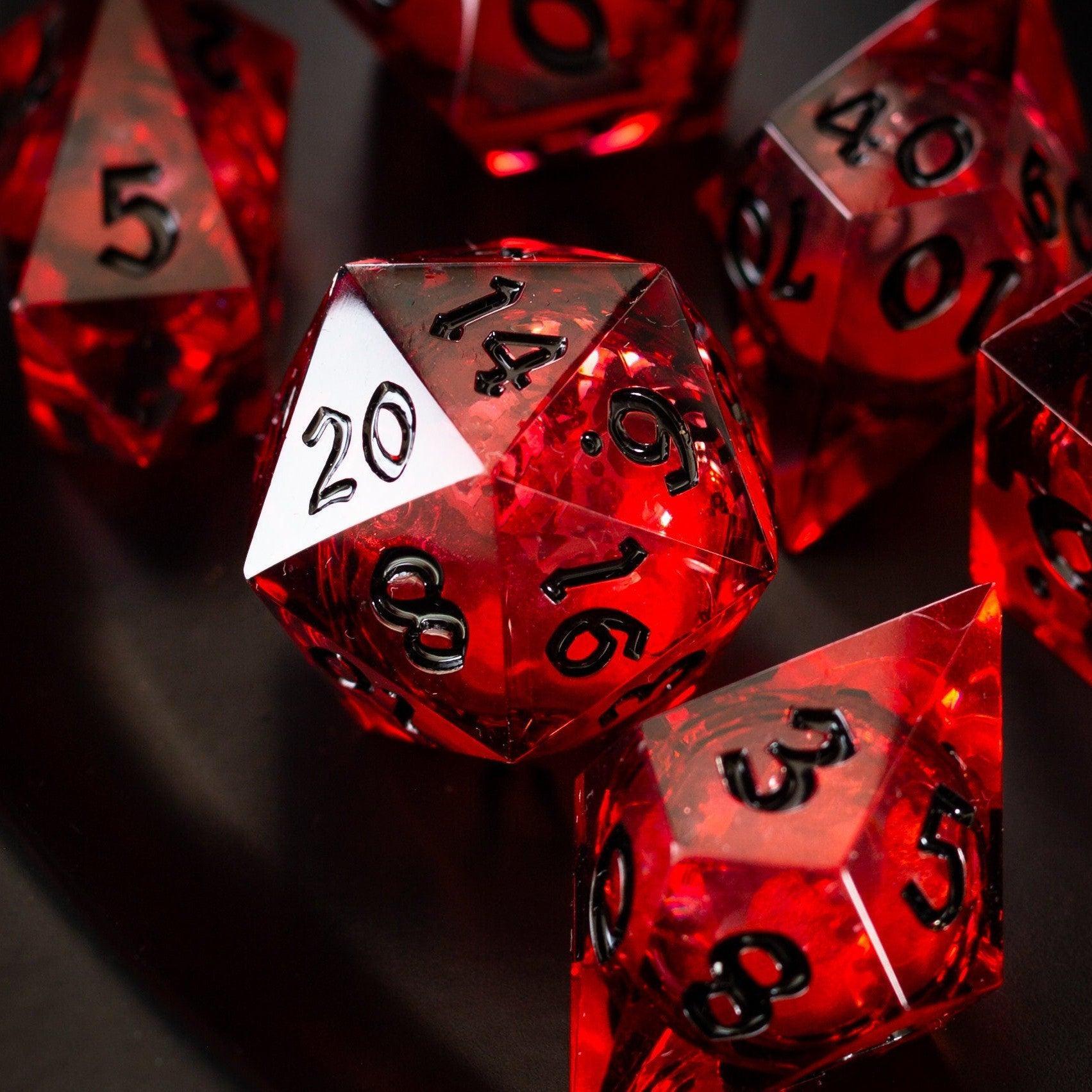
At the table, even the sound and feel of dice can add tension. A resin chonk die rolled during a critical horror moment can make the table go silent for just a second longer. That physical weight can turn a saving throw, death save, or ritual countdown into something everyone remembers.
Bringing Cosmic Horror Into D&D Campaigns
A cosmic horror RPG campaign does not need to abandon fantasy adventure. You can bring eldritch horror into D&D by mixing familiar quests with unsettling truths.
Adventure hooks:
-
A mining town breaks into a chamber filled with stars instead of stone.
-
A wizard hires the party to recover a spellbook that remembers future deaths.
-
A coastal village worships a lighthouse that shines underwater.
-
A noble family keeps aging backward after finding an ancient relic.
-
A dungeon rearranges itself based on what the characters fear.
Dungeon ideas:
-
A temple built around a sleeping eye
-
A library where unread books whisper
-
A cavern where gravity changes with prayer
-
A ruined observatory tracking stars that no longer exist
Investigation scenarios work especially well because eldritch horror rewards curiosity. Let players gather clues, interview witnesses, compare symbols, and slowly realize that the problem is bigger than one monster.
Liquid core dice can be especially fitting for these moments. Their shifting centers mirror the unstable feeling of cosmic magic, strange portals, and truths that refuse to stay still.
Common Mistakes When Running Eldritch Horror
Eldritch horror is powerful, but it can fall flat if handled poorly.
Explaining Too Much
If every mystery gets a clean answer, the horror loses its shape. Give players enough truth to act, but leave some questions lingering.
Removing Player Agency
Cosmic horror should feel overwhelming, not pointless. Players still need choices that matter.
Overusing Madness Mechanics
Psychological horror works best when it respects the characters. Instead of forcing random behavior constantly, focus on dreams, temptations, memories, and hard decisions.
Relying Only on Monster Fights
Combat can be exciting, but eldritch horror needs more than battles. Add investigation, atmosphere, moral choices, and creeping discoveries.
Why Players Love Eldritch Horror Campaigns
Players enjoy eldritch horror because it makes the world feel deep. Every ruin, symbol, and legend might matter. Every victory feels earned because the party is facing something larger than a normal enemy.
These campaigns offer:
-
Mystery solving
-
Deep lore
-
Emotional tension
-
Unpredictable storytelling
-
Memorable villains and strange allies
A strong tabletop horror campaign also gives players stories they talk about long after the session ends. Not just, “We beat the monster,” but “Remember when we realized the dungeon was dreaming about us?”
Future Trends in Horror RPG Storytelling
Horror tabletop RPGs continue to grow because players love stories with atmosphere, emotion, and consequence. Modern groups often want more than jump scares. They want horror that connects to character backstories, campaign lore, and meaningful choices.
Current horror campaign ideas often lean into:
-
Narrative-driven horror
-
Psychological tension
-
Dark fantasy storytelling
-
Player-led investigation
-
Slow-burn mysteries
-
Hybrid campaigns that mix adventure, horror, and tragedy
This is where eldritch horror shines. It can be a full campaign, a single arc, or a recurring shadow behind the main story.
Conclusion: Let the Unknown Stay Unknown
Eldritch horror works because it reminds players that some mysteries are too large to hold in one hand. The goal is not always to explain the darkness. Sometimes the goal is to survive it, seal it away, or understand just enough to make a terrible choice.
Build your eldritch lore with patience. Let ancient civilizations leave broken warnings. Let monsters feel like symptoms of something greater. Let players discover truths slowly, one symbol, dream, and impossible ruin at a time.
The best cosmic horror themes do not simply frighten the party. They make the world feel vast, haunted, and beautifully uncertain.
Somewhere beyond the lantern light, something ancient is turning in its sleep. The stars are watching. The door beneath the world is opening.



Leave a comment
This site is protected by hCaptcha and the hCaptcha Privacy Policy and Terms of Service apply.