

How to Make Your D&D Game Feel More Real: Simple Tips for Better Immersion

Dungeons & Dragons is at its best when it stops feeling like a game and starts feeling like a shared story. You’re no longer just rolling dice or tracking hit points. You’re standing at the edge of a misty forest, negotiating with a suspicious guard, or watching a companion make a risky choice that could change everything.
So why do some sessions feel alive while others feel flat?
The answer usually isn’t bigger prep, better acting, or more rules. It’s immersion. And the good news is that immersion doesn’t require anything complicated. A few small habits can transform your table into something memorable.
Let’s walk through how to make your D&D game feel more real, one simple step at a time.
What Makes a Game Feel “Real”?
Before diving into tips, it helps to understand what creates immersion in the first place.
A truly immersive D&D session usually has three key elements:
1. Consistency in the World
The world follows its own logic. Actions have consequences. NPCs behave like real people, not just quest-givers.
2. Emotional Investment
Players care about what’s happening. They’re not just solving problems. They’re reacting to them.
3. Player Engagement
Everyone feels involved, whether through roleplay, decisions, or reactions.
When these three come together, the game stops feeling mechanical and starts feeling meaningful.
Start with Small Details
You don’t need long speeches or elaborate descriptions to build immersion. In fact, short, focused details are often more powerful.
Instead of explaining everything, try hinting at the world.
Simple Ways to Add Detail
-
Describe one or two sensory elements:
-
“The air smells damp and earthy.”
-
“You hear distant dripping water.”
-
Focus on mood, not just visuals
-
Let players imagine the rest
Short descriptions give players space to picture the scene themselves, which makes it feel more personal.
Encourage Player Roleplay
Immersion isn’t just the Dungeon Master’s job. Players play a huge role in bringing the world to life.
The key is making roleplay feel comfortable, not intimidating.
Easy Roleplay Habits
-
Speak in character occasionally, even for short lines
-
Make decisions based on your character’s personality
-
React to events instead of just solving them
You don’t need a voice or acting skills. Even simple statements like:
-
“My character doesn’t trust this deal.”
-
“I hesitate before agreeing.”
…can make a big difference.
Immersion Tips Table
Here’s a quick look at how small changes can turn basic moments into immersive ones:
|
Situation |
Basic Approach |
More Immersive Alternative |
|
Entering a tavern |
“You enter a tavern.” |
“Warm light spills across wooden tables as voices rise and fall around you.” |
|
Talking to an NPC |
“He gives you a quest.” |
“He leans closer, lowering his voice. ‘I need someone discreet…’” |
|
Combat start |
“Roll initiative.” |
“Steel flashes as tension snaps. Everyone moves at once.” |
|
Rolling dice |
“I roll a 15.” |
“The die clatters across the table as you hold your breath.” |
|
Finding treasure |
“You get gold.” |
“A small chest creaks open, revealing coins worn from years of travel.” |
These small shifts help players feel like they’re inside the moment, not just observing it.
Use Props and Physical Elements
The physical side of your table can have a surprisingly big impact on immersion.
You don’t need anything elaborate. Just a few thoughtful touches.
Simple Immersion Boosters
-
A dice tray to contain rolls and create a “stage” for action
-
Character sheets that feel personal and worn
-
Miniatures or tokens for positioning
-
Soft lighting or candles (real or LED)
-
Background music at low volume
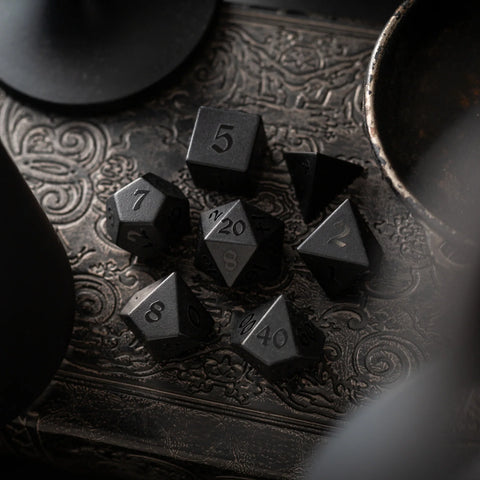
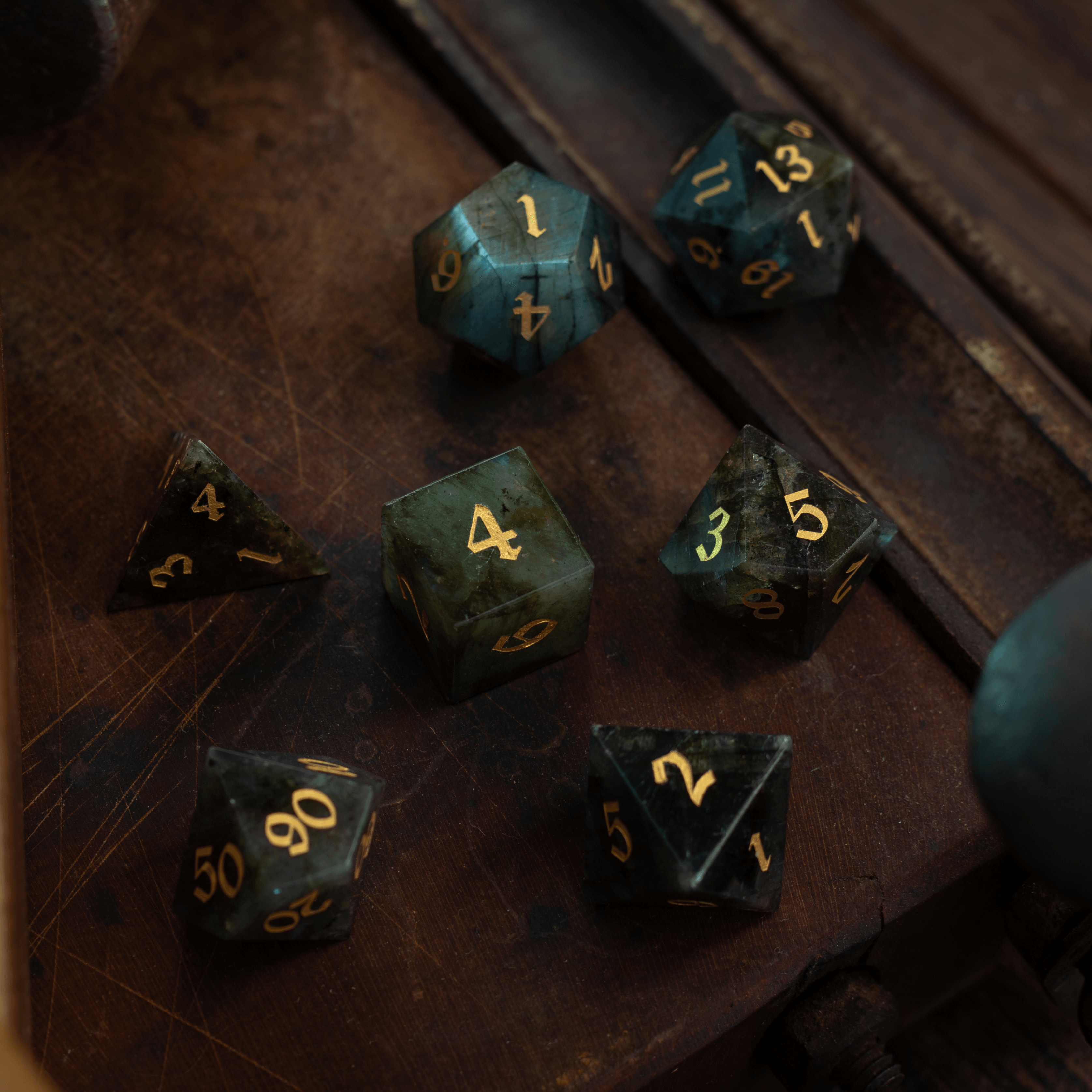
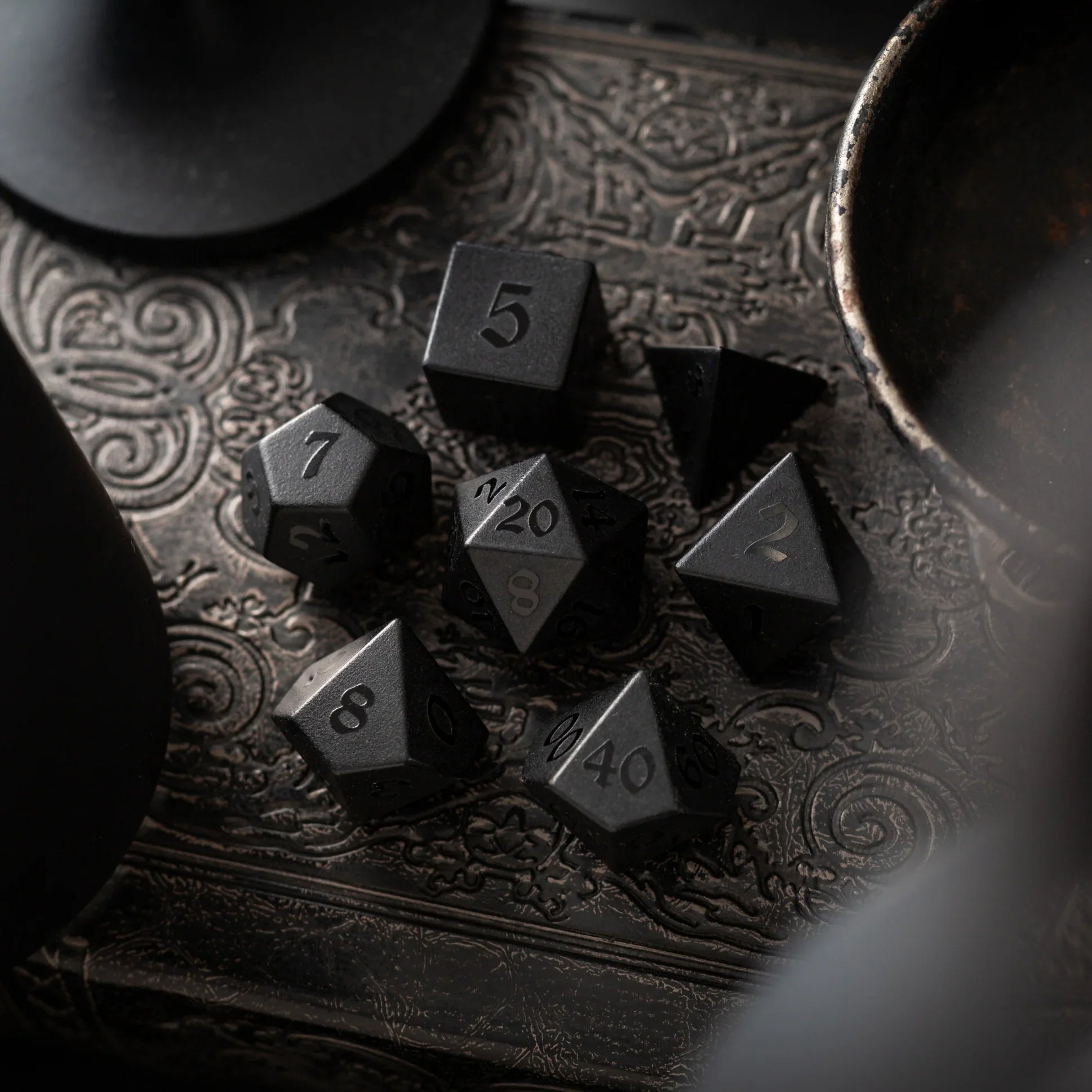
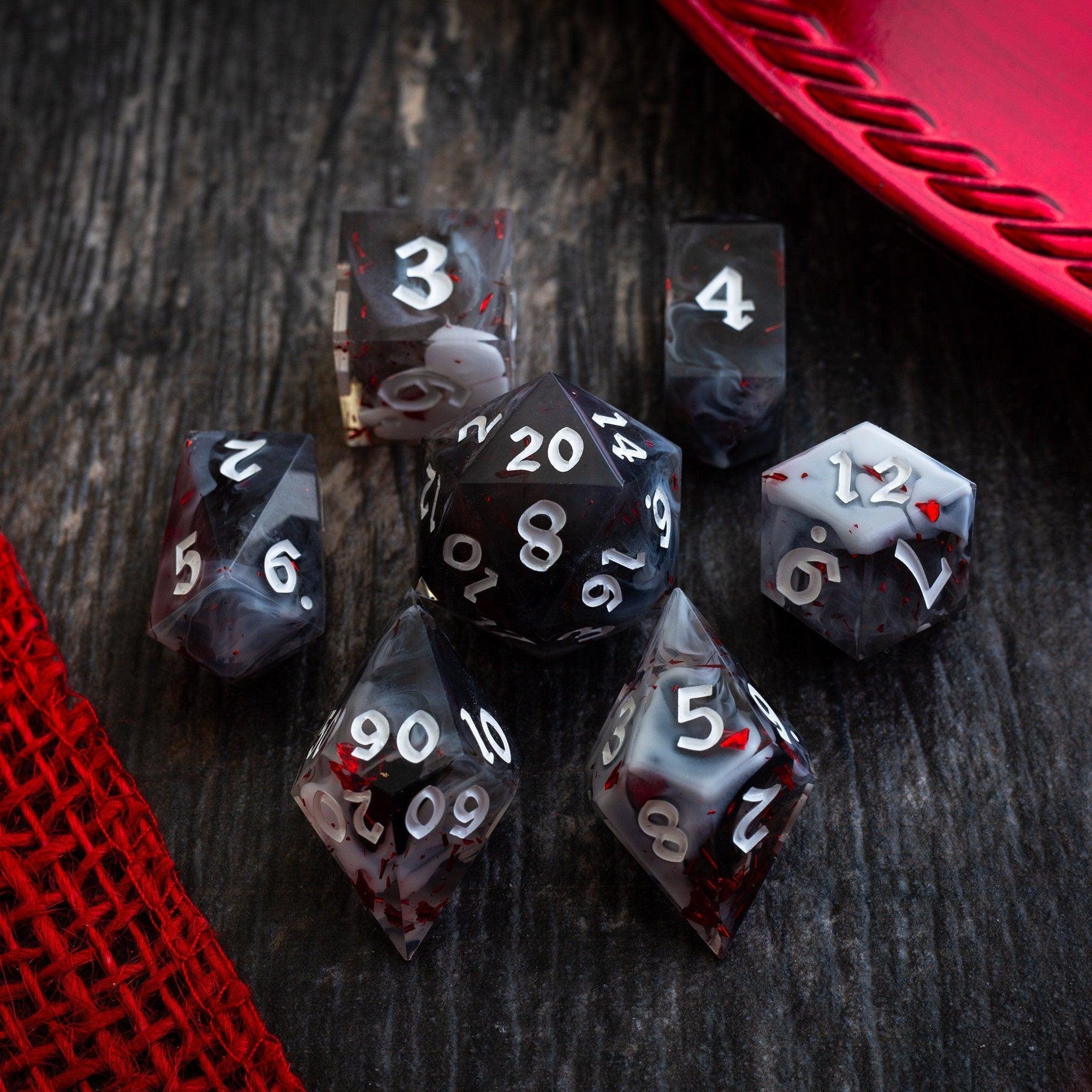
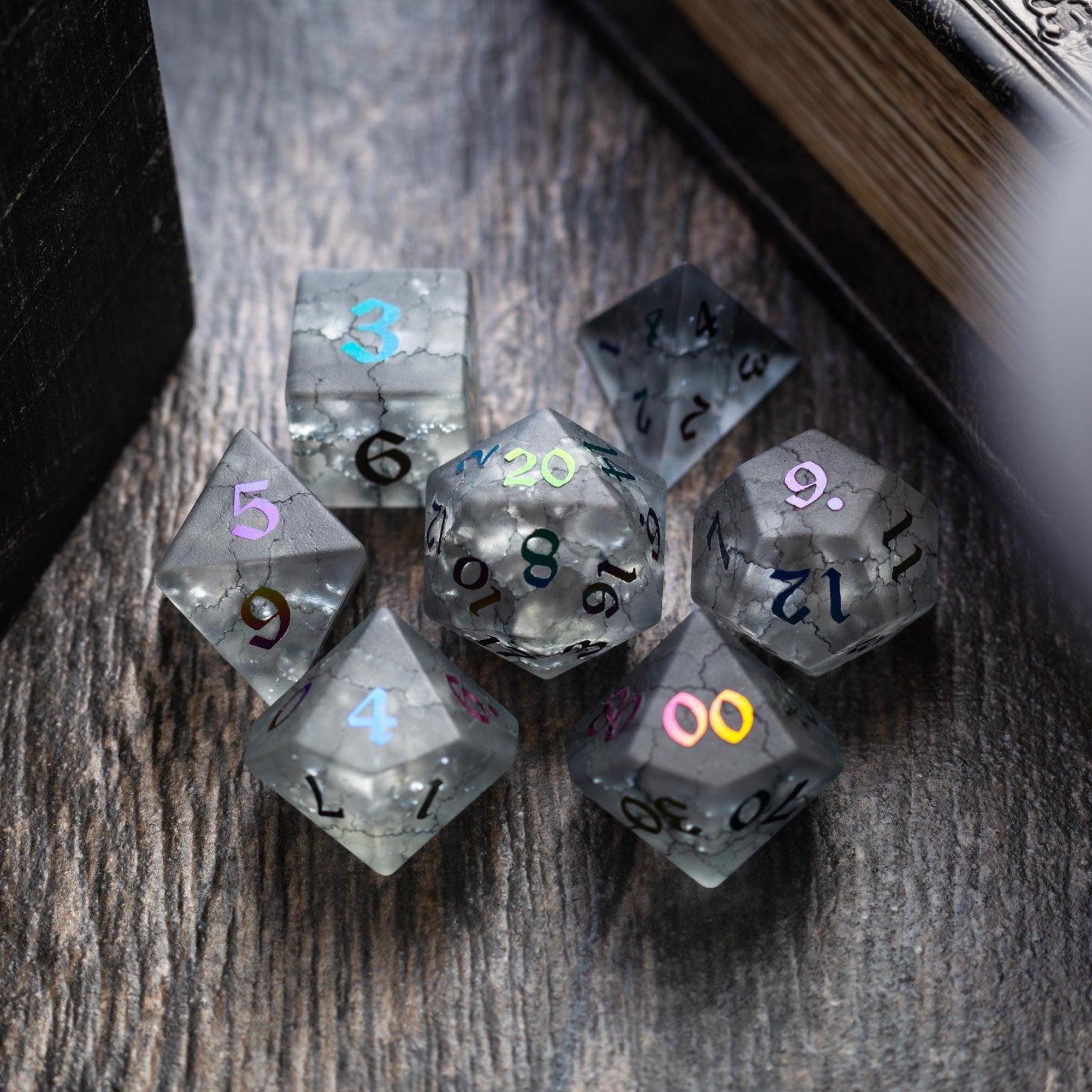
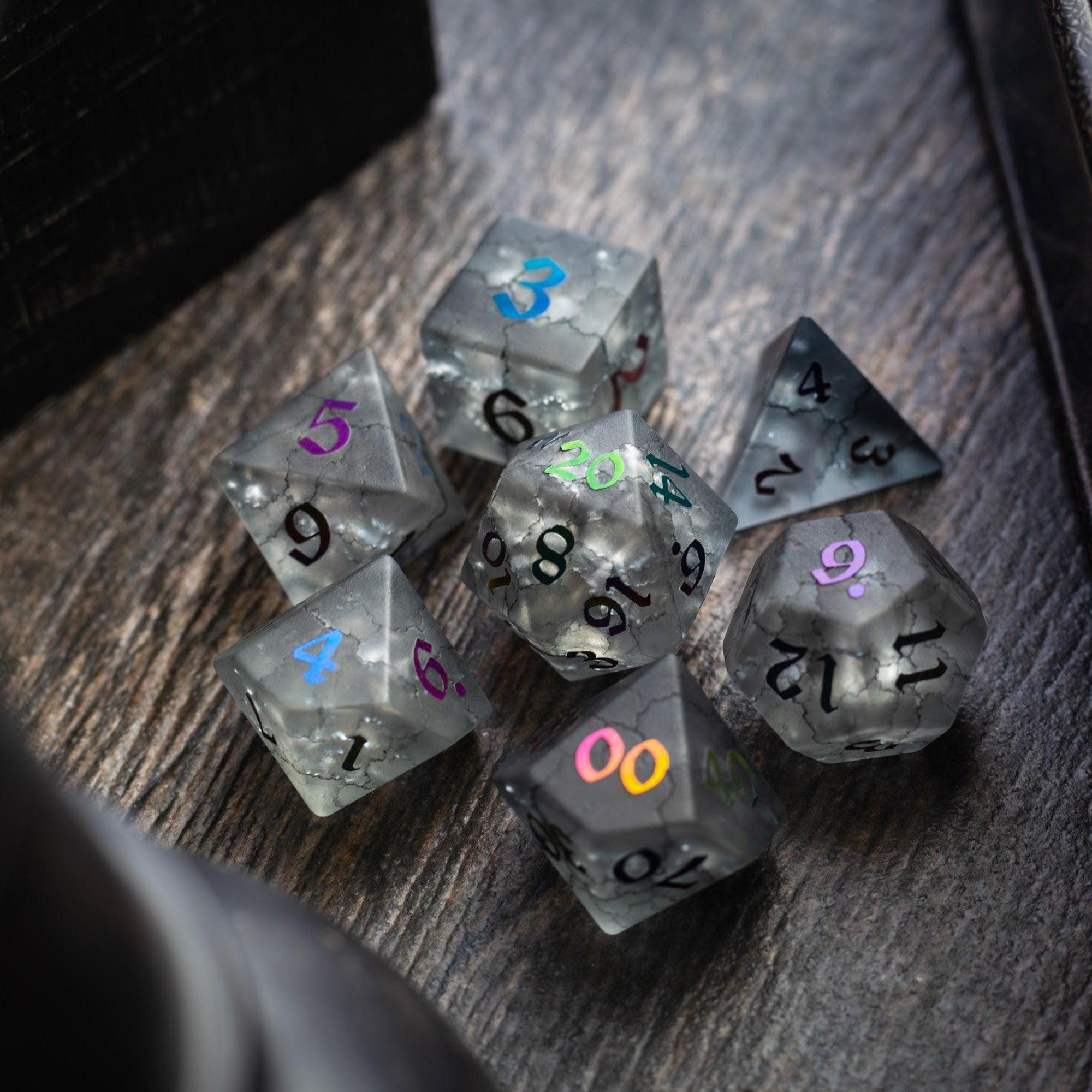
Dice themselves can be part of the experience. A heavy metal die landing with a solid clink or a translucent resin set catching the light adds a tactile moment to every roll.
When a player chooses dice that match their character, it reinforces identity in a subtle but powerful way. A cleric might favor radiant, polished tones, while a rogue might reach for darker, shadowy designs. It’s a small detail, but it helps anchor the character in the world.
Make NPCs Feel Real
NPCs are often the heart of immersion. When they feel real, the world feels real.
You don’t need complex backstories. Just give them a few clear traits.
Quick NPC Building Tips
-
Give each NPC a goal
-
Add one personality trait:
-
Nervous
-
Confident
-
Suspicious
-
Let them react naturally to players
Even small touches like hesitation, humor, or frustration can make interactions feel believable.
Instead of “The shopkeeper sells you items,” try:
-
“She watches you carefully before answering, clearly sizing you up.”
That moment of personality makes the interaction feel alive.
Keep the World Consistent
Immersion breaks quickly when the world stops making sense.
Consistency doesn’t mean strict realism. It means internal logic.
Ways to Maintain Consistency
-
Remember past player actions
-
Let choices have visible consequences
-
Keep tone consistent within scenes
If players help a village, that village should remember them. If they betray someone, that should come back later.
These callbacks make the world feel connected and responsive.
Balance Realism with Fun
It’s easy to go too far in the name of immersion.
Too much detail or realism can slow things down and make the game feel heavy.
Keep It Fun By:
-
Avoiding unnecessary complexity
-
Keeping descriptions short and focused
-
Letting players joke and relax between moments
Immersion works best when it flows naturally, not when it’s forced.
Creating Emotional Moments
Some of the most memorable D&D moments aren’t about mechanics at all. They’re about emotion.
How to Build Emotional Impact
-
Let tension build slowly
-
Give players meaningful choices
-
Allow time for reactions
A quiet moment after a difficult fight or a hard decision can be more powerful than any big battle.
Celebrate victories. Let losses matter. Give players space to feel something.
Use the Table Setup to Tell a Story
Your table itself can reinforce immersion without anyone saying a word.
Visual Storytelling Ideas
-
Arrange minis to show tension or distance
-
Use terrain to highlight danger or scale
-
Keep your play area organized and focused
Even the act of rolling dice can feel like part of the story.
When a player leans in, rolls carefully, and watches the result, it becomes a moment. The weight, sound, and look of the dice all contribute. Over time, those little rituals start to feel like part of the world itself.
Common Mistakes to Avoid
Even with the best intentions, a few habits can break immersion.
Watch Out For:
-
Over-describing everything
Too much detail can overwhelm players. -
Forcing roleplay
Not everyone is comfortable acting. Let it grow naturally. -
Ignoring player engagement
If players aren’t reacting, adjust your approach. -
Breaking tone too often
Jokes are fine, but constant interruptions can pull players out of the moment.
Build Immersion One Step at a Time
Making your D&D game feel more real doesn’t require dramatic changes.
It comes from small, consistent improvements:
-
A little more description
-
A bit more character-driven play
-
A few thoughtful physical elements
Over time, those small choices add up.
The next time you sit down at the table, try just one or two of these ideas. You might be surprised how quickly the game starts to feel different.
More alive. More connected. More memorable.
And that’s what D&D is really about.














Leave a comment
This site is protected by hCaptcha and the hCaptcha Privacy Policy and Terms of Service apply.