

How to Keep Combat Fast and Fun in D&D: Speed Up Battles Without Losing Excitement

Combat in Dungeons & Dragons is where stories explode into action. Swords clash, spells flash, and dice decide fate. But if you’ve ever sat through a slow round where everyone forgets what they’re doing, you know how quickly that excitement can fade.
The good news is that fast D&D combat doesn’t mean shallow combat. With a few simple habits and smart techniques, you can keep battles moving while still feeling cinematic, strategic, and memorable.
Let’s break down how to improve your combat flow and make every fight feel like a highlight of the session.
Why Fast Combat Matters
When combat moves quickly, everything feels better.
Fast-paced battles:
-
Keep players focused and engaged
-
Maintain tension and excitement
-
Reduce distractions at the table
-
Make victories feel more earned
Think of combat like a good action scene in a movie. The longer it drags, the less impact it has. But when it flows smoothly, every moment feels important.
What Slows Combat Down
Before fixing the problem, it helps to recognize what’s causing it.
Here are the most common issues that slow down D&D combat:
-
Players not ready when their turn starts
-
Constant rule lookups or uncertainty
-
Overly complex enemy turns
-
Too many creatures acting separately
-
Players zoning out between turns
Most slowdowns aren’t about the rules themselves. They come from hesitation, disorganization, or lack of focus.
Player Tips to Keep Combat Fast
Players have a huge impact on combat speed. A few small habits can make a big difference.
Be Ready Before Your Turn
The easiest way to speed up combat is simple: plan ahead.
While others are taking their turns, think about:
-
Your target
-
Your movement
-
Your action and bonus action
When your turn starts, you should already know what you want to do.
Know Your Abilities and Spells
You don’t need to memorize everything, but you should understand your core abilities.
Try this:
-
Keep your most-used spells or attacks written down
-
Highlight important effects
-
Use quick reference notes
The less time you spend flipping through books, the faster your turn will be.
Roll Attack and Damage Together
This is one of the best dnd combat tips out there.
Instead of rolling your attack, waiting, and then rolling damage:
-
Roll both at the same time
If the attack hits, you already have your damage ready. If it misses, you ignore it. Simple and fast.
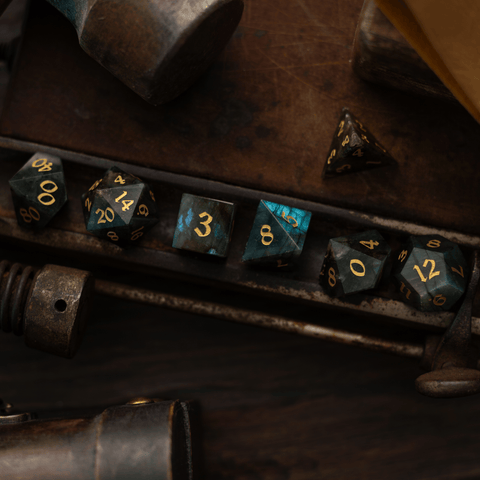
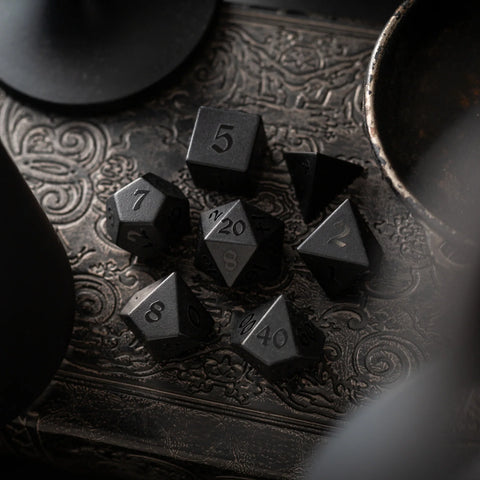
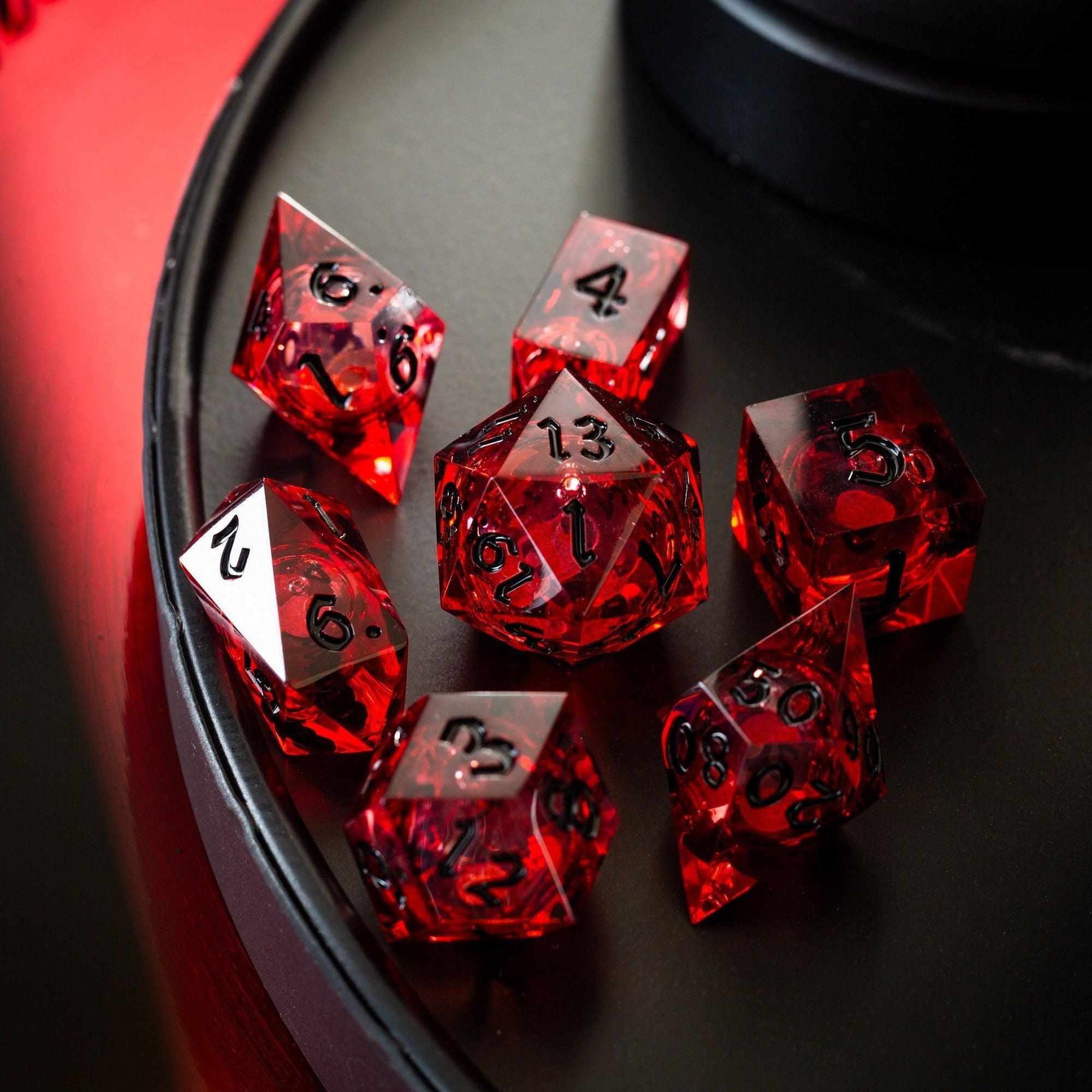
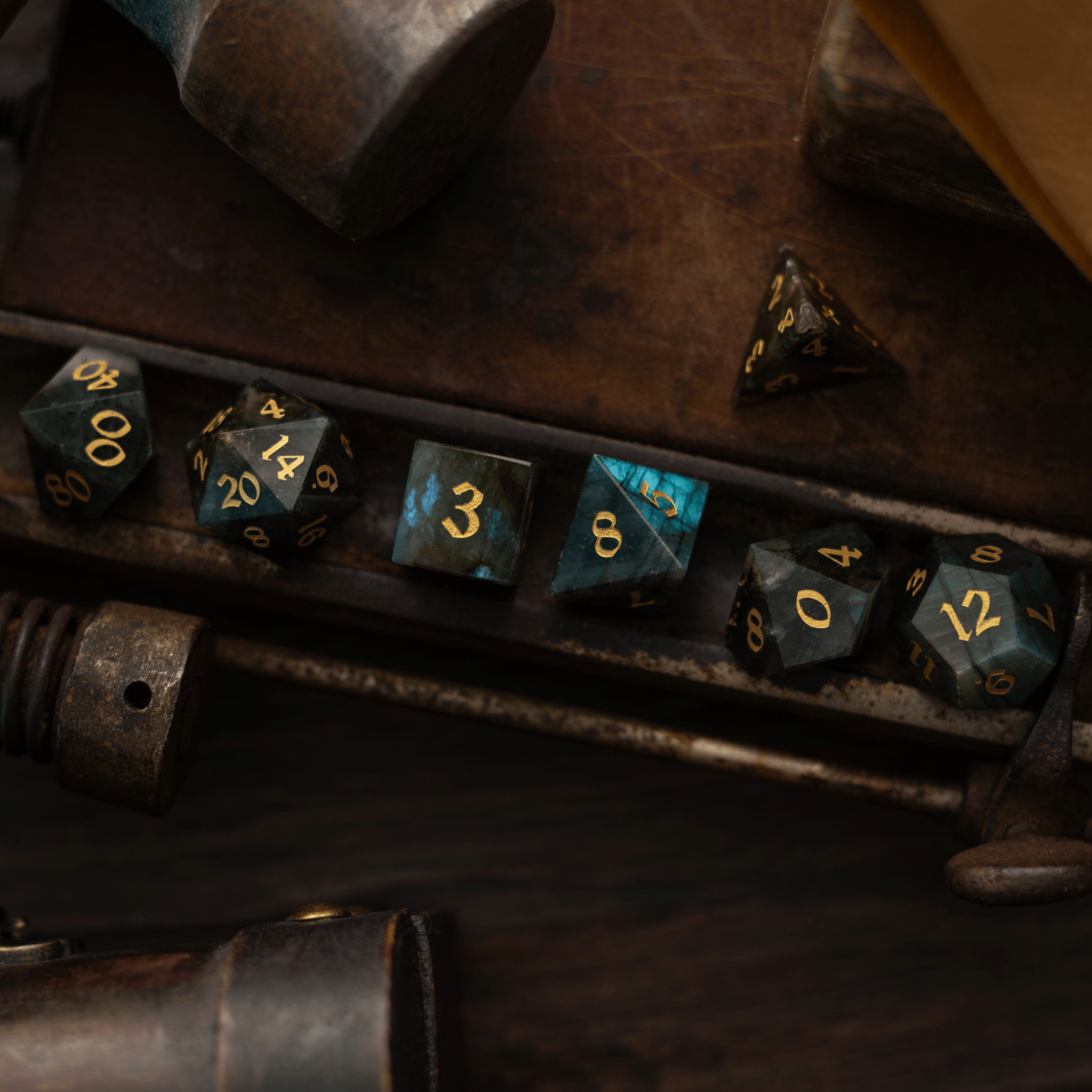
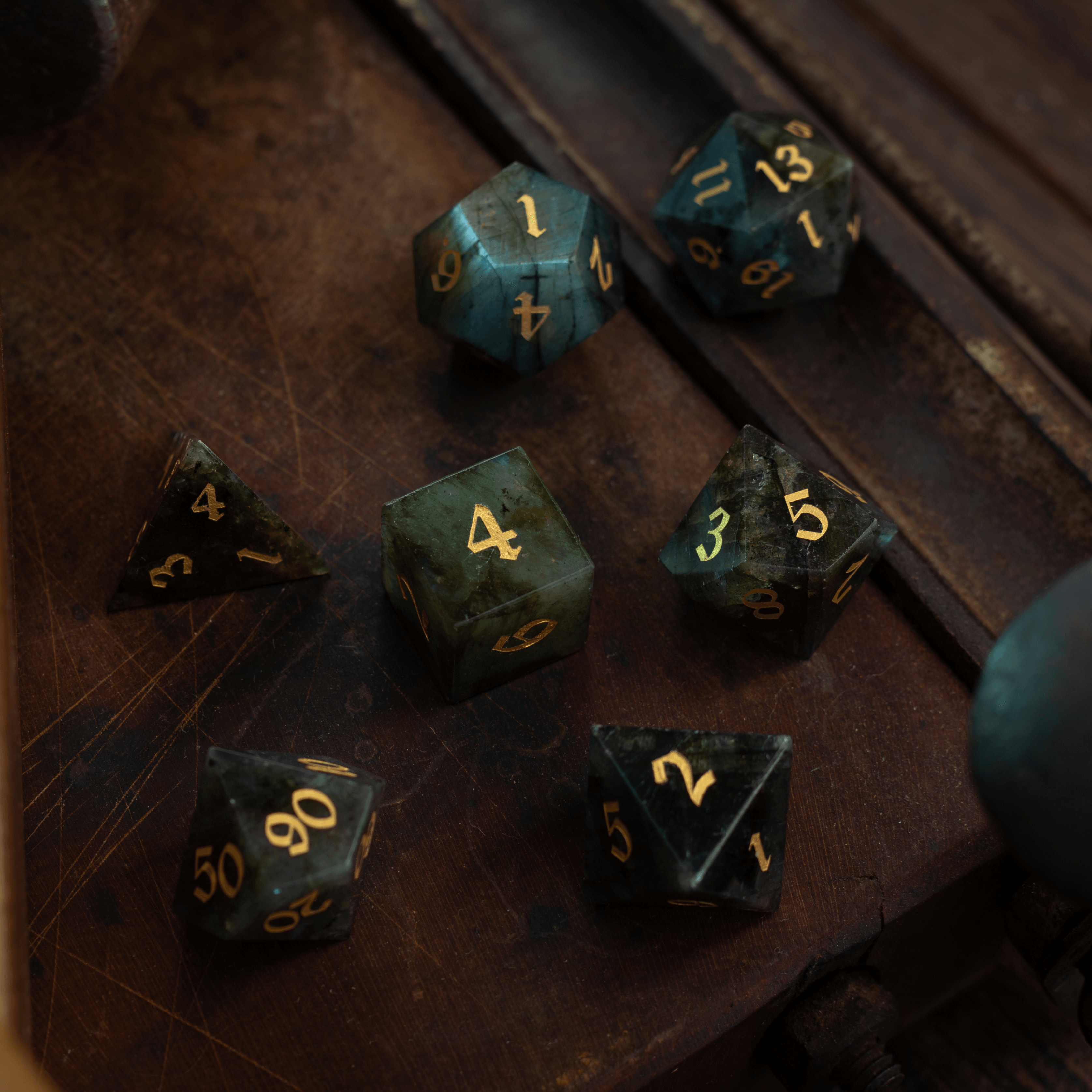
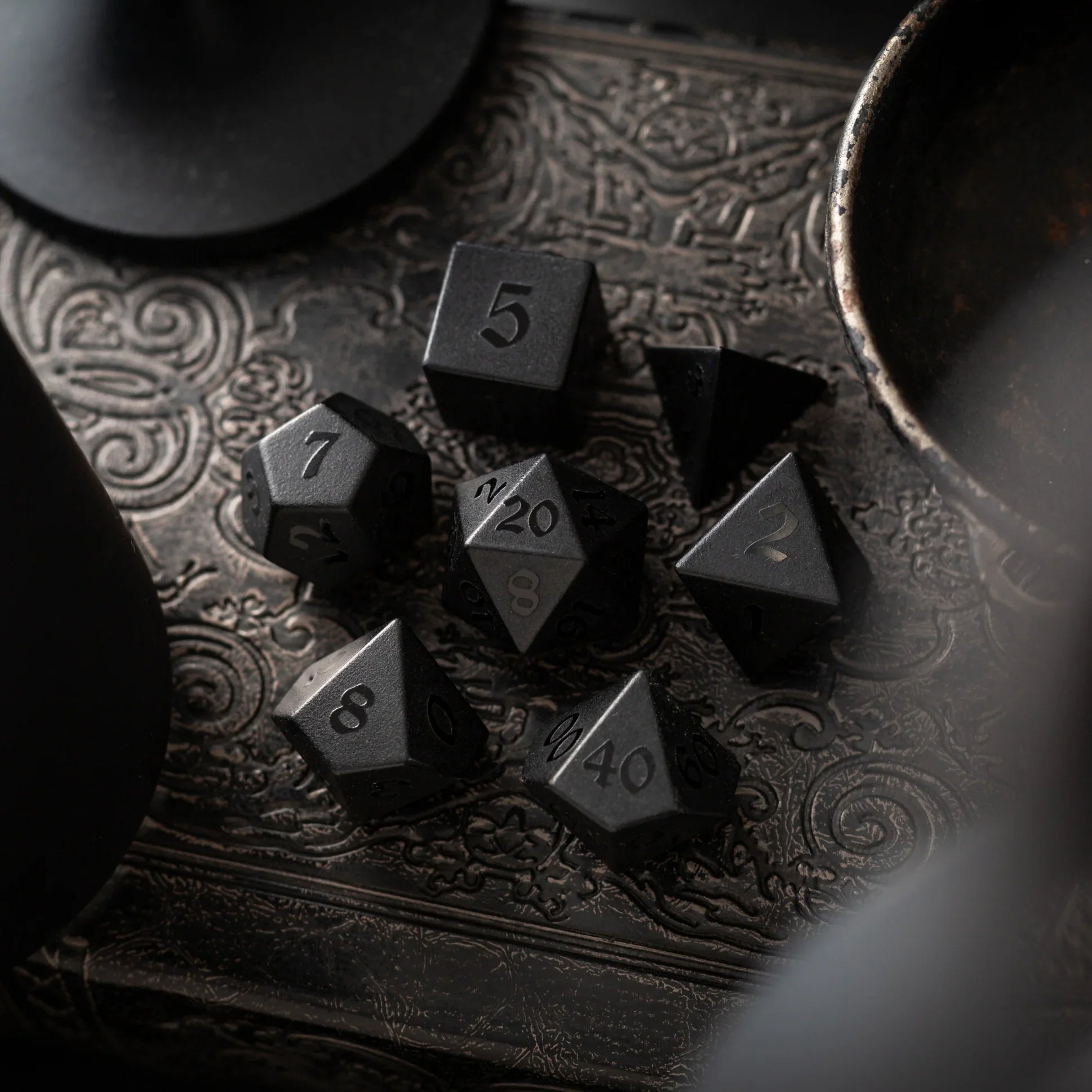
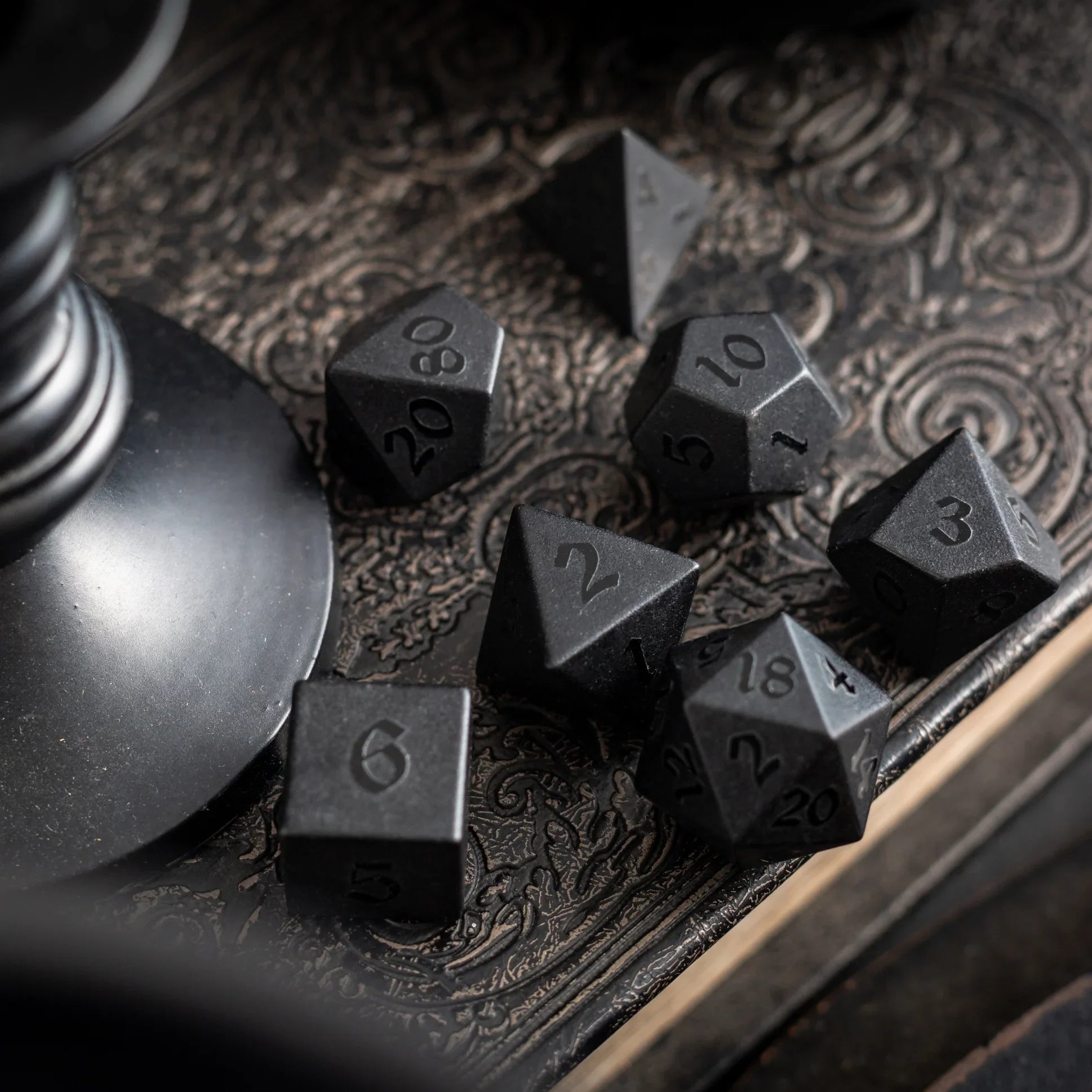
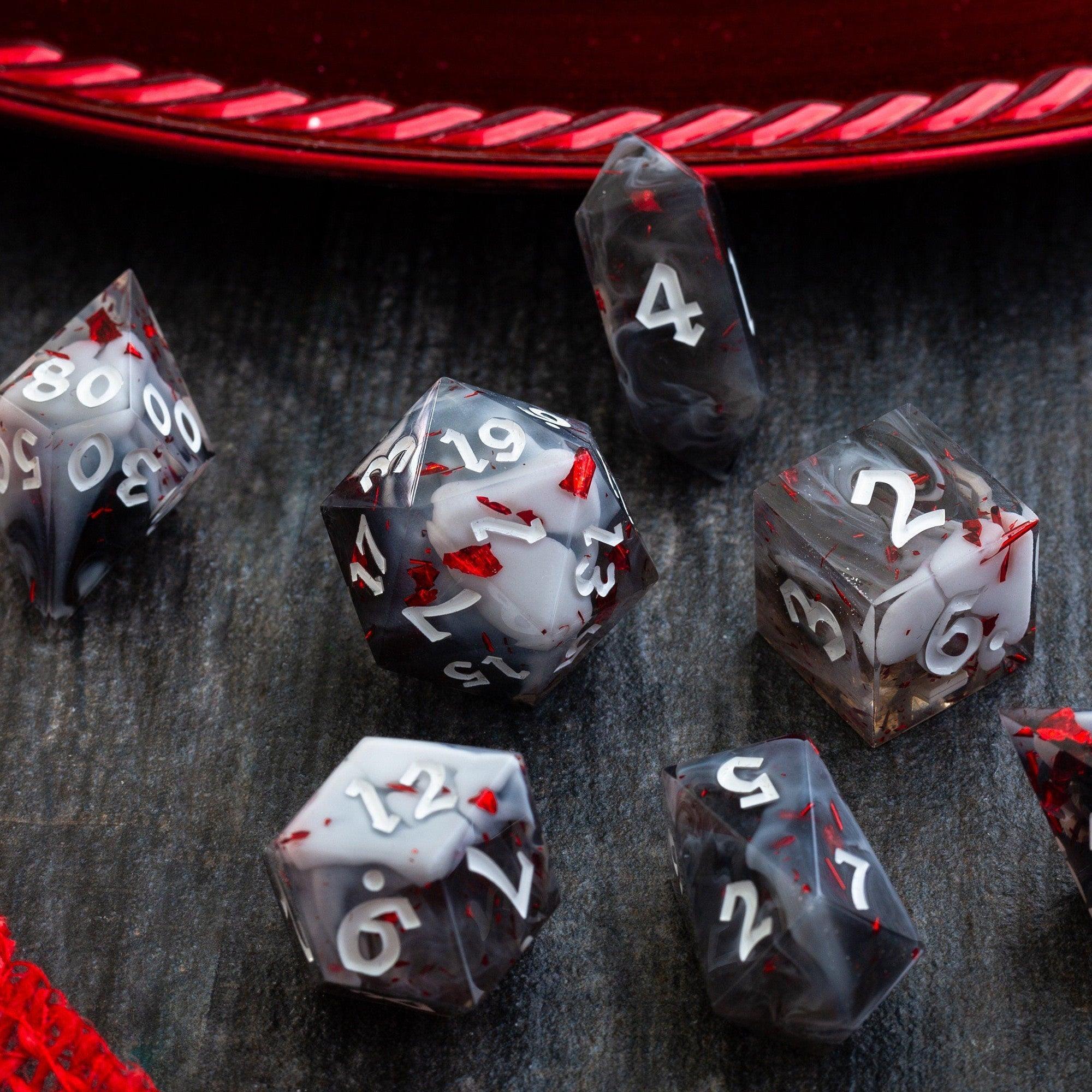
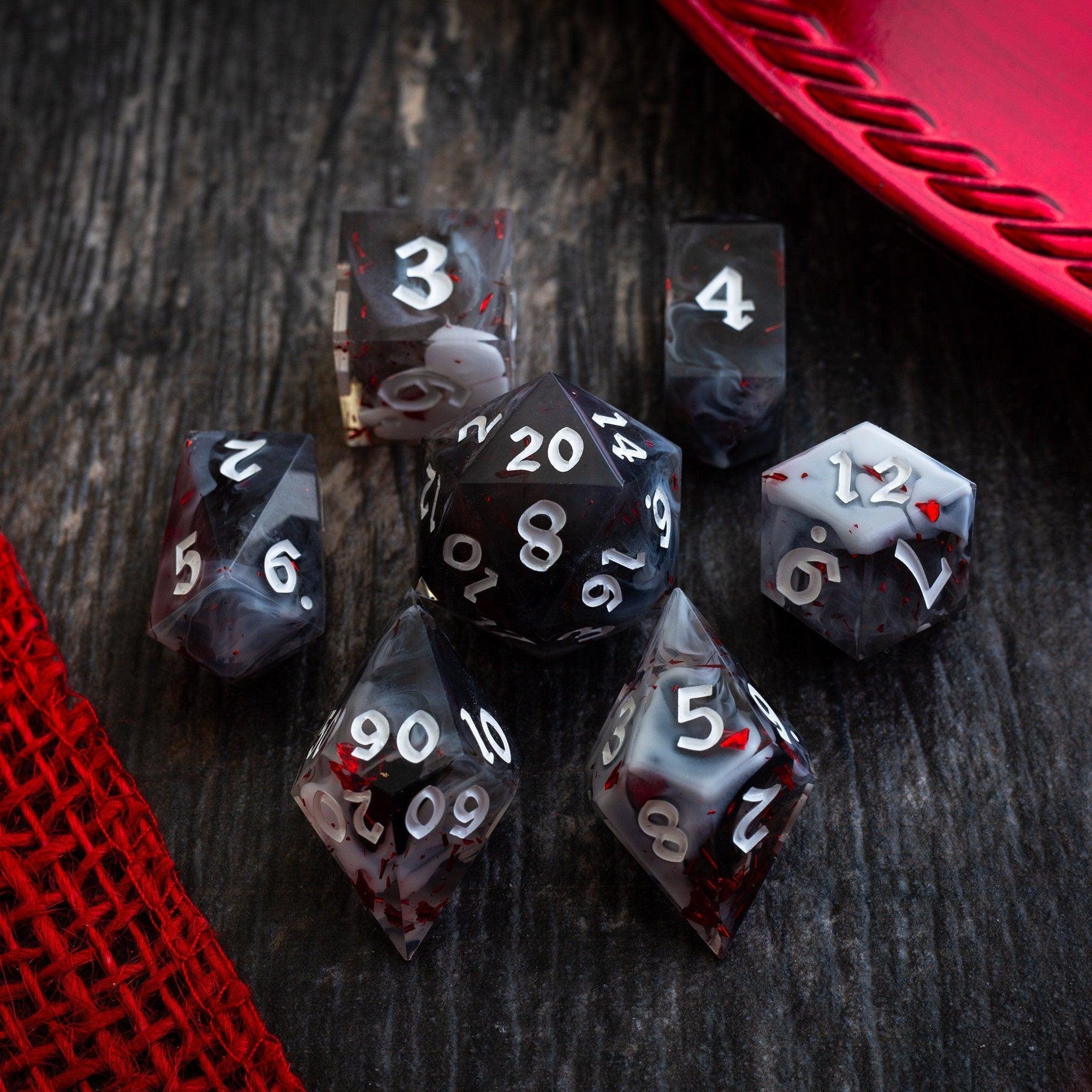
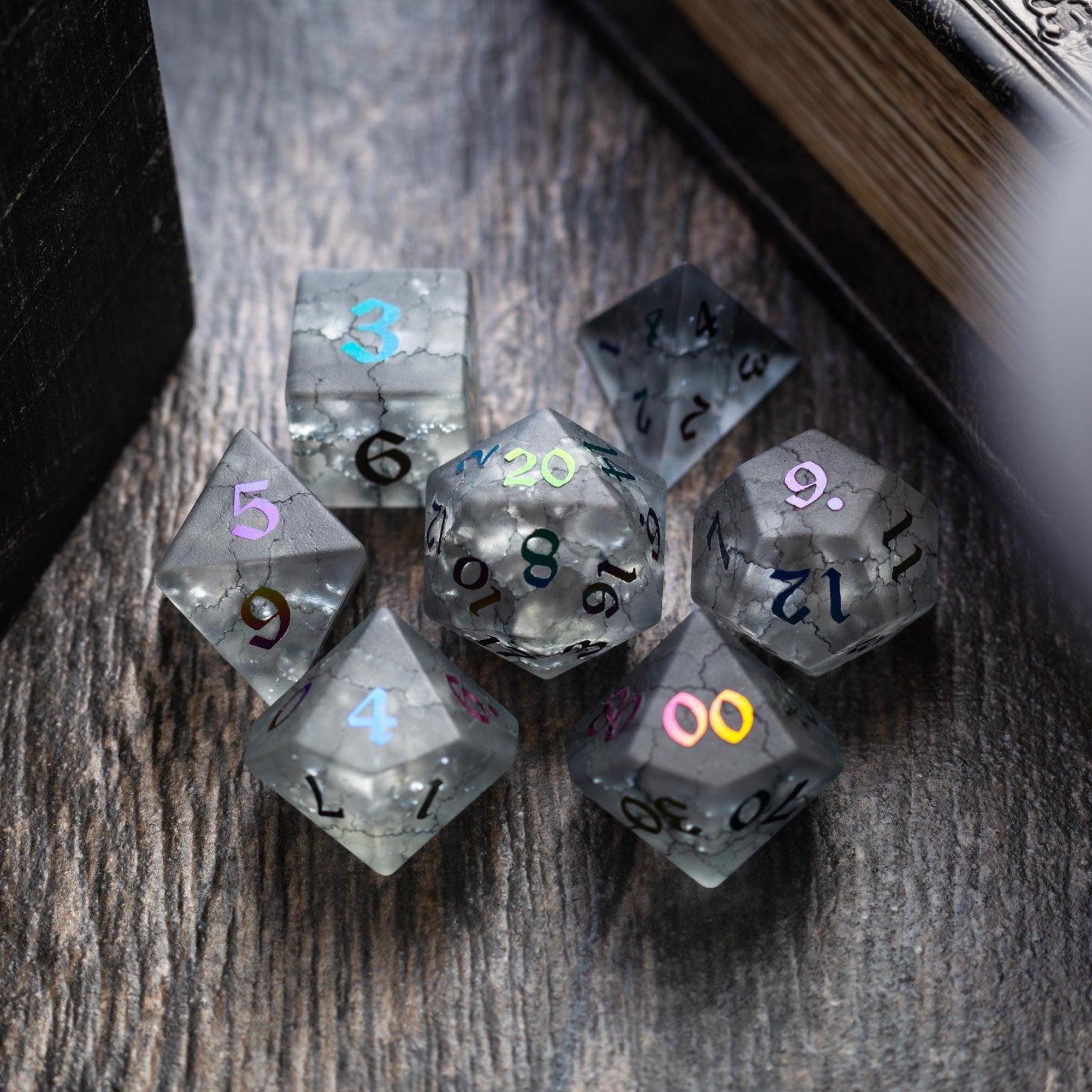
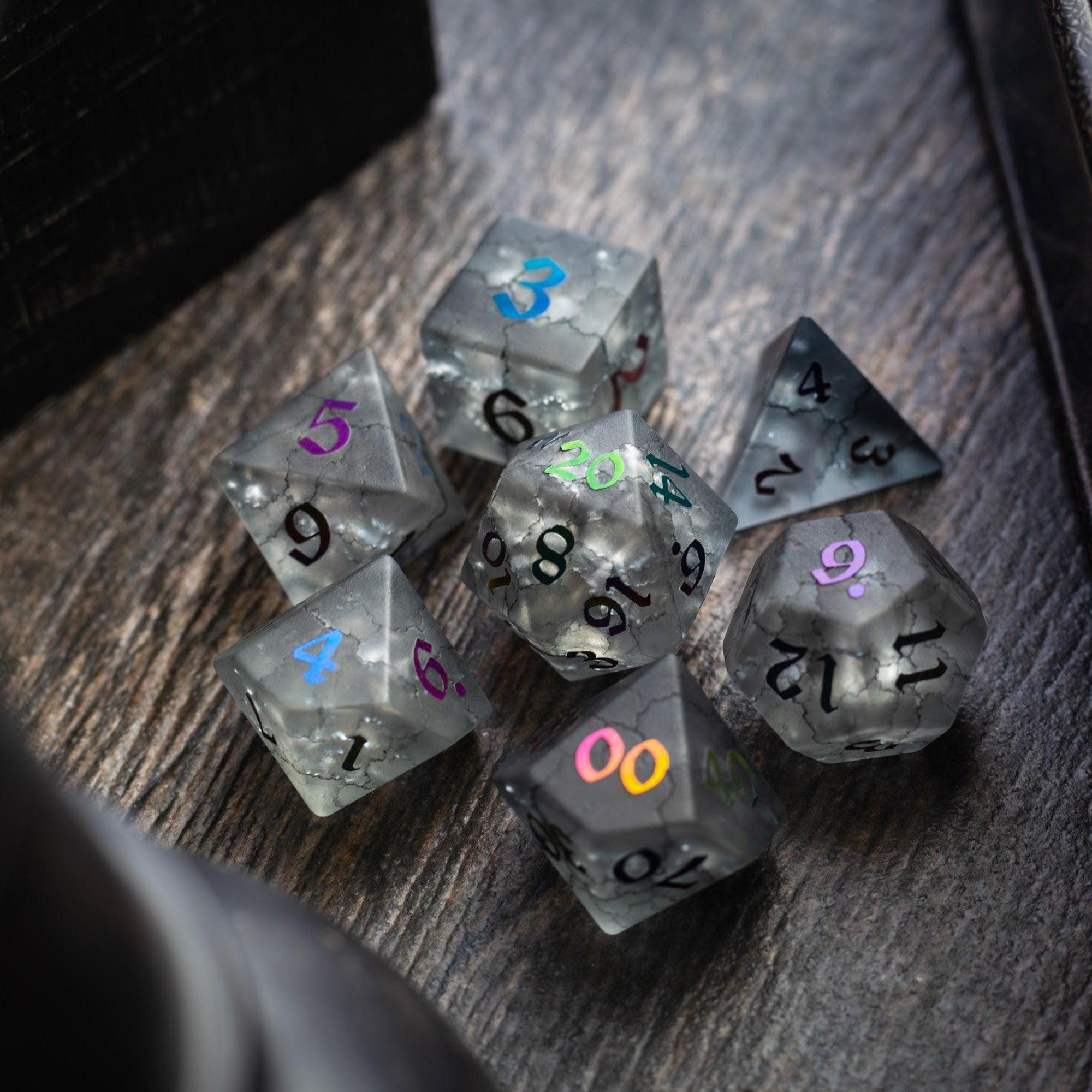
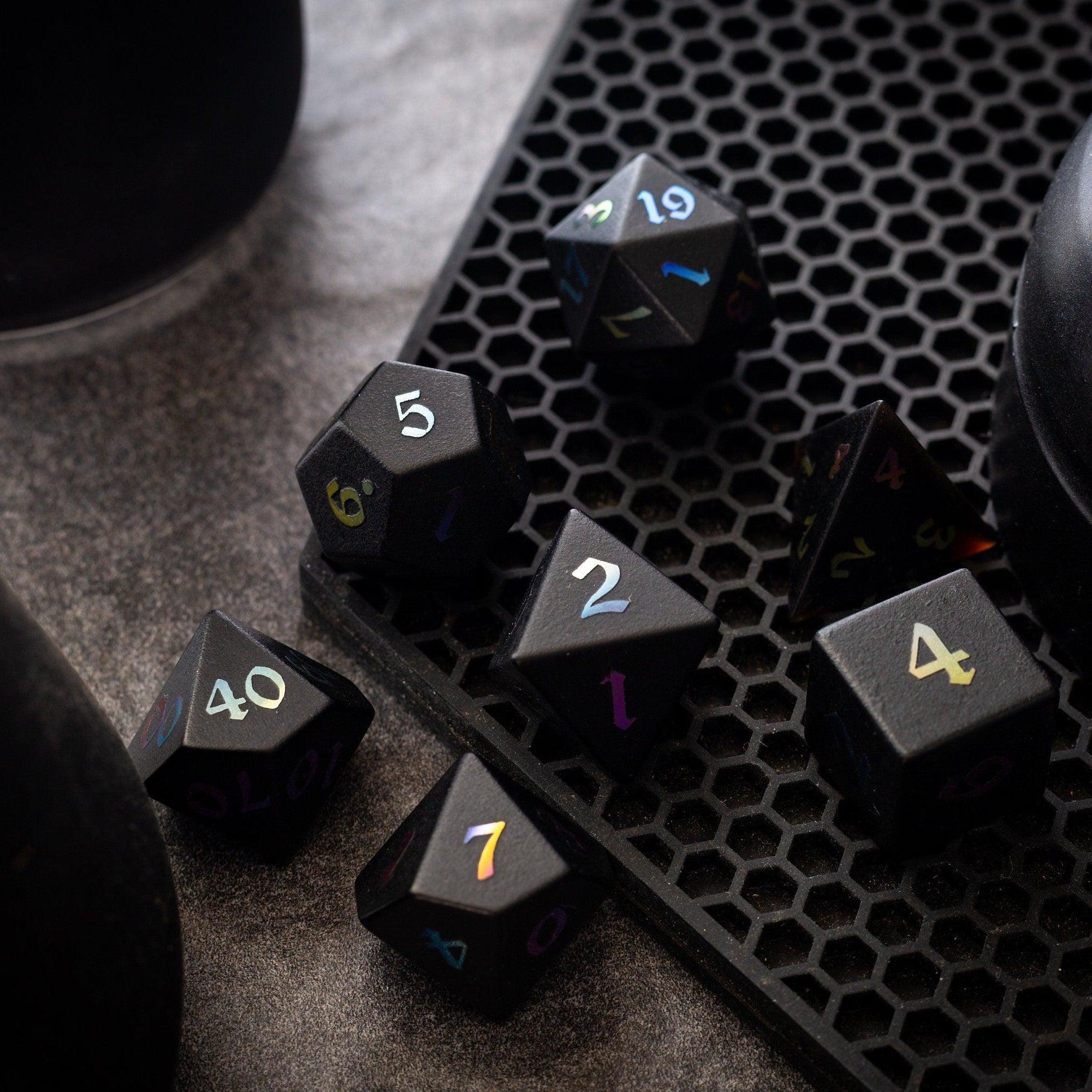
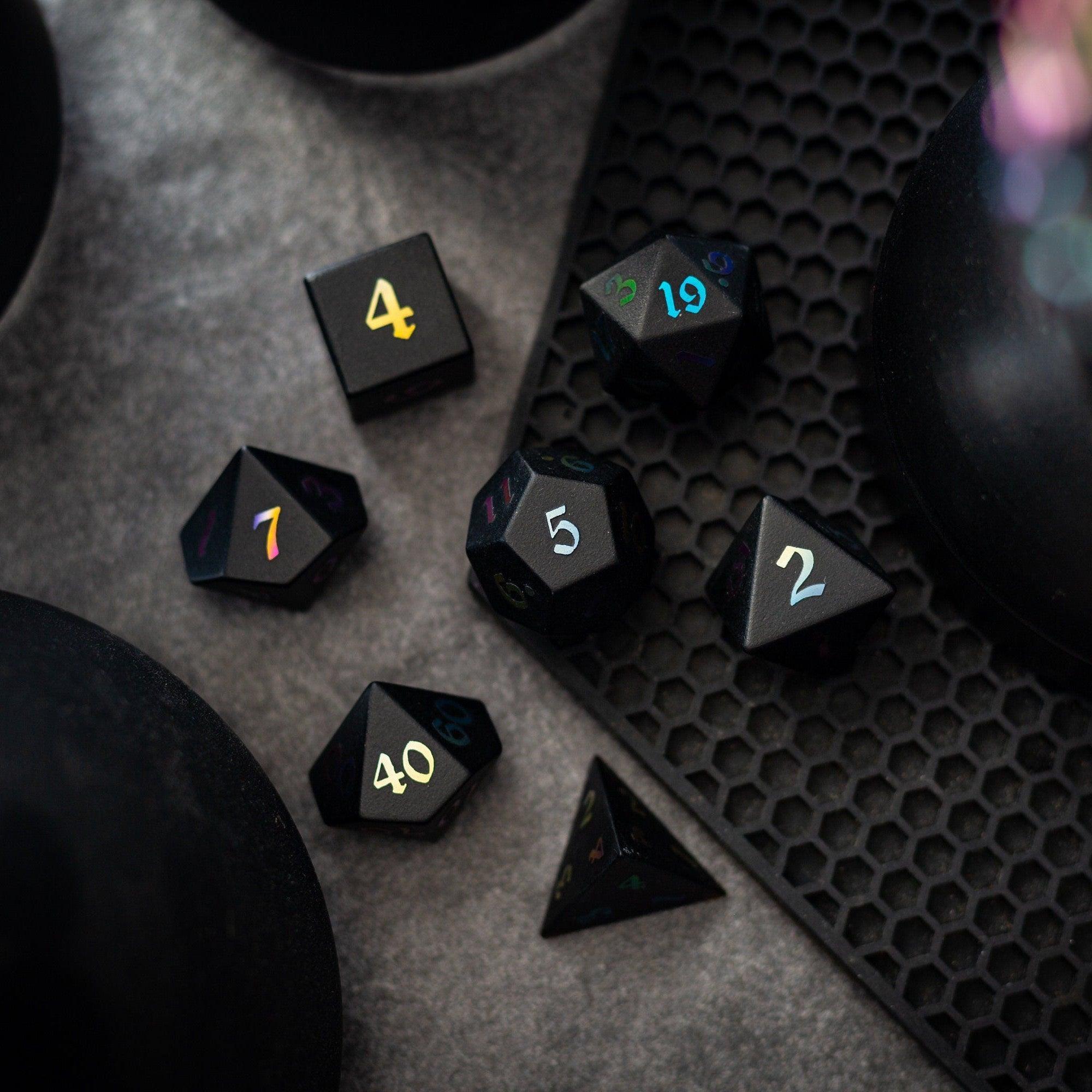
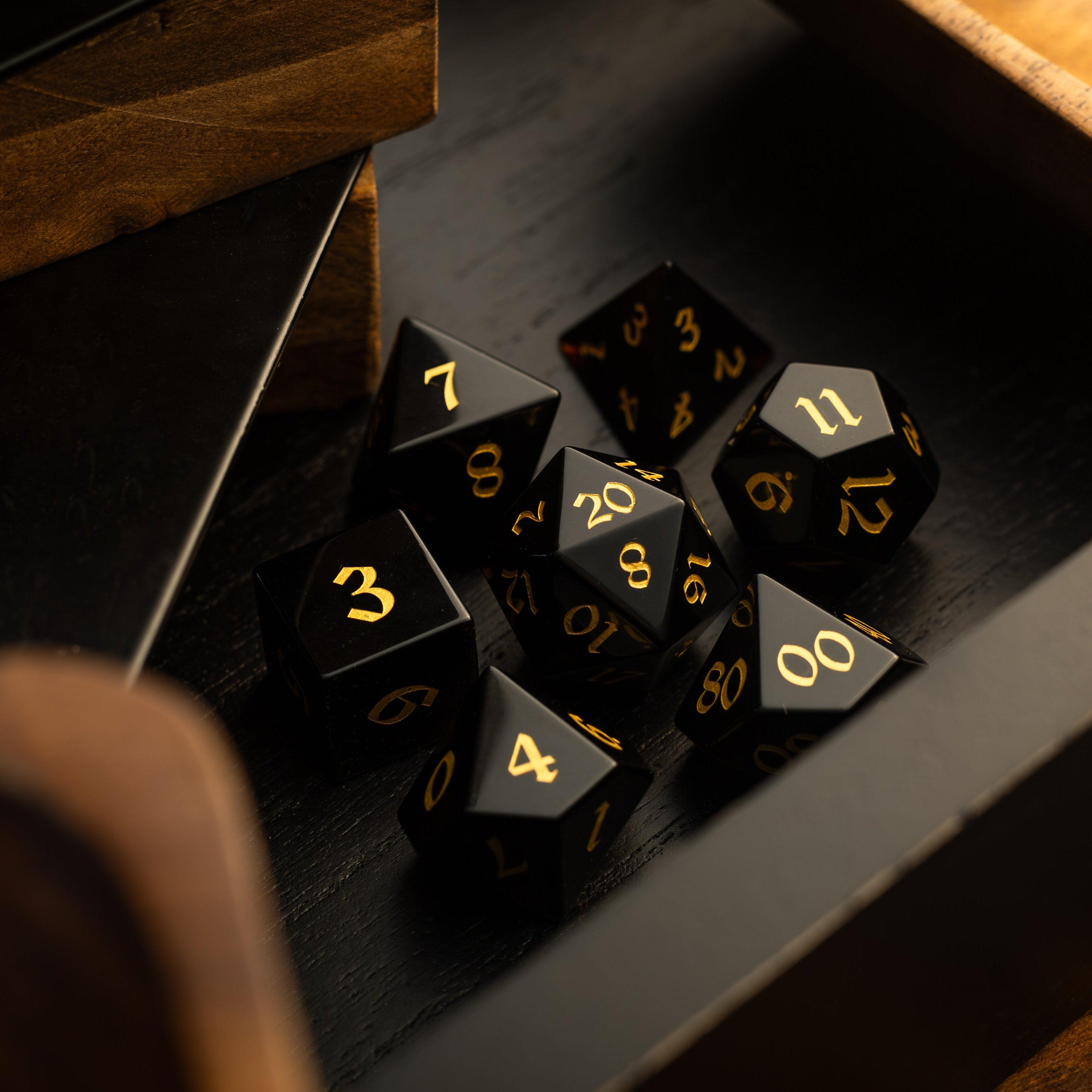
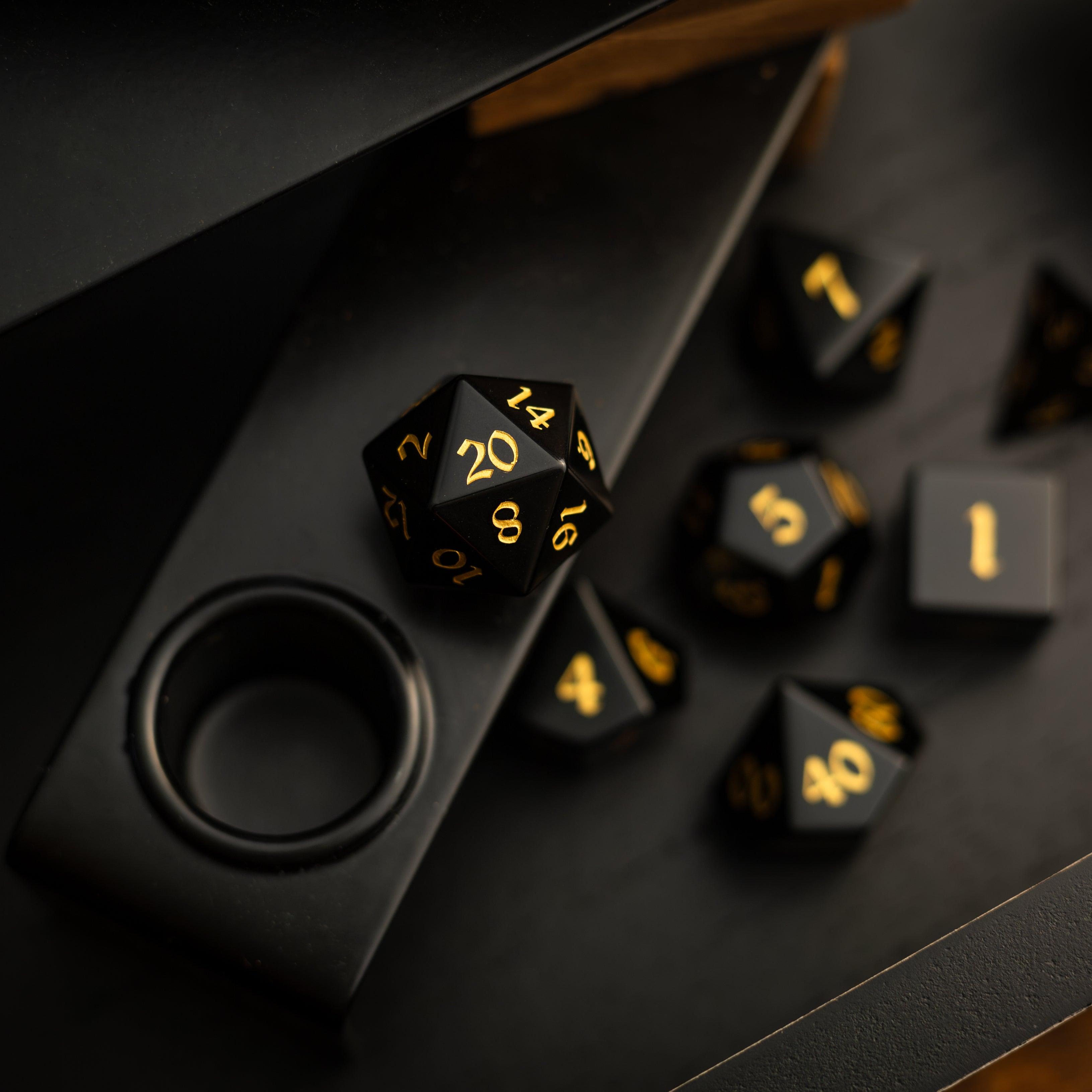
Using dice that are easy to read helps here. Clear numbers and good contrast mean you don’t have to double-check every roll, which keeps things moving naturally.
Stay Engaged Between Turns
Even when it’s not your turn, you’re still part of the fight.
-
Watch what enemies are doing
-
Adjust your plan if needed
-
Pay attention to positioning
If everyone stays engaged, combat flows much more smoothly.
DM Tips to Speed Up Battles
Dungeon Masters set the pace. A few smart adjustments can dramatically improve combat flow.
Use Average Damage
Instead of rolling damage for every enemy attack, use the average listed in the stat block.
This:
-
Saves time
-
Keeps damage consistent
-
Reduces dice rolling overload
You can still roll for important or dramatic moments.
Group Initiative for Similar Enemies
Instead of tracking 8 goblins separately, group them together.
-
All goblins act on the same initiative
-
Resolve their actions quickly as a group
This is one of the most effective ways to achieve fast dnd combat.
Simplify Enemy Actions
Not every enemy needs a complicated strategy.
-
Use basic attacks for minor creatures
-
Save complex abilities for bosses or key enemies
This keeps the spotlight where it matters most.
Set Clear Goals for Encounters
Combat doesn’t always need to be “fight until everything is dead.”
Try objectives like:
-
Escape the room
-
Protect an NPC
-
Survive a number of rounds
This adds excitement while naturally shortening encounters.
Combat Speed Tips Table
|
Situation |
What Slows It Down |
Faster Alternative |
|
Player turns |
Deciding during turn |
Plan before turn starts |
|
Damage rolls |
Rolling separately |
Roll attack and damage together |
|
Enemy actions |
Individual initiative |
Group similar enemies |
|
Rule questions |
Mid-combat lookups |
Quick rulings, check later |
|
Dice usage |
Searching for dice |
Keep organized dice ready |
|
Spellcasting |
Reading full descriptions |
Use quick reference notes |
Keeping Combat Fun (Not Just Fast)
Speed matters, but fun matters more.
Here’s how to keep both.
Add Quick, Vivid Descriptions
Instead of long speeches, use short bursts of flavor:
-
“Your arrow thuds into the ogre’s shoulder.”
-
“The spell crackles as it slams into the shield.”
Just a sentence or two adds energy without slowing things down.
Let Players Narrate Their Actions
Encourage players to describe their attacks briefly.
This:
-
Keeps them engaged
-
Adds personality to combat
-
Makes victories more memorable
Give Enemies Personality
Even simple enemies can feel alive.
-
A goblin might panic and flee
-
A bandit might taunt the party
-
A monster might focus on one target
Small touches go a long way.
Use Terrain Creatively
Interesting environments make combat feel dynamic:
-
Narrow bridges
-
Cover and obstacles
-
Elevation changes
This adds strategy without needing more enemies or complexity.
Balancing Speed with Strategy
Speed should never come at the cost of meaningful choices.
Good dnd combat flow means:
-
Players still make decisions
-
Turns are quick, but not rushed
-
Strategy is encouraged, not skipped
If a player needs a moment for an important decision, that’s okay. The goal is to remove unnecessary delays, not thoughtful play.
Simple Table Habits That Help
Sometimes the biggest improvements come from small changes.
-
Limit phone use during combat
-
Respect turn order
-
Encourage quick decisions
-
Communicate clearly
These habits create a smoother experience for everyone.
Common Mistakes to Avoid
Even experienced groups fall into these traps.
-
Overcomplicating encounters
-
Letting turns drag too long
-
Using too many enemies at once
-
Ignoring player engagement
If combat feels slow, it’s often because too much is happening at once or not enough focus is being maintained.
Tips for Smoother Dice Rolling
Dice are a core part of combat, and how you use them matters more than you might think.
Use Readable Dice
Clear, easy-to-read dice save time every single turn. You don’t want to squint at numbers while everyone waits.
Keep Dice Organized
Have your dice ready before your turn:
-
Separate attack and damage dice
-
Keep them within reach
-
Avoid digging through a pile mid-turn
Organized dice sets naturally reduce downtime.
Roll Efficiently
When you need multiple rolls, do them together whenever possible.
There’s also something satisfying about rolling a handful of well-balanced dice at once. It feels fast, decisive, and keeps the energy of the table high.
Avoid Searching Mid-Turn
Nothing slows combat like:
“Wait, where’s my d8?”
Having a complete, ready-to-use set nearby keeps your turns smooth and consistent.
Conclusion
Fast combat isn’t about cutting corners. It’s about keeping the game flowing so every moment feels exciting.
When players stay ready, DMs simplify where it matters, and the table builds good habits, combat becomes something everyone looks forward to instead of something they endure.
Try a few of these tips in your next session. You don’t need to change everything at once. Even small improvements can turn slow battles into fast, memorable moments that keep your group fully engaged from start to finish.





Leave a comment
This site is protected by hCaptcha and the hCaptcha Privacy Policy and Terms of Service apply.