
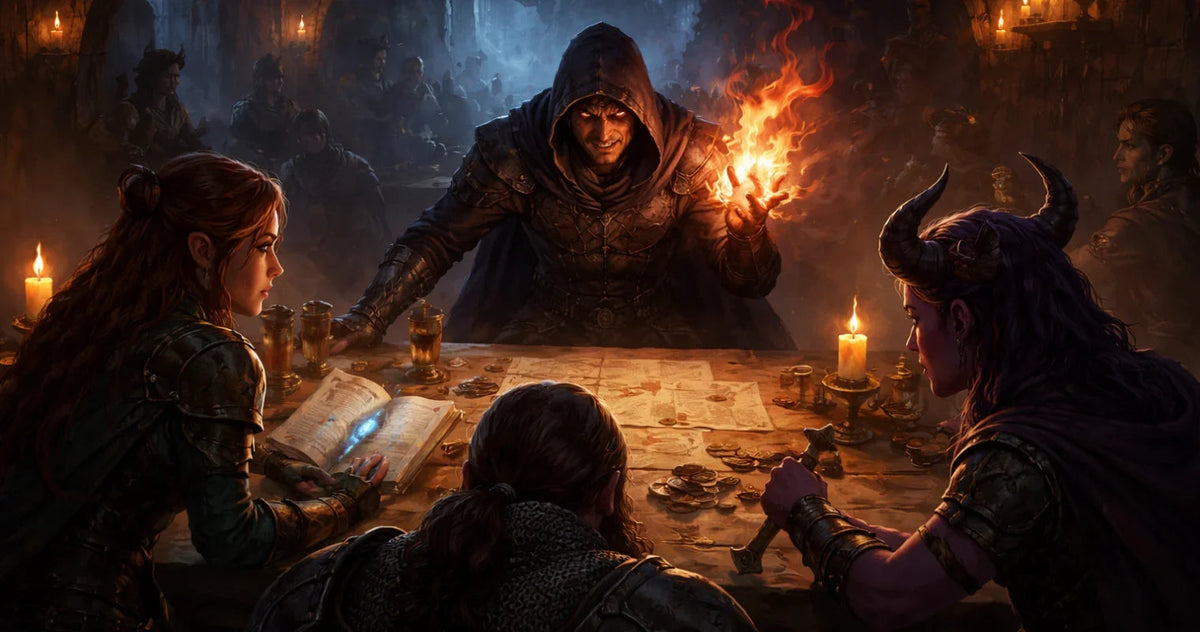
How to Deal with Problem Players in D&D
Every Dungeons & Dragons group runs into challenges eventually. Even the best tables, full of good friends and great intentions, can hit moments where things feel off. Maybe someone talks over others, takes forever on their turn, or just doesn’t seem to be on the same page as the group.
The good news is that most problem players in D&D aren’t trying to cause trouble. They’re usually just unaware, inexperienced, or playing in a different way than everyone else.
Handling those moments with patience and clarity can turn awkward situations into opportunities to strengthen your group. Let’s walk through how to handle D&D group problems in a way that keeps your table fun, respectful, and welcoming.
What Makes a “Problem Player”?
Before jumping to solutions, it helps to reframe the idea of a “problem player.”
Most of the time, the issue isn’t the person. It’s the behavior.
Some common examples include:
- Talking over other players
- Taking too long during turns
- Ignoring the story or tone
- Arguing rules frequently
- Dominating the spotlight
These moments can disrupt the flow of the game, but they don’t define someone as a bad player. Understanding the difference between intent and impact is key.
A player might be excited, not rude. Curious, not argumentative. Nervous, not disengaged.
That perspective makes it much easier to respond with empathy instead of frustration.
Common Types of Problem Behaviors
Let’s take a closer look at a few situations many groups recognize.
Talking Over Others
Some players get excited and jump in quickly, sometimes without realizing they’re interrupting.
Slow Turns in Combat
Decision paralysis is real, especially for newer players. Combat can drag when someone feels unsure.
Ignoring the Story
A player might focus more on jokes or side actions instead of engaging with the narrative.
Rules Arguing
Debates about mechanics can slow the game and shift the mood from fun to tense.
Spotlight Dominance
Some players naturally take the lead, which can unintentionally leave others feeling sidelined.
Why These Problems Happen
Understanding the “why” behind behavior makes it much easier to address.
Common causes include:
- Miscommunication – Expectations were never clearly discussed
- Different playstyles – Some want storytelling, others want tactics or humor
- Lack of experience – New players may not know pacing or etiquette yet
- Unclear table norms – No shared understanding of how the game should flow
Many D&D table etiquette issues come down to one thing: no one has talked about it yet.
Problem & Solution Table
Here’s a quick-reference guide for handling common situations politely.
|
Behavior |
Why It Happens |
Polite Way to Address It |
|
Talking over others |
Excitement or enthusiasm |
“Hey, let’s make sure everyone gets a turn to speak.” |
|
Slow turns |
Uncertainty or overwhelm |
“Want to think about your move before your turn comes up?” |
|
Rules arguing |
Desire to play correctly |
“Let’s go with this for now and check after the session.” |
|
Spotlight hogging |
Strong personality or excitement |
“Let’s hear what the others want to do too.” |
|
Disengagement |
Boredom or confusion |
“Anything you want your character to do here?” |
These small, calm nudges can solve a lot of D&D group problems without turning things into a confrontation.
How to Address Issues Politely
If a behavior keeps happening, it’s worth addressing more directly. The key is how you do it.
Talk Privately
Avoid calling someone out in front of the group. A quick, one-on-one conversation feels respectful and avoids embarrassment.
Use Calm, Clear Language
Focus on the situation, not the person.
- “I’ve noticed combat slows down a bit on your turns”
- “Sometimes others don’t get a chance to speak”
Focus on the Group Experience
Frame it as improving the game for everyone.
- “I want to keep things moving so everyone stays engaged”
- “I want everyone to feel included in the story”
This approach keeps things collaborative instead of confrontational.
Setting Expectations Early
Many problems can be avoided before they even start.
Session Zero Matters
Before a campaign begins, talk about:
- Playstyle preferences
- Tone of the game
- Combat pacing
- Table etiquette
Establish Table Norms
Simple agreements can make a huge difference:
- Let others finish speaking
- Be ready on your turn
- Respect rulings during play
Encourage Open Communication
Make it clear that feedback is welcome.
A table that talks openly tends to solve issues quickly and naturally.
Supporting Positive Behavior
Fixing problems is important, but encouraging good habits is even better.
Reinforce What Works
When players do something great, acknowledge it.
- “Nice teamwork there”
- “That was a quick and smooth turn”
Encourage Team Play
Remind players that D&D is a shared experience.
- Ask quieter players what they want to do
- Highlight group achievements
Lead by Example
If you’re a Dungeon Master, your tone sets the standard.
Stay patient, organized, and respectful, and your players will follow that lead.
When to Step In as a DM
Sometimes, issues go beyond small nudges.
As a DM, it’s okay to step in when:
- The game flow is consistently disrupted
- Players feel uncomfortable or unheard
- The overall fun is decreasing
Your role isn’t just running the story. It’s helping maintain a table where everyone feels welcome and engaged.
Handling Ongoing Issues
If a problem continues, it’s time to take a slightly more structured approach.
Follow Up Respectfully
Check in after your initial conversation.
- “How are you feeling about the pacing lately?”
- “Anything we can adjust to make things smoother?”
Adjust Group Dynamics
Sometimes small changes help:
- Rotate spotlight moments
- Give clearer turn order cues
- Use visual aids for combat
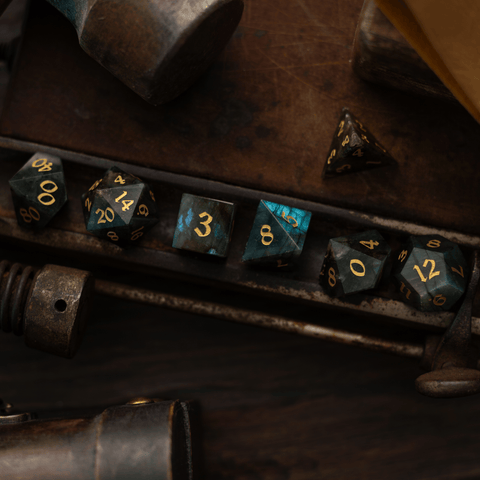
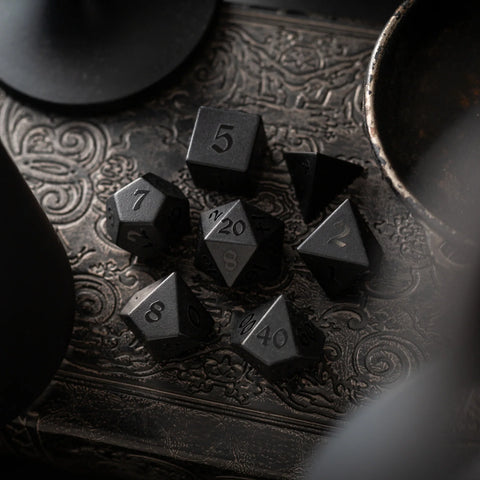
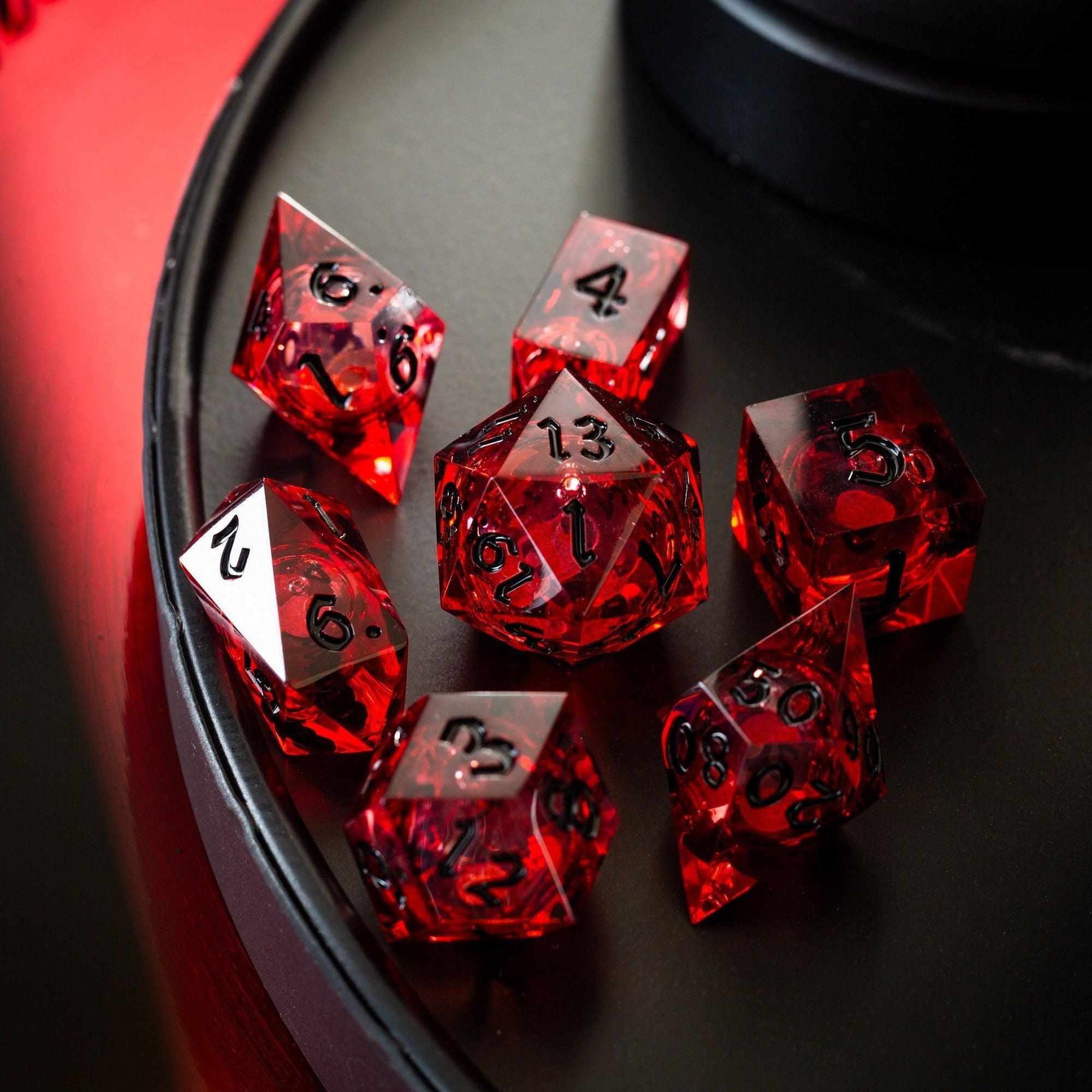
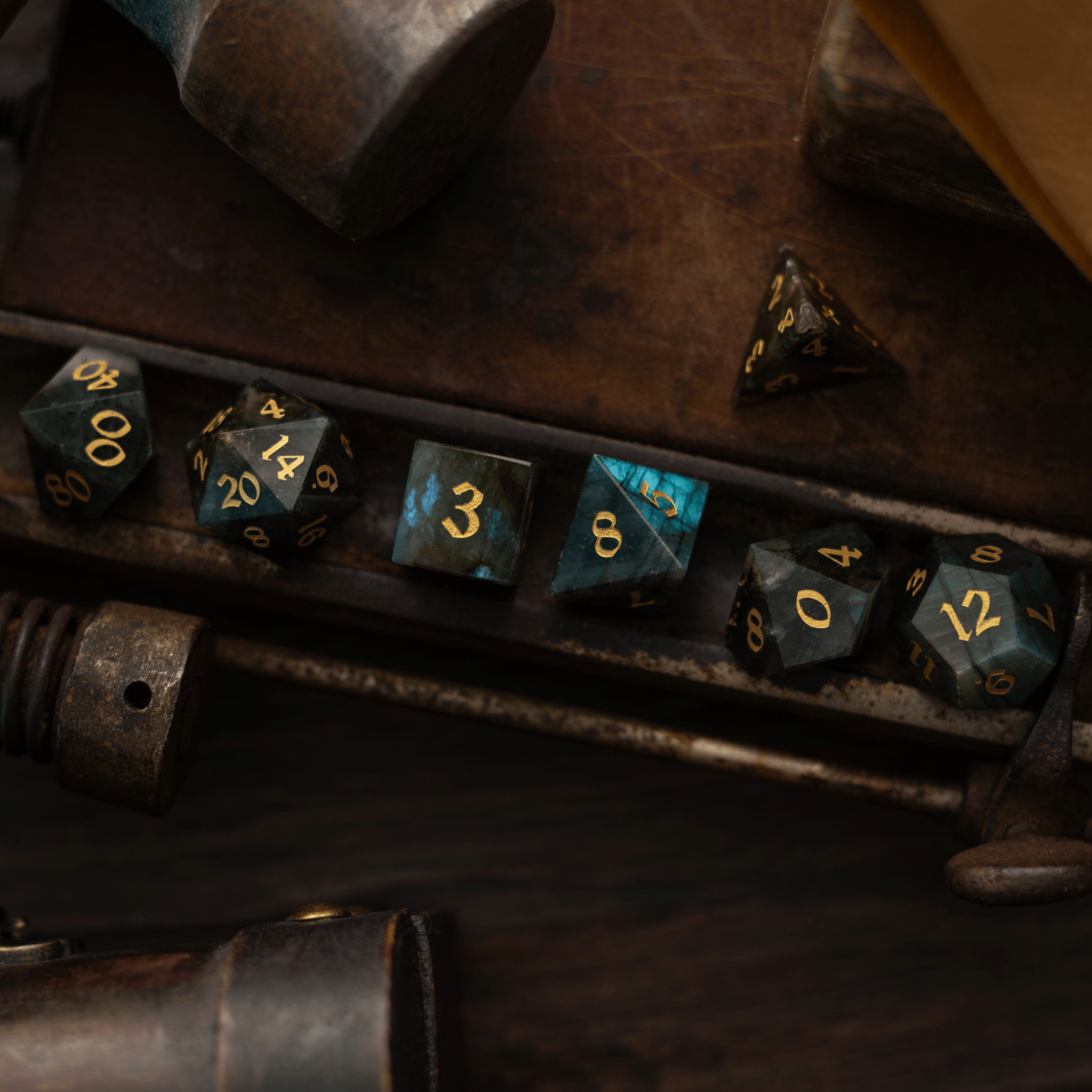
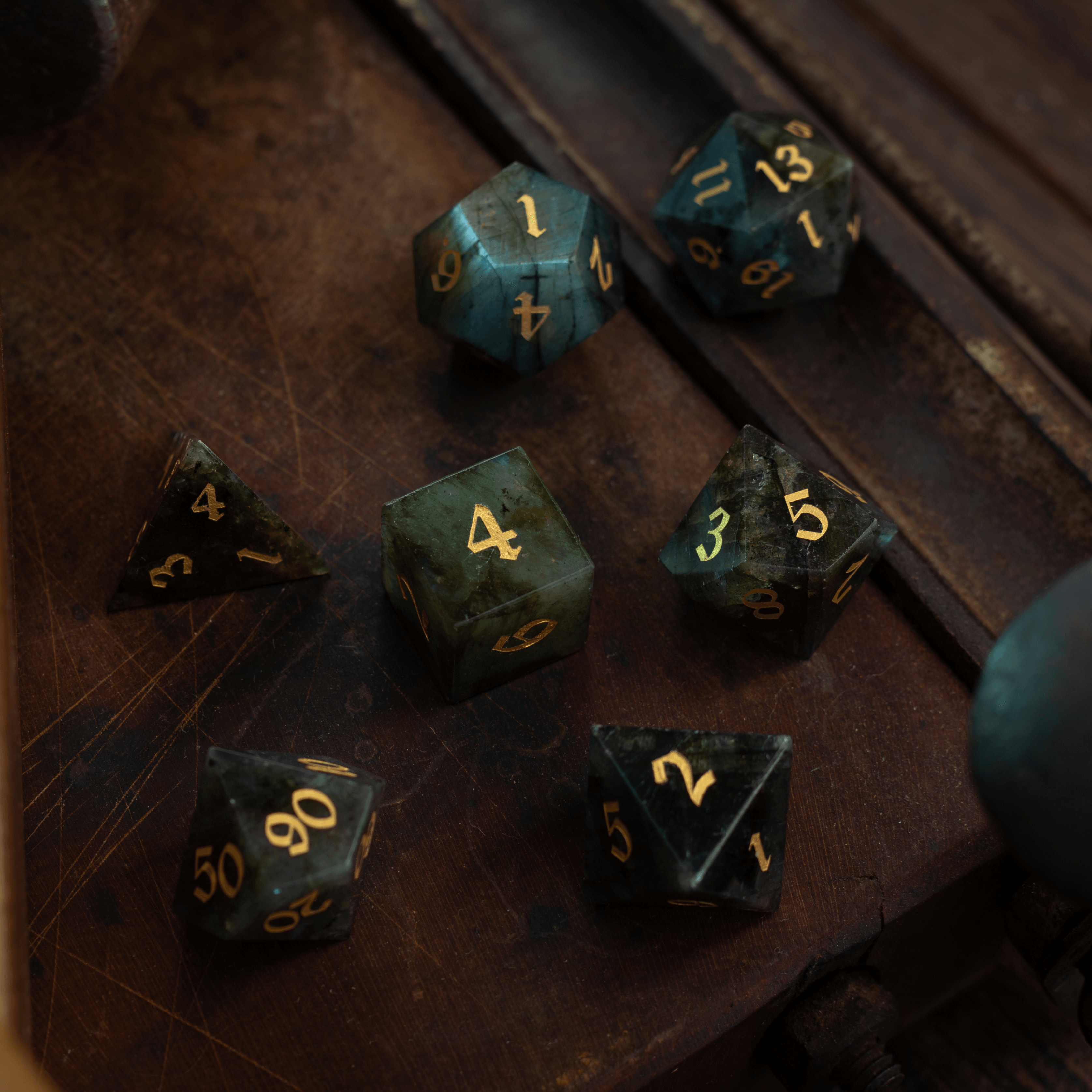
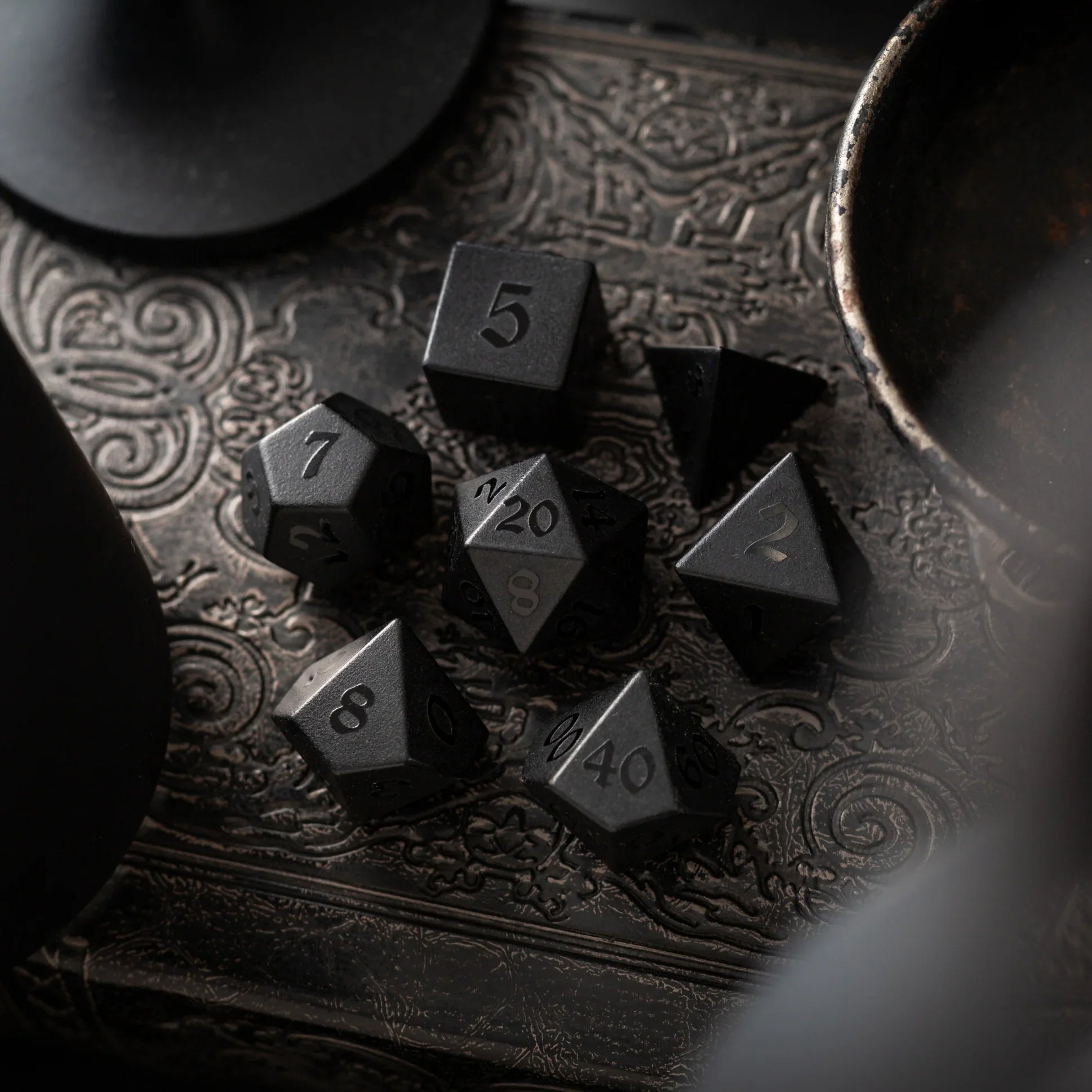
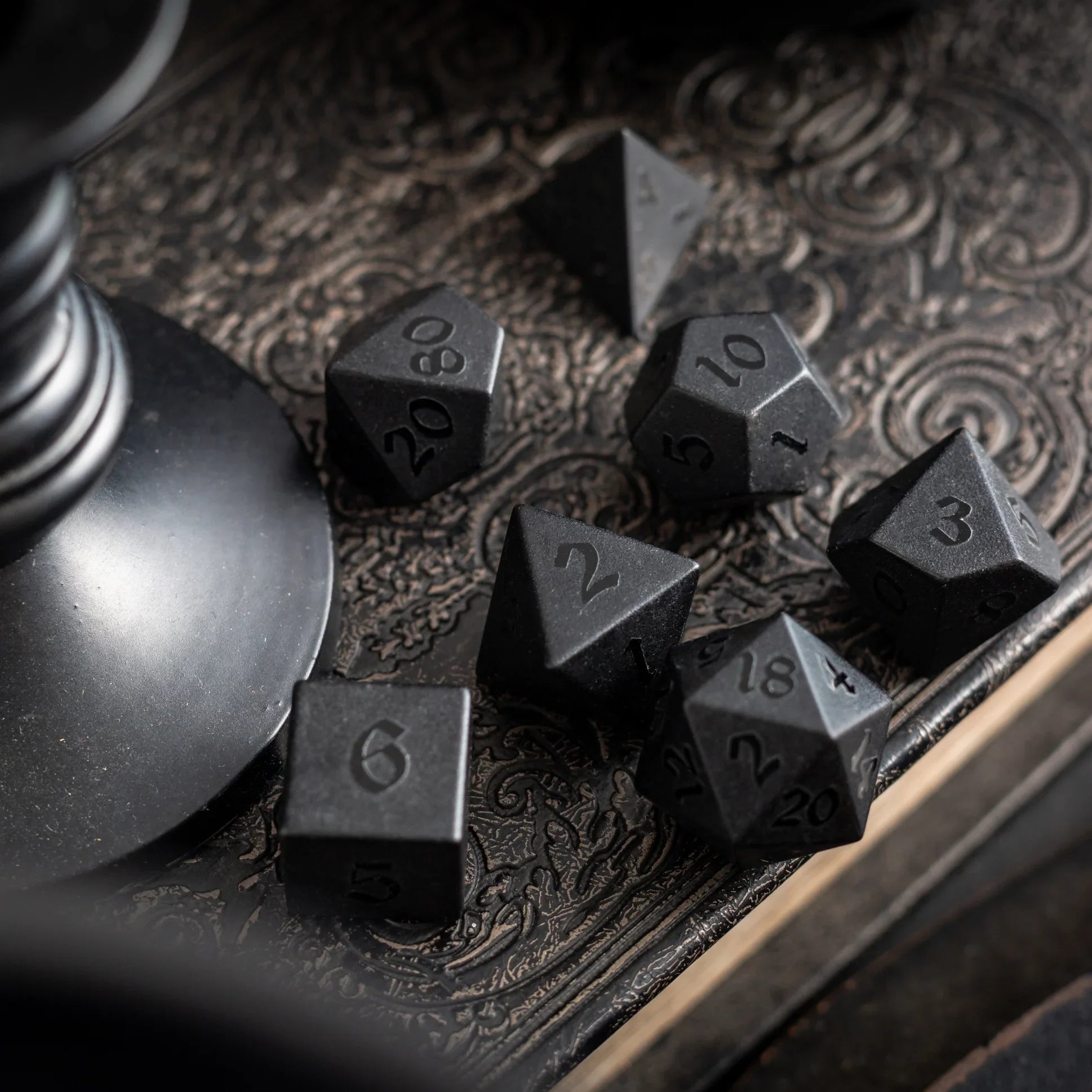
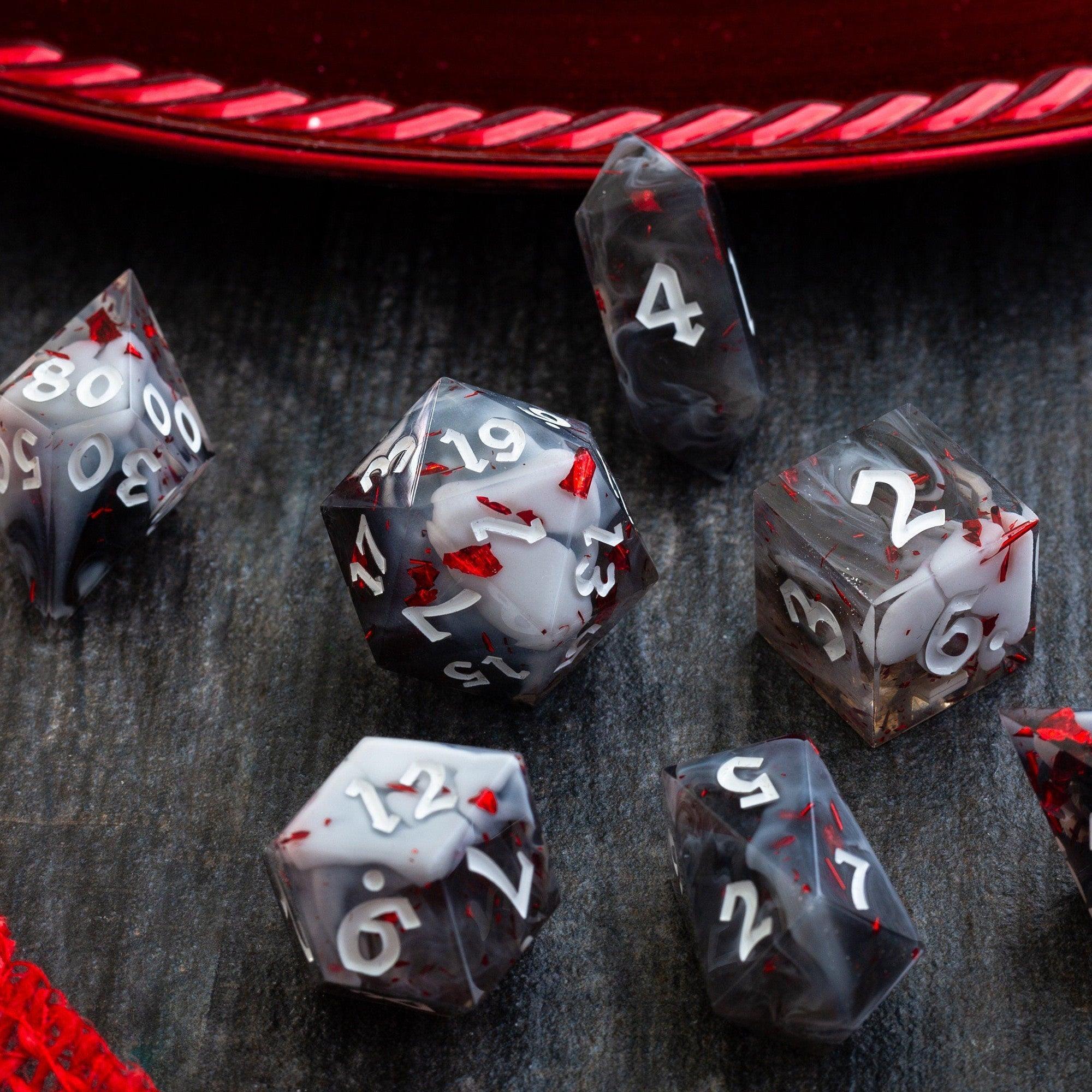
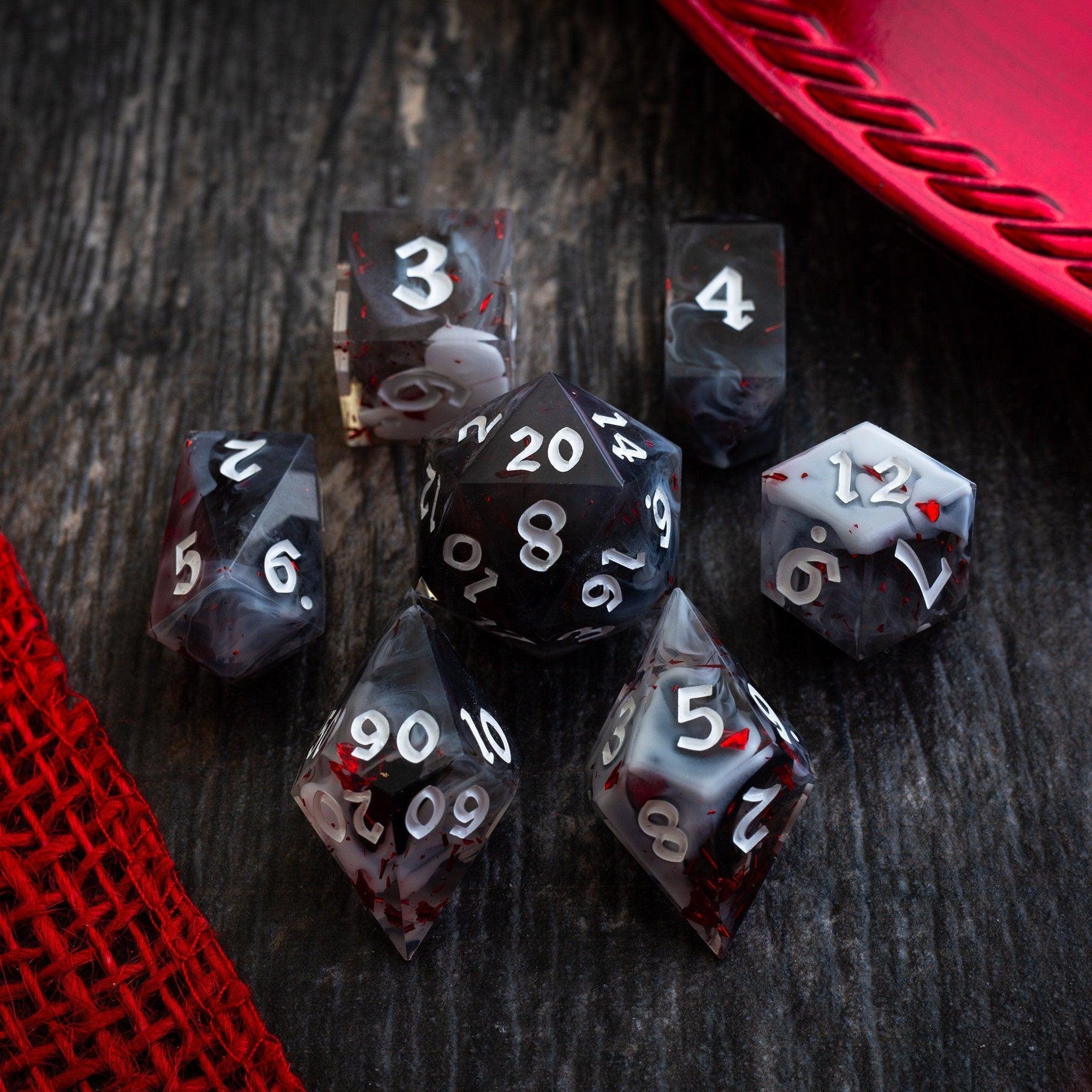
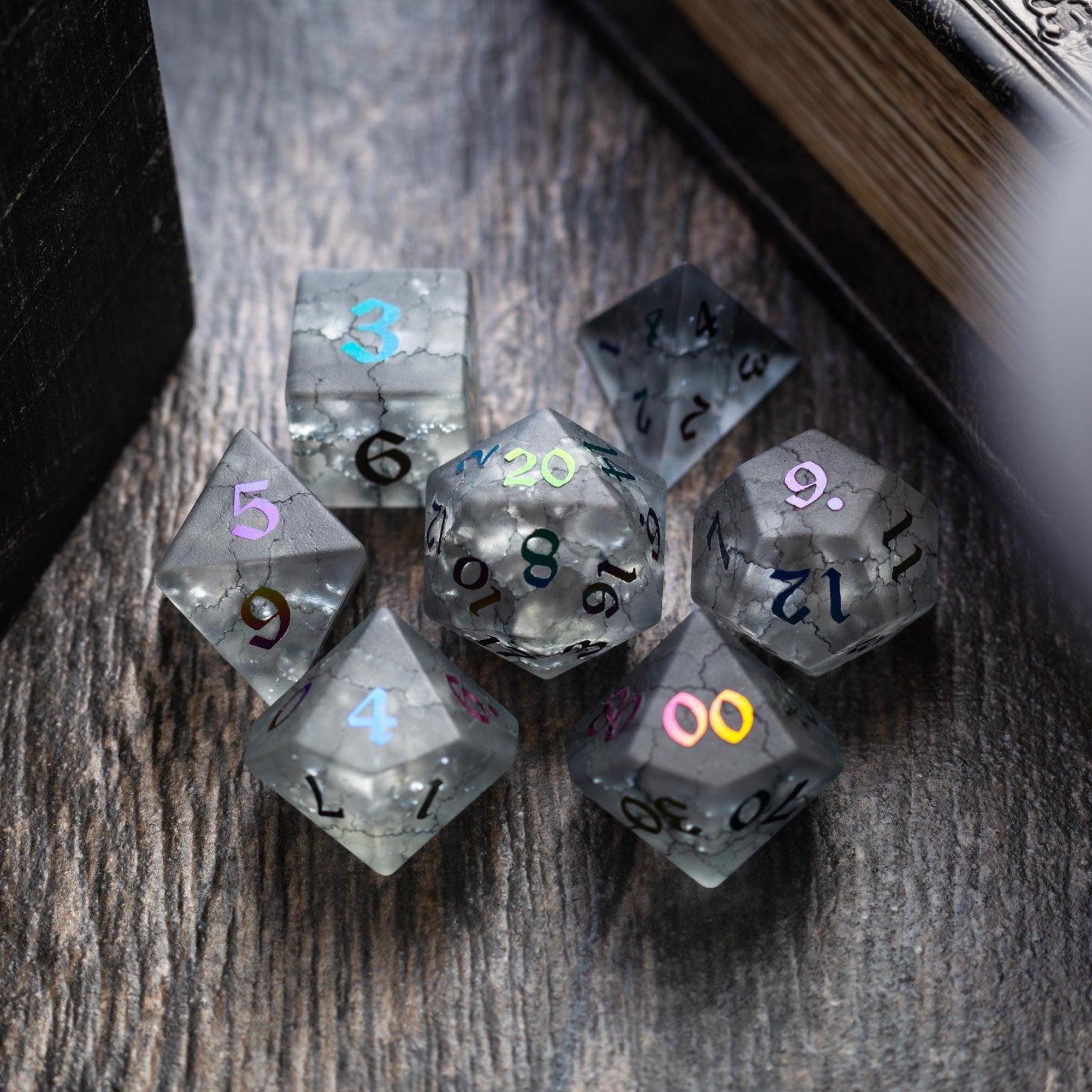
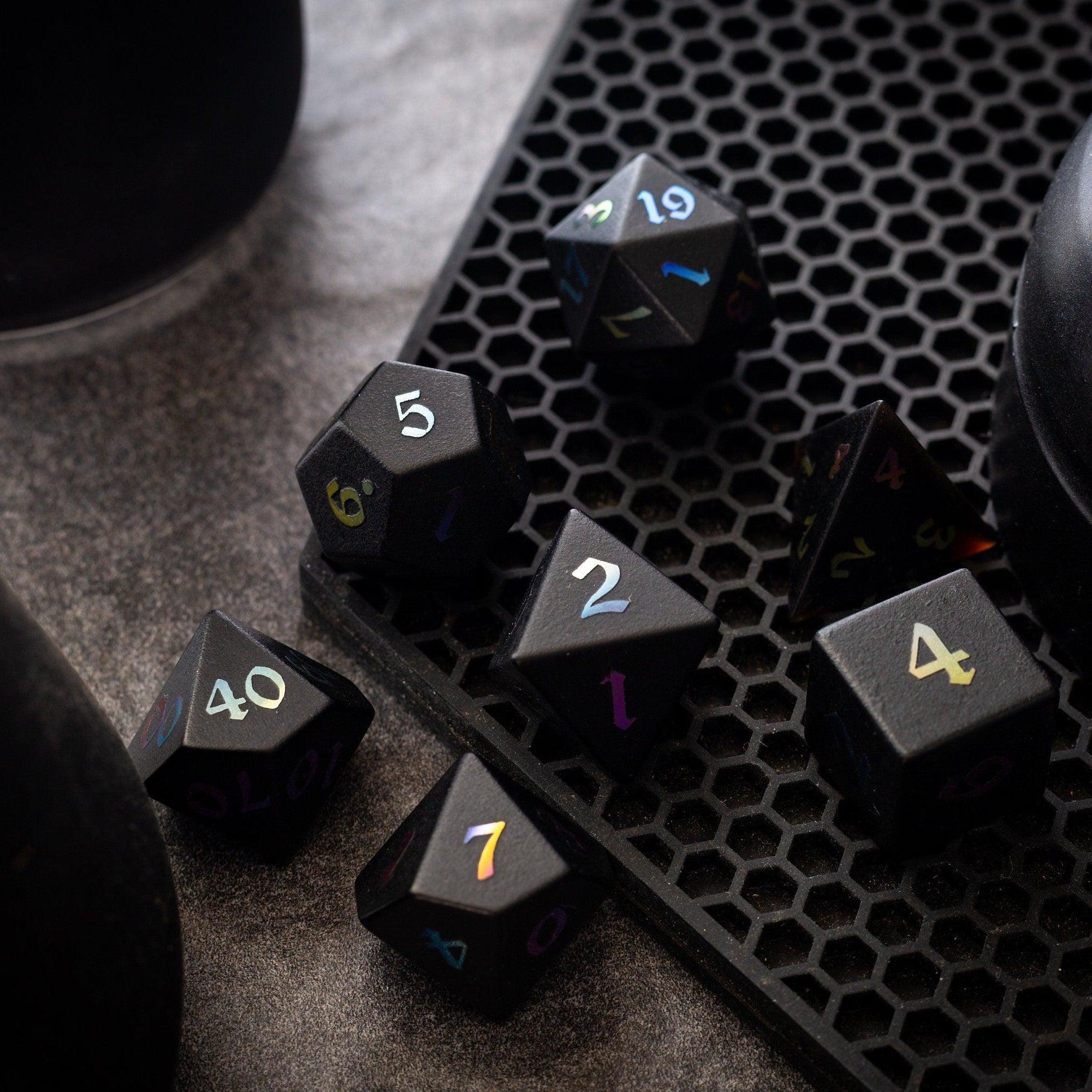
Even something as simple as using clear, easy-to-read dice sets DND players can quickly recognize can reduce confusion and speed up gameplay. When rolls are easy to read, there’s less second-guessing and fewer interruptions.
Set Boundaries When Needed
If behavior doesn’t change, it’s okay to be more direct.
Respectful boundaries protect the group’s experience.
Keeping the Game Flow Smooth
Sometimes frustration doesn’t come from people, but from small gameplay slowdowns that add up over time.
A few simple tools can make a big difference:
- Organized dice trays keep rolls contained and prevent distractions
- Readable dice reduce confusion and repeated checks
- Consistent rolling habits help maintain rhythm during tense moments
There’s something calming about the ritual of rolling dice. When everyone shares that rhythm, the table feels more focused and less chaotic.
Smooth gameplay tools don’t just improve speed. They reduce tension, making it easier for players to stay patient with each other.
Keeping the Game Fun for Everyone
At the end of the day, D&D is about shared enjoyment.
Every table has different personalities, and that’s part of what makes the game special.
The goal isn’t to eliminate differences. It’s to balance them.
- Let storytellers shine during roleplay
- Let tacticians enjoy combat decisions
- Let casual players contribute in their own way
When players feel respected, they’re more likely to respect others in return.
Final Thoughts
Handling problem players in D&D doesn’t have to be stressful.
Most issues come down to simple misunderstandings, different expectations, or small habits that can be adjusted with a bit of care.
If you approach these moments with empathy, clear communication, and a focus on group enjoyment, you’ll find that most problems are not only manageable, but completely solvable.
A great D&D table isn’t one without challenges. It’s one where players work through those challenges together.
And when that happens, the game becomes something even better than just a session. It becomes a shared story everyone is excited to be part of.









Leave a comment
This site is protected by hCaptcha and the hCaptcha Privacy Policy and Terms of Service apply.