How to Build a Balanced Party in D&D (Without Sacrificing Fun)
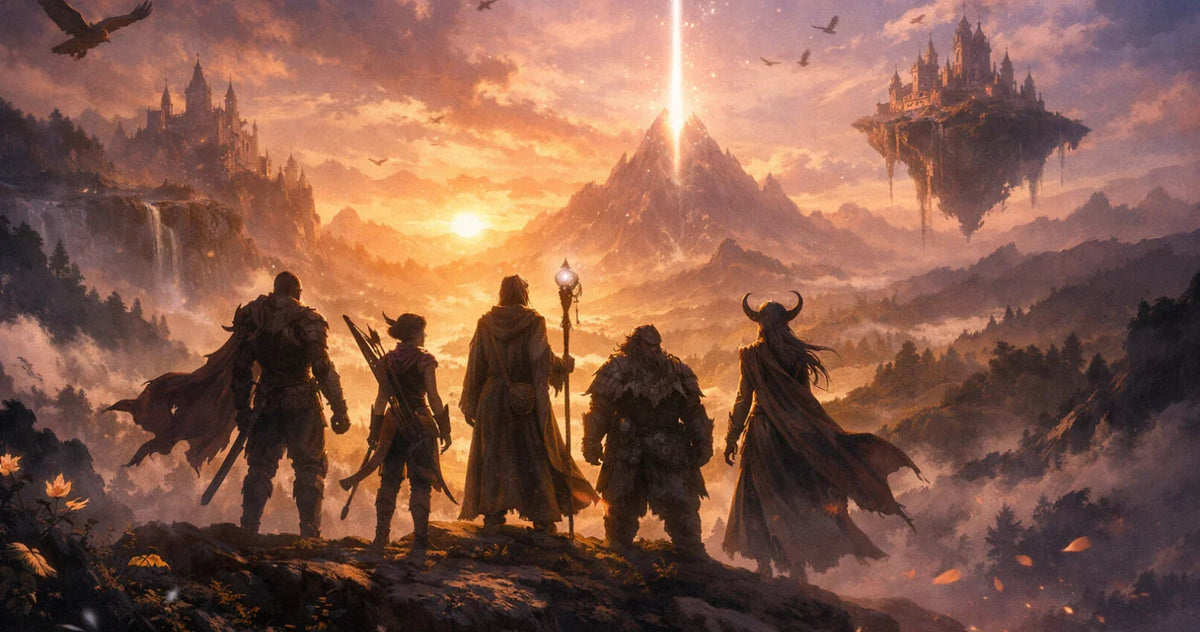
Every great Dungeons & Dragons story starts with a group of adventurers who learn to rely on each other. Some charge into battle, some weave spells from the backline, and others quietly solve problems before anyone else notices.
That’s where a balanced party in D&D comes in.
But here’s the good news: balance doesn’t mean perfection. You don’t need the “ideal” lineup to have an amazing game. What really matters is how your group works together, supports each other, and embraces each character’s strengths.
This guide will help you understand D&D party composition, build a well-rounded team, and still leave plenty of room for creativity and fun.
What Does a “Balanced Party” Mean?
A balanced party isn’t just about combat roles or checking boxes.
It’s about having a group that can handle a wide range of situations, including:
- Combat encounters
- Exploration challenges
- Social interactions and roleplay
- Problem-solving and unexpected obstacles
A good D&D team composition usually includes a mix of abilities, but flexibility matters more than strict roles.
Think of it like this:
- You don’t need perfect coverage
- You need enough tools to adapt
The Core Party Roles
Most parties naturally fall into a few core roles. These aren’t rigid categories, just helpful ways to understand how characters contribute.
1. Frontline (Tanks & Defenders)
These characters take hits and protect others.
- High durability (HP, armor, resistances)
- Control enemy movement
- Keep pressure off squishier allies
Examples:
- Fighter
- Paladin
- Barbarian
2. Damage Dealers
Focused on dealing consistent or burst damage.
- Ranged or melee damage
- Target priority threats
- Help end fights quickly
Examples:
- Rogue
- Ranger
- Sorcerer
3. Support & Healers
They keep the party alive and enhance others.
- Healing spells and buffs
- Debuff enemies
- Provide clutch saves
Examples:
- Cleric
- Bard
- Druid
4. Utility & Problem-Solvers
These characters shine outside of combat.
- Skills (stealth, lockpicking, investigation)
- Magic for exploration (invisibility, teleportation)
- Creative solutions to tricky situations
Examples:
- Wizard
- Rogue
- Artificer
Why Balance Improves the Game
When your party covers multiple roles, everything just flows better.
Smoother Encounters
You’re less likely to hit a wall where no one can heal, detect traps, or deal with a specific threat.
Better Teamwork
Each player contributes in different ways, making teamwork feel meaningful instead of repetitive.
Everyone Gets a Moment
A balanced group gives each player time to shine:
- The rogue disables traps
- The cleric saves the day
- The fighter holds the line
- The wizard solves the impossible
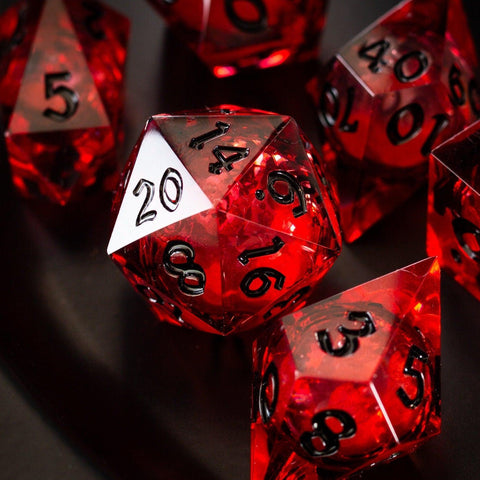
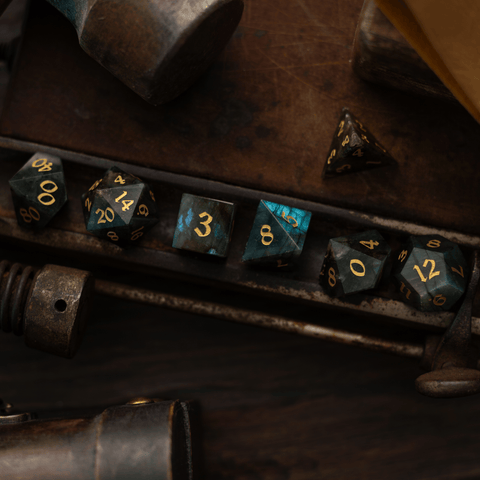
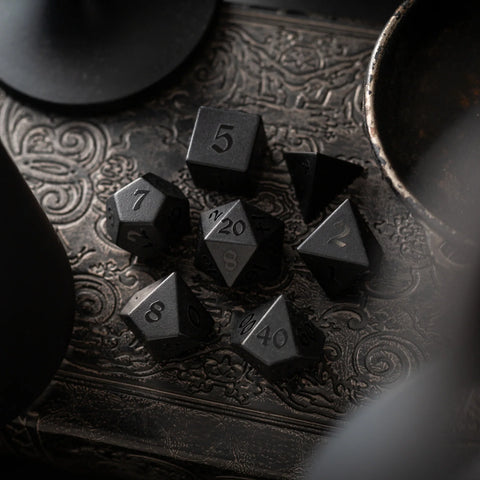
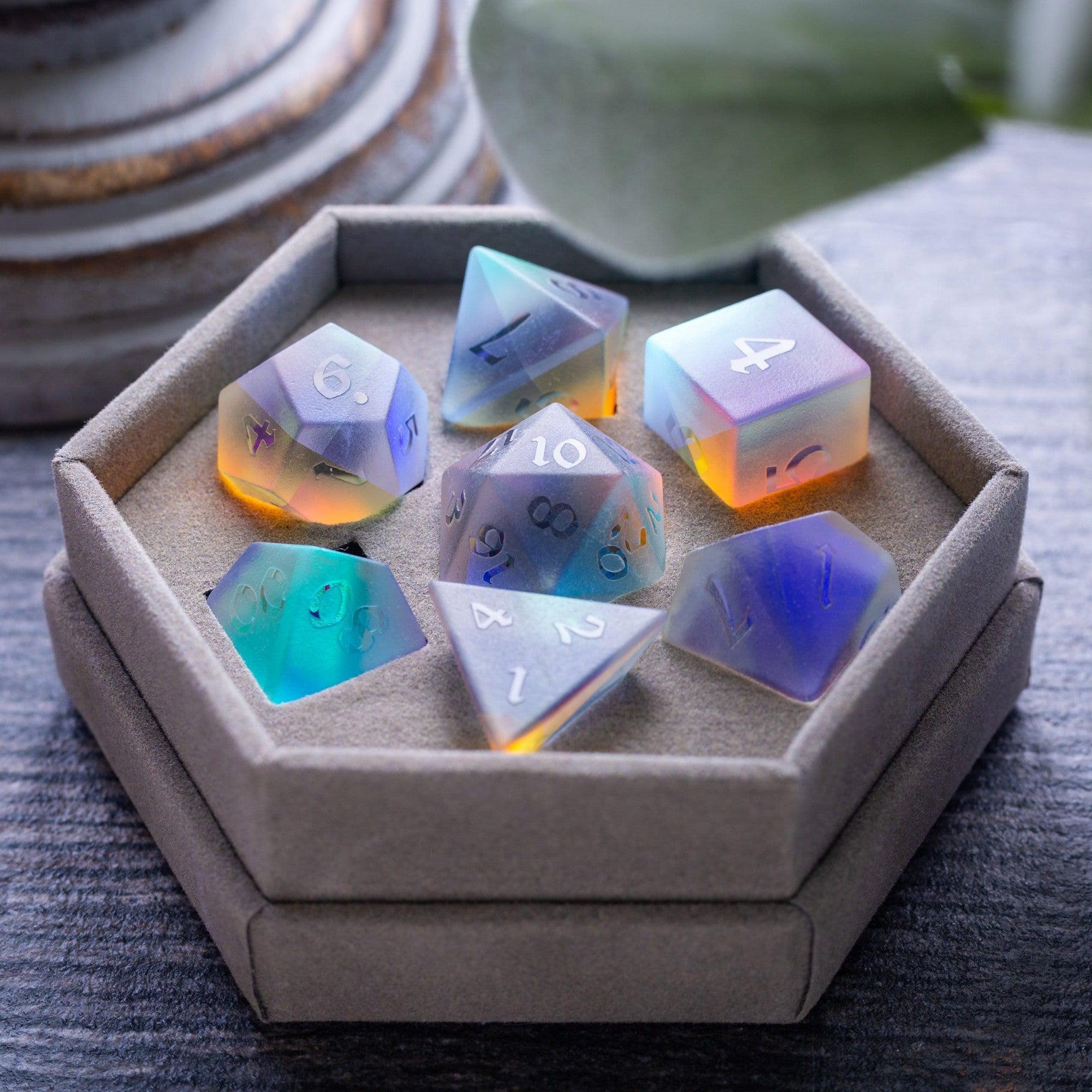
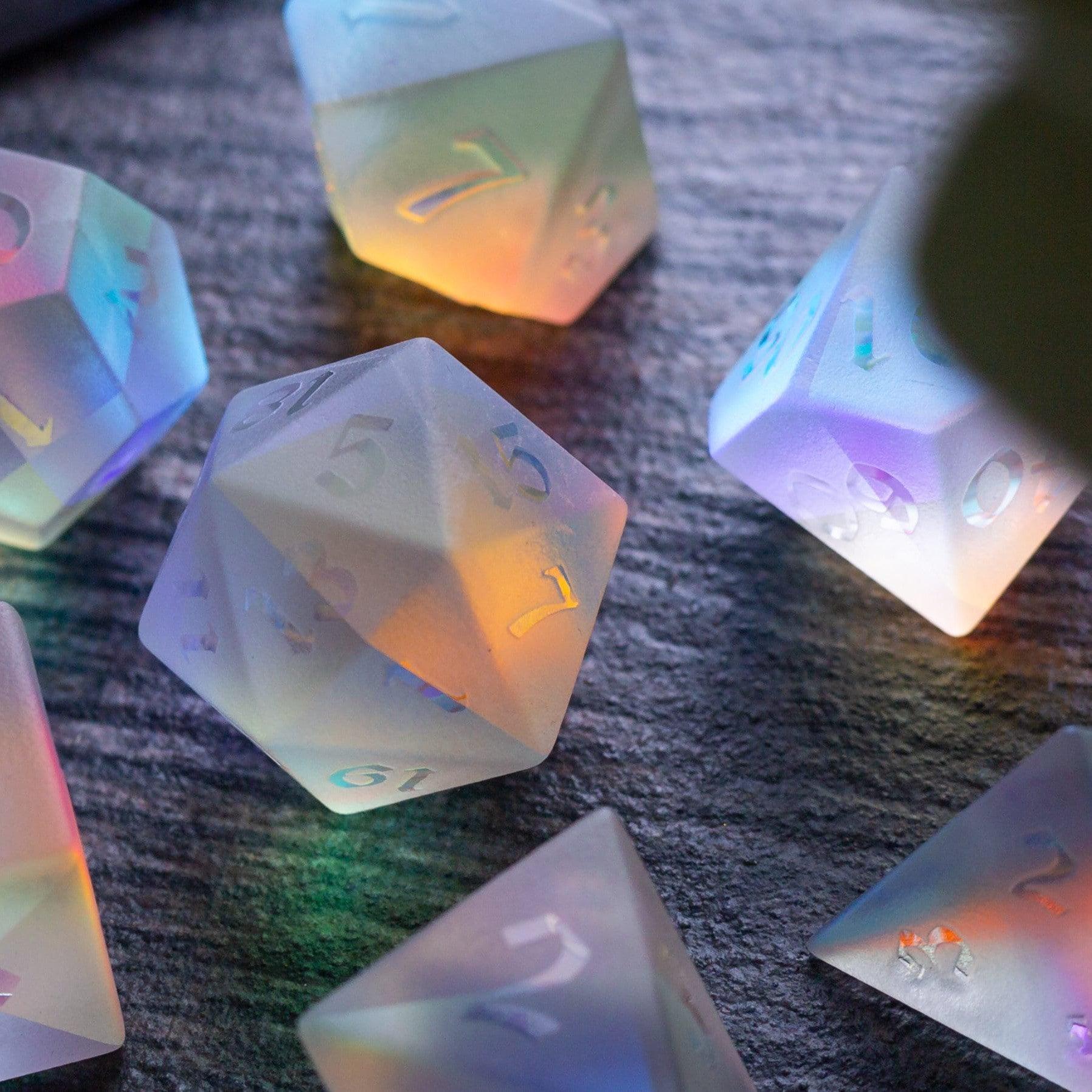
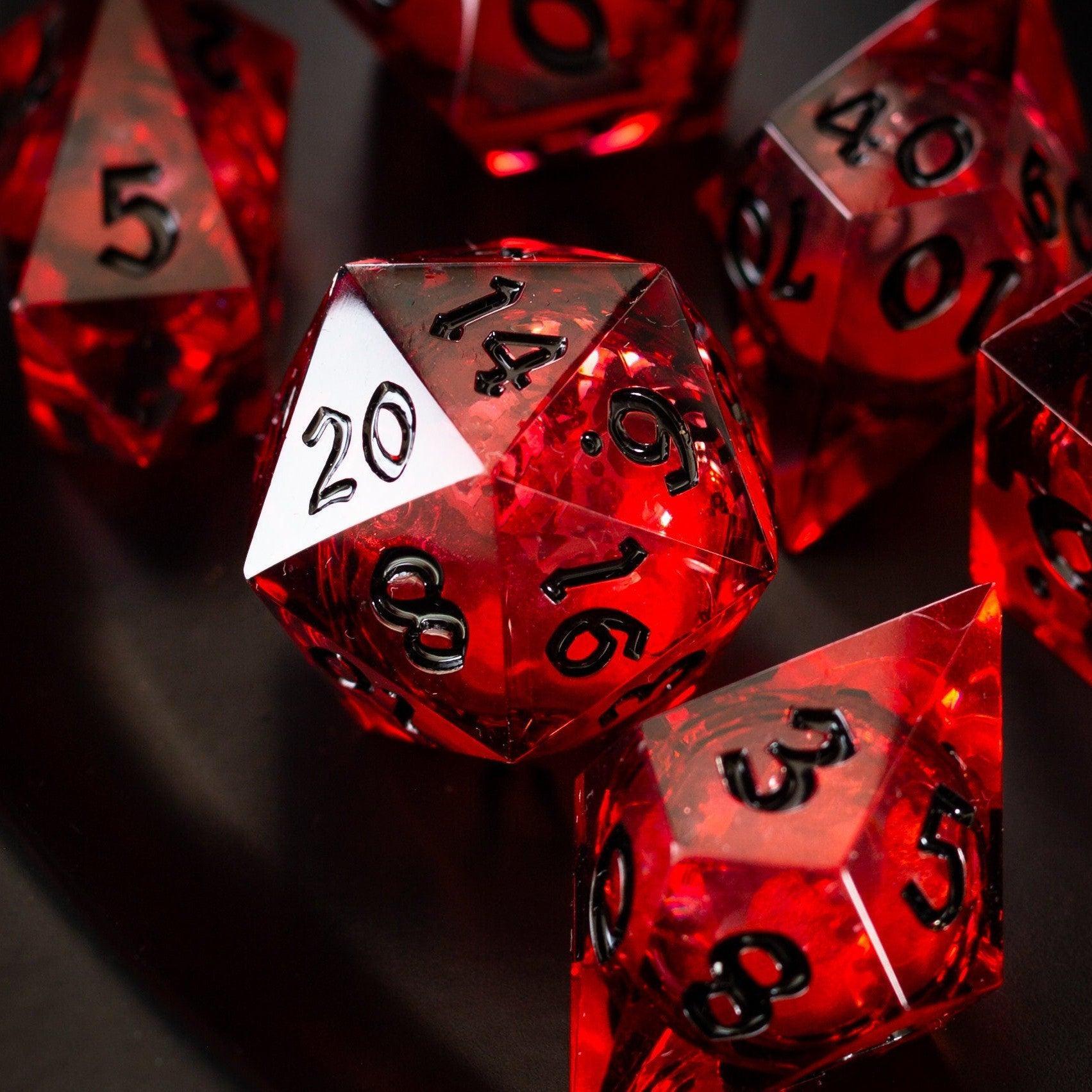
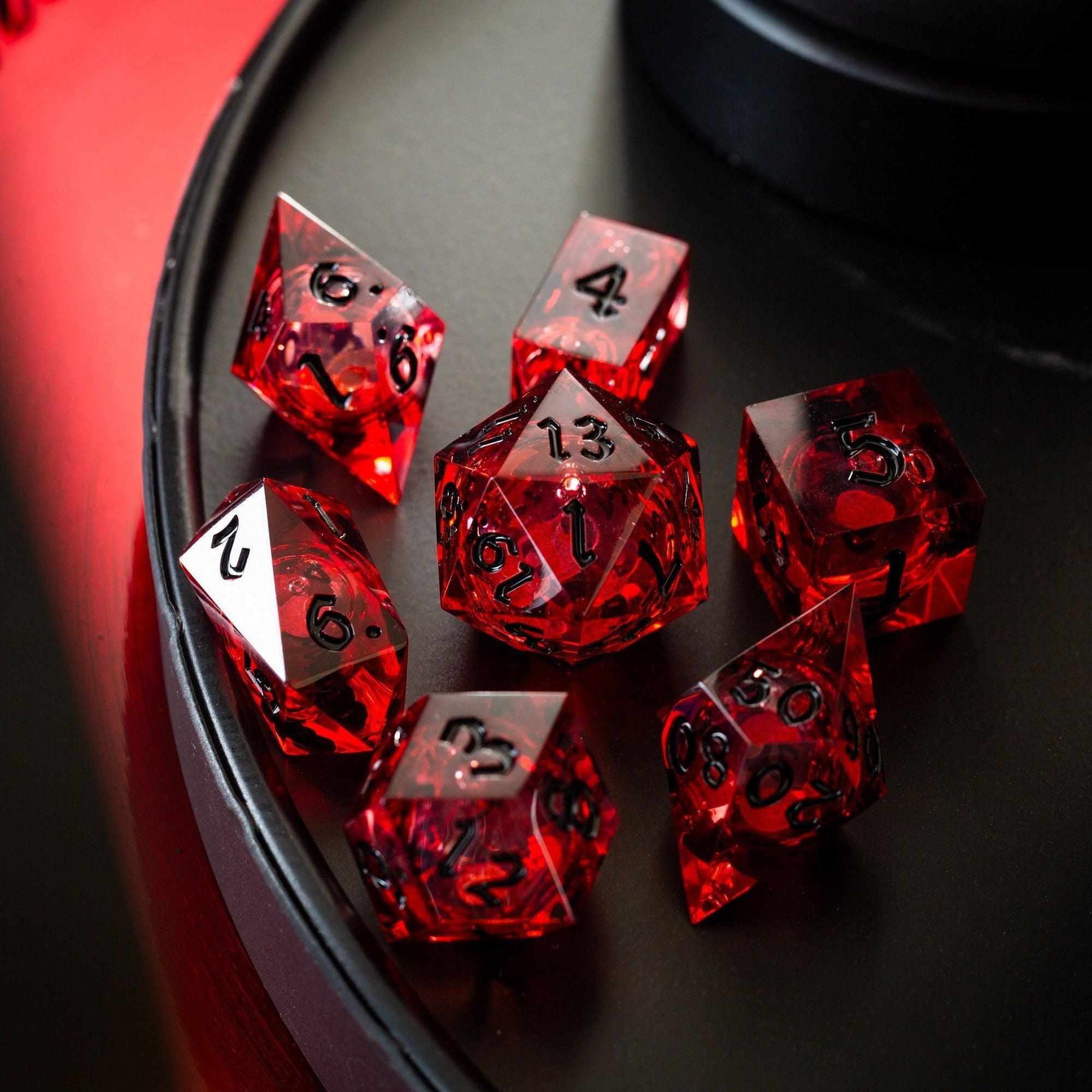
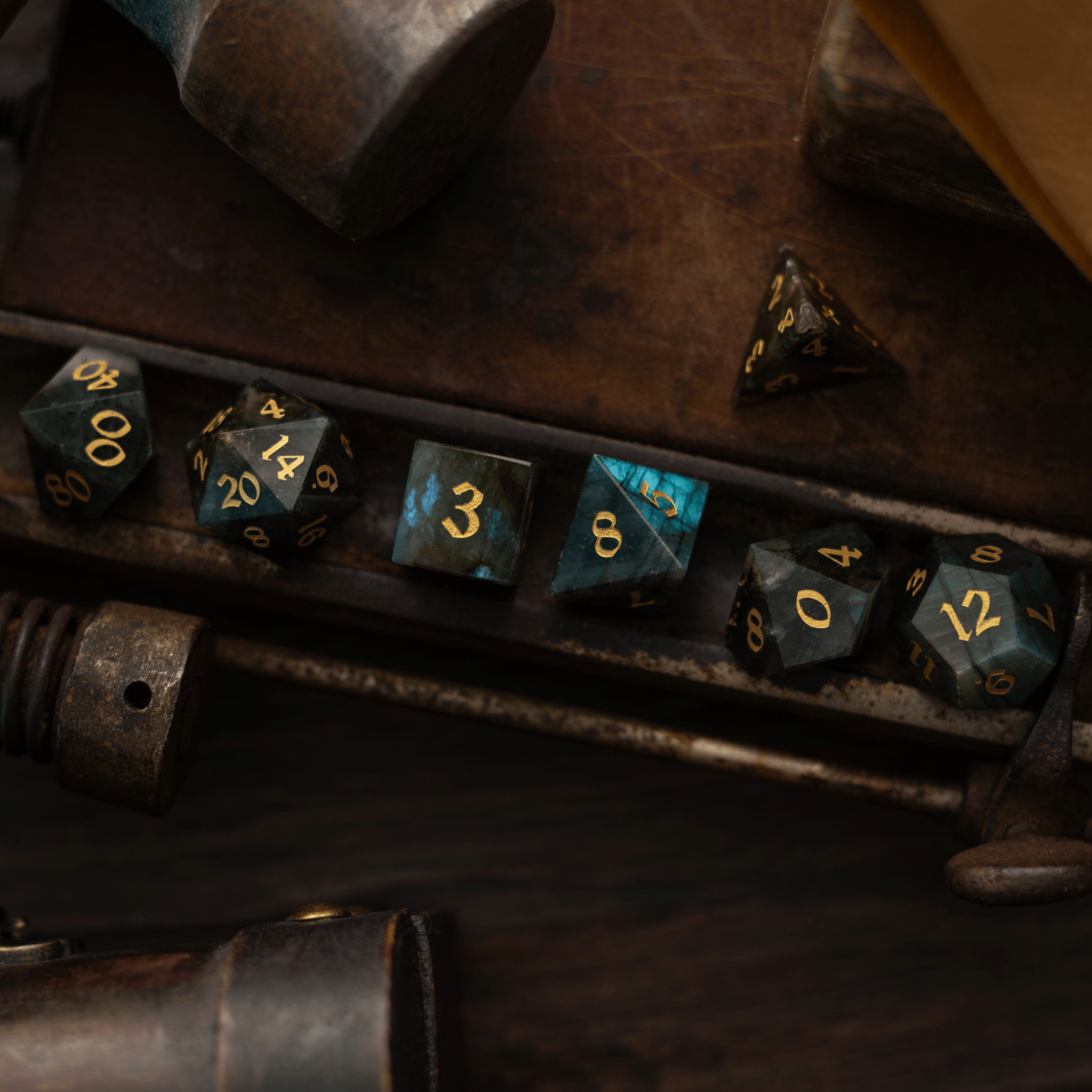
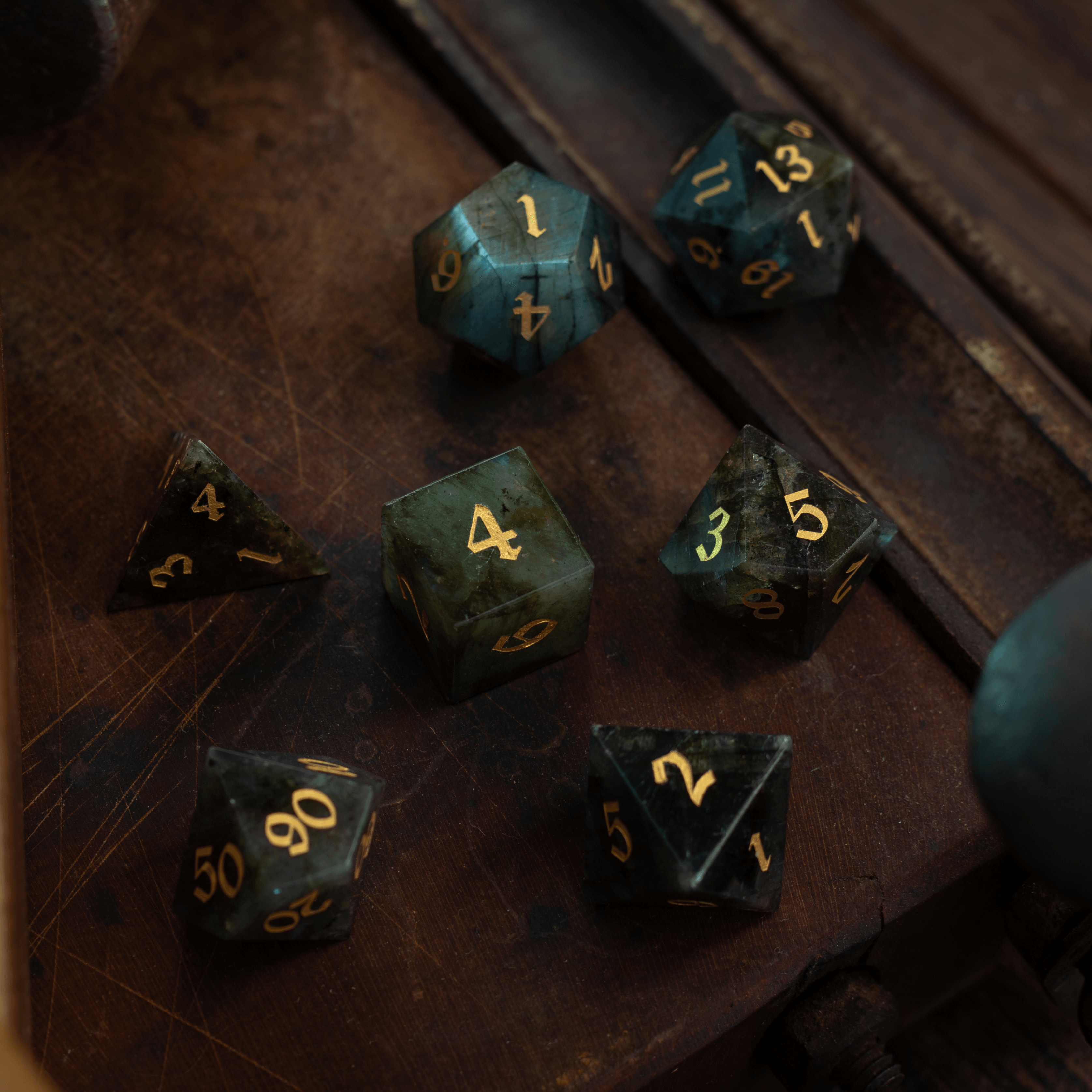
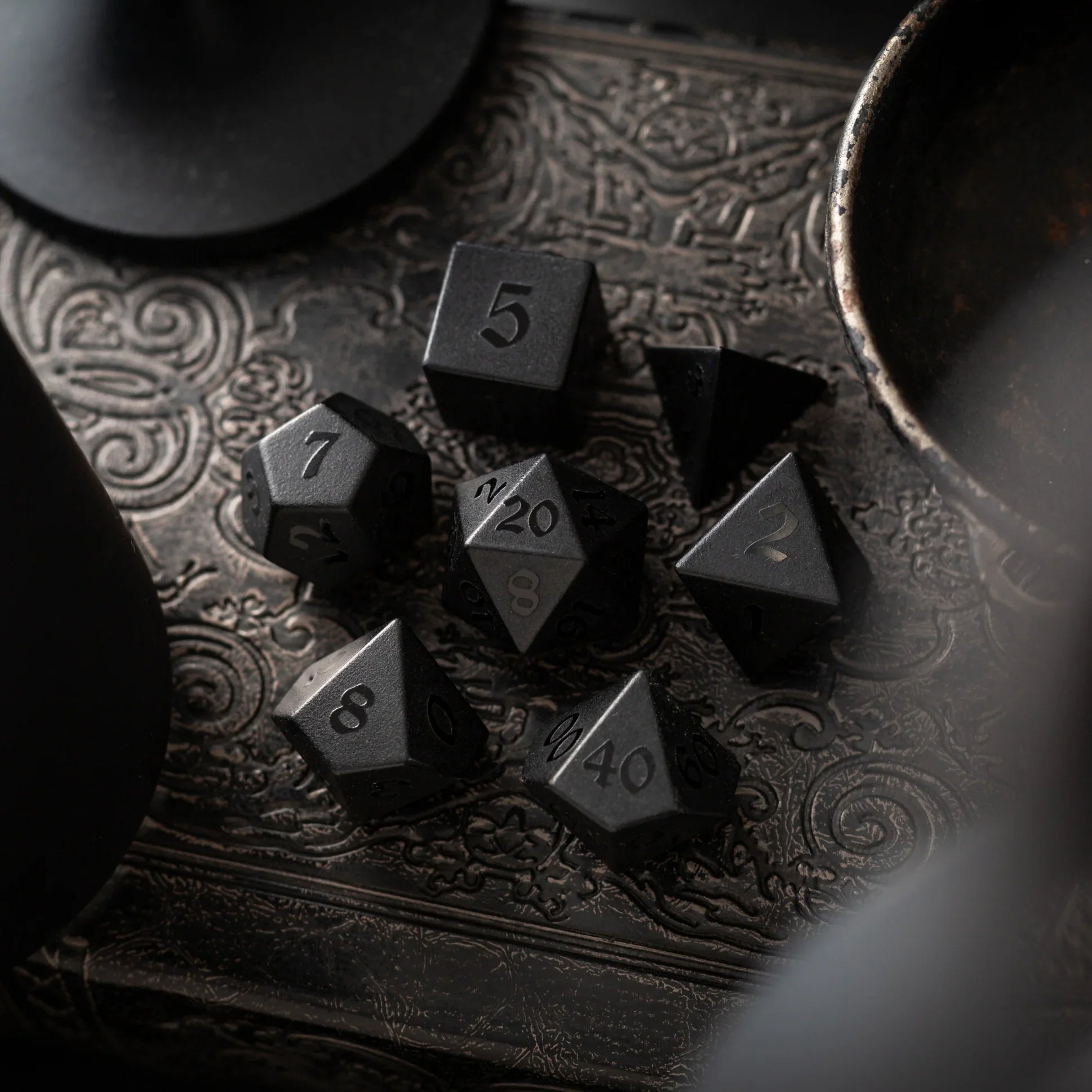
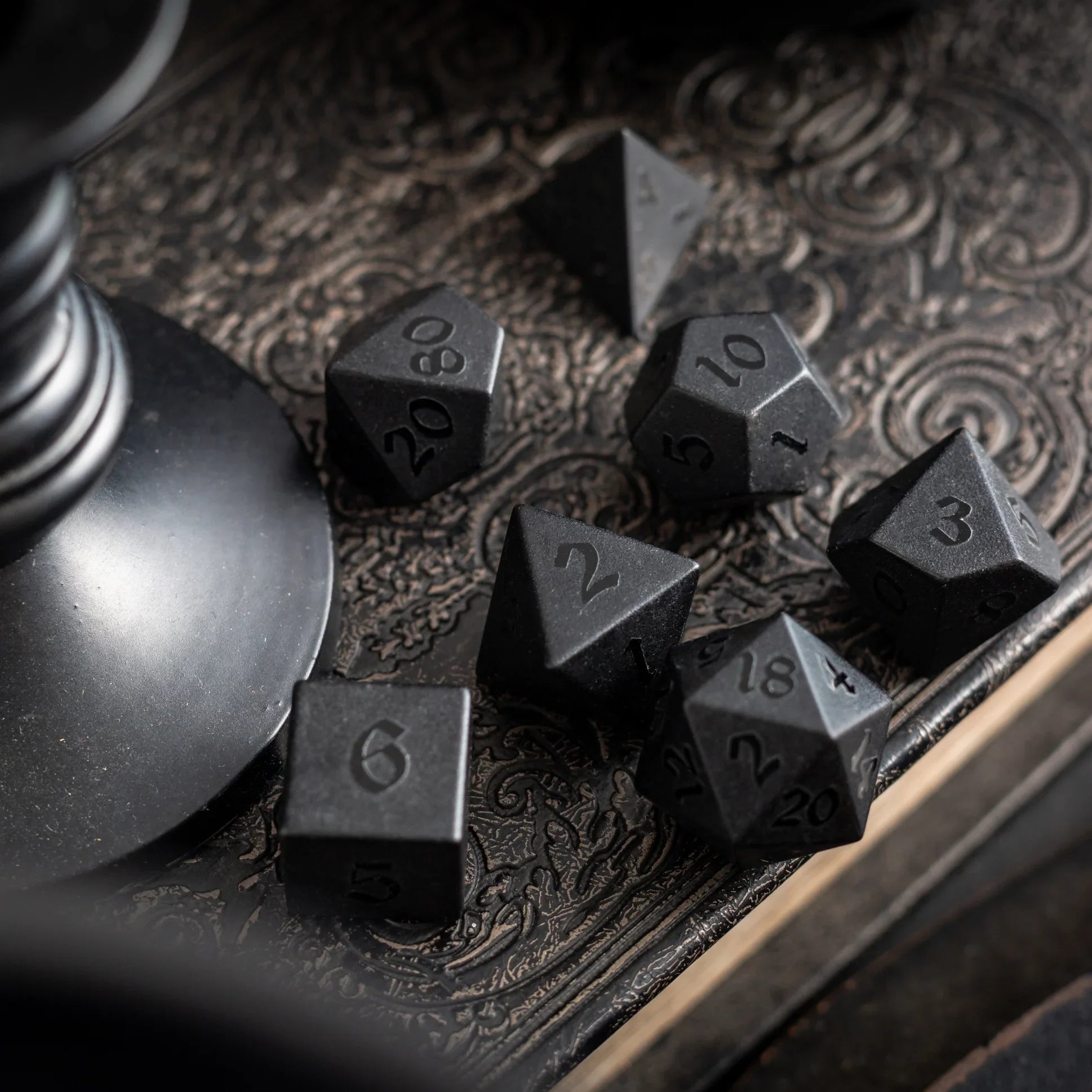
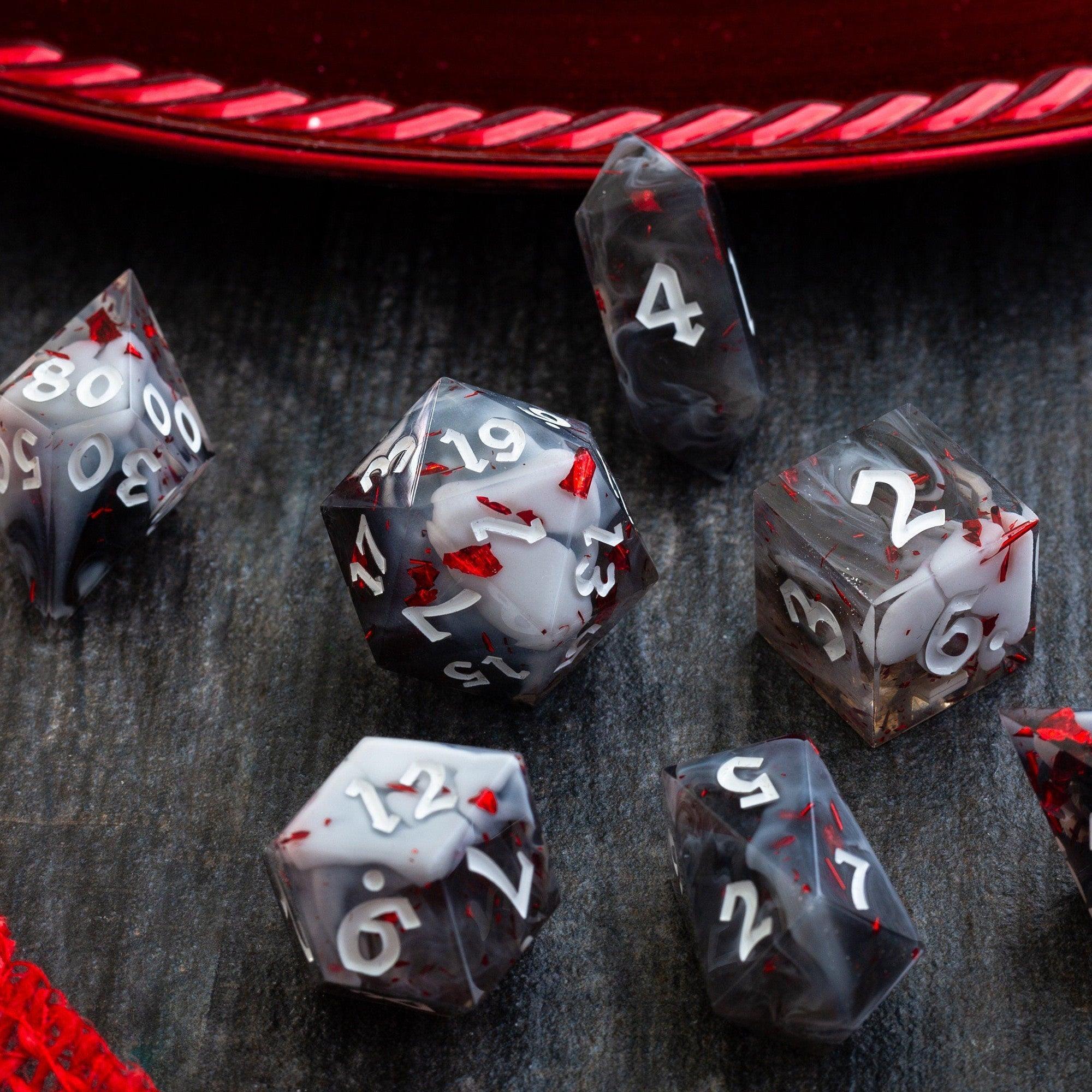
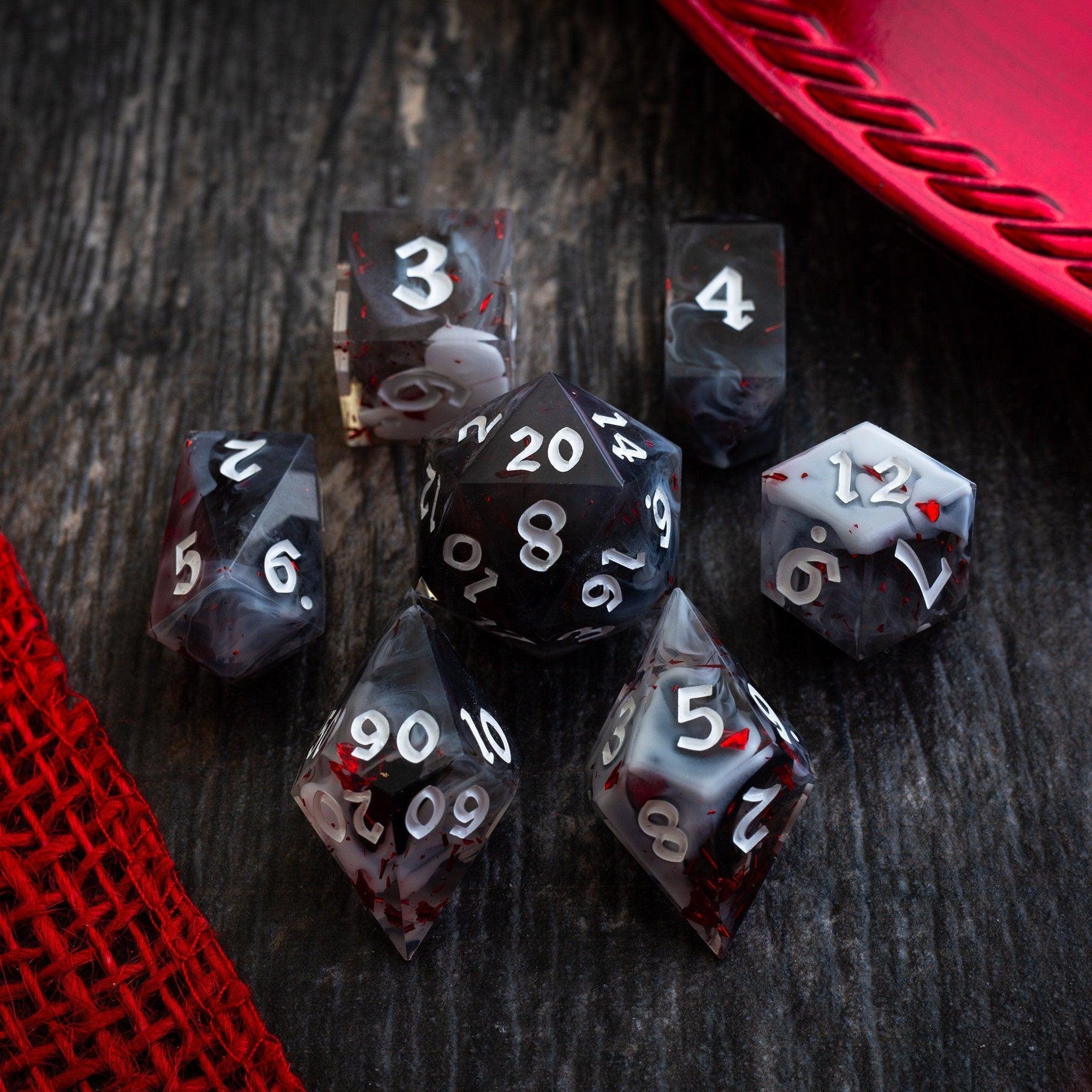
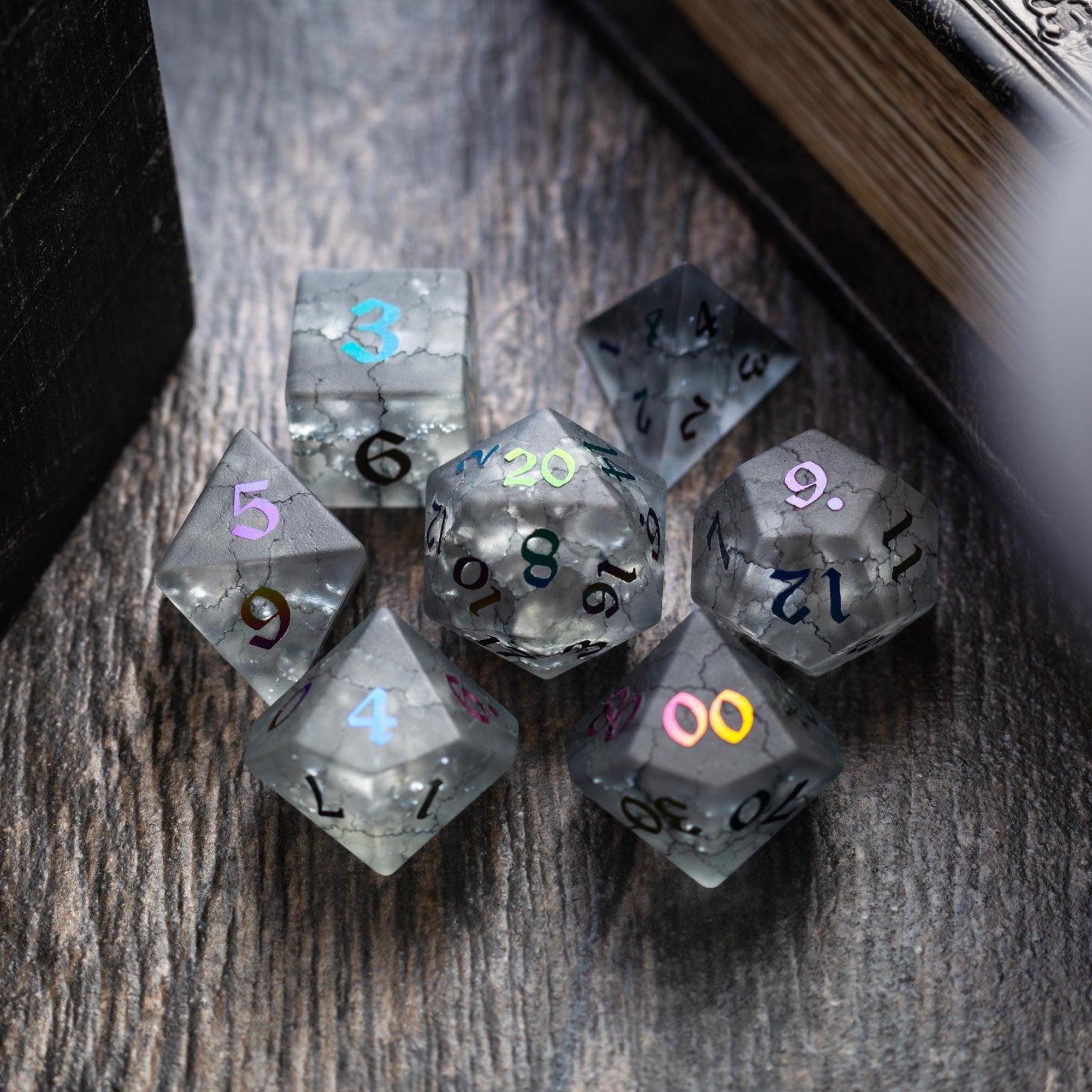
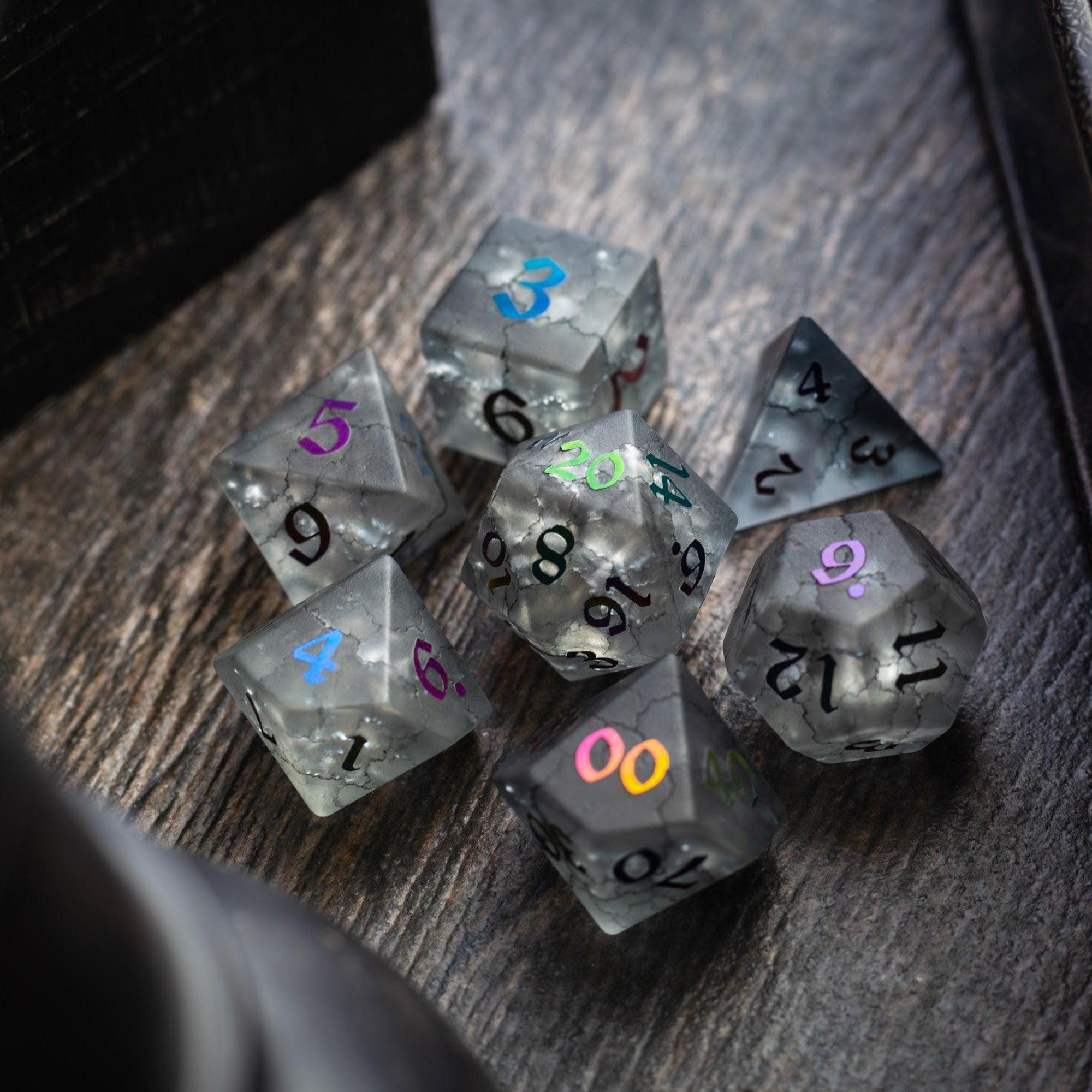
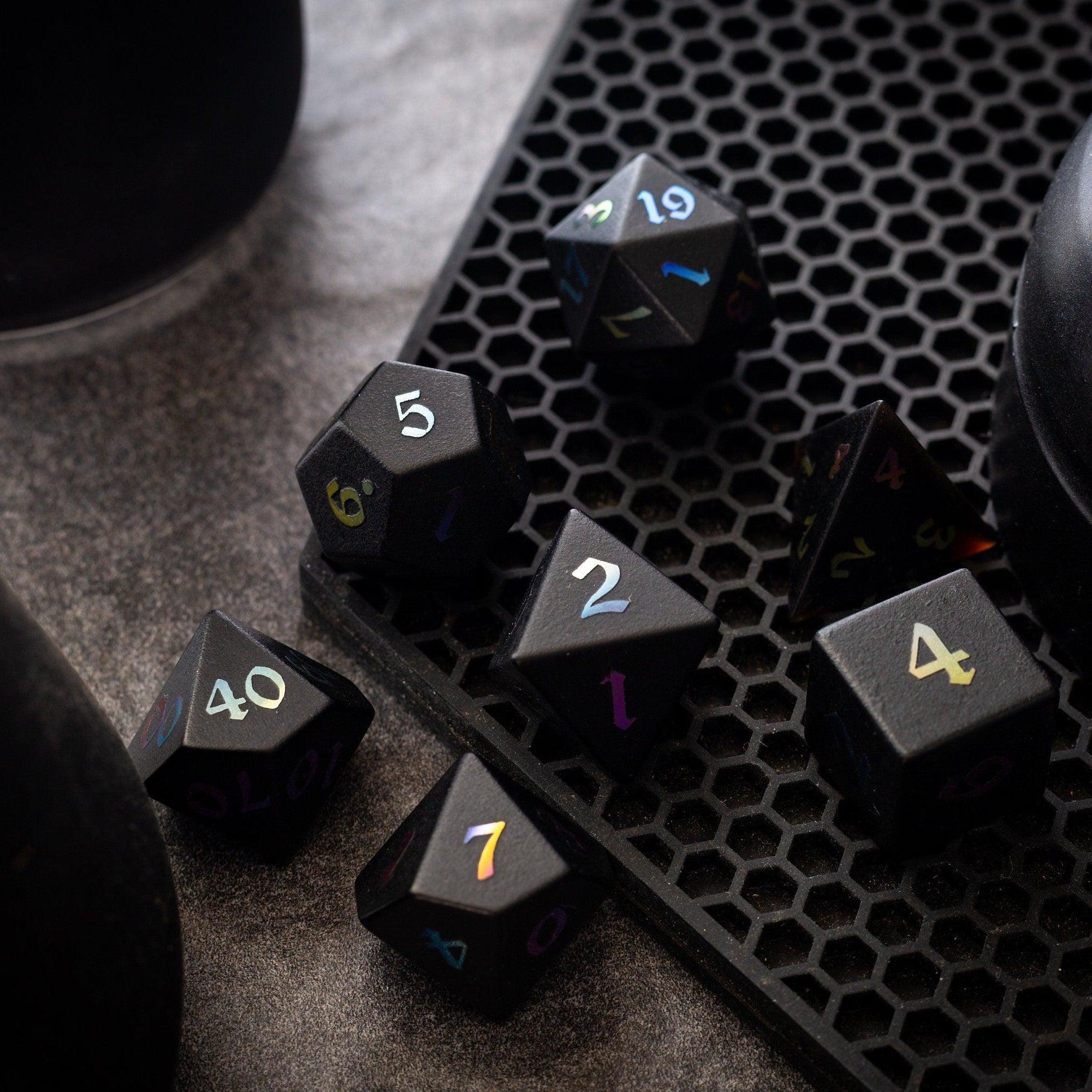
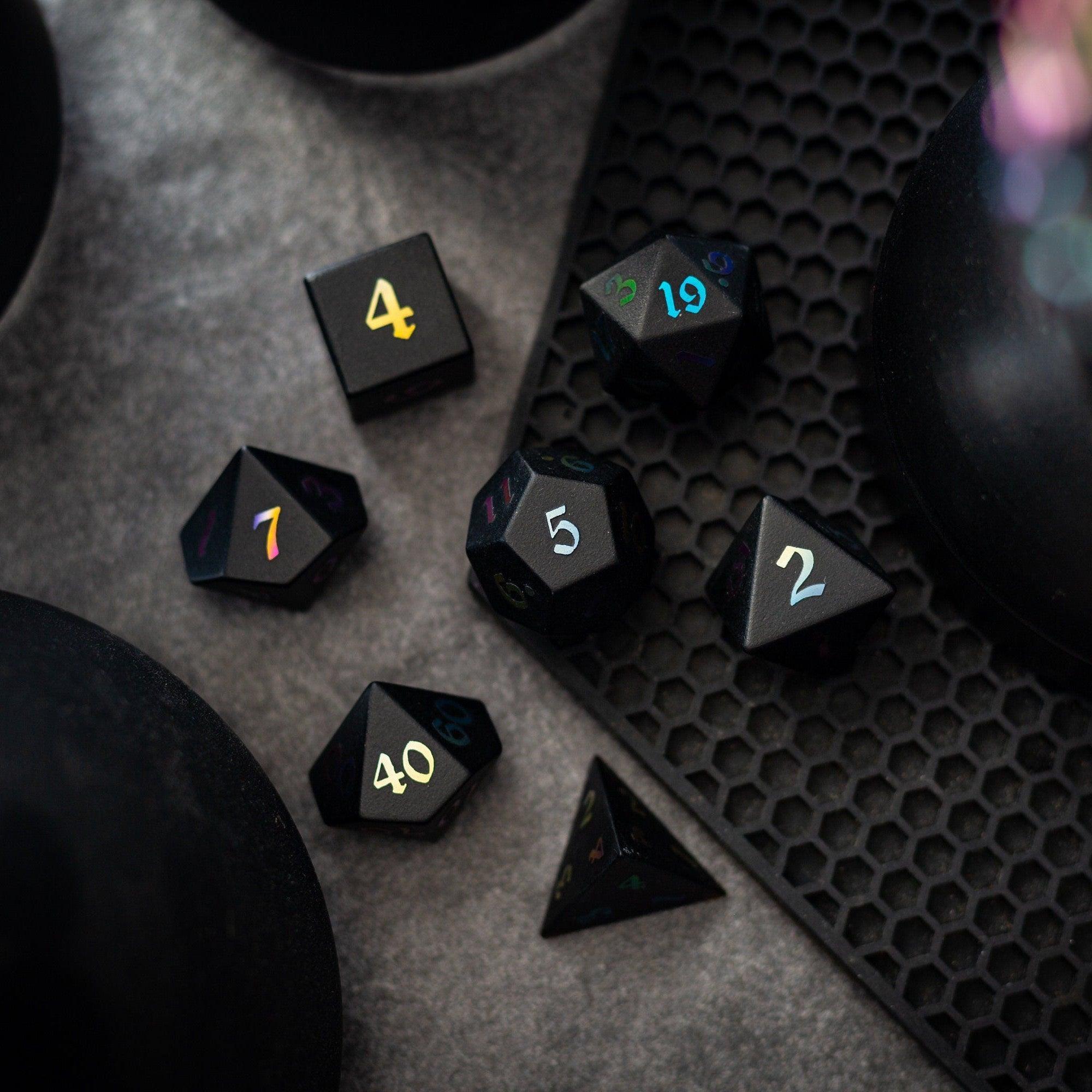
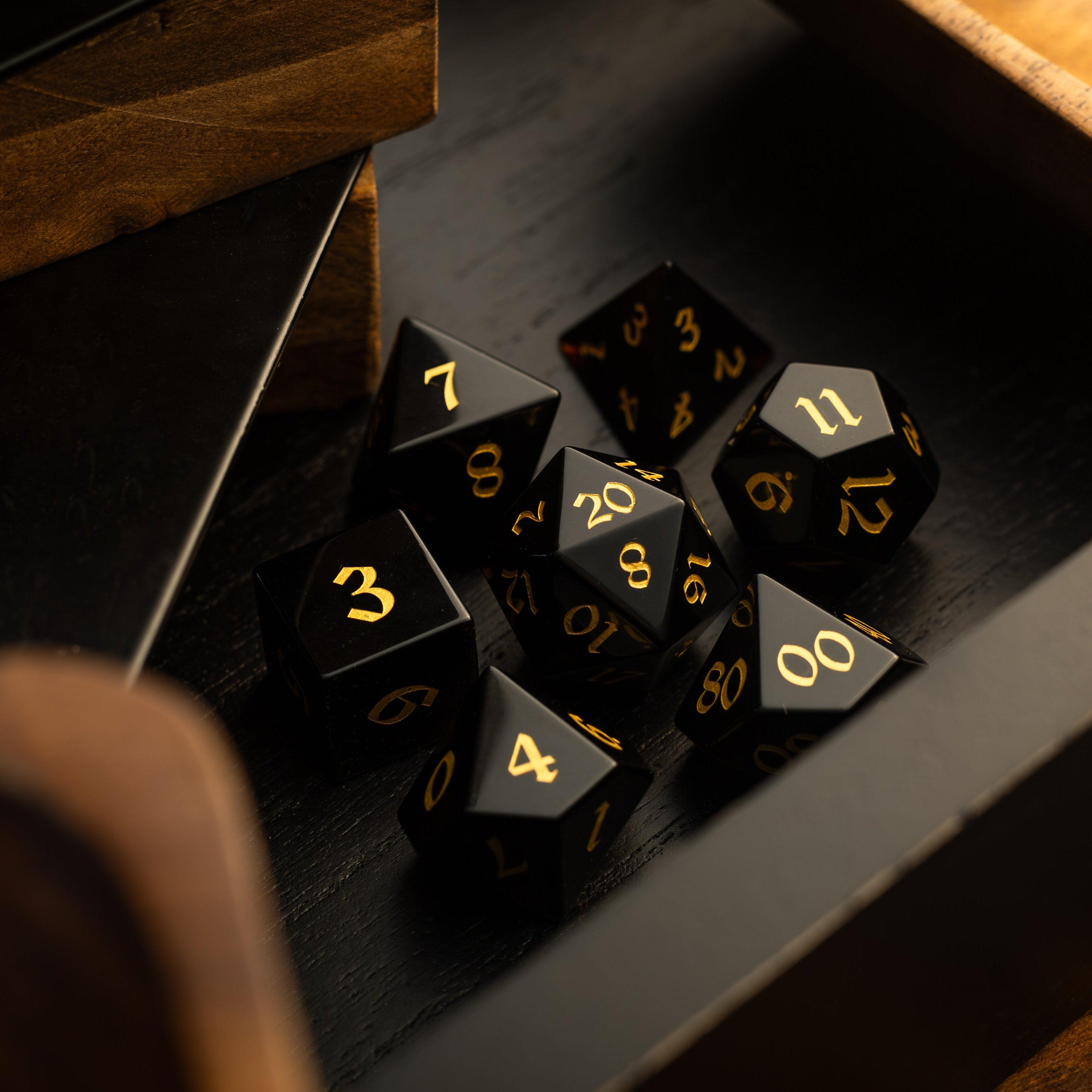
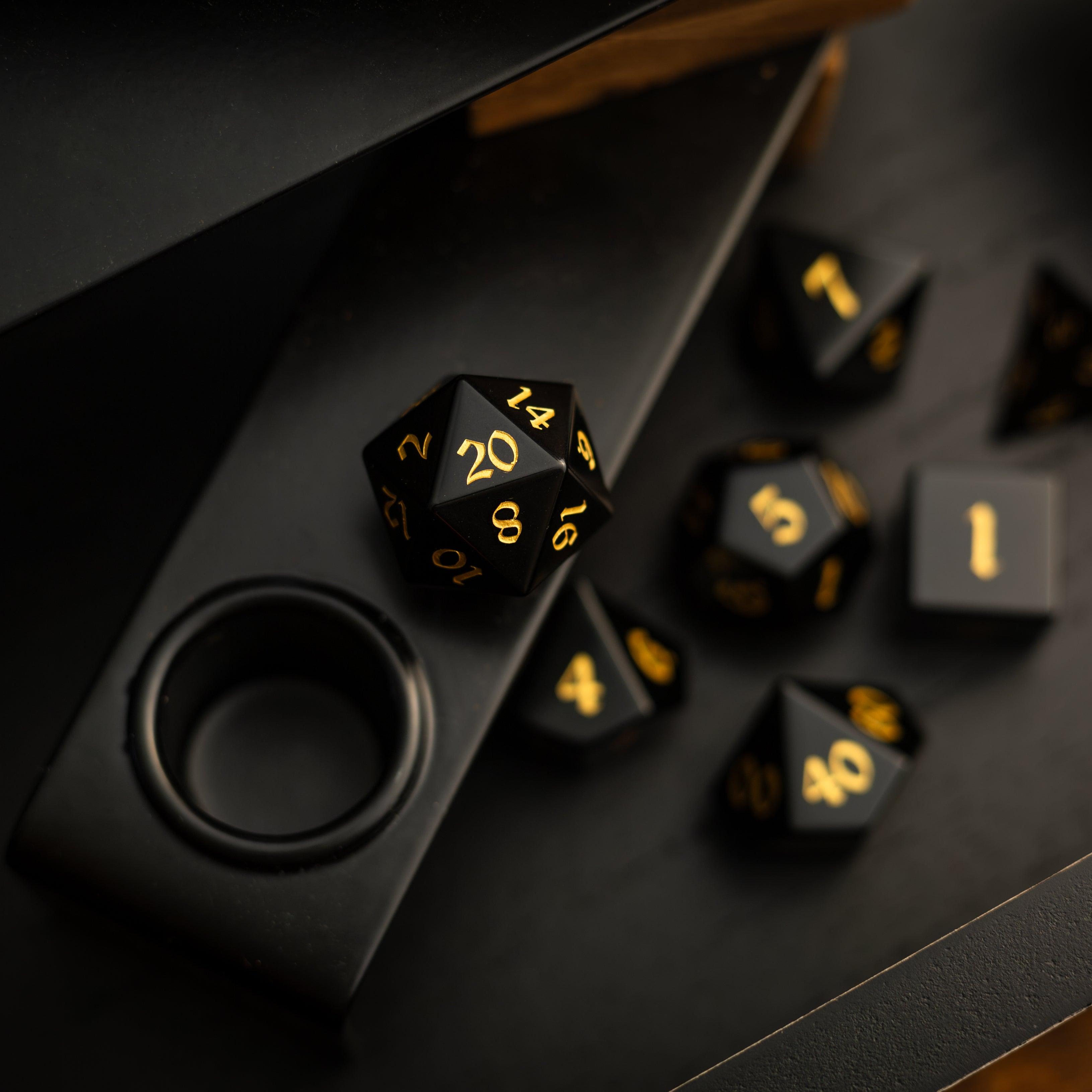
Even something as simple as rolling dice reinforces that identity. Some groups like to use different dice sets for each role, so when the healer reaches for their dice or the rogue makes a stealth check, it feels like stepping into that role in a small but satisfying way.
Party Composition Table
|
Role |
What They Do |
Example Classes |
|
Frontline |
Absorb damage, control enemies |
Fighter, Paladin, Barbarian |
|
Damage |
Deal consistent or burst damage |
Rogue, Ranger, Sorcerer |
|
Support |
Heal, buff, and protect allies |
Cleric, Bard, Druid |
|
Utility |
Solve problems, skills, exploration |
Wizard, Rogue, Artificer |
Popular Balanced Party Setups
Classic Party
The traditional setup still works for a reason:
- Fighter (frontline)
- Wizard (utility/damage)
- Cleric (support)
- Rogue (utility/damage)
This covers nearly every situation in the game.
Flexible Modern Party
Many groups mix roles more fluidly:
- Paladin (frontline + support)
- Bard (support + utility)
- Ranger (damage + exploration)
- Warlock (damage + utility)
Here, characters overlap roles, which makes the party more adaptable.
Small Party Adjustments
If you only have 2–3 players:
- Choose hybrid classes (like Paladin or Druid)
- Focus on versatility instead of specialization
- Use creative tactics to fill gaps
For example, a two-person party might rely on clever positioning, teamwork, and creative spell use rather than raw power.
Playing Without a “Perfect” Party
Not every group will have ideal D&D group roles, and that’s completely fine.
Some of the best campaigns happen when things aren’t perfectly balanced.
How to Adapt
- No healer? Use potions and defensive play
- No rogue? Solve traps creatively or brute force them
- No tank? Use mobility and positioning
Lean Into Creativity
Limitations often lead to memorable moments:
- Distracting enemies instead of fighting
- Talking your way past danger
- Using spells in unexpected ways
And honestly, those chaotic moments are often where the most fun happens.
Communication Is Key
Before the campaign starts, a quick conversation can make a huge difference.
Talk About Roles
- Who wants to be in the frontline?
- Who prefers spellcasting or support?
- Is anyone excited about utility or skill-heavy play?
Avoid Overlap Frustration
Two players wanting the same niche isn’t bad, but it helps to:
- Define how each character is different
- Share spotlight moments
Support Each Other
A strong party isn’t just balanced on paper. It’s built on players who:
- Help each other succeed
- Celebrate each other’s wins
- Work together during tough moments
Even small rituals, like everyone rolling their dice together during a big moment, can reinforce that shared team energy.
Letting Players Play What They Love
This is the most important rule.
A perfectly optimized party that no one enjoys playing won’t last long.
Balance vs. Fun
- Fun always comes first
- Passion makes better roleplay
- Engaged players create better stories
If someone really wants to play three rogues in one party? That can work. It just becomes a very stealthy, creative campaign.
Making Any Party Work
Dungeon Masters can help by:
- Adjusting encounters
- Offering alternative solutions
- Encouraging creative play
Players can help by:
- Covering each other’s weaknesses
- Thinking as a team
- Staying flexible
Common Mistakes to Avoid
Over-Focusing on Optimization
Trying to build the “perfect” balanced party D&D setup can take away from the fun.
Ignoring Player Preference
Forcing roles leads to less engaged players.
Lack of Communication
Most D&D group problems come from not talking things through.
Trying to Force Roles
Not every party needs a strict tank, healer, or damage dealer.
Let roles happen naturally.
Tips for Better Team Play
Share the Spotlight
Let everyone have their moment, both in and out of combat.
Support Each Other
- Help set up allies for success
- Use abilities that benefit the group
- Think beyond your own turn
Plan Together
Even simple planning can make a big difference:
- Who engages first?
- Who supports?
- What’s the backup plan?
- Stay Flexible
Things will go wrong. That’s part of the fun.
Adapt, improvise, and enjoy the chaos.
Conclusion
A balanced party in D&D isn’t about building the perfect team. It’s about building a group that works together, supports each other, and creates memorable moments along the way.
You don’t need every role perfectly filled. You just need players who are willing to collaborate, communicate, and lean into the adventure.
So pick the character you’re excited about. Bring your strengths to the table. Roll your dice with your party beside you.
And trust that together, you’ll figure the rest out.

Leave a comment
This site is protected by hCaptcha and the hCaptcha Privacy Policy and Terms of Service apply.