
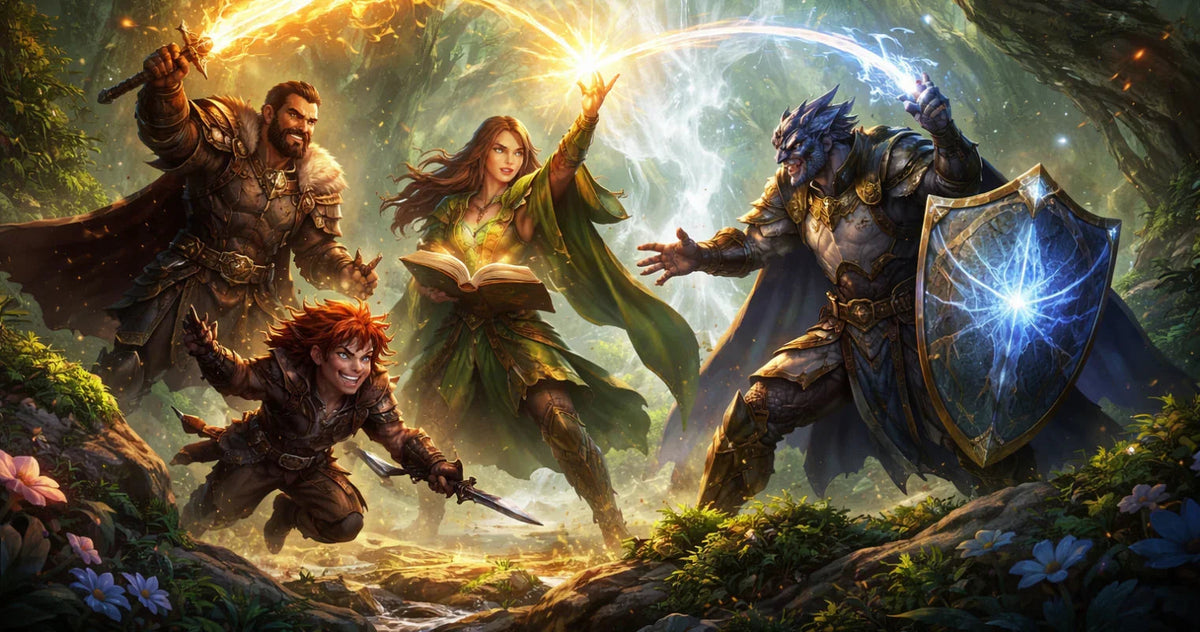
How to Be a Better Teammate in DnD: Tips for Teamwork and Fun Gameplay
Dungeons & Dragons is one of the most rewarding games you can play, but what makes it truly special isn’t just the story or the dice rolls. It’s the people at the table.
Learning how to be a better D&D player isn’t about memorizing rules or building the strongest character. It’s about working together, supporting your party, and helping everyone have a great time.
Whether you’re brand new or have a few campaigns under your belt, improving your teamwork can completely transform your experience.
Why Teamwork Matters in D&D
At its core, D&D is a shared storytelling game. Every decision, every roll, and every moment builds something together.
One player’s behavior can shape the entire table experience:
- A supportive player makes others feel included
- A patient player helps the story flow smoothly
- A cooperative player turns good sessions into unforgettable ones
On the flip side, even small habits like interrupting or dominating decisions can unintentionally disrupt the group dynamic.
That’s why D&D teamwork tips are some of the most valuable skills you can learn.
What It Means to Be a Good Teammate in D&D
Being a great teammate isn’t complicated, but it does take awareness and intention.
Supporting the Party
Your character is part of a team. Even if they’re a lone wolf by personality, they still rely on others to survive and succeed.
-
Help other players succeed in their moments
-
Offer ideas without taking over
-
Think about how your actions affect the group
Sharing the Spotlight
Everyone deserves time to shine.
-
Let others speak and act
-
Avoid solving every problem yourself
-
Celebrate other characters’ successes
Playing Collaboratively
D&D works best when players build on each other’s ideas.
-
Say “yes, and…” instead of shutting ideas down
-
Add to the story instead of redirecting it
-
Work toward shared goals
Why Teamwork Makes the Game Better
More Fun for Everyone
When players feel heard and included, the entire table becomes more relaxed and engaged.
Better Storytelling
Collaborative storytelling creates richer, more memorable moments than any one player could create alone.
Stronger Group Dynamics
Good tabletop RPG teamwork builds trust. And trust makes roleplay, decision-making, and even combat smoother.
Essential Teamwork Tips for D&D Players
Here are practical, easy-to-use D&D player tips you can bring to your next session:
-
Listen actively
Pay attention when others are speaking. It shows respect and helps you respond in meaningful ways. -
Avoid interrupting
Let players finish their thoughts before jumping in. -
Support other characters’ moments
If someone is roleplaying, give them space and engage with it. -
Work toward group goals
Even if your character has personal motivations, align them with the party. -
Stay flexible
Plans will change. Be open to adapting with the group. -
Celebrate teamwork wins
Cheer when someone lands a big hit or delivers a great roleplay moment.
Teamwork Tips Table
|
Tip |
Why It Matters |
Example |
|
Listen to others |
Builds respect and understanding |
Waiting before speaking during roleplay |
|
Share the spotlight |
Keeps everyone engaged |
Letting another player lead a scene |
|
Support group decisions |
Prevents conflict |
Going along with a plan even if it’s not your first choice |
|
Communicate clearly |
Avoids confusion |
Explaining your action before rolling |
|
Stay engaged |
Keeps energy high |
Paying attention even when it’s not your turn |
Sharing the Spotlight
One of the biggest improvements you can make is learning when to step back.
Let Others Shine
Not every moment needs to belong to you.
- Give quieter players space to speak
- Ask other characters what they think
- React to their ideas instead of replacing them
Avoid Dominating Decisions
It’s tempting to take charge, especially if you have a strong idea. But great D&D party teamwork means making room for everyone.
Encourage Quieter Players
Sometimes all it takes is a simple prompt:
- “What does your character think?”
- “Do you want to take the lead here?”
These small moments can make a huge difference.
Communicating with Your Party
Good communication is the foundation of D&D table etiquette.
Speak Clearly and Respectfully
- Share your ideas without talking over others
- Keep your tone friendly and collaborative
Discuss Plans Together
Before rushing into action:
- Check in with your group
- Make sure everyone understands the plan
- Be open to feedback
Be Open to Ideas
You don’t have to agree with everything, but staying open helps keep the game flowing.
Supporting the Story (Not Just Yourself)
D&D isn’t about being the main character. It’s about building something together.
Think About the Party’s Goals
Ask yourself:
- Does this help the group?
- Does this move the story forward?
Avoid “Main Character Syndrome”
It’s easy to fall into the habit of making every decision about your character. Instead:
- Share narrative moments
- Build connections with other characters
- Create opportunities for others to contribute
Play Into Group Dynamics
Some of the best moments come from character relationships. Lean into them.
Handling Conflicts at the Table
Even great groups have disagreements. What matters is how you handle them.
Stay Calm and Respectful
Keep things focused on the game, not personal feelings.
Talk Things Out
If something feels off:
- Bring it up gently
- Listen to others’ perspectives
- Find a middle ground
Focus on Fun, Not Winning
D&D isn’t about beating the game or each other. It’s about enjoying the experience together.
Small Habits That Make a Big Difference
Sometimes the smallest changes have the biggest impact.
-
Be prepared for sessions
Know your character’s basics so the game keeps moving. -
Respect time and pacing
Avoid long delays when it’s your turn. -
Stay engaged
Even when it’s not your moment, stay present. -
Keep your space organized
Having your dice, notes, and character sheet ready makes everything smoother.
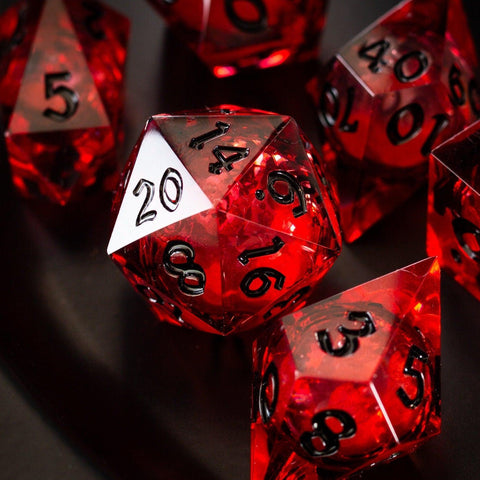
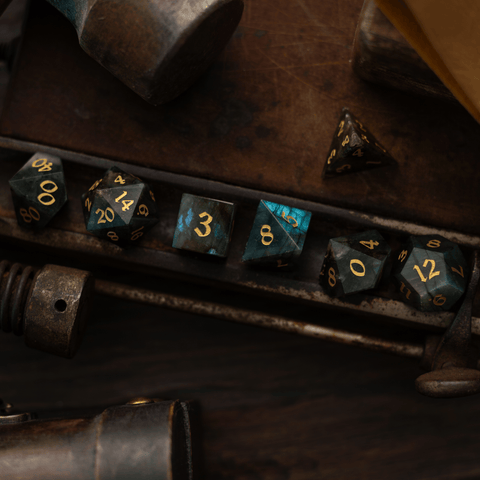
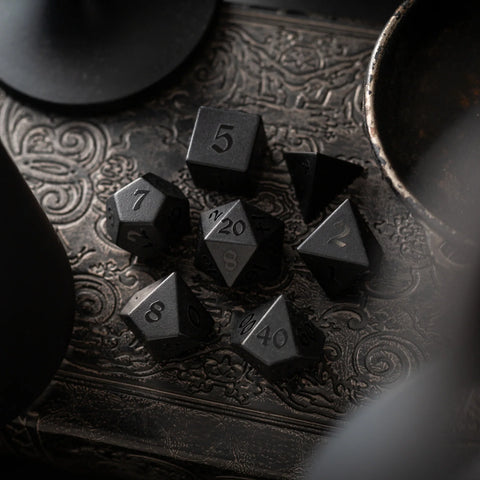
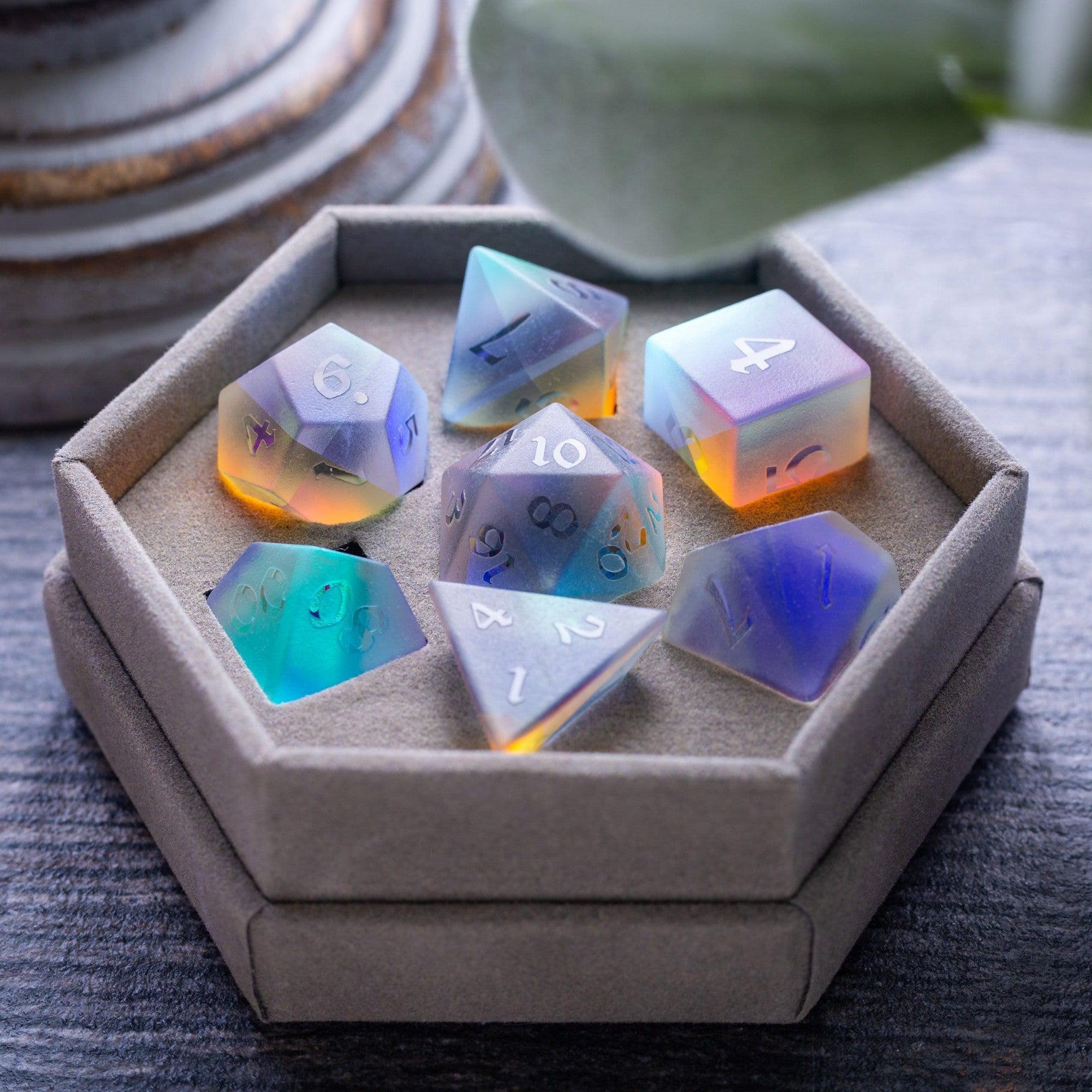
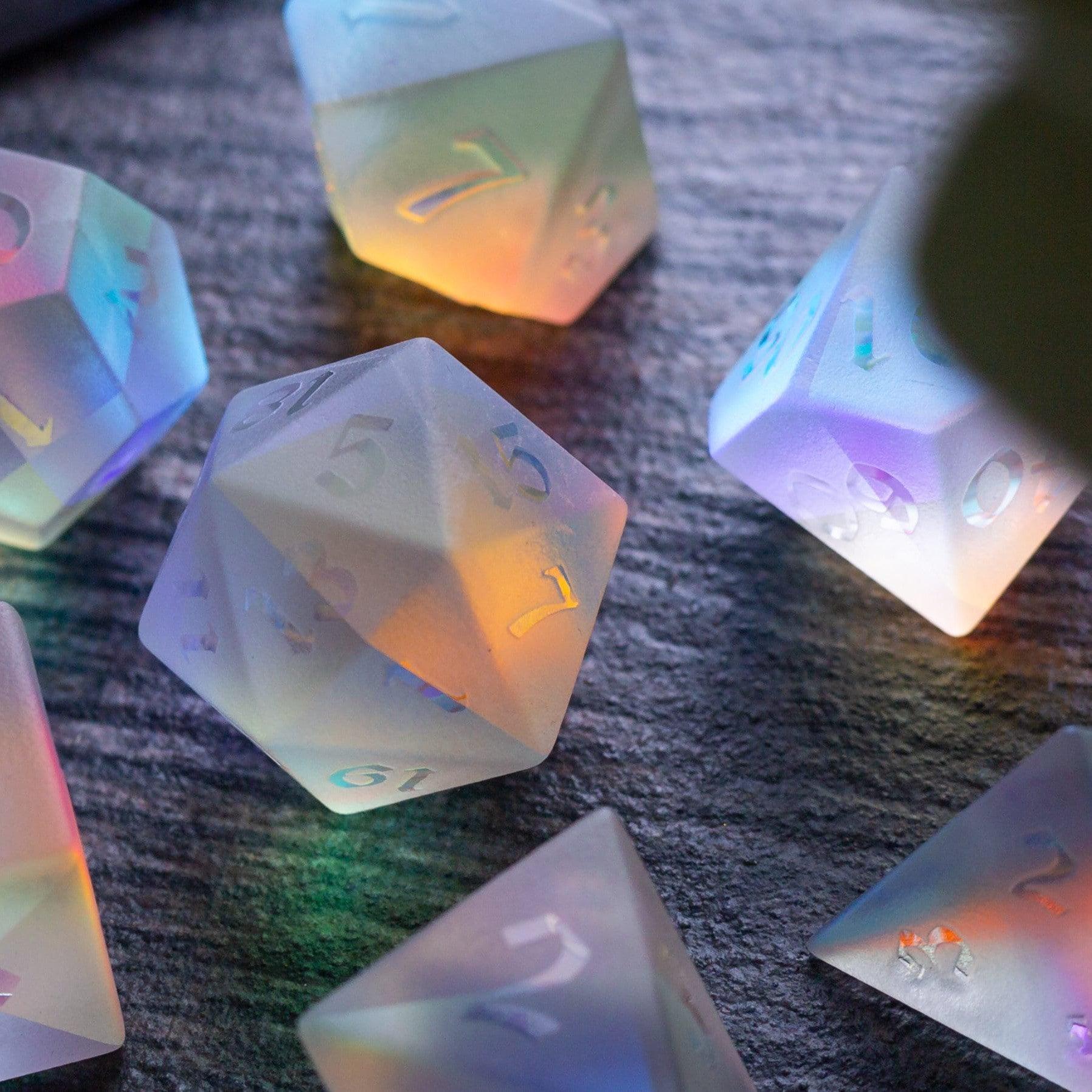
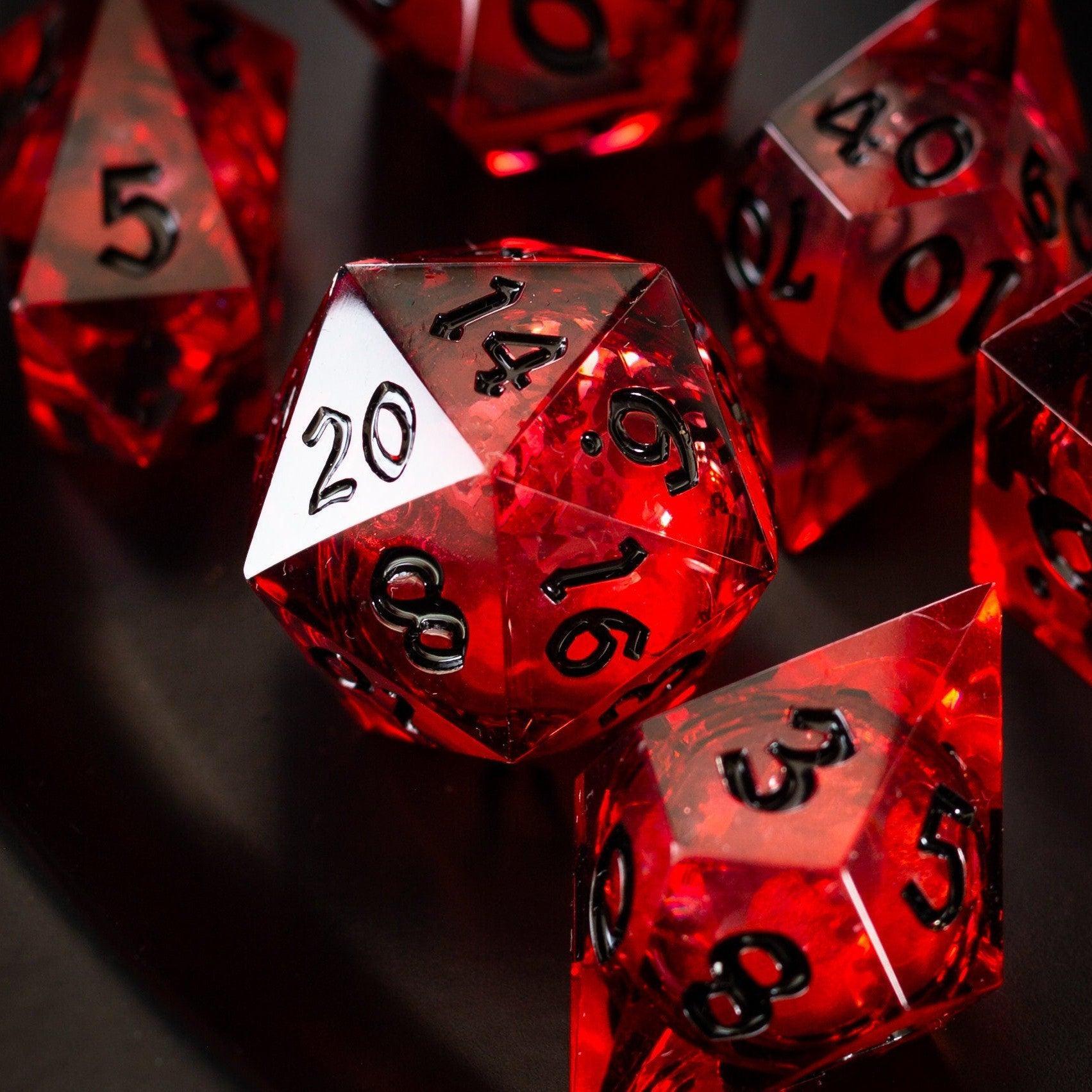
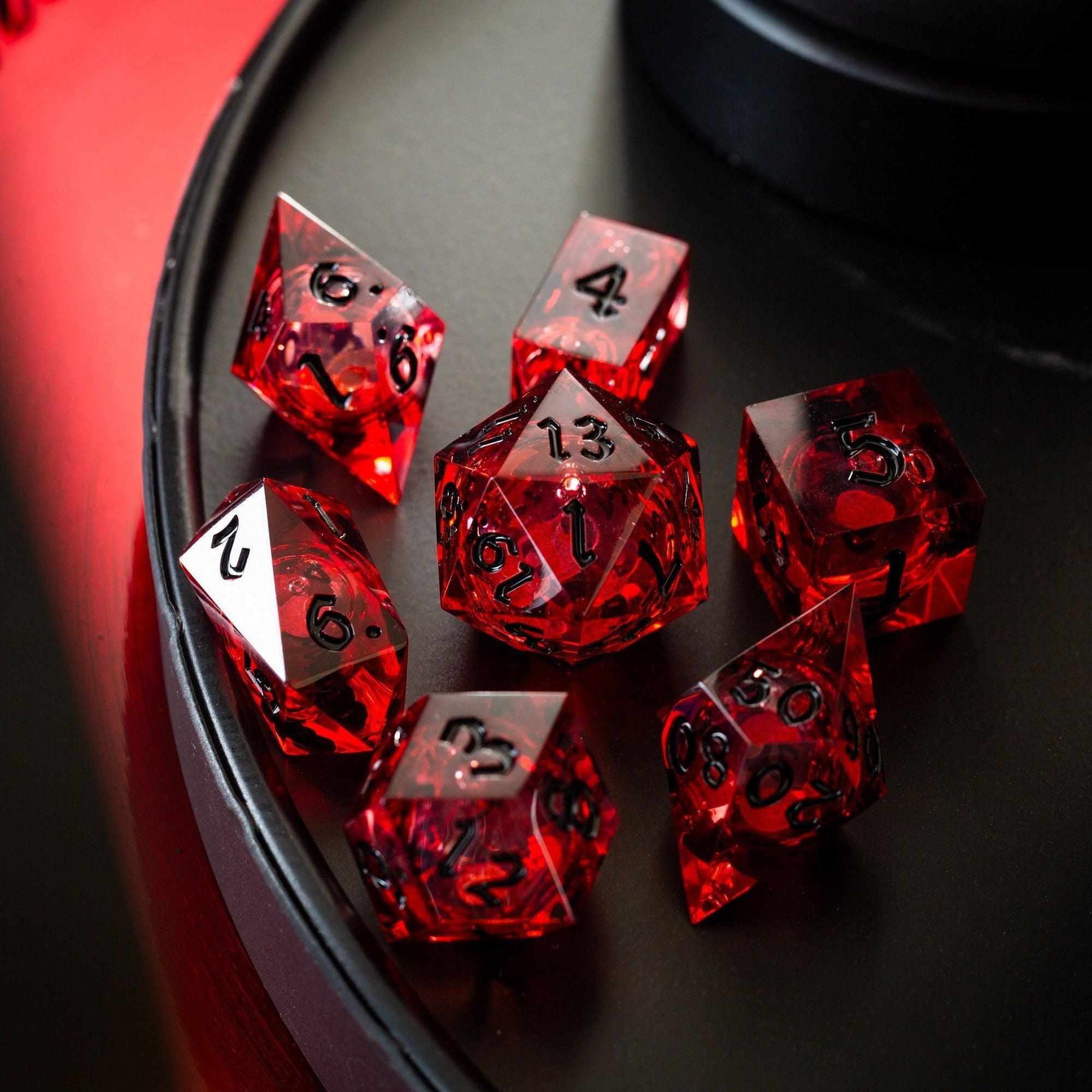
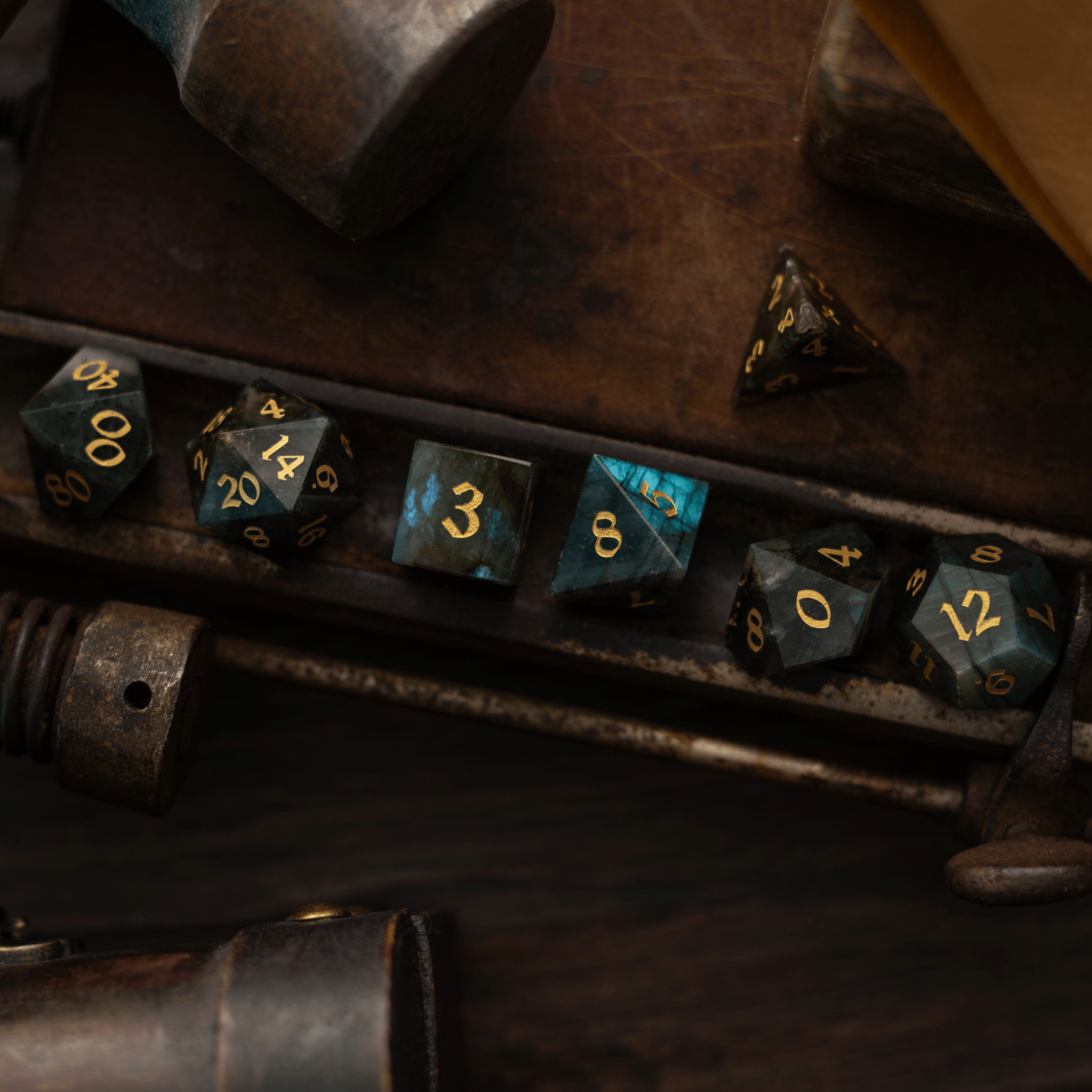
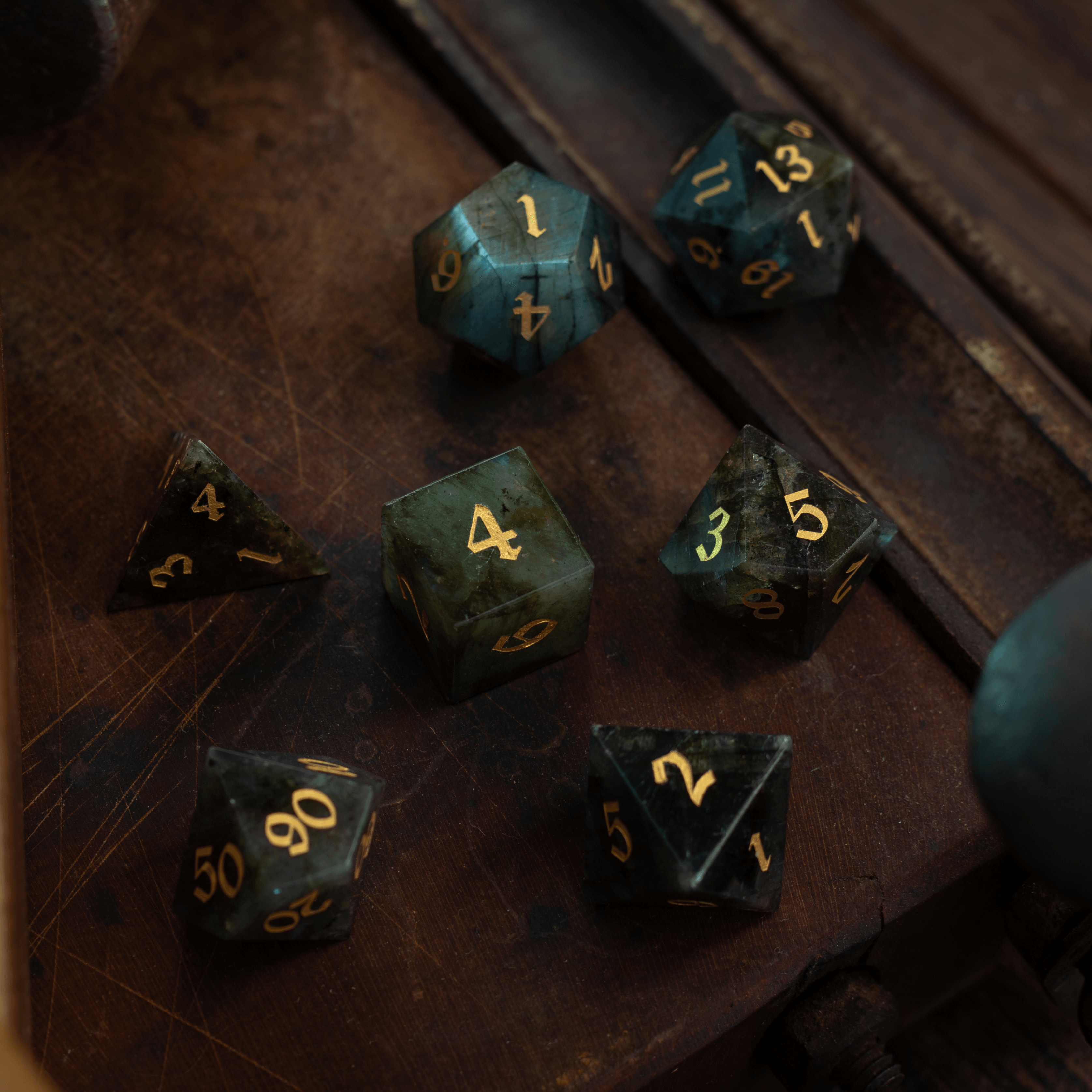
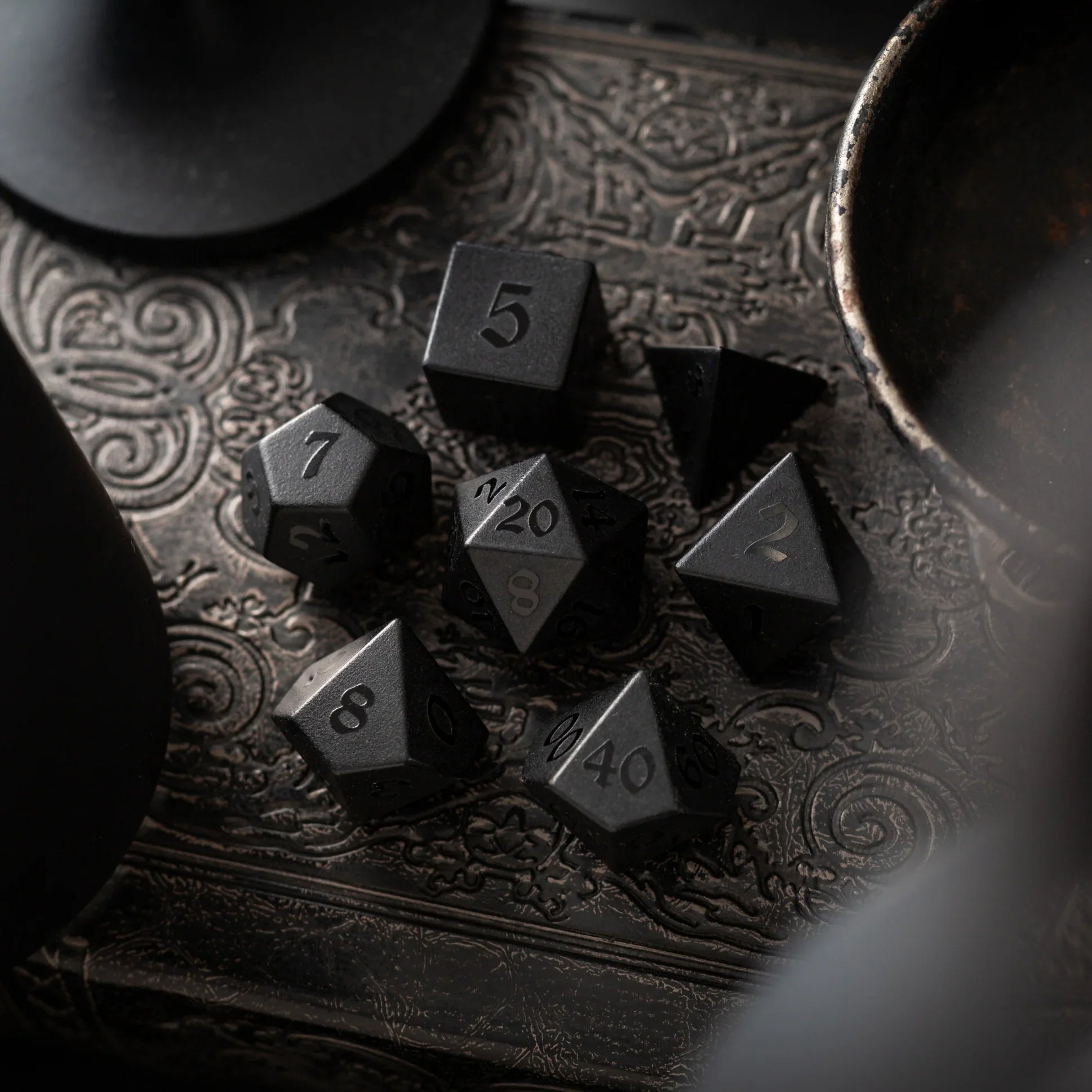
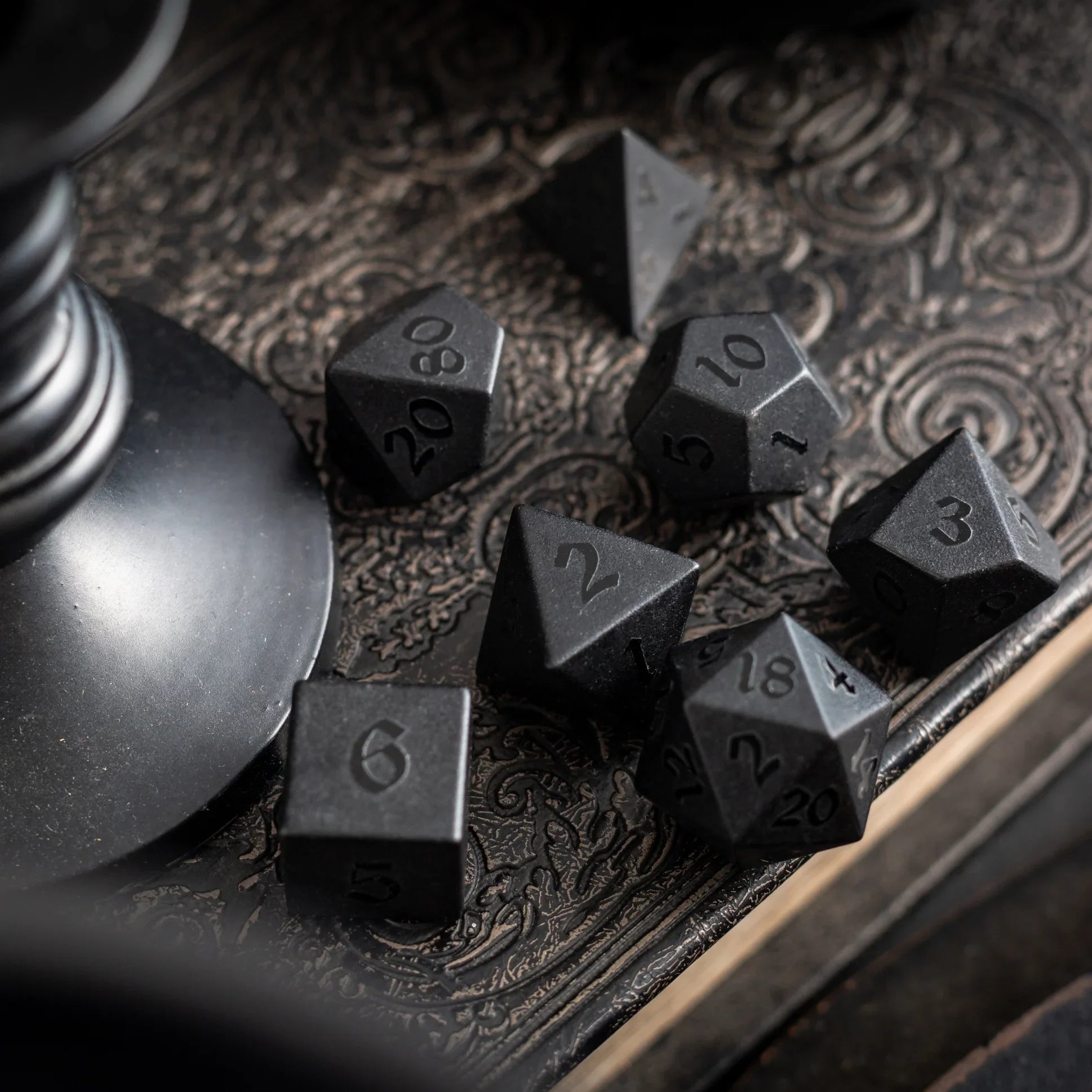
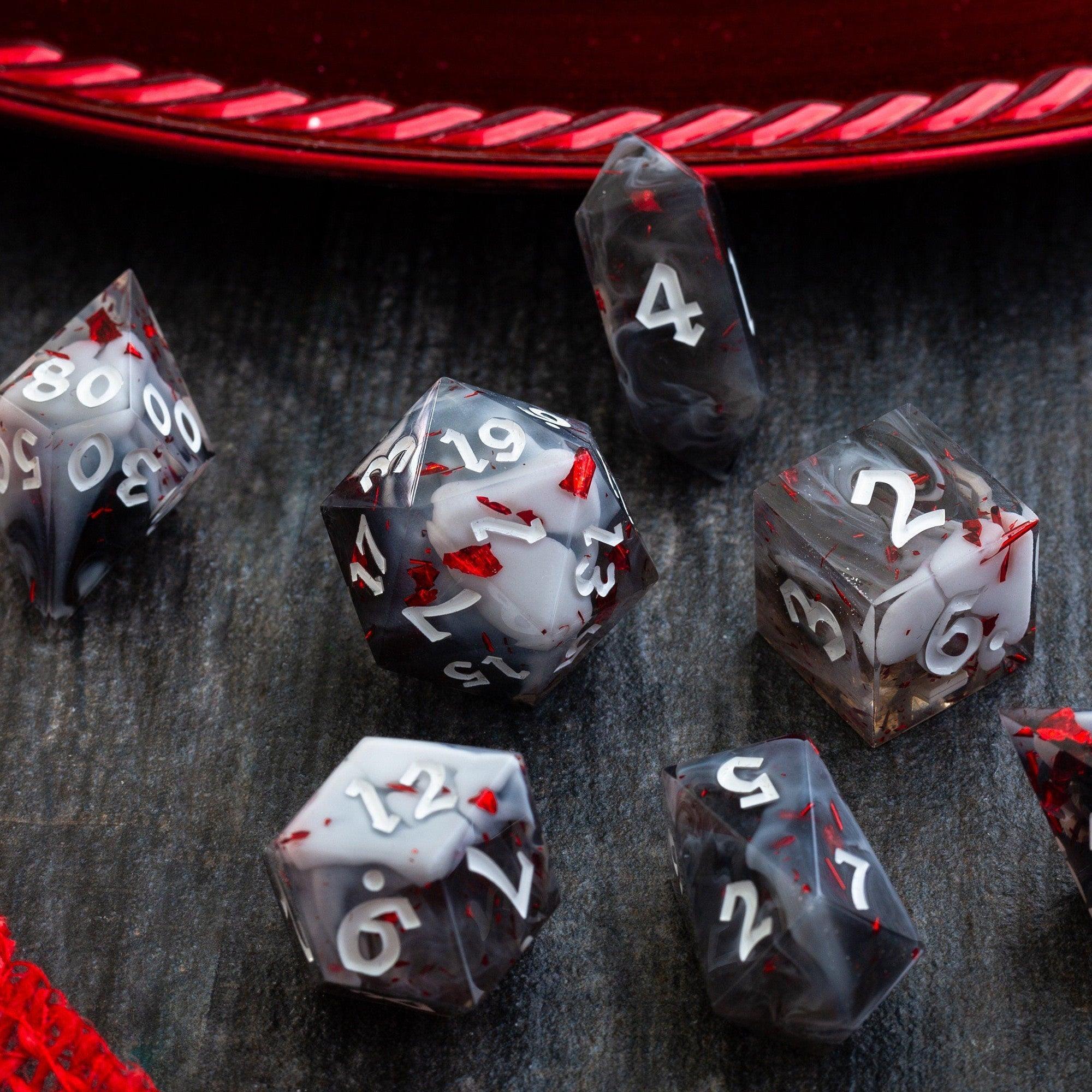
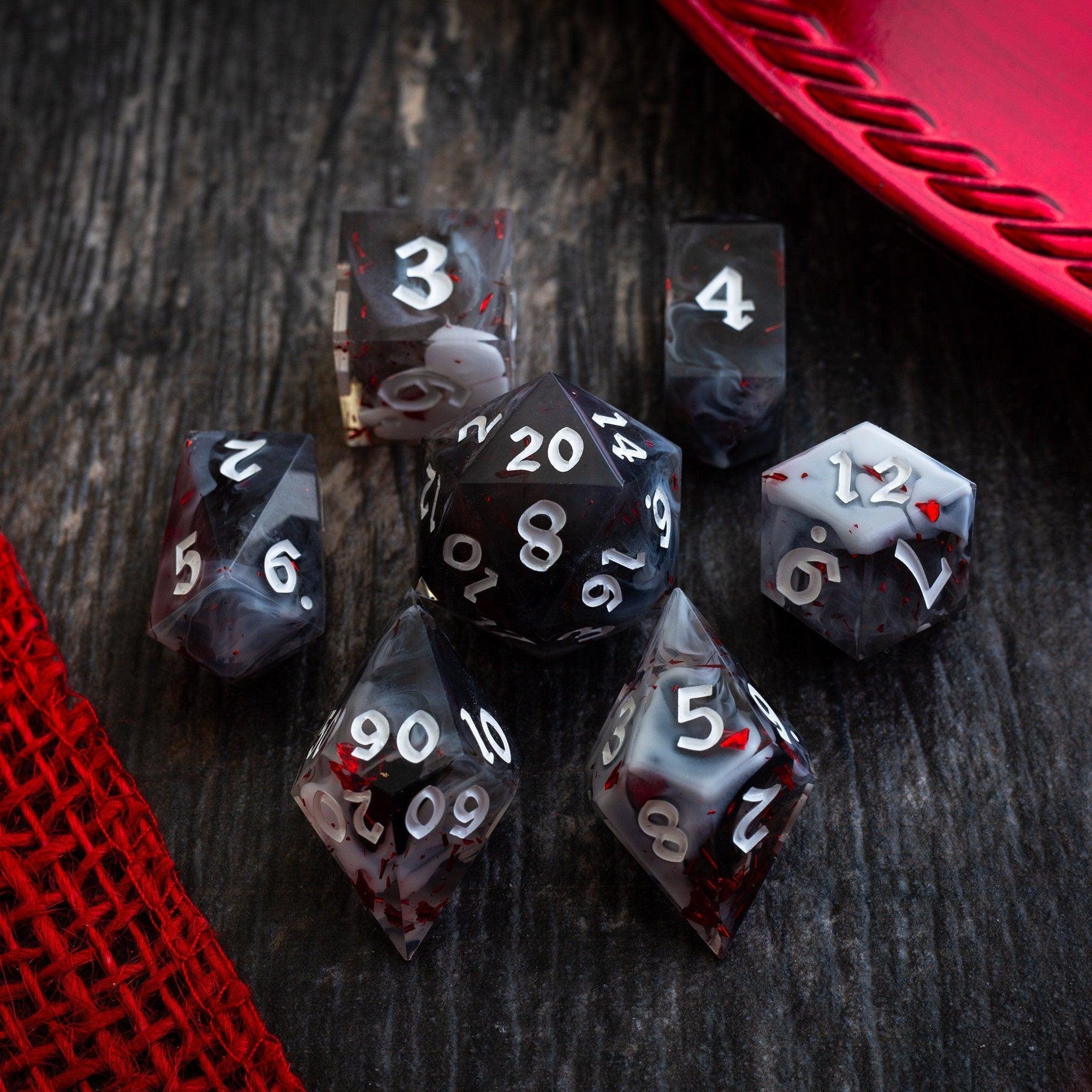
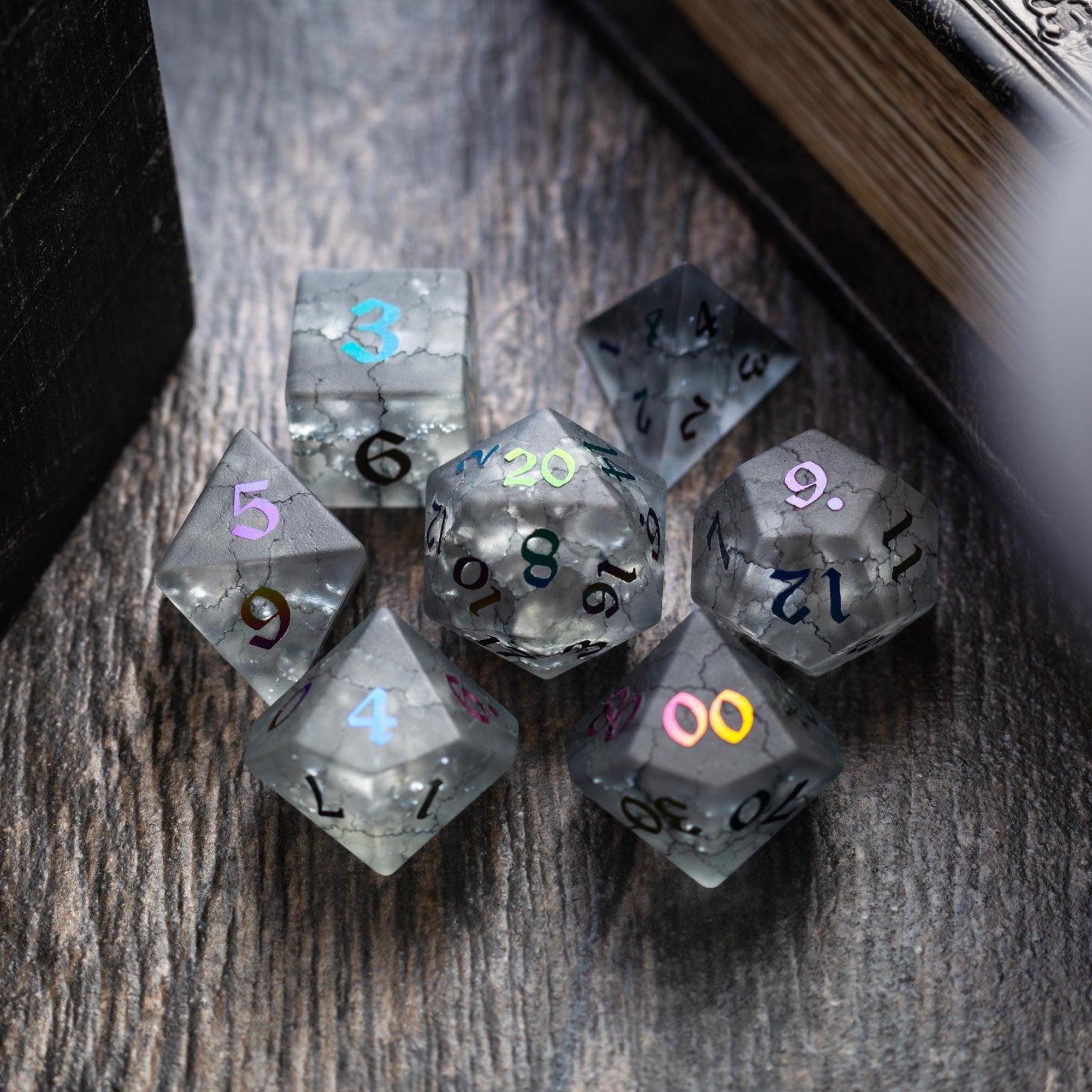
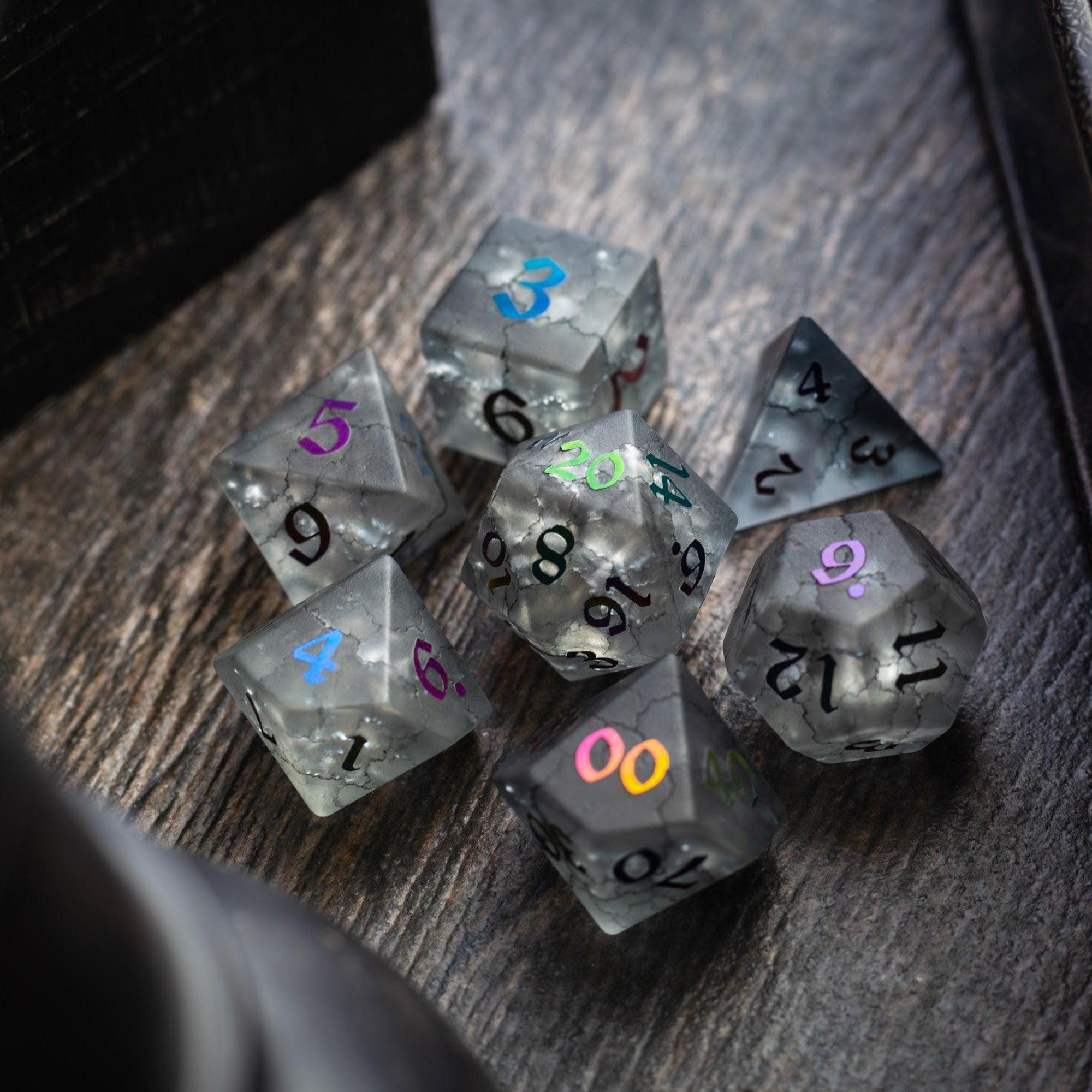
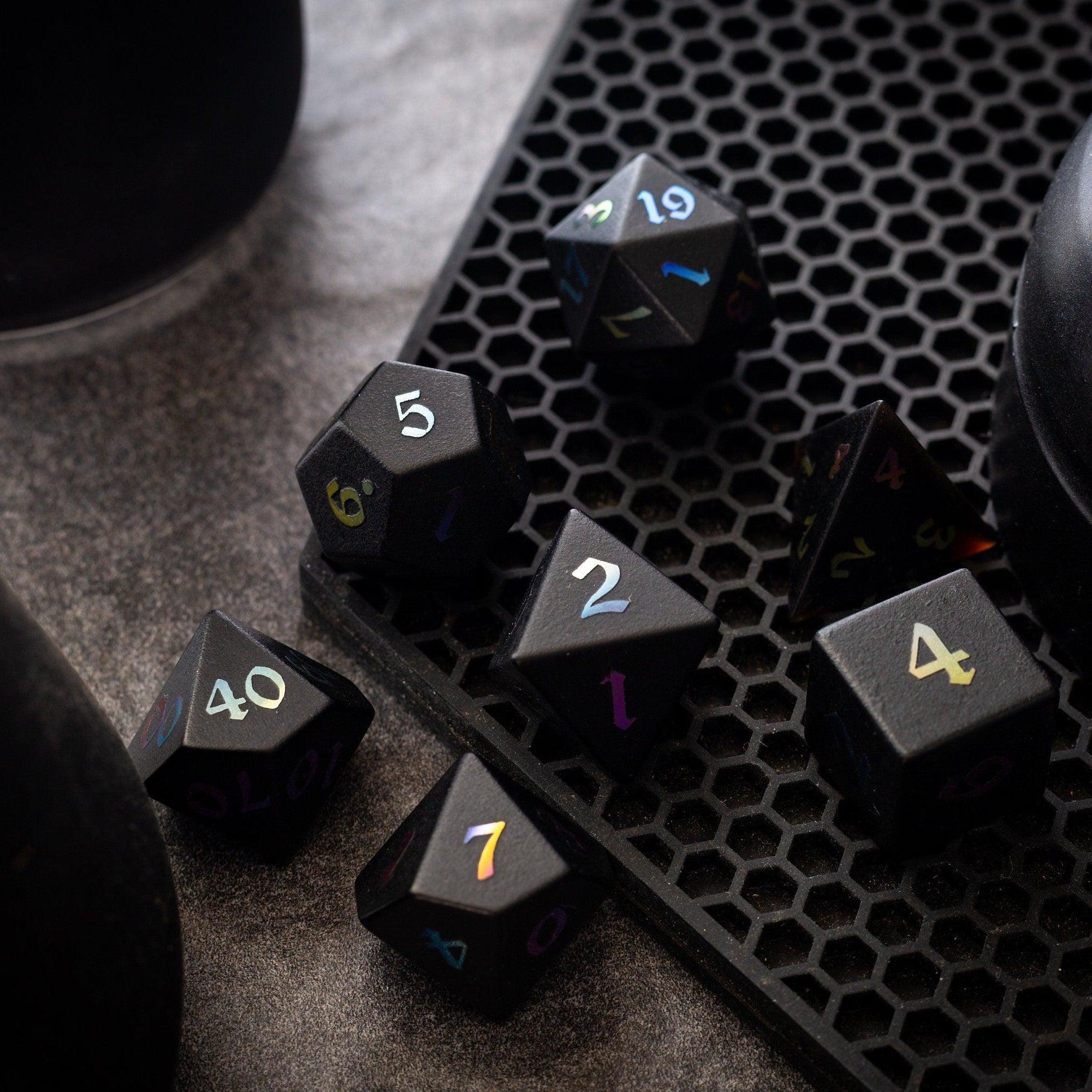
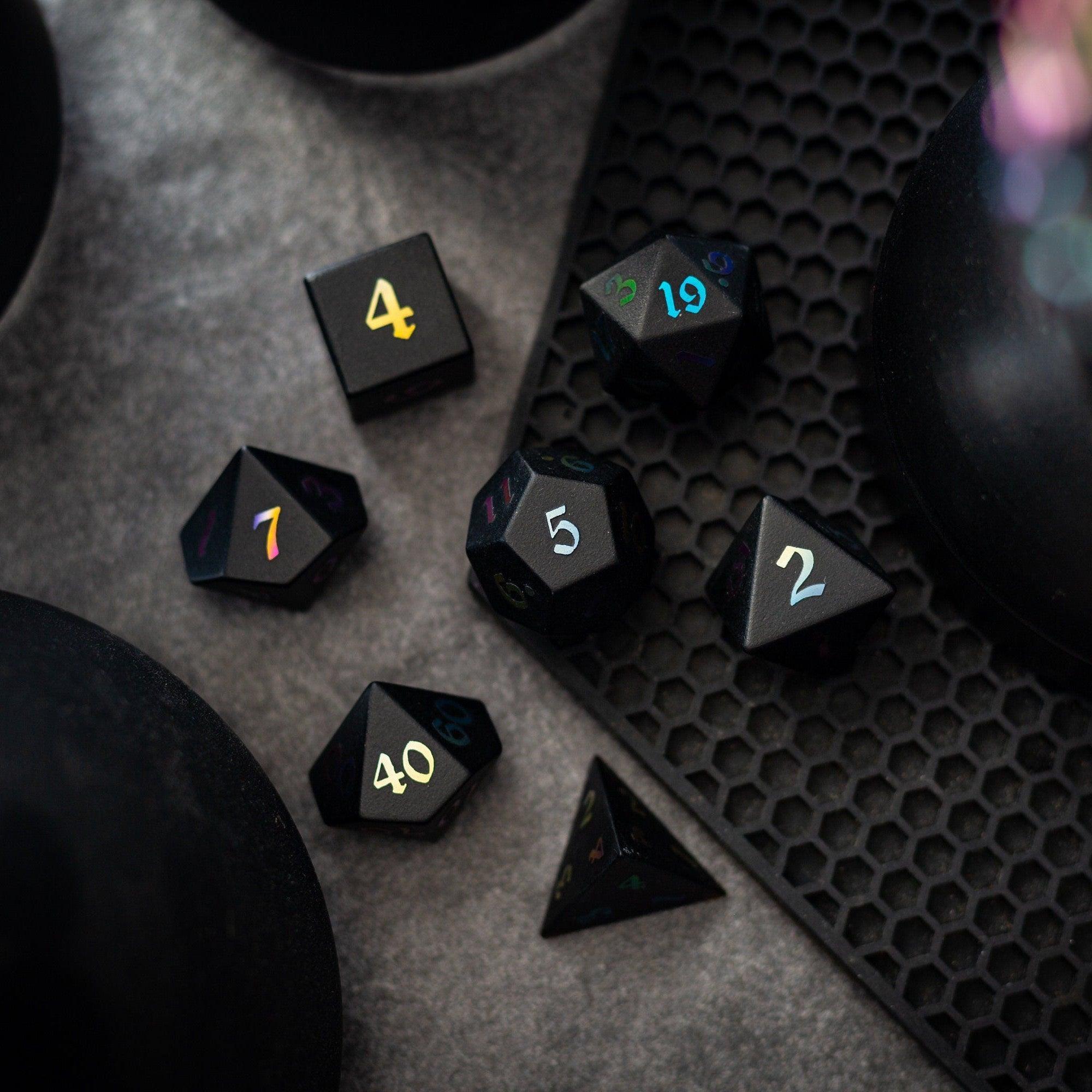
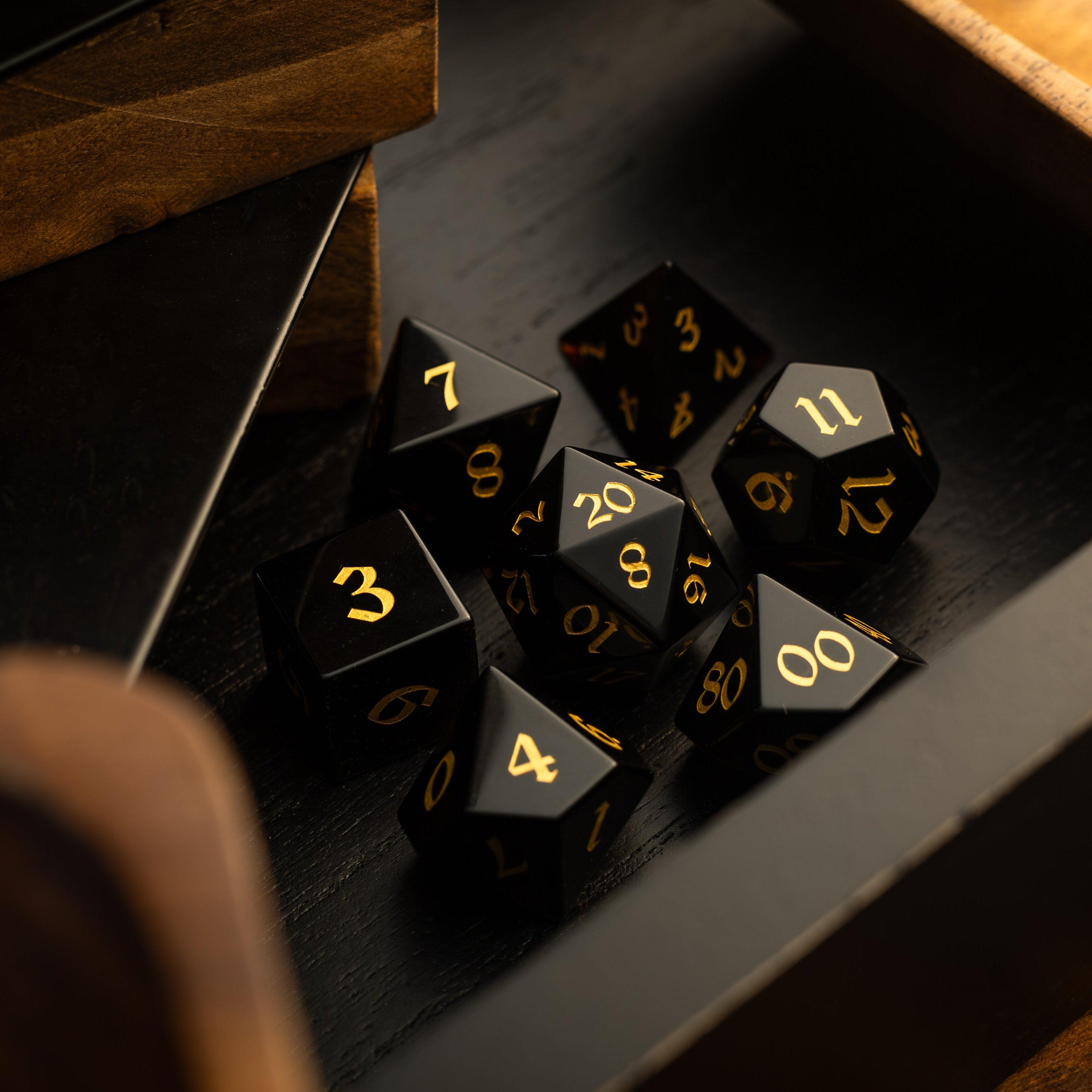
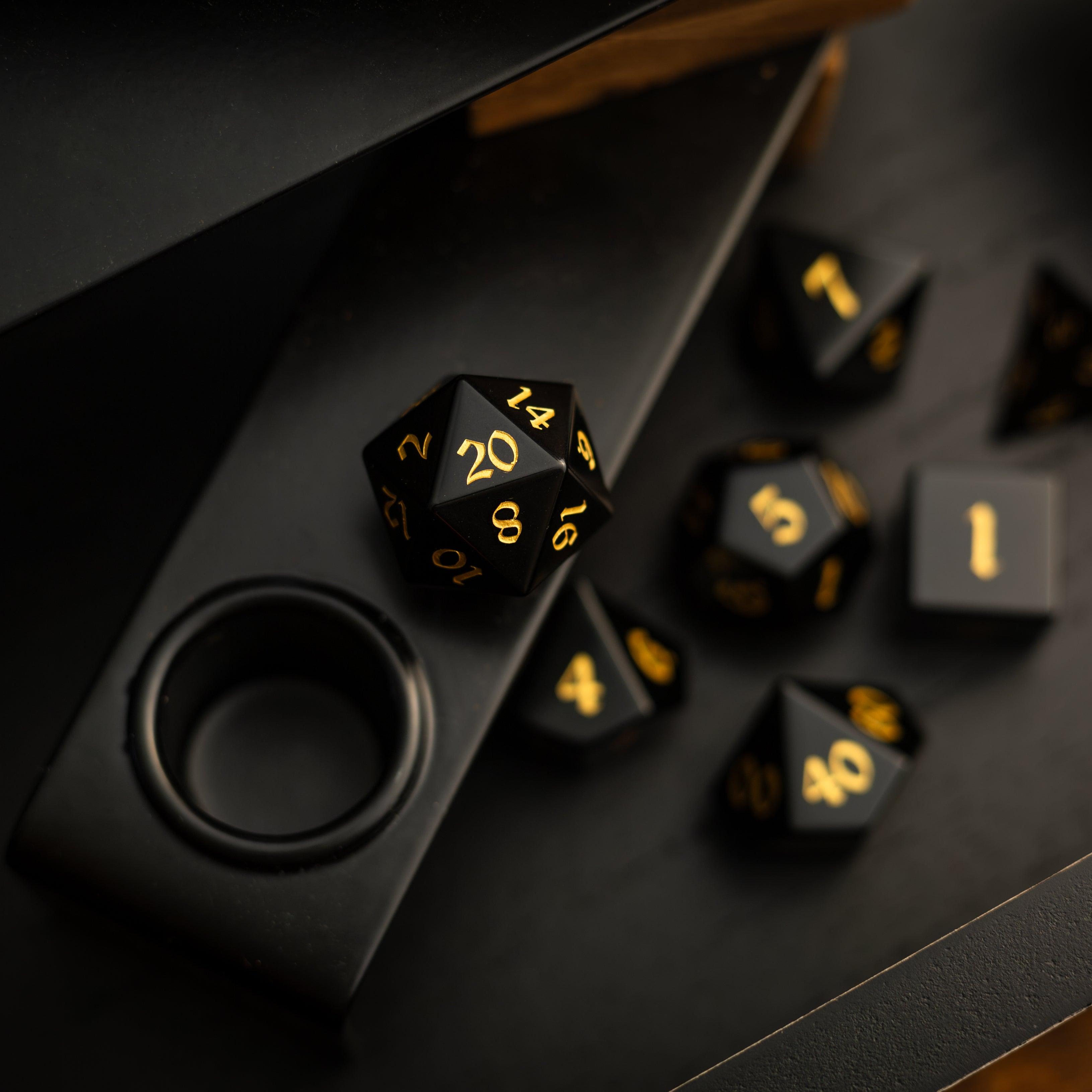
Simple tools like well-balanced dice sets or a clean dice tray from Runic Dice can help keep rolls quick and organized, especially during busy combat rounds. It’s not about having the fanciest gear, it’s about making the table flow better for everyone.
Enhancing the Group Experience
A great D&D session feels effortless. That usually comes down to small details working together.
Create a Comfortable Table
- Keep things tidy
- Make space for everyone
- Reduce distractions
Use Tools That Help the Group
- Dice trays to keep rolls contained
- Organized character sheets for quick reference
- Shared notes or trackers for group decisions
Even adding a storytelling resource like Remarkable Cults & Their Followers (Softcover) can give your group new ideas to explore together, helping everyone feel more invested in the world.
Focus on Shared Moments
The best sessions aren’t about perfect strategy. They’re about:
- Laughing together
- Solving problems as a team
- Creating stories you’ll remember long after the session ends
Conclusion
Learning how to play D&D better doesn’t mean mastering every rule. It means becoming someone other players enjoy sharing the table with.
When you focus on:
- Listening
- Sharing the spotlight
- Supporting the group
- Communicating clearly
You help create a game where everyone feels included, engaged, and excited to come back.
At the end of the day, D&D is a shared adventure. The more you invest in your team, the more rewarding that adventure becomes.

Leave a comment
This site is protected by hCaptcha and the hCaptcha Privacy Policy and Terms of Service apply.