
How to Adapt Baldur’s Gate 3 Themes Into Your Tabletop Campaign

Baldur’s Gate 3 did something special. It reminded a huge audience why D&D storytelling hits so hard when characters matter, choices linger, and every victory carries a cost. For many players, the game didn’t just feel like a great RPG. It felt like sitting at a living, breathing tabletop campaign where every decision shaped the world.
If you are a Dungeon Master or player looking to bring that same magic to your own table, this guide is for you. We are breaking down the core Baldur’s Gate 3 themes and showing how to translate them into rich, playable tabletop campaign ideas without copying the game beat for beat.
This is about spirit, not imitation. About atmosphere, not mechanics. And about building immersive D&D campaigns that feel personal, dramatic, and unforgettable.
Why Baldur’s Gate 3 Resonates So Deeply With Tabletop Players
At its heart, Baldur’s Gate 3 understands something fundamental about roleplaying games.
Stories land harder when:
- Choices are meaningful
- Consequences are visible
- Characters are complicated
- Relationships evolve
- Power always comes with a price
These elements mirror the best tabletop campaigns. BG3 simply presents them with clarity and confidence, trusting players to sit in discomfort, doubt, and temptation.
That is exactly what makes its themes so adaptable to D&D.
Core Themes of Baldur’s Gate 3
Before adapting anything, it helps to name the emotional pillars that hold the game together.
Choice and Consequence
Every decision echoes forward. Helping one faction weakens another. Mercy today can become danger tomorrow.
Moral Ambiguity
There are few clean answers. Good intentions can cause harm. Evil sometimes feels practical.
Power and Corruption
Great power is always tempting, always useful, and always dangerous.
Relationships and Bonds
Companions argue, fall in love, betray each other, and grow. Bonds are not static.
Epic Stakes, Personal Stories
World-ending threats exist, but the emotional core stays intimate and character-driven.
These are the building blocks of strong moral choices in D&D and deeply engaging narratives.
Translating Baldur’s Gate 3 Themes Into Your D&D Campaign
You do not need mind flayers, tadpoles, or Sword Coast politics to capture the feel. You need structure and intention.
Designing Meaningful Choices
Instead of offering “right” and “wrong” paths, offer:
- Two flawed solutions
- A choice between speed and safety
- A sacrifice that saves strangers but hurts someone personal
Let players debate. Let them disagree. Then let the world respond.
Making Consequences Visible
Consequences should:
- Show up later, not immediately
- Affect NPCs the party cares about
- Change environments or factions
A town saved through brutality may survive but never trust the party again.
Leaning Into Moral Gray Areas
Create NPCs who are:
- Kind but complicit
- Cruel but honest
- Helpful for the wrong reasons
Avoid villains who are evil just to be evil. Give them logic. Give them pain.
Centering Character Relationships
Encourage:
- Shared backstory moments
- Private conversations during downtime
- Conflicting goals within the party
Relationships should evolve. Trust can grow or fracture.
Theme-to-Dice Matching Guide
Dice are more than tools. They are symbols. When chosen intentionally, they reinforce tone and emotion at the table.
This is where Runic Dice naturally fits into the storytelling rhythm, not as a sales pitch, but as an extension of theme.
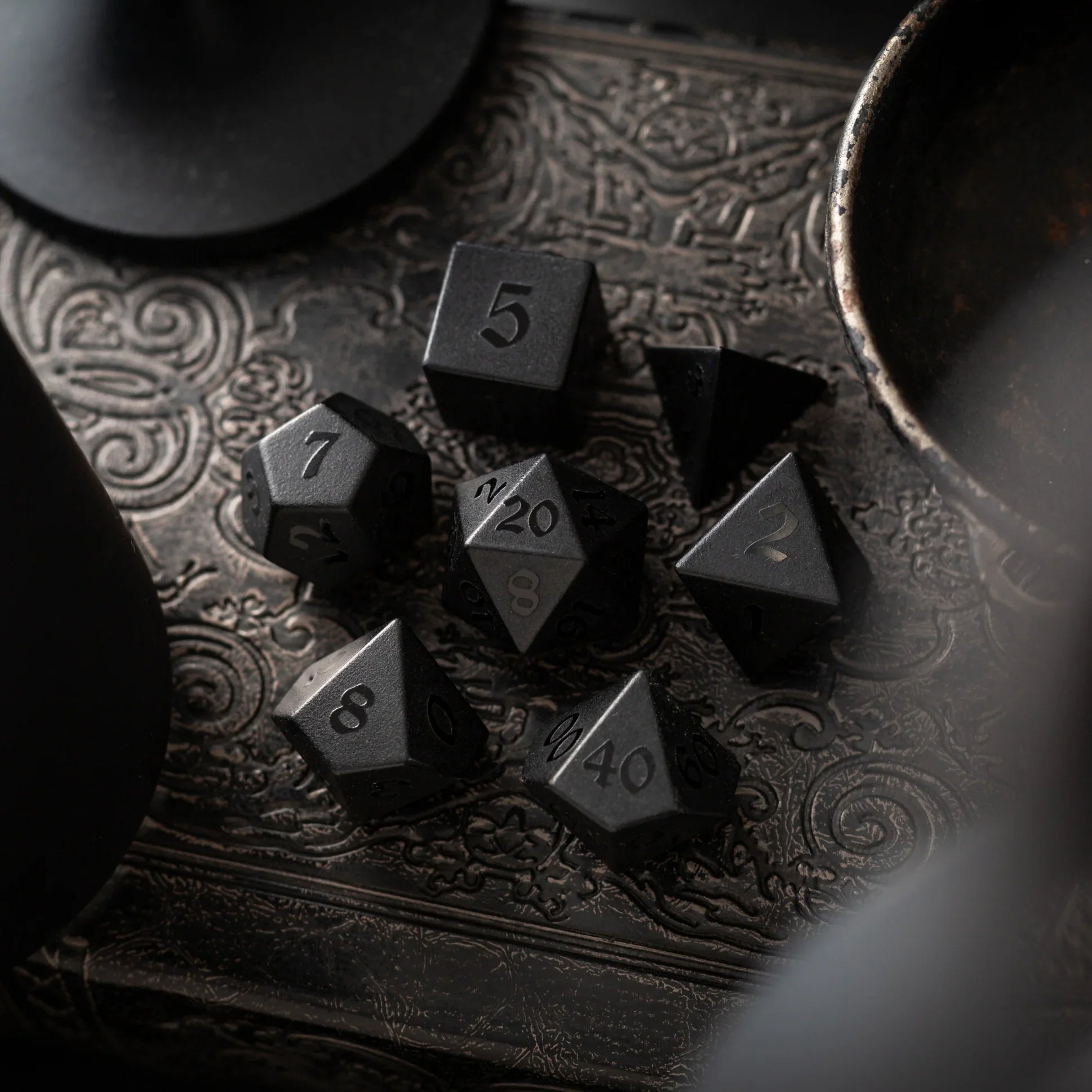
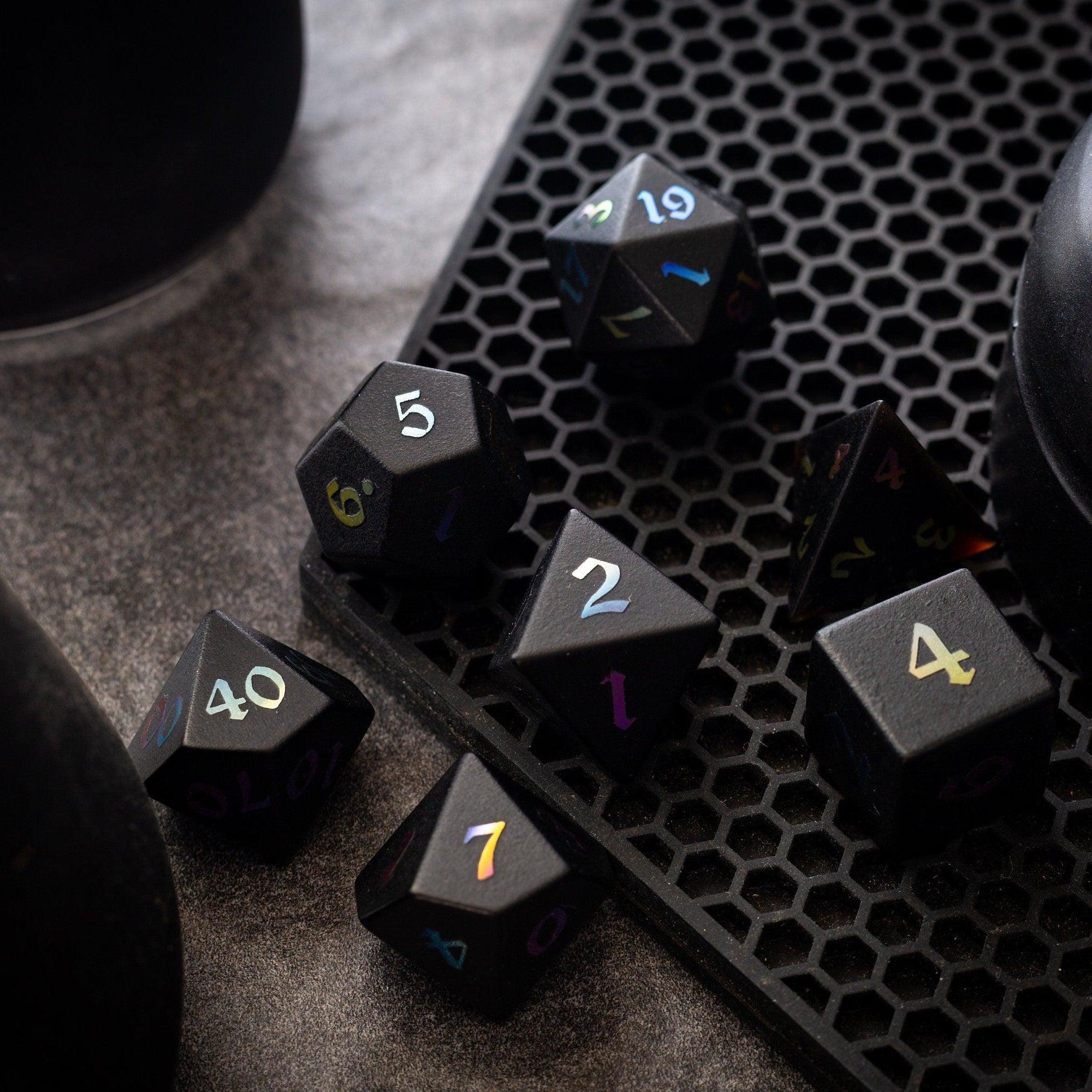
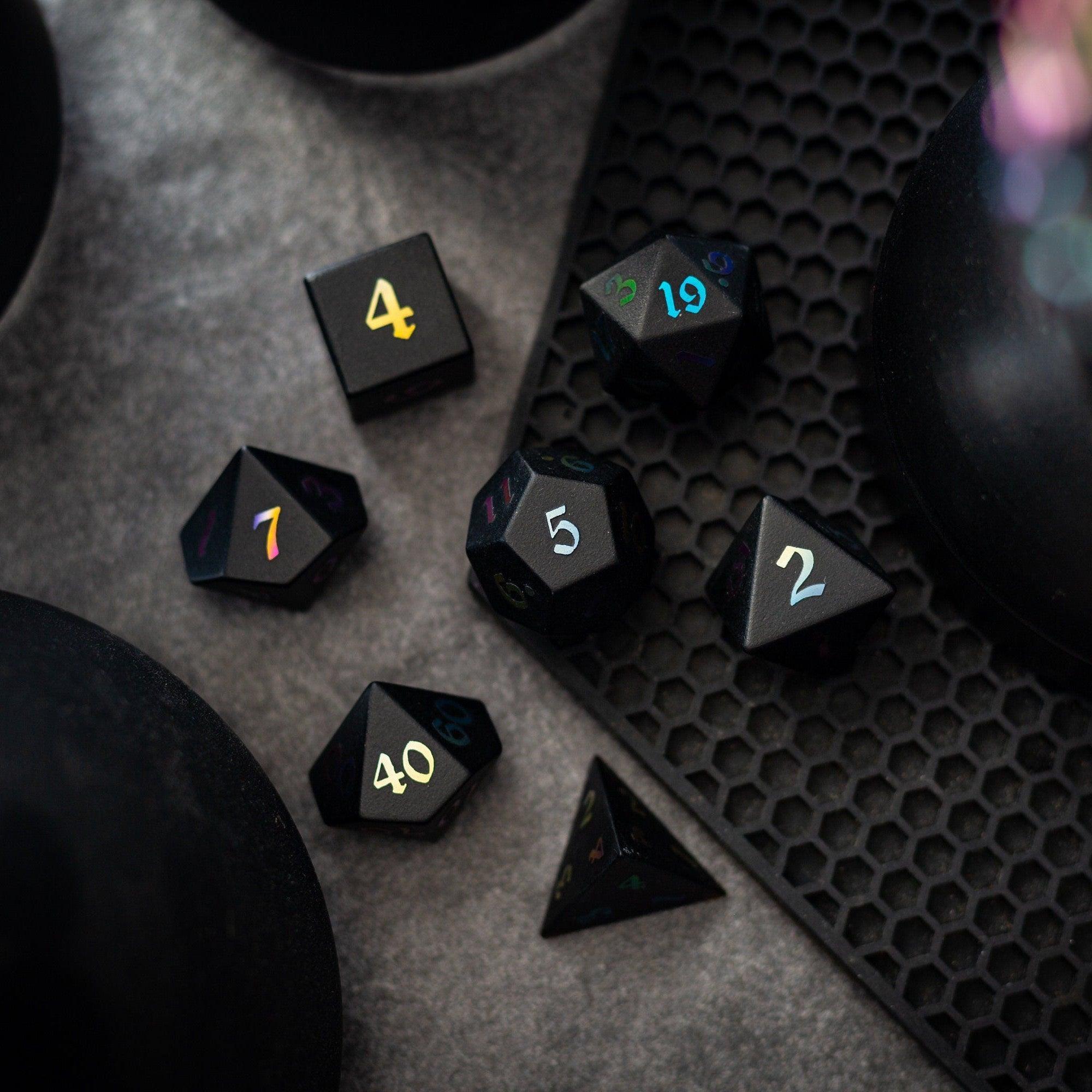
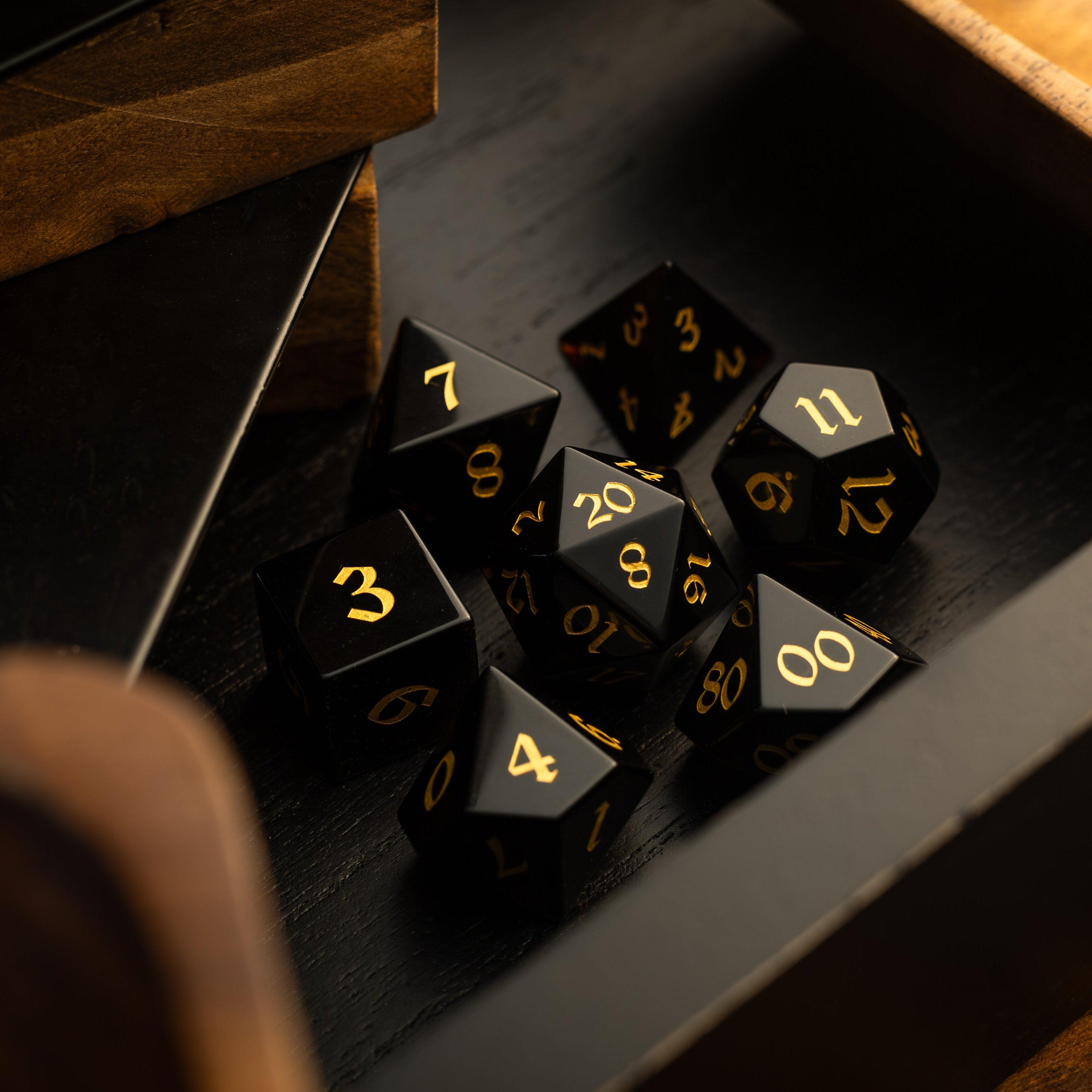
Dark Fantasy and Moral Dilemmas
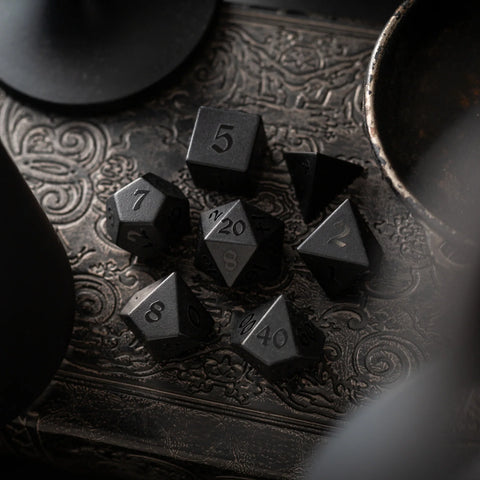
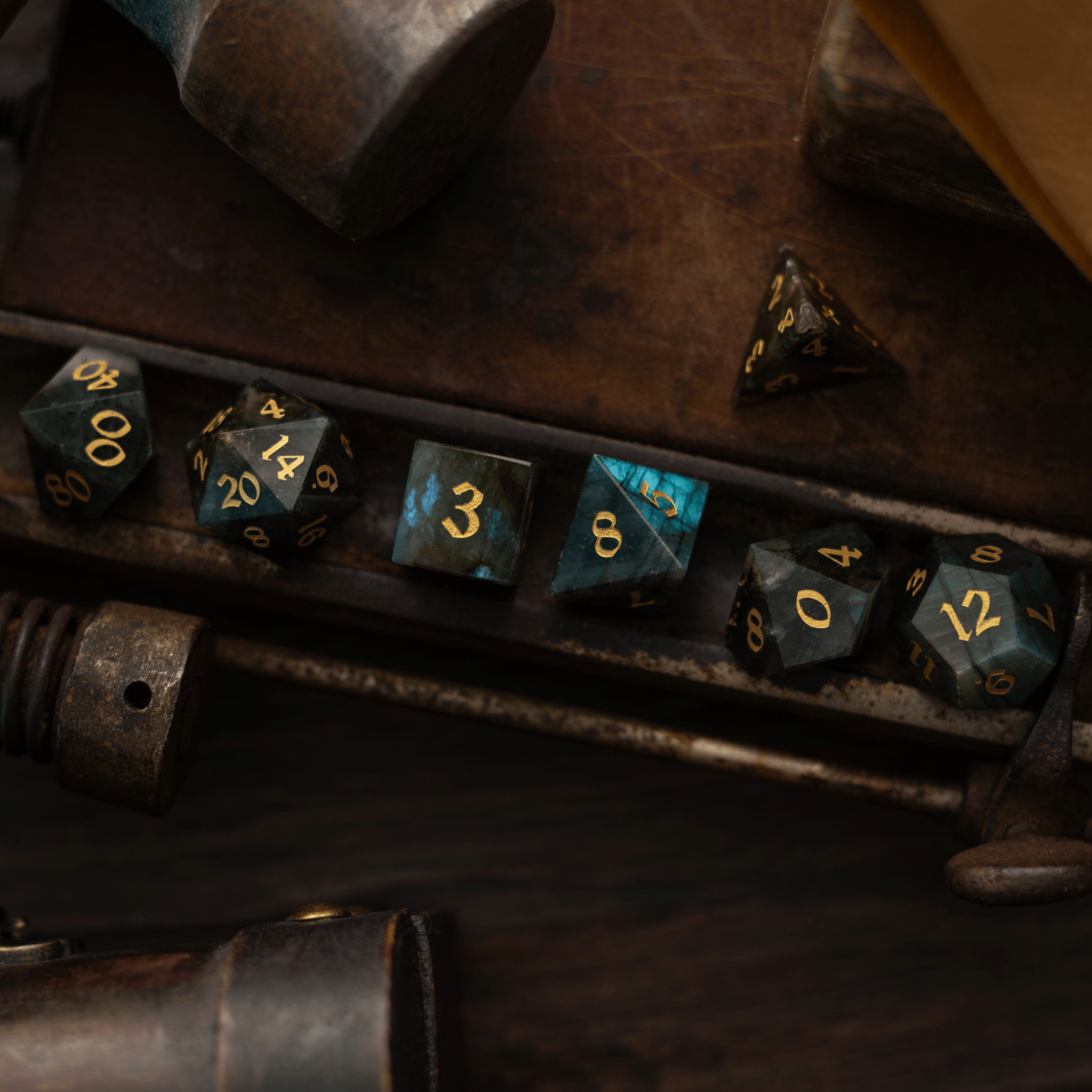
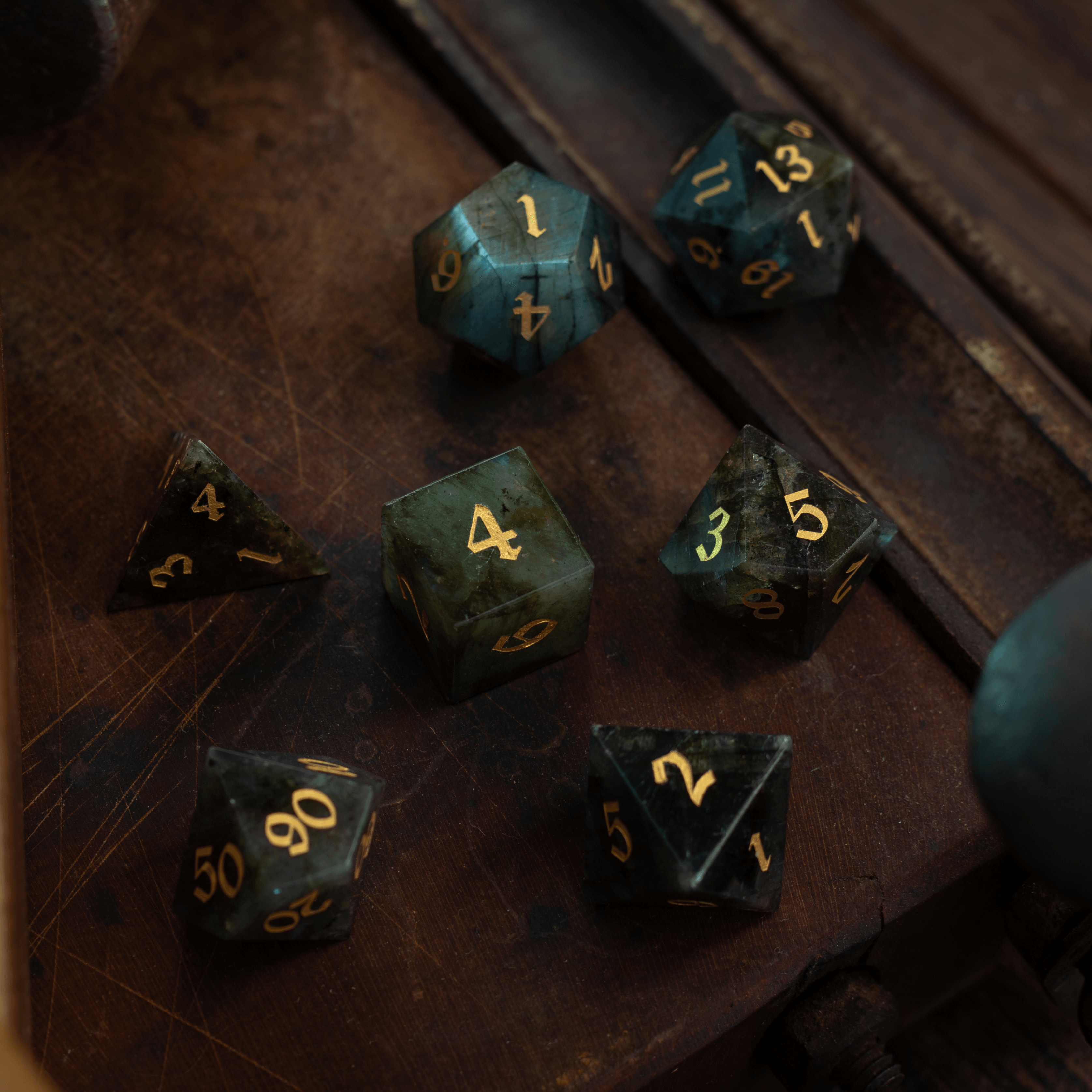
Dice Style: Dark gemstone dice like obsidian, onyx, or smoky quartz
Theme: Corruption, temptation, forbidden power
Use these dice when:
- Players make morally fraught decisions
- Characters tap into dangerous magic
- A line is crossed that cannot be uncrossed
The weight and shadowy depth of dark gemstone dice make every roll feel deliberate and heavy.
Epic Battles and Power Struggles
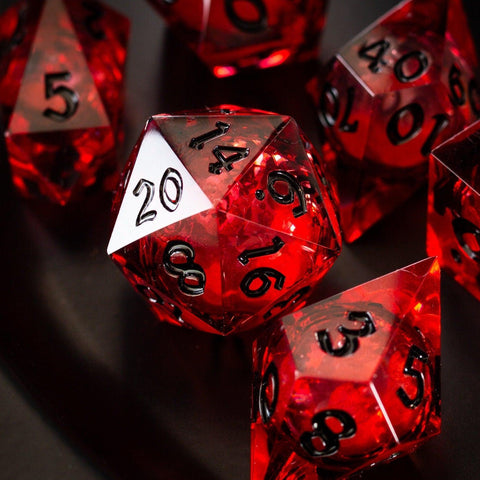
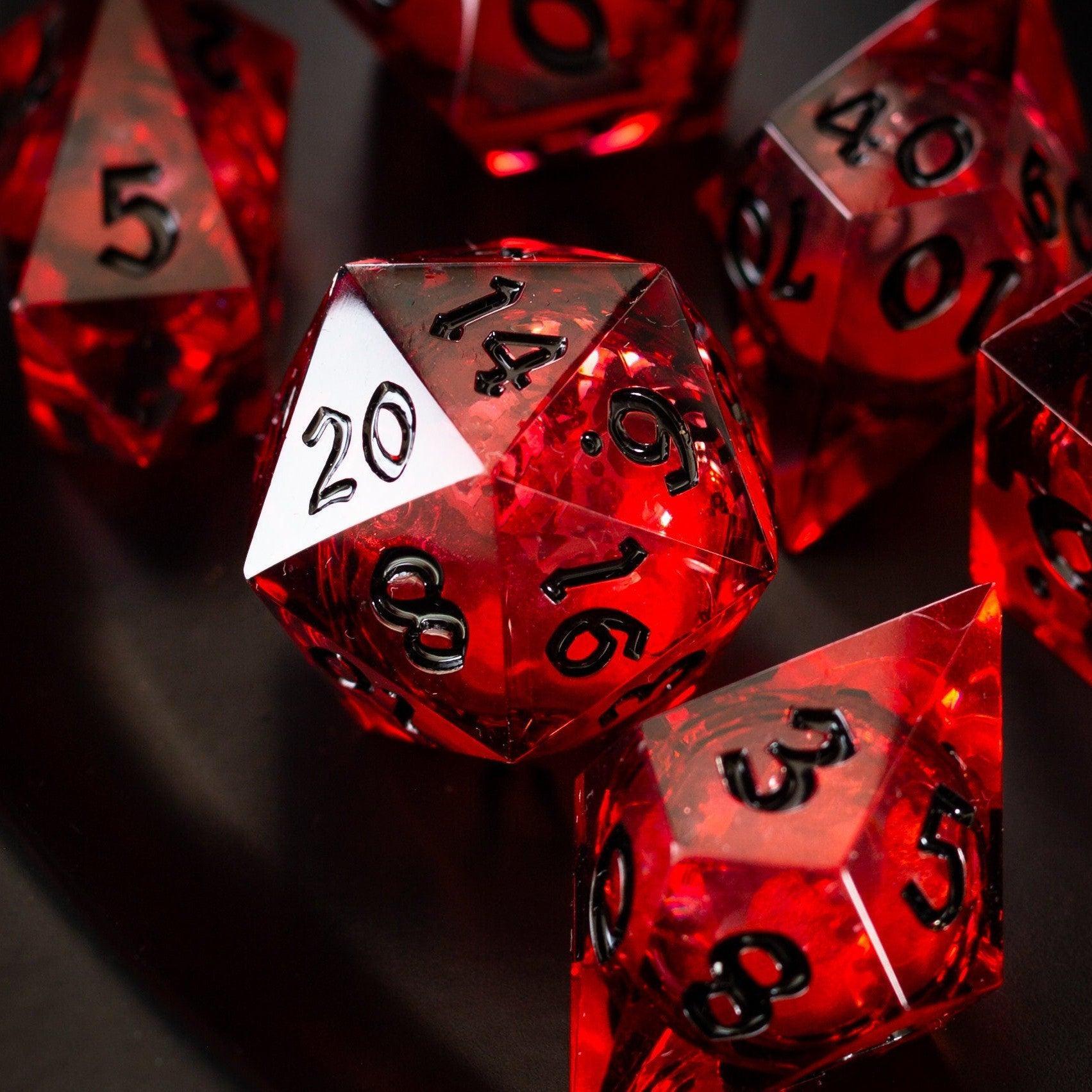
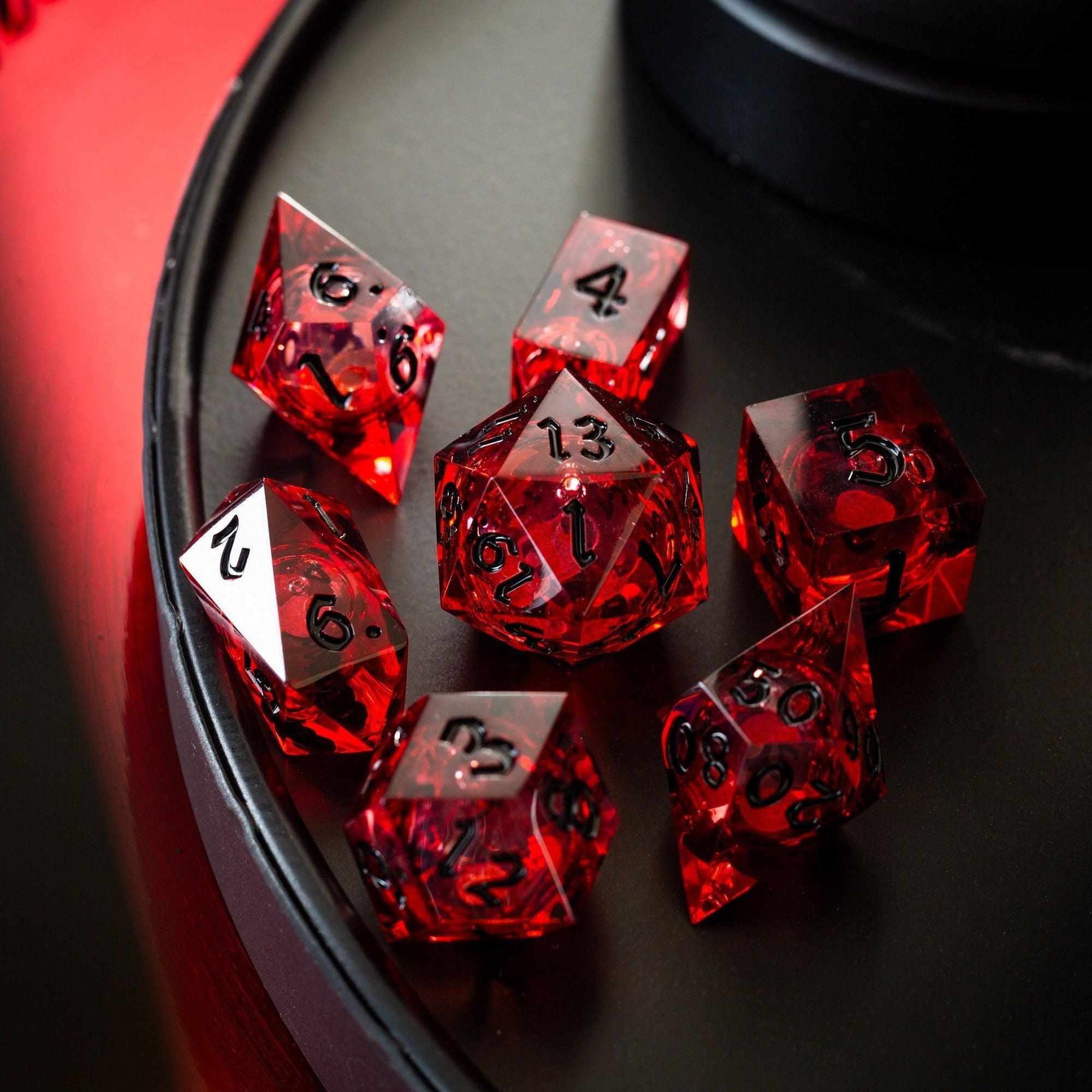
Dice Style: Gold or red metal dice
Theme: War, legacy, ambition, domination
Perfect for:
- Climactic boss fights
- Political coups
- Moments where fate hangs on a single roll
Metal dice bring a sense of finality. When they hit the table, everyone pays attention.
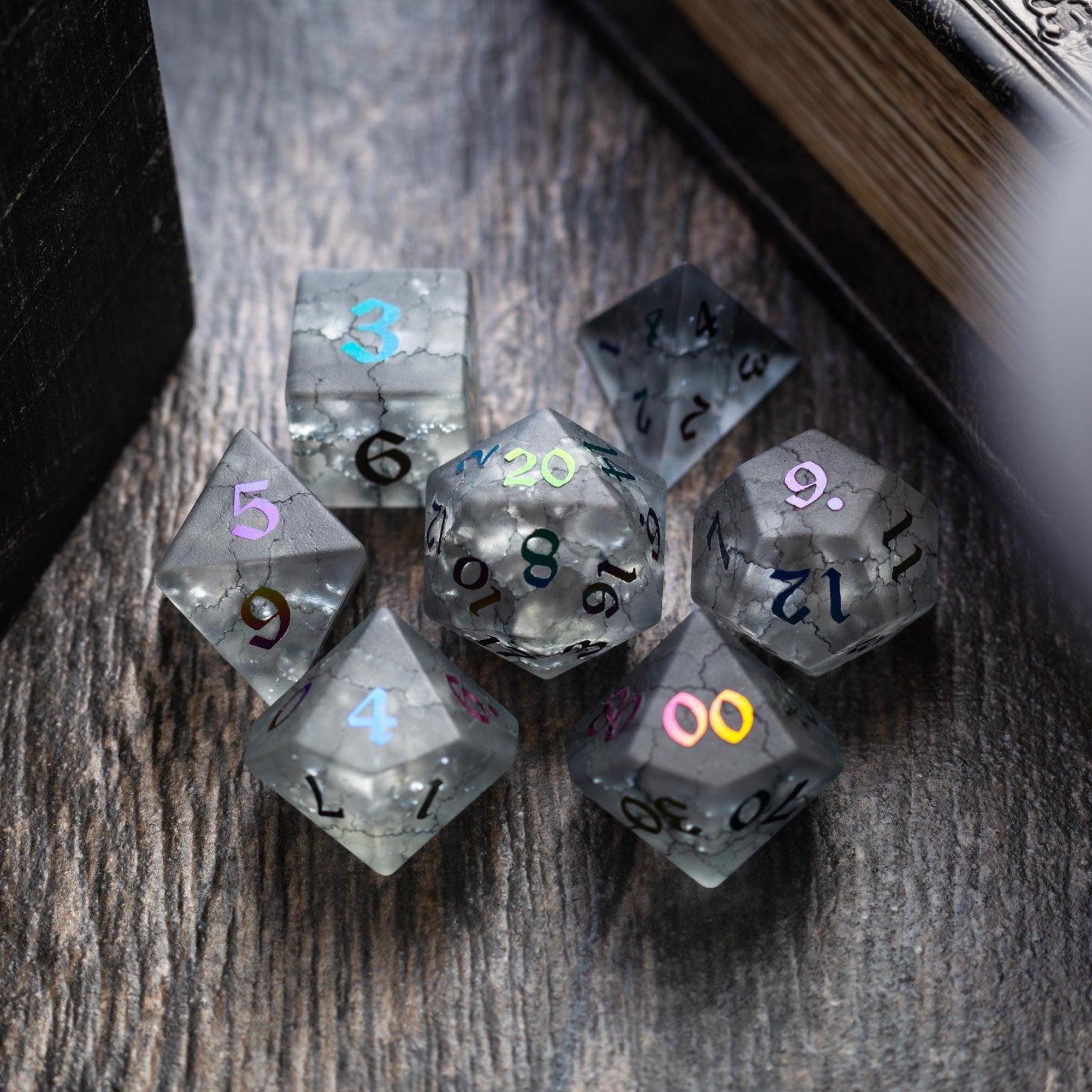
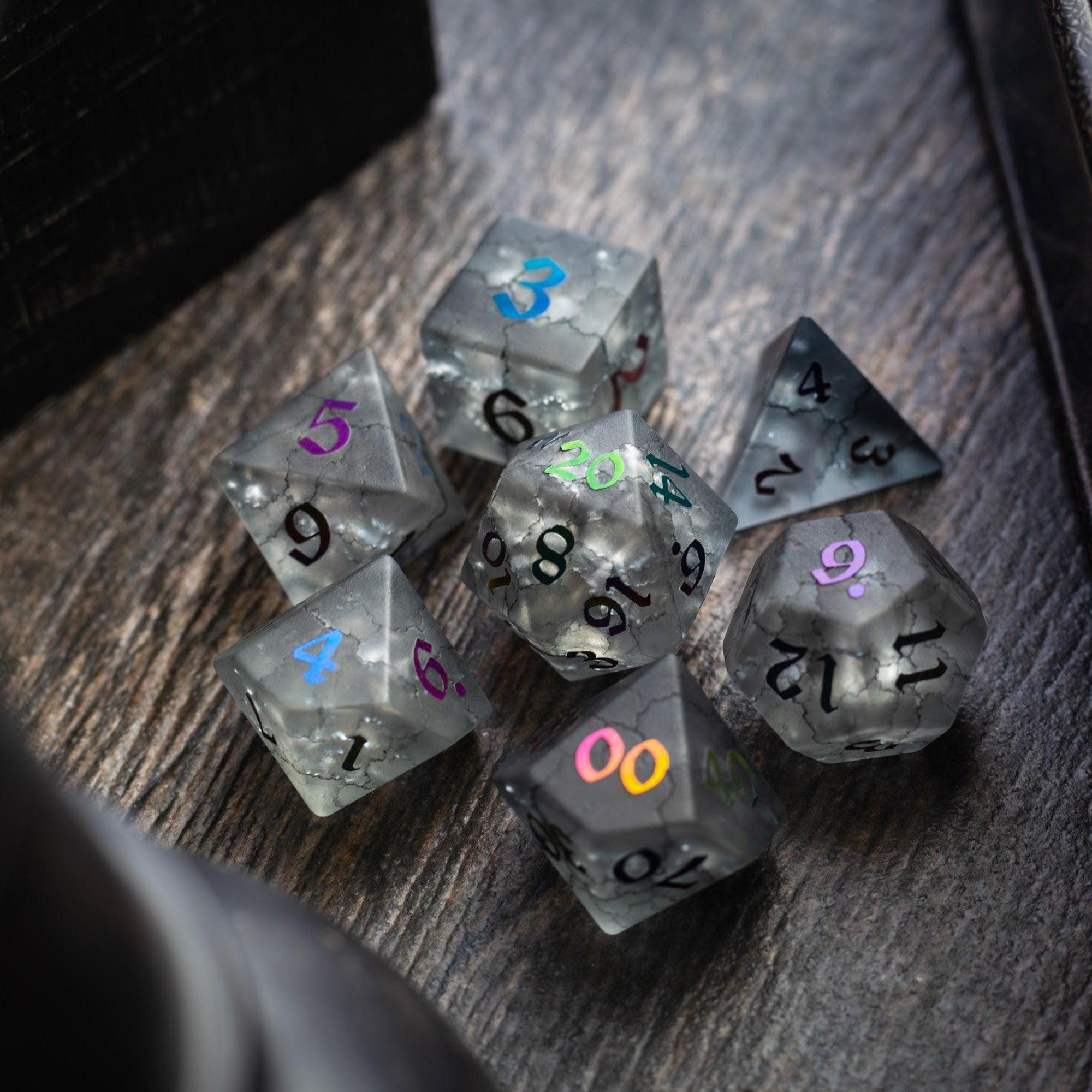
Romance and Character Bonds
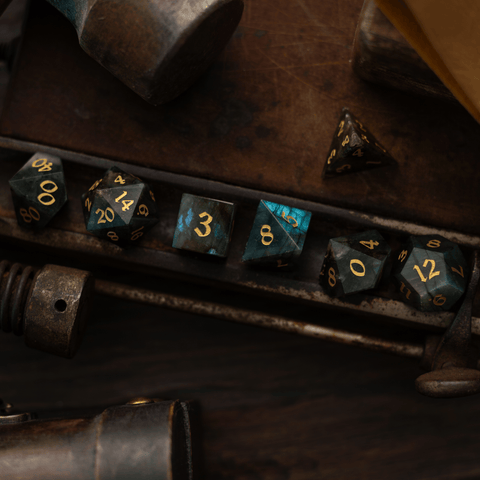
Dice Style: Soft-toned mystical gemstone dice
Theme: Love, trust, vulnerability, healing
Ideal for:
- Emotional conversations
- Moments of forgiveness
- Choosing compassion over strength
These dice soften the table’s energy, reminding players that tenderness matters as much as heroics.
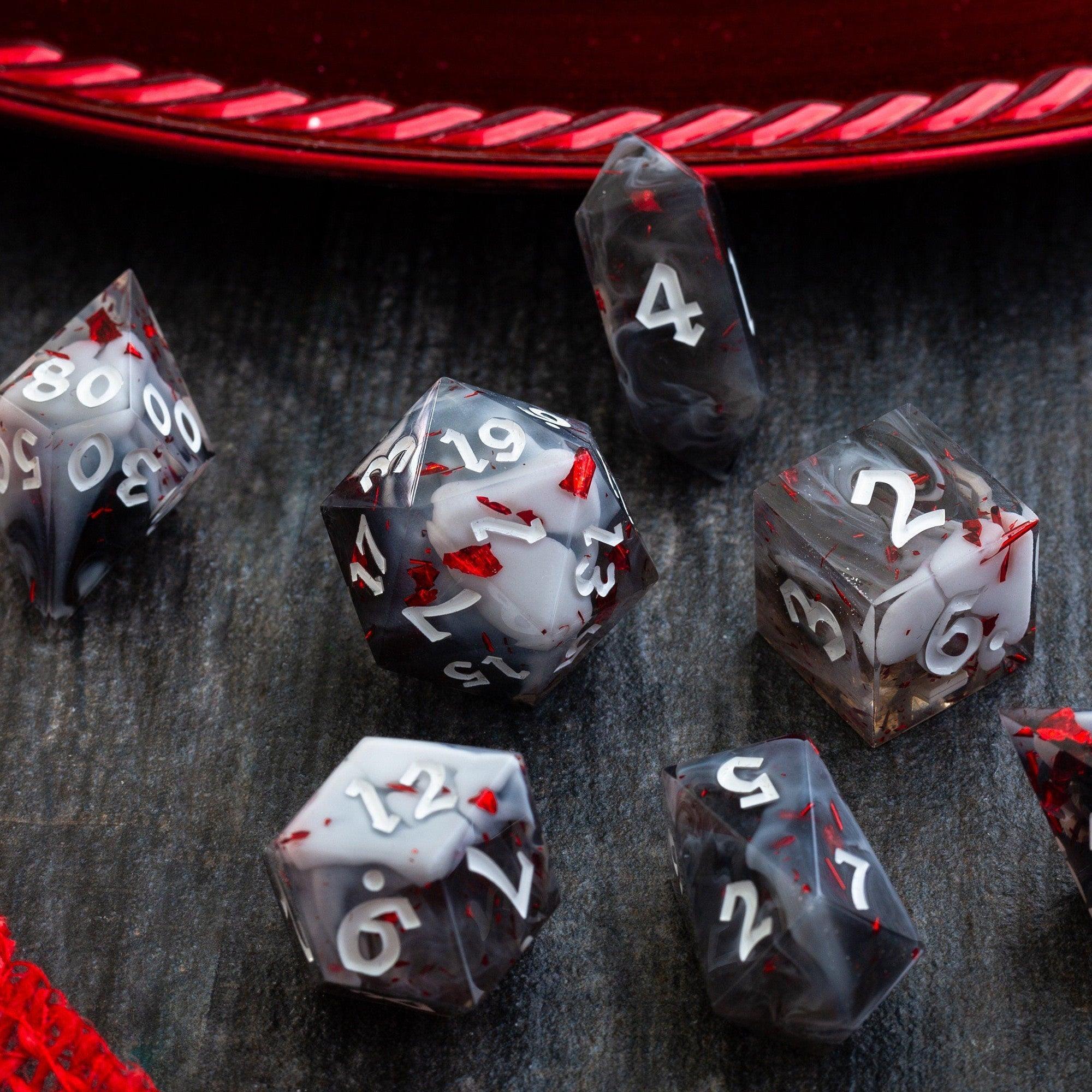
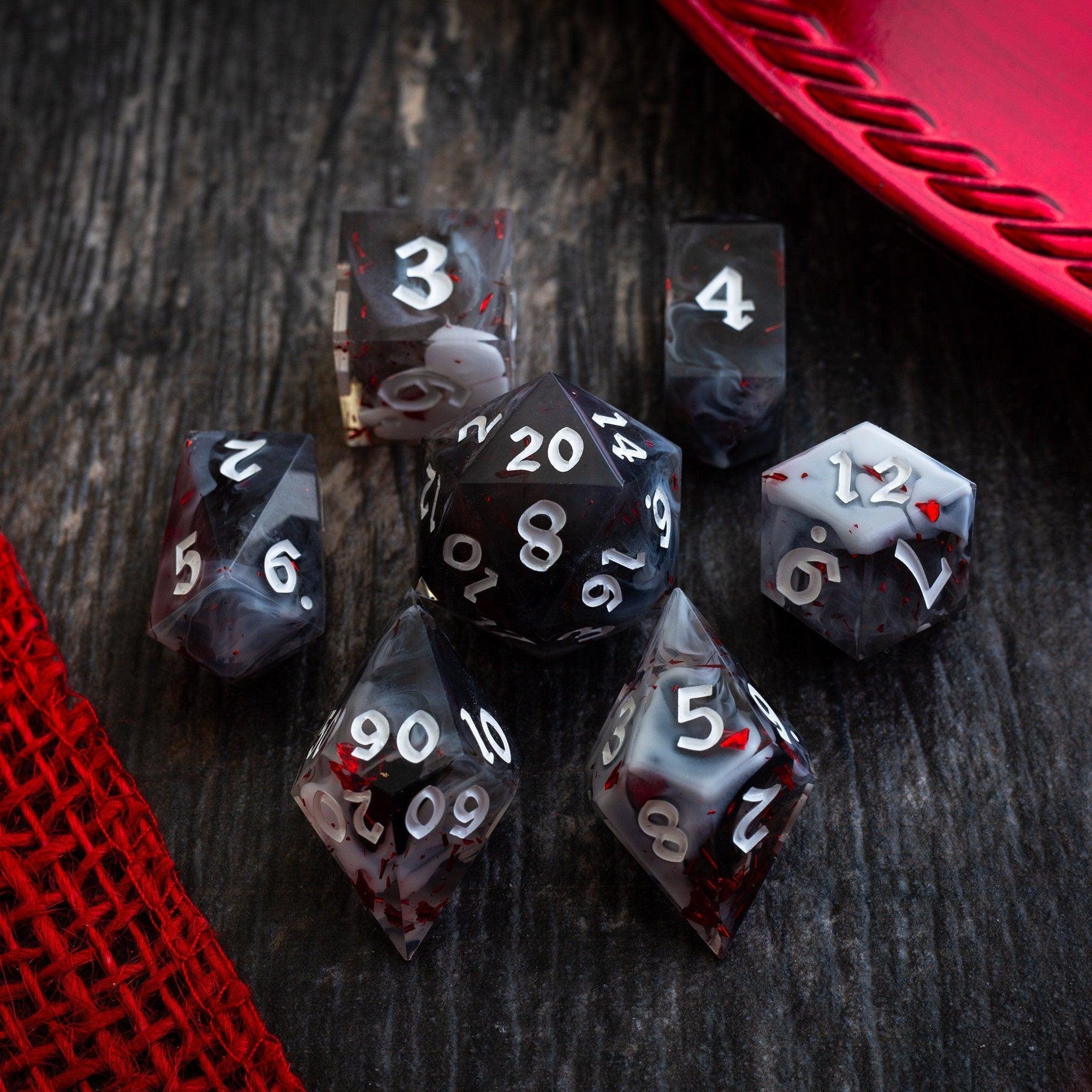
Chaos, Whimsy, and Uncertainty
Dice Style: Colorful fantasy-themed dice with vibrant or swirling designs
Theme: Unpredictability, humor, strange magic
Use them for:
- Fey encounters
- Wild magic surges
- Improvised plans and risky gambits
Bright, expressive dice reinforce the idea that not every moment needs to be grim to be meaningful.
Baldur’s Gate 3 Themes vs Tabletop Adaptation
|
Baldur’s Gate 3 Theme |
Tabletop Adaptation |
Dice Style That Enhances Play |
|
Moral ambiguity |
No clear right answers |
Dark gemstone dice |
|
Power and corruption |
Tempting forbidden abilities |
Obsidian or smoky quartz |
|
Epic conflict |
High-stakes battles |
Gold or red metal dice |
|
Romance and trust |
Character-driven roleplay |
Rose quartz gemstone dice |
|
Chaos and whimsy |
Unpredictable magic |
Colorful fantasy dice |
This kind of intentional pairing helps players feel the tone before the dice even stop rolling.
Tips for Weaving BG3-Style Storytelling Into Sessions

You do not need to overhaul your campaign. Small changes go a long way.
Let Players Sit With Their Choices
Do not rush outcomes. Allow silence. Let discomfort exist.
Reuse NPCs With Changed Perspectives
An NPC who once admired the party might fear them now. Let that evolution show.
Track Emotional Consequences
Keep notes on:
- Who trusts the party
- Who feels betrayed
- Who believes in their redemption
Bring those threads back later.
Balance Darkness With Hope
Baldur’s Gate 3 works because humor, warmth, and connection exist alongside horror. Do the same.
How Dice Reinforce Immersive D&D Campaigns
When players associate certain dice with certain emotional moments, something subtle but powerful happens.
Rolling dark gemstone dice before a risky moral choice slows the table down.
Switching to metal dice for a final confrontation raises tension instantly.
Reaching for rose quartz during a heartfelt scene invites vulnerability.
Dice become ritual objects. Story anchors. Emotional cues.
That is the quiet magic of thoughtful tools in a narrative game.
Creating a Campaign That Feels Personal and Magical
Adapting Baldur’s Gate 3 is not about copying its plot. It is about trusting your players with complexity. About letting stories breathe. About honoring emotion as much as action.
When you lean into choice, consequence, and character bonds, your campaign stops feeling like a sequence of encounters and starts feeling like a lived-in world.
And when every roll carries weight, meaning, and memory, that is when tabletop roleplaying truly shines.
Light the candles. Gather the dice. Tell the story only your table can tell.





Leave a comment
This site is protected by hCaptcha and the hCaptcha Privacy Policy and Terms of Service apply.