
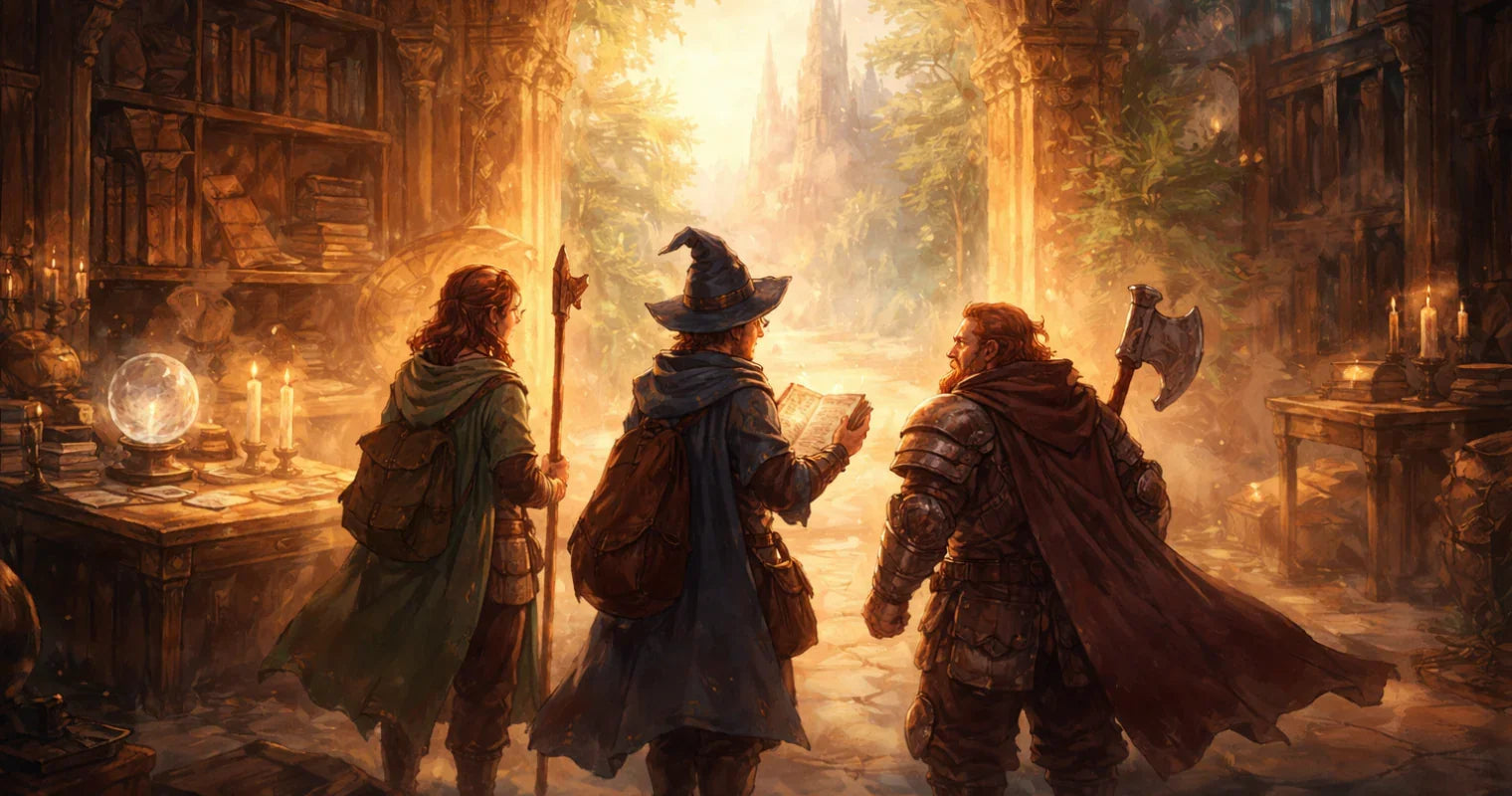
Beginner’s Guide to One D&D (5e 2024-2026): What Every New Player Should Know
Welcome to Your First Adventure

If you’re reading this, you’re probably standing right at the edge of something new. Maybe you watched a few episodes of a D&D show, played a roleplaying game like Baldur’s Gate, or were invited to a game night by friends and said yes before you had time to overthink it.
That feeling? That mix of excitement and uncertainty? That’s exactly where everyone starts.
One D&D, sometimes called D&D 5e, was shaped with new players in mind. It’s designed to be welcoming, flexible, and friendly to people rolling their very first dice. You don’t need to know rules, voices, or lore. You just need curiosity and a willingness to imagine.
This guide isn’t a textbook. It’s more like a friendly hand on your shoulder before the game begins.
What Is One D&D?
One D&D is the updated version of Dungeons & Dragons Fifth Edition. Think of it as a gentle refresh rather than a brand-new game. The heart of D&D is still the same: you create a character, gather with friends, tell stories together, and let dice decide how moments unfold.
So why update it?
Over the years, players learned what worked beautifully and what could be smoother. One D&D keeps everything people loved about classic 5e while making things clearer and easier to understand, especially for beginners.
The most reassuring part? One D&D is fully compatible with classic 5e. That means adventures, monsters, and stories from earlier books still work. You’re not learning something fragile or temporary. You’re stepping into a world that’s already rich and well-loved.
What’s Different in One D&D (Without Overwhelm)
You don’t need to memorize changes to enjoy your first game, but a few updates are worth knowing because they help new players feel more confident.
From Races to Species
In One D&D, characters now choose a species instead of a race. This shift helps separate who your character is from how they grew up.
Being an elf, dwarf, or dragonborn describes physical traits and heritage. Your personality, values, and skills come from your experiences, not your species. For beginners, this makes character creation feel more flexible and less restrictive.
Backgrounds Matter More
Your background now plays a bigger role. Instead of being a small flavor choice, your background helps shape what your character is good at from the start.
For example, a character who grew up as a scholar feels different from one raised on the road, even if they share the same class. It’s an easy way to ground your character in a story without extra rules.
Clearer, Friendlier Rules
One D&D focuses on clarity. Many confusing edge cases have been smoothed out, and explanations are written with newer players in mind.
You’re not expected to know everything. The game assumes you’ll learn by playing, asking questions, and making mistakes. That’s part of the magic.
What Every New Player Actually Needs to Start
You might be surprised by how little you truly need.
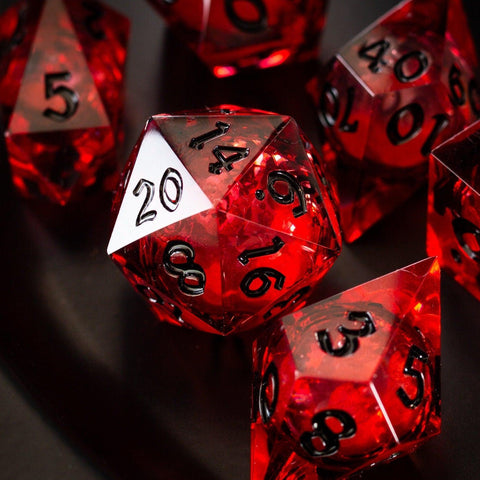
Dice
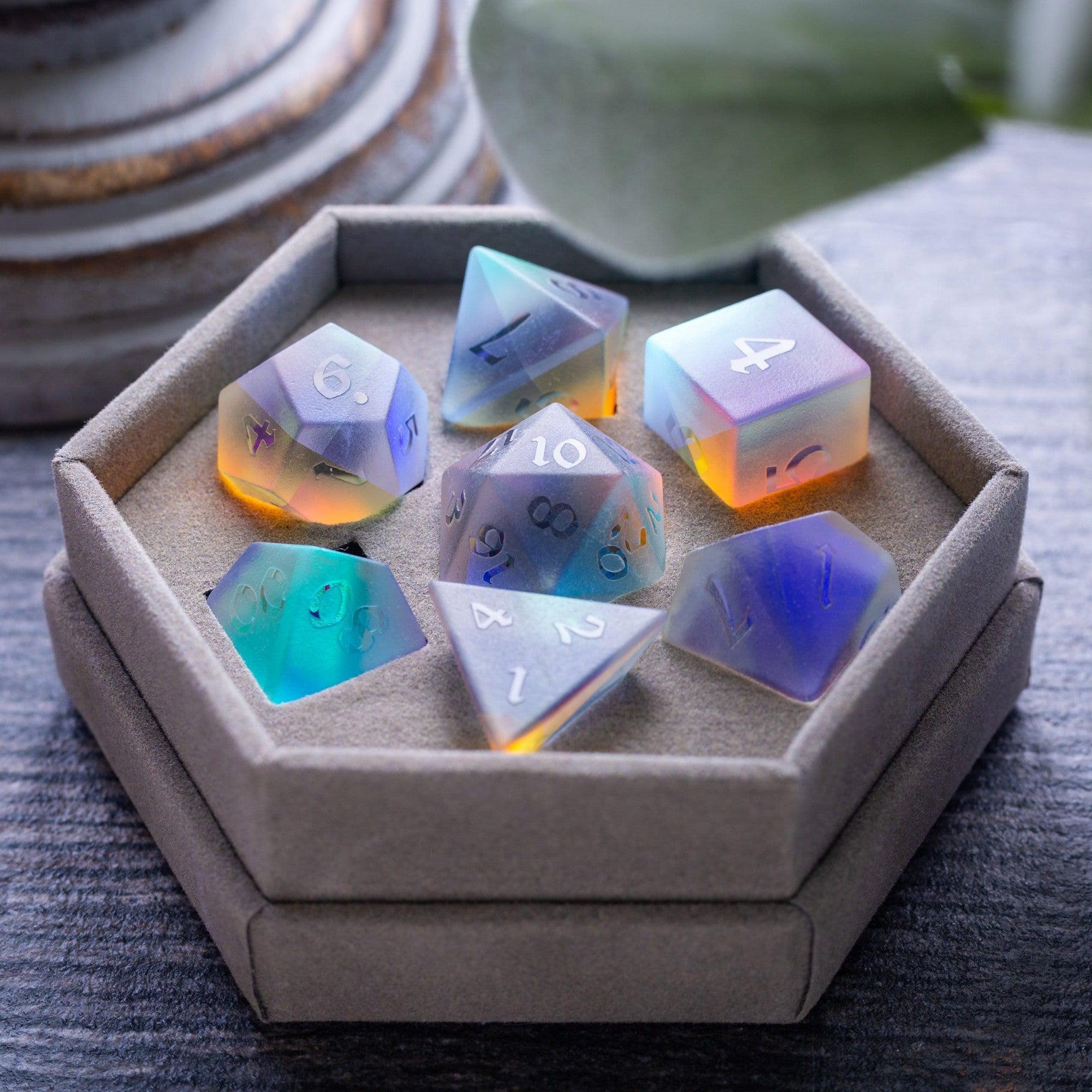
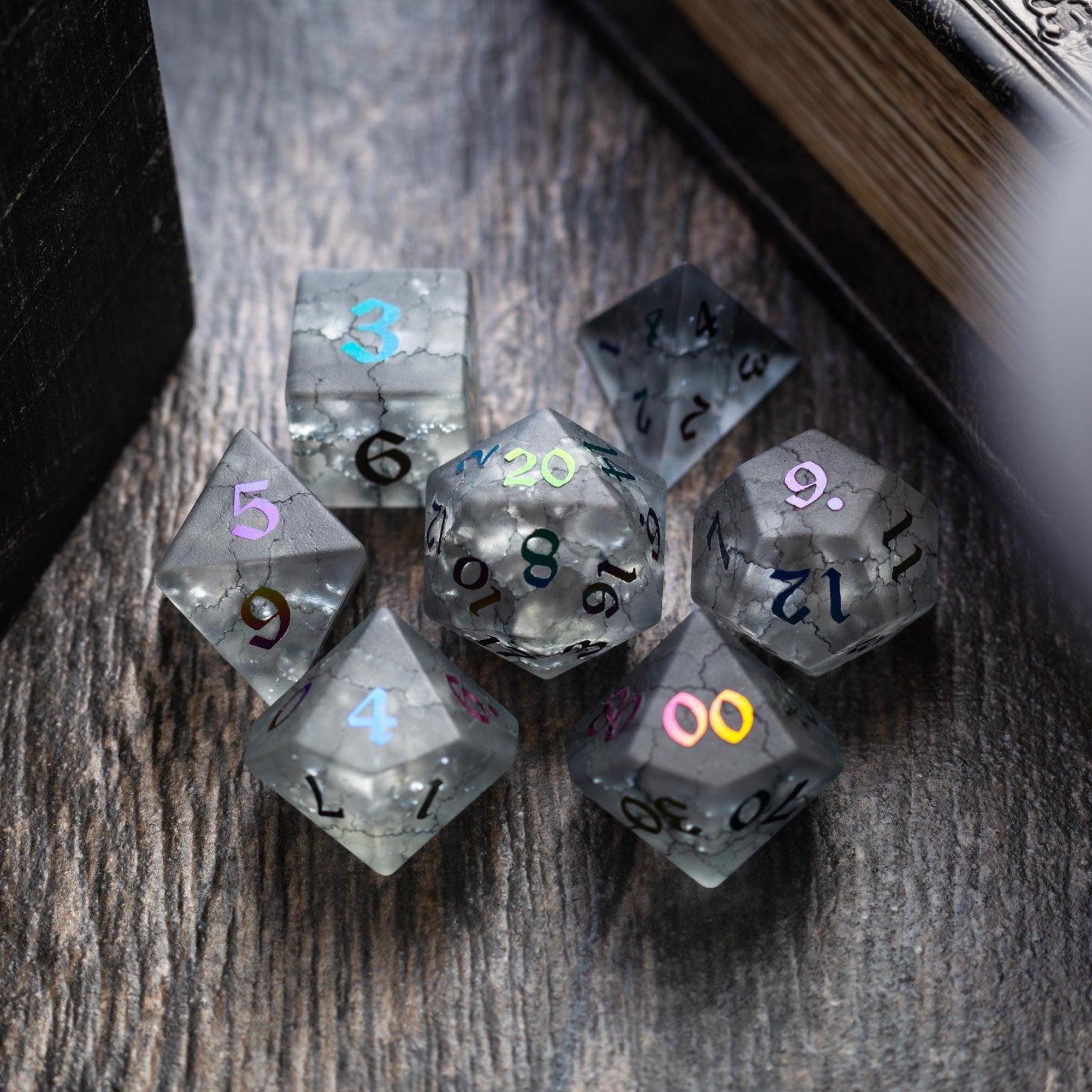
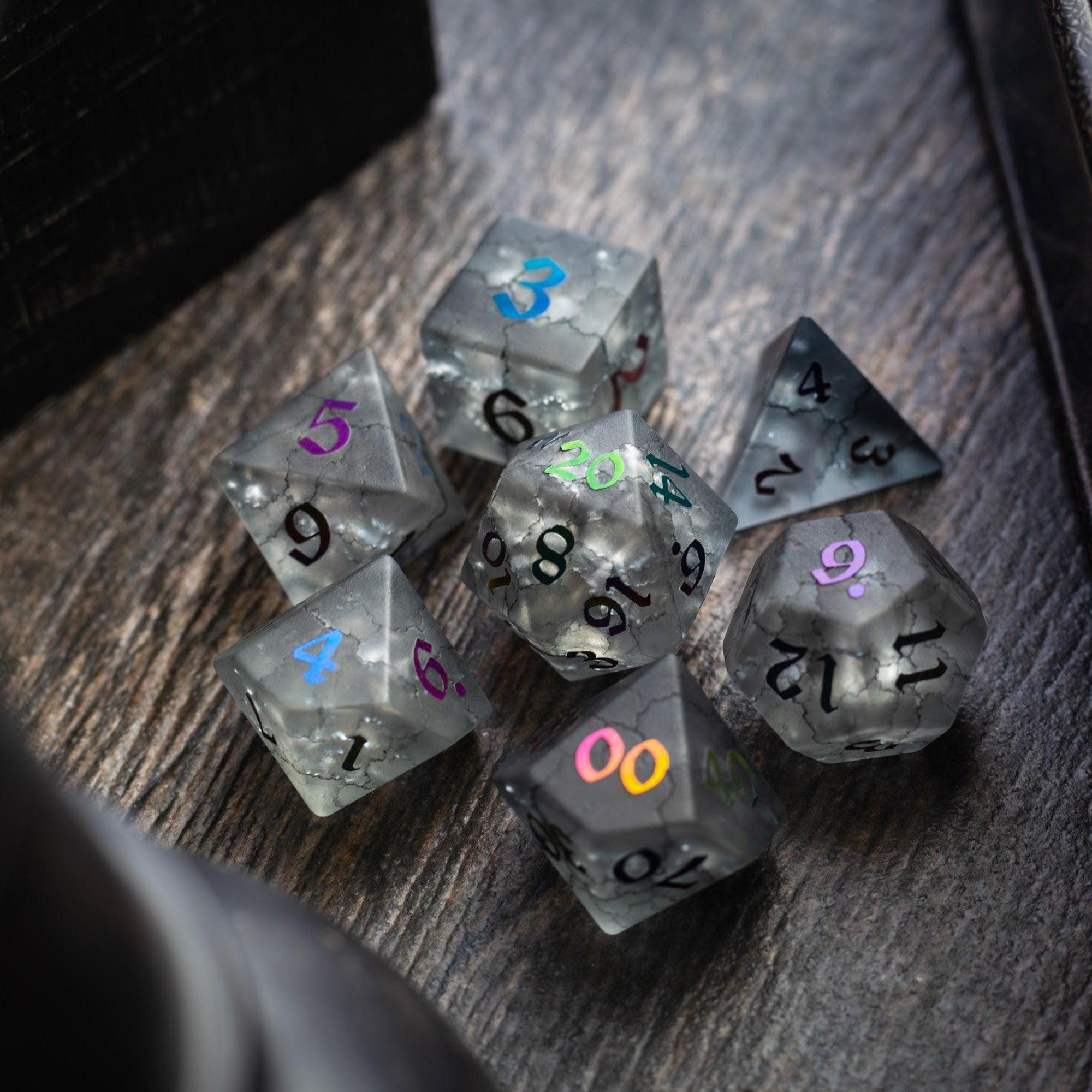
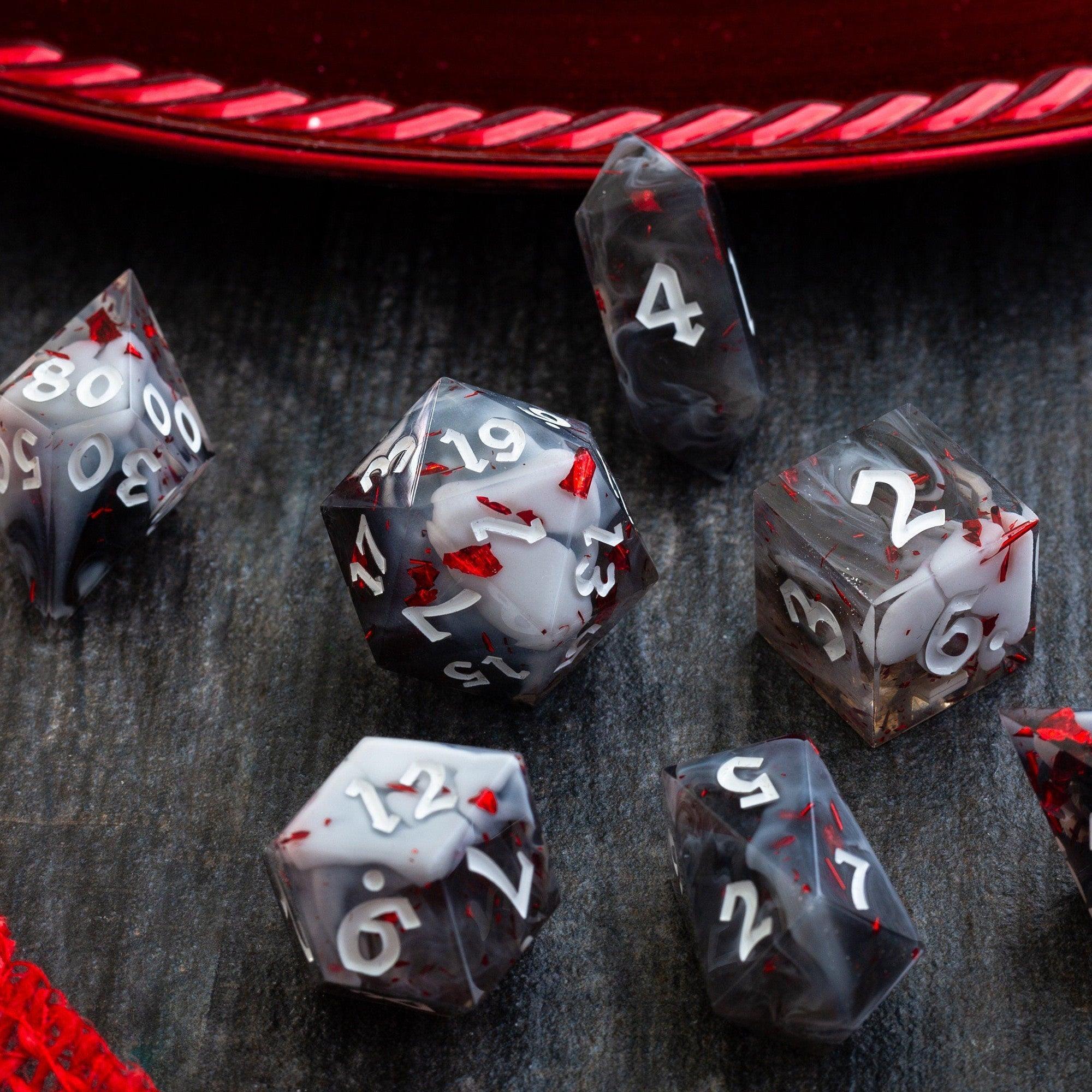
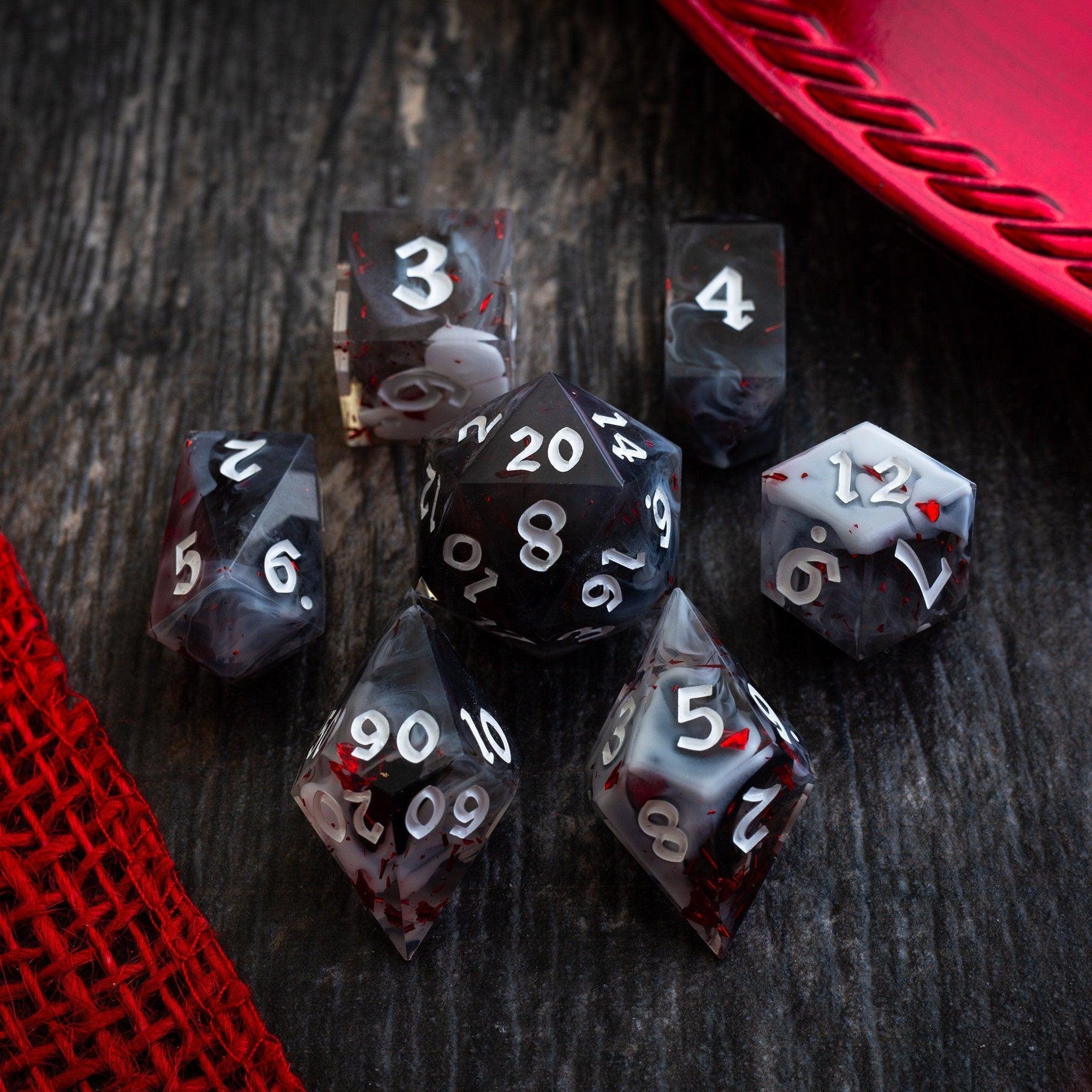
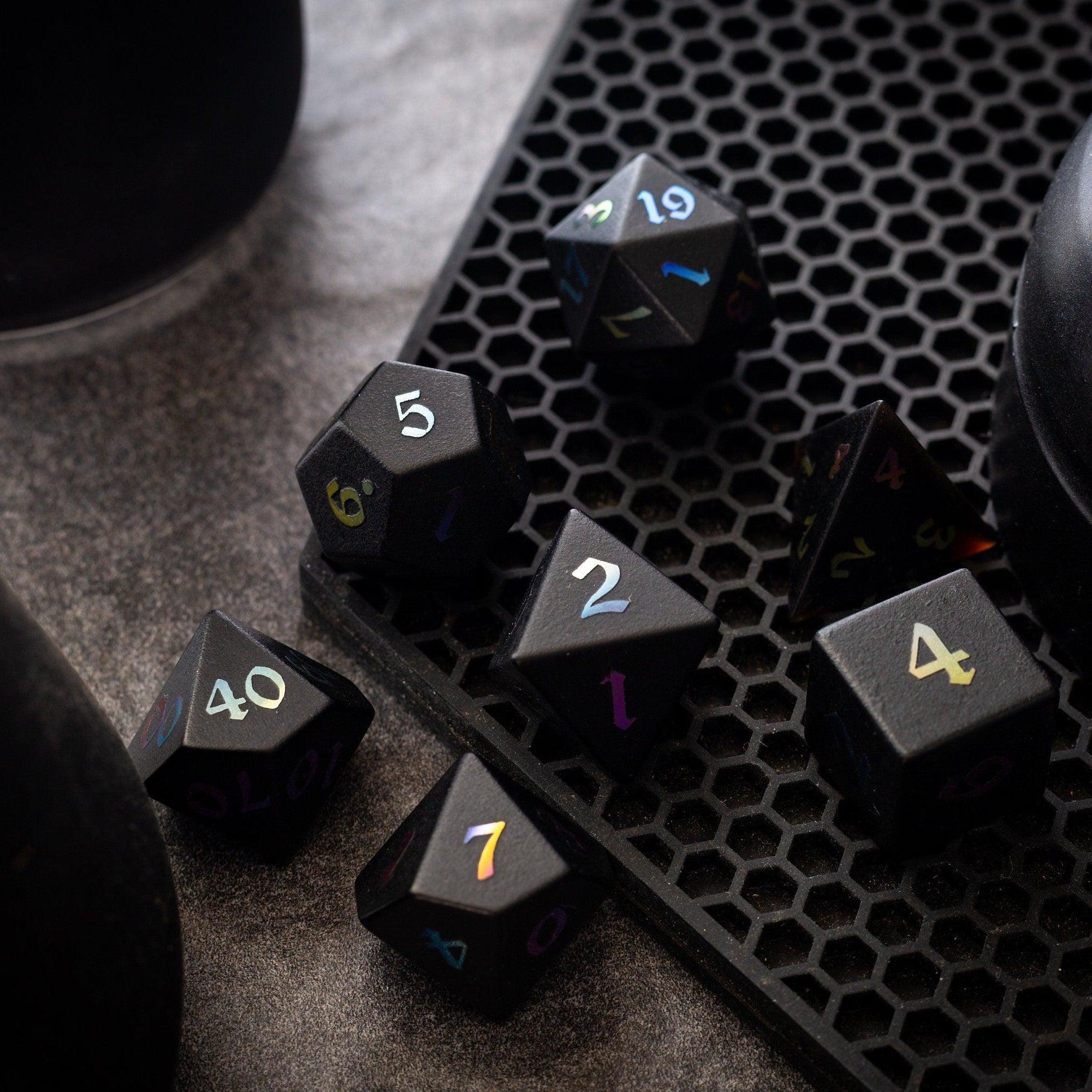
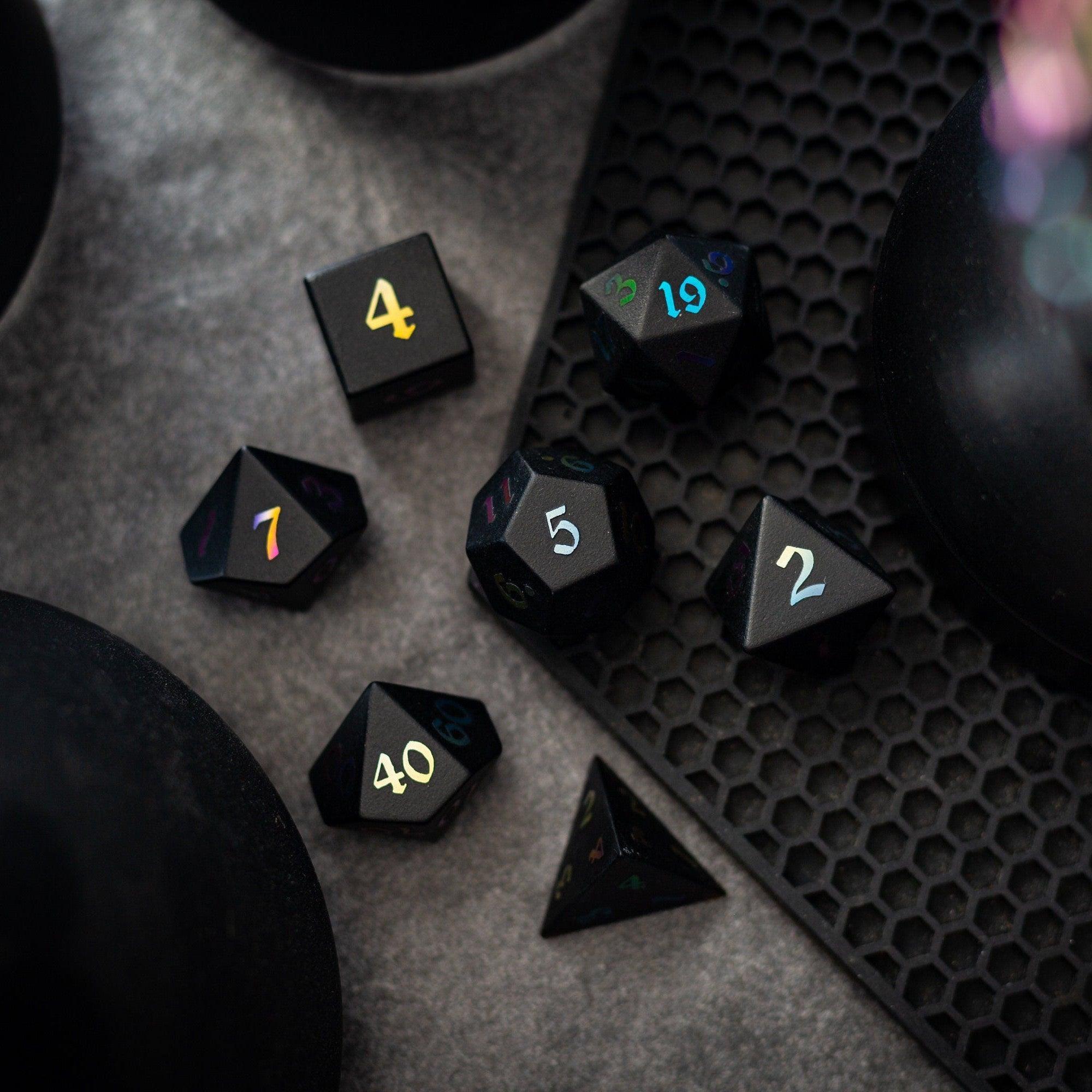
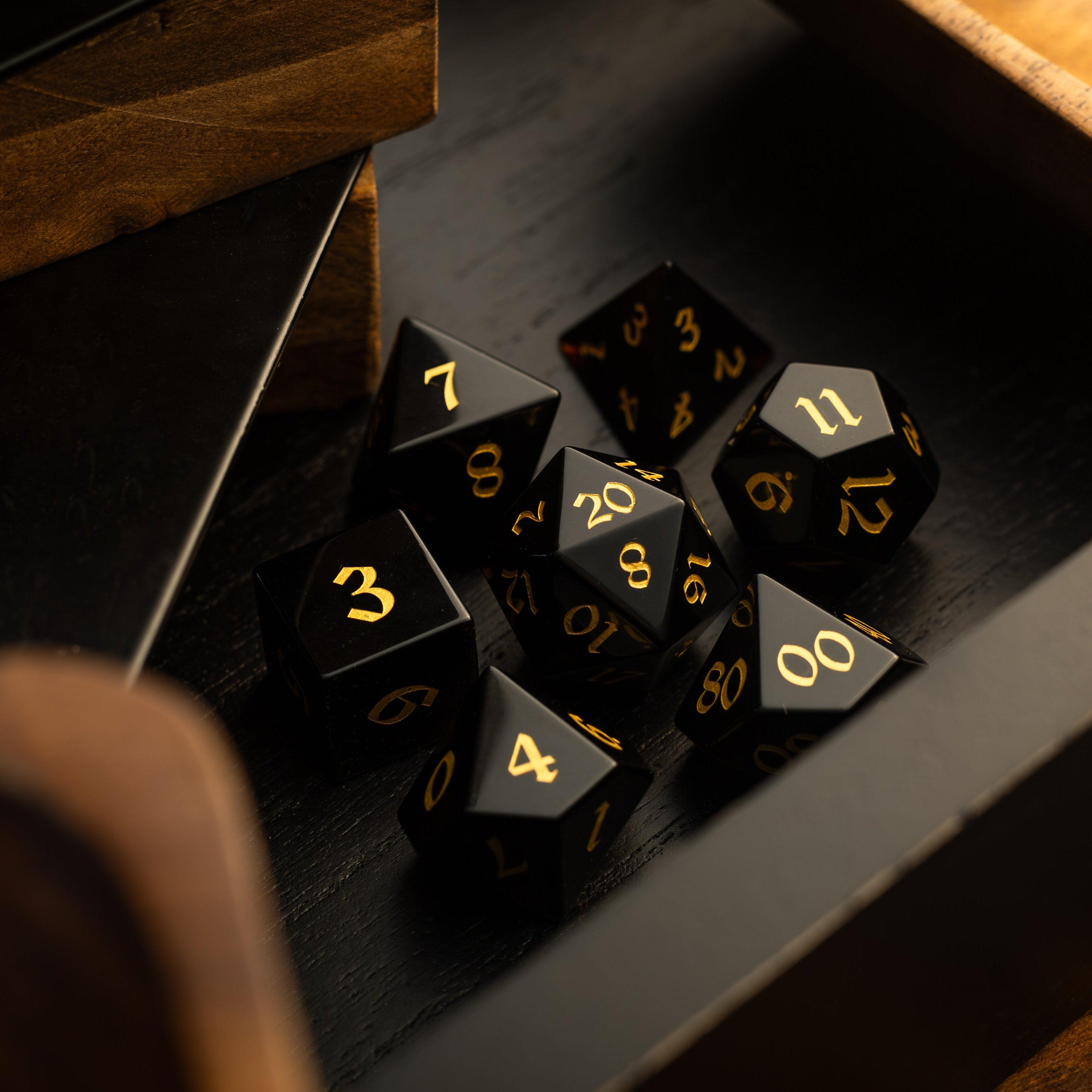
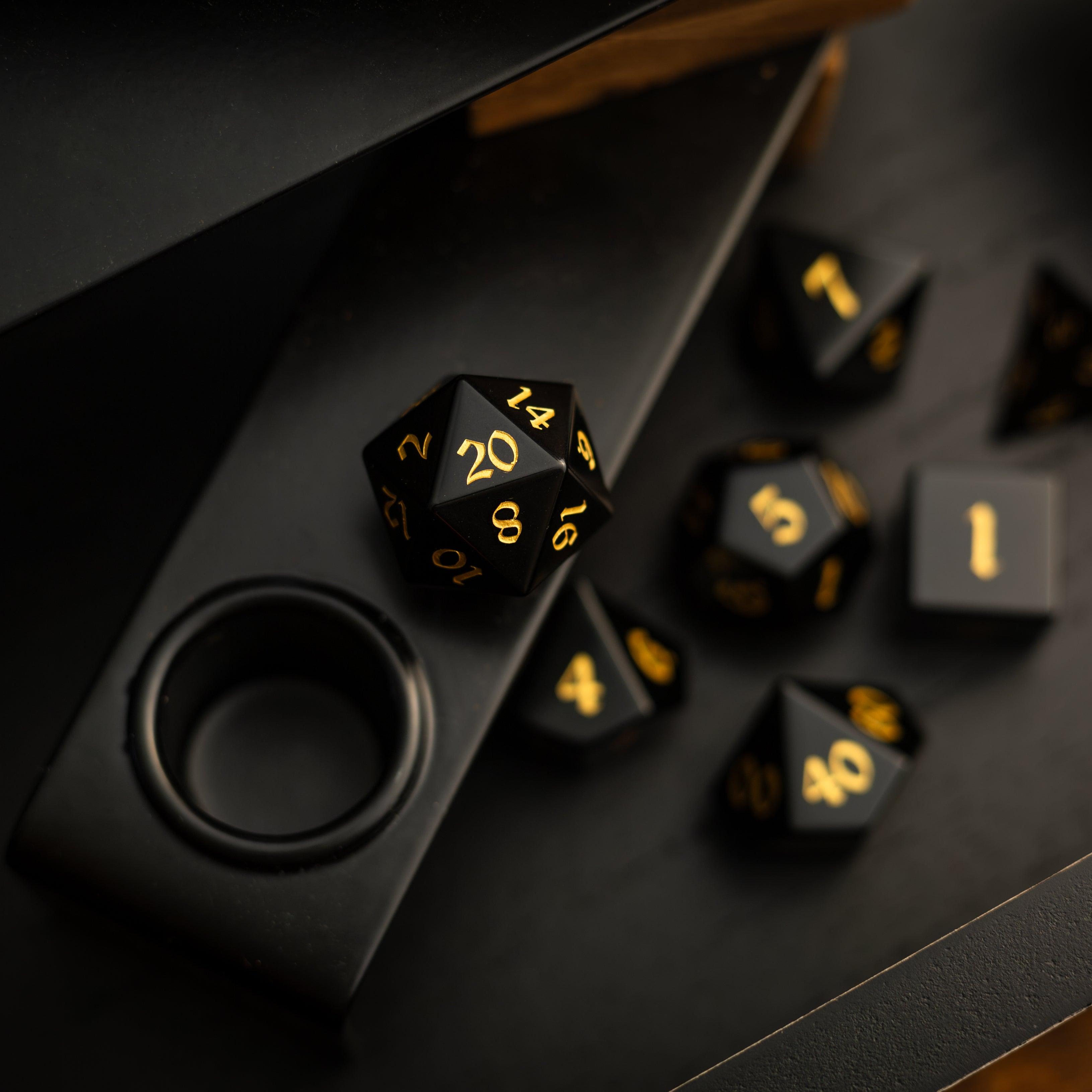
D&D uses a set of seven dice with different shapes. You don’t need to know their names right away. You’ll learn them naturally as you play.
Physical dice matter because they create moments. The sound of a roll, the way everyone leans in to see the number, the small pause before a big result. These moments turn rules into memories.
A Character Sheet
This is just a piece of paper or digital page that helps you keep track of your character. It’s not a test. Think of it as a map you’ll learn to read over time.
A Group and a Dungeon Master
D&D is a shared experience. One person, called the Dungeon Master, describes the world and plays the characters you meet. Everyone else plays heroes exploring that world together.
No one expects perfection. A good table supports beginners and celebrates learning.
Imagination and Curiosity
This matters more than anything else. You don’t need acting skills or clever jokes. Just show up ready to wonder what happens next.
Dice & Characters: Your First Roll Matters
There’s a reason people remember their first roll.
Dice feel personal in D&D. They’re not just tools. They’re companions. Over time, players start to associate certain dice with certain characters, moments, or campaigns.
Choosing a set of dice can feel like choosing the tone of your adventure. Heavy or light. Bright or mysterious. Calm or bold. That connection helps make the game feel real in your hands.
Beginner-Friendly Character & Dice Guide

If you’re not sure where to start, this section is here to spark ideas. There’s no wrong choice. These are simply gentle pairings that many new players find intuitive.
Simple Character Types to Try
Many beginners enjoy starting with characters that are easy to imagine.
- Fighter: Brave, skilled with weapons, and straightforward to play
- Wizard: Curious spellcasters who study magic
- Bard: Storytellers, musicians, and charming problem-solvers
- Rogue: Stealthy adventurers who rely on cleverness
- Paladin: Heroes driven by honor, duty, or faith
Each of these characters feels different, and dice can help reflect that feeling.
Dice Styles and What They Say
|
Character Type |
Dice Style |
Why It Fits |
|
Fighter |
Solid weight mirrors strength and reliability |
|
|
Wizard |
Natural beauty reflects studied, ancient magic |
|
|
Bard |
Colorful fantasy dice |
Expressive colors match creativity and flair |
|
Rogue |
Dark or mysterious dice |
Shadowy tones suit stealth and secrets |
|
Paladin |
Polished metal or light gemstone dice |
Clean finishes echo purpose and resolve |
A Closer Look at Popular Dice Styles
-
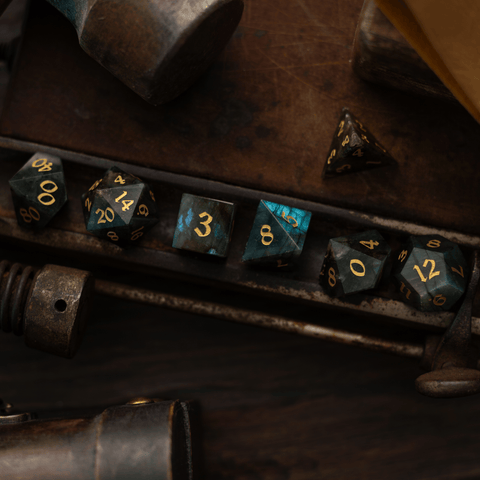
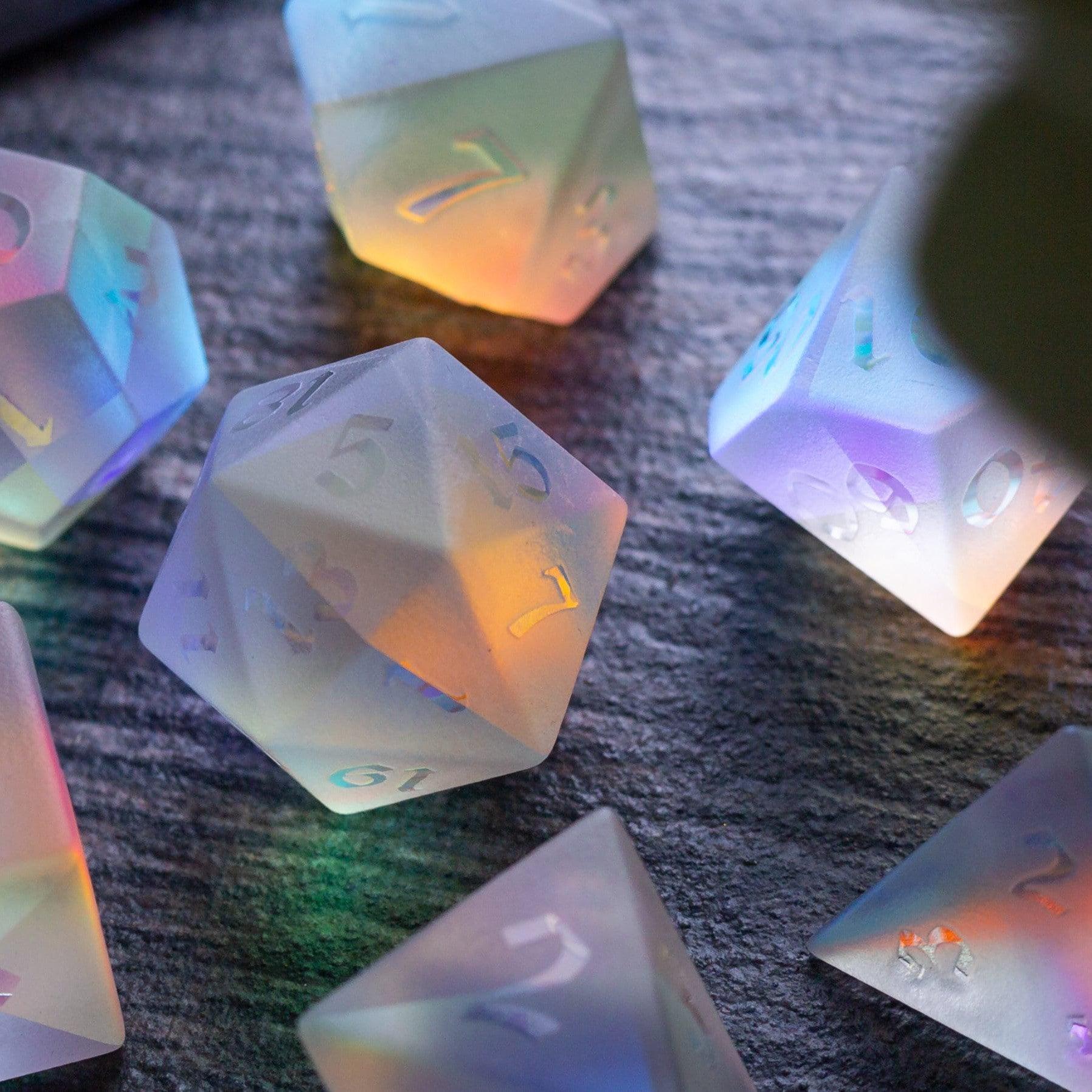
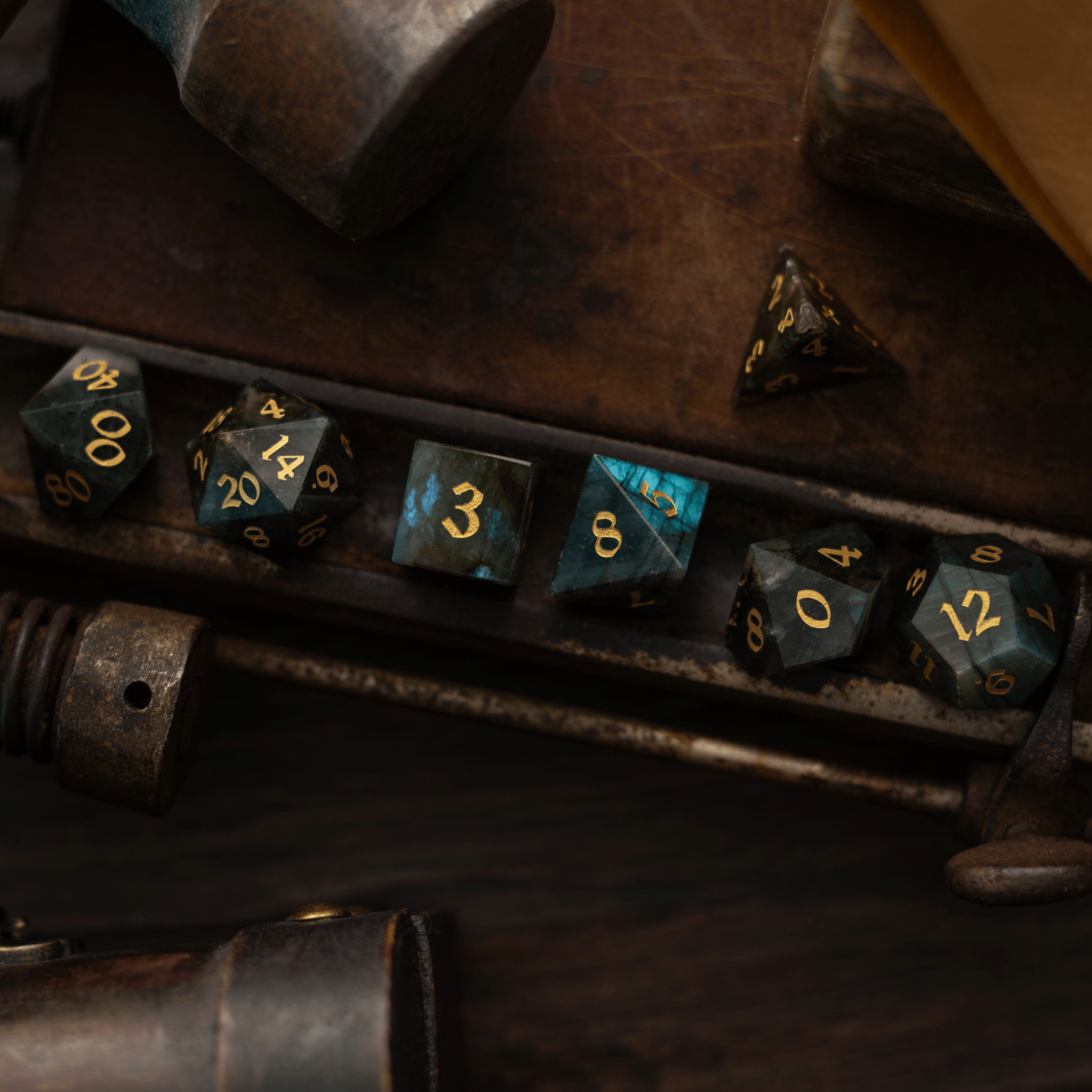
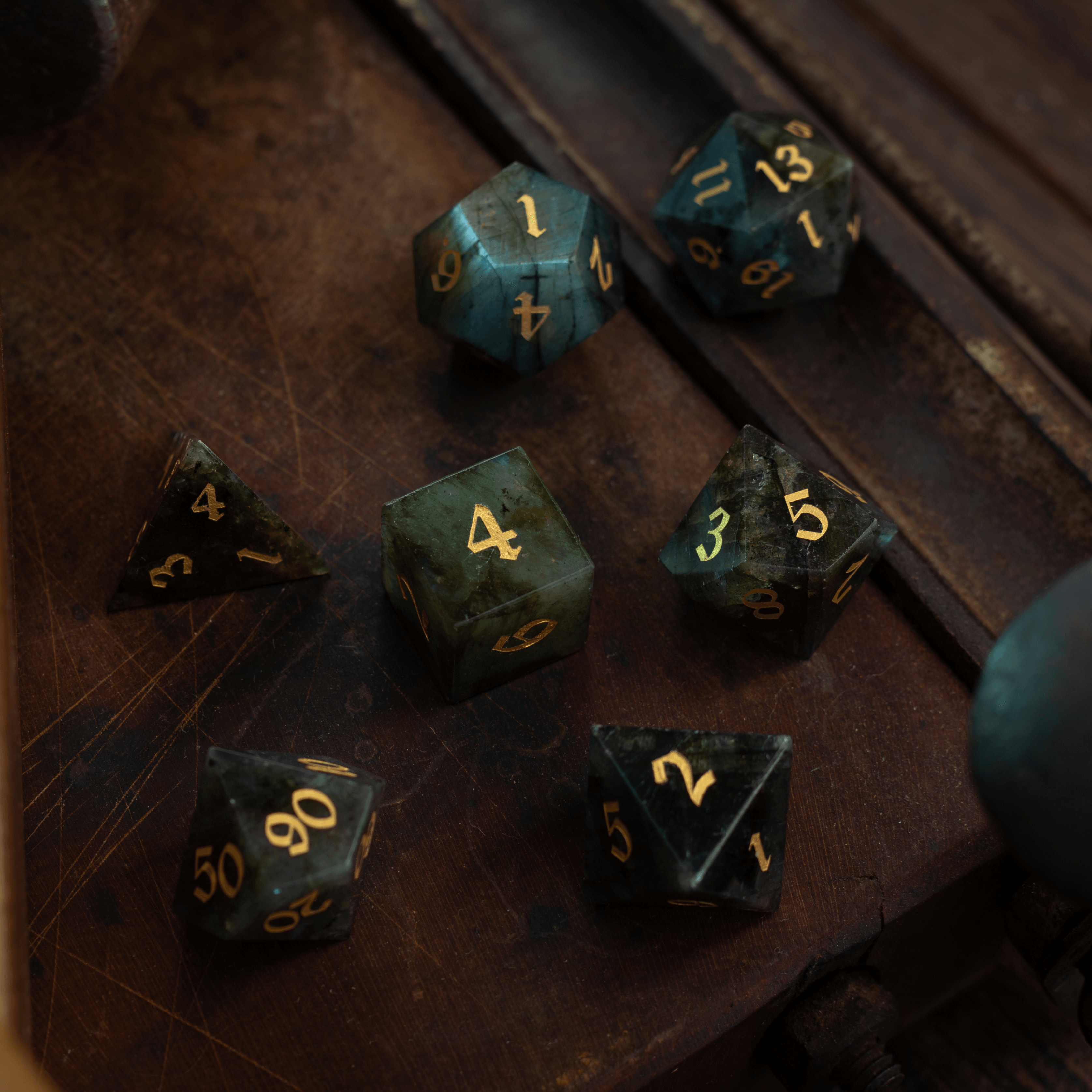
Gemstone Dice
- These dice are carved from natural stone, which gives each set subtle variations. Many players love how grounded they feel, especially for spellcasters or characters tied to ancient traditions. They look like something discovered, not manufactured.
-
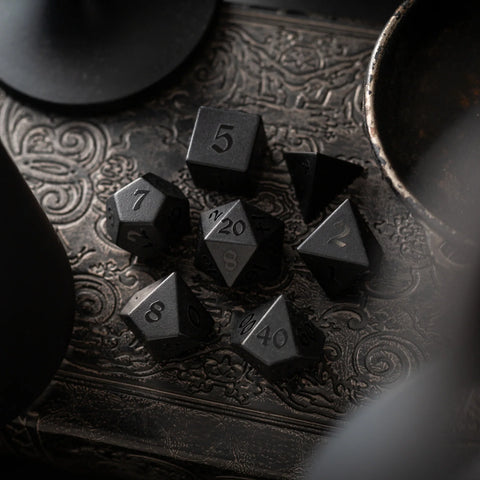
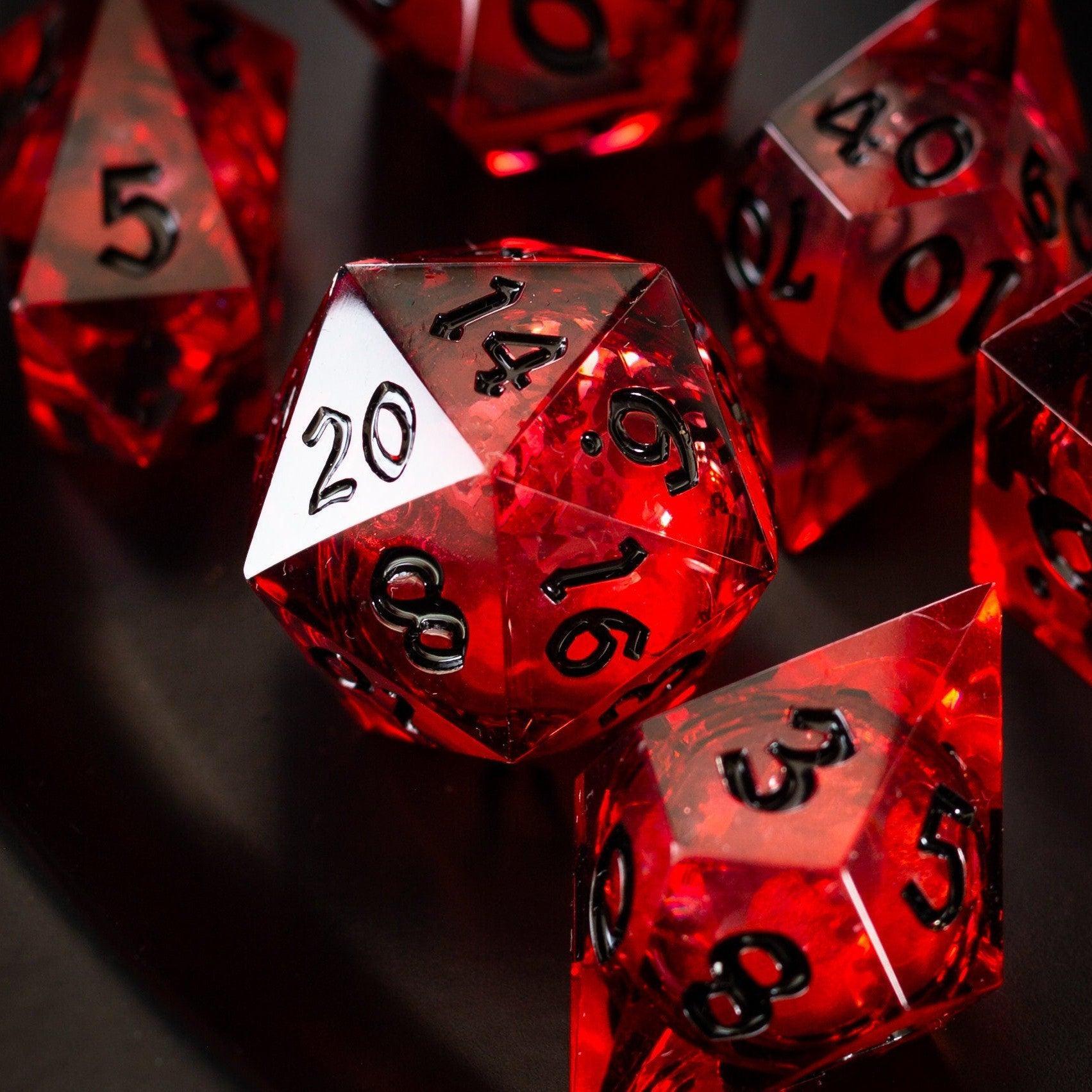
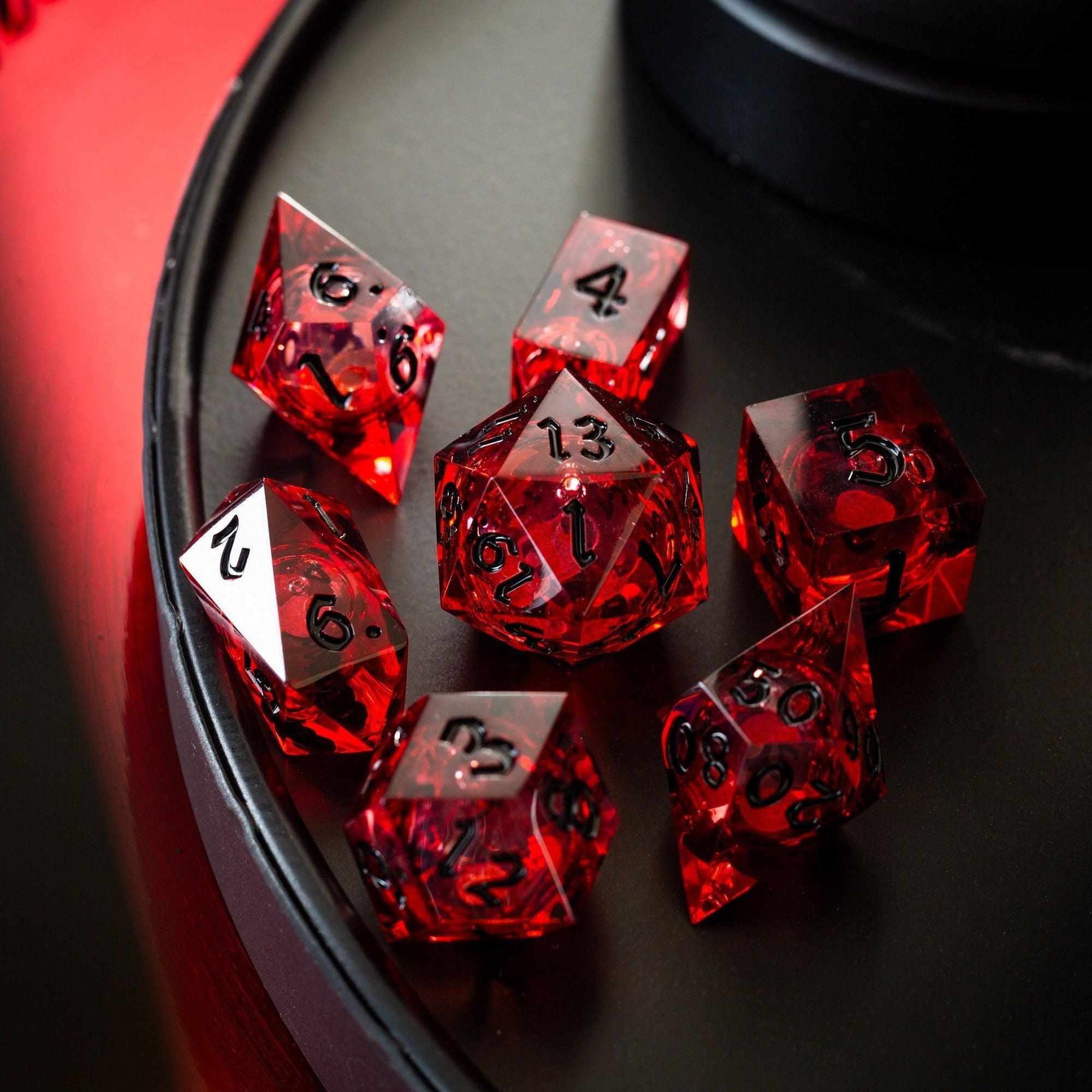
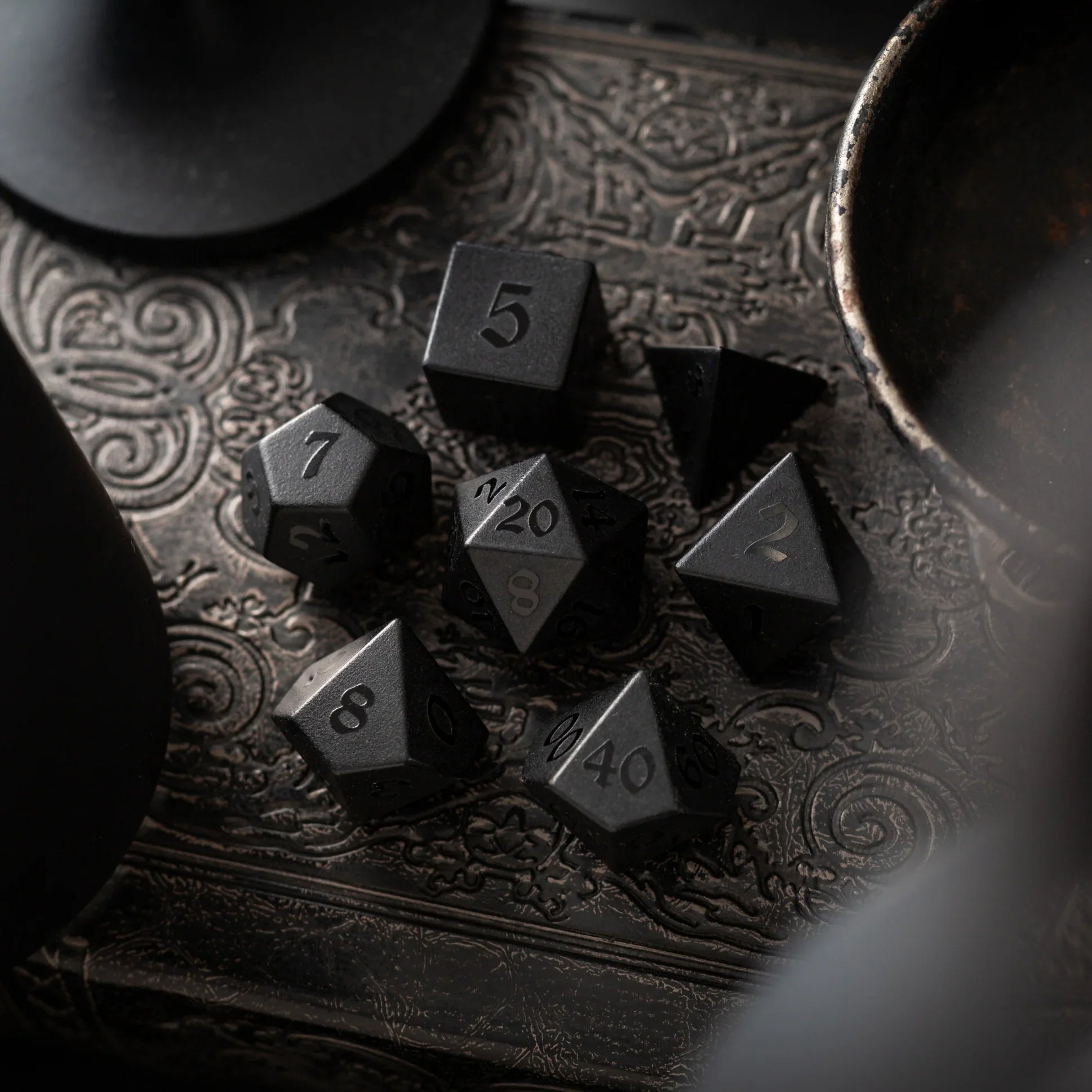
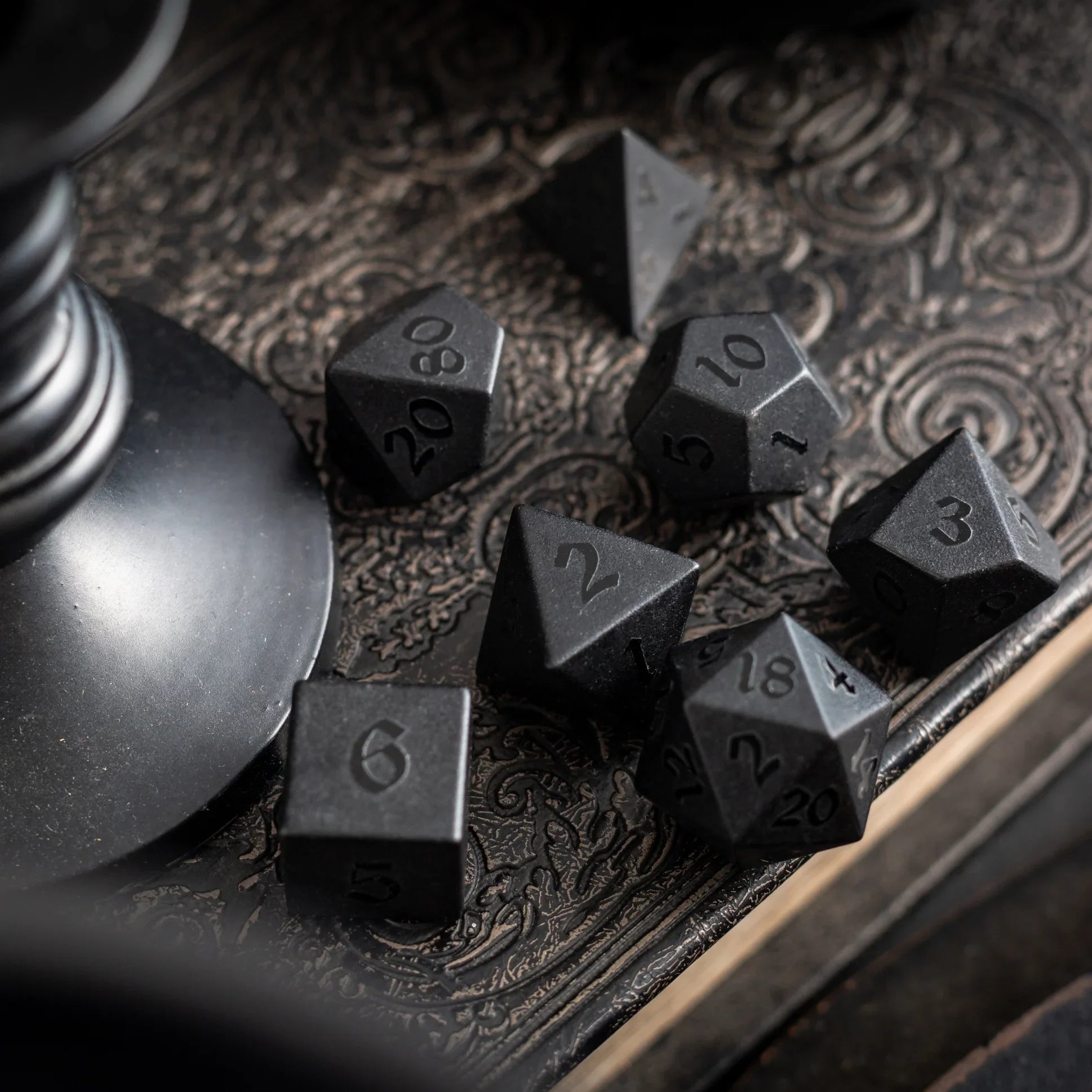
Dark or Mysterious Dice
- Deep blues, blacks, purples, or smoky patterns feel right at home with rogues, warlocks, or secretive characters. They add atmosphere without saying a word.
-
Metal Dice
- Heavier and more dramatic, metal dice feel important when they hit the table. They’re often chosen for warriors, leaders, or characters who command attention.
-
Colorful Fantasy Dice
- Bright swirls, shimmering cores, or playful colors bring a sense of joy to the table. These are popular with bards, sorcerers, or anyone who wants their dice to feel alive with personality.
Where Runic Dice Fits In
Runic Dice exists in this space where story meets touch. Their dice aren’t meant to shout. They’re meant to feel like they belong at the table, like something your character would carry.
For new players, choosing dice from a cozy fantasy brand can make the game feel less intimidating and more inviting. Dice become part of the ritual, part of the story you’re stepping into together.
How Your First Game Usually Feels
Here’s a secret many veterans forget to say out loud.
Your first game will feel messy.
You’ll pause to ask questions. You’ll forget what a die does. You’ll laugh at moments that weren’t planned. That’s not failure. That’s D&D working exactly as intended.
One D&D supports this learning curve. It assumes you’ll grow into the rules, not master them before playing.
A Gentle Reminder Before You Roll
Everyone at the table was a beginner once. Even the confident Dungeon Master. Even the player who seems to know every rule.
The best part of D&D isn’t winning or knowing things. It’s the shared stories that only exist because you sat down together.
Your first roll won’t be perfect. It will be memorable.
And that’s the magic that keeps people coming back.

Leave a comment
This site is protected by hCaptcha and the hCaptcha Privacy Policy and Terms of Service apply.