

Game Mechanics Analysis Balancing Rolls for Fair Play
Updated on: 2026-02-04
Understanding how games work at their core level helps players, designers, and enthusiasts appreciate the thoughtful systems behind their favorite experiences. Game mechanics analysis examines the rules, systems, and interactive elements that create engaging gameplay. Whether you're a casual player, a dedicated tabletop gamer, or someone curious about design, learning to evaluate these foundational components enriches your appreciation and understanding of games in meaningful ways.
- What Is Game Mechanics Analysis?
- Pros and Cons of Understanding Game Systems
- A Practical Guide to Evaluating Game Design
- Key Elements to Consider
- Real-World Examples in Tabletop Gaming
- Wrap-Up
- Frequently Asked Questions
What Is Game Mechanics Analysis?

Examining the inner workings of any game—whether digital, tabletop, or physical—reveals a fascinating world of intentional design choices. Game mechanics analysis refers to the process of breaking down how a game functions, identifying its rules, systems, and the relationships between different interactive components. This analytical approach helps us understand why certain games feel engaging, challenging, or rewarding.
When you analyze game mechanics, you're essentially asking questions like: How do players win? What decisions matter most? How do random elements like dice rolls influence outcomes? What keeps players coming back? These inquiries lead to a deeper appreciation of the creative work involved in game design.
For enthusiasts of tabletop games, dice-rolling experiences, and strategic challenges, this type of examination becomes particularly valuable. Understanding the systems behind your favorite games transforms passive enjoyment into active appreciation of the designer's vision and technical skill.
Pros and Cons of Understanding Game Systems
Advantages of Game Mechanics Analysis
- Enhanced Enjoyment: Recognizing intentional design choices deepens your connection to the gaming experience and helps you appreciate the creator's work.
- Better Decision-Making: Understanding how systems work allows you to make more informed strategic choices during gameplay.
- Design Appreciation: You develop respect for the complexity and balance required to create fair, engaging experiences.
- Improved Communication: You can articulate why you enjoy certain games and explain them better to others.
- Creative Inspiration: Analysis skills spark ideas for creating your own games or house rules that enhance existing ones.
Potential Limitations
- Over-Analysis: Sometimes breaking down a game too much can reduce the spontaneous joy and wonder of playing.
- Analysis Paralysis: Focusing heavily on optimization may slow down gameplay or create unnecessary complexity.
- Subjective Interpretation: Different players may analyze the same game differently based on their experiences and perspectives.
- Requires Effort: Developing analytical skills takes time and practice to apply effectively during play.
A Practical Guide to Evaluating Game Design
Step 1: Identify the Core Objective
Begin by clearly stating what players are trying to accomplish. In many tabletop games, this might involve reaching a specific score, defeating opponents, or achieving a particular goal state. Understanding the primary objective gives you the foundation upon which all other mechanics rest. Ask yourself: What does winning look like in this game?
Step 2: Map Out the Rules and Systems
Document the main rules that govern how the game progresses. This includes turn structure, action phases, and any special abilities or resources. Create a simple flowchart or written summary of how a typical turn unfolds. When you examine these systems carefully, patterns begin to emerge that reveal the designer's priorities and the experience they intended to create.
Step 3: Analyze Resource Management
Most games involve managing limited resources—whether that's time, currency, health points, or movement actions. Understanding how players acquire, spend, and trade these resources reveals the strategic depth of the game. Consider how scarcity creates tension and meaningful decisions.
Step 4: Examine the Role of Randomness
Many games, especially those using dice, incorporate random elements. Evaluate how heavily randomness influences outcomes. Is luck a minor factor in an otherwise strategic game, or does chance play a central role? This balance significantly affects player experience and fairness.
Step 5: Consider Player Interaction
Think about how players affect one another. Do they compete directly, cooperate, or both? Are there catch-up mechanics that help trailing players? Understanding interaction patterns shows you the social dynamics the designer intended.
Step 6: Evaluate Scaling and Balance
Consider how the game performs with different numbers of players and skill levels. Well-designed games maintain engagement whether you're playing casually or competitively, with newcomers or veterans. Look for balancing mechanisms that prevent any single strategy from dominating.

Key Elements to Consider
Player Agency
Player agency refers to the degree of meaningful choice available to each participant. Strong agency means your decisions genuinely matter and influence outcomes. Games with limited agency may feel predetermined or frustrating, while excessive agency can create decision paralysis. Excellent design strikes an intentional balance.
Feedback Loops
Games communicate progress and consequences through feedback. This might include visual changes, score updates, or narrative developments. Clear, immediate feedback helps players understand the impact of their actions and maintain engagement throughout the experience.
Progression and Pacing
How does the game's intensity, complexity, or challenge develop over time? Well-paced games introduce new elements gradually, building tension toward a climactic conclusion. Poor pacing may feel tedious, rushed, or uneven in its challenges.
Theme and Mechanics Integration
The best games weave their mechanics and theme together seamlessly. When the rules reinforce the setting and story, the experience feels coherent and immersive. Sometimes mechanics feel disconnected from the theme, which can diminish immersion and engagement.
Real-World Examples in Tabletop Gaming
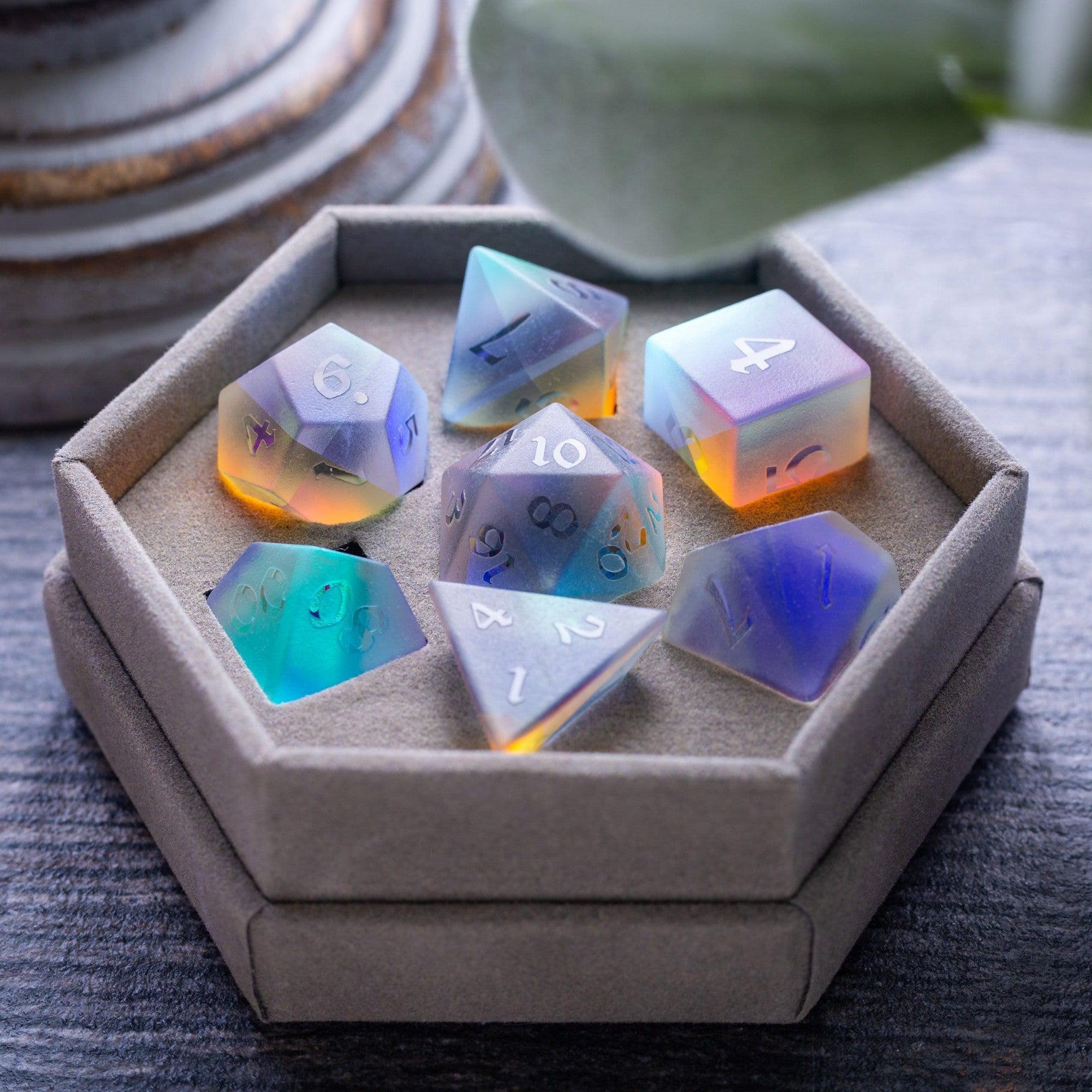
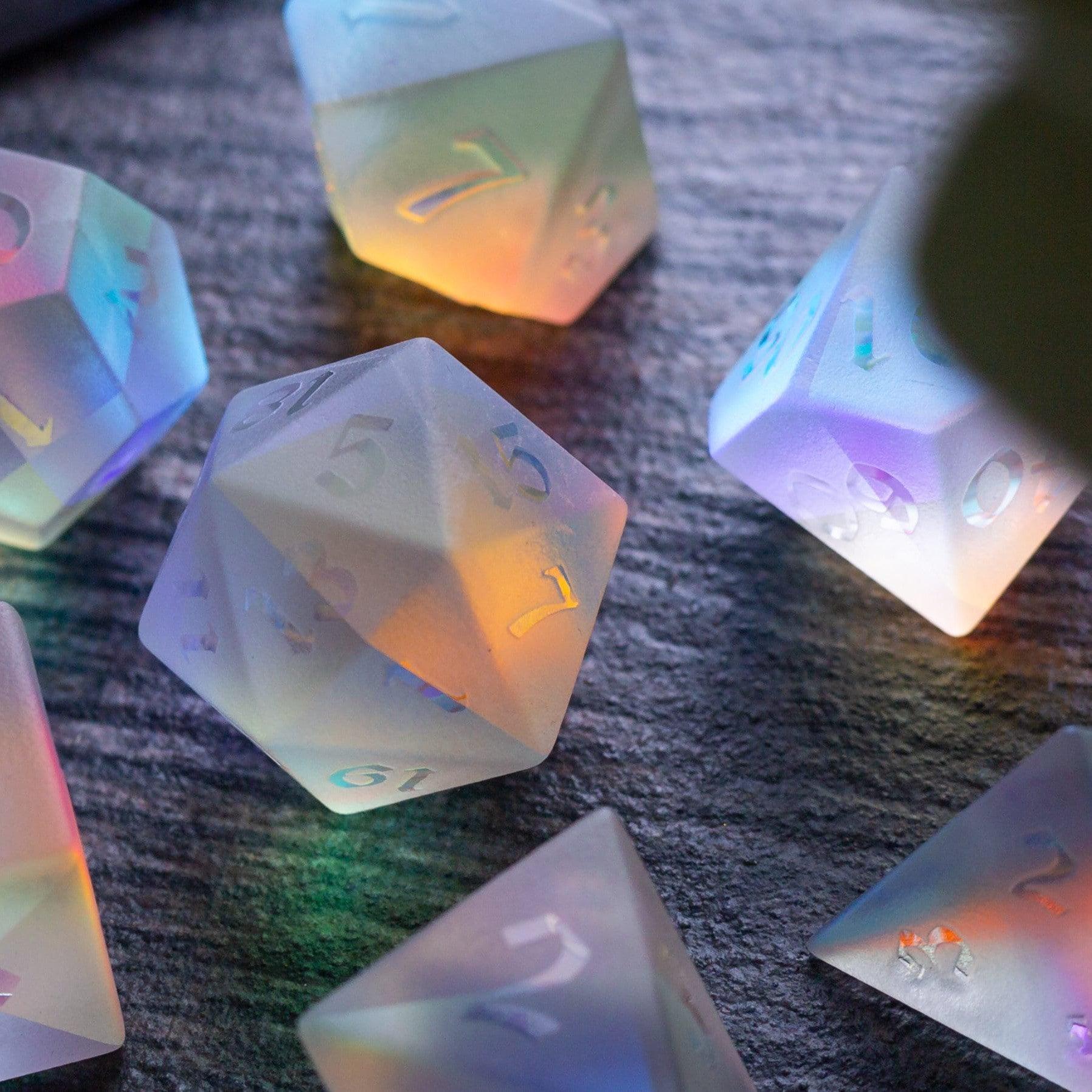
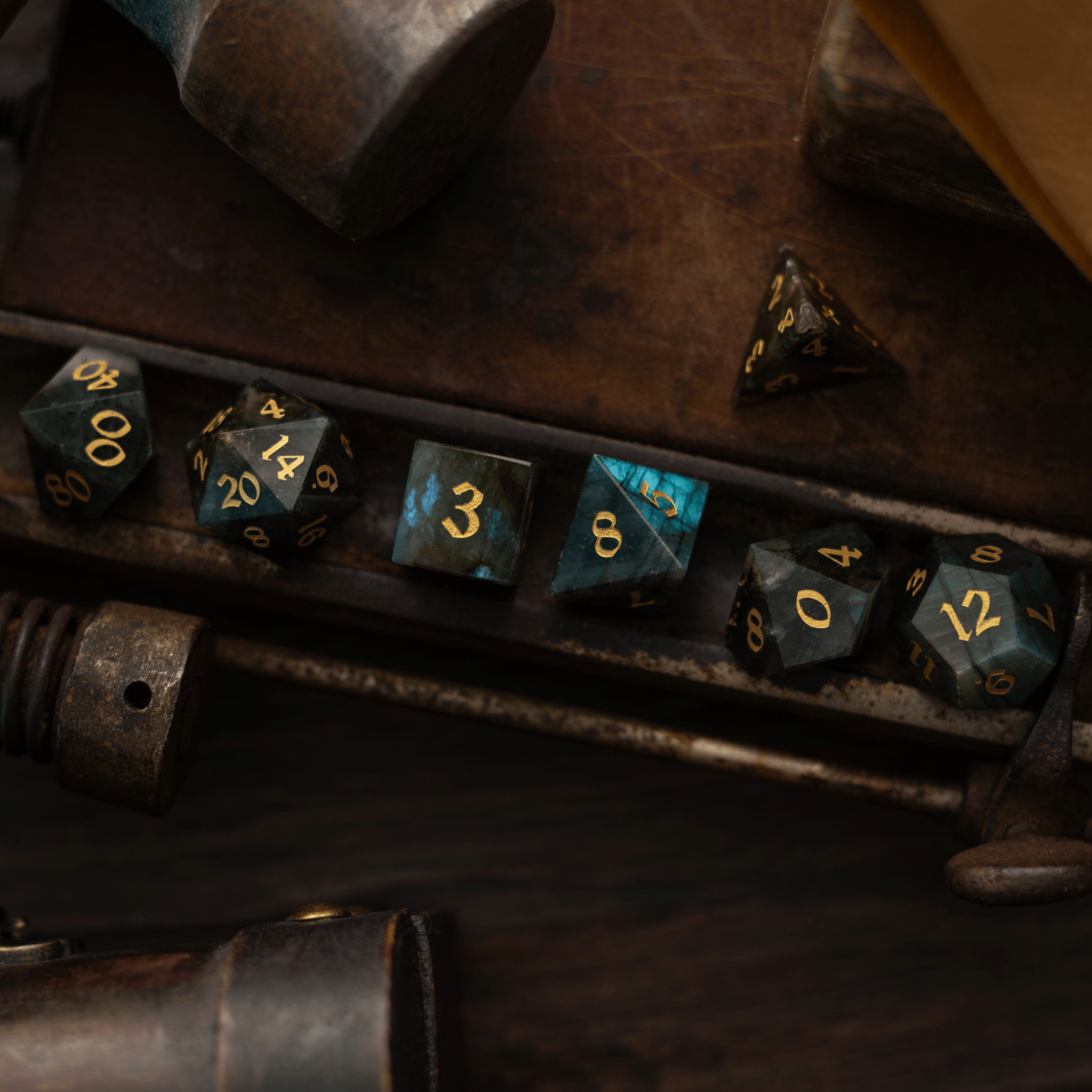
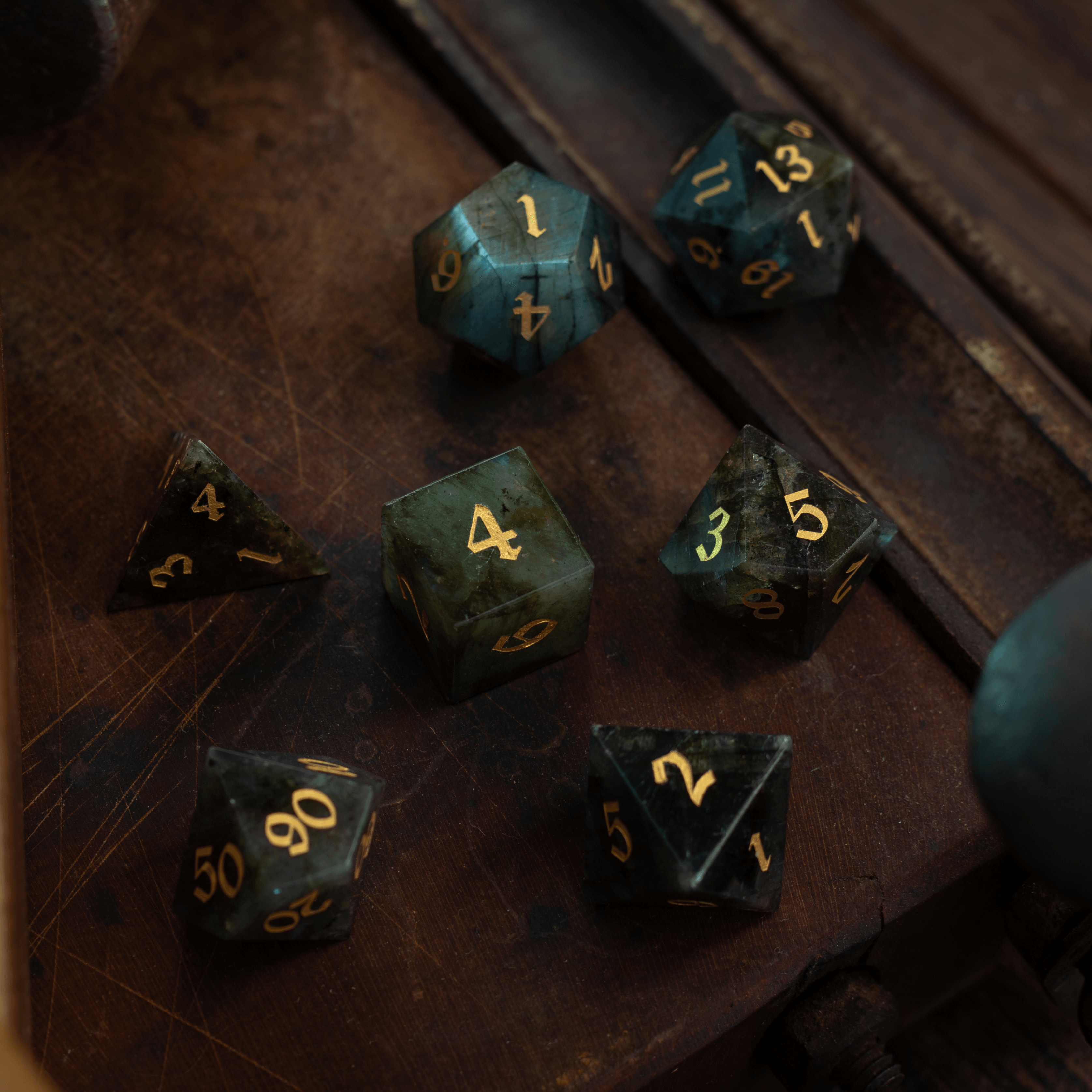
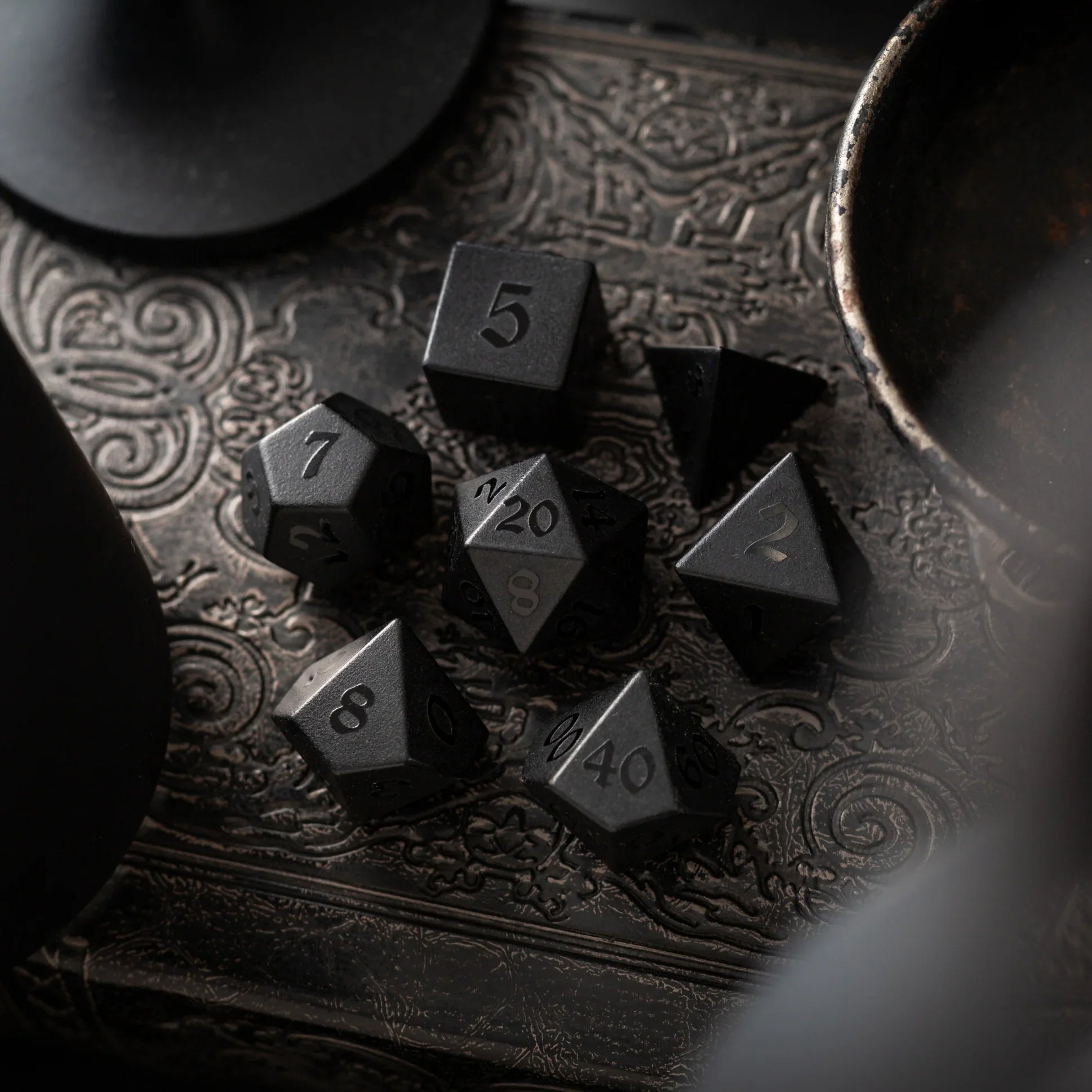
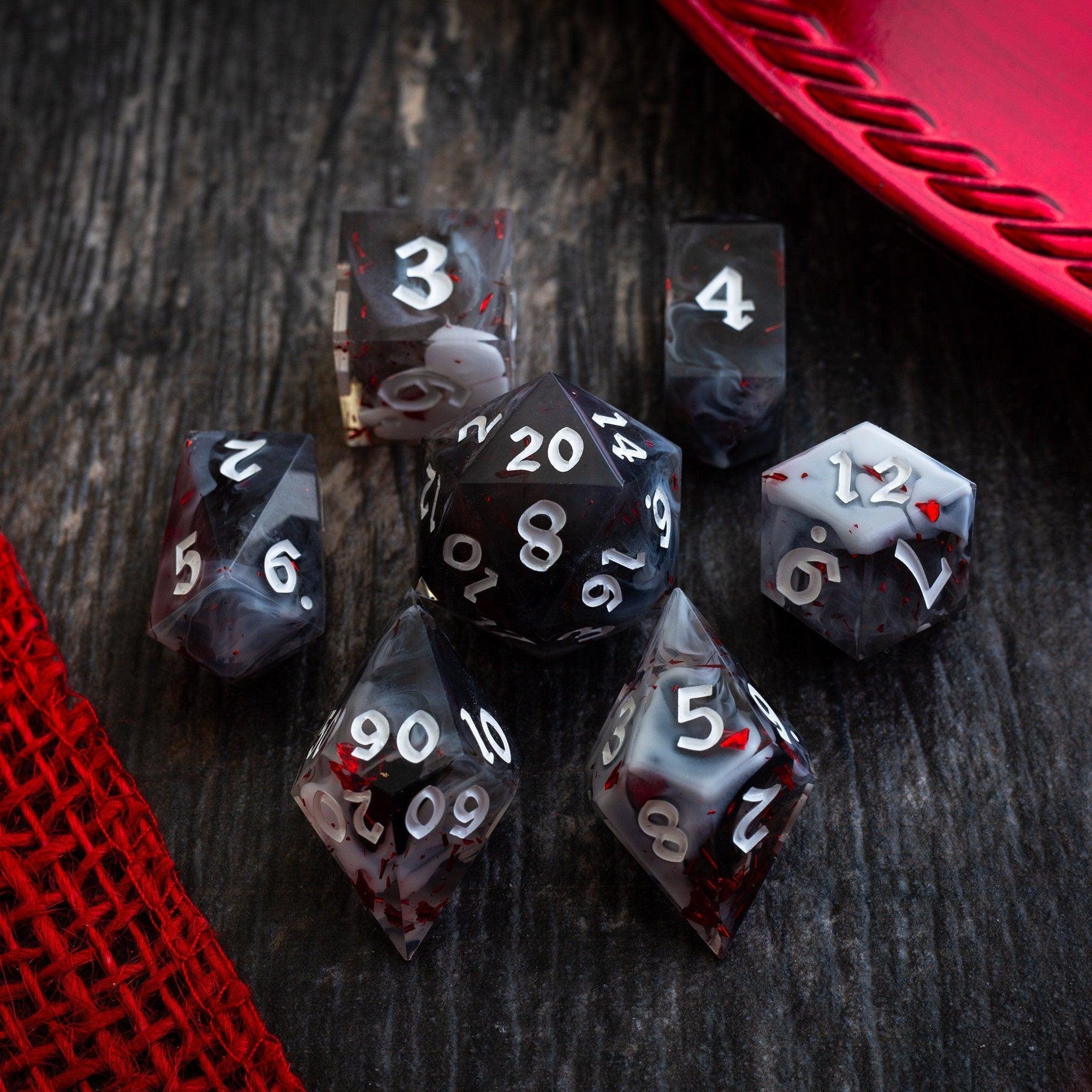
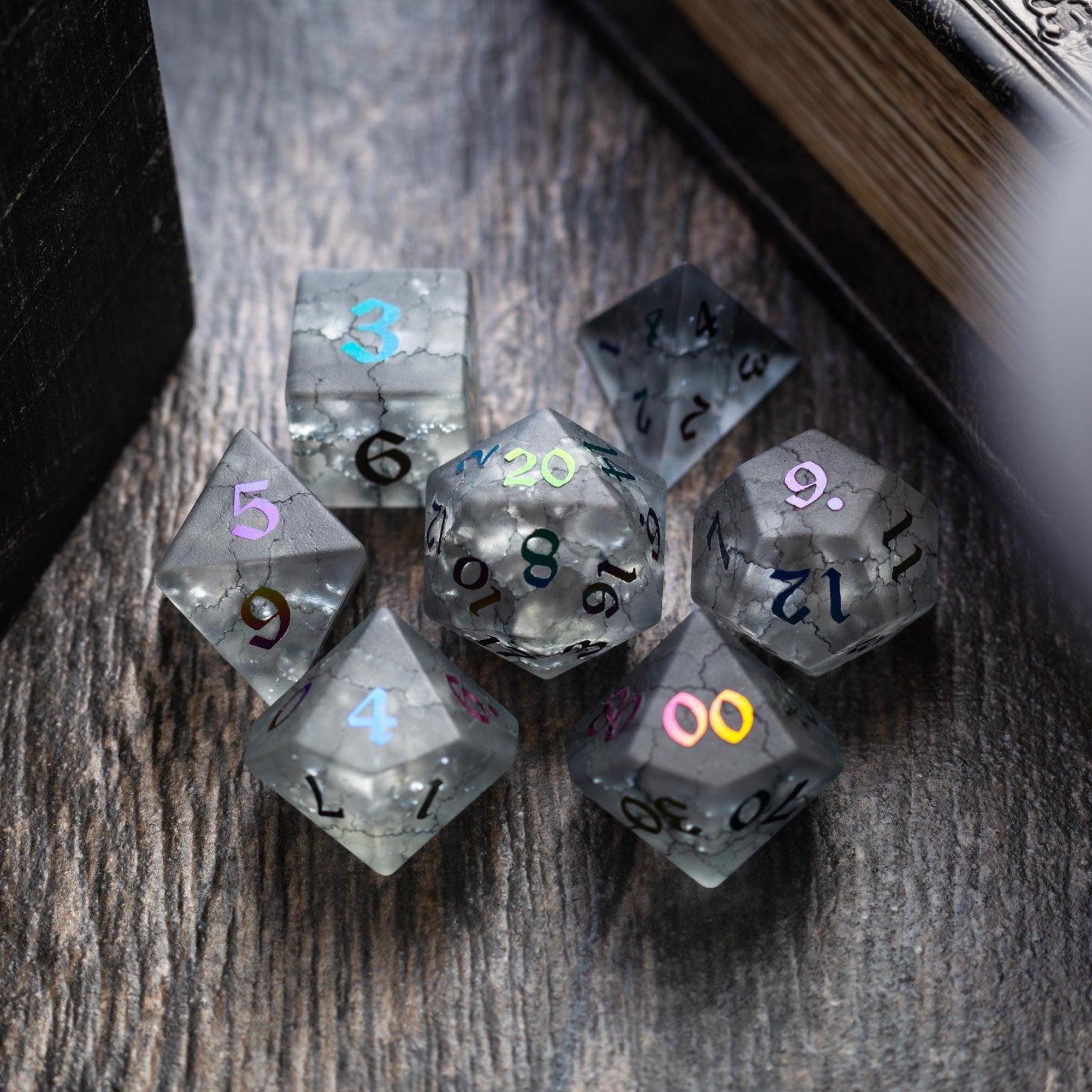
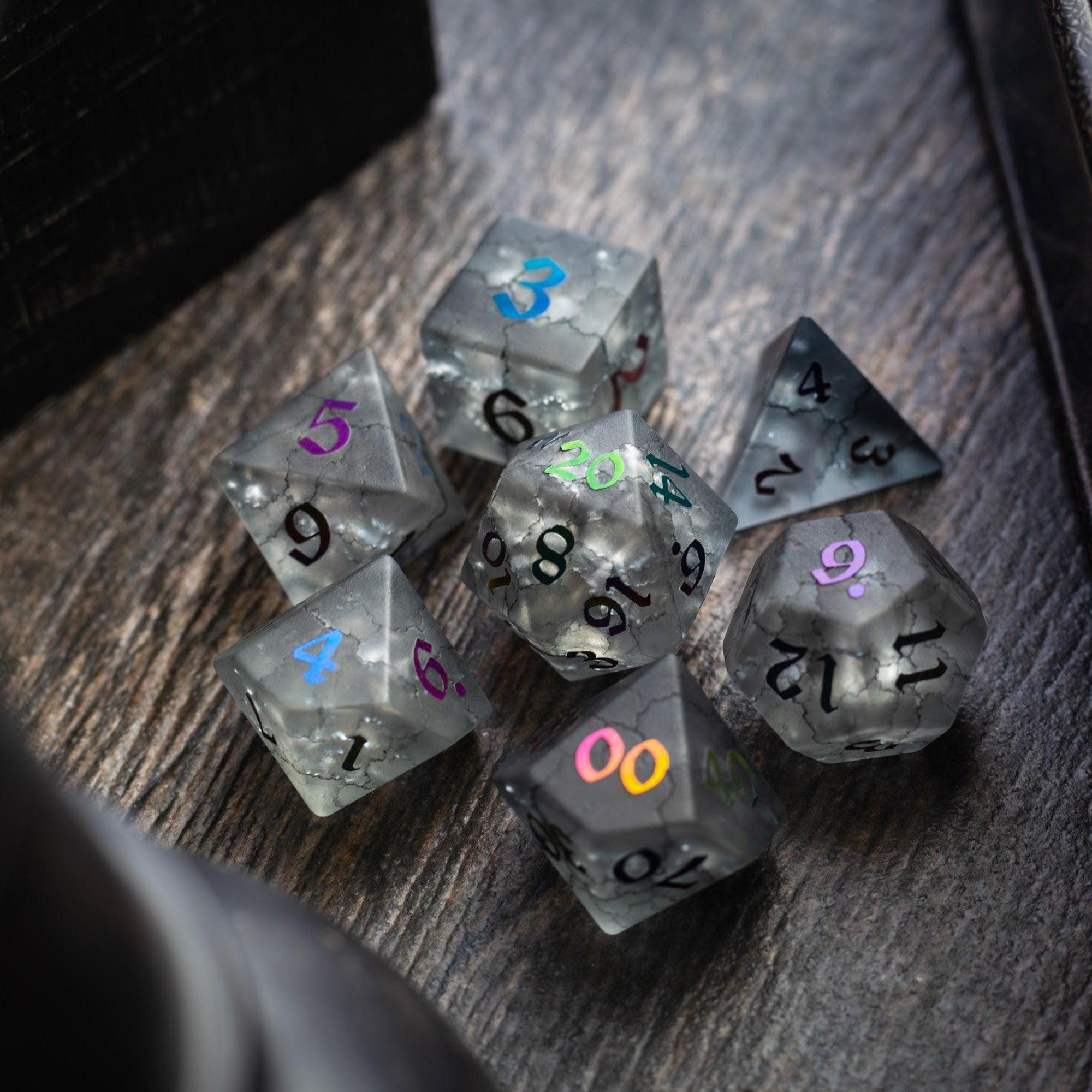
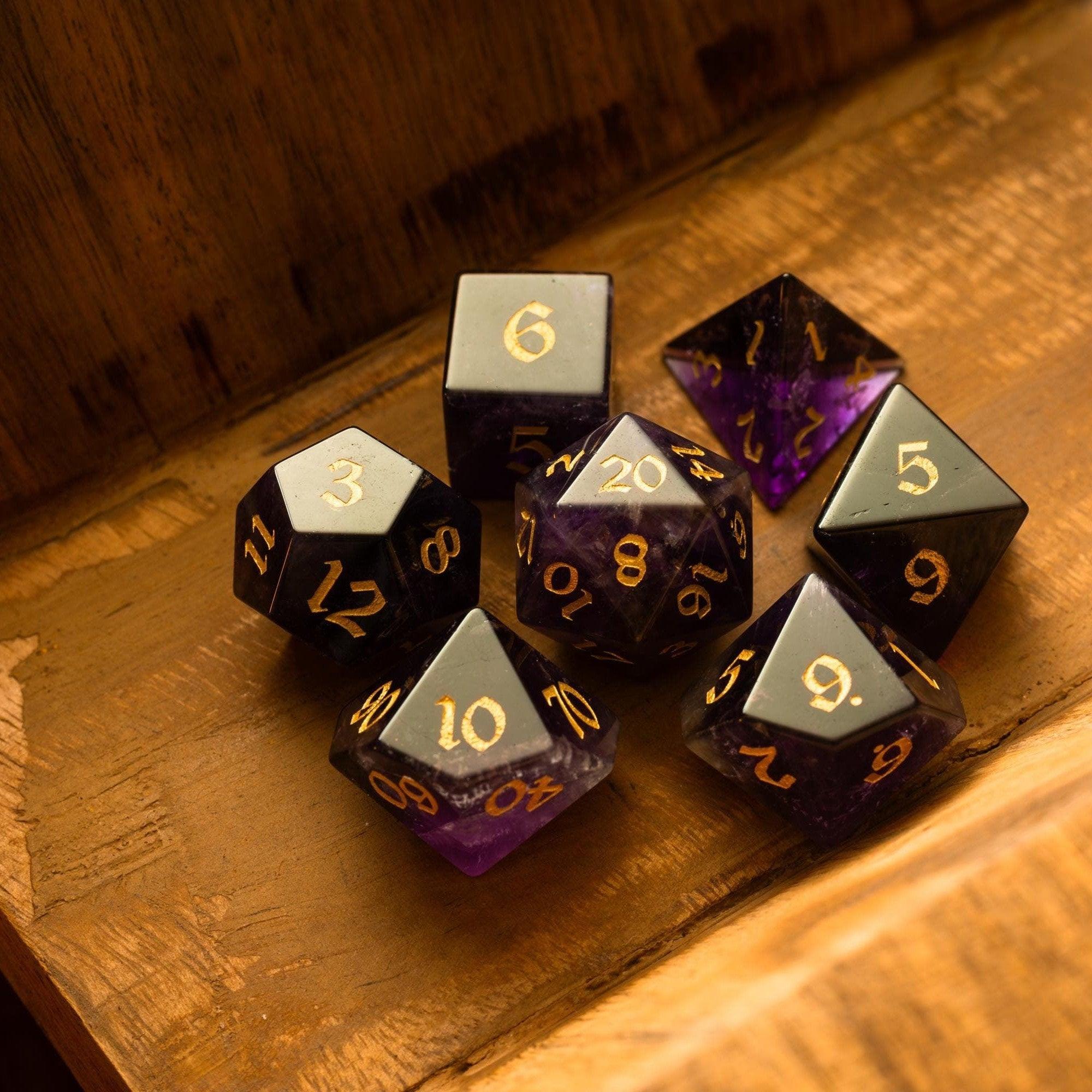
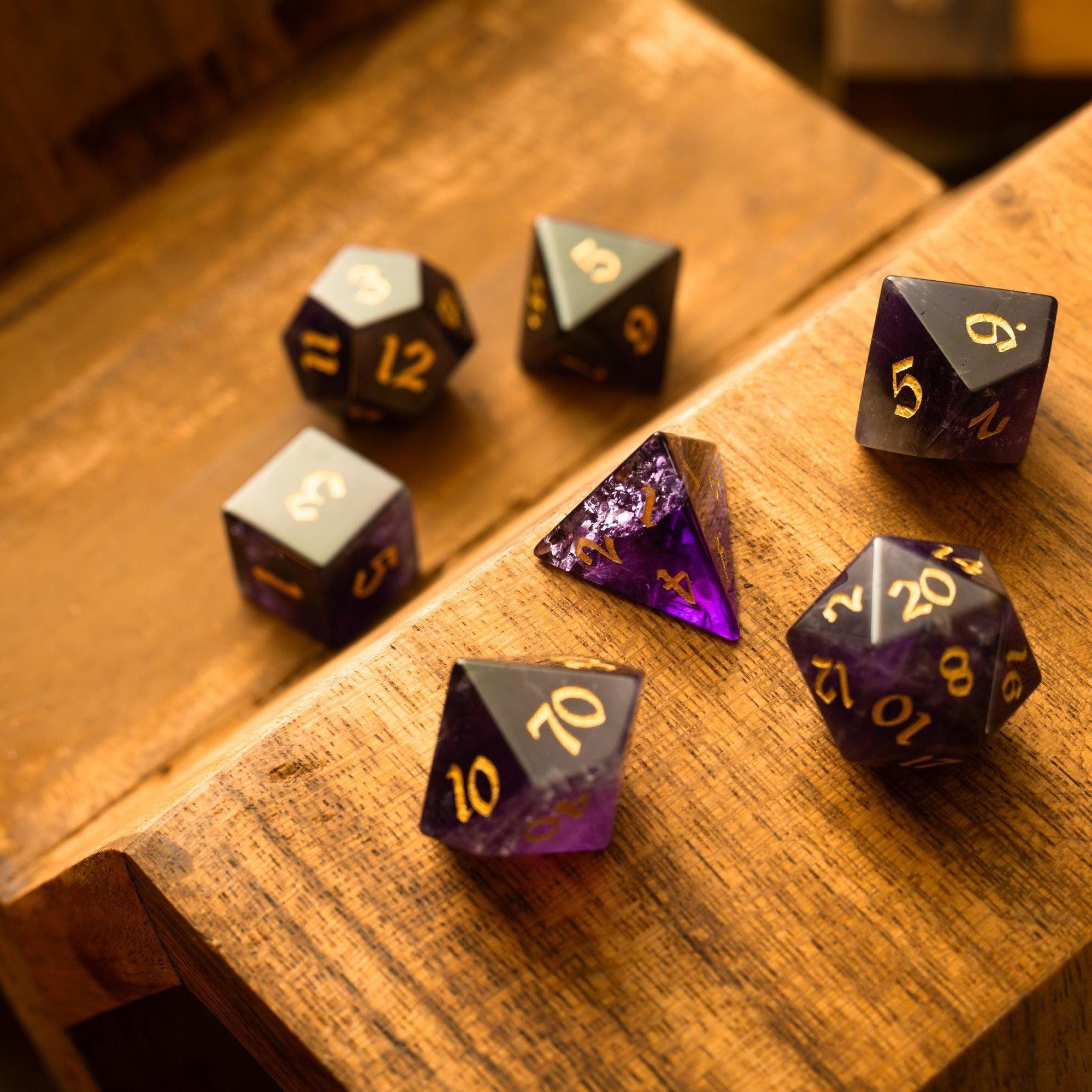
Tabletop gaming provides wonderful opportunities to observe mechanics in action. Consider dice-based games, where the randomness of rolling becomes integral to both gameplay and theme. For instance, when you use carefully crafted gemstone dice, the physical act of rolling becomes part of the sensory experience, adding weight to decisions.
Different game categories showcase different mechanical priorities. Cooperative games emphasize communication and collective strategy. Competitive games often include balancing mechanics to maintain tension. Resource management games focus on meaningful scarcity decisions. By studying examples from various gaming collections, you'll develop a richer vocabulary for discussing design.
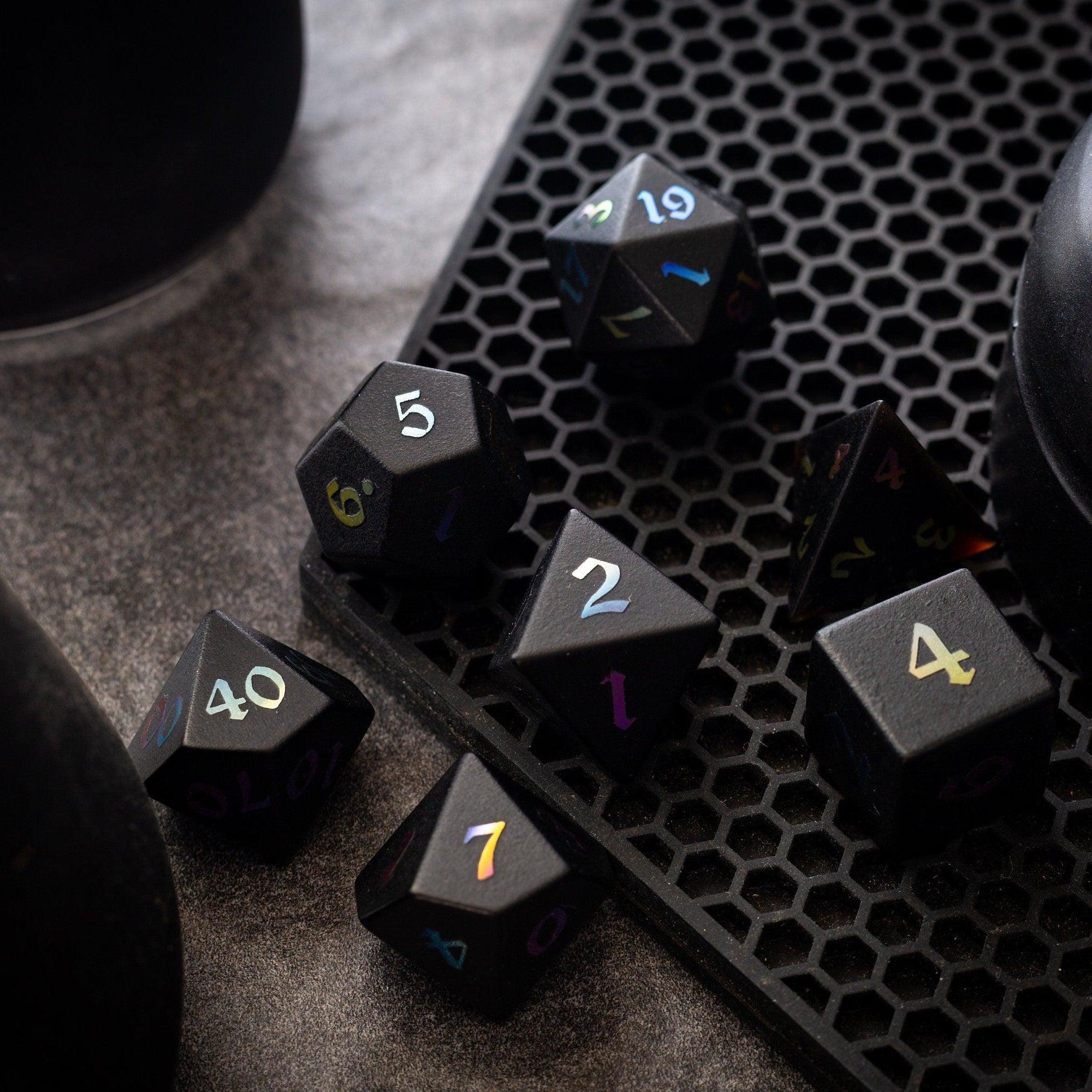
Premium gaming components, like specialty polyhedral dice sets, enhance the tactile experience of playing, which contributes to overall enjoyment even though the mechanical systems remain unchanged. This demonstrates that presentation and mechanics work together to create the full player experience.
Wrap-Up
Learning to analyze the systems, rules, and interactive elements that constitute any game deepens your appreciation for this creative medium. Whether you're evaluating a new acquisition from specialty gaming collections or revisiting a beloved favorite, these analytical skills enhance your understanding and enjoyment. You'll recognize the intentional choices designers made, understand why certain mechanics create specific feelings, and develop better intuition about what makes experiences memorable and engaging.
The next time you sit down to play, consider which of these elements stand out. Notice how rules create meaningful choices. Observe how random elements interact with strategy. Appreciate how the designer balanced complexity with accessibility. This mindful engagement transforms gaming from simple entertainment into an enriching exploration of creativity and design thinking. Whether you're a seasoned enthusiast or just beginning your journey, this perspective will deepen your relationship with the games you love.
Frequently Asked Questions
Why should I bother analyzing games instead of just playing them?
While playing casually remains enjoyable, analysis helps you understand why certain moments feel satisfying or frustrating. This knowledge improves your gameplay decisions, deepens your appreciation for the designer's work, and helps you have better conversations about games with others. Think of it as the difference between enjoying music and understanding music—both are valid, but understanding adds richness to the experience.
Does understanding mechanics spoil the fun?
Not necessarily. While excessive analysis during casual play might diminish spontaneity, most players find that appreciation grows with understanding. Many enthusiasts enjoy discussing mechanics after playing rather than during. Additionally, understanding systems helps you optimize strategies and engage more deeply with competitive or complex games, which often enhances enjoyment rather than reducing it.
How do I get better at analyzing games?
Start by choosing one game and documenting its rules clearly. Play it multiple times, paying attention to how different decisions lead to different outcomes. Watch how experienced players approach the game. Read designer notes if available. Join gaming communities where people discuss mechanics. The more you practice, the more natural this skill becomes, and you'll develop a deeper intuition about design principles that apply across many different games.
Can analyzing games help me design my own?
Absolutely. Understanding how existing games work provides the foundation for creating new ones. By recognizing what makes certain mechanics engaging, how balance works, and how to integrate theme with systems, you gain valuable insights for your own creative projects. Many successful designers learned by studying games they loved, identifying what worked, and building upon those principles.






Leave a comment
This site is protected by hCaptcha and the hCaptcha Privacy Policy and Terms of Service apply.