
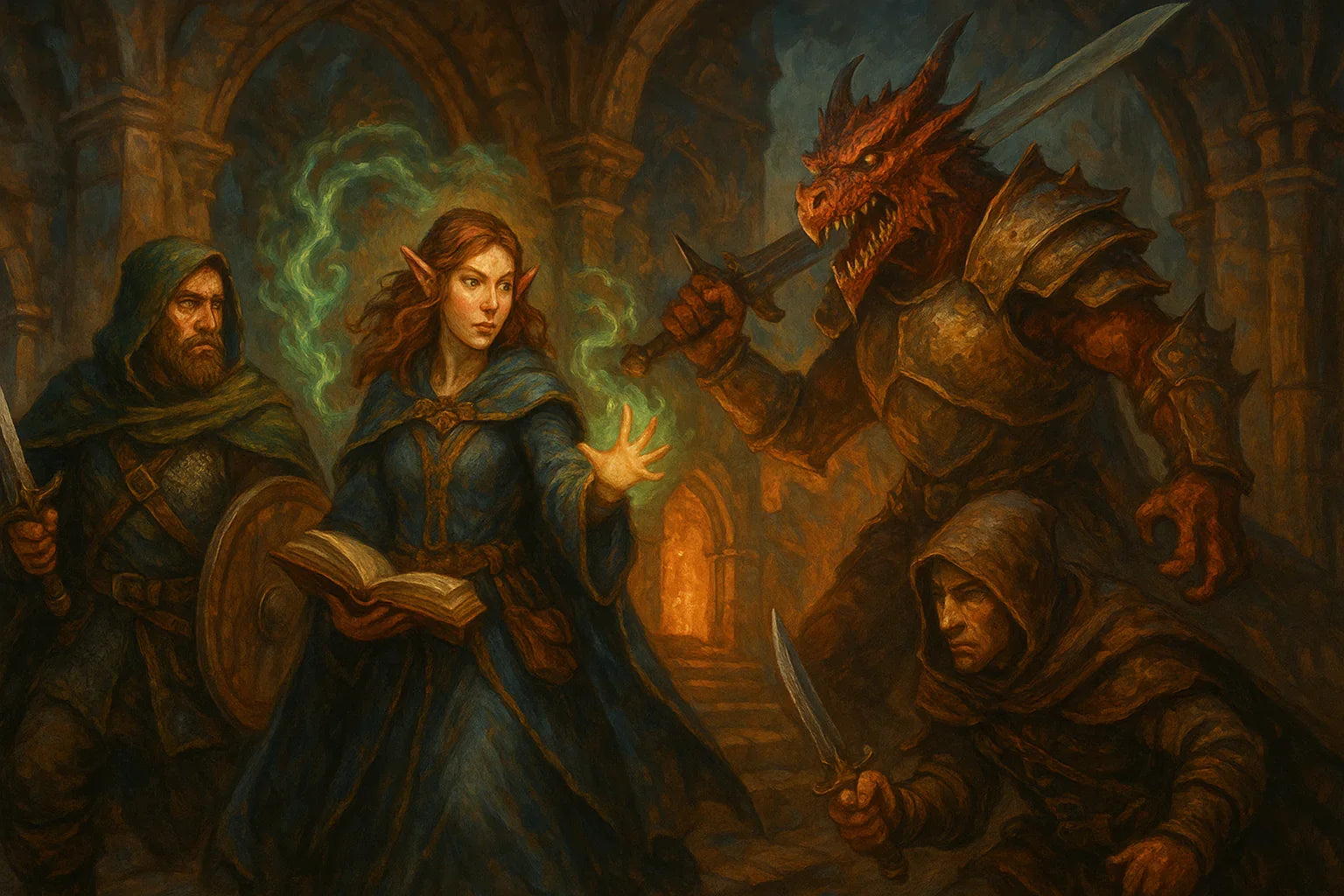
Fantasy Board Game Expansions That Elevate Realms and Tales
Updated on: 2025-12-05
Looking to deepen your tabletop nights without overwhelming your group? This guide breaks down how to choose, compare, and organize board game add-ons set in magical worlds. You’ll learn how to spot value, avoid bloat, and match new content to your table’s playstyle. We’ll also highlight accessories that make setup smoother and immersion stronger, so your next adventure flows from the very first turn. Along the way, you’ll see how to evaluate board game expansions for fantasy settings with confidence.
- Common Challenges
- Comparison Section
- Summary & Recommendations
- Q&A: How do I choose the right expansion?
- Q&A: Should I finish the base game first?
- Q&A: What extra components help most?

If your group loves epic quests, dragons, and leveling up heroes, expansions can turn a good game into your weekly favorite. The trick is choosing add-ons that truly improve the experience instead of adding rules bloat or shelf clutter. In this guide, we’ll look at the most common pain points, compare popular expansion types (campaign modules, factions, solo packs, legacy content, and more), and share simple purchasing tips. You’ll also find practical ways to streamline setup, store everything neatly, and keep your sessions snappy. Whether you’re hunting for more narrative arcs, tougher bosses, or new character classes, you’ll leave with a clear plan to buy smart and play faster—without losing the magic that pulled you into your favorite world in the first place.
Common Challenges
Expansions can be thrilling, but a few hurdles pop up for most players. Here’s what to watch for—and easy fixes that keep game night fun.
-
Rules overload.
New modules often add keywords, edge cases, and timing windows that slow turns. Solution: introduce one module at a time. Play two short “learning” sessions before mixing in anything else. Print or write a one-page rules cheat sheet and put it on the table for quick reference. If your group likes tactile reminders, color-code modules with sleeves or dividers so everyone knows what’s in play.
-
Setup sprawl.
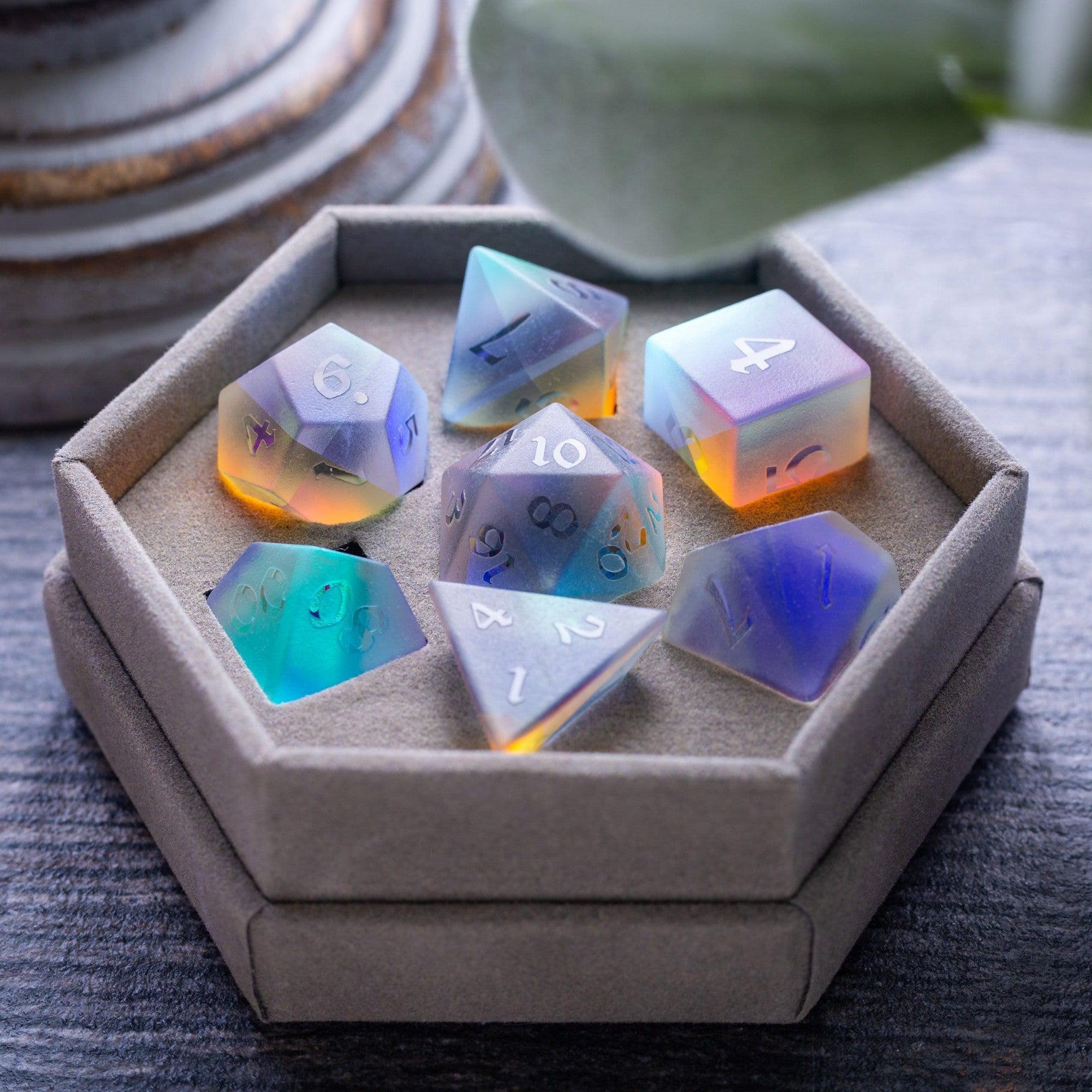
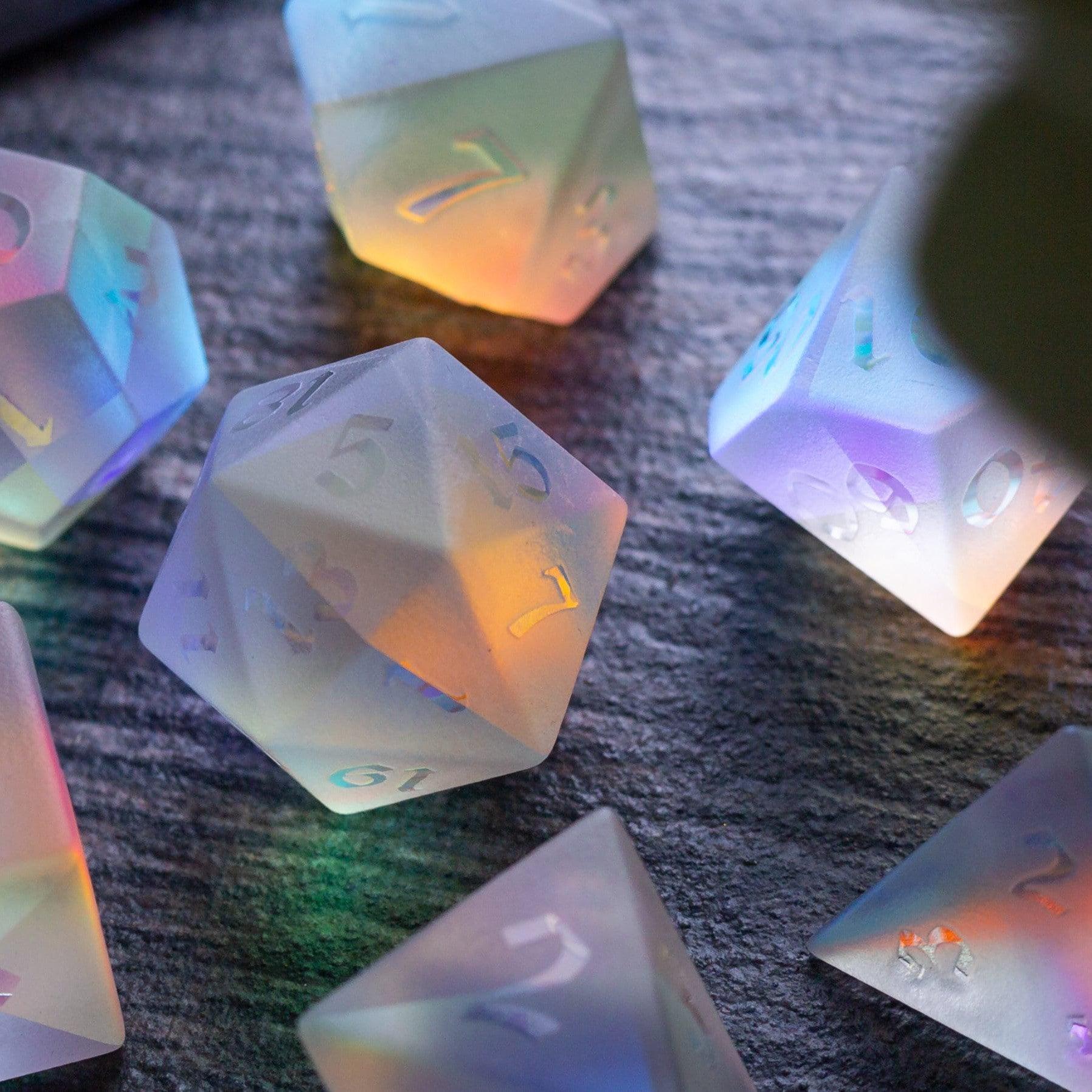
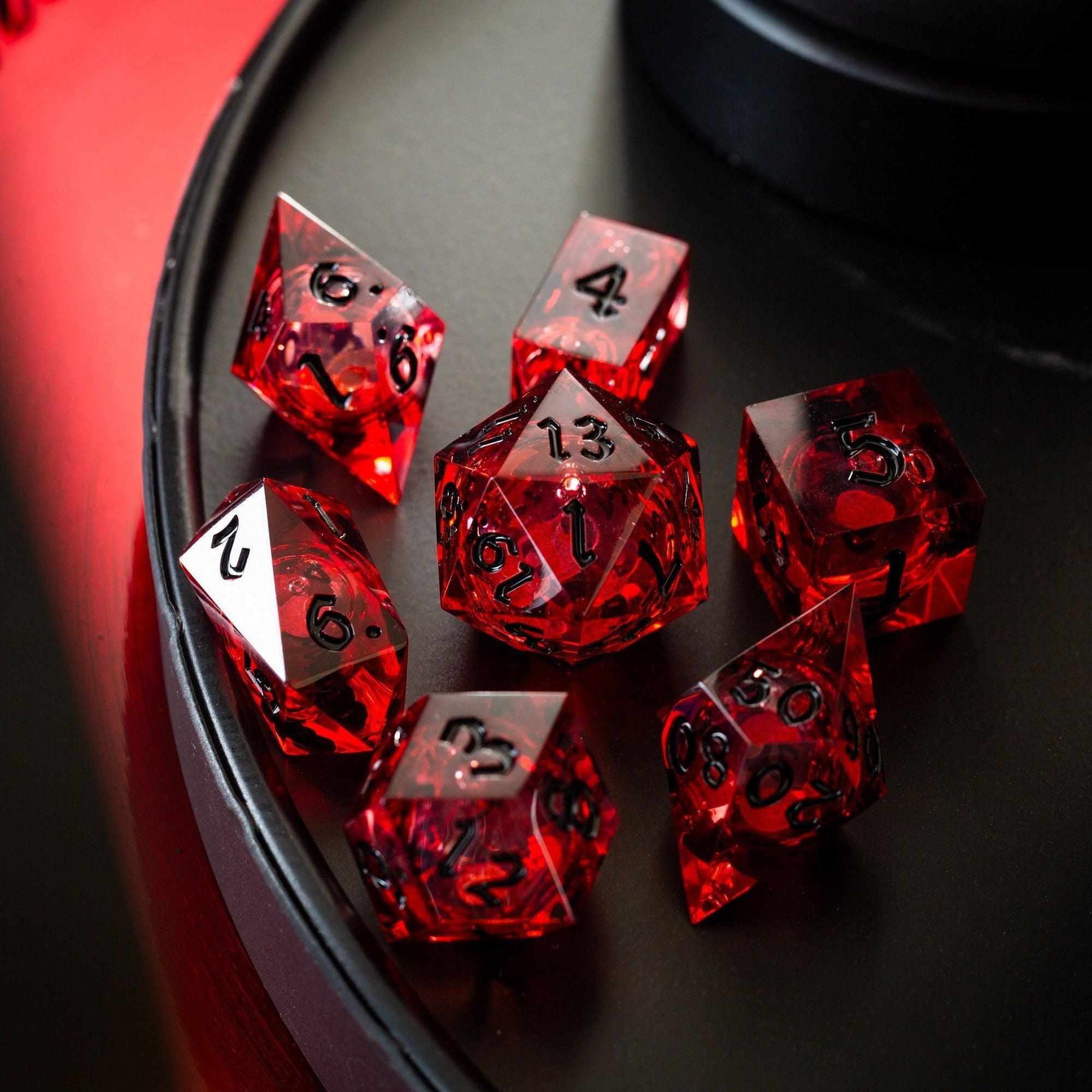
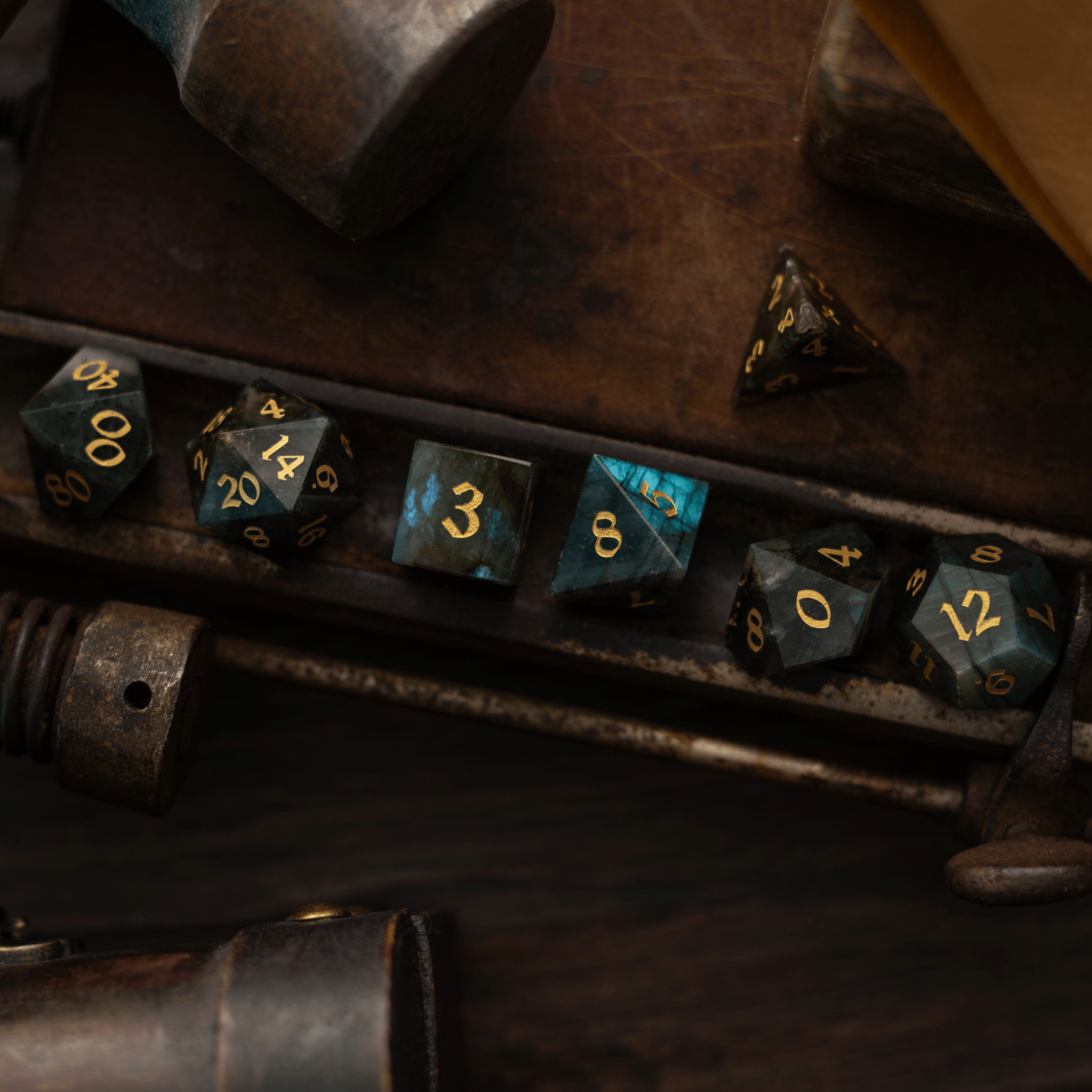
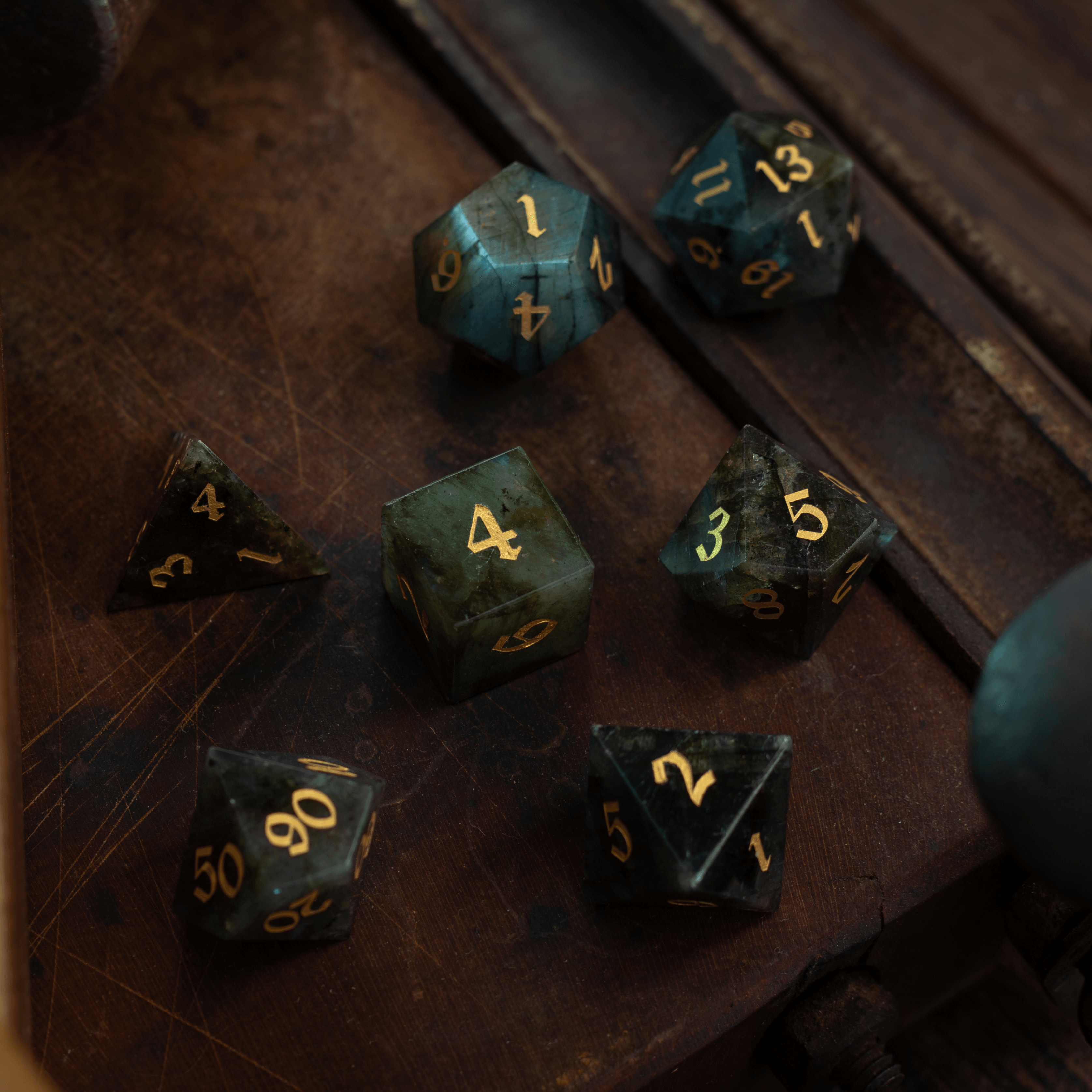
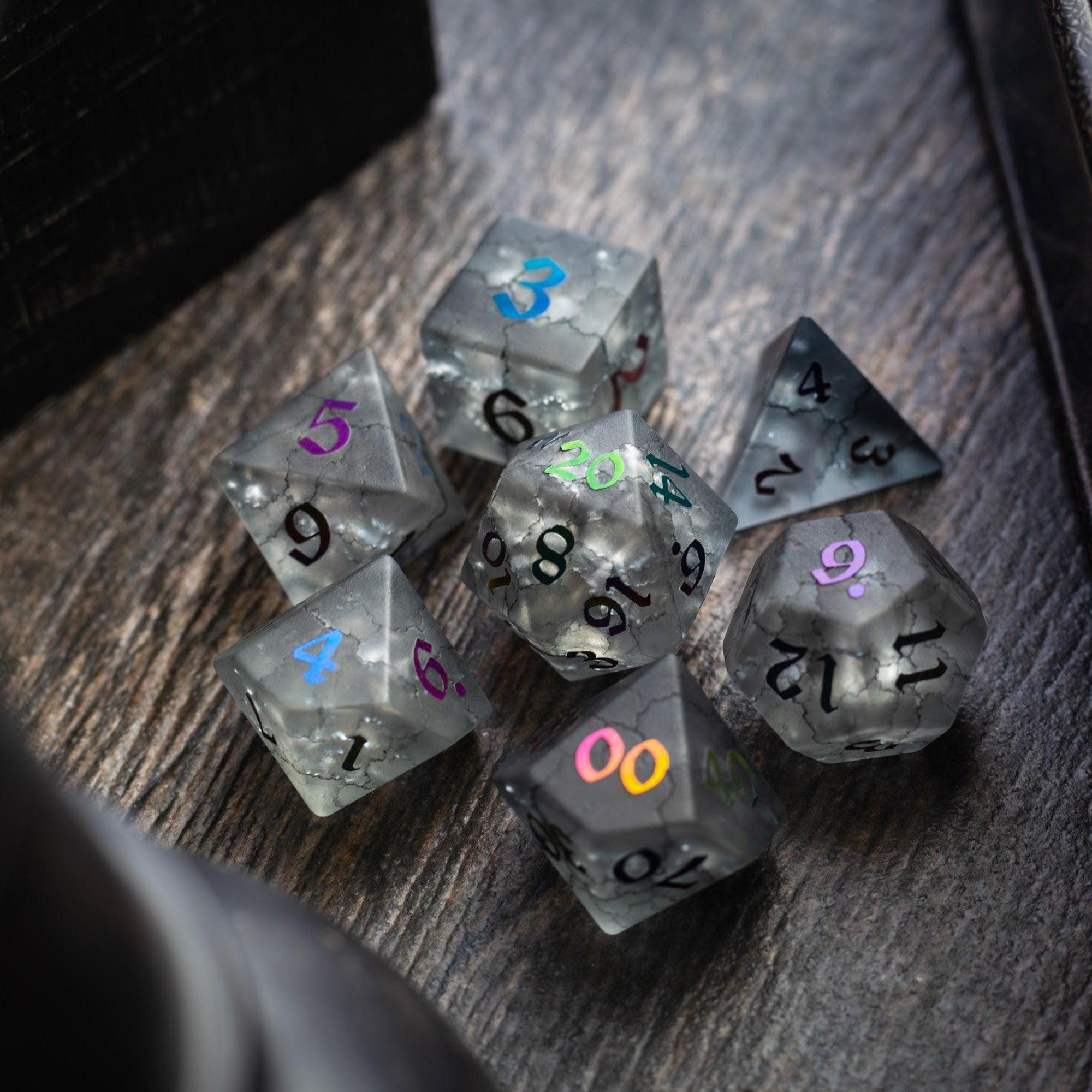
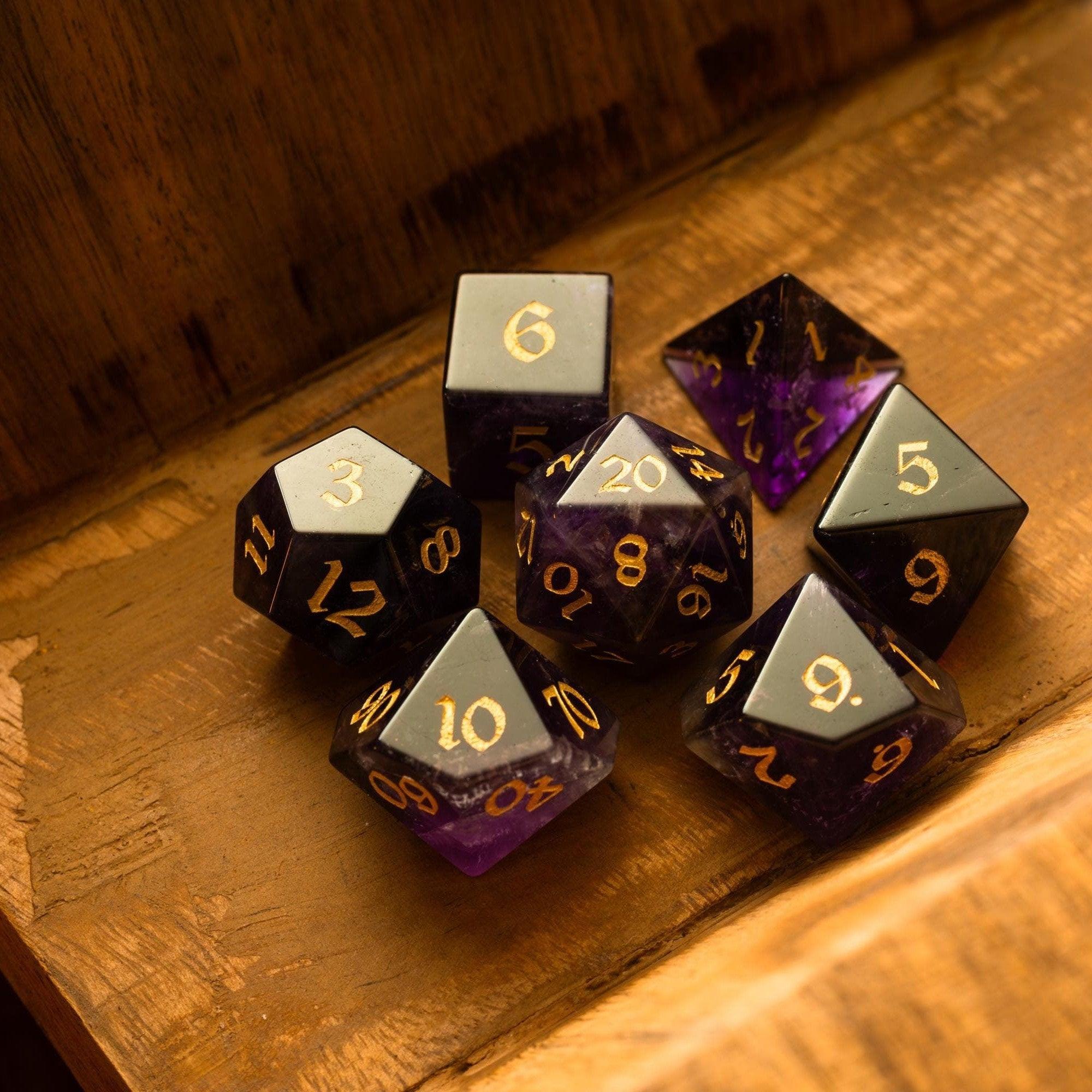
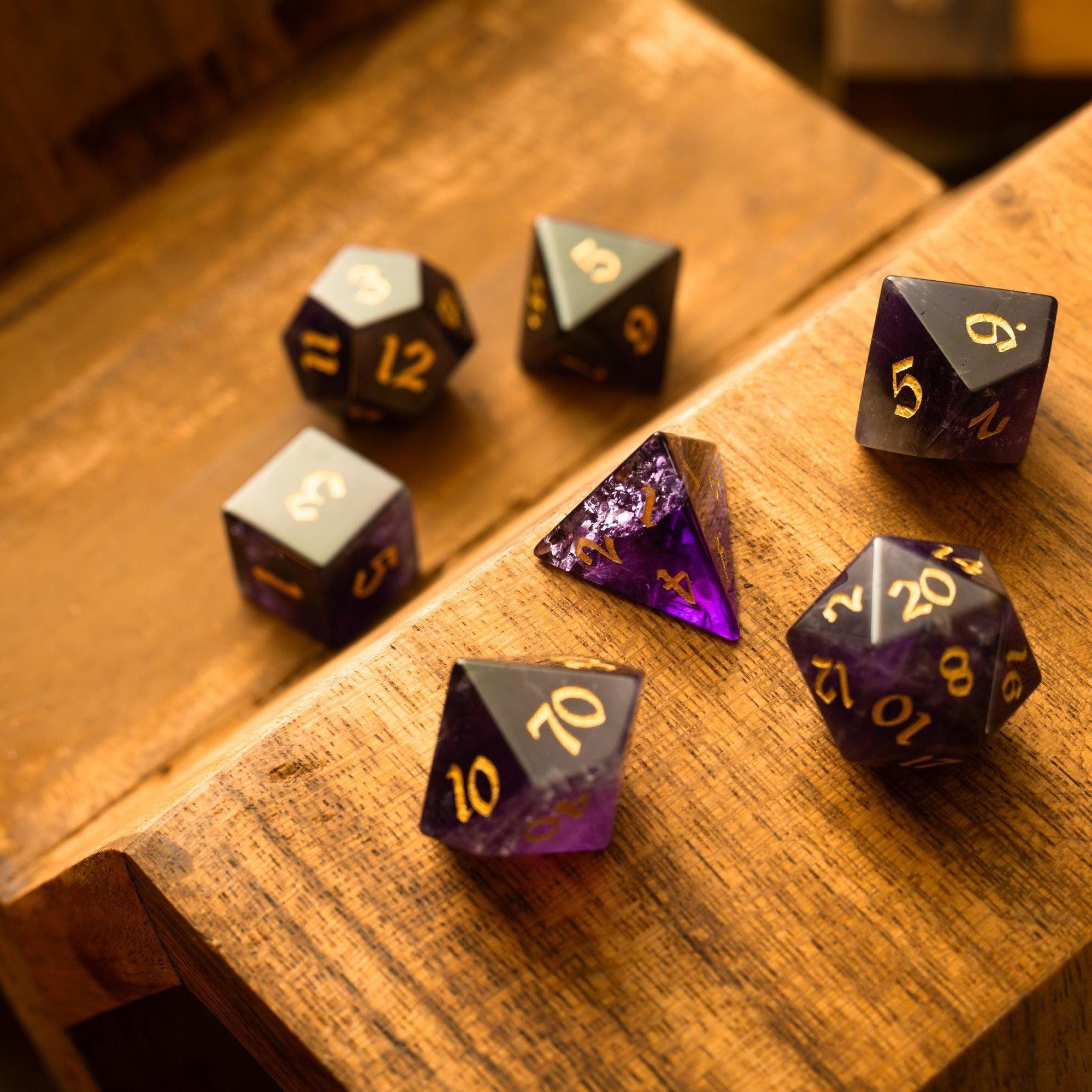
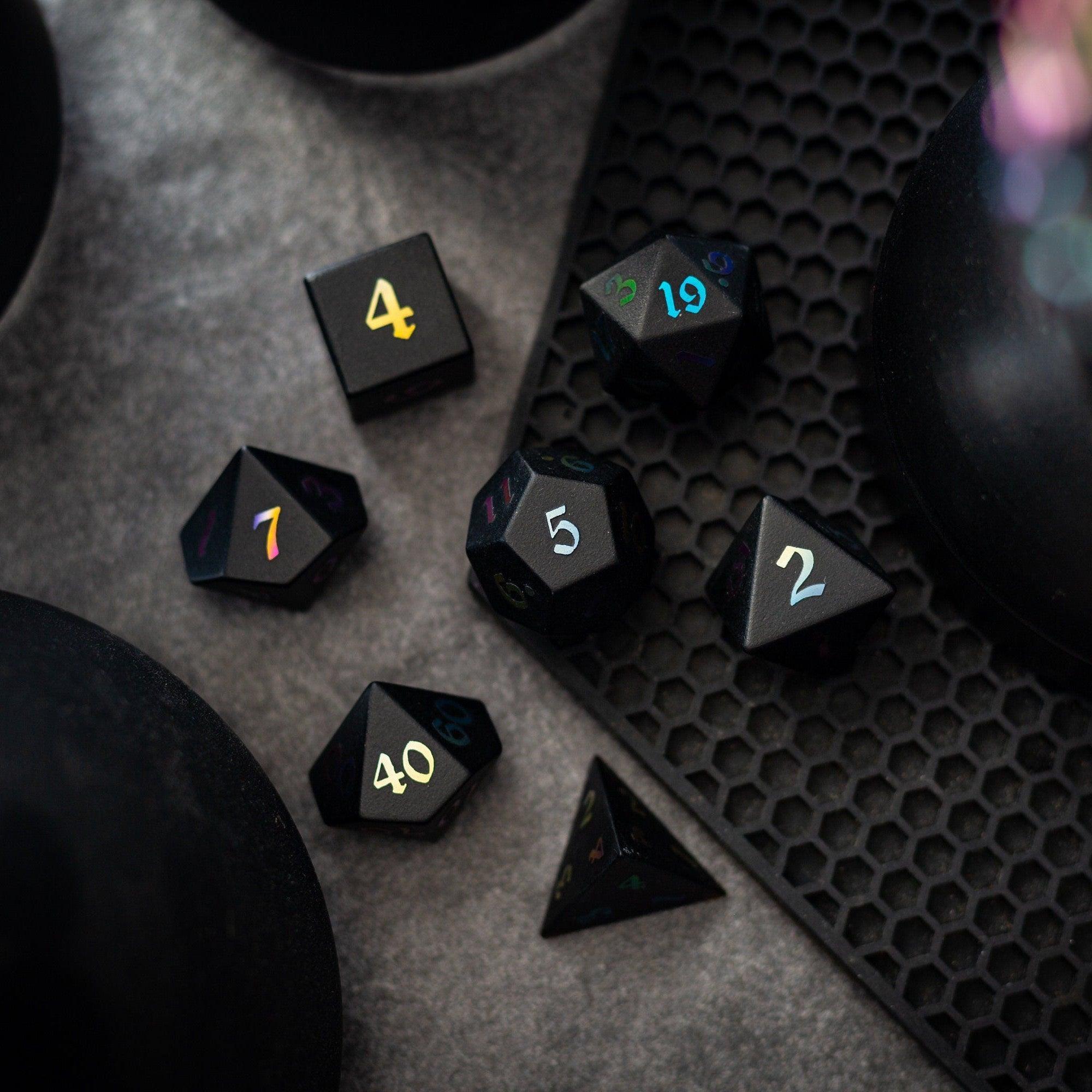
Extra decks, tokens, and tiles can balloon setup to 30 minutes. Solution: pre-bundle content in labeled bags or small boxes, and store scenario-specific decks together. Use distinct dice for expansion-only effects to keep icon reading quick—gemstone or liquid-core sets stand out at a glance. For example, a vivid set from the gemstone dice collection can mark special enemy rolls so no one grabs the wrong d20 by accident.
-
Balance swings.
New factions or character classes sometimes overshadow the base game’s options. Solution: look for official balance notes from the publisher, start with the “recommended” builds in the rulebook, and use house rules sparingly. Many games offer a “training” setup for new modules—use it for two plays, then evaluate.
-
Analysis paralysis.
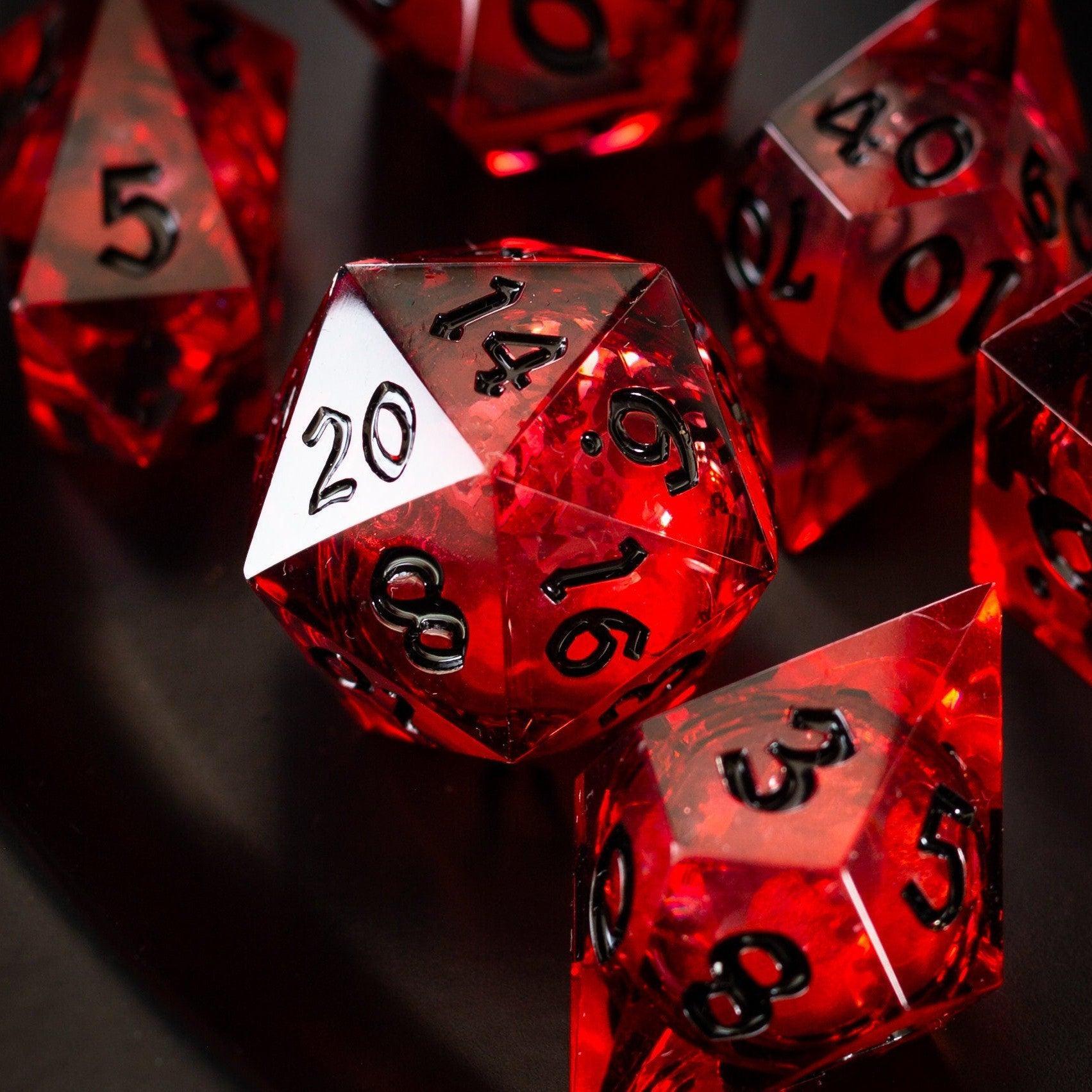
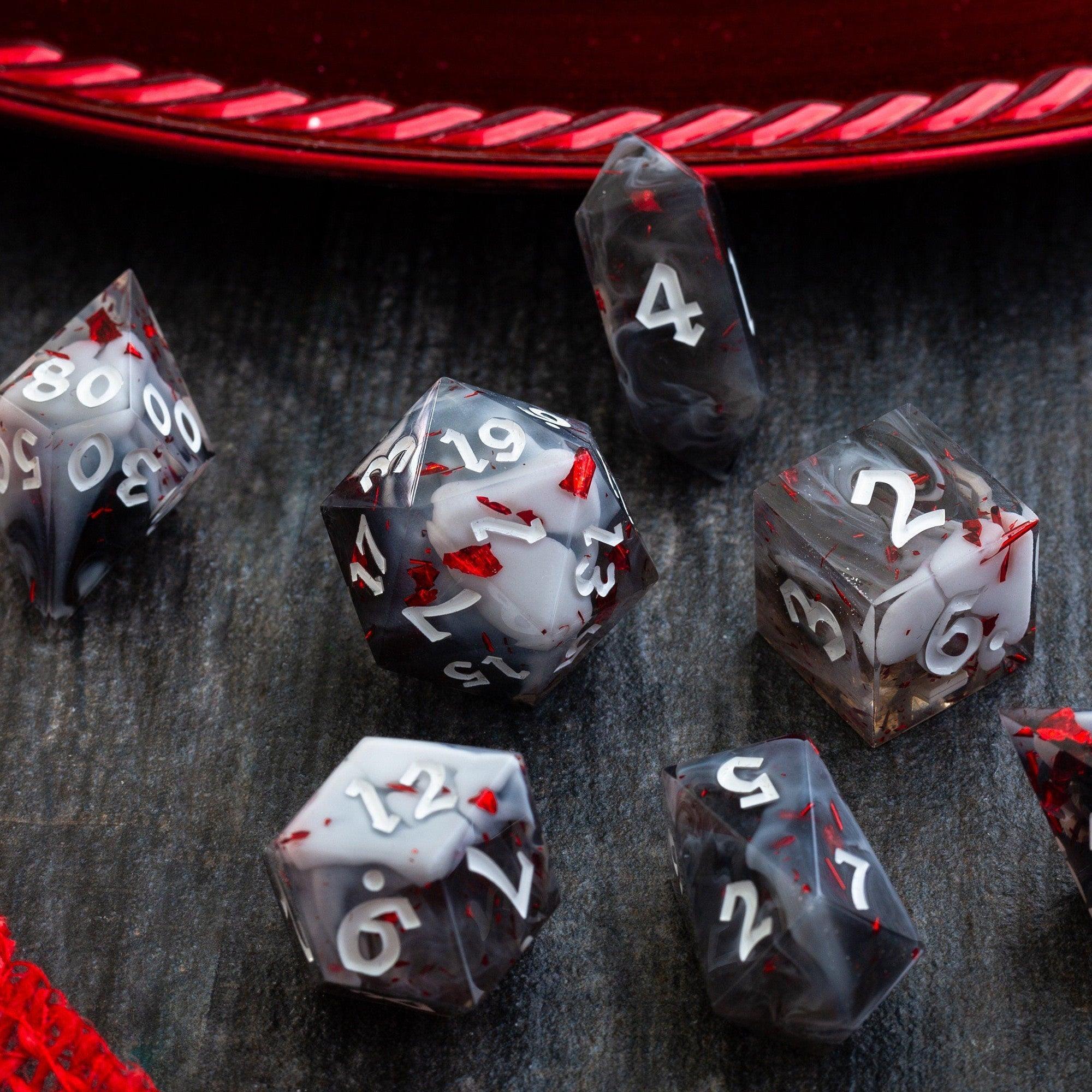
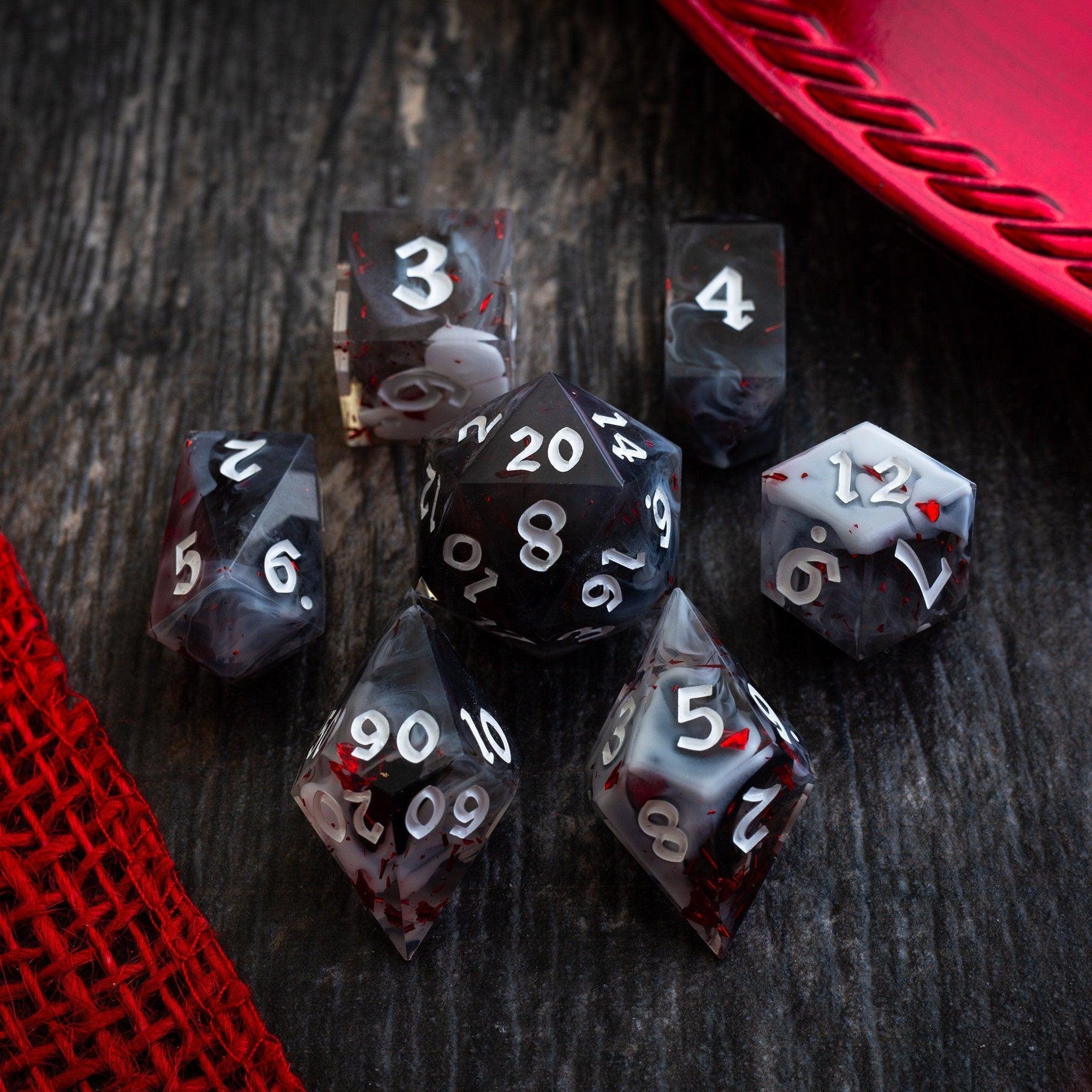
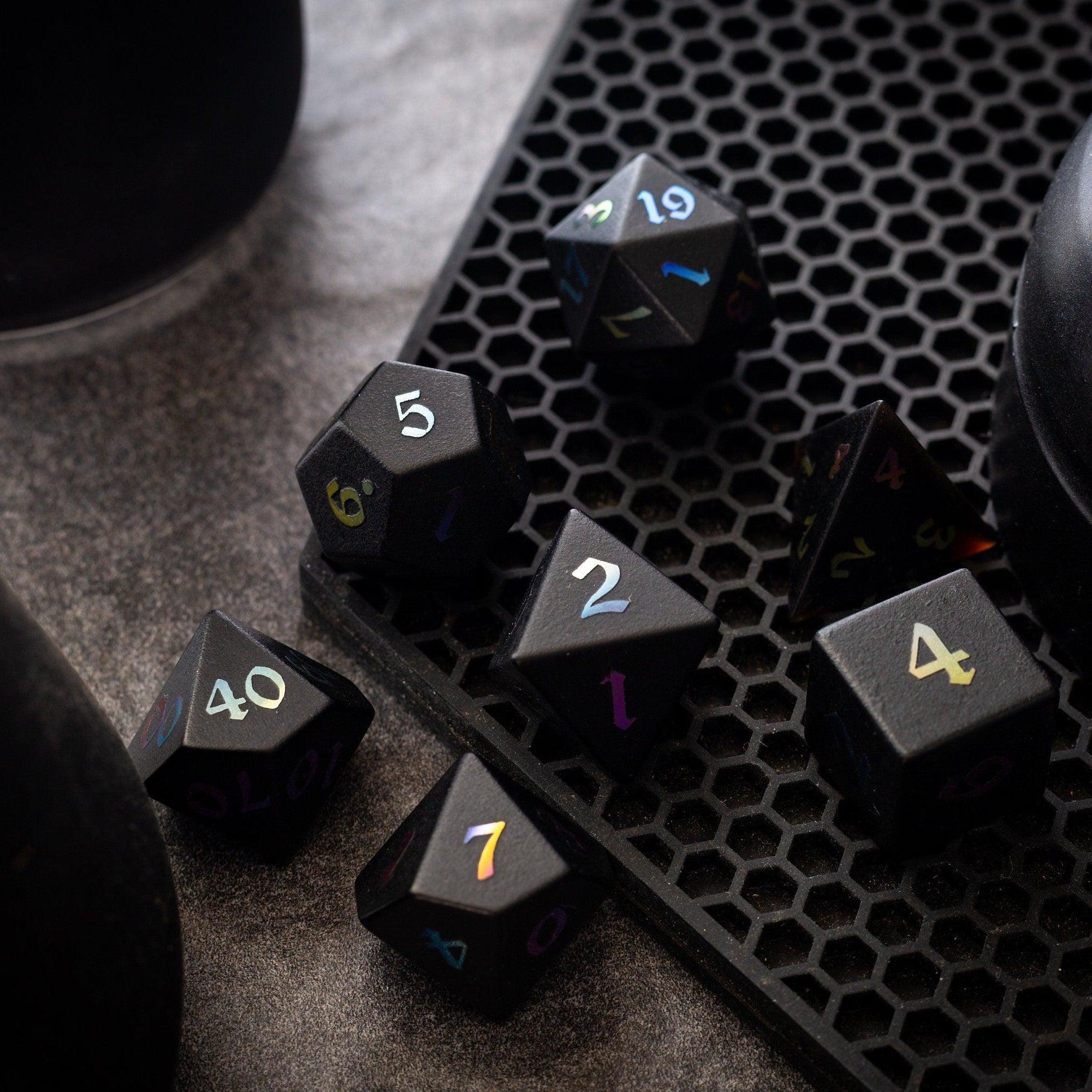
More actions mean more time per turn. Solution: add a gentle turn timer (sand timers work great) and agree that table talk should focus on the active player. If an expansion adds a new resource, keep that resource’s tracker and dice distinct. High-contrast sets like those in the liquid core dice lineup can make counting and damage tracking faster.
-
Storage and table footprint.
Even a brilliant expansion can be a pain to store. Solution: keep a “core + favorites” box and an “occasional” box. Rotate seasonally. If you’re short on space, vertical storage works well—use labeled dividers and keep dice ready in a tray. A simple tower, like options in dice towers, also corrals rolling so cards don’t get nudged.
Bottom line: add new content deliberately. Teach fast, color-code components, and rotate modules so your game stays fresh and approachable.
Comparison Section: board game expansions for fantasy settings
There’s no single “best” add-on. It depends on what your table values most: story, variety, difficulty, or player count. Here’s a quick, friendly breakdown to help you decide.
Campaign modules
- Pros: Rich story arcs, meaningful character growth, memorable boss battles.
- Cons: Longer commitment; you’ll want consistent attendance. Often adds multiple decks and scenario books.
- Best for: Groups who love continuity and leveling heroes over several sessions.
Faction/character packs
- Pros: Instant variety; great replay. Easy to teach if they reuse core rules.
- Cons: Can tilt balance at first; may require errata or recommended builds.
- Best for: Tables that enjoy experimentation and asymmetric powers.
 Solo/coop refinements
- Pros: Tight AI, clearer objectives, streamlined turn structure for one or two players.
- Cons: Less social table talk; can feel puzzle-like.
- Best for: Players who want satisfying sessions between group nights.
Legacy or evolving content
- Pros: High stakes, thrilling surprises, evolving maps and abilities.
- Cons: Permanent changes aren’t for everyone; requires multiple plays to shine.
- Best for: Groups who like discovery and don’t mind marking components.
Micro-additions (cards, tiles, scenarios)
- Pros: Low cost, quick to add, minimal rules overhead.
- Cons: Less transformative on their own; can feel incremental.
- Best for: Spicing up a familiar game without a full overhaul.
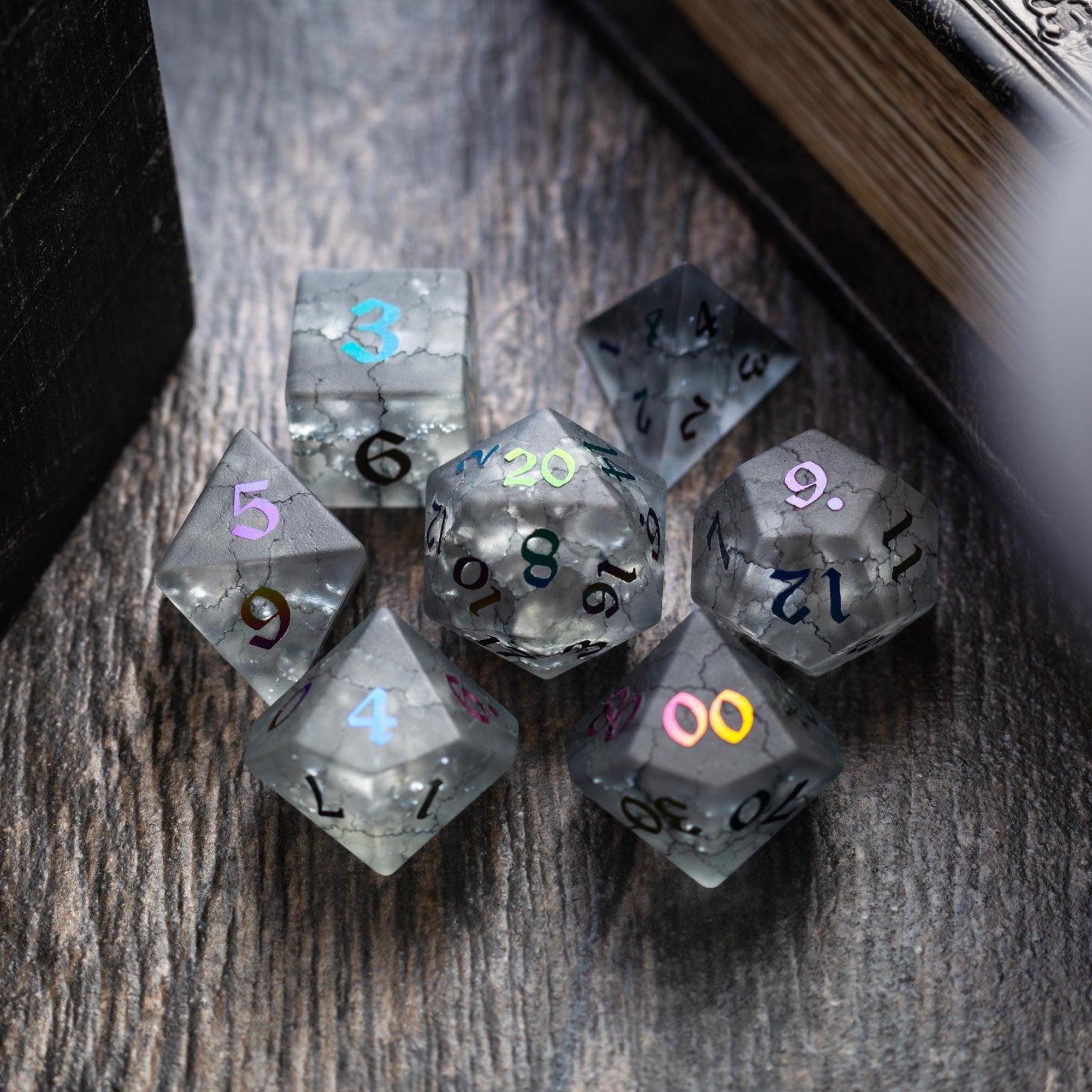
Want to boost immersion while you upgrade? Distinctive dice make a surprising difference in pacing and theme. A bold, readable set like the dwarf-cut green glass set keeps combat math visible and ties perfectly into “forest druid” or “emerald citadel” vibes. If your campaign has arcane storms or elemental effects, the shimmer and motion in liquid cores make status rolls visually obvious. Those little touches add clarity—and drama—without changing any rules.
How to pick your path:
- If your group loves narrative: prioritize campaign modules first, then add micro-scenarios for variety.
- If your group loves mechanics: try faction packs, then solo/coop refinements for tighter AI challenges.
- If your group loves high-stakes surprises: go legacy—but set expectations about permanence up front.
- If life is busy: micro-additions keep sessions snappy and fresh with minimal prep.
Summary & Recommendations
When you’re selecting board game expansions for fantasy settings, start with the outcome you want: deeper story, broader variety, or sharper challenge. Then, add one module at a time and measure fun versus friction over two plays. If setup creeps upward, remove one piece of overhead—skip an optional deck, use a cheat sheet, or pre-bag scenarios. Keep your favorites in rotation and shelve the rest for special nights.
For practical upgrades that speed play and look great on the table, consider distinct dice for special effects or character classes. Browse the shimmering options in liquid core and the premium feel of the gemstone collection to match your world’s aesthetic. If your table gets crowded, a tidy dice tower keeps rolls precise and protects your cards. Prefer a striking hero set? The dwarf-cut green glass set delivers clarity and presence without sacrificing readability.
Most importantly, check in with your group. Ask what they loved, what slowed them down, and what they want more of next time. Your best expansion is the one that gets everyone leaning in, laughing, and asking, “Can we run it back?”
How do I choose the right expansion without overwhelming my group?
Decide on a single goal—more story, more variety, or more challenge—and pick an add-on designed for that goal. Teach only that module, run two short learning sessions, and use a one-page aid at the table. If the fun goes up and the time-to-turn stays steady, keep it. If not, swap it out for a lighter micro-addition and try again.
Should I finish the base game before buying add-ons?
Not always. If your group already loves the core loop but wants new characters or a solo mode, a focused pack can extend the game’s life right now. If you haven’t found the fun yet, hold off. Play the base game two or three times, note what’s missing, and let that guide your next pick.
What extra components provide the biggest quality-of-life boost?
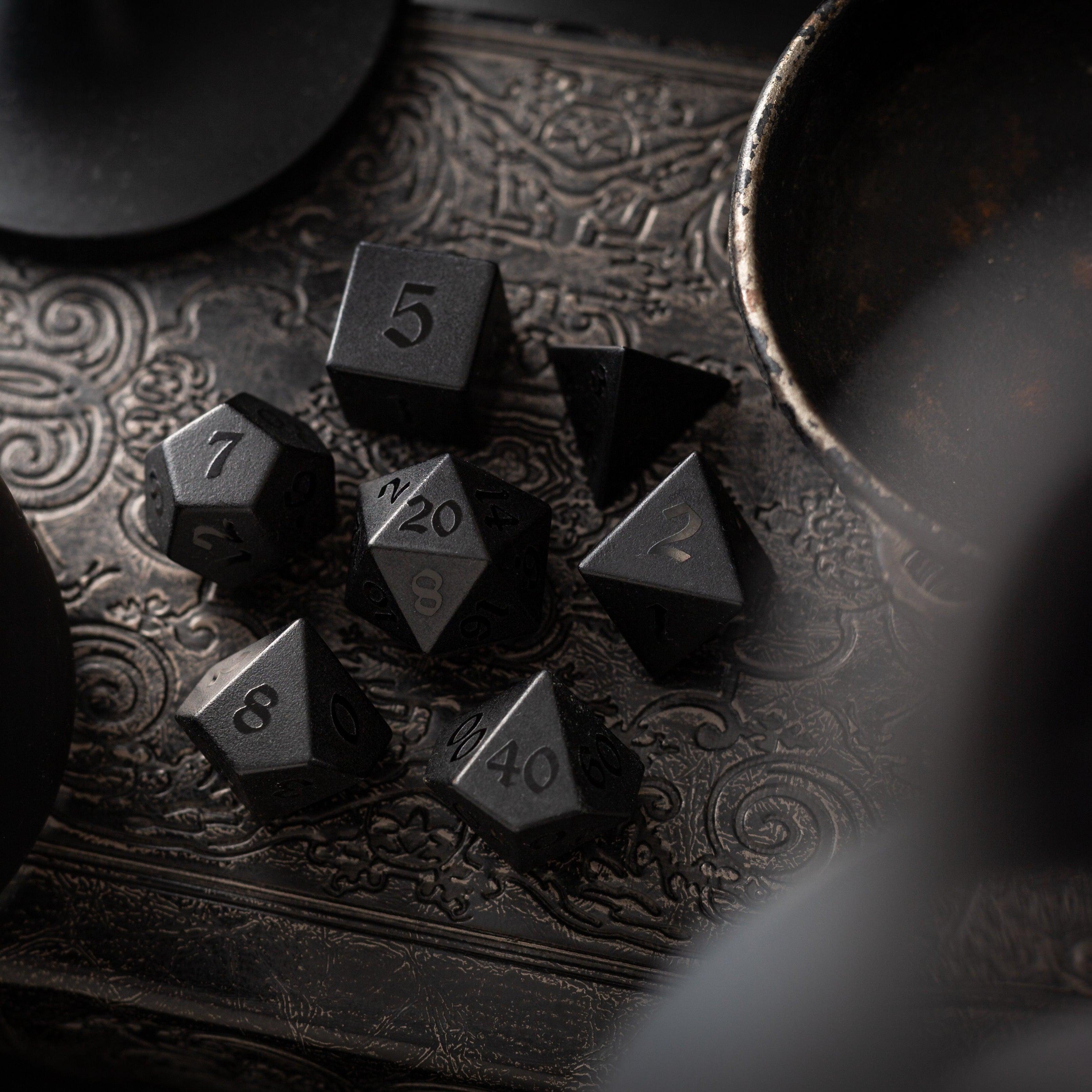
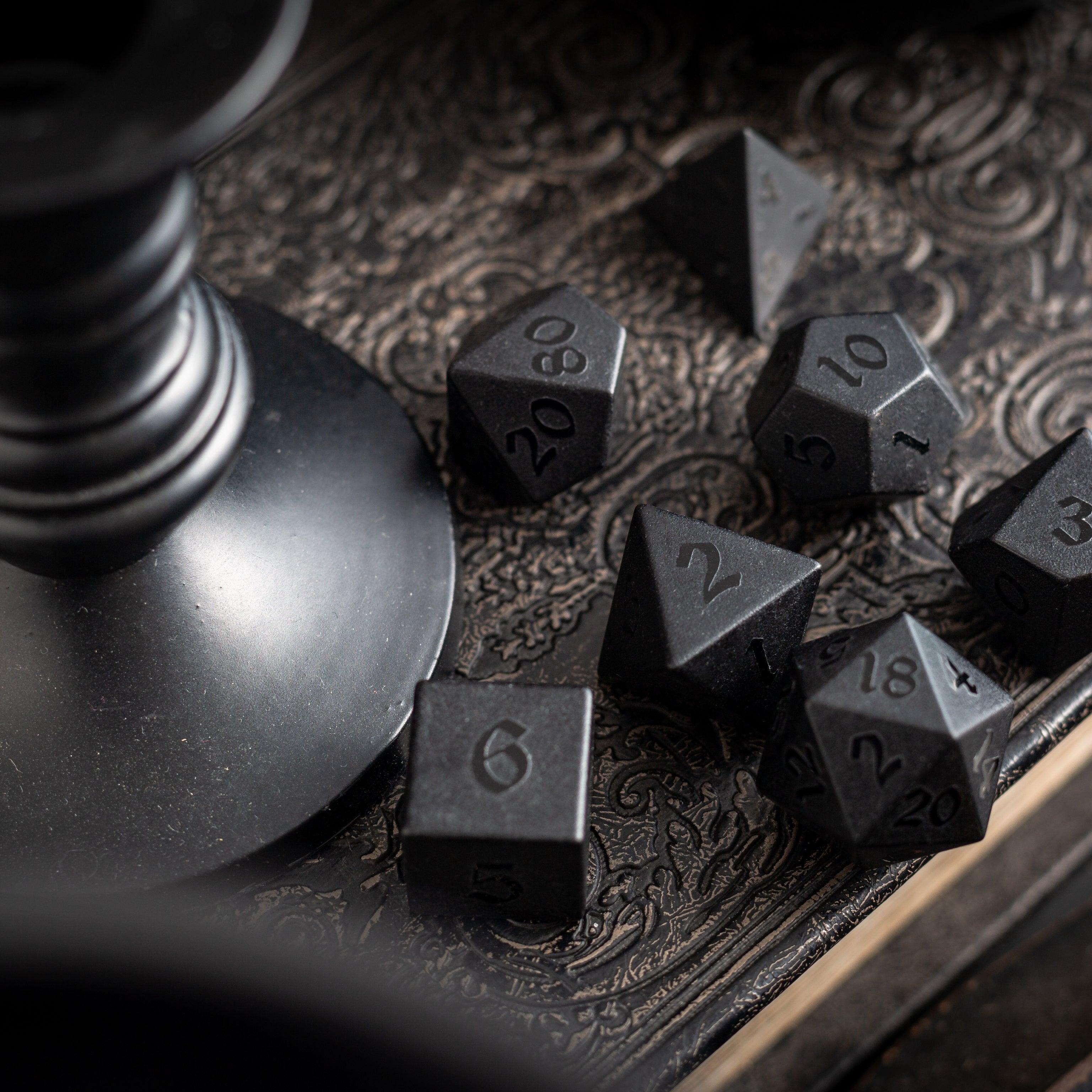
Readable, distinctive dice and tidy rolling solutions. High-contrast sets help track damage and effects fast, while a compact tower saves space and prevents card shifts. If you want a premium feel that also improves visibility, gemstone or liquid-core sets do both—form meeting function for smoother turns.


Leave a comment
This site is protected by hCaptcha and the hCaptcha Privacy Policy and Terms of Service apply.